Explainer

How to Strengthen Monitoring, Evaluation, and Learning Systems for Adaptation

Lessons from nine countries

Monitoring, evaluation, and learning (MEL) systems are about ensuring we implement climate change adaptation more effectively and more efficiently. So, what can we learn from different countries currently tackling the challenges of developing and delivering MEL systems for adaptation? Lucy Njuguna and Emilie Beauchamp dive into the findings and recommendations from a new report.

July 31, 2024

In the face of escalating climate change impacts, the need for robust monitoring, evaluation, and learning (MEL) systems for adaptation has become more crucial than ever. MEL systems encompass a range of activities, processes, and tools that help countries track, assess, and improve their adaptation actions, ensuring they are effective and responsive to evolving climate challenges. These systems provide a structured approach to gathering data, assessing the success of adaptation measures, and integrating these findings into policy and practice.

Understanding whether adaptation efforts are effectively reducing vulnerability, enhancing resilience, and boosting adaptive capacities is vital for informed planning and decision making. MEL also involves assessing how these actions work and for whom, ensuring that adaptation efforts meet their intended goals.

The need for MEL systems for adaptation is not new, but the uptake over the past decade has been slow. With the establishment of the Global Goal on Adaptation (GGA) in 2015 and the recent UAE Framework for Global Climate Resilience (UAE FGCR) at the United Nations Climate Change Conference (COP 28) in 2023, there is a heightened emphasis on developing strong national MEL systems to support the assessment of collective progress on adaptation. For example, the UAE FGCR has set a clear target for the development and implementation of MEL systems by 2030. National MEL systems play an essential role in providing the data and evidence needed to track and evaluate progress at the global level.

Ultimately, national MEL systems are about ensuring we do better adaptation, faster, based on evidence—to avoid maladaptation—both nationally and globally.

How are different countries tackling the challenges of developing and implementing MEL systems for adaptation?

The report National Monitoring, Evaluation, and Learning Systems for Climate Change Adaptation: A Comparative Analysis of Nine Countries shows the individual journeys of nine countries, along with a comparison of their different statuses and approaches used, and an analysis of key trends in MEL systems over the past decade to inform countries in their respective efforts on MEL for adaptation. It dives into the journeys and in-depth profiles of how these nine countries across the globe have developed their MEL systems: Canada, France, Kenya, Namibia, Peru, Somalia, Tonga, the United Kingdom, and Vietnam. It is crucial to better understand the current state of national MEL systems so we can build on existing structures and lessons learned, which can inform and strengthen the operationalization of the UAE FGCR.

The study found that all nine countries had partially functional MEL systems for adaptation. In fact, all countries built on existing systems and processes to build their MEL for adaptation. It also shows that there has been significant progress in the status of MEL systems, as described in an equivalent study in 2014. More countries have woven MEL into their national adaptation plan (NAP) processes and are actively using these systems to track and report on their adaptation actions—like Namibia and Somalia. Other countries, like Kenya and the United Kingdom, have established a legal framework to guide the establishment and operationalization of their MEL systems.

The report finds that while monitoring and reporting are prevalent, evaluation and learning are less so. Still, four of the countries reviewed (Tonga, Kenya, France and the United Kingdom) have produced monitoring progress reports or evaluations that have informed a subsequent cycle of policies and plans.

One challenge that remains is the consideration of gender equality and social inclusion (GESI). While most countries reviewed actively recognize the importance of GESI in adaptation planning and MEL, only Kenya and Vietnam have GESI-specific indicators within their MEL systems. There is still work to be done to ensure these considerations are effectively integrated and operationalized.

The report also outlines six key recommendations for countries to consider in order to strengthen their national MEL systems for adaptation. These recommendations are relevant for a diverse range of actors, including state and non-state actors supporting MEL systems for adaptation within countries and stakeholders engaging in discussions on the UAE FGCR.

First, countries should design MEL systems that serve various purposes, including tracking NAP implementation and international reporting. Systems should integrate different data collection methods and policy processes and focus on national progress reporting rather than solely meeting international obligations. This will ensure that MEL systems comprehensively assess adaptation outcomes and impacts.

Second, MEL systems should build on existing structures. Countries should start by assessing existing processes and structures, identifying capacity needs for adaptation tracking, and aligning MEL systems with other sectors, like agriculture, water, and health, and with international reporting obligations. This approach harnesses existing resources and avoids additional reporting burdens, ensuring alignment between national, sub-national, and sectoral scales.

Third, effective MEL systems require more than just indicators. Countries can support data collection and learning with institutional structures, resources, and mixed methods, including qualitative evaluations. Evaluations identify gaps and facilitate stakeholder engagement, capturing diverse perspectives and providing insights that quantitative indicators alone cannot.

GESI considerations should also be integrated into MEL systems. This will enable countries to capture nuanced social dimensions and qualitative data to effectively address vulnerable groups’ needs. Engaging specific ministries, agencies, and non-governmental organizations working on GESI issues in developing MEL systems will ensure comprehensive and inclusive adaptation strategies.

Another recommendation from the report is for countries to prioritize learning as part of their MEL and ensure that MEL systems lead to adjustments in adaptation efforts by using insights from evaluations and progress reports to inform future planning and decision making. Countries like Kenya, France, and the United Kingdom demonstrate how learning from MEL systems can guide subsequent adaptation cycles, enhancing the effectiveness of climate responses.

Finally, countries should leverage global processes. Using frameworks like the UAE FGCR to strengthen national and sub-national MEL systems will ensure coherence between local priorities and global commitments, helping countries set or review targets. Aligned national and global MEL systems drive more ambitious and effective actions by producing information that integrates global assessment insights into national adaptation processes.

Robust MEL systems are crucial for effective climate adaptation. They provide the data and insights needed to assess the impacts of adaptation strategies, identify best practices, and ensure accountability. As the impacts of climate change continue to escalate, the importance of these systems will only grow. By leveraging existing national MEL systems and fostering global collaboration, we can build a more resilient future, achieve the goals set by the GGA and UAE FGCR, and ensure that adaptation efforts are effective for the most vulnerable.
Explainer

Seven Key Issues to Watch at The Bonn Climate Conference

Compared to the United Nations Climate Change Conferences (COPs), the Bonn Climate Conference (SB 60) gets barely any time in the public spotlight. However, the discussions here play a critical role in shaping negotiations at COPs and provide a window into what lies ahead. 


May 30, 2024

Last year, tensions ran high, with persistent squabbles and negotiations stalling until the penultimate day of the conference. What’s at stake this year, at the halfway point to COP 29 in Azerbaijan?

Our experts Anne Hammill, Emilie Beauchamp, Jonas Kuehl, Natalie Jones, Claire McConnell and Angie Dazé weigh in on seven key issues:

  • public finance
  • national adaptation plans assessment
  • fossil fuel phase-out
  • gender action plan
  • just transition
  • UAE-Bélem work program
  • food systems

Public Finance 

At COP 21 in 2015, parties agreed to negotiate a “new collective quantified goal” (NCQG) on climate finance to replace the USD 100 billion a year goal pledged at COP 15 in 2009. Negotiations on the NCQG are expected to wrap up at COP 29 in Baku.  

Many issues remain contentious. What should the quantity, or quantum, of the goal be? Will there be thematic sub-goals? Who should be the contributors? What should the time frame be, and what are the processes for revision? What about the transparency arrangements? One key factor is the relationship of the new goal to Article 2.1(c) of the Paris Agreement, which focuses on the long-term objective of making finance flows “consistent with a pathway towards low greenhouse gas emissions and climate-resilient development.” While many developed countries are eager for there to be a link, developing countries are wary of distracting from the Global North’s obligation to take the lead in providing finance.  

A second key issue is where the money comes from. Developing countries have stressed that the goal should be centred on the provision of public finance by developed countries. However, this is unlikely to suffice for the trillions of dollars needed. The EU and some other developed countries have argued that all sources of finance are needed: public and private, international and domestic. Discussing financial instruments is also on the table, with developing countries calling to prioritize grant-based finance for adaptation and loss and damage so climate actions aren’t funded at the expense of further debt. All of this is still up for debate. IISD will be watching the conversations closely. 

National Adaptation Plan Assessment  

The National Adaptation Plan (NAP) process was established under the United Nations Framework Convention on Climate Change (UNFCCC) in 2010. Since then, technical guidelines have been developed, extensive capacity building undertaken, dedicated funding windows opened, and various support initiatives—such as the NAP Global Network—launched. As global temperatures rise, NAPs remain the main vehicle for countries to systematically build resilience, enhance adaptive capacity, and reduce vulnerability to climate change. 

At SB 60, countries will conduct a mini-global stocktake of the NAP process. The assessment will also highlight adaptation efforts and achievements of developing countries over the last decade, as well as key challenges and learnings. Based on this, recommendations on the process to formulate and implement NAPs will be drafted for consideration and adoption by COP29. This is an important mandate to fulfill, given it was postponed at COP 21 and again at COP 24 because not enough NAP documents had been submitted. However, as of May 2024, over 50 multi-sector NAP documents have been completed by developing countries, with even more undertaking the process domestically. Countries have made important progress on adaptation planning, so it is time to understand what’s working and what needs critical attention. 

In a finance-focused year and with a nationally determined contribution (NDC) update on the horizon, the NAP Assessment may seem low stakes. Nevertheless, achieving a robust outcome at COP 29 is critical, as it sends an important signal of progress and support for adaptation in developing countries.

If we’re serious about accelerating efforts to mainstream adaptation and invest in the transition from adaptation planning to implementation, we can’t let the NAP Assessment be relegated to a bargaining chip for other, higher-profile agenda items.

Fossil Fuel Phase-Out 

COP 28 made history by calling on parties to “transition away from fossil fuels.” While the stronger “phase-out” language that many states favoured did not make it into the text, the landmark compromise placed fossil fuels firmly on the negotiating agenda.  

But what comes next for fossil fuel phase-out in the UNFCCC process? The “transition away from fossil fuels” language was included in the global stocktake decision, suggesting that it should inform the next round of NDCs. There are several elements relating to fossil fuel production that parties should include in their NDCs: background information on fossil fuel reserves and production, pathways and targets to phase out production, policies and measures to constrain or disincentivize production, just transition, economic diversification measures, equity, and international support. While countries are not expected to submit their third-generation NDCs as soon as Bonn, conversations will no doubt be happening behind the scenes regarding what they should include.  

Ambition on fossil fuel phase-out within the UNFCCC process will also be discussed. One option is to refocus the conversation to the logical next step: ending new fossil fuel infrastructure, in particular new oil and gas fields and new coal mines (which IISD research has shown no credible Intergovernmental Panel on Climate Change 1.5°C pathway can accommodate). It would be a powerful signal if the COP 29 cover decision were to call on parties to end all licensing for new oil and gas fields and permitting for new coal mines. While these conversations are not expected to emerge officially at Bonn, unofficial discussion can be expected. 

Gender Action Plan 

Addressing gender equality and social inclusion leads to more effective climate action and more sustainable outcomes. It demands a focus on systemic change rather than short-term fixes, which requires new ways of working and better decision making at all levels.    

The Enhanced Lima Work Programme and its Gender Action Plan (GAP) have been the main entry point for advancing gender-responsive climate action within the UNFCCC process, and their second iteration—agreed to at COP 25 in Madrid—will be reviewed this year.  

This is why SB 60 matters. A 3-day workshop will be convened in Bonn to discuss what progress has been made over the last 5 years, as well as where we go from here. During this year’s negotiations, countries need to continue the progress being made under the Lima Work Programme and produce a new, higher-quality GAP with a longer timeframe for implementation, concrete targets and indicators, and more clarity on roles and responsibilities. SB 60 is an opportunity to move these talks forward, agreeing on elements of a decision to be finalized at COP 29.  

A renewed commitment to gender-responsive climate action is pivotal for the success of the Paris Agreement.  Mainstreaming gender equality and social inclusion considerations across all negotiation items will be crucial for establishing linkages between the GAP and other areas of climate action.  

Just Transition 

At COP 27, parties agreed to establish a work program on just transition for discussion of pathways to achieving the goals of the Paris Agreement. One year later, at COP 28, parties defined and adopted the programme’s objectives.  

According to this decision, these pathways should be multi-faceted (energy, socioeconomic, workforce, and other dimensions) but also be specific to country contexts by considering nationally defined development priorities. The decision further recognizes the importance of international cooperation, inclusive and participatory approaches, as well as social dialogue, social protection, and labour rights. 

The work program will be implemented through organizing two round table dialogues per year between now and 2026. The first of these dialogues will be held in Bonn right before the SB 60, focusing on achieving just transition pathways through NDCs, NAPs and long-term low-emission development strategies (LT-LEDS).  

These dialogues will show if the Just Transition Work Programme can define a clear set of global standards for just transition pathways. Although it is important to foster pathways tailored to local realities, creating a coherent framework through international cooperation could accelerate policy development. An early indication of success would be the degree and quality of how just transition will feature in the third round of NDCs as well as new LT-LEDS. Only 44 NDCs—from 70 countries, as the EU has a joint NDC—explicitly referenced just transition by November 2023. Despite slightly better results, there is also much room for improvement for the LT-LEDS. 

UAE-Bélem Work Programme  

At COP 28, parties adopted the UAE Framework for Global Climate Resilience (UAE FGCR), outlining the framework to assess collective progress on the Global Goal on Adaptation.  

As part of the same decision, the 2-year UAE-Bélem work program was launched to develop indicators across the 11 targets of the UAE FGCR. At SB 60, parties are expected to agree on modalities for work under this program toward the adoption of final indicators at COP 30. These indicators should help countries accelerate the implementation of the UAE FGCR and provide more robust information for the second global stocktake. They should also drive countries to better track, assess, and learn from their national progress on adaptation.  

This is why it’s critical for the outputs of the work program to provide incentives for countries to implement national monitoring, evaluation, and learning systems that can contextualize these global indicators.  

The indicators themselves should also systematically integrate gender equality and social inclusion considerations for countries and the UAE FGCR to assess and understand how adaptation actions address the root causes of inequality and aim for systemic change.  

Parties should think about integrating means of implementation to signal the importance of tracking and reporting on finance, technology transfer and capacity building for progressing adaptation. These can provide important links with the NCQG on Climate Finance. 

Food Systems 

COP 28 concluded with mixed results for food and agriculture. The Emirates Declaration on Sustainable Agriculture, Resilient Food Systems, and Climate Action formed the first leaders-level commitment on food and agriculture at a COP, but language on these issues in the global stocktake decision text was not as strong as it needed to be, and progress on the Sharm El Sheikh Joint Work on Agriculture (SSJW) continues to stall. Despite agreement of the work program at COP 27, there is still no progress on the content or on a governance structure for the work program.  

As we head into Bonn, we are looking for strong signals from countries that they will include food systems and agriculture in their updated NDCs and that—for countries who are also signatories to the Convention on Biological Diversity—this will be well integrated with their National Biodiversity Strategies and Action Plans. It is also vital that as the NCQG negotiations progress, there is recognition of the need to rapidly scale up climate finance available for the transition to sustainable food and agriculture systems, particularly for marginalized groups. Countries must focus on rebuilding trust and constructive dialogue to overcome work program governance disagreements. With just over half of the SSJW work program remaining, agreeing on how to implement commitments made at COP 27 is critical to the success of agricultural negotiations.  

Explainer

What to Expect at Plastics INC-4

Q and A with Tallash Kantai of Earth Negotiations Bulletin

The day after the world marks Earth Day 2024, negotiators from around the planet will sit down in Ottawa for the latest round of talks on an international legally binding instrument to end plastic pollution. How have past talks gone and what expectations should we have for this round of negotiations? The neutral reporting service Earth Negotiations Bulletin has followed the plastic pollution treaty talks from the start and their team leader, Tallash Kantai, offers her insights.

April 22, 2024

What is the Plastic Pollution Intergovernmental Negotiating Committee all about? 

The United Nations Environment Assembly (UNEA) is the highest global environmental decision-making body, with representatives from all UN member states meeting to agree on shared environmental actions. In March 2022, the Assembly adopted a resolution to develop an international and legally binding instrument to “end plastic pollution, including in the marine environment.”

This instrument will likely be a new global treaty. Diplomats have met as an Intergovernmental Negotiating Committee (INC) three times since to discuss what this could include: what specific plastics should be controlled, how could implementing a new treaty be funded, if different countries will be able to set different limits, and so on. 

The Assembly gave 2 years for these talks to occuran ambitious timeline! Diplomats at the fourth session (INC-4) will be very aware their time to agree on text for a new instrument is running out.

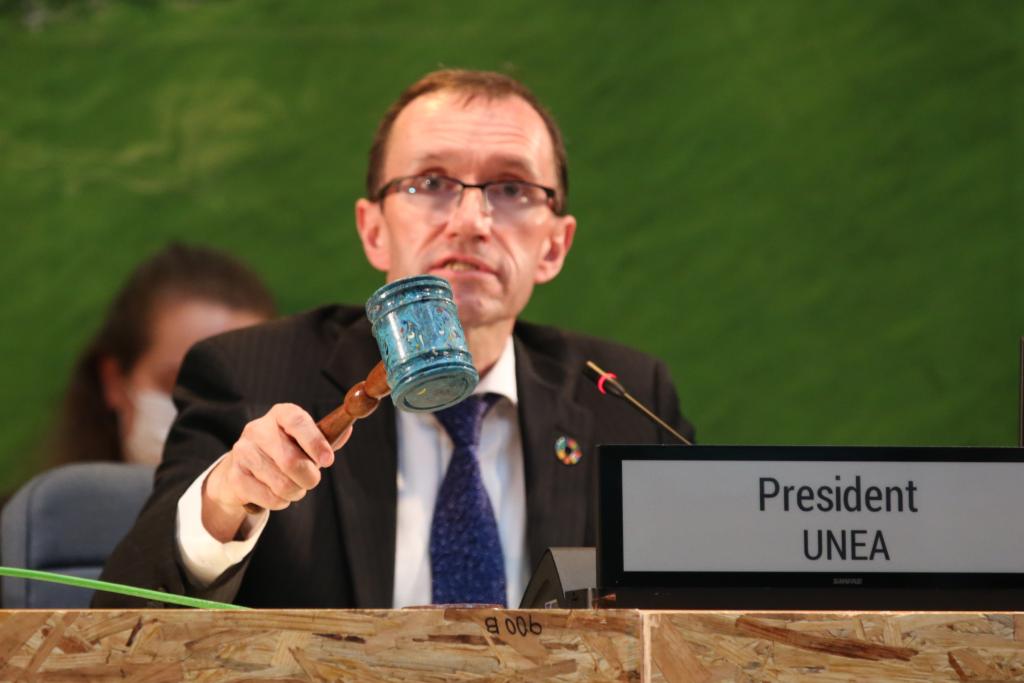
UNEA 5.2 plastics gavel
Espen Barth Eide, then-Minister of Climate and Environment of Norway, uses a gavel of recycled plastic to conclude the decision to negotiate an international legally binding instrument to end plastic pollution, including in the marine environment, at UNEA in 2022. (Photo by IISD/ENB Kiara Worth)

When and where will INC-4 take place? 

INC-4 will take place in Ottawa from April 23 to 29, 2024. Diplomats, civil society leaders, business groups, and other stakeholders will fly to Canada’s capital to join this second-last round of talks. 

After INC-4, diplomats will have one final round of talks in their mandate—which is currently scheduled for November 25 to 1 December 1, 2024, in Busan, South Korea—before they are expected to send text back to UNEA for discussion and (in theory) adoption.

What is the current state of the text they are writing? 

You can think of the latest “Revised Zero Draft” as a compilation document containing many different positions expressed by delegates. It contains possible options for 

  • the primary provisions of the new instrument, including the preamble, objectives, principles, and scope;
  • the management of plastic along its entire life cycle (primary polymers, product design, and waste management, as well as extended producer responsibility, trade, and existing pollution);
  • implementation means (financial, capacity building, technology transfer);
  • implementation tracking (reporting, compliance, and international cooperation);
  • institutional arrangements (governance, subsidiary bodies, and the Secretariat).

In international negotiations, when text hasn’t been agreed yet and is under consideration, it is kept in brackets and referred to as “bracketed text.” Looking at the latest Revised Zero Draft, we can see much of the text is in brackets, and delegates have a steep climb ahead of them to reach agreement.

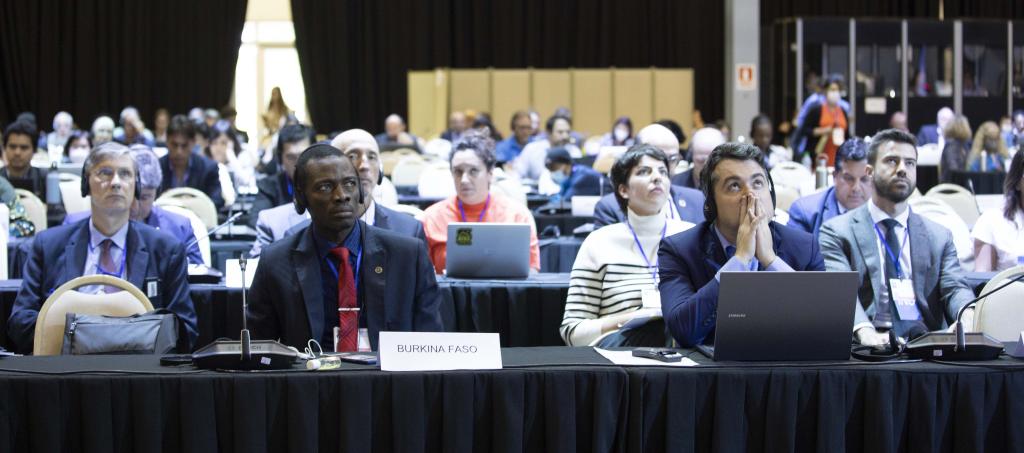
Plastics INC-1 delegates
Delegates review text projected on screens at Plastic Pollution INC-1 in Punta del Este, Uruguay, in late 2022. (Photo by IISD/ENB Angeles Estrada)

What is at stake when it comes to ending plastic pollution globally?

Plastic pollution is a serious concern worldwide. Plastic waste ends up in oceans, lakes, and rivers, hurting animals and polluting the environment. This pollution affects human health, food systems, and water sources. We keep learning more about how pervasive plastics are now in our bodies and our world—and what impact they’re having.

At the same time, plastics are deeply integrated into much of the global economy. Eliminating plastic pollution has massive financial and trade implications and will impact how we deliver health care, grow food… almost every system we have. 

What are the positions countries are likely to take during INC-4?

During the last round of talks, two major camps emerged with different positions.

The first camp is a group of countries who want the new instrument to only focus on waste management, long after plastics have been produced. This group of countries—some referring to themselves as the Global Coalition for Plastics Sustainability—are interested in national or regional measures to manage plastic waste, with a potential for global reporting. 

The second camp are countries in the High Ambition Coalition. Chaired by Rwanda and Norway, this group is interested in tackling the whole life cycle of plastic—not only plastics’ use and disposal, but also their creation. These 65 countries want the instrument to address product design as well as what chemicals and harmful materials are added to plastics in their production. They’re also interested in holding companies accountable for the plastics they produce, a concept that’s called extended producer responsibility (EPR).

Despite the gulf between the different approaches, it appears likely all parties are likely to agree on waste management—an issue which raised fewer concerns during INC-3. Importantly, the stances of both the United States and China are unknown. On top of other factors, the two countries are the largest producers of plastic and plastic pollution.

Plastics INC-2 delegates and chair
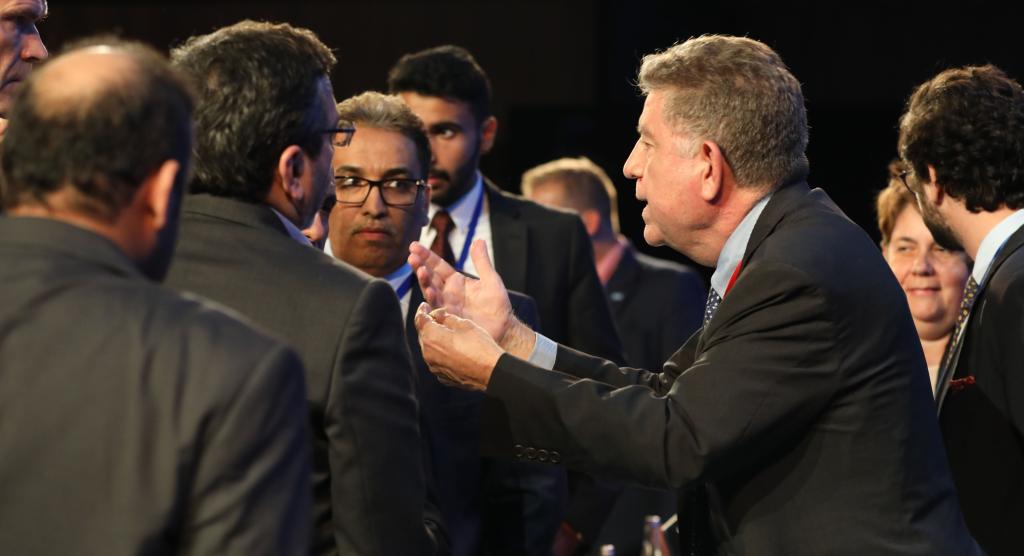
With arms raised, INC Chair Gustavo Meza-Cuadra, Peru, gets into a heated discussion with delegates after days spent discussing rules of procedure in Paris, France at Plastic Pollution INC-2. The role of Chair will move to Luis Vayas Valdivieso, Ecuador, at INC-4. (Photo by IISD/ENB Kiara Worth)

This round of talks is taking place in Canada. Where does Canada stand? 

As a member of the High Ambition Coalition, Canada expressed support in previous talks for an instrument to facilitate a systemic change, supporting concrete and complementary actions across the full life cycle of plastics. Given the country’s leadership of the G7 Ocean Plastics Charter, it’s possible we’ll see Canada try to provide guidance on specific areas in plastic waste management.

Plastics INC-3 William Ruto
William Ruto, President of Kenya, addresses delegates at Plastic Pollution INC-3 in Nairobi, Kenya in November 2023. (Photo by IISD/ENB Anastasia Rodopoulou)

How ambitious could a plastics treaty be?

There are roughly three options. The least ambitious treaty would let each country or region handle its own plastic waste with national or regional rules. It would deal purely with the “downstream” issues of plastic pollution rather than “upstream” issues of how plastic is produced—and how much waste is generated.

A medium-ambition-level treaty would set worldwide standards for product design of long-lasting plastic items. It would include some elements to limit plastic production, ban harmful chemicals and materials, and deal with waste management. 

And finally, the most ambitious treaty would create a global set of legally binding rules to govern virgin plastic production, problematic polymers and chemicals of concern, product design, how businesses are held accountable for the plastics they create, and how waste is managed. It would consider the entire life cycle of plastics to comprehensively address the scourge of plastic pollution.
 

Explainer

World Trade Organization Agriculture Negotiations at MC13: What does the lack of outcomes mean for least developed countries and other vulnerable economies?

IISD expert Facundo Calvo analyzes what came out of the WTO's agriculture negotiations at the 13th Ministerial Conference in Abu Dhabi and its implications for least developed countries and other vulnerable economies.

March 25, 2024

The role of the World Trade Organization’s agriculture negotiations in promoting more sustainable food systems

The multilateral rules that govern agricultural trade need to evolve to promote more sustainable food systems. Better rules could contribute to removing harmful subsidies, increasing availability and access to food, facilitating trade in healthy and nutritious foods, and mitigating the negative effects of export restrictions on food security. Since the World Trade Organization (WTO) was established, governments have tried to make progress on new multilateral trade rules that would correct and prevent distortions and restrictions on world agricultural markets, as envisaged in the preamble to the WTO Agriculture Agreement, while speeding up progress on key sustainability issues.

Over the last two decades, however, with the sole exception of the 2015 Nairobi Ministerial Decision on Export Competition, WTO agriculture negotiations have done little to address the triple challenge that our food systems face: delivering food security and nutrition to a growing global population, providing livelihoods to those along the food supply chain, and contributing to environmental sustainability. Hunger is still prevalent in many parts of the world, particularly in least developed countries (LDCs) and other vulnerable economies, and about 23% of total anthropogenic greenhouse gas emissions derive from the agriculture, forestry and other land use sector.

The WTO’s Ministerial Conferences provide an opportunity for WTO members to negotiate new trade rules and agree on steps to be taken in the negotiations. While no major outcomes were expected at the Thirteenth Ministerial Conference of the WTO (MC13), it is disappointing that trade ministers could not even agree on a roadmap or work program with clearly defined timelines for WTO agriculture negotiations after MC13.

The Draft Text submitted by the chair of the WTO Committee on Agriculture in Special Session (CoASS), Türkiye’s Ambassador Alparslan Acarsoy, a few weeks before MC13, was in itself a welcome development, however. It is the first formal text in the WTO agriculture negotiations for many years and articulates the decisions the chair proposed on the seven key negotiating issues:

  • domestic support;
  • a permanent solution to public stockholding of food at “administered” or “fixed” prices by governments in developing economies;
  • market access for agricultural products;
  • a special safeguard mechanism (SSM) for developing countries;
  • export prohibitions and restrictions;
  • cotton, including trade-distorting domestic support to cotton farmers; and
  • export competition.

The Draft Text and its revised version set out a roadmap for WTO agriculture negotiations after MC13. The fact that members could not even agree on an agenda for future work reflects entrenched positions on two negotiation issues: public stockholding at “administered” or “fixed” prices and domestic support more broadly.

Disagreement over public stockholding and domestic support 

WTO members could not agree on the basic elements of a permanent solution for public stockholding of food at “administered” or “fixed” prices by governments in developing economies. Large developing countries such as India and China and negotiating blocs like the G33, the African Group, and the Africa, Caribbean, and Pacific Group want to make permanent and extend the 2013 Bali interim solution to new public stockholding programs implemented after December 2013 by all developing countries (country coverage) and to a wider category of agricultural products beyond the so-called “traditional staple food crops” (product coverage). These countries would also like to update the way trade-distorting domestic support is calculated under the WTO Agriculture Agreement, which limits their ability to implement public stockholding programs at “administered” or “fixed” prices. On the other hand, the United States, the European Union, and the Cairns Group of agricultural exporters, which includes large agricultural powerhouses such as Australia, Canada, Brazil, and Argentina, consider that any permanent solution to this issue should be linked to disciplines to reduce trade-distorting domestic support as a whole.

When it comes to LDCs and other vulnerable economies, what was on the Draft Text before MC13 and could have been agreed upon was an extension of the 2013 Bali interim solution to the new public stockholding programs of LDCs at “administered” or “fixed” prices implemented after December 2013. This extension would have shielded the new public stockholding programs of LDCs from being legally challenged even if they had breached the limits of trade-distorting domestic support that LDCs are allowed under the WTO Agriculture Agreement.

While an extension of the 2013 Bali interim solution would have enabled LDCs to implement new public stockholding programs at “administered” or “fixed” prices without concern for trade-distorting domestic support ceilings, LDCs do not generally have the fiscal capacity to implement large public stockholding programs. This extension would therefore have had limited practical value for LDCs. Furthermore, it would not have satisfied larger developing countries seeking a permanent solution, especially those at risk of breaching their trade-distorting domestic support ceilings.

WTO members could not agree on a framework for reducing trade-distorting domestic support either. This is something that could have been done by setting an overall cap (say, around USD 1 trillion of potential trade-distorting domestic support among all WTO members) and reducing it gradually to a target level to be reached on an exact date to be determined by WTO members (e.g., 2030, 2035, or 2040). In that connection, an unresolved issue at MC13 that is particularly problematic for LDCs and other vulnerable economies is trade-distorting domestic support to cotton farmers. Domestic support for cotton reached USD 8 billion in 2022/2023, up by 66% from the previous season. India, China, and the United States are, by far, the largest subsidizers in absolute terms with USD 2.9 billion, USD 2.4 billion, and USD 1.6 billion, respectively, so any solution to trade-distorting domestic support to cotton farmers will require substantial subsidy cuts in these three WTO members. In the past, cotton subsidies have proven to be particularly harmful to LDCs and other vulnerable economies in West and Central Africa, including Benin, Burkina Faso, Côte d’Ivoire, Chad, and Mali. In 2005, the Hong Kong Ministerial Declaration recalled a previous mandate to address cotton ambitiously, expeditiously, and specifically. Almost two decades down the road, negotiations to reduce trade-distorting domestic support to cotton farmers have not produced any concrete outcome. MC13 has been no exception.

No progress on other issues, including on an exemption from export prohibitions or restrictions for LDCs

The lack of progress on public stockholding and domestic support led to frustration among agriculture negotiators, which in turn led to no progress on other issues highlighted in the Draft Text, such as the proposed SSM to allow developing countries to temporarily raise tariffs on certain agricultural products in cases of import surges or price declines causing damages to their farmers. One of the rationales behind an SSM would be to tackle distortions in agricultural markets, including those caused by harmful agricultural subsidies. 

Regarding export restrictions, MC13 did not enhance transparency, nor did it improve the implementation of disciplines on export prohibitions or restrictions. MC13 also missed the opportunity to deliver one important outcome on agriculture and food security: an exception from export prohibitions or restrictions for LDCs and other vulnerable economies. This would have entailed that WTO members call on most net food exporting countries not to impose export prohibitions or restrictions on foodstuffs imported by LDCs and other vulnerable economies for domestic consumption. This exemption would have allowed LDCs and other vulnerable economies, such as small island developing states, to continue to import food from WTO members that have restricted their exports of food products to all other countries and thereby help shield them from global food price rises resulting from major producers applying export restrictions. Of course, such an exemption would not address the challenge that poorer consumers in LDCs and other vulnerable economies face in being able to afford this imported food. 

What next on public stockholding and domestic support?

The lack of outcomes on public stockholding at “administered” or “fixed” prices highlights the need to update key concepts in the text of the current WTO Agriculture Agreement. Most notably, the notion of trade-distorting domestic support, which uses reference prices for agricultural commodities from the late 1980s. The use of these reference prices was not a problem while food prices were relatively stagnant, which was the case until the early 2000s. This changed when food prices started rising in the late 2000s, reducing the margins of trade-distorting domestic support that WTO members are able to provide under the WTO Agriculture Agreement—including for their public stockholding programs at “administered” or “fixed” prices. Updating the reference prices for agricultural commodities would also be consistent with the text of the WTO Agriculture Agreement, which calls on WTO members to give due consideration to the influence of excessive rates of inflation on the ability of any WTO member to abide by its domestic support commitments. Further technical discussions on this and other key concepts, such as “eligible production,” which is another crucial element in calculating trade-distorting domestic support, could also help.

However, any effort to update reference prices in the context of public stockholding programs at “administered” or “fixed” prices should not be made at the expense of the broader objectives set out under both the preamble and Article 20 of the WTO Agriculture Agreement, which calls for “substantial progressive reductions in [trade-distorting domestic] support.” While it makes sense to preserve the ability of WTO members to provide trade-distorting domestic support for public stockholding programs at “administered” or “fixed” prices amid high inflation rates for food and agricultural products, any update to the current domestic support entitlements of WTO members should not result in an overall increase of trade-distorting domestic support beyond what would be reasonable to account for high inflation rates since the late 2000s. Doing so would be contrary to the above-mentioned objectives of pursuing substantial progressive reductions in trade-distorting domestic support, as well as to the goal of correcting and preventing distortions in world agricultural markets. So the issues of reference prices for public stockholding of food at “administered” or “fixed” prices and trade-distorting domestic support more broadly will likely need to be negotiated together.

Advancing negotiations on domestic support is also crucial from a sustainable development perspective. According to the Organisation for Economic Cooperation and Development, agricultural subsidies reached USD 518 billion per year during the 2020–2022 period, which is a historical high. A significant part of these agricultural subsidies has been found to be economically inefficient and potentially environmentally harmful. Domestic support is not contributing to achieving healthier diets either: the Food and Agriculture Organisation of the United Nations has reported that unhealthy foods, such as sugar, tend to be the most subsidized worldwide, while fruits and vegetables are less supported overall—or even penalized in some low-income countries.

Looking ahead, WTO members will also need to discuss to what extent the current disciplines on domestic support, including those of the Green Box, are relevant to addressing contemporary challenges such as food insecurity, farmers livelihoods, climate change, and biodiversity loss, or whether new subsidies rules would be needed, for instance, through a new Sustainability Box that tolerates a minimum degree of trade distortion to achieve broader sustainability goals. This would be a politically difficult endeavour, as many countries fear that it would unleash disguised protectionism in the form of green subsidies and open the floodgates of a new wave of trade-distorting domestic support in both developed and large developing economies, undermining efforts to correct and prevent distortions in world agricultural markets.

Finding the right balance between addressing contemporary challenges and preventing further distortions of international trade in food and agriculture should be at the core of WTO agriculture negotiations on domestic support going forward.


Photo credit: ©WTO/Prime Vision

Explainer

UNFCCC Submissions Tracker

Tracking and sharing opportunities for stakeholders to give input to the UN climate change negotiations. (Updated 12 January 2026)

March 21, 2024

The United Nations Framework Convention on Climate Change (UNFCCC) is the mechanism through which countries coordinate the global response to climate change. It is also the process that led to the adoption of the Paris Agreement, which aims to limit the global average temperature rise to well below 2°C and preferably 1.5°C above pre-industrial levels.

The countries that are parties to the UNFCCC and the Paris Agreement regularly come together to discuss the implementation of these agreements and elaborate further measures to enhance climate action. They do so twice a year—once in the smaller June meetings of the UNFCCC’s Subsidiary Bodies and once in November for the larger meetings of the Conference of the Parties (COPs).

These negotiations are multi-faceted: they cover various issues and work programmes related to the mitigation of greenhouse gas emissions, adaptation, loss and damage, finance, technology, agriculture, gender, and many other topics. This means parties have to cover a lot of ground during their two-week-long face-to-face meetings.

To lay the ground for these meetings and make the best use of the limited negotiation time, the UNFCCC Secretariat is often tasked with collecting stakeholders’ views ahead of time. Some of these calls for submission are open only to parties, but many are also open to other stakeholders. This means academics, civil society organizations, private sector entities, and youth and Indigenous Peoples’ groups, among others, can submit their views on various issues relating to the climate negotiations. They can propose topics for workshops and dialogues, provide feedback on the effectiveness of specific work programmes, highlight gaps that should be addressed, and point to resources that might help governments and others enhance their climate action.

The UNFCCC Submissions Tracker is our effort to raise awareness about these input opportunities. The embedded spreadsheet below tracks opportunities by subject and deadline while providing broader context and suggestions on which stakeholders may be especially interested.

UNFCCC Submissions Tracker: Current (Updated 12 January 2026)

Download as Excel Spreadsheet

UNFCCC Submissions Tracker: Past (Updated 20 January 2026)

Download as Excel Spreadsheet

Have you encountered an error, omission, or other issue? Email our team with your feedback.

IISD's Earth Negotiations Bulletin project maintains the largest online archives of UNFCCC negotiations and provides ongoing coverage of climate talks as well as many other environmental and sustainable development processes. Subscribe to the free ENB Update newsletter to receive notifications in your inbox when new reports, videos, photos and analyses are available—as well as notices when the UNFCCC Submissions Tracker has been updated.

The UNFCCC Submissions Tracker was researched and written by Jennifer Bansard.

Explainer

After COP 28: What's next for adaptation?

IISD experts Anne Hammill, Angie Dazé, Emilie Beauchamp, Jeffrey Qi and Alec Crawford take a closer look at what we saw—and did not see—on adaptation at COP 28 in Dubai, and where we go from here.

January 25, 2024

With the inaugural global stocktake (GST) taking place in oil-rich Dubai, overseen by the UAE’s Sultan al-Jaber as president, there was always going to be a much-needed reckoning on mitigation at the 28th United Nations (UN) Climate Change Conference (COP 28). There were also other critical developments, like the early establishment of the Loss and Damage fund, which was a historic moment that felt impossible only a few years ago. However, despite the commonplace stories about record-breaking heat, fires, and floods and regular headlines on how these trends and events impact lower-income populations, we saw no sense of urgency and ambition around adaptation.

Science and data increasingly point to a growing gap between what’s needed on adaptation progress and what’s being done. However, by the end of December’s conference, the UN’s Adaptation Fund had only raised half of the funds it had hoped for, The Adaptation Committee report was not adopted for the third year in a row, and even a seemingly innocuous National Adaptation Plan agenda item was pushed to the UNFCCC Bonn Climate Conference in June (UNFCCC SB60). While these might seem like minor issues, they signal a potential dysfunction in how adaptation is regarded and governed in global policy processes.

Now that the dust has settled in Dubai, here is a closer look at what we saw—and did not see—on adaptation at COP 28, and where we go from here.

Global Stocktake

The GST should have been a clarion call to countries to enhance their adaptation ambition, action, and support. Tasked with assessing the collective progress countries have made toward reaching the long-term goals of the Paris Agreement, the GST was an opportunity to emphasize the pressing need for accelerating global adaptation efforts and set the tone for the next 5 years of global climate action.

However, the COP 28 decision did not live up to this promise and fell short on adaptation.

The outcome of the GST recognized that despite the significant progress countries have made on adaptation planning and implementation, significant gaps and challenges remain.

To address some of these gaps and challenges, the COP 28 decision highlighted the importance of integrated, multisectoral solutions that are gender responsive and participatory. It further called on countries to have a national adaptation policy instrument, such as a National Adaptation Plan, in place by 2025 and to strive to start implementing them by the end of the decade. These were all welcome signals.

However, the decision failed to capture important messages from the Technical Dialogues, including the need to mainstream adaptation and climate risk considerations across decision-making and development planning processes. It also failed to emphasize the importance of locally led adaptation that is informed by local contexts, populations, and priorities.

The biggest disappointment came with the outcome’s failure to emphasize the need for a concrete roadmap to deliver sufficient finance, technology, and capacity building to developing countries for adaptation. Delivering on and exceeding the COP 26 goal of doubling adaptation finance from 2019 levels by 2025 will be critical for developing countries to transition from adaptation planning to implementation.

The true value of the GST lies in what happens now, as countries follow up and faithfully implement the decision. These efforts can draw from the lessons learned and good practices shared by a diversity of stakeholders during the Technical Dialogues, which pointed to what worked and what didn’t in order to enhance adaptation actions and support.

The message from countries, adaptation practitioners, and experts during the Technical Dialogues was clear. All countries need to urgently scale up adaptation actions to protect people, livelihoods, and biodiversity, and rich countries have an obligation to mobilize the necessary resources to support developing countries’ adaptation efforts.

Global Goal on Adaptation

The adoption of the framework for the Global Goal on Adaptation (GGA)—now named the UAE Framework for Global Climate Resilience—was a major moment at COP 28. Developing countries had especially been working to advance this agenda item, the biggest adaptation negotiations under the Paris Agreement to date. It took 6 years before the Glasgow-Sharm-el Sheikh work program on the GGA kicked off concrete discussions on how to define and implement a framework that could guide countries in tracking, reporting, evaluating, and learning on progress on adaptation globally.

The new GGA framework provides an overarching statement that finally unpacks the high-level vision of the GGA under Article 7.1 of the Paris Agreement, aiming at enhancing the “collective well-being of all people, the protection of livelihoods and economies, and the preservation and regeneration of nature.”

It also includes seven thematic targets and four additional targets across the dimensions of the iterative adaptation cycle. The framework also highlights cross-cutting considerations for countries to drive adaptation and implement the framework, including gender-responsive, participatory, and fully transparent approaches.

Disappointingly, however, the language on means of implementation—namely finance, capacity building, and technology transfer—was weak. This means that even if several paragraphs do acknowledge the importance of scaling up finance to achieve the GGA in developing and vulnerable contexts, there is no strong incentive for countries to track, report, and assess support for adaptation. This outcome was not surprising given the diametrically opposed views between developed and developing countries on the inclusion of finance in the GGA framework.

The GGA framework already provides a basis for countries to leverage the momentum from COP 28 and align their national monitoring, evaluation, and learning systems with the new framework, but further work is necessary. For example, the decision launched a new 2-year UAE–Belem work program to develop indicators for measuring progress toward the achievement of the targets. In fact, the details for this work program (and other potential mandates relating to the GGA) will be discussed at the Bonn Climate Change Conference in June.

Ultimately, the adoption of the UAE GGA framework is a critical milestone in the ongoing global discussion around understanding and capturing progress in adaptation, not its resolution.

The Role of Nature

Nature-based solutions—solutions that involve working with nature to address societal challenges—have gained momentum as a tool that can deliver multiple benefits. Ecosystem-based adaptation is a type of nature-based solution that is gaining importance since it recognizes that ecosystem services help reduce communities’ vulnerability to climate change.

At COP 28, Parties did reaffirm the important role that nature will play in meeting our Paris commitments on both the mitigation and adaptation fronts.

The role of nature and ecosystem-based adaptation was recognized in the GST decision as essential for achieving synergies with the implementation of the Kunming-Montreal Global Biodiversity Framework.

A Joint Statement on Climate, Nature, and People was also issued by the UNFCCC COP 28 Presidency, the Convention of Biological Diversity COP 15 Presidency, and endorsing member countries, among others.

The statement reiterated the need to better align National Adaptation Plans, nationally determined contributions, and national biodiversity strategies and action plans. It also pledged to scale up investments in nature-based solutions for climate adaptation and mitigation and ensure inclusivity and equity in the planning and implementation of climate and biodiversity plans and strategies.

This was all very welcome, but now we need to see real follow-up on this pledge: the widespread and urgent scaling up of equitable and inclusive investments and actions on nature-based solutions that address the twin existential challenges of climate change and biodiversity loss.

Alignment of these actions is crucial; adapting to climate change in a context of collapsing biodiversity is unlikely to work, just as efforts to protect nature are likely to be in vain in a context of runaway temperatures and upended livelihoods.

Gender Equality

Addressing gender equality and social inclusion isn’t just the right thing to do—it leads to more effective processes and sustainable adaptation outcomes because it demands a focus on systemic change rather than short-term fixes.

There was some good news at COP 28: the GST and GGA decisions encourage countries to employ gender-responsive and participatory climate action, which is critical, and there is an acknowledgement of the need to consider climate justice and respect human rights.

However, these passing references do not convey how essential gender equality and social inclusion is for the success and sustainability of adaptation. It remains to be seen how these principles will be put into practice in the allocation of climate finance and the implementation of adaptation actions.

This year, the current phase of the Lima Work Programme on Gender and its gender action plan will come to an end. Parties and other actors will be assessing progress, identifying gaps, and deciding how gender issues will be addressed in the UNFCCC process from 2025 onwards. The learning from this process must inform better integration of gender—in an intersectional approach—across the different negotiating streams, including for the next GST and further elaboration of the GGA framework.

Loss and Damage

The operationalization of the new Loss and Damage fund was historic. The initial contributions and pledges to it were important, and there is no denying that Loss and Damage is an important fixture in the global response to the climate crisis.

However, to get it well established, we have witnessed adaptation resources being diverted. We saw adaptation negotiators shifting to Loss and Damage, which made sense given the similarities and overlaps between the two issues and the urgency of advancing Loss and Damage discussions, but capacity gaps were not filled in adaptation negotiating rooms. We also heard about governments offering less money to adaptation because of the approval of the new fund.

Perhaps this is or was a temporary trend, but we cannot let adaptation and Loss and Damage end up in a zero-sum game of dealing with the impacts of climate change. We know the failure to ramp up ambition on adaptation action and support will only lead to more losses and damages; it is like skipping over a critical step that could prevent even more suffering and costs.

Admitting as much does not take away Loss and Damage, just as doubling down on adaptation does not mean we are easing up on mitigation. However, COP 28 did leave us with the uneasy sense that parties were withholding their political—and financial—capital on adaptation to achieve stronger outcomes on mitigation and Loss and Damage.

Looking forward, as decisions are made about how exactly to operationalize the fund and swiftly deliver support to climate-impacted communities, we must, at a minimum, ensure that hard-won lessons in adaptation are used to accelerate progress in Loss and Damage. We should also pursue opportunities to address both in a more integrated manner, minimizing any feelings of having them pitted against each other. At the same time, we must track accountabilities on adaptation and ensure that it is not squeezed out. We cannot let advances in one domain lead to backsliding or neglect in another—there is simply too much at stake.

Explainer

Unpacking Carbon Capture and Storage: The technology behind the promise

November 28, 2023

Carbon capture and storage (CCS) is the shiny toy in climate change mitigation spaces these days, expected to draw all eyes at COP 28. The technology proposes to reduce emissions by capturing carbon dioxide from industrial processes and injecting it deep underground. Many oil and gas-producing countries, such as the United States and Canada, are looking to CCS to reduce emissions from production, while coal-reliant nations, such as China and India, are exploring the feasibility of fitting coal-fired power plants with the technology.

Despite the substantial interest that has been stirred up around the technology, many questions remain about its feasibility, persistently high costs, and track record to date. What is the current status of CCS technology, and why doesn’t it live up to its reputation as a definitive solution?

What Is CCS?

CCS technology aims to capture emissions at a large source before they are released into the atmosphere. This is different from carbon dioxide removal (CDR), which focuses on retroactively withdrawing CO2 already in the atmosphere through means such as planting trees or using direct air capture technologies. When CCS is used in fossil fuel production, it aims to capture upstream emissionsthose created during the extraction and processing of the fuelsbut does not reduce the bulk of emissions that are produced downstream when the fuel is burned. It also requires significant amounts of energy to operate the CCS technology itself, leading to more emissions if that energy is from fossil fuels. In fact, critical analysis of CCS technology finds that CCS can in some cases produce more emissions than it sequesters. Studies that try to show the promise of CCS technology often don’t include a full life-cycle analysis of the CCS process, thereby missing the full picture of the technology’s true inefficiency.

While CCS is currently one of the only means to address emissions in hard-to-abate sectors such as the cement industry, fossil fuel energy with CCS is outcompeted by renewable energy. CCS in the fossil fuel sector is proposed as a pathway to allow continued expansion of fossil fuel production.

Is CCS Technologically Feasible at Scale?

CCS has developed at a snail’s pace over the past few decades. Despite decades in development, there are only 30 commercial CCS projects globally, capturing a total of around 42.5 MtCO2/year, or less than 0.2% of the necessary emissions reduction needed to close the emissions gap by 2030. This falls dramatically short of the International Energy Agency's previous projection that we would reach 300 MtCO2/year of storage by 2020. A majority of the 149 CCS projects that were projected to be storing carbon by 2020 globally have been either cancelled or put on an indefinite hold because of incredibly high costs and technological challenges.

Is it possible to rapidly scale up CCS in the fossil fuel sector? The Intergovernmental Panel on Climate Change (IPCC) assessed this potential and found that there are big challenges associated with sequestering lots of CO2 (more than 3.8 GtCO2/year by 2050). In other words, the IPCC indicated that there are serious feasibility concerns over the large-scale deployment of CCS in the fossil fuel sector and that we ought to limit our expectations. Despite this, many emissions reduction models still design scenarios with fossil fuel CCS playing a much larger role (up to 10GtCO2/year by 2050) to compensate for slower declines in fossil fuel production and consumption. But achieving these levels of carbon storage would imply building the equivalent of the world’s biggest current carbon capture facilitycapturing about 7MtCO2/yearevery week until 2050.

Moreover, the potential for safe geological storage of the CO2 underground might be more limited than expected. Analysis of financial, contractual, and institutional barriers of long-term CO2 sequestration indicates that global use of CCS technologies is unlikely to be able to store more than 5 GtCO2/year underground by 2050.

The long distances between where the emitting facilities are located (where the carbon would be captured) and the appropriate geological repositories often constitute a barrier to implementation. Transporting the CO2 requires significant investment in pipelines and transportation infrastructure. Currently, it is common for the fossil fuel industry to avoid the need for transportation by injecting the CO2 into ageing wells on-site, which in turn increases pressure and helps extract more oil through “enhanced oil recovery” (EOR). The irony is that CCS is supposed to help reduce emissions, and EOR ultimately generates more carbon emissions by producing more oil.

Is CCS Cost Competitive?

The costs of CCS vary depending on various factors, such as the industrial process that it’s applied to and how concentrated the CO2 is, how far the CO2 is transported, and where it is stored. CO2 capture costs are projected to range from CAD 27–48/tCO2 to CAD 50–150/tCO2. But these cost estimates are mostly drawn from modelling; there are too few projects that have been operational long enough to give a good sense of long-term costs.

Despite decades of development of the technology, the costs of CCS in the oil and gas sector have been slow to fall. This is because the technology design is complex, with many different components, making innovation slow. It also needs to be highly customized for different applications; CCS in a refinery is much different than CCS in cement production, for instance. While technologies such as solar PV and batteries for electric vehicles have experienced dramatic cost reductions as they reached economies of scale, it’s unlikely that the same will happen for CCS.

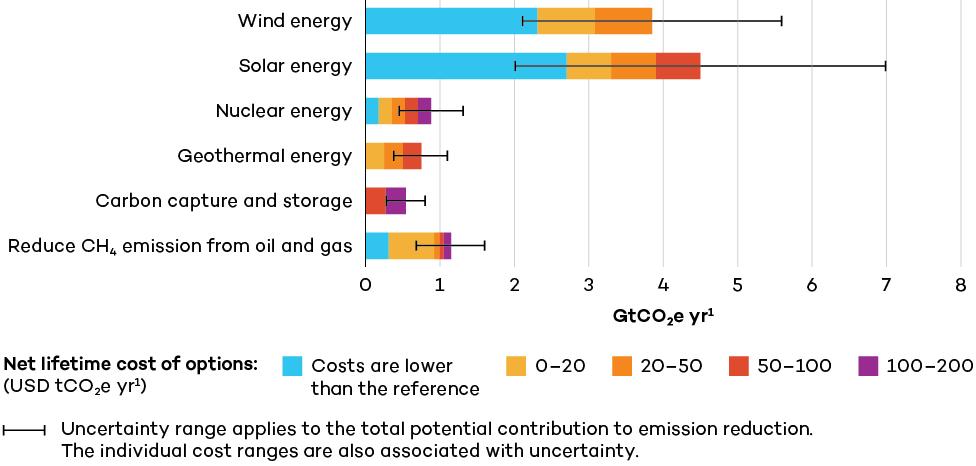
Figure 1. Cost and potential efficacy of emissions reductions by CCS, methane (CH4) reduction, and renewable energies

Graph on CCS cost and efficiency
Image source

Because of its high cost, CCS in the fossil fuel sector continues to rely heavily on government subsidies in order to be economically viable. At the same time, oil and gas companies globally are investing very little of their own money in CCS or renewable energy, spending less than 1% of their capital expenditures on clean energy investment in 2020.

In determining cost competitiveness for emissions reductions, CCS in the energy sector should be judged against alternative energies that can reduce emissions by replacing fossil fuels. The IPCC finds that CCS in the energy sector is among the most expensive and least effective mitigation technologies in the near term.

Closer Look: CCS in coal-fired power generation

As of November 2023, four coal-fired plants with CCS are operational worldwide: two in China, one in the United States, and one in Canada. The development of CCS technology for coal power has been particularly slow, with only one plant operational as of 2021. China's two CCS facilities, launched in 2021 and 2023, capture a combined 0.65 Mtpa of CO2 annually. The Petra Nova plant in the United States, operational since 2016, was temporarily shut down in 2020 due to declining oil prices and reopened in September 2023. This facility, used for EOR, has historically not achieved its target of 1.4 Mtpa of captured emissions. Canada’s Boundary Dam CCS facility, operational since 2014 in Saskatchewan, had an original target to capture 90% of the plant’s emissions but captures only about 50% on average. Collectively, these four CCS facilities represent billions of dollars of investment and capture less than 0.02% of the coal industry's total emissions. In India, the national government has not announced any policy support for CCS, but there is emerging interest in the technology from power producers.


Closer Look: CCS in Canada’s oil and gas sector

Canada currently has seven operational CCS projects, mostly in the oil and gas sector. These projects capture only about 0.5% of the country's total emissions, and the majority of the carbon captured is used to enable further extraction through EOR.

Despite its limited efficacy, CCS is being touted as the central emissions reduction solution by Canadian oil and gas proponents such as the Pathways Alliance and has received extensive financial support from governments in Canada. The federal government has committed at least CAD 9.1 billion, in addition to CAD 3.8 billion from the governments of Alberta and Saskatchewan, with Alberta set to invest more. This level of investment outpaces support offered by the 2022 U.S. Inflation Reduction Act.

This public investment in CCS is risky for taxpayers and takes away from funds available to support other, more cost-effective emission reduction strategies. Moreover, investing in CCS for oil and gas prolongs production of and reliance on the fuels without addressing the vast majority of emissions that are created when those fuels are burned downstream. Not to mention that these supports for CCS in fossil fuel production constitute subsidies under the World Trade Organization’s definition and contradict Canada’s commitment to phase out inefficient fossil fuel subsidies.

What Role Will Fossil Fuel CCS Play in Limiting Warming to 1.5°C?

In order to limit warming to 1.5°C, the IPCC finds that the production of oil and gas needs to decline by 65% by 2050.  IISD research further shows that selected IPCC 1.5°C scenarios that rely only on feasible levels of CCS indicate that the world should be producing 30% less oil and gas by 2030 compared to 2020 levels. Coal production needs to decline by nearly 80% this decade to align with the 1.5°C target.

These findings are echoed by the International Energy Agency's Net Zero Emissions scenario, which concludes that there is no room for any new fossil fuel extraction projects. Extraction and use of fossil fuels from mines and fields that are already in operation or under development today is more than enough to meet global demand under 1.5°C pathways; there is no need to develop any more oil and gas fields.

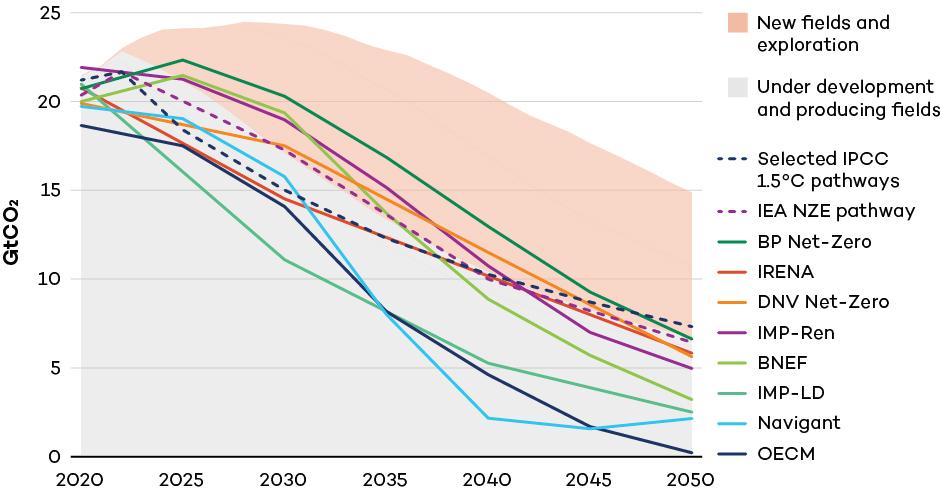
In addition to the IPCC scenarios, IISD analysis shows that 1.5°C pathways from the International Renewable Energy Agency, UNEP Production Gap Report, Bloomberg New Energy Finance, and various other authoritative intergovernmental organizations and energy consultancies all feature such steep declines in oil and gas production that developing any fossil fuels extraction activities from new fields or mines would generate emissions in excess of what is necessary to limit warming to 1.5°C. 

Figure 2. Global oil and gas production, based on other selected 1.5°C pathways

Global oil and gas production graph


Closer Look: CCS and the push for phase-out of “unabated” fossil fuel production at COP 28

The topic of phasing out fossil fuels promises to be a central part of the discussion at COP 28 in Dubai. The European Union, among others, is calling for a phase-out of "unabated" fossil fuels. The language of "abatement" leaves a loophole for continued use of fossil fuels as long as a technology to capture the emissions from production is used.

The technological and economic feasibility of CCS is central in the conversation around "abated" production. Given the challenges that the technology has faced, limiting its use and efficacy to date, it is clear that CCS is not able to abate emissions from fossil fuels sufficiently. Given the absence of other deep and fully developed emissions reductions technologies, abated production is not possible.

Moreover, this loophole is being used to push for prolonging and expanding fossil fuel production and use, with the assumption that CCS and other emissions reduction technologies will suffice. This is problematic, given that the majority of emissions are produced at the end uses of fossil fuels, which are not addressed through CCS. Countries are already planning to produce double the amount of fossil fuels as would be needed under a 1.5°C scenario in 2030, exceeding expected global demand, a gap that CCS will not address.

Conclusion

Despite the hype, the science behind CCS technology doesn’t measure up. The technology is incredibly expensive, captures relatively minimal amounts of CO2, and is heavily reliant on large government subsidies. In the coal industry specifically, CCS has demonstrated a particularly poor performance, with a sluggish rollout that further underscores the inefficiency of the technology. Worryingly, some fossil fuel companies have been trying to use CCS technology as a justification for a further expansion of production, which is incompatible with global climate targets. Heavy reliance on CCS in the energy sector is misguided, as renewable energy has seen dramatic cost reductions that make it more and more economical. Discussions of "abated" fossil fuels at COP 28 and beyond should take a closer look at the technology behind the promise.

Explainer details

Explainer

The Climate Adaptation and Protected Areas Initiative: What you need to know

The populations of millions of animal and plant species continue to decline at accelerating rates across the globe, with many under threat of extinction. The Climate Adaptation and Protected Areas (CAPA) Initiative will contribute to addressing this challenge.

November 8, 2023

The populations of millions of animal and plant species continue to decline at accelerating rates across the globe, with many under threat of extinction. This trend is only expected to worsen, particularly with rising temperatures, increasingly erratic precipitation, and more frequent and extreme weather events. The Climate Adaptation and Protected Areas (CAPA) Initiative, which launched in September 2023, will contribute to addressing this challenge.

What is the CAPA Initiative, and what issues does it aim to address?

The CAPA Initiative is a 3-year program funded by Global Affairs Canada. The initiative aims to promote the use of nature-based solutions to strengthen climate resilience and protect biodiversity in and around protected areas. Specifically, it will focus on the Kavango-Zambezi and Greater Virunga landscapes in sub-Saharan Africa, as well as marine and terrestrial sites in Belize and Fiji.

The initiative will contribute to efforts to address the twin crises of biodiversity loss and climate change that are heavily impacting the well-being of both people and the planet. Biodiversity and ecosystems are essential for the processes that support all life on Earth—without a wide range of animals, plants, and microorganisms, we won’t have clean air to breathe, water to drink, or food to eat.

The CAPA Initiative will implement several nature-based activities within the selected landscapes while also facilitating knowledge sharing and peer learning on nature-based activities in protected areas, contributing to the protection of the most vulnerable communities and species in and around these important landscapes.

What are nature-based solutions to climate change, and how will they be used in this project?

Nature-based solutions (NbS) for climate change adaptation are actions designed to protect, restore, or sustainably manage ecosystems to increase resilience and reduce the vulnerability of people and the environment to climate change. These actions can range from strategies such as the sustainable management or restoration of forests, grasslands, and wetlands to restorative agriculture and ocean-based practices, including planting seagrass meadows or growing kelp to regenerate or expand marine ecosystems.

For the CAPA Initiative, our main focus will be on integrating nature-based solutions for climate change adaptation into protected-area management and conservation interventions in and around the target landscapes.

Why focus on protected areas?

Protected areas are among the most important tools available for building human and natural resilience. Protected areas safeguard species, habitats, watersheds, and ecosystem services; support households and communities with natural resource-based livelihoods; and contribute to mitigation efforts through carbon sequestration and avoided land degradation. Anchoring the CAPA Initiative around protected areas and surrounding critical landscapes—and ensuring that the design and management of activities within these spaces account for climate risks—provides a very strong foundation to reduce the vulnerability of both the local communities and the ecosystems they rely on to climate change.

A mountain reedbuck (antelope) hides amid tall grass and other vegetation at Bale National Park in Ethiopia.

In which geographical areas will the CAPA Initiative operate, and how were these locations chosen?

The CAPA Initiative will implement nature-based activities in four landscapes. In sub-Saharan Africa, the initiative will focus on several sites in the Kavango-Zambezi (KAZA) Transfrontier Conservation Area, which cuts across Angola, Botswana, Namibia, Zambia, and Zimbabwe, and the Greater Virunga Landscape (GVL), which straddles the borders of the Democratic Republic of the Congo (DRC), Rwanda, and Uganda. The initiative will also focus on specific marine and terrestrial sites in Belize and Fiji.

The sites were intentionally selected to cover marine, coastal, and terrestrial ecosystems and landscapes across all of the International Union for Conservation of Nature’s six categories of protected areas. Another factor that influenced site selection was the presence or absence of potential implementation partners with an active presence in the landscapes and seascapes, an established track record in implementing nature-based solutions for adaptation interventions, and strong existing relationships with the local communities. This last aspect was particularly important given that the CAPA Initiative has just 3 years in which to deliver impact. All site locations are also situated in countries eligible for Official Development Assistance in sub-Saharan Africa, Asia-Pacific, and the Caribbean.

What makes the CAPA Initiative unique from a climate adaptation perspective?

The integration of NbS into protected area management and conservation interventions is relatively new: conservation interventions and management plans that are explicitly designed to simultaneously address the impacts of climate change, the loss of biodiversity and degradation of ecosystems, and the ways in which both can erode livelihoods and social well-being are rare. The CAPA Initiative is innovative in this regard, as it proposes bringing new thinking and objectives around NbS for adaptation into the management of protected areas and the design and implementation of conservation interventions.

The CAPA Initiative recognizes that both social well-being and ecosystems face increasingly dire threats from climate change and that protected areas—when designed and managed with climate risks in mind—can support both community and ecosystem resilience.

These interventions have traditionally focused on biodiversity and ecosystem restoration and protection approaches that support local livelihoods and development. The CAPA Initiative recognizes that both social well-being and ecosystems face increasingly dire threats from climate change and that protected areas—when designed and managed with climate risks in mind—can support both community and ecosystem resilience.

Can you describe the roles of women and underrepresented groups in this project? How involved will local communities be in shaping its outcomes?

Women and other underrepresented groups have a key role to play in the CAPA Initiative as catalysts for change. People are affected by climate change in different ways depending on a range of factors, including age, gender, ethnicity, and socio-economic status. When it comes to gender, in particular, there is limited evidence that existing NbS initiatives have systematically integrated these considerations. By deliberately putting women and other underrepresented groups, including marginalized voices from local communities, at the centre of its design and programming, the CAPA Initiative will promote diverse perspectives that actively address differences in needs, impacts, and access to resources and opportunities.

To learn more about the CAPA Initiative, please visit www.iisd.org/capa

Explainer

Food Systems and Agriculture: What’s on the menu for the 28th UN Climate Change Conference (COP 28)?

November 8, 2023

Food Systems at the UN Climate Change Conference

The UAE COP 28 Presidency has placed food systems transformation at the heart of its COP agenda—and with good reason. Accounting for an average of 34% of global greenhouse gas (GHG) emissions and supporting the livelihoods and income generation of around half the world’s population, ensuring a just transition to sustainable, resilient food systems is critical for both climate and development outcomes. 

Food and land use occupy a unique position, posing both a challenge and an opportunity to address climate change. A sizable contributor to the climate crisis, food systems are also incredibly vulnerable to climate impacts. And yet, food systems and wider land use also offer hitherto largely untapped adaptation and mitigation potential. Failure to harness this potential and take swift, far-reaching action to radically transform our food systems risks food production and consumption alone tipping us over the 1.5°C temperature target, with cascading impacts for food and nutrition security, as well as livelihoods and income generation.

What are “food systems”?

The term “food systems” has gained significant traction in international processes and fora in recent years. However, some ambiguity surrounding the meaning of the phrase remains. Rejecting the notion that agriculture and food production can be explained as a single, linear system of production and consumption, applying a food systems lens takes a more holistic approach that considers the people, policies, and processes throughout the agrifood supply chain. It considers how these shape food production and consumption and intersect with other systems, such as climate, biodiversity, energy, infrastructure, finance, health, nutrition, and development.

Why do we need to transform our food systems?

Food systems are critical for the livelihoods and economic development of billions of people worldwide. This is particularly true of developing countries, where agriculture still forms the backbone of many economies and a significant share of GDP. For example, food systems currently account for 62% of employment in Africa. With the global population projected to hit 9.7 billion by 2050, building resilient food systems will be critical for absorbing an estimated 1.6 billion people into the labour market in low- and middle-income countries in the coming years.

Resilient food systems are also of vital importance for ensuring food and nutrition security. Following over a decade of year-on-year decline in the prevalence of undernourishment, 2016 saw a reversal of this trend, with climate change and conflict driving the percentage of people severely food insecure to 9.3% of the global population. Fast forward to 2023, and this number has climbed to 11.3%.

Our food systems are a major driver of climate change and the leading driver of biodiversity loss. The Intergovernmental Panel on Climate Change projections paint a stark outlook of decreasing productivity in existing areas of agricultural production, coupled with decreasing availability and nutritional quality of food, and increasing stress on the ecosystem services upon which global food systems depend.

Compounding these challenges are increasingly frequent (and increasingly severe) climate change impacts and changing weather patterns. Over 36 million people in East Africa are currently impacted by drought. As the soil has become progressively drier and its ability to support crops and livestock has diminished, ever-greater numbers of smallholder farmers and their families find themselves facing hunger as their ability to either grow food—or generate the income necessary to purchase it—dwindles. When rain does fall, the soil is too dry to absorb the water, leading to severe flooding. 

Recognizing the need to peak emissions before 2025 if we are to limit global warming to 1.5 degrees or less (and noting that global temperatures will continue to rise until mid-century even if all emissions are cut immediately), it is imperative that we transform our food systems.

Without swift action to rapidly decarbonize our food systems and build resilience to climate impacts, we will struggle to meet the triple challenge of reducing emissions, adapting to climate impacts, and scaling up production sustainably to meet the needs of a growing global population.

Where are we as we approach COP 28?

All is not lost, however. Political will for food systems transformation has been growing, fuelled by increasing awareness of the importance of food systems for achieving both climate and development goals and growing public interest in how and where food is produced.

From the G7 and the G20 to the UN Climate Change Conference and the Convention on Biodiversity COP, food systems and agriculture are increasingly a topic of interest in the international summit cycle. The Hiroshima Action Statement for Resilient Global Food Security, endorsed by all G7 leaders (in addition to eight further heads of state and the European Union), underscores the importance of increased investment in food systems to improve global access to safe, sustainable, and nutritious food. The Action Statement affirms support for increased investment in food systems, in particular scaling up support for smallholder and marginal farmers and building resilience to climate shocks through support for climate-smart agriculture, agro-ecological nature-based solutions, and ecosystem-based approaches to food production.

G20 leaders likewise recognized the need for greater research cooperation to develop climate-resilient crops, in line with the Deccan High Level Principles of Food Security and Nutrition adopted by G20 Agriculture Ministers. This sentiment was echoed by African heads of state in the Nairobi Declaration, adopted at the first Africa Climate Summit, emphasizing the importance of climate-resilient and restorative agricultural practices for both food security and green growth on the continent. Similar language is also reflected in the Political Declaration agreed at the UN Sustainable Development Goal Summit in New York in September and in the language of the UN Secretary General’s Call to Action for Accelerated Food Systems Transformation at the UN Food Systems Summit Stocktaking Moment.

Political will for food systems transformation is clearly growing. COP 28 provides an opportunity for governments and non-state actors already championing the agenda to leverage this momentum to encourage less ambitious governments to act.

What do we need from COP 28?

As a water-scarce country already experiencing first-hand the effects of climate impacts and changing weather patterns on agricultural production, the UAE has signalled its intent to use the COP 28 Presidency to elevate food systems within the climate negotiations. Below, we set out priority negotiated and non-negotiated outcomes to help ensure that COP 28 turns emergent political will for food systems transformation into time-bound, measurable pathways for action underpinned by adequate investment.

Negotiated outcomes Non-negotiated outcomes
1. Emphasis within the Global Stocktake on the critical importance of food systems transformation to meet the mitigation, adaptation, finance, and loss and damage goals of the Paris Agreement and on food systems-specific indicators in Nationally Determined Contributions.  1. Widespread engagement with—and commitment to—the Emirates Declaration on Resilient Food Systems, Sustainable Agriculture, and Climate Action, particularly from large agricultural producing economies, spearheaded by a dedicated coalition of high-ambition countries to drive implementation.
2. An agreed workplan for the Sharm El Sheikh Joint Work on implementation of climate action on agriculture and food security, including dedicated workshops on agroecology (and on food systems as a whole) and a robust coordination structure to build linkages across the United Nations Framework Convention on Climate Change as well as with opportunities for financing. 2. The FAO Global Roadmap to achieving 1.5°C and Sustainable Development Goals 2 Zero Hunger should set out an ambitious package of agrifood actions, as well clear milestones on issues such as methane emissions reductions. The FAO should also set out clearly the process and actors involved in developing future iterations of the roadmap post-Dubai.
3. Recognition that food systems transformation is critical to achieving a global adaptation target and the need to include food systems-specific targets and indicators in a global framework to measure progress under the Global Goal on Adaptation. 3. A strong commitment from parties and observers that a focus on food systems transformation must not come at the expense of a focus on the phase-out of fossil fuels and to recognize the interdependency of food and energy systems transformations.

With 1 month to go until COP 28, the clock is ticking, and the stakes are high. The case for food systems transformation and the need to translate political will into concrete action and investment are clear—as are the consequences of inaction for food and nutrition security, biodiversity, livelihoods, and economic development if we fail to recognize and harness the unique mitigation and adaptation potential of our food and land systems. COP 28 must continue to shift the dial toward action. 

Explainer

Could the Energy Crunch in Bangladesh Have Been Avoided?

As the Bangladesh government implements the highest increase in fuel prices in 20 years and rations power supplies, we ask our energy experts Tara Laan and Shruti Sharma if the crisis could have been avoided and how the energy system can be reformed.

August 18, 2022

What was the reason behind the energy price hike in Bangladesh?

Tara Laan: What we see today has a long history. Bangladesh has been subsidizing energy for many years and because the majority of their petroleum products are imported, they are subject to world market prices. Bangladesh Petroleum Corporation buys fuel at world market prices and then sells it more cheaply to the consumers, racking up debt, which is subsidized by the government. As international prices increased during this energy crisis, debt has accumulated and the situation has become financially unsustainable. To control the escalating subsidy bill, the government had to hike prices, even though prices recently stabilized.

Are there mechanisms that can protect countries from crises like this one?

Tara Laan: Almost everybody on the planet is affected by high energy costs at the moment, but there are ways to reduce the impact of volatile fossil fuel prices. 

First is switching support from fossil fuels to people. Instead of subsidizing fuel, the government could have allocated that money toward cash transfers and other social assistance measures, supporting people directly and targeting assistance to lower-income parts of the population. 

Second, there’s the issue of reducing fossil fuel demand. Countries that are 100% dependent on fossil fuels, particularly when they have to import those products, are very vulnerable to the volatile prices that we are seeing now. What we need is investment in renewable energy, which is more secure and much more stable in price.

The answer is not more fossil fuels. You are never going to saturate the planet enough with fossil fuels to reduce volatility in prices.

Tara Laan

Shruti Sharma: There are fiscal solutions that can help ease price fluctuations and limit fossil fuel subsidies without putting pressure on consumers.

It may sound counterintuitive, but one of them is taxation. We saw this strategy in India last year; when the price of oil was low, the government increased taxes on the retail selling price, subsequently, when prices started to rise, taxation was reduced. Taxation creates the space to adjust prices and cushion price hikes. It also allows governments to raise revenue that can be used to support the most vulnerable groups in times of high prices.

Another key element is the targeted approach. It’s important to understand which petroleum products are used by the poor and reform fossil fuel subsidies in a way that protects these groups, including women and girls. Some energy sources, like kerosene, are predominantly used by low-income groups and can be easily identified. Others, like diesel, are used more broadly and require strategic solutions and control mechanisms to make sure that electricity generation, public transport, and food security are protected while subsidies are removed. 

Transmission towers stand behind the Turag River in Bangladesh
Transmission towers by the Turag River in Bangladesh.

What would you say to those who claim that the only solution to the Bangladesh energy crisis is investing in local gas and coal infrastructure? 

Shruti Sharma: The crisis we see today in Bangladesh is a pricing reform challenge rather than an energy supply issue. Fossil fuel prices will continue to be volatile in the future. With Bangladesh’s natural gas reserves dwindling dramatically and externalities related to fossil fuel consumption such as air pollution and climate change intensifying, now is the time to diversify the energy mix beyond fossil fuels.

Tara Laan: If you look around the world, a lot of countries with huge supplies of coal and gas are suffering from this energy crisis. Australia is one of the largest natural gas exporters and yet they are suffering from gas shortages and high gas prices domestically. Despite being major coal producers, China, India, and Indonesia have also not been immune to the energy crisis. The answer is not more fossil fuels. You are never going to saturate the planet enough with fossil fuels to reduce volatility in prices.

What we need is to get away from fossil fuels and instead focus on renewables, which we know are more stable in price and are getting cheaper than all forms of fossil fuel for power generation at least.

Solar panels pictured on a building roof.
Rooftop solar panels in Bangladesh.

What is the renewable energy potential in Bangladesh today?

Shruti Sharma: Bangladesh has opportunities for renewable energy; however, there are implementation and infrastructure challenges which need to be addressed. Currently, renewables account for 4% of all electricity generation in Bangladesh, out of which solar accounts for 3%. This is low compared to the government’s failed target of generating 10% of electricity from renewables by 2021. The pace of achieving targets for on-grid solar has been slow because of several factors like difficulty in acquiring land and a lack of tariff policies that promote the solar industry, among others. Despite these challenges, there has been success with solar home systems and the introduction of solar irrigation pumps. There are a lot of opportunities to expand these types of systems, taking pressure off the electricity grid and reducing the need for expensive diesel pumps and generators.

For grid-connected renewable energy to be more widely adopted, however, the electricity grid in Bangladesh may need to be upgraded to align with the distributed and variable nature of wind and solar energy. This upgrade, however, can happen gradually. Grid upgrades also deliver other benefits, like increased cross-border electricity trade. Bangladesh currently purchases contractual power from India, which offers Bangladesh cheaper electricity compared to that produced domestically through diesel or coal. Both Bangladesh and India are on the brink of formalizing electricity trade, which can then help Bangladesh access electricity at more economical rates and control the subsidy bill.

Tara Laan: You’ve got to keep in mind rising fossil fuel prices and decreasing renewable energy costs will incentivize the transition to clean energy. What the government needs is a plan for transitioning, to remove the barriers for renewables—like fossil fuel subsidies—and to provide the necessary infrastructure and policy settings that will accelerate the uptake of clean energy. Communication and consultation are also critical to bring people along with an energy sector reform agenda.

What’s next for Bangladesh’s energy system?

Tara Laan: There’s a big element of trust that must be rebuilt. The public doesn’t think they should be the ones burdened with higher energy costs if they don’t feel that the government’s handling the public funds properly.

To regain this trust, there needs to be transparency and a clear plan on how to support the most vulnerable as energy prices rise. This, of course, means finding funds for social protection and direct payments for the poor.

The government could look for such revenue from the taxes already imposed on fuel imports and sales. Revenue can also be raised from a competitive and profitable energy supply sector, but this will require a rethink of the current energy market. 

The government should plan any further price hikes in a phased manner that avoids shocks to household budgets, especially for the poorest.

Shruti Sharma

Shruti Sharma: The fossil fuel price hike in Bangladesh will have an impact on the country’s most vulnerable, but there are mechanisms that can be implemented to provide targeted support to those who need it most.

Moving forward, there should be a shift toward opening the energy sector to private players and encouraging Bangladesh Petroleum Corporation to work more with the regulator, which will allow it to function at arm's length from the government and operate under market conditions. The government should plan any further price hikes in a phased manner that avoids shocks to household budgets, especially for the poorest.

Explainer details