Explainer

How to Track Adaptation Progress: Key questions for the UAE-Belém work programme at COP 29

At COP 29, a successful outcome for adaptation relies on finance, national plans, and effective monitoring, evaluation, and learning. Thousands of indicators inform discussions advancing the global goal on adaptation in Baku, as countries strive to better track collective progress on adaptation. Emilie Beauchamp explains the complexity behind these talks and unpacks seven key questions that negotiating countries should address along the way. 

November 8, 2024

Adaptation Ambitions at COP 29: What’s at stake? 

Arriving in Baku for COP 29, most eyes will be turned toward the discussions on setting a new finance goal through the New Collective Quantified Goal (NCQG). Finance is an essential factor for ensuring governments, communities, companies, and other actors accelerate climate actions. While adaptation finance has increased from 20212022, it remains far below the Glasgow Climate Pact goal of developed countries doubling their adaptation finance from 2019 levels. Closing this gap is critical for achieving the Paris Agreement’s global goal on adaptation (GGA). This year, countries will also be assessing progress to date on national adaptation plans (NAPs) and their implementation, setting key recommendations for the way forward. Finally, COP 29 talks will zero in on indicators for adaptation under the 2-year UAE-Belém work programme.   

What is the UAE-Belém work programme? 

Last year at COP 28, countries adopted the UAE Framework for Global Climate Resilience (UAE FGCR) that provided much-needed agreement for the definition and assessment of the GGA. The framework established under decision 2/CMA.5 includes 11 targets to guide the assessment of progress against the GGA: four related to the iterative adaptation cycle and seven thematic targets (see Figure 1).

This significant decision marked 8 years of work to advance, define, and agree on the framing of the GGA, which will shape the assessment of adaptation under the second global stocktake starting in 2026. But how should countries take this forward to ultimately accelerate adaptation? Part of the response is to develop indicators that can help countries track, assess, and inform adaptation and strengthen monitoring, evaluation, and learning (MEL) systems nationallybut also globally. This is to be done through the 2-year UAE-Belém work programme.  

Progress of the UAE-Belém work programme to date 

While countries launched the work programme after COP 28, they only agreed to its modalities at the UN Climate Conference in Bonn (SB60) this past June.  

The SB60 decision allowed the co-chairs of the Subsidiary Body for Implementation and the Subsidiary Body for Scientific and Technological Advice, with the support of the secretariat, to convene experts across the globe to map out existing indicators that could be used under the framework and identify needs for new ones. In September, a group of 78 experts got organized into eight groups (focusing on the seven UAE FGCR thematic targets and the iterative adaptation cycle) to review over 5,000 indicators compiled from submissions to the United Nations Framework Convention on Climate Change (UNFCCC).    

After the second workshop of the UAE-Belém work programme in October, it was agreed the experts should also consider an additional 5,000 indicators compiled by the Adaptation Committee. The experts were then tasked with mapping the indicators against the 11 UAE FGCR targets ahead of COP 29. This task is not without challenges, not only because of the methodological issues linked to the lack of clear definitions to measure the targets, but also because the experts had not been given a clear mandate or instructions to do their work.  

A smaller, more refined set of indicators, along with a note describing each group’s progress, their findings, challenges, and gaps, will become the basis for countries to start discussing next steps in Baku. The report is not yet available at the time of publication.   

Seven questions for ambitious yet pragmatic indicator outputs ahead of COP 29 

Finalizing a set of indicators within a year can seem like an overwhelming task. Yet, the global community has enthusiastically participated in submissions and shown increased support for the work programme. As such, a substantial output from the work programme is possible by COP 30. 

To achieve a pragmatic yet ambitious output from the work programme that truly supports countries in advancing MEL and reporting for adaptation, countries must provide clarity on the following questions at COP 29: 

What should be the outputs of the UAE-Belém work programme? 

Without clearer agreement on what they are working toward, it will remain difficult for experts and countries to create a coherent and useful set of indicators. The question of whether there should be global and/or national indicators is crucial. Global indicators would be especially useful in providing guidance and incentives for countries to track and report on the progress across the iterative adaptation cycle. Further questions arise as to the format and dissemination of these outputsshould they include spreadsheets, written documents, online resources, and so forth. Whatever format is selected should complement existing initiatives such as the Adaptation Knowledge Portal.  

What tasks and approaches should experts take to ensure coherent outputs?

From the draft conclusion of SB60, experts will be identifying new indicators, amongst other tasks. This is remarkably tricky due to vagueness in the text defining the 11 targets. Rephrasing the targets is out of the question, as this equates to re-opening carefully negotiated text with politically balanced nuances. Tasked with being self-organized, experts have used different methodologies to refine indicators across groupsalbeit with many similarities. To avoid having siloed sets of indicators, countries should provide direction on a common approach and for collaboration between groups. Additionally, countries should agree on priority tasks and associated approaches, such as: creating new methodologies; defining the scope, aggregation, and data readiness of selected indicators; identifying trade-offs and interlinkages between the expert groups; and articulating guidance on how to use the outputs coherently and avoid siloes. 

How to address Means of Implementation as part of the work programme? 

The ongoing debate on whether and how to include Means of Implementation (MoI) in adaptation negotiation items also finds grounds in the UAE-Belém work programme. The UAE FGCR core paragraphs do not include MoI specifically, which serves as a precedent for developed countries to argue against any inclusion of tracking MoI as part of the work programme outputs. However, the COP 28 decision duly emphasizes the role of finance and MoI as an enabling factor for adaptation action. Developing countries argue for the need to assess the adequacy, not solely the effectiveness, of adaptation action and support to truly understand progress towards the GGA.  

How to ensure that gender equality and social inclusion are systematically integrated into the outputs?

Adaptation aims to reduce vulnerability to climate impacts, which is closely intertwined with other systemic and underlying causes of inequality and vulnerability. It is therefore crucial that indicators tracking collective progress on adaptation also include gender equality and social inclusion (GESI) considerations as part of adaption action and support. This means including both indicators tracking GESI-specific outputs and outcomes, as well as disaggregating other indicators. 

What are the activities of the work programme in 2025?

With the draft conclusions at SB60 only covering the period of work until COP 29, countries must define what other work, aside from the work of the experts’ groups, the UAE-Belém work programme will undertake in 2025. It’s especially important to continue including other actors, especially vulnerable groups that have not necessarily been nominated as experts. There is currently only one workshop ahead of COP 30 planned. Countries can suggest further submissions, additional formal workshops, and invitations for other organizations to fund informal workshops that would contribute to outputs.  

How will outputs link with the other UNFCCC itemsnotably on finance and transparency?

With the UAE FGCR adopted only last year, there is a need to integrate the new frameworkand its forthcoming indicatorsinto other activities and items under the UNFCCC. This includes considering how UAE FGCR and work programme outputs will be included as part of current reporting and communication instruments of the Enhanced Transparency Framework; how the potential adaptation portion of the NCQG will be tracked and aligned with the UAE FGCR, and how reporting for adaptation can be practically implemented in relation to activities related to loss and damage, to avoid siloes and enhance complementarity. Countries should include clear decision text mentioning other key negotiation items and linking outputs with potential new work related to the GGA after the UAE-Belém work programme.  

How should the experts organize themselves to ensure all views are represented?

The convened experts include a balance of geographic and gender backgrounds, yet they are self-funded. Their ability to contribute to the groups, workshops, and discussions varies according to their organizations’ capacities and resources. While there seems to be a spirit of collegiality, countries should discuss the ethics and limitations of the current approach. Despite the short timelines, countries should agree on an approach to ensure and report on adequate facilitation for all perspectives to be heard. A simple conflict or dispute resolution mechanism can also help manage differences in expert views if biases or discrimination occur.  

Aligning global and national efforts for transparency and progress on adaptation 

Most importantly, countries and experts must remember that indicators for the UAE-Belém work programme are part of several components in the wider architecture of improving evidence and raising ambition for adaptation under the Paris Agreement. In fact, countries are the ultimate owners and drivers for generating the evidence on adaptation needed to inform the UAE FGRC through their MEL systems for national adaptation plan processes. Developing and implementing MEL systems is an adaptation action in itself, with MEL being both a distinct phase and a dedicated set of activities throughout the adaptation process.  

While reporting and MEL on adaptation may be voluntary, it is now enshrined in the UAE FGCR’s goal for "all Parties [to] have designed, established and operationalized a system for monitoring, evaluation and learning for their national adaptation efforts and have built the required institutional capacity to fully implement the system [by 2030]." 

Thinking beyond the UAE-Belém work programme, countries will face the challenge of better aligning the provision of evidence for adaptation, the planned assessments, and existing instruments for communication and reporting under the Enhanced Transparency Framework. A critical task would be to update the guidelines for reporting on adaptation under the Biennial Transparency Reports ahead of the next deadline in 2026. Ambitious thinking would also involve creating linkages with other international agreements and frameworks, such as the Sustainable Development Goals, the Global Biodiversity Framework and the Sendai Framework for Disaster Risk Reduction.  

Ultimately, with the main discussions on the NCQG this year, it is imperative to remember that if there is no finance to implement adaptation actions, there is no progress to track. Generating evidence on adaptation progress relies on finance to advance both actions and the MEL systems that track and inform them.  

To learn more about national MEL systems for NAP processes, see the NAP Global Network and the Adaptation Committee’s Toolkit for monitoring, evaluation, and learning for national adaptation plan processes.  

Figure 1. The UAE Framework for Global Climate Resilience, Beauchamp, E., Leiter, T., Pringle, P., Brooks, N., Masud, S., & Guerdat, P. (2024). Toolkit for monitoring, evaluation,  and learning for National Adaptation Plan processes. NAP Global Network & Adaptation Committee. International  Institute for Sustainable Development
Figure 1. The UAE Framework for Global Climate Resilience, Beauchamp, E., Leiter, T., Pringle, P., Brooks, N., Masud, S., & Guerdat, P. (2024). Toolkit for monitoring, evaluation, and learning for National Adaptation Plan processes. NAP Global Network & Adaptation Committee. International Institute for Sustainable Development.


Explainer

COP 29 Must Deliver on Last Year’s Historic Energy Transition Pact. Here’s how

Natalie Jones breaks down how governments can put commitments to triple renewable energy and transition away from fossil fuels into practice at COP 29.

November 5, 2024

Countries agreed last year at COP 28 in Dubai to triple renewable energy capacity and double the rate of energy efficiency improvements by 2030 and transition away from fossil fuels in energy systems.

All parts of this equation are necessary to keep global temperature rise below 1.5°C. As fossil fuel burning causes 86% of global carbon dioxide emissions, phasing out both the supply of and demand for those fuels is necessary to solve the climate crisis.

At COP 29 in Baku, countries must build on what was achieved at COP 28 and clarify what tripling renewables and transitioning away from fossil fuels means in practice. This can be done through a “cover decision,” which, like the Glasgow Climate Pact, gives a broad overview of key issues for countries to prioritize.

Countries should also deliver on COP 28 decisions through their next round (“third generation”) of national climate plans. These nationally determined contributions (NDCs) to the Paris Agreement are due for submission by February 10, 2025, with targets out to 2035. While the cover decision will guide the next round of NDCs, it shouldn’t serve to limit the ambition or scope of these commitments.

Finally, countries need to agree on an ambitious new climate finance package, known as the new collective quantified goal (NCQG). A step-change in finance flows is needed to unlock more ambitious NDCs and the broader energy transition.

How to Triple Renewables

To operationalize the tripling of renewables, an ambitious cover decision text should include commitments for countries to increase financial and other public policy support to accelerate renewable energy adoption.

While the cost of many clean energy technologies is falling dramatically, there are still considerable barriers in a world dominated by fossil fuels.

Public funds are especially needed to boost the deployment of renewables in the countries that need it most. Developing countries are facing high and growing external debt costs, with 54 governments spending more than 10% of revenues on interest payments. High borrowing costs are holding back the renewables rollout in low-income countries, with Africa attracting just 2% of global clean energy finance. Debt relief and grant-based or highly concessional finance are needed to extend the benefits of clean energy to all.

Advanced economies and international finance institutions should increase concessional lending, grants, and risk-mitigation instruments to compensate for high upfront investment needs and cost of capital in developing countries. Further funding is required to upgrade grids and increase energy storage to facilitate the integration of variable renewables. These are the types of needs that must inform the NCQG.

Countries can also operationalize the tripling pledge through their third-generation NDCs. On renewables, only 14 of the 194 NDCs previously submitted include explicit targets for renewable power capacity for 2030. Now, they should ensure national targets are aligned with the overall global goal of tripling renewables capacity by 2030.

How to Transition Away From Fossil Fuels

One important step in the transition away from fossil fuels may sound somewhat obvious: stop expanding fossil fuel production. The science tells us that, in a world where we meet the Paris Agreement’s 1.5°C goal, there is no room for new coal mines or oil and gas fields.

Yet many countries and companies are expanding their fossil fuel production, leading to a “production gap”: more than twice as much fossil fuel production is expected in 2030 as is consistent with 1.5°C. This is terrible news for the climate.

They are also sending money in the wrong direction. The G20 spent three times as much on fossil fuel subsidies (around USD 535 billion) as support to renewable power (USD 168 billion) in 2023—and this does not include the annual average of around USD 300 billion invested each year by G20 state-owned enterprises in fossil fuels production.

What’s the solution? To start, the problem of expansion is something that can be addressed at COP 29, particularly in a cover decision—here, countries should agree to stop issuing new exploration licences and negotiate an equitable and orderly phase-out.

They should also reaffirm the decision to phase out fossil fuel subsidies and remove the loophole language “inefficient,” instead assigning each country the task of creating a national roadmap for phasing out fossil fuel subsidies, requiring them to justify any remaining subsidies and identify alternative policy levers to achieve the same objectives.

NDCs, similarly, should contain commitments to stop issuing new fossil fuel exploration licences—or, if a country does not currently explore for fossil fuels, a commitment to not issue any such licences in future. On fossil fuel subsidies, NDCs should contain commitments to put in place timebound national roadmaps like those mentioned above on fossil fuel subsidy reform.

Governments took an essential step at COP 28 to translate climate goals into implications for energy systems, but they are still sending conflicting signals. At COP 29, governments have the chance to find alignment and put their weight all in behind the energy transition.
 

Explainer

What Will Happen at COP 29?

Q and A with Jennifer Bansard of Earth Negotiations Bulletin

Talks at the 2024 UN Climate Change Conference (COP 29) will range from defining a way forward on finance through a new collective quantified goal (NCQG) to mitigation, and loss and damage. Ahead of negotiations in Baku, IISD’s Earth Negotiations Bulletin Team Lead Jennifer Bansard examines the agenda and breaks down what to watch as eyes turn to Azerbaijan.

November 1, 2024

What is the top priority on the agenda at COP 29?

The NCQG on climate finance is undoubtedly the priority item to watch. Parties will be working to finalize a more ambitious climate finance goal ahead of the 2025 deadline set in the context of the adoption of the Paris Agreement, taking into account the needs and priorities of developing countries. 

Previously, developed countries committed to jointly mobilize USD 100 billion per year by 2020, but delivery has proved challenging. The goal was not met in 2020 or in 2021, and the delay in the delivery of the USD 100 billion eroded a lot of trust, particularly of developing countries. This makes the negotiations on this follow-up climate finance goal very difficult.

We regularly hear discussions around every country raising their ambition and doing more to tackle climate change, but many developing countries have capacity constraints in that regard. It is thus a central pillar of the climate process that developed countries financially support developing countries to take climate action. Many developing countries feel they need to be shown that their wealthier counterparts will honour their commitment to support their climate action through finance.

Agreement on the NCQG is not only key to rebuilding trust but also essential to informing the preparation of the next round of nationally determined contributions (NDCs) under the Paris Agreement, which are due in 2025.

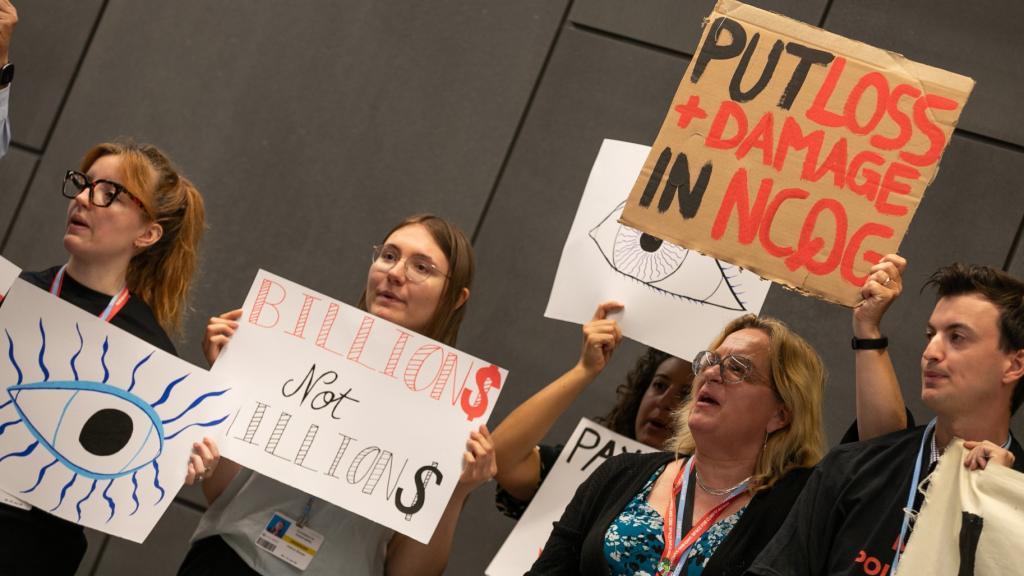
A climate activist holds a sign calling for loss and damage to be included in the new collective quantified goals or NCQG

Where do we stand on climate change mitigation?

Looking back at COP 28 in Dubai, the biggest breakthrough in those negotiations was the inclusion of language on fossil fuel transition and expanding renewable energy capacity. That was huge because reducing greenhouse gas emissions is really the essence—the root—of tackling climate change. Now we have question marks around how this will be implemented.

The discussions in Baku will hopefully provide a strong indication of a way forward. Whether it happens in the context of discussions on the mitigation work program or in discussions on guidance for the next round of NDCs doesn't really matter.

What matters is that we get clear signals that countries are committed to transitioning away from fossil fuels, and they will make the next 5 years really count toward keeping 1.5 °C alive.

Two men, one in traditional Saudi dress and the other in a suit, embrace on the stage of COP 28 while others clap in the background

What does COP 29 mean for loss and damage?

I think Baku will be a big moment on this front. Mostly, it's about assessing progress in the last few years, and there's been quite a lot. In Baku, parties will review the Warsaw International Mechanism on loss and damage, which has really advanced our general understanding of what loss and damage is and the different ways it can materialize. They will also provide guidance on the early operationalization of the Santiago Network, which aims to catalyze technical assistance on loss and damage. 

We can also expect to see more on the establishment and operationalization of the new loss and damage fund. They will discuss the fund's first report, look at what progress has been made there, and reflect on important issues, such as eligibility criteria. We are talking about exactly how we are going to channel money and to whom. The idea is that the loss and damage fund will not become a project-based fund where it takes a really long time to access funding but something with clear triggers in place for quick delivery of support to countries affected by loss and damage.

What else can we expect to see during negotiations? 

There’s a whole laundry list of agenda items to look out for. Some have high hopes for Article 6. Keep your fingers crossed on that because those negotiations have been going on for a long time. 

Parties will also have discussions on the Global Goal on Adaptation (GGA), feeding back on the work of thematic experts who have started developing indicators to measure progress toward the GGA. 

But there are a lot of other issues. Parties will talk about agriculture. They are supposed to finalize a review of the gender action plan. They are also going to talk about just transition. We can also expect reflections on lessons learned from the first global stocktake and possibly adaptation of the modalities of the next one.

How could recent elections and geopolitical context affect discussions?

The current global geopolitical context is very difficult and tense. We have conflicts all around the world that are increasing, and we have various waves of elections in different countries that have led to a strong tightening of budgets, which would make international climate cooperation more difficult. 

We have a lot of uncertainty through different elections. We've seen countries that have struggled to find stable majorities. Overall, there are a lot of political question marks around how the next few years are going to look.

How does COP 29 link with other negotiations and the wider environmental agenda?

COP 29 convenes during a busy end of the year. We have all three Rio Conventions having COPs this year. It's not just the climate change negotiations; there are also biodiversity and desertification negotiations happening. Delegates from small countries will likely be travelling back to back to many different meetings, including one important one for the climate change negotiations in The Hague in December. I'm talking about the International Court of Justice hearing on states’ obligations with respect to climate change. 

It may seem like 2024 is almost done, but there's still a lot going to happen on the environmental agenda this year.

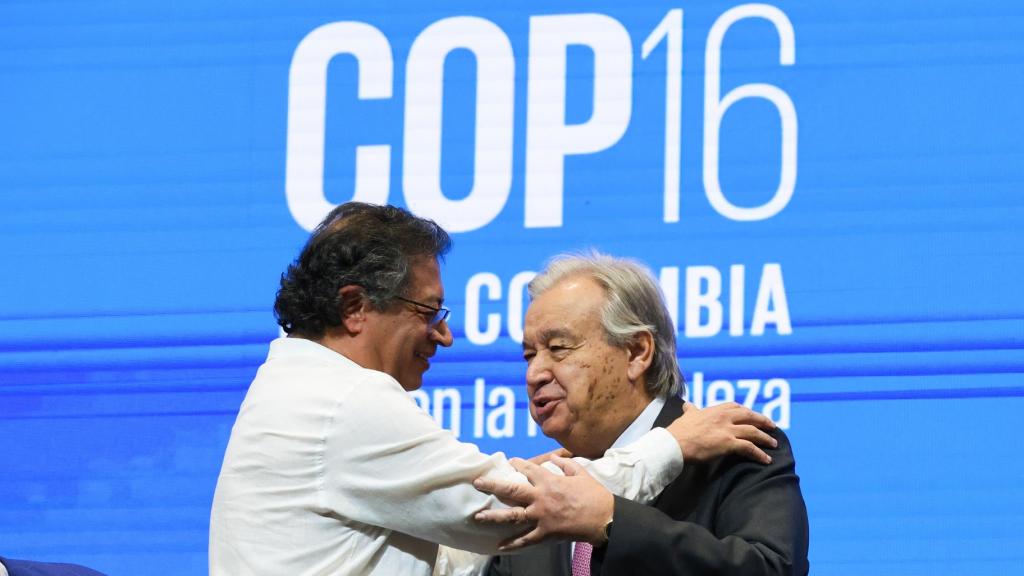
Gustavo Petro, President of Colombia, and António Guterres, UN Secretary-General, at the High-level Segment of CBD COP 16

How much influence does the COP Presidency have on issues addressed at negotiations?

There are often a lot of questions about the role of the COP Presidency, and it is not easy to explain to people why climate change negotiations are happening in big oil-producing countries. But here, let me just emphasize that the issues that are being addressed at climate change negotiations and at other multilateral environmental negotiations are not dictated by the COP Presidency. They're collectively established. We know 5 years in advance that some issues will reappear on the agenda down the road. 

So, I want to give some reassurances that the process is very stable. The role of the COP Presidency is to moderate the negotiations. They have a strong role in trying to facilitate agreement on very thorny issues. It's a hugely important diplomatic exercise to try and sort out possible disagreements, ideally ahead of time. It is a key role, but it is not so influential that the COP Presidency can sway the whole negotiations. 

We have seen issues in the past when parties feel that the negotiation process is not conducted transparently: they can object to any outcome proposed for adoption. Every COP Presidency knows they have a certain mandate they must fulfill—and they are there to serve the process.

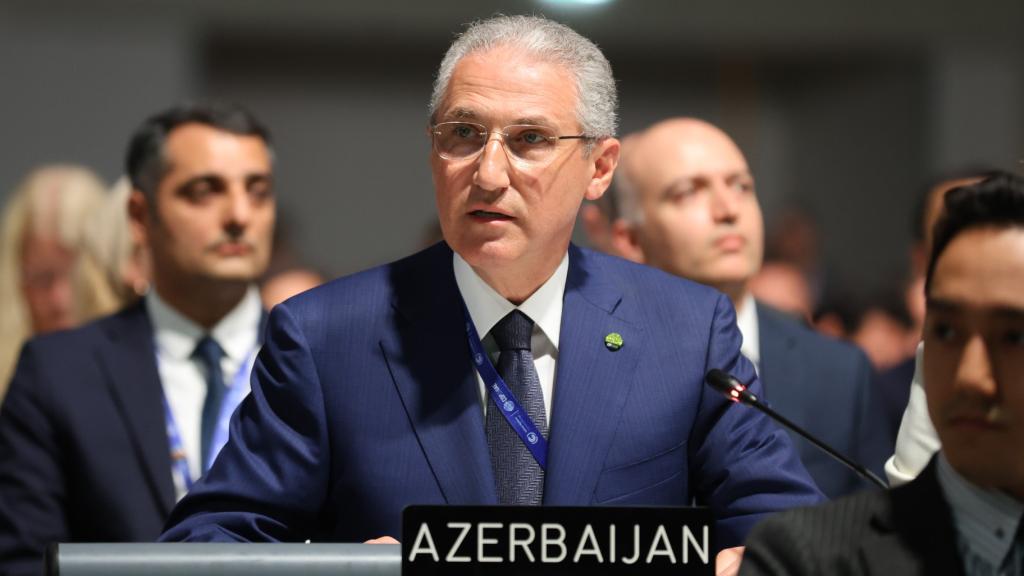
Mukhtar Babayev, Minister of Ecology and Natural Resources of Azerbaijan and COP 29 President

Are there any other thoughts on your mind heading to this COP?

I could tell you about all the temperature records we've been breaking, about all the glaciers that have been melting, and all the extreme weather events whose likelihood would be lower if we had not already surpassed a certain level of temperature warming. But really, these things are well established now. I think, at this point, we are getting desensitized to these records. 

We know very well we are not on track to fulfilling our objectives. We are coming increasingly closer to moving past the 1.5 °C bar. Scientists have done a tremendous job at explaining exactly why it matters and why every increment of warming will magnify the impacts of climate change. We have seen a lot of scientists burn out, seeing the slow response in policy. We have seen a lot of activists, especially young activists, getting very frustrated about the slow pace of the negotiations. And it is true we have not been up to the pace that would be necessary. 

Maybe Baku will help. In 2025, we have the big milestone of the next round of NDCs, which are supposed to be 1.5 °C aligned and move us closer to a transition away from fossil fuels and toward renewable energy. The question is this: How will Baku move us closer to that result?

Do you have any reflections on how climate action can be facilitated in between negotiations?

I hope COP 29 will deliver a new climate finance goal and that it will provide some clarity as to how countries are going to respond to the decision on the global stocktake. But really, this is not all on the multilateral level. Countries have the responsibility to come up with new, more ambitious, NDCs. Everybody can do their part to increase the pressure on their government to take such action and come back with more ambitious plans next year.

Explainer

How Can a Fossil Fuel Levy Cut Emissions and Finance Climate Action?

What is a fossil fuel extraction levy and how can it help finance climate action? David Manley and Paola Yanguas Parra compare proposals, recommending 4 ways forward for policy-makers.

October 24, 2024

A levy on extracting fossil fuels could reduce emissions and help finance climate action. There are several benefits to this approach, as well as trade-offs to consider. We compare four proposals to answer the question: How can governments implement the most effective fossil fuel levy?

A fossil fuel extraction levy would be an internationally agreed upon payment from companies when they extract fossil fuels. The payment would be in addition to the taxes companies pay to national governments and other types of carbon taxes paid by consumers of fossil fuels or goods made with fossil fuels.

Recent developments have brought the idea to the fore. The parties to the United Nations Framework Convention on Climate Change (UNFCCC) agreed on the need to transition away from fossil fuels in the global stocktake at its 28th Climate Change Conference (COP 28) in 2023. The European Union’s Carbon Border Adjustment Mechanism encourages governments to establish their own carbon tax or similar pricing schemes. Even one of Europe’s oil and gas suppliers—and host of UNFCCC COP 29—the Government of Azerbaijan, has proposed that fossil fuel companies voluntarily contribute to a fund for climate action. In this Explainer, we unpack four prominent proposals for extraction levies:

Read on to explore how the design of a levy affects its outcomes.


Oil platforms stand offshore.

Why a levy on extraction rather than consumption?

A levy on fossil fuel extraction has various advantages over consumption taxes. First, producing countries get to keep some of the revenues, giving them an incentive to impose the levy. Second, administration is easier as there are fewer extracting companies than there are consuming companies. In addition, the carbon content of each unit of fossil fuel extracted is easier to measure than the carbon content of the many goods sold in an economy. Third, people in both high-income and emerging economies would support taxing fossil fuel companies, particularly if they benefit from the revenue. Finally, a levy at the point of extraction covers more emission sources than carbon taxes at the final use point, including emissions from extraction, processing, and transport.

What’s the purpose of a fossil fuel extraction levy?

An extraction levy serves two purposes: raising revenues and discouraging extraction. However, these goals are in tension with each other. It is important to establish which takes priority.

Many governments are more likely to support raising revenues. The Climate Damages Tax (CDT) and Windfall Profits Tax proposals prioritize this goal over reducing extraction, although both mention the latter as a secondary goal.

However, climate advocates, particularly from the frontlines of climate impacts, may prioritize discouraging extraction.

To hold global warming to 1.5°C, fossil fuels need to be phased out.

If the levy succeeds in reducing extraction, it shrinks the tax base to fund climate action. On the flip side, if governments and industries start relying on the revenues, they may support continued fossil fuel extraction, creating a moral hazard. The fossil fuel industry could use the fact that it is paying for its pollution to “greenwash” continued fossil fuel expansion.

Should the levy be on windfall profits or the carbon content of the fossil fuels produced?

All the proposals we reviewed, except the Windfall Profits Tax, are based on the carbon content of fossil fuel production. If the primary purpose is to discourage production, this approach is more effective than a levy on windfall profits. Companies pay the levy irrespective of their profitability, making new projects and expansions that are only marginally profitable unviable. Conversely, governments tax windfall profits to generate revenue without deterring investment.

Payments from taxes based on production are more stable than payments from windfall profits—since profits are determined by the highly volatile oil and gas prices. This makes it difficult to rely on windfall profits to fund climate or transition projects. In addition, for authorities collecting payments, the carbon content of production is easier to verify than corporate profits, making it more difficult for companies to avoid paying taxes based on carbon content than taxes based on profits.

How high should the levy rate be?

Various experts have suggested that any carbon tax should start low to gain support and gradually increase to ensure the levy is sufficiently high to discourage investment. Two proposals have been suggested with this in mind. The CDT has a starting rate of USD 5/tCO2e, increasing by USD 5 each year. In the Multilateral Carbon Tax Treaty (MCTT), governments negotiate rates based on the carbon cost estimates of the International Panel on Climate Change, ranging between USD 20 and USD 80/tCO2e by 2030 and between USD 30 and USD 50 by 2050, with low-income countries imposing a lower rate than higher-income countries.

How would the levy fit into existing fiscal regimes?

A new levy on fossil fuel extraction creates some challenges, especially for low-income countries. First, contracts between oil and gas companies and governments in low- and middle-income countries often include “stabilization clauses” that restrict governments from altering the fiscal regime. This makes it difficult to raise tax rates on current projects. However, reducing extraction may be less affected—the levy is not likely to affect extraction under current projects but does affect companies’ decisions to develop marginal fossil fuel projects, which require a new contract with the government. These contracts could then include the extraction levy.

Second, governments may implement a levy to gain the benefits of being in the international process but then compensate companies to prevent harm to their fossil fuel industries. Compensation could involve reducing other taxes or providing subsidies. Some fiscal stability clauses even dictate that if a government raises a tax, it must compensate the company by reducing another tax to ensure there is no net economic impact.

Levies need a provision to guard against this. However, fiscal terms in contracts, most often used in low-income countries, are often secret. Compensation would be difficult to verify. Similarly, the financial relationship between governments and their national oil companies can be opaque. This is important to consider since national oil companies extract over half of the world’s oil and gas.

How would the revenue be spent?

The proposals suggest that high-income countries transfer some of their revenue to governments in low-income countries. When sending funds abroad, the CDT and the MCCT propose that governments transfer some of the funds to an internationally managed fund, which is then allocated to recipient countries. Money from the CDT goes to a loss and damage fund, while money from the MCTT goes to a common carbon fund for low-carbon technology for member countries.

However, balance is needed. The CDT suggests that 20% to 50% of the revenue generated by high-income countries should stay within the country as a “domestic dividend.”

For revenue that remains with the government, another choice is whether to earmark it for specific uses.

Fossil fuel-producing countries already tax their fossil fuel industries, but few want to destroy them.

However, earmarking is challenging. First, earmarking revenues from an international initiative is legally difficult. Second, earmarking conflicts with government finance principles as project spending needs are not timed with revenues paid—which is particularly problematic for volatile oil and gas revenues. One solution is to deposit revenue into a “stabilization fund” and release a steady stream of cash to match spending. These funds pose substantial governance problems, but there is experience from decades of use to draw upon.

What would encourage governments to adopt the levy?

This is the key question for advocates. Fossil fuel-producing countries already tax their fossil fuel industries, but few want to destroy them. To encourage them to impose a further tax, the MCTT and Wellhead Carbon Tax both suggest that if a government of a fossil fuel exporter imposes an extraction levy, the importing government cannot impose a further carbon tax on the imported fuel. However, if the exporting government does not impose the carbon tax, importing countries have the right to impose an equivalent tax instead. This mechanism would work similarly to the European Union’s Carbon Border Adjustment Mechanism.

A critical mass of importing countries is required to incentivize exporting countries to join. Advocacy in importing countries would have to promote the climate benefits of the scheme in exchange for the cost of losing carbon tax revenue. It is less obvious how the levy would be advocated in countries that consume their own fossil fuels or low-climate-ambition importers that rely on their own carbon tax revenues or need cheap energy imports. 

What is the way forward?

These proposals represent a tremendous amount of expertise in developing extraction levies. But there is more work to do. Donors, experts, and non-governmental organizations could

  • find ways of working together and selecting the most viable proposals to promote,
  • address the remaining design challenges,
  • examine the trade-off between raising revenues and discouraging production goals, and 
  • select the most viable proposals to bring to governments interested in joining a “coalition of the willing” or “climate club” around this issue, which should negotiate and decide the purpose, fiscal terms, and adoption mechanism for the levy.

Explainer details

Explainer

Tackling Liquidity and Debt Challenges in Developing Countries: Key takeaways from the Global Sovereign Debt Roundtable

Anahí Wiedenbrüg, Fernando Morra and Yanne Horas analyze proposals put forward at the Global Sovereign Debt Roundtable to tackle debt challenges faced by developing countries.

October 16, 2024

Sovereign debt has become a growing challenge for many emerging markets and developing economies, with countries struggling to secure debt relief while ensuring their long-term development goals. The Global Sovereign Debt Roundtable (GSDR) was established in response, co-chaired by the International Monetary Fund (IMF), World Bank, and G20 Presidency (currently, Brazil). At its most recent meeting held in mid-September, IISD contributed valuable insights. But what exactly is the GSDR, what was discussed there, and how could these discussions impact the future of debt restructuring and debt sustainability?

Why Is Restoring Sovereign Debt and Keeping It Sustainable Becoming Increasingly Complex? 

Restoring and keeping sovereign debt sustainable has grown complex due to the increasing number and variety of creditors, rising global interest rates, and the substantial refinancing needs of many nations, particularly emerging markets and developing economies (EMDEs).  

Major crises like the COVID-19 pandemic and global challenges like climate change have added to these financial pressures, making it harder for nations to balance debt repayment with the investment needed for recovery and development. These factors have raised serious concerns about the long-term sustainability of debt in many EMDEs.  

While several international initiatives have been introduced to address these challenges, many have fallen short and are facing significant implementation issues.  

The most notable innovation in the debt landscape since the pandemic has undoubtedly been the Common Framework for Debt Treatments. It provides low-income countries with a mechanism to restructure unsustainable debts from both Paris Club and non-Paris Club creditors, as well as private creditors. While the framework was a significant diplomatic achievement at the time of its adoption, its impact has been limited. Since November 2021, only four countries—Chad, Zambia, Ethiopia, and Ghana—have applied. One of the main reasons for low uptake is how long the process takes, which often leaves countries in a difficult position. 

Although a diplomatic achievement, the Common Framework for Debt Treatments has faced implementation issues, resulting in limited impact.

While a widespread debt crisis has been averted, many low-income countries and EMDEs continue to struggle with high levels of debt vulnerability. According to the IMF, one fifth of emerging economies and more than half of low-income countries remain at high risk of debt distress. Among them, 48 spend more on interest payments than on health and education. 

What Is the GSDR? 

The GSDR is an informal forum that convenes a diverse group of stakeholders, including finance ministers, central bank governors, civil society representatives, and international organizations. Its objective is to build a greater common understanding among key stakeholders involved in debt restructuring. It addresses the lack of coordination among creditors, the increasing complexity of the sovereign debt landscape, and the urgent need for innovative financing mechanisms to support sustainable development and climate goals  

The GSDR complements the Common Framework for Debt Treatments by contributing to building a consensus around debt restructuring processes, both for countries participating in the Common Framework and for those outside of it. 

During the open meeting held in September, participants discussed proposals to provide targeted financial support to countries facing severe liquidity challenges. These proposals included debt-for-development and climate swaps, state-contingent debt instruments, and debt buybacks. The discussions highlighted the need for structured mechanisms for debt relief that encourage collaboration among creditors and leverage concessional resources from international financial institutions.  

By aligning debt relief efforts with broader development goals, these proposals aim to empower vulnerable nations to invest in critical areas such as climate adaptation and social infrastructure, ultimately fostering sustainable economic growth and stability in an increasingly volatile global environment. 

What Key Proposals Were Discussed, and What Are Their Potential Implications? 

The Bridge Program is one of the most prominent solutions discussed at the GSDR, gathering support among Paris Club creditors and gaining traction with the G20. It aims to provide short-term relief to countries with manageable debt levels that are facing liquidity issues. The core idea is to involve debtor nations, international financial institutions, and creditors in a structured program. Debtor countries would develop national investment programs, international financial institutions would scale up financing, and creditors would agree to roll over debtors’ debt.  

The underlying motivation for this proposal is the belief that, in the past, the international community has focused too much on finding solutions for countries facing debt sustainability problems (countries that cannot service their debts without compromising other basic socio-economic indicators) and too little time on the much larger group of countries facing liquidity constraints (countries that cannot roll over their debts).  

While the Bridge proposal is significant, its practical implications for developing countries remain unclear. One concern is how credit rating agencies could perceive it. These agencies have explicitly indicated that maturity extensions could be viewed as a trigger for credit rating downgrades. This perception could deter nations from seeking assistance out of fear that their credit rating could be downgraded, making it harder for them to borrow in the future.  

The Bridge Program aims to provide short-term relief for countries facing liquidity issues, but its practical implications raise concerns about potential credit rating downgrades, among other issues.

Countries engaging with the initiative might end up accumulating more senior debt—with a higher repayment priority—making future restructuring even more difficult. The fear is that the new funds might benefit private creditors rather than promoting economic resilience or investing in sustainable development. 

What Are Some Alternatives to These Proposals? 

An alternative to the Bridge proposal is the Debt Relief Initiative for a Green and Inclusive Recovery (DRGR). The initiative is akin to the Bridge Program, proposing a tri-partite deal: bilateral and private creditors provide debt relief, multilateral lenders commit new financial support, and the debtor commits to a country-led, credible multi-year program for economic recovery and green growth. Unlike the Bridge Program, however, the DRGR could also be applied to countries facing debt sustainability problems. 

This proposal is anchored by enhanced Debt Sustainability Analyses (DSAs). DSAs are evaluations provided by the IMF and World Bank that assess a country’s ability to manage its debt. In the context of the DRGR, such evaluations would be reviewed to assess not only the capacity of a country to repay its debt obligations but also a country’s ability to finance critical investment needs, such as climate adaptation or social services, and repay its debt without compromising sustainable development that is environmentally sustainable.  

Unfortunately, including investment needs for climate and development in DSAs, as proposed, is anything but straightforward in practice. Assessing these needs would necessitate a transparent and multistakeholder process that includes input from the parliament and civil society organizations for debtors, creditors, and international financial institutions to agree on the financial requirements needed to meet them. In this regard, fostering multistakeholder forums is a critical step, as they increase transparency around a country’s investment needs and debt sustainability. And while various stakeholders might still contest the results of the process based on their interests, transparency can make it harder for them to ignore established norms and dispute common sense.  

The Debt Relief Initiative for a Green and Inclusive Recovery (DRGR) aims to integrate environmental and social investment needs into debt assessments, but achieving transparency and stakeholder consensus remains a complex challenge.

It is crucial to note that going forward with the DRGR proposal would imply amending the Common Framework for Debt Treatments to incorporate these enhanced considerations and that re-opening the discussion on previously agreed elements of the Common Framework is undesirable from a political perspective. Indeed, several G20 members have indicated they would contest previously agreed elements, which could lead to a regression in established norms rather than progress. 

What Is the Next Step for the GSDR?  

Members of the GSDR will likely meet at the upcoming IMF/World Bank Annual Meetings in Washington, D.C., in mid-October, where they are expected to publish a progress report analogous to the one published during the Spring Meetings in April. The Bridge proposal is likely to continue being discussed, especially by the G20, where revisions to the proposals are being considered.  

While it will be difficult to get a revised version of the Bridge proposal adopted by consensus by the G20, the likelihood is higher than amending the Common Framework for Debt Treatments, something the DRGR initiative requires.  

Explainer details

Impact area
Sustainable Economies
Explainer

How Will a Global Plastics Treaty Impact Trade?

Andrew AzizIeva Baršauskaitė, and Satish Triplicane Damodaran explain how a global plastics treaty may influence trade by imposing new regulations on plastic production, fostering recycling efforts, and promoting sustainable alternatives, all while addressing potential challenges for developing economies.

October 8, 2024

As this year’s World Trade Organization (WTO) Trade and Environment Week coincides with the homestretch of negotiations on the world’s first global plastics treaty, the trade implications of the treaty are frequent topics of discussion. 

Plastic products and components are one of the most traded goods. Unsurprisingly, with governments increasingly taking action to restrict plastic use, various frictions are emerging between trading partners. In fact, 21 plastic policy measures have already triggered specific trade concerns or trade policy review questions at the WTO. 

With the plastic talks set to wrap up in early December at the fifth and last scheduled session of the Intergovernmental Negotiating Committee (INC-5), negotiators need to understand the possible trade-related implications of the treaty. How will the treaty be structured? What issues are likely to have the most trade-related implications? What are the next steps? 

What is the status of the global plastic talks?

In March 2022, United Nations member states adopted Resolution 5/14, which established a mandate for countries to end plastic pollution and establish the world’s first legally binding international agreement on the full life cycle of plastics. Governments have already engaged in four INC meetings. At INC-4, delegates agreed to establish two ad hoc intersessional open-ended expert groups to help advance certain areas of negotiations. These intersessional co-chair reports are expected to be published here on October 14, 2024. 

INC-5 is scheduled to take place from November 25 to December 1, 2024, at the Busan Exhibition and Convention Center in Busan, South Korea. 

What are the objectives of the plastics treaty? 

The treaty aims to leverage international cooperation to tackle the global plastic pollution crisis by reducing plastic waste, enhancing recycling, and transitioning toward a circular economy, including through improving design standards. The text emphasizes protecting ecosystems, particularly marine environments, and supports innovation in waste management practices. The overall goal is to curb plastic pollution by 2040 and mitigate its environmental and health impacts globally. Key objectives include eliminating single-use plastics, reducing plastic production, encouraging sustainable alternatives, and increasing the responsibility of producers in managing the life cycle of plastics.

Many advocates are pushing to ensure that the treaty also addresses a range of known health concerns related to plastic in the environment, such as toxic chemical exposure, microplastics in food and water, air pollution through incineration, and endocrine disruptors. 

What will the treaty look like?

While the final form of the treaty remains unclear at this point, some observers expect it to function as a framework agreement, similar to the Paris Agreement on climate change. For example, countries may be able to negotiate specific protocols or commitments that could be strengthened over time. In such a scenario, countries could be expected to develop and implement national action plans specifying how they intend to reduce plastic pollution, manage plastic waste, and transition to a circular economy.

Importantly, obligations undertaken by signatories are likely to be legally binding. They will include possible commitments to phase out single-use plastics, minimize virgin plastic production, and promote product design innovation, reuse, and recycling. Financial and technical assistance mechanisms are also likely to be present as a means to support developing countries in their efforts to meet the treaty’s obligations.

Trade-related implications of bans and other restrictions

One of the more contentious areas of negotiations relates to possible restrictions on the most problematic plastics, polymers, and chemicals. These could, for example, target single-use plastics, such as plastic bags, straws, and packaging, as well as chemicals that negatively impact human health when used in plastics. 

Countries with export-dependent industries, especially developing and least developed countries, may be adversely impacted if they are compelled to utilize alternatives to plastic. This could lead to a loss of market access and impede competitiveness. In the absence of commonly agreed upon and clearly defined lists, the implementation of the treaty may lead to market disruptions as countries and exporters struggle to coordinate.  

The treaty could also impose limits on the production of virgin plastic. An important and particularly challenging task for those taking on this obligation would be defining trade controls that could ensure production by those taking on the commitment is not simply transferred to other countries. At the same time, such measures could also prompt a faster shift toward more trade in recycled plastic materials and sustainable alternatives. 

Some groups of negotiators are pushing for measures such as the removal of subsidies on plastic production or the application of a plastic tax. Both approaches would pressure the industry to seek out alternatives as costs increase. 

As they weigh these important and useful initiatives, policy-makers will need to think through how to manage the economic consequences of the new restrictions. New plastic measures might spark friction between trading partners if implementation is not properly coordinated, and the short time frame for implementation would not allow for harmonization. Countries that implement stricter regulations in line with the treaty could decide to impose barriers on plastic imports from nations with weaker environmental protections. Transparency and clarity in how these changes are phased in will help trading partners keep up. 

The treaty may also encourage the harmonization of global standards on plastic products, waste management, and recycling. While a more uniform approach to regulations across countries could simplify trade, stricter compliance requirements could present challenges for certain industries and be perceived as non-tariff measures, leading to disguised restrictions on trade.

Finally, compliance with the WTO rules could also play a key role in shaping the treaty, as WTO laws forbid quantitative restrictions, such as prohibitions or bans, except under certain conditions.

Implications related to product design

Harmonization of global product design and recyclability standards could improve trade flows, spur better circular economy practices, and increase the pace of development of local plastic waste recycling and processing industries.

New market opportunities for exporters of eco-friendly products may emerge as countries move away from single-use plastics. Countries and companies with expertise in advanced recycling technologies could also see increased global demand. Trade in technology and expertise for better plastic waste management could grow as a result of the treaty’s commitments. This, in turn, could reshape global supply chains. 

Global standards with a higher threshold can also lead to higher compliance costs for certain countries and companies with limited capabilities. Likewise, countries with limited capabilities to implement such standards may struggle and view restrictions as a non-tariff barrier. 

The concerns of developing countries are expected to remain a significant part of negotiations, as any new design requirements could lead to the displacement of established industries and the use of more sophisticated technologies. Impacts on market access can be offset by technical assistance and development programs. 

Finally, intellectual property rights could be an important area of negotiation, as innovations may lead to patent barriers and limit access to technology. A discussion on technology transfer can act as an enabler for ensuring smoother trade on alternative products. 

Implications related to treaty financing

Because a financing gap exists between the ambition of the treaty and current commitments, a number of fees and other financial obligations are being proposed to bridge the gap. Most notable—and controversial—is a possible plastics fee, which could function like a tax on the production or import of virgin plastics. Revenue generated from this fee could potentially fund waste management systems, recycling infrastructure, and environmental clean-up efforts.

Other financing mechanisms could include extended producer responsibility fees requiring plastic producers to fund waste collection, recycling, and disposal systems, as well as possible non-compliance penalties, including fines or tariffs.

Industrialized countries may also be required to contribute to a global fund to help developing nations build plastic waste management systems. Other fees, such as environmental impact fees, may apply to companies based on the pollution their plastic products cause.

How trade concerns can be avoided 

Thankfully, avoiding the vast majority of trade frictions can be addressed easily through thoughtful plastics policy measures. IISD has identified the six most common types of plastic-related trade concerns and has proposed recommendations to ensure these are avoided. 

In short, policy-makers must ensure that policy implementation timelines are reasonable and are shared with trading partners. They must also ensure that new measures are transparent, publicized, and accessible. Formal opportunities must be available for stakeholder engagement so they can provide input, suggestions, and feedback on potential trade impacts. Policy-makers should also ensure that implemented measures are proportional in scope and impact to the problem they are designed to address. Likewise, they should ensure that measures provide the necessary scientific, technical, or technological justification to support a particular rationale. Finally, they must ensure they avoid discriminating against goods produced by trading partners. 

In order to ensure trading partners are not subjected to discrimination through a given policy, introduced measures should not favour domestic economic actors, and they should be consistent with national treatment obligations. In general, any exemptions, flexibilities, or temporal grace periods provided by the implementing member should be equally accessible to domestic producers and trading partners.

Following these guidelines will help ensure that plastic pollution measures find widespread support and are effective in the long term.   
 

Explainer

Understanding the United Nations’ New Principles for Resourcing the Energy Transition

Greg Radford explains new principles and recommendations developed by the UN Secretary-General’s Panel on Critical Energy Transition Minerals and designed to advance equity and justice.

September 11, 2024

At the 28th United Nations (UN) Climate Change Conference (COP 28), governments agreed to triple global renewable energy capacity by 2030. A successful transition to renewable, low-carbon energy will need significantly more minerals like copper, lithium, and nickel. But how can we ensure that the necessary mining will be done with concern and protection for people and the planet? New guiding principles and recommendations from the UN are designed to drive a fair and just energy transition.

How Were the Principles Developed?

The principles were created by a panel appointed by UN Secretary-General Antonio Guterres in April 2024. The panel was tasked to develop a set of voluntary principles to address challenges often linked to mining—such as social conflict and environmental degradation—and ensure a just, equitable, and successful energy transition. The panel’s launch followed plans announced by Guterres at COP 28 in 2023.

“A world powered by renewables is a world hungry for critical minerals. For developing countries, critical minerals are a critical opportunity to create jobs, diversify economies, and dramatically boost revenues. But only if they are managed properly. The race to net zero cannot trample over the poor. The renewables revolution is happening—but we must guide it towards justice,” said Guterres in launching the panel.

Who Participated?

The panel was co-chaired by Ambassador Nozipho Joyce Mxakato-Diseko of South Africa and Director-General for Energy Ditte Juul Jørgensen of the European Commission. The 40 panellists included representatives from national governments and non-state actors with expertise and experience working on the issues, including the Intergovernmental Forum on Mining, Minerals, Metals and Sustainable Development (IGF) Secretariat, which is hosted by the International Institute for Sustainable Development (IISD).

Over 4 months, the panel met 13 times virtually and twice physically in Copenhagen and Nairobi. The panel also considered 100 submissions from governments, organizations, businesses, financial institutions, and individuals.

What Are the Outcomes?

The panel formulated and agreed on seven voluntary guiding principles to be applied to the entire value chain and life cycle of critical energy transition minerals. In addition, it proposes actionable recommendations to support the implementation of the principles. The panel advises that these interconnected principles should all carry equal weight and be collectively advanced.

The Guiding Principles

  1. Human rights must be at the core of all mineral value chains.
  2. The integrity of the planet, its environment, and its biodiversity must be safeguarded.
  3. Justice and equity must underpin mineral value chains.
  4. Development must be fostered through benefit sharing, value addition, and economic diversification.
  5. Investments, finance, and trade must be responsible and fair.
  6. Transparency, accountability, and anti-corruption measures are necessary to ensure good governance.
  7. Multilateral and international cooperation must underpin global action and promote peace and security.

Recommendations to Support the Principles

The panel made several actionable recommendations that leverage the UN’s ability to create key bodies and processes to embed and maintain the principles. These recommendations include establishing a High-Level Expert Advisory Group housed in the UN to accelerate greater benefit-sharing, value addition, and economic diversification in critical energy transition mineral value chains, as well as responsible and fair trade, investment, finance, and taxation.

Other recommendations call for initiatives to

  • develop a global traceability, transparency, and accountability framework along the entire mineral value chain—from mining to recycling;  
  • address mining legacy issues and strengthen financial assurance mechanisms for mine closure and rehabilitation;
  • empower artisanal and small-scale miners to practice support responsible mining; and
  • establish equitable targets and timelines to implement material efficiency and circularity approaches along the entire mine life cycle of critical energy transition minerals.

What’s Next?

The panel and its outcomes are unique as a UN project and should motivate the UN to use its position as a global convenor to support the guiding principles for a just and equitable energy transition. At the same time, the panel is clear that actions should aim to build on the existing national, intergovernmental, civil society, and industry organizations seeking similar goals.

The Secretary General has committed to harnessing the UN system to support implementation and has asked the co-chairs and panel to consult and share the report with member states and other stakeholders ahead of COP29 later this year.

As the leading intergovernmental body focused on mining policy, the IGF is well-placed to support the UN principles. The IGF has an impactful track record of working to strengthen mining governance for the betterment of communities, economies, and the environment in its 85 member countries, including most of the world’s major mining jurisdictions. Policy-makers from these nations will convene with global non-state actors at the IGF’s upcoming 20th Annual General Meeting (AGM), with a focus on Redefining Mining: Balancing the Need for Minerals with Protecting People and the Planet, this November at the UN Palais des Nations in Geneva.

As the IGF’s host institution, IISD supports the Secretariat with its expertise in finance, investment, taxation, and trade to support fairer and more responsible critical mineral value chains for a just energy transition.

The IGF’s Work on Critical Minerals Governance

As a member-driven organization, the IGF focuses on pressing issues stemming from the rising demand for critical minerals in the energy transition. Evolving mining policy concerns are reflected in the IGF’s Mining Policy Framework, updated and ratified by members in 2023, which outlines international good practices throughout the mining life cycle and details the Secretariat’s mandate to work on key policy areas.

IGF Resources and Upcoming Events Aligned with the UN’s Principles

Greg Radford served on the UN Secretary-General’s Panel on Critical Energy Transition Minerals and is the Director of the Intergovernmental Forum on Mining, Minerals, Metals and Sustainable Development (IGF), hosted by IISD.


Explainer

The Urgency and Complexity of Moving Beyond GDP

Efforts to explore how the portfolio of capitals that make up comprehensive wealth—financial capital, produced capital, natural capital, human capital, and social capital—can give policy-makers insights into how their policies build wealth for their countries in the long run.

September 9, 2024

How can decision-makers build sustainable policies when they only see part of the picture of their countries' economic performance? How can citizens gauge if their children or grandchildren will enjoy better lives when the primary goal of much national policy—GDP growth—aims only at maximizing short-term income? What alternative measures could complement GDP and give a fuller sense of a country's prospects for well-being?

These questions will be in the spotlight during the Summit of the Future at United Nations (UN) Headquarters in New York on September 22–23. UN Secretary-General António Guterres has described the 2-day event as an "opportunity to enhance cooperation on critical challenges and address gaps in global governance."

The draft outcome document world leaders will endorse at this Summit—the Pact for the Future—features a number of commitments to transform global governance, including Action 56. "We will develop a framework on measures of progress on sustainable development to complement and go beyond gross domestic product." It's a pledge that aligns with a growing chorus of voices underlining that the 20th-century trend of prioritizing income measures like GDP in policy-making creates a distorted, short-term view of progress.

Just which indicators will be included in that "framework of measures of progress" is uncertain, though thought leaders and organizations have been developing robust options for years. For roughly a decade, the International Institute for Sustainable Development (IISD) has been exploring how the portfolio of capitals that make up comprehensive wealth—financial capital, produced capital, natural capital, human capital, and social capital—can give policy-makers insights into how their policies build wealth for their countries in the long run. A recent panel discussion on Moving Beyond GDP Through Comprehensive Wealth explored the advantages and challenges of leveraging national data in EthiopiaIndonesia, and Trinidad and Tobago to track how changes in those countries' comprehensive wealth over a 25-year period tell different stories than GDP performance. Robert Smith shared the report's findings on behalf of his IISD colleagues Livia Bizikova and Zakaria Zoundi as well as the in-country teams. After exploring the nuanced benefits and failings of GDP as a measure of national progress, he presented the five elements of comprehensive wealth as an answer to UN Secretary-General António Guterres' call to "shift priorities towards new metrics." The five elements of comprehensive wealth are

  • produced capital, which consists of roads, railways, ports, houses, machinery, and various other manufactured assets found in the economy;
  • natural capital, which includes market natural resources such as timber, minerals, oil, and gas. It also includes ecosystems of all kinds; for example, wetlands that help create clean drinking water and forests that act as carbon storehouses;
  • human capital, which is made up by the collective knowledge, skills, and capabilities of the labour force—the result of lifelong learning in both formal and informal settings;
  • financial capital, which covers stocks, bonds, and other forms of financial assets. Investments by governments, businesses, and households are often aimed at building up stocks of produced and financial capital; and
  • social capital, which represents the norms and behaviours that define interactions between members of society, including how safe people feel in their communities, inclusivity, and trust in important institutions.

Noting that most of the data for the reports were drawn from national sources, Smith presented each of the three country's comprehensive wealth indices for 1995 through 2020 compared to their GDP performance.

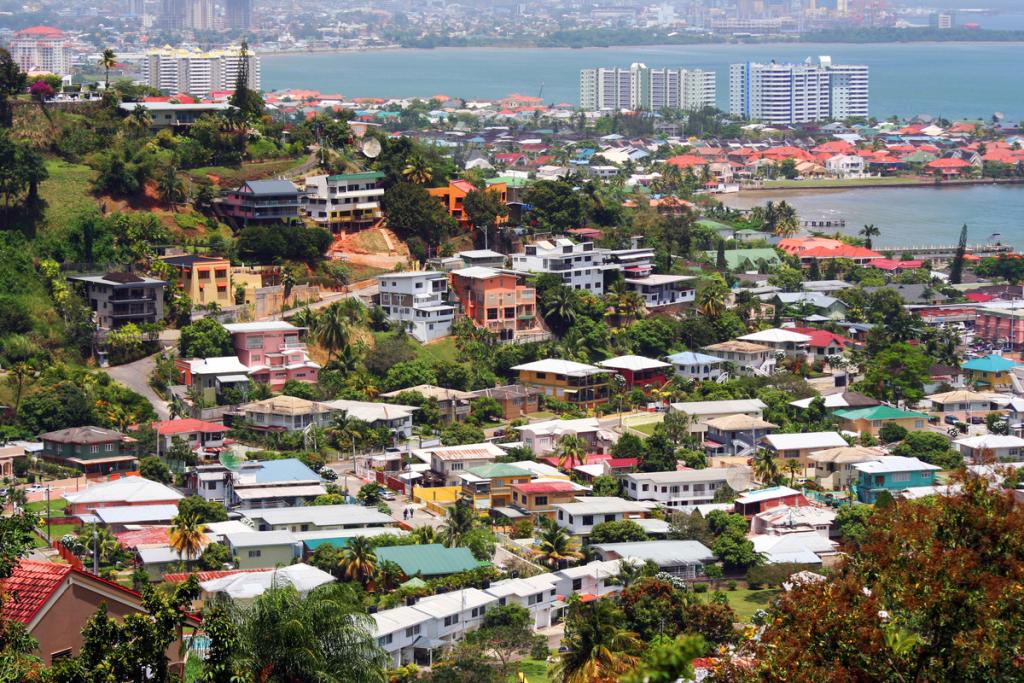
An aerial view of the Port of Spain, Trinidad and Tobago

While the GDP index in Trinidad and Tobago went up "reasonably nicely" over the study period, Smith noted the comprehensive wealth index hardly changed from 1995 to 2020. He said that when a country grows its GDP but not the asset base on which that GDP rests, it likely indicates a sustainability problem. He drew attention to the measure of Trinidad and Tobago's natural capital reaching a zero value in 2020—a reflection of the loss of value in oil and gas that has powered the island nation's economy. Given that half of the country's produced capital is tied to the oil and gas sector as well as the human capital invested in skills for the same industry, the decline in natural capital paints a different—and more dire—picture of Trinidad and Tobago's economic sustainability than GDP performance. Smith noted that if comprehensive wealth was regularly studied and reported in the country, it would prompt dialogue among policy-makers and citizens on how to create an economy that would ensure long-term well-being.

Smog-filled cityscape with a mountain in the background.

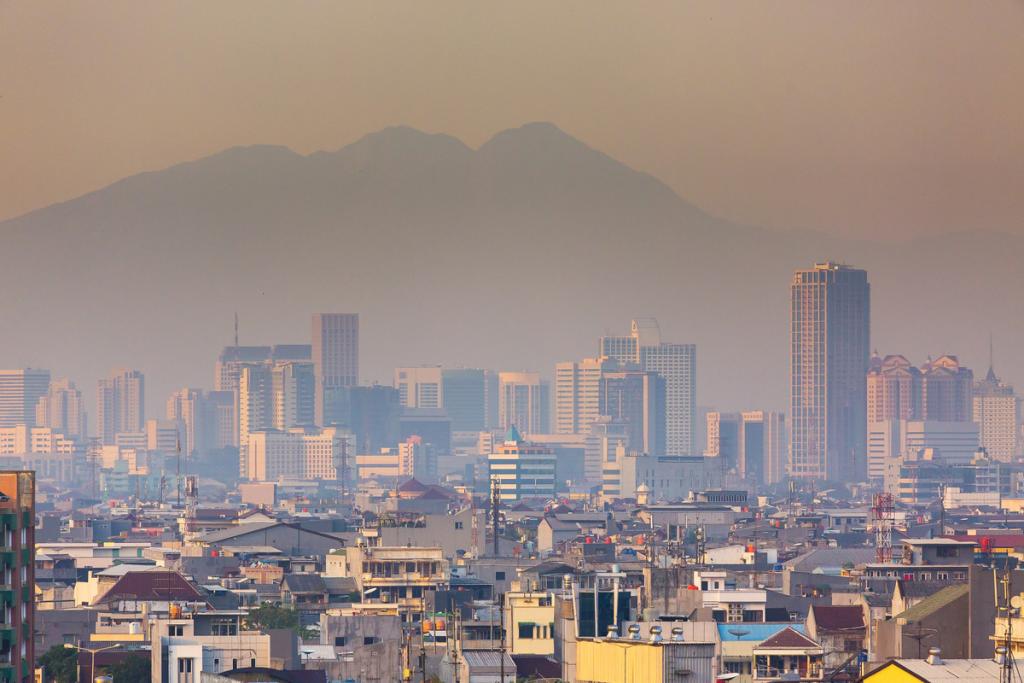
In Indonesia, Smith noted that while there was good growth in the comprehensive wealth index at 4.3%, GDP grew only 2.8% during this period. In other words, the amount of income (GDP) created for each unit of wealth in Indonesia went down over the study period. Smith said this is highly undesirable and unusual, as countries typically get better at converting wealth into income over time. He noted that if Indonesia had maintained its level of productivity from the start of the study period (1995) to the end (2020), the country would have 42% more income now than it currently does—a sum that would have pushed Indonesia closer to becoming a high-income country. While this decline in productivity revealed by comprehensive wealth should obviously interest Indonesians, Smith pointed out that Indonesia's management of its wealth—especially its world-class natural capital—has global implications. The country is a steward to a great amount of biodiversity, including the largest expanse of rainforest in Asia.

Aerial view of city

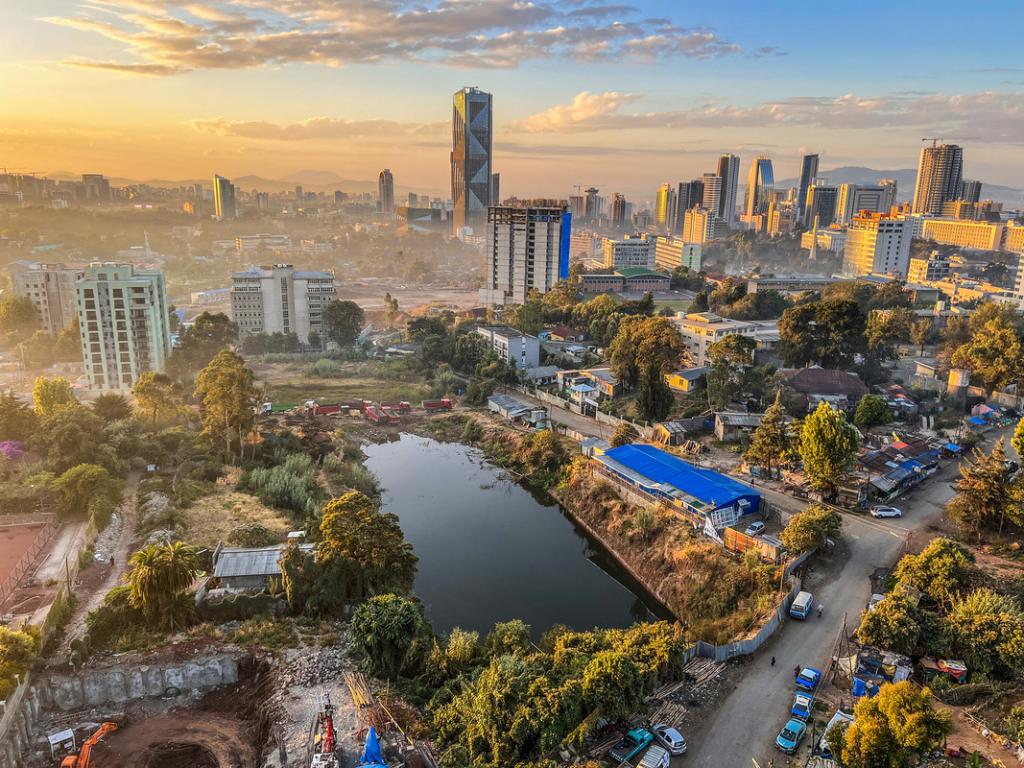
For Ethiopia, Smith said the study revealed good progress on increasing overall wealth despite social, environmental, and economic challenges. However, with overall comprehensive wealth in the country starting from a low point at the beginning of the study period—just one-tenth of what it is in Indonesia or Trinidad—Ethiopia has further to go in raising its CWI to sustainably improve well-being. Smith suggested that produced capital investments made to develop the manufacturing sector could be better invested in modernizing the agricultural sector, which currently drives much of the country's GDP performance and is labour intensive with low productivity.

After noting trends in specific capitals of comprehensive wealth across the three countries, Smith emphasized the need to expand engagement from the researchers involved in the study with more national statistical office staff, central banks, and policy-makers. With comprehensive wealth revealing insights that are obscured by a focus on GDP performance alone, he said governments have an opportunity to use evidence to shift away from "short term-ism" to evidence-based planning for sustainable well-being. He concluded by sharing quotes from youth who had recently submitted essays on the need to move beyond GDP.

During a panel discussion, André Loranger, Chief Statistician of Canada, Statistics Canada, agreed many elements of material progress aren't captured by GDP. He noted that Canada's GDP in 2023 stood at about $3 trillion, or roughly $73,000 per person, with annual growth at 1.2%—and that these numbers revealed little about society in general and well-being. He pointed out that Statistics Canada was the first national statistics office to include natural resources in its quarterly balance sheet accounts. Statistics Canada has also been working to measure human capital in line with work being advanced in the United Kingdom. He suggested the Summit of the Future would be a forum to advance alternative measures to GDP to help meet shared global challenges, while also pointing to the work of the UN Network of Economic Statisticians and the UN Committee of Experts on Environmental-Economic Accounting in advancing interoperable frameworks tackling economic, environmental, and social statistics. He also noted the recent draft of the Pact for the Future outcome document of the Summit of the Future suggests establishing an independent high-level expert group to develop recommendations for going beyond GDP, which provides another sign of the growing international momentum to revise the statistics that guide policy-making decisions.

Grzegorz Peszko, Lead Economist in the Global Platforms team of the Environment, Natural Resources & Blue Economy Practice Group, World Bank, noted his organization has been measuring wealth for more than 20 years, with the late Kirk Hamilton coining the term "comprehensive wealth." He said he finds comprehensive wealth a good complement to GDP, as it is future oriented and could help ensure upcoming generations have a chance to enjoy the same production and income levels as the current generation. He agreed comprehensive wealth reports would have helped decision-makers in Trinidad and Tobago get earlier "yellow flags, then red flags" on its economic path. He added that the World Bank is interested in looking at countries' experience in compiling comprehensive wealth sums for a wide range of asset classes, and gauging whether countries can replicate this bottom-up statistical work to improve on previous top-down estimates.

Tom Bui, Director of Environment, Global Affairs Canada, said he approached the day's discussions with a background of investing, given his previous experience at the International Finance Corporation, the Green Climate Fund Board, and the Global Environment Facility. He related how, when reviewing a multibillion-dollar investment in the Nam Theun 2 hydroelectric dam in Laos, the indicator that won his vote was a measure of income—the addition to public revenue that would come from exporting electricity—rather than the impacts on natural capital. He added that his investment decisions have generally lacked indicators on the potential to add value to natural, human, or social capital. He asked other panelists: "When can we have a system of national accounts that capture all of this stuff?"

Chris Barrington-Leigh, Associate Professor, Department of Equity, Ethics and Policy & the Bieler School of Environment, McGill University, questioned the motivation and aims of developing complementary measures to GDP. He noted that a comprehensive wealth index could be buoyed by large growth in productivity, masking declines in ecosystem health or migration instability.

Commenting after the event, Pushpam Kumar, Senior Economic Advisor and Chief Environmental Economist, UN Environment Programme (UNEP), said moving beyond GDP by measuring all types of wealth—produced, human, and natural—would help us keep track of our progress and the sustainability of the economy. Identification, assessment, accounting, and valuation of natural capital would also provide humanity a compelling basis for investment into combatting climate change, halting biodiversity loss, restoring degraded land, and reducing pollution.

The complexity of this discussion—and the need for national policy-makers to better emphasize the long-term impacts of their decisions—underlines the difficulty of the task set out for the independent high-level expert group the Pact for the Future calls for to examine next steps. Whether the beyond GDP conversation rises to prominence during the Summit of the Future is also uncertain, with so many action items and current crises competing for attention. What is certain, however, is that without reliable data on whether countries' policies are sustainable in the long-term, it will be difficult to build the healthy and just world future generations deserve.

Explainer

What Developing Countries Should Know About Negotiations for a New Global Agreement on E-Commerce

Rashmi Jose discusses the ongoing negotiations of a new global e-commerce agreement under the WTO, highlighting its potential impact on developing countries, the key provisions, and the flexibilities offered to assist them in implementation, while also addressing unresolved legal and participation challenges.

September 6, 2024

Since January 2019, a subset of World Trade Organization (WTO) members has been negotiating a new plurilateral trade agreement on e-commerce, known as the Joint Statement Initiative (JSI) negotiations on e-commerce. After more than 5 years of negotiations, the participants crossed an important milestone on July 26, 2024: they delivered a“stabilized text," i.e., a largely final version of the agreement's legal text.

Why does the agreement matter?

This agreement could become a cornerstone in the trade agreement landscape. Currently, trade rules on e-commerce are developed at the bilateral and regional levels through traditional free trade agreements or digital economy agreements. Because of the number of countries involved, this plurilateral agreement is the first attempt at creating a more global trade agreement on e-commerce. It could set the benchmark for the minimum level of rules countries are expected to adhere to regarding e-commerce. 

Which countries are participating in the negotiations?

As of August 2024, 91 WTO members are participating in the JSI, though not all have indicated their acceptance of the “stabilized text.” While this represents a little more than half of the overall WTO membership, trade among these participants accounts for more than 90% of global trade. They include economic heavyweights, such as China, the European Union, and the United States, all developed economies, and many emerging markets. 

However, the participation of developing countries and least developed countries (LDCs) is relatively low, with just five LDCs, nine countries from Africa, and no countries from the Pacific and Caribbean regions. Most of those engaging are from Asia and Latin America. This contrasts with the other major JSI negotiations—such as the Investment Facilitation for Development Agreement, where more than 125 WTO members are involved. 

What’s in the draft agreement?

For a comprehensive understanding of the agreement, see IISD’s latest report. The different types of articles in the agreement are highlighted below for quick context. 

Many of the obligations in the agreement can be characterized as enabling regulatory obligations. Parties must establish certain regulatory measures or frameworks that are regarded as having an enabling instead of a restrictive function, helping to create the foundational basis upon which digital markets can operate. For instance, parties agree to take steps to foster an environment of trust, fair competition, and legal predictability, enabling different actors to engage and operate in the digital economy. Examples of such obligations include setting up online consumer protection measures, setting up a legal framework for personal data protection, recognizing the legal validity of transactions that use electronic formats (e.g., e-contracts, e-signatures), and recognizing principles to promote competition among telecom service providers, among others.

Articles focusing on tariff issues are relatively rare in the agreement. The only relevant article is on customs duties on electronic transmissions, in which parties agree to not impose tariffs on electronic transmissions, foregoing duties on both the carrier medium and the content carried within. This clarifies that digitized products such as e-books or the streaming of music will not have tariffs applied to them. The maintenance of the moratorium is not linked to the formal WTO decision processes that determine whether a similar multilateral-level moratorium should be extended. However, 5 years after the agreement enters into force, a review process will be started and maintained periodically, in which parties will assess the moratorium's impact and consider whether amendments are needed.

Other obligations include trade facilitation commitments, requirements around improved transparency, and efforts to cooperate on select e-commerce issues.  

What flexibilities does the agreement offer for developing countries and LDCs? 

The agreement includes an article on Development, which clarifies the benefits and flexibilities granted to developing countries and LDC parties when implementing the agreement. Here are the main elements of this article and the debates surrounding them. 

A longer timeline for implementation 

Developing countries and LDC parties can access a longer period to implement the provisions in the agreement: they can take 5 or, if needed, up to 7 years to do so.  

However, it is unclear whether this additional time would be enough for them to ensure compliance. Implementing changes to regulatory measures and frameworks, notably regarding digital economy matters around which developing countries have limited experience, is a time-intensive and resource-intensive effort (especially as it requires working across different government departments). Additionally, LDCs are not granted access to longer implementation periods than developing country members, as they usually are in WTO treaties. The Trade Facilitation Agreement (TFA) model, which would allow developing countries and LDCs to determine for themselves the additional time they would need, seems to have been considered but discarded.

Proponents of the agreement, however, argue that it is in the best interest of developing countries and LDCs to implement the provisions of this agreement as soon as possible. They note that one reason the digital economy has yet to develop in poorer countries is insufficient enabling legal and regulatory frameworks. Implementing the agreement would enable developing countries and LDCs to establish secure and stable conditions for digital trade to occur. 

Another reason cited for choosing short and generic implementation times is the concern that additional time, including for each country to determine its implementation time frames, could result in indefinite delays in implementation. 

With all of this said, the reality is that many of the provisions in the agreement are best-endeavour obligations (i.e., countries can undertake efforts to implement but are not beholden to do so); countries already have the flexibility to delay or forego implementation if they absolutely must.

Technical assistance and capacity-building support 

Developing countries and LDC parties can potentially access support to conduct needs assessment studies. These studies assess to what extent a country's domestic framework already complies with the obligations of the agreement. The analysis can be used to schedule a longer implementation period or justify the request for extensions. Developed countries and developing countries in a position to do so are encouraged to provide support to carry out or update such studies.

Another benefit is that developing countries and LDC parties can access technical assistance and capacity-building support to help implement the agreement. Developed countries and developing countries (in a position to do so) commit to facilitating support on mutually agreed terms toward developing countries and LDCs that have identified provisions for which they need implementation help.

Substantial financial, technical, and institutional resources will be required to establish the regulatory frameworks outlined in the agreement. The TFA model was raised again here as a way for developing countries and LDC parties to make their timelines for implementing certain provisions contingent on receiving capacity-building support. Select developing country participants made proposals to that effect during negotiations and were disappointed such an approach could not be agreed on. 

It remains to be seen whether the lack of clarity on who will support implementation, or the absence of a direct link between capacity building and implementation, could discourage other developing countries and LDCs from joining the agreement. Addressing these concerns could be an important element in efforts to encourage non-participants to join the initiative. 

What can we expect next?

Is there room for more technical negotiations?

Releasing the stabilized text normally indicates that the technical negotiations have ended, with the articles finalized and the overall legal text agreed upon. But in this case, it is likely the negotiations are not quite finished.  

Not all participants have endorsed the stabilized text, including Brazil; Colombia; El Salvador; Guatemala; Indonesia; Paraguay; the Separate Customs Territory of Taiwan, Penghu, Kinmen and Matsu; Türkiye; and the United States. For some non-supporters, the issue centres on substance, as they disagree on some key articles, notably on the issues of custom duties and the essential security exception. For a more detailed explanation of their concerns, see this article.

The next few months will likely be dedicated to getting non-supporters on board, but it is unclear if more technical negotiations can sort out the outstanding issues and what the timeline for these negotiations would be. 

The Sword of Damocles: The legal architecture issue

The decision to add the Agreement on E-Commerce to the WTO system of treaties (and therefore for it to be subject to the WTO’s dispute settlement system) requires consensus among WTO members, even the non-signatory countries. In practical terms, this means no member formally objecting. However, achieving this consensus is a formidable task. The Investment Facilitation for Development Agreement has been striving to incorporate its plurilateral agreement into the WTO treaty framework for over a year, but India, South Africa, and Türkiye have officially blocked the road to consensus. 

Two debates frequently arise around the JSI plurilateral negotiations and the legal architecture issue. The first centres on the legal mandate for launching new negotiations at the WTO. Some members question whether subgroups of WTO members have the authority to initiate new negotiations without the consensus of the entire WTO membership. Another question is whether certain topics, notably investment facilitation, can be negotiated at the WTO if a multilateral decision has been taken previously that the broader issue of investment should not be negotiated.  See the articles here and here for insights on the legal mandate discussion.

The second debate centres on whether the WTO should become a more flexible system that facilitates many more plurilateral negotiations involving subgroups of its membership and what this shift could mean for multilateralism and inclusivity. 

Advocates of a more flexible system argue that the WTO risks irrelevance if it continues its current model of prioritizing multilateral negotiations—where progress is often stalled year after year due to the intractable needs and interests of a single country, or factions of countries, with increasingly diverging interests. To keep the system relevant and effective, large groups of countries should have the flexibility to negotiate more contemporary rules that address the needs of a modernized economy. Proponents believe a flexible system would also be useful for creating rules that better serve global public policy objectives, including urgent environmental concerns. They also argue that developing countries and LDCs would benefit, as it provides more opportunities to advance their needs and interests through specific agreements. 

Those who argue against plurilateral agreements worry that countries will get into the habit of prioritizing these negotiations, shifting attention away from multilateral negotiations—such as those dealing with agriculture and subsidies—which are of greater interest to developing countries and LDCs. Furthermore, they note that in multilateral negotiations, all members, even the least economically powerful, in theory, have an equal voice in influencing the outcome of negotiations and are in a better position to advocate for more development-focused rules. These countries, may be unable to engage in plurilateral negotiations due to limited resources and risk being increasingly sidelined. As a result, while more agreements may be produced, they would primarily reflect the needs and interests of the most powerful countries.     

It is not clear how these debates will play out and whether a long-term deadlock around these debates could eventually result in JSI participants seriously exploring the possibility of establishing plurilateral agreements outside the WTO. This report on the different options for incorporation both inside and outside the WTO explains what the latter would entail.  

In closing

The e-commerce negotiations have crossed an important milestone, but their journey is far from over. In the meantime, outreach to non-participant countries will likely increase, meaning more developing countries and LDCs will be asked to consider endorsing the JSI e-commerce outcome. In doing so, they will have to review whether committing to the obligations of the agreement will help them achieve their economic and development objectives and address the significant digital divide challenges they face. They will have to determine whether the flexibilities in the agreement are sufficient to help them implement it in line with their administrative and resource constraints. Finally, they will have to consider the legal architecture debate, including whether a more flexible WTO system will best advance their interests. 


Photo credit: ©WTO

Correction: The section on the capacity-building benefits of the agreement has been amended with an updated analysis.

Explainer details

Topic
Trade
Project
Digital Trade
Explainer

Inside the UN Tax Negotiations: Key outcomes and future challenges

Last week at the United Nations, countries endorsed new guidelines for an international tax system under the UN's umbrella. Our expert Kudzai Mataba, who observed the negotiations, provides an in-depth look at the progress, the divergent priorities of developed and developing nations, and the challenges ahead for global tax cooperation.

August 23, 2024

The United Nations (UN) achieved a key milestone in its efforts to create a new international tax framework. Last week, 110 member states approved the terms of reference (ToR) that will guide a special committee, known as the Ad Hoc Committee, in designing and negotiating a new tax Convention. Initially driven by African nations, this initiative aims to promote more inclusive global tax cooperation under the UN’s umbrella. 

Divergent interests, particularly between developed and developing countries, have heavily influenced the discussions. While the ToR received significant backing from many member states, some major economies voted against it. Here is what you need to know.  

Highlights of the Final Terms of Reference

The adopted ToR advances key issues related to tax certainty and dispute resolution. Tax certainty, in its traditional sense, means that taxpayers have a clear and predictable understanding of their tax obligations from the beginning to the end of an investment. What we see in the ToR is what might be stated as the other side of the same coin: the right of governments to revenue certainty. The ToR does this by “ensur[ing] certainty for both taxpayers and governments.” This is a critical addition to the balance between taxpayer and government rights and obligations. It seeks to untie the hands of governments when faced with taxpayers practicing tax base erosion and profit shifting, as well as other decisions that can significantly impact the expected revenue base of the government.

The ToR understands that there are two critical sets of expectations, those of the taxpayer and the government, and that governments are entitled to tools to enforce the rules underpinning their rights, just as companies are.

The text also retains a focus on preventing and resolving tax disputes—a priority highlighted in our written inputs to the Committee. Given the rising number of international tax disputes, often favouring investors, the consensus on the need for a better dispute resolution system is a positive step forward.  

Although several positive proposals by developing countries made it into the final text, some key issues had to be watered down to secure broader agreement. The removal of the reference to the need to cooperate on climate-related tax measures illustrates this compromise. Some negotiators against the reference argued that such issues were already being handled in other forums such as the UNFCC and for that reason should not be duplicated in the Convention. However, the Convention explicitly requires consideration of work from other forums, which should allow for climate-related issues to remain on the agenda regardless. In an attempt to find common ground, the ToR also includes broad language that commits the Convention to explore international tax cooperation approaches aimed at achieving sustainable development, including environmental matters. Furthermore, it opens the possibility for the prioritization of work on environmental challenges through the early protocols, which should give the negotiating committee a sufficient mandate to address climate-related tax measures.  

What Should the Convention Do? 

At the core of last week’s discussions was a more fundamental debate on what the Convention should achieve. How should it interact with other ongoing international tax efforts? Should the ToR provide prescriptive guidelines for the negotiating committee, or should they allow more flexibility?  

For some countries, the Convention should contribute to the existing international tax cooperation system. For many others, especially the African group frustrated with the current international tax agenda, this is a chance to revisit stalled international tax projects, like the taxation of cross-border digital services, and to raise new priorities, such as the combatting of illicit financial flows. To them, the Convention should not be subsidiary to any other ongoing or past international tax reform process that might limit its scope. Whereas previous drafts had described the Convention as “contributing” to the ongoing “system of governance,” the final text states that the Convention will “establish [...] an international tax system,” an outcome more aligned with the position of the African group and their original motivation for this work.   

The disagreement over the Convention’s purpose has led to further discord about the specific undertakings of the negotiating committee. Developed countries predominately wanted the ToR to provide broad, high-level, and non-prescriptive language to ostensibly allow the committee to have minimal restrictions in designing the Convention. Developing countries, on the other hand, preferred to give the negotiating committee as much guidance as possible, likely fearing that if the ToR contained broad, unspecific language, it could weaken the operational force of the Convention and sideline their priority areas. 

The Real Drivers Behind the Tax Negotiations 

Beyond technical tax and procedural matters, diplomacy and political alliances both played critical roles in shaping the outcome of the negotiations. Diplomacy helped navigate some of the inherent tensions of negotiations. Countries such as Colombia were represented by diplomats skilled in UN negotiations, who were not tax experts but helped find a middle ground using less contentious words and sentence constructions. These negotiators often served as mediators, easing tensions and facilitating agreement, highlighting the value of involving and equipping a diverse range of stakeholders when developing an international tax system. 

A key factor in the success of developing countries, particularly the African group, in pushing forward many of their proposals was their ability to negotiate as a unified bloc. At the final vote, only one African country abstained, while the rest supported the text. Under the leadership of the African Union and the African Tax Administration Forum, through Nigeria and Ghana, the African group presented a cohesive stance that other developing countries often backed. This was achieved through political agreement among African governments. Although more active participation by all member states would have been preferable, the ability of developing countries to organize and present unified positions worked to their advantage as they were the majority. In contrast, other regional and economic groups often faced internal disagreements, which slowed negotiations.  

Going forward, the strong organization of the African bloc and other developing countries may prompt further debates over how decisions are made within the negotiating committee. The unity of these groups could challenge the preference for majority voting, as larger economies might worry that their interests could be overshadowed by the numerical strength of developing nations. In their explanations for voting against the ToR, many developed countries indicated that insufficient consensus had been reached on several key issues, including the subject matter and timelines of the early protocols. However, given the strong divergence of opinions expressed during the negotiations, consensus on some issues may prove elusive. 

What’s Next? 

Despite a lack of consensus, both developed and developing nations have shown a strong commitment to the process, recognizing its potential impact, even amid increasing pressure on multilateralism.

The adoption of the guidelines highlights the significant influence of developing countries in the UN tax negotiations. Their collective economic power and role as major contributors to the real economy and resource supply chains will play a crucial role in the development of the Convention. As the guidelines move to the General Assembly for a final vote in September, the outcome will however depend on all member states overcoming entrenched positions and finding common ground.