Explainer

What Does Climate Adaptation Look Like in Action? Here are nine locally led, nature-based ideas

The twin crises of climate change and biodiversity loss are having a significant impact on communities globally. Nature-based solutions for adaptation can address these challenges and provide widespread benefits for human well-being and biodiversity. But what does this approach look like for the communities involved? From cultivating seaweed seeds to planting hurricane-resistant trees, here are nine locally driven ideas.

January 9, 2025

Nature-based solutions (NbS) for adaptation are actions that manage, protect, conserve, restore, and sustainably use the natural environment to strengthen the resilience of communities and nature to the impacts of climate change.

NbS involve assessing how climate change will affect natural ecosystems and people of all genders and social backgrounds. When deciding which NbS for adaptation interventions to implement, it is important to ask the right questions and consider if the options will be effective, inclusive, and sustainable. One way to achieve this is to support locally led and locally driven ideas because no one understands the challenges of climate change and biodiversity loss better than those who experience it firsthand. Locals and Indigenous Peoples are best positioned to explain how these challenges affect them and what solutions will work in their unique contexts, given their in-depth knowledge of their communities. Interventions such as these also promote sustainability and participation; when communities and local groups are involved from the start, they are more likely to take ownership, resulting in long-lasting benefits.

No one understands the challenges of climate change and biodiversity loss better than those who experience it firsthand. Locals and Indigenous Peoples are best positioned to explain what solutions will work in their unique contexts.

Embracing this approach, nine organizations led by women and other underrepresented groups are pioneering local adaptation around the world through nature-based solutions (NbS) projects. From seaweed seeds to planting native trees, these groups from Belize, Uganda, Zambia, and Zimbabwe, in partnership with the Climate Adaptation and Protected Areas initiative are bringing their locally-driven NbS ideas to life.
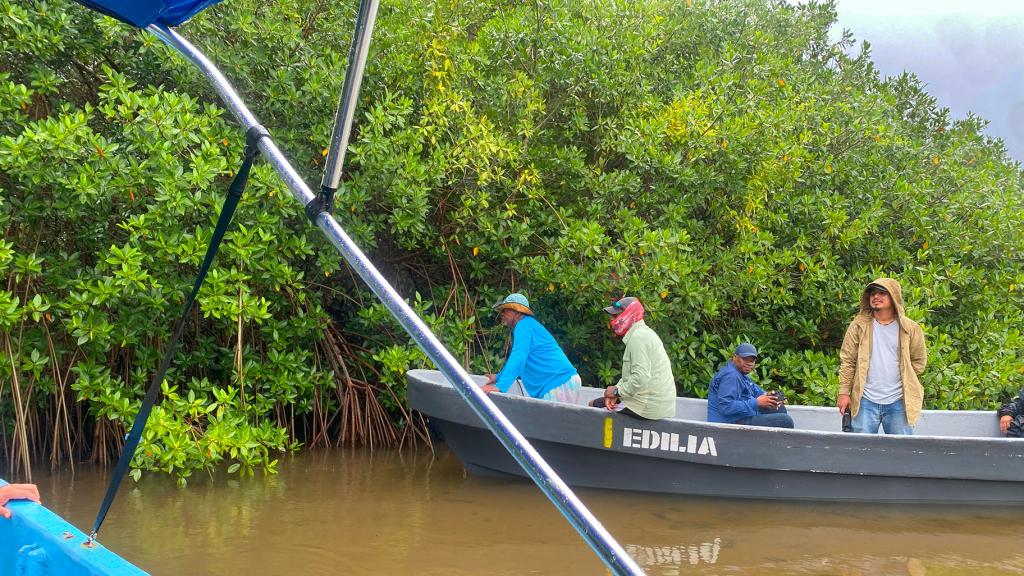
People in a boat surrounded by mangroves

Seaweed Seed Bank and Farm Tour: The Belize Women Seaweed Farmers Association is creating a seaweed seed bank, developing a seaweed farm tour, and increasing market access for seaweed products. Climate change impacts, particularly shifting rainfall patterns and rising sea temperatures, have slowed seaweed growth and reduced productivity. This project, located near South Water Caye and Glover’s Reef Marine Reserves, focuses on regenerative and sustainable seaweed farming that enhances marine ecosystems and fish nurseries. The innovative seaweed farm tour will also help to diversify income sources by leveraging the tourism potential of the southern half of Belize’s coast.

Debris Removal and Mangrove Planting: The Hopkins Fishermen Association is tackling flooding and ecosystem degradation in Hopkins Village, near the South Water Caye and Glover’s Reef Marine Reserves in Belize. The group is doing this by clearing debris from waterways and using traditional planting knowledge to restore mangroves, which serve as natural buffers to storms and mitigate coastal erosion. The initiative hopes to restore fish habitats, reduce flood risks, and enhance coastal resilience by improving water flow in estuaries and lagoons. The project also engages the community to ensure long-term environmental and social benefits through ecosystem conservation and sustainable resource management. 

Soil and Water Conservation Through Contour Trenches: The Nyambuko Development Group in Uganda addresses flooding, soil erosion, prolonged drought, and declining agricultural productivity in the village of Nyambuko inside the Queen Elizabeth National Park. This project involves creating 15 km of trenches to control the flow of water and protect against landslides. It will also include planting vetiver grass to stabilize soil and conserve water in a highland farming area prone to mudslides and drought. Using this approach, the project aims to enhance soil fertility and improve crop yields, directly benefiting local farmers vulnerable to climate change impacts.

Rainwater Harvesting for Erosion Control: The Bwitho Men and Women’s Development Group is combating landslides that sweep away the vegetation and farm biodiversity in Uganda’s hilly landscapes by introducing rainwater harvesting systems made from locally sourced materials. Water tanks constructed with soil-burnt bricks and river sand will capture runoff from homes within the Queen Elizabeth National Park, preventing soil loss and conserving water for gardens and farming. Overflow water will be directed to conservation trenches, mitigating erosion and promoting sustainable land and water use.

Devil's claw plant with blooming flower

Planting native trees: Several groups supported by the CAPA Innovation Fund are taking new approaches to planting native trees to restore degraded ecosystems and address climate risks.

  • The Community Baboon Sanctuary Women’s Group in Belize is restoring degraded riparian forests within the Maya Forest Corridor by planting native trees and introducing the drought- and hurricane-resistant Maya Nut tree. This project aims to address erosion, flooding, and habitat loss caused by cattle ranching and farm expansion. The Maya Nut is known for its adaptation to tropical climates and offers multiple benefits, such as providing feed for livestock, shade for cattle, and natural habitat for mammals, birds, reptiles, and insects; improving soil and water quality; and helping to mitigate climate change through carbon sequestration.
  • The Kyankwanzi Bakyara Tukorere Hamwe Biika Oguze Group, based in Kyankwanzi District inside the Queen Elizabeth National Park, Uganda, is aiming to mitigate human–wildlife conflicts by planting native trees, including fruit trees, along community boundaries near wildlife reserves. This initiative aims to create multi-sensory barriers to deter elephants and other wildlife from exiting protected areas and damaging crops and property. The group will be combining native thorny species like fagara with citrus trees such as lemon to create a deterrent that uses both physical barriers (thorns) and strong odours to keep wildlife at bay. These trees are long-lasting, self-regenerating, and low maintenance, making them cost-effective solutions.
  • The Matoya Cooperative Nursery Project, located in the Nsongwe area of Zambia, aims to restore the spring-fed Nsongwe River and riparian ecosystems outside the Mosi-oa-Tunya National Park by planting native tree species. These ecosystems are historically adapted to the region’s climate and soil conditions. The Matoya Cooperative Nursery will focus on native species to rejuvenate these areas and introduce bamboo cultivation techniques like propagating bamboo from cuttings, which is a first for the community. The bamboo will contribute to environmental restoration and provide a sustainable livelihood option for the community.
  • The Kalobolelwa Community Group is partnering with the Kalobolelwa Multipurpose Cooperative Society to create two demonstration plots for their community within the Sioma Ngwezi National Park in Zambia. One will be a forest plot where sustainable forest management techniques, including fire management, will be demonstrated. This project will equip community members with the practical skills they need to manage the community’s two gazetted forests. The second plot will demonstrate the use of natural herbs for pest management and organic fertilizer. The project will also involve the development of a nursery for the native Devil’s Claw and Lungwatanga (Citrulllus naudinianus) seedlings, which community members are encouraged to plant at home, reducing the harvesting pressure within the gazetted community forests. 
  • The Asizameni Omama Cooperative in Zimbabwe is encouraging the propagation of drought-resistant native trees at the household level, which can be used for livelihood activities like basket and mat weaving. It aims to address increasing temperatures and droughts, reducing the pressure on natural resources by creating alternative livelihoods for district women in Monde Village on the outskirts of the Victoria Falls National Park. The cooperative plans to prioritize expanding tree nurseries for native trees, including fruit trees.

basket being woven

NbS for adaptation can help communities build resilience to climate change. By investing in locally led NbS approaches and supporting local groups to bring their innovative ideas to life, we can create sustainable interventions that are suitable to the local context and benefit both communities and ecosystems.

About the CAPA Initiative

The CAPA Initiative is a 3-year project funded by Global Affairs Canada that aims to use nature-based solutions to strengthen climate resilience and protect biodiversity in and around protected areas in the Kavango-Zambezi and Greater Virunga landscapes in sub-Saharan Africa, Belize, and Fiji. Learn more about the program here.

Explainer

Why Does Debt Matter for Sustainable Development and Climate Action?

With trillions needed for climate action and the Sustainable Development Goals (SDGs), effective debt management is key. In this article, Anahí Wiedenbrüg discusses the challenges and opportunities for developing countries to leverage debt to respond to their development and climate-related investment needs.

December 20, 2024

At the 29th UN Climate Change Conference (COP 29), developed nations agreed to increase financial support for developing countries by committing to mobilize USD 300 billion annually by 2035 to support climate action in the Global South. The total financing needs of emerging markets and developing economies (EMDE) go beyond this goal: USD 700 billion per year until 2030 to preserve global biodiversity, and an extra USD 3.9 to 4.3 trillion per year needed to meet the Sustainable Development Goals (SDGs).

The sums needed are even bigger for these countries to fund a green, inclusive economic transformation and move up the value chain.

These estimates highlight the urgent need for sustainable financing to address the pressing challenges of climate change and development. Given the scale of these investment needs, access to credit is vital. Without debt, governments’ ability to invest would be limited by their current fiscal space–the revenue generated through taxes, among other sources.

Debt can initiate a virtuous cycle when managed effectively, increasing a country’s investment capacity and fostering growth. The flip side is that debt carries risks.

A country’s ability to service its debts depends on future conditions, which are often difficult to predict. Its success lies in its capacity to raise taxes and respond to factors beyond its control, such as external shocks.

Why Debt Is Relevant Today

While debt is a necessary tool for development, too much of the wrong sort of debt, can result in debt sustainability problems and undermine economic growth.

We saw an acceleration of debt accumulation in EMDEs during the fourth wave of debt, a sustained surge in global sovereign debt levels that started after the 2008 financial crisis. The COVID-19 pandemic's economic impact, coupled with ongoing geoeconomic instability, has left EMDEs increasingly vulnerable. In the past, many EMDEs relied on concessional loans from bilateral lenders or multilateral development banks. Today, they face high debt servicing costs and higher interest rates, due to borrowing from international financial markets and interest hikes from major central banks. Capital outflows are often higher than inflows, creating balance-of-payments problems, fiscal squeeze and scarce resources for crucial investments.

According to the United Nations Conference on Trade and Development, developing countries spend more on debt servicing than on essential public spending in areas like health and education. For instance, in the early years of the COVID-19 pandemic, regions such as Africa and Asia and Oceania (excluding China) allocated more funds to interest payments than to healthcare. Altogether, approximately 3.3 billion people reside in countries where spending on interest payments surpasses that on either education or health. In 2023, net interest payments on public debt for developing countries reached $847 billion, and 54 developing countries allocated 10% or more of their government revenues to interest payments.

In addition, climate hazards place a heavy burden on poorer countries, where the large sums required for climate adaptation are often either costly or inaccessible. Climate risks are driving up premiums on non-concessional debt as investors demand higher compensation for rising environmental risks. Tax revenues alone are insufficient to cover these costs, and allocating a large portion of government revenues to debt servicing can have detrimental effects.

How Can Sustainable Debt Contribute to a Green and Inclusive Economic Transformation?

Developing economies must strengthen institutional capacities to manage debt effectively, ensuring that it becomes a tool for development rather than a source of vulnerability. Despite decades of establishment, debt management offices (DMOs) often face capacity gaps, such as inadequate organizational structures and limited integration with other financial governance bodies. Debt management should be approached as a holistic process involving not only DMOs but also broader institutional and regulatory frameworks. Many countries also lack the capacity to conduct their own debt sustainability analysis or interpret those of the International Monetary Fund.

State capacity to effectively utilize financing opportunities and various debt instruments is also impacted by existing power imbalance between debtor countries and their creditors throughout the debt cycle. Many countries aim to enhance their understanding of the complex risks, costs, and political-economic factors involved in choosing debt instruments to support their green and inclusive economic transitions. This requires a comprehensive approach that accounts for factors impacting debt, such as investment needs, tax collection potential, spending needs, interest rates on debt, and debt maturity profiles.

Linking these strategies to climate-focused initiatives like Just Transition Energy Plans is crucial, as they provide key insights into the investment requirements for sustainable energy transitions.

How Can We Tackle These Gaps 

For developing countries, the challenges of meeting the SDGs, addressing climate change and investing in a green and inclusive transformation are compounded by the difficulties of managing sovereign debt. Strengthening state capacity is essential for aligning debt management with development and climate goals while avoiding overexposure to financial risks. Equally important is the need to reform the international financial architecture, which often creates an uneven playing field. The international community must support both national efforts and changes to the financial system, ensuring that global financial structures are conducive to the long-term success of these countries.

IISD’s debt program works alongside developing countries to strengthen debt management and enhance debt sustainability. The program strengthens DMOs and the broader fiscal policy regime in selected countries by optimizing their structures and processes and offering targeted trainings for different actors with debt management functions. It also promotes coordination among ministries, central banks, and parliaments while building oversight capacity. Through foundational courses and multistakeholder platforms, we help debt managers improve their use of debt sustainability analysis and foster trust in revenue and investment estimates.

Together with capacity building, research is key to support developing countries in using debt sustainably and enabling a green and inclusive economic transformation. IISD’s debt program conducts innovative and impactful research, that sheds light on necessary domestic and international reforms that contribute to long-term, sustainable economic transformations. Finally, greater coordination among debtors is crucial to reduce the power imbalances characterizing the international financial architecture.

Strengthening existing networks, fostering knowledge exchange, and amplifying the voices of developing countries in international policy-setting processes can drive the shift toward a more equitable and effective global financial system. Such efforts are crucial in reducing power imbalances and ensuring that financial structures better support developing countries in achieving their climate, biodiversity, and development goals.

Explainer details

Impact area
Sustainable Economies
Explainer

Nine Wins for Sustainable Development in 2024

Looking back on 2024, let’s take a moment to pause and appreciate the positive milestones of the year. Join us in celebrating the small and big wins for global sustainability. 

December 19, 2024

1. WTO inches closer to broader fisheries subsidies agreement 

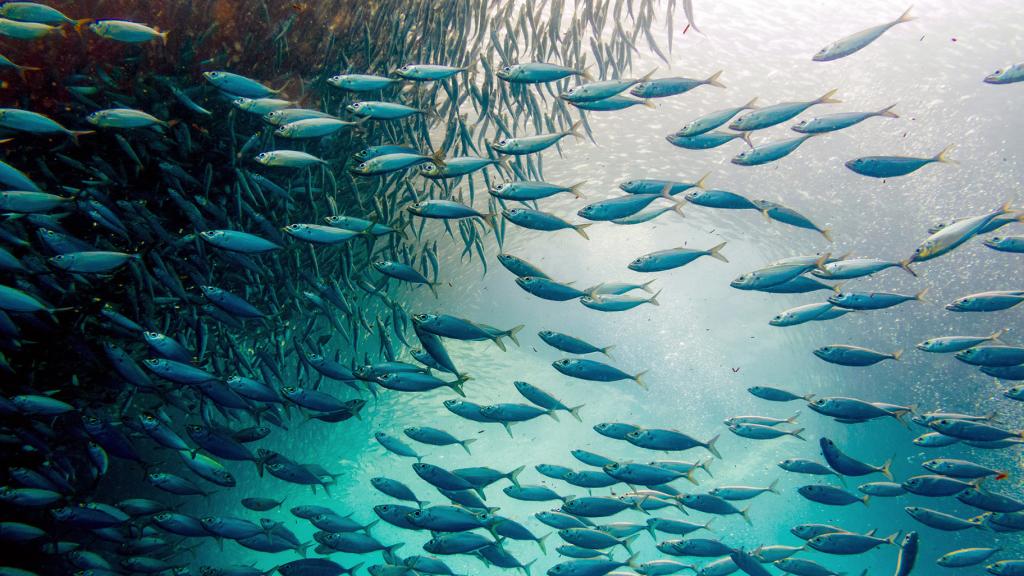
A school of fish swimming in the Philippines

The WTO Fisheries Subsidies Agreement, adopted in 2022, marked a milestone for sustainable fishing by prohibiting harmful subsidies in key situations. Further progress was made in 2024, bringing members closer than ever to a broader agreement. While these additional rules are not perfect, they hold significant sustainable development value.  

2. Women are transforming food security in Kenya by tackling food loss and waste 

Attendees at a food loss and waste workshop organized by the Retail Trade Association of Kenya.

In collaboration with IISD, women have driven new post-harvest strategies, retailer guidelines, and redistribution efforts—laying the groundwork for sustainable change. Challenges remain, but partnerships and innovative solutions are offering hope for reducing food insecurity and malnutrition in the region. 

3. UN adopts more inclusive tax guidelines, aiming to balance developing and developed country priorities  

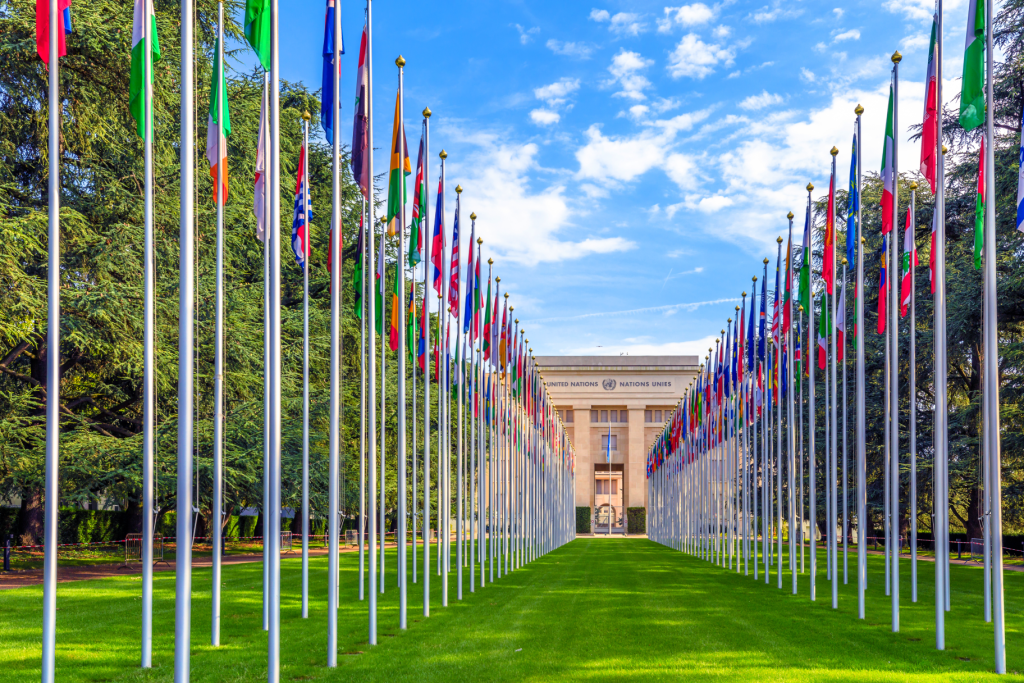
The United Nations headquarters

The UN made strides toward a global tax framework. 110 countries endorsed guidelines for designing an inclusive tax convention, balancing developed and developing countries' priorities. While challenges persist, the progress highlights increased influence of developing countries in shaping global tax policies and fostering collaboration for sustainable development. 

4. EU votes to exit Energy Charter Treaty, marking a milestone for green energy transition  

european-union-flag.jpg

In April 2024, European Parliament voted to withdraw the EU from the Energy Charter Treaty. By ending fossil fuel investor privileges under investor-state dispute settlement (ISDS), the move aligns investment treaties with climate goals, setting a precedent for reforming outdated agreements to prioritize sustainable energy policies. 

5. UK becomes the first G7 nation to phase out coal power 

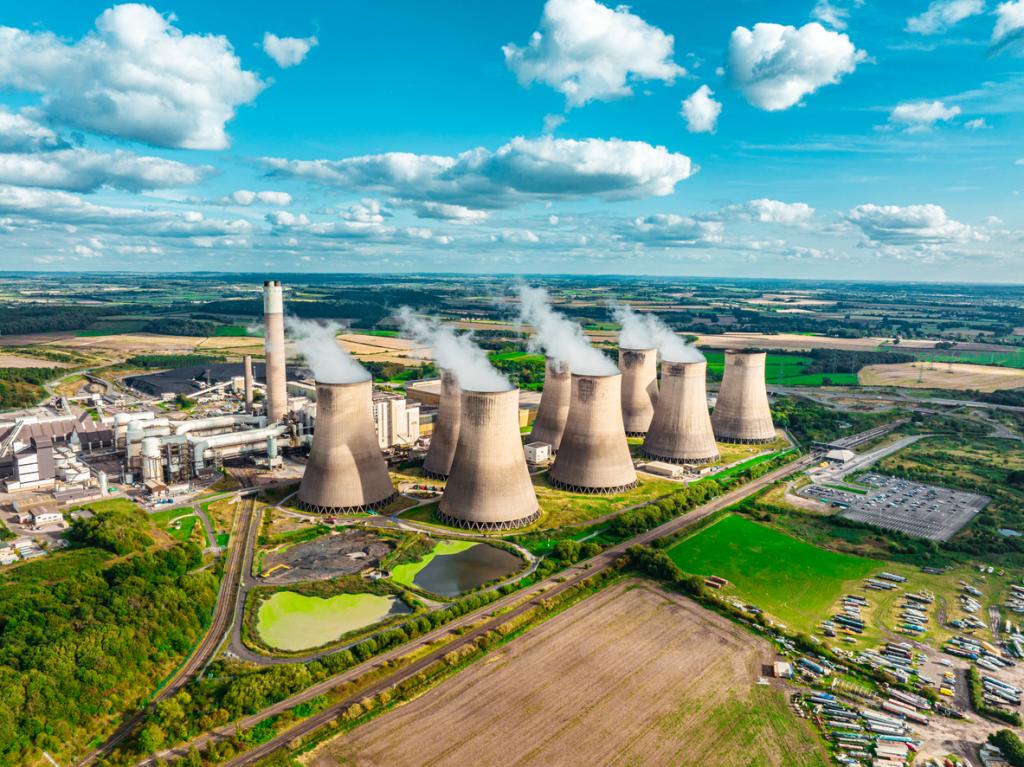
An aerial view of Ratcliffe-on-Soar power station

The UK’s last coal-fired power plant, Ratcliffe-on-Soar in Nottinghamshire, closed in September, ending a 142-year era of burning coal to generate electricity.  

6. A dedicated community in Zambia successfully restores the once-vibrant Nsongwe River  

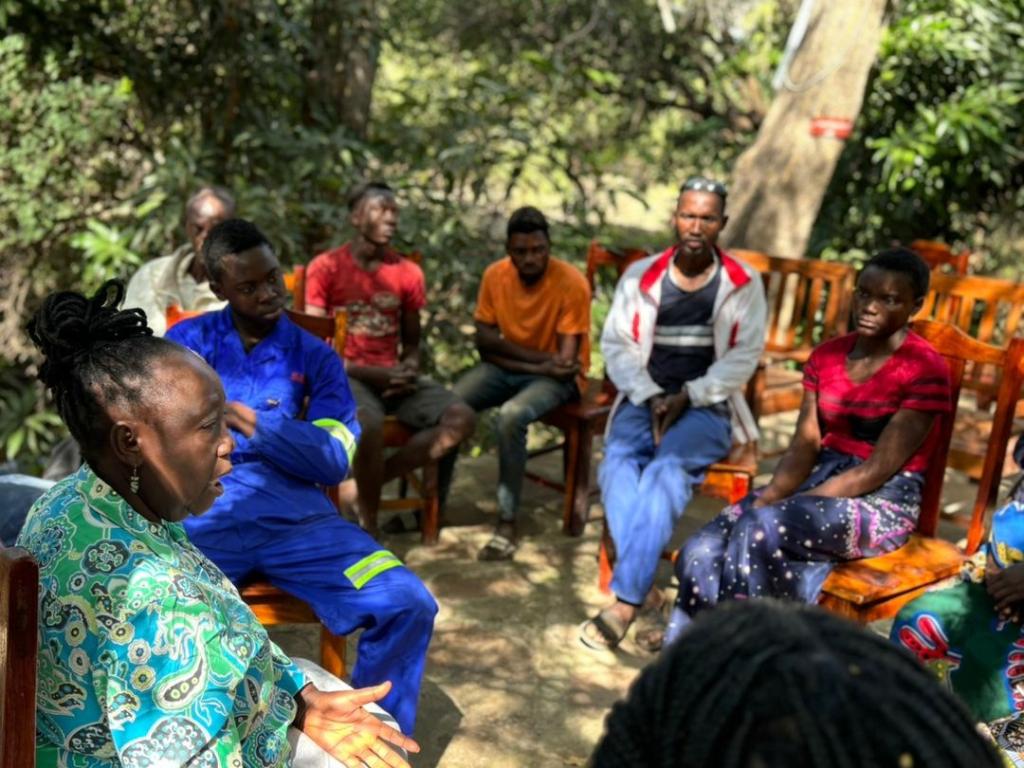
Bridget Meyer leads a community discussion

The Nsongwe River in Zambia was once a sanctuary for nearby communities and the wildlife that called it home. It ran dry, but a local community in a small village outside of Mosi-Oa-Tunya National Park in Kazungula District has slowly been bringing it back to life.  

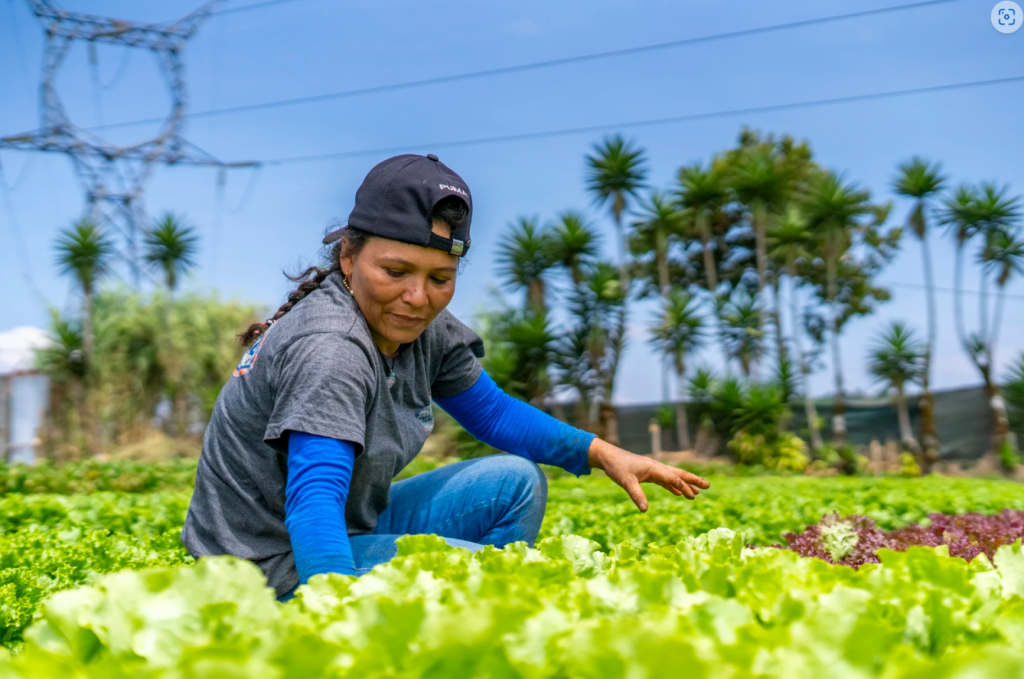
7. Farming families in Costa Rica tackle drought with water reservoirs. 

A woman farmer wearing a backwards cap kneels in a field

As a priority in Costa Rica's National Adaptation Plan, the new water reservoirs improve irrigation systems and make more efficient use of water resources, strengthening farming communities' resilience to climate change.   

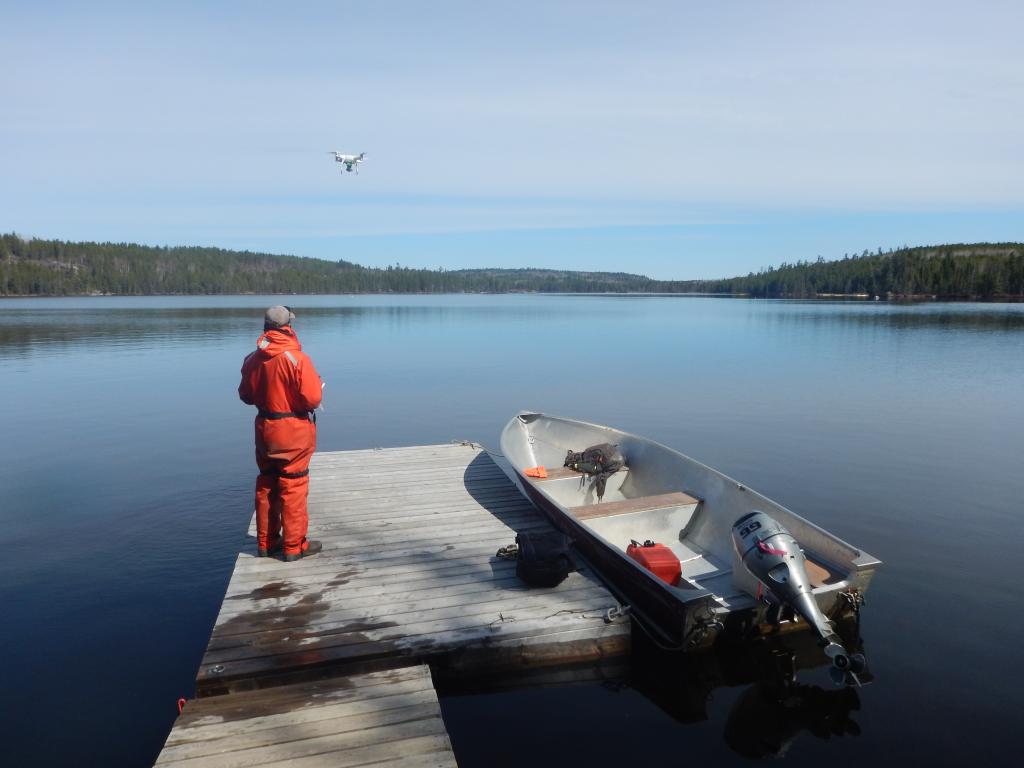
8. Canada launches a federal agency to protect fresh water 

A man in an orange jumpsuit stands on a dock flying a drone with a boat on a lake next to him

“The Canada Water Agency has been sorely needed for a long time in this country. Now we need to determine how the CWA tackles all the myriad issues that plague Canada’s freshwater supplies, to benefit us now, and for generations to come.” said Pauline Gerrard, executive director of the IISD Experimental Lakes Area. 

9. 30% of the world’s electricity comes from renewables

A wind turbine farm stands tall in front of a dry landscape with blue sky in the background

The world has passed a clean energy milestone, as a boom in wind and solar meant a record-breaking 30% of the world’s electricity was produced by renewables in 2023.

Explainer

FfD4: How the Fourth Financing for Development Conference can strengthen finance for development, climate, and nature

With the Fourth Financing for Development Conference (FfD4) on the horizon, governments are at a crossroads in addressing the urgent financing needed to support the Sustainable Development Goals (SDGs), climate action, and biodiversity. In this article, Alexandra Readhead, IISD's Tax and Sovereign Debt Director, examines the pivotal issues at stake and explores how the conference can serve as a transformative moment to accelerate global development financing.

December 12, 2024

Last week, member states met at the United Nations (UN) in New York for the Second Preparatory Committee (Prep Com) Session ahead of the Fourth International Conference on Financing for Development (FfD4). During the Prep Com, countries discussed the Elements Paper, a document outlining proposals for FfD4, and shaped by contributions from over 300 organizations, including from the International Institute for Sustainable Development (IISD). These discussions will feed into the Outcome Document of the FfD4, which will set the course for how countries and institutions finance sustainable development going forward.  

Alongside the Prep Com was the Financing for Development Dialogues: From Evidence to Action, also held at the United Nations. The Dialogues were a series of events on themes designed to support member states and other stakeholders in their deliberations. IISD was one of several organizations selected to convene a panel discussion. Our focus was leveraging FfD4 to better align financing frameworks for development, climate, and nature.  

What Will Be Discussed at FfD4? 

At the upcoming FfD4, UN member states will assess progress on three important frameworks: the Monterrey Consensus, the Doha Declaration, and the Addis Ababa Agenda. These agreements, forged through broad international consensus, have guided global development policies and financing strategies for over 2 decades.  

The Addis Ababa Action Agenda, which concluded the last Financing for Development Conference, took a comprehensive approach to financing the Sustainable Development Goals (SDGs). This global accord, negotiated by all 193 UN member states, stressed the need to mobilize financial resources from domestic funds, international finance, public-private partnerships, and innovative financing mechanisms—while reinforcing global cooperation. 

However, a lot has changed since Addis. Official development assistance is under even more pressure. There are also several new financing commitments to address climate change and preserve global biodiversity, accompanied by their own strategies: the Climate Finance Framework and the Global Biodiversity Framework. The proliferation of frameworks raises concerns about the transparency of finance commitments, risks of double counting, and resources being delivered in silos. 

The sustainable development finance landscape is undoubtedly more complex this time around. But it also creates an opportunity for FfD4 to pioneer an integrated and coherent financing approach that aligns climate, nature, and development goals, ensuring a more effective response to these overlapping challenges—an approach IISD is advocating for

What's Already Happening?  

Last week, the Second Preparatory Committee for the FfD4 Conference took place at the United Nations in New York, where countries reviewed the Elements Paper

Countries contributed actively to the Prep Com, with many offering detailed comments on the text of the proposals. While there was consensus on what FfD4 should tackle, including debt and domestic resource mobilization (DRM), the main debate revolved around how FfD4 could address these issues effectively. One of the main points of contention was striking a balance between institutional reforms and capacity building. Developing nations stressed the need for institutional reforms. The African Group, for example, called for the reform of tax systems through the UN Framework Convention on International Tax Cooperation, arguing that the current system hinders developing countries' ability to mobilize resources as it "disproportionately favors wealthier nations."

Sovereign debt was widely discussed. Debt levels have risen significantly since the last FfD conference in 2015, as have debt servicing costs. Emerging and developing economies underscored the urgent need for a more effective response to sovereign debt vulnerabilities, calling for reforms of the international financial architecture. The delegate from Sierra Leone said, "progress on the SDGS is hampered by overwhelming debt burdens. Many African Nations are forced to make difficult trade-offs on allocating with some countries spending more on external debt servicing than on essential services like health care." Member states also discussed if the United Nations could play a role in debt alongside institutions like the World Bank, the International Monetary Fund (IMF), and the G20. 

Illicit financial flows (IFFs) were another major focus. While there was widespread support for stronger actions against money laundering and tax evasion, questions arose about whether the current proposals in the Elements Paper went far enough. Some pushed for more ambitious measures, stressing the need for a coordinated, multilateral approach to tackling IFFs. Pakistan proposed that United Nations Economic and Social Council (ECOSOC) be given a mandate to coordinate efforts to strengthen financial integrity. Other countries, like the United States, opposed creating new mechanisms to address IFFs, maintaining that existing ones such as the Financial Action Task Force (FATF) were sufficient. 

Discussions also covered various other topics tackled by the Elements Paper, such as climate finance, official development assistance, trade, and the role that digital technology could play in supporting financing for development, among others. 

Considering these discussions and feedback given by countries, the Elements Paper will now be refined and transformed into a zero draft by the Permanent Missions of Norway, Zambia, Mexico, and Nepal, as co-facilitators of the FfD4 Outcome Document. This new document will serve as the starting point for negotiations. 

What Should FfD4 Aim to Achieve? 

IISD is the UN Development Programme’s (UNDP's) official partner in the knowledge track for FfD4. We are directly supporting the negotiations by working with the UNDP to convene several high-level symposia for negotiators to share ideas to advance FfD4. Apart from this convening role, IISD is proposing several ways to strengthen FfD4 and the Elements Paper. The first is at the level of the ambition of FfD4:  

  • FfD4 should produce a cross-disciplinary review of the financing strategies required to meet all climate, nature and development goals. The Elements Paper rightly calls for "the linkages and overlaps between development and climate change financing….[to] be better understood and defined for better measurement of additionality and results." We would go a step further to say there needs to be better alignment of the practical pathways to achieving the financing required for climate, nature, and development to ensure maximum impact. FfD4 could do this by convening the relevant expert communities to collectively review the strategies underpinning the different financing frameworks and join forces to achieve their common objectives. It could also foster greater coordination through multi-stakeholder spaces such as Country Platforms to enhance the transparency of revenue estimates and financing needs. 

  • FfD4 needs to define practical guidance to policy-makers on the "how" of DRM. DRM continues to be the main source of finance for sustainable development, making it critical that this aspect of FfD4 provides concrete steps to deliver the finance required. The IMF finds that developing countries could increase their tax-to-GDP ratio by 9% by rationalizing tax expenditures, more effective taxation of capital income, and property taxes, among other reforms. These and other practical policy tools should feature prominently in FfD4. Countries should be encouraged to rationalize tax expenditures, going beyond the call for greater "transparency and oversight of tax expenditures." While taxes on high-net-worths feature in the Paper, capital gains taxes could be added as another form of wealth tax—and currently a major source of revenue loss. Low-hanging fruit such as improving personal and property taxation in developing countries—proposals made by the International Centre for Tax and Development (ICTD), African Tax Administration Forum (ATAF), and Overseas Development Institute (ODI)—are precisely what FfD4 should target. Finally, FfD4 should make a much stronger push for effective taxation of natural resources—a major opportunity to enhance DRM for resource-rich developing countries. The Elements Paper focuses on adding value to critical minerals. While it is an important goal, downstream processing depends on a range of factors and may not be feasible for all countries. It may also come at a cost to resource revenues. FfD4 should not limit its focus to value addition. It should also promote simpler, more reliable, and potentially progressive forms of taxing the extraction of minerals.   

  • FfD4 should strike a grander bargain on sovereign debt relief as an essential complement to DRM targets. It is a pre-condition for development finance to be effective, and crucial to ensuring a more just and equitable framework. Expanding fiscal space for investment in the SDGs is the Elements Paper's most urgent and important ask. However, the section devoted to it only mentions official creditors. There has been huge growth in private, bonded debt, making it critical that FfD4 proposals on creating fiscal space include the private sector and aligns it with some of the current ones such as the Bridge Initiative and Debt Relief for Green and Inclusive Recovery. The Elements Paper rightly emphasizes building capacity across the debt cycle, not just for debt managers but also for key actors like parliamentarians, fiscal councils, and audit institutions. This recommendation must translate into concrete funding commitments in the Outcome Document. The Elements Paper also calls for sustainable and responsible borrowing and lending principles. However, experience shows the lack of enforceability of such voluntary principles; instead, FfD4 focuses on strengthening enforcement rather than creating new principles. 

What's Next?  

Building on the zero draft to be developed by co-facilitators following last week's discussions, countries will continue refining their proposals ahead of the third Preparatory Committee to be held in February 2025.  

IISD will continue to participate in shaping the process with evidence-based research at the crossroads of tax, debt, subsidies and private finance, making sure we build on this momentum to drive ambitious and actionable reforms for financing development, climate, and nature goals.  

Explainer details

Explainer

Why the Energy Charter Treaty Modernization Doesn't Deliver for Climate

The Energy Charter Conference adopted the "modernized" Energy Charter Treaty (ECT) on December 3, 2024. The ECT has generated more investor–state claims from the fossil fuel industry than any other treaty, triggering withdrawals from the European Union, Germany, France, and the United Kingdom, among others. IISD's Lukas Schaugg explains what the modernization does, when it will enter into force, its tension with EU law, and why the reformed ECT can still hinder climate policies.

December 12, 2024

The Energy Charter Conference officially adopted the “modernized” Energy Charter Treaty (ECT) at its 35th meeting on December 3, 2024, concluding a negotiation process that has run for several years. The ECT is a plurilateral treaty on investment, trade, and transit in the energy sector drawing criticism for its investor–state dispute settlement (ISDS) mechanism that allows fossil fuel investors to sue states in international arbitration over new climate policies.

The adoption of the reform follows decisions to withdraw from the European Union (EU), European Atomic Energy Community, Germany, France, Spain, Poland, the Netherlands, Luxemburg, Portugal, Slovenia, and the United Kingdom (Italy already withdrew in 2016). Importantly, the modernization does not hinder states that have not yet withdrawn from the ECT from doing so, and this remains the most viable option from a legal and policy standpoint. Some countries, including Ireland and Denmark, have announced such an intention. Additionally, withdrawing states are also exploring interpretative declarations and bespoke inter se agreements to neutralize the so-called sunset clause, which grants existing fossil fuel investments additional protection for 20 years following states’ withdrawal from the treaty. 

What does the modernization do?

The adopted modernization includes amendments to the treaty, updates to annexes, and procedural changes, such as designating the Energy Charter Secretariat as the interim depositary of the treaty, after Portugal’s withdrawal taking effect in February 2025. Key elements reflect a 2022 agreement on modernizing the ECT, which included proposals on a provision underlining states’ right to regulate and an optional carveout of fossil fuel investments from ISDS protection.

IISD analyzed this agreement at the time, finding that, even if reformed as per the proposals, the ECT would still obstruct governments’ climate policies—and that withdrawal combined with a neutralization of the sunset clause remained the most viable option. The numerous withdrawing states apparently shared this assessment.

When will the modernization enter into force?

The amendments now adopted will provisionally apply from September 3, 2025, unless a party opts out by March 3, 2025, and will fully enter into force after ratification by three quarters of the states that remain ECT contracting parties. Pending entry into force, investors with existing and new fossil fuel investments can continue to bring controversial investor–state arbitration claims against states that remain party to the treaty. 

Why will the ECT continue to be in tension with EU law?

According to the Court of Justice of the European Union, the ECT must be interpreted to mean that it does not apply to investor–state disputes between EU member states.

Earlier this year, 26 EU member states also signed a declaration to express their common understanding that the ECT does not and should never have served as a basis for arbitrations within the EU. Those steps notwithstanding, EU investors continue to sue EU member states in arbitration.

The proposed reform contains a clause that clarifies this common understanding of the EU member states—an element missing from the old version. This was a key element prompting the Council of the EU to oblige remaining EU member states “not to prevent the adoption” of the “modernization” of the ECT at last week’s Energy Charter Conference.

But adoption does not necessarily mean that the matter is resolved. Several member states could face constraints relating to domestic constitutional law, hindering them from provisionally applying the treaty—as previous experiences with trade and investment treaties like the Comprehensive Economic and Trade Agreement demonstrate.

This means that some states might be forced to opt out of the provisional application before March 3, 2025. In this case, member states will remain bound by the unreformed treaty until at least three quarters of all contracting parties, including them, have ratified, accepted, or approved the reform. This milestone is likely to take years.

Why won't the modernization deliver for the climate?

The result may well be that several member states continue to be bound for years to come by a treaty that EU investors—including many fossil fuel investors—use to sue other EU member states in violation of EU law. Addressing this dilemma will be a main challenge for the incoming European Commission.

In addition, once entered into force, the modernization will also have specific implications for non-EU states that are contracting parties to the ECT and who have not used the fossil fuel carveout mechanisms, as well as for any developing countries that could join the treaty in the future if the efforts to expand its membership are revived. 

Explainer details

Explainer

An OECD Deal on Ending Oil and Gas Export Credits Is Urgently Needed. Here’s What it Could Look Like.

December 3, 2024

One year ago, the European Union (EU), the United Kingdom, and Canada introduced a proposal to end oil and gas financing by export credit agencies (ECAs) at the Organisation for Economic Co-operation and Development (OECD). Now, pressure is building to reach a deal by the end of 2024.

What are export credits, and what role does the OECD play?

ECAs play a key role in fossil fuel expansion. ECAs are public financial institutions typically owned or controlled by governments that promote exports. They provide finance in the form of loans, guarantees, and credit to domestic companies to facilitate the export of goods and services, including capital equipment and large-scale infrastructure projects in other countries. Since many of these projects are too risky for the private sector to take on alone, they depend on ECA support to go ahead.

The OECD Arrangement on Officially Supported Export Credits is the main international regulatory framework for export credit. Agreed in 1978, it regulates the most generous financial terms and conditions that countries and export credit agencies may offer. It aims to foster a level playing field “to encourage competition among exporters based on quality and prices of goods and services exported rather than on the most favourable officially supported export credits” (Article 1). It applies to all official export credit support, as well as tied aid.

Export credits can be considered a form of export subsidy under the legally binding World Trade Organization (WTO) Agreement on Subsidies and Countervailing Measures signed by 166 countries. While the WTO prohibits export subsidies, it makes an exception for export finance that is provided on interest rate conditions in line with the OECD Arrangement.

The OECD Arrangement is a non-legally binding gentlemen’s agreement that applies only to certain OECD member countries that are also the biggest providers of export finance: Australia, Canada, the European Union, Japan, the Republic of Korea, New Zealand, Norway, Switzerland, Türkiye, the United Kingdom, and the United States.

OECD governments already ended export credits for coal-fired power generation in 2021.

Why is a deal to end oil and gas export credits important?

A deal is important because there is no room in 1.5°C carbon budgets for any new oil and gas projects. ECAs have been a key enabler of the liquefied natural gas (LNG) boom, supporting over 80% of new LNG export terminal projects built from 2012 to 2022.

Between 2018 and 2020, ECAs in OECD countries provided an average of USD 41 billion annually to new fossil fuel projects, almost five times their annual support for clean energy (USD 8.5 billion). Fossil gas received 30% of this support, and 40% of gas finance went to LNG projects. OECD ECAs, as a group, are the world’s largest international public financiers of fossil fuels, with seven out of 10 of the top global financiers being OECD countries.

What could the deal look like?

Details of the EU proposal were published in July 2024. Under this proposal, Article 6(a) would be amended such that participants to the Arrangement “shall not provide officially supported export credits or tied aid for fossil fuel energy sector except in limited and clearly defined circumstances that are consistent with a 1.5°C warming limit and the goals of the Paris Agreement.” That consistency “is to be assessed against the latest scientific evidence provided by the IPCC and the IEA.” Article 6(b) would be amended to clarify that Article 6(a) covers all projects relating to “exploration, production, transportation, storage, refining, distribution of coal, crude oil, natural gas, or conversion into electricity or heat of coal, crude oil, natural gas and its derivatives.” The proposed prohibition thus covers the entire value chain.

The EU proposal contains an exception for projects that meet the standards set out in the Climate Change Sector Understanding, which includes fossil fuel plants with operational carbon capture and storage with a carbon intensity of less than 350 tonnes of carbon dioxide per GWh or a capture rate of 65% or greater, hybrid power plants, and smart grids.

The proposal also contains a new transparency requirement. This requirement would see the OECD Secretariat preparing an annual report on officially supported export credits or tied aid provided for the fossil fuel energy sector and clean energy projects. This report would include the number of transactions and aggregate credit values by country of origin and destination, type of fossil fuels, and a breakdown of upstream, midstream, downstream, and power generation activities for the fossil fuel energy sector.

Because there has been a round of negotiations since the EU proposal was released in November, the draft agreement has likely changed shape. However, details of the negotiations have not been published. It is imperative that a robust agreement with limited loopholes be reached.

What is the relationship between the OECD Arrangement and the Clean Energy Transition Partnership?

Several of the OECD Arrangement countries have already ended, or committed to ending, export credit finance and other international public support for the unabated fossil fuel energy sector, including coal, oil, and gas, as part of their membership of the Clean Energy Transition Partnership (CETP). 

The United Kingdom, Canada, New Zealand, France, Finland, Belgium, and Sweden have fully delivered on their commitment, and as a result, CETP signatories’ financing for fossil fuels dropped by two thirds to USD 5.2 billion in 2023. Norway and Australia joined the CTEP at COP 28 and have until the end of 2024 to deliver on their commitments. The United States and Portugal are members of the CETP but have not yet passed policies to implement their pledge. Germany, Italy, and Switzerland are CETP members and have adopted implementing policies, but the policies contain large loopholes that continue to allow support for fossil fuels.  

While the CETP is a partnership limited to export credit in the energy sector, the OECD Arrangement applies to the whole economy. CETP is a stepping stone toward a stronger OECD ECA Arrangement, particularly in its commitment to driving multilateral negotiations—particularly within the OECD—to review, update, and strengthen governance frameworks in line with the Paris Agreement. The Republic of Korea and Japan are the largest providers of export finance for fossil fuels that have not signed on to the CETP, financing, respectively, USD 9.7 billion and USD 7.4 billion each year on average between 2018 and 2020. Japan was a part of the 2022 G7 commitment to end new direct public support for the international unabated fossil fuel energy sector, except in limited circumstances that are consistent with a 1.5°C warming limit and the goals of the Paris Agreement. However, as it stands, Japan has not followed through on this commitment. Türkiye is one more country that is party to the OECD arrangement but not yet a CETP signatory.  

The time is now. OECD countries must put aside their differences and come to a deal before the end of the year. There will be no transition away from fossil fuels without ending public finance for fossil fuels.  

Explainer

Why Trade Matters in the Plastic–Pollution Treaty Negotiations

The global push to end plastic pollution by 2040 highlights the critical intersection of trade and environmental action, with upcoming INC-5 negotiations focusing on reducing plastic production, consumption, and waste within a fair and effective international framework. Ieva Baršauskaitė, and Satish Triplicane Damodaran offer their insights as INC-5 approaches. 

November 22, 2024

Introduction

What do World Trade Organization (WTO) disputes concerning dolphin-safe labelling of tuna products and the use of palm oil in renewable energy mix have in common? They show that trade and environmental action are deeply connected. The same goes for the current global push to tackle plastic pollution.

The current draft text of the international legally binding instrument (ILBI) on plastic pollution aims to end plastic pollution by 2040. To achieve this, the treaty needs to be effective. The United Nations Environment Program’s (UNEP’s) Advance Report  warns that mismanaged plastic could rise by 50% by 2024 without urgent action.

With this steep target, the stage is now set for the United Nations Intergovernmental Negotiating Committee (INC-5) to convene this November and deliver on its March 2022 resolution to change how the world deals with plastic from production to disposal.  
Plastics are one of the planet’s most traded goods and components. Thus, understanding and addressing the treaty’s trade implications is critical to making sure the agreement is as effective as the world needs it to be.

What has been done so far at the INC?

The new iteration of the non-paper issued by the Chair of the Committee lays out the treaty’s broad contours and essential elements. The non-paper considers recommendations from two expert groups constituted after the last INC session, touching upon three key trade issues. Recommendations from the first group, contained in Advance Report 1, focus on treaty financing by analyzing potential financial sources and means that could be mobilized to implement the ILBI objectives. The recommendations in Advance Report 2 focus on criteria and non-criteria-based approaches concerning plastic products, chemicals of concern in plastic products, and product design. These recommendations relate to potential controls on the supply and demand for plastics, product design, and innovation. 

Tackling supply-side issues

Supply-side controls involve possible options to curb “virgin” (new) plastic production, thus aiming to reduce the availability—and thus increase the price—of primary plastics. Making new plastic more expensive or harder to produce could lead manufacturers to seek alternatives.

Possible measures could include imposing a production ban, imposing restrictions on production, or putting a cap on production, as well as some measures related to plastic production costs, such as removing plastics subsidies. 

Two important trade-related issues arise here: 

  • Import substitution. Parties to the treaty may agree to limit their plastic production, while non-parties may continue to increase theirs to meet the rising demand. This may lead to treaty members importing plastics rather than producing them, potentially undermining the agreed rules. A country that prohibits the production of primary plastic products, for example, may find its primary plastics industry simply relocated to a neighbouring jurisdiction without the same restrictions. Production controls that reduce the overall supply of plastic products within a country would be more effective at reducing the risk that production “leaks” overseas without changing overall supply in the country. Developing a common understanding of trade restrictions and monitoring mechanisms on plastics imported from non-parties could help, but this would involve an additional burden on border agencies.
  • Life-cycle coverage. Effective measures should extend beyond virgin plastic and encompass all stages of the entire plastic value chain. Without them, producers will shift the production of their semi-finished or finished plastic products and then import them into participating countries. Such market manipulation will continue to expand the global markets for plastics without reducing their footprint, undermining the treaty objectives. 

The latest Chair’s non-paper suggests closing the information gaps regarding existing and sustainable levels of plastics production. It encourages parties to cooperate to achieve sustainable production levels, including making a decision to take further action at a later meeting of the Conference of the Parties (COP) and developing a reporting mechanism on the production of primary plastic polymers. These can be good starting points for further discussions.

Addressing demand-side issues

Reducing plastic consumption (what the treaty refers to as demand-side controls) will be as important as managing production. While noting the existence of multiple yet fragmented efforts, the non-paper identifies a two-pronged approach to tackle demand-side issues:

  • Identifying and acting on an initial list of plastics to be controlled, along with potential exemptions. An additional set of criteria could also be used to identify additional plastic products or chemicals of concern.
  • Using the COP process to identify further plastic products and chemicals of concern as used in plastic products, including a review of the lists. The Chair’s non-paper hints at giving a closer look on a sectoral basis and developing guidance in the interim.

Identification of products can then lead to specific solutions, which can take the form of

  • an ambitious global ban of problematic products, or at least a prohibition of such products in public procurement, and
  • technical regulations, like prescribing guidelines for standards that would dissuade the use of problematic or short-lived plastics for specific purposes, product labelling, or promoting refilling and reusable systems.

Many countries are already taking “demand-side” measures, including complete bans of particular plastic products, using sector- or thickness-based exemptions, gradual phase-outs, or prescribed assessment criteria for recycled PET (polyethylene terephthalate) packaging. Looking at overlaps in those shared experiences can help identify a potential starting list for INC-5 discussions.

In developing effective measures under the ongoing process, parties can benefit by considering key WTO principles and mechanisms:

  • Non-discrimination: The WTO law prevents discrimination based on membership (or non-membership) to any multilateral environmental agreement. Thus, exports from all countries, including non-members of the new plastics treaty, must be treated equally by members.
  • Transparency and monitoring: Transparency mechanisms allow for better implementation and monitoring of the agreed measures and solutions apart from allowing members to assess their commitment toward their treaty commitments. In the context of plastics, WTO’s transparency and reporting mechanism allows for the examination of existing plastic-related measures and trade concerns raised by WTO members. WTO members have identified six distinct categories of issues that would benefit ILBI parties implementing the new instrument and minimize future trade frictions.

Product design and associated innovation as key trade issues

Redesigning more recyclable, reusable, innovative, and resource-efficient products is crucial for reducing plastic pollution. This approach includes using more recycled plastics, limiting virgin plastics usage, and encouraging reusable designs. Agreeing on a full set of disciplines in such broad areas might be challenging. Moreover, varied standards on product designs and production processes create barriers to trade and impediments to scaling up good practices and innovation. Harmonizing standards internationally would help boost better product designs and reduce plastic waste worldwide. This alignment can help develop larger markets for sustainable alternatives, which could contribute to reducing plastic pollution on a global scale.

Importantly, to avoid friction with trading partners, the standards developed should not be more trade-restrictive nor aim to create preferential conditions for domestic firms at the expense of their foreign competitors. Recognizing or incorporating the WTO’s guiding principles on developing international standards could help set ILBI negotiations on standard development in the right direction. 

Why is financing an important issue in the ongoing ILBI negotiations? 

Heavy reliance on imported plastic and limited recycling infrastructure makes many countries, especially Small Island Developing States, vulnerable to plastic pollution’s impacts. Developing critical infrastructure for waste management and an ecosystem for sustainable plastic production requires funding. 

Potential funding sources for the treaty’s implementation could include national funds, support from development institutions such as the World Bank, and even multilateral environmental funds like the Green Climate Fund. The Chair’s document points out the importance of aligning public and private financial flows with the objectives and provisions of the ILBI. That could entail a mix of policies ranging from a possible plastics tax or environmental levies, reforming and redirecting existing subsidies toward better plastic management and pollution-reducing activities, debt instruments, or even innovative products like plastic credits.

Aligning public funding, like subsidies, with ILBI’s objectives can lend meaningful support for its implementation, particularly where removing environmentally harmful plastic subsidies could mean additional financing available for friendly actions. This approach could also align with Target 18 of the Convention on Biological Diversity, which aims to identify and eliminate or reform subsidies or incentives harmful to biodiversity by 2025. Drawing on valuable examples like the curbs on fisheries subsidies agreed upon by the WTO, governments may need to align their public financial flows and revise their subsidy programs to fit into the ILBI objectives. 

What's next?

International agreements on environment and trade can and should be mutually supportive (according to the Preamble to the latest non-paper). Trade can play a critical role in eliminating plastic pollution by fostering responsible production and consumption practices, enhancing market access to critical technology, and promoting sustainable alternatives to traditional plastic. Trade measures can also help limit the circulation of most harmful plastics, plastic products, and chemicals of concern and reduce future markets for such products. Aligning public funding and revising subsidy programs will be critical to achieving ILBI’s objectives. Making ILBI’s measures consistent with the WTO rules will ensure fair, coherent, transparent, and non-discriminatory global practices that can help eliminate plastic pollution by 2040.

The journey towards these goals continues in Busan at the fifth and final INC negotiation (INC-5) from November 25 to  December 1, 2024.

Explainer

What to Expect at Plastics INC-5

Negotiators from around the world will be heading to Busan for the final round of talks on an international legally binding instrument to end plastic pollution, aiming to build on common ground between countries.  

IISD’s neutral reporting service Earth Negotiations Bulletin has followed the plastic pollution treaty talks from the start, via Punta del Este, Paris, Nairobi and Ottawa. Their team leader, Tallash Kantai, offers her insights as UNEA’s deadline approaches. 

November 18, 2024
Earth Negotiations Bulletin Team Lead Tallash Kantai at INC-4.

What is the state of the planet’s plastic pollution problem? 

Plastic pollution is a scourge on the world. Since the 1950s, we have accumulated over 10 billion tons of plastic waste. Plastic is found from the highest peaks of the world to the very depths of the Ocean.  

We have found plastic particles in human breast milk, in the placenta of humans, in human blood, and most recently in the human brain. The problem with this is that the chemicals in plastic, which we now know are forever chemicals, have leaked into the environment and they're leaking into the human body. These chemicals have been proven to be endocrine disruptors. They disrupt the development of humans in the birth process, normal functions of the human body, and the natural environment around us.  

The problem is massive. The problem is everywhere. Plastic is literally in the rain that falls into the ground. So, it does not matter what type of diet one eats, you are going to ingest plastic one way or the other.  

This is obviously a huge problem the world needs to deal with. 

What is the treaty process that countries are working through to tackle plastic pollution? 

In March 2022, countries came together under the United Nations Environment Assembly to adopt Resolution 5/14. This was an historic resolution calling on States to band together to end plastic pollution everywhere, including in the marine environment. This resolution set up the Intergovernmental Negotiating Committee (INC) and created a deadline of 2024 to work out a treaty to end plastic pollution. 
 
We have had four committee meetings to negotiate the new treaty. The final meeting is going to be in Busan, Korea at the end of November 2024. The hope is that at this point, delegates will be able to adopt a treaty... but everything is still up in the air. 

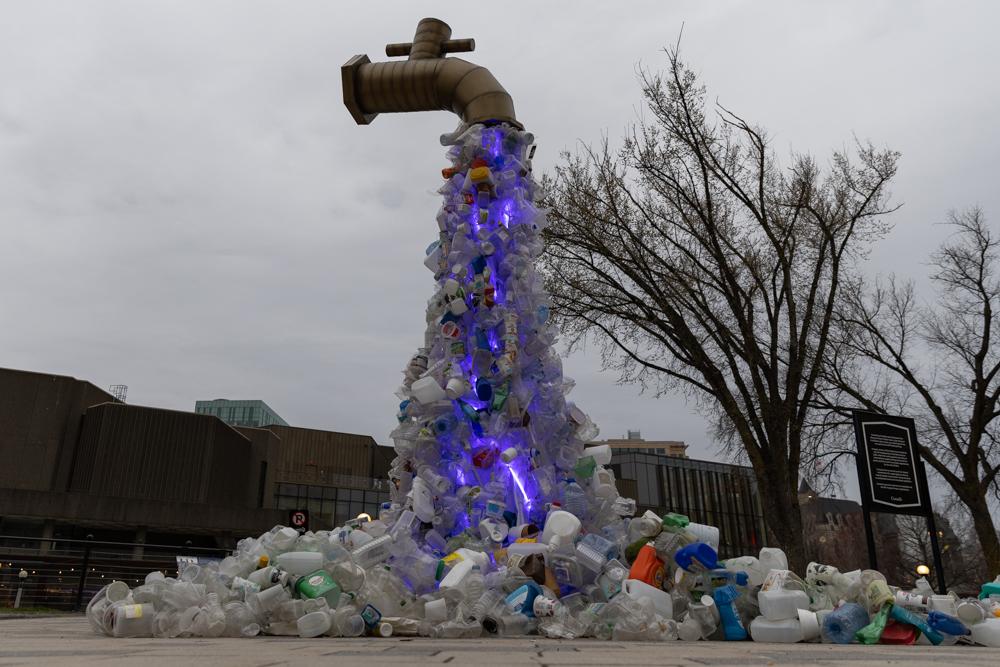
As the first day of INC-4 begins, delegates are welcomed to the venue by the art installation 'Turn off the Plastic Tap' by Benjamin Von Wong, reminding them of the urgency of addressing plastic pollution.

What is the dispute between countries on tackling “upstream plastics” versus “downstream plastics”? 

The original resolution called on delegates to look at the entire lifecycle of plastic. This has created several interpretations over the course of the negotiations.  

Some countries are extremely interested in addressing upstream plastic, which means plastic right from a point of production. In other words, tackling the production and manufacture of plastic products and all the chemicals of concern that go into these products, plus all elements of plastic design. Nearly all countries are interested in looking at downstream plastic – tackling plastic waste, issues of extended producer responsibility, and looking at what to do with existing plastic waste aka legacy plastic. What do we do? What is the world to do with the mounds of plastic all over the environment. 

What was the state of the draft treaty text at the end of INC-4?

At the end of INC-4 in Ottawa, delegates produced a compiled text with 1,500 hundred brackets, which is text that has not been negotiated or agreed to. So, it originally appeared they would have just seven days at INC-5 to do the impossible: to resolve these 1500 brackets and produce text that could be adopted as a treaty.  

Faced with the impossibility of this task, the chair of the INC process, Luis Vayas from Ecuador, came up with a new process. During the months following INC-4, he has sat down with heads of delegation to work on a new document — what is known within the negotiating circle as a non-paper.  

Within this non paper, he has suggested elements where there is sufficient convergence among States that this text can likely go forward into the new treaty. He has also highlighted the elements that require further discussion — elements that are completely unresolved among States. 

He has included in his non-paper a set of final provisions drawn from the language of other multilateral agreements. And finally, the non-paper identifies elements that would benefit from additional work after INC-5. So, from the time the treaty is adopted to the time the first Conference of the Parties convenes under the new treaty, there will be additional work required for a number of important elements. 
 
If States choose to use the non-paper as the basis of their negotiations at INC-5, they may be able to cross the finish line. It is important to note: this non-paper does not include any text related to plastic production, neither does it include text related to trade. These two elements would be important to set a high ambition treaty.  

On the final day of INC-4, delegates huddle early into the morning trying to find a way forward

How can we understand the options for ambition this treaty could adopt? 

Think of it as a hierarchy of measures to deal with upstream plastics. The highest ambition treaty would have tackled production levels. The next highest would have set a list of products and chemicals of concern to be controlled. And lower than that, a treaty that tackles the design of plastic products. 
 
No country has objected to dealing with plastic pollution. That's why the resolution that established these talks was so successful — all the countries coalesced around the fact that we need to deal with plastic pollution. Plastic pollution does not look good. It's an eyesore. It's something that should have been incredibly low hanging fruit.  

At the moment, what counts for plastic waste is still something that needs to be defined. At which point does plastic become waste? Does plastic become waste at the point of its production? Where quite a lot of plastic, quite a lot of waste is created in the attrition of nurdles during transportation, but also in the amount of emissions produced to make virgin plastic in the first place. Does plastic become waste only at the point of its discard by the end user? That is something that States have yet to fully engage in. We'll see how it goes.

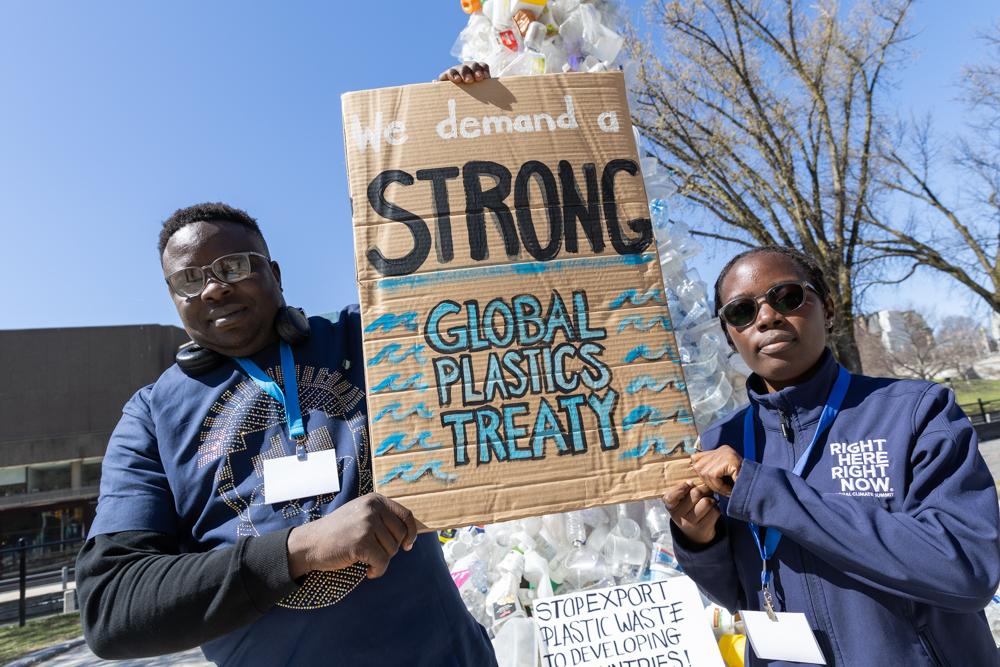
Two people hold a sign reading "we demand a strong global plastics treaty" at INC-4.

Finance is usually a defining issue in environmental negotiations. How is it turning up in the plastics pollution INC process? 

Finance is a hot potato issue. Parties disagree on who is supposed to pay to deal with plastic waste and how that money is supposed to flow. 

Developing countries have called for a new, independent financial mechanism funded by developed countries that would enable them to access financing for the implementation of the treaty in their countries. However, many developed countries favor using the Global Environment Facility (GEF) as a financial mechanism for this treaty. The GEF already has a funding window for chemicals. Or States could decide to have both options, like under the Minamata Convention on Mercury. 

There have been calls for industry to play a bigger part in financing the implementation of this new treaty. Some of these calls have been related to extended producer responsibility. If the treaty comes up with a strong clause or strong article on extended producer responsibility — where industry is made to pay for cases of waste or cases of poor design or cases of forever chemicals in plastic — then there may indeed be a fund established that industry will pay into for the implementation of the convention or the new treaty. 

How involved is industry in these negotiations? 

Industry has been very involved in these talks with a strong voice throughout. And under different banners — the oil and gas industry as well as various plastic manufacturers have been represented at these talks. Some NGOs, some activists have been very much alive to the fact that industry involvement in the development of this treaty could be seen as a conflict of interest. 

Hopefully a meaningful treaty will come out of plastic pollution INC-5 in Busan. What message do you think the talks need to send to the world? 

The science on plastic is still developing. There's still a lot we do not know about what plastic is and how it impacts our bodies and the ecosystems we depend on. This treaty will need to send a strong signal to the scientific community to explore these questions and deliver answers.

And it will need to send a signal to citizens around the world that this miracle invention of plastic may not be all it was made out to be. 

Explainer

What Drives Investment Policy-makers in Developing Countries to Use Tax Incentives?

In this article, Josefina del Rosario Lago and Kudzai Mataba discuss insights from the 16th Investment Policy Forum, focusing on the pressures faced by investment policymakers in developing countries to rely on tax incentives, and exploring alternatives to using them as the primary tool for promoting investment.

November 13, 2024

Despite ongoing criticisms about their effectiveness, tax incentives remain a central strategy developing countries use to attract investment. Tax holidays are, for example, used in almost 90% of developing economies. This continued reliance on incentives suggests a disconnect between evidence and practice, raising important questions about what drives policy-makers to use incentives, what pressures prompt them to do so, and what alternatives exist.

For the past 15 years, the International Institute for Sustainable Development (IISD) has convened the Investment Policy Forum—the only gathering of investment policy-makers from developing countries. This community of practice gives us a unique vantage point from which to begin to understand investment policy-makers’ perspectives on incentives. This year, in Manila, we had several sessions on tax incentives, where we began to explore these critical questions and the complexities surrounding the continued use of tax incentives in developing economies. Delegates highlighted several pressures that prompt them to continue to offer incentives.

Compensating for Perceived Political Risk

Investment policy-makers offer incentives to compensate for political risk. Investing in some developing countries can be risky for investors due to factors such as weaker institutions, less robust rule of law, and other governance challenges. These can impact the cost of capital, which in turn can impact the cost of investment. One response from governments has been to offer incentives to lower the tax cost and make investments more attractive.

However, it should not be taken as a given that developing countries are automatically high-risk or that this will necessarily deter investment. Argentina, for example, was named among the top 10 high-risk countries for investors in mid-2023. At the same time, it was still ranked amongst the top recipients of foreign direct investment in the world. Several developed countries face huge political instability and yet this does not necessarily lead them to offer incentives. There is a very different power imbalance between large companies and developing country governments compared to developed countries where incentives are less common. This can encourage companies to overstate the level of risk to take advantage of developing countries on incentives, amongst other terms.

Finally, the meaning of “high-risk” is complex, and it has various meanings across industries, affecting investment decisions in different ways. For example, in the Middle East and Northern Africa, during periods of political instability, non-resource tradeable investments are the most affected, while natural resource sectors and non-tradeable activities remain insensitive to such situations. Policy-makers should avoid generalizing risks. They should critically analyze the situation and break it down to determine precisely what risk, if any, exists and what impact it has on investment. Otherwise, they may give overly generous or unnecessary incentives that do not address specific barriers to investment.

Attracting Investment to Alleviate Economic Pressures

Investment policy-makers also cite political and economic pressures as a motivation for offering incentives. Investment is often seen as the catalyst for generating jobs in developing countries. A study by Tax Justice Network Africa found that several West African governments adopted incentives to attract investment with job creation as one of their main goals. However, there is no clear evidence that granting incentives leads to more jobs. In these same countries, the lack of targeted incentives favoured investment toward natural resource extraction instead of the manufacturing sector, which, unlike extractives, has greater potential to create high- and low-skilled jobs. Thus, even by providing incentives, these countries fell short of their employment goals. Moreover, incentives like the establishment of special economic zones might involve more flexible labour rules, which can undermine job quality and security.

Competition with neighboring countries can intensify these pressures. Governments perceive investment as limited, leading them to offer incentives to avoid losing investments to nearby nations with similar offerings. Membership in trade and customs unions or regional economic groups can exacerbate this competitive dynamic by eliminating non-tax-related barriers, such as tariffs, leaving tax as the main basis on which countries can compete for mobile investment.  This can heighten the risk of a “race to the bottom” for non-location-specific investments. For these reasons, it is important for regional economic groups to commit to harmonizing tax rates.

Investment policymakers address the pressures to rely on tax incentives during a session on taxation at the 2024 Investment Policy Forum

Path Dependency and Investor Expectations

Investment policy-makers highlighted that even where incentives are no longer appropriate or necessary, having previously granted them can create expectations from new investors that they will receive the same treatment. New investors might also exploit this dynamic, leveraging information shared by existing investors to strengthen their negotiating position.

While this lock-in effect can influence policy decisions, governments retain the right to adapt approaches and regulations according to their economic priorities and, with strong political will and clear communication, push back on excessive investor demands. The global minimum tax may be helpful to policy makers in this regard. It sets a floor on tax competition by requiring companies with an annual turnover of more than 750 million Euros to pay at least 15% corporate income tax in each jurisdiction where they operate. It offers much needed political cover for countries looking to reform tax incentives.

What Are the Alternatives to Incentives to Attract Investment?

Investment policy-makers were clear that incentives remain the easiest tool to reach for in their investment promotion toolbox and that more time and resources are needed to explore viable alternatives. The first alternative mentioned by policy-makers was the improvement of the business environment to attract investment. This consists of good infrastructure, macroeconomic stability, clear property rights rules, and good governance and judicial system, among other elements. Tax incentives will not offset the lack of any of these factors, and ironically, offering these benefits will reduce the revenue available to the state to develop a better business environment.

Investment facilitation and process digitalization were also mentioned as potential alternatives. Investment facilitation measures aim to waive ground-level obstacles to investment, foster transparency, and provide administrative efficiency to place investments. Providing easy and accessible information online and digitalizing and simplifying administrative procedures can make it easier for companies to invest. IISD, through its Tax Incentives and Sustainable Investment work, encourages policy-makers to question the assumptions underpinning the use of incentives and explore alternative approaches.

Discussions on tax incentives at the occasion of the 2024 Investment Policy Forum
During our session on tax at the Investment Policy Forum, investment policymakers discussed how they could rethink tax incentives, including in special economic zones

Investment policy-makers have an important role to play in incentives reform. A report by IISD found that 80% of 70 surveyed investment laws contain incentives. The continued use of incentives despite the overwhelming evidence that they are not necessarily effective suggests a significant disconnect that can only be overcome by better understanding the pressures investment policy-makers to grant incentives and building a shared understanding across government of the different ways to attract investment.

Through initiatives like the Investment Policy Forum, we support efforts to ensure that tax and investment policies do not operate in silos but instead reinforce each other, creating a stable and balanced environment to attract sustainable investment in developing countries that contributes fully to domestic revenue mobilization goals and other policy priorities.

Explainer

What Is the NAP Assessment at COP 29, and Why Does It Matter?

At the 29th UN Climate Change Conference (COP 29) in Baku, countries will assess their progress in formulating and implementing their National Adaptation Plans. IISD’s adaptation experts Orville Grey and Jeffrey Qi explain what that means, and what’s at stake.

November 8, 2024

What is the Assessment of Progress in the NAP Process?

The benefits of adaptation have the potential to be widespread and long-lasting. As global temperatures rise, national adaptation plans (NAPs) remain the main vehicle for countries to systematically build resilience, enhance adaptive capacity, and reduce vulnerability to climate change. The NAP process enables countries to identify and address their medium- and long-term priorities for adapting to climate change and establish the systems and capacities needed to make adaptation an integral part of their development planning, decision making, and budgeting.

The NAP process was established under the United Nations Framework Convention on Climate Change in 2010. Since then, technical guidelines have been developed, extensive capacity building undertaken, dedicated funding windows opened, and various support initiatives—such as the NAP Global Network—launched.

Mandated by a decision from COP 26,  countries are aiming to complete the NAP assessment at COP 29 in Baku.

More specifically, it represents an opportunity to

  • recognize the importance of adaptation and the NAP process, as well as the adaptation efforts of developing country Parties;
  • acknowledge the support provided and received for developing countries’ NAP processes;
  • highlight challenges, obstacles, gaps, and needs faced by developing countries in the NAP process;
  • provide best practices and recommendations toward the future to enhance and scale up adaptation actions in developing countries, and transition countries’ NAP processes from planning to implementation.

You can see the NAP Global Network’s submission to this process here.

Why is this Assessment of Progress Important?

Developing, strengthening, and implementing NAPs is a critical way for countries to reduce vulnerabilities and build climate resilience. It’s an opportunity to assess progress, learn, and figure out what is needed to transition from planning to implementation.

In 2015 and 2018, Parties faced challenges in assessing the progress of the NAP process due to a lack of available information and a low number of NAPs being submitted and implemented. However, as of November 1, 2024, 59 developing countries have submitted NAP documents, and over 140 countries have initiated the NAP process. Since the last assessment in 2018, developing countries have made important advances in adaptation planning and implementation, so it is time to understand what is working and what needs critical attention to accelerate global adaptation action.

What should the final decision include?

We need a fair, balanced, and robust outcome on the NAP assessment in Baku. It must reinforce the outcome of the first global stocktake from last year and highlight the critical importance of adaptation and the NAP process.

The final decision needs to acknowledge the adaptation efforts of developing countries over the last decade while highlighting key challenges, experiences, and best practices to inform the way forward.

Although countries have made tremendous progress in formulating NAPs, implementing these national plans and strategies has been incremental and uneven across geographies. The NAP decision at COP 29 must signal the urgent need to accelerate efforts to mainstream adaptation and invest in countries’ transition from adaptation planning to implementation.

Drawing on the NAP Global Network’s experience and research, we want to see a COP 29 decision that clarifies the adequacy and effectiveness of the adaptation actions and the support provided to date. This will help countries, support networks, and other stakeholders better understand and fill the adaptation implementation and finance gap.

It is equally important to highlight the principles and enabling conditions needed to ensure the NAP process is inclusive and delivers an effective, equitable outcome leaving no one behind. These include the need for adaptation mainstreaming, gender equality and social inclusion, vertical integration of sub-national-level actors, and monitoring, evaluation, and learning for adaptation.

Lastly, sufficient means of implementation, especially finance and capacity building, will continue to be crucial for transitioning countries’ NAP processes from planning to implementation. COP 29 will be a finance-focused COP, and the NAP assessment has the opportunity to identify key challenges developing countries face when trying to access adaptation finance and secure commitments to ramp up the provision and mobilization of finance for the NAP process.