Explainer

Public Money, Public Value: The European Union’s Public Procurement Directive review explained

When governments buy buses, school meals, or hospital equipment, they shape entire markets. Across the European Union (EU), those purchases add up to more than EUR 2 trillion a year, about 14% of the EU economy. However, fewer than 15% of large contracts are green. This article explains how mandatory sustainability criteria in the EU’s procurement directive could cut emissions and deliver better value for taxpayers in Europe. 

September 5, 2025

What is the EU’s procurement directive review?

Public procurement rules set the framework for how public authorities across Europe purchase goods, services, and infrastructure once contracts pass EU-wide thresholds. The current directive dates back to 2014 and was designed to ensure transparency, fair competition, and value for public money. The European Commission is now reviewing it for the first time in a decade. A central question is whether sustainability will remain optional or become a standard requirement in tenders. This decision will shape how Europe spends its EUR 2 trillion in public money and how those choices support climate action, clean innovation, and opportunities for local economic development.

What has the current directive achieved, and where has it fallen short?

The 2014 directive increased transparency and pushed member states to apply procurement rules more consistently. These steps mattered, but they did not create a truly integrated European market. Nor did they make sustainability the norm, resulting in a missed opportunity to harness the power of the public purse. Because the directive leaves green criteria optional, most authorities still award contracts to the cheapest bid rather than to the offer that delivers long-term value. Many buyers also report that the rules feel complex and hard to navigate, which discourages them from trying greener approaches.

What would a successful reform look like?

Reform is a chance to move beyond a focus on administrative processes only and see procurement as a strategic tool. With clearer rules, public spending could be used more deliberately to accelerate climate action, signal demand for sustainable goods and services, and reward innovation. Success would mean looking not just at the lowest upfront price but at value over time, whether buildings are more durable, energy bills are lower, pollution is reduced, and communities are healthier as a result.

Isn’t green procurement already allowed under the current directive?

Yes. The current rules permit sustainability criteria, but uptake remains limited. Requirements are spread across different EU policies, which makes them confusing for buyers, and their use remains optional and inconsistently applied across member states. Embedding clear and mandatory sustainability criteria in the directive itself—the main instrument procurers follow—would set a consistent baseline and help mainstream good practice.

Public spending could be used more deliberately to accelerate climate action, signal demand for sustainable goods and services, and reward innovation. 


Would mandatory sustainability criteria make it more complicated for procurers?

Not if designed well. Today, optional criteria create legal uncertainty, and some buyers avoid them because they are voluntary. Mandatory requirements would instead provide clarity and consistency. To make them work in practice, governments should invest in training and enhancing the capacities of procurement and line departments, and in user-friendly tools such as e-procurement systems with standard criteria libraries. These resources simplify application and monitoring, making sustainability easier to implement.

What can we learn from EU countries that have moved fastest on green public procurement?

When governments make sustainability the default, more buyers will use it with confidence, and the market will respond to these incentives. In Italy, for example, national rules require environmental criteria for certain product groups, such as buildings and roads. This has raised awareness and made green requirements part of everyday practice. Lithuania set ambitious targets for green spending, which pushed the share of tenders meeting sustainability criteria from just 5% in 2020 to more than 90% in 2023. The country is now building a system to measure real outcomes, such as emissions avoided, so progress is judged by impact rather than just contract numbers. The first Irish tender using the CO₂ Performance Ladder—a best practice tool for green public procurement—delivered a 21% emissions cut compared to a conventional approach, proof that the right criteria can drive measurable results.  

Clear, mandatory rules give buyers and suppliers certainty. They make it worthwhile to invest in tools like e-procurement platforms and libraries of ready-made criteria, which simplify the job of drafting and monitoring tenders. Early adopters also show that engaging with markets matters. By following price and innovation trends, procurers can set specifications that are realistic and evaluate performance with confidence.

What are the benefits of buying greener?

Considering the full life cycle of a purchase often delivers better value than simply choosing the lowest upfront price. This means examining energy use, maintenance, durability, and avoided pollution. Procurement should capture long-term value by counting avoided costs and additional benefits together with expenditure.

IISD research compared conventional public procurement in Canada with a scenario where governments applied green criteria to buildings. It found that by 2035, greener public buildings would use 6% less energy and emit 7% less, while costing 3% less to operate over their lifetime.

Considering the full life cycle of a purchase often delivers better value than simply choosing the lowest upfront price.


For Europe, analysis by Carbone 4 finds that making sustainability the norm in procurement could reduce related emissions by about 34 million tonnes of CO₂ each year. It could also channel an estimated EUR 86 billion annually into green industries and boost sales for European firms.

How can green public procurement support EU competitiveness and clean innovation?

Public procurement can do more than buying what is cheapest. It has the transformative power to stimulate innovation and competitiveness and to leverage public spending for strategic objectives. By rewarding performance, such as energy efficiency, durability, and lower emissions, governments create a reliable demand signal that encourages firms to invest in cleaner processes and products. This matters for competitiveness. When European companies know that greener cement, steel, or construction methods will be valued in tenders, they are more likely to scale them up. Consistent green demand can, therefore, reduce emissions and at the same time help European producers secure an advantage in global markets that are also moving toward low-carbon solutions.

What’s next?

The European Commission will consult on reform options in fall 2025, with a proposal for a revised directive expected in 2026. This process is a chance to decide how Europe uses its EUR 2 trillion in public spending each year. By making sustainability a standard requirement, the directive could help governments focus on long-term value rather than lowest-cost bids, while also supporting climate action, healthier communities, competitiveness, and more resilient economies.
 

Explainer

Flipping the Script: Three core considerations for community-based adaptation

Community-based adaptation (CBA) puts local communities impacted by climate change at the centre of resilience building. But how can we challenge existing power structures and achieve this at scale? Cameron Hunter from IISD's CBA SCALE+ project explores three key priorities for practitioners. 

August 25, 2025

Community-based adaptation (CBA) is one approach to addressing the growing impacts of climate change. CBA places local communities at the centre of planning and implementing solutions and has been recognized as an effective way to reduce climate risks and generate sustainable changes for the most vulnerable.

But CBA is not without its challenges. Critics argue that it can result in fragmented, top-down, and short-term initiatives that fail to produce sustained change. Ensuring equitable and meaningful participation can present obstacles, as diverse perspectives, capacity gaps at the community level, and local power imbalances can complicate decision making. Additionally, there is a gap between realized and actual needs—often driven by a lack of accessible financial mechanisms, limited institutional capacity, and bureaucratic hurdles.

Through the Community-based Adaptation: Scaling-up Community Action for Livelihoods and Ecosystems (CBA SCALE+) project, the International Institute for Sustainable Development, CARE Deutschland (Germany), CARE Mozambique, CARE Zambia, and CARE Zimbabwe, along with International Union of Conservation of Nature; the Food, Agriculture & Natural Resources Policy Analysis Network; and local partners, are working to scale up CBA implementation in an inclusive, gender-responsive, and nature-based way in Mozambique, Zambia, and Zimbabwe.

As part of efforts to share lessons from this process and connect with the broader CBA community, the International Institute for Sustainable Development and its consortium partners attended the 19th International Conference on Community-Based Adaptation (CBA19) in Recife, Brazil, from May 12 to 16, 2025.

Twelve key messages came out of the conference, alongside a call to action to meaningfully advance CBA in line with locally led adaptation (LLA) principles to ensure the climate-resilient, just, and equitable future we all hope for. 

Here, we dive into three key messages and provide insights into effectively advancing CBA planning and action by exploring the work of the CBA SCALE+ project.

Flipping the Script

Key message 1: "Communities should define success and shape learning." 
Existing monitoring and evaluation systems are extractive and often fail to provide clarity on what is happening at the local level. Programs must enable communities to define what success looks like. We must shift away from technocratic assessments and toward human-centred approaches, designed by, with, and for communities and incorporating diverse experiences, knowledge, and learning.

Monitoring, evaluation, and learning (MEL) systems are how we track progress, evaluate the outcomes of CBA actions, and learn from these actions to ensure that adaptation efforts effectively reduce climate risks and provide equitable benefits. 

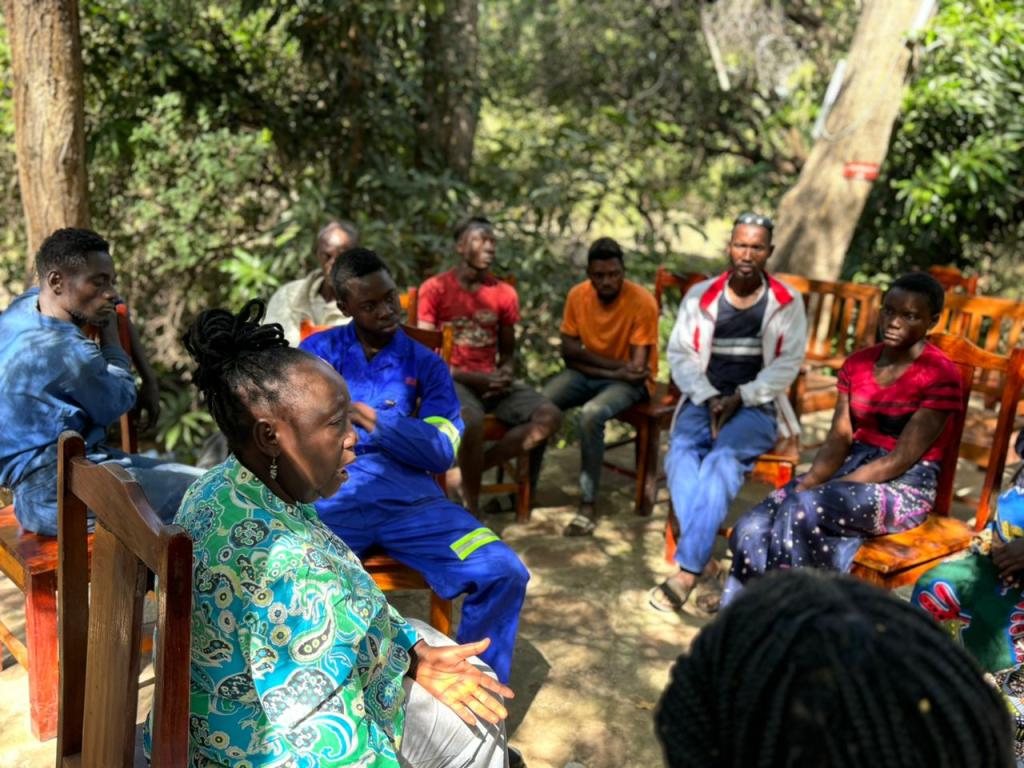
Group of people discussing in a circle
A community in Zambia discusses a river restoration project. Photo by Bridget Meyer (2024).

A common sentiment is that, too often, MEL efforts prioritize the needs of funders and implementing agencies over local communities in accounting for and measuring the success of adaptation work. This key message flips this script, placing local communities in a position to define what success looks like in their contexts and reorienting accountability for the CBA activities being implemented to the communities instead of the funder.

For example, the CBA SCALE+ project is approaching MEL through a participatory evaluation, reflection, and learning system. Through engagement with community members, local organizations, and government authorities, this system will define the intended outcomes of CBA in the targeted communities and, taking into account the perspectives of people of different genders and social groups, evaluate the outcomes of the CBA actions.

This approach to MEL is in line with the LLA principle of “giving local institutions and communities more direct access to finance and decision-making power over… how progress is monitored; and how success is evaluated.” It demonstrates how we can ensure that what constitutes effective CBA is determined by communities, based on their perceptions of and experiences with climate risks.

Deepening our Understanding

Key message 4: "Integration of diverse knowledge systems within climate action." 
This step is fundamental for strengthening community resilience and just adaptation and needs to include bridging ancestral, Traditional, Indigenous, scientific, technical, intersectional, and popular knowledges, recognizing the deep understanding and adaptive capacities already held by Indigenous Peoples and local and Afrodescendent communities.

Effective CBA actions are built on the use and integration of diverse knowledge systems. Technical and scientific knowledge can provide important information on how the local climate will change and what communities need to be aware of and plan for. Local and Traditional knowledge systems can provide a deep understanding of the local environment. Both offer proven and effective management strategies for operating within that environment and can serve as resources that communities can lend to conversations about adapting to the impacts of climate change. 

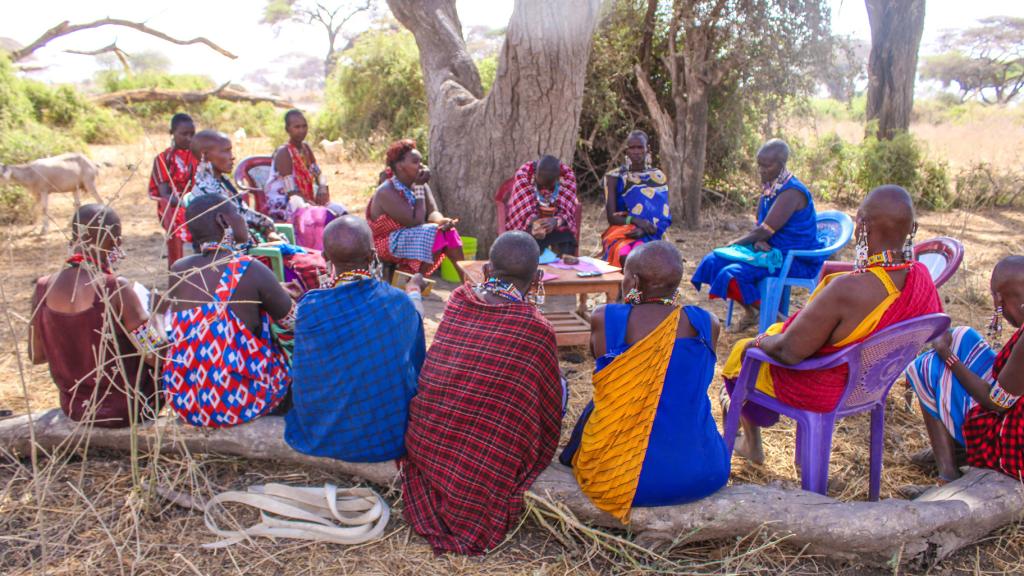
Kenyan women sitting in circle discussing
Women gather in Kenya. Photo by Misper Apawu, Envisioning Resilience, Kenya (2021)

What we are learning from the consortium model of CBA SCALE+ is that the diverse actors provide access to a range of different knowledges, while participatory approaches bring scientific information together with local knowledge. 

Tools like participatory climate vulnerability analysis, community adaptation action planning, and participatory scenario planning enable dialogue among local actors on climate science, how the impacts of climate change manifest in their context, and what this means for people and ecosystems. 

Each partner in the consortium plays a unique role, from the interpretation and integration of technical and scientific knowledge on climate change impacts and ecosystems to building resilient agriculture and food systems, effective knowledge translation, and advocacy strategies.

Collaboration Is Critical

Key message 10: "Intermediary organizations have important roles to play in climate adaptation."
This includes bridging gaps between knowledge, policy, and practice, and addressing bureaucracy, translation, and requirements. Intermediary organizations can and must use their position, access, and influence to elevate community voices and advocate for the locally led adaptation agenda.

Collaboration is critical for successful CBA implementation, as outlined in the widely endorsed Principles for Locally Led Adaptation. Local communities face barriers to adapting to the impacts of climate change, many of which are beyond their control. As this key message shows, non-governmental organizations and other intermediaries are key players in successful CBA implementation.

At its core, CBA SCALE+ is built on the collaboration of multiple intermediary organizations brought together to support local communities in outlining and implementing their CBA priorities, while also working to create an enabling environment for CBA in broader policy and planning processes. The consortium includes local implementing organizations that are embedded in communities and have already built relationships and trust that enable the CBA processes to proceed. It also relies on national-level organizations in Mozambique, Zambia, and Zimbabwe, as well as regional and international non-governmental organizations, that are active in policy spaces and the global adaptation community. As the project works across multiple scales, we are finding that this collective of partners is really important for learning by doing and advancing the implementation of CBA at scale.

A Call to Challenge Power Structures

The CBA19 organizers and participants have developed key messages outlining changes that the CBA community clearly sees as necessary for CBA to effectively build resilience to climate change impacts in local communities. 

Running through these key messages is a call to challenge power structures, put local communities—and their needs and priorities—at the centre of CBA implementation, and utilize communication platforms and advocacy efforts to elevate community voices and their adaptation needs. 


CBA SCALE+ is intended to create the evidence base needed for scaling up inclusive, gender-responsive, and nature-based approaches to community-based adaptation. Its evidence-based approach to adaptation centres the communities’ priorities and builds on collaboration in the service of local communities, drawing together diverse knowledge systems. 

Core to the project is also ensuring that, through CBA, local adaptation priorities are elevated into subnational and national development and climate plans. An overall strengthening of the enabling environment for CBA will ensure that the benefits outlive any one project or initiative and achieve success at scale. 

It is also important to recognize that, while the CBA19, Recife Statement, and LLA principles explicitly call for centring the needs and experiences of local communities, this does not mean that these local communities are solely responsible for CBA actions. 

Communities are important drivers of and actors in adaptation planning processes, but they can only do so much on their own. Systemic changes in governance, development planning processes, and allocation of resources are urgently needed to enable locally led action and build resilience where it is needed most.

The CBA SCALE+ project funder is the International Climate Initiative (IKI) of the German Federal Ministry for the Environment, Climate Action, Nature Conservation and Nuclear Safety (BMUKN). You can read more about the initiative here.

Explainer details

Topic
Climate Change Adaptation
Project
CBA SCALE+
Impact area
Climate
Explainer

What to Expect as Talks on Plastic Pollution Near Finish Line at INC 5.2

Diplomats, scientists, activists and business lobbyists will descend on Geneva in early August 2025 for the final round of talks to agree on an international legally binding treaty to end plastic pollution. After negotiators failed last year to finalize text in Busan at the fifth meeting of the intergovernmental negotiating committee (INC-5), there have been plenty of intersessional meetings to help countries find common ground and a path forward. 


IISD-ENB Team Leader Tallash Kantai is the lead author on a guide to the plastic pollution talks. She shares what she’s learned from the intersessional meetings, which issues will be most difficult to resolve, and countries to watch as diplomats begin this “overtime” session.

July 30, 2025

Can you quickly sum up the state-of-play at the end of INC-5?

INC-5 in Busan, in December 2024, was supposed to be the final round of talks toward a treaty on plastic pollution, however, delegates failed to reach agreement. Many say they failed to agree on core elements of the draft—in reality, they failed to reach agreement on every part of the text. Even the objective of the treaty was not agreed. 

But right now, the biggest outstanding elements relate to plastic products (currently article 3), supply/sustainable production (currently article 6), and financial resources and mechanism (currently article 11). The scope was also excluded—perhaps mistakenly—and the form and function of all other articles hinge on reaching an understanding on scope as well as these three other elements.

On the final day in Busan, INC Chair Luis Vayas circulated a text he said represented the meeting’s work as well as bilateral talks with States throughout the week. This text received mixed reviews, but delegates left Busan agreeing to use this as the basis for discussions at a resumed meeting.

Since then, States and stakeholders alike have held meetings and webinars to set out their positions or try to solve the intractable issues. One such get-together was a three-day informal meeting in Nairobi for heads of delegations—there are hopes any common ground reached here will feed into the resumed meeting in Geneva. Notably, INC-5.2 is set to be attended by ministers, which could be a political signal that this will indeed be the last round of treaty talks.

Strong lines have been drawn throughout these talks on whether the treaty will tackle downstream issues, such as managing plastic waste, along with upstream issues, such as how plastics are created or how much plastic is made. What level of ambition exists in the text as of now—and to what extent were these issues being pushed in the intersessional talks?

If the Chair’s text were adopted today, the world would have a treaty with a mix of mandatory and voluntary measures performed by States within their jurisdictions to regulate plastic pollution. These would nearly all deal with downstream issues, as there’s little agreement to “turn off the tap” of plastic production upstream.

Many States are still calling for higher ambition. At the end of the first part of INC-5 in December, two loose coalitions were announced. Rwanda announced 85 countries were calling for the inclusion of a global target to: reduce the production of primary plastic polymers to sustainable levels, phase out the most harmful plastic products and chemicals of concern; the provision of effective means of implementation; and enabling future development of the treaty through its annexes or amendments. Mexico spoke for 95 countries calling for a legally binding obligation to phase out the most harmful plastic products and chemicals of concern.

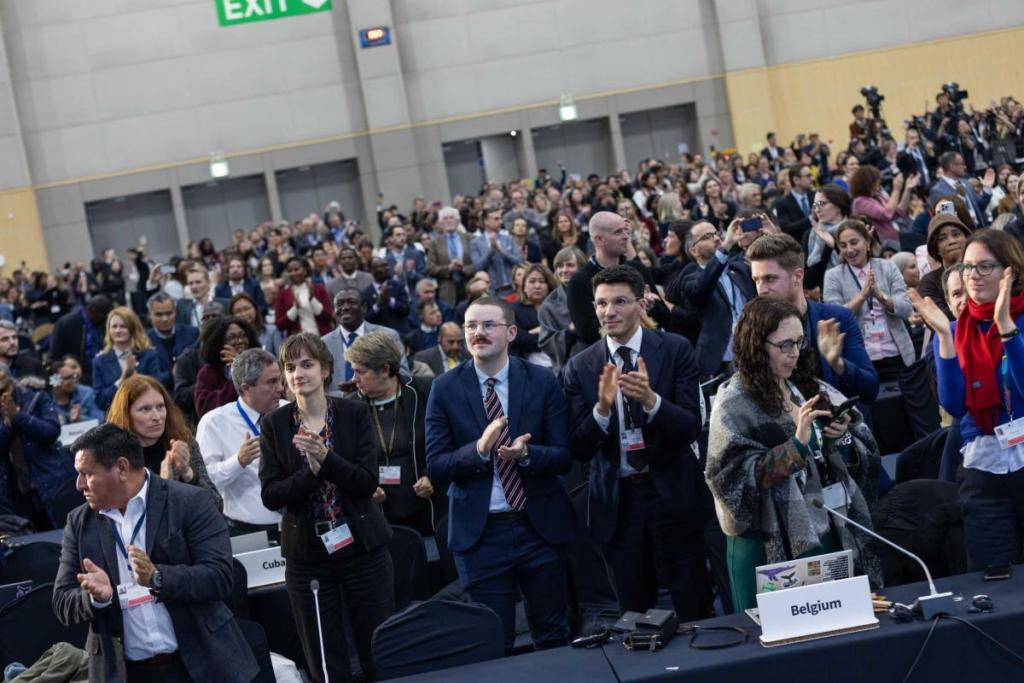
After Rwanda called on all those supporting an ambitious treaty to stand, the plenary erupted in applause

The calls to include production and chemicals of concern are still controversial because the Like-Minded Group of Countries and some others have expressed a strong preference to exclude language on plastic production and chemicals of concern from the text entirely. So strong was this preference that chemicals of concern were excluded from the latest Chair’s text altogether.
We’ve heard that several delegations are discussing ways to postpone inclusion of an article on plastic production (Article 6) but include some sort of placeholder language in the preamble or as an annex. 

Other suggestions have been to roll relevant elements of this article into Article 3 on products. Some others have even suggested that language on production could be included in the cover decision for the instrument. All these options would allow for discussions on plastic production to be reopened at a different time in the life of the treaty.

Ambition also relates to whether States agree to global collective action to address plastic pollution or stick to national measures in their own jurisdictions—and whether either kind of measures are mandatory or voluntary.

The Chair’s current text leans toward voluntary measures at the national level. But many countries seek the opposite, saying mandatory measures at the global level will be required to end plastic pollution given its transboundary nature.

All said, the treaty’s ambition level will need to be carefully negotiated. In the end, it may be something of a package deal, taking into consideration interests on all sides. On this note, we’ve heard a vote may be in the offing—perhaps on including certain elements into the text. If negotiations shift from finding consensus to voting, it will be controversial and polarizing. It could mean sacrificing a universal treaty for a strong treaty or locking out States that could have been enticed to join at a later stage. 

On one hand, if States feel their interests can be voted out, some amount of trust is lost. On the other hand, consensus can effectively become a veto, with a few States holding the majority at ransom. We will see how talks in Geneva play out.

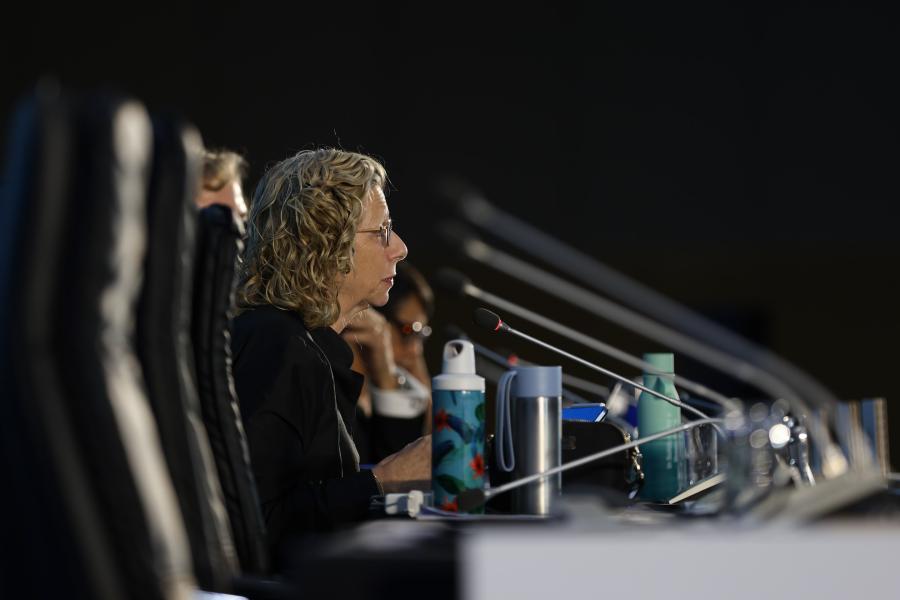
Inger Andersen, Executive Director, UNEP, at INC-5

Finance is almost always a sticking point in global environmental treaties. How is it shaping up for the plastic pollution treaty?

This is a particularly tricky issue comprising two broad parts: the source of funding and the seat of funding.

Traditionally, the source of international funding flows has been from developed countries to developing countries. But nowadays, across multilateral environmental agreements, fewer and fewer funds are flowing in this direction. Innovative sources have been suggested, which could compel producer industries to pay primary plastic polymer fees and/or additional fees related to Extended Producer Responsibility (EPR). Many have called for every State to pitch in what they can to the global cause, using the UN scale of assessed contributions. Some have suggested an even wider funding base, including philanthropies and high-net worth individuals, to end the scourge of plastic pollution. 

To address plastic pollution, the additional complication is that some developing countries are also producers of plastic and plastic products, profiting from sales. Should they be made to contribute if they keep producing plastics, and can they be compelled, given their developing country status? At this point, no money is on the table and all money is welcome.

On the seat of funding, the lines are drawn. Developed countries prefer using the Global Environment Facility (GEF) as the instrument’s financial mechanism, since they wield the most influence there. Developing countries prefer a dedicated fund, owned by all States—such as under the Montreal Protocol—to ensure access and timely disbursement of funds for projects. In Busan, there was no clarity on how to bridge the gaps under Article 11 on financial resources and mechanism. Informal intersessional talks in Oslo may have shed some light on a middle ground, especially to address the needs of the most vulnerable.

Will developing countries that are polluters be compelled to pay? Will rich countries identified as polluters take on the responsibility of remediating sites in developed countries? Could a dedicated fund be established to perform certain functions, while the GEF takes others? These are enormous questions heading into Geneva. Let’s not forget financing is tied to the whole treaty, including some “low-hanging-fruit” articles, such as product design (Article 5), plastic waste management (Article 8), and existing plastic waste (Article 9).

Finally, what countries and coalitions are you keeping an eye on?

The Like-Minded Group, of course. Will they yield at all in their positions on production and chemicals of concern? Will all their members be identified? And the two loose coalitions that were introduced at INC-5.1 will be interesting to watch. Will others join these coalitions? 

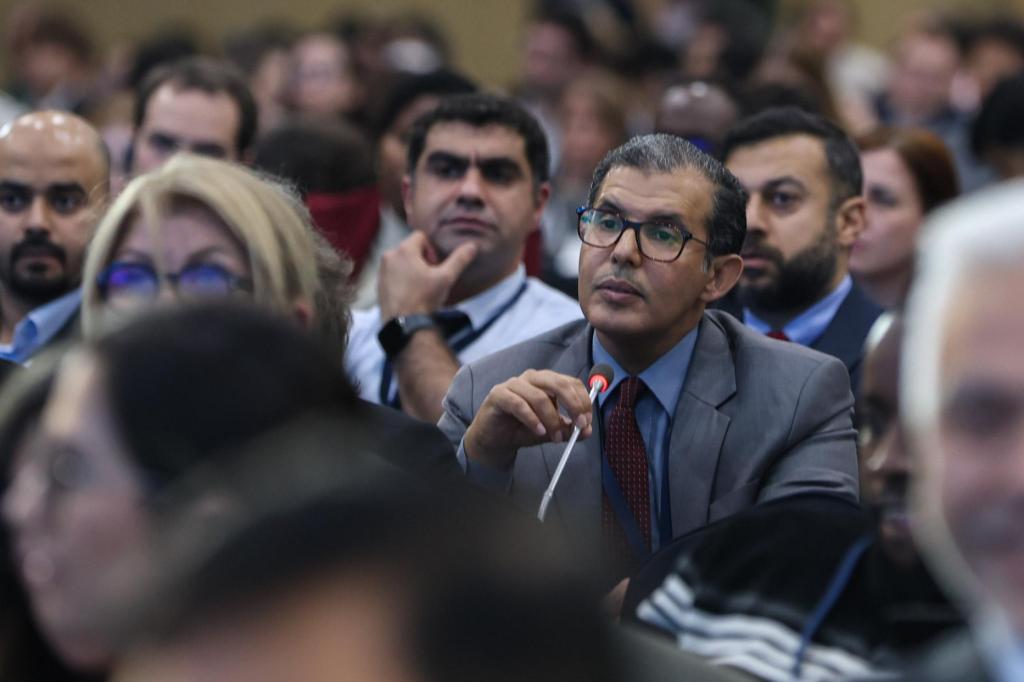
Salman Alajmi, Kuwait, speaking on behalf of the Like-Minded Countries at INC-5

We’ll watch developed countries as a whole to see if there are any fractures within their positions. We don’t yet know how or if the US (one of the biggest producers and consumers of plastic) will participate, or if developed countries will negotiate as a bloc on financing or if some members will break away by supporting some developing country positions. 

We’ll also observe developing countries to track any fissures in their alliances, especially the inclusion of production in the treaty, and in discussions around funding sources for the treaty’s implementation.

What do the lines look like in terms of a potential vote? In this regard, could some major plastic producers support a more ambitious treaty? Could the treaty be successfully implemented if major plastic producers do not sign on?

Despite how long these talks have gone on, we enter the final round of negotiations with a lot of uncertainty. In some ways, that is like plastics themselves. There is still so little we understand about their impacts on our bodies and our environment. What’s clear is that we must act as an international community if we’re to tackle this pollution that can now be found in every corner of our world.

Read more on Plastic Treaty Talks at INC-5.2.

Explainer details

Explainer

Climate Change Impacts on Women in Senegal: Here's how nature-based solutions can help

Senegal’s mangrove forests have been severely depleted, with devastating consequences: vanishing fish habitats, entire villages being washed away by floods, and women losing their main source of income. How can nature-based solutions address all these challenges at once?

June 16, 2025

How is climate change impacting Senegal right now?

Senegalese mangrove forests lost 31.9% of their area between 1980 and 2005 due to the impacts of climate change and deforestation. Meanwhile, rising sea levels have caused massive coastal erosion, destroying homes and entire villages. More communities are at risk of disappearing, including in Gandiolwhere the entire village of Doune Baba Dièye was lost following the decision in 2003 to open a breach—a small canal to evacuate rainwater. This worsened erosion in the area, eventually wiping out the entire village. A few years later, 30 homes were wiped out in Djiffer, a community in the Sine Saloum delta. The phenomenon has also occurred in other areas, such as Rufisque, Mbao, and Bargny, where at least 30 houses were engulfed by the sea in August 2024

To help the country face these challenges, the non-profit organization SOCODEVI is supporting local communities in adapting to climate change. Their project, Natur’ELLES, funded by Global Affairs Canada, places women at the heart of these efforts, recognizing their vulnerability and critical role in sustaining local livelihoods.  

How are climate change impacts increasing the vulnerability of women and girls in Senegal? 

In Senegal, women play an important role in small-scale entrepreneurship. A study by Senegal’s National Agency of Statistics and Demography, released in 2022, shows that 62% of informal production units are owned by women. Many of them collect oysters and other seafood growing within the mangrove ecosystems to sell at markets. The destruction of these vital ecosystems effectively wipes out this source of income. 

With livelihoods lost, options become limited—especially for women and girls. Migrating to urban areas to look for other job opportunities, while socially accepted for men in Senegal, is widely viewed as unsafe when it comes to women and girls due to higher rates of gender-based violence (GBV). 

Senegalese women taking part in SOCODEVI’s leadership program know these impacts all too well, and they are voicing what comes next for those who lose their livelihoods.

 “Women are the most affected group because they are at the forefront when it comes to providing for the basic needs of their families and supporting children's education,” notes Awa Sylla, one of the participants in the training.

When schooling is disrupted, it’s women who often step in to fill the gap. “They feel an additional burden of having to guide their children to avoid seeing them become delinquents,” notes another participant of Natur’ELLES feminist leadership program, Niorta Fatou Diatta, who is also president of the Women’s Fish Processing Union in Kafountine. 

For girls, this support is crucial, as the consequences of abandoning school can be severe. As Diatta explains, some girls who cannot proceed with their studies due to financial hardships might engage in prostitution to meet their basic needs. 

What solutions could help curb the effects of climate change and empower women? 

As climate change-driven poverty gains ground, locally owned initiatives can help fight its effects and better support women. That is why the Natur’ELLES project puts communities and women at the forefront of nature-based solutions. These actions restore and protect vital ecosystems while also helping communities adapt, sustain livelihoods, and build long-term resilience.

Restoring mangrove ecosystems in communities

In Casamance and Sine Saloum, mangrove ecosystems are hotbeds of rich biodiversity, and their extensive root systems protect against wave action and storm surges to help curb coastal erosion. 

But despite their benefits, these ecosystems are at risk. In Casamance and Sine Salome, a quarter of the total surface area - 45,000 hectares - of mangroves has already been lost since the 70s. To help reverse this trend, projects like Natur’ELLES are emphasizing the cost savings and co-benefits of restoring mangrove forests, including carbon storage, enhancing fishing opportunities, and conserving biodiversity. The Natur’ELLES project is supporting restoration initiatives in 123 villages affecting the lives of over 85,000 people. The project will reach 8,000 direct beneficiaries, including 5,600 women. More mangroves mean more habitats that support fish and oysters, leading to greater food security, higher income for women and their communities, and greater well-being. The more women improve their financial security, the more they are equipped to escape any form of GBV while also increasing their self-confidence and investing in their growth.

Building the capacities of women

Natur’ELLES supports women by empowering them with technical and soft skills to enhance their financial independence and their professional opportunities through the literacy program and the Women’s Leadership program. The literacy program offers women who did not attend school the opportunity to learn how to read and write, thereby improving their independence. The Women’s Leadership program equips participants with the necessary soft leadership skills and tools to advocate for their causes, assume greater leadership roles within their communities, and participate effectively in decision-making processes related to the governance of natural resources in Senegal. 

To date, 661 women have been enrolled in the literacy program, with 100% graduation expected by the end of 2025. For the Women's Leadership program, 79 women have been enrolled to date, including 45 young women identified as “emerging leaders” and 34 established leaders (most experienced leaders).

By providing comprehensive services, Natur’ELLES ensures that women and girls have safe spaces to express their leadership. These include awareness-raising programs on gender equality and the prevention of GBV—targeting spouses, community leaders, traditional chiefs, and rights-holders. This process helps establish community dynamics that are conducive to empowering women and creating GBV-free communities.

Social and behavioural change for gender equality and the adoption of good environmental practices

Natur’ELLES brings together local organizations—such as the Coordination of Actions for Mangrove Ecosystem Restoration, NEBEDAY (Moringa), and the Network of Women in Small-Scale Fisheries in Senegal—who work at the community level on issues of biodiversity, fishing, mangrove restoration, women’s empowerment, etc. These organizations are helping to raise awareness locally through community radio programs and campaigns to promote positive masculinity, women’s leadership, and good environmental practices. 

Informing policies through evidence generation and Sustainable Asset Valuation analysis

IISD’s unique Sustainable Asset Valuation (SAVi) methodology provides a comprehensive framework for decision making, incorporating gender-sensitive perspectives to align nature-based infrastructure projects with national economic goals, community needs, and environmental protection. As an economic valuation tool, SAVi integrates system dynamics to map an infrastructure project’s key indicators and analyze the connections between social, economic, and environmental factors, recognizing that challenges, causes, and consequences are inherently linked. 

Why is it critical to involve women in decision-making processes, and specifically the governance of natural resources? 

Climate change has important impacts on communities, including loss of homes and income-generating activities, as well as loss of life. Women are particularly vulnerable to the impacts of climate change because they rely on natural resources that they primarily safeguard, and they have fewer backup options when facing the loss of their livelihoods. 

Considering the role they play in the well-being of their families and communities and their critical contributions to the overall economy—including their leadership on fish value chains—it is past time to equally involve them in decision-making processes, fully considering their insights and concerns, as well as specific challenges and needs. Achieving climate and social justice depends on recognizing and valuing the role of women and their knowledge while also including them in decision-making processes. This is, first and foremost, a matter of human rights as well as a necessary condition for economic development.

Explainer

What to Expect at the Bonn Climate Change Conference 2025

Q and A with Jennifer Bansard of Earth Negotiations Bulletin

Climate change negotiators will soon gather at the annual Bonn Climate Change Conference for their midyear talks. As well as taking up unfinished items from their last meeting in Baku, Azerbaijan, they will look to advance technical items with the aim of ensuring this year’s 30th UN Climate Change Conference (COP 30) in Brazil is set up for success. Jennifer Bansard is leading the Earth Negotiations Bulletin team that will cover the talks; here, she shares what items to watch.

June 10, 2025

This year, we’ve witnessed people around the world struggling to adapt to the increasing impacts of climate change. How are negotiators going to address adaptation at this year’s Bonn Climate Change Conference?

The Global Goal on Adaptation (or GGA) will feature prominently on the meeting agenda of the United Nations Framework Convention on Climate Change Subsidiary Bodies. It was established in the Paris Agreement in 2015, but it's a rather vague goal: “enhancing adaptive capacity, strengthening resilience, and reducing vulnerability.” 

It has been difficult for many countries and stakeholders to know what to do to achieve progress in terms of adaptation, and tracking it is yet another challenge. So, in Dubai at COP 28, parties adopted a framework on the GGA, which defines targets that should help guide action. There are targets related to water, to food and agriculture, health, biodiversity, infrastructure, and cultural heritage. The framework also specifies targets for each of the steps in the adaptation cycle, such as risk assessments, as well as plans to address those risks, and monitoring, evaluation, and learning mechanisms to assess how things are going. 

Bonn Climate Change Conference
The annual mid-year climate negotiations in Bonn have historically had a less-charged, more technical atmosphere—but that has changed in recent years. (Photo by IISD/ENB Kiara Worth)

At the same time, parties launched work to define indicators to measure progress toward those targets. Since COP 28, there have been several rounds of expert meetings to build a list of potential indicators. At one point, we had a list of 9,000—too many to handle, obviously. 

Parties identified criteria to guide the experts in narrowing down the list of potential indicators, looking at things like data availability, whether there are existing baselines, whether the indicators can be applied across different contexts, and so on. There's also the question of whether the indicators can be aggregated across levels—looking from the very local, subnational level to the national and international levels, plus considering which indicators can be disaggregated by demographic and socioeconomic characteristics, which would help gain a more nuanced perspective of who is adapting to climate change. 

After all this work, parties in Bonn will discuss a “somewhat consolidated” list of 490 potential indicators. Still a lot, but the hope is with another round of talks, they may be able to narrow it down further and reflect on potential interlinkages.  

Has adaptation struggled to get the spotlight in these negotiations, compared to other topics, such as Loss and Damage? 

I have to say, progress on adaptation has been slow to materialize. It's been difficult to get everybody on the same page. I mean, we're 10 years into the adoption of the Paris Agreement, and we've yet to define indicators for the GGA. 

But there has been quite good momentum since Dubai. We have many activists to thank for continually emphasizing the importance of adaptation. With the lack of progress on mitigation, adaptation becomes ever more important. 

What is the state of mitigation in the climate talks? Have you seen anything since Baku that makes you hopeful the Mitigation Work Programme will find its own momentum? 

The original hope when establishing the Mitigation Work Programme was that it would help drive “mitigation ambition and implementation in this critical decade.” So far it has led to a series of dialogue events focused on specific sectors, bringing a spectrum of actorsfrom private sector to national governmenttogether, especially those that could drive investment into mitigation efforts related to that specific sector. So it's not that it hasn't led to anything . . . but it's not yet fostered measurable enhanced mitigation ambition, let alone implementation. 

The big issue we've seen in the last 2 years is whether and how to respond to the outcome of the first Global Stocktake under the Paris Agreement. In the global stocktake decision, we have this landmark reference to transitioning away from fossil fuels in energy systems. It was a big breakthrough at COP 28, and many left Dubai feeling quite hopeful. 

But that hope vastly diminished because it was clear in subsequent negotiation rounds that many countries are not intending to follow up on that collective call to transition away from fossil fuels. So that raises a lot of doubt about how realistic it is for the planet to stay not just within 1.5°C of warming but, at this point, 2°C. 

However, it's always a bit difficult to make predictions on mitigation. Even though what national governments are putting forward is not very ambitious, we see a lot of private sector and subnational government actors still actively pushing for the transition—and not just in the energy sector, but in a lot of other sectors, such as transport. 

We are well past the initial deadline for countries to submit their third round of nationally determined contributions (NDCs). How many were submitted—and how will NDCs feature in the Bonn talks?

NDCs are really the central feature of the Paris Agreement, with countries being expected to publish new and progressively more ambitious NDCs every 5 years. 

Only 16 countries met the original submission deadline for the third round of NDCs in February 2025, however. As of this interview, we have 22 countries that have submitted NDCs. We expect more to come, and all the NDCs published by sometime in September will be incorporated into the Secretariat’s synthesis report, so that is another deadline countries have in mind. But for countries trying to push their NDCs through difficult parliamentary discussions or get buy-in across a wide coalition government, they may not release their NDCs until just before COP 30. 

Ultimately, it doesn't really matter for the climate whether those plans are published in February or in August or even in 2026. What matters more is how they're developed, because if they are built in a participatory manner, it increases the odds they will actually be implemented. This may also increase their ambition, which is the biggest question: how will these new NDCs respond to the outcome of the global stocktake in terms of 1.5°C alignment, sectors covered, and transition away from fossil fuels?

Many people familiar with NDCs are not as familiar with Biennial Transparency Reports or BTRs. Can you explain those reports, their recent deadline, and how they will feature at the Bonn Climate Change Conference? 

In the Paris Agreement’s Enhanced Transparency Framework—which is the Agreement’s whole monitoring and reporting system—parties are required to submit BTRs every 2 years. These include information on things like progress toward the NDCs, technology development and transfer, and capacity building, and they address support needs as well as what support has been provided and received. They give a comprehensive picture of climate action at the domestic level, but also a lot of information about the multilateral component of the provision of support to developing countries.

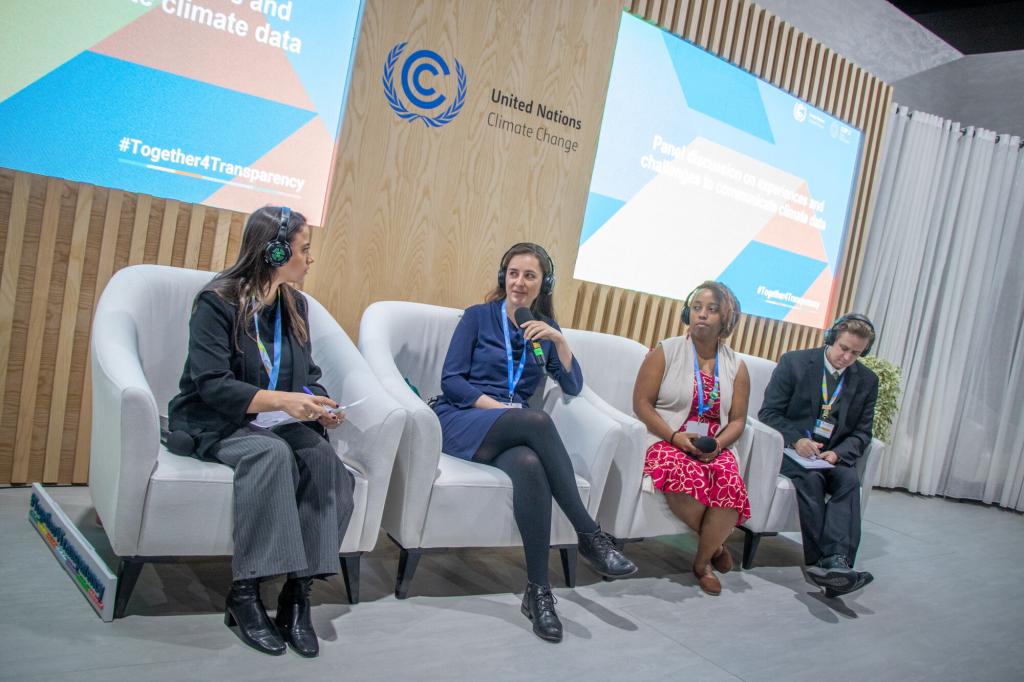
Jennifer Bansard at Baku panel
Jennifer Bansard (centre) answers a question at a COP 29 event on the UNFCCC Enhanced Transparency Framework in Baku, Azerbaijan. (Photo by Matthew TenBruggencate/IISD)

Parties were supposed to submit their first BTRs by the end of December 2024 and this was quite successful. It was a huge endeavour—especially because developing and developed countries had different reporting requirements until the end of last year. It requires a lot of effort to enhance developing countries’ capacity to comply with these more comprehensive reporting requirements. The Secretariat has published tools to support that process. They offered workshops to support countries in preparing these reports. And now more than 110 parties have submitted their reports, including many least developed countries and Small Island Developing States that, in principle, are granted flexibility in the submission of BTRs. 

Now it is time to take stock of how the preparation of the first round of BTRs went. A select number of countries are going to present their BTRs in a public setting in Bonn. People familiar with how countries report on progress in implementing the Sustainable Development Goals at the High-level Political Forum will be familiar with this sort of process—receiving advanced questions from other parties, then giving an oral presentation. There are also a lot of mandated events in Bonn focused on exchanging lessons learned on the BTRs, and different negotiation items will address the need for continued support for reporting purposes. 

In Bonn, negotiators are supposed to initiate the development of a new Gender Action Plan. However, gender turned out to be a contentious topic in Baku. How do you expect talks to progress?

Gender will be something to watch closely. One positive thing that came out of COP 29 in Baku was agreement on a 10-year extension on the gender work programme. That was quite a big milestone. But the nitty gritty lies in the Gender Action Plan, which defines more concrete activities and objectives. This is what negotiators are supposed to start outlining in Bonn.

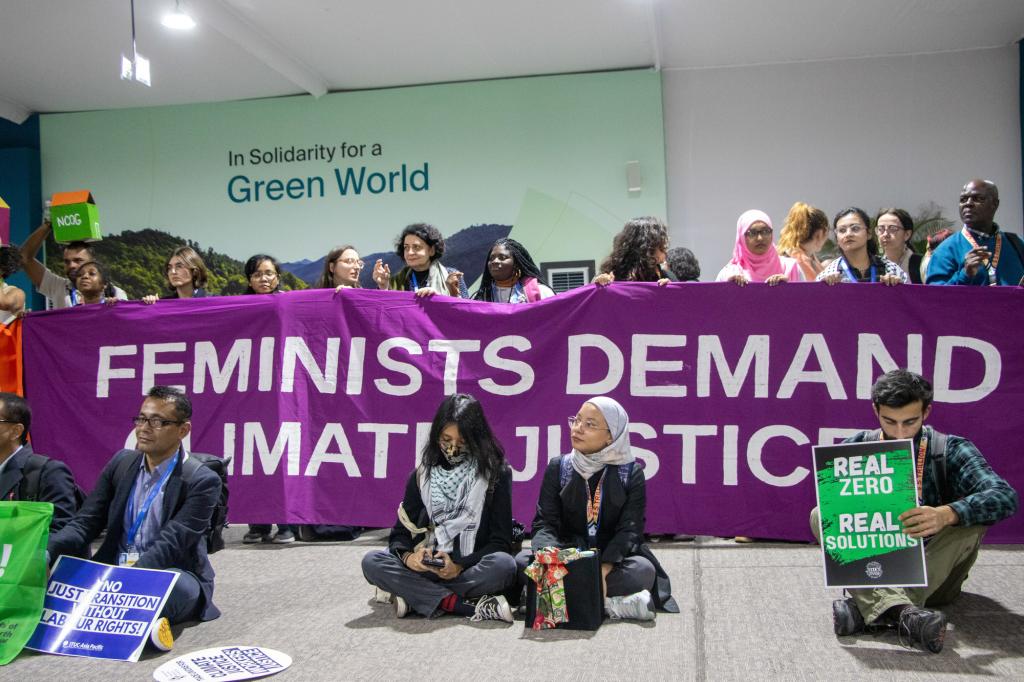
Climate activists hold sign reading "Feminists demand climate justice"
Climate activists demonstrate outside the main plenary room of COP 29 in Baku, Azerbaijan. (Photo by IISD?ENB Mike Muzurakis)

Gender discussions in the climate process have quite a long history. Things have become more contentious in recent years—in the climate process, but also in other multilateral processes, when it comes to gender and human rights language more generally. We’ve seen a wave of conservative or right-wing governments coming to power around the world, with a lot of backlash against gender equality, equity-oriented policies, and human rights protection. Some actors are strongly pushing a binary perspective on gender to the extent they will oppose referring to “gender” and instead want to highlight “men and women.” There's resistance to the concept of intersectionality as well. We've even seen pushback on language addressing violence against women. It has been quite sobering to witness those discussions. 

Things that were no big issue 5 years ago are a hard fight now. Some parties are very openly pushing back against this, but there are also countries or actors that are pushing back against gender equity and human rights language only in the back rooms. So that creates a lot of tension. 

We'll see how it goes in Bonn. I think it was a big success to get the 10-year extension, but that doesn't help us if the action plan is void of any meaningful measure. 

When the New Collective Quantified Goal (NCQG) was set at USD 300 billion in Baku, a number of parties were upset. Is there anything that can happen in Bonn to help rebuild trust? 

I'm not very hopeful Bonn will help deliver anything on this front. Finance is traditionally not a big issue at the June climate meeting. There is an event on finance flow alignment, which in itself is quite contentious because it puts a lot of emphasis on restructuring the global financial architecture and system of financial flows, including the private sector. Many developing countries see this as a diversion from developed countries’ commitment to provide public finance.

We will see what tone countries’ opening statements take in Bonn. Truly, the last day and a half in Baku was pretty rough, with everything hanging on the NCQG—and then a lot of countries emphasizing their deep disappointment and their expectations that this must be corrected and improved in the future. We know the incoming Brazilian Presidency is working in the background on the Baku-to-Belém roadmap to scaling up finance to the USD 1.3 trillion many envisioned. Bonn will not really give us a sense of how that is going, but it will give parties the chance to have these discussions in the corridors, face to face. 

As an experienced observer, what has stood out about Brazil’s actions to take up the Presidency for COP 30? 

It’s a big contrast to the last 2 years. Azerbaijan and the UAE both had very limited previous engagement in the climate process. While they succeeded in growing their capacity to live up to the challenge, we have very different starting conditions with Brazil.

Brazil has been heavily engaged in the climate change negotiations since the beginning. They have a lot of contacts with countries all over the world, which helps with preparatory discussions. And we can also see that the political climate in Brazil has shifted. One of the reasons the country submitted a bid to host the climate COP was their clear intent to show that Brazil is back on the international environmental scene. They are not only hosting the climate change negotiations this year, but next year they're also hosting the COP of the Convention on Migratory Species, for example.

Brazil has its own priorities and specific profile regarding issues such as deforestation, agriculture, and Indigenous Peoples. We'll see how the Presidency will push forward the issues that matter to them. Brazil is trying to bring ministries beyond the environmental ones—especially ministries of finance— on board for climate action.

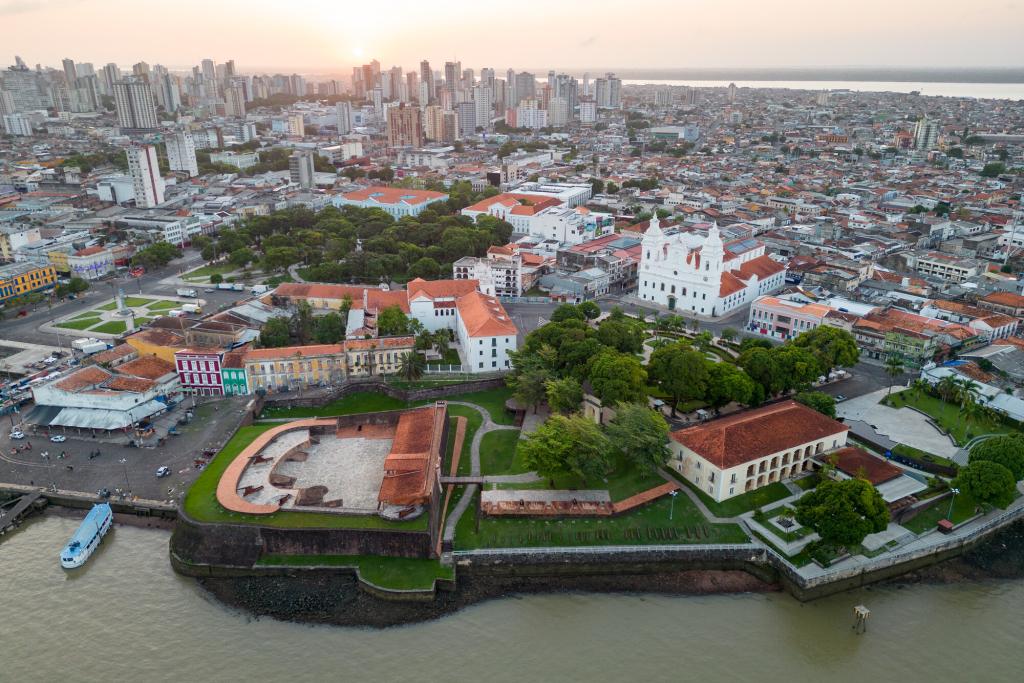
Belém, Brazil
Belém, Brazil will play host to climate change negotiators for COP 30. (Photo by iStock)

The Presidency is really emphasizing the action agenda and trying to get all sorts of stakeholders to put forward concrete measures—not some long shot ideas they may undertake in the future, but very concrete measures they are implementing soon.

The COP will take place in Belém, which is going to cause logistical challenges because of flight connections and housing needs. We know there's been additional infrastructure built in Belém to accommodate the talks, and temporary infrastructure will be added to increase the number of hotel rooms available. 

Bonn will provide a chance for discussions on exactly how this COP is going to happen. I think a big question will be anticipated participant numbers. After a strong increase in participant numbers in the past few years, some are wondering if there will be a cap on the number of participants.

Any concluding thoughts?

This year, a lot of governments are cutting budgets, and some are pulling back from multilateral approaches, with consequences for climate policy, environmental policy, and development cooperation more generally. We’ve noticed even developed countries tightening wallets when it comes to their delegates going to international environmental meetings. It’s something we’ll watch for in Bonn—something that may constrain the reactivity of these processes and might also change the way these negotiations are conducted. 

Explainer

What Makes Today’s Debt Crisis So Pernicious?

Many low-income countries are diverting scarce resources from development to service costly debt. But what’s driving current debt vulnerabilities—and what can be done about it? While some see a short-term liquidity squeeze, others warn of a deeper debt sustainability crisis masked by quiet cuts to development and climate spending. In response, the Debt for Resilience initiative proposes to restore long-term external debt sustainability and enable investment in development.

May 7, 2025

African nations alone are collectively set to spend USD 89 billion toward servicing external debt this year, according to the G20. This financial commitment is forcing the most vulnerable countries to dedicate limited resources to paying their creditors instead of investing in development, climate adaptation, and mitigation.

Shrinking global liquidity, net capital outflows, and an increased reliance on higher-interest, shorter-term external private debt are eroding external debt sustainability, gradually limiting countries’ ability to service their debt obligations without affecting broader economic resilience or going into default. The mounting pressure is not just a short-term liquidity issue–it is a looming threat to long-term economic stability and growth prospects. The need for comprehensive, transformative debt relief is urgent.

What is behind the worsening debt situation in low-income countries?

Eight former African prime ministers have recently called for a comprehensive debt-relief initiative, claiming that “Africa is trapped in a crippling debt crisis, the worst in 80 years.” Statements like these make it clear that developing countries are struggling with the challenges associated with heightened debt vulnerabilities—what exactly their malaise consists of, however, is less clear. To use a medical analogy: the patient is in pain, but what is causing it?

On paper, the debt levels of many low-income countries (LICs) do not look alarming. Compared to previous periods of heightened debt vulnerabilities—such as the 1990s—countries’ overall debt-to-GDP ratios remain broadly manageable.

This has led some observers to argue that what we are seeing is primarily a liquidity crunch: LICs are temporarily short on cash due to shrinking global liquidity and capital outflows. According to this view, although we are seeing increased fragility and isolated defaults, there is no systemic debt crisis.

Others challenge this perspective, contending that many developing countries are not just facing a liquidity squeeze but grappling with debt sustainability issues, stuck in a pattern where debt repayments are eating up future growth. In their view, the absence of widespread defaults reflects not financial resilience but rather a choice to default on development instead of debt. As the World Bank’s Chief Economist Indermit Gill puts it, “These facts imply a metastasizing solvency crisis that continues to be misdiagnosed as a liquidity problem in many of the poorest countries.”

Why is debt relief urgent?

The International Institute for Sustainable Development’s new report, Debt for Resilience: Ending the Debt Crisis in Low-Income Countries, finds that many countries today face debt challenges as acute as those seen in past global crises, though the underlying causes differ.

Today’s problems are not limited to public debt—they are also rooted in balance-of-payments (BOP) pressures. In other words, a country’s negative cash flows can become a fiscal problem.

Adding to the strain is a shifting credit composition landscape. Many LICs are now more heavily indebted to external, high-interest private lenders, including commercial banks and bondholders. The same applies to their private sectors (e.g., companies operating in the country). This places immense pressure on central banks, which must not only have enough reserves to service public debt but also ensure access to foreign exchange for domestic firms to meet their own external obligations. In conjunction with high debt-servicing costs, LICs not only face a sovereign debt problem but also a potential BOP problem that affects the entire economy.

These BOP constraints directly undermine external debt sustainability. Total external debt service is now reaching levels comparable to the 1990s, which led to the launch of the Heavily Indebted Poor Countries (HIPC) Initiative, one of the most ambitious debt-relief efforts in history. Back then, it was only public debt placing a burden on state coffers in LICs; however, today, fiscal pressures are driven by high debt-servicing payments pertaining to both public and private obligations.

The risks posed by these acute BOP pressures and resulting external debt problems are systemic and compounded by two further systemic challenges—declining official development assistance and the global fragmentation of trade linked to escalating geo-economic tensions. Together, these trends signal a need for urgent and comprehensive responses.

What solutions have been advanced in the past?

Designing a debt-relief initiative inevitably involves making difficult judgment calls. Some are practical; others are inherently political and normative, such as determining which countries or groups to prioritize and how to justify the exclusion of others. HIPC, for instance, was designed to address a debt overhang in LICs and entailed the implementation of reform programs supported by the International Monetary Fund (IMF) and the World Bank.

The international community’s response to the current debt crisis consisted of a two-step approach. First, a temporary debt suspension was adopted by the G20 through the Debt Service Suspension Initiative, which concluded in December 2021. Once it became apparent that some LICs’ debt vulnerabilities ran deeper and required full-blown restructuring, the G20 Common Framework was approved. The Common Framework seeks to offer a “one-stop solution” for LICs that owe to traditional bilateral creditors, who have historically organized themselves via the so-called Paris Club, and new bilateral creditors, such as China or Saudi Arabia, who are members of the G20 but are not part of the Paris Club.

IISD’s new report analyzes past and present debt-relief initiatives, revealing several shared features. All begin with a specific diagnosis and have differing objectives, designs, and policy responses. These often reflect broader differences in perspectives, values, and interests. The report also discusses initiatives currently being proposed, noting that these initiatives continue to rely on a flawed binary between illiquid and insolvent countries, overlook the heterogeneity of credit composition among LICs, and are not attractive enough for debtor countries to make them want to apply.

What is the Debt for Resilience initiative?

The Debt for Resilience initiative offers a new framework for debt relief—one that shifts the focus from short-term liquidity fixes to restoring long-term external debt sustainability and BOP stability. It does so through substantial official external debt reductions, combined with measures to prevent these debt reductions from being used to pay off private creditors. Crucially, it avoids the contractionary effects often associated with traditional adjustment programs.

The Debt for Resilience initiative is designed to address the challenges that countries currently face:

Objective of the initiativeSafeguarding long-term economic stability and investment capacity by creating economic conditions that prevent external adjustment. 
Eligible countriesThe world’s 75 poorest countries eligible for the World Bank’s International Development Association that are in external debt distress have automatic access. All other countries can apply for relief. The IMF and World Bank boards base their decision on an assessment drawn from an external debt sustainability analysis.
Debt relief featuresA 50% reduction in official external debt and targeted treatments to avoid these debt reductions being used to pay off private creditors.
Commitments by the debtor countriesA national development plan with financing strategy policies to prevent financial flows from placing a burden on external accounts that could dilute international support or lead to leakage from relief programs toward public or private creditors, thereby risking external debt sustainability issues.
Monitoring mechanismParticipation in the program is contingent upon the establishment of a formal agreement with the IMF. Countries will be excluded if they fail to comply with the terms of the program, resulting in the loss of the debt reduction provided.

For the initiative to succeed, endorsement from the G20 and formal approval by the IMF and World Bank are essential. The United Nations would also play a key role by supporting debtors in developing national development plans. By tackling structural vulnerabilities and providing a predictable, rules-based approach to debt resolution, the Debt for Resilience initiative charts a path toward sustained economic recovery and resilience for debt-distressed countries.

Explainer details

Impact area
Sustainable Economies
Explainer

Why Now is the Best Time to Reform Fossil Fuel Subsidies

Experience has shown that fossil fuel consumer subsidy reforms are most successful when introduced during periods of low prices—yet too often, these moments are missed.


With global oil prices currently low, governments have a unique window to reform fossil fuel subsidies with minimal disruption to consumers and businesses.


We spoke with expert Vance Culbert about why right now is the time to act, what practical steps governments can take, and how forward-looking countries can lead the way.  

April 15, 2025

What’s happening with global oil and gas prices right now? 

We’ve seen a very rapid drop in global oil prices over the past days, with West Texas Intermediate (WTI)—one of the main three benchmarks in oil pricing, along with Brent and Dubai Crude—dropping below USD 60/barrel. Brent has also declined to multi-year lows. This is due to a couple of factors. One is the crash of the stock markets following the US administration’s announcement of tariffs that led to revisions of growth forecasts. The second is the easing of OPEC’s production quota system, leading to increased oil availability in global markets while there are concerns about decreasing future demand. This combination of factors has led to the lowest oil prices we've seen since COVID-19. Not all of these have yet been passed through to the pump, which typically happens with a short time lag.  

What makes this moment the perfect situation to reform fossil fuel subsidies? 

Fossil fuel subsidy reform can meet a lot of pushback if not done properly because energy prices affect the purchasing power of households and industrial competitiveness. Fossil fuel subsidies hit a record USD 1.7 trillion in 2022, when the war in Ukraine and the subsequent cut of oil and gas supplies to Europe pushed the prices to new highs. Governments responded by trying to provide support to households and industries. Subsidies came back down with lower oil prices to USD 1.1 trillion in 2023, still the second highest on record. These are unsustainable levels of subsidies, particularly at a time when many governments face strong deficits, leading to broad budget cuts in many sectors.

With the current drop in the price of oil, now is an ideal moment to scale back subsidies with minimal disruption to households and industries.  

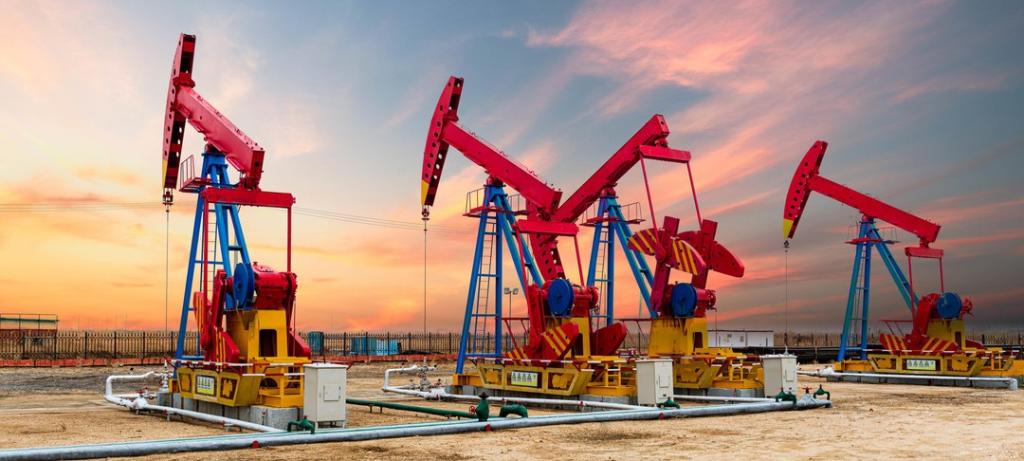
Oil pump in desert

There is substantial research showing that the most successful subsidy reforms—those that are broadly accepted and are not rolled back with the next oil price spike—have been implemented during periods of low prices and phased in gradually, enabling a smoother transition and allowing fossil fuel prices to more closely reflect markets. This approach means that consumers continue paying prices similar to what they were before prices came down. Communication campaigns are important to make people aware that future price increases are due to global fluctuations and that alternative support options are available for those most in need. 

How should governments start this process? What are the first steps to make the reform happen? 

Fossil fuel subsidy reform involves several steps, starting with political will. It requires governments to make a clear and committed decision to pursue reform. 

Moreover, it requires a whole-of-government approach, involving key ministries such as finance, industry, and energy. Ministries of social protection and the environment also have an important role to play. 

Careful planning is essential. The process should begin with a comprehensive inventory to ensure the government fully understands the scope and scale of existing subsidies. This should be followed by an analysis of the likely impacts of reform on both households and industries, allowing for the design of targeted support measures for the most vulnerable groups as subsidies are phased out. 

Some governments may be better positioned than others to undertake fossil fuel subsidy reform now, while prices remain relatively low. But what can any government do to initiate reform and begin seeing benefits quickly? 

There are several practical steps to consider. First, temporary subsidy measures introduced during the last price spike can be phased out more swiftly. Governments that already have regular fuel price review mechanisms in place can begin shifting from price controls toward a more market-based approach. This helps prevent subsidies from automatically resuming when prices rise again. 

This moment also presents an opportunity to adopt more effective and targeted support mechanisms—such as direct cash transfers to vulnerable households—rather than continuing to subsidize fossil fuels across the board. 

What can the most forward-leaning governments do differently in the current context? 

One thing is to engage in progressive groups such as the Coalition on Phasing Out Fossil Fuel Incentives Including Subsidies (COFFIS).

For some COFFIS members, the deadline to submit reform action plans before COP30 is fast approaching. This presents a prime opportunity to build political momentum, enact meaningful reforms, and take advantage of the current period of lower fossil fuel prices. 

Members of a new international coalition to phase out fossil fuel subsidies stand at a COP 28 press conference.

Countries considering subsidy reform are encouraged to engage with the COFFIS coalition and its secretariat, hosted by IISD, which offers technical support and facilitates the sharing of best practices. The benefits of reform are much broader than reduced incentives to burn oil, gas, and coal—they also help governments to expand fiscal space, strengthen energy security, and ensure a level playing field for all energy sources including renewables and energy efficiency.

Explainer

How Can Research and Data Drive Sustainable and Gender-Inclusive Fishing: The case of Natur'ELLES in Senegal

As fish stocks decline and pressure on marine ecosystems grows, fisheries worldwide must adopt more sustainable and inclusive practices. The Natur'ELLES project implemented along the coast of Senegal demonstrates how research and data can make the case for sustainable fishing in mangrove forests. 

April 9, 2025

What sustainability challenges does the fishing sector face in Senegal?  

While fishing generates income and livelihoods for communities living along coastal marine ecosystems, this sector faces several challenges such as overfishing, non-compliance with fishing regulations and standards affecting the reproduction of species, as well as lack of access to relevant equipment. These factors have led to a scarcity of fish observed in Senegal in recent years. The Natur'ELLES project supports local communities in addressing these issues by promoting sustainable fishing practices, such as not fishing during biological rest periods and adjusting net dimensions so younger fish can continue breeding. 

Why is empowering women critical for Senegal’s fishing sector? 

In Senegal, women play a significant role in the informal economic sector. They are active throughout the fishing value chain, from collecting oysters and processing fish to selling fish products and preparing fish meals for their families. That is why empowering women also means empowering entire communities.  

However, women are still under-represented in high-level decision-making institutions around natural resources, including fish. This is due to several barriers, including a lack of access to education and some restrictive and discriminatory practices. 

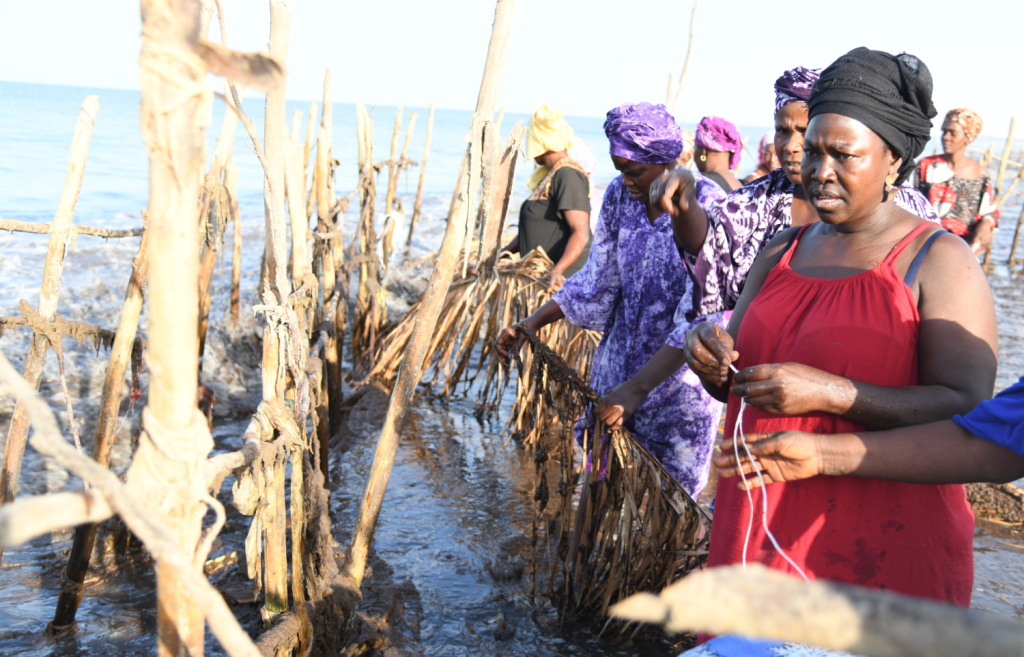
A group of women fishing.

How does the Natur’ELLES project support women—and why are data and knowledge key in this support? 

Natur'ELLES provides women with the knowledge and skills they need to take their seats at the decision-making table and play an active role in the management of natural resources, including fisheries. Access to data and knowledge puts them in a better position to raise awareness on best fishing practices, such as the necessity of observing biological rest periods and the strict respect of regulatory standards regarding net dimensions for the reproduction of species.  

How could IISD’s SAVi analysis tool help address data gaps?  

IISD will contribute to the Natur’ELLES project through its Sustainable Asset Valuation (SAVi) analysis tool. It’s an assessment methodology that provides a comprehensive analysis of environmental, social, economic, and governance (ESG)-related risks on infrastructure projects, capturing the full costs as well as the benefits of any intervention. For example, in a coastal region, a SAVi assessment could compare the benefits of planting mangroves—tsunami protection, carbon sequestration, habitat for fish that increases fisheries’ yields—to the benefits of a concrete storm barrier while weighing the costs involved. 

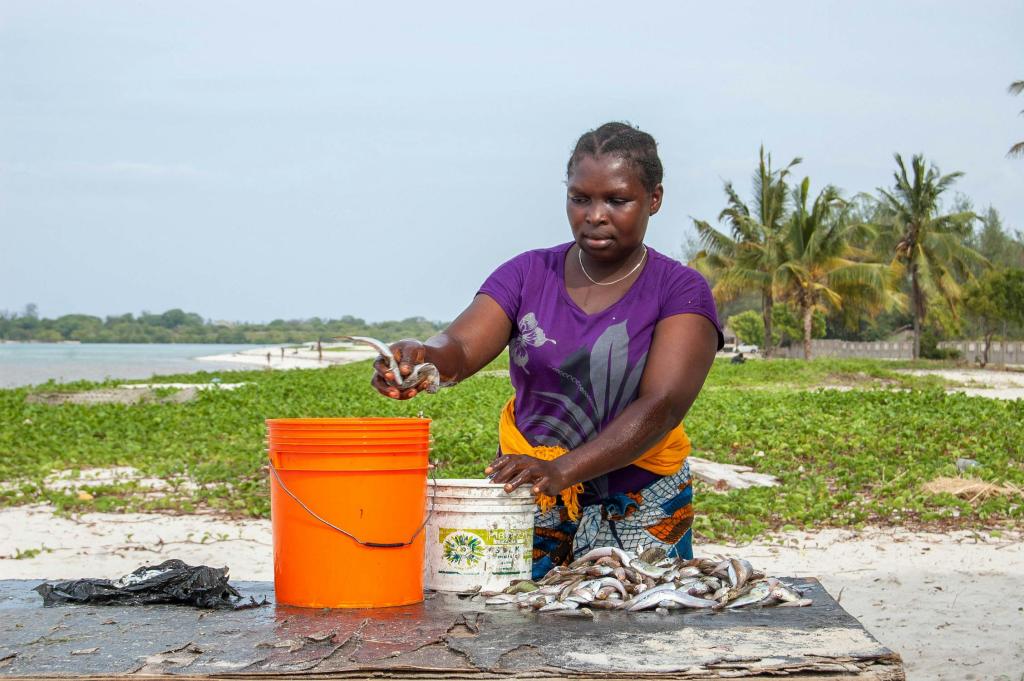
A woman places fish into a bucket.

SAVi uses system dynamics—including the cause-effect and risk factors—to forecast a project’s impacts. The goal is to deliver reputable infrastructure financing recommendations to governments and investors so they can make informed decisions and “steer capital toward sustainable infrastructure.” Past work has shown that SAVi assessments make compelling arguments for nature-based infrastructure interventions, including the ESG benefits for women. For example, IISD has already implemented a successful experience of this in Morocco through the “Contournement de Rabat” project. 

How does Natur’ELLES’ support for women look in practice?  

Natur’ELLES supports women in Senegal through several initiatives. In partnership with the International Union for Conservation of Nature, Natur’ELLES supports "mangrove platforms”regular meetings that gather all stakeholders to discuss issues related to the conservation of mangroves as well as challenges and solutions. These dialogue platforms offer an opportunity for women to equally influence decisions on the planning and the management of natural resources. 

Another upcoming project supported through Natur’ELLES is (Google Earth Engine Mangrove Mapping Methodology) app. This app will be used to collect data, monitor and measure the health of mangroves — which play an important role for the development fishery resources." 

The GEM app offers the possibilities for communitieswomen in particularto participate in data collection activities and collaborate with public authorities to monitor progress themselves, take ownership of their natural resource management systems and fully understand the evolution of mangrove-based ecosystems while adopting best practices.   

Natur’ELLES is also implementing an educational program tailored to women who did not have a formal education, titled “classe d’alphabetisation.” This program will reduce the education gap of women while building their capacities to read and write (necessary skills to produce and analyze data) and meet their full potential. Besides, the project has been implementing a feminist leadership program that equips women with technical and soft skills so they can adopt best practices, improve their self-confidence, and better participate in decision-making processes while amplifying their voices on climate change-related issues.

The Natur'ELLES project endeavours to enhance the resilience of women and their communities in the Sine Saloum and Casamance deltas who are vulnerable to climate change. Find out more about the initiative

Explainer

What to Expect at the 2025 Conferences of the Parties to the Basel, Rotterdam, and Stockholm Conventions

Chemicals make modern life possible but sometimes pose severe risks to human health and our environment. While our understanding of these chemicals and wastes continues to grow and capture attention—like recent headlines on cancer risk from fire-fighting foams—our uses of these substances are also increasing, with some projections suggesting the chemical industry could double by 2050.


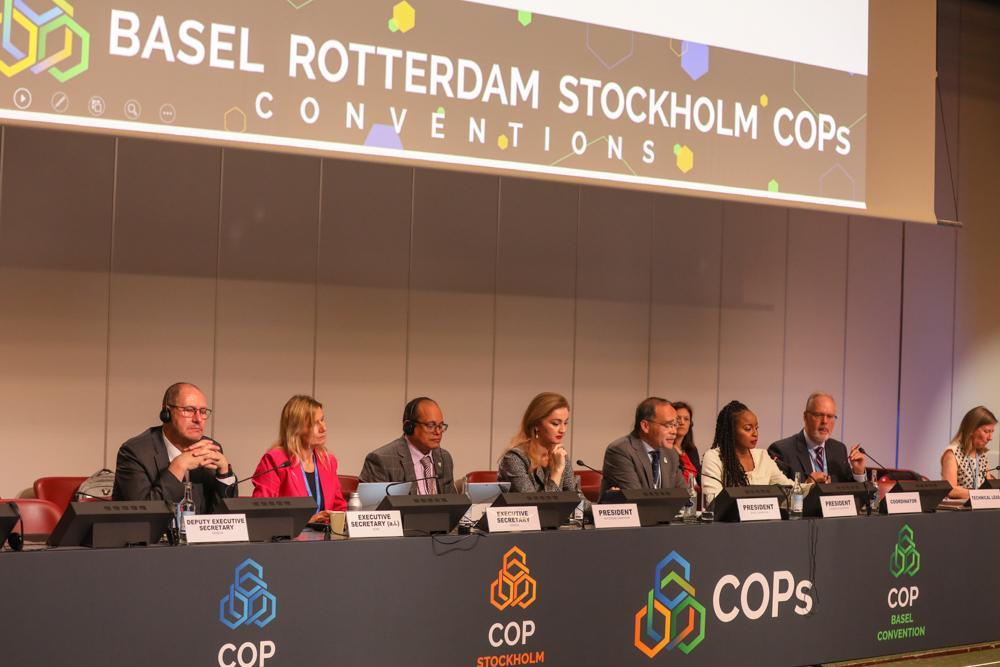
Diplomats from around the world will meet in Geneva soon for the 2025 Conferences of the Parties to the Basel, Rotterdam, and Stockholm Conventions (BRS COPs) to try to agree on how to better govern chemicals and wastes—especially what rules apply when they criss-cross national borders as part of global trade.


Jennifer Allan will lead the Earth Negotiations Bulletin team covering the BRS COPs, and we asked the veteran observer of multilateral environmental negotiations what to expect and why the talks matter.

April 8, 2025

Why are the BRS COPs sometimes called a TripleCOP? 

It’s a unique format for environmental treaties. The governing bodies (aka COPs) of the Basel, Rotterdam, and Stockholm Conventions meet over the same two weeks. For some issues that relate to two or more of the treaties, negotiations consider each treaty. The format allows each treaty to keep its legal identity but also allows for synergies that benefit chemical and waste management. For example, the Basel Convention gets more time to do technical work on guidelines for the environmentally sound management of waste. Some of these guidelines relate to wastes that contain persistent organic pollutants (POPs), a group of chemicals that is the focus of the Stockholm Convention. It sounds dry, but these guidelines help countries manage waste safely for people and the planet. 

This year, ministers will attend the TripleCOP for a high-level segment. The BRS TripleCOP often shies away from the political attention that high-level events bring. But many view this as an opportunity to raise the political profile of chemicals and waste management, as a cluster of challenges that government ministers need to address domestically and internationally. 

What are the major milestones expected at the 2025 TripleCOP? 

Each treaty will have its own focus.  

The Stockholm Convention has the strongest powers of the three. It can eliminate the production and use of POPs. Sometimes it allows some ongoing uses if there are no alternative chemicals available. Three POPs could be slated for elimination this year. One is a widely used pesticide called chlorpyrifos. The other two are complex groups of industrial chemicals. Medium-chain chlorinated paraffins help to make a material softer and more flexible, including paints, sealants, and adhesives. Long-chain perfluorocarboxylic acids are used in fire-fighting foams, textiles, cosmetics, and food packaging materials because they repel water, oil, and dirt. 

Pesticide being sprayed in a field.

These chemicals, like all POPs, are toxic, long-lasting in the environment, increase in concentration as they move up the food chain, and travel long distances from where they were used. Such long-range transport and persistence in the environment make POPs chemicals of global concern. POPs have been found in Inuit women’s breast milk, even though the Inuit people live thousands of kilometers from where the substances were produced or used. Protecting human health and remote environments requires a global response, based on the information gathered by the Stockholm Convention’s scientific committee. To date, countries have refined but never overturned the advice of its experts, which signals that production and use of these chemicals will be eliminated (albeit with some specific exemptions for a short time). 

The Rotterdam Convention and Basel Convention both address trade in chemicals and wastes, respectively. They require the prior informed consent of importing parties. For both treaties, there are questions about how to improve their effectiveness.  

The Rotterdam Convention has struggled to “list” new chemicals, which would add them to its consent procedure. Most of these are pesticides. Countries accepted the conclusions of the Rotterdam Convention’s scientific subsidiary body that chemicals meet the criteria for listing. But, countries cannot agree to add the chemicals to the procedure. A few countries frequently cite concerns about food security, often implying that listing in this Convention could curb a pesticide’s availability. Evidence to support or refute this claim is scant and variable. It only takes one country to block a listing. 

The Basel Convention has recently added plastics and electronic and electrical waste (e-waste) to its consent mechanism. Now, countries are working to find ways to make this process efficient and effective for e-waste, plastics, and hazardous wastes. Some feel that it is creaking under the weight of all the waste we’re producing and trading each year. The production of e-waste alone has nearly doubled since 2010. Much of this waste will contain toxic chemicals and metals, including some POPs. 

This all sounds really technical. Why should we care? 

We should care because synthetic chemicals are everywhere - our clothes, cookware, plastics, computers, etc. There is a lot of uncertainty about their impacts. For many chemicals that are already used, there is little data about their health and environmental effects. It’s nearly impossible for consumers to avoid these dangers. In a number of products around the world, we don’t actually know what chemicals were used. 

A firefighter holding a hose spraying foam onto a car

These treaties help protect human health and the environment. The Stockholm Convention protects us from POPs. The Rotterdam Convention provides information on how to manage chemicals more safely. The Basel Convention helps countries know what they are importing and how to manage the waste safely. The supply chains are becoming more and more complex - together, these treaties try to address the full lifecycle of certain chemicals. It doesn’t always work. The Rotterdam and Stockholm Conventions address largely different sets of chemicals. The Basel Convention doesn’t address the chemicals listed in the Rotterdam Convention. But still, these three treaties are trying to work together to build capacity for safer chemicals and waste management. 

How will this meeting feed into other negotiations, like the plastics treaty talks? 

It’s tricky to say. The Basel Convention took the first global action on plastics when it made all plastic waste trade subject to its consent procedure. Countries will discuss their national inventories of plastic waste at this BRS meeting. We may soon know more about the scale of the waste side of the plastics problem. But that will not help with understanding the drivers of overproduction of plastics. Many plastics are coated with chemicals. A few of these are POPs regulated by the Stockholm Convention, so we will watch to see where plastics pop up. 

View of the dais during the BRS Triple COPs morning plenary

Negotiations are ongoing for a science-policy platform for chemicals and wastes, which may be referenced during the BRS COPs. Just like the Intergovernmental Panel on Climate Change works to advance the latest knowledge on climate change and the Intergovernmental Science-Policy Platform for Biodiversity and Ecosystem Services gathers the scientific consensus on biodiversity loss, this new science-policy platform could help resolve the huge uncertainties around chemicals and wastes. The BRS treaties rely on scientific experts to help guide their policy decisions. This strong foundation in science could help strengthen confidence in the need for this new body, and its ability to deliver for people and the planet. 

To follow Earth Negotiations Bulletin’s daily reporting from the 2025 Conferences of the Parties to the Basel, Rotterdam, and Stockholm Conventions, bookmark their meeting page or subscribe to ENB Update to get their reports in your inbox each morning. 

Explainer

UN Convention on Tax: What happened at recent negotiations, and what’s next?

Tax policy experts Elisângela Rita and Kudzai Mataba were recently at the United Nations (UN), where negotiations on a UN Tax Convention officially kicked off. In this article, they break down the decisions made and discuss how the convention can best tackle developing countries' challenges.

February 14, 2025

Negotiations have officially begun for the United Nations (UN) Framework Convention on International Tax Cooperation. The convention aims to create a system of international tax cooperation to close gaps in existing tax systems that prevent many countries from collecting much-needed tax revenues.

We take a closer look at what happened and explore how the UN Framework Convention could effectively address the challenges faced by developing countries.  

What Happened at the Latest UN Tax Negotiations?  

Majority Voting Where Consensus Fails for Future Decisions  

Negotiators debated the decision-making threshold, focusing on how to move forward when consensus couldn’t be reached.  

The African Group, led by Nigeria, Ghana, Kenya and other supporters, pushed for majority voting to ensure faster and more decisive action, after years of frustration with the slow pace of negotiations in the current international tax system. They advanced that a voting system based on consensus left too much room for obstruction, especially from developed countries.  

Developed countries, especially the European Union (EU), advocated for consensus decision-making, emphasizing its role in preserving national sovereignty. They also argued that it would be essential for achieving universally accepted agreements that could be successfully implemented by a broad range of countries, warning that without consensus, the resulting agreements might face significant challenges in gaining full commitment and implementation globally.  

The outcome was a hybrid approach: two-thirds majority voting for substantive issues and simple majority voting for non-substantive procedural matters when consensus fails. Reaching consensus will be challenging, as demonstrated by the United States' withdrawal from the process and dissenting views to the results of this organizational session. Nevertheless, securing a compromise on decision-making processes marks an important step forward. 

Tax Dispute Resolution Chosen as the Focus of the Second Early Protocol of the Convention  

The second key decision was on the subject matter of the second early protocol of the UN Tax Convention. The Terms of Reference had already identified the taxation of income derived from the provision of cross-border services as the subject of the first early protocol. Whilst the taxation of the digital economy may have seemed a natural companion to the first early protocol due to the linkages between the two subjects, it appeared from discussions that most countries found the separation of the two topics to be superficial in nature. This opens the possibility that countries will now attempt to address the taxation of cross-border services and the digital economy in a single effort as far is practicable.  

Discussions on the range of options laid out in the Terms of Reference resulted in two front runners being identified: taxation of high-net-worth individuals and dispute prevention and resolution. Of the two, the latter garnered more widespread support, often being described as the least contentious topic. Delegates recognized that an effective tax dispute resolution system was necessary for the Convention to function effectively.   

Tax dispute prevention and resolution are critically important to levelling the playing field between developed and developing countries, where conflicts over cross-border taxation have become more frequent and complex. Many developing countries lack the infrastructure and resources to resolve these disputes effectively, often leading to long delays, costly litigation, and lost tax revenues.  

Current efforts to resolve tax disputes are often seen as burdensome, due to high costs, weak enforceability, and a shortage of tax-specialized arbitrators. This is the case of the Double Taxation Agreement (DTA) Mutual Agreement Procedures (MAP) which are underutilized, especially by developing countries. The same issues apply to mandatory bilateral arbitration. Meanwhile, tax-related investor-state dispute settlement (ISDS) cases’ are rising, and may be seen as a route for investors seeking more favorable rulings than those available through MAP procedures. 

The UN Tax Convention presents an opportunity to establish a comprehensive and equitable dispute resolution system, one that could complement existing national and bilateral frameworks while addressing the gaps in the current fragmented approach. 

How Can the UN Framework Convention on Tax Effectively Address Challenges Faced by Developing Countries?  

The UN Tax Convention presents a crucial opportunity to address long-standing challenges faced by developing countries through a multilateral platform. The following examples show how the convention can drive significant progress and create lasting change: 

  1. Taxing the Digital Economy: The taxation of the digital economy has become urgent, as operations with little or no physical presence risk being left untaxed in source jurisdictions. To capture lost revenue, some countries have implemented Digital Service Taxes (DSTs), but the United States, home to many major tech giants, has opposed these measures, perceiving them as discriminatory. The OECD Inclusive Framework proposed a multilateral solution through introducing Amount A, but progress has stalled. In addition, revenue estimates from the South Centre and the West African Tax Administration Forum suggest developing countries stand to gain more from DSTs than Amount A. Current unilateral, bilateral and multilateral solutions have not resolved the matter. The UN Tax Convention is uniquely positioned to simplify and strengthen the digital economy tax framework. 

  2. Tackling Illicit Financial Flows (IFFs): IFFs, which include corruption, tax evasion, and money laundering, drain an estimated USD $1 trillion annually from developing countries. To reduce the amount of money lost to IFFs, the Convention could establish a global definition of IFFs, create a regulatory baseline to target enablers of these flows, and introduce mechanisms like a global asset register to track and prevent illicit transfers.  

  3. Addressing the Wealth of the Global Elite: HNWIs often move wealth to low-tax jurisdictions, reducing the tax burden in their home countries and depriving them of billions in revenue. The International Centre for Tax and Development highlights that stronger tax enforcement on the wealthy in low-income countries could significantly boost revenue and reduce inequality. A global minimum wealth tax, coordinated through the UN Tax Convention, would not only increase the revenue potential of developing nations but also contribute to fairer global wealth distribution. 

  4. Environmental Taxation and Climate Financing: With the rising urgency of climate change, developing countries need innovative revenue sources to finance climate action. Environmental taxes, like those on fossil fuel production, aviation, and shipping, could provide a vital source of revenue. The convention could help align global tax systems with environmental goals, allowing developing countries to increase their tax base while addressing climate change and building a more sustainable future.  

In each of these areas, the UN Tax Convention has the potential to be a transformative force for developing countries. Our upcoming research, set for release in March 2025, will provide negotiators with a detailed analysis of these topics, highlighting potential revenue gains, past efforts, existing gaps, and actionable recommendations for shaping the Convention.  

What's Next for Global Tax Cooperation?  

Looking ahead, the negotiators to the UN Tax Convention will convene for additional rounds of negotiations in at least three sessions per year in New York or other UN locations, with the goal of finalizing the convention and its protocols by 2027.   

Concerns from both the Global South and Global North over decision-making processes highlight the need for trust-building between regional groups and finding common ground that balances multilateral goals with the interests of individual states. The success of these negotiations will depend on the political will of all nations to balance ambition with practicality, shaping a UN Tax Convention that promotes fairer global tax cooperation, with real benefits for developing countries. 

Explainer details

Topic
Taxation
Impact area
Sustainable Economies