
Inside INC-5.2
From August 5-15, diplomats convened in Geneva, Switzerland, for the second part of the fifth session of the Intergovernmental Negotiating Committee (INC-5.2) aiming to finalize the world’s first international treaty to combat plastic pollution.
What Happened at INC-5.2
Geneva, August 15 – After two and a half years of negotiations, governments have ended the resumed fifth session of the Intergovernmental Negotiating Committee (INC-5.2) without reaching an agreement to end plastic pollution.
“This outcome is deeply disappointing given the urgency of the crisis. However, it is reassuring that countries did not settle for a weak, watered-down treaty.”
The Geneva talks concluded without agreement on core measures needed to address plastic pollution — such as binding commitments on sustainable production and consumption, the phase-out of harmful products and chemicals of concern, and fair, meaningful financing arrangements.
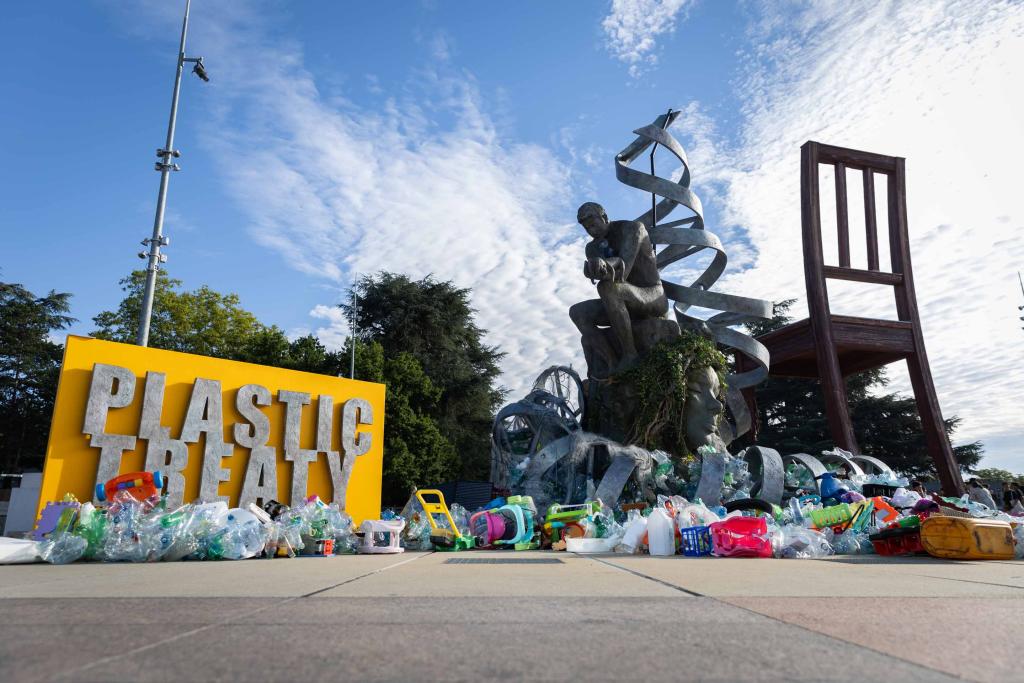
August 14, Geneva - On what should have been the final day of the resumed fifth session of the Intergovernmental Negotiating Committee (INC-5.2) to develop an international legally binding instrument (ILBI) on plastic pollution, including in the marine environment, delegates spent most of the day in informal meetings trying to hammer out an agreement to end plastic pollution.
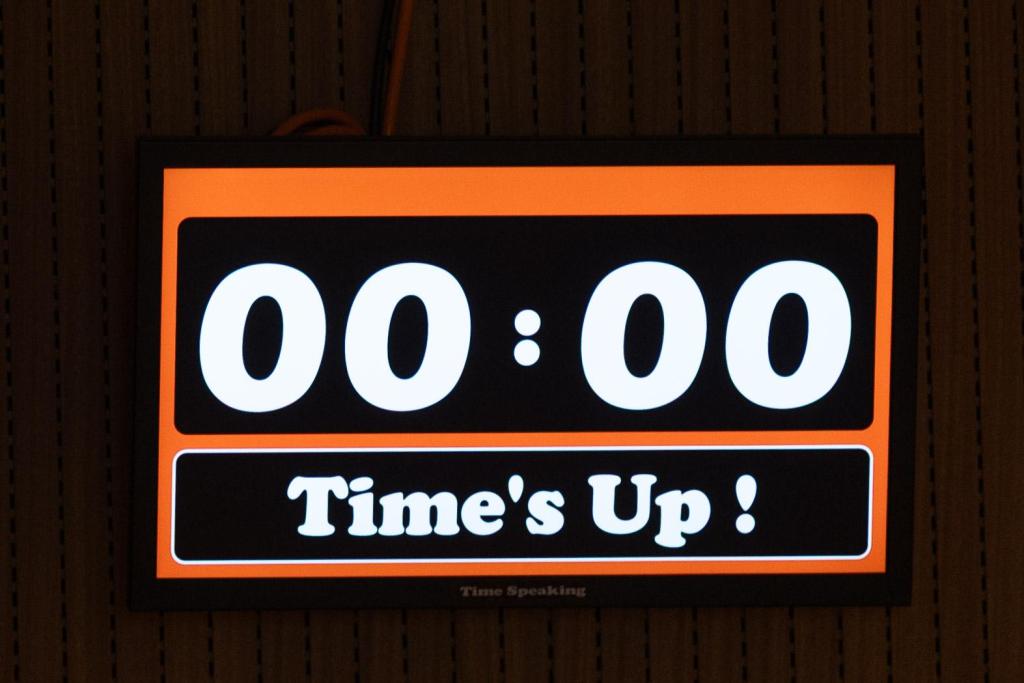
Read more from Earth Negotiations Bulletin.
August 13, Geneva - On the penultimate day of the resumed fifth session of the Intergovernmental Negotiating Committee (INC-5.2) to develop an international legally binding instrument (ILBI) on plastic pollution, including in the marine environment, the tension was palpable.
The much-anticipated Chair’s text and his proposed way forward stirred a heated, almost emotional debate in an afternoon plenary, with many of the opinion that the text was “completely unacceptable.”
Want to dig deeper into today's talks? Read the full Earth Negotiations Bulletin daily report.
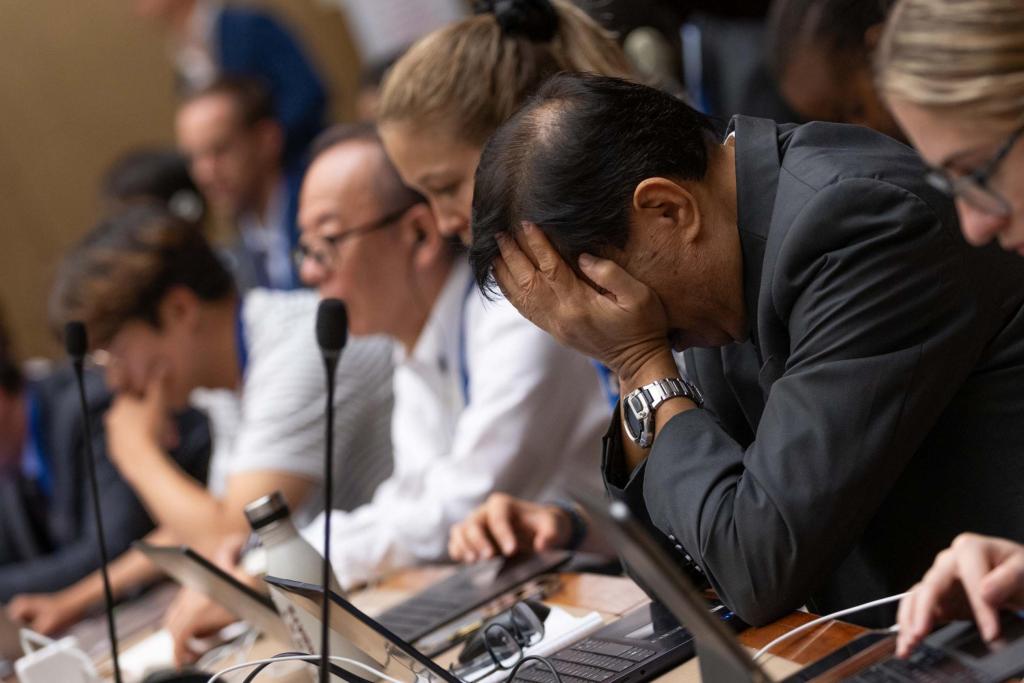
August 12, Geneva - With only two full days of official negotiating time left, delegates scurried through the hallways of the Palais des Nations, rushing from one group to another to make progress on the future treaty text. With the “bulk of the work supposed to be completed” by Wednesday, 13 August, a “sense of panic” pervaded the negotiating rooms at the Palais des Nations. As delegations prepared to leave the venue for the night, they were alerted that a compromise text prepared by INC Chair Vayas, based on the current state of negotiations, could very well be available for consideration on Wednesday. Only time will tell if it proves to be the winning ticket.
Want to dig deeper into today's talks? Read the full Earth Negotiations Bulletin daily report.
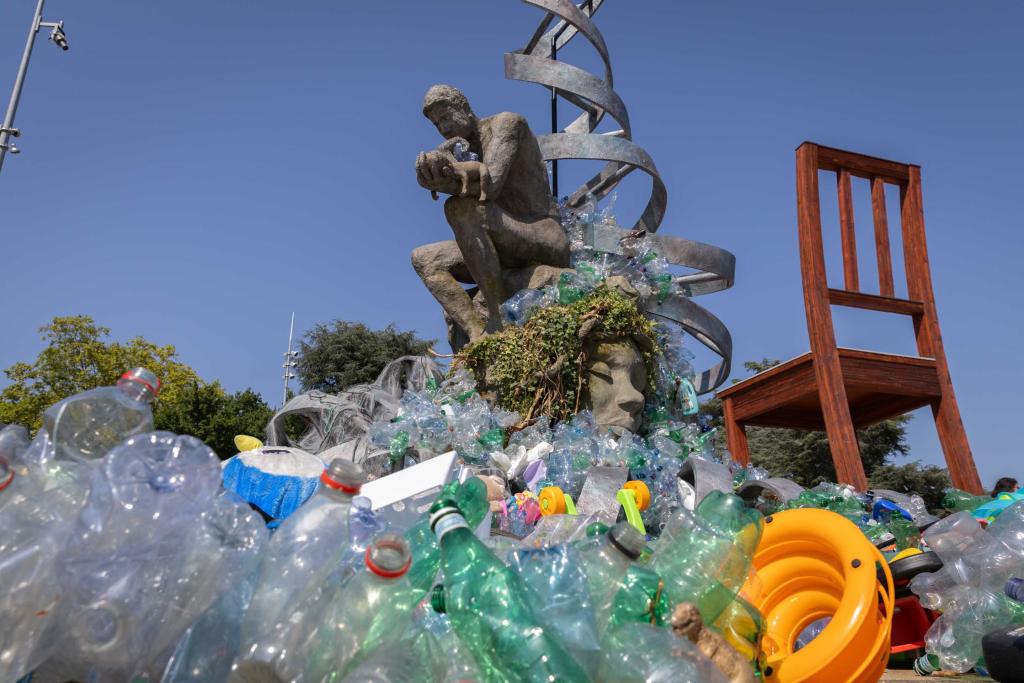
August 11, Geneva - As week two commenced after a day dedicated to informal meetings, it was clear that delegates were ready to shift gears to meet the deadline for negotiating a new agreement to end plastic pollution. They met all day in contact and informal groups as the resumed fifth session of the Intergovernmental Negotiating Committee (INC-5.2) to develop an international legally binding instrument (ILBI) on plastic pollution, including in the marine environment, entered its fifth day.
Want to dig deeper into today's talks? Read the full Earth Negotiations Bulletin daily report.
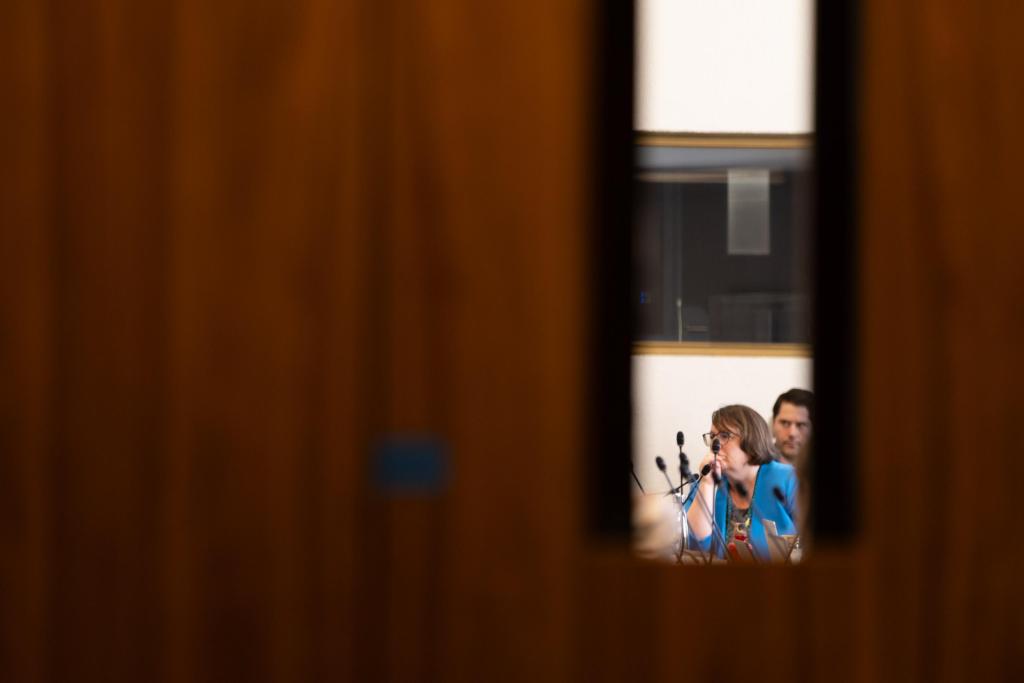
August 9, Geneva - At the halfway point, delegates considered a “snapshot of progress” of work at the resumed fifth session of the Intergovernmental Negotiating Committee (INC-5.2) to develop an international legally binding instrument on plastic pollution, including in the marine environment. Late in the morning, a stocktaking plenary convened, where delegates considered an “Assembled Text,” and discussed the negotiation process for the remaining days.
Want to dig deeper into today's talks? Read the full Earth Negotiations Bulletin daily report.
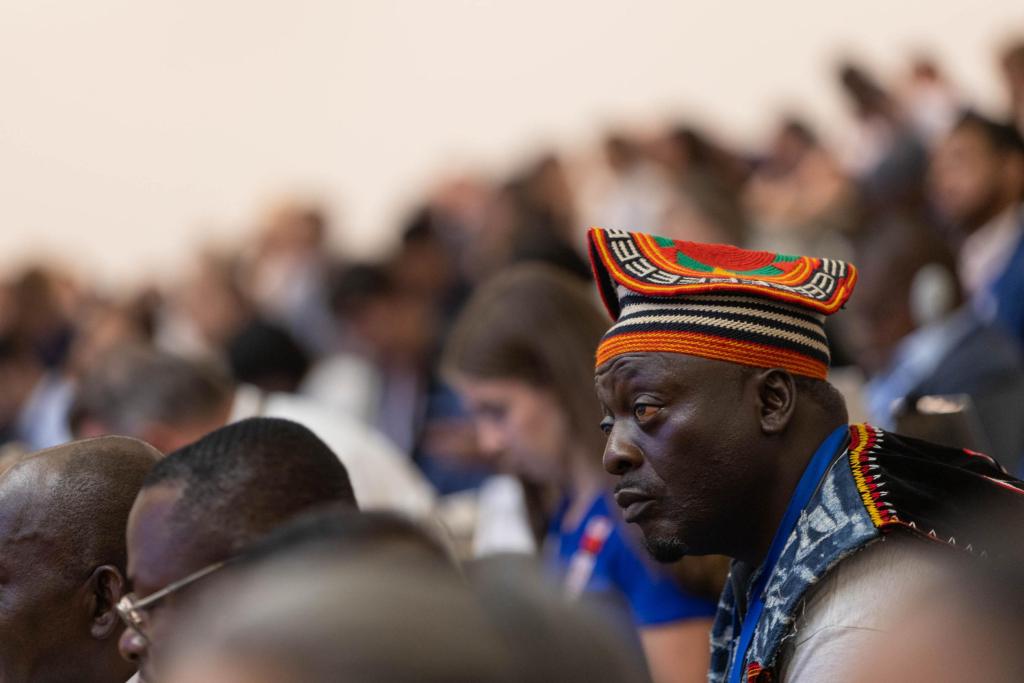
August 8, Geneva - “We have to get it done.” The magnitude of the effort needed to reach agreement on a new plastics treaty seemed to dawn on all delegates at the Palais de Nations on Friday, 8 August. Each article represents a piece of a jigsaw puzzle that must fit seamlessly into the broader treaty text, balancing both the common good and national interests.
At this meeting, delegates have a responsibility to align on overarching goals on reducing plastic pollution, while addressing specific challenges like whether there will be plastic production caps, how to limit the manufacture of problematic plastics, and how to ensure adequate financing. These articles must interlock logically, ensuring that the future treaty can be implemented seamlessly.
Want to dig deeper into today's talks? Read the full Earth Negotiations Bulletin daily report
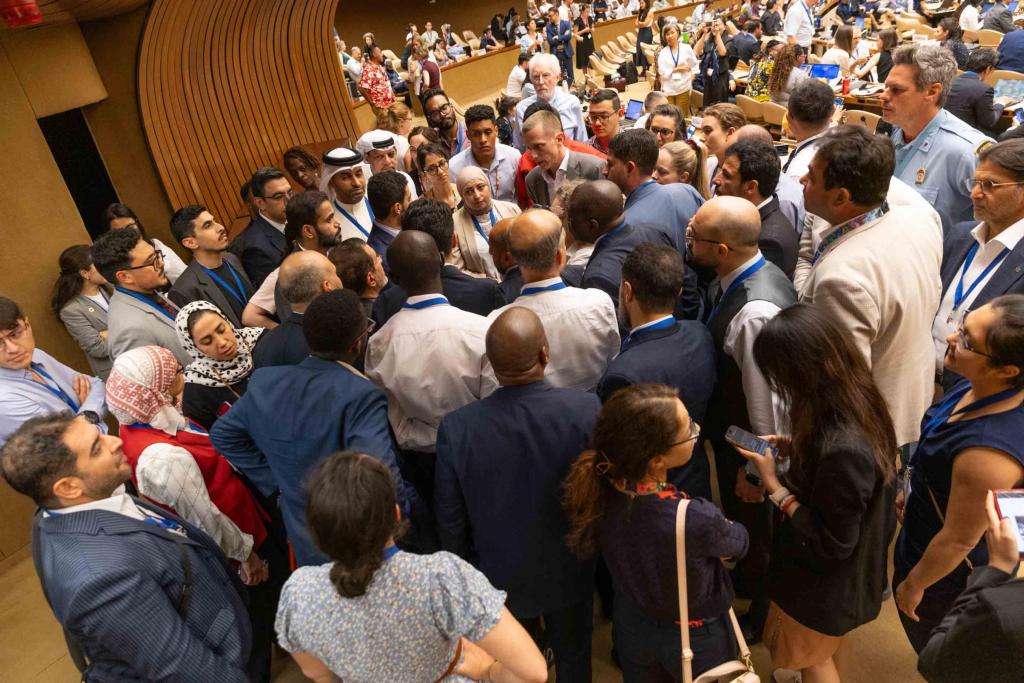
August 7, Geneva - Delegates dug deeper into the text at the resumed fifth session of the Intergovernmental Negotiating Committee (INC-5.2) to develop an international legally binding instrument (ILBI) on plastic pollution, including in the marine environment. They addressed core issues touching on both the scope and implementation of the future treaty.
Over the course of the day, many delegations expressed deep discomfort with the process for deliberations, which involved going through the large number of submissions by delegations. They voiced concerns about the potential of a ballooning text at this stage of the negotiations. The silver lining was that some of the candid discussions being held in informal settings throughout the day shed light on potential landing areas for negotiations during contact groups.
Want to dig deeper into today's talks? Read the full Earth Negotiations Bulletin daily report
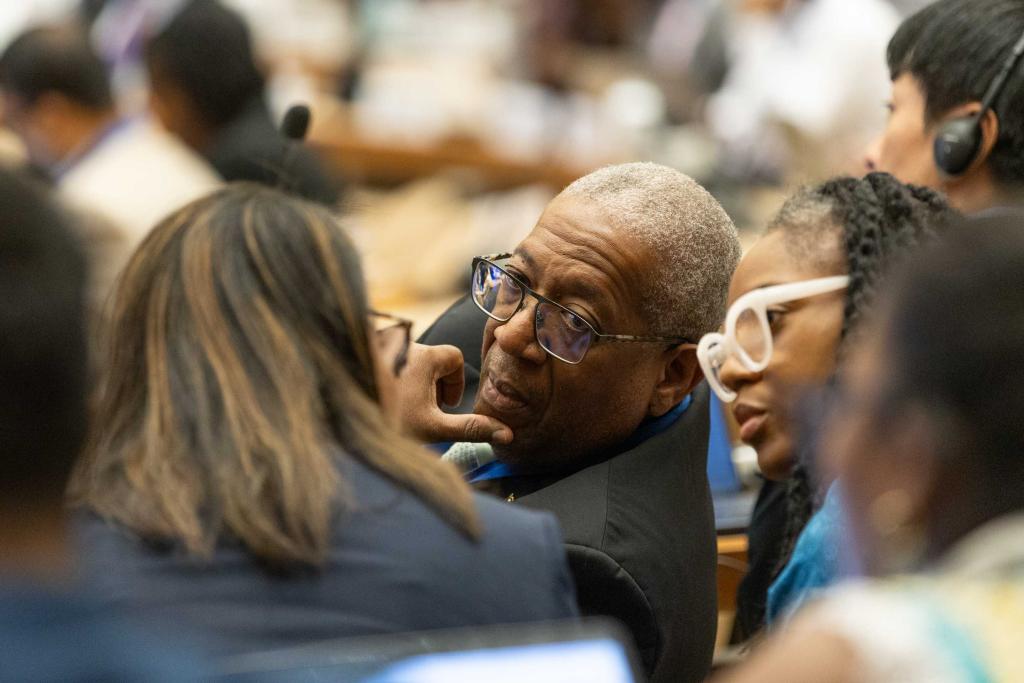
August 6, Geneva - Which comes first: form or function? This was the question that seemed to follow delegates around on the second day of the final round of negotiations toward an agreement to end plastic pollution.
Having grappled with the objective, scope, and definitions on the previous day without much resolution, delegates resumed consideration of the contents of the future treaty. Candid discussions on various parts of the text were held in four contact groups and informal sessions.
Read the full Earth Negotiations Bulletin daily report
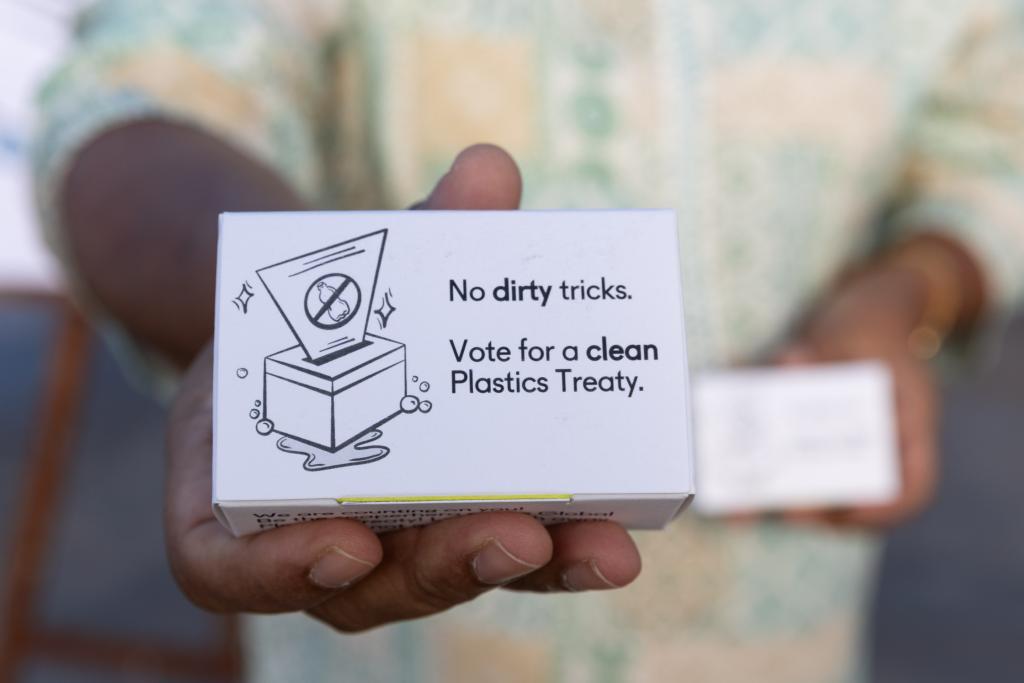
August 5, Geneva - “The common good does not conflict with national interests, but requires a careful and courageous balance between them,” stressed INC Chair Luis Vayas in opening the resumed meeting. He urged delegates to demonstrate pragmatism to reach an agreement that is effective, inclusive, implementable, and capable of evolving.
After a morning plenary, delegates convened in contact groups for the rest of the day and into the evening, basing their discussions on the Chair’s Text circulated on 1 December 2024.
Read the full Earth Negotiations Bulletin daily report
IISD’s Key Considerations for an Effective Plastics Treaty
IISD's Earth Negotiations Bulletin Reporting On-Site
For over 30 years, Earth Negotiations Bulletin has provided authoritative, in-depth reporting on United Nations negotiations involving the environment and development. Our reporters will be covering each day of the talks in Geneva, explaining what's happening and what it means for climate action.
Read MoreOur Insights

What to Expect as INC-5.2 Plastic Treaty Talks Near Finish Line
As the final round of talks to agree on an international legally binding treaty to end plastic pollution draw near, IISD-ENB Team Leader Tallash Kantai unpacks what to expect.

A Guide to the Global Agreement to End Plastic Pollution
An insider's guide to global talks for a treaty to tackle plastic pollution from the Earth Negotiations Bulletin team.
We all have to keep plastics out of our lakes and rivers
In an opinion piece, IISD-ELA's Pauline Gerrard writes that researchers in Toronto found an average of 123 microplastics in one serving of freshwater fish, vastly more than the nine microplastics ingested in a serving of grocery store Alaska pollock found in a study by the same authors published earlier this year.

Here's What Young People Are Looking for from the INC-5.2 Talks on Plastic Pollution
There are the ten things that the Youth Plastic Action Network want from the talks currently taking place in Geneva.


About INC-5.2
The United Nations Environment Assembly (UNEA), the highest decision-making body on environmental matters, resolved in March 2022 to develop a legally binding instrument to end plastic pollution, including in marine environments. This resolution initiated the INC process, giving delegates two years to negotiate an agreement. Since then, the Intergovernmental Negotiating Committee has met five times, with INC-5.2 marking a final step towards finalizing this global treaty.
Find out moreWhat Happened at INC-5
World leaders convened in Busan, Republic of Korea, for the fifth session of the Intergovernmental Negotiating Committee (INC-5) aiming to finalize the world’s first international treaty to combat plastic pollution. After over seven days of intense negotiations the delegates were unable to agree on a new instrument.
December 1, Busan - "We have not yet reached the summit of our efforts." This was the spirit conveyed by INC Chair Luis Vayas in his opening statement during Sunday evening’s closing plenary. After over seven days of intense negotiations the delegates were unable to agree on a new instrument. They agreed to adjourn INC-5 in Busan, Republic of Korea, and convene a resumed meeting at a later date.
Although INC-5 did not achieve its objective of delivering a new treaty to the world, progress was still made towards this aim. “We are not leaving Busan discouraged,” shared the EU, encapsulating the mood during the closing plenary. Several delegations spoke, with Mexico and Rwanda speaking on behalf of 95 and 85 countries, respectively, to call for a strong treaty, which would include articles on production, hazardous plastics, and chemicals of concern.
To receive free coverage of global environmental events delivered to your inbox, subscribe to the ENB Update newsletter.
November 30, Busan - States reconvened behind closed doors for informal consultations throughout the day. Basing their discussions on a Non-Paper containing draft text of the Chair of the INC, delegates concentrated their efforts on “topics with high convergence,” stating their “red lines.” With one day left to beat the scheduled deadline to conclude negotiations, the INC-5 outcome remains to be seen.
Read the full Earth Negotiations Bulletin daily report.

November 29, Busan - Closed-door meetings were the order of the day as the fifth session of the INC-5 reconvened on Friday.
During the morning, in a states-only consultation with the INC Chair, three issues were on the table:
- products and chemicals of concern as used in plastic products (draft article 3);
- supply (draft article 6); and
- finance, including the establishment of a financial mechanism (draft article 11).
Want to dig deeper into today's talks? Read the full Earth Negotiations Bulletin daily report.

November 28, Busan - Delegates worked at a frenetic pace to make progress at the midway point of the fifth session of the Intergovernmental Negotiating Committee (INC-5) to develop an international legally binding instrument (ILBI) on plastic pollution, including in the marine environment.
Basing their discussions on the INC Chair’s Non-Paper, while making reference to the compilation of draft text (UNEP/PP/INC.5/4), they also considered states’ submissions as the basis of negotiations for some parts of the text. All four contact groups met for at least six hours during the day and into the night.
Want to dig deeper into today's talks? Read the full Earth Negotiations Bulletin daily report.

November 27, Busan - Money was a central concern for delegates as they met on the third day of the fifth session of the Intergovernmental Negotiating Committee (INC-5) to develop an international legally binding instrument (ILBI) on plastic pollution, including in the marine environment. The other big-ticket item that held delegates’ attention was technical. Which products and chemicals could be regulated by the new treaty? How will design standards for plastic products be handled? How will the treaty address plastic production and supply issues?
Want to dig deeper into today's talks? Read the full Earth Negotiations Bulletin daily report.

November 26, Busan - Drilling down into the core of what the new treaty to end plastic pollution will cover and how it will operate took up the bulk of the day as delegates gathered for the second day of the fifth session of the Intergovernmental Negotiating Committee (INC-5) to develop an international legally binding instrument (ILBI) on plastic pollution, including in the marine environment.
Delegates engaged in candid discussions, sharing views on the INC Chair’s Non-Paper, while also referring to the compilation of draft text of the ILBI on plastic pollution, including in the marine environment (UNEP/PP/INC.5/4). All four contact groups met at various points during the day.
Want to dig deeper into today's talks? Read the full Earth Negotiations Bulletin daily report.

November 25, Busan - With seven days left to agree on a new treaty text on plastic pollution, Kim Wan Sup, Minister of Environment, Republic of Korea, set the stage for the final scheduled round of negotiations, stressing that “we must end plastic pollution before plastic pollution ends us.” As science continues to reveal the layers of impact due to the burden of plastic pollution, including to human health and the Earth’s ecosystems, this statement struck a chord with many delegates on the first day of the fifth session of the Intergovernmental Negotiating Committee (INC-5) to develop an international legally binding instrument (ILBI) on plastic pollution, including in the marine environment.
In his opening remarks, INC Chair Luis Vayas Valdivieso (Ecuador) emphasized that adopting an agreement to end plastic pollution is possible at this meeting, and urged delegates to show “unwavering commitment, relentless effort, and bold political will” to this end.
Follow daily coverage from our Earth Negotiations Bulletin.
