Webinar

Report Launch | From Subsidies to Sustainability: Rethinking public support to agriculture in sub-Saharan Africa

Join us for the launch of our new report examining recent and ongoing reforms to agricultural subsidy programs in Malawi, Kenya, and Zambia. It aims to draw out lessons for better aligning public support to agriculture with long-term sustainable development objectives.

June 24, 2026 3:00 pm - 4:15 pm CEST

(Open to public)

Agriculture continues to play a significant role in many economies in sub-Saharan Africa, and public support to the sector is a vital policy lever used by many governments in the region. However, while agricultural subsidy programs have helped boost food security, livelihoods, and agricultural production, evidence shows that they have also generated significant fiscal burdens and contributed to declining soil health. Faced with increasing fiscal pressures and environmental challenges, governments are exploring how to reform their spending to achieve better outcomes.

Join us for the launch of our new report, which draws on case studies from Kenya, Malawi, and Zambia to examine how subsidy reform efforts impact soil health, climate resilience, economic growth, equity, and broader sustainable development outcomes.

The session will take place at 3pm CEST / 4pm EAT and share key lessons from ongoing reform efforts, identifying how governments can design and implement subsidy reforms to improve these programs’ effectiveness, efficiency, and long-term sustainability.

It will also feature a panel discussion with representatives from the government of Malawi, Indaba Agricultural Research Institute, and the Kenyan National Farmers’ Federation. Speakers will share insights into practical pathways for policy-makers to shift public support into more sustainable practices that support soil health, strengthen transparency and accountability, and improve inclusion and equity.  

Confirmed Speakers

  • Brian Mulenga, Executive Director, Indaba Agricultural Research Institute
  • Claire McConnell, Policy Advisor, IISD
  • Erika Luna, Policy Analyst, IISD


Deep Dive

Decoding the Belt and Road Initiative’s Legal Architecture

From "soft law" to hard obligations

Together with investment treaties and contracts, “soft law” instruments—such as political understandings, policy guidance, and memoranda of understanding (MoUs)—form a key part of the legal architecture of the Belt and Road Initiative, China’s flagship overseas investment and development programme. In the second article in IISD’s new series on Chinese overseas investment, we unpack the architecture—covering hard law, soft law, and the unique role of state-owned enterprises (SoEs)—and set out recommendations for host country policy-makers on how to navigate this hybrid legal environment.

May 7, 2026

While China has concluded investment treaties and other international investment agreements with the vast majority of its Belt and Road Initiative partners, political understandings, policy guidance, and MoUs frequently continue to shape the on-the-ground legal architecture of many projects. This creates a hybrid environment where informal diplomatic mechanisms and formal legal frameworks operate in parallel and where the interactions between them can create real legal risk for host countries. To navigate it well, governments need to understand all three layers: the hard law foundation, the soft law overlay, and the distinctive role played by Chinese SOEs. 

The Hard Law Ecosystem: Treaties and contracts

Traditional international investment governance is anchored in investment treaties, domestic investment laws, and binding contracts. For host countries participating in the Belt and Road Initiative, it is important to understand these instruments before layering on the soft law features of the Initiative.

Investment treaties are binding international agreements that set out the rules governing investment flows. They typically grant investors substantive protections—such as through contentious fair and equitable treatment clauses, provisions protecting against expropriation without compensation, and national treatment, which requires host states to treat foreign investors no less favorably than their own. They also grant procedural rights to foreign investors, including the right to bring claims directly against host states through investor-state dispute settlement (ISDS) for introducing measures impacting their investment. This includes for introducing general laws or policies, such as new labor laws or environmental standards. 85 to 90% of the investment treaties currently in force are considered “old-generation” and are at urgent need for reform. Encouragingly, we see a growing number of reform initiatives across national, regional, and international levels. However, the powerful vested interests who profit from keeping the status quo, together with reform coherence challenges, remain significant obstacles to lasting, positive change. 

Many investment treaties with China were concluded in earlier waves of treaty-making—some dating to the 1980s and 1990s—when states had less awareness of how broad investor protections could constrain public interest regulation.

Governments participating in the Belt and Road Initiative would benefit from reviewing these investment treaties and, where appropriate, pursuing reform or renegotiation to bring them into line with more recent treaty practice, including clearer carve-outs to secure space for economic, social, climate, and other public interest policies. Even where domestic frameworks are strong, an outdated treaty can still expose a host state to unexpected claims after it has adopted new regulations.

Investor-state contracts are another binding “hard law” layer at the project level, where financing, construction, and operation terms are formally agreed. A construction contract for a bridge project, for instance, might specify payment milestones, construction schedules, and a dispute resolution forum—terms that are legally enforceable regardless of what any earlier MoU said. Getting these contracts right matters enormously, and governments should not wait until the contracting stage to start thinking about their terms.

The Soft Law Ecosystem: MoUs, policy frameworks, and creeping obligations

What makes the framework for the Belt and Road Initiative distinctive is its combination of a hard law “overcoat” and a layered hierarchy of soft law instruments, rather than a single, unified legal code. This ecosystem typically includes two main types:

  • Non-binding MoUs: Broad political commitments that signal intent but lack specific enforcement mechanisms. A “Statement of Intent” to cooperate on a bridge project may contain no price tag, feasibility requirements, or timeline—and yet it can create a political expectation that the project will proceed with Chinese partners who are already informally identified. These documents may set the stage for more binding commitments downstream.
  • Guiding principles and policy frameworks: High-level Chinese policy documents—such as the 2021 Guidance on Overseas Investment, Cooperation and Green Development—set expectations for SOEs without being legally binding on host states. An SOE might, for instance, reference the Green Investment Principles when presenting an environmental management plan, even though compliance with those principles is not contractually required. The result is a kind of soft accountability that does not translate into hard legal obligations—unless the host state later acts in reliance on those commitments.

A central challenge for developing countries engaging with large-scale infrastructure projects is what has been termed “creeping obligations”—the phenomenon by which early, non-binding political commitments gradually harden into binding commercial obligations. This dynamic is not unique to any single investment partner, but it is a structural risk whenever soft law instruments such as MoUs are used as the entry point for major projects. In the context of the Belt and Road Initiative, this risk is heightened where the host state also has concluded investment treaties with China. Without strong legal oversight at the MoU stage, governments may find themselves effectively committed to specific contractors, financing terms, or project structures before they have completed feasibility studies or environmental assessments.

That said, this dynamic is not unique to the Belt and Road Initiative. It mirrors patterns seen in investment contract negotiations more broadly. Governments should therefore set up early-stage internal coordination mechanisms, such as inter-ministerial committees that bring together ministries and agencies responsible for finance, planning, sectoral regulation, and project oversight. Such committees help consolidate negotiating positions, avoid contradictory signals to investors, and ensure that technical, financial, and legal considerations are aligned from the start.

The Multifaceted Identity of Chinese SOEs

The Belt and Road Initiative also stands out for the central role of Chinese SOEs, which often operate in multiple capacities at once: commercial actors seeking profit and market share, policy instruments executing industrial and strategic objectives of the Chinese government, and diplomatic tools strengthening bilateral relationships. A Chinese state-owned port operator might function as a commercial partner today, while its strategic decisions are shaped by state-level directives to prioritize specific trade routes over local profitability.

This multifaceted identity can create asymmetries in bargaining power. When a host government negotiates with a Chinese SOE, it may be unclear whether it is engaging a commercial partner or effectively be negotiating with the Chinese state itself. An SOE negotiating a power plant contract might simultaneously reference its commercial track record and its alignment with China’s national development strategies, making it difficult for the host government to distinguish corporate from state-backed motivations
 

The Belt and Road Initiative also stands out for the central role of Chinese SOEs, which often operate in multiple capacities at once: commercial actors seeking profit and market share, policy instruments executing Beijing’s industrial and strategic objectives, and diplomatic tools strengthening bilateral relationships.


For instance, most of China’s centrally administered, non-financial SOEs are supervised by the State-owned Assets Supervision and Administration Commission of the State Council (SASAC). SASAC performs the state-investor function on behalf of the State Council, the Chinese government’s highest decision-making body, and is mandated to preserve and increase the value of state capital. Senior leadership appointments at central SOEs are primarily handled by the Chinese Communist Party's Central Organization Department. However, even where central SASAC supervision applies, SOEs also retain separate legal personality and are not automatically equated with the Chinese state. 

In short, these SOEs have a dual identity which poses distinct practical legal implications. Consider a hypothetical: a Chinese SOE builds a major highway in a developing country. The SOE later falls short of the environmental standards agreed in the contract. The host government seeks to enforce those standards and withhold payment. At that point, a fundamental legal question arises: is the SOE acting as a commercial entity subject to the contract terms, or does its relationship with the home state, China, alter the legal analysis?

How this question is resolved has direct consequences. If the SOE is treated as a commercial actor, the host state’s remedies are primarily contractual—suing the SOE for breach of the project agreement. But if the SOE’s conduct is attributable to the Chinese state under international law, the same facts may also trigger state responsibility under international law. Conversely, where a host state takes action against an SOE whose conduct could be attributed to China, it may itself face counterclaims under an applicable investment treaty, brought by the SOE or China directly, or more generally, face other diplomatic repercussions. 

Above all, these pathways are not mutually exclusive, and the same facts may give rise to parallel contractual and investor-state proceedings. The legal pathway available depends entirely on how the SOE’s role has been characterized in the project documents—and whether state approvals, guarantees, or directives have been recorded.

The practical upshot for host states is straightforward: project documents should clearly specify the legal role of the SOE—whether it is acting in a sovereign or commercial capacity—and any state approvals, guarantees, or directives that could create or support treaty-level attribution should be carefully documented and reviewed before signature. This is not a mere technical housekeeping; it is a fundamental element of managing legal exposure in Belt and Road Initiative projects.

The Transparency Gap

The challenge posed by the opacity of agreements between the parties is common to other forms of cross-border investment, just as it is to investments under the Belt and Road Initiative. However this challenge carries heightened governance implications here given the scale of the Belt and Road Initiative and the wide variation in host-country regulatory environments.

Many contracts under the Belt and Road Initiative contain expansive confidentiality clauses, a pattern documented in research on Chinese overseas lending. They include “silent clauses” that prohibit the host country from disclosing the existence, terms, or even the amount of the loan, and "No Paris Club" clauses that prohibits the borrowing country from including that specific debt in any Paris Club restructuring. This lack of transparency has several practical consequences:

  • Erosion of oversight: Legislatures and audit institutions cannot fully assess the scale of sovereign guarantees or contingent liabilities.
  • Limited participation: Civil society and local communities are side-lined from environmental and social impact processes.
  • Debt governance risks: Hidden fiscal exposures can accumulate and later manifest as debt crises.

What Host Countries Can Do

The hybrid nature of the Belt and Road Initiative creates unique governance challenges that cannot be addressed through any single instrument. It is the combination of soft political commitments, opaque contracting practices, and the multifaceted role of SOEs that can leave host countries exposed. What makes the Belt and Road Initiative distinctive—and what requires a response going beyond general investment advice—is this layered interaction between instruments that were designed to be non-binding and those designed as binding legal frameworks.

Domestic law remains the most powerful safeguard. As IISD’s Rethinking Investment Treaties and Rethinking National Investment Laws reports both emphasize, strong domestic frameworks form the foundation of sustainable investment governance. The Belt and Road Initiative context only confirms this: host states cannot rely on the non-binding character of MoUs or the goodwill of SOEs to protect them from hard legal consequences.

The hybrid nature of the Belt and Road Initiative creates unique governance challenges that cannot be addressed through any single instrument.


General recommendations (applicable to all investment):

  1. Robust pre-investment assessments: Require technical, financial, and legal assessments before MoUs are signed—not after. This matters especially in the Belt and Road Initiative context, where early political commitments can harden into binding obligations faster than governments anticipate.
  2. Standardized contracting tools: Develop or adopt sector-specific model contract clauses for use across investor-state agreements. This means leveraging existing model frameworks and adapting them to the specificities of Belt and Road Initiative projects—not reinventing the wheel, but ensuring that standard protections on transparency, local content, labour rights, environmental safeguards, and dispute resolution are built in from the start.
  3. Cross-sectoral alignment: Ensure that every Belt and Road Initiative project is legally tied to national development plans, environmental statutes, and fiscal frameworks. Inter-ministerial committees that coordinate early and consistently—across finance, planning, sectoral regulation, and legal affairs—are essential to avoiding the contradictory signals and overlooked linkages that can create legal exposure later.
  4. Review and reform investment treaties: Outdated investment treaties with China can expose host states to investment claims even where domestic frameworks are robust—because investors can rely on treaty protections regardless of domestic law. Governments should audit their treaty portfolio, identify provisions that unduly restrict their space to regulate in the public interest, and pursue reform or renegotiation where needed. Termination should also be considered as an option where reform is not feasible.

Recommendations specific to the Belt and Road Initiative:

  1. Review MoUs for potentially binding language: Governments should conduct a systematic review of existing and proposed MoUs for the Belt and Road Initiative, screening for language that creates expectations, commits to specific partners or financing arrangements, or could later be relied upon as the basis for legal claims. Where possible, MoUs should include standard clauses explicitly clarifying that they create no binding legal obligations and do not constitute consent to investor-state arbitration. Legal counsel should be involved before signature, not after.
  2. Clarify SOE status in contracts: Project contracts with Chinese SOEs should include express language specifying whether the SOE is acting in a sovereign or commercial capacity, and should document any state-level approvals, guarantees, or directives that connect the SOE’s actions to the Chinese state. This record-keeping matters for managing legal exposure in both directions: it protects the host state if it needs to establish state attribution, and it manages the risk of the SOE later claiming state immunity from contractual claims.

The flexibility of the Belt and Road Initiative can be a significant asset for developing countries—but only when paired with strong domestic systems that prevent creeping obligations and ensure transparent outcomes aligned with sustainable development. By reinforcing domestic legal frameworks, institutionalizing early-stage coordination across ministries, standardizing contracting practices, and taking specific steps to manage the distinctive risks of MoUs and SOE involvement, host states can strengthen their negotiation power and ability to engage with the Belt and Road Initiative on their own terms.

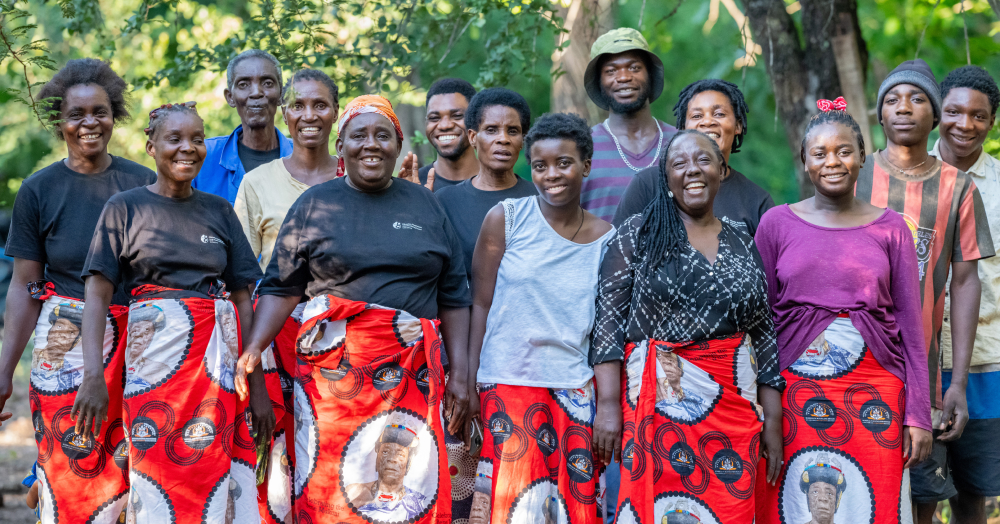
Digital Story
Upclose shot of hands crafting a spiral straw art

How Communities in Zambia and Zimbabwe Are Leading Climate Adaptation

May 1, 2026

Across Southern Africa, communities are experiencing intensifying droughts, rising temperatures, and shrinking natural resources. Climate change, combined with deforestation and a heavy dependence on rain-fed agriculture, has placed growing pressure on rural livelihoods.

But in the villages of Nsongwe in southern Zambia and Monde near Victoria Falls in Zimbabwe, local groups are demonstrating that climate adaptation does not have to rely on large investments in infrastructure.

Sometimes, it begins with patience, and with trees.

Supported by the Climate Adaptation and Protected Areas (CAPA) Initiative’s Innovation Fund and implemented by the International Institute for Sustainable Development, local groups in both communities are implementing nature-based solutions (NbS) that restore degraded ecosystems while strengthening long-term livelihoods.

These initiatives reveal how community leadership, local knowledge, and sustained commitment can lay the foundation for climate resilience and sustainable livelihoods.

Group photo of a the Matoya Bamboo project team members

Reviving Landscapes and Livelihoods in Nsongwe Village, Zambia

Located about 7 kilometres from Livingstone, Nsongwe sits on the banks of its namesake river, a waterway that many community members remember as a lifeline for farming, fishing, and household needs.

Times have changed, however. Over the years, drought, damming, and deforestation, among other drivers of environmental degradation, have dramatically reduced the flow of the river. The riverbanks, stripped of vegetation, were eroded, parched, and sunbaked. When the rains did come, the waters flowed quickly through the community. As a result, water insecurity had increased in the area.

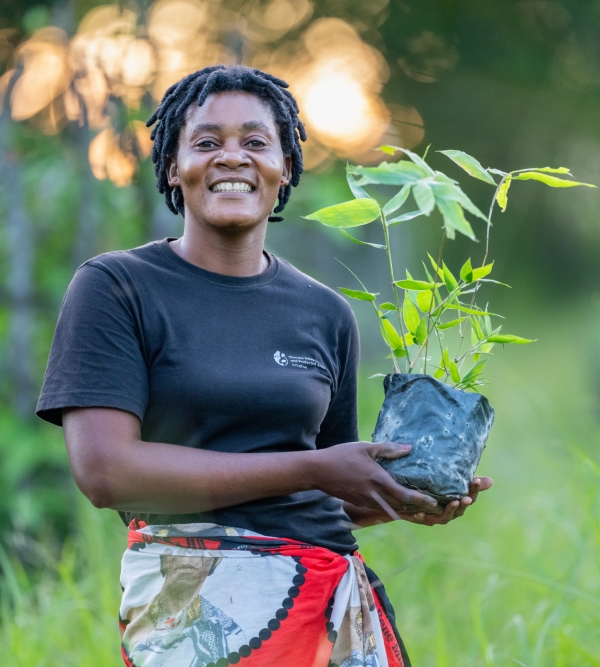
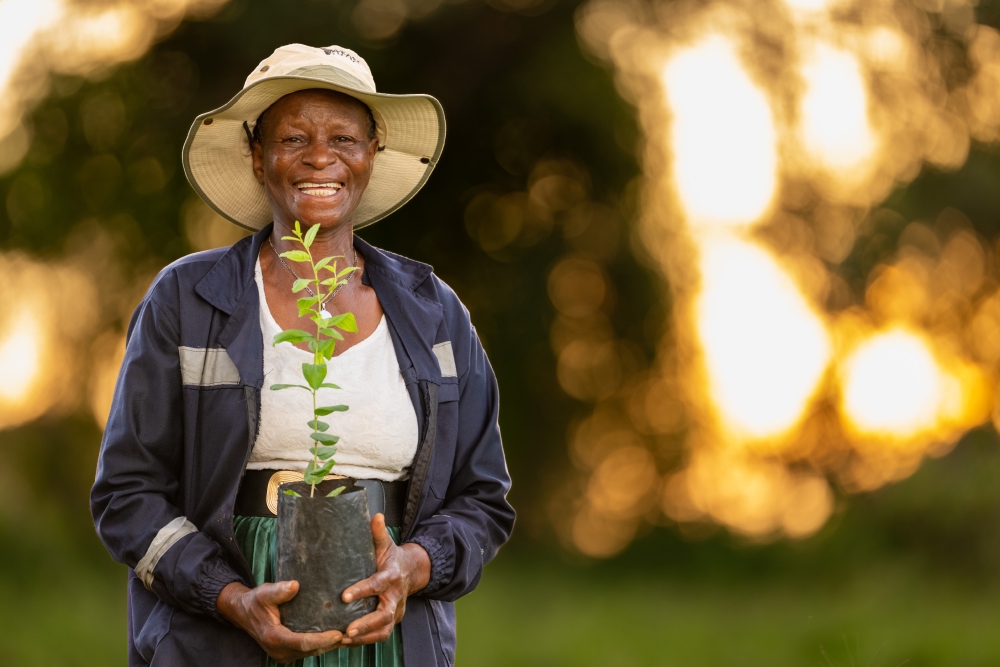
Portrait of Dafina Mwanza holding a plant

Dafina Mwanza, a Nsongwe resident and Gender Champion of the Matoya Bamboo Project, recalls the stories passed down from earlier generations.

“Our parents and grandparents used to tell us that life was much better before the impacts of climate change,” she said. “Crops were easier to grow, and the river was flowing. As conditions worsened, crop yields declined, livestock struggled, and food insecurity increased across the community.”

To respond to this challenge, residents started exploring how they could work with nature to begin restoring the Nsongwe River. Riverbank stabilization and revegetation were identified as key priorities, and bamboo was selected as a practical, native, and effective species for achieving these aims. This is how the Matoya Bamboo Project came to life.

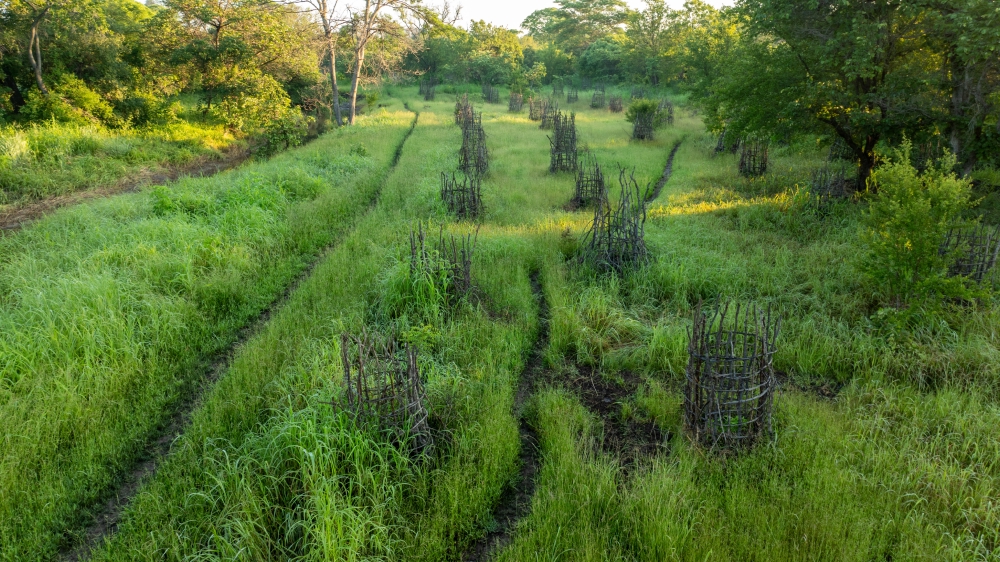
Since the project’s inception, cooperative members have planted approximately 1,000 bamboo seedlings along village sections of the Nsongwe River.

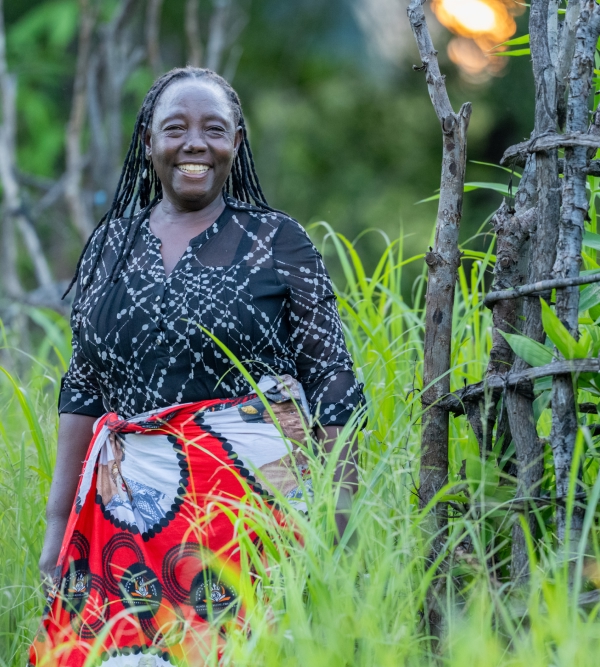
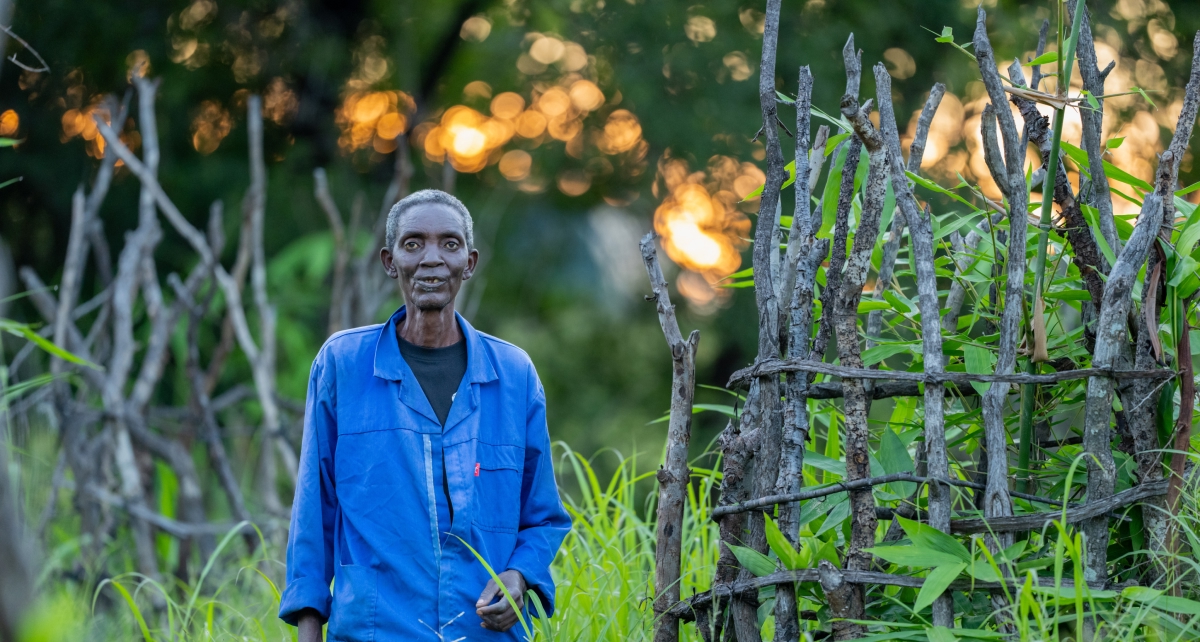
Portrait of Bridget Meyer beside a wood structure

“We chose bamboo for several reasons. Its deep root systems help stabilize soil and reduce erosion, while the plant regenerates quickly after harvesting, making it both environmentally protective and potentially useful as a sustainable resource,” says Bridget Meyer, project manager of the Matoya Bamboo Project.

The work was hard. In the early stages of the project, members had to carry water long distances to irrigate the young bamboo plants, an especially demanding task during the dry season.

With support from the CAPA Innovation Fund, the group was able not only to purchase the bamboo seedlings and support labour costs, but also to install piping that connected an existing community borehole to storage tanks closer to the planting sites. This made water delivery and irrigation more efficient and reduced the physical burden on cooperative members.

The team built strong management skills along the way.  

“We have learned how to document our activities, manage our accounts, and run the project efficiently,” Mwanza explained. “Even when the project ends, the knowledge we have acquired will go a long way.”

While ecological restoration takes time, the cooperative hopes that their efforts contribute to increased local water security and the gradual recovery of the Nsongwe River. Community leaders also hope that the restoration approach could eventually expand along more of the river’s 8-kilometre stretch.

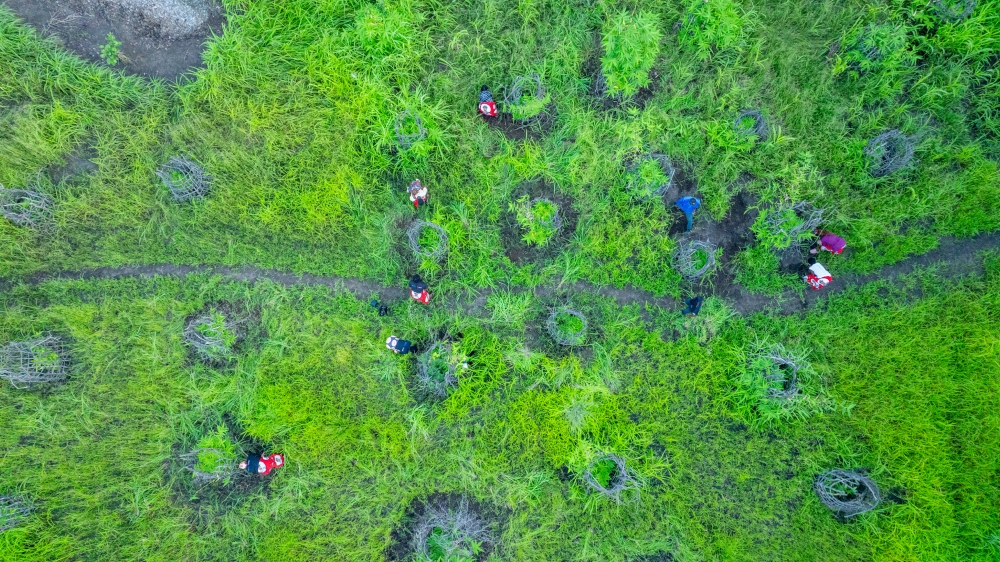
Aerial drone shot of a village and nearby fields

Patience and Purpose in Monde, Zimbabwe

In Monde, near Victoria Falls in Zimbabwe’s Hwange District, climate change has reshaped both landscapes and livelihoods.

Years of drought and rising temperatures have reduced native vegetation and limited economic opportunities, particularly for older women whose earning options have steadily declined.

Many members of the Asizameni Omama Women’s Cooperative believed their working years were behind them.

“We thought opportunities like this were for younger people,” one cooperative member reflected during a recent visit. “Society had already forgotten us.”

The CAPA Innovation Fund offered something unexpected: an opportunity for the women to lead an initiative of their own, and to contribute to a more resilient future.

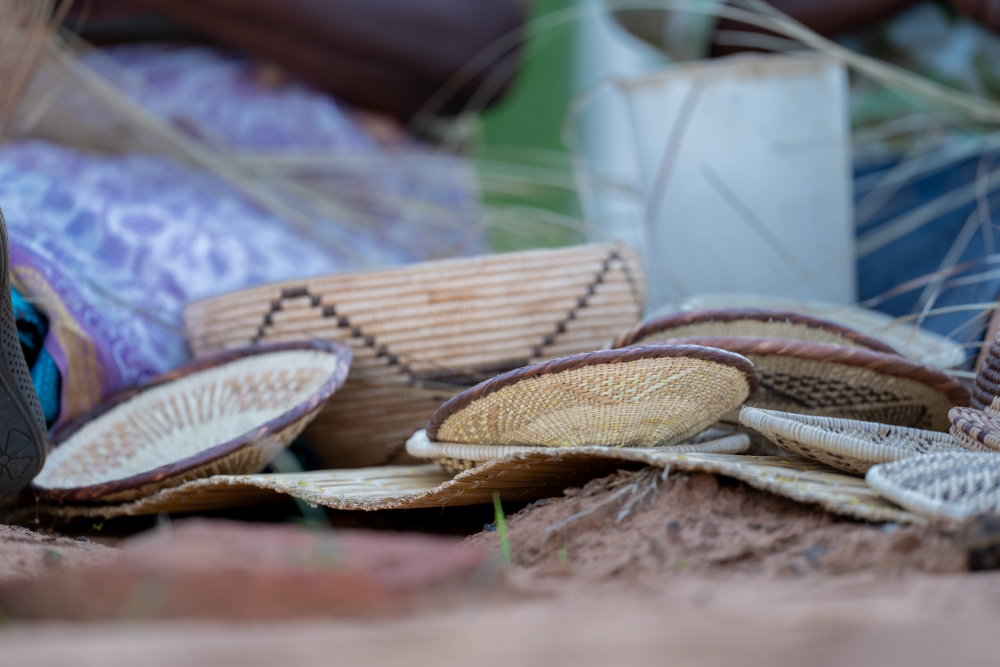
Collection of ilala weaved products

Their project focused on restoring ilala palm trees, traditionally used for weaving baskets and mats, which is an important cultural craft and a source of income in the region. Beyond their cultural significance, the trees also play an important role in the local ecology: stabilizing soils, providing shade from the heat, and supporting local fauna.

In recent years, however, ilala palms had become increasingly difficult to find.

“Before climate change, we had plenty of natural resources,” explained Patricia Shoko, the cooperative’s treasurer. “But when droughts and extreme temperatures came, many native trees disappeared. It became harder and harder to find the ilala palms we needed.”

With the CAPA Innovation Fund support, the cooperative established a small nursery to grow ilala palm seedlings, alongside planting fruit trees intended to support future household nutrition. The intended benefits are multiple: a resource that supports local livelihoods, biodiversity, and climate resilience.  

The process, however, is slow.

Ilala palms germinate gradually, and many seedlings in the nursery are still emerging. Some have yet to sprout. The fruit trees planted alongside them will take several years to mature.

For now, the benefits are not measured in harvests or income.

They are measured in ownership and the pride that comes with each sprouting plant.

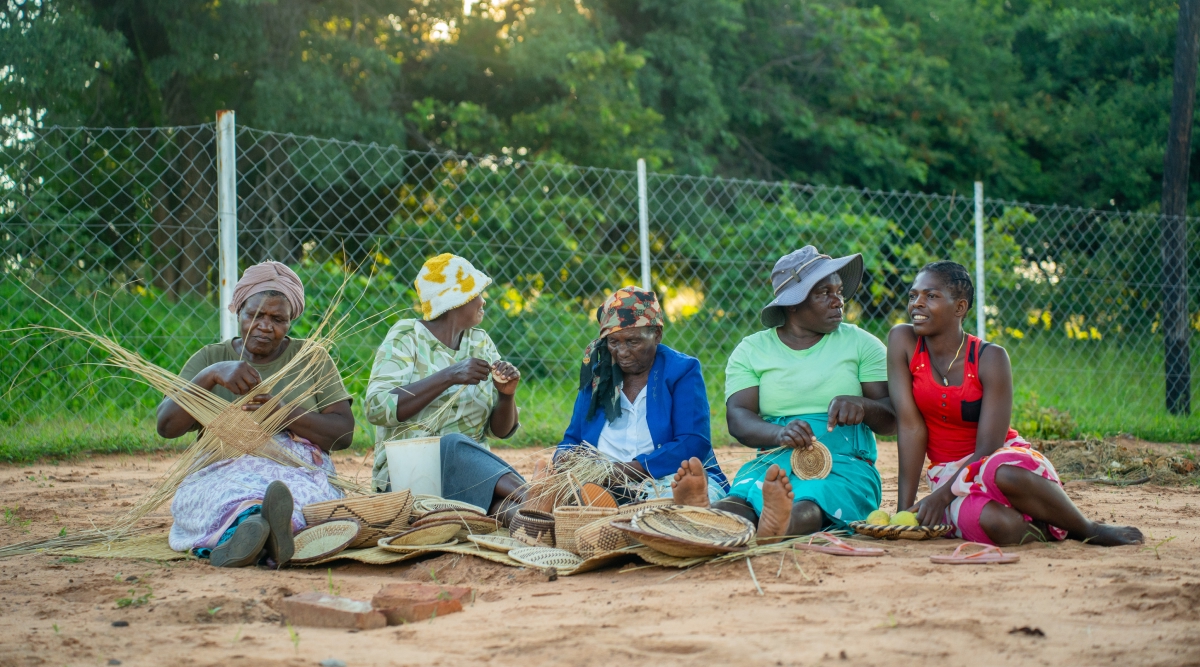
5 women seated weaving with ilala

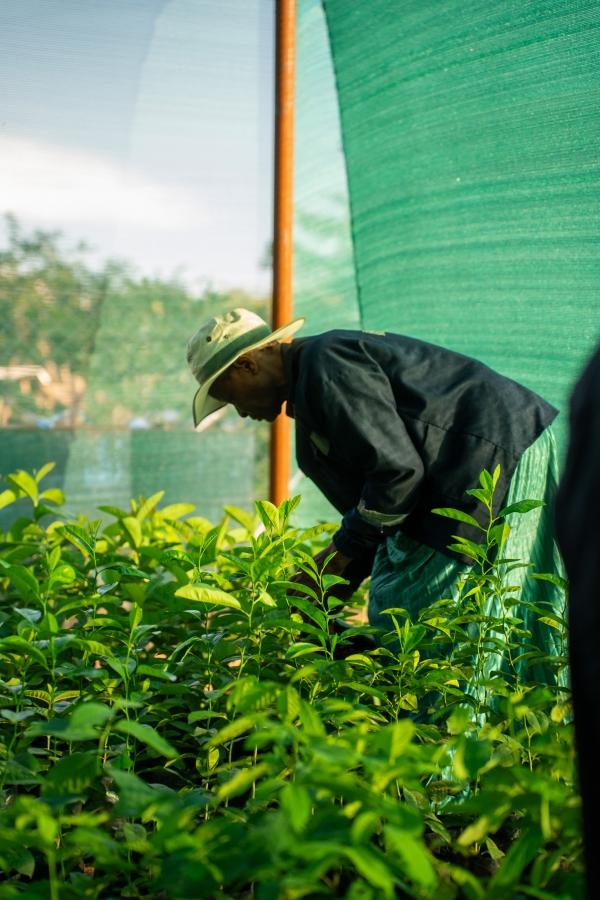
Despite their age, cooperative members tend the nursery daily, watering seedlings, protecting young plants, and monitoring their growth.

“We did not think we could still run something ourselves,” Eunice Moyo, Vice Secretary of the cooperative, explained. “Now we want to prove that we can make it succeed.”

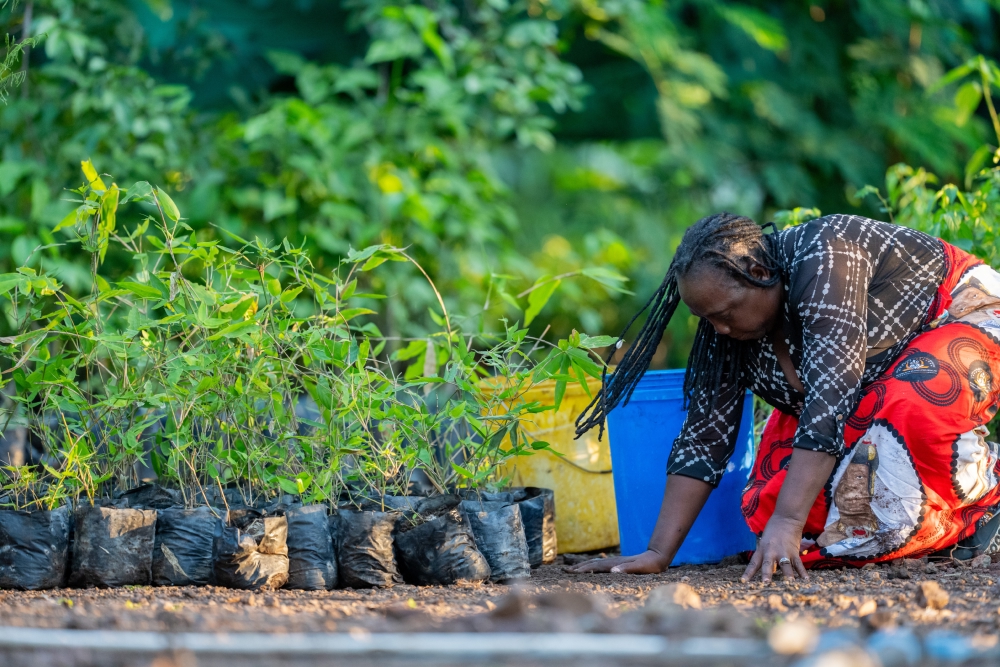
Worker leaned over plants

Beyond environmental restoration, the work strengthened community bonds and renewed confidence among the women involved. The elderly women in the cooperative have begun passing weaving skills and cooperative management practices to younger women in the community.

In Monde, resilience is unfolding slowly, rooted in commitment and dedication rather than immediate results.

Lessons for Community-Led Climate Adaptation

The experiences in Nsongwe and Monde highlight several lessons about climate adaptation in rural communities.

First, NbS require time. Restoring ecosystems is a gradual process, and meaningful results often take years to emerge.

Second, community ownership matters. When local groups design and manage their own initiatives, they build skills, confidence, and long-term commitment.

Finally, small interventions can lay the groundwork for larger change. Whether planting bamboo along a riverbank or nurturing palm seedlings in a nursery, community-led efforts can begin restoring landscapes while strengthening social resilience.

The Matoya Bamboo Project in Zambia and the Asizameni Omama Women’s Cooperative in Zimbabwe are still early in their journeys, yet their work shows how climate adaptation can take root through patience, collaboration, and the determination of communities shaping their own futures.

Digital Story details

Success story

Ghana Establishes Independent Fiscal Council to Support Long-Term Debt Sustainability

Ghana has been rebuilding since its 2022 debt crisis. Restructuring its debt was a crucial first step, but lasting recovery demands strong institutions—ones that keep debt sustainable while protecting investment in schools, hospitals, and infrastructure. Working with Ghanaian think tank IMANI Africa, IISD provided analytical support for the design of the country's new Independent Fiscal Council and advocated its potential in strengthening transparency and trust in public finances, engaging parliamentarians, government officials, and civil society. 

April 8, 2026

After Default, Ghana's Road to Debt Sustainability

After defaulting on much of its external debt in late 2022, Ghana embarked on one of the most complex sovereign debt restructurings in recent years, encompassing domestic and external debt.  

By 2025, Ghana had restructured most of its eligible public debt—reaching a deal with international bondholders and signing bilateral agreements with official creditors under the G20 Common Framework for Debt Treatments. By December 2024, approximately 93% of the restructuring had been completed, including the successful implementation of the Domestic Debt Exchange Programme (DDEP) and the restructuring of Eurobonds.  

These milestones, implemented in line with Ghana’s ongoing USD 3 billion IMF Extended Credit Facility program, have been reinforced by a series of positive economic shifts─stronger growth, declining inflation, improved reserves, ongoing fiscal consolidation and firm monetary policy stance─and have helped restore the country’s debt sustainability and boost its sovereign credit ratings.

While the debt restructuring has reduced immediate payment pressures, it has not automatically solved the deeper institutional challenges that allowed debt levels to become unsustainable in the first place. Ghana is still classified as being at high risk of external and overall debt distress, according to World Bank and IMF analysis.    

This matters far beyond financial markets. When large shares of public revenue are used to service debt, there is less left over for everything else, like schools, hospitals, infrastructure, and climate resilience. For countries like Ghana, where development needs remain significant, the cost on humans and nature is very concrete.

Recognizing these risks, Ghana has begun strengthening the institutions that govern its public finances. In 2025, amendments to the country’s Public Financial Management Act introduced stronger fiscal rules─a public debt-to-GDP target of 45% by 2034 and an annual primary surplus of at least 1.5% of GDP on a commitment basis─and committed to establishing an Independent Fiscal Council.  

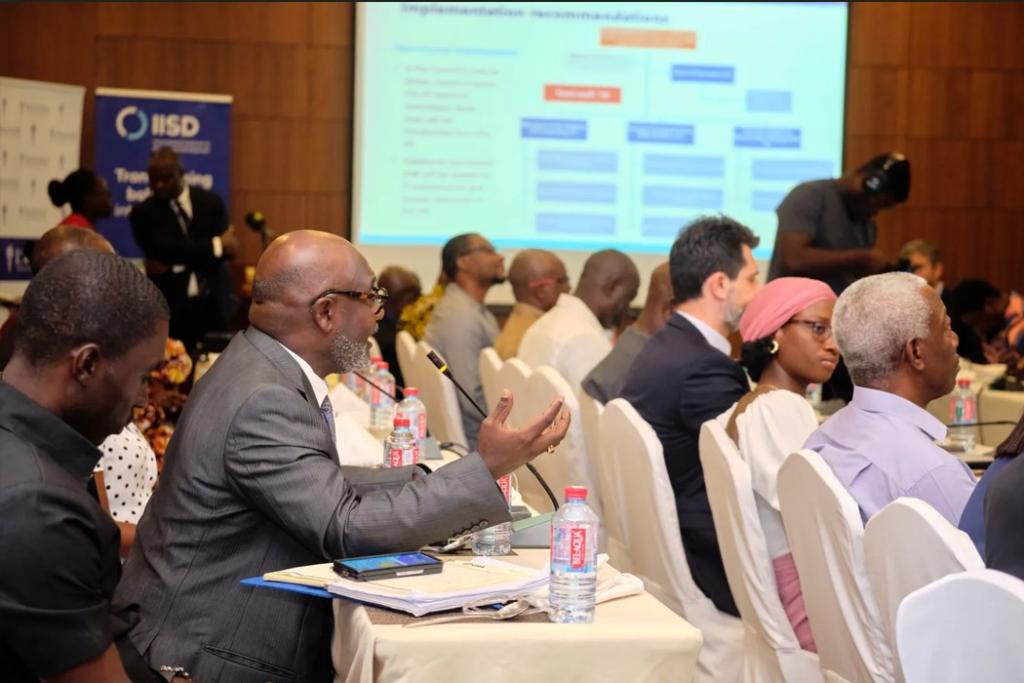
A meeting room with someone speaking in the foreground and a Powerpoint presentation in the background. Audience is listening.
Parliamentarians, government officials, and civil society discuss the establishment of the Independent Fiscal Council in Accra (August 2025) 

A Fiscal Council is a public institution that reviews government budgets and projections to promote transparency. When well-designed, it can play an important role in strengthening fiscal governance by providing independent, evidence-based analysis, improving budget and debt decisions, increasing transparency and accountability around government finances, and strengthening trust in fiscal policy among both citizens and in financial markets.  

Building an Institution That Works for the Country

Since early 2025, IISD has been supporting the design of the new Independent Fiscal Council. The aim: build an institution that is effective, credible, and suited to Ghana’s institutional and economic context.

This work has been carried out in collaboration with IMANI Africa, a Ghanaian policy Think Tank with strong credibility across the country’s political ecosystem. Partnering with a respected local institution has helped ensure that the analysis and recommendations are grounded in Ghana’s political and institutional realities.

The IISD–IMANI work on institutional design choices provided a strong evidence-based foundation for our internal deliberations at the Ministry of Finance on the Fiscal Council’s structure and mandate.

Dr. Theo Acheampong, Technical Advisor, Ministry of Finance, Ghana

The IISD-IMANI team conducted a comprehensive assessment of the council’s potential role and functions in Ghana. This included political economy analysis based on interviews with government officials, parliamentarians, and other stakeholders; a review of international experience with fiscal councils, particularly in emerging and developing economies; and macroeconomic analysis of Ghana’s fiscal and debt sustainability challenges.  

Key recommendations on the council’s main objectives, design and operational structure were presented at a high-level stakeholder event that had representatives from the Ministry of Finance, Members of Parliament, the Bank of Ghana, and civil society attending. Recommendations included a specific vision for the council’s main aims, design, and operations. 

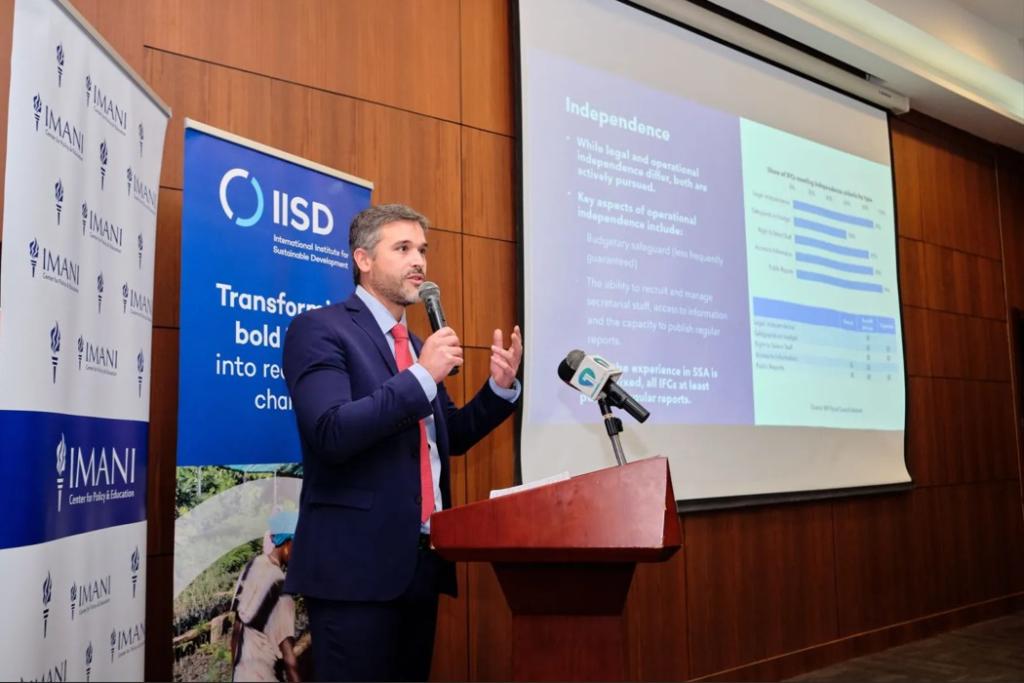
A man is speaking to an audience with IMANI and IISD background, and a presentation behind him
Fernando Morra, debt policy expert at IISD, presents recommendations for the establishment of the fiscal council in Accra (August 2025) 

Designing the institution has required navigating different perspectives. Some stakeholders envisioned a relatively informal advisory body, while others favoured a stronger “watchdog” with the authority to rigorously scrutinize fiscal policy. Reconciling these views—while ensuring the institution remains practical and sustainable—has been an important part of the process.

Ghana's Fiscal Council Takes Shape

In early 2026, the Government of Ghana publicly announced the establishment of the new independent fiscal council, presenting it as a key institutional reform to strengthen fiscal transparency and improve decision-making after the country’s recent debt crisis.

This work was a valuable reference for us in clarifying the trade-offs across different institutional models and in informing our thinking on what design would be most credible, practical, and fit for Ghana’s fiscal governance needs.

Dr. Theo Acheampong, Technical Advisor, Ministry of Finance, Ghana

The council’s core mandate is expected to center on communicating the long-term debt implications of government fiscal actions—clearly and technically—to the executive, the public, the Parliament, and investors. This emphasis matters because debt sustainability depends on more than following fiscal rules—it hinges on creditor and public trust. The council can help build that trust by showing how fiscal decisions shape the debt path over time. 

This approach reflects IISD’s broader case for more flexible fiscal frameworks.

The council's governance structure, its supporting secretariat and its interaction with other institutions are also designed to ensure it can operate independently and effectively. The five professionals nominated by Ghana's president, whose expertise spans academia, public policy and financial governance, reflect that intent. 

Ensuring Sustainable Pathways for the Country  

As the council moves to operation, continued attention to its analytical capacity, data access, and public communication will be essential for ensuring that it can effectively fulfill its mandate.

Looking ahead, IISD and IMANI stand ready to support the next phase of this reform in the setup of the Fiscal Council with the government of Ghana. These include strengthening the council’s core technical analysis—such as selecting and assessing macroeconomic projection models aligned with fiscal rules and debt sustainability analysis; supporting the development of data-sharing arrangements between the council, the Ministry of Finance, other government departments, and national statistical authorities; and helping design effective public communication practices so the council’s analysis can reach and inform key stakeholders, including policy-makers, parliament, investors, and the public. 

By continuing this partnership, IISD aims to help ensure that Ghana’s Fiscal Council becomes a credible and durable institution—one that can contribute to more transparent fiscal policy-making and support the country’s long-term development priorities.

Anahí Wiedenbrüg, Debt Lead, International Institute for Sustainable Development

Success story details

Topic
Sovereign Debt
Region
Africa
Impact area
Sustainable Economies
Explainer

How to Measure Mindset Shifts on Gender and Social Inclusion

The Scaling Urban Nature-based Solutions for Climate Adaptation in Sub-Saharan Africa (SUNCASA) project tackles the difficult task of measuring changes in gender equality and social inclusion norms while delivering nature-based solutions (NbS) to climate change.

February 26, 2026

For projects that use NbS to help communities adapt to climate change, measuring impact may seem simple. Since these projects use “nature” to reduce climate change-fuelled risks such as flash floods, urban heat, landslides, and so on, you could just count the number of trees planted or hectares restored to understand a project’s legacy.

However, projects like SUNCASA have committed to fostering greater gender equality and social inclusion (GESI) while also increasing communities’ resilience to climate change. From the outset, the project recognized that the impacts of climate change on people's lives differ depending on their gender and other intersecting identity factors, such as age and disability. To help a community adapt to climate change meaningfully and equitably, NbS must be delivered in a GESI-informed way.

This also means the project’s monitoring, evaluation, and learning (MEL) framework must report on outcomes that are GESI-informed—e.g., how many women received meaningful work, how many members of typically marginalized communities were involved in decisions over local natural resources—to know if the project is succeeding. These outcomes not only help understand how GESI can shape and enhance climate change resilience but also challenge social and cultural gender norms that can prevent women and underrepresented community members from participating in NbS activities, including governance and policy-making processes.  

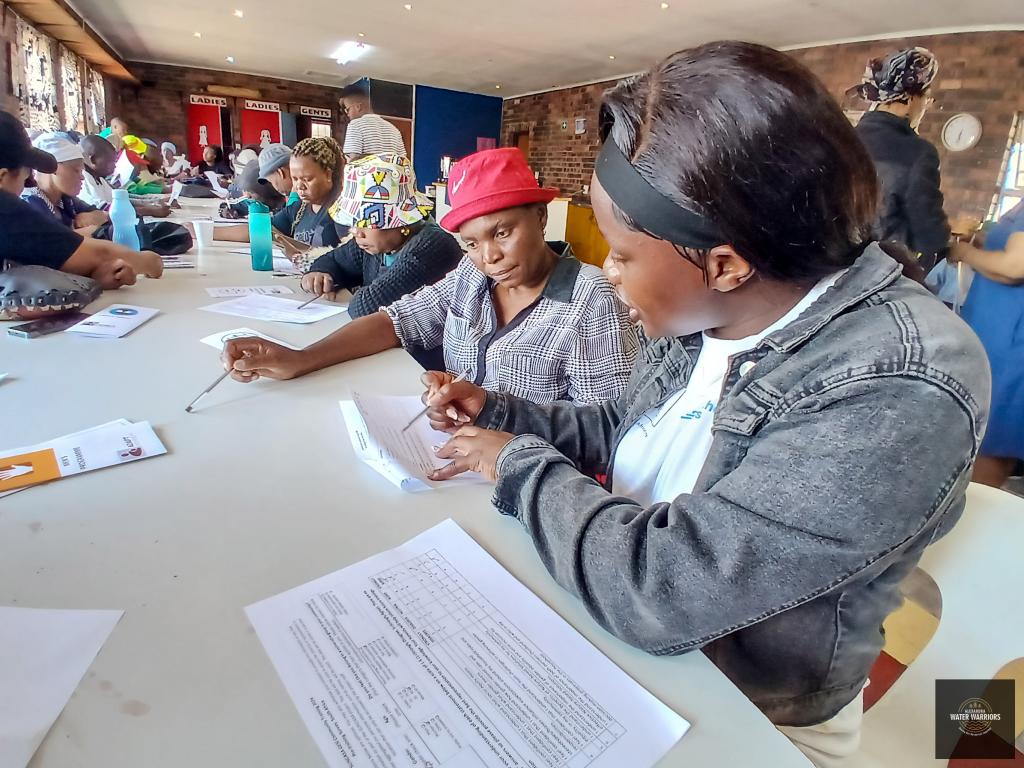
After the SUNCASA project’s local GESI partners held trainings on households' power dynamics and biased social norms in Dire Dawa (Ethiopia), Kigali (Rwanda), and Johannesburg (South Africa), we saw remarkable results. Through post-training evaluations, the SUNCASA project realized an impressive 82% increase in participants' knowledge of gender equality and social inclusion issues—well above the project target of 50%.

SUNCASA | Participants of the GESI workshop in Johannesburg, South Africa. (Photo: Alexandra Water Warriors)
Participants of the GESI training in Johannesburg fill the survey: to ensure safe spaces, participants submitted responses anonymously. (Photo: Alexandra Water Warriors)

How to Measure Changes in GESI Perceptions

Held between October 2024 and January 2025, the GESI training sessions brought together 777 participants, including women, men, youth, elders, local leaders, and underrepresented groups (such as people with disabilities, woman-headed households, landless farmers, and informal settlement residents, among other groups particular to each city). The SUNCASA project team analyzed pre- and post-survey results, using Likert-style questions to assess changes in participants’ knowledge and understanding of GESI-related learning objectives. Likert-style questions ask respondents to rate their level of agreement on a scale, typically from “strongly disagree” (1) to “strongly agree” (5), with “neutral” (3) in the middle. The goal of Likert-style questions is to assess change over time, with an increase in scores from pre-to-post-test statements indicating stronger agreement or improved perceptions. Questions asked during the GESI training, along with couples’ dialogues, can be found below.

Activity 1: GESI trainings  Activity 2: Couple’s dialogues  
I feel confident that I understand what social equity means.I understand what traditional roles and responsibilities assigned to men and women in my household means.
I feel confident that I understand what gender means.I can identify biases that influence the division of labour and decision-making roles in my household.
I feel confident that I understand how gender-related roles and stereotypes/biases influence expectations around my household roles and responsibilities.I am aware of how gender norms affect the implementation of nature-based solutions in my community.
I feel confident that I understand the main challenges in achieving gender equality in my community.I understand what traditional roles and responsibilities assigned to men and women in my household mean.
I understand the benefits of nature-based solutions for my community.I understand how inclusive decision making at home can reduce barriers to participation in nature-based solutions activities for family members, including wives, sisters, and other primary caregivers.
I understand the importance of gender equality and social inclusion for effective nature-based solutions.I feel confident in my ability to discuss household responsibilities with my partner.
I understand the importance of both partners (husband and wife) in the decision-making processes in the household.I feel confident in participating in decision-making processes within my household.
I feel confident I understand the social expectations around caregiving and household responsibilities and how they affect my participation in nature-based solution activities.I believe that both partners should have an equal say in major household decisions.
I feel confident that I understand the link between gender and climate adaptation.I understand the importance of equitable division of roles and responsibilities in my household.
I feel confident that I understand the power dynamics between genders in my community.I know practical strategies for improving communication and collaboration in decision making with my partner.
I feel confident that I understand the power dynamics between genders in my household.I recognize the challenges associated with changing traditional gender roles within households.
I feel confident that I understand the power dynamics between genders in my workplace.I feel prepared to develop and implement an action plan to promote gender equity in my household.
I feel confident about my own ability to explain the importance of social equity to others. 

Table 1. Pre- and post-test statements to measure change in knowledge. Source: Authors.

To ensure safe spaces during training sessions, participants submitted their pre- and post-test survey responses anonymously. This meant individual responses could not be paired, so the analysis calculated each group’s average pre-survey score and then measured the percentage of participants who scored above that average in the post-test survey. This method also provides a statistically meaningful way to analyze results at the group level and identify overall trends. Results were presented as a sum, combining all the Likert statements to show the overall percentage of participants whose understanding of gender-related social norms and power dynamics had improved.  

In addition, the SUNCASA project looked deeper into the data, breaking it down by city, gender, youth, and underrepresented groups. This intersectional approach helped reveal how learning outcomes varied across different groups of participants and highlighted important differences in their experiences. This helped identify which gender concepts were more challenging for participants to grasp and where gender partners can focus awareness efforts at the local level.

GESI Training Results

One example comes from a community in Kigali. Before the training, most participants felt uncertain about the statement “I feel confident that I understand the power dynamics between genders in my household,” averaging just 3.6 on the Likert scale (“neutral”). After the training, this jumped to 4.7 (“agree”). The shift was especially strong among women, whose scores rose nearly 1.5 points compared to 0.7 for men, suggesting that women, who often face deep-rooted, biased traditional norms, may have gained the most from these discussions.

Another interesting finding showed that men and women in Johannesburg often reported similar results on the same statements, but there was greater variance between youth and adults. For instance, the statement “I feel confident that I understand what social equity means,” 64% of youth respondents (ages 15–34) agreed in the pre-test survey. After the training, that number jumped to 93%. Adults, on the other hand, began the training with a stronger baseline understanding of social equity—85% already agreed with the statement in the pre-test survey, rising slightly to 93% in the post-survey. During the training, one male youth participant shared his journey with breaking social norms and gender biases, saying, “I was left alone to look after my niece, and I could not change a diaper […] I went on Google and learned how to change a diaper, and these days I am so close to my niece, as I know how to look after her and feed her,” he shared with a sense of achievement.

Another participant in Kigali highlighted the value of youth engagement. “I’d recommend providing these trainings to the youth more intensively, ensuring that they embody the training lessons in the near future.” This was also echoed by participants in Dire Dawa, with one woman sharing the following:

In the past, most women, including myself, live together with our husband, just as husband is the boss and the leader, and women are subordinator [sic] that indicates superior and inferior among partners […] I [have] benefited from the training (understanding the norms and culturally ascribed women’s role) and the importance of sharing labour and joint decision making […] I am very confident to advise my son and daughter in front of my husband to help each other and improve respect.

This focus on educating and empowering young people was a theme across all three cities, reflecting how equipping youth with knowledge about gender and social equity can create ripple effects, strengthening communities and fostering long-term change.

Building Trust

Transparency is essential for building trust with local partners and decision-makers, and the project will continue sharing findings with them to promote a more inclusive environment. With so much data to unpack and explore, the SUNCASA project team will keep monitoring results alongside local partners.  

At the end of the project, we will validate these findings by collecting stories of change from participants and examining the deeper impact of the SUNCASA project’s GESI activities within communities. These stories will also highlight the experiences of community members from diverse and underrepresented groups, showcasing the unique ways the project is making a difference.

The SUNCASA project greatly appreciates the dedication and competence demonstrated by our GESI expert colleagues from the three cities—Bertha Chiroro (Gender CC), Cleopatre Cyezimana (Association des Veuves du Genocide AVEGA), Emebet Belete (Hararghie Catholic Secretariat, HCS), Gisele Umuhoza (AVEGA), Hadas Temesegen (HCS), Ndivile Mokoena (Gender CC), Patrick Shyaka (AVEGA), Rediat Tassew Mezgebu (HCS), and Theogene Niyirora (AVEGA). Without them, the SUNCASA MEL efforts would be impossible. 

About SUNCASA

SUNCASA is a 3-year project enhancing resilience, gender equality, social inclusion, and biodiversity protection in urban communities in Ethiopia, Rwanda, and South Africa. It is delivered by the International Institute for Sustainable Development and the World Resources Institute, funded by the Government of Canada, and implemented with a wide range of local organizations and communities.

SUNCASA restores urban watershed areas through gender-responsive NbS such as agroforestry, afforestation, reforestation, buffer zone creation, and urban tree planting, ultimately strengthening the resilience of 2.2 million people.

Insight

Navigating the Belt and Road Initiative: Why host-country agency is the key to success

As China's Belt and Road Initiative, a global infrastructure and development drive, shifts focus toward more renewables, technology, and small-scale projects, IISD provides research and technical advice to policy-makers in host countries to inform investment policy-making. This includes ensuring alignment with national development priorities and integrating environmental and social safeguards into domestic law so that all investors—Chinese or otherwise—operate under clear, predictable rules

February 12, 2026

The priorities of the Belt and Road Initiative, China’s flagship international infrastructure and economic development program, are shifting. To make the most of this new phase of investment, to ensure alignment with national development objectives, host countries should place public participation, transparency, and robust pre-investment assessments at the forefront of their approach.

Chinese policy-makers will soon gather for the 2026 "Two Sessions"—the annual meetings of the National People’s Congress and the Chinese People’s Political Consultative Conference (CPPCC)—where they will review early progress under China's 15th Five-Year Economic Plan, covering 2026-2030. Against the backdrop of new data showing record-high Belt and Road Initiative engagement in 2025 (engagement defined as both investments by Chinese companies and the value of contracts awarded to them), the sessions are set to reaffirm China’s commitment to the Belt and Road Initiative, while also signalling a clear evolution in priorities.

Since its launch in 2013, the Belt and Road Initiative has been synonymous with large, debt-heavy infrastructure projects. Today, China is diversifying its overseas investment, increasingly focusing on renewables, technology, and manufacturing, as well as more small-scale projects.

This shift places greater responsibility on host countries because the new “small and beautiful” projects rely far more on domestic regulatory quality—covering areas such as permitting; environmental, social, and governance (ESG) standards; land governance; and technology integration—than the earlier state‑to‑state megaprojects, where the primary host obligation was debt repayment. Host countries should pay attention to these shifts and adapt their investment governance and institutional frameworks accordingly to make the most of this new phase of Chinese investment.

As with all foreign investment, the benefits of these projects are never automatic. Project success depends on the strength, clarity, and coherence of domestic legal and policy frameworks, including those that take account of the distinctive features of Chinese financing and project delivery. Our message to host country policy-makers is clear: the real leverage point lies within their own systems, institutions, and regulatory choices.

From Megaprojects to Future Industries

For years, Chinese overseas investment was defined by multi-billion-dollar bridges, railways, and ports. A prominent example is the Addis Ababa–Djibouti Railway, a USD 4.5‑billion project financed largely by the Export–Import Bank of China and constructed by Chinese state‑owned enterprises. This project became emblematic of the early Belt and Road Initiative model: large, capital intensive, and heavily reliant on sovereign lending.

However, rising concerns about debt sustainability among partner countries—as well as changes in China’s economic priorities, with more onus on energy, advanced manufacturing, and green technologies (“modern productive forces” in Chinese policy speak)—have prompted a strategic diversification of the program. The new Belt and Road Initiative prioritizes

  • digital infrastructure, including building the "Digital Silk Road" through telecommunications and data centres;
  • renewable energy, with a shift away from coal toward wind, solar, and hydro projects; however, oil and gas investment under the Belt and Road Initiative remains significant; and
  • "small yet smart" projects, such as smaller-scale, high-impact livelihood projects that are commercially viable and provide immediate social benefits.

Project success depends on the strength, clarity, and coherence of domestic legal and policy frameworks.


The Gap Between Opportunity and Reality

As the world’s largest sovereign creditor for around a decade, China’s footprint across Africa, Southeast Asia, Latin America, and Central Asia remains unmatched. The Belt and Road Initiative has the potential to break infrastructure bottlenecks, drive green energy access, and accelerate the United Nations Sustainable Development Goals. China’s shift toward smaller, greener, and more commercially viable projects also creates opportunities for host countries to advance priorities such as renewable energy, digital connectivity, local manufacturing, and regional integration—areas that often align more closely with national development plans than earlier megaprojects.

However, this scale and ambition alone also bring challenges that require more than just diplomatic goodwill to manage; they demand strong domestic governance and regulatory oversight. In short, host countries can only maximize the potential of these projects when they are anchored in legal frameworks that are transparent, inclusive, and aligned with national priorities.

When governance frameworks are poorly enforced, the costs of large-scale infrastructure projects can create tensions, and the results can be costly. The Mombasa–Nairobi Standard Gauge Railway is a case in point: while it is an engineering feat that is transformative for transport, the project faced hurdles due to weak environmental safeguards, resettlement controversies, and limited public participation. These challenges were not inevitable; they stemmed from a mismatch between ambitious economic goals and the domestic capacity to oversee them.

It Is Not the Investment—It Is the Governance

The "governance challenges" often associated with Chinese overseas investment, including confidentiality clauses, ESG risks, and debt vulnerabilities, are frequently cited as typically associated with Chinese lending and outward investment.

Part of an upcoming series looking at key aspects of the Belt and Road Initiative, this article argues otherwise: these risks are most acute where domestic systems are fragmented, opaque, or under-resourced. Opaque contracts and limited public oversight do not just hide debt; they erode the social licence needed for a project to succeed in the long term. Strengthening domestic governance, rather than focusing solely on the identity of the investor, is the most effective way to mitigate risk. By improving pre-investment assessments and contract negotiation, host countries can transform Chinese overseas investment into a genuine engine for sustainable growth.

In short, to get the most out of their engagement with the Belt and Road Initiative as the project develops, investment policy-makers in host countries should

  • strengthen domestic pre-investment assessments to ensure that Belt and Road Initiative Phase II projects align with national development priorities, avoiding the misalignment and feasibility challenges seen in some earlier projects.
  • improve transparency and public participation in Belt and Road Initiative investor–state contracts, especially for large infrastructure projects.
  • build negotiation capacity—including through regional cooperation and peer learning—across project terms, financing arrangements, risk allocation, and ESG safeguards, so that host countries can secure balanced investor-state contracts, treaties, Memoranda of Understanding, and other instruments within the Belt and Road Initiative’s legal architecture.
  • integrate ESG safeguards into domestic law and strengthen enforcement capacity so that all investors—Chinese or otherwise—operate under clear, predictable, and consistently applied rules rather than voluntary standards.

These approaches are not prescriptive. They are tools that countries can adapt to their own political, economic, and institutional contexts.

Unpacking the Belt and Road Initiative

Over the coming months, IISD will further explore key aspects of China’s overseas investment and how host country policy-makers can best navigate them, including the Belt and Road Initiative’s unique legal architecture, dispute settlement system, and the greening of the scheme.  

Each article will conclude with a forward-looking analysis of how developing countries can strategically engage with the Belt and Road Initiative to ensure the investments genuinely drive a greener, more transparent, and prosperous future.


IISD works closely with the developing-country investment policy-making community, including through our Investment Policy Forum community. IISD hosts the Secretariat International Support Office (SISO) of the China Council for International Cooperation on Environment and Development (CCICED). If you want to support more extensive independent research and policy development on Chinese overseas investment and its impact in host countries, we would be delighted to engage. Please reach out to [email protected] or [email protected]

Conference

2026 Investment Policy Forum

The 17th edition of IISD's Investment Policy Forum will take place from September 16 to 18, 2026, in Dar es Salaam, Tanzania. This unique event will bring together investment policy-makers and negotiators from developing countries across Africa, Asia, Latin America, and the Caribbean to discuss the most pressing issues in investment governance today—and how to solve them.

September 16, 2026 8:00 am - September 18, 2026 6:00 pm East Africa Time (EAT)

(By invitation)

IISD's Investment Policy Forum (IPF) is the world's only summit of investment negotiators and policy-makers exclusively from developing countries.

The 17th edition of the IPF will take place from September 16 to 18, 2026, in Dar es Salaam, Tanzania, bringing together investment policy-makers and negotiators from countries across Africa, Asia, Latin America, and the Caribbean, as well as representatives from international institutions and regional bodies.

Since 2007, the IPF has provided a unique space to share challenges, solutions, and ideas across countries and continents, with the common objective of making international investment governance fairer, more resilient, and greener.

Against the backdrop of geopolitical uncertainty, economic pressures, and climate urgency, the 2026 IPF will focus on the most pressing issues shaping investment governance today, with panels and workshops designed to advance efforts to build more sustainable investment frameworks.

This year's IPF will continue the event's multi-year theme of coherence in investment policy-making, focusing on coherence between international, regional, and national investment policies.

We will also follow up on how the two practical tool kits we developed at recent editions—the 2023 Panama Tool Kit, supporting coherence between the domestic institutions involved in investment policy, and the 2024 Manila Tool Kit, supporting coherence between investment policies and other international agreements—have helped these efforts.

Workshop

Elevating Women in Rwanda’s Coffee Sector

January 26, 2026 9:00 am - January 27, 2026 2:30 pm CAT

(By invitation)

IISD is convening a strategic workshop in partnership with Sustainable Growers Rwanda with the aim of strengthening the position of women producers in the global marketplace. 

By aligning technical expertise with local leadership, we are working toward a future where women producers are central to Rwanda's economic story. The workshop is looking to achieve the following objectives:

  • strengthening capacity: We aim to build the knowledge necessary for women producers to meet and exceed international sustainability requirements and market standards.
  • elevating voices: This workshop provides a platform for women’s priorities and lived experiences to directly inform the development of national policies and program designs.
  • expanding opportunity: We are dedicated to creating tangible market linkages and engagement opportunities for women-led coffee cooperatives across Rwanda.

Through coordinated action and a commitment to market readiness, this initiative aims to ensure that the women behind Rwanda’s coffee have the tools, the influence, and the connections to thrive in a competitive global landscape.

Insight

How Biophysical Monitoring Turns Data into Action for Nature-Based Solutions

Nature-based solutions expert, Stanley Chasia, explains how rigorous and consistent data analysis helps to refine strategies, attract investment, and strengthen natural infrastructure in Sub-Saharan Africa.

December 2, 2025

In 2024, water quality monitoring in Johannesburg’s Jukskei catchment, South Africa, revealed a remarkable seasonal pattern: concentrations of sulphate, phosphate, nitrate, ammonia, and chemical oxygen demand surged during the dry winter months of June to August—when rainfall was at its lowest—before dropping sharply in the rainy season from October to April. Collected by the City of Johannesburg’s Department of Environment, Infrastructure and Services, these findings show how rainfall-driven surface runoff dilutes pollutants in wetter months, while drier conditions concentrate them, offering crucial insight into the catchment’s ecological health. 

Such findings, obtained through rigorous analysis of biophysical data, informed the design and selection of nature-based solutions (NbS) interventions—for example, the use of biofilters to reduce water pollution—within the SUNCASA project (Scaling Urban Nature-Based Solutions for Climate Adaptation in Sub-Saharan Africa) in Johannesburg. This highlights how biophysical monitoring is essential not only for tracking environmental indicators such as water quality, soil erosion, and flood risk—and making adjustments as needed—but also for scaling up successful interventions.

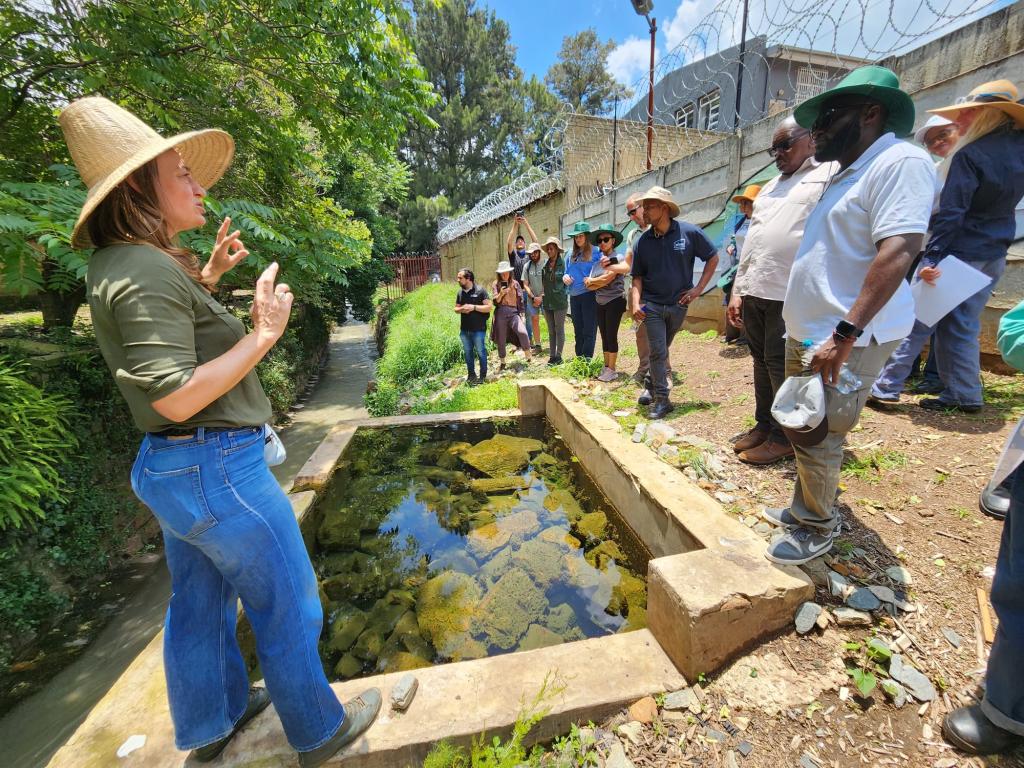
SUNCASA | SUNCASA Water team and Johannesburg partners during a biophysical monitoring training.
SUNCASA biophysical monitoring training in Johannesburg: water quality monitoring of the Jukskei River at Victoria Yards. (Photo: Joey Simoes | SUNCASA)

Operating in water catchments of three major African cities—besides Johannesburg, Dire Dawa, Ethiopia, and Kigali, Rwanda—SUNCASA project teams are planting millions of trees and removing invasive species to demonstrate how NbS interventions can deliver better returns on investment than traditional grey infrastructure for cities trying to reduce flash flood damage and tackle other growing climate change impacts. Rigorous, consistent data—like how effectively the project’s biofilters impact Johannesburg’s seasonal swings in pollutants—provides the feedback needed to refine SUNCASA’s strategies, attract investment, win over policymakers, and strengthen natural infrastructure that delivers multiple social, environmental, and economic benefits. 

The Challenge: Building robust monitoring systems

Effective biophysical monitoring depends on more than occasional data collection. It requires extensive investments in reliable monitoring systems anchored on robust data collection regimes and sound institutional frameworks. Tools, models, and technical skills are also needed to transform monitoring data into actionable insights and knowledge products which can support decision-making and adaptive management. 

In many catchments across Sub-Saharan Africa, regular monitoring is limited or absent, with existing datasets often incomplete or inconsistent due to gaps, duplication, or errors. Contributing factors include aging equipment, insufficient funding, limited technical capacity, and even vandalism of monitoring stations. The need for expertise in artificial intelligence, big data analytics, and data science is growing, as these fields are key to turning complex, multi-source datasets into guidance for community leaders.

SUNCASA’s biophysical monitoring approach 

In SUNCASA, the impact of NbS interventions is tracked by monitoring key biophysical parameters, such as improvement in water quality and quantity, changes in soil condition and health, soil erosion control, and reduction in floods and landslides vulnerability. Both baseline and monitoring data are gathered from primary and secondary sources, such as regular government monitoring data (e.g., water quality), global data repositories from remote sensing missions, and data portals hosting various biophysical datasets for each of the three SUNCASA project cities. This information—often in different formats, scales, and resolutions—must be standardized and processed before integrating it with on-the-ground measurements. 

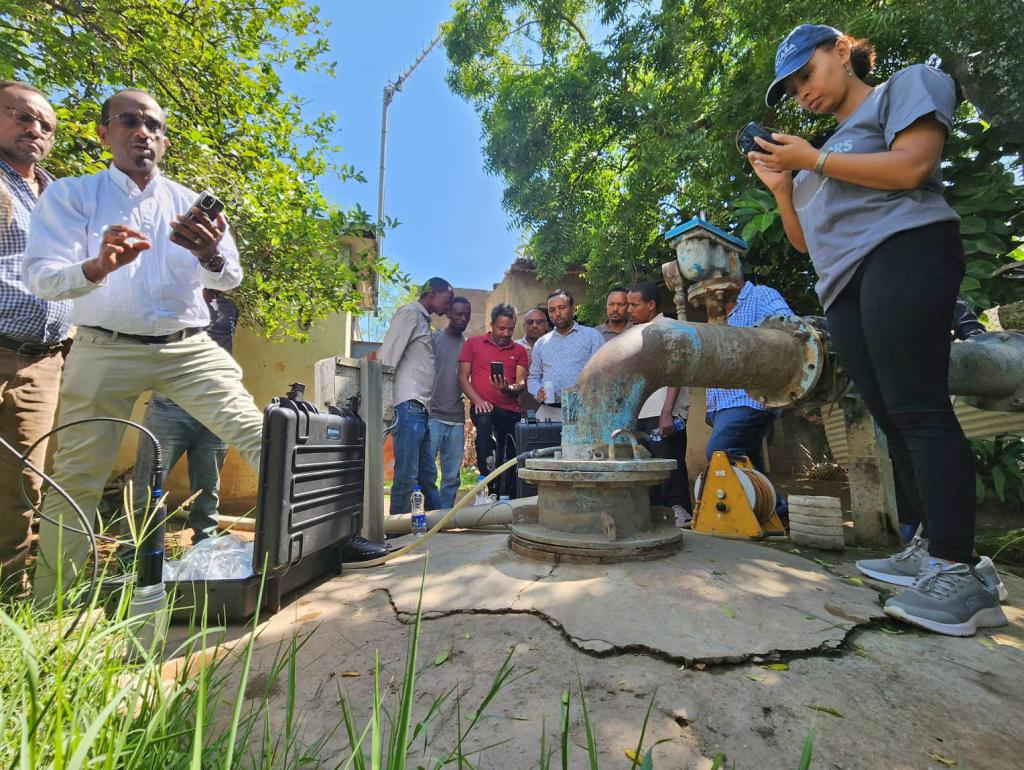
SUNCASA | Partners in Dire Dawa, Ethiopia, measuring water quality.
SUNCASA NbS specialists in Dire Dawa conducting biophysical monitoring.

The situation varies between project sites:

  • Dire Dawa – No recent formal monitoring has taken place, limiting effective resource management.
  • Kigali – The Rwanda Water Board operates automatic hydrometric stations, but other biophysical data is typically gathered only when needed.
  • Johannesburg – The city conducts monthly water quality sampling in its catchment but requires additional hydrometric stations to enhance flood modelling and improve understanding of the hydrological regime.

Catchments with limited to no monitoring data can use secondary data from Earth observation missions to monitor environmental changes at NbS implementation sites. In SUNCASA, satellite imagery, such as Sentinel-2 from the European Space Agency, and Landsat from the United States Geological Survey, is being used in Dire Dawa to monitor soil moisture anomalies between precipitation, surface and sub-surface soil moisture content. Vegetation indices (e.g., Normalized Difference Vegetation Index and Enhanced Vegetation Index) are also being used to track vegetation health and changes in our NbS intervention sites. 

Across all three cities, NbS scenarios are being applied with hydrological and hydraulic models to understand how different interventions improve flood mitigation outcomes. In the Dechatu (Dire Dawa) and Jukskei (Johannesburg) catchments, SUNCASA is also supporting monitoring efforts by investing in additional monitoring equipment to carry out regular data collection. 

For instance, in Dire Dawa, a multiparameter probe and contact gauge meter have been acquired to monitor groundwater quality and water level, respectively, to measure long-term impacts of NbS activities on groundwater recharge. In Johannesburg, the installation of additional stream gauge equipment in the Jukskei River will provide data to improve hydrological model performance and calibration, which in turn improves the accuracy of flood models and gives earlier warnings to the city.

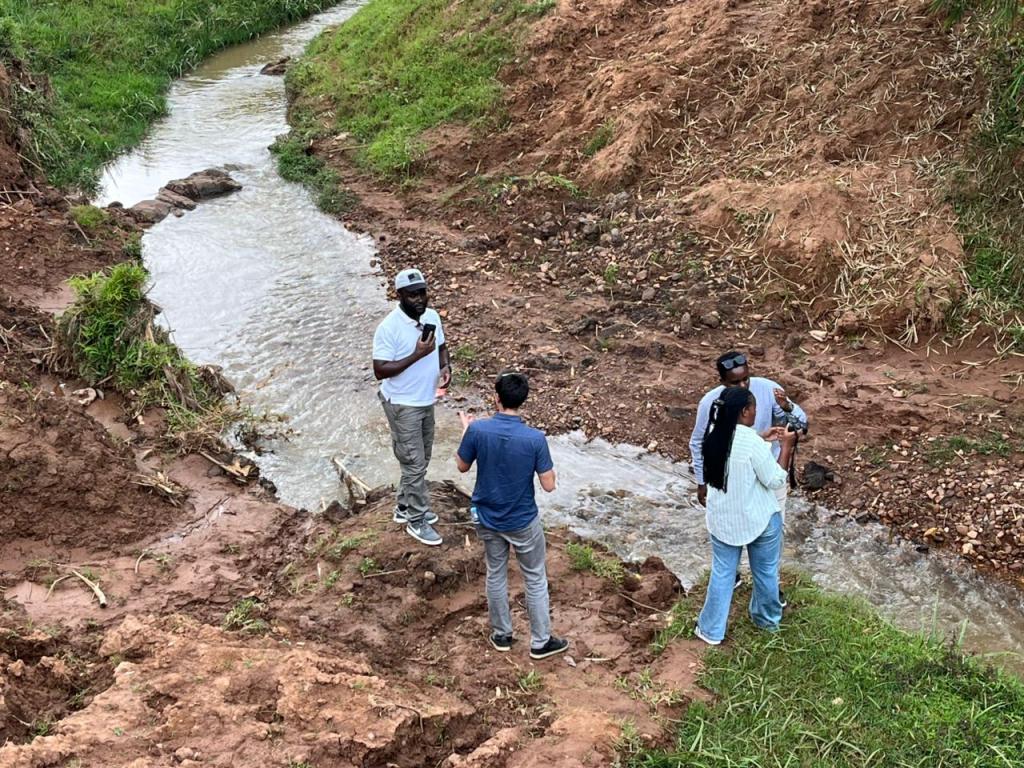
SUNCASA | Biophysical monitoring training in Kigali
SUNCASA Water team and local partners by the Nyabarongo River during the biophysical monitoring training in Kigali. (Photo: Tigist Bekele | SUNCASA)

Engaging communities in monitoring

In Sub-Saharan Africa, where an average of around 60% of people depend on agriculture, soil erosion and drought threaten food security by removing nutrient-rich topsoil. Natural ecosystems, such as trees and wetlands, help protect soil, purify air, and recharge groundwater—services that benefit communities directly.

SUNCASA is exploring participatory monitoring tools to involve community members in NbS biophysical monitoring. The growing availability of smartphones and mobile apps creates opportunities for citizen science, allowing community members to contribute to data collection, observation, and analysis—helping safeguard the ecosystems they depend on.

Success story

Over a Decade of Protecting the World's Fresh Water: Five ways IISD Experimental Lakes Area has made a difference

The Experimental Lakes Area has been transformed ever since IISD saved it from imminent closure in 2014. 

But don’t just take our word for it. 

Here are five stories from people who have seen, firsthand, the impact of IISD-ELA over the last decade.

November 24, 2025

When it comes to understanding the environment, some plucky scientists in Canada over half a century ago discovered that working directly on the environment can result in richer and more accurate results than conducting research in a classic laboratory.

It was that discovery that led to the ribbon-cutting of the Experimental Lakes Area in 1968—a series of 58 lakes and their watersheds in northwestern Ontario.

It is the only place in the world where scientists can experiment on and manipulate real lakes to build a more accurate and complete picture of what human activity is doing to our fresh water. The findings from its over 50 years of ground-breaking research have rewritten environmental policy around the world—from mitigating algal blooms to reducing how much mercury gets into our waterways—and aim to keep fresh water clean around the world for generations to come.

Lake 240 of IISD's Experimental Lakes Area in Ontario

Just over 10 years ago it found a whole new lease on life, coming under the wing of the International Institute for Sustainable Development.

And ever since then, it has never looked back. From opening its doors to students, journalists and scientists from around the globe to working with local communities and kicking off new and exciting research into microplastics and oil spills, IISD Experimental Lakes Area—as it is now known—has never had more of an impact on the lives of those who depend on fresh water.

But don’t just take our word for it. 

Here are five stories from people who have seen, firsthand, the impact of IISD-ELA over the last decade.

IISD Experimental Lakes Area Embraces Africa

It’s not only North America that houses massive freshwater lakes. Africa’s seven Great Lakes are highly valuable natural resources, renowned for rich fisheries and biodiversity hotspots” that underpin the welfare and livelihoods of over 50 million people across 10 countries.

That’s why over the last decade, IISD-ELA has teamed up with the African Center for Aquatic Research and Education (ACARE) to strengthen science on large freshwater resources and the countries in which they reside.

That means sharing knowledge between experts on both continents. It means building projects that benefit Lake Erie and Lake Edward. And it means building the future of African Women in Science.

Let's hear what The Honourable Terry Duguid, Member of Parliament, Winnipeg South has to say...

Click here to learn more about how and why we are collaborating with those who work hard every day to protect Africa’s Great Lakes.

How Our Science Changes How Industry Acts

Science only matters if it makes our lives better. 

That’s why, ever since 2014, the world’s freshwater laboratory has committed to ensuring that all the science we do is converted into policy recommendations for industry and governments to change how they act.

Here’s a great example of how research into cleaning up the shorelines of lakes after oil spills immediately changed how industry dealt with those spills—for the better.

Here's more from Vince Palace, the head Head Scientist at IISD Experimental Lakes Area.

Click here to learn more about what IISD-ELA has discovered when it comes to oil spills in freshwater systems, and how best to clean them up.

lakes-50-years.jpg

Building the Next Generation of Freshwater Scientists

At IISD-ELA, we believe in the power of engaging students directly in hands-on science to inspire, interest, and motivate young people to examine the world around them, encouraging the process of lifelong learning.

And we need to nurture the next generation of freshwater scientists to ensure that freshwater protection continues way into the future.

That’s why we have spent the last decade building a whole suite of educational programming and community outreach that gets young people from all walks of life interested in freshwater science—all while getting their feet wet in the process.

Here's the story of Savana Theodore-Maraj, our Former Education and Outreach Assistant.

Click here to discover all the educational programming—for students and the general public—that IISD has to offer.

Honouring the Land and Water

For almost a decade, the world’s freshwater laboratory has been building relationships with local First Nations communities and working to understand their concerns and needs. 

Our activities with our neighbours in Treaty 3 communities involve collaboration and communication in areas of common interest, including the environmental impacts of resource development, education, youth engagement, and traditional ecological knowledge.

Giniw’ikwe/Laura Horton of Rainy River First Nation/Tulita offers us her perspective.

Click here to learn more about IISD-ELA is committed to working closely with Indigenous partners.

Where does the science go from here?

A decade passes by in the blink of eye. But IISD Experimental Lakes Area is committed to protecting freshwater resources for generations to come. 

And this means more science on the biggest threats to our fresh water—from plastics to pharmaceuticals and more. It also means building bigger audiences, in part thanks to a new Centre for Climate and Lake Learning that will function as a hub for education and outreach on freshwater science in northern Ontario.

Chelsea Rochman—Research Fellow at IISD Experimental Lakes Area and an Associate Professor of Ecology at the University of Toronto—gives us her take...

Click here to learn more about how and why IISD-ELA is exploring the impact of plastics on fresh water—and where it goes from here.