
How to Centre Gender and Social Justice in Urban Climate Action
When designing and delivering projects that help communities adapt to climate change, it may seem obvious to work with engineers, urban planners, municipal officials and environmental non-governmental organizations. Those groups matter, but it is also vital to engage with champions for gender equality and social inclusion.
Across cities, nature-based solutions (NBS), such as watershed restoration, agroforestry, and urban greening, are gaining traction as key tools in our effort to adapt to climate change. These approaches contribute to adaptation by protecting, restoring, and sustainably managing ecosystems in ways that reduce climate risks and strengthen our communities’ and ecosystems’ resilience to climate change impacts.
Who participates in designing and managing these interventions is as important as the technical measures themselves. When social differences are ignored, interventions can reproduce inequalities or cause harm, limiting their long-term success. Even technically strong projects can reinforce existing inequalities when gender and social inclusion are overlooked.
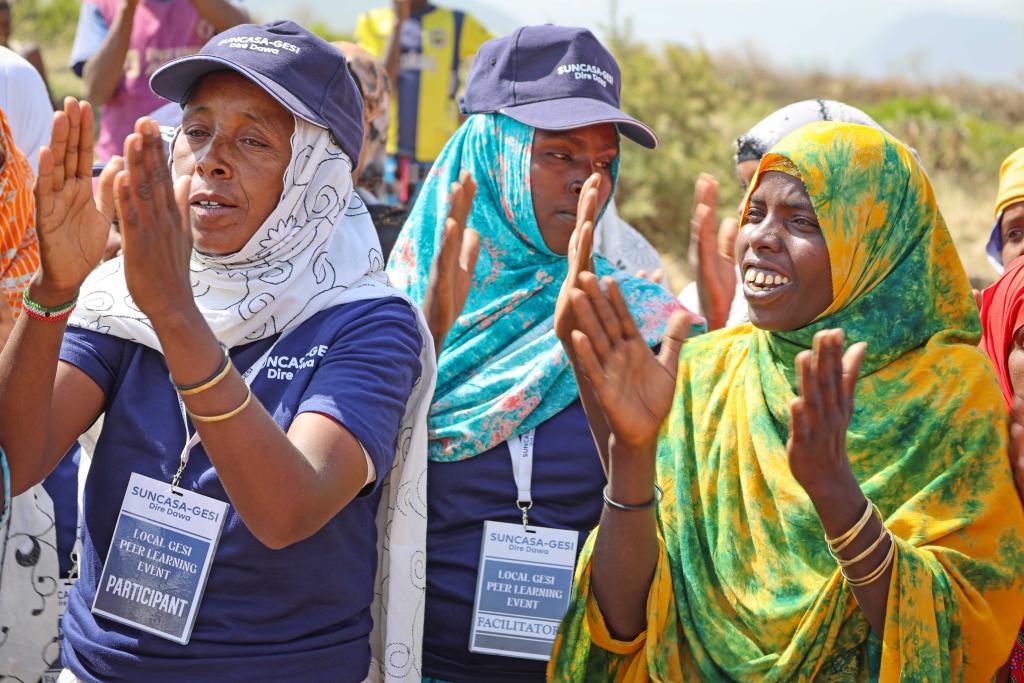
Research increasingly shows adaptation efforts that neglect social equity can lead to exclusion, displacement, or “green gentrification,” which is the unintended outcome of climate and environmental investments that increase property values and living costs. This often benefits higher-income groups while marginalizing existing residents. In contrast, inclusive participation and local governance—which involves meaningful engagement, safety, and recognition of diverse lived experiences—strengthens the sustainability and legitimacy of adaptation outcomes.
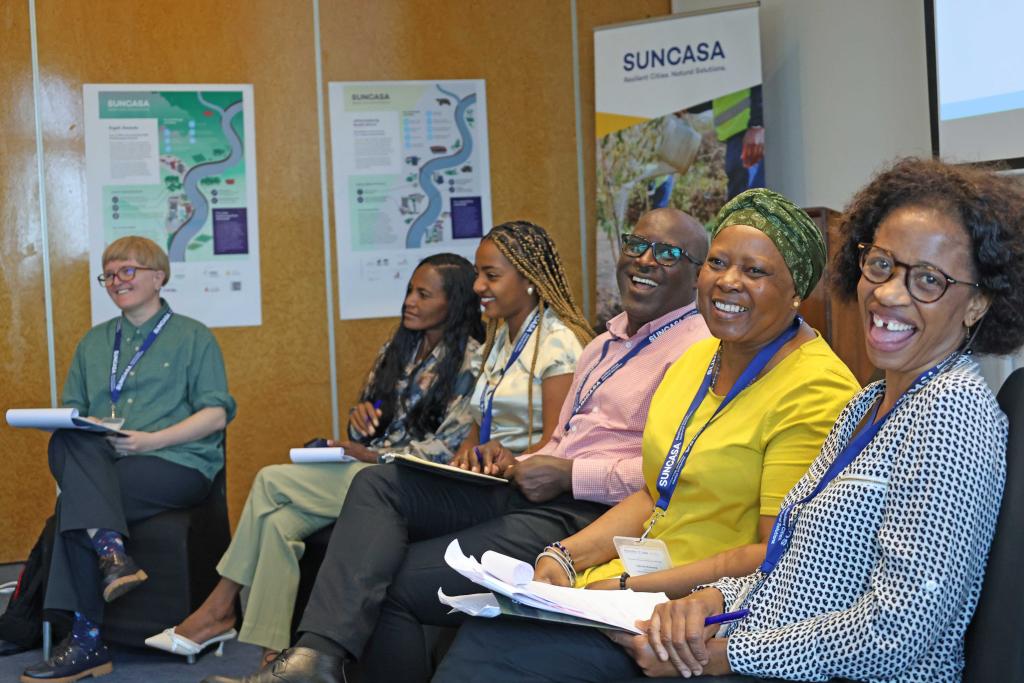
While gender and social justice organizations may not be thought of as traditional NbS implementers, they are essential partners to build resilient, inclusive NbS that provide equitable benefits that are sustained beyond a project’s lifespan. The Scaling Urban Nature-based Solutions for Climate Adaptation in sub-Saharan Africa (SUNCASA) project recognized this early on. Led by the International Institute for Sustainable Development and World Resources Institute, with funding from Global Affairs Canada, SUNCASA focuses on promoting gender-responsive NBS in Dire Dawa (Ethiopia), Kigali (Rwanda) and Johannesburg (South Africa). Many local implementing and research partners were brought in for their technical expertise. Among them are three organizations focused on gender equality and social inclusion (GESI).
- In Dire Dawa, SUNCASA partners with Hararghie Catholic Secretariat (HCS) Gender Desk, which draws on its long-standing experience in community development and social inclusion, including developing a childcare model that tackles one of the major barriers limiting women’s participation in NbS work.
- In Kigali, AVEGA-Agahoza, a Rwandan association founded by widows of the 1994 Genocide against the Tutsi and now nationally recognized for empowering women, promoting social justice, and supporting vulnerable groups through advocacy, psychosocial support and community mobilization, brings extensive gender justice expertise to implementation in Rwanda’s capital.
- Finally, in Johannesburg, GenderCC Southern Africa (SA), a feminist network linking gender justice and climate action and known for facilitating community-centred discussions on gender norms, power, and climate impacts, leads our local GESI work, drawing on its deep expertise.
Partnering with these organizations at the planning stage helped our SUNCASA team integrate a GESI lens in the project design, mapping out a GESI strategy for the project. These organizations led a participatory assessment of social norms, gender biases, and power dynamics in their communities, which revealed local realities that our NbS activities would face. For example, in Kigali, AVEGA’s early assessments and community dialogues revealed specific barriers faced by women workers—such as safety concerns, unequal pay, lack of childcare, and gender stereotypes around physical labour—which directly shaped our recruitment approaches, flexible working hours, equal pay structures, and the creation of safe on-site sanitation and childcare spaces.
Equitable partnerships are not achieved by goodwill alone—they depend on deliberate structures of collaboration, transparency, and shared power.
These gender and social justice organizations’ unique positions as trusted advocates for community well-being mean they can serve as facilitators, advisors, and bridges between community members, city officials, and technical implementers. In Johannesburg, GenderCC SA acted as a bridge by facilitating workshops where community members shared lived experiences of exclusion, gender-based violence, and unequal participation in environmental work—opening honest dialogue between residents, city officials and NbS implementers. In Dire Dawa, HCS Gender Desk mobilized parents, local leaders, and government representatives into monitoring committees for the childcare model, strengthening trust and co-ownership around NbS activities.
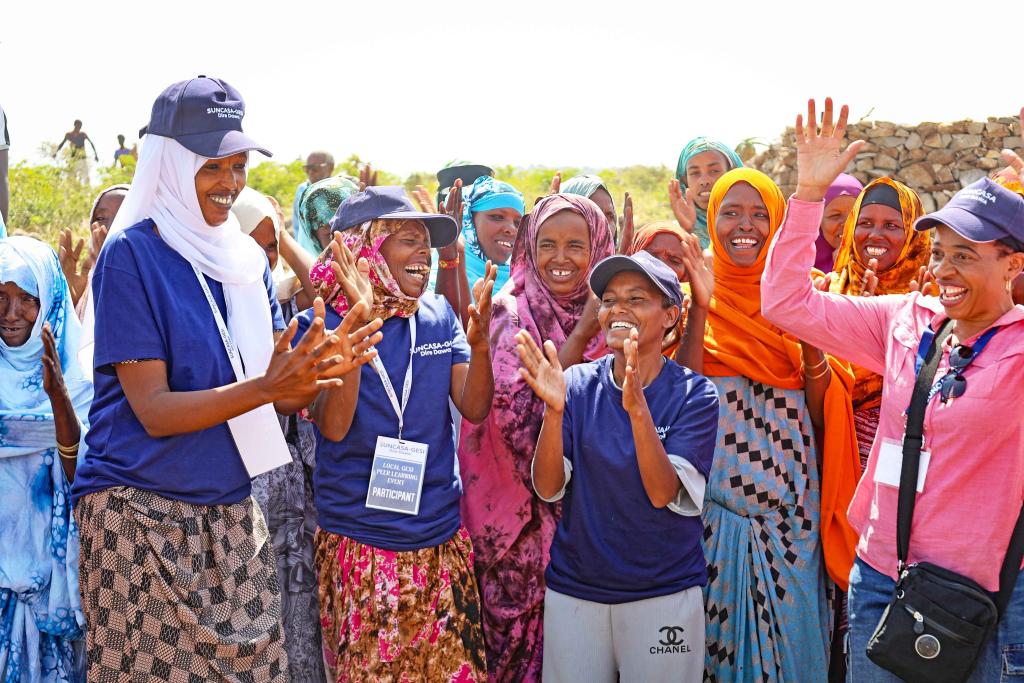
GESI-driven organizations can also help with adaptive and iterative project management, where their deep understanding of local power dynamics, social biases and gender norms can help technical actors refine NbS project activities as local contexts shift. For instance, feedback from GenderCC’s workshops in Johannesburg highlighted mental health strain and social pressure experienced by women and youth, prompting the team to integrate well-being considerations into ongoing engagement. In Dire Dawa, HCS Gender Desk used community input to revise the childcare concept—adjusting tent placement, age ranges, safety mechanisms, and oversight structures—so that the model better matched community needs.
Conversely, to ensure projects have sustained community-level impacts, organizations that advance social well-being must be engaged through healthy, equitable partnerships. A project must create mutual benefits for all of the actors involved.
Across the SUNCASA cities, partners reported clear benefits from our work. AVEGA emphasized that working within a multi-city, multi-partner framework strengthened knowledge exchange, cultural understanding, and contextualization of GESI tools to local realities. GenderCC SA highlighted gains in NbS technical expertise, including ecosystem mapping and restoration methods, as well as improved skills in policy assessment and gender-responsive adaptation.
They also stressed that participation enhanced GenderCC’s visibility and credibility within national and international networks. From Dire Dawa, HCS Gender Desk noted that collaboration improved technical skills through shared manuals, guidelines, and training, while long-standing relationships with communities enabled effective mobilization and monitoring of NbS activities. All partners valued peer learning across Kigali, Johannesburg, and Dire Dawa, which strengthened their capacity to support equitable, community-driven climate change adaptation.
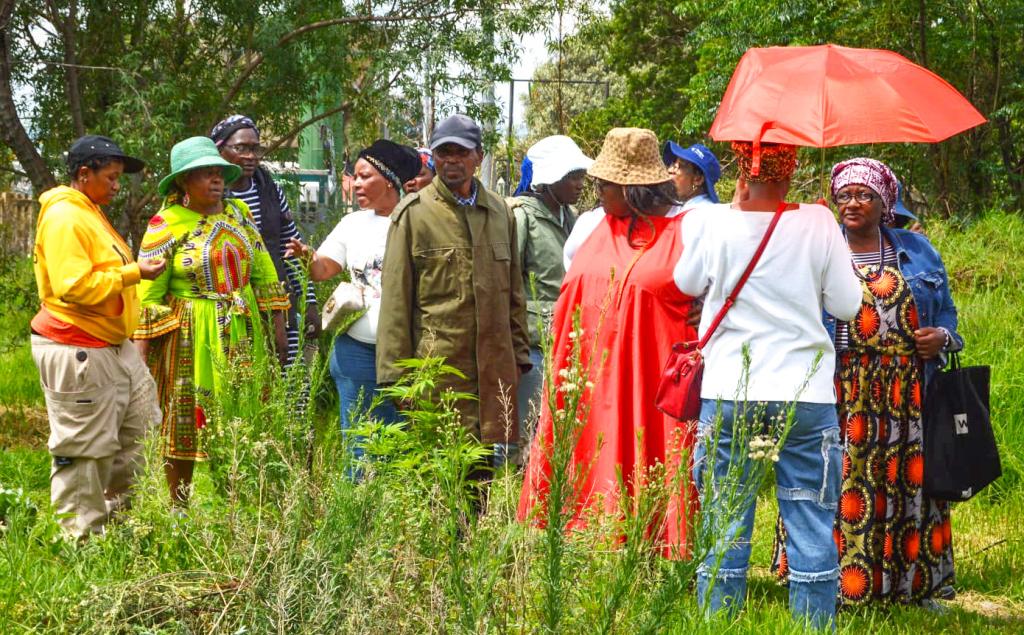
Equitable partnerships are not achieved by goodwill alone—they depend on deliberate structures of collaboration, transparency, and shared power. Effective partnerships between NbS implementers and gender or social justice organizations are built on trust, respect, and the recognition of different kinds of expertise. The SUNCASA project’s partnership model has highlighted several important lessons on how to engage with gender and social justice organizations for NbS projects:
1. Engage Early and Co-Design Together
Include local gender and social justice organizations from the very beginning of project planning. Work together to set goals, priorities, and methods so that equity is built into the design of NbS projects, not added later. Partners such as AVEGA and HCS Gender Desk emphasize that local gender and social justice organizations should be involved from project ideation through evaluation to ensure that budgets, activities, and indicators remain responsive to gender and inclusion priorities.
2. Provide Fair and Reliable Resources
Set aside adequate budgets and enough time to support the participation, coordination, and capacity needs of partner organizations. Reliable funding helps build trust, stability, and shared responsibility. Differences in expectations—around timelines, evidence standards, or communication styles—can also strain relationships. Bridging these divides requires continuous dialogue, reflexivity, and a commitment to learning together. As noted by GenderCC SA and HCS Gender Desk, flexibility in targets, numbers, and budgeting is essential, as local contexts can shift rapidly; contingency allocations can help partners respond to unexpected yet necessary activities.
3. Share Power and Accountability
Technical disciplines often dominate decision making, limiting space for community-led insight. Make roles and decisions transparent and create ways for all partners to have a real voice in shaping outcomes. Shared leadership builds ownership and strengthens the legitimacy of the work. GenderCC colleagues noted that strong partnerships rely on openness, ongoing communication, situational analysis, and timely operational guidance and feedback from global and local teams.
4. Value All Types of Knowledge and Support Two-Way Learning
Recognize that local gender and social justice organizations hold strong knowledge on gender equality and social inclusion, while NbS implementers bring technical and scientific expertise. Encourage learning in both directions—NbS teams will gain social insight and contextual understanding from local partners, while those partners strengthen their technical knowledge on adaptation and NbS. AVEGA highlighted that cross-city exposure enriched their understanding of NbS approaches, while GenderCC SA and HCS underscored how joint trainings and peer learning strengthened their technical and operational capacities in gender-transformative NbS practices.
5. Keep Partnerships Strong Beyond One Project
Continue collaboration, exchange, and joint advocacy even after a project ends. Long-term relationships deepen trust, increase impact, and help make social equity a lasting part of future adaptation efforts. Partners recommended continuing regular cross-city dialogue, sharing learning processes, and co-developing tools to ensure that GESI-centred approaches endure beyond the SUNCASA cycle. (Bertha, GenderCC input; Theogene, AVEGA input; Hadas, HCS Gender Desk input) To address the common pressure on NbS implementers to engage only when project funding is available, continued engagement can be done through non-funded collaboration mechanisms, such as involving organizations as peer reviewers or panellists, and by formalizing longer-term collaboration through memorandums of understanding. While there is no single solution applicable to all cities, embedding mechanisms for continued dialogue, learning, and collaboration into project design can help create opportunities for partners to sustain engagement beyond the availability of project funding.
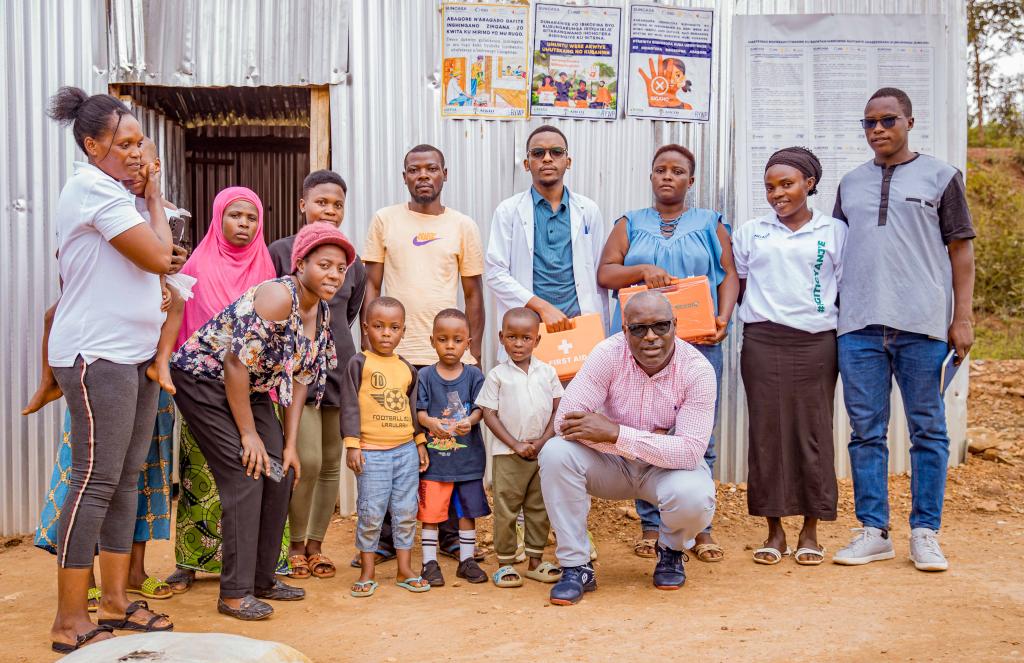
NbS projects can only achieve lasting impact when they are socially rooted and inclusive. The experiences from Kigali, Johannesburg, and Dire Dawa illustrate that gender and social justice partnerships are not supportive add-ons—they are structural necessities. These organizations translate broad adaptation goals into everyday realities: creating safe workplaces, ensuring childcare access, addressing discrimination, and amplifying underrepresented voices. Their participation strengthens both the legitimacy and durability of climate action. Equitable partnerships reframe adaptation as a process of collective care and shared leadership. They bridge technical design and community wisdom, transforming NbS into pathways for empowerment and justice.
Building bridges, not boxes, means designing adaptation that recognizes every partner’s value and invests in relationships that endure beyond projects—toward truly inclusive, climate-resilient cities.
We wish to acknowledge and commend the strong dedication and expertise demonstrated by our GESI expert colleagues from the three cities—Bertha Chiroro (Gender CC), Cleopatre Cyezimana (AVEGA), Emebet Belete (HCS), Gisele Umuhoza (AVEGA), Hadas Temesegen (HCS), Ndivile Mokoena (Gender CC), Patrick Shyaka (AVEGA), Rediat Tassew Mezgebu (HCS), and Theogene Niyirora (AVEGA)
About SUNCASA
SUNCASA is a 3-year project enhancing resilience, gender equality, social inclusion, and biodiversity protection in urban communities in Ethiopia, Rwanda, and South Africa. It is delivered by the International Institute for Sustainable Development and the World Resources Institute, funded by the Government of Canada, and implemented with a wide range of local organizations and communities.
SUNCASA restores urban watershed areas through gender-responsive NbS such as agroforestry, afforestation, reforestation, buffer zone creation, and urban tree planting, ultimately strengthening the resilience of 2.2 million people.

You might also be interested in
From Theory to Practice
This briefing note presents two practical ways that conservation practitioners and managers of implementing nature-based solutions interventions can strengthen their monitoring, evaluation, and learning systems, with a focus on qualitative data to measure social outcomes.
Climate Risk Profile: Greater Virunga Landscape
A climate risk profile for the Greater Virunga Landscape examining the observed and projected climate hazards, impacts on ecosystems, biodiversity, and livelihoods, and potential nature-based solutions for adaptation.
Enhancing Synergies to Advance Gender-Responsive Approaches Under the Convention on Biological Diversity and UN Framework Convention on Climate Change
This paper provides key takeaways for national-level policy-makers to adopt a coordinated approach to the design and delivery of gender-responsive biodiversity and climate action, along with sample case studies that exemplify gender-responsive policy-making processes.
Turning Tides: How women are reshaping the fisheries sector in Belize
After years of dedication and advocacy, women are now charting a new course for Belize's small-scale fisheries qith the establishment of Belize’s National Women in Fisheries Association