Workshop

ASEAN Regional Workshop on Carbon Pricing and Carbon Markets

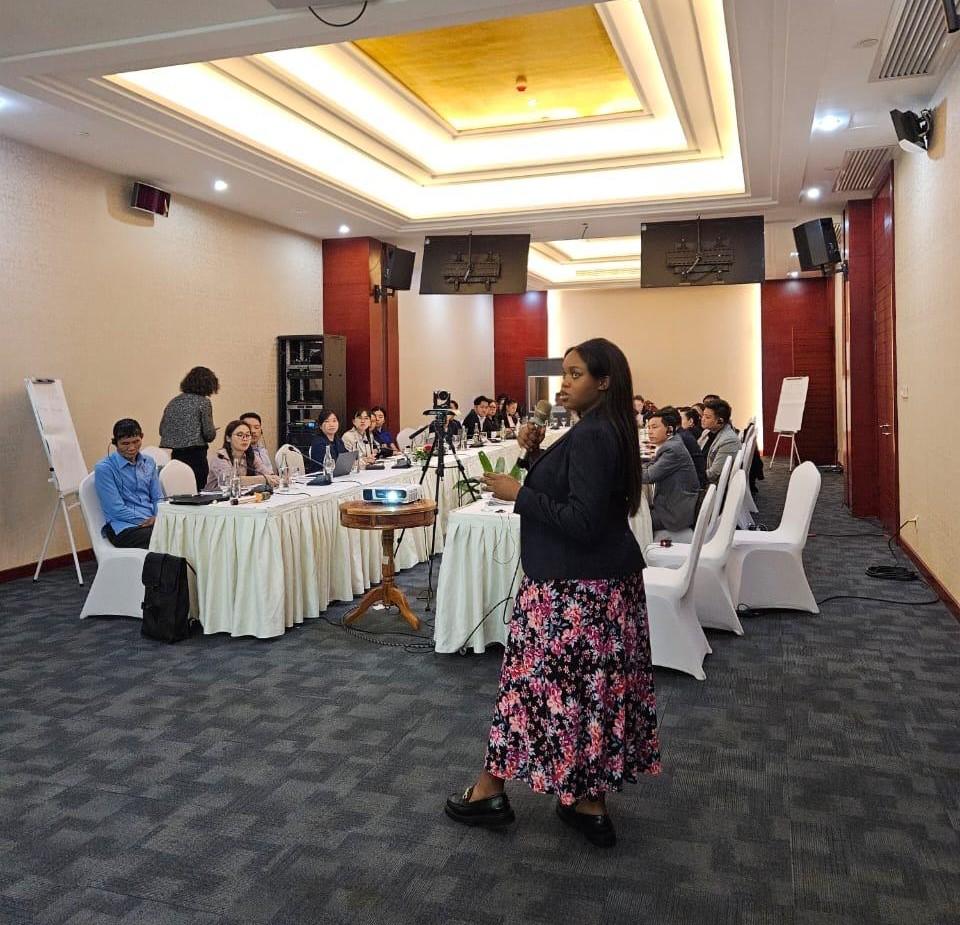
May 20, 2026 8:30 am - May 21, 2026 4:30 pm BNT

Bandar Seri Begawan, Brunei Darussalam

(By invitation)

The Association of Southeast Asian Nations (ASEAN) region is entering a critical phase in its transition toward low-carbon, climate-resilient development, with carbon pricing instruments gaining increasing attention as a key policy tool. Globally, these instruments already cover around 28% of emissions and generate over USD 100 billion annually, signaling their growing importance in shaping investment flows.

This trend is increasingly visible across ASEAN, where several Member States are taking steps to develop and implement carbon pricing approaches:

  • Indonesia has launched its Emissions Trading System (ETS), with plans to expand it further
  • Singapore has introduced a carbon tax, currently set at USD 45 per tonne
  • Thailand and Vietnam are preparing for ETS implementation in the coming years
  • Malaysia has announced plans to introduce a carbon tax starting in 2026.

At the same time, countries are exploring voluntary carbon markets and other mitigation mechanisms. However, progress across the region remains fragmented, with varying levels of policy readiness, measurement, reporting, and verification (MRV) capacity, institutional development, and private sector engagement.

The ASEAN Regional Workshop on Carbon Pricing and Carbon Markets aims to bring together policy-makers, experts, and partners to exchange practical experiences and lessons learned, explore policy design options suited to national contexts, and strengthen readiness for participation in international carbon markets, including under Article 6 of the Paris Agreement.

Co-organized by the European Union (EU) through the Technical Assistance Facility to the Green Team Europe Initiative (TAF-GTEI), Government of Brunei Darussalam, the ASEAN Secretariat, and the International Institute for Sustainable Development, the workshop will also draw on international experience, including insights from the EU ETS, to inform discussions on market design, governance, and implementation.

Agenda

Day 1: Domestic Carbon Pricing

Welcome and Opening Remarks

Module 1: Carbon Pricing Instruments in ASEAN Context

Module 2: EU ETS and ASEAN relevance

Day 2: Carbon Markets—Article 6 of Paris Agreement

Keynote Address

Module 3: Article 6 Readiness and Validation Workshop

Synthesis and Way Forward

Closing Remarks 

Deep Dive

Decoding the Belt and Road Initiative’s Legal Architecture

From "soft law" to hard obligations

Together with investment treaties and contracts, “soft law” instruments—such as political understandings, policy guidance, and memoranda of understanding (MoUs)—form a key part of the legal architecture of the Belt and Road Initiative, China’s flagship overseas investment and development programme. In the second article in IISD’s new series on Chinese overseas investment, we unpack the architecture—covering hard law, soft law, and the unique role of state-owned enterprises (SoEs)—and set out recommendations for host country policy-makers on how to navigate this hybrid legal environment.

May 7, 2026

While China has concluded investment treaties and other international investment agreements with the vast majority of its Belt and Road Initiative partners, political understandings, policy guidance, and MoUs frequently continue to shape the on-the-ground legal architecture of many projects. This creates a hybrid environment where informal diplomatic mechanisms and formal legal frameworks operate in parallel and where the interactions between them can create real legal risk for host countries. To navigate it well, governments need to understand all three layers: the hard law foundation, the soft law overlay, and the distinctive role played by Chinese SOEs. 

The Hard Law Ecosystem: Treaties and contracts

Traditional international investment governance is anchored in investment treaties, domestic investment laws, and binding contracts. For host countries participating in the Belt and Road Initiative, it is important to understand these instruments before layering on the soft law features of the Initiative.

Investment treaties are binding international agreements that set out the rules governing investment flows. They typically grant investors substantive protections—such as through contentious fair and equitable treatment clauses, provisions protecting against expropriation without compensation, and national treatment, which requires host states to treat foreign investors no less favorably than their own. They also grant procedural rights to foreign investors, including the right to bring claims directly against host states through investor-state dispute settlement (ISDS) for introducing measures impacting their investment. This includes for introducing general laws or policies, such as new labor laws or environmental standards. 85 to 90% of the investment treaties currently in force are considered “old-generation” and are at urgent need for reform. Encouragingly, we see a growing number of reform initiatives across national, regional, and international levels. However, the powerful vested interests who profit from keeping the status quo, together with reform coherence challenges, remain significant obstacles to lasting, positive change. 

Many investment treaties with China were concluded in earlier waves of treaty-making—some dating to the 1980s and 1990s—when states had less awareness of how broad investor protections could constrain public interest regulation.

Governments participating in the Belt and Road Initiative would benefit from reviewing these investment treaties and, where appropriate, pursuing reform or renegotiation to bring them into line with more recent treaty practice, including clearer carve-outs to secure space for economic, social, climate, and other public interest policies. Even where domestic frameworks are strong, an outdated treaty can still expose a host state to unexpected claims after it has adopted new regulations.

Investor-state contracts are another binding “hard law” layer at the project level, where financing, construction, and operation terms are formally agreed. A construction contract for a bridge project, for instance, might specify payment milestones, construction schedules, and a dispute resolution forum—terms that are legally enforceable regardless of what any earlier MoU said. Getting these contracts right matters enormously, and governments should not wait until the contracting stage to start thinking about their terms.

The Soft Law Ecosystem: MoUs, policy frameworks, and creeping obligations

What makes the framework for the Belt and Road Initiative distinctive is its combination of a hard law “overcoat” and a layered hierarchy of soft law instruments, rather than a single, unified legal code. This ecosystem typically includes two main types:

  • Non-binding MoUs: Broad political commitments that signal intent but lack specific enforcement mechanisms. A “Statement of Intent” to cooperate on a bridge project may contain no price tag, feasibility requirements, or timeline—and yet it can create a political expectation that the project will proceed with Chinese partners who are already informally identified. These documents may set the stage for more binding commitments downstream.
  • Guiding principles and policy frameworks: High-level Chinese policy documents—such as the 2021 Guidance on Overseas Investment, Cooperation and Green Development—set expectations for SOEs without being legally binding on host states. An SOE might, for instance, reference the Green Investment Principles when presenting an environmental management plan, even though compliance with those principles is not contractually required. The result is a kind of soft accountability that does not translate into hard legal obligations—unless the host state later acts in reliance on those commitments.

A central challenge for developing countries engaging with large-scale infrastructure projects is what has been termed “creeping obligations”—the phenomenon by which early, non-binding political commitments gradually harden into binding commercial obligations. This dynamic is not unique to any single investment partner, but it is a structural risk whenever soft law instruments such as MoUs are used as the entry point for major projects. In the context of the Belt and Road Initiative, this risk is heightened where the host state also has concluded investment treaties with China. Without strong legal oversight at the MoU stage, governments may find themselves effectively committed to specific contractors, financing terms, or project structures before they have completed feasibility studies or environmental assessments.

That said, this dynamic is not unique to the Belt and Road Initiative. It mirrors patterns seen in investment contract negotiations more broadly. Governments should therefore set up early-stage internal coordination mechanisms, such as inter-ministerial committees that bring together ministries and agencies responsible for finance, planning, sectoral regulation, and project oversight. Such committees help consolidate negotiating positions, avoid contradictory signals to investors, and ensure that technical, financial, and legal considerations are aligned from the start.

The Multifaceted Identity of Chinese SOEs

The Belt and Road Initiative also stands out for the central role of Chinese SOEs, which often operate in multiple capacities at once: commercial actors seeking profit and market share, policy instruments executing industrial and strategic objectives of the Chinese government, and diplomatic tools strengthening bilateral relationships. A Chinese state-owned port operator might function as a commercial partner today, while its strategic decisions are shaped by state-level directives to prioritize specific trade routes over local profitability.

This multifaceted identity can create asymmetries in bargaining power. When a host government negotiates with a Chinese SOE, it may be unclear whether it is engaging a commercial partner or effectively be negotiating with the Chinese state itself. An SOE negotiating a power plant contract might simultaneously reference its commercial track record and its alignment with China’s national development strategies, making it difficult for the host government to distinguish corporate from state-backed motivations
 

The Belt and Road Initiative also stands out for the central role of Chinese SOEs, which often operate in multiple capacities at once: commercial actors seeking profit and market share, policy instruments executing Beijing’s industrial and strategic objectives, and diplomatic tools strengthening bilateral relationships.


For instance, most of China’s centrally administered, non-financial SOEs are supervised by the State-owned Assets Supervision and Administration Commission of the State Council (SASAC). SASAC performs the state-investor function on behalf of the State Council, the Chinese government’s highest decision-making body, and is mandated to preserve and increase the value of state capital. Senior leadership appointments at central SOEs are primarily handled by the Chinese Communist Party's Central Organization Department. However, even where central SASAC supervision applies, SOEs also retain separate legal personality and are not automatically equated with the Chinese state. 

In short, these SOEs have a dual identity which poses distinct practical legal implications. Consider a hypothetical: a Chinese SOE builds a major highway in a developing country. The SOE later falls short of the environmental standards agreed in the contract. The host government seeks to enforce those standards and withhold payment. At that point, a fundamental legal question arises: is the SOE acting as a commercial entity subject to the contract terms, or does its relationship with the home state, China, alter the legal analysis?

How this question is resolved has direct consequences. If the SOE is treated as a commercial actor, the host state’s remedies are primarily contractual—suing the SOE for breach of the project agreement. But if the SOE’s conduct is attributable to the Chinese state under international law, the same facts may also trigger state responsibility under international law. Conversely, where a host state takes action against an SOE whose conduct could be attributed to China, it may itself face counterclaims under an applicable investment treaty, brought by the SOE or China directly, or more generally, face other diplomatic repercussions. 

Above all, these pathways are not mutually exclusive, and the same facts may give rise to parallel contractual and investor-state proceedings. The legal pathway available depends entirely on how the SOE’s role has been characterized in the project documents—and whether state approvals, guarantees, or directives have been recorded.

The practical upshot for host states is straightforward: project documents should clearly specify the legal role of the SOE—whether it is acting in a sovereign or commercial capacity—and any state approvals, guarantees, or directives that could create or support treaty-level attribution should be carefully documented and reviewed before signature. This is not a mere technical housekeeping; it is a fundamental element of managing legal exposure in Belt and Road Initiative projects.

The Transparency Gap

The challenge posed by the opacity of agreements between the parties is common to other forms of cross-border investment, just as it is to investments under the Belt and Road Initiative. However this challenge carries heightened governance implications here given the scale of the Belt and Road Initiative and the wide variation in host-country regulatory environments.

Many contracts under the Belt and Road Initiative contain expansive confidentiality clauses, a pattern documented in research on Chinese overseas lending. They include “silent clauses” that prohibit the host country from disclosing the existence, terms, or even the amount of the loan, and "No Paris Club" clauses that prohibits the borrowing country from including that specific debt in any Paris Club restructuring. This lack of transparency has several practical consequences:

  • Erosion of oversight: Legislatures and audit institutions cannot fully assess the scale of sovereign guarantees or contingent liabilities.
  • Limited participation: Civil society and local communities are side-lined from environmental and social impact processes.
  • Debt governance risks: Hidden fiscal exposures can accumulate and later manifest as debt crises.

What Host Countries Can Do

The hybrid nature of the Belt and Road Initiative creates unique governance challenges that cannot be addressed through any single instrument. It is the combination of soft political commitments, opaque contracting practices, and the multifaceted role of SOEs that can leave host countries exposed. What makes the Belt and Road Initiative distinctive—and what requires a response going beyond general investment advice—is this layered interaction between instruments that were designed to be non-binding and those designed as binding legal frameworks.

Domestic law remains the most powerful safeguard. As IISD’s Rethinking Investment Treaties and Rethinking National Investment Laws reports both emphasize, strong domestic frameworks form the foundation of sustainable investment governance. The Belt and Road Initiative context only confirms this: host states cannot rely on the non-binding character of MoUs or the goodwill of SOEs to protect them from hard legal consequences.

The hybrid nature of the Belt and Road Initiative creates unique governance challenges that cannot be addressed through any single instrument.


General recommendations (applicable to all investment):

  1. Robust pre-investment assessments: Require technical, financial, and legal assessments before MoUs are signed—not after. This matters especially in the Belt and Road Initiative context, where early political commitments can harden into binding obligations faster than governments anticipate.
  2. Standardized contracting tools: Develop or adopt sector-specific model contract clauses for use across investor-state agreements. This means leveraging existing model frameworks and adapting them to the specificities of Belt and Road Initiative projects—not reinventing the wheel, but ensuring that standard protections on transparency, local content, labour rights, environmental safeguards, and dispute resolution are built in from the start.
  3. Cross-sectoral alignment: Ensure that every Belt and Road Initiative project is legally tied to national development plans, environmental statutes, and fiscal frameworks. Inter-ministerial committees that coordinate early and consistently—across finance, planning, sectoral regulation, and legal affairs—are essential to avoiding the contradictory signals and overlooked linkages that can create legal exposure later.
  4. Review and reform investment treaties: Outdated investment treaties with China can expose host states to investment claims even where domestic frameworks are robust—because investors can rely on treaty protections regardless of domestic law. Governments should audit their treaty portfolio, identify provisions that unduly restrict their space to regulate in the public interest, and pursue reform or renegotiation where needed. Termination should also be considered as an option where reform is not feasible.

Recommendations specific to the Belt and Road Initiative:

  1. Review MoUs for potentially binding language: Governments should conduct a systematic review of existing and proposed MoUs for the Belt and Road Initiative, screening for language that creates expectations, commits to specific partners or financing arrangements, or could later be relied upon as the basis for legal claims. Where possible, MoUs should include standard clauses explicitly clarifying that they create no binding legal obligations and do not constitute consent to investor-state arbitration. Legal counsel should be involved before signature, not after.
  2. Clarify SOE status in contracts: Project contracts with Chinese SOEs should include express language specifying whether the SOE is acting in a sovereign or commercial capacity, and should document any state-level approvals, guarantees, or directives that connect the SOE’s actions to the Chinese state. This record-keeping matters for managing legal exposure in both directions: it protects the host state if it needs to establish state attribution, and it manages the risk of the SOE later claiming state immunity from contractual claims.

The flexibility of the Belt and Road Initiative can be a significant asset for developing countries—but only when paired with strong domestic systems that prevent creeping obligations and ensure transparent outcomes aligned with sustainable development. By reinforcing domestic legal frameworks, institutionalizing early-stage coordination across ministries, standardizing contracting practices, and taking specific steps to manage the distinctive risks of MoUs and SOE involvement, host states can strengthen their negotiation power and ability to engage with the Belt and Road Initiative on their own terms.

Environmental Product Declarations for Low-Carbon Cement and Concrete in Thailand

Environmental product declarations (EPDs) are a critical tool for advancing low-carbon construction and can enable more effective green public procurement. This project supported the transition toward more transparent, data-driven decision making in Thailand’s cement and concrete sectors, helping align infrastructure development with climate goals.

Environmental product declarations provide standardized, third-party verified data on the environmental impacts of construction materials across their life cycle. In the cement and concrete sectors—major contributors to global emissions—EPDs enable governments and market actors to compare products, set performance benchmarks, and prioritize lower-carbon materials. Given that public procurement accounts for about 40% of cement consumption in Thailand, using EPDs in procurement represents a powerful lever for driving industrial decarbonization.

With support from the United Nations Industrial Development Organization (UNIDO), the International Institute for Sustainable Development (IISD) analyzed gaps and opportunities across Thailand’s EPDs value chain. The primary objective was to assess capacity needs related to the creation, verification, and use of EPDs, focusing on cement and concrete manufacturers, EPD consultants, program operators and verifiers, and other actors involved in construction and green building systems. 

IISD conducted a comprehensive needs assessment of Thailand’s EPD ecosystem. This included a desktop review of policies, standards, and market developments, as well as targeted stakeholder interviews with industry representatives, government agencies, and technical experts. 

The research identified several key barriers to wider EPD adoption. These include limited integration of EPDs into public procurement and building regulations, low market awareness, and a lack of clear demand signals. Capacity constraints, such as limited domestic expertise in life-cycle assessment and a small pool of accredited verifiers, further increase costs and complexity, particularly for smaller companies. In addition, gaps in localized life-cycle data reduce the accuracy and comparability of EPDs.

To address these challenges, the project provided practical, policy-relevant recommendations. These include integrating EPDs into eco-labels and green building systems, using green public procurement to create predictable demand, improving affordability through EPD generators and targeted support, strengthening domestic capacity, investing in national data infrastructure, and aligning Thailand’s EPD system with international standards.

This project was funded by UNIDO. It forms part of UNIDO’s project Decarbonization of the Cement and Concrete Sectors in Thailand, which is funded by Environment and Climate Change Canada and supported by the Industrial Deep Decarbonization Initiative, a Clean Energy Ministerial initiative coordinated by UNIDO.

The final report Environmental Product Declarations in Thailand: Needs Assessment and Recommendations for the Cement and Concrete Sectors is available here on UNIDO’s Industrial Decarbonization website. 
 

Report

Carbon Market Insights: Volume 1, Issue 1

Tracking policy and market progress on carbon pricing in Southeast Asia

This issue reviews key international and regional developments in carbon pricing and analyzes how the European Union's Carbon Border Adjustment Mechanism (CBAM) could affect Southeast Asian exports. It also tracks emerging trends in the use of Paris Agreement Article 6 for international carbon trading and features country update briefs on carbon pricing developments in Indonesia, the Philippines, and Viet Nam.

March 25, 2026

Key Messages

  • Carbon pricing is expanding globally with 43 carbon taxes and 38 emissions trading systems (ETSs) covering more than 23% of global greenhouse gas emissions.

  • Specific industrial sectors face disproportionate risks from the EU CBAM despite low economy-wide exposure. Over 20% of Viet Nam’s iron and steel exports and nearly 20% of Indonesia’s aluminum exports are destined for the European Union, making these industries highly vulnerable to new carbon costs.

  • Indonesia has established itself as a regional leader by becoming the first Southeast Asian nation with an operational ETS. The recent Regulation 110/2025 formally aligns the national framework with Article 6 of the Paris Agreement and introduces a carbon unit registry to improve transparency.

  • Global implementation of Article 6.2 is advancing rapidly with over 100 bilateral agreements now announced or formalized. Active purchasing countries like Japan and Singapore are leading this trend by expanding cross-border carbon transactions primarily with Asian partners.

The inaugural issue of Carbon Market Insights explores the continued mainstreaming of carbon pricing worldwide, now covering over 23% of global greenhouse gas emissions through 43 carbon taxes and 38 emissions trading systems (ETSs) in force. While established markets like the European Union and the United Kingdom saw significant price momentum in late 2025, Asian markets in China and South Korea continue to navigate challenges related to allowance oversupply and low price signals. The issue contextualizes these trends for Southeast Asia with implementation-relevant insights and country-focused updates. 

A central focus of this issue is the "definitive phase" of the European Union’s CBAM, which launched in January 2026. The brief provides a detailed sectoral analysis for Indonesia, the Philippines, and Viet Nam, noting that while their economy-wide exposure remains below 1%, specific industries—particularly iron, steel, and aluminum—face potentially significant liabilities unless domestic decarbonization and robust measurement systems are prioritized. 

The publication further examines national milestones, including Indonesia's strengthened legal framework under Regulation 110/2025, which formally enables international carbon trading under Article 6. It also tracks the progress of Article 6.2 bilateral agreements, where over 100 arrangements have been announced or formalized, signalling growing interest in cross-border carbon transactions led by purchasing countries like Singapore and Japan. Furthermore, while Indonesia remains the only Southeast Asian country with an operational ETS, the implementation of its legislated carbon tax under Law 7/2021 remains postponed.

Articles

International and Regional Developments in Carbon Pricing

Carbon pricing has become mainstream globally, with 43 carbon taxes and 38 ETSs in force covering over 23% of global emissions. This section draws on Canada's experience with carbon pricing reform, offering lessons relevant to Southeast Asia.

Read the article here


Border Carbon Adjustments (BCAs) and Article 6 Update

The EU CBAM entered its definitive phase in January 2026. This section analyzes the sectoral trade exposure of Indonesia, the Philippines, and Viet Nam, and tracks progress on Article 6 bilateral carbon trading agreements, where Japan and Singapore have emerged as the most active purchasing countries.

Read the article here.


Indonesia Update

Indonesia is the only Southeast Asian country with an operational ETS. This section examines the significance of Regulation 110/2025 in formally enabling international carbon trading under Article 6 and the current state of market activity on IDXCarbon.

Read the article here.


The Philippines Update

Carbon pricing in the Philippines is shifting from policy debate to formal legislation, with multiple bills now before the 20th Congress. The section also examines the Department of Energy's new framework for generating and trading carbon credits in the energy sector.  

Read the article here.


Viet Nam Update

Trading on Viet Nam's carbon market has been postponed to end of 2026, but regulatory progress continues. New rules on the domestic trading exchange and national registry system are in place, and the country has taken its first steps toward international carbon trading under Article 6 of the Paris Agreement.

Read the article here.

Report details

Webinar

Catalyzing Indonesia’s Energy Transition through Carbon Pricing and Sustainable Transport

February 10, 2026 9:30 am - 12:00 pm GMT+7

(By invitation)

The event marked the launch of two major initiatives: Emissions Ambition for Sustainable Economies (EASE) in Southeast Asia and Energy is Key (EnerKey), both of which are funded by Global Affairs Canada and implemented by the International Institute for Sustainable Development. EASE supports efforts to reduce greenhouse gas emissions through inclusive carbon pricing policies in Indonesia, the Philippines and Vietnam, while EnerKey aims to help mitigate climate change by supporting the decarbonization of the transport and power sectors in Indonesia and the Philippines.  

Bringing together government officials, energy experts, researchers, and civil society representatives, the event explored how Southeast Asian countries can translate climate ambition into policies that are both economically viable and socially equitable.

Full coverage of the event discussions and key takeaways is available here

Insight

Navigating the Belt and Road Initiative: Why host-country agency is the key to success

As China's Belt and Road Initiative, a global infrastructure and development drive, shifts focus toward more renewables, technology, and small-scale projects, IISD provides research and technical advice to policy-makers in host countries to inform investment policy-making. This includes ensuring alignment with national development priorities and integrating environmental and social safeguards into domestic law so that all investors—Chinese or otherwise—operate under clear, predictable rules

February 12, 2026

The priorities of the Belt and Road Initiative, China’s flagship international infrastructure and economic development program, are shifting. To make the most of this new phase of investment, to ensure alignment with national development objectives, host countries should place public participation, transparency, and robust pre-investment assessments at the forefront of their approach.

Chinese policy-makers will soon gather for the 2026 "Two Sessions"—the annual meetings of the National People’s Congress and the Chinese People’s Political Consultative Conference (CPPCC)—where they will review early progress under China's 15th Five-Year Economic Plan, covering 2026-2030. Against the backdrop of new data showing record-high Belt and Road Initiative engagement in 2025 (engagement defined as both investments by Chinese companies and the value of contracts awarded to them), the sessions are set to reaffirm China’s commitment to the Belt and Road Initiative, while also signalling a clear evolution in priorities.

Since its launch in 2013, the Belt and Road Initiative has been synonymous with large, debt-heavy infrastructure projects. Today, China is diversifying its overseas investment, increasingly focusing on renewables, technology, and manufacturing, as well as more small-scale projects.

This shift places greater responsibility on host countries because the new “small and beautiful” projects rely far more on domestic regulatory quality—covering areas such as permitting; environmental, social, and governance (ESG) standards; land governance; and technology integration—than the earlier state‑to‑state megaprojects, where the primary host obligation was debt repayment. Host countries should pay attention to these shifts and adapt their investment governance and institutional frameworks accordingly to make the most of this new phase of Chinese investment.

As with all foreign investment, the benefits of these projects are never automatic. Project success depends on the strength, clarity, and coherence of domestic legal and policy frameworks, including those that take account of the distinctive features of Chinese financing and project delivery. Our message to host country policy-makers is clear: the real leverage point lies within their own systems, institutions, and regulatory choices.

From Megaprojects to Future Industries

For years, Chinese overseas investment was defined by multi-billion-dollar bridges, railways, and ports. A prominent example is the Addis Ababa–Djibouti Railway, a USD 4.5‑billion project financed largely by the Export–Import Bank of China and constructed by Chinese state‑owned enterprises. This project became emblematic of the early Belt and Road Initiative model: large, capital intensive, and heavily reliant on sovereign lending.

However, rising concerns about debt sustainability among partner countries—as well as changes in China’s economic priorities, with more onus on energy, advanced manufacturing, and green technologies (“modern productive forces” in Chinese policy speak)—have prompted a strategic diversification of the program. The new Belt and Road Initiative prioritizes

  • digital infrastructure, including building the "Digital Silk Road" through telecommunications and data centres;
  • renewable energy, with a shift away from coal toward wind, solar, and hydro projects; however, oil and gas investment under the Belt and Road Initiative remains significant; and
  • "small yet smart" projects, such as smaller-scale, high-impact livelihood projects that are commercially viable and provide immediate social benefits.

Project success depends on the strength, clarity, and coherence of domestic legal and policy frameworks.


The Gap Between Opportunity and Reality

As the world’s largest sovereign creditor for around a decade, China’s footprint across Africa, Southeast Asia, Latin America, and Central Asia remains unmatched. The Belt and Road Initiative has the potential to break infrastructure bottlenecks, drive green energy access, and accelerate the United Nations Sustainable Development Goals. China’s shift toward smaller, greener, and more commercially viable projects also creates opportunities for host countries to advance priorities such as renewable energy, digital connectivity, local manufacturing, and regional integration—areas that often align more closely with national development plans than earlier megaprojects.

However, this scale and ambition alone also bring challenges that require more than just diplomatic goodwill to manage; they demand strong domestic governance and regulatory oversight. In short, host countries can only maximize the potential of these projects when they are anchored in legal frameworks that are transparent, inclusive, and aligned with national priorities.

When governance frameworks are poorly enforced, the costs of large-scale infrastructure projects can create tensions, and the results can be costly. The Mombasa–Nairobi Standard Gauge Railway is a case in point: while it is an engineering feat that is transformative for transport, the project faced hurdles due to weak environmental safeguards, resettlement controversies, and limited public participation. These challenges were not inevitable; they stemmed from a mismatch between ambitious economic goals and the domestic capacity to oversee them.

It Is Not the Investment—It Is the Governance

The "governance challenges" often associated with Chinese overseas investment, including confidentiality clauses, ESG risks, and debt vulnerabilities, are frequently cited as typically associated with Chinese lending and outward investment.

Part of an upcoming series looking at key aspects of the Belt and Road Initiative, this article argues otherwise: these risks are most acute where domestic systems are fragmented, opaque, or under-resourced. Opaque contracts and limited public oversight do not just hide debt; they erode the social licence needed for a project to succeed in the long term. Strengthening domestic governance, rather than focusing solely on the identity of the investor, is the most effective way to mitigate risk. By improving pre-investment assessments and contract negotiation, host countries can transform Chinese overseas investment into a genuine engine for sustainable growth.

In short, to get the most out of their engagement with the Belt and Road Initiative as the project develops, investment policy-makers in host countries should

  • strengthen domestic pre-investment assessments to ensure that Belt and Road Initiative Phase II projects align with national development priorities, avoiding the misalignment and feasibility challenges seen in some earlier projects.
  • improve transparency and public participation in Belt and Road Initiative investor–state contracts, especially for large infrastructure projects.
  • build negotiation capacity—including through regional cooperation and peer learning—across project terms, financing arrangements, risk allocation, and ESG safeguards, so that host countries can secure balanced investor-state contracts, treaties, Memoranda of Understanding, and other instruments within the Belt and Road Initiative’s legal architecture.
  • integrate ESG safeguards into domestic law and strengthen enforcement capacity so that all investors—Chinese or otherwise—operate under clear, predictable, and consistently applied rules rather than voluntary standards.

These approaches are not prescriptive. They are tools that countries can adapt to their own political, economic, and institutional contexts.

Unpacking the Belt and Road Initiative

Over the coming months, IISD will further explore key aspects of China’s overseas investment and how host country policy-makers can best navigate them, including the Belt and Road Initiative’s unique legal architecture, dispute settlement system, and the greening of the scheme.  

Each article will conclude with a forward-looking analysis of how developing countries can strategically engage with the Belt and Road Initiative to ensure the investments genuinely drive a greener, more transparent, and prosperous future.


IISD works closely with the developing-country investment policy-making community, including through our Investment Policy Forum community. IISD hosts the Secretariat International Support Office (SISO) of the China Council for International Cooperation on Environment and Development (CCICED). If you want to support more extensive independent research and policy development on Chinese overseas investment and its impact in host countries, we would be delighted to engage. Please reach out to [email protected] or [email protected]

News

Beyond the Price Tag: Redefining the just energy transition in Southeast Asia

In a bustling room in Jakarta, the conversation among policy-makers and experts wasn’t just about climate targets; it was about the “kitchen table stories” of Southeast Asia. Whether in Jakarta, Manila, or Hanoi, the questions are the same: Is this transition fair? Can our industries stay competitive? And where exactly does the money go? 

February 10, 2026

These questions formed the heartbeat of a high-level gathering this week, where government officials, energy experts, and civil society leaders met to bridge the gap between ambitious climate policy and the lived reality of citizens in Southeast Asia. 

The Hidden Barrier to Transition: The "negative" carbon price 

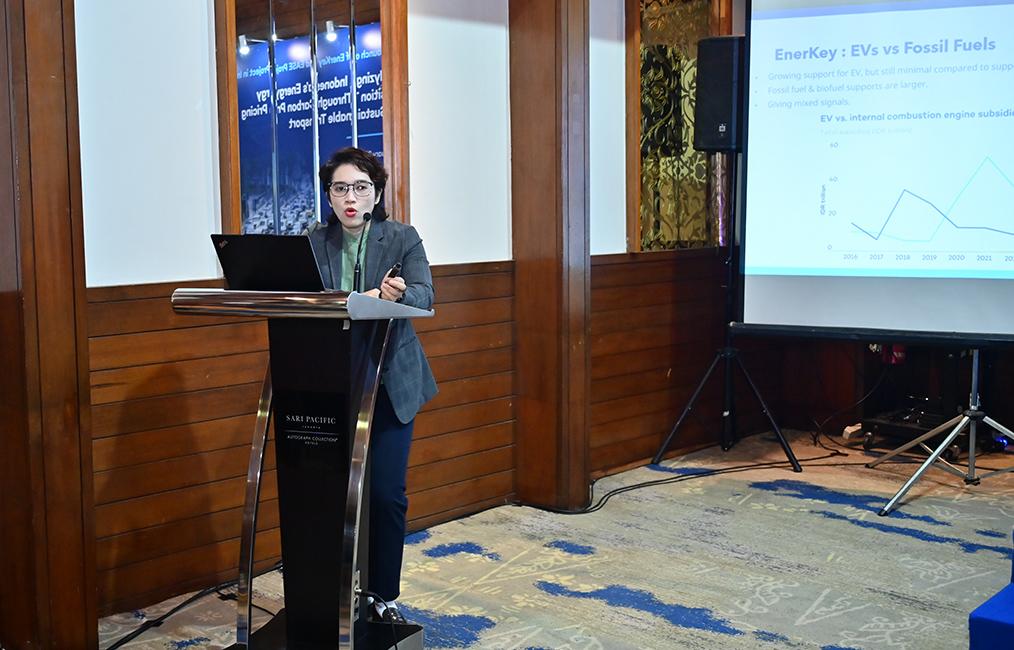
The event opened with a presentation that shed light on Indonesia’s current energy support measures. A recent report by the International Institute for Sustainable Development (IISD) revealed that Indonesia spent IDR 713.5 trillion on energy subsidies in 2024, with nearly 90% going to oil, gas, coal, and fossil-fuel-based electricity. 

Anissa Suharsono, Senior Policy Advisor at IISD, presents the findings of Indonesia’s Energy Support Measures report (Credit: IISD)
Anissa Suharsono, Senior Policy Advisor at IISD, presents the findings of Indonesia’s Energy Support Measures report. Photo: IISD

According to Anissa Suharsono, senior policy advisor at IISD, this effectively creates a “negative carbon price.” When subsidies for coal and gasoline are significantly larger than incentives for clean energy, and support for electric vehicles accounts for only about 1.5% of total subsidies, they create a powerful economic pull that makes it extremely difficult for green technologies, such as electric vehicles, to compete on a level playing field. 

The Two Initiatives: Emissions Ambition for Sustainable Economies in Southeast Asia and Energy Is the Key to a Climate Stable Future  

To counter this gravity, the event marked the launch of two strategic initiatives supported by the Government of Canada and implemented by IISD: the Emissions Ambition for Sustainable Economies (EASE) in Southeast Asia and Energy is the Key to a Climate Stable Future (EnerKey).  

Focusing on Indonesia, the Philippines, and Viet Nam, EASE will advance the research and policy needed for credible, socially fair carbon pricing. Meanwhile, EnerKey will steer electric mobility strategies that support affordable and clean transport, local jobs, and low-carbon power systems across Indonesia and the Philippines.  

More than just data, these initiatives offer a roadmap for a just, sustainable energy transition with gender equality and social inclusion (GESI) built in from the start. Supported by the Government of Canada and IISD, these projects mark a pivotal shift from testing ideas to "durable, scalable implementation." 


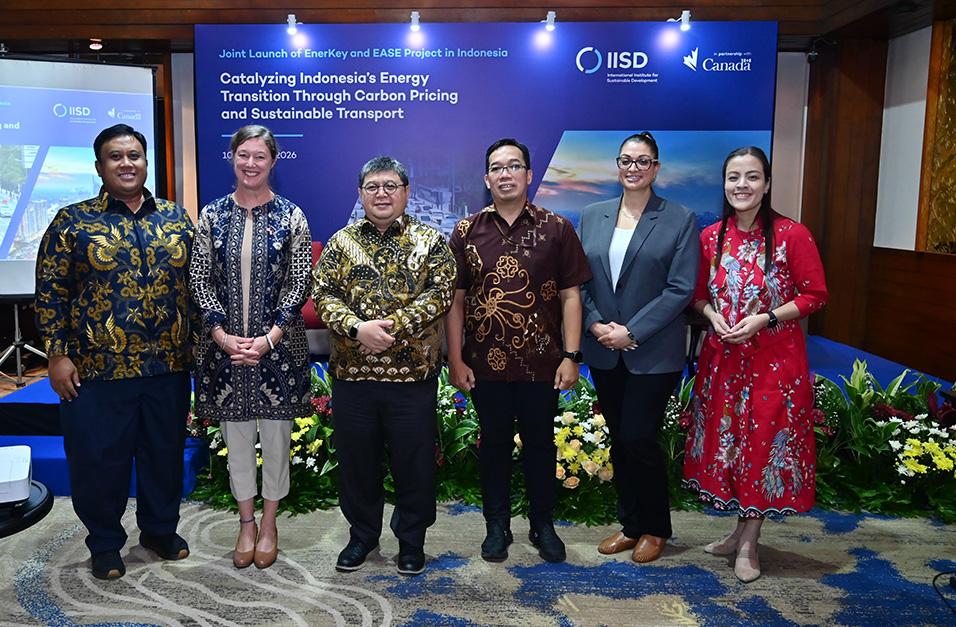
Achmad Zacky Ambadar, Alice Birnbaum, Ridha Yasser, Bayu Nugroho, Rohini Dhaliwal, Francesse Joy Cordon-Navarro
Achmad Zacky Ambadar, Alice Birnbaum, Ridha Yasser, Bayu Nugroho, Rohini Dhaliwal, Francesse Joy Cordon-Navarro. Photo: IISD.

The shift toward this low-carbon future was echoed by Alice Birnbaum, Head of Cooperation at the Embassy of Canada to Indonesia and Timor-Leste. By aligning with national priorities, such as Indonesia’s ambitious 42.6 GW renewable energy target by 2034, these initiatives bridge the gap between high-level policy and hands-on technical cooperation. She noted that these programs were built on extensive consultations with civil society and marginalized communities, ensuring that the transition is as inclusive as it is innovative.  

Reinforcing this vision, Ridha Yasser, Assistant Deputy for Energy and Telecommunications Infrastructure, Coordinating Ministry for Infrastructure and Regional Development, Indonesia, framed the transition as a total ecosystem transformation. He emphasized that for a nation at a critical turning point, decarbonizing transport is not just a climate goal but a core infrastructure priority. By aligning vehicle electrification with a cleaner power grid and using carbon pricing to mobilize private investment, Indonesia aims to turn climate risks into economic opportunities.  

The Panel: Where policy meets reality 

The highlight of the day was a candid panel discussion on how to align carbon pricing and energy transition in Indonesia. The conversation moved from high-level strategy to implementation, emphasizing that a successful transition must be both technically sound and socially protective. 

Fajar Nuradi, Assistant Deputy for Food Production & Climate Change at the Coordinating Ministry for Food Affairs, opened by highlighting the "just" dimension of the shift. He argued that an equitable transition depends on revenue recycling, using carbon funds to make targeted cash transfers to protect low-income households. He also called for a paradigm shift for small islands, viewing them as the nation’s "front yard" rather than its backyard, ensuring that carbon pricing is aligned with the practicalities of how people live, eat, and afford basic necessities. 

Building on these foundations, Bayu Nugroho, Coordinator for Electricity Environmental Protection, Directorate General of Electricity, Ministry of Energy and Mineral Resources, Indonesia, addressed the operational realities of the power sector. He underscored that setting a credible "cap" within a diverse energy mix is a vital learning process for driving real investment. For carbon pricing to work, he argued, it must be supported by a mandatory emissions trading system with predictable benchmarks to maintain a strong price signal. He also highlighted the urgent need for "price discovery" and grid modernization to support the coming wave of electric vehicles. 

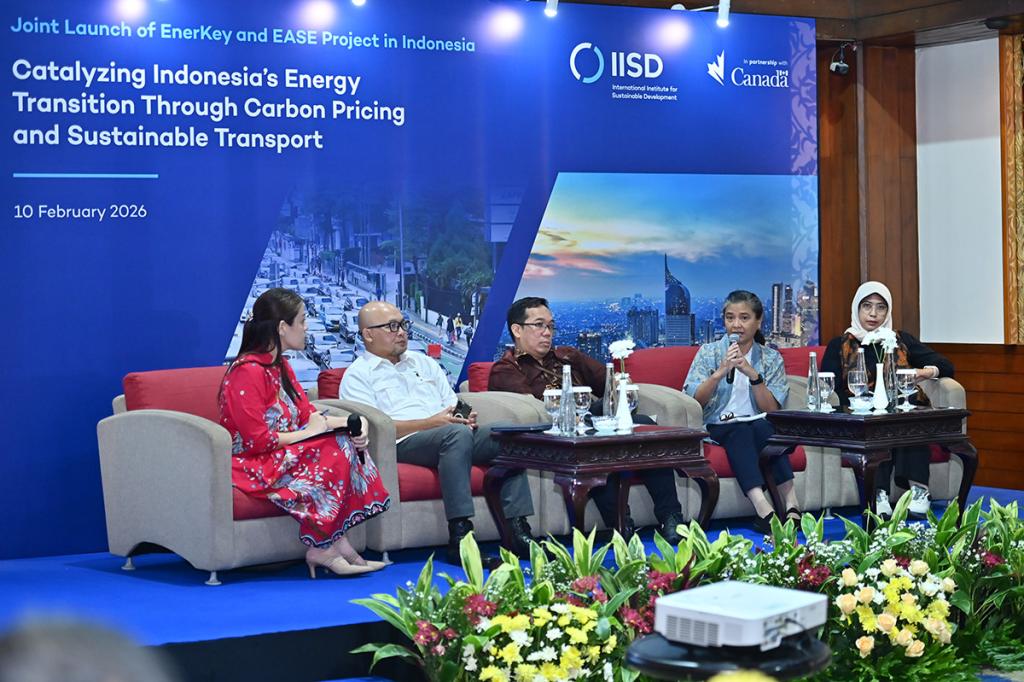
Francesse Joy Cordon-Navarro, Fajar Nuradi, Bayu Nugroho, Moekti “Kuki” Soejachmoen, Dr. Alin Halimatussadiah
Francesse Joy Cordon-Navarro, Fajar Nuradi, Bayu Nugroho, Moekti “Kuki” Soejachmoen, Dr. Alin Halimatussadiah. Photo: IISD.

Moekti “Kuki” Soejachmoen, Executive Director of Indonesia Research Institute for Decarbonization, sharpened the focus on fairness by proposing a "threshold" approach. To prevent administrative burdens, she suggested that small-scale emitters participate as offset suppliers rather than being forced into mandatory trading. This turns local communities into active beneficiaries of carbon revenue. Beyond technicalities, she reminded that the transition is deeply political, requiring a dialogue that includes Parliament, labour unions, and consumer groups to ensure costs are shared equitably. 

Looking at it from an economic perspective, Dr. Alin Halimatussadiah, Head, Green Economy and Climate Research Group, Lembaga Penyelidikan Ekonomi dan Masyarakat - Fakultas Ekonomi dan Bisnis, Universitas Indonesia (LPEM FEB UI) emphasized that a predictable carbon price pathway is essential for investor certainty. She advocated for replacing generalized energy subsidies with targeted support powered by robust digital public infrastructure. Warning against "zigzag" regulations that turn investment into a gamble, she stressed that the success of electric mobility depends on a stable roadmap to decarbonize the power grid, ensuring the shift is as scientifically sound as it is socially equitable. 

Mai Duong, policy advisor at IISD, reflected on the strategic shift toward mandatory emissions trading and the need for clear frameworks to ensure carbon offsets remain effective. Drawing on lessons from the recent IISD-Pembina Institute report on Canada’s industrial pricing systems, she cautioned that an oversupply of credits can weaken investment signals, emphasizing the need to balance decarbonization with industrial competitiveness. Regarding transport, she noted the focus has shifted from "why" to "how," with subsidy reforms and carbon revenues now essential to closing the electrification cost gap. To support these efforts, she introduced Carbon Market Insights, a new IISD publication designed to ensure policy choices are grounded in market reality and data transparency. 

The gathering demonstrated a shared recognition that a just transition is within reach, as long as ambition is matched by smart policies, targeted investments, and an understanding of the realities faced by households and industries. Initiatives like EASE and EnerKey signal a shift toward more coordinated and evidence-based approaches, linking carbon pricing, policy reform, and electric mobility with social protection and inclusion. As Southeast Asia moves forward, the focus will be on continuing to translate these plans into actions that are both economically viable and socially fair. 


Success story

Laos' Tax Incentives Reform Seeks to Drive Sustainable Investment and Safeguard Revenue

For years, Laos has offered generous tax incentives to attract foreign investment, often at a cost exceeding the economic benefits of the investments. With support from the International Institute for Sustainable Development (IISD), the country has introduced an updated Investment Promotion Law that reforms how its tax incentives are designed and administered. The law narrows the scope of tax benefits granted to companies, ensuring they are targeted, efficient, and aligned with Laos’ long-term development priorities.  

January 27, 2026

Over the past decade, Laos experienced slow but steady economic growth, driven by hydropower, mining, and infrastructure investments. But since the COVID pandemic, the picture has darkened: high public debt, inflation, and currency depreciation have strained government finances and squeezed household purchasing power.

Overly generous tax incentives, intended to attract foreign investment, have often been abused by investors, reducing government revenue and leaving fewer funds available for essential public services like education or health care.  

In 2023, responding to a request from Laos' Investment Promotion Department (IPD) and building on years of collaboration, IISD stepped in to support the government in revising the country's Investment Promotion Law. This law serves as the primary legal framework for attracting investment, including through tax incentives granted to businesses.  

Through the reform of incentive design and administration, the government seeks to promote investment that contributes to sustainable economic growth while strengthening revenue mobilization. 

A Necessary Reform for the Country’s Financial Stability 

When IISD experts began working with Laos in 2023, the country's tax-to-GDP ratio sat at just 13%, one of the lowest in the region. This ratio, which measures a country's total tax revenue as a percentage of its economic output, tells you how much of a nation's wealth the government can actually collect to fund public services.

IPD officials pinpointed those generous incentives as one of the key sources of revenue leakage.  

IISD brought critical expertise at the right moment. Their analysis helped us understand how other countries in the region are managing similar challenges, and their recommendations provided concrete options for reforming our incentive framework. This partnership has strengthened our capacity to design policy that works for Laos' specific context.

Dr. Souphaphone Saignaleuth, Deputy Director General of the Investment Promotion Department (IPD), Ministry of Planning and Investment (MPI), Laos

Laos has made important efforts to leverage tax incentives as a tool to promote investment. But implementation challenges have emerged over time. In some cases, investors benefited from long-term tax holidays, especially those undertaking sectoral and zonal-based investments like agriculture and related value chains, who enjoyed import duty incentives for the entire duration of their projects. 

While these incentives were intended to stimulate sustainable development, they reduced government revenue without consistently delivering the full range of expected economic benefits such as sustainable job creation, technology transfer, productivity improvements or economic spillovers to local businesses.

In other instances, import duty relief schemes intended to support domestic production were used in ways that did not fully realize their intended objectives, with some imported goods being re-exported to neighbouring countries without contributing to local value addition. These experiences highlight the importance of refining the design and monitoring of incentive schemes to ensure that they maximize economic development outcomes while safeguarding fiscal sustainability. 

A report by the State Audit Organization, presented to the National Assembly, highlighted weaknesses in the administration of tax incentives, including gaps in compliance, monitoring, and project documentation. In some cases, incentives were granted without sufficient accountability measures to ensure that projects delivered meaningful economic benefits or justified the need for tax support. 

These findings underscored the importance of strengthening oversight, clarifying eligibility requirements, and improving inter-agency coordination to ensure that tax incentives contribute effectively to national development goals.

The challenge for Laos, as for many developing countries, is balancing the need to attract foreign investment to tackle urgent development issues while making sure investors cannot use incentives to avoid fairly contributing to government revenue.

Dr. Souphaphone Saignaleuth, Deputy Director General of the Investment Promotion Department (IPD), Ministry of Planning and Investment (MPI), Laos

Supporting Investment Incentive Reform in Laos 

IISD has been working with the IPD since 2016, initially providing advice on revising the country's national model Bilateral Investment Treaty (BIT). In November 2023, the IPD approached IISD with a new challenge: help rationalize tax incentives in the Investment Promotion Law. 

Meeting room at the Investment Promotion Department of Laos, with people sitting and listening to a workshop
IISD tax policy experts work with the Investment Promotion Department in Vientiane

The team analyzed the 2016 Investment Promotion Law, producing a commentary that highlighted the limited effectiveness of tax incentives as an investment promotion tool. The analysis included recommendations on tightening these incentives if the government chose to continue using them, along with a regional perspective comparing Laos' approach with similar economies.  

In January 2024, we travelled to Laos and met with multiple ministries directly involved in designing and administering tax incentives. It was very helpful to hear their perspectives on what is working, what isn't, and how incentives could be better targeted. Those discussions shaped our recommendations and made sure the updated law would be aligned with the country's priorities.

Kudzai Mataba, Tax Policy Advisor, IISD

By June that year, a new draft Investment Promotion Law was presented to Parliament. The IPD again requested support to gather international and regional experience on tax incentive reform to strengthen their proposal. The law was passed in June 2024 and came into force in August 2024. 

Making Investment Policy Work for Sustainable Development 

Laos' government has made important improvements to its Investment Promotion Law to ensure that tax incentives are better targeted, more transparent, and aligned with national development priorities. The main changes include the following: 

1. Narrower, More Focused Eligibility Criteria 

The list of eligible business activities has been narrowed from broad categories like agriculture or health care to more specifically define the types of services or operations that qualify for tax incentives. 

For example, instead of simply listing "agriculture," the law now specifies activities such as “clean agriculture”, “industrial crop cultivation”, or “environmental and biodiversity conservation”. This increased precision aligns incentives with the government’s strategic priorities: encouraging investment in environmentally sustainable practices, supporting value-added production, and ensuring investors’ compliance with social and environmental standards. At the same time, it reduces opportunities for the misuse of incentives.   

2. Defined Time Periods for Incentives

The duration of tax incentives has now been capped at an initial period of 10 years, replacing the previous system where incentive periods were undefined. This reform aims to avoid long-term, unrevised revenue loss. Renewals for investors who reinvest profits will now be subject to sectoral compliance checks, in contrast to the previous law where renewals were granted automatically. 

3. A Strengthened Investment Screening Process 

New language has been added to enhance due diligence and screening of investment projects before granting tax incentives. Investors are now required to meet specific obligations and obtain approvals before moving forward with investment concession agreements. This screening process helps ensure that only compliant and strategically aligned projects benefit from fiscal support. 

4. Increased Monitoring and Accountability 

To improve transparency, investors must now submit financial reports to the Investment Promotion Division during and after receiving tax incentives. This allows the government to track whether incentives are delivering their intended benefits, assess their value, and identify any misuse. It also supports evidence-based policy-making for future incentive reforms. 

5. Removal of Automatic International Arbitration 

Provisions that previously allowed investors to automatically take disputes related to investment incentives to international arbitration have been removed. This change reduces legal and financial risks for the government while still allowing negotiated pathways for arbitration where appropriate. It also strengthens national legal systems by requiring disputes to be addressed through domestic legal and administrative processes before any escalation to international arbitration, thereby ensuring greater government oversight and control over how such disputes are managed and escalated. 

6. Adjustment of Investment Requirements 

Previously, low and uniform minimum investment thresholds allowed large-scale projects including agricultural and land-intensive investments to qualify for tax incentives without sufficient differentiation or risk-based safeguards. The reform introduces adjusted investment requirements that take into account the size, scale and nature of projects, including their potential environmental and social impacts. This approach ensures that incentives are more proportionate and better targeted, while applying stronger safeguards where fiscal exposure and sustainability risks are highest. 

A Sustainable Path Forward

These reforms strengthen fiscal policy while promoting responsible investment that delivers tangible benefits for the country.

Moving forward, IISD remains committed to supporting the country in implementing these reforms, ensuring that investment policies contribute to long-term economic stability and shared prosperity. As Laos continues its journey toward fiscal sustainability, this policy change stands as a testament to the power of evidence-based decision making and international collaboration.  

Success story details

Workshop

WTO Agreement on Fisheries Subsidies and Support of its Implementation

This regional workshop brought together policy-makers, experts, and stakeholders to discuss the implementation of the World Trade Organization (WTO) Agreement on Fisheries Subsidies. With a focus on sustainable and equitable fisheries management in South and Southeast Asia, the event explored national approaches, regional cooperation, and effective strategies for aligning subsidies with environmental and social goals.

May 15, 2025 9:00 am - May 16, 2025 1:00 pm India Standard Time (IST)

(By invitation)

About the Event

The Regional Workshop on the WTO Agreement on Fisheries Subsidies and Support of its Implementation brought together government officials, experts, and stakeholders to explore practical approaches for aligning fisheries subsidies with sustainability goals.

This event focused on regional priorities from member states of the Bay of Bengal Programme and other South and Southeast Asian countries. It provided a platform for dialogue around the implementation of the WTO's Agreement on Fisheries Subsidies, with an emphasis on fostering equitable and environmentally responsible fishing practices across the region.

Participants

  • gained insights into the WTO Agreement on Fisheries Subsidies and its implications for national policies,
  • explored the practicalities of implementation in the region and discussed how effective subsidy reforms can support marine conservation and small-scale fisheries,
  • engaged in peer learning through regional cooperation and knowledge exchange,
  • contributed to policy discussions that support sustainable development and food security, and
  • learned about available support tools and mechanisms to assist with implementation efforts.

Agenda Highlights

  • Overview of the WTO Agreement on Fisheries Subsidies
  • Discussions on the practical implications of the new rules in South and Southeast Asia
  • Interactive sessions on national implementation pathways
  • Presentations on existing tools and mechanisms to support implementation

This event was organized by the International Institute for Sustainable Development (IISD), in collaboration with Rise Up and the Bay of Bengal Programme (BOBP).

Workshop details

Conference

Championing ASEAN RAI: Parliamentary leadership and partnerships for sustainable investment in food, agriculture, and forestry

December 12, 2024 9:00 am GMT+8

(By invitation)

To address the need for more responsible and sustainable investment in food, agriculture, and forestry in Southeast Asia, the Association for Southeast Asian Nations (ASEAN) ministers adopted the ASEAN Guidelines on Promoting Responsible Investment in Food, Agriculture and Forestry (ASEAN RAI) in 2018. 

IISD has been working with the ASEAN Inter-Parliamentary Assembly (AIPA) and the Food and Agriculture Organization of the United Nations (FAO) to raise awareness of the ASEAN RAI among ASEAN’s parliamentarians and equip them with the knowledge they need to promote and lead in the application of the guidelines in their countries. 

This collaboration involved workshops held in April and July 2024, which informed the development of an ASEAN RAI Parliamentary Implementation Framework and set out specific activities that AIPA member parliaments can undertake to support the application of the guidelines.
 
In October 2024, the 45th AIPA General Assembly adopted a resolution, co-sponsored by Lao People’s Democratic Republic, Malaysia, Indonesia, and Vietnam, formally endorsing the Implementation Framework. This action underscored the crucial role of parliamentary leadership in promoting the ASEAN RAI. The AIPA General Assembly then called on AIPA member parliaments to champion responsible investment and sustainable practices. 

About the Event

Building on this momentum, this event brings AIPA member parliaments, other stakeholders, and potential partners together to explore and promote collaboration on implementing the ASEAN RAI Parliamentary Implementation Framework.

The primary objectives of this event are to (i) lay the groundwork for the application of the ASEAN RAI Parliamentary Implementation Framework by identifying AIPA member parliaments keen to champion specific activities under the framework and (ii) deepen engagement with interested partners on opportunities to support the implementation of these activities.