Indonesia’s Energy Support Measures
Overall Trends and Key Messages
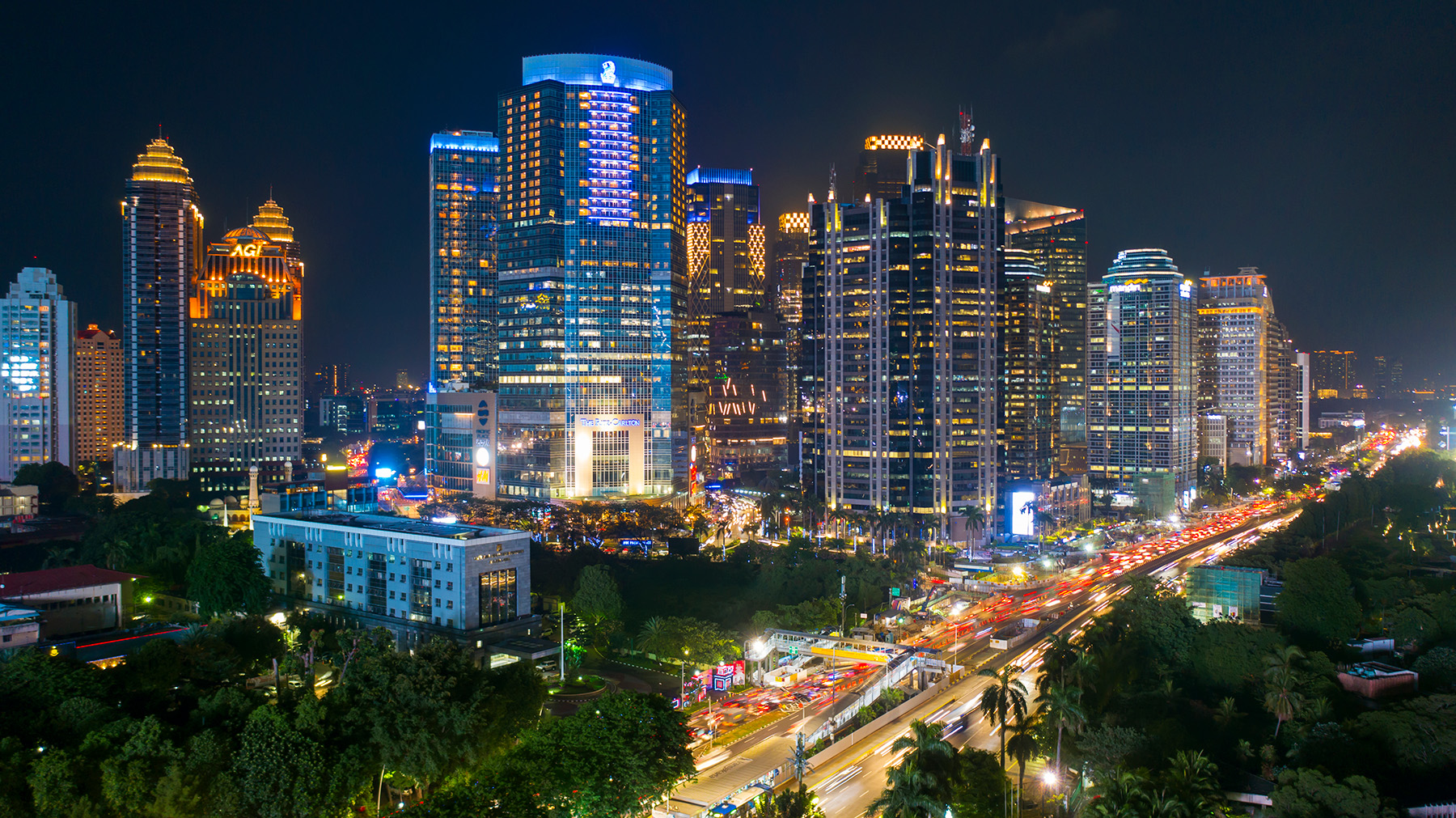
Energy subsidies in Indonesia have risen sharply over the past 8 years, peaking at IDR 886.1 trillion (USD 59.7 billion) in FY 2022 before moderating to IDR 713.5 trillion (USD 45 billion) in 2024. The increase during 2021–2023 was driven by post-COVID economic recovery measures and a surge in global energy prices. To cushion households and businesses from inflationary pressure, the government expanded fuel, electricity and liquefied petroleum gas (LPG) subsidies.
Oil and gas subsidies and electricity subsidies accounted for 52% and 39% of total support in 2022, respectively. Although subsidies declined somewhat after 2022, they remained high in 2023 due to continued global price volatility and the persistence of domestic price controls, keeping support levels well above pre-pandemic norms. Some new measures, such as electric vehicle (EV) subsidies, have been introduced, but they remain negligible (1.5% of the total in 2024) in comparison to support for fossil fuels (88.9% in 2024, which covers oil & gas, coal, and 86% of the electricity subsidies).
Three major support measures have breached the IDR 100 trillion (USD 6.3 billion) mark annually: compensation for below-market-priced electricity, subsidy for 3-kg LPG, and the fuel compensation payments. The electricity compensation reimburses the state utility, PLN, for selling power below cost to non-subsidized customers. It rose from around IDR 24.6 trillion (USD 1.8 billion) in 2021 to over IDR 100 trillion (USD 6.3 billion) in 2024, reflecting increased demand and higher generation costs. The 3-kg LPG subsidy aims to ensure affordable cooking. It surged from IDR 67.6 trillion (USD 4.7 billion)in 2021 to IDR 100.4 trillion (USD 6.7 billion) in 2022 and remains at IDR 80.2 trillion (USD 5.1 billion) in 2024. The government also makes large fuel compensation payments. Unlike fuel subsidies (budgeted upfront for officially subsidized fuels like Solar [diesel]), compensation payments reimburse Pertamina after the fact for losses from the capped prices of fuels, such as Pertalite. These payments exceeded IDR 100 trillion, with a peak in 2022 at IDR 275.3 trillion (USD 18.5 billion). Together, these three measures dominate Indonesia’s energy spending and impose a major fiscal burden.
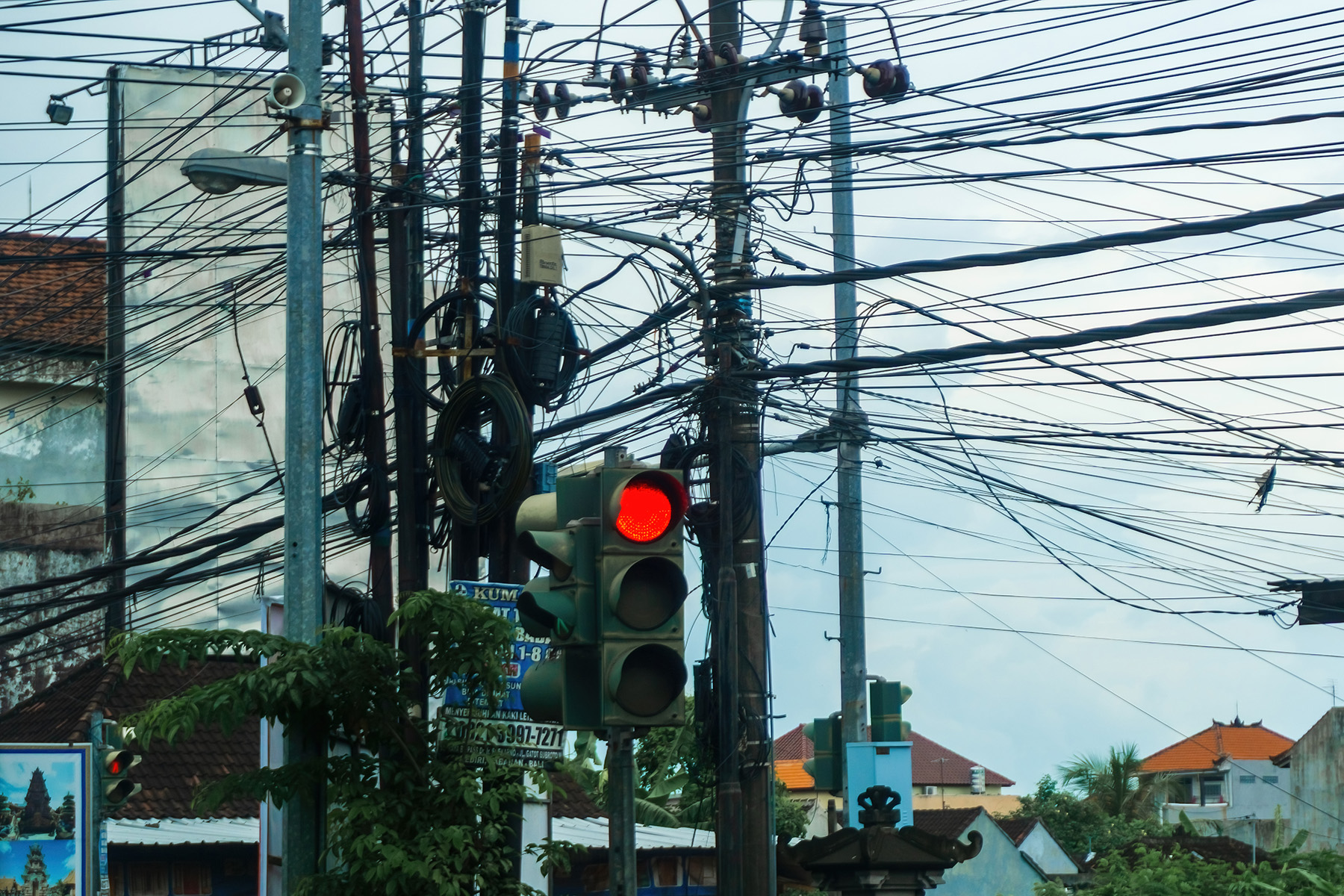
Energy subsidies are often well intentioned, but once in place, they can be hard to remove due to political opposition to price increases. In Indonesia, this challenge reflects a broader policy dilemma: balancing affordability for households, fiscal resilience, and decarbonizing the energy system. Indonesia’s large electricity and LPG subsidies aim to improve energy access by ensuring affordability for disadvantaged groups. A large share of benefits accrues to higher-income households with higher energy consumption, creating a heavy fiscal burden to keep prices artificially low, diverting public spending away from productive investment and long-term economic growth. This limits the fiscal space available for health care, education, and infrastructure development, while locking in polluting energy sources such as fossil fuels. Persistently low fossil energy prices also encourage overconsumption and weaken incentives for energy efficiency and productivity improvements. Attempts to raise fuel prices in 2013 and 2014 triggered widespread protests, while the 2022 global price spike revived the fear of social backlash.
Indonesia needs a phased reform plan. Since 2009, as a G20 member, it has committed to phasing out and rationalizing inefficient fossil fuel subsidies. To honour this pledge, Indonesia can set milestones for improving subsidy targeting, reducing fossil fuels support, and redirecting resources toward the government’s priorities, including clean energy and social protection, drawing on international best practices.
Key Recommendations
Develop a national plan to phase out fossil fuel subsidies, including evaluation of major subsidies and support measures, a strengthened institutional framework, and alignment with Indonesia’s long-term fiscal, energy and climate goals, drawing on international guidance.
Gradually rebalance public spending away from fossil fuel subsidies, prioritizing support for renewable energy and targeted social protection.
Improve targeting across all energy types, ensuring support reaches low-income households while reducing leakage to higher-income groups, supported by the development of a national database that integrates relevant beneficiary energy subsidy and social data.
Enhance transparency and monitoring of subsidy spending, including clearer reporting on compensation mechanisms and fiscal impact.
Implement carbon pricing (Nilai Ekonomi Karbon) consistently: create a strong and predictable signal by closing loopholes and applying uniformly across sectors.
- Develop a strong public communication strategy to inform the public about the need for reform and the costs of inaction.
Scope and Definitions
This story updates data originally published in Indonesia’s Energy Support Measures, covering 2016–2020. IISD’s definition of subsidy is based on the World Trade Organization (WTO) Agreement on Subsidies and Countervailing Measures (ASCM), agreed by all 166 WTO members. It includes four types of government support:
- direct and indirect transfers of funds and liabilities.
- government revenue foregone.
- provision of goods or services below market value.
- income or price support through regulation.
The data cover oil and gas, coal, electricity, renewables, biofuels, and electric vehicles. Most data were drawn from publicly available data and official documents, including the State Budget, the Central Government Financial Report (Laporan Keuangan Pemerintah Pusat), the Tax Expenditure Report (Laporan Belanja Perpajakan), Statistics Indonesia (Badan Pusat Statistik), and the annual reports of relevant state-owned enterprises. For measures without directly reported values, price-gap estimates were conducted using available official data. All values in this digital story are presented in nominal terms, consistent with government reporting. Real-value trends are shown where explicitly stated. The full dataset and all references are provided in the accompanying methodological Annex.
Oil, Gas, and Coal Subsidies
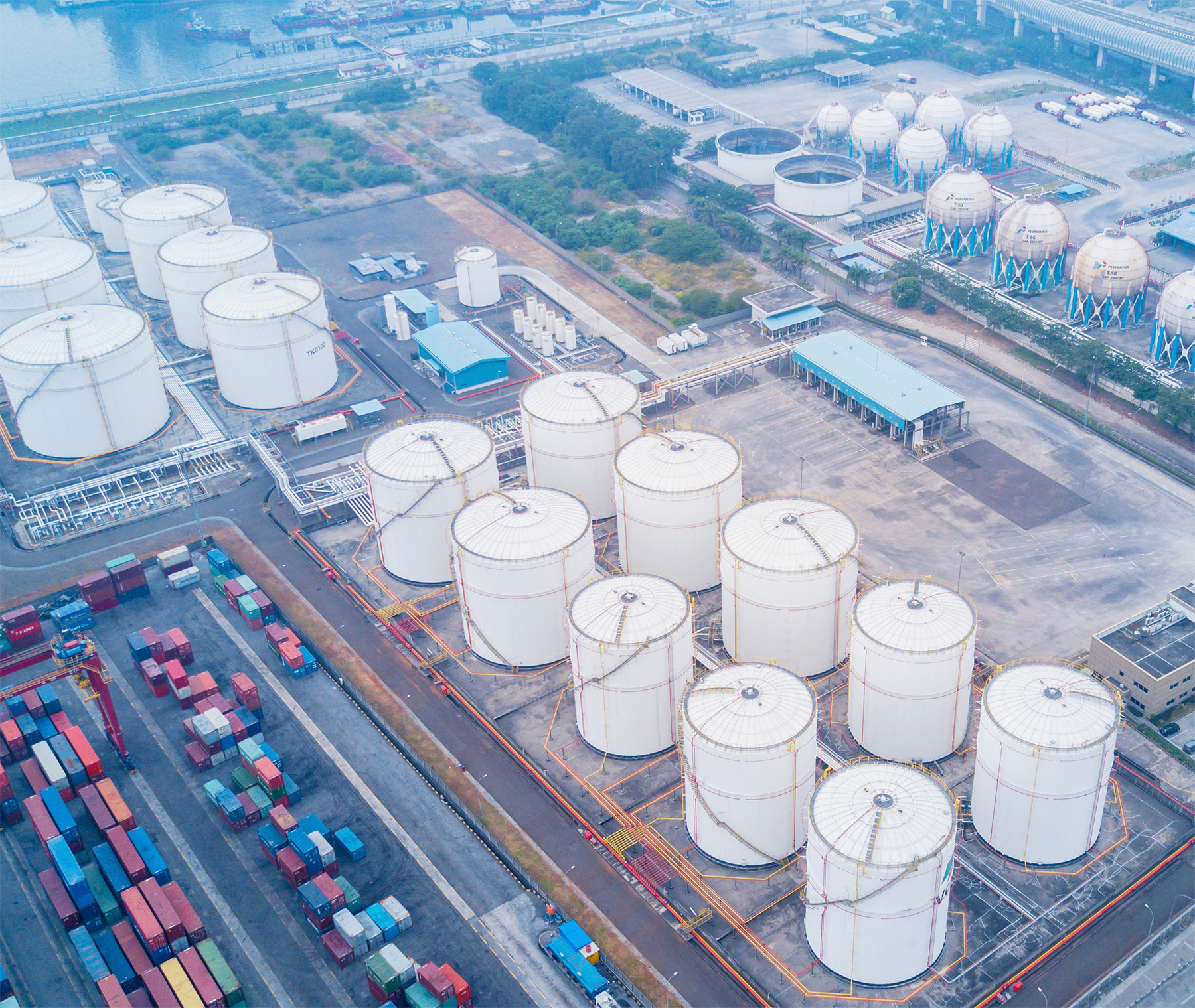
Fossil fuel subsidies continue to dominate Indonesia’s support for energy, maintaining price stability but weighing heavily on public finances.
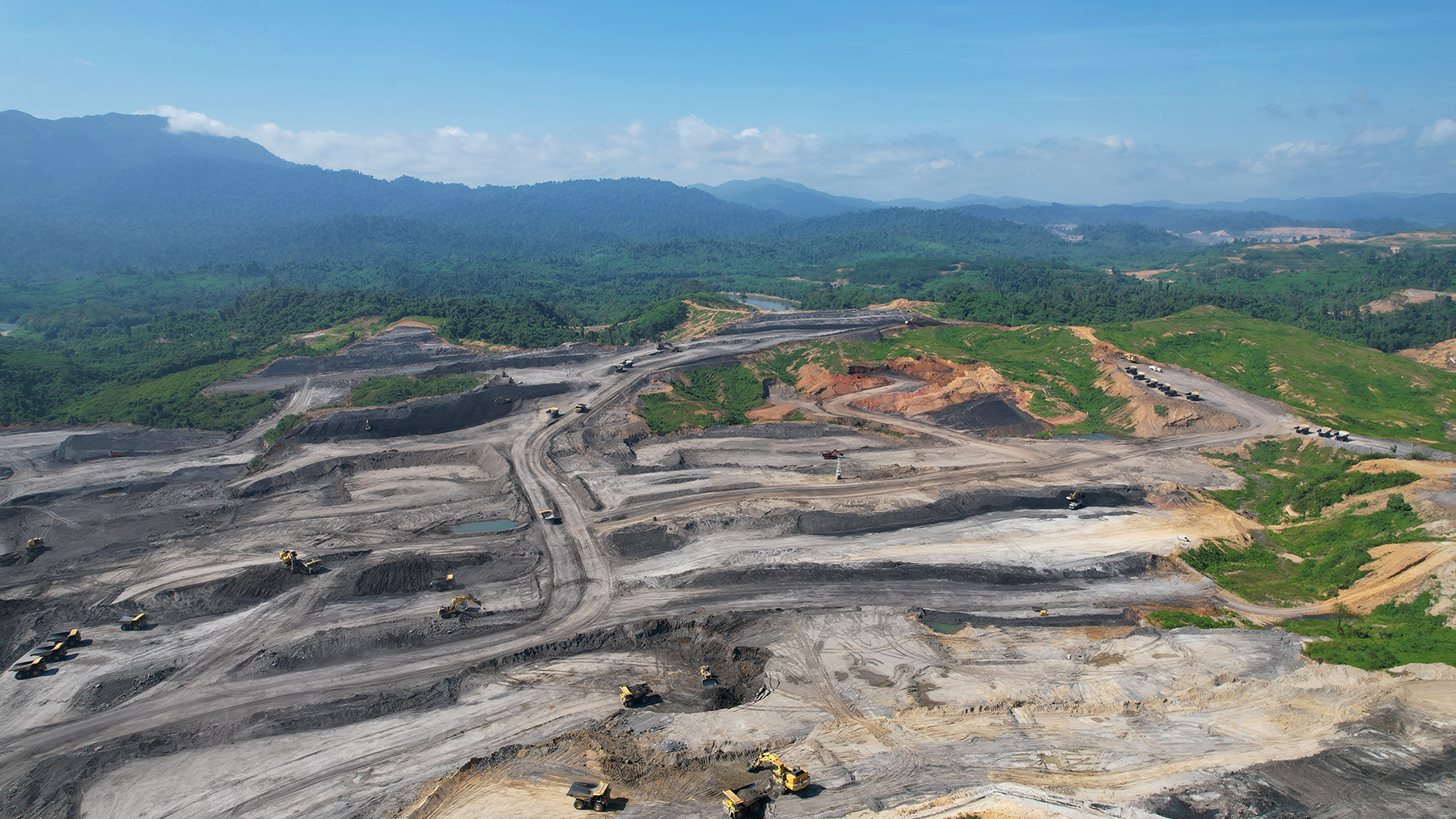
Oil, gas, and coal subsidies accounted for 59% of all subsidies in 2024. They directly lower the price paid to produce or consume fossil fuels in Indonesia, encouraging greater production and consumption. By artificially reducing prices, these tilt the playing field against renewable energy, influencing competitiveness. This creates barriers to clean energy, and the overall energy mix remains skewed toward fossil fuels.
Our analysis shows that fuel subsidy and compensation payments to PT Pertamina account for 80% of quantified oil and gas subsidies. This mechanism compensates Pertamina for losses incurred when supplying fuels at regulated below-market prices. In 2024, this included IDR 80.2 trillion (USD 5.1 billion) for the subsidy of 3-kg LPG, IDR 17.1 trillion (USD 1.1 billion) for the transport fuel subsidy, IDR 4.5 trillion (USD 0.3 billion) for kerosene, and IDR 116.1 trillion (USD 7.3 billion) in compensation payment for PT Pertamina and PT AKR. Support reflects the gap between international fossil fuel prices and national pricing. It keeps domestic fuel prices low but exposes the government to global price volatility.
Coal subsidies, though smaller than other fossil fuel support measures, are significant because coal remains the backbone of Indonesia’s power system. In 2023, coal supplied 69% of Indonesia’s electricity generation—among the highest shares among major economies. Quantifiable subsidies reflect foregone government revenue from fiscal incentives to coal production and trade, including preferential export tax rates, value-added tax (VAT) exemptions, and import duty exemptions, rather than coal consumption in the power sector or domestic market obligations (DMOs). For further information on the DMO, see the electricity subsidies section.
Across FY 16–24, 27 coal support measures were identified, though only two could be quantified for FY 21–25. Most are tax incentives lowering producers’ costs, giving domestically consumed coal a structural advantage. Because these measures operate indirectly—i.e., not through budget transfers—their value is difficult to quantify but is nonetheless significant. Note that the apparent spike in 2024 reflects better data availability, not new support measures, so support in earlier years is likely underestimated.
These mechanisms keep coal generation artificially competitive and slow the shift toward a lower-carbon power mix. Reducing subsidies is essential to enabling renewable energy to compete and advance Indonesia’s transition away from carbon-intensive power.
Reforming fossil fuel subsidies is challenging, requiring careful planning and political support. Past attempts at reform in Indonesia and elsewhere have led to social unrest, as energy significantly contributes to the overall cost of living. Established methodologies and plans can help make reform possible. The first step is transparency—raising awareness of true policy costs. Blanket subsidies favour wealthier households far more than poorer ones, highlighting the need for targeting and fuel switching to unsubsidized alternatives.
Public acceptance requires open debate and clearly articulated reasons for reform—a significant communications challenge. Maintaining fuel pricing systems that expose the government to fossil fuel market prices creates a fiscal risk and mounting costs.
Recommendations
Government should reevaluate current fossil fuel subsidy programs, particularly the most expensive, notably compensation paid to Pertamina. Assess whether current subsidies are achieving their intended social and economic outcomes, such as supporting vulnerable groups or stabilizing energy prices, and at what cost.
Government should create an action plan to address inefficient subsidies, define policy changes, and secure political backing. Include key ministries and agencies, including finance, energy, social welfare, environment, the Ministry of National Development Planning (Bappenas), BPH Migas, and Danantara—for diverse perspectives. Engage local governments, state-owned enterprises, technical and data support institutions, as well as broader stakeholder consultation, with industry, civil society, and affected communities.
Focus on 3-kg LPG Subsidy Reform
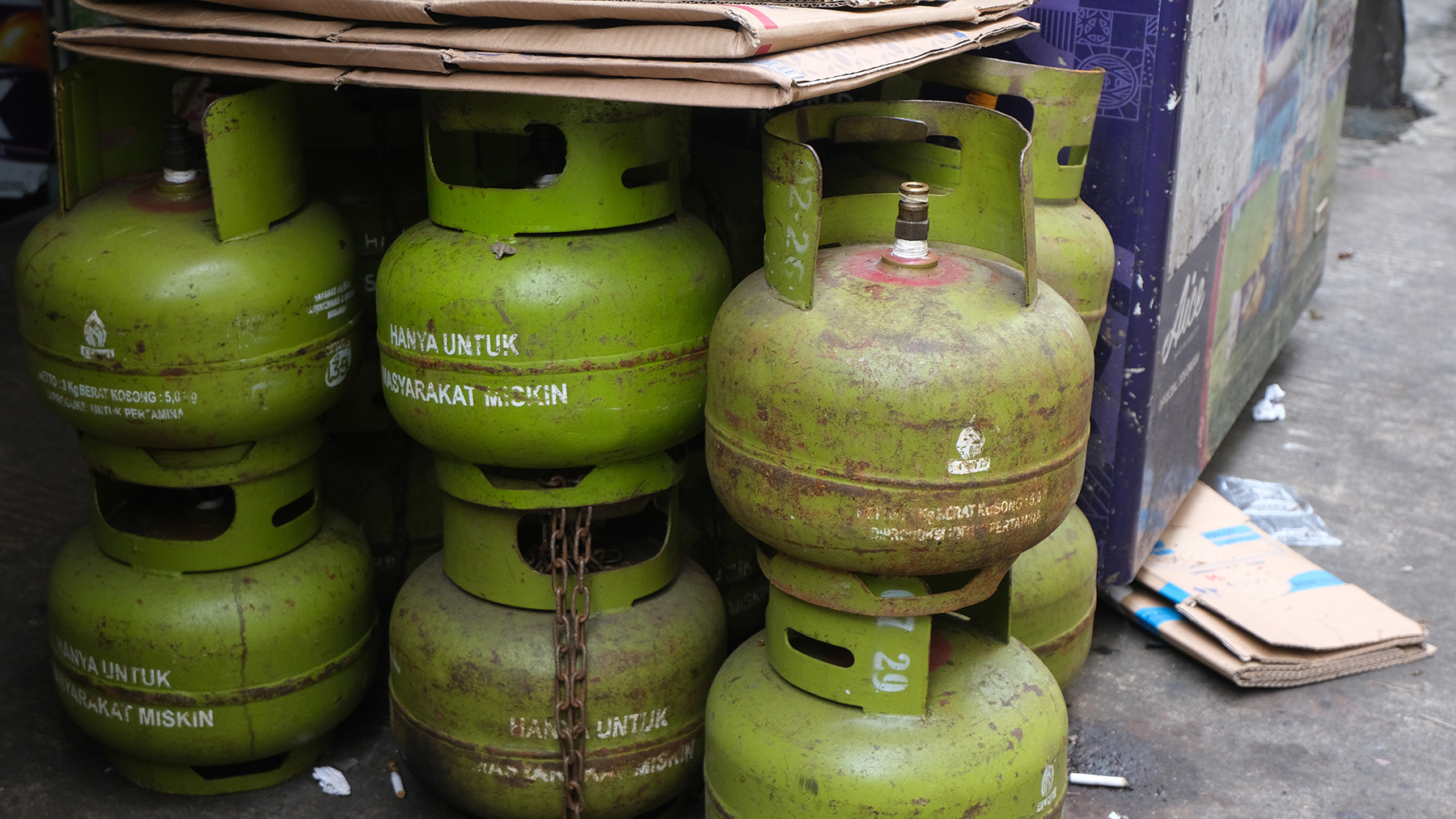
The 3-kg LPG subsidy illustrates the collision between social policy and fiscal logic—intended to support low-income households but creating rising fiscal costs and leakage to wealthier groups. Introduced in 2007 to shift households from kerosene to cleaner cooking fuels, it cost IDR 80.2 trillion (USD 5.1 billion) in 2024, peaking at just over IDR 100 trillion (USD 6.7 billion) in 2022. The 2020 decline reflects reduced economic activity during the COVID-19 pandemic, while the surge since 2021–2022 stems from LPG demand, fixed retail prices, and rising international LPG prices, consistent with trends reported in official sources.
Intended for low-income families, the scheme suffers from poor targeting and leakage. Despite labelling on LPG cylinders stating “only for the poor” (“Hanya untuk masyarakat miskin”), subsidized LPG is sold freely. IISD data shows that subsidized LPG is widespread: more than 68% of households in every income group consume it, and the richest 10% use almost as much as the poorest 10%. This means a large share of the subsidy goes to wealthier households, while limited supply and weak subsidy targeting leave millions without access, including 2.7 million female-headed households, 760,000 people with disabilities, and 4.06 million senior citizens, many of whom rely on firewood.
LPG subsidies are costly, adding fiscal strain and crowding out other social spending. Indonesia imports three-quarters of its LPG, costing around IDR 74 trillion (USD 4.7 billion) annually, making the subsidy regressive and import-dependent. It also blocks programs promoting non-fossil cooking technologies, like induction. IISD research shows that induction stoves are 17% cheaper to run than unsubsidized LPG, targeting the poorest 40%–60% to transition to induction stoves could save IDR 7 trillion–12 trillion (USD 0.4 billion–0.8 billion) annually.
Recommendations
Equitable reform of LPG subsidies. Phase out universal access and replace it with usage-linked support for LPG purchase (vouchers, digital tokens, or verified payments) for the poorest 40%. Enforce targeting through integration with Integrated Social Welfare Data. Redirect savings to clean-cooking transitions, grid upgrades, and support for induction cooking.
Ensure affordable electricity connection upgrades for induction cooking. Revise voltage-upgrade regulations, while introducing block tariffs to ensure that higher-voltage connections do not automatically shift consumers onto higher tariffs. Expand rural/off-grid connections and strengthen last-mile electrification. Develop off-grid and mini-grid renewable energy solutions, particularly in remote areas, to ensure equitable access to clean cooking.
Integrate gender and social inclusion into subsidy design, training, and monitoring. Run public campaigns to promote the safety, savings, and health benefits of induction cooking.
Box 1. Fossil fuel subsidies: Undermining carbon pricing mechanisms
Fossil fuel subsidies substantially counteract the impacts of Indonesia’s carbon pricing scheme.
Fossil fuel subsidies act as negative carbon pricing. Carbon pricing places a cost on carbon emissions, encouraging a shift in investment, production, and consumption away from high-carbon activities toward low-carbon ones. Fossil fuel subsidies have the opposite effect. By reducing fossil fuel costs, they act as a negative carbon price. As the figure below illustrates, explicit carbon pricing instruments can be offset by implicit carbon prices created by fossil fuel subsidies, weakening the signal. This contradicts the government’s long-term development strategy, which outlines staged energy transition pathways aimed at gradually reducing fossil energy dependence and scaling up clean energy.
In 2023, fossil fuel subsidies in Indonesia more than fully counteracted the impact of the national carbon pricing scheme, creating a net negative carbon price of USD 7.8 per tonne of carbon. Indonesia’s carbon pricing scheme, recently strengthened, includes an emissions trading scheme, the Nilai Ekonomi Karbon, covering coal-fired power plants. An oversupply of emission allowances resulted in a low carbon price, currently IDR 47,681 (or USD 3) per allowance. The carbon pricing scheme also includes a carbon tax, initially scheduled for April 2022 but postponed due to concerns about harming industry. Recent regulations confirm that entities exceeding permitted emissions will need to pay the tax. The figure below shows that the net effective carbon price faced by coal-fired power plants reflects the combined effect of explicit carbon pricing and implicit fossil fuel subsidies. The scheme’s impact is far outweighed by the impact of fossil fuel subsidies on the price of coal. The OECD estimates that in 2023, fossil fuel subsidies turned a price of IDR 165 (USD 0.01) per tonne of CO2-equivalent (CO2e) into a net negative price of IDR 118,000 (USD 7.8).
Electricity Subsidies
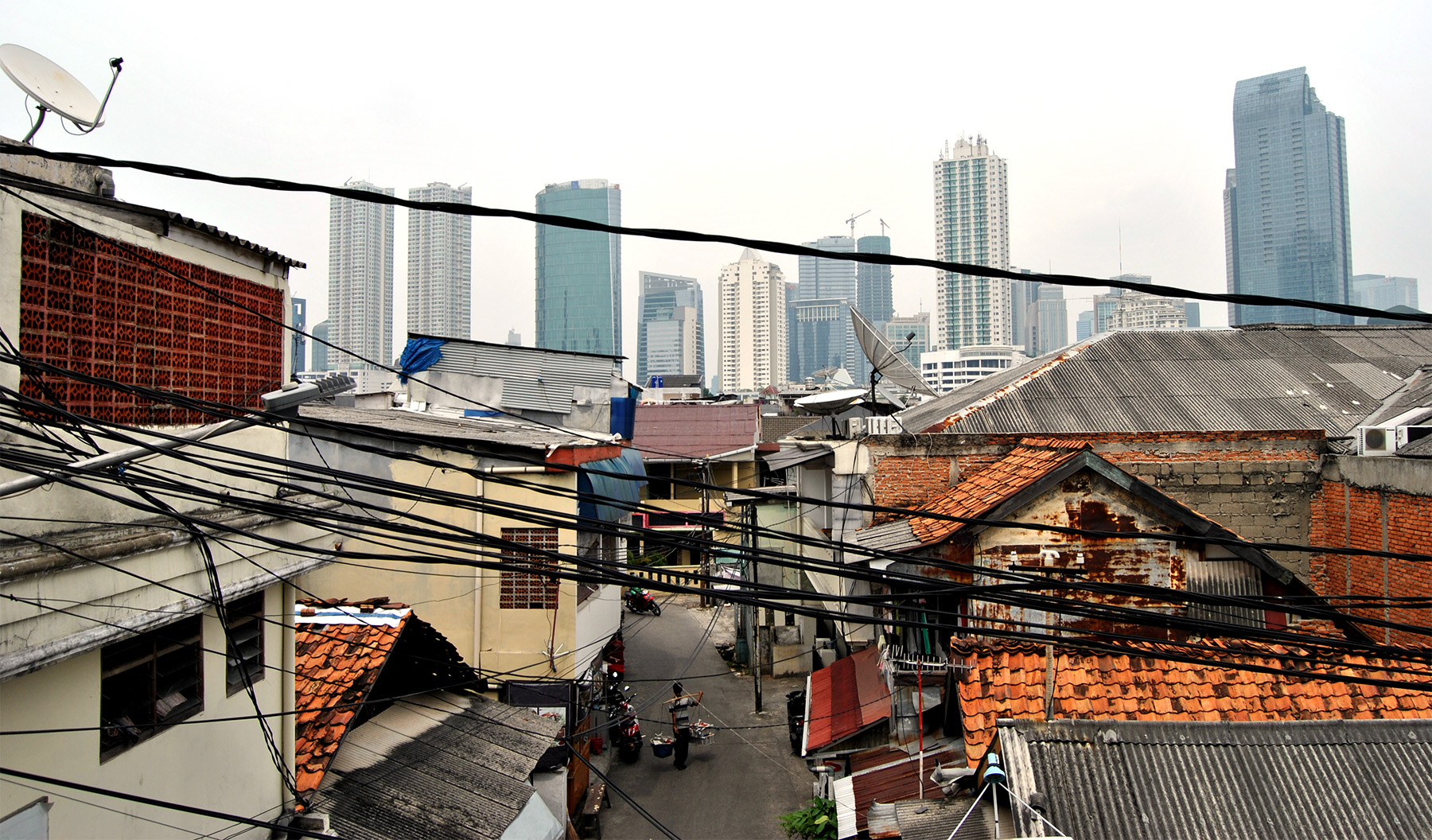
Prolonged tariff freezes and compensation payments have maintained tariff stability for consumers but created mounting fiscal and financial pressures.
Subsidies to electricity consumers have grown, as tariffs have remained frozen for most consumers since 2017. Government support mainly compensates state utility PLN for charging below-market prices. Tariff freezes benefit households who are formally considered subsidized, mostly those on 450 VA and 900 VA connections, whose tariffs are set deliberately below cost. Compensation covers households above 1,300 VA and small businesses; these users are supposed to be non-subsidized. Their tariffs have been kept unchanged in both cases; the state reimburses PLN for the resulting revenue shortfall as a compensation payment. Compensation payments ballooned after 2020, when the government began freezing all tariffs to cushion households during the COVID-19 pandemic. By 2024, IDR 75.8 trillion (USD 4.8 billion) and compensation for so-called “non-subsidized” households totalled IDR 100.2 trillion (USD 6.3 billion).
The combined cost of both subsidy mechanisms in 2024 was over IDR 176 trillion (USD 11.1 billion). On a per capita basis, government support amounted to more than IDR 625,000 (USD 40) per person per year. The cost of providing electricity to consumers is becoming increasingly detached from the prices paid by end users, reducing incentives for efficient electricity use and creating economic distortions. As electricity demand continues to rise, the fiscal burden will increase even if per-unit subsidies remain unchanged.
Beyond these consumer-side subsidies, the electricity sector also received indirect support in the form of the DMO for coal. The DMO requires coal producers to sell part (25%) of their production to PLN (or an independent power producer) at a fixed price of USD 70 per tonne. This rule keeps coal-fired power plants cheap on paper by shifting real costs to producers and, indirectly, the state. In FY 22, the value of this implicit support exceeded IDR 200 trillion (USD 13.5 billion), making it one of the most expensive energy interventions. As of FY 24, it has settled to IDR 58.5 trillion (USD 3.7 billion), due to variations in the market price for coal. What initially began as a price-stabilization measure has developed into a structural barrier to the energy transition: keeping coal affordable, renewables uncompetitive, and the true cost of electricity hidden from consumers.
Recommendations
The government should reestablish a balance between costs and tariffs, while building in social protection. Rapid subsidy increases have broken the link between costs and consumer prices. Reforms should introduce gradual, transparent tariff adjustments for non-subsidized users, paired with targeted support for low-income households, to restore the financial viability of the electricity sector while keeping electricity affordable.
The government should better target and redirect subsidies. Use integrated welfare and PLN customer data to ensure subsidies reach only those who truly need them, and channel the fiscal savings into grid upgrades and renewable investments.
Transport Fuel Subsidies: Focus on electrification
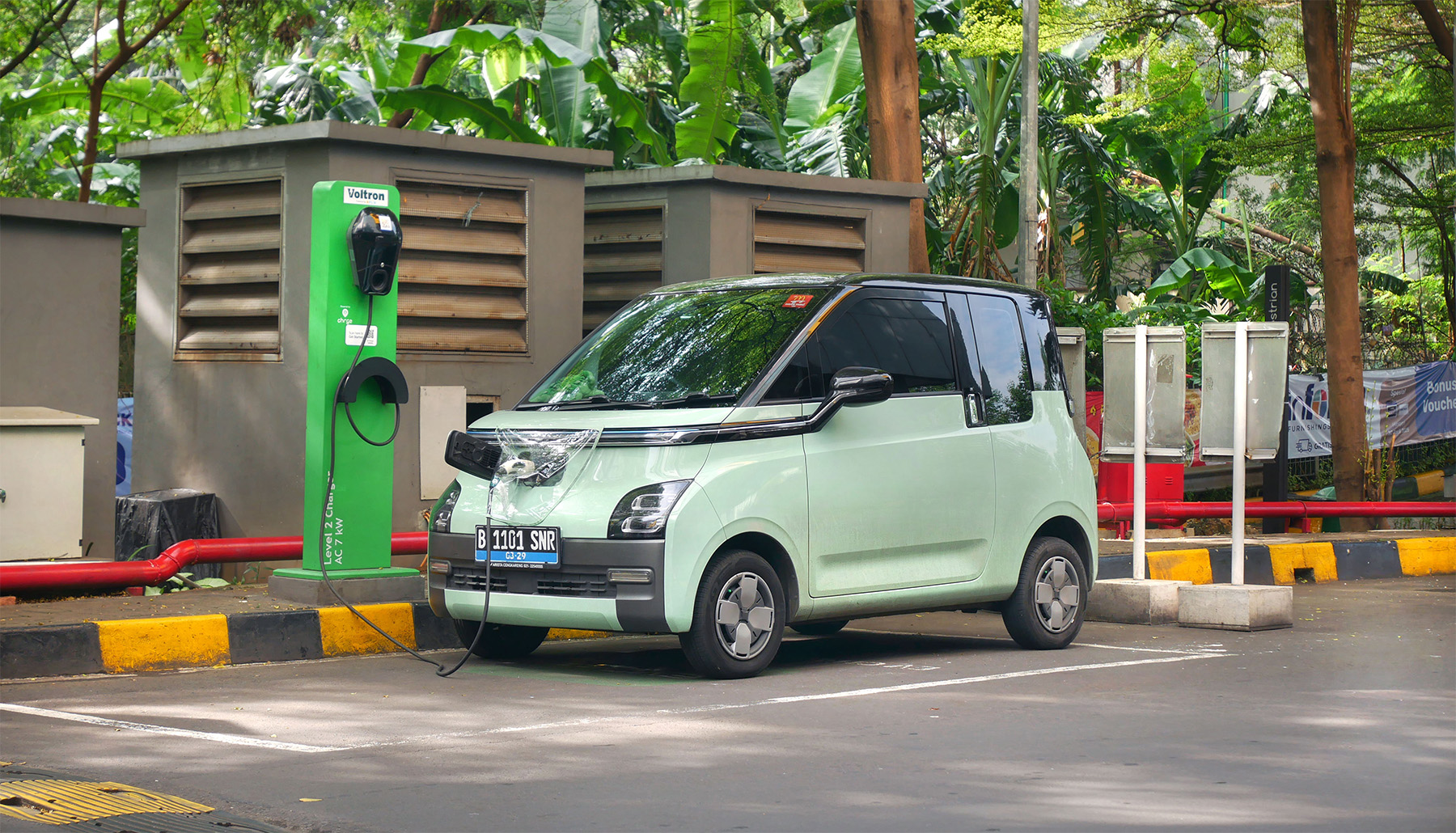
A sharp rise in EV incentives since 2020 boosted four-wheeler sales but suggests gaps in support for local manufacturing and two-wheelers.
Indonesia’s EV subsidies rose from less than IDR 1 trillion (USD 0.07 billion) to over IDR 22 trillion (USD 1.4 billion) in 2024. This surge reflects a series of new incentives—including a 0% luxury tax, VAT exemptions and import duty relief—all introduced in 2023. Altogether, these mark a policy shift, signalling serious intent to decarbonize transport, responsible for roughly 70%–80% of urban CO2 emissions. Four-wheeler EV sales increased from 125 units in 2020 to more than 43,000 by 2024. The government’s stated goal is a bold 2 million electric cars and 12 million electric two-wheelers by 2030. The vision extends beyond sales: Indonesia aims to become a regional EV and battery hub, leveraging its vast nickel reserves and industrial capacity to anchor the supply chain.
The first phase of incentives drove four-wheeler adoption. The 0% import duty policy for firms setting up domestic manufacturing capacity attracted newcomers like BYD, Vinfast, Geely, and GWM Ora, which together pledged IDR 15 trillion in new investments and plant capacity of 305,000 units. The VAT discount (from 11% to 1%) for locally assembled EVs meeting a 40% local content threshold boosted investment by Hyundai and Wuling.
The import-driven boom temporarily disadvantaged existing domestic EV producers, but the market is now entering a period of consolidation. Attracted to set up new manufacturing capacity, BYD quickly captured about half of EV sales in mid-2024. For Hyundai, which was already producing vehicles domestically, sales fell from 600 units per month (2023) to 180 (2024). This reflected differences in the scale of support provided by the import duty and the VAT discount. IISD estimates the government effectively forfeited USD 2.6 in tax revenue per USD 10 of BYD Atto 3 sales, versus USD 1 for Hyundai Ioniq 5. The honeymoon period for importers is ending, though, since import incentives ended on December 31, 2025. From January 2026, automakers must meet a 1:1 import-to-production ratio: i.e., one locally built EV for every imported unit of equal or higher technical specification. This is aligned with the local content roadmap, which raises domestic-content thresholds from 40% (through 2026) to 60% (2027–2029) and 80% by 2030. Non-compliance will trigger bank-guarantee penalties starting in 2028. This will mark a decisive pivot from market stimulation to industrial consolidation, anchoring fiscal support in local manufacturing, battery production, and job creation.
Incentives for two-wheelers lag behind expectations. The government launched a subsidy of IDR 7 million (USD 442) per unit for 250,000 electric motorcycles, with a total budget of IDR 1.75 trillion (USD 0.11 billion). Sales remain far below the government’s target of 200,000 units per year. Alva, a domestic e-motorbike producer, said subsidies temporarily boosted sales, but uncertainty over continuation beyond 2025 could slow adoption. Charging stations remain concentrated in major cities, and incentives continue to favour importers over local producers, at least up to the end of 2025.
Subsidies for transport fuels and biofuels far exceed EV support, undermining the transition of transportation. Support for conventional transport fuels was equal to IDR 17.1 trillion (USD 1.1 billion) in 2024, while support for biofuels amounted to IDR 25.8 trillion (USD 1.6 billion). This is 160% and 240% larger than for EVs, incentivizing the continued use of internal combustion engine vehicles. Moreover, the sustainability of biofuels is disputed, with the International Council on Clean Transportation finding that biodiesel and biodiesel blends in Indonesia have a significantly higher amount of CO2 emissions per unit of energy produced than EVs. These mixed signals slow electrification progress.
Recommendations
The government should maintain adequate support for transport electrification. Recent incentives have demonstrated that government support policies can accelerate the adoption of 4-wheelers. But a new generation of measures is needed to support the consolidation of domestic manufacturing and drive adoption across vehicle segments and public transport, reflecting the needs of a broader range of transport users. A clear, consistent roadmap can maintain investor confidence.
The government should address infrastructure barriers to EV adoption, building on recent progress by expanding charging infrastructure across Java-Bali and beyond.
Download Annex
You might also be interested in
Indonesia spent IDR 713.5 trillion on energy subsidies in 2024
Indonesia needs a gradual, transparent reallocation of government spending from fossil fuels to clean energy.
Indonesia’s Shift to Induction Cooking Could Ease LPG Subsidy Costs While Improving Health
New research finds Indonesia could save up to IDR 12 trillion a year, cut reliance on imported fuel, improve public health, and unlock long-term savings by accelerating a shift from subsidized LPG to electric induction cooking.
How Indonesia's Incoming President Can Advance the Transition to Clean Energy
With Prabowo Subianto inaugurated as Indonesia’s President, speculation abounds about the new administration’s commitment to the clean energy transition and climate targets, given Prabowo’s positioning as the “continuity candidate.” The question is, what, exactly, will be continued?
The Strait of Hormuz Crisis Emphasizes Why Canada Should Move Away From Oil and Gas—Not Expand It
The closure of the Strait of Hormuz cut off roughly 25% of the world’s seaborne oil and 20% of LNG trade. In response, many countries are diversifying supply chains and increasingly ramping up domestic renewable capacity to improve energy security. Meanwhile, the Government of Canada has taken steps to expand oil and gas production.