Explainer

How to Measure Mindset Shifts on Gender and Social Inclusion

The Scaling Urban Nature-based Solutions for Climate Adaptation in Sub-Saharan Africa (SUNCASA) project tackles the difficult task of measuring changes in gender equality and social inclusion norms while delivering nature-based solutions (NbS) to climate change.

February 26, 2026

For projects that use NbS to help communities adapt to climate change, measuring impact may seem simple. Since these projects use “nature” to reduce climate change-fuelled risks such as flash floods, urban heat, landslides, and so on, you could just count the number of trees planted or hectares restored to understand a project’s legacy.

However, projects like SUNCASA have committed to fostering greater gender equality and social inclusion (GESI) while also increasing communities’ resilience to climate change. From the outset, the project recognized that the impacts of climate change on people's lives differ depending on their gender and other intersecting identity factors, such as age and disability. To help a community adapt to climate change meaningfully and equitably, NbS must be delivered in a GESI-informed way.

This also means the project’s monitoring, evaluation, and learning (MEL) framework must report on outcomes that are GESI-informed—e.g., how many women received meaningful work, how many members of typically marginalized communities were involved in decisions over local natural resources—to know if the project is succeeding. These outcomes not only help understand how GESI can shape and enhance climate change resilience but also challenge social and cultural gender norms that can prevent women and underrepresented community members from participating in NbS activities, including governance and policy-making processes.  

After the SUNCASA project’s local GESI partners held trainings on households' power dynamics and biased social norms in Dire Dawa (Ethiopia), Kigali (Rwanda), and Johannesburg (South Africa), we saw remarkable results. Through post-training evaluations, the SUNCASA project realized an impressive 82% increase in participants' knowledge of gender equality and social inclusion issues—well above the project target of 50%.
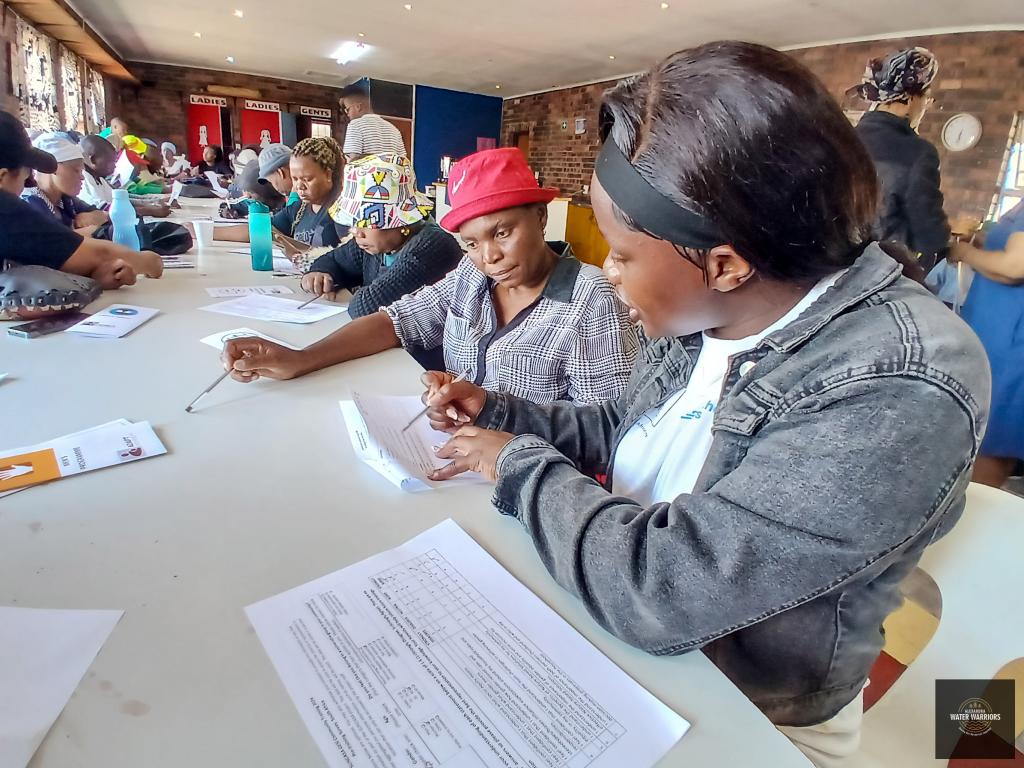
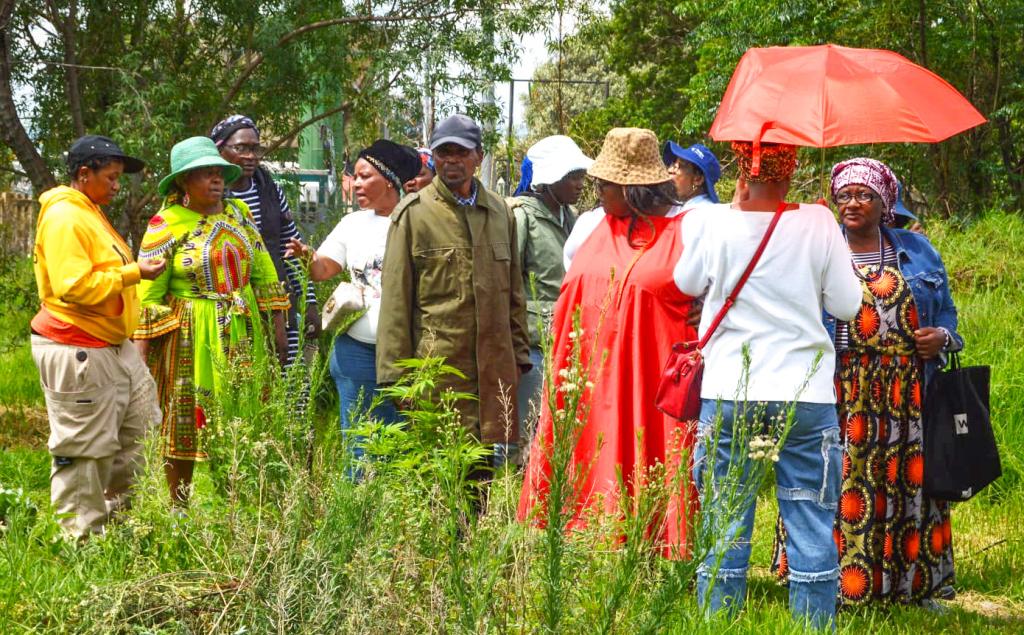
SUNCASA | Participants of the GESI workshop in Johannesburg, South Africa. (Photo: Alexandra Water Warriors)
Participants of the GESI training in Johannesburg fill the survey: to ensure safe spaces, participants submitted responses anonymously. (Photo: Alexandra Water Warriors)

How to Measure Changes in GESI Perceptions

Held between October 2024 and January 2025, the GESI training sessions brought together 777 participants, including women, men, youth, elders, local leaders, and underrepresented groups (such as people with disabilities, woman-headed households, landless farmers, and informal settlement residents, among other groups particular to each city). The SUNCASA project team analyzed pre- and post-survey results, using Likert-style questions to assess changes in participants’ knowledge and understanding of GESI-related learning objectives. Likert-style questions ask respondents to rate their level of agreement on a scale, typically from “strongly disagree” (1) to “strongly agree” (5), with “neutral” (3) in the middle. The goal of Likert-style questions is to assess change over time, with an increase in scores from pre-to-post-test statements indicating stronger agreement or improved perceptions. Questions asked during the GESI training, along with couples’ dialogues, can be found below.

Activity 1: GESI trainings  Activity 2: Couple’s dialogues  
I feel confident that I understand what social equity means.I understand what traditional roles and responsibilities assigned to men and women in my household means.
I feel confident that I understand what gender means.I can identify biases that influence the division of labour and decision-making roles in my household.
I feel confident that I understand how gender-related roles and stereotypes/biases influence expectations around my household roles and responsibilities.I am aware of how gender norms affect the implementation of nature-based solutions in my community.
I feel confident that I understand the main challenges in achieving gender equality in my community.I understand what traditional roles and responsibilities assigned to men and women in my household mean.
I understand the benefits of nature-based solutions for my community.I understand how inclusive decision making at home can reduce barriers to participation in nature-based solutions activities for family members, including wives, sisters, and other primary caregivers.
I understand the importance of gender equality and social inclusion for effective nature-based solutions.I feel confident in my ability to discuss household responsibilities with my partner.
I understand the importance of both partners (husband and wife) in the decision-making processes in the household.I feel confident in participating in decision-making processes within my household.
I feel confident I understand the social expectations around caregiving and household responsibilities and how they affect my participation in nature-based solution activities.I believe that both partners should have an equal say in major household decisions.
I feel confident that I understand the link between gender and climate adaptation.I understand the importance of equitable division of roles and responsibilities in my household.
I feel confident that I understand the power dynamics between genders in my community.I know practical strategies for improving communication and collaboration in decision making with my partner.
I feel confident that I understand the power dynamics between genders in my household.I recognize the challenges associated with changing traditional gender roles within households.
I feel confident that I understand the power dynamics between genders in my workplace.I feel prepared to develop and implement an action plan to promote gender equity in my household.
I feel confident about my own ability to explain the importance of social equity to others. 

Table 1. Pre- and post-test statements to measure change in knowledge. Source: Authors.

To ensure safe spaces during training sessions, participants submitted their pre- and post-test survey responses anonymously. This meant individual responses could not be paired, so the analysis calculated each group’s average pre-survey score and then measured the percentage of participants who scored above that average in the post-test survey. This method also provides a statistically meaningful way to analyze results at the group level and identify overall trends. Results were presented as a sum, combining all the Likert statements to show the overall percentage of participants whose understanding of gender-related social norms and power dynamics had improved.  

In addition, the SUNCASA project looked deeper into the data, breaking it down by city, gender, youth, and underrepresented groups. This intersectional approach helped reveal how learning outcomes varied across different groups of participants and highlighted important differences in their experiences. This helped identify which gender concepts were more challenging for participants to grasp and where gender partners can focus awareness efforts at the local level.

GESI Training Results

One example comes from a community in Kigali. Before the training, most participants felt uncertain about the statement “I feel confident that I understand the power dynamics between genders in my household,” averaging just 3.6 on the Likert scale (“neutral”). After the training, this jumped to 4.7 (“agree”). The shift was especially strong among women, whose scores rose nearly 1.5 points compared to 0.7 for men, suggesting that women, who often face deep-rooted, biased traditional norms, may have gained the most from these discussions.

Another interesting finding showed that men and women in Johannesburg often reported similar results on the same statements, but there was greater variance between youth and adults. For instance, the statement “I feel confident that I understand what social equity means,” 64% of youth respondents (ages 15–34) agreed in the pre-test survey. After the training, that number jumped to 93%. Adults, on the other hand, began the training with a stronger baseline understanding of social equity—85% already agreed with the statement in the pre-test survey, rising slightly to 93% in the post-survey. During the training, one male youth participant shared his journey with breaking social norms and gender biases, saying, “I was left alone to look after my niece, and I could not change a diaper […] I went on Google and learned how to change a diaper, and these days I am so close to my niece, as I know how to look after her and feed her,” he shared with a sense of achievement.

Another participant in Kigali highlighted the value of youth engagement. “I’d recommend providing these trainings to the youth more intensively, ensuring that they embody the training lessons in the near future.” This was also echoed by participants in Dire Dawa, with one woman sharing the following:

In the past, most women, including myself, live together with our husband, just as husband is the boss and the leader, and women are subordinator [sic] that indicates superior and inferior among partners […] I [have] benefited from the training (understanding the norms and culturally ascribed women’s role) and the importance of sharing labour and joint decision making […] I am very confident to advise my son and daughter in front of my husband to help each other and improve respect.

This focus on educating and empowering young people was a theme across all three cities, reflecting how equipping youth with knowledge about gender and social equity can create ripple effects, strengthening communities and fostering long-term change.

Building Trust

Transparency is essential for building trust with local partners and decision-makers, and the project will continue sharing findings with them to promote a more inclusive environment. With so much data to unpack and explore, the SUNCASA project team will keep monitoring results alongside local partners.  

At the end of the project, we will validate these findings by collecting stories of change from participants and examining the deeper impact of the SUNCASA project’s GESI activities within communities. These stories will also highlight the experiences of community members from diverse and underrepresented groups, showcasing the unique ways the project is making a difference.

The SUNCASA project greatly appreciates the dedication and competence demonstrated by our GESI expert colleagues from the three cities—Bertha Chiroro (Gender CC), Cleopatre Cyezimana (Association des Veuves du Genocide AVEGA), Emebet Belete (Hararghie Catholic Secretariat, HCS), Gisele Umuhoza (AVEGA), Hadas Temesegen (HCS), Ndivile Mokoena (Gender CC), Patrick Shyaka (AVEGA), Rediat Tassew Mezgebu (HCS), and Theogene Niyirora (AVEGA). Without them, the SUNCASA MEL efforts would be impossible. 

About SUNCASA

SUNCASA is a 3-year project enhancing resilience, gender equality, social inclusion, and biodiversity protection in urban communities in Ethiopia, Rwanda, and South Africa. It is delivered by the International Institute for Sustainable Development and the World Resources Institute, funded by the Government of Canada, and implemented with a wide range of local organizations and communities.

SUNCASA restores urban watershed areas through gender-responsive NbS such as agroforestry, afforestation, reforestation, buffer zone creation, and urban tree planting, ultimately strengthening the resilience of 2.2 million people.

Explainer

Why Does Trade Matter for Climate Change Adaptation Technology?

“International technology transfer” is vital for building global resilience but remains a poorly defined buzzword in climate and trade policy circles. Katharina Schmidt explores how we can better bridge the gap between trade policy and climate change adaptation and turn “technology transfer” from an abstract promise into a practical reality for the communities and countries most exposed to climate risk. 

February 24, 2026

From devastating hurricanes and wildfires to frequent floods and prolonged droughts, no region is spared from the increasing intensity of extreme weather linked to climate change.

For the hardest-hit countries, particularly in the Global South, the ability to respond to these risks depends, to an important extent, on their ability to access and use climate adaptation technology.

Crucial for analyzing and responding to climate risks, climate adaptation technology includes the practical application of equipment, techniques, and knowledge to reduce vulnerability and bolster the resilience of human and natural systems.

Examples could include mobile climate information services, water-efficient irrigation systems, specific agricultural production practices such as agroecology or intercropping, or drought-resistant rice seeds.

While the necessity of these technologies is clear, their global distribution is fundamentally a matter of trade policy. This is due to the fact that—next to foreign direct investment and patent licensing—international trade in goods and services is the primary channel through which adaptation technology moves across borders. When a country identifies a need for equipment such as solar water pumps, irrigation systems, or weather stations, it often relies on international markets to obtain them.

While such “international technology transfer” is a vital mechanism for building global resilience to climate change, it often remains a poorly defined buzzword in climate and trade policy circles, where progress stalls due to historical and politicized divergences between developing and developed countries.

The 30th United Nations Climate Change Conference (COP 30) in Belém saw the establishment of a 3-year dialogue on trade and climate, and the launching of an Integrated Forum on Climate Change and Trade, elevating the role of trade in the climate negotiation forum. But to improve global access to adaptation technology, more effectively bridging the gap between trade policy and climate adaptation practices is essential in the transition from abstract political negotiations to practical, context-specific solutions.

What counts as an adaptation technology? 

Adaptation technology is the application of technology to reduce vulnerability or enhance the resilience of natural and human systems. According to framings within the United Nations Framework Convention on Climate Change, it consists of three pillars:

  • hardware, i.e., tangible equipment like irrigation systems or weather stations
  • software, i.e., knowledge, skills, and processes needed to use the hardware
  • orgware, i.e., the institutional frameworks and rules that allow technology to spread.

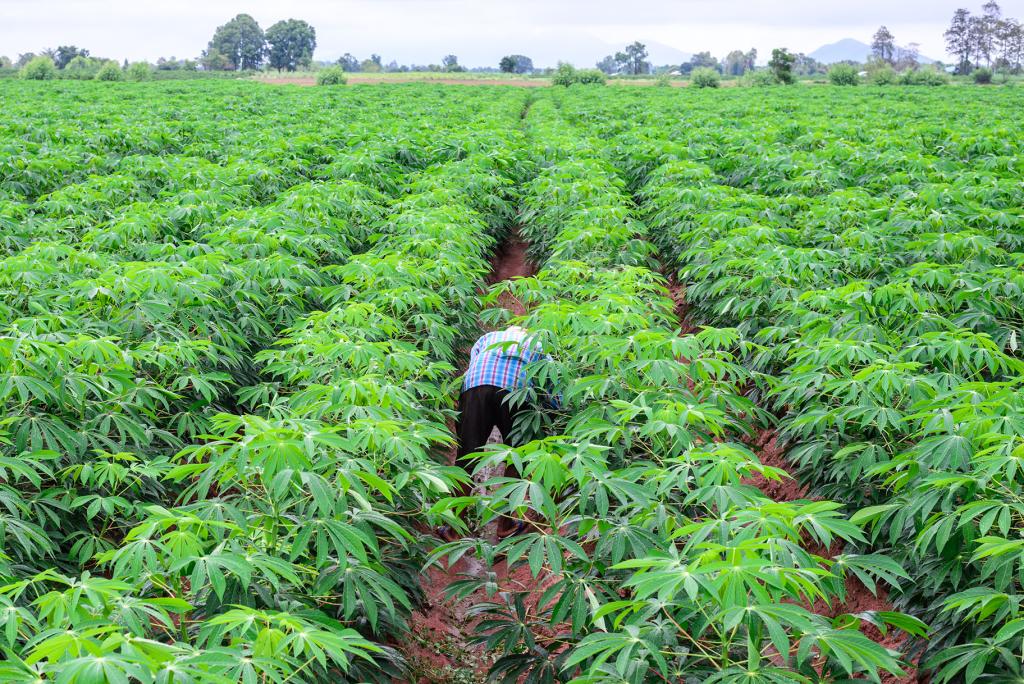
Unlike many mitigation technologies, adaptation is highly site-specific. A technology that works in one environment may not necessarily work in another. For example, growing cassava is a successful technology to resist typhoons in some parts of the Philippines, while the same practices have been found to lead to significant soil erosion in Thailand.

In other contexts, the use of a certain technology can increase climate risks in the long term. For example, water-efficient irrigation technologies may help sustain agricultural practices and support food security in a drier climate. However, their efficiency may also incentivize farmers to expand the cultivation of water-intensive crops, leading to an overall increase in freshwater extraction and compounding vulnerability to drought conditions.

Thai farmer in plaid shirt weeding in cassava plantation.
Unlike many mitigation technologies, adaptation is highly site-specific. For example, growing cassava is a successful technology to resist typhoons in some parts of the Philippines, while the same practices have been found to lead to significant soil erosion in Thailand.

Application of adaptation technology, therefore, requires enabling environments and additional measures to successfully reduce climate risks, and any choice of technology must be based on contextualized climate risk assessments that consider the short-, medium-, and long-term climate risks. An adaptation technology also often needs to be embedded in a package of measures to be successful, including capacity development on sustainable practices for how a technology is used, emphasizing the need to consider not only the “hardware” but also software and orgware (i.e., needed skills, knowledge, and organizational structures) to deploy a technology successfully.

A Policy Disconnect

While trade is crucial for the global dissemination of technology, climate policy and trade policy have largely evolved in isolation, leading not to a lack of frameworks, but a disconnect between the trade and climate communities. This disconnect results in three main challenges.

  1. A shallow understanding: There is a poor understanding of adaptation technology among trade policy-makers, and trade frameworks often lack a deep understanding of what adaptation requires. This means that even frameworks that attempt to integrate adaptation goods and services miss the mark. An example is the Agreement on Climate Change, Trade and Sustainability, where adaptation is often bundled with mitigation, leading to confusing listings where goods like bicycles or aluminum are credited with "adaptation" benefits that aren't clearly explained.
  2. Trade barriers: There can be a misalignment between trade and adaptation policy goals, and trade rules, such as high import duties, technical standards, and intellectual property frameworks, may function as barriers to access to needed technology. For example, several Small Island Developing States have identified that high tariffs on essential equipment like rainwater harvesting components directly affect their national resilience goals.
  3. Siloed discussions: Discussions on technology transfer occur in parallel forums—such as the World Trade Organization and the United Nations Framework Convention on Climate Change—without meaningful internal communication, leading to missed opportunities to facilitate the transfer of needed technologies to the Global South.

Grounding Trade in Adaptation Needs

To bridge this gap, trade and climate policy-makers must move beyond the vague buzzword of technology transfer and focus on the specific, context-heavy technology needs of developing countries.

By aligning trade negotiations with the actual priorities found in national adaptation plans, policy-makers can transform global trade into a powerful driver for resilience.

Developing countries are already identifying their needs through national adaptation plans (NAPs) and technology needs assessments (TNAs). These documents provide a detailed, country-driven roadmap of what goods and services are actually required. Trade policy-makers can improve access to technology by aligning their negotiations with these national plans. If trade ministries are involved in the NAP process, they can specifically target the removal of barriers for prioritized technologies.

Practical Actions for Policy-Makers

To move from abstract commitments to a needs-based approach, policy-makers should take the following actions:

Integrate expertise: Government officials should involve trade experts directly in the NAP and TNA processes to raise their awareness on adaptation and identify and address specific trade barriers to adaptation technology.

Reduce trade barriers: Countries should reform their trade policies to reduce tariff and non-tariff measures hindering the inflow of adaptation goods and services. International cooperation to harmonize technical standards regionally or multilaterally can reduce barriers and ensure the quality and compatibility of imported adaptation technologies.

Leverage regional agreements: Bilateral and regional trade agreements can be more effective than global ones because they can be tailored to the specific climatic and institutional contexts shared by the participating countries.

Support South–South cooperation: Policy-makers should facilitate technology transfer between developing countries, as these nations often share similar challenges and have developed innovations that are already locally adapted.

Conclusion

Currently, the adaptation technologies most urgently needed to protect lives and livelihoods are still not reaching the countries and communities most exposed to climate risk. To change this, trade and climate policy-makers need to break out of their silos and use the policy instruments at their disposal—tools like NAPs and TNAs as a shared roadmap, and trade agreements as a key vehicle—for aligning trade rules, standards, and cooperation with concrete, country-identified needs. In the bigger picture, the goal is to turn “technology transfer” from an abstract promise into a practical reality, where trade actively enables affordable and context-appropriate access to adaptation technologies for those on the frontlines of climate impacts.


Feature image photo credit: Kiara Worth / IISD / Palau Office of Climate Change

Explainer

How to Centre Gender and Social Justice in Urban Climate Action

When designing and delivering projects that help communities adapt to climate change, it may seem obvious to work with engineers, urban planners, municipal officials and environmental non-governmental organizations. Those groups matter, but it is also vital to engage with champions for gender equality and social inclusion.

February 23, 2026

Across cities, nature-based solutions (NBS), such as watershed restoration, agroforestry, and urban greening, are gaining traction as key tools in our effort to adapt to climate change. These approaches contribute to adaptation by protecting, restoring, and sustainably managing ecosystems in ways that reduce climate risks and strengthen our communities’ and ecosystems’ resilience to climate change impacts.

Who participates in designing and managing these interventions is as important as the technical measures themselves. When social differences are ignored, interventions can reproduce inequalities or cause harm, limiting their long-term success. Even technically strong projects can reinforce existing inequalities when gender and social inclusion are overlooked.

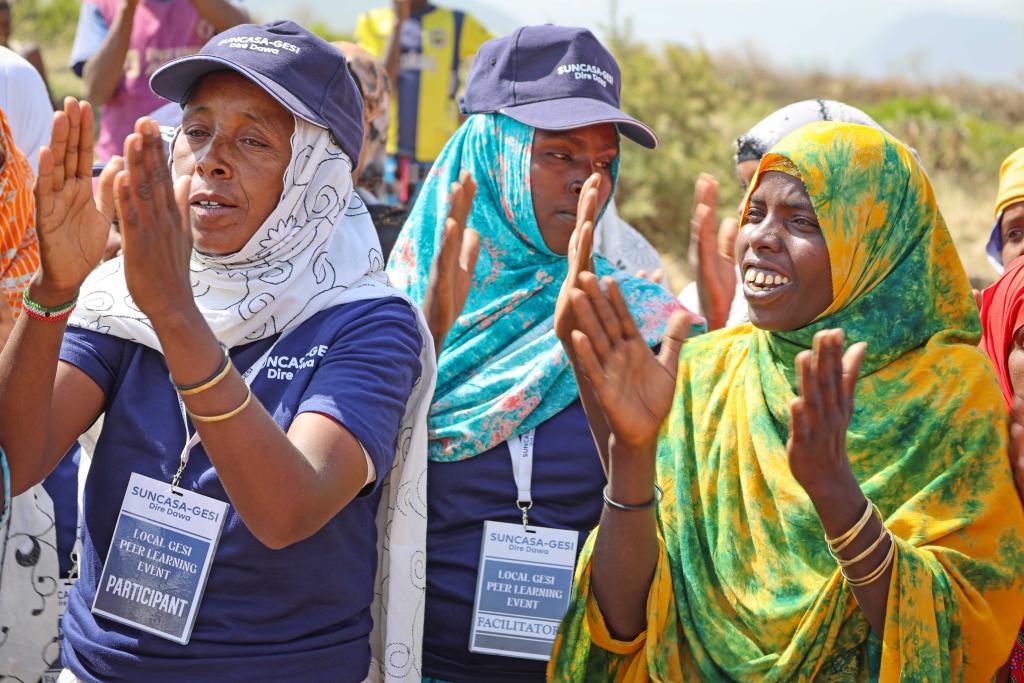
SUNCASA | Women leading GESI activities in Dire Dawa, Ethiopia. (Photo: Cesar H. Arrais/SUNCASA)
Women leading GESI activities and workshops in Dire Dawa, Ethiopia. (photo: Cesar H. Arrais/SUNCASA)

Research increasingly shows adaptation efforts that neglect social equity can lead to exclusion, displacement, or “green gentrification,” which is the unintended outcome of climate and environmental investments that increase property values and living costs. This often benefits higher-income groups while marginalizing existing residents. In contrast, inclusive participation and local governance—which involves meaningful engagement, safety, and recognition of diverse lived experiences—strengthens the sustainability and legitimacy of adaptation outcomes.

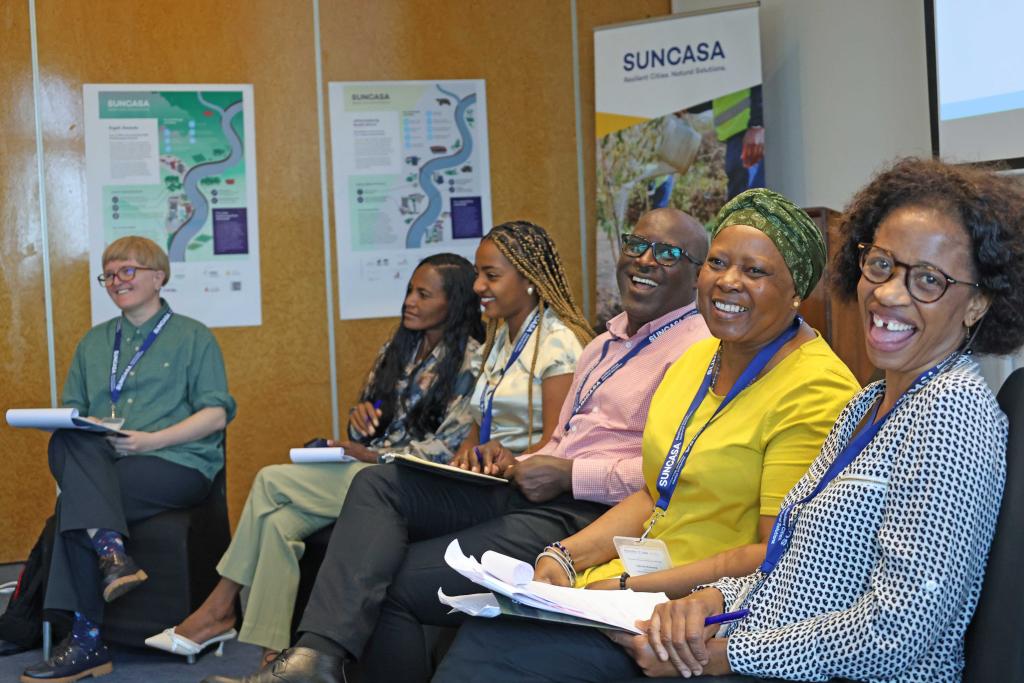
SUNCASA | GESI partners during a panel at the Peer Learning Event in Kigali
SUNCASA GESI lead, Ana Balanean, with Hadas Temegesen and Rediet Tassew (Hararghe Catholic Secretariat), Theogene Niyirora (Avega Agahozo), and Nidville Mokoena and Bertha Chiroro (Gender CC), during SUNCASA's peer learning event in Kigali, Rwanda. (Photo: Cesar H. Arrais/SUNCASA)

While gender and social justice organizations may not be thought of as traditional NbS implementers, they are essential partners to build resilient, inclusive NbS that provide equitable benefits that are sustained beyond a project’s lifespan. The Scaling Urban Nature-based Solutions for Climate Adaptation in sub-Saharan Africa (SUNCASA) project recognized this early on. Led by the International Institute for Sustainable Development and World Resources Institute, with funding from Global Affairs Canada, SUNCASA focuses on promoting gender-responsive NBS in Dire Dawa (Ethiopia), Kigali (Rwanda) and Johannesburg (South Africa). Many local implementing and research partners were brought in for their technical expertise. Among them are three organizations focused on gender equality and social inclusion (GESI).

  • In Dire Dawa, SUNCASA partners with Hararghie Catholic Secretariat (HCS) Gender Desk, which draws on its long-standing experience in community development and social inclusion, including developing a childcare model that tackles one of the major barriers limiting women’s participation in NbS work.
  • In Kigali, AVEGA-Agahoza, a Rwandan association founded by widows of the 1994 Genocide against the Tutsi and now nationally recognized for empowering women, promoting social justice, and supporting vulnerable groups through advocacy, psychosocial support and community mobilization, brings extensive gender justice expertise to implementation in Rwanda’s capital.
  • Finally, in Johannesburg, GenderCC Southern Africa (SA), a feminist network linking gender justice and climate action and known for facilitating community-centred discussions on gender norms, power, and climate impacts, leads our local GESI work, drawing on its deep expertise.

Partnering with these organizations at the planning stage helped our SUNCASA team integrate a GESI lens in the project design, mapping out a GESI strategy for the project. These organizations led a participatory assessment of social norms, gender biases, and power dynamics in their communities, which revealed local realities that our NbS activities would face. For example, in Kigali, AVEGA’s early assessments and community dialogues revealed specific barriers faced by women workers—such as safety concerns, unequal pay, lack of childcare, and gender stereotypes around physical labour—which directly shaped our recruitment approaches, flexible working hours, equal pay structures, and the creation of safe on-site sanitation and childcare spaces.

Equitable partnerships are not achieved by goodwill alone—they depend on deliberate structures of collaboration, transparency, and shared power.


These gender and social justice organizations’ unique positions as trusted advocates for community well-being mean they can serve as facilitators, advisors, and bridges between community members, city officials, and technical implementers. In Johannesburg, GenderCC SA acted as a bridge by facilitating workshops where community members shared lived experiences of exclusion, gender-based violence, and unequal participation in environmental work—opening honest dialogue between residents, city officials and NbS implementers. In Dire Dawa, HCS Gender Desk mobilized parents, local leaders, and government representatives into monitoring committees for the childcare model, strengthening trust and co-ownership around NbS activities.

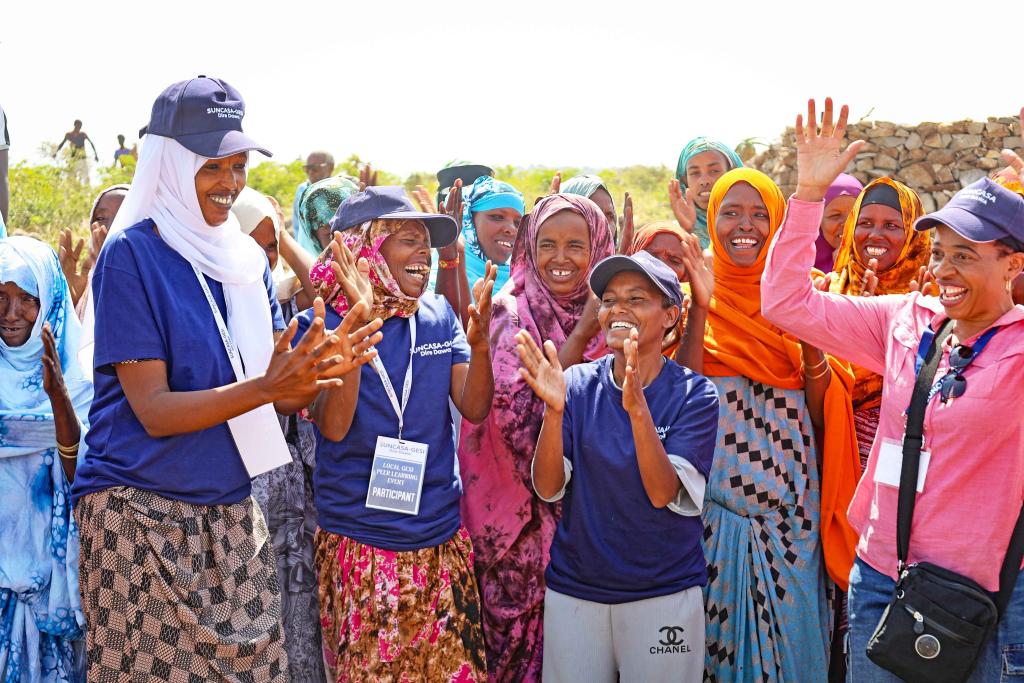
SUNCASA | GESI workers celebrating during the field trip of SUNCASA Peer Learning Event in Dire Dawa.
GESI leads and NbS workers celebrate during a field trip at SUNCASA’s peer learning event in Dire Dawa. (Photo: Cesar H. Arrais/SUNCASA)

GESI-driven organizations can also help with adaptive and iterative project management, where their deep understanding of local power dynamics, social biases and gender norms can help technical actors refine NbS project activities as local contexts shift. For instance, feedback from GenderCC’s workshops in Johannesburg highlighted mental health strain and social pressure experienced by women and youth, prompting the team to integrate well-being considerations into ongoing engagement. In Dire Dawa, HCS Gender Desk used community input to revise the childcare concept—adjusting tent placement, age ranges, safety mechanisms, and oversight structures—so that the model better matched community needs.

Conversely, to ensure projects have sustained community-level impacts, organizations that advance social well-being must be engaged through healthy, equitable partnerships. A project must create mutual benefits for all of the actors involved.

Across the SUNCASA cities, partners reported clear benefits from our work. AVEGA emphasized that working within a multi-city, multi-partner framework strengthened knowledge exchange, cultural understanding, and contextualization of GESI tools to local realities. GenderCC SA highlighted gains in NbS technical expertise, including ecosystem mapping and restoration methods, as well as improved skills in policy assessment and gender-responsive adaptation. 

They also stressed that participation enhanced GenderCC’s visibility and credibility within national and international networks. From Dire Dawa, HCS Gender Desk noted that collaboration improved technical skills through shared manuals, guidelines, and training, while long-standing relationships with communities enabled effective mobilization and monitoring of NbS activities. All partners valued peer learning across Kigali, Johannesburg, and Dire Dawa, which strengthened their capacity to support equitable, community-driven climate change adaptation.

SUNCASA | Participants of a GESI peer learning in Johannesburg, South Africa. (Photo: Gender CC)
Women and men participating at a GESI peer learning promoted by GenderCC in Johannesburg in December 2025. (Photo: GenderCC)

Equitable partnerships are not achieved by goodwill alone—they depend on deliberate structures of collaboration, transparency, and shared power. Effective partnerships between NbS implementers and gender or social justice organizations are built on trust, respect, and the recognition of different kinds of expertise. The SUNCASA project’s partnership model has highlighted several important lessons on how to engage with gender and social justice organizations for NbS projects:

1. Engage Early and Co-Design Together

Include local gender and social justice organizations from the very beginning of project planning. Work together to set goals, priorities, and methods so that equity is built into the design of NbS projects, not added later. Partners such as AVEGA and HCS Gender Desk emphasize that local gender and social justice organizations should be involved from project ideation through evaluation to ensure that budgets, activities, and indicators remain responsive to gender and inclusion priorities.

2. Provide Fair and Reliable Resources

Set aside adequate budgets and enough time to support the participation, coordination, and capacity needs of partner organizations. Reliable funding helps build trust, stability, and shared responsibility. Differences in expectations—around timelines, evidence standards, or communication styles—can also strain relationships. Bridging these divides requires continuous dialogue, reflexivity, and a commitment to learning together. As noted by GenderCC SA and HCS Gender Desk, flexibility in targets, numbers, and budgeting is essential, as local contexts can shift rapidly; contingency allocations can help partners respond to unexpected yet necessary activities.

3. Share Power and Accountability

Technical disciplines often dominate decision making, limiting space for community-led insight. Make roles and decisions transparent and create ways for all partners to have a real voice in shaping outcomes. Shared leadership builds ownership and strengthens the legitimacy of the work. GenderCC colleagues noted that strong partnerships rely on openness, ongoing communication, situational analysis, and timely operational guidance and feedback from global and local teams.

4. Value All Types of Knowledge and Support Two-Way Learning

Recognize that local gender and social justice organizations hold strong knowledge on gender equality and social inclusion, while NbS implementers bring technical and scientific expertise. Encourage learning in both directions—NbS teams will gain social insight and contextual understanding from local partners, while those partners strengthen their technical knowledge on adaptation and NbS. AVEGA highlighted that cross-city exposure enriched their understanding of NbS approaches, while GenderCC SA and HCS underscored how joint trainings and peer learning strengthened their technical and operational capacities in gender-transformative NbS practices.

5. Keep Partnerships Strong Beyond One Project

Continue collaboration, exchange, and joint advocacy even after a project ends. Long-term relationships deepen trust, increase impact, and help make social equity a lasting part of future adaptation efforts. Partners recommended continuing regular cross-city dialogue, sharing learning processes, and co-developing tools to ensure that GESI-centred approaches endure beyond the SUNCASA cycle. (Bertha, GenderCC input; Theogene, AVEGA input; Hadas, HCS Gender Desk input) To address the common pressure on NbS implementers to engage only when project funding is available, continued engagement can be done through non-funded collaboration mechanisms, such as involving organizations as peer reviewers or panellists, and by formalizing longer-term collaboration through memorandums of understanding. While there is no single solution applicable to all cities, embedding mechanisms for continued dialogue, learning, and collaboration into project design can help create opportunities for partners to sustain engagement beyond the availability of project funding.

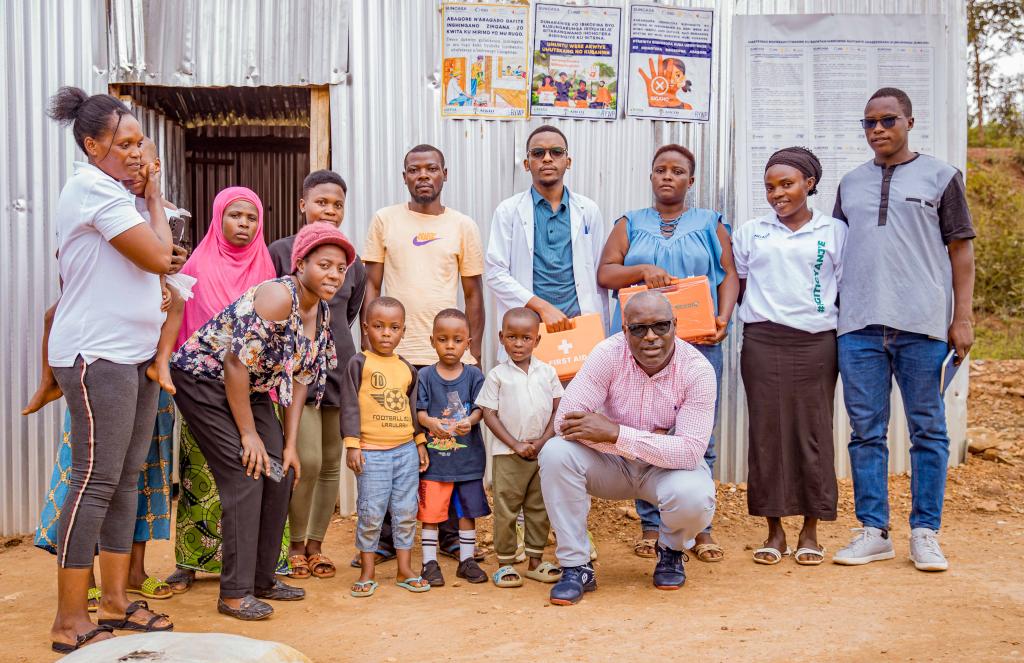
SUNCASA | Facilities of a childcare program in one of SUNCASA implementation sites in Kigali. (Photo: Avega Agahozo)
One of the three facilities of a childcare program developed by Avega Agahozo to support recent mothers working on SUNCASA NbS implementation. (Photo: Christian MUHIRWA/ Avega Agahozo).

NbS projects can only achieve lasting impact when they are socially rooted and inclusive. The experiences from Kigali, Johannesburg, and Dire Dawa illustrate that gender and social justice partnerships are not supportive add-ons—they are structural necessities. These organizations translate broad adaptation goals into everyday realities: creating safe workplaces, ensuring childcare access, addressing discrimination, and amplifying underrepresented voices. Their participation strengthens both the legitimacy and durability of climate action. Equitable partnerships reframe adaptation as a process of collective care and shared leadership. They bridge technical design and community wisdom, transforming NbS into pathways for empowerment and justice.

Building bridges, not boxes, means designing adaptation that recognizes every partner’s value and invests in relationships that endure beyond projects—toward truly inclusive, climate-resilient cities.

We wish to acknowledge and commend the strong dedication and expertise demonstrated by our GESI expert colleagues from the three cities—Bertha Chiroro (Gender CC), Cleopatre Cyezimana (AVEGA), Emebet Belete (HCS), Gisele Umuhoza (AVEGA), Hadas Temesegen (HCS), Ndivile Mokoena (Gender CC), Patrick Shyaka (AVEGA), Rediat Tassew Mezgebu (HCS), and Theogene Niyirora (AVEGA)

About SUNCASA

SUNCASA is a 3-year project enhancing resilience, gender equality, social inclusion, and biodiversity protection in urban communities in Ethiopia, Rwanda, and South Africa. It is delivered by the International Institute for Sustainable Development and the World Resources Institute, funded by the Government of Canada, and implemented with a wide range of local organizations and communities.

SUNCASA restores urban watershed areas through gender-responsive NbS such as agroforestry, afforestation, reforestation, buffer zone creation, and urban tree planting, ultimately strengthening the resilience of 2.2 million people.
Explainer

National Adaptation Plans in the COP 30 Decision: Promises, progress, gaps

The 30th United Nations Climate Change Conference (COP 30) finally delivered the long-awaited outcome on the National Adaptation Plan (NAP) assessment, but the decision did not spend much time in the limelight. Jeffrey Qi explains why it matters, and what it tells us about the barriers countries face in building long-term resilience.

February 18, 2026

Climate impacts have increased in severity, and adapting to these actual and expected impacts is now widely recognized as a critical component of our global response to the climate crisis. However, adaptation responses have typically been characterized by disjointed projects and ad hoc efforts when we need to prioritize better, more systemic adaptation planning instead. 

This is where National Adaptation Plans (NAPs) come in. 

The NAP process enables countries to identify and address their medium- and long-term priorities for adapting to climate change. It involves analyzing current and future climate change and vulnerability to its impacts, identifying and prioritizing adaptation options, implementing these options, and tracking—and learning from—their performance. 

Belém was a big moment for NAPs: after 2 years of negotiation, the outcome of the National Adaptation Plan assessment was finally adopted at COP 30. The decision acknowledges progress in developing countries’ adaptation efforts but notes that persistent gaps and needs—including the adaptation finance gap and the lack of climate information and capacity—continue to hinder the formulation and implementation of NAPs. 

As countries start to follow up on the COP 30 outcomes, we unpack the NAP assessment’s findings on the state of play of countries’ processes for formulating and implementing their NAPs.

The NAP Assessment: What was it again?

When the NAP process was first set up under the UN Framework Convention on Climate Change (UNFCCC) in 2011, countries decided to periodically take stock of systemic progress and constraints on countries’ NAP processes so they could better understand what was working and what was not.

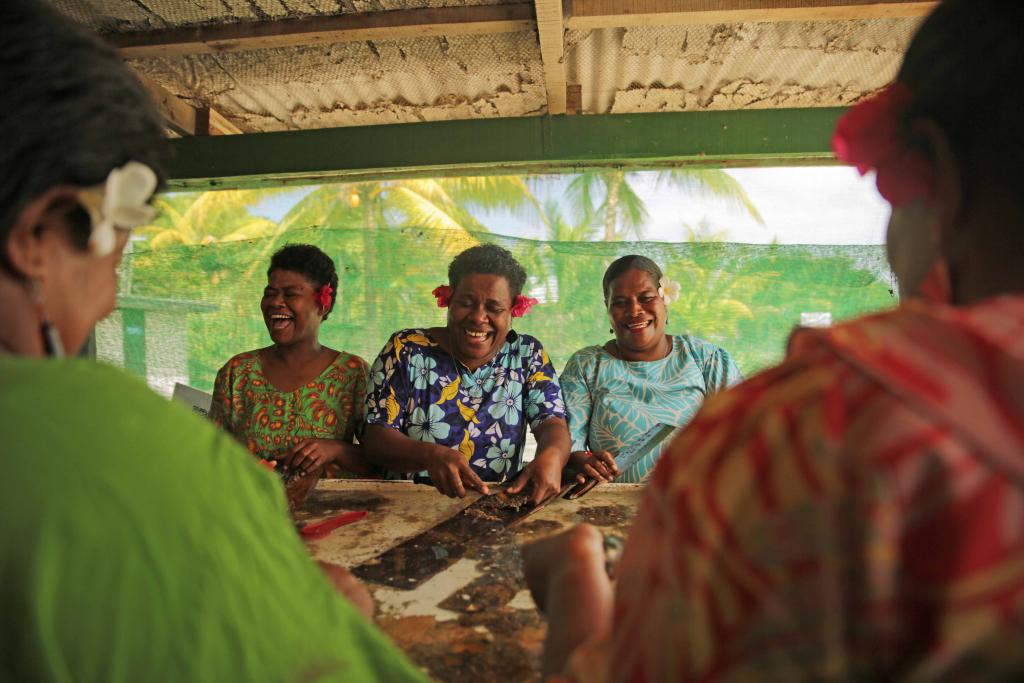
Three local women in Fiji laugh as they prepare oysters indoors.
The NAP process helps establish the systems and capacities needed to make adaptation an integral part of their development planning, decision making, and budgeting. Ultimately, it aims to make people, places, ecosystems, and economies more resilient to the impacts of climate change. (Photo: Melonie Ryan)

The NAP assessment helps inform the international community on gaps and needs, enable the iterative and continuous improvement of national adaptation actions, and contribute to shaping future guidance and support programs. Therefore, the outcome of the NAP assessment is closely relevant to regional and international support programs for NAP processes, as well as to national policy-makers and practitioners currently formulating or implementing a NAP, to understand the latest mandates from the UNFCCC process and information on best practices and lessons learned. 

It is important to note that the NAP assessment does not rank countries on their adaptation efforts, nor does it judge individual countries’ NAP documents. It assesses collective progress and systemic gaps and barriers.

Unlike for their nationally determined contributions, countries do not have a fixed time frame for the NAP process. Previous NAP assessments took place in 2015 and 2018, and in both cases, finishing the assessments was challenging because too few countries had submitted their NAP documents. 

The third NAP assessment was scheduled to take place in 2024 against the backdrop of the completion of the first global stocktake and the adoption of the 2030 targets for the global goal on adaptation. But countries failed to reach a decision about NAPs at COP 29, and it was forwarded to COP 30 for further consideration. After 2 weeks of intense negotiations, the outcome of the NAP assessment was adopted as part of the Belém political package at the closing plenary of COP 30.

Planning Progress

The final decision says that developing countries have “made some progress” on their NAP processes since the last assessment in 2018.

At the time the COP 30 decision was adopted, 71 developing countries had submitted their NAP documents to UNFCCC’s NAP Central platform (and as of the end of January 2026, this number has risen to 75). Over half of the least developed countries and 15 of the 39 Small Island Developing States now have a NAP in place. In total, 144 out of 154 developing countries have initiated the NAP process. This is remarkable progress compared to 2018, when only 11 developing countries submitted their NAP documents to the UNFCCC.

Persistent Challenges Remain

The decision also highlights the persistent gaps and challenges developing countries face. 

Chiefly among these is the lack of sufficient, predictable, and accessible finance for both adaptation planning and implementation. The final decision’s conclusions on finance align with the findings published in the UN Environment Programme’s Adaptation Gap Report 2025, where it estimated that the global adaptation finance gap is somewhere between USD 284 billion and USD 339 billion per year for developing countries. 

In the COP 30 Mutirão decision, countries called for the tripling of adaptation finance by 2035 as a continuation beyond the sunset of the previous doubling goal agreed upon at COP 26 in Glasgow. But even if this goal is fulfilled by 2035, developing countries would still face an adaptation finance gap of around USD 190 billion–245 billion per year.

Countries have requested that the Least Developed Countries Expert Group and the Adaptation Committee compile an overview of climate finance flows and financial support from developed countries for developing countries’ NAP processes. This overview will be included in the 2026 NAP progress report to be published before COP 31. Many developing countries also flagged that the long and complex process for accessing support for their NAP processes from climate funds could easily take up to 3–4 years for disbursement. The decision noted with concern that despite efforts to streamline and simplify access to finance, delayed access “continue[s] to significantly hinder progress in adaptation action and resilience.” 

Access to climate information was also identified as a persistent barrier. The decision noted a gap in “access to adequate data on downscaled and localized climate scenarios for use in impact, vulnerability and risk assessments.” Additionally, developing countries face challenges accessing or applying tools for “collecting and assimilating national data on climate variables and on socioeconomic risks and vulnerabilities.” These factors hinder developing countries’ abilities to design adequate, tailored adaptation responses to address the medium- and long-term needs of communities and ecosystems.

The Process Matters

The NAP assessment also highlighted good practices that countries should follow when formulating and implementing a NAP. 

It reiterates that the NAP process should follow a country-driven, gender-responsive, participatory, and transparent approach. It notes the importance of involving Indigenous Peoples and local communities in the NAP process.

It highlights the need to incorporate Indigenous and Traditional Knowledge, as well as local knowledge systems. It is well established that adaptation efforts will not be effective if they do not address gender and social inequalities that exacerbate vulnerability or if they are not responsive to evolving local realities. Inclusive processes lead to equitable outcomes, and many countries are already integrating gender considerations and Indigenous and Traditional Knowledge into their NAP processes. 

The NAP assessment underscored that mainstreaming adaptation—systematically integrating adaptation considerations into policies, decisions, and budgets at all levels and across sectors—is one of the core objectives of the NAP process as set out in Decision 5/CP.17

And it noted that enhancing monitoring, evaluation, and learning (MEL) systems for NAPs help enable a better understanding of whether the country is becoming more resilient, who benefits from adaptation investments, and how effective adaptation actions are. Monitoring, evaluation, and learning systems are also critical for feeding information into global-level assessments, such as the NAP assessment or the global stocktake, to assess collective progress. It is worth noting that with the adoption of the new Belém Adaptation Indicators at COP 30, more guidance will be needed on how to operationalize these new global adaptation indicators at the national and sub-national levels through the NAP process. 

Lastly, the decision emphasized the benefits of integrating nature-based solutions and ecosystem-based adaptation interventions into NAPs, as well as the benefits of exploring synergies between the NAP process and other relevant plans and strategies, such as the national biodiversity strategy and action plan process.

What Next?

The outcome of the NAP assessment paints a familiar picture: there has been increasing ambition in plans and commitments for adaptation action and support, but progress is uneven, fragmented, and incremental—and countries face persistent gaps in finance, climate information, and capacity. 

While the decision does not necessarily solve these structural challenges, it reinforces that NAP processes remain the main vehicle for countries to systematically build resilience, enhance adaptive capacity, and reduce vulnerability to climate change. The COP 30 decisions emphasized once again that developing countries need concessional, predictable, and accessible finance for their NAP processes, as well as capacity support for building resilience to escalating climate risks. 

As the International Court of Justice deliberated in their advisory opinion on climate change, developed countries have an obligation under international law to provide and mobilize support for developing countries. Regional and international support programs should also pay close attention to the gaps and challenges identified in the NAP assessment and support developing countries in their NAP process. As countries start following up on the COP 30 mandates, NAPs need to be brought into the limelight, and political commitments made in the NAP decision need to be matched with timely, sufficient support and stronger national actions.

Despite geopolitical tensions, extreme weather events and the climate and biodiversity crises continue to top the long-term global risk ranking. Investing in the NAP process will help countries build resilient economies, safeguard lives and livelihoods, protect biodiversity and ecosystems, and create a future where communities flourish and no one is left behind. The next NAP assessment will take place in 2030, and countries will start the necessary preparation in 2029.

Explainer details

Explainer

How an Intersectional Approach Can Help Us Address Vulnerability to Climate Change

The relationship between overlapping inequities and the conditions that increase people’s vulnerability to climate change is often overlooked or oversimplified. IISD experts Julie Dekens, Angie Dazé, and Cameron Hunter explain why we must deepen our understanding of—and actively confront—these powerful systems to ensure that climate change adaptation actions are effective for those who need them most. 

February 6, 2026

Different forms of discrimination and marginalization—such as racism, ableism, and discrimination on the basis of gender identity—overlap and interact to give some people an advantage while disadvantaging others, thereby creating intersecting systems of inequity. 

Building on decades of Black feminist theory and activism, the term “intersectionality” was first coined by Kimberlé Crenshaw in 1989. The concept also resonated with some Indigenous scholars and Knowledge Holders. 

It is more important than ever to confront the powerful intersecting systems of inequity in our societies to effectively reduce climate vulnerabilities. The World Meteorological Organization reported in November 2025 that the past 11 years have been the warmest in 176 years and that extreme weather events cause “massive social and economic disruption.” 

Globally, discrimination remains widespread and has been rising since 2015, disproportionately affecting certain groups, according to the United Nations. Anti-LGBTQ+ policies and legislation and the weakening of legal protections against gender-based violence are just two of the concerning signals of regression that threaten efforts to secure human rights for all. 

At the same time, over the past decade, the global emphasis on equity and justice in climate action has grown across various spheres of influence, including academic, policy, and civil society arenas. 

For example, last year’s advisory opinion by the International Court of Justice was a landmark case for climate justice, confirming that governments have a responsibility to act on climate change to prevent foreseeable harm and that they could be subject to legal consequences if they fail to do so. More recently, at the 30th UN Climate Change Conference in 2025, countries adopted a new gender action plan designed to advance gender-responsive climate action and indicators to track progress under the global goal on adaptation, re-emphasizing the need for data disaggregation by gender and other social factors and encouraging greater accountability with more regular reporting. 

There is also growing interest in “transformational approaches to adaptation” that support large-scale, system-wide change, including shifts in values, beliefs, and power structures to address the root causes of vulnerability to climate change. 

Recognition of the importance of intersectional approaches is increasing—the latest assessment report from the Intergovernmental Panel on Climate Change identifies intersectionality as a “fundamental question” related to equity and justice in adaptation. 

As the global community works to close the adaptation finance gap and moves from adaptation planning to implementation, there is an opportunity to ensure that adaptation efforts reach the most vulnerable. But first, we need to deepen our understanding of the connection between systems of inequity and vulnerability to climate change impacts.

What systems create inequity in societies? 

Various forms of discrimination exist in societies, rooted in histories of domination that assign people differential value according to race, ability, caste, class, sexual orientation, gender identity and/or expression, and sex characteristics. 

Any form of discrimination disadvantages some people while benefiting others, leading to injustice and an unfair distribution of resources, services, opportunities, and human rights—this is how inequities are created. 

We deliberately refer to “systems” of inequity to emphasize that discrimination is structural, extending beyond people’s attitudes and stereotypes to include deeply entrenched institutional practices. Systems of inequity are therefore embedded in and reproduced by societies through laws, policies, institutions, and social norms. Some common systems of inequity include racism or discrimination based on race or ethnicity; patriarchy, where discrimination is based on gender; or ableism, which entails discrimination against people with disabilities. 

People’s identities have multiple overlapping factors, which means they experience intersecting systems of inequity that interact in unique ways. The importance of the systems of inequity is dynamic and varies by context—for example, old age can generate respect or discrimination and marginalization, depending on the situation. 

How do intersecting systems of inequity connect with vulnerability to climate change? 

People around the world are already negatively impacted by more frequent and intense climate hazards, such as floods, droughts, and rising temperatures due to climate change. These impacts are expected to intensify in the future

Some people face disproportionate impacts from climate hazards stemming from greater exposure in some cases—for instance, riverbank residents encounter greater flood risk than those further inland—or from greater vulnerability, which is the focus of this article. Greater vulnerability increases the likelihood of severe negative effects from climate hazards, resulting in greater risk for certain groups. 

There is solid evidence that inequities contribute to vulnerability and that high levels of inequity make societies less resilient to climate change. However, the relationship between intersecting systems of inequity and the conditions that increase people’s vulnerability to climate change is often overlooked or oversimplified. This can result in unhelpful generalizations about who is most vulnerable to climate risks, potentially leaving some groups out and resulting in ineffective solutions—or worse, actions that exacerbate or create new vulnerability. 

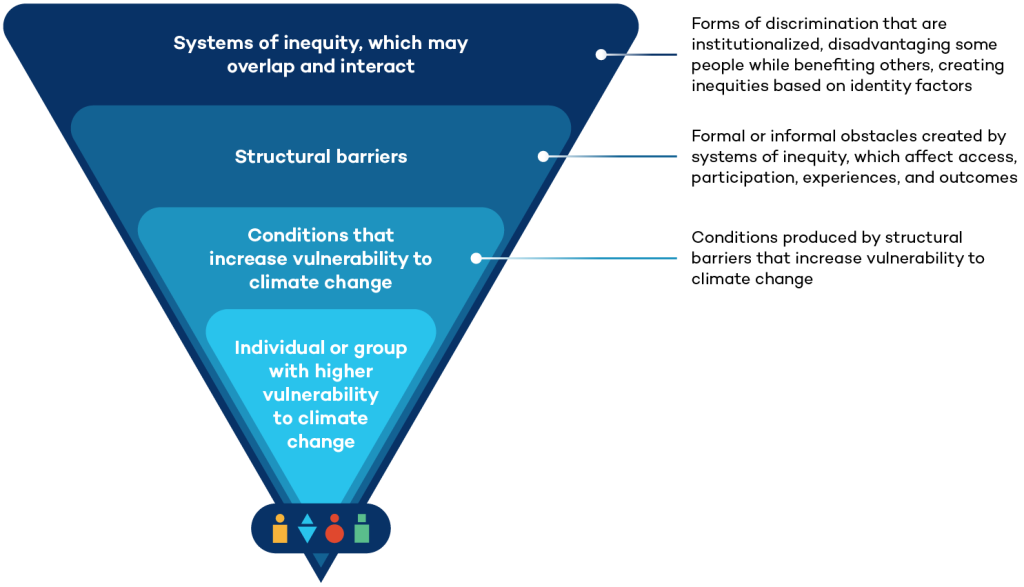
Figure 1 helps us visualize the linkages between intersecting systems of inequity and vulnerability to climate change.

Systems of inequity. The top layer of the pyramid illustrates the broader intersecting systems of inequity in society. As noted earlier, these systems are forms of discrimination that are normalized and legitimized through institutions, laws, policies, and social norms. They marginalize and disadvantage some people while benefiting others, creating inequities. As noted above, examples of systems of inequity include racism, ableism, and patriarchy.

Structural barriers. The intersecting systems of inequity faced by individuals or groups often translate into structural barriers. These are formal and informal obstacles that affect access, participation, experiences, and outcomes. The obstacles are created by, for example, discriminatory laws and policies, exclusionary social norms, and inequitable resource flows. These structural barriers reduce people’s access to—and benefits from—resources, services, and opportunities, and impinge on their human rights. These are represented in the second layer of the pyramid.

Conditions that increase vulnerability to climate change. The third layer represents the conditions that are created by structural barriers, which directly affect individuals or groups vulnerable to climate change. This includes conditions such as poverty, being unhoused, lacking access to services, or social isolation.

Figure 1. Linking intersecting systems of inequity with climate vulnerability 

Upside down triangle with showing the various systems of intersectionality.

The figure shows how different systems of inequity create structural barriers that lead to conditions that increase vulnerability to climate change for individuals and groups. Effective adaptation actions need to acknowledge and address these barriers and conditions—and the systems that create them—to achieve equitable outcomes. What the diagram does not show is how the systems of inequity may overlap and interact, reinforcing or adding additional structural barriers and further exacerbating vulnerability to climate change.

How does this manifest in people’s everyday lives? 

To illustrate these linkages with a fictional example, imagine Sabitri, an older woman with a mobility-related impairment living in a mountainous rural area that is experiencing increasingly frequent and severe floods and droughts due to climate change. 

Systems of inequity. In Sabitri’s context, she experiences a unique combination of gender-based discrimination, ableism, and ageism. 

Structural barriers. For Sabitri, social norms related to gender and age have led to exclusion from community decision making and public life. Though policies are in place that promote equal employment opportunities and access to services for people with disabilities, in reality, most public spaces are not accessible to people with a mobility impairment, and the health services in her community are under-resourced and not equipped to address her complex needs.

Conditions that increase vulnerability to climate change. Sabitri’s social isolation means she is less able to access climate information, which in her community is primarily distributed at community meetings hosted by the local office of the meteorological agency. Her access to services is further restricted because her disability is not accommodated for, which increases her vulnerability during heat waves and other extreme events. During floods and wildfires, the evacuation centres established by the government are not accessible to someone with a physical disability. Since her income-generating opportunities have been constrained by exclusion from the labour market for people with mobility impairments, she lacks savings, limiting her options to manage climate risks. Finally, her ability to influence local authorities to provide better services is constrained by her marginalization in community decision making. 

Individuals or groups with higher vulnerability to climate change. As a result, Sabitri, along with other older women with disabilities in her community, is considerably more vulnerable to the impacts of climate change than her family members and neighbours. Addressing these compounding factors is essential to ensure she is not left behind as her community adapts to climate change impacts. 

Why is an intersectional approach central to understanding vulnerability to climate change? 

Understanding vulnerability is essential for effective adaptation to climate change. Inequities are not the only root cause of climate vulnerability, but they are one of the most significant drivers, alongside weak governance and ecosystem degradation. 

An intersectional approach enhances our capacity to address intersecting systems of inequity that undermine resilience for individuals, communities, and society. It transcends single-issue analyses—such as those addressing gender or age in isolation—and inclusion efforts that simply compare climate vulnerabilities across social groups, assuming they are homogeneous. 

It shifts attention from individual experiences to the systems that create and sustain discrimination, making some people far more vulnerable than others. 

This approach recognizes that the people who are most at risk from climate change are often those who experience multiple, overlapping forms of discrimination. By understanding how intersecting systems of inequity relate to vulnerability, we can identify climate change adaptation actions that challenge or prevent the reinforcement of systems of inequity. 

Climate risk assessments provide a strong starting point for adopting an intersectional approach. Revealing how overlapping systems of inequity heighten vulnerability to climate change enables more targeted allocation of adaptation resources. This, in turn, can yield broader benefits by advancing human rights and fostering more just societies. 


This resource was produced by IISD as part of the Understanding Climate Risks Through an Intersectional Approach (iCRA) project. The iCRA project is implemented by the International Institute for Sustainable Development; Prakriti Resources Centre, Tewa – Women’s Fund of Nepal, and Community Development & Advocacy Forum Nepal in Nepal; and Urban Earth, Triangle Project, and the Western Cape Association of and for Persons with Disabilities in South Africa. We are grateful to the partners and to Ashlee Christoffersen, Anne Hammill, Bimal Regmi, and Katharine Vincent for their review and inputs on this article. This work was funded by UK aid from the UK government and by the International Development Research Centre, Ottawa, Canada, as part of the Climate Adaptation and Resilience (CLARE) research program. The views expressed herein do not necessarily represent those of the UK government, IDRC or its Board of Governors. 

Explainer

INC-5.3: Where the global plastics treaty talks stand, and why this meeting matters

On February 7, governments will gather to choose a new chair to lead negotiations on a global plastics treaty. Here's where the talks stand, and why this meeting matters.

February 4, 2026

What is INC-5.3?

INC-5.3 is the third part of the fifth session of the Intergovernmental Negotiating Committee (INC), the UN body tasked with negotiating a legally binding global treaty to end plastic pollution.  

On February 7, governments will gather in Geneva for a one-day meeting. This time, there will be no negotiations or treaty text on the table. The focus is solely on selecting a new chair for the process.

With three candidates in the running, from Chile, Pakistan, and Senegal, there is a strong preference to elect the chair by acclamation, signalling broad political support. If that proves impossible, governments are prepared to move to a secret ballot. Either way, the expectation is clear: the INC will leave Geneva with a chair in place.

Selecting a new chair is essential to restart the plastics treaty negotiations after the previous session ended without agreement and the former chair stepped down.

How did the UN plastics treaty process begin?

The process grew out of more than a decade of expert discussions that gradually reframed plastic pollution from a narrow marine litter problem to a systemic, life-cycle challenge rooted largely in land-based sources and upstream production. Early scientific work on microplastics showed that pollution entering aquatic environments often begins far earlier in the plastics supply chain, prompting calls for more comprehensive action.  

As existing voluntary and fragmented initiatives proved insufficient, governments increasingly recognized the need for a single, legally binding global agreement. This culminated in a United Nations Environment Assembly Resolution in 2022, which formally established the INC and mandated it to develop a treaty addressing plastic pollution across the full life cycle, with attention to national circumstances, equity, and implementation support.

Find out more in A Guide to the Global Agreement to End Plastic Pollution.

What has happened in the negotiations so far?

Governments have met six times to negotiate a global plastics treaty. The process began with countries laying out the key elements they wanted to see in an agreement and testing how far the mandate could go. From there, talks moved into drafting early treaty texts, refining language, and trying to narrow options.  

As negotiations moved into the textual details, long-standing disagreements came into sharper focus—especially over whether the treaty should tackle plastic production or stick mainly to waste and recycling. By the most recent sessions, despite multiple draft texts and long hours of talks, countries were still unable to bridge these divides, leaving the core political questions unresolved.

How did INC-5.2 end?

Geneva talks in August 2025 concluded without agreement on core measures needed to address plastic pollution.

Governments disagreed over whether the treaty should limit plastic production or focus mainly on waste, and whether it should take a full life-cycle approach covering chemicals and product design or concentrate on recycling. Divisions also persisted over how binding the rules should be, how developing countries would be supported to implement the treaty, and how future decisions under the agreement would be made.

The chair of the negotiations, Ambassador Luis Vayas Valdivieso of Ecuador, stepped down in October 2025.

Earth Negotiations Bulletin Summary report 5–15 August 2025.

IISD’s reaction to INC-5.2 outcome.

What would an ambitious global plastics treaty look like, according to IISD experts?

According to our experts, an ambitious plastics treaty would tackle plastic pollution across its entire life cycle, from production to disposal, recognizing that waste management, reuse, and recycling alone cannot solve the problem.  

It would include measures to phase out harmful and unnecessary plastics, reduce overall plastic production, address hazardous chemicals, and improve product design to cut waste at the source.  

The treaty should be implemented through strong national action plans, backed by clear reporting rules, transparency, and financial and technical support for developing countries.  

It would also account for the global trade in plastics, aligning trade rules and financial flows with treaty goals. 

Finally, the treaty should be science-based and adaptable over time, able to respond to emerging evidence as our understanding of plastic pollution continues to evolve, while respecting Indigenous rights and knowledge systems.

See IISD’s Key Considerations for an Effective Plastics Treaty.

Why does the choice of chair matter so much?

The chair plays a central role in guiding the negotiations. Their authority comes from the rules of procedure and the trust of the states that elect them.  

Formally, the chair is responsible for ensuring compliance with procedural rules, opening and closing meetings, and recognizing speakers.  

Beyond this, the role carries significant informal influence that can shape outcomes—facilitating informal consultations, issuing so-called “non-papers” to explore compromise options, and engaging with observers.  

After two failed attempts to finalize the treaty, effective leadership is widely seen as critical to rebuilding trust, restoring momentum, and navigating deep divisions among countries. 

What happens after INC-5.3?

If the chair is successfully elected, governments are expected to return later in 2026 for renewed substantive negotiations at the fourth part of the fifth session—INC-5.4.

The place and time of these negotiations are yet to be determined.

Subscribe to IISD’s Earth Negotiations Bulletin for updates.

Explainer

Phosphorus, Hotspots, and Sustainable Water Management

What are phosphorus hotspots in watersheds and how to manage them to improve water quality? 

January 28, 2026

Balance is important when it comes to phosphorus—excess levels can cause major water quality issues. It’s critical to identify phosphorus sources on the landscape (or “hotspots”) and target these specific regions with focused solutions. Before creating these tailored solutions, understanding how to find the hotspots and estimate their impact is crucial. Only then can we determine the best steps forward to reduce excess nutrients and improve freshwater quality. 
 

What are phosphorus hotspots and why do they matter? 

Phosphorus is an essential nutrient for all living things, found in minerals, soils, and living organisms. If concentrations are too high, however, it can set off a devastating chain of events in freshwater systems. Lakes need phosphorus to thrive; it is a driver of primary productivity and a major component of DNA and cells. 

However, too much of this nutrient can cause large algal blooms, which, when they decay, can drain the oxygen from a lake, leading to asphyxiation of fish and other life forms. This form of ecosystem degradation is known as eutrophication and is typically caused by human activity.  

In fact, research at IISD Experimental Lakes Area first identified phosphorus as the key driver of algal blooms. It was their first-ever research project back in the 1960s and changed environmental laws around the globe; its scientists have worked ever since to reduce how much of it ends up in our freshwater systems.

Some algal blooms can be toxic to humans, pets, fish, and other aquatic organisms. These harmful algal blooms decimate ecosystems and prevent lakes and rivers from being used for recreational and commercial purposes such as fishing, boating, and swimming.  

Identifying geographic areas that consistently export high amounts of phosphorus to the surrounding landscape, also known as phosphorus hotspots, is an important step towards reducing nutrient pollution in freshwater environments. 
 

Where does phosphorus come from? 

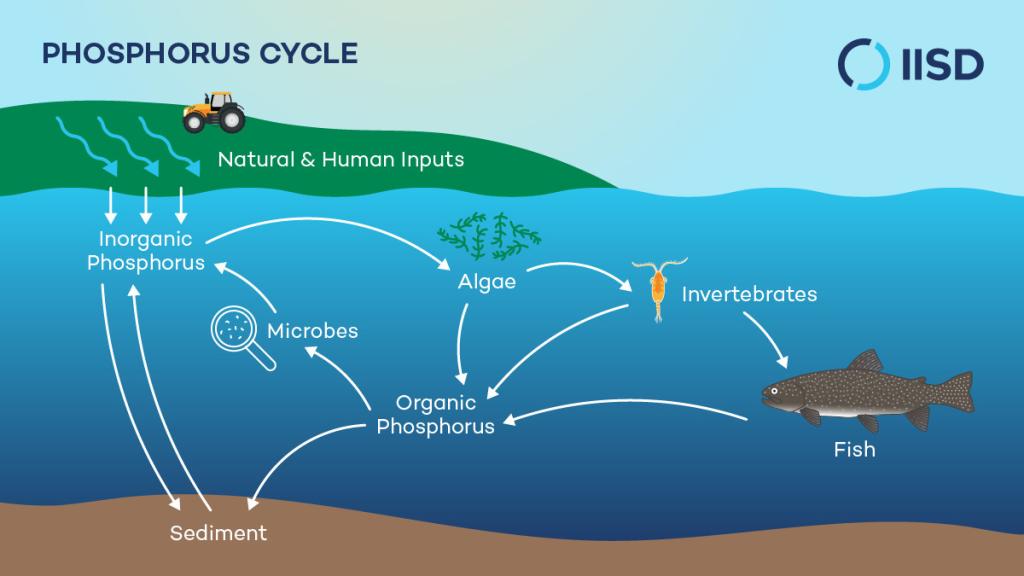
Phosphorus can make its way into rivers and lakes through many different means. The phosphorus cycle describes how phosphorus moves through a natural environment and interacts with organisms like microbes, algae, fish, and invertebrates. Natural sources of phosphorus include the leaching of minerals, as well as the periodic release of phosphorus retained in sediment reserves at the bottom of a lake.  

Illustration of the phosphorus cycle in freshwater systems

Human activities also contribute phosphorus to freshwater environments—often far outweighing natural sources.  

Anthropogenic (human-caused) nutrient pollution can be placed into two categories: point source (PS) and non-point source (NPS) pollution:

PS pollution comes from a distinct, identifiable source that typically releases pollution directly into waterways. These sources include wastewater treatment plants, livestock farms, factories, and mines.  

NPS pollution is more difficult to track because it can come from many dispersed sources that are difficult to identify. This type of pollution enters waterways indirectly through land runoff that gradually accumulates nutrients as it moves across the landscape before depositing them into waterways. Examples of NPS pollution include the application of fertilizers and pesticides on agricultural lands, as well as stormwater draining from urban areas.

There are many other factors that influence phosphorus concentrations in our lakes and rivers. The amount and type of precipitation and runoff, as well as the local soil and vegetation on the landscape, help determine how much phosphorus is washed into our waterways from non-point sources. Forested areas are more protected against erosion and runoff due to the presence of tree canopies and roots, which slow rainfall and absorb water. Urban and agricultural areas are much more susceptible to runoff and export higher amounts of phosphorus than other land uses due to the phosphorus content in fertilizers, livestock waste, and sewage. Land-use change can, therefore, influence phosphorus exports from a landscape. Other factors include the geology (bedrock) and topography (the shape and slope of the landscape) in a particular region. 
 

How are phosphorus hotspots identified? 
 

The problem is that researchers don’t have access to reliable data on human impacts on freshwater environments, particularly nutrient pollution from non-point sources. Actionable insights on phosphorus hotspots require long-term, continuous data obtained from multiple lakes and rivers in each watershed.  

Provincial and federal governments have been monitoring some of Canada’s 100 sub-watersheds for years, but in many areas, water quality data for this type of research is still lacking. Community-based water monitoring has emerged as a successful method for filling some of these data gaps by engaging and empowering local organizations and citizens to increase monitoring and surveillance of freshwater resources within their community. 

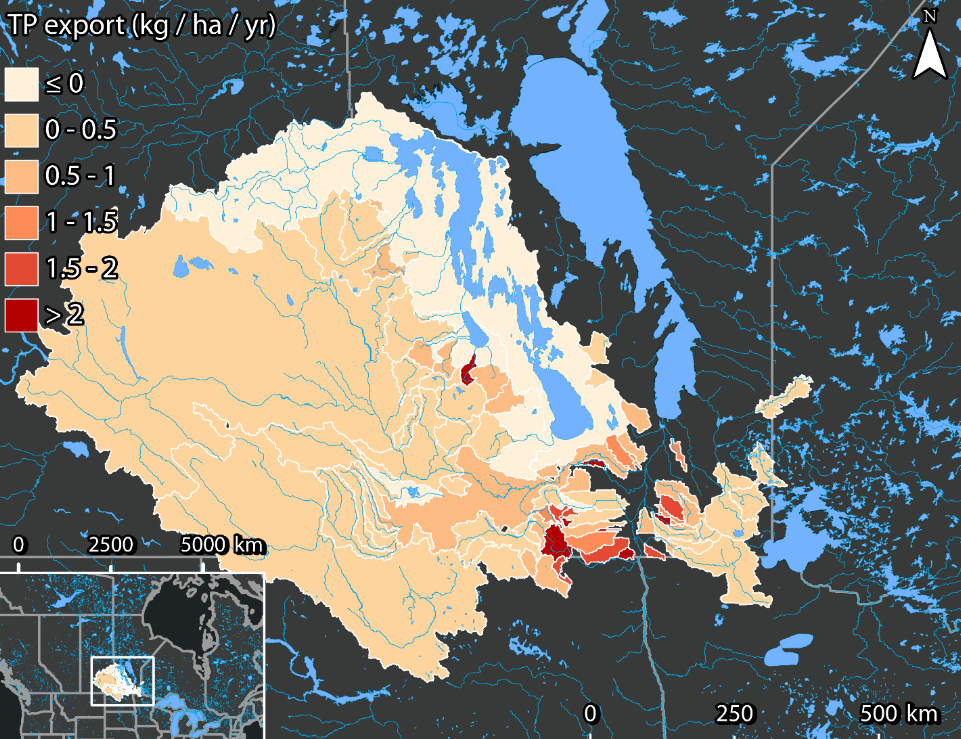
In Manitoba, the Lake Winnipeg Foundation (LWF) was founded to advocate for change and coordinate action to reduce phosphorus pollution to Lake Winnipeg. LWF coordinates the Lake Winnipeg Community-Based Monitoring Network (LWCBMN), which mobilizes volunteers and watershed district partners to collect water samples for phosphorus testing from across the province. Water samples collected are analyzed in a lab, and the resulting concentration data is used to calculate the total amount of phosphorus exported from lands upstream (the “phosphorus export”) for the year. Comparing these results over multiple years allows LWF to identify persistent phosphorus hotspots in Manitoba.

Phosphorus exports from sub-watersheds
Phosphorus exports from sub-watersheds sampled by LWCBMN in 2022. Image courtesy of LWF.

This data also helps researchers and policy-makers to better understand phosphorus hotspots through modelling. Water quality models can combine measured phosphorus concentration data with other information, like weather and land-use data, to estimate the sources and sinks of phosphorus within a watershed. Modelling can also be used to evaluate the phosphorus removed through new practices or policy measures within the watershed.  

How does identifying hotspots help us to manage phosphorus? 

Identifying phosphorus hotspots helps pinpoint areas of concern so that researchers and watershed districts can take action to improve locations that will make the greatest impact.  

Using publicly available data from the 2016 Census of Agriculture, IISD researchers were able to identify three hotspots in Manitoba: southwest Red River Valley, southeast Red River Valley, and southwestern Manitoba. They could focus their analysis on these three regions and identify several causes of poor water quality, including high fertilizer application rates, manure being applied on farmed acres without incorporating it into the soil, and high prevalence of conservation tillage (low- or no-tillage) practices.  

Once phosphorus hotspots are identified, researchers can design strategies to meet the needs of each case. For example, beneficial management practices (BMPs) can be implemented on agricultural lands to reduce nutrient runoff. There are many different types of BMPs that can be used to address nutrient pollution from a farm. Some examples include planting vegetation buffers, conservation tillage, crop rotation, and timing manure applications.  

The effectiveness of BMPs is variable and depends heavily on the specific conditions of the site to which they are applied. Applying BMPs generally to an entire province would not successfully reduce phosphorus exports everywhere and may even increase exports in some areas. Identifying phosphorus hotspots enables researchers to narrow their study area and focus on regions where implementing BMPs would be most beneficial.  
 

How can we mitigate phosphorus hotspots? 

Each watershed contributes to excess nutrient pollution for a different reason; therefore, effective BMPs and other water management strategies will be different for each hotspot.  

IISD has identified several strategies that can be employed in phosphorus hotspots of Manitoba, depending on the circumstances and conditions of each site. For example, areas with a high proportion of fertilizer application, such as the Southwest Red River Valley, would likely benefit from natural infrastructure solutions, such as engineered wetlands. Cattails in wetlands take up phosphorus and can then be harvested for biomass, permanently removing phosphorus from the landscape. In the Southeast Red River Valley, the lack of manure incorporation into the soil increases the risk of runoff during seasonal storms. Policy interventions that encourage producers to incorporate manure into their soil could benefit water quality in this region. Parts of the Assiniboine River in Southwestern Manitoba have been identified as phosphorus hotspots due to the high concentration of conservation tillage in this area, a method that improves soil health but can increase phosphorus runoff. BMPs such as vegetation buffers and retention ditches could remove some of the excess phosphorus caused by this method of tillage.  

IISD has also been developing and testing natural infrastructure strategies at IISD Experimental Lakes Area in Ontario and applying these strategies in practice in parts of Manitoba. Floating treatment wetlands (FTWs) are an example of a natural infrastructure strategy that could greatly benefit phosphorus hotspots. These small artificial islands create miniature wetlands that take up nutrients and reduce turbulence. They can be placed in stormwater ponds, wastewater lagoons, tailings ponds, and even oil spill sites. Results have shown that FTWs can significantly increase the productivity of cattail plants in lakes with excess phosphorus.  

floating treatment wetlands
Floating treatment wetlands, IISD-ELA

Monitoring and reducing phosphorus loads are essential to protecting fresh water.

As humans reshape our landscape to build our cities and grow our food, we often disrupt the nutrient cycle in our lakes and rivers. There are measures we can take to help reduce this phosphorus loading and the eutrophication of lakes like Lake Winnipeg, but it’s important that we know where to focus our attention and resources.

Identifying phosphorus hotspots is an essential step towards successfully implementing measures like beneficial management practices and natural infrastructure. Data collected by volunteers and researchers, or generated with the help of watershed models, can help decision-makers to direct their efforts strategically and achieve the greatest impact. 

Explainer details

Topic
Water
Project
IISD Experimental Lakes Area
Impact area
Nature
Explainer

EU Carbon Border Adjustment Mechanism Is Set to Get Bigger: Implications for trade and industrial value chains

The EU Carbon Border Adjustment Mechanism (EU CBAM) has only recently entered into force, yet plans are already underway to expand its scope. International Institute for Sustainable Development (IISD) trade experts explore what this could mean for global trade.

January 27, 2026

The EU CBAM has only just entered its operational phase, yet it is already set for significant expansion. The carbon border adjustment currently applies to a limited set of products, including cement, iron and steel, aluminum, fertilizers, electricity, and hydrogen. Carbon-related fees have been applied to these products since the beginning of the mechanism’s definitive implementation in January 2026. The proposed reform to extend the mechanism beyond basic materials is the outcome of a legally mandated review of the CBAM regulation following its transitional phase. It responds to growing concerns that rising EU carbon prices could intensify downstream carbon leakage and avoidance strategies. With its expanded scope, the CBAM could reshape both carbon pricing at the EU border and global industrial value chains. What will that mean for global trade, and what might come next?

What changes is the European Commission proposing?

Under the reform proposed by the European Commission (EC) on December 17, 2025, the CBAM would be extended to approximately 180 downstream products—manufactured goods incorporating materials already covered by the CBAM. Those are primarily steel- and aluminum-intensive downstream goods, most of which are industrial and supply-chain products like machinery, equipment and construction products, as well as a wide range of transport-related products. For example, the mechanism would apply to certain cargo vehicles, reflecting their high embedded steel and aluminum content, but passenger cars would remain excluded as finished products. Beyond vehicles, the proposed downstream scope would extend to a wide range of metal-intensive components and machinery, including a range of automotive parts, such as wheels, gearboxes, and certain engines. It also includes industrial equipment like industrial robots. Manufactured goods with significant steel or aluminum content—such as washing machines—would also be covered, as would some electrical goods and furniture.

How much more would be covered under an expanded CBAM?

CBAM-covered goods accounted for around 4.7% of total EU imports in 2023. The expansion would add a further ~2.5% of EU imports to the CBAM list. EC analysis indicates that China would be the most exposed trading partner, with additional downstream exports to the EU of around EUR 18 billion per year, followed by Türkiye (EUR 8 billion), the United States (EUR 6 billion), the United Kingdom (EUR 5 billion), and Japan (EUR 3 billion).

What are the risks of expanding the CBAM downstream?

Extending the CBAM downstream would significantly increase administrative and compliance complexity, particularly for products with long and fragmented supply chains, such as automotive goods. The further down the value chain coverage is extended, the further back up the value chain the newly covered goods need to reach to report emissions embedded in their CBAM-covered inputs. Calculating embedded emissions requires tracing steel and aluminum inputs across multiple supplier tiers and countries, posing challenges for data collection, verification, and consistency.

Expanding the CBAM downstream could also create material implicit trade costs on a larger set of imports. Frontier Economics and IISD estimates suggest that applying the CBAM to all downstream automotive products could be equivalent to an ad valorem tariff of around 4.6% on Chinese exports of those products by 2034 and around 2.6% for Japan and Korea. It should be stressed, however, that these estimates hypothesized a complete inclusion of the automotive value chain, including all finished vehicles, which is not the case with the proposal.

At the same time, the EC’s impact assessment suggests that EU import volumes of covered goods would change by well below 1%. At the macroeconomic level, impacts on GDP in both the EU and its trading partners are assessed as negligible (close to zero) in the same impact assessment. Similarly, an assessment by Frontier Economics and IISD simulating the inclusion of the entire automotive value chain under the EU CBAM found that the resulting impacts on trade flows and macroeconomic indicators would be very small, with percentage changes in gross national income (relative to baseline) and production remaining close to zero at the aggregate level.

What are the upsides of expanding the CBAM downstream?

Carbon prices in the EU’s carbon market have increased markedly in recent years and are widely expected to rise further over the next decade. Prices under the EU Emissions Trading System (ETS) have recently fluctuated roughly in the EUR 60–90 per tonne of CO₂ range, and many projections point to carbon prices in the order of EUR 120–200 per tonne by the mid-2030s.

If the EU were to extend CBAM to a wider range of steel-containing downstream products, a larger share of steel production would be exposed to these carbon costs when selling into the EU market. Such an extension would therefore amplify the impact of EU carbon pricing along steel value chains, beyond primary steel production alone.

Because hydrogen-based direct reduced iron combined with electric arc furnaces (H₂-DRI-EAF) generates far fewer emissions than conventional blast-furnace basic oxygen furnace (BF-BOF) steelmaking, producers using low-carbon technologies would face significantly lower carbon costs under the CBAM. As illustrated in Figure 3, at carbon prices of EUR 120–200 per tonne, “green” steel can become cost-competitive—or cheaper—than conventional BF-BOF steel for exports to the EU across major producing countries. This suggests that extending the CBAM downstream could materially strengthen incentives to switch to low-carbon steel in EU-oriented manufacturing. From a climate perspective, this shift would support mitigation objectives by strengthening incentives to deploy low-carbon steelmaking technologies and by reducing the emissions intensity of steel used in goods placed on the EU market.

The downstream expansion is also expected to deliver modest but measurable emissions reductions, according to simulations by the EC, which indicate that the proposed expansion could reduce global emissions by 0.8 megatonnes by 2035, assuming a carbon price of EUR 125 per tonne of carbon. This corresponds to roughly 0.002% of current global annual CO₂ emissions, highlighting that the climate impact is small in absolute terms.

What other CBAM expansions could follow?

Looking ahead, further CBAM expansions are possible as the EU seeks to align CBAM coverage with the full scope of the EU ETS, its domestic carbon pricing scheme, in order to avoid production in any ETS sectors from “leaking” out of the EU.

Organic chemicals and polymers, including plastics, are widely seen as potential candidates for CBAM expansion in the medium term. If the CBAM were expanded to these sectors with full inclusion of their downstream value chains, the share of EU imports covered by the mechanism could rise to up to 10%. More ambitiously, full alignment of the CBAM with all EU ETS sectors (including chemicals, polymers, plastics, refineries and petroleum products, glass, ceramics, and pulp and paper) could increase coverage to over 30% of total EU imports.

Expanded coverage would also reshape partner exposure. Under the current CBAM, China accounts for around 18% of EU imports of CBAM-covered goods, followed by India (7%) and the Russian Federation (6%). As CBAM coverage broadens, the relative exposure of certain high-income economies increases markedly: for example, the United States’ share of CBAM-covered EU imports would rise from around 4% to 13%–14% under the largest expansion scenario.

These shifts reflect underlying trade patterns across ETS-relevant sectors. China dominates EU imports of ceramics (45%) and glass (36%), while organic chemical imports are split primarily between China (26%) and the United States (25%). The United States leads refined oil products with 15%, followed by India, Qatar, and Saudi Arabia (around 10% each).

The trade exposure by trading partner (the share of their total exports that would fall under the CBAM) could become very high for certain insular economies, reaching close to 80% for Bonaire, mostly through its exports of refined oil products, and over 50% for Saint-Barthélemy, in large part due to exports of refined copper. Gibraltar could witness a large increase in its exposure due to exports of refined oil products. It should be noted, however, that these are upper-bound estimates and that an expansion to all ETS sectors is unlikely.

What comes next for the CBAM and border carbon measures globally?

From a comparative perspective, the EU’s approach would be far more encompassing than other border carbon adjustments currently under discussion. The United Kingdom CBAM remains, for now, focused on upstream products. Schemes currently under discussion in Australia and Chinese Taipei typically focus solely on cement. By extending carbon pricing deep into downstream goods or to new upstream sectors, the potential expansions of the EU CBAM would position the EU as the most ambitious jurisdiction globally in applying carbon pricing at the border, with far-reaching implications for global value chains and trade partners.

This piece draws on modelling results conducted by Frontier Economics for IISD. We would like to acknowledge George Riddell (Goyder Ltd.) for his analytical input on the administrative, technical, and political economy considerations relevant to extending EU CBAM downstream. We also acknowledge valuable comments by Alice Tipping and Aaron Cosbey (IISD). 

Explainer

What’s Next for Sustainable Development in 2026: A Q&A with Patricia Fuller, IISD President and CEO

As governments confront rising misinformation, constrained budgets, and intensifying climate risks, the need for evidence-based policy has never been greater. IISD President and CEO, Patricia Fuller, outlines the opportunities and challenges that will shape sustainable development in 2026.

December 17, 2025

How would you describe this past year in terms of sustainable development progress? Any milestones or setbacks that stand out?

This has been a demanding year, no question. Geopolitics, rising protectionism, and a wave of misinformation have all made it harder to design and deliver good policy.

Government budgets are constrained by defence spending and, in many developing countries, by crushing debt service loads.

In this context, it’s no surprise the climate meeting in Belém didn’t deliver significant progress. Yet, we can point to some positive milestones this year.

Even in Belém, there was a groundswell of support from more than 80 countries for a roadmap for fossil-fuel phaseout. And globally, we crossed a historic threshold: renewables overtook coal in the energy mix. We also saw notable advances in environmental governance. The World Trade Organization’s Agreement on Fisheries Subsidies, its first-ever environmental deal, entered into force, as did the landmark Agreement on Marine Biological Diversity of Areas Beyond National Jurisdiction. And the International Court of Justice made it clear that states have an obligation to protect the climate—a ruling that will shape climate litigation and accountability for years to come.

So yes, the context was difficult, but multilateralism still delivered breakthroughs.

What makes you feel hopeful about the year ahead?

The economics of the energy transitionthey’re moving faster than politics. Solar and wind are now the cheapest sources of new power generation in most markets. That’s driving a rapid surge in renewables, especially in large emerging economies where energy demand is growing fastest. No single country, not even the United States, can reverse it. It’s technological evolution. And if we remove barriers to renewable energy deployment, we can accelerate even further toward a cleaner, more secure, and more affordable energy future.

"A sustainable future is eminently possible, but it requires a healthier political and information ecosystem to get us there."


There’s also great promise in nature-based solutions. Our own work shows they deliver multiple wins at once—climate adaptation, healthier ecosystems, stronger local economies.

What worries you most as we look ahead?

The accelerating impacts of climate change. This was another year of extremes: heatwaves across Europe, devastating wildfires in Canada and elsewhere, flash floods from Texas to the Himalayas, and catastrophic hurricanes in the Caribbean. These events are becoming the new baseline, not outliers. The good news is that most governments now have national adaptation plans. But the funding to implement them still falls dramatically short. That is a major risk for lives, livelihoods, and stability.

What does the world most urgently need to focus on next?

Misinformation is a big challenge. We cannot make sound decisions on the basis of false narratives, especially when climate impacts are now visible in people’s daily lives. We need political discourse grounded in facts and science. While there may be short-term trade-offs between the economy and the environment, there are none in the medium term, and certainly none for our children. A sustainable future is eminently possible, but it requires a healthier political and information ecosystem to get us there.

Which areas of sustainable development are showing the strongest momentum right now?

The most exciting shift is that solutions no longer live in silos. We’re seeing interventions that tackle climate, nature loss, adaptation, social justice, and economic development simultaneously. That’s something IISD specializes in. We’re not solving one problem at a time—we’re solving clusters of problems with integrated solutions backed by data, modelling, and real-world case studies.

Nature-based solutions are a great example. They’re proving to be extraordinarily cost-effective—from flood protection to water quality to restoring ecosystems. And municipalities and communities are acting on the evidence, investing in restoration because the economic advantages are now undeniable.

What role do you see for think tanks in 2026?

Funding is tightening, both in development assistance and across the broader sustainability space. That means think tanks must show where they create the greatest leverage. And helping governments design strong, durable policy frameworks has one of the highest multiplier effects of any investment in sustainable development. We’re also hearing a clear message from many developing countries: less dependency, more partnership. That’s exactly where think tanks can add value—through peer learning, co-created programs, and technical support that strengthens domestic policy capacity.

"Solutions no longer live in silos. We’re seeing interventions that tackle climate, nature loss, adaptation, social justice, and economic development simultaneously."


And finally, the global economy depends on clear and fair rules. Whether it’s investment frameworks, sustainability standards, or responsible approaches to critical minerals, think tanks help shape systems that create mutual benefits—not zero-sum competition.

And the question everyone asks: if AI is advancing so quickly, will it replace policy experts and researchers?

AI is a powerful tool. It strengthens research, accelerates analysis, and enhances communication. AI will give you answers based on what already exists—on established approaches. But sustainable development requires us to reach forward, toward new ideas and new solutions.

And contrary to what people might assume, much of this work simply cannot be done without real people. It requires being on the ground, experiencing the nuanced context in which decisions play out, and engaging directly with communities whose lives are impacted by policy. It also demands being in negotiation rooms, reading subtle changes in tone or dynamic, and understanding the human side of diplomacy—things no algorithm can yet replicate.

AI can support this work, but it cannot replace the experience, judgement, and trust that comes from people who show up, listen, and understand the world as it really is, as well as the potential for what it can be.
 

Explainer

Five Trends That Have Shaped Global Subsidies Over Decades

Subsidies have long been debated: criticized for distorting markets and harming the environment, yet embraced to build green industries, protect people, and compete in global markets. They're impossible to ignore and hard to reform.


As we celebrate the 20th anniversary of IISD's Global Subsidies Initiative, we asked our experts how thinking on government support has shifted over the decades and where the conversation is taking us next. Here's what they told us.

December 16, 2025

Trend 1: Exposing Harm from Subsidies Beyond Market Distortion 

When the World Trade Organization (WTO) was created in 1995, subsidies took centre stage in global trade rules. Economic thinking of the time was clear: subsidies were distortions that pushed prices below their "true" cost, shielded inefficient industries, and discouraged innovation.

As Shruti Sharma, Lead at IISD Energy, recalls: "There was no climate or inequity agenda in this conversation. The main concern was just fiscal discipline and efficiency."

The debate zeroed in on unfair competition from major agricultural subsidizers. "Agriculture subsidies were creating oversupply and lowering global prices. The aim was to level the playing field," notes IISD policy analyst Facundo Calvo. This concern contributed to shaping the WTO Agriculture Agreement, which introduced the first global rules to curb trade-distorting farm support and improve market access for agricultural products.

By the late 1990s, the debate broadened. Scholars and environmental groups began asking not only whether subsidies distort markets, but whether they cause environmental harm.

"We began assessing subsidies—distorting or not—based on the harm they caused."

Nathalie Bernasconi-Osterwalder, Vice President

A turning point came in 1997, when the Earth Council published the first independent estimate of global subsidies across agriculture, energy, water, and transport. The figure neared USD 1 trillion, and much of it was shown to undermine sustainable development.

It added a new layer to the narrative. "The focus moved beyond distortions," says IISD's Vice President, Nathalie Bernasconi-Osterwalder. "We began assessing subsidies—distorting or not—based on the harm they caused."

Think tanks and civil society stepped in, and IISD's Global Subsidies Initiative became a leading voice calling out environmentally harmful support. Analysts started assessing subsidies not just by their production and trade effects, but by their impact on people and nature—whether through deforestation, pollution, increased emissions, collapsing fisheries, or unhealthy food systems.

Trend 2: Shifting Subsidies to Fix Market Failures

When subsidies are viewed through lenses other than those of pure economic efficiency, however, complexity enters the story. They can harm ecosystems, but they can also protect people and drive innovation. 

Food systems are a clear example. Subsidized cheap food can undercut farmers when prices fall too low, yet the same support can improve food security by lowering the cost of food for poor consumers in net food-importing developing countries. As Facundo Calvo puts it: "Lower prices can be good or bad depending on whom you ask: producers or consumers. Remove all agricultural subsidies, and you risk food insecurity, rising poverty, and malnutrition."

This understanding shifted the debate from eliminating subsidies to repurposing them toward public goods: resilient agriculture, healthier diets, and sustainable production.

"We are entering a promising phase in which reforming domestic public support to better serve nature and livelihoods is open for discussion among farmers, policymakers, and other relevant actors."

Cristina Larrea, Director, Agriculture, Food, and Sustainability Initiatives

Brazil, for example, is reforming agricultural subsidies to support low carbon practices, regenerative agriculture and reforestation. Malawi is reforming its agricultural input subsidy to scale the use of organic fertilizers. Meanwhile in India, state governments are reforming electricity subsidies for agriculture and the scale up of solar-powered irrigation.

"We are entering a promising phase in which reforming domestic public support to better serve nature and livelihoods is open for discussion among farmers, policymakers, and other relevant actors," says Cristina Larrea, IISD's Director of Agriculture, Food and Sustainability Initiatives. 

Trend 3: Subsidies as a Green Industrial Policy Tool

The energy sector shows how green industrial policy can drive global market shifts. Germany's early renewable support created demand when solar was still expensive. China then subsidized solar manufacturing at a massive scale—first for export, then at home. Costs collapsed, installations soared, and clean power became competitive.

Tara Laan, IISD's Energy Lead, notes: "It's been a real positive for the planet—solar is now affordable and available at scale. As electric vehicles and renewables expand," she adds, "subsidies for fossil fuels like gasoline, diesel, and gas are likely to decline over time."

This model is now being replicated across clean technologies, from batteries and electric vehicles to hydrogen and heat pumps. Governments are increasingly using subsidies not only to correct environmental externalities, but also to build domestic industries, secure supply chains, and capture the economic benefits of the energy transition.

Trend 4: The Rise of Global Subsidy Races

Green industrial policy has accelerated innovation and deployment at a pace that market forces alone were unlikely to deliver—but it has also intensified concerns about subsidy races and trade tensions. A series of shocks, including the COVID-19 pandemic, Russia's invasion of Ukraine, recent shifts in the United States' trade policy, and the scale and strategic orientation of Chinese state support to industry, have reinforced another role for subsidies: geopolitical insurance. 

Governments are now intervening not only to secure markets, but also to secure supply chains, reduce dependence on foreign manufacturing, and retain value-added production and jobs within their borders. These subsidy races risk deepening global inequities. Countries with large fiscal space can attract investment and shape emerging industries, while poorer economies struggle to keep up. "Wealthy economies compete with subsidy packages. Those with fewer resources turn to local-content requirements or trade restrictions to develop domestic capacity," says Alice Tipping, IISD's Director of Trade and Sustainable Development.

Ivetta Gerasimchuk, IISD's Energy Director, sees this moment as a fundamental reversal in the global subsidy narrative: "The table has flipped. For years, developing countries were urged to reform subsidies under a neoliberal lens. Today, they’re seeing it’s the rich economies who pump unprecedented subsidies into global markets, while the developing world has been reforming theirs for fiscal pressure reasons."

Trend 5: Tackling Environmental Challenges through Targeted Global Regulation 

Does today’s surge in subsidy competition mean the world has abandoned efforts to discipline them? "The context is certainly challenging, but not entirely bleak," says Nathalie Bernasconi-Osterwalder, noting that in the last few years, meaningful steps have been taken to curb inefficient and environmentally harmful subsidies.

The WTO's Agreement on Fisheries Subsidies marked a historic breakthrough: the first global rules targeting subsidies that contribute directly to overfishing and overcapacity. The Agreement on Climate Change, Trade and Sustainability includes rules specifically on fossil fuel subsidies, using a novel way to calculate the balance between fossil fuel subsidies and carbon pricing. Beyond trade, new signals are emerging in public international law. The International Court of Justice recently issued an advisory opinion stating that fossil fuel subsidies may constitute an unlawful act when they undermine states' climate obligations. 

Together, these developments suggest that even as subsidy use expands for strategic and industrial goals, the international system is slowly building guardrails to constrain the most damaging forms of government support.

As countries navigate environmental objectives, industrial competitiveness, and fiscal pressures, subsidy reform is increasingly being used as a powerful tool to steer economies toward new models.

What’s Next? 

The debate ahead is less about whether subsidies should exist, but how to discipline harmful ones and reform others to serve public goals.

Part of this debate is going on at the WTO. According to Alice Tipping, what the WTO needs now is "a reset of the rules governing how governments can intervene to shape trade." Without clearer guidance, she warns, there’s a real risk that countries will increasingly work around existing rules as they intervene more directly in their economies.

"We need a system that distinguishes legitimate public-interest subsidies from beggar-thy-neighbour measures, recognizing intent, preventing unfair advantage and environmental harm, and protecting trading partners," says Nathalie Bernasconi-Osterwalder.