Insight

"Electrify, Baby, Electrify": In 2025, governments must choose a safer world

Despite Donald Trump's anti-climate stance and a weak COP 29 climate finance deal, 2025 is the year for governments to prioritize the clean energy transition.

January 20, 2025

This article was published in full on Devex on January 20, 2025, and an excerpt republished with permission.

Donald Trump will be sworn in Monday as president of the United States for a second time.

Trump campaigned on the slogan "drill, baby, drill" and this month made an impromptu pledge to ban new wind turbines.

While deadly fires raged in the nation’s second-largest city, fueled by global warming, Trump misleadingly blamed California’s water infrastructure policies.

Read the article in full.


Insight

Five Key Priorities to End Fossil Fuel Subsidies in Canada

Despite Canada’s policy to end fossil fuel subsidies, it continues to funnel billions in public funds to the sector without transparent reporting. As the G7 president in 2025, Canada has a pivotal opportunity to lead by fully phasing out fossil fuel supports and investing in a cleaner, more equitable future. Here are five recommendations for effective subsidy reform.

January 17, 2025

Canada has repeatedly pledged to phase out subsidies for the fossil fuel industry, going back to G7 and G20 commitments in 2009 and reiterated several times since then. Canada’s G7 Presidency is a pivotal opportunity to push the G7 to deliver on its commitment. 

While some progress has been made, including policies to end “inefficient” fossil fuel subsidies and stop financing overseas fossil fuel projects, significant gaps remain. Canada continues to commit billions of public dollars to fossil fuels through subsidies such as direct transfers and tax breaks, as well as public financing mechanisms, such as loans, insurance, and bonds. 

The full extent of this funding is unclear due to the lack of transparency. Canada committed to publishing an inventory of its direct and indirect fossil fuel subsidies by December 2024 but failed to deliver. Without a comprehensive and regularly updated inventory of measures, it remains unclear how the “inefficient” subsidies policy is being applied and which—if any—fossil fuel subsidies have actually been phased out. After nearly 18 months since this policy was put in place, transparent reporting is key to ensuring its credibility.  

In a promising move in 2023, Canada joined its international peers in the Coalition on Phasing Out Fossil Fuel Incentives Including Subsidies and the High Ambition Coalition, which are shifting away from the qualifying term “inefficient” and instead focusing on eliminating all fossil fuel subsidies. To align with these efforts and be a leader in fossil fuel subsidy reform as the G7 president in 2025, Canada must work quickly to end the vast majority of its fossil fuel subsidies, allowing only narrow exemptions for exceptional circumstances, such as providing support for remote communities that rely on diesel.  

Here are five areas that must be prioritized to ensure transparency, reform existing fossil fuel subsidies and guarantee no further public funds flow as subsidies to fossil fuels.

Top Five Subsidy Reform Priorities 

1. Major Tax Credits and Reductions From Established Benchmarks 

One way that governments subsidize the fossil fuel industry is by offering tax credits and reductions from normally established benchmarks that reduce public revenue. For example, if most sectors pay a tax rate of 15%, and sector Y pays a tax rate of only 5%, sector Y receives a 10% tax subsidy. Or, if a certain sector receives a disproportionate amount of the benefit of a certain tax reduction, that would be a subsidy. In the government’s own framework, it defines “disproportionate benefit” as “more than 10% of the Measure's expenditures or foregone revenues is received by the Fossil Fuel Sector; or the Fossil Fuel Sector is specifically targeted to benefit from the Measure.” 

While Canada has made important progress in phasing out some tax benefits for the fossil fuel industry, significant tax reductions still exist that must be addressed. These include: 

  • Canadian Exploration Expense Deductions (CEE)—This provision allows mining, oil, and gas companies to deduct costs incurred while exploring for resources in Canada. These expenses include activities to determine the presence, location, size, or quality of mineral deposits, petroleum, or natural gas.  
  • Accelerated Investment Incentive—This measure lets companies quickly deduct the cost of newly acquired capital assets. While it applies across all sectors, it includes a special first-year benefit for faster deductions on Canadian development expenses (CDE) and Canadian oil and gas property expenses (COGPE), with a phase-out period from 2024 to 2028. 
  • Foreign Resource Expense Deductions (FRE)—This provision allows Canadian mining companies to deduct costs related to exploration and development activities conducted outside of Canada. 
  • Carbon Capture, Utilization, and Storage (CCUS) investment tax credit—This tax credit applies to capital investments in eligible CCUS projects made since January 2022. While the credit is not exclusive to the fossil fuel sector, the majority of CCUS projects in Canada are tied to fossil fuel operations.  
  • Steel tariff exemption for liquefied natural gas (LNG)—In 2019, the government announced an exemption on tariffs for imported steel used in the LNG industry in British Columbia.  
  • Tariff exemption for mobile offshore drilling units—Tariffs on these units, used for offshore oil and gas exploration and development, were first exempted in 2004. In 2014, the tariffs were permanently eliminated, costing the government an estimated CAD 13 million annually. 
  • Capital cost allowance (CCA)—Most mining and oil and gas companies’ capital assets qualify for a 25% depreciation rate on a declining basis.  Whether this constitutes a subsidy depends on the capital costs in the fossil fuel sector compared to those in other sectors and if more benefit is received by the fossil fuel sector due to higher capital costs. 

Currently, a lack of transparency prevents us from knowing the full value of these subsidies and how, if at all, the “inefficient” subsidies policy framework is being applied to them. However, the Parliamentary Budget Officer estimates that four tax exemptions—CEEs, CDEs, COGPEs, and FREs—resulted in CAD 1.8 billion in foregone revenue in 2021 alone.  

Canadians for Tax Fairness also found that the oil and gas sector receives a disproportionate amount of CCAs. The oil and gas sector had an excess CCA rate of 36% from 2010 to 2022, meaning that the allowed tax deduction was in excess of the actual depreciation. Comparatively, the excess rate for non-fossil fuel sectors was close to zero.  More transparent reporting is needed on these tax measures, including on the portion of the benefit that is received by the fossil fuel industry compared to other industries.  

2. Trans Mountain Pipeline Expansion and Operations 

The Trans Mountain Pipeline expansion (TMX) is perhaps the biggest commitment of the current federal government when it comes to public spending on the fossil fuel industry. In a vacuum of interest from the private sector, the government bought the pipeline in 2018, and construction costs have since more than quadrupled from initial expectations.   

With oil companies currently paying lower tolls than would be required to recover the capital costs over the expected lifespan of the project, the government is operating the pipeline at a loss. To recover the full cost of the project, companies should be paying CAD 25.53 per barrel of oil shipped, but instead are currently paying only CAD 11.37 per barrel. Continuing to give the industry this discount would result in a subsidy of up to CAD 18.8 billion

Since the pipeline became operational in May 2024, there has already been an estimated CAD 1.2–1.3 billion subsidy from discounted tolls on TMX; that’s over CAD 5 million per day. IISD’s recent report by Professor Tom Gunton proposes a production levy on western oil shipments to recover this subsidy and ensure the industry pays the full cost of the project. 

3. Carbon Capture and Storage 

The federal government has committed over CAD 9 billion to carbon capture and storage by 2030, the vast majority of which would be used by the fossil fuel sector. This support is primarily through the carbon capture and storage (CCS) investment tax credit, which covers 50%+ of the capital costs of new projects. The Parliamentary Budget Officer estimates this credit will cost taxpayers CAD 491 million in the 2024–2025 fiscal year. 

The federal CCS tax credit can be stacked with provincial subsidies such as Alberta’s Carbon Capture Incentive Program, which provides an additional 12% grant on capital expenditures for CCS. Despite these heavy subsidies covering over 60% of upfront CCS costs, the industry is advocating for additional support. Oilsands companies of the Pathways Alliance are seeking public funds to cover 75% of the cost of their CCS network. 

In addition to this generous tax credit for CCS, the federal government continues to provide more support. The Canada Growth Fund, which is mandated to invest public funds and attract private capital to build a low-carbon economy, has put a disproportionate amount of support behind CCS, with its CEO stating, “Canada is the best place in the world to build a CCS industry.” In just over a year since its first investment, Canada Growth Fund has put CAD 200 million into Entropy CCS (which could lead to a 20% ownership stake in the company), CAD 500 million in Strathcona Resources oilsands CCS (which could increase up to CAD 1 billion), and CAD 100 million in Svante Technologies CCS, in addition to a potential 40% ownership stake in a waste-to-energy project with CCS. The Canada Growth Fund has also proposed funding support for the Pathways Alliance CCS network. 

The government needs to stop subsidizing carbon capture and storage in the fossil fuel sector—it is not a net-zero solution, and investing public funds in this technology comes with huge opportunity costs. Instead of investing CAD 10 billion in CCS, the government could have funded energy-efficient housing, renewable energy expansion, clean drinking water, and other critical infrastructure gaps for Indigenous communities across Canada. 

4. LNG  

There is also significant federal support for expanding LNG export infrastructure in western Canada, including through subsidies for the substantial amount of electricity required to electrify LNG infrastructure. Internal government documents show that the British Columbia (BC) government has asked the federal government for CAD 1.5 billion to build the transmission infrastructure required to transport electricity to northern LNG sites. This would primarily serve LNG Canada, a project that received CAD 275 million of direct investments from the federal government in 2019, in addition to an estimated CAD 1 billion in steel tariff exemptions.  

Though the Minister of Natural Resources has suggested the federal government is “not interested” in funding LNG projects, the government’s fossil fuel subsidies policy does leave the door open for subsidies to LNG under the pretense that LNG exports could displace more carbon-intensive fuels abroad. However, IISD research has shown these sorts of international carbon credits are not credible and should not provide a basis for permitting or subsidizing LNG exports. 

The federal government is also supporting LNG expansion through public financing, such as the recent financing of CAD 100 million–200 million for the Coastal Gaslink Pipeline and CAD 400 million–500 million for Cedar LNG. These loans are not covered under Canada’s subsidy policy but must be tackled under Canada’s forthcoming policy to end domestic public finance for fossil fuels.

5. Low-Carbon Funds and Incentives 

The federal government has committed substantial investments and subsidies to advance decarbonization and grow the low-carbon industries Canada needs. It is crucial to ensure that these funds flow to the workers, communities, and institutions that need them—not to the fossil fuel industry. 

Additionally, while it is essential to reform existing subsidies, the overall elimination of fossil fuel subsidies requires the government to ensure that any future financial support for decarbonization, clean technologies, economic reconciliation, and low-carbon infrastructure does not go to fossil fuel companies or companies solely supporting the fossil fuel sector.  The reform and elimination of current subsidies have to go along with the assurance that new subsidies will not be created in their place. This includes funds such as the Strategic Innovation Fund, the Low Carbon Economy Fund, the Canada Growth Fund, the Canada Innovation Corporation, and the Energy Innovation Program, as well as new investment tax credits for clean electricity, clean technology, clean hydrogen, and clean technology manufacturing. 

There has been an increase in subsidies for the fossil fuel industry to support decarbonization. However, any funds invested in the fossil fuel sector, even for reducing emissions or methane leakage, ultimately save companies money or enhance operations and thus contribute to profits. These subsidies also carry significant opportunity costs, diverting limited public funds away from critical investments in renewable energy, electrification, and energy efficiency needed for the transition to a cleaner economy. 

Provinces Have a Role to Play 

Alongside these federal supports, many provinces also subsidize the production or consumption of fossil fuels and have a key role to play in redirecting those resources toward solutions. The Organisation for Economic Co-operation and Development estimates that Canadian provinces and territories provided CAD 4.6 billion in fossil fuel subsidies in 2023. Provincial subsidies include support for infrastructure related to fossil fuel extraction, transportation, and export, such as the estimated CAD 5.4 billion provided by the BC government to LNG Canada through various tax breaks and hydro rate reductions. They also include governments shouldering the burden of cleaning up fossil fuel industry liabilities, such as Alberta’s subsidies to oil and gas companies to clean up abandoned oil and gas wells.  

As well, there is an increasing trend of cutting provincial gasoline taxes, thus incentivizing the use of more fuel, with governments in Ontario, Manitoba, and Alberta enacting such measures in recent years, and the Saskatchewan opposition party proposing to do the same. The Ontario gas tax and fuel tax rate cuts are expected to cost CAD 620 million this fiscal year, while the Manitoba fuel tax cut was estimated to cost CAD 340 million annually prior to being removed in January 2025. Various fuel tax exemptions in Alberta cost an estimated CAD 295 million in 2024. Manitoba has also recently announced a freeze on natural gas rates for 2025, while BC has a tax exemption on residential energy from natural gas and fuel oil that costs around CAD 130 million per year. Saskatchewan has implemented a carbon tax exemption on natural gas, foregoing tens of millions in revenue, which the government vowed to extend in its recent throne speech. It is critical to acknowledge that many Canadians are struggling with increased energy, food, and other product and service costs in times of high inflation, but the default measure to reduce pressure should not be to reduce costs for polluting fuels. There are other avenues to provide support for consumers that are not tied to reducing the cost of fossil fuels that drive climate change. 

There has been some provincial progress, such as BC’s recent decision to exclude oil and gas expenditures from its mining exploration tax credit. However, much more needs to be done. During the compounding affordability and climate crises, governments should focus on directly supporting people rather than subsidizing fossil fuel consumption.  

Canada Needs to Comply With Its International Commitments 

To fully eliminate fossil fuel subsidies, Canada must start by publishing a comprehensive inventory of all financial supports to the sector—whether or not they are labelled as "efficient"—and update it regularly. This should include clear timelines for phasing out existing supports, such as those highlighted above. Canada should also move beyond qualifying terms and address all forms of financial support to the fossil fuel industry. 

This should go hand-in-hand with tackling domestic public finance for fossil fuels from Canadian crown corporations, amounting to at least CAD 7.6 billion to CAD 13.5 billion annually in recent years. Moreover, Canada can support a wider shift in financial flows to drive the energy transition, such as through strong, sustainable finance regulations for the private sector and encouraging pension funds to align their portfolios with credible net-zero scenarios.  

Creating the existing policy framework to tackle fossil fuel supports is a good start but much more work is needed to finish the job. 
Insight

IISD's Best of 2024: Articles

As 2024 draws to a close, we revisit our most read IISD articles of the year.

December 23, 2024

1. Climate Negotiations Glossary

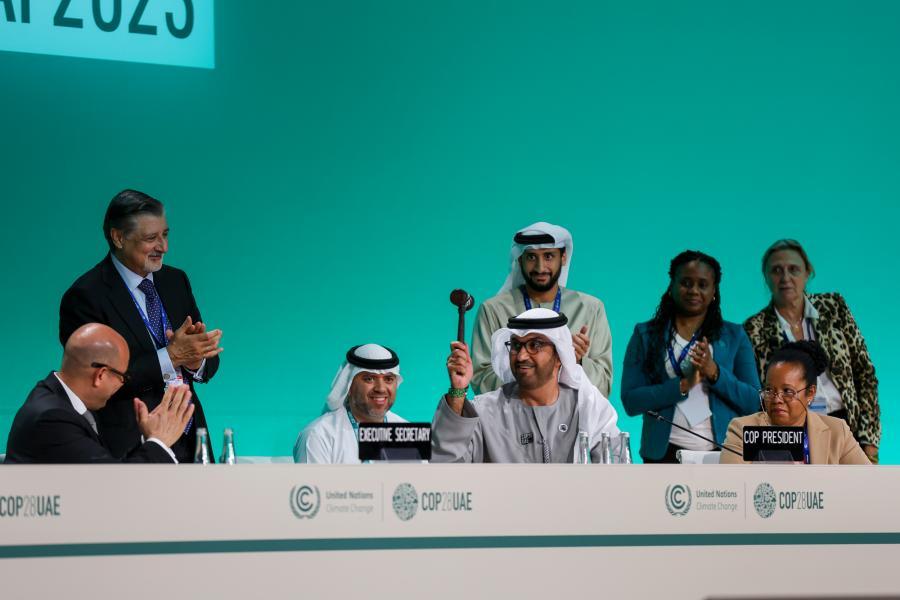
COP 28 adjourned

Do you know your ABUs from your WEOGs? Our Earth Negotiations Bulletin team is on hand with a timely climate negotiations glossary compiling clear, concise definitions of the key terms and acronyms used in UNFCCC talks and beyond.

2. UNFCCC Submissions Tracker

UNFCCC COP28

The United Nations Framework Convention on Climate Change (UNFCCC) is the mechanism through which countries coordinate the global response to climate change. It is also the process that led to the adoption of the Paris Agreement, which aims to limit the global average temperature rise to well below 2°C and preferably 1.5°C above pre-industrial levels. Our article raising awareness about opportunities to provide input into this process was the second-most popular on our site this year. 

3. What Is the UAE Framework for Global Climate Resilience, and How Can Countries Move It Forward?

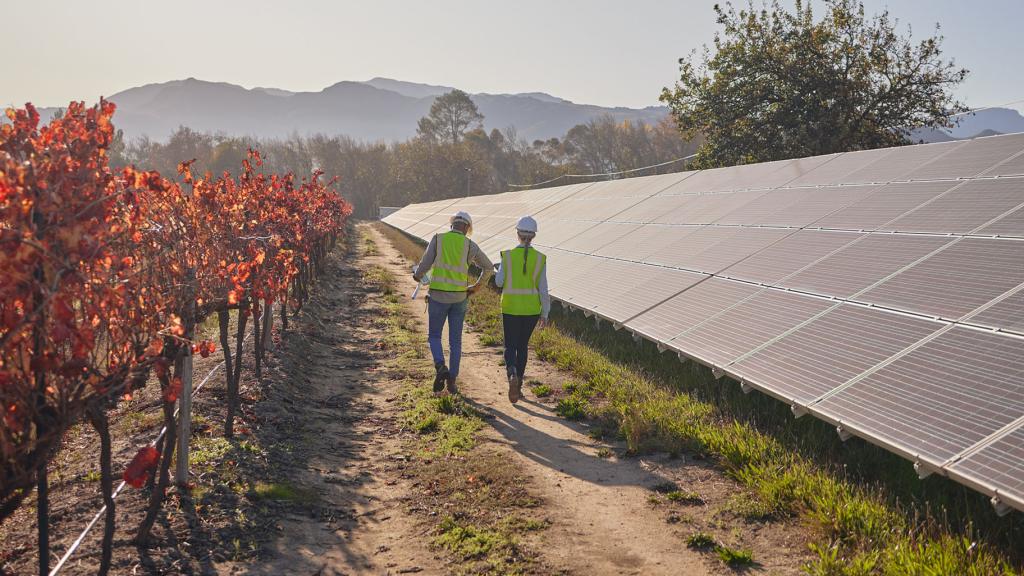
Technicians walk past solar panels on a farm with mountains in the distance.

With the introduction of the new framework for the Global Goal on Adaptation (GGA), COP 28 marked a milestone for adaptation. Emilie Beauchamp unpacks key outputs and set out how countries can move forward by strengthening their national monitoring, evaluation, and learning (MEL) systems.

4. Why Liquefied Natural Gas Expansion in Canada Is Not Worth the Risk

Natural Gas facility Image

Canada produces more natural gas than is necessary for domestic demand, with over 40% of production exported between January 2020 and July 2023. Our experts explain why new liquefied natural gas (LNG) facilities will undermine Canada’s domestic and international climate commitments through increased upstream and midstream emissions and—more critically—by diverting scarce financial and clean energy resources toward fossil fuel production and away from more cost-efficient decarbonization efforts. 

5. The Critical Next Step: What you need to know about Canada’s 2030 climate target

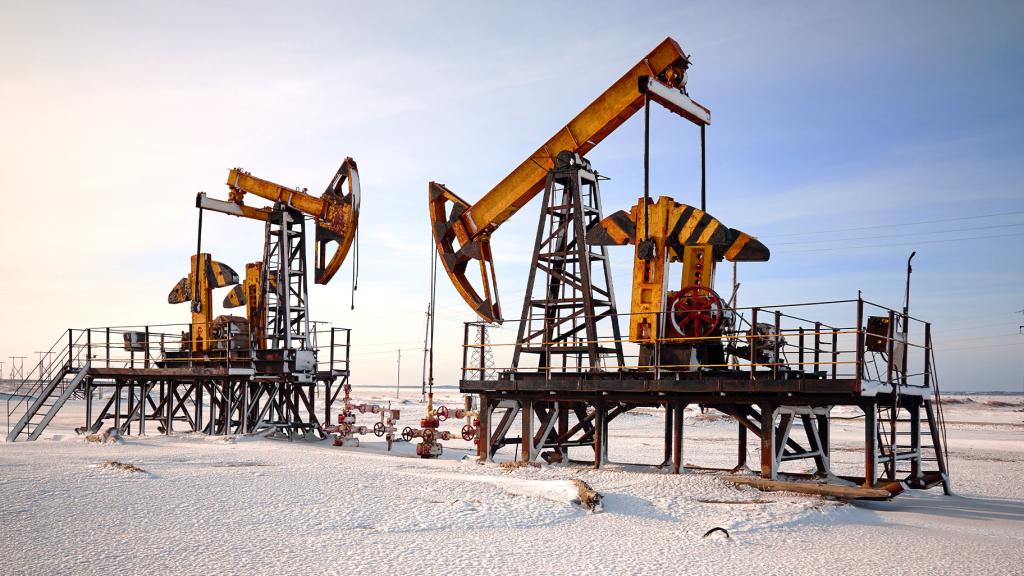
Two yellow-orange oil pumps stand against a snowy landscape.

At the close of 2023, Environment and Climate Change Canada released the first official Progress Report on its 2022 Emissions Reduction Plan. Our expert Steven Haig defines Canada's climate targets, explains why they're critical for keeping global temperature rise to 1.5°C, and maps out what more can be done to meet them.

6. How Fossil Fuels Drive Inflation and Make Life Less Affordable for Canadians

Image of gas station

Price spikes for oil and gas are nothing new, but as climate change worsens, risks to fossil fuel assets and supply chains increase. As global demand for fossil fuels declines, market responses, geopolitics, and possible imbalances in supply and demand could all potentially increase oil and gas price volatility. Jessica Kelly explains that transitioning energy systems away from fossil fuels can not only insulate against volatile fossil fuel prices and energy-driven inflation, but also reduce energy use and overall emissions.

7. COP 16 in Cali Delivers Key Outcomes for Nature but Questions Remain on Funding

a tropical bird with a bright red head and shoulders and black wings perches on a branch

Delegates departed from the United Nations Biodiversity Conference (CBD COP 16) after two weeks of negotiations in Cali, Colombia. The talks, which comprised the biggest biodiversity COP to date, focused in large part on how to implement and finance the Global Biodiversity Framework (GBF), adopted two years ago, as well as how to measure progress. Alec Crawford unpacks the wins and marks out areas for concern.

8. COP 16 Will Hinge on Who Benefits from Nature’s DNA

Ahead of the UN Biodiversity Conference in Cali, IISD’s Earth Negotiations Bulletin Team Lead Dr. Elsa Tsioumani breaks down key issues driving the negotiations of the Convention on Biological Diversity. A pillar of the talks is benefit-sharing from digital sequence information (DSI) on genetic resources—in other words, determining who profits from the digitization of the world’s genetic diversity and how much is given back to its stewards.

9. What Will Happen at COP 29?

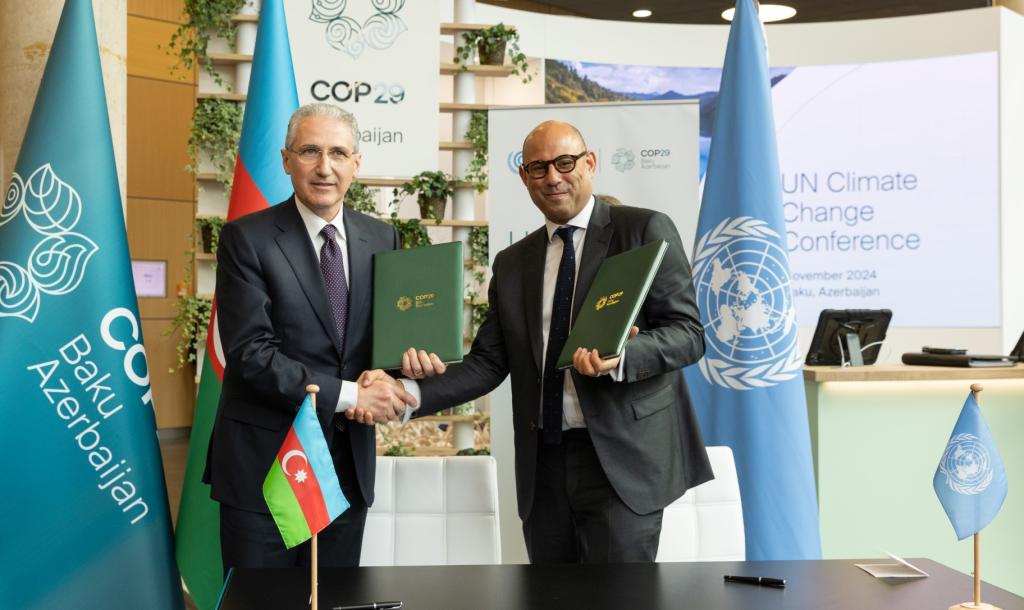
Mukhtar Babayev and Simon Stiell

Talks at the 2024 UN Climate Change Conference (COP 29) were expected to range from defining a way forward on finance through a new collective quantified goal (NCQG) to mitigation, and loss and damage. Ahead of negotiations in Baku, IISD’s Earth Negotiations Bulletin Team Lead Jennifer Bansard examined the agenda and broke down what to watch as eyes turned to Azerbaijan.

10. COP 29 Outcome Moves Needle on Finance

A group of people in formal apparel huddle around laptops in a white-walled room while having a discussion.

COP 29 concluded with a set of decisions including a widely anticipated agreement on climate finance. In the last hours of negotiations, concerted pressure from the most vulnerable developing countries resulted in an improved outcome on the finance target, with a decision to set a goal of at least USD 300 billion per year by 2035 for developing countries to advance their climate action. Nevertheless there was considerable and justified disappointment on the part of developing countries given the gap that remains with their identified financing needs for climate adaptation and mitigation. Our experts dive into the detail.

Insight

IISD's Best of 2024: Publications

As 2024 draws to a close, we revisit our most downloaded IISD publications of the year.

December 23, 2024

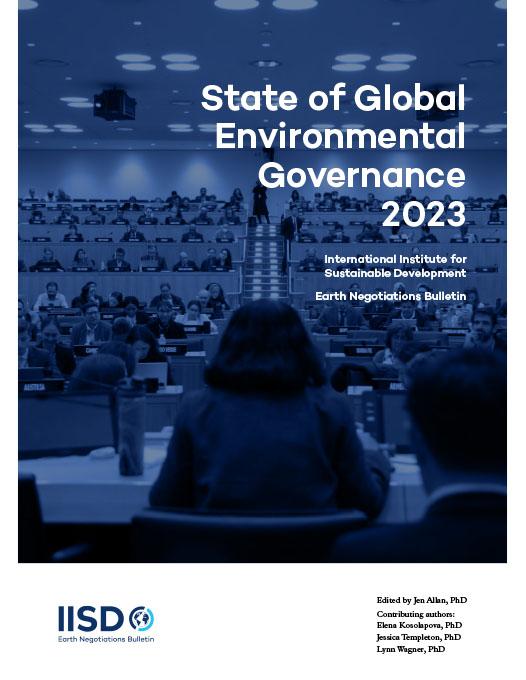
1. State of Global Environmental Governance

State of Global Environmental Governance 2023 report cover showing a room of delegates at a conference.

The year saw the last of the COVID pandemic-delayed milestones completed. Countries adopted major decisions to improve global chemicals management and protect marine life in international waters. But most of the year was about making all these rules work. Join the globetrotting Earth Negotiations Bulletin team as they review 2023's sustainable development negotiations, draw links between the talks, and look down the road to what the coming months hold for environmental multilateralism.

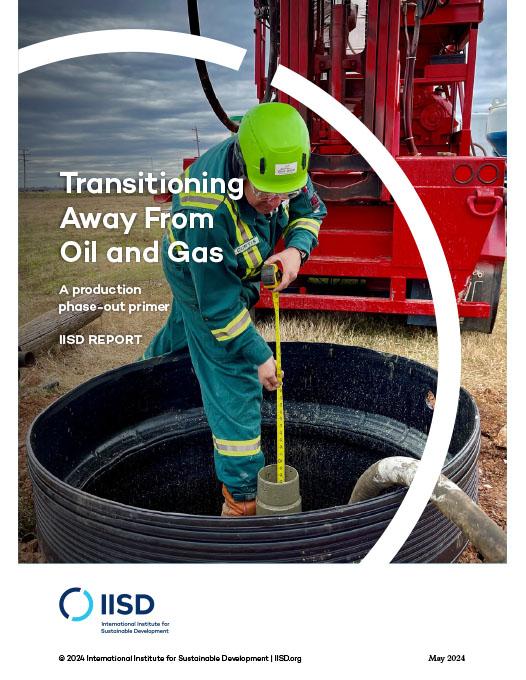
2. Transitioning Away From Oil and Gas

Transitioning Away From Oil and Gas report cover showing Curtis Shuck, chairman of the Well Done Foundation, measuring the cement used to plug an orphan oil well in Louisiana, USA.

At the COP 28 climate summit in Dubai, 198 governments agreed to transition away from fossil fuels. That means phasing out oil and gas, as well as coal. Yet most oil and gas producers plan to drill more, not less. Some countries are dependent on revenues from oil and gas, or politically entangled with the industry. An unmanaged transition could get ugly. So how do we deliver a fast, fair, and orderly phase-out?

3. Global Market Report: Tea prices and sustainability

Global Market Report: Tea prices and sustainability report cover showing workers in a tea leaves field.

After water, tea is the most consumed beverage in the world. Drinking tea is a daily ritual for half of the world’s population. From its origins in China, tea has spread across trade routes over centuries, becoming a key global cash crop and providing livelihoods for millions of smallholder farmers This report explores recent market trends in the tea sector and explains why sustainability standards and other value chain actors need to get better at recognizing the social and environmental costs of tea production.

4. Mapping India's Energy Policy 2023

Mapping India's Energy Policy 2023 report cover showing a person maintaining a solar panel.

Global resurgence of fossil fuel subsidies affects India too, and it may delay progress on clean energy goals and unwind decade of hard-won reforms. Over the past decade, India has made meaningful progress on fossil fuel subsidy reform, with fossil fuel subsidies declining by 59% since 2014—an accomplishment that many other large economies have failed to achieve. How has government support for energy in India evolved over the last decade? As India strives to become a USD 5 trillion economy over the next 3 years, what will its energy mix be? Is government support and taxation aligned with its long-term net-zero commitment?

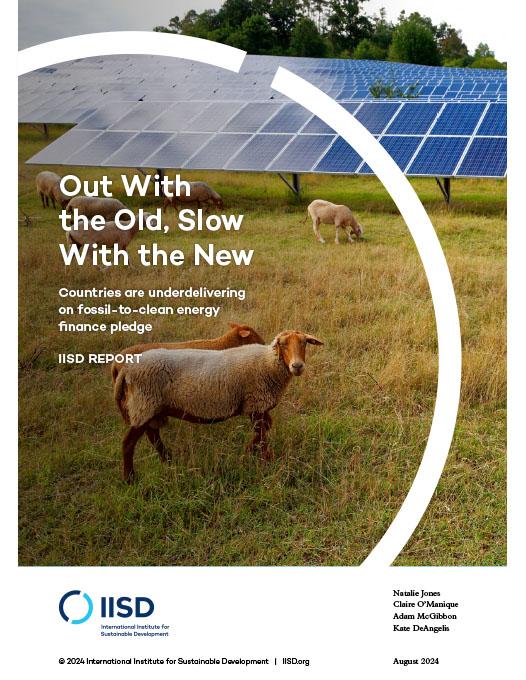
5. Out With the Old, Slow With the New

Out With the Old, Slow With the New report cover showing sheep grazing near solar panels.

At the United Nations Climate Change Conference (COP) in November 2021, 39 countries and public finance institutions signed the Clean Energy Transition Partnership (CETP), a joint commitment to end international public finance for fossil fuels by the end of 2022 and prioritize international public finance for clean energy. This report analyzes CETP signatories' finance for fossil fuels and clean energy, a year after the implementation deadline.

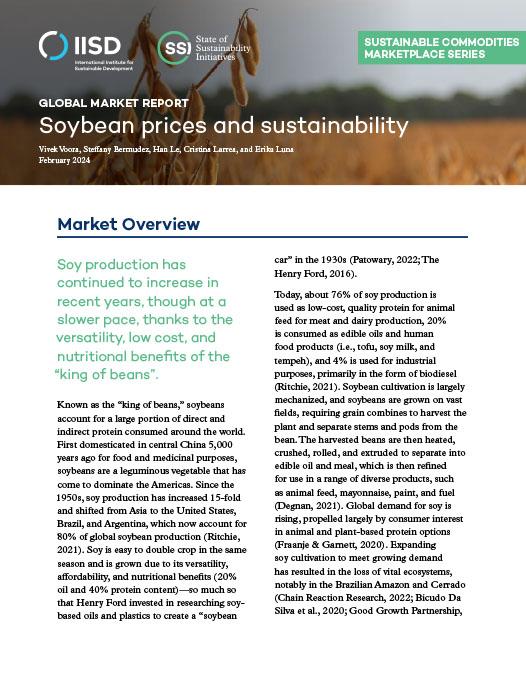
6. Global Market Report: Soybean prices and sustainability

Global Market Report: Soybean prices and sustainability report cover showing a soybean field.

Known as the “king of beans,” soybeans account for a large portion of direct and indirect protein consumed around the world.  Since the 1950s, soy production has increased 15-fold and shifted from Asia to the United States, Brazil, and Argentina, which now account for 80% of global soybean production. Less than 3% of soybeans are produced in compliance with sustainability standards. This report unpacks what needs to change to make soybeans a food that protects rather than harms the natural environment.

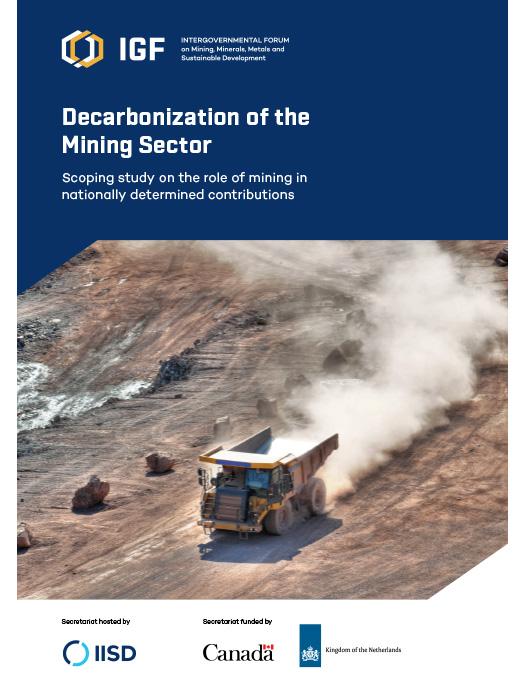
7. Decarbonization of the Mining Sector

Decarbonization of the Mining Sector report cover showing a large yellow dump truck driving through a mining site with dust trailing behind.

The urgency to decarbonize our societies to limit global GHG emissions is driven by global climate goals and commitments under the Paris Agreement. The mining sector's energy-intensive nature makes it a significant source of GHG emissions, necessitating strategic management to reduce its own GHG emissions and prevent exacerbating other major planetary crises, such as pollution and biodiversity loss. Recognizing the urgent need to decarbonize to address climate change, this scoping study provides an in-depth analysis of the mining industry's current status, challenges, and opportunities in participating in the global effort to curb greenhouse gas (GHG) emissions.

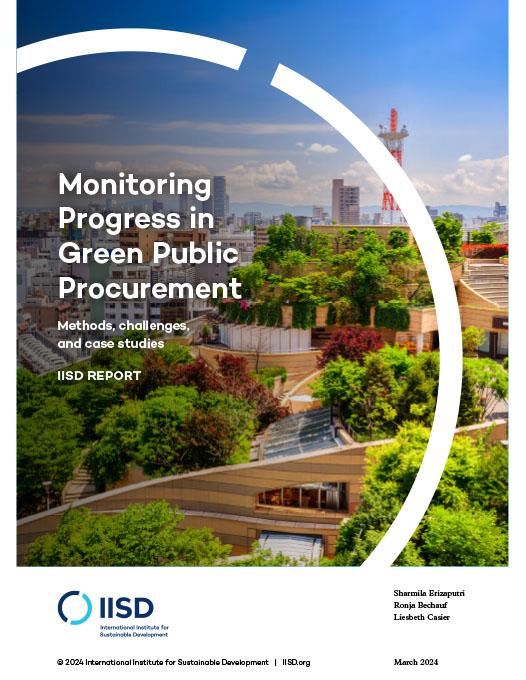
8. Monitoring Progress in Green Public Procurement

Monitoring Progress in Green Public Procurement report cover showing an urban park in Japan.

Public procurement is responsible for approximately 15% of worldwide greenhouse gas (GHG) emissions, according to recent research from the World Economic Forum. “Greening” public procurement is therefore a critical strategy to support the reduction of GHG emissions related to government activities. Effective Green Public Procurement (GPP) monitoring is key for countries to track progress toward their climate goals. We outline the importance of monitoring GPP and highlight the various methodologies, challenges and recommendations for improved monitoring practices.

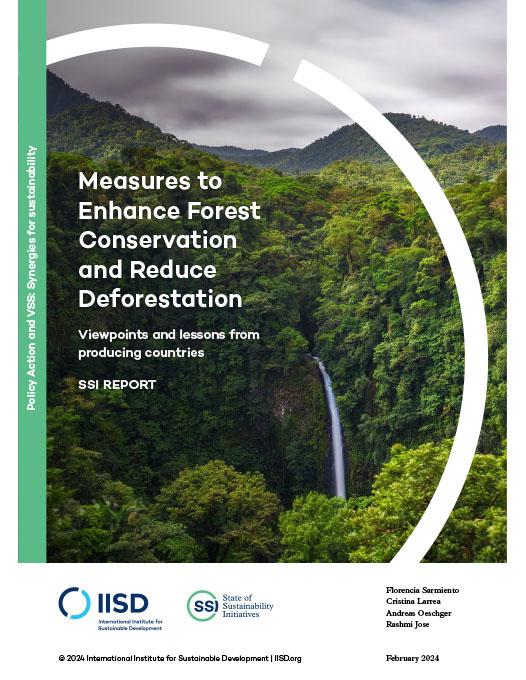
9. Measures to Enhance Forest Conservation and Reduce Deforestation

Measures to Enhance Forest Conservation and Reduce Deforestation report cover showing a forest with a waterfall under a grey sky.

Forests sustain and protect us in a myriad of ways. They absorb carbon dioxide and provide us with oxygen, they harbour more than three quarters of terrestrial biodiversity, and they support the livelihoods of millions of people worldwide. But the world has lost 420 million hectares of forest since 1990. This report outlines and compares various policy measures that Costa Rica, Gabon, Indonesia, Peru, and Rwanda have put in place to address deforestation and explores the role of voluntary sustainability standards (VSSs) in complementing them.

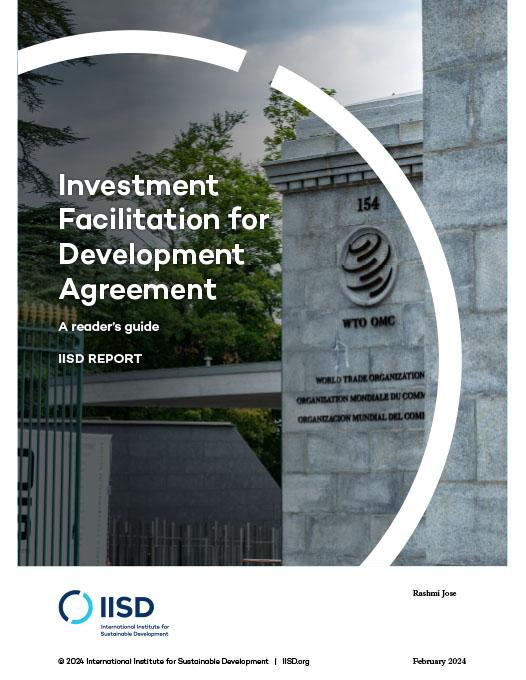
10. Investment Facilitation for Development Agreement: A reader's guide

Investment Facilitation for Development Agreement reader's guide cover showing the WTO building.

After three years of informal talks and three years of formal negotiations, a group of more than 115 WTO members announced a major milestone on July 6, 2023: the finalization of the legal text of a new global agreement on investment facilitation. This reader's guide provides an overview of the Investment Facilitation for Development Agreement. It describes the rules and legal provisions that have been agreed and succinctly explains what the disciplines require. It has been designed to provide all interested stakeholders with a short and clear summary of the treaty.

Insight

The Cost of Fossil Fuel Reliance: Governments provided USD 1.5 trillion from public coffers in 2023

December 18, 2024

Government support for fossil fuels reached at least USD 1.5 trillion in 2023. This is the second-highest annual total on record after 2022, when Russia’s invasion of Ukraine triggered a global fossil fuel price crisis.

The latest data on fossil fuel subsidies, capital investment by state-owned energy companies, and international public finance shows financial flows are far from aligned with low-carbon and resilient development (Figures 1–3).

There is a huge opportunity to redirect this money for the benefit of people and the planet.

  • Fossil fuel subsidies to consumers, producers, and general services: Data for 2023 covers 83 economies, as estimated by the International Energy Agency (IEA) and the Organisation for Economic Co-operation and Development (OECD). Until 2022, this data was complemented by International Monetary Fund (IMF) estimates of fossil fuel subsidies in the rest of the world. The 2022 figure has been revised up from the previously estimated USD 1.5 trillion to USD 1.7 trillion in real terms, based on more precise data from IEA and the OECD. 
  • State-owned enterprise (SOE) investment: USD 368 billion in 2023, as estimated by IISD.
  • International public finance: Estimated at USD 29 billion in 2023, based on the average of 2020–2022 figures from Oil Change International, as published on EnergyFinance.org.

Regulated consumer prices

The largest component of support to fossil fuels was subsidies for consumption, at USD 1 trillion. Despite falling oil and gas prices, many measures that were put in place to ease the impact of high fuel costs on households and businesses in 2021 and 2022 continued into 2023.

It can be challenging to remove subsidies when people rely on fossil fuels to get around or heat their homes. However, untargeted fuel subsidies mainly benefit wealthy individuals, who use more energy. Ending these subsidies and redirecting funds to targeted social protection can reduce poverty and inequality, cut air pollution, and level the playing field for clean technology. 

Ultimately, clean energy can cut household bills and reduce exposure to fossil fuel price swings, but this depends on upfront investment reaching those who need it.

Fossil fuel lock-in

Alarmingly, around one third (USD 447 billion) of the support locks in new fossil fuel production through subsidies (USD 36 billion), capital spending by SOEs (USD 368 billion), and international public finance (USD 29 billion). This is likely to be an underestimate for two reasons. First, domestic public finance is not included. Second, while the dataset includes producer support estimates for such large producers as Argentina, Australia, Brazil, Canada, China, Norway, the United Kingdom, and the United States, it has blind spots for others, such as Iraq, Iran, Kuwait, Russia, the United Arab Emirates, and Venezuela.

The science is clear: there is no room for new fossil fuel projects under a 1.5°C global warming limit. Existing oil and gas fields, if fully exploited, would burn through the entire carbon budget for a 50% chance of limiting warming to 1.5°C.

No government can claim to be a climate leader while backing fossil fuel expansion through public subsidies and investments. Instead, they should make the industry pay its fair share of taxes and channel investment into accelerating the rollout of clean energy.

Unmet pledges

Countries have agreed at the G7, the G20, and UN climate talks to phase out “inefficient” fossil fuel subsidies. While there have been pockets of progress, we have not seen a downward trend in the sums involved.

The onus is on wealthy countries to lead the way with reforms because of their historic responsibility for climate pollution and greater resources to invest in the transition.

Accordingly, the G7 set a deadline for its fossil fuel subsidy phase-out commitment: 2025. The updated Fossil Fuel Subsidy Tracker shows that they are far from meeting it. G7 countries provided at least USD 282 billion of fossil fuel subsidies in 2023, nearly three times the amount in 2020. Subsidies continued to rise last year despite a decrease in the international oil price.

Germany’s measures to shield industries and households from high international gas prices explain much of that increase. Its fossil fuel subsidies grew by USD 64 billion from 2022 to 2023 to become the second highest in the world, after Russia and before Iran.

Japan, the Netherlands, and France were also among the top 10 subsidizers of 2023.

More broadly, the 23 developed countries responsible under the UN climate convention for providing climate finance to the developing world spent USD 378 billion supporting fossil fuels. When other countries the World Bank classifies as “high income” are included, the figure is USD 508 billion (Figure 4).

This puts into context the pact at last month’s COP 29 summit to mobilize USD 300 billion a year in climate finance by 2035. It shows that public money is available but flowing in the wrong direction. Some of the fiscal space freed up by fossil fuel subsidy reform could be used to meet those climate finance commitments.

Walking the talk

There are initiatives to turn high-level pledges into action. For example, the Coalition on Phasing Out Fossil Fuel Incentives Including Subsidies launched at the 2023 climate conference in Dubai with 12 countries (later joined by four more) promising to publish national inventories of fossil fuel subsidies, create domestic subsidy phase-out implementation plans, and work together to overcome international barriers to reform. The Agreement on Climate Change, Trade and Sustainability signed by four countries last month advances the issue through legally binding trade disciplines. Such initiatives need to deliver and inspire more countries to join.

Emerging markets and developing economies also provide large amounts of government support for fossil fuels, mostly by capping retail prices below international prices.

Subsidy reform offers a tremendous opportunity for these governments to free up budget lines for other priorities. India, for instance, cut subsidies to oil and gas by 76% between fiscal years 2014 and 2017, thanks to reforms coupled with decreasing international oil prices. During the same period, government support to renewable energy grew almost sixfold, from INR 2,608 crore (USD 431 million) in FY 2014 to INR 15,040 crore (USD 2.2 billion). Fuel taxes were also ramped up, creating the fiscal space for India to connect every household to electricity, among other development actions.

At the international level, shifting financial flows from fossil fuels to clean energy is set to come under focus in 2025. Talks under “Article 2.1(c)” are mandated to reach a decision at COP 30 climate talks in Belem, Brazil, potentially paving the way for a substantive agreement on the issue. This should include agreeing to immediately stop subsidies for fossil fuel expansion, end public finance to fossil fuels, pivot SOEs to clean energy, and support people, not fuels.

Insight

Good COP? Bad COP?: Food systems at COP29

The 29th United Nations Climate Conference (COP 29) in Baku failed to build on the notable progress made on food systems at COP 28.

December 10, 2024

COP 28 delivered several breakthroughs for food systems and agriculture, including the first leaders’ level declaration on food and agriculture at a COP and the inclusion of food in the global stocktake and Global Goal on Adaptation. In contrast to the spotlight on the intersection between food and climate at COP 29, food systems, biodiversity, and ecosystems barely featured in the COP 29 final outcomes. Indigenous representation was similarly limited, and we witnessed pushback on the use of inclusive language.

However, it wasn’t all doom and gloom for food systems and land use at COP 29. A number of positive developments emerged that the food systems community can continue to foster and grow ahead of COP 30 next year in Belem.

  1. We saw an increased focus on the need to mitigate non-CO2 greenhouse gas emissions in food systems. The COP 29 Declaration on Reducing Methane from Organic Waste, signed by over 30 countries representing almost 50% of global methane emissions from organic waste, shone a spotlight on the importance of reducing food loss and waste for methane abatement, including the need to leverage funding and build synergies with related objectives on issues such as food security, soil health, and energy. At the United States, China, and Azerbaijan Summit on Methane and non-CO2 GHGs, donors announced new finance for tackling methane mitigation, including in the agriculture sector, as well as new policy commitments and research covering both methane and nitrous oxide emissions.  
     
  2. There was continued momentum from a coordinated food systems community and around a range of existing initiatives. The Alliance of Champions for Food Systems Transformation, launched at COP 28 in Dubai, shared a progress update and welcomed two new members to the Alliance: Tanzania and Vietnam. Although progress toward the Emirates Declaration on Sustainable Food and Agriculture has been slow to date, parties did emphasize the need to mainstream food systems into nationally determined contributions (NDCs) and national adaptation plans, as well as for additional finance for food systems transformation.
     
  3. Brazil and the United Arab Emirates (UAE) announced updated NDCs at COP 29, including emissions relating to food systems, land use, and nature. Brazil pledged to reduce emissions by 59%–67% by 2035, with a strong emphasis on reducing deforestation as well as reference to existing measures to support sustainable agricultural practices, such as the ABC+ Plan. The UAE pledged to cut emissions by 47% by 2035, including a commitment to cut emissions from agriculture by 39% and to address emissions from energy use in the sector.

As the year draws to a close and policy-makers look ahead to the coming year, work remains to be done ahead of COP 30 in Brazil. Ambitious outcomes across a range of agenda items are critical for food systems transformation; however, enhancing synergies between food systems and climate is similarly critical for mitigating emissions from food systems and building their resilience to climate impacts:

  1. Developing countries need financial support to transform their food systems. Therefore, the commitment from developed countries to raise USD 300 billion per year in climate finance should be viewed as a floor, not a ceiling. Developed countries must deliver on their promise and mobilize climate finance to support developing countries. With an estimated annual investment of USD 1.1 trillion needed to align food systems alone with climate goals, it is vital for our food systems that the Baku to Belem Roadmap identifies new and innovative sources to rapidly scale climate finance and match the annual USD 1.1 trillion need. Emphasis must also be placed on the accessibility of finance to vulnerable and marginalized groups, such as women, youth, Indigenous Peoples, and smallholder farmers.
     
  2. Efforts must be taken to strengthen the commitment made at COP 28 to “transition away from fossil fuels” and to underscore the role food systems play in this transition. Energy systems and food systems are inextricably linked, with an estimated 15% of annual global fossil fuel use driven by our food systems. Food systems are also highly vulnerable to the climate impacts driven by emissions from a continued reliance on fossil fuels across all sectors of our economies. Policy-makers need to address these interlinkages and develop integrated approaches to transitioning both our food and energy systems away from fossil fuels, including in progressing outcomes from the global stocktake.
     
  3. Ambitious food systems- and nature-related targets are needed in countries’ 2035 NDCs. Updated NDCs must recognize the interlinkages between food systems, climate, and biodiversity and be well integrated with national biodiversity strategies and action plans. They should include actionable, measurable targets across the whole food system—harnessing the potential of both production- and consumption-side measures.  Additionally, they should cover issues including, but not limited to, food loss and waste, soil health, habitat restoration, and deforestation-free supply chains.  The COP Presidencies’ Troika of the UAE, Azerbaijan, and Brazil must step up their commitment to cooperate and build a coalition to support parties on the path to ambitious NDCs.

COP 29 made little progress on the foundations laid at COP 28 and failed to make any substantial headway on commitments recognizing the critical role food systems play in climate action. However, progress did not backslide. In Baku, an increasingly well-coordinated, motivated food systems community cooperated to keep moving forward. Much remains to be done ahead of COP 30, however, and this community will be critical in continuing to build momentum.

The road from Baku to Belem starts now.

Insight

Ending Export Credits for Oil and Gas: How OECD countries can end 2024 with a climate win

By Patricia Fuller and Laurence Tubiana

December 9, 2024

A consistent theme at the climate talks in Baku, Azerbaijan, was extreme frustration from the poorest and most vulnerable countries at the inadequate finance offered by developed countries—finance they sorely need to address the ravages of climate change on their economies and communities.

This frustration, building from one climate conference to the next, is not only because poor countries are bearing the brunt of climate change while having done little to cause it—it is because of the hypocrisy they see on the part of rich countries who claim they are unable to provide more to developing countries while continuing to subsidize the fossil fuels causing climate change.

The deal reached in Baku to mobilize USD 300 billion a year by 2035 is a progression on previous commitments but falls short of developing countries’ assessed needs. It also falls short of the estimated amount of public money that developed countries are providing to fossil fuels.

Despite the commitment to make “finance flows consistent with a pathway towards low greenhouse gas emissions and climate resilient development pathways,” domestic fossil fuel subsidies in 23 developed countries—those who are responsible for providing climate finance under the Paris Agreement—totalled at least USD 378 billion in 2023. And outside of national borders, rich countries still provide export credit finance of USD 41 billion per year to oil and gas, following their earlier agreement to end export credit support for coal.

Members of the Organisation of Petroleum Exporting Countries (OECD) have a critical and immediate opportunity to address at least the export credit finance element of public finance for fossil fuels to show they are serious about shifting funds from fuels that are exacerbating climate change to solutions that will protect planet and people, especially those in the poorest countries.

For a year now, OECD governments have been negotiating an agreement that could put an end to oil and gas export finance. Originally put forward by the United Kingdom, the European Union, and Canada, the proposal is now backed by nearly all OECD countries. If the few holdouts can be persuaded, this deal could only be reversed if all negotiating countries agreed to undo it.

Following the acrimony in Baku, this would be a very real way for the mostly rich countries of the OECD to show policy coherence, respond to calls from the poorest countries to stop subsidizing the fuels that are causing the climate crisis, and shift public finance to solutions.

A restriction on export credit support to oil and gas is also pro-development in another way. To the extent that these credits are being offered for projects in the developing world, they are placing these economies at increased risk. The International Energy Agency projects that oil and gas demand will both peak before 2030, even if no new climate policies are rolled out. New oil and gas infrastructure, such as gas-fired power plants, are at risk of becoming stranded assets unable to recover the original investment costs.

Public financing for fossil fuels has an outsized impact compared to private finance. Since it is government-backed and often provided at preferential below-market rates and longer time horizons, it helps leverage additional investment for proposed projects. It makes viable polluting projects that might not otherwise be financially feasible.

We have seen the potential of multilateral leadership in export finance before. In 2021, the OECD ended coal-fired power export credit financing, a key milestone in the phase-out of international public finance for coal. Now OECD countries have the opportunity to replicate this success for oil and gas. This could free up much-needed public finance to accelerate the uptake of clean energy.

Insight

Baku Conference Sets New Collective Climate Finance Goal

The Baku Climate Change Conference (UNFCCC COP 29) delivered what the Earth Negotiations Bulletin (ENB) describes as “a milestone agreement that will inform climate action for years to come.” Countries set a new collective quantified goal (NCQG) on climate finance. The operationalization of the market-based cooperative implementation of the Paris Agreement (Articles 6.2 and 6.4) was another major outcome. Yet, parties could not reach agreement on a number of issues.

November 29, 2024

This article originally appeared on the SDG Knowledge Hub on 27 November 2024

The ENB summary report of COP 29 notes that the NCQG decision “calls on all actors to work together to scale up financing to developing countries for climate action from all public and private sources to at least USD 1.3 trillion per year by 2035.” It sets a goal of at least USD 300 billion per year by 2035 for developing countries’ climate action. This money is to come from a wide variety of sources, including public and private, bilateral and multilateral, as well as alternative sources, with developed countries taking the lead. “Developing countries are encouraged to make contributions on a voluntary basis,” ENB writes.

Delegates at COP 29 huddle. In the top right, text reads COP29: It's Time to Act.

Also in the context of the NCQG, countries agreed “to pursue efforts to at least triple annual outflows from the key climate funds from 2022 levels by 2030 at the latest.” “The decision also acknowledges the need for public and grant-based resources and highly concessional finance, particularly for adaptation and responding to loss and damage,” especially for the least developed countries (LDCs) and small island developing States (SIDS), among other vulnerable countries with significant capacity constraints, ENB notes.

The NCQG is an extension of the USD 100 billion per year by 2020 goal, and negotiations towards it were difficult. According to ENB, developed countries wanted to expand the contributor base to include “other parties in a position to contribute,” while developing countries called for a higher quantum. Some called for specific targets on the provision of public finance and finance mobilization. LDCs and SIDS called for minimum allocation floors for their groups.

People holding a banner which says: "Make Polluters Pay!" at COP 29.

The Baku Climate Change Conference saw the many years of negotiations on the modalities for setting up the Paris Agreement’s carbon markets come to conclusion. “The Article 6.2 decision will allow the Secretariat to provide registry services to countries that request it, allowing them to issue mitigation outcomes as units, and these services would be interoperable with the international registry,” the ENB analysis of the meeting explains. The Article 6.4 methodologies and removals requirements were also adopted, and “[t]he first Article 6.4 issuances can roll out as early as 2025.”

Countries also:

  • Extended the work programme on gender;
  • Provided further guidance on defining indicators for assessing progress toward the Global Goal on Adaptation (GGA);
  • Adopted arrangements with the new Loss and Damage Fund; and
  • Extended the mandate of the working group facilitating the implementation of the Local Communities and Indigenous Peoples Platform.

Parties could not reach agreement on, inter alia:

  • The dialogue on the implementation of the outcomes of the Global Stocktake (GST);
  • The just transition work programme;
  • Review of the progress, effectiveness, and performance of the Adaptation Committee;
  • Second review of the functions of the Standing Committee on Finance;
  • Seventh review of the Financial Mechanism;
  • Linkages between the Technology Mechanism and the Financial Mechanism;
  • Further guidance on features of nationally determined contributions (NDCs);
  • The report on the annual dialogue on the GST informing NDC preparation; and
  • Procedural and logistical elements of the overall GST process.

According to ENB, many were disappointed about the lack of agreement in Baku on whether and how to take forward the GST outcomes, especially considering the importance of the next round of NDCs, to be submitted in 2025, to avoid overshooting the 1.5°C goal.

A woman shouts into a loudspeaker at COP29 in Baku, Azerbaijan

The Baku Climate Change Conference convened from 11-22 November 2024 in Baku, Azerbaijan. It consisted of the 29th session of the Conference of the Parties (COP) to the UNFCCC, the 19th meeting of the Conference of the Parties serving as the Meeting of the Parties to the Kyoto Protocol (CMP 19), the sixth meeting of the Conference of the Parties serving as the Meeting of the Parties to the Paris Agreement (CMA 6), and the 61st sessions of the Subsidiary Body for Scientific and Technological Advice (SBSTA 61) and the Subsidiary Body for Implementation (SBI 61). [ENB Coverage of Baku Climate Change Conference]


Insight

This Is What Young People Have to Say About INC-5

The treaty must address the entire life cycle of plastics, youth tell INC-5 negotiators. We couldn’t agree more.

November 26, 2024

The world’s first international treaty to combat plastic pollution will be finalized during the fifth session of the Intergovernmental Negotiating Committee (INC-5) in the Republic of Korea. As delegates were arriving in Busan to negotiate the final text, there was already an important meeting underway. The day before INC-5 officially began, youth from 30 different countries gathered for a full day of discussions on what they expect to see from the treaty at the Youth and Stakeholder Assembly on Plastic Pollution.  

The day started with a High-Level Opening Plenary: Multilateralism for a Plastic Pollution-Free Future, featuring Inger Anderson, the Director of the United Nations Environment Programme (UNEP), who gave the gathered youth an update on what to expect from the negotiation.  

The final say on the high-level panel went to Zuhair Ahmed Kowshik, the Global Coordinator of Official Youth Constituency to UNEP and of the children and youth major group (CYMG). Kowshik outlined the position of CYMG: while it is crucial to have a deal signed this week, the negotiators must ensure they are representing their people, not just the big economic actors. Kowshik also stressed the importance of remembering that plastics are closely linked to other environmental issues like climate and biodiversity. This is why CYMG supports a high-ambition treaty that encompasses the whole plastics life cycle. 

High Plenary Panel at INC-5 Youth Assembly
The panel for the High-Level Opening Plenary. Photo: United Nations Environment Programme under Attribution-NonCommercial-Share

Following the initial panel, several youth-led thematic panels focused on issues ranging from financial instruments to inclusive involvement of all stakeholders. Throughout the day, young people flagged three key major concerns and hopes for this plastics treaty.

  • Inclusive and active stakeholder and rights holder engagement is crucial. Youth see it as vital that marginalized groups be included at all stages of decision making. This means that not only must marginalized groups have access to seats at the table, but they must also have access to clear and inclusive language and financial support to attend meetings.
  • The treaty must focus on the whole life cycle of plastics. The youth want to see this treaty encompass the entire plastics life cycle, including production. Turning off the tap should be the highest priority.
  • Youth need to be consulted. National delegations should be actively engaging with youth from their countries and reflecting their views in the negotiations process. 


IISD actively supports young people in their holistic vision for the treaty. In fact, some of these asks are already reflected in our own five key expectations for the plastics treaty. In short, the agreement must be inclusive, and it can only be effective if it tackles plastics across their entire life cycle—from production to waste management. We must start reducing and restricting certain types of plastic production if we truly want to eliminate plastic from our food, bodies, environment and, of course, freshwater supplies.

Throughout the day, some more artistic representations of what the treaty means for youth were included. An art exhibition was visible throughout the day, featuring pieces by youth from around the world. After lunch, we were also treated to a music video inspired by the plastics treaty and an appearance by the plastic monster mascot. 

The Plastic Monster makes an appearance at INC-5
The Plastic Monster makes an appearance at the Youth and Stakeholder Assembly on Plastic Pollution. Photo: Emily Kroft
Art being shown at the INC-5 Youth Assembly
Some of the art on display throughout the day. Photo: Emily Kroft

Events such as this assembly are important for youth to engage on meaningful policy and climate concerns that have very real impacts on our future. Together, these events provide a platform for youth to advance advocacy efforts, develop better understanding of the issues at hand, and create cohesive policy stances to provide a voice for the younger generation.  

It remains to be seen whether negotiators will listen to the demands of youth this week. In the meantime, any youth who wish to have their voices heard on the treaty can participate by responding to the plastic action survey by CYMG.  


Header photo: United Nations Environment Programme under Attribution-NonCommercial-Share.

If you’re a young person interested in learning more about policy and its impact or want to prepare for a career in sustainable development, IISD Next hosts a Campus Workshop Series on Sustainability each academic year.  

Sign up to learn more about the series.


Insight

Stabilization Clauses: The hidden provisions that can hinder tax and investment policy reform

Stabilization clauses should no longer automatically be included in contracts between states and investors. If they are, they should, at a minimum, build on the latest international standards on stabilization to avoid being a barrier to sustainable development.

November 22, 2024

Stabilization clauses are provisions in investor–state contracts designed to protect the investor from changes in the host country's laws or regulations that could affect their operations.

The term might not immediately get your pulse going. But developing countries must get their approach to these increasingly contentious clauses in investment contracts right to protect and promote revenue collection and attract foreign investment that supports sustainable development, human rights, and a just energy transition.

Stabilization clauses will be on the agenda at next week's session of the International Institute for the Unification of Private Law and the International Chamber of Commerce Institute of World Business Law Working Group on International Investment Contracts.

Launched in 2023, the Working Group is looking to develop guiding Principles, model provisions, and commentary for investment contracts. While these address corporate social responsibility and sustainability, the Working Group's guidance is also set to include stabilization clauses. This means there's a risk that the Working Group could end up legitimizing these clauses as an automatic part of "modern" investment contracts.

Any new efforts to revisit stabilization clauses must instead reflect the latest norms and standards, most recently the Organization for Economic Co-operation and Development's (OECD's) Guiding Principles for Durable Extractive Contracts from 2020, seizing the opportunity to better align investment contracts with modern standards of sustainability, transparency, and fairness.

Stabilization clauses should no longer automatically be included in investment contracts. Laws and regulations on climate change, environmental protection, human rights, or labour rights should never be subject to legal guarantees of stabilization. If fiscal issues are subject to stabilization, the investor should demonstrate a legitimate commercial need—and if that’s the case, the time and scope should be limited, with the option for review. Governments should remain free to align regulations with internationally recognized rules to address tax avoidance—for example, the Global Minimum Tax.

What Are Stabilization Clauses?

Stabilization clauses are provisions that can be included in contracts between investors and states. These clauses typically lock in specific laws and regulations of the country where the investment takes place at the time the contract is signed and for a specific period (the stability period).

This shields investments from subsequent changes in those laws and regulations, including on issues such as taxation, climate mitigation, environmental protection, and human rights. In many investment contracts, the stability clauses cover all or large parts of domestic law, and the periods often extend over several decades.

Stabilization clauses are particularly common in developing countries' investment contracts, especially within the mining industry. They have been most prevalent in sub-Saharan Africa and essentially non-existent in OECD countries. They also tend to be the most generous in developing countries, both on substance and the time period they cover. This can be explained by the power imbalance between large companies and developing country governments, which isn't the case in developed countries, where stabilization is uncommon (and may even be considered unconstitutional).

These clauses are also sometimes enforced through international arbitration between investors and states. This means that when a country changes a law or regulation supposedly stabilized by these clauses, the investor can seek monetary compensation from the government by suing it in arbitration tribunals, so-called investor–state dispute settlement.

OECD Principles a Starting Point for Wider Reform

States looking to modernize their investment contracts should base their efforts on the OECD's 2020 Guiding Principles for Durable Extractive Contracts, which reflect the most recent normative understanding of stabilization clauses.

The Principles were developed over 5 years by an inclusive process that included industry, international organizations, civil society, academia, developed countries, and developing countries. They build on several earlier standards, beginning with John Ruggie's efforts in 2007–2011 as Special Representative of the UN Secretary General on Business and Human Rights.

They propose several fundamental changes in how to approach stabilization.

First, they distinguish between stabilization of fiscal issues and non-fiscal issues, underlining that non-fiscal stabilization is no longer acceptable. This means that laws and regulations on climate change, environmental protection, human rights, or labour rights should be clearly excluded from the scope of any such clauses.

Second, they are clear that fiscal stabilization clauses should be seen as a choice for governments and investors based on commercial and investment-related issues and not a presumptive legal requirement for governments.

Third, to the extent that they are required, the Principles point to reduced and narrower uses for fiscal stabilization clauses—such as reducing the scope to select fiscal terms, limiting the time period, and possibly applying a stability premium to the tax rates so the stabilization regime is in effect purchased from the state.

Finally, they introduced a concept of revenue certainty. Whereas stabilization has always been addressed from the investor's perspective, the Principles seek to untie governments' hands to address corporate tax avoidance or evasion and protect government revenues when a sharing-of-benefits agreement between the parties is in place.

An upcoming practice note by the Intergovernmental Forum on Mining, Minerals, Metals and Sustainable Development (IGF), whose Secretariat is hosted by IISD, will provide further guidance on the content and implementation of the OECD Principles, emphasizing their approach to more limited and narrow uses of stabilization clauses in mining and other investment contracts.

Freezing Clauses and Economic Equilibrium

While the OECD Principles don't discuss the different types of stabilization clauses, several reports have shown that a shift is taking place away from traditional freezing clauses toward so-called economic equilibrium clauses.

As the name suggests, freezing clauses freeze specific laws and regulations as of the time of signing the contract and for a specified period. Any attempt by the state to make subsequent changes in these laws and regulations will automatically lead to a breach of the clause. When investors decide to sue states in investment tribunals for breaching freezing clauses, states usually end up being ordered to pay monetary compensation to the investor.

Economic equilibrium clauses are another form of stabilization. These clauses aim to restore the economic balance between the parties as it existed when the contract was signed. If a change in law has had a demonstrably negative economic impact on the investor, this will trigger economic compensation from the state to the investor—for the expense of complying with the legal change—or at least efforts to negotiate.

The advantage of this approach is that governments retain the flexibility to change laws that cover existing investments. The risk is that if economic equilibrium isn't well-defined in the contract, arbitration tribunals can later interpret it as having the same effect as a freezing clause and order states to pay similar levels of monetary compensation to the investor.

Experience shows that no approach to fiscal stabilization is without risk for host governments, which is why the OECD Principles also propose an alternative to legal guarantees of stability. They suggest that a predictable fiscal regime for investors—one that adjusts how the financial benefits are shared between the parties when factors affecting the investment project's profitability change (such as prices and costs)—can contribute to contracts' long-term sustainability and reduce incentives for renegotiation.

Opportunity to Revisit Investment Contracts and Stabilization

Amid the growing focus on investment contracts, developing country policy-makers should take this opportunity to revisit their approach to stabilization clauses based on the path set out by the OECD's Principles and with the following guardrails:

  • Laws and regulations on climate change, environmental protection, human rights, or labour rights should never be stabilized.
  • Fiscal stabilization clauses should not automatically be included in investment contracts. They should only be used if the investor can demonstrate a legitimate commercial need.
  • If they are included, fiscal stabilization clauses should be limited in scope and time and may include a premium.
  • Fiscal stabilization should never limit governments' ability to align regulations with bona fide, internationally recognized rules to address tax avoidance. Nor should they limit governments' room to protect against investors shifting profits and eroding the country's tax base.
  • Governments should consider designing their fiscal regime to be responsive to changes in profitability. A flexible regime is more likely to be sustainable over the longer term, making the investment environment more predictable and reducing the need for renegotiation.

Insight details