Insight

Advancing Gender Equality and Human Rights at COP 29: Why intersectionality matters

It is difficult to argue against the idea that we should centre the most vulnerable people in our efforts to manage climate risks and that, often, the most vulnerable people are those who face intersecting forms of discrimination. Yet there has been resistance to integrating intersectionality language in United Nations Framework Convention on Climate Change (UNFCCC) discussions, despite evidence that it is central to just and effective climate action. Angie Dazé explains why intersectionality is a key step toward climate justice.

November 4, 2024

Intersectional approaches aim to address the complexity of social systems by recognizing the ways in which different structures of inequity—gender inequality, racism, ableism, and ageism, for example—overlap and are interdependent. The term intersectionality was coined by Black feminist Kimberlé Crenshaw in 1989; however, the concept existed previously within certain social movements and in some Indigenous ways of knowing.

Intersectionality shifts the focus from individual identities to structures of inequity, providing the foundation for systemic approaches that address discrimination and injustice.

It is fairly well established that gender inequality is a factor that influences how people experience and respond to climate change, as well as their opportunities to participate in decision making. However, other inequities have typically received less attention, obscuring differences among people of the same gender. It may also mean that we are overlooking other factors—such as being Indigenous or having a disability—that may lead to overlapping forms of discrimination that exacerbate vulnerability to climate change and create barriers to engaging in the solutions. An intersectional approach provides a framework for understanding these interconnected issues and what they mean for climate action.

The concept of intersectionality is becoming more prominent in climate policy discussions. In the UNFCCC, it is showing up more frequently in the negotiations. Notably, it was mentioned in the United Arab Emirates Framework for Global Climate Resilience (UAE FGCR), which emphasizes that adaptation action should be based on and guided by intersectional approaches. It has also been raised in the discussions around the review and update of the Lima work programme on gender and its gender action plan (GAP), where the draft negotiating text that will be further discussed at the 29th UNFCCC Climate Change Conference (COP 29) includes references to intersectionality. However, there has been some resistance to integrating intersectionality language in UNFCCC discussions, with some arguing that it is an academic concept that is not relevant in all country contexts.

3 Rastafari farmers working on a field in Jamaica
We cannot deny that structures of inequity, such as colonialism, racism, and ableism, have an influence over people’s vulnerability to climate change and the opportunities they have to adapt.

Intersectionality is applicable across all areas of climate action, including adaptation, just transition, loss and damage, and climate finance. If we focus specifically on adaptation to illustrate its importance, we cannot deny that structures of inequity, such as colonialism, racism, and ableism, have an influence over people’s vulnerability to climate change and the opportunities they have to adapt. These structures intersect with each other and with gender inequality. Understanding how these intersecting forms of discrimination shape people’s adaptive capacity is fundamental to building resilience in a way that is inclusive and sustainable. This is clearly stated in the latest report on adaptation from the Intergovernmental Panel on Climate Change (IPCC), which affirms that intersectional approaches are central to understanding differential vulnerability.

Though intersectionality may appear to be an academic theory, it is clear that we should centre the most vulnerable people in our efforts to manage climate risks and that often, the most vulnerable people are those who face intersecting forms of discrimination.

And there is scientific evidence that backs up this assertion. Working Group II of the IPCC highlights the ways in which climate risks vary for different people due to intersecting structures of inequity based on gender, ability, and ethnicity, among other factors. It notes that deliberate attention to intersectionality in community engagement for adaptation can help to empower excluded groups and highlight justice issues while advancing local development priorities.  It asserts that there is high confidence that intersectionality is important to just environmental policies but that there is limited evidence of its integration in adaptation policies. The IPCC, the most important scientific body on climate change, identifies intersectionality as a “fundamental question” about equity and justice in adaptation.

In fact, adopting an intersectional approach provides more flexibility, as it does not predetermine which groups require particular attention in relation to climate change adaptation. Instead, it allows for analysis to determine which structures of inequity need more consideration in a given context. Using intersectionality as a lens can help us move toward a more nuanced analysis of the power structures and systemic barriers that undermine resilience and inhibit people’s opportunities to participate in climate action. Focusing on these structures of inequity is firmly in line with a gender-responsive and human rights-based approach to adaptation, which is enshrined in the Paris Agreement.

What Needs to Happen at COP 29?

At  COP 29, negotiators have an opportunity to ensure that the next phase of the Lima work programme and an updated GAP provide a framework for climate action that confronts the complexity of social systems and centres the people who have the most to lose in a changing climate. Globally, there is progress on integrating gender considerations into climate action. We see it in the establishment of a target for gender-responsive adaptation planning in the UAE FGCR. We see it in countries’ efforts to incorporate gender issues in their nationally determined contributions and national adaptation plans. We see it in the work of gender advocates and women on the frontlines of climate change who are taking action to reduce greenhouse gas emissions and build resilience. But there is more to do, and an intersectional approach will only strengthen these efforts. Ensuring that intersectionality is captured in the Lima work programme, the GAP, and other key decisions coming out of Baku represents a small but important step on the pathway to climate justice.

This article draws on discussions held at a knowledge co-production workshop on intersectionality and climate change adaptation earlier this year. We are grateful to the following individuals who shared their insights and experiences during this event: Joanita Babirye, Gabriela Balvedi Pimentel, Natalie Cleveland, Tsitsi Chataika, Ashlee Christoffersen, Diego De Leon, Ignatius Dube, Kudakwashe Dube, Ivana Feldfeber, Alex Gordon, Menka Kalisha Goundan, Young Hee Lee, Phelister Rosa, and Jhannel Tomlinson.
 

Insight details

Topic
Gender Equality
Impact area
Climate
Insight

How Indonesia's Incoming President Can Advance the Transition to Clean Energy

With Prabowo Subianto inaugurated as Indonesia’s President, speculation abounds about the new administration’s commitment to the clean energy transition and climate targets, given Prabowo’s positioning as the “continuity candidate.” The question is, what, exactly, will be continued?

October 18, 2024

At this critical moment, Indonesia's energy policies will shape the country's economic dynamics and either provide a solid foundation for the transition to clean energy or limit the country's progress. With a fresh mandate for action, the newly elected president will have the opportunity for bold policy-making and delivery.

Four key actions for the incoming government to consider include the following: implementing a legally binding energy transition roadmap in the form of a presidential decree (Perpres) or government regulations, reforming harmful fossil fuel subsidies, reducing Indonesia’s dependency on coal, and accelerating growth in renewables.  

The new government’s plan to cut energy subsidies and compensation for the 2025 budget year could be a bold policy move that mirrors Jokowi’s first term back in 2014.

However, in order to evaluate Prabowo’s potential approach, it is essential to examine energy policy dynamics over the past decade and where they leave Indonesia today.

Early Ambition

During the previous government’s first term from 2014 to 2019, it set out ambitious energy transition goals. The measures included the reduction of energy subsidies, biofuel initiatives, encouraging investment in renewable energy through tariff system reforms, and achieving a 100% electrification rate nationwide while eliminating electricity subsidies and reducing production costs.

During this first term, Indonesia continued its commitment to achieve 23% renewable energy in its energy mix by 2025, pledged to reduce greenhouse gas (GHG) emissions by 29% (unconditional) and up to 41% (conditional on international support) by 2030. In 2022, these targets were increased to 31.9% (unconditional) and 43.2% (conditional), respectively, with a goal of net-zero emissions by 2060. It also partially removed subsidies on premium gasoline and introduced a new pricing mechanism.

These reforms led to budget savings of around IDR 211 trillion (USD 15.6 billion) in 2015, which was then reallocated to other sectors and widely regarded as a step in the right direction.

Setbacks and Subsidies

Despite initial reforms and pledges, subsidies for fossil fuels have gradually crept back up, reaching their peak in 2022 at IDR 551 trillion. It is particularly concerning that a significant portion of Indonesia’s energy subsidies are directed toward fossil fuel industries, with no indication of this trend reversing.

Support for Indonesia’s coal industry persists, and it is increasingly shifting toward downstream activities such as coal gasification. Recent legislation offers tax incentives for coal liquefaction and gasification, while coal-producing companies now enjoy free royalties for coal derivatives.

Energy Emissions Rising

Progress on GHG emission reduction has been mixed. While Indonesia’s overall GHG emissions have fallen, energy sector emissions have steadily increased over the past decade (except for 2021–2022 due to the COVID-19 pandemic).

This trend is likely related to the government’s limited progress in reducing the country’s coal dependency. Despite USD 20 billion pledged to transition to renewables through the Just Energy Transition Partnership (JETP) in 2022, the JETP Comprehensive Investment and Policy Plan (JETP CIPP) only plans to retire 1.7 GW of coal power plants while an additional 23.5 GW of new coal power plants are still in the pipeline.

High fossil fuel subsidies and inconsistent government messaging create investment uncertainty, hindering the growth of renewables. In 2023, renewable energy investment hit a 6-year low, contributing to stagnating renewable energy growth, with only 13.1% achieved in 2023. Instead of coming up with strategies to accelerate this growth, the government opted to update the target for renewable energy mix, lowering it to 17%–19% by 2025. Not only is this lower than the previous 23% by 2025 target, but it also threatens the new, more ambitious target set by JETP of 44% by 2030.

A Way Forward

Indonesia’s energy transition plans launched with ambitious goals a decade ago but faced challenges in implementation due to policy inconsistencies and entrenched interests.

There is no denying that the energy sector in Indonesia is tightly interwoven with politics and fossil fuel interests. It is also undeniable that the transition to a cleaner energy system demands fundamental reforms to the country’s energy policy that can only be achieved through strong political will. With his landslide victory in the election, Prabowo has a strong foundation to begin his term with necessary actions, such as energy subsidy reforms, despite the potential for pushback from critics.

Energy transition cannot be achieved without the government addressing the roadblocks that have been hampering the development of renewable energy, such as the issues of local content requirements, renewable energy tariffs, and the fossil fuel subsidies that tip the scales against renewables. A stable investment climate can be created if the government comes up with a clear and legally binding roadmap, such as the ones already identified in the JETP CIPP.

The government won’t be short of recommendations, but what has been lacking is the commitment to take action. Prabowo’s proposed cabinet with approximately 108 ministers and vice ministers, including representatives from nearly all political parties in Indonesia, as well as his plan to split eight existing ministries into 18, could make it easier for him to start his term with decisive actions or may prove challenging due to the competing political interests at play.

Whatever path he chooses, given the growing climate concerns, it is crucial for Prabowo to begin his first term with the momentum needed to bring Indonesia’s energy transition commitment back on track. After all, further delays will only cause more problems down the road.  


Anissa Suharsono is an energy policy associate with IISD’s Energy Program. She holds a BSc in physics from the Bandung Institute of Technology and an MSc in sustainable energy technology from Technische Universiteit Delft, the Netherlands.

She specializes in renewable energy policy, fossil fuel subsidy reform, coal and power sector dynamics, and just energy transition, with 13 years of experience working in the energy industry.

Insight details

Insight

COP 16 Will Hinge on Who Benefits from Nature’s DNA

Q and A with Dr. Elsa Tsioumani of Earth Negotiations Bulletin

Ahead of the UN Biodiversity Conference in Cali, IISD’s Earth Negotiations Bulletin Team Lead Dr. Elsa Tsioumani breaks down key issues driving the upcoming negotiations of the Convention on Biological Diversity. A pillar of the talks is benefit-sharing from digital sequence information (DSI) on genetic resources—in other words, determining who profits from the digitization of the world’s genetic diversity and how much is given back to its stewards. Gaps between negotiating parties are stark, but Tsioumani points out a spark of positive spirit in the lead-up.

October 8, 2024

What are the main items to follow during this meeting?

The CBD has a very broad agenda, but I would highlight three main areas to watch.

First, the multilateral benefit sharing mechanism from the use of digital sequence information (DSI) on genetic resources. Discussions will center on the foundations and mechanisms for contributions to the benefit-sharing fund, as well as the methodologies and criteria for allocating those funds.

Second, the review of implementation of the Kunming-Montreal Global Biodiversity Framework through national action, but also through resource mobilization and financial arrangements, as well as the global review of collective progress.

And third, the new work programme on Article 8j and related provisions of the Convention, which refer to Traditional Knowledge of Indigenous Peoples and local communities.

From L-R: David Cooper, CBD Deputy Executive Secretary; COP 15 President Huang Runqiu, Minister of Ecology and Environment, China; Xia Yingxian, China; and Elizabeth Maruma Mrema, CBD Executive Secretary

What exactly is DSI and how does it figure into these negotiations?

The genetic material of living organisms is used to develop products, including food, cosmetics, vaccines.  To ensure that the innovation process is more fair and benefits us all, the Convention on Biological Diversity establishes a framework that requires acquiring consent from the countries that host these genetic resources and giving back to them a share of the benefits derived from their utilization.

But there is a gap.

Recently, technological developments have made it easier to share and analyze genetic data. We no longer need access to the physical component of the genetic resources for innovation purposes. We can simply rely on digital sequence information available in scientific databases.

This runs the risk of bypassing the current benefit-sharing requirements under the Convention and under different countries’ legislation.

At the last meeting of the Conference of the Parties in 2022 in Montreal, parties achieved a major breakthrough on access and benefit sharing as part of the Global Biodiversity Framework. They agreed to establish a multilateral benefit-sharing mechanism from the use of DSI, including a global fund. In Cali, parties are expected to operationalize—to put in effect—this multilateral benefit-sharing mechanism based on the negotiations of an intersessional working group.

Many issues still need to be worked out. These include the basis and modalities of contributions to this benefit-sharing fund, as well as the methodology and criteria for allocating the funding. Also, data governance is a big issue, with regard to the relationship of the multilateral mechanism with public databases. But it is important to highlight that at the last meeting of the working group in August in Montreal, there was broad support—though not consensus—toward a sector-based approach to benefit sharing from DSI. This means that all companies in sectors depending highly on use of digital sequence information—including agriculture, pharmaceuticals and cosmetics—would be required to contribute to this fund.

Has this breakthrough in the biodiversity talks influenced other negotiations in the past two years?

I would note that benefit sharing from DSI is under consideration in other relevant international fora, including the revision process of the International Treaty on Plant Genetic Resources for Food and Agriculture (ITPGRFA), as well as negotiations for a treaty on pandemics under the World Health Organization.

Of course, we cannot be certain to what degree decisions in one negotiation influence another, but we can assume some influence. For instance, the fact that the BBNJ agreement—the agreement on marine biodiversity beyond the limits of national jurisdiction—accepted the same principle [i.e. benefit-sharing from DSI use] in the text of its treaty. This was a major development.

What are the financial implications of the DSI benefit-sharing fund – both agreeing on who pays into the fund and who receives funding? Thousands of dollars? Millions of dollars?

It really depends on what percentage countries will agree upon. And the working group has not discussed this at all. Even the basis of payments is not agreed upon yet. It might be from some hundreds of thousands a year to maybe some billions a year.

Imagine: if we're talking about the annual turnovers of the entire pharmaceutical, agriculture and cosmetics sectors, then we are talking about billions and billions of dollars. But what percentage exactly from this income will go into the DSI fund is another question.

Realistically speaking, benefit-sharing from DSI use will not close the multibillion-dollar gap we need to fill for biodiversity governance as stated in the Global Biodiversity Framework. It will not cover it.

We need also other sources of funding.

How will COP16 try to support implementation of the Kunming-Montreal Global Biodiversity Framework?

In 2022, the Conference of the Parties adopted the Kunming-Montreal Global Biodiversity Framework, which seeks to reverse current rates of biodiversity loss by addressing both the direct and the indirect causes of biodiversity loss. To do this, it aims to guide global biodiversity policy through four overarching goals for 2050 and a set of 2030 targets.

It's important to mention that it's not legally binding, but it guides implementation by countries. It also integrates a human rights-based approach and the whole of society approach, aiming to integrate a broad set of actors into biodiversity governance.

Implementation of the Global Biodiversity Framework is supposed to be promoted through National Biodiversity Strategies and Action Plans (NBSAPs), which is the tool the Convention on Biological Diversity provides to help countries in biodiversity planning. So as part of their commitments under the Convention, governments must translate the goals and targets of the Global Biodiversity Framework into their own national targets and actions to support implementation.

In addition, other actors are invited to develop and communicate their own commitments. Governments, in particular, needed to submit to the CBD Secretariat the revised NBSAPs by COP 16.

Not all countries have done so to date. Approximately 60 to 70 countries have submitted at least one national target. About 50 have submitted targets for every target included in the Global Biodiversity Framework, and approximately 20 have submitted updated NBSAPs in line with the GBF. This is the first step for national implementation. These strategic documents should then be supported by legislative and policy frameworks to support better implementation and compliance. Timely submission of NBSAPs would also facilitate the global review of collective progress in GBF implementation for the first time under the CBD.

It will be interesting to see the degree of party participation at the pilot forum for voluntary country review, which will take place during the meeting of the Subsidiary Body on Implementation immediately prior to COP 16.

Resource mobilization and financial arrangements are also linked to GBF implementation. Historically, these deliberations have been extremely controversial, with developing countries urging developed countries to fulfill their financial commitments under the convention—Articles 20 and 21—to close the biodiversity finance gap. Under this issue area, COP 16 will focus on a new resource mobilization strategy, a global instrument on biodiversity finance, and the role of the Global Environment Facility vis a vis the Convention.

Four delegates engaged in a discussion at a conference table labeled "Africa." There's a laptop and hand sanitizer visible on the table.

How effective have NBSAPs been to date?

It really depends on the context. There is some research out exploring exactly how NBSAPs are implemented at the national level. Some NBSAPs are being implemented successfully, others less so. But the Convention does not engage in a qualitative review of NBSAPs. There is no international mechanism to examine whether countries are sincere in their NBSAPs and how far they are going with their implementation. It's up to the individual governments to formulate and submit them. Their implementation depends on a holistic framework of regulations and policies, touching upon not only on biodiversity or even environmental policies, but also on productive sectors that traditionally destroy biodiversity.

What is on the agenda for COP16 when it comes to Indigenous Peoples and local communities and their Traditional Knowledge?

The COP will address a new work programme on Article 8j and related provisions on Traditional Knowledge, customary sustainable use, and other items related to Indigenous Peoples and local communities. Importantly, parties will discuss creation of a permanent subsidiary body on Traditional Knowledge to replace the current ad hoc working group.

Deliberations of this issue are expected to focus on controversial terminology following a recommendation by the UN Permanent Forum on Indigenous Issues to distinguish between Indigenous Peoples, on one hand, and local communities on the other—mainly due to the elevated status of Indigenous Peoples as right holders under international human rights law.

Separating these two terms will be a matter of controversy. Many parties do not acknowledge a difference between them in the context of biodiversity conservation and sustainable use under the Convention. Either they don't recognize Indigenous Peoples as such under their national laws or, as in the case of many African countries, they consider all local communities as Indigenous, so there is no need for differentiation.

Those supporting the differentiation between the two are afraid that grouping them together risks limiting the rights Indigenous Peoples have under international law.

It’s worth noting their importance for the Convention refers to their contribution to the conservation and sustainable use of biodiversity. The CBD does not, in some abstract term, talk about Indigenous Peoples and local communities, but only as far as conservation and sustainable use of biodiversity diversity is concerned.

Participant seated at a conference table, focusing intently on a discussion, with a nameplate labeled 'IPLCs' visible in front.

Why is the Colombian Presidency is hosting this meeting under the theme "peace with nature"?

Their idea is to emphasize that the integration of biodiversity considerations across the production sectors and the economy is very much lacking, along with the political will to address vested interests and extractive activities that exploit both humans and nature.

It is also worth highlighting a series of agenda items on collaboration with other multilateral environmental agreements and between the Rio Conventions—CBD, UNFCCC, UNCCD—to explore opportunities for more synergetic, holistic action to achieve their goals.

You attended many of the intersessional meetings since CBD COP15 in Montreal. How would you characterize the moods and the progress at those talks?

We had very mixed signals during the intersessional work. During the meetings of the working group on DSI, the atmosphere was indeed very positive, surprisingly positive. It was not the same atmosphere at the subsidiary bodies—the SBSTTA, the SBI meetings. And this is reflected in the fact that most of the recommendations of the subsidiary bodies are filled with brackets. There are many, many issues that still need to be agreed upon.

The recommendation from the DSI working group is also fully bracketed. But somehow, yes, there was a palpable positive spirit at that meeting.

Group of six individuals at a conference, engaged in a discussion around a table labeled with 'Co-chair' and 'Secretariat' signs.

During our halfway point webinar at CBD COP15 in Montreal, you remarked that an unfair narrative exists around the CBD and the GBF as the only avenue to reverse biodiversity loss. How high should our expectations be for COP16? What kind of mindset should people bring with them to biodiversity negotiations?

We have to remember that CBD negotiations reflect country positions. At the end of the day, reversing biodiversity loss goes down to national level action—legislative and policy action by parties, by governments. The CBD can do much to guide global biodiversity policy and inspire through goals, but implementation rests with governments. This is very clear both in the Convention text and also in the talks.

So, what exactly governments will choose to do, we will see.

Insight

For Nature-Based Solutions to Be Effective, We Need to Work with Indigenous Peoples and Local Communities

Nature-based solutions have been praised as a promising approach to tackling the twin crises of climate change and biodiversity loss. But some Indigenous Peoples and local communities are questioning the legitimacy of the concept and what it symbolizes. It is time to listen to what they have to say.

August 7, 2024

Nature-based solutions (NbS) have the potential to address multiple societal challenges while providing benefits for human well-being and biodiversity. But some Indigenous Peoples and local communities are raising concerns about the risks of parachute science, the commodification of nature, a lack of recognition of nature’s intrinsic value, and the fairness of benefit distribution from NbS projects. They are therefore calling upon Global North governments, organizations, and practitioners to adopt more inclusive and respectful engagement strategies in NbS projects that properly value their unique knowledge, traditions, and contributions.

Indigenous Peoples: Local environmental stewards

While NbS are still a relatively new concept, measures to protect, conserve, restore, sustainably use, and manage ecosystems to benefit human well-being and biodiversity are not. Indigenous Peoples have practiced environmental stewardship for millennia, guided by knowledge that is deeply rooted in the local context and has been passed down through generations. Today, they protect 80% of all biodiversity on the planet within their traditional territories.

Along the northeastern coastline of Quadra Island, British Columbia, clam gardens dating back 3,500 years provide an abundance of food for not only humans but also coastal wildlife. Built by the coastal First Nations, the clam gardens have been and continue to be sustainably managed through traditional management practices and harvest restrictions.

Indigenous Peoples have practiced environmental stewardship for millennia. Today, they protect 80% of all biodiversity on the planet within their traditional territories.

Further north lies the expansive and pristine wilderness of the Kaska Dena Ancestral Territory. The Kaska Dena are First Nations people whose land spans across British Columbia, Yukon, and the Northwest Territories. The British Columbia portion is stewarded through an Indigenous Guardians program called the Dane Nan Yḗ Dāh Network, which means “people taking care of the land.” The Guardians use Traditional Knowledge and community input to guide the sustainable management of their land and wildlife and monitor climate change.

It is important to note that while some local communities are Indigenous, not all are. Regardless of indigeneity, it is crucial to recognize the valuable insights and deep understanding these communities have of their local context. Their lived experiences and connection to the Earth are essential in shaping effective NbS projects.

Thorns of the acacia tree near the Dechatu River

An important distinction between Indigenous Peoples and local communities

Indigenous Peoples are groups of people that have lived in a specific area since long before colonization. For this reason, they have strong ties with their lands and share unique knowledge, culture, and traditions that have been passed down through generations for hundreds of years.

Local communities are small populations that live together in a specific and often rural area. They can consist of people with a diverse range of backgrounds who often have lifestyles tied to natural resources. While local communities can be Indigenous or have Indigenous Peoples as members, it is important to distinguish the two.

Building Bridges Between Western Science and Traditional and Local Knowledge

Given the international nature of many NbS projects, practitioners with Western views and ideologies often work in countries outside of their own. This context can create power imbalances and requires practitioners to learn from communities about local contexts. A crucial first step is acknowledging that Western science is just one of many valuable knowledge systems. Traditional and local knowledge tend to be overlooked but can be complementary to Western science. So, how can NbS practitioners work with Indigenous Peoples and local communities to enhance their projects without being extractive and reinforcing Western dominance?

The answer lies within the question itself: working together. Indigenous Peoples and local communities worldwide have repeatedly expressed their desire to be included in NbS projects, given their years of experience and unparalleled expertise in environmental management.

Communities are upset and tired of being the front page of the magazine or a part of the video; they want to be part of the solution.

Constantino Aucca Chutas, Acción Andina

Making space for co-creation and finding ways to weave different knowledge systems together can result in more effective, sustainable, and inclusive NbS projects that truly address the needs and priorities of the communities they aim to serve.

While this is no easy endeavour, encouraging examples have emerged from academia and practice. For instance, Kate Raworth, author of Doughnut Economics, is collaborating with Native Hawaiian Professor Kamanamaikalani Beamer on a new conceptualization of her economic approach that centres entire ecosystems rather than just humans. This aligns with the beliefs of many Indigenous Peoples and local communities that humans are part of nature rather than a separate entity.

In Zanzibar, a climate resilience planning toolkit was designed with local cooperatives by combining the technical expertise of the International Institute for Environment and Development on intersectional approaches with community expertise on climate risks and adaptation strategies. The co-creation of this toolkit addressed shortcomings from previous climate adaptation investments in the communities that overlooked gender inequalities and the inclusion of youth. The collaboration has since fostered more intersectional adaptation planning within the cooperatives, demonstrating that combining diverse forms of knowledge can lead to more effective, inclusive, and sustainable projects.

When it comes to working together with Indigenous Knowledge and Western science, IISD Experimental Lakes Area (IISD-ELA) has been building relationships and collaborating in areas of common interest for nearly a decade—including research projects, cultural events, and the inclusion of Indigenous Knowledge in educational programming. The Manoomin (wild rice) project partners freshwater science with traditional ways of knowing to bring wild rice back to Indigenous communities in a way that will strengthen Indigenous economies, help the environment, see communities reclaim powers over their food systems, and have a lasting impact on the cultural preservation of wild rice. IISD-ELA explores how Western and Indigenous approaches to science can, and should, be working in tandem to further understanding and protection of fresh water and the environment overall.

Green tubs of wild rice plants sit on platforms against a grey sky.

Practitioners must adopt approaches that respect and incorporate the priorities, cultures, values, and knowledge of Indigenous Peoples and local communities.

Growing Positive Change

While NbS remain contentious, if done right, they have the potential to address climate change, biodiversity loss, and other societal challenges. This means adopting approaches that respect and incorporate the priorities, cultures, values, and knowledge of Indigenous Peoples and local communities.

Practitioners must act on calls from Indigenous Peoples and local communities to adopt more inclusive and respectful engagement strategies that allow for learning and community input from the outset of a project. A few ways to start are to build trust and relationships with Indigenous Peoples and local communities from the outset of projects, be open to learning about and understanding different types of knowledge, establish grievance mechanisms, adapt projects to communities’ needs and priorities (including being open to shifting the direction of project activities), and ensure that there is enough time and money available to do so.

Insight

Avoiding a Trade Crisis as Countries Look to Phase Out Plastic Pollution

Wherever you are currently reading this, it is virtually guaranteed that something made of plastic or containing plastic components is within your reach. Plastic is everywhere. These lightweight, inexpensive, versatile, and durable materials have become essential components of many consumer goods and are seemingly irreplaceable in the medical and food sectors. As one of the most traded goods, plastic plays a major role in the global economy. As such, efforts to curb their use will create challenges for exporters. Currently, however, there is no plastic-specific agreement at the World Trade Organization (WTO). This is becoming increasingly difficult to ignore as official concerns over the trade impacts of plastic pollution measures accumulate.

August 6, 2024

What is being done about plastic pollution?

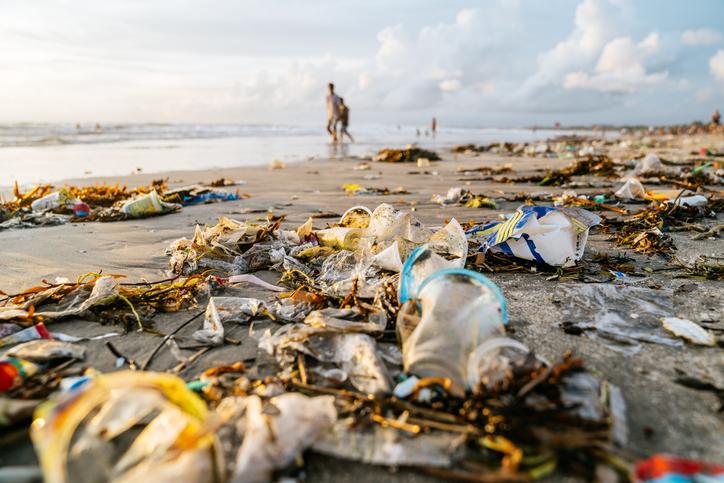
Plastic products have a finite lifespan, and their presence is ubiquitous in the natural environment. From discarded water bottles on the side of the road to microplastics found even in breast milk, plastic pollution is simply everywhere. Because the wide breadth of human and environmental problems associated with plastics is now well known, governments and civil society groups are working to address the problem.

plastic pollution on a beach

Many governments have responded to the challenge of plastic pollution by enacting a variety of national and subnational actions to reduce plastic pollution. And the number of new policies addressing the use of plastic—such as bans on plastic bags or straws—has been increasing over the past decade. These concerns also drove action internationally, which came to a head in March 2022 when United Nations (UN) member states gathered in Nairobi for the annual United Nations Environment Assembly. After much deliberation, UN members adopted Resolution 5/4, which mandates countries to both end plastic pollution and establish a legally binding agreement on the full life cycle of plastics by the end of 2024.

The UN Environment Programme’s Executive Director was mandated to convene an Intergovernmental Negotiating Committee (INC) to develop this agreement. According to the resolution, the agreement “could include both binding and voluntary approaches, based on a comprehensive approach that addresses the full life cycle of plastic.”  

How do plastic pollution policies impact global trade?

Plastic is one of the most internationally traded goods. As such, any measures taken to reduce plastic consumption and production will also have an impact on international trade.

While Resolution 5/4 addresses an increasingly urgent call for action on plastic pollution, countries are unprepared for the wide range of global trade implications that are already resulting from plastic pollution policy measures.

Two international mechanisms have measures in place to address the movement of plastics: the 2019 Basel Convention Plastic Waste Amendments (which has control measures for the international trade of plastic waste) and the Stockholm Convention on Persistent Organic Pollutants (which has control measures for persistent organic pollutants that are often incorporated into plastics for use as plasticizers and flame retardants). However, there is currently no plastics-specific multilateral trade agreement at the WTO—and this is where trade challenges are already emerging.

What plastic pollution measures are the most problematic for trade?

Almost half of WTO members have already declared that they have implemented plastic pollution measures related to trade. However, 21 specific measures (implemented by 14 WTO members) have been questioned by other WTO members. While none of these concerns have evolved into an official dispute, some countries are clearly concerned about how certain policies will impact their ability to export goods to these markets.

The International Institute for Sustainable Development (IISD) has just published a new policy brief that takes a careful look at this growing list of formal trade concerns that have been raised by WTO members as a result of trade-related plastic pollution policies. Analysis found that these concerns tend to fall into six distinct categories: a timing and implementation time frame, transparency, stakeholder engagement, proportionality, justification, and discrimination.

Is the multilateral trade system standing in the way of meaningful action on plastic pollution?

The WTO is not an enemy of achieving effective environmental action. The multilateral trade system is designed to allow members to question policies that may have intended or unintended trade consequences. As outlined in IISD’s new policy brief, there have already been a number of exchanges between WTO members on plastic pollution policies—and none have developed into a trade dispute. This process is a normal part of the development of international policy that allows countries to be mindful of how new policies are developed and implemented.

What should policy-makers consider before implementing plastic pollution measures?

To avoid the six most common types of trade concerns when considering plastic pollution measures, policy-makers should consider the following.

For issues related to a timing and implementation time frame, policy-makers should ensure that an implementation timeline has been established and shared with trading partners. Early in the process of designing a particular measure, they should allocate a reasonable consultation period to collect comments from trading partners (thus ensuring that the process will allow sufficient time and space to integrate comments into the final draft). They should also establish a clearly defined transition period to allow trading partners to adapt and prepare for compliance. Finally, they should prepare implementation guidelines in a timely manner and make them available. This will allow adequate time for trading partners to adapt products or production methods to the new requirements.

To avoid possible issues related to transparency, plastic pollution policy-makers should ensure that new measures are submitted to relevant WTO bodies and make the comprehensive text of any proposed regulation (and its implementing guidelines, if needed) available to all WTO members. The same transparency should be afforded to any updates and/or translations of texts, timelines, and implementation guidelines.

To ensure adequate stakeholder engagement, policy-makers should establish a formal opportunity for stakeholders to provide input, suggestions, and feedback on the potential trade impacts of a proposed measure. They should also provide clear guidance on how stakeholder consultations related to the measure will be conducted and how they can participate. Time frames for stakeholder engagement should also be clearly defined, reasonable, and accessible to trading partners.

Proportionality challenges can be avoided by ensuring that implemented measures are proportional in scope and impact to the problem they are designed to address. Measures should also not create excessive costs or cumbersome obligations that could restrict trade if the same outcome could be achieved with less burdensome obligations. Policy-makers should defer to or seek consultation from the research community on established plastic pollution approaches that are already effective at achieving certain objectives.

Justification issues can be addressed by ensuring that all measures provide the necessary scientific, technical, or technological basis to support a particular rationale. This established basis should be provided when a measure is notified to the WTO or when sharing the measure with trading partners. Policy-makers can also review alternative measures—including those already in use elsewhere—for potential alternatives that may be better suited to achieve the intended objective.

In order to ensure trading partners are not subjected to discrimination through a given policy, introduced measures should not favour domestic economic actors, and they should be consistent with national treatment obligations. In general, any exemptions, flexibilities, or temporal grace periods provided by the implementing member should be equally accessible to domestic producers and trading partners.

When and where will INC-5 take place?

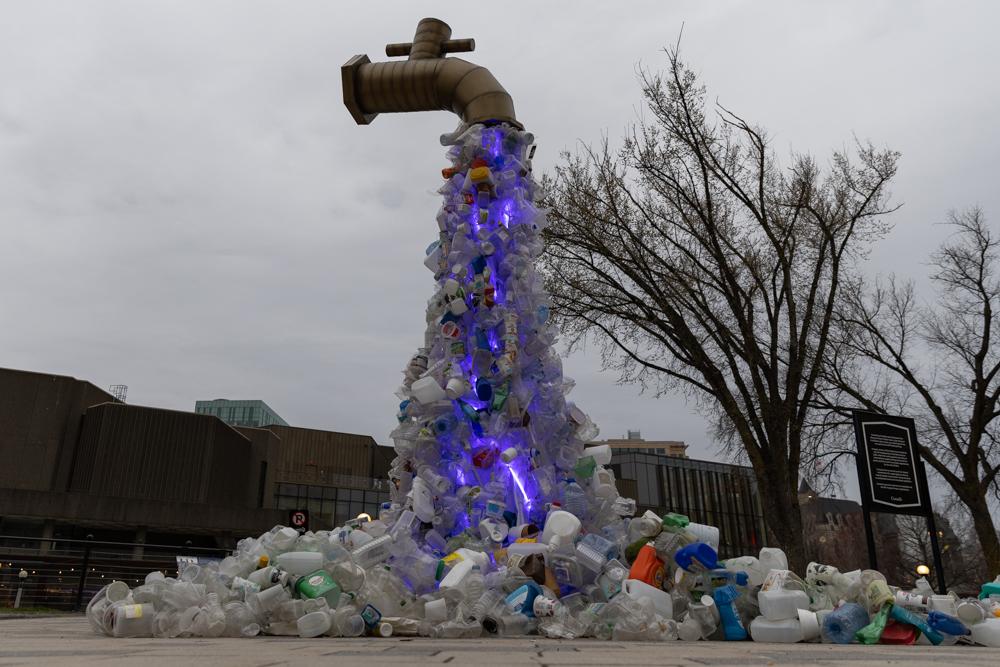
As the first day of INC-4 begins, delegates are welcomed to the venue by the art installation 'Turn off the Plastic Tap' by Benjamin Von Wong, reminding them of the urgency of addressing plastic pollution.

The fifth Intergovernmental Negotiating Committee (INC-5) is scheduled to take place from November 25 to December 1, 2024, at the Busan Exhibition and Convention Center in Busan, South Korea.

It is the final milestone on the Road to Busan, which was preceded by INC-4 (April 23–May 1, 2024, in Ottawa, Canada), INC-3 (November 3–19, 2023, in Nairobi, Kenya), INC-2 (May 29–June 2, 2023, in Paris, France) and INC-1 (November 28–December 2, 2022, in Punta del Este, Uruguay).

Insight

Will the Global Minimum Tax Make Special Economic Zones Less Special?

The global minimum tax (GMT) is poised to reshape how countries use special economic zones (SEZs) to attract investment. These zones have traditionally enticed businesses with tax incentives that may be rendered ineffective under the GMT’s mandated 15% minimum tax for large multinationals. Where SEZs reduce taxes below the minimum, companies will pay the difference in the country where their parent is located rather than in the country hosting the SEZ. Policymakers must prepare by re-evaluating strategies to prevent tax revenues generated within SEZs from flowing abroad and leverage this opportunity to attract investments that foster sustainable growth.

July 26, 2024

Over 7,000 SEZs operate worldwide under various names, such as free-trade zones, export processing zones, or industrial parks. Each one is unique, differing vastly in scale, goals, and regulations. Broadly, they can be defined as geographic areas within a country offering business-friendly environments. Unlike other areas of the country, SEZs provide enticing perks like tax breaks, simplified regulations, and customs relief.

It is true that some SEZs have managed to drive economic growth. There is the widely known success story of Shenzhen in China, a fishing village transformed into a global technology hub thanks to its designation as a SEZ. But in many cases, governments have extended generous tax breaks in SEZs that have not led to high-quality investments. Rather, they have lost revenue, undermining broader development goals, especially in developing countries. Zambia’s Multi-Facility Economic Zones, introduced in 2005, for example, aimed to foster a dynamic business environment by attracting companies with tax cuts but was unable to drive economic development due to weak institutional capacity, inadequate infrastructures, and other non-tax challenges.

Tax incentives alone could never guarantee the success of SEZs. With the GMT, policymakers will need to apply extra scrutiny to determine whether tax incentives are necessary to attract investment in SEZs—and if so, what kind.  

Evaluating the True Impact of Tax Incentives in Special Economic Zones

Since 2000, several special economic zones have been phased out or substantially amended due to non-compliance with international tax standards. Now, with the GMT mandating a minimum 15% effective tax for large corporations, SEZ authorities must once again align their incentives with global tax standards.

The first step they should take is evaluating the effectiveness of the tax incentives offered in their SEZs. Have these incentives attracted quality investments that drove long-term economic growth? If they are effective now, how will they hold up under the GMT? How much revenue is at stake? By answering these questions, SEZ authorities can pinpoint and repeal incentives that are not effective, or that will be hit hard by the GMT.

This review of tax incentives also provides an opportunity to tackle broader issues within SEZs, looking at tools that truly contribute to sustainable growth and focusing on improving the overall investment environment, such as infrastructure, a skilled workforce, and enhancing regulatory efficiency.

Tax incentives in special economic zones should be rigorously evaluated to see how they fare under the global minimum tax.

Removing incentives is not without risk, including the potential for disputes with investors. Arbitral tribunals have sometimes ruled that countries violated their commitments under bilateral investment treaties (BITs) in repealing tax incentives in SEZs—in particular, failing to follow transparent and equitable administrative processes. Equally, tribunals have been clear that in the absence of stabilization, foreign investors are not entitled to expect that a tax regime will not change. Policymakers should carefully consider the existing legal framework—including BITs, investment laws, and investment contracts—and engage in meaningful consultations with investors to mitigate risks. But they should not be put off. The likelihood of arbitration is low overall, considering widespread support for the GMT and the fact that taxpayers will have to pay the tax elsewhere no matter what, making damages difficult to prove.

Embracing a New Era for Special Economic Zones

The new global tax rules will affect all countries with in-scope multinationals, irrespective of whether they subscribe to the regime or not, driving questions about the use of tax incentives and SEZs more broadly.

SEZ authorities, tax policymakers, and investment promoters must work together at the country level to determine and implement an appropriate response to the GMT based on their economic and legal circumstances. At the International Institute for Sustainable Development, we have prepared a comprehensive policy brief to guide stakeholders through these challenges.

The potential benefits—high-quality investments, increased tax revenues, and enhanced local development—are well worth the effort.

Insight details

Insight

No New Fossil Fuel Projects: The logical first step in a transition to clean energy

At the 28th UN Climate Change Conference (COP 28) in Dubai last year, the world’s governments agreed to “transition away from fossil fuels in energy systems, in a just, orderly and equitable manner.” But how can this transition be achieved, when fossil fuels are so embedded in people’s everyday lives, in the global economy, and in powerful political interests? 

June 11, 2024

In an article in the journal Science, a collaboration between IISD and University College London, we propose a viable pathway to phasing out fossil fuels. What we need is a moral norm, a standard of expected behaviour that is progressively applied by governments worldwide. Our analysis argues that this norm should be no new fossil fuel projects. 

Our starting point is the scientific evidence on Paris-aligned energy systems. In the first peer-reviewed study to assess new fossil fuel projects under a 1.5°C global warming limit, we confirm and expand the International Energy Agency’s (IEA’s) 2021 finding that no new oil and gas fields are needed on the path to net-zero emissions by 2050. 

Fossil fuel and financial interests have suggested that using different scenarios would mean fossil fuel expansion can continue. 

In fact, there is nothing radical or unusual about the IEA’s conclusion: there is no room for new fields in any credible 1.5°C-aligned scenario. 

Our focus is on scenarios that feature in the Intergovernmental Panel on Climate Change’s Sixth Assessment Report. In a supplement to the Science paper, we examine a full range of 1.5°C scenarios from other researchers. We go further than the IEA by finding that no new coal-fired or gas-fired power plants are needed in 1.5°C scenarios either. 

An animated graph showing projected global oil and gas production

The analysis works by comparing how much energy existing fossil fuel projects can supply—using data from Rystad Energy and from Global Energy Monitor—with how much is consumed in 1.5°C scenarios. We find that production from the existing projects exceeds the Paris-aligned future consumption levels; hence, no new projects are needed. 

Then there is the political economy of energy decisions. For the company that proposes it, a new project is one of many investment opportunities to choose between. However, once a project has been built, the company will be incentivized first to recover its sunk investment and then to continue profiting from the project. As long as the product (oil, gas, or electricity) can be sold for more than the marginal cost of producing it, the owner will want to continue running their project. This effect is sometimes called “infrastructure lock-in.” 

Similar factors work at the political level. A new project commonly stands to create both winners and losers. At the proposal stage, the losers (for example, people who will be affected by pollution) are usually more able to organize to maintain the status quo. Whereas once it has been built, jobs depend on its continuation, creating a resistance to changing this new status quo. 

And from an institutional perspective, it is a sovereign decision whether to grant a permit for a project to be built. But once it has been built, the project owner may have legal entitlements to demand compensation should any policies restrict it, including under international investment treaties

In these respects, stopping new projects from being built is a much more achievable approach than trying to close existing ones. As the saying goes: when you are in a hole, stop digging. 

But how can these lead to limiting emissions at a global level, as is needed to achieve climate goals? Drawing lessons from political science and international relations, we argue that a social-moral norm is a good mechanism for such a policy to spread around the world. 

A norm usually starts with proposals from advocates and researchers, and spreads as larger institutions add their weight, and then governments start to adopt it. As they do, the norm gains momentum, placing stronger expectations and pressures on the remaining governments to also follow suit. Evidence from history shows that norm building is especially suited to efforts to end harmful behaviours, such as trading in enslaved people, testing nuclear weapons, or smoking cigarettes. 

And some initiatives are already applying the norm-building approach to fossil fuels. The Powering Past Coal Alliance, in which governments commit to phasing out coal power generation, has grown from its 2017 founding by small players to now include major consumers Germany and the United States. Core members of the Beyond Oil and Gas Alliance commit to ending licensing of new oil and gas; again, membership has continued to grow and gain momentum since it was founded in 2021. And the Clean Energy Transition Partnership, also founded in 2021, creates a norm where institutions and governments commit to providing no international public finance for fossil fuels. 

By progressively building momentum, norms become self-reinforcing.

Faced with a challenge as large as climate change and the fossil-fuelled economy, it is precisely these kinds of accelerating dynamics that we need to put the COP 28 promise into action. 

Insight

The G7 Should Lead the Transition Away from Fossil Fuels. Here’s how

The G7 Leaders’ Summit is just around the corner, with heads of state due to gather June 13-15 in Borgo Egnazia, Italy. At this meeting, G7 leaders have a critical opportunity to consolidate and strengthen their progress on the energy transition, including on fossil fuel phase-out. 

June 10, 2024

The need for a transition away from fossil fuels is beyond doubt. At UNFCCC COP 28 countries came to a landmark agreement on “transitioning away from fossil fuels in energy systems”, raising the bar for what is expected from the world’s governments. The International Energy Agency showed in 2021 that no new fossil fuel production was needed on a path to net zero emissions by 2050. A UCL-IISD study published in the peer-reviewed journal Science in May extended that analysis to show there is no room for any new oil and gas fields, coal mines, or coal- or gas-fired power stations in any credible 1.5°C-aligned scenario. The Intergovernmental Panel on Climate Change (IPCC) Sixth Assessment Report is clear that unabated fossil fuels must be rapidly phased out globally. Meanwhile, devastating climate impacts from floods to heatwaves in recent weeks make clear the consequences of climate action failure.

Coinciding with the end of the climate talks in Bonn, and bringing together several of the world’s advanced economies – Canada, France, Germany, Italy, Japan, the United Kingdom, and the United States, as well as the European Union – the G7 meetings are a chance to set the political mood music for the Global North for the rest of 2024. The G7 are among the world’s largest fossil fuel producers, accounting for 27% of current global oil, gas, and coal production, while the US, UK, and Canada alone could be responsible for nearly half of the CO2 pollution from new oil and gas extraction projects planned between 2023 and 2050. If managed right, the G7 leaders could set the stage for further ambition in what remains of the year.

Here are four ways the G7 leaders can show true leadership on the transition away from fossil fuels.

Bring Forward the Coal Phase-Out Date to 2030

The G7 leaders should bring forward the coal phase-out date to 2030, with no exceptions.

In April 2024, G7 Climate, Energy, and Environment Ministers took a crucial step forward by committing to phase out ‘existing unabated coal power generation’ during the first half of the 2030s ‘or in a timeline consistent with keeping a limit of 1.5°C temperature rise within reach, in line with countries’ net-zero pathways’. This built on G7 Leaders’ 2022 commitment to decarbonizing their electricity systems by 2035, prioritizing ‘concrete and timely steps towards the goal of an eventual phase-out of domestic unabated coal power generation’.

What is critical, however, is that the first half of the 2030s – by 2035, in other words – is not fully aligned with what the science says is necessary to keep 1.5°C in reach. The International Energy Agency’s (IEA) Net Zero Emissions by 2050 Scenario (NZE), the IEA’s main 1.5°C-aligned pathway, counts on advanced economies ending all unabated coal-fired power generation by 2030. The Powering Past Coal declaration, which the United Kingdom, Italy, Germany, and Canada have already signed, affirms the need to phase out coal by 2030 among the Organisation for Economic Co-operation and Development countries, as well as the European Union.

End the Development of New Long-Lived Fossil Fuel Infrastructure, and Commit to Phase-Out Timelines

Leaders should commit to not licensing or permitting any new long-lived fossil fuel infrastructure.

The G7 Climate, Energy and Environment Ministers reaffirmed the COP 28 call to transition away from fossil fuels in energy systems, and their own 2023 pledge to ‘accelerate the phase out of unabated fossil fuels so as to achieve net-zero in energy systems by 2050 at the latest in line with the trajectories required to limit global average temperatures to 1.5°C’. They committed to operationalising their own contribution to the transition through the development and implementation of domestic plans, policies and actions, ‘including to inform and be reflected in our NDCs and LTSs’. This is all positive, and leaders should reaffirm this commitment—but should go further.

In this light, it is worrying that the G7 Ministers stated that investment in fossil gas can be ‘appropriate as a temporary response’, and stressed the ‘important role that increased deliveries of LNG can play’. Recent studies have demonstrated that existing gas infrastructure and projects under construction are enough to ensure a steady and diversified supply of natural gas, and emancipate G7 members and their allies from Russian gas exports. Indeed, new gas investments could rapidly turn into stranded capital, undermining the competitiveness of G7 economies.

Leaders should instead avoid dangerous distractions and rather focus on tripling renewables and doubling the rate of energy efficiency improvements as key steps towards greater energy security.

Make Tangible Progress to End Fossil Fuel Subsidies

Although the G7 has pledged to phase out “inefficient” fossil fuel subsidies every year since 2009, specifying a 2025 timeline in 2016, so far implementation has been severely lacking. In 2022, the latest year for which data is available, fossil fuel subsidies across G7 countries hit an all-time high of USD 199.1 billion.  

This year, the G7 needs to urgently implement their commitment to phase out fossil fuel subsidies. G7 ministers in April committed to report in 2025 on progress towards the achievement of their commitment, and consider options for developing joint public inventories of fossil fuel subsidies. At a minimum, this reporting should be done via the formal reporting process for Sustainable Development Goal (SDG) indicator 12.c.1 (fossil fuel subsidies) – a process that hardly any countries have completed so far.

What’s more, there has long been concern about the qualifier “inefficient”, which only creates uncertainty about which subsidies need reform. In 2024, G7 Ministers committed to promote a common definition of inefficient fossil fuel subsidies, and called on relevant international organizations including the OECD and the IEA to work together to further develop such methodologies. However, a better outcome which leaders can still adopt is to drop “inefficient” altogether and instead require each G7 member to create a national roadmap for subsidy phaseout. This would require them to justify any remaining subsidies and identify alternative policy levers to achieve the same objectives.

The G7 should prioritize phasing out any support measures for fossil fuel exploration and production.

Producer subsidies do not help with energy poverty, since any cost reductions are distributed across all industrial and household customers, not just the vulnerable. Removing producer subsidies helps to align demand and supply while reducing the risk of stranded assets.

Implement the Commitment to End International Public Finance for Fossil Fuels

In recent years, the G7 has made progressive steps forward on ending international public finance for fossil fuels. In 2022, following a commitment to end direct government support for unabated international thermal coal power generation in 2021, G7 leaders extended this to the entire international unabated fossil fuel energy sector, except in “limited circumstances clearly defined by each country consistent with a 1.5°C warming limit and the goals of the Paris Agreement.”

In 2024, G7 ministers reiterated this commitment, adding a pledge to “scale up” support for clean energy, and G7 leaders should reaffirm it.  G7 ministers also committed to ‘work constructively to reach an agreement’ on talks to end export finance for oil and gas at the OECD—a crucial political signal that G7 leaders should again reaffirm.

Beyond reaffirming their commitment, however, in 2024 G7 countries should go beyond statements to action. Although the United Kingdom, France, and Canada have implemented policies ending international public finance for fossil fuels, Italy, Japan, and Germany’s policies contain large loopholes, and the United States has yet to publish such a policy. Since the end of 2022, the G7 has financed at least USD 8.5 billion in public support for fossil fuel projects abroad, with Japan and the United States providing the majority of this financing. Fulfilling this commitment this year is key to ensuring the G7’s credibility.

As the Summit kicks off on Thursday, G7 leaders have a critical opportunity to accelerate the transition away from fossil fuels. A failure to do so would be an excuse for inaction from the rest of the world.

Insight details

Insight

Biodiversity Is in Crisis—Here's one way to fix it

A growing movement of projects and partnerships is using locally driven and gender-responsive nature-based solutions to address the twin crises of climate change and biodiversity loss. Scaling up this work to match the urgency and reach of the crises will be a challenge—but it’s one we must embrace.

May 21, 2024

The Rwenzori Mountains loom large over the surrounding scenery in southwestern Uganda. Here, snowmelt and rainwaters flow through alpine meadows and forests of otherworldly flora, including giant lobelia and heather taller than a person, to provide the source waters of the Nile. Moving south, the lakes, rivers, and grasslands of Queen Elizabeth National Park are home to not only elephants, buffalo, and hippopotami but also vast herds of kob—and the tree-climbing lions that prey on them.

Standing within these beautiful settings, you could be forgiven for thinking that nature is thriving. However, these exceptional places, inscribed as part of our collective natural heritage by UNESCO, are increasingly islands of ecosystem health in fragmented landscapes and seascapes beset by outside pressures.

The Sixth Extinction

It is a well-known story, and the headlines are often dire. Rates of species extinction and ecosystem degradation are accelerating; according to the 2019 Global Assessment Report by the Intergovernmental Science-Policy Platform on Biodiversity and Ecosystem Services (IPBES), 1 million animal and plant species are currently threatened with extinction, many within decades, unless urgent, transformative action is taken. Abundance has plummeted for many of those species not yet gone; WWF’s 2022 Living Planet Report notes an average decline of 69% in the relative abundance of monitored wildlife populations around the world between 1970 and 2018. The scale of the problem is so large that it is now commonly referred to as the sixth extinction: the loss of an unusually large number of species in a short time, driven by human activities.  

Compounding Crises

IPBES cites five anthropogenic factors as key drivers of this crisis: land- and sea-use change; direct exploitation of natural resources; climate change; pollution; and invasive species.

Nature has a foundational role in global health, food systems, livelihoods, climate adaptation, economies, and security. Thus, the acceleration of nature loss, when considered in the context of rising demands from growing populations for both ecosystem services and natural resources, means that avoiding further degradation or loss of biodiversity and ecosystem services should be an increasingly important consideration for governments, communities, and the private sector.

This crisis is unfolding in the context of rising global temperatures. The climate crisis is having a significant impact on the natural world. While land- and sea-use changes are currently the greatest drivers of nature loss, a failure to limit planetary warming to 1.5°C will result in climate change becoming the dominant cause of global biodiversity loss and ecosystem degradation in the coming decades.

Climate change is disrupting natural feedback loops and altering the habitats and ranges of various fauna and flora. Its impacts also undermine the delivery of ecosystem services, harming human lives and livelihoods and compromising efforts to eradicate poverty and hunger and provide safe water for billions of people. Achieving the United Nations Sustainable Development Goals, alongside the Paris Agreement and the Kunming-Montreal Global Biodiversity Framework, will depend on a coordinated response to these deeply connected emergencies.

How Can Nature-based Solutions Build Climate Change Resilience?

But while climate change and biodiversity loss often act to reinforce one another, so do effective climate change adaptation and nature protection. Nature-based Solutions (NbS) have emerged as an integrated concept beyond climate change adaptation and traditional conservation. NbS may have the potential to tackle multiple societal challenges, such as protecting, managing, and restoring biodiversity and ecosystems. Their services are increasingly seen as an effective way to address some of the shared root causes and impacts of the biodiversity and climate crises.

In Belize, Fiji, and the Greater Virunga and Kavango-Zambezi (KAZA) landscapes in sub-Saharan Africa, NbS are being rolled out to increase the resilience of both communities and ecosystems to climate change. Through the Climate Adaptation and Protected Areas (CAPA) Initiative, IISD is working with the Wildlife Conservation Society, the World Wide Fund for Nature, and local partners and communities within these spaces to conserve, protect, restore, and sustainably manage protected areas.

More than 50 km from the mainland of Belize, Glover’s Reef atoll lies just inches above the deep blue waters of the western Caribbean. Glover’s is a critical link in a chain of reefs and islands that form the largest barrier reef in the Western Hemisphere. Here, IISD and the Wildlife Conservation Society are working to strengthen the reef's health and its ability to support local livelihoods, remain a suitable habitat for marine species, and provide coastal protections against extreme weather events.

Half a world away, in southwestern Uganda, lies what is arguably Africa’s most biodiverse landscape. The Greater Virunga Landscape stretches along the shared borders of Uganda, Rwanda, and the Democratic Republic of Congo—a mosaic of mountains, savannas, rivers, lakes, swamps, tropical rainforests, and volcanoes. Here, conservation interventions implemented by the World Wide Fund for Nature and partners focused on reforestation, invasive species removal, land restoration, and nature-based livelihoods will help build the resilience of three national parks (Rwenzori Mountains, Queen Elizabeth, and Bwindi Impenetrable) and the communities that surround them to rising temperatures, increased flood risk, landslides, and erosion. Even more work is happening under the project in the KAZA landscape and in Fiji to support reforestation, restock wildlife, promote sustainable fisheries, and improve flood mitigation, among other activities.

The threats facing these ecosystems—and, by extension, the conservation practitioners that manage and support them; the communities that sustain and depend on them; the flora and fauna that make them indispensable—can often seem insurmountable. But there is hope. CAPA is one small part of a growing movement of projects, partnerships, and approaches using NbS to simultaneously address these two existential emergencies. Scaling up this work to match the urgency and reach of the crises will be a challenge, but it is a challenge we must embrace.

To learn more about the CAPA Initiative, please visit www.iisd.org/capa.

Insight

Carbon Offset Deals and the Risks of "Green Grabbing"

Governments must ensure land-based investments for carbon removal respect the access and tenure rights of Indigenous Peoples and local communities.

May 15, 2024

Carbon markets and the sale of carbon credits can help countries and companies meet ambitious international greenhouse gas emissions reduction targets. They can also channel much-needed finance to low- and middle-income countries and facilitate investments in climate mitigation. Nonetheless, there is concern that a focus on offsetting, rather than reducing emissions, will hamper the achievement of global climate goals. There is also increasing concern about the risks that investments in carbon offsetting projects pose for the rights of Indigenous Peoples and local communities. Indeed, such concerns led to the recent adoption of safeguards that give affected communities the chance to challenge UN-approved carbon removal projects. This important development highlights the need for governments to ensure they address the risks associated with the carbon offset deals they are negotiating.

Carbon offset deals are proliferating, raising concerns about the rights of affected communities

Earlier this month in Bonn, government negotiators approved an appeals and grievance procedure for Article 6.4 of the Paris Agreement—a market-based mechanism allowing for the voluntary trade of credits from carbon removal and emissions reduction projects. The newly agreed procedure addresses ongoing concerns that carbon markets have not always respected the rights and voices of communities upon whose land carbon removal projects take place. Provision is made under the new procedure for communities to launch appeals before carbon removal projects registered under Article 6.4 begin and to air grievances throughout their duration. 

In recent years, the pace and scale of large-scale land-based investments for carbon removal have increased. Investors are negotiating deals with governments to take control of large tracts of (often forested) land in developing countries. Carbon fixed by this land is then turned into carbon credits for trading on emerging international carbon markets.

This has been driven in part by the Paris Agreement, which allows countries and companies to “offset” their emissions by investing in carbon reduction, avoidance, or removal elsewhere, such as under schemes like REDD+. A recent report finds that governments have already proposed approximately 1 billion hectares of land for land-based carbon removal as part of their climate mitigation pledges.

One Dubai-based investment company made headlines for negotiating Memorandums of Understanding (MoUs) in five sub-Saharan African countries—Kenya, Tanzania, Zimbabwe, Zambia, and Liberia—assuming control over millions of hectares of forested land upon which it plans to support the protection and rejuvenation of forests for the generation of carbon credits to be sold on the emerging international voluntary carbon market.

However, while some claim that such carbon offset deals bring a range of benefits for livelihoods and the environment, others, including non-governmental organizations and media outlets, have questioned their benefits and highlighted the risks they pose. There are serious concerns about the potential of carbon markets to contribute to emissions reductions, as well as concerns about the impacts of carbon offset deals on Indigenous Peoples and local communities. In certain instances, tensions arise from governments evicting Indigenous Peoples and local communities to pave the way for such deals. In others, concerns have been raised about the contravention of local land laws which give communities ownership rights to their customary lands. While the violation of local law and the tenure rights of Indigenous Peoples and local communities are damaging in their own right, evidence suggests that land managed by Indigenous Peoples and local communities is far better preserved and less impacted by human actions. Governments considering undertaking these deals must, as a first step, ensure that they respect and protect the rights of Indigenous Peoples and local communities. Otherwise, they risk the very environmental and social outcomes they claim to safeguard.

Revisiting past mistakes: Land grabs to green grabs

As with the 2009–2010 land rush in the Global South, the large tracts of land being acquired for carbon offsetting projects are rarely idle and are either occupied by Indigenous Peoples and local communities or are a primary source of their food security and livelihoods. As such, the lack of community consultations witnessed in deals across Africa, Central America, and Asia, coupled with insufficient transparency surrounding these deals and a failure to deliver promised benefits, is fuelling grievances among affected communities and is at odds with food security and ecosystem resilience goals.

In Southeast Asia, for example, one carbon offset project violated the affected Indigenous Peoples’ right to free, prior, and informed consent and did not have a benefit-sharing agreement with any of the local communities included in the project. A recent analysis of two other carbon offset projects demonstrates that even where companies have attempted to inform, include, and benefit local populations, outcomes have not always matched intentions. This analysis reveals that despite consultation efforts, affected communities were not sufficiently informed about how their land was being used to generate income. It also shows how expected livelihood benefits from intercropping failed to arise due to the limited viability of such intercropping in practice.

What governments can do to mitigate the risk of green grabbing 

Governments should carefully assess whether these carbon offset deals benefit their people and further national sustainable development objectives. If they do choose to undertake such deals, governments should design and use robust legal frameworks to select, negotiate, and implement quality projects. Taking the following steps will help.

1. Ensure robust and appropriate laws are in place and that deals are negotiated and implemented in line with these laws.

It is important for governments to design robust laws with measures to safeguard the rights of local communities, mitigate emissions, and regulate the sale and taxation of carbon credits. However, adequate enforcement mechanisms are also needed to ensure these laws are followed.

Comprehensive, well-enforced laws remain the best way to ensure investments related to land and other natural resources respect the rights of legitimate tenure holders, promote local food security, and contribute positively to building climate resilience. This is particularly true for carbon offset projects. Robust laws also clarify both the requirements for the sustainable use of a country’s natural resources and access rights for communities who may be dependent on these resources for their livelihoods. Early screening and proper due diligence of an investment proposal should be done to ensure investments follow national laws and policies. These processes, which are in the interest of all, reduce the risk of losses for the government and the community.

Ghana’s national framework on international carbon markets and non-market approaches, for example, provides guiding principles and requirements on how the authorization, tracking, and reporting of voluntary carbon market transactions and granting of formal recognition to offset credits arising from voluntary carbon market projects should occur. It also emphasizes the need for environmental integrity, transparency, and the promotion of sustainable development.

Where laws are not up to date or robust in addressing these issues, governments can turn to their own nationally developed model contracts that integrate international best practice and principles on responsible investment as a basis for drawing up fair and equitable deals with investors. Such a tool would act as a stopgap in the interim as they work toward reforming their laws more holistically. The goal of model contracts is to help ensure that long-term land leases are done responsibly, with the necessary safeguards to protect local communities, their livelihoods, and the environment.

2. Establish appropriate local grievance mechanisms for affected communities.

While the recent approval of an appeals and grievance procedure is an important step in establishing a global carbon market under the Paris Agreement, more needs to be done to provide other avenues for affected peoples and communities to assert their rights, including in the context of carbon deals negotiated outside the scope of the Paris Agreement.

Currently, only one voluntary carbon market standards body, Gold Standard, provides appropriate recourse for communities to file grievances when affected by climate projects. “Appropriate” in this instance means following the six key criteria of the UN Guiding Principles on Business and Human Rights: accessibility, transparency, predictability, independence, adequacy, and safeguards for communities. It is critical that governments ensure that the carbon offset deals they negotiate provide appropriate grievance mechanisms for affected peoples and communities.

3. Carefully use MOUs to develop a roadmap for collaboration and map out steps toward successful project implementation.

Carbon offset deals often start with an MoU between the government and the investor as a first formal step toward collaboration. This early phase is crucial, as there are many important considerations before an investment takes place and an agreement is finalized. Yet despite this, MOUs are frequently rushed or not carefully vetted, as they are seen as “soft” agreements that do not bear legal consequences and that mostly serve to provide comfort or assurances to the investor. This practice represents a missed opportunity.

Well-crafted MoUs can help ensure that Indigenous Peoples and local communities affected by these deals are adequately consulted by detailing how such consultation shall be done. In addition, an MoU can also specify when an investor should provide information on the investment project proposal to the relevant government authorities to enable them to undertake timely, thorough, and systematic due diligence and screening of the proposed project.

The authors would like to thank Suzy Nikièma for her contributions to this article.