Insight

Gas Is Not a Bridge Fuel, It’s a Wall. So Why Are Governments Still Financing It?

If G7 nations truly want to achieve the goals of the Paris Agreement, they must stop financing fossil fuels.

June 10, 2021

At this week's meeting of G7 leaders, fossil fuels are on the agenda. Governments have agreed to phase out financing for "carbon-intensive" energy projects but have so far failed to adopt a clear timeline to end support to oil and gas. This is a serious blind spot: gas projects receive more international public finance in low- and middle-income countries than any other energy source, four times as much as wind or solar. 

This is a poor use of public money, serving the interests of powerful and polluting companies when it could be used instead to help countries in the Global South transition to zero-carbon energy systems. 

The gas industry increasingly sees its future in developing countries, where it is calling on governments—especially in Asia and Africa—to make a dash for gas. Expanding liquefied natural gas exporters such as the United States and Australia are seeking new markets, while gas companies look for new resources to extract and export. This expansion risks locking Global South countries into a high-carbon pathway, imperilling their economic future and the global climate.

As early as the 1980s, the gas industry began to propose that their product could serve as a bridge from coal and oil to cleaner energy on the other shore. More than 30 years on, the same argument is being made, now targeted mainly at the Global South.

Gas is more like a wall than a bridge, impeding rather than enabling the energy transition.

Today, however, the idea of a bridge is obsolete for three reasons. First, after decades of continually rising carbon emissions, there is no longer room for more fossil fuels of any type: the International Energy Agency argued last month that to meet the Paris Agreement goals, there should be no investments in new gas, oil, or coal production. Second, the costs of renewable energy have fallen dramatically, and renewables are now cheaper than fossil fuels in most of the world. Third, recent findings on the extent of methane leakage from gas infrastructure undermine claims of environmental benefits over other fossil fuels.

In other words, we have missed the opportunity to cross by bridge, but we don’t actually need one anyway. Besides, gas is more like a wall than a bridge, impeding rather than enabling the energy transition by competing with renewable energy for investment and policy support. 

The largest use of gas is in power generation. But in the majority of countries for which data are available, wind and solar are now the cheapest power sources. And although gas advocates may argue that wind and solar are too variable to power the grid single-handedly, fluctuations in power generation are better addressed by batteries than fossil fuels. Battery costs too are falling rapidly, and the combined cost of wind or solar with batteries is often less than that of "peaker" gas plants, which add power to the grid during times of high demand. For the minority of gas uses where clean alternatives are not yet available or affordable—such as in heavy industry—rapid technological development is underway, with commercialization expected by the early 2030s.

Gas advocates may argue that wind and solar are too variable to power the grid single-handedly, but fluctuations in power generation are better addressed by batteries than fossil fuels.

Gas is also a poor solution to the problem of energy access. Of the 800 million people worldwide lacking electricity, 85% live in rural areas where decentralized renewable energy is a better, cheaper option for electrification. Providing clean cooking fuels for the 3 billion people relying on dangerous solid biomass is an urgent priority, but costly plans to expand natural gas connections to residential consumers may prove obsolete as the cost of renewables falls and the efficiency of electric stoves rises.

If we want to achieve the goals of the Paris Agreement, we need far less private capital flowing into fossil fuels and far more into renewables. Public finance plays an outsized role in influencing private funds by de-risking projects and sending market signals. Instead of funding the gas industry, public money could help unlock renewables projects in the Global South, opening the doors to more private funding. Public financial institutions could also help with technology transfer, integrating renewables into often weak or unstable electricity grids, and delivering energy access.

The greatest impacts of climate change will be felt in the Global South, especially by the poorest people. New gas expansion compounds this threat, putting countries in danger of being left behind as the world transitions to clean energy, saddled with stranded assets, more expensive energy, and a dependence on imports. 

The COVID-19 pandemic has exposed how rapid global change can affect countries in deeply inequitable ways and underscored the importance of building resilient and socially just economies. As economic resources remain constrained in the coming years, it will be vital that scarce public funds are devoted to building back better, away from fossil fuels. 

The G7 has an opportunity to lead and should use this week's summit to announce an end to all finance for fossil fuels, directing energy finance instead to clean energy solutions.


Insight

Food Prices Are Soaring, Hunger Is Rising: Here are three ways to stop another crisis

The Food and Agriculture Organization of the United Nations (FAO) just announced that global food prices have hit their highest level in a decade, jumping 40% in May compared to the same period last year. The news comes on the heels of a devastating COVID-19 hunger crisis that the FAO projects will increase the number of hungry people by up to 130 million, taking us back to hunger levels not seen in half a century.

June 8, 2021

The Food and Agriculture Organization of the United Nations (FAO) just announced that global food prices have hit their highest level in a decade, jumping 40% in May compared to the same period last year. The news comes on the heels of a devastating COVID-19 hunger crisis that the FAO projects will increase the number of hungry people by up to 130 million, taking us back to hunger levels not seen in half a century.

The main causes are increased demand for grain and soybeans in China, severe drought in Brazil, and growing demand for vegetable oils for biofuels and biodiesel. The massive rise in food prices will hit food importers and low-income countries the hardest, as people struggle to pay to meet their basic food needs and countries fight to keep prices affordable. We have been here before.

We have been here before. The last times we saw prices spike this high were during the food price crises of 2008/2009 and 2010/2011. Some food exporting countries responded by restricting exports of food staples. Foreign investors responded by buying up large tracts of farmland to secure additional means of production for their domestic economies. The financial sector responded through further speculation on commodity markets. It created the perfect storm for a dramatic rise in global hunger.

But this time can be different. This time we know what needs to happen.

1) Change global rules on food trade

Our recent report on shocks to the food system lays out an ambitious agenda for trade policy reform to help governments respond to shocks like this price spike. Governments at the World Trade Organization (WTO) should agree to ban export restrictions on all food staples. At a minimum, they should conclude negotiations to exempt non-commercial humanitarian food aid by the World Food Programme from export restrictions or prohibitions.

There is also a pressing need to reform rules on domestic support to farmers to allow all countries to provide support to their farmer sector without harming producers in other countries (International Institute For Sustainable Development [IISD] & International Food Policy Research Institute [IFPRI], 2020). This would help improve the stability and predictability of food markets, as would an agreement to cut unusually high tariffs on key farm goods in major importing countries.

2) Double public investment in agriculture

An additional USD 33 billion per year of public investment is needed to end hunger and double the incomes of the poorest while at the same time maintaining greenhouse gas emissions in agriculture to the commitments made in the Paris climate agreement. This is the key finding from the work of 86 researchers from 23 countries and 53 organizations led by Cornell University, IFPRI, and IISD. In this study, published in Nature Research, we found that in the next decade governments must reverse the chronic under-investment in agriculture, particularly in Africa, and provide an additional USD 33 billion in public spending per year until 2030.

market place
iStock

The additional money should be spent on the farm, with a focus on extension services, irrigation, finance, infrastructure, research and development (R&D), and production subsidies; on food markets, with a focus on infrastructure, technical assistance for small and medium-sized enterprises, storage, sustainable energy, and refrigeration; and to empower the excluded, with a focus on strengthening farmer organizations, education for rural young people, and social protection. Social protection in particular needs to be ramped up urgently to ensure people’s access to sufficient food.

3) Large-scale agribusiness investment must be responsible and inclusive

One of the key drivers of the current spike in prices is the growing demand for vegetable oils for biofuels and biodiesel. This means more demand for palm oil and other oil that contribute to increased commercial pressures on land, and increase the risk of land grabbing.

In the past decade, a number of countries have improved their laws, regulations, and contracts governing foreign private sector investment, including Argentina, Burkina Faso, Chile, Colombia, Lao PDR, Mexico, Peru, Mali, Sierra Leone, and Sri Lanka. This has contributed to more responsible and sustainable outcomes from investment in agriculture.

market place
iStock

The ongoing reform of legal and policy frameworks must continue to be driven by national priorities and local needs, and informed by international norms, guidance, and best practices.  Governments should incentivize business models that require foreign investment to be integrated into local, national, and regional economies and that help diversify production, distribution, and consumption systems to expand markets and opportunities.

A perfect storm is on the horizon. But with the knowledge and evidence we have about available, effective solutions, we can weather this storm and emerge in a hunger-free, more equal global society that protects our fragile climate.

Insight

Gender Provisions in Trade: Opportunities for few or protection for many?

As gender-related provisions in trade agreements develop, we take stock and ask how well-suited they are to achieving gender equality objectives.

June 7, 2021

The relationship between trade and gender is complex, but at its core is a simple fact: trade often impacts women differently than men.

Trade policy is increasingly acknowledging this: new trade agreements now routinely include gender-related provisions. These provisions are becoming more detailed and specific, sometimes taking the form of a dedicated article or chapter. The agreements between Canada and Chile, Argentina and Chile, and Canada and Israel are among the handful of "new generation" agreements that include a trade and gender chapter.

It's a welcome signal. The world of trade policy is at last prepared to consider that not everyone automatically stands to benefit from trade. Gender provisions and gender chapters constitute a first step toward addressing inequalities. However, some observers suggest that references to gender in trade agreements are no more than nice rhetoric, and others say they do not address the full range of gender equality issues at stake.

A range of approaches to gender equality

Gender-related provisions differ in terms of language, scope, and location within an agreement. Some reaffirm parties' existing commitments to gender equality, some specify the parties' right to regulate in favour of women's rights, some set out measures for the promotion of gender equality and women's economic empowerment.

The most common type of provision establishes mechanisms for the parties to cooperate in favour of gender equality. These include cooperation on building capacity on gender issues among trade officials, sharing best practices, conducting gender-based analysis, or measuring the impact of gender-responsive policies or of the actions that have been supported through the agreement's cooperative activities.

The world of trade policy is at last prepared to consider that not everyone automatically stands to benefit from trade.

Other trade agreement language may have positive effects on gender equality, even when it does not explicitly refer to it. Provisions in favour of micro, small, and medium-sized enterprises (MSMEs), for instance, tend to benefit women as they often play significant roles in these businesses. Stipulations whereby parties agree to avoid weakening the levels of labour or environmental protection with a view to encouraging trade and investment may also benefit women because they often form the bulk of vulnerable workers in export-oriented sectors.

Another approach can be found under Phase I of the African Continental Free Trade Area (AfCFTA), the text of which makes almost no mention of women or gender. Nonetheless, gender equality measures are being actively integrated into parties’ trade policies through their national strategies for AfCFTA implementation

The inclusion of all these types of articles and the attention to gender equality that they signal is to be welcomed. They also leave open broader opportunities for cooperation in the future. As this process evolves and negotiators, civil society, and others consider how best to craft future trade agreements so that they contribute to achieving gender equality, we must determine the best way to measure their success.

Gender equality in international law

We must remember that gender equality is a fundamental human right. It is protected in international law and most authoritatively set out in the Convention on the Elimination of all Forms of Discrimination against Women (CEDAW), which all but six United Nations member states have signed or ratified.

CEDAW defines gender-based discrimination as any distinction, exclusion, or restriction on the basis of sex that has the effect or purpose of impairing or nullifying the recognition, enjoyment, or exercise of human rights and fundamental freedoms by women on an equal basis with men. Discrimination can occur through a state's failure to take the necessary legislative measures to ensure the realization of women's rights, its failure to adopt national policies aimed at achieving equality between women and men, and its failure to enforce relevant laws. Discrimination can occur even in scenarios where it was not intended.

Encompassing all of women's roles within the trade–gender relationship

There are two sides to the trade and gender relationship: (i) gender disparities can impact trade performance and (ii) trade and trade-related rules impact men and women differently, whatever their roles in society. In addition, experts generally agree that when considering the impact of a policy on women, one should consider women in all their different roles. A woman may be a worker, a producer, a trader, a carer, a consumer, or a rights-holder and will likely occupy two or more of these roles concurrently.

A forthcoming survey by IISD of gender-related provisions in trade agreements finds that they focus almost exclusively on women's trade performance as producers, traders, or workers. They hardly engage with the (sometimes indirect) ways that trade and trade-related rules have gender-discriminatory impacts.

Finding a common measure for assessing gender-related provisions

The International Trade Centre has put forward one set of measures against which to gauge the gender-responsiveness of trade agreements. This document explicitly states that its aim is to boost the participation of women in trade. In other words, it addresses but one part of one side of the trade and gender relationship: the part that focuses on the fact that women-led and women-owned businesses tend to find it harder to scale up and trade internationally.

A recent Organisation for Economic Co-operation and Development publication has suggested measuring gender responsiveness based on the seven drivers of transformation that the United Nations Secretary-General’s High-Level Panel on Women's Economic Empowerment has put forward. These include tackling adverse norms; ensuring legal protections and reforming discriminatory laws; and strengthening women’s visibility, collective voice, and representation.

An approach based on women's rights helps address the reality that gender inequalities are often intersectional.

We suggest that applying the multilaterally agreed and legally binding framework set out in CEDAW is the best way of measuring the success of gender provisions. CEDAW already has the backing of the vast majority of the international community, and its strength lies in how it addresses both sides of the trade–gender relationship and is applicable to women in all of their roles. The framework has been amply developed and applied by an international body of gender experts, and its application has extended to trade-related issues. In addition, an approach based on women's rights helps address the reality—frequently overlooked in trade circles—that gender inequalities are often intersectional. In other words, these inequalities are exacerbated by inequalities of race, economic status, or geographical location.

CEDAW also reminds us that when we consider how to design gender-responsive trade policies, we should start by assessing women's realities. We should then ensure these policies address the main gender equality issues at stake for the countries engaged in that trade arrangement. To situate the importance of establishing the correct starting point, we can refer to research on the impacts of labour provisions in trade agreements. This research shows that these labour provisions have lacked effectiveness, in part because they do not address the most pressing labour-related concerns for the countries involved.

By starting from women's realities and applying a framework focused on women's rights, we can limit the risk of gender-equality measures focusing only on women with jobs and business opportunities (leaving aside the women who have the least voice or political visibility, such as subsistence farmers in remote areas or informal sector workers). 

Indeed, a fundamental aspect of ensuring that trade is inclusive and sustainable is making sure it creates equal opportunities for all women. Another is safeguarding women from being disproportionately affected by adverse effects of trade-related structural changes. One way of achieving this is ensuring that more women are at the table, among negotiators and among the stakeholders consulted in the elaboration or implementation of trade agreements.

As discussions on trade and gender gain momentum—which they seem set to do—we’ll need a broad range of gender expertise. This will entail looking beyond the trade field. Given how useful it will be to root trade-related gender provisions in one globally agreed framework, it is hoped that the trade community and the CEDAW community will collaborate in future work.


This blog draws on a forthcoming IISD brief. The questions raised in this blog will be discussed in a webinar that IISD is hosting jointly with the Faculty of Law of the University of Geneva on June 8, 2021.


Insight

Youth Climate Action: Making COP accessible to young people

The first time I attended a climate COP was in 2012 in Doha, Qatar. At the time, I was 24 years old and I had won a blogging competition that gave me the opportunity to speak at a side event about the importance of youth in driving climate action.

June 5, 2021

Unfortunately, what I remember most about that experience was not the panel I participated in, but instead the confusion I felt in trying to navigate the various zones of the conference centre and the difficulty in understanding the role a young person like me was meant to play in such a structured and complex intergovernmental process. It was like the other delegates were speaking a familiar yet distant language and, despite my passion for the subject matter, I had not properly studied up.

Fast forward almost 10 years, and I am no longer a youth delegate at COPs, but the progress we have made on advancing climate action is substantial - not near enough but substantial. However, what is more impressive is the incredible mobilization of young people all over the world standing up for their future. Their voices, passion and commitment are needed in multilateral negotiations now more than ever. Reaching the Paris Agreement was just step one in a long journey that will only be successful if young people have the tools they need to hold governments, businesses and society at large accountable.

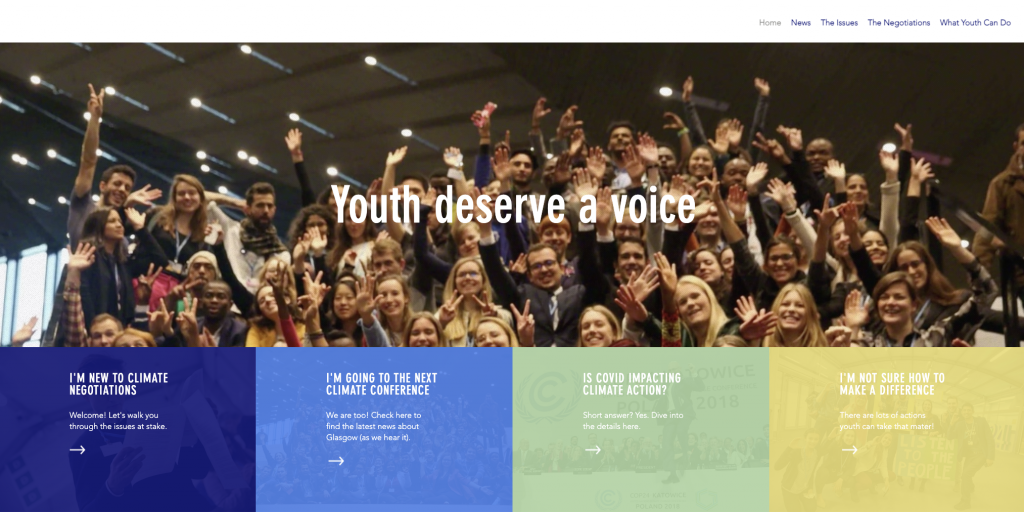
This is why IISD partnered with YOUNGO, the official youth constituency of the UNFCCC, and CliMates, an international laboratory of ideas and actions for young people around climate issues, to produce Youth Climate Action, a web platform that gives young people the most crucial information needed to meaningfully participate in UNFCCC processes and COPs. We are thrilled to be launching this platform on World Environment Day 2021 and during the first ever virtual UNFCCC Subsidiary Body session, that will lay much of the groundwork for COP 26.

Youth Climate Action (youth-climate.com) leverages the diverse knowledge of the three partner organizations and translates it into youth friendly and accessible resources on the climate negotiation, targeted at newbies to the process. It provides simple-to-understand overviews of key climate issues, a breakdown of how the negotiation is structured, and practical tips for young people to participate in a COP, whether it be on-site or from home. Between now and COP 26, the site will have more resources added and will include additional multimedia content and resources on how to network, advocate and communicate about climate change.

In honour of the launch, we have asked each of our partners to answer a question about Youth Climate Action and our collaboration. 

IISD has learned so much from working with YOUNGO and CliMates in the process of co-creating Youth Climate Action, what kind of partnerships or support do young people need from NGOs and think tanks to advance climate action?

Marie-Clare Graf, YOUNGO: What we need is solid and substantial long term youth engagement which values youth as passioned and knowledgable experts driven by a higher purpose. If we want to overcome the climate and interlinked crises we need to ensure diversity and inclusivity are not only buzzwords. Youth is not a homogeneous group, we are half of the world’s population. Hence we need to ensure youth engagement various parts of the world and with a variety of backgrounds is essential. We are much more than sidelined victims, we are the ones, together with everyone who is interested, solving these crises because #NothingAboutUsWithoutUs. Many youth have the innovative and creative mindsets needed to think and do things differently. But youth networks and movements such as YOUNGO, the official UNFCCC Children and Youth Constituency, work and function differently and often lack financial resources, this is where traditional NGOs and think and do tanks can come in and support. This requires openness and out-side-the-narrow-minded-process-thinking.

Being the official youth constituency to the UNFCCC, what is the most important thing you think that young people can do to prepare to make a difference at COP? 

Heeta Lakhani, YOUNGO: Join YOUNGO so we can support you in the lead up and during the COP. Even with the best preparation, COP can be an overwhelming space. Furthermore read up about the negotiations. Engage with youth groups, experienced negotiators, anyone who has some amount of experience or has been part of UNFCCC negotiations. Try and understand what goes on during the COP and what is being talked about. Also understand the repercussions it has on our day to day lives and whether or not these decisions have any impact. As mentioned it's quite hard to be able to do this all by yourself. So join youth groups, organizations, networks, constituencies that have been engaging in the UNFCCC process over the past few years. Ask questions, reach out and most importantly, don't fret. After all, it is a very complex process and things will slowly start to make sense over time. You do not need to understand everything on Day 1 to be prepared. Remember that this is a journey and enjoy the process! 

Why is it so fundamentally important to have young people engaged and active in climate negotiations?

Sarah Bittner, CliMates: Youth and future generations are the ones whose livelihoods are and will be most impacted by climate change. Intergenerational equity is enshrined in the Paris Agreement – to make the principle a reality, a first step is to work with youth as equal partners in the climate negotiations. With new and innovative ideas, passion and expertise, young people around the world are powerful agents of change. They raise awareness, push for more ambitious policy responses and climate action, and hold governments and businesses accountable. To safeguard our future and planet, and to work towards more just and equitable societies, it is thus essential to empower young people along with other civil society constituencies to participate in a meaningful way in climate change decision-making and action.

CliMates has been preparing young people for COPs for a long time, what value do you think Youth Climate Action brings to youth who are following the COP process for the first time?

Inès Bakhtaoui, CliMates: COPs are very confusing for a young newcomer. So much is happening at once, and the conversations can sound very complex. Therefore, getting an understanding of how things work is essential to have an impact. I am so happy that all the knowledge and experience accumulated by the wide network of youth organizations is now captured on a single platform accessible to all! Youth Climate Action educates and empowers young people.

Youth Climate Action


Insight

Net-Zero: How should governments communicate about it?

The public still has a limited understanding of the concept of net-zero. Effectively communicating what net-zero means and entails should be a primary objective for governments to increase public support for climate policies.

June 2, 2021

Governments around the world are increasingly committing to achieve net-zero emission targets, the sustainable balance between greenhouse gas emissions and carbon removal. Getting to net-zero means that everyone, including the public and private sectors, agrees to make ambitious efforts to reduce greenhouse gas emissions.

Under Article 6 of the United Nations Framework Convention on Climate Change (UNFCCC), governments have committed to informing their citizens about climate change, but there is still a long way to go to realize this commitment. Most importantly, the public still has a limited understanding of the concept of net-zero. For example, in a March 2020 study done in the United Kingdom, most respondents were unfamiliar with the concept of net-zero, with 64% of respondents saying they had never heard of it. Effectively communicating what net-zero means and entails should be a primary objective for governments to increase public support for climate policies.

So, what exactly do we mean by net-zero?

In short, net-zero refers to the balance between the amount of greenhouse gases produced and the amount removed from the atmosphere. Basically, for every tonne of emissions released into the atmosphere, there is a tonne of emissions removed, for example, being captured by trees or through carbon capture technology. This means there is a net zero release of emissions into the atmosphere. To get to a point where this balance is feasible, we must rapidly reduce overall emissions.

Achieving this balance is imperative in order to address climate change and strive to limit global warming to 1.5°C, as countries committed to in the Paris Agreement. What we, as a society, do over the next decade to limit emissions will be critical for the future.

Which countries have committed to net-zero emissions and are working to engage and communicate with the public?

Over 100 countries have joined an alliance to reach net-zero by mid-century, including major greenhouse gas emitters such as the United Kingdom, Canada, Japan, and South Korea. Many of these countries have also established a series of targets to reach this net-zero goal. Reaching net-zero emissions will require fundamental changes in the functioning of society, which is why it is vital to gain public support and understanding and to mobilize all segments of society.

Countries such as Scotland, Sweden, New Zealand, and the United Kingdom have already implemented tools and strategies to engage society on net-zero. New Zealand is supporting Crown–Māori partnerships as part of its Zero Carbon Amendment Bill to ensure Māori are well represented when climate plans are developed. Similarly, Scotland is engaging the public through its Net-Zero Scotland web portal, which includes raising awareness about net-zero with social groups. What appears crucial in all these instances is the need to involve civil society in a meaningful way.  

Yet despite these positive examples, the reality is that few countries have developed robust strategies for citizen engagement and communicating net-zero to the general population.

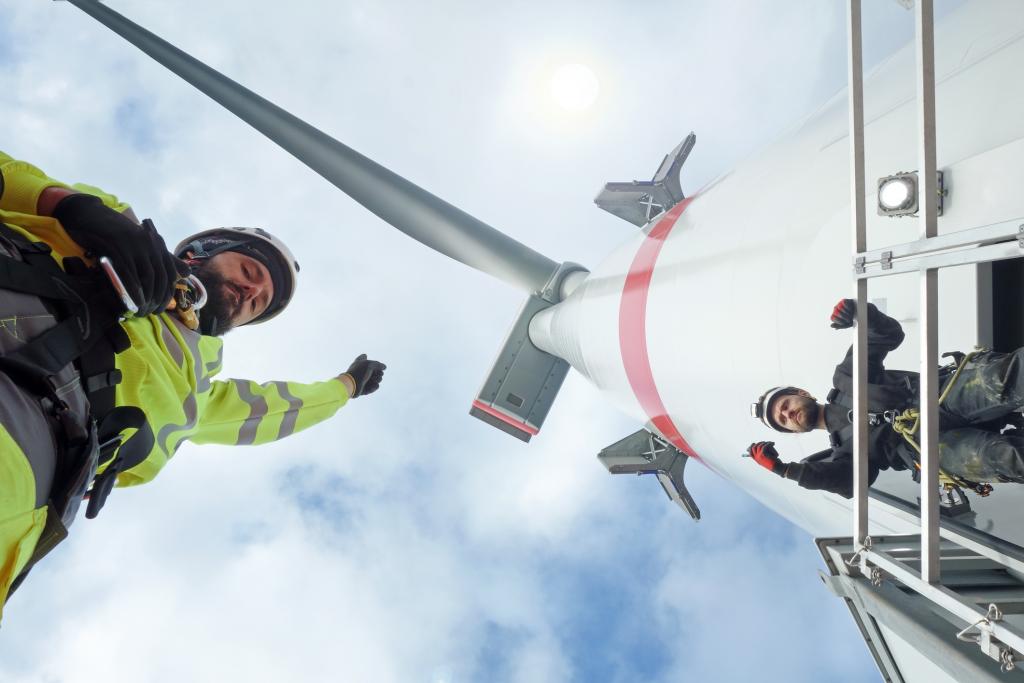
Two men in construction outfits at the bottom of a wind turbine, viewed from below
Positive imagery that includes people tends to perform better / iStock

What best practices can governments follow to communicate effectively and increase public acceptance about net-zero?

There are many excellent examples and guidance that governments can draw on to include the public and help shift attitudes about climate change. Organizations like Climate OutreachCreative Carbon Scotland, World Resources Institute, and more are doing important work to guide governments on communicating about net-zero. In particular, here are some practical strategies governments should undertake:

Ground net-zero in the here and now

First, it is important to make net-zero tangible and immediate to the public by focusing on the present—the here and now. Governments can do this by communicating in present-focused terms (today, tomorrow) rather than only focusing on future targets. Net-zero discourse needs to have terminology that is familiar and catchy and that people can personally identify with. In addition, it is essential to emphasize that achieving a net-zero goal will be the result of collective work, starting with each one of us, and that its success depends on everyone's participation. A helpful idea is to use inclusive and collective pronouns (such as we, us, etc.) so that people can identify with net-zero and see it as a collective concern.  

Focus messages on a small number of tangible actions

To this end, the transparency and immediacy of government goals and actions are essential, as they can build public confidence in policies and generate a sense among the public that achieving objectives is realistic and feasible. For example, governments can highlight recent wins in terms of environmental policies and show the achievements of smaller, intermediate objectives through mechanisms such as annual progress reports.

Governments should establish specific time frames for achieving targets and explain how these are practical and achievable. (Legislation can be key in this regard to entrench and achieve targets: the Energy and Climate Intelligence Unit’s Net Zero Tracker shows that, as of early 2021, the United Kingdom, Sweden, France, Denmark, New Zealand, and Hungary have passed legislation to entrench net-zero targets.)

Governments should establish specific time frames for achieving targets and explain how these are practical and achievable.

Communications about net-zero should also highlight the direct benefits for society, such as lower emissions of pollutant gases, better air quality, well-being, health, production of better-quality food, sustainable economies, and more.

Effective visualization and adapting messaging to specific groups

Communication campaigns should use effective visuals in order to increase public awareness of the role and importance of net-zero-aligned climate action, from the simplest actions to those that require more individual or political commitment. Research suggests that visuals depicting healthy countryside, clean air, and renewable energy infrastructure tend to resonate more with harder-to-convince audiences; as well, photos of "people doing things," such as planting trees or charging electric vehicles tends to see greater engagement.

According to Clean Energy Canada, positive imagery performs better than problem-focused imagery (such as images of environmental damage) and can help address common concerns among the public, such as job creation and air pollution. The implication is that these images can be appealing not only to audiences who might be more hesitant about climate action but also broadly attractive to those who are more supportive. The Climate Visuals website is a great guide for images and it facilitates access to Creative Commons photos. 

Governments should also adapt messaging according to subgroups, such as age groups and various political orientations. This can be done in part by identifying trusted messengers for net-zero communication or by using familiar faces to pass on key information in common sense language.

Avoid long, technical descriptions that are far from local realities

Among the things to avoid when communicating about net-zero are long and technical descriptions of policies, concepts, and theoretical and scientific objectives. The public is not likely to spend significant time learning about technical concepts behind political, economic or environmental discourses. Additionally, the less objective and practical the communication strategy, the more likely it is that the public will lose interest. An effective communication strategy on net-zero should avoid an approach that is too focused on international obligations and instead focus on local realities.

When designing and communicating net-zero targets, decision-makers are faced with several options, which may have different outcomes. Although there is still a long way to go, there is a need to engage all members of society if countries are to meet net-zero targets. This can only be done through a good communication strategy, which needs to be adequately resourced and grounded in evidence.

As a concrete next step, for the UNFCCC 26th Conference of the Parties (COP 26), countries should incorporate climate communications objectives into their Nationally Determined Contributions. More effective and inclusive decision making will enable greater support for climate action. Properly engaging society on net-zero and climate action will help protect the commons, foster planetary health, and improve the overall quality of life.


Insight

Scaling up Nature-Based Infrastructure for People and Planet

Nature-based infrastructure can help us deal with climate change and build a better future for communities worldwide. We need to rapidly scale up our efforts to better protect, manage, and restore the ecosystems around us.


June 1, 2021

The Growing Momentum for Nature-Based Solutions

Policy-makers increasingly lean on nature-based solutions (NBS) to tackle societal challenges like climate change, food security, and biodiversity loss. For example, President Biden’s American Jobs Plan aims to support communities and the environment by protecting and restoring nature.

The European Commission is promoting NBS in the European Green Deal and works hard to build the knowledge base on NBS. NBS are also part of climate adaptation plans and the ongoing negotiations on the Common Agriculture Policy (CAP). NBS are defined as actions to protect, sustainably manage, and restore natural or modified ecosystems. They address societal challenges while improving human well-being and supporting biodiversity.

NBS is an umbrella concept that covers a broad range of measures like protecting forests, improving agricultural practices, and bringing more green spaces into cities. Nature-based infrastructure (NBI) is a subset of NBS. The term describes ecosystems that deliver infrastructure services (like water filtration) as well as additional benefits (such as improved human health).

Nature-Based Solutions for Addressing Climate Change

NBS can help keep global warming in check by capturing carbon and avoiding emissions. For example, a forest binds carbon when growing, and protecting moors avoids the release of greenhouse gases into the atmosphere.

Researchers from Oxford University’s Nature-Based Solutions Initiative have demonstrated that the worldwide implementation of NBS could reduce the peak temperature reached this century. Furthermore, NBS could significantly cool down the planet after this peak. But it remains paramount to cut greenhouse gas emissions of the global economy.

NBS also support climate adaptation. For example, an IISD assessment has demonstrated that agroforestry can help a municipality in Belgium adapt to extreme rainfall and rising temperatures. Such a scheme of planting trees and hedges on farmland provides benefits like water filtration, reduced heat stress on cows, and higher agricultural yields. For investments of about EUR 600,000, the agroforestry project can deliver economic, ecological, and social benefits of EUR 3.9 million over 20 years.

forest

It’s About More Than Climate

NBS have a role to play in climate mitigation and adaptation, but we must not forget that their virtue lies in the multitude of benefits they can provide to people and our planet. NBS filter the water we drink, give us outdoor spaces to enjoy, and offer a habitat for threatened plants and animals. They also sustain the livelihoods of communities.

The mangrove ecosystem of the Saloum Delta in Senegal, for example, supports more than 100,000 people. A recent assessment by IISD shows that the delta delivers ecosystem services worth CFA 964 billion (about EUR 1.47 billion) over 10 years. For instance, the wetland filters water and provides locals with edible plants. It also supports labour income of CFA 1,973 billion (about EUR 3 billion) in sectors like fisheries, agriculture, and tourism.

Valuing Nature as Infrastructure

Ecosystems like the Saloum Delta deliver infrastructure services and a range of co-benefits. Just like built infrastructure, they form the basis for economies around the world. Researchers and policy-makers therefore increasingly use the term nature-based infrastructure (NBI) to describe such nature-based solutions.

It is challenging to fully grasp the total value of NBI and create bankable projects. We need to get better at integrating the multitude of benefits of NBI into infrastructure investment decisions.

Integrated assessments such as IISD’s SAVi valuation provide evidence on the costs, revenues, and co-benefits of NBI projects. If we want to scale up NBI, building this track record is key.

For instance, our assessment for the city of Johannesburg showed that nature-based stormwater infrastructure provides higher returns on investment than purely grey infrastructure. The NBI is not only cheaper to build, but it also protects people from floods, creates jobs, and improves the water supply.

Communities around the world are discovering that NBI are cost-effective solutions to their challenges. Writing in The Hill, Tim Male and Christy Plumer present fascinating examples of such projects in the United States. They showcase how investing in nature as infrastructure has much to offer to Americans and that momentum for NBI is growing. And how much we need that momentum!

Time to Embrace the Potential of Nature-Based Infrastructure

In their research on the cooling effect of NBS, the Oxford University researchers assume that we drastically ramp up NBS by 2025. This means we need to rapidly get on track and scale up NBS to take full advantage of their climate potential. In addition, we need to make sure that the NBI deliver the additional benefits they promise.

Scaling up NBS is not only urgent—it also requires massive investments.

According to the new State of Finance for Nature report, the world needs to triple the annual investment in NBS by 2030. To successfully tackle climate change, biodiversity loss and land degradation, public and private actors need to spend a total of USD 8.1 trillion on NBS by 2050.

Governments are spending unprecedented amounts to support the economic recovery from the pandemic. Investments in NBI can help to build back better by creating jobs, addressing climate change, and improving the well-being of people and ecosystems. Decision-makers in the United States and around the world therefore need to include NBI in this wave of public spending.

green buildings

To help them make the right decisions, we must showcase the performance, predictability, and financial viability of NBI. For this reason, IISD, together with United Nations Industrial Development Organization (UNIDO), the MAVA Foundation, and the Global Environment Facility (GEF) Secretariat will be launching the NBI Global Resource Centre. The Centre will host the results of more than 40 NBI valuations and create an online database on the performance of NBI. It will also provide capacity building for policy-makers and investors to scale up the use of NBI for climate adaptation and additional benefits. Let us build on what we have learned so far about NBI, and learn from the projects we can create—now.

Insight

How big companies can help to end hunger

So far, the private sector has been waiting and watching. Now we need visionary companies to step up and join us.

May 28, 2021

This article was originally published by IFPRI. It has been reprinted with permission.

The number of people who go to bed hungry was rising steadily prior to the COVID-19 pandemic due to stresses related to climate, inequality and conflict, and now stands at 690 million. The pandemic has supercharged these trends. The latest UN estimates are sobering, with an additional 130 million projected to be suffering from hunger, even before the devastating pandemic numbers we are currently seeing from India and Brazil.

Worse, official development assistance (ODA) efforts in agriculture and food security have not coped with the increasing challenges. Between 2008 and 2018, their share in total ODA grants decreased from 9% to 8%. By neglecting the root cause of hunger, the global community has had to increase their spending on emergency food aid (which rose by 25% over the same period). What’s more, no African country is on track to meet the commitment to allocate at least 10% of annual public expenditure to agriculture.

But as the ground-breaking Ceres2030 studies—backed up by another study by German organizations, the PARI Report—show, this situation can be turned around. With USD 33 billion in additional annual spending, we can reduce the number of hungry people from 690 million today to 170 million by 2030. Not quite the end of hunger, but a reduction in the percentage of people that are hungry from 9% today to 3% in 2030.

Most of this additional money will come from governments, which must step up their commitments to the fight against hunger—but they are under pressure from the pandemic and the associated economic downturn. Large companies can and should step in as well to play a catalytic role in this effort. So far, the private sector has been waiting and watching. Now we need visionary companies to step up and join us. While many businesses have suffered in the past 12 months, others have prospered and are in a strong position to support ending hunger by 2030. For example, the NASDAQ has risen in value by 64% in the past year and the S&P 500 by 49%.  

So far, the private sector has been waiting and watching. Now we need visionary companies to step up and join us.

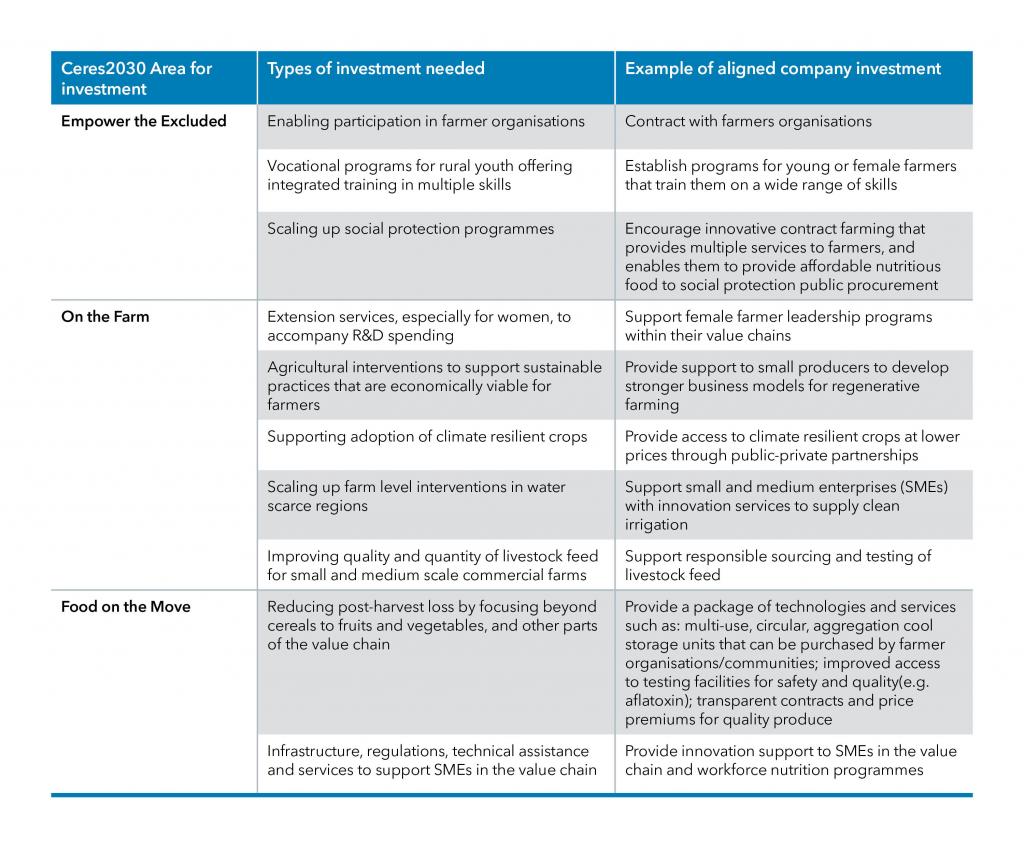
Companies will be able to signal their support by signing the End Hunger, Nourish the Future Pledge to align company investment and spending more strongly with the 10 high-impact investment areas outlined by Ceres2030 below.

table

The End Hunger, Nourish the Future Pledge is being developed by colleagues at the International Institute for Sustainable Development (IISD), IFPRI, the Global Alliance for Improved Nutrition (GAIN), Grow Africa, and Grow Asia, working with business associations, member states, donors and others in the context of the upcoming UN Food Systems Summit.

The action outlined by Ceres2030 takes place across three broad areas: Investments to empower the excluded (for example: strengthen farmer organizations, education for rural youth, social protection); investments on the farm (for example: farm extension, irrigation, finance, infrastructure, R&D, production subsidies); and investments for food on the move (for example: infrastructure and technical assistance to help small and medium enterprises, investment in storage and sustainable energy and cold chains).

Business participation would be highly catalytic, helping us to arrive at the additional $33 billion investment faster, which will spur an extra $52 billion in local private investment per year. The investments would also double the incomes of 545 million food producers and their families, and help limit greenhouse gas emissions for agriculture to the commitments agreed upon in the Paris Climate Agreement.

The investments would double the incomes of 545 million food producers and their families, and help limit GHG emissions.

Investments at this level would also be a boon for the businesses themselves—helping to expand the very markets that have the most growth potential for many companies while also building important relationships with value chain actors and strengthening supply assurance. Pledging will help them to attract top talent among young, skilled professionals who have consistently expressed a desire to join companies that have a higher sense of purpose; and can boost companies’ environmental, social, and governance (ESG) profiles, which are becoming more important to the investment community.

Here is a chance for companies to give their words action: To stimulate local private sector investment. To help new markets flourish. To build new trusting relationships with value chain actors. To give their own employees a higher sense of purpose. To be the final spark for the final effort to end the obscenity of hunger. To be the, perhaps unlikely, champions that end hunger—for good.

Lawrence Haddad is Executive Director of the Global Alliance for Improved Nutrition (GAIN); Carin Smaller is Director of Agriculture, Trade, and Investment at IISD.

Insight

How Can Renewable Energy Help Us Through the COVID-19 Pandemic?

As governments plan economic measures to recover from the pandemic, they face a critical decision: to back transformational investments in a clean energy future or lock in fossil fuels for another generation. Renewable energy expert Richard Bridle, co-author of the report Achieving a Fossil-Free Recovery, explains why governments should put renewable energy projects at the heart of their recovery plans.

May 20, 2021

How has the pandemic affected the future of clean energy?

The pandemic has placed us at a crossroads. We've already seen that the first wave of government action has been aimed at protecting existing energy sources and technologies. And most of those are fossil energy because that's the nature of the energy system. There's a risk that, moving forward, governments will return to austerity measures, cutting back on programs related to the environment and energy.

Did the pandemic hurt the clean energy transition?

Yes, it made the situation worse. When the pandemic hit and oil prices fell, fossil fuel companies saw their profits drop, and many had to temporarily shut their operations. The demand for bailouts became very strong, and the government didn't feel that they could accept so many job losses. At that point, calls to bail out the clean energy sector were much quieter—even though it's far more important that they are supported since they're the future of our energy system. 

How can we ensure clean energy growth as the pandemic drags on?

First, we have to make sure our response isn't counterproductive. Recovery spending shouldn't prop up old fossil fuel industries and lock them in for another generation. We need our governments to make explicit political commitments to the clean energy transition by backing transformative energy investments. In practice, that means targets need to be put in place, and those targets need to be backed up with credible mechanisms to fund their deployment. 

Does this mean the pandemic recovery could be an opportunity for governments to push the clean energy transition forward?

Yes. It's important that the next waves of government action are designed for the future we need, which is a clean energy future. We all looked to our governments to manage the pandemic, and now we're looking to them again to manage what comes next. I think people are acutely aware that we need to avoid an even worse threat coming up behind the COVID-19 crisis—and that's the climate crisis. 

If governments were to adopt policy measures supporting clean energy, energy access, clean transportation, and energy efficiency, what would be the advantages for economic recovery?

In the short term, one advantage is that renewable energy projects tend to have very short lead times. It takes decades to build or renew a nuclear power station, but renewable energy projects can be delivered in months. If you want to create jobs and economic activity in the supply chain now, then renewable projects are really well-suited to doing that.

We also need a fundamental redesign and retooling of our building sector, looking into things like insulation and the conversion to electrically powered heating systems such as heat pumps. If we took these actions now, we would put large numbers of people back to work in deploying those technologies, reduce energy costs for homeowners and consumers, and reduce our emissions.

So why do you think this potential is not being used? 

I think the biggest single barrier is that governments are very concerned about finances at the moment. There is exceptional demand for welfare funding, in addition to the pressure coming from industries and interest groups, so it's quite difficult to commit funds to infrastructure or energy projects. It requires governments to be very farsighted and strategic about how money should be spent. 

What can change this?

Governments need to have a bold and consistent vision and use that as a litmus test for all policies that are being proposed. It's clear that, over the next decade, we need to have a fundamental transition in our energy sector, which means that every tax and subsidy policy has to be consistent with that goal. 

We need our governments to make explicit political commitments to the clean energy transition by backing transformative energy investments.

How do you convince governments of economies that are highly dependent on fossil fuels that this is necessary? 

I don't think it has escaped any government's notice that reliance on fossil fuels is increasingly becoming an economic and political risk. 

But I think that we do have to convince governments that the time to act is now. There's no place for fossil fuel subsidies in a modern economy, so the message that subsidies should be swapped from fossil fuels to clean energy should be at the heart of recovery policy. It would be highly effective to reform those subsidies, increase taxes on fossil fuels, and reallocate a portion of those savings to prepare for the transition to clean energy. The post-pandemic restructuring of the economy is an opportunity to tackle these difficult issues. 

Recently, Bill Gates said: "You're more likely to try to invent a new type of clean fuel if you're confident you won't be undercut by cheap gasoline." How do you think the policy measures you propose will affect our creativity and development in the area of clean energy?

Yes, I think that's true. Look back in history to when innovation in the energy sector has occurred: during the oil crisis in the 1970s, energy prices were very high, and that spurred a lot of governments to consider renewables. The wind industry, and to some extent the solar industry, was born in that era. Then it went dormant for a couple of decades because fossil energy got cheap again, and everyone stopped worrying about it. 

I think that's the key: we have to make fossil fuel energy into expensive energy. We have to price energy in accordance with the external cost of the energy, taking into account the cost and health impacts of pollution and the cost to the environment. The prices we charge should reflect those external costs. In that environment, renewable energy will always look far cheaper than fossil energy.

If governments do implement these solutions, what can we expect?

If governments succeed in reforming fossil fuel subsidies and reallocating the savings to fund a clean energy transition, we will see very rapid change. We'd see much of the fossil infrastructure start to be dismantled, and we'd see our homes being heated and provided with electricity for a lower cost—and at a much lower cost to the planet. There would also be a fundamental change in the economy, with a massive increase in jobs related to the deployment of clean energy technologies. 

We have an opportunity to prepare our economies, our homes, and our transport to meet the target of net-zero emissions by 2050. By taking these steps now, we could get ahead of the curve. 

Insight

Green Taxation and Fossil Fuel Subsidy Reform: Two tools for a green recovery

How can governments align their recovery plans with energy transitions, and where can they find the money for green investments? Energy expert Joachim Roth suggests two key measures: fossil fuel subsidy reform and green taxation. 

May 19, 2021

In the new report Achieving a Fossil-Free Recovery, you propose solutions for a green recovery in the energy sector. Where can governments find the money for green investments?

One way is fossil fuel subsidy reform. There are a lot of subsidies out there, from tax breaks for fossil fuel producers to government support for fossil fuel prices. These come with high climate, social, and environmental costs and waste taxpayer money on fuels and projects that are unlikely to be profitable in the long run. Reforming these subsidies can generate a lot of revenue.

Another method is green taxation, which can take a lot of forms, including energy taxes, excise duties on gasoline or coal, or carbon pricing. These taxes can also decrease energy consumption by pricing fossil fuels to reflect their environmental costs. 

Both of these methods are currently underutilized by most countries.

In just 60 seconds, Tara Laan explains the benefits of using fossil fuel subsidy reform and green taxation to fund a green recovery.

How much money could be raised through fossil fuel subsidy reform?

A lot. Just reforming subsidies to the consumption of diesel, gasoline for transportation, and coal, and implementing a tax on the consumption of these fuels could generate around USD 553 billion per year globally. And there are many more subsidies supporting both the production and consumption of other fossil fuels.

A tax of just 0.125 cents per litre on gasoline and diesel could raise over USD 1 billion per day—the equivalent of more than USD 400 billion per year, although estimates can vary because of different methodologies. 

How could that money be better spent? 

It depends on local priorities. India placed an excise duty on gasoline and diesel and used that revenue to fund their COVID-19 response. The Government of Costa Rica implemented a set fuel price for gasoline—so when fuel prices dropped during the pandemic, domestic fuel prices did not fall below a certain level. The revenue raised was then used to support workers at risk of losing their jobs. In Colombia and Costa Rica, they have used carbon tax revenue to fund forest conservation projects. 

A good way to build support for these measures is to earmark revenue to support renewable energy industries, which has been done in a number of countries, such as the Nordics. There are many creative ways that this revenue can be spent to fill gaps and build projects.

What sort of benefits could we see if we put these measures in place?

Besides generating revenue, these measures level the playing field for renewables by factoring climate, environmental, health, and other impacts into the price of fossil fuels. These policies tell investors and companies that they can invest in clean energy technologies with less risk and better outcomes for society.

Another advantage is job creation. When the Nordic countries implemented environmental fiscal reform in the late 1990s, they raised carbon prices and green taxes and then reduced income taxes and taxes on employers. Median disposable income in Swedish households grew four times faster after 1995. So while green practices may seem detrimental to growth in the short term, several models show that these measures actually have a modest impact on growth and can be beneficial for jobs

And the last benefit is air quality. In Norway, they used green tax revenues to fund pollution-reducing technologies, like green shipping and monitoring systems for nitrogen oxide (NOx) emissions. Similarly, Sweden set a threshold of NOx emissions above which polluters would have to pay a tax, creating an incentive for increased efficiency and reducing air pollution. 

Should the average person be concerned about higher taxes or inflation? 

Governments need to make sure consumers expect, prepare for, and don't suffer unnecessarily from price changes. Measures must be put in place to balance the negative economic impacts and protect the poor and vulnerable from the reforms.

It's difficult to raise taxes without having some impact on consumers and prices, but dedicating part of the additional revenue or budget savings to support low-income groups or implementing targeted subsidies can mitigate the effects. In the big picture, although some costs might go up, with the right measures in place, the overall material impact on most citizens would be small.

If you use taxation as part of a wider package and thoughtfully redirect revenue, then even in fossil fuel-based economies, you can see positive change.

When we look specifically at highly fossil fuel-dependent economies, is there a risk that raising taxes and lowering subsidies on fossil fuels could lead to an economic downturn?

Some are concerned that green taxation will affect industry competitiveness, but I'm skeptical of this if reforms are enacted in the right way. To combat this challenge, the Nordic countries initially lowered rates for strategic industries to gain widespread acceptance; then they gradually increased the rates to allow for adjustment. They also built in energy-efficiency incentives. So if these policies are designed well, industries can actually become more competitive. 

Of course, there could be a risk of downturn in economies that are deeply rooted in fossil fuels. One of the key elements for success is using the revenue to promote new activities, create jobs, and allow the economy to shift. If you use taxation as part of a wider package and thoughtfully redirect revenue, then even in fossil fuel-based economies, you can see positive change.

How do you identify the right specific measures? This is where just transition comes in.  This is a process where workers, employers, governments, and other stakeholders, like local communities, work together to develop the right suite of policies and practices that will maximize benefits and mitigate risks. Just transition is a core component of a successful energy sector transition. 

Some attempts to put these measures in place have led to public backlash, as we saw with France's yellow vest movement and in Ecuador in 2019. How can this be avoided?

Timing is important. Public backlash is sparked when governments fail to include civil society groups and communities that will be impacted in their decision-making or fail to communicate the intent and process behind the policy. That risk is mitigated if governments use the revenue appropriately, such as to fund the low-carbon transition, cover the needs of vulnerable groups, or support green industries. They must also clearly explain what they're doing to the public. We cannot forget that, overall, it is the richer groups of society that benefit most from fossil fuel subsidies.

Are there regional differences in how these mechanisms should be applied?

Context is definitely important. The fiscal reforms implemented in the Nordic countries, for example, will work in countries that have a strong social safety net, organized formal labour sectors, and open dialogues between labour, industry, and government. In countries without these conditions, other approaches may be needed. Instead, cash transfers, food vouchers, or reduced costs of public transportation may be more appropriate, along with establishing social safety nets. The challenge of distributing benefits and social compensation remains the same; it just requires a strong understanding of (and adaptation to) the local context.

What are the next steps to implement these policies more widely?

First, governments should commit to regularly reviewing and phasing out fossil fuel subsidies, targeting revenue recovered from reform of subsidies to those that need it most. Second, governments should commit to progressively raising green taxes alongside measures for social compensation. It's important to remember that these are two tools in a wider toolkit and take into account the social impacts. But at the end of the day, these tools can be very beneficial if they're used in the right way. 

Insight

Carbon and Controversy: Why we need global cooperation on border carbon adjustment

Ambitious climate action and concerns about economic competitiveness and fair burden sharing require a collaborative discussion, not trade wars.

May 18, 2021

Border carbon adjustment (BCA), long avoided and dismissed as a policy instrument sure to trigger trade disputes and poison the atmosphere of multilateral climate negotiations, is now the subject of earnest discussion among trade and climate policy-makers, civil society, affected industries, research institutes, and inter-governmental organizations. But we’re not yet having the right kind of discussion.

BCA (or CBAM for "carbon border adjustment mechanism," as it’s called in the EU) involves imposing charges or regulations at the border to mirror the costs that climate pricing policies impose on domestic firms. It can also involve rebating those costs at the point of export. There is no single agreed model for BCA; it is more like a decision tree that produces many options depending on design choices, such as what sectors and emissions to cover and how to estimate emissions embodied in traded goods.

The current flurry of interest is driven most acutely by the European Commission’s mandate to propose such an instrument by July 14 this year, with the intent to bring it into force by 2023.

However, more broadly, the interest is a consequence of increasing climate ambition; the EU announced its CBAM intentions as an integral part of the highly ambitious European Green Deal. In a similar vein, Canada announced federal consultations on BCA soon after announcing a legislated carbon price that will rise to USD 140 per tonne by 2030. The US has included BCA in the USTR’s 2021 Trade Policy Agenda, in parallel with the Biden Administration’s ramped-up climate ambition.

As more and more countries get serious about addressing climate change, BCAs will be more widely considered.

Effective dialogue should focus on best practices or principles that can guide the design of BCA to ensure it achieves its environmental objectives and avoids protectionism.

The reasons are clear. Imposing high carbon prices on certain types of firms—in energy-intensive trade-exposed sectors like steel, cement, and aluminum—raises their costs. If trading partners don’t take similar measures, the result might be leakage: climate policies in one country leading to an increase in emissions elsewhere as the firms facing a carbon price lose market share to low-cost, high-carbon competitors.

BCA is a controversial tool for many reasons, primarily because it limits market access for high-carbon foreign producers, who may be located in developing or least developed countries. This raises the tricky question of how the costs of climate mitigation action should be allocated in a competitive global economy.

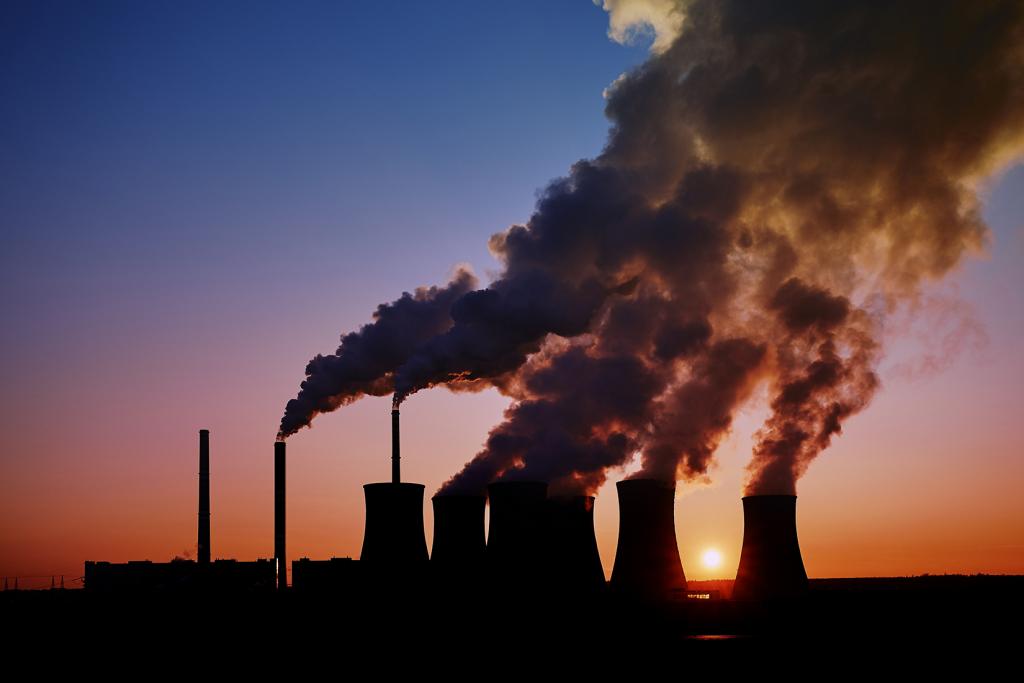
smoke stacks at sunset
Requiring developing country producers to bear the cost of emissions related to products they export to developed markets sits awkwardly against the principle of Common but Differentiated Responsibilities / iStock

The UNFCCC principle of common but differentiated responsibility and respective capabilities (CBDR-RC) calls for developed countries, with their history of high emissions, to take the lead in climate change mitigation efforts, and it’s hard to see how they could do so if their efforts simply led to leakage. But the same principle also recognizes that not all states are equally capable of responding to climate change; requiring developing country producers to bear the cost of emissions related to products they export to developed markets sits awkwardly against this broader principle.

In addition to the issue of CBDR-RC, Brazil, China, India, and South Africa have voiced grave concerns about discriminatory unilateral BCA, foreshadowing future legal challenges at the World Trade Organization (WTO). The outcomes of legal disputes at the WTO would depend largely on the design of the BCA. However, whatever that outcome, it would not solve the core issues surrounding BCA.

Agreeing on best practices would help guide national efforts at BCA such that the results are more environmentally effective, less trade-disruptive, and more equitable.

The solution, therefore, must result from a dialogue amongst the governments adopting or affected by BCA—it cannot be delegated to WTO dispute resolution. An effective dialogue should focus on best practices or principles that could guide the design of BCA to ensure that it achieves its environmental objectives and avoids protectionism. This would be the right kind of discussion.

The objective would not be to agree on a one-size-fits-all BCA. BCA would vary significantly from country to country because it would be an adjunct to climate policies that vary significantly, from carbon taxes to emissions trading systems to output-based pricing. However, it is possible to imagine that countries identify broader principles that would inform any BCA, such as:

  • No double protection: Any charge on foreign goods needs to account for protection granted to domestic producers (such as free carbon emission allowances).
  • Credit for equivalence: BCA should grant credit for carbon prices levied in foreign jurisdictions.
  • Challengeable assumptions: Foreign producers should be able to challenge any assumed carbon intensity using actual data.
  • Revenue sharing: A portion of the revenue from a BCA should be used to help foreign producers lower their costs of compliance.

Beyond such principles, it would be useful to agree to best practices in areas like the measurement of embodied carbon in traded goods, calculating border charges, national exemptions, and sectoral scope of coverage.

The point would not be to define WTO legality or to pre-cook some legally binding agreement. It would simply be to guide national efforts at BCA such that the results are more environmentally effective, less trade-disruptive, and more equitable.

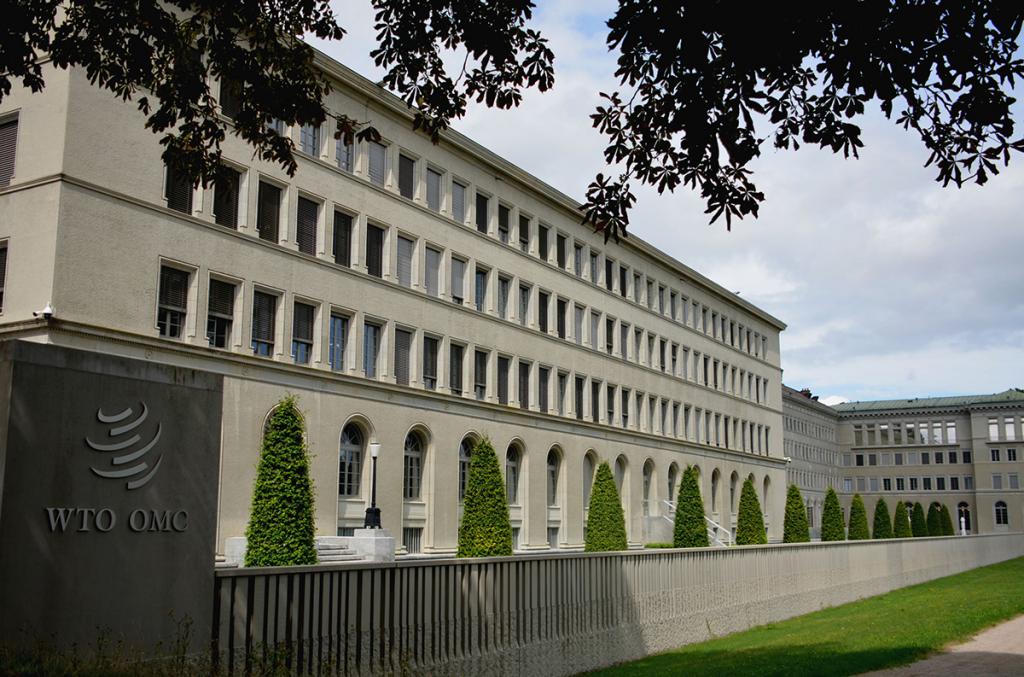
exterior view of the World Trade Organization building
The WTO is an obvious candidate to hold discussions on the future of BCAs / iStock

Where to hold such discussions? The WTO’s Committee on Trade and Environment, given its mandate, is an obvious candidate. This is already the place where countries with BCA plans are updating their fellow members. The committee, established in 1994, is open to the entire WTO membership, with some international organizations as observers.

Another (complementary) option could be the Trade and Environmental Sustainability Structured Discussions, a process launched by some WTO members late last year. The idea here would be to provide a more inclusive platform for WTO members that would also allow for exchange with climate actors and the private sector. This could ultimately feed into the work of the Committee on Trade and Environment.

Today’s gathering rush to a novel instrument with trade impacts echoes the situation in the 1960s, when many European countries were adopting a revolutionary new fiscal tool: the value-added tax. Unclear on its legal status, and sensing momentum toward global adoption, the contracting parties to the General Agreement on Tariffs and Trade (GATT), the WTO’s predecessor, convened a Working Party on Border Tax Adjustments. In a two-year series of meetings, it identified areas of consensus and disagreement, and the resulting report has since served as a bedrock of shared understanding on trade-related aspects of destination-based taxation.

Now, it’s time for a reprise.


*The authors would like to thank Alice Tipping for her thoughtful feedback on earlier drafts of this blog.