As we face an increasingly unpredictable climate, water storage projects are already making Manitoba farms more resilient. Now we need to ramp these efforts up, so that the whole province — from farmers to everyday citizens — enjoy the benefits. IISD water policy expert Ashley Rawluk explains why it’s time to embrace water storage.
February 2, 2026
Floods washing out swaths of Texas. Wildfires ravaging Manitoba’s land and skies. This summer has proven to be a poster child for the power of extreme weather events.
And don’t Manitoba’s farmers know it all too well?
Scorching droughts that wither crops and pasture, torrential rains that flood fields, and storms that wash out roads. These events don’t just impact yields, they also threaten the livelihoods and well-being of everyday citizens.
And while these weather events are becoming ever more extreme and unpredictable, there are measures we can take now to pre-emptively prepare for what may come.
Take water storage, for example, which helps farmers get ahead of next year by preparing now for Manitoba’s moisture extremes — keeping farms resilient against whatever unpredictable weather occurs.
Water storage can take different forms — from restoring natural potholes and creating new wetlands to deliberately holding back water in areas that typically flood. These areas act like sponges, soaking up spring runoff and heavy rains to release moisture during dry spells.
Picture small berms or water-control structures, for example, placed strategically to capture overland flow or within waterways. These handy solutions trap and hold water that would otherwise flood fields or increase run off.
According to research, every dollar invested in naturalized, on-farm water storage returns $3.16 in benefits over 10 years — from better water quality to flood protection and extended grazing.
And what can that water then be used for?
Prioritizing water storage on-farm can reduce the potential for flooded fields, roads, and buildings by holding back water to lower the volume of runoff, slow the flow, and allow it to soak into the ground. During drought, stored water keeps soil moist and sustains nearby crops and forage.
But the benefits of water storage don’t stop there — it also filters out sediment and nutrients, supports wildlife, and enhances the natural beauty of the farm landscape. Though these benefits grow over time, farmers often notice improved water retention and habitat within just a few years.
So, that’s all well and good. But how do we kickstart more of these projects?
Water storage projects are often completed with expertise and financial assistance through Manitoba’s 14 watershed districts, supporting its growing popularity. Between 2018 and 2023, there were 257 projects completed across the province, providing 6.697 billion litres of storage (that would fill 2,678 Olympic swimming pools).
The proof, however, is in the pudding.
Just a couple of years ago, the International Institute for Sustainable Development — headquartered right here in Winnipeg — asked nine farmers with ten water storage projects in the Seine River, Rat River, and Roseau River watersheds how it was all going.
They reported many benefits from their projects. These included extended grazing (consistent moisture keeps forage growing longer), time and cost savings (less need to haul water during drought, improved crossings for machinery and livestock), and overall peace of mind (confidence that livestock will have pasture and water even in dry spells and reduced downstream flooding risk).
According to research, every dollar invested in naturalized, on-farm water storage returns $3.16 in benefits over 10 years — from better water quality to flood protection and extended grazing.
Remember — embracing water storage means you’re not just preparing for the next flood or drought — you’re investing in the future of your land, your livelihood, and your community.
While initial costs can range from $7,000 to over $87,000, watershed districts in Manitoba offer substantial financial support, covering part of the construction costs and compensating farmers for any land taken out of production. There is often additional funding to combine water storage with livestock fencing and alternative watering systems to enhance benefits and bolster livestock health. The cost of these projects varies by design and location, but the benefits are clear and more than justify the cost.
So, as we face an increasingly unpredictable climate, these water storage projects are already making Manitoba farms more resilient.
But now we need to ramp these efforts up, so that the whole province — from farmers to everyday citizens — enjoy the benefits.
If farmers are interested in building a new project, they can connect with their local watershed district to learn about funding options.
Because remember — embracing water storage means you’re not just preparing for the next flood or drought — you’re investing in the future of your land, your livelihood, and your community.
Why the World Is Switching to Renewables Faster Than Anyone Expected
Our renewable energy expert, Tara Laan, explains how renewables became the world’s cheapest power source, what that means for energy security, and what the next phase of the transition will require.
January 23, 2026
How do you explain the boom in solar energy we’re seeing today?
Renewables are scaling fast because it’s become affordable and quick to deploy. In 2025, utility-scale photovoltaic solar was in the ~USD 38–78/MWh range, which explains why solar keeps winning new-build decisions in many contexts. As more countries install solar and wind, costs and scale reinforce each other—a virtuous cycle. For example, in the European Union (EU), renewables overtook fossil fuels in the electricity mix. The next phase is about integration: grids, flexibility and storage so renewables can keep growing reliably.
The big issue now isn’t generation—it’s integration.
Has this actually changed the global climate outlook?
Yes, and this part often gets overlooked. We think there’s been no progress on climate change, and politically, that’s often true, but if you look at the energy data, the story is more nuanced.
About 10 years ago, we were looking at around 3.5°C degrees of warming based on existing policies and pledges. Now we’re closer to around 2.6°C. That’s largely because the massive coal build-outs that were once expected never happened. In the last 10 years, over 60 countries scaled back their planned coal expansions or removed coal power entirely from their future energy strategies.
Instead, renewables took off, accounting for over 92% of total power expansion in 2024. That’s because public support drove down costs, and once renewables became cheap, countries started choosing them over coal.
It’s not enough, but it’s still a big shift.
How much is energy security shaping clean energy policy now?
A lot. There’s been a big shift.
Renewables are now recognized for their capacity to diversify energy supply and—once installed—provide a domestic source of energy that is not reliant on imports or volatile fuel markets. Even if price hikes or trade disruptions occur for components, they only impact new capacity, not existing systems.
For example, renewables helped moderate the EU’s energy crisis that followed Russia’s invasion of Ukraine. Without its wind and solar power capacity, the EU would have needed 993 TWh (94 bcm) more gas from 2022 to 2023 alone, costing EUR 135 billion and increasing reliance on Russia.
In Pakistan, consumers are taking matters into their own hands and installing record levels of rooftop solar, driven partly by problems with the grid. This has reduced the country's heavy reliance on expensive, imported fossil fuels, but the transition needs to be carefully managed to ensure grid stability.
Energy transitions are never just about economics—they’re political.
If, as we said, the price is not a barrier anymore, what’s still holding renewables back from fully taking over?
The big issue now isn’t generation—it’s integration.
Countries don’t really need to subsidize solar and wind anymore. What they need to support are grids, storage, and technologies that balance power in the short and long terms. They also need to stop subsidizing fossil fuels, which distorts the market.
We’re changing an entire energy system from centralized base-load fossil generation to distributed and variable generation. And higher proportions of variable renewables require more interventions to ensure reliability, like batteries and other forms of balancing and storage.
This is especially hard for developing countries. If your whole system is built around coal power flowing from a power station to businesses and households, switching to renewables in new locations with new storage needs is extremely expensive, requiring massive investments in grids. Even rooftop solar can be expensive to integrate, requiring upgrades to local electricity connections and networks. Supporting poorer countries to make this transition is the challenge and responsibility of richer countries over the coming decades.
What do you see as the next major phase of the clean energy transition?
Two big things.
First, we’re going to see much more support for diversifying critical mineral and rare earth supply chains. These materials are essential not just for clean energy, but for a lot of modern technologies.
Second, there will be a shift in what governments support. Less money for generation, more for integration: grids, storage, and flexibility.
For lower-income countries, this is going to be a huge challenge. There will need to be a lot more international public finance. Otherwise, they simply won’t be able to afford the transition.
Are we at a point where the shift to clean energy is irreversible?
In many ways, yes.
We have already passed tipping points for key technologies, including battery storage, wind, solar, and electric vehicles. But challenges remain in plenty of sectors, like aviation and heavy industries.
And energy transitions are never just about economics—they’re political. Some countries are still pouring money into fossil fuels even when renewables are cheaper.
But the big difference now is this, at least in the power sector: clean energy is no longer an alternative. It’s the default.
Why World Trade Organization Rules on Domestic Support Matter for Least Developed Countries
IISD agricultural trade analyst Facundo Calvo argues that World Trade Organization (WTO) agriculture negotiations on domestic support tend to center on how much governments spend, but, for least developed countries (LDCs), where that support goes matters just as much, especially when it is concentrated in commodities they produce.
January 19, 2026
The WTO agriculture negotiations have been stalled for years. Members broadly agree on the need to discipline subsidies and other forms of domestic support to agriculture due to their trade-distorting effects. However, they remain divided on how to do so, who should adjust, and by how much.
Discussions have traditionally focused on aggregate numbers: how much support countries are allowed to provide under WTO rules, and how these amounts compare across members.
Yet focusing only on aggregate levels of domestic support misses a critical point. A key source of distortion in global agricultural markets is public support to agriculture that is concentrated in a few commodities such as sugar, maize, and rice, as governments tend to support a limited number of politically sensitive crops. In other words, the challenge is not only the total level of support countries provide, but also how that support is distributed across products.
At the same time, while high volumes of support can create competitive pressures for LDC farmers if excess production enters their local markets, reducing such support may also carry food security risks by raising the cost of staple cereals for poor urban consumers and reducing household budgets available for other, often more nutritious foods.
Support also drives agricultural production in unsustainable ways. When support is heavily skewed toward high-emission, calorie-dense commodities such as beef, milk, and rice, or toward unhealthy products like sugar, it reduces incentives for farmers to cultivate more environmentally sustainable and nutritious foods, including fruits and vegetables.
What do WTO rules say about domestic support for commodities?
While the Agreement on Agriculture limits the total amount of trade-distorting domestic support a member can provide, it does not effectively discipline how that support is distributed across commodities.
The Agreement includes a product-specific cap: the de minimis thresholds, which cap trade-distorting support at 5% of a commodity’s value of production for developed members and 10% for most developing members. In practice, however, these thresholds do not prevent large subsidizers from heavily supporting their agricultural sectors through a combination of product-specific support, non-product-specific support, and border measures like tariffs.
Non-product-specific support includes payments not tied to a single commodity, such as input subsidies or general support to the agricultural sector, while border measures include tariffs, quotas, or other trade restrictions that affect the import or export of commodities.
Take cotton, a product of particular interest to many LDCs. According to the International Cotton Advisory Committee (ICAC), India, China, and the United States provided the largest amounts of support to their cotton sectors in the 2023–24 season. In India, support was primarily provided through non-product-specific input subsidies, amounting to roughly USD 2 billion. In China, the government supported cotton farmers by controlling import volumes and values and applying border protection measures based on quotas and a sliding-scale duty, with an effective tariff of 40% on cotton imported without a quota. Taken together, these measures conferred price support equivalent to roughly USD 1.5 billion. In the United States, support to cotton included marketing assistance loan programs and subsidized premiums protecting producers against crop yield and revenue losses, with total support amounting to roughly USD 1 billion. In contrast, public support to cotton in many LDCs is much smaller in scale. For instance, the combined support in Burkina Faso, Chad, and Mali did not even reach USD 100 million in the 2023–24 season, a tiny fraction of the scale of support in major producing countries.
These findings underscore a recurring pattern: concentrated support for a small number of commodities can have outsized impacts on producers in countries least able to absorb market distortions.
Why are stricter caps on product-specific support needed?
By limiting how much support can be channeled into a single commodity, stricter product-specific caps could help neutralize the competitive advantage enjoyed by heavily subsidized producers. In designing these caps, members could prioritize products of interest to LDCs, including cotton. Caps could also target commodities receiving the highest levels of support, such as maize and rice. Equally important, caps could be applied to high-emission and calorie-dense commodities, such as meats and sugar, reducing support that contributes to high emissions and unhealthy dietary patterns.
Unlike the current de minimis thresholds, which are often bypassed by both developed and major developing countries, stricter caps would set effective limits on how much trade-distorting domestic support can be concentrated on any given commodity.
To the extent these caps address products of interest to LDCs, they could help level the playing field in markets currently dominated by subsidized products that undermine LDCs’ interests. At the same time, however, stricter caps may increase the price of some staple crops that LDCs rely on for food security, such as rice. Policy-makers will therefore need to balance the objectives of reducing trade-distorting domestic support with potential short-term impacts on food prices.
To ensure these caps genuinely limit the concentration of public support, they would need to be accompanied by a careful review of measures that members currently notify as non-trade-distorting support (categorized in WTO terms as “Green Box” support). While intended to have minimal trade effects, several members have expressed concerns that certain programs may, in practice, affect agricultural production and trade patterns in ways similar to trade-distorting support. Without such a review, members could simply shift support to the Green Box, circumventing stricter caps on product-specific support.
Members may wish to preserve some flexibilities to provide product-specific support in exceptional circumstances, such as food crises or climate shocks. For example, members could explore the possibility of providing trade-distorting domestic support to specific commodities beyond existing limits in extraordinary situations, ensuring that stricter caps do not unduly constrain their ability to respond to urgent food security or climate-related challenges.
Finally, for product-specific caps to be meaningful, they must limit the actual support provided to producers. Achieving this may require rethinking how domestic support is measured at the WTO. In particular, members may need to update the reference periods used to calculate market price support for all commodities. Current WTO calculations rely on outdated fixed external reference prices from the 1980s, which misrepresent support levels in today’s markets. Updating these reference prices would more accurately reflect current support levels and ensure that stricter caps limit actual market price support rather than outdated estimates. It may also require thinking about how to tackle the provision of non-budgetary support provided to specific products through border measures like tariffs, through negotiations at the WTO or other avenues.
Moving Beyond Aggregate Limits
Moving toward stricter caps on product-specific domestic support will require action on several fronts. WTO members will need to advance negotiations to strengthen existing disciplines, including by revisiting the methodology used to calculate market price support. At the same time, greater transparency and scrutiny of notified support will be essential to ensure the new limits constrain product-specific support.
If WTO members are serious about levelling the playing field for LDC farmers and supporting more sustainable food systems, they must move beyond aggregate limits of public support and confront the concentration of trade-distorting support head-on.
Progress in this area is critical for the development prospects of LDCs, where farmers are exposed to distorted global markets and are least able to compete with heavily supported producers. Stricter product-specific limits would not only help level the playing field but also support more sustainable production patterns.
This year’s COP was meant to focus less on what the world must do and more on how to make it all happen. With major commitments already on the table, negotiators were expected to pin down tools, indicators, and processes to turn aspirations into action. But deep divisions on finance, trade measures, mitigation pathways, and other areas stalled progress on these decisions until the very last moment. Our experts break down what it all means.
In July, the International Court of Justice delivered its landmark advisory opinion on “the obligations of states with respect to climate change.” The court determined that the 1.5°C temperature target is legally binding under the Paris Agreement and that all states, particularly the largest emitters, must take ambitious mitigation measures in line with the best available science.
The Indonesian government has set an ambitious target of deploying 2 million electric cars and 12 million electric two-wheelers by 2030 to reduce carbon emissions. To achieve this, it has introduced policies to promote electric vehicle adoption and foster industry growth. But what exactly has been implemented, and will these policies lead to sustainable growth or merely a temporary boom of electric vehicles in the country?
The year leading up to COP 30 featured tense geopolitical showdowns and devastating climate change-fuelled events. Ahead of negotiations in Belém, Earth Negotiations Bulletin Team Lead Jennifer Bansard examined the agenda and broke down the complex factors converging in Brazil and shaping COP.
In February, negotiations on a UN Tax Convention kicked off, aiming to create a system of international tax cooperation to close existing gaps in tax systems that prevent many countries from collecting much-needed tax revenues. Tax policy experts Elisângela Rita and Kudzai Mataba break down the decisions made and discuss how the convention can best tackle developing countries’ challenges.
In April, Trump issued Executive Order 14257, which introduced sweeping tariffs on products imported into the United States from 190 countries and territories. In this report, Kholofelo Kugler and Tani Washington examine how African countries responded to the administration’s tariff regime and emphasize the importance of a coordinated continental strategy.
Biodiversity credits are a critical tool to bridge the global biodiversity funding gap by fostering measurable conservation outcomes. In this article, David Kramer explores how integrating biodiversity credits into hybrid models, such as debt-for-nature swaps or carbon credits, could attract broader private sector investments and highlights challenges to outcome measurement.
Fossil fuel subsidies are often seen as a safety net, protecting consumers from rising energy prices. But do they actually help build long-term energy security? Our experts explain why this assumption might be deeply misleading.
Unstable prices, costly infrastructure, and growing climate risks—these are just a few of the reasons why liquefied natural gas (LNG) is a risky bet for Canada and its trading partners. Our experts Steven Haig and Nichole Dusyk explain how LNG falls short on achieving either energy security for importers or economic resilience for exporters.
When climate change negotiators gathered at the annual Bonn Climate Change Conference for their midyear talks, they prepared to take up unfinished items from their last meeting in Baku, Azerbaijan, and to advance technical items with the aim of ensuring COP 30 was a success. Ahead of the conference, Jennifer Bansard, team lead for the Earth Negotiations Bulletin team, shared the key items to watch for.
Share this page:
Insight
IISD’s Best of 2025: Publications
As 2025 draws to a close, we’re revisiting our most downloaded publications of the year.
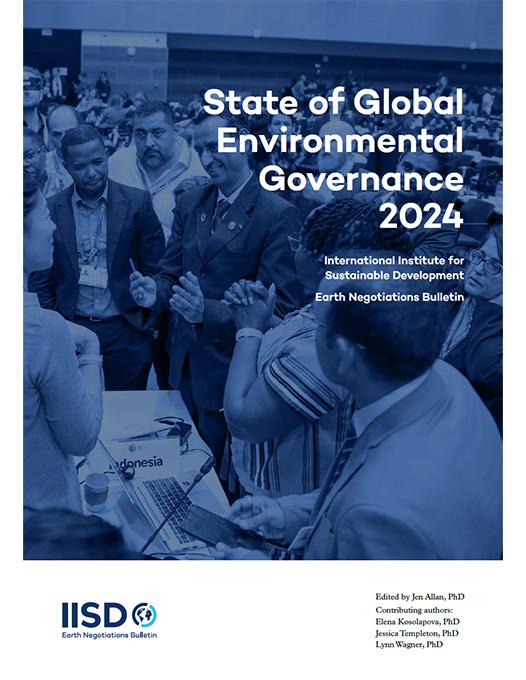
Environmental negotiations in 2024 faced major challenges against a backdrop of accelerating climate-fuelled impacts, expanding conflicts, and political turnover across many democracies. For this report, the globetrotting Earth Negotiations Bulletin team reviewed 2024’s environment and development negotiations; considered where progress was made and lost, what lessons should be applied across the multilateral ecosystem, and the evolving geopolitical context; and anticipated what to expect in 2025.
Plastic pollution has emerged as one of the most pressing environmental crises of our time, affecting ecosystems, human health, and economies worldwide. Years of negotiations between countries to agree on a treaty to tackle the scourge of plastic pollution came to a head this year in Geneva. This report served as a guide that unpacked the history of the talks to end plastic pollution, reviewed key parts of the instrument under discussion, and identified the stakeholders shaping the talks.
Borden carbon adjustment (BCA) is a hot topic in global trade and climate policy, driven in part by the European Union’s Carbon Border Adjustment Mechanism coming into force and with similar regimes either pending or being explored in other countries. The report provides guidance on BCA that respects development and climate objectives, as well as developing country perspectives. It was created by a multistakeholder group of experts to balance trade, climate, and development goals.
Nature-based solutions (NbS) are an innovative approach to addressing societal challenges by leveraging natural processes and ecosystems—encompassing interventions that protect, restore, and sustainably manage ecosystems to deliver multiple benefits. This guideline is a comprehensive resource for developing integrated cost-benefit analyses for NbS. It provides detailed instructions at every stage of the assessment process, from identifying the benefits of NbS to exploring potential financing options and communicating findings.
As more countries strengthen their climate policies, concerns over carbon leakage—where emissions reductions in one country are offset by increases elsewhere—have grown. To address this, several countries are implementing BCAs, with the European Union and the United Kingdom set to launch theirs by 2026 and 2027, respectively. This publication is the first of its kind taking stock of this trend.
Reforming environmentally harmful subsidies (EHS)—more than USD 2 trillion annually—is crucial to tackling biodiversity loss, climate change, and social inequities. This playbook offers philanthropic organizations a strategic framework to advance EHS reform, drawing on IISD expertise, research, and consultations. With over 20 actionable opportunities, it highlights EHS reform as a vital avenue for systemic transformation.
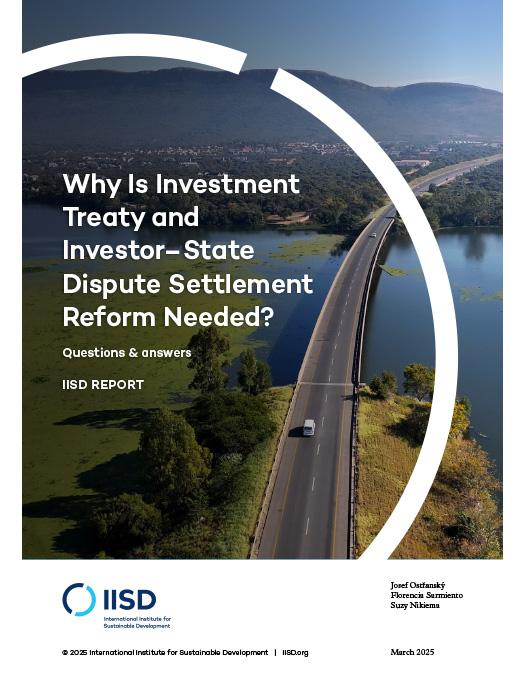
The current investment treaty and investor–state dispute settlement system threatens climate action, human rights, and fair economic development. We need urgent reform. Find out how the system came about, how it functions, why it’s an issue, and how to reform it.
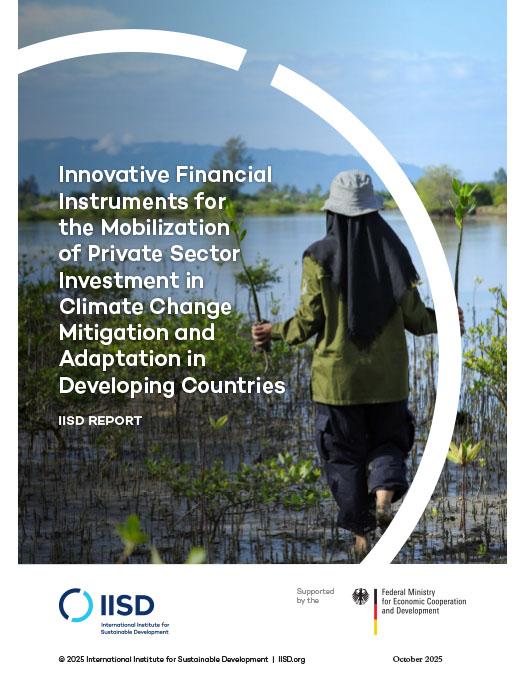
Mobilizing finance for climate action—including private sector investment—is essential to achieving global climate goals. This report explores eight innovative financial instruments with strong potential to attract private finance for adaptation and mitigation in developing countries and least developed countries. It outlines each instrument’s strengths, limitations, and enabling conditions, with a focus on how public finance can be used to scale their application.
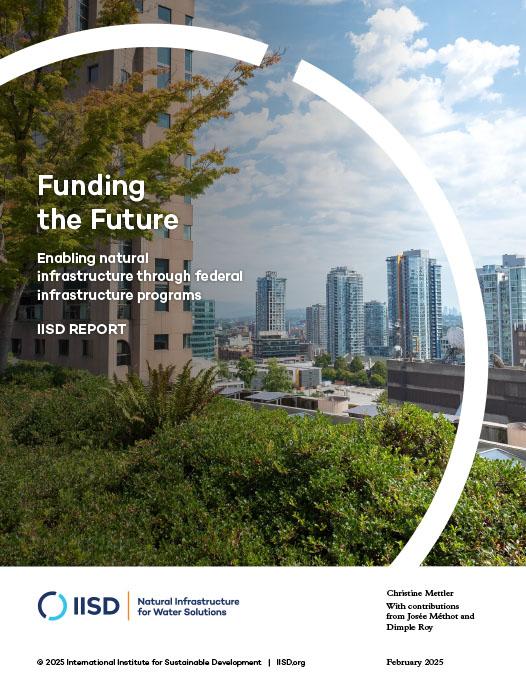
A flexible and nature-based approach to infrastructure funding can help Canada build resilience while making the most of every dollar invested, leading to a more sustainable and water-secure future for Canadians. This report assesses six federal infrastructure programs against 14 enabling criteria for natural infrastructure and outlines how the Canadian government can better support natural infrastructure.
Agricultural cooperatives were created by Cambodia’s Ministry of Agriculture, Forestry, and Fisheries to help farmers shift from traditional family-based farming to stronger, more competitive enterprises. While Cambodia has 1,200 cooperatives with 170,000 members, less than a fifth are performing well due to challenges such as limited leadership, financing, competitiveness, and climate risks. This guide supports agricultural cooperatives and their partners in Cambodia to develop business plans that strengthen sustainability and resilience.
How Biophysical Monitoring Turns Data into Action for Nature-Based Solutions
Nature-based solutions expert, Stanley Chasia, explains how rigorous and consistent data analysis helps to refine strategies, attract investment, and strengthen natural infrastructure in Sub-Saharan Africa.
December 2, 2025
In 2024, water quality monitoring in Johannesburg’s Jukskei catchment, South Africa, revealed a remarkable seasonal pattern: concentrations of sulphate, phosphate, nitrate, ammonia, and chemical oxygen demand surged during the dry winter months of June to August—when rainfall was at its lowest—before dropping sharply in the rainy season from October to April. Collected by the City of Johannesburg’s Department of Environment, Infrastructure and Services, these findings show how rainfall-driven surface runoff dilutes pollutants in wetter months, while drier conditions concentrate them, offering crucial insight into the catchment’s ecological health.
Such findings, obtained through rigorous analysis of biophysical data, informed the design and selection of nature-based solutions (NbS) interventions—for example, the use of biofilters to reduce water pollution—within the SUNCASA project (Scaling Urban Nature-Based Solutions for Climate Adaptation in Sub-Saharan Africa) in Johannesburg. This highlights how biophysical monitoring is essential not only for tracking environmental indicators such as water quality, soil erosion, and flood risk—and making adjustments as needed—but also for scaling up successful interventions.
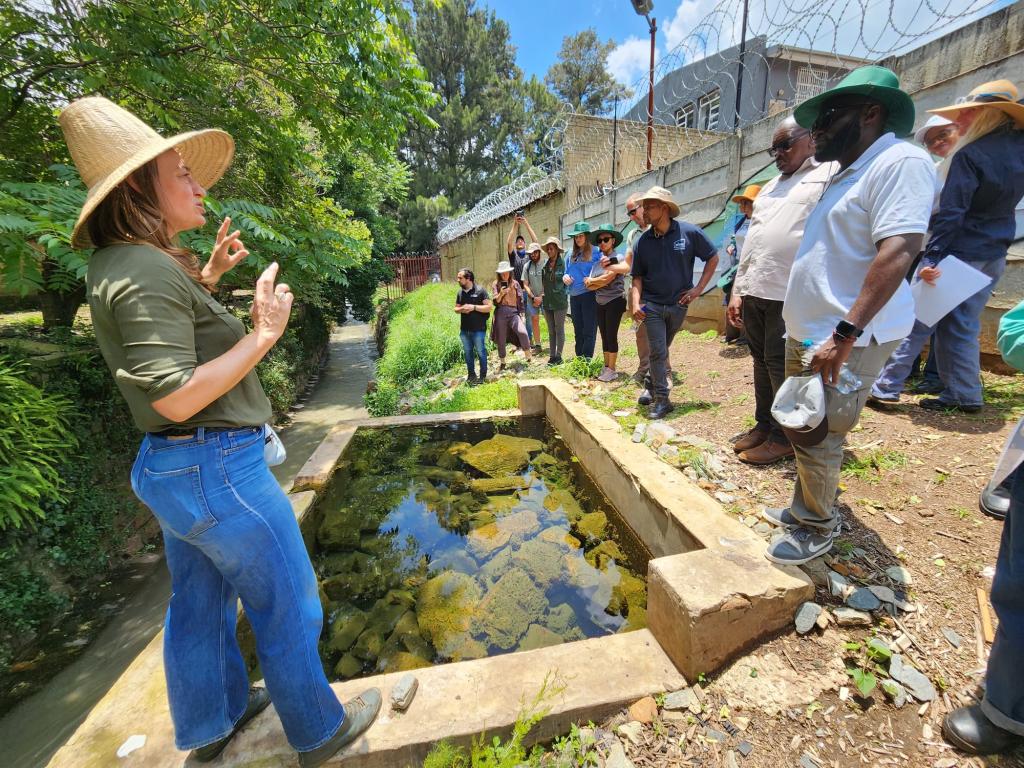
SUNCASA biophysical monitoring training in Johannesburg: water quality monitoring of the Jukskei River at Victoria Yards. (Photo: Joey Simoes | SUNCASA)
Operating in water catchments of three major African cities—besides Johannesburg, Dire Dawa, Ethiopia, and Kigali, Rwanda—SUNCASA project teams are planting millions of trees and removing invasive species to demonstrate how NbS interventions can deliver better returns on investment than traditional grey infrastructure for cities trying to reduce flash flood damage and tackle other growing climate change impacts. Rigorous, consistent data—like how effectively the project’s biofilters impact Johannesburg’s seasonal swings in pollutants—provides the feedback needed to refine SUNCASA’s strategies, attract investment, win over policymakers, and strengthen natural infrastructure that delivers multiple social, environmental, and economic benefits.
The Challenge: Building robust monitoring systems
Effective biophysical monitoring depends on more than occasional data collection. It requires extensive investments in reliable monitoring systems anchored on robust data collection regimes and sound institutional frameworks. Tools, models, and technical skills are also needed to transform monitoring data into actionable insights and knowledge products which can support decision-making and adaptive management.
In many catchments across Sub-Saharan Africa, regular monitoring is limited or absent, with existing datasets often incomplete or inconsistent due to gaps, duplication, or errors. Contributing factors include aging equipment, insufficient funding, limited technical capacity, and even vandalism of monitoring stations. The need for expertise in artificial intelligence, big data analytics, and data science is growing, as these fields are key to turning complex, multi-source datasets into guidance for community leaders.
SUNCASA’s biophysical monitoring approach
In SUNCASA, the impact of NbS interventions is tracked by monitoring key biophysical parameters, such as improvement in water quality and quantity, changes in soil condition and health, soil erosion control, and reduction in floods and landslides vulnerability. Both baseline and monitoring data are gathered from primary and secondary sources, such as regular government monitoring data (e.g., water quality), global data repositories from remote sensing missions, and data portals hosting various biophysical datasets for each of the three SUNCASA project cities. This information—often in different formats, scales, and resolutions—must be standardized and processed before integrating it with on-the-ground measurements.
SUNCASA NbS specialists in Dire Dawa conducting biophysical monitoring.
The situation varies between project sites:
Dire Dawa – No recent formal monitoring has taken place, limiting effective resource management.
Kigali – The Rwanda Water Board operates automatic hydrometric stations, but other biophysical data is typically gathered only when needed.
Catchments with limited to no monitoring data can use secondary data from Earth observation missions to monitor environmental changes at NbS implementation sites. In SUNCASA, satellite imagery, such as Sentinel-2 from the European Space Agency, and Landsat from the United States Geological Survey, is being used in Dire Dawa to monitor soil moisture anomalies between precipitation, surface and sub-surface soil moisture content. Vegetation indices (e.g., Normalized Difference Vegetation Index and Enhanced Vegetation Index) are also being used to track vegetation health and changes in our NbS intervention sites.
Across all three cities, NbS scenarios are being applied with hydrological and hydraulic models to understand how different interventions improve flood mitigation outcomes. In the Dechatu (Dire Dawa) and Jukskei (Johannesburg) catchments, SUNCASA is also supporting monitoring efforts by investing in additional monitoring equipment to carry out regular data collection.
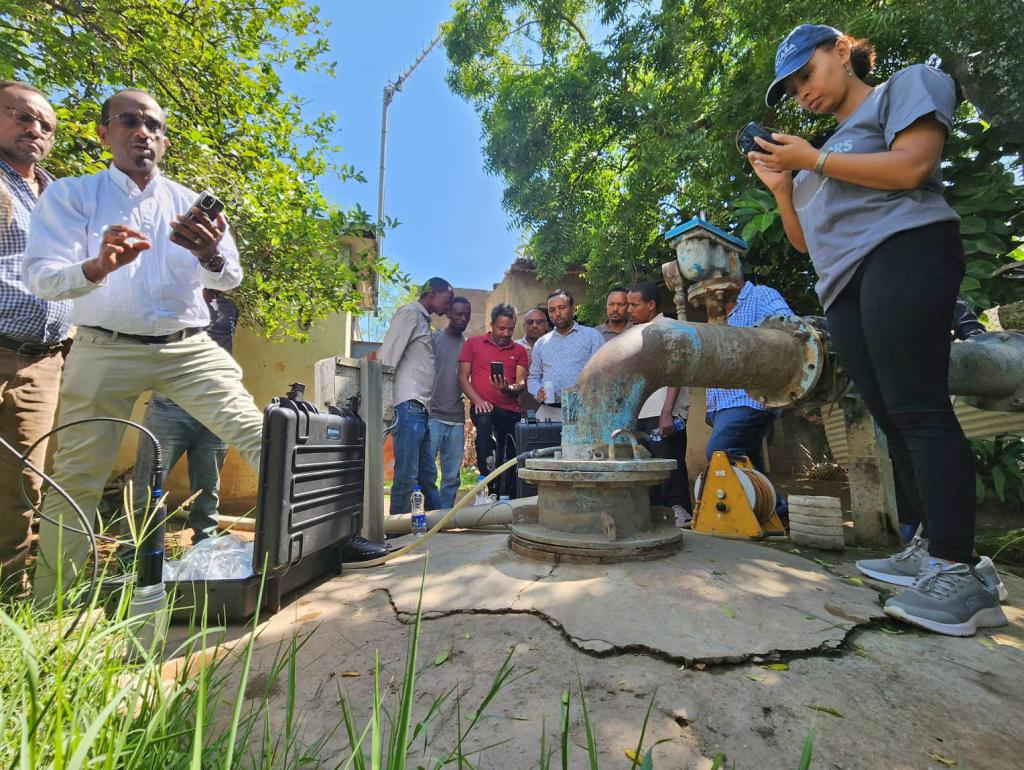
For instance, in Dire Dawa, a multiparameter probe and contact gauge meterhave been acquired to monitor groundwater quality and water level, respectively, to measure long-term impacts of NbS activities on groundwater recharge. In Johannesburg, the installation of additional stream gauge equipment in the Jukskei River will provide data to improve hydrological model performance and calibration, which in turn improves the accuracy of flood models and gives earlier warnings to the city.
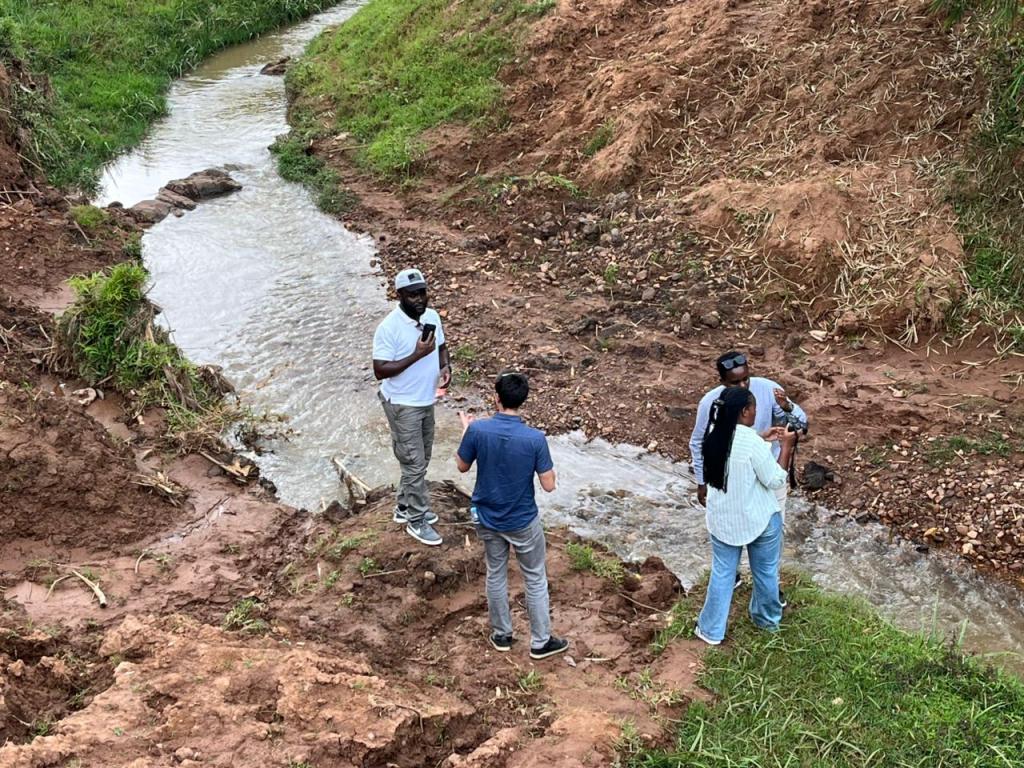
SUNCASA Water team and local partners by the Nyabarongo River during the biophysical monitoring training in Kigali. (Photo: Tigist Bekele | SUNCASA)
Engaging communities in monitoring
In Sub-Saharan Africa, where an average of around 60% of people depend on agriculture, soil erosion and drought threaten food security by removing nutrient-rich topsoil. Natural ecosystems, such as trees and wetlands, help protect soil, purify air, and recharge groundwater—services that benefit communities directly.
SUNCASA is exploring participatory monitoring tools to involve community members in NbS biophysical monitoring. The growing availability of smartphones and mobile apps creates opportunities for citizen science, allowing community members to contribute to data collection, observation, and analysis—helping safeguard the ecosystems they depend on.
Solo Acts: How G20 nations can make progress after the Group stalls on fossil fuel subsidy reform
With G20 leaders failing to restate their long-standing commitment to fossil fuel subsidy reform—our experts look at alternative pathways forward.
November 26, 2025
The 2025 G20 Leaders’ Summit in South Africa sent mixed signals on climate action. In this year’s Leaders’ Declaration, climate change was a cross-cutting theme and notably, 17 major economies—along with the African Union and European Union—advanced climate language despite U.S. opposition and Argentina’s attempts to sidestep it. This included reaffirmed renewable energy and energy efficiency commitments alongside a “technology neutral” approach to energy security—avoiding a focus on ‘gas security’ promoted by this year’s G7.
Yet the Declaration’s substance fell short of the climate leadership that we have seen the global community calling for at the recent United Nations Climate Conference (COP 30) in Belém. The Group avoided commitments on transitioning away from fossil fuels, and offered limited support for climate finance, technology transfer, and private-sector obligations. Most glaringly, it did not restate the long-standing G20 commitment to phase out fossil fuel subsidies—a fundamental ingredient for accelerating the energy transition. This follows the G7 Summit, where leaders declined to reiterate their fossil fuel subsidy commitment and ignored climate action almost completely.
The tools exist — the will is missing
Despite 15 years of G7 and G20 commitments, progress on fossil fuel subsidy reform remains insufficient. In 2023—the most recent year with data available—G20 governments spent USD 794 billion on fossil fuel subsidies. Notably, emerging economies nearly halved their subsidies from 2022 levels, while advanced economies (who should be leading the way) increased theirs by almost 15%. At the same time, most recent national climate plan (NDC 3.0) submissions show limited ambition to address these subsidies.
There have been some constructive steps at the national level, partly driven by the G7 and G20 commitments. Canada introduced a framework to phase out inefficient fossil fuel subsidies, while countries such as the United States, China, Germany, Italy, Mexico, and Indonesia have undertaken peer reviews of their national subsidies. While these efforts aren't enough to ensure that subsidies are effectively reformed especially amidst increasing fiscal pressures and the need for more sustainable investments, they demonstrate that it is possible to move in the right direction and that change can happen at the national level.
Countries are also not lacking technical guidance or evidence on how to proceed.
Research shows that, across five G20 countries, between 30% and 55% of fossil fuel subsidy measures could be eliminated immediately, with minimal disruption.
Most of the remaining subsidies, can be phased out within a few years through sequenced, well-designed strategies—unlocking substantial public resources that can be redirected toward the clean energy transition and social priorities.
Similarly, recent analysis highlights how the G20 can drive reform of liquified petroleum gas (LPG) subsidies, which totaled around USD 35 billion in 2022. These subsidies aim to improve clean cooking access but often fail to reach the poorest. By setting explicit targets for reducing LPG consumption subsidies and re-allocating savings to non-fossil clean cooking solutions, governments can support low-income households, while reducing budgetary burdens and dependence on fuel imports.
At a time when governments are tightening their budgets and concerns around energy security are high, fossil fuel subsidy reform represents an opportunity to demonstrate fiscal responsibility and climate leadership, as well as improve energy security prospects.
Where can G20 countries go from here?
Even without a clear mandate from the G20, countries still have credible platforms to move forward collectively.
Work through coalitions delivering real reform
Two international coalitions are already making progress where the G7 and the G20 have stalled:
1. COFFIS (Coalition on Phasing Out Fossil Fuel Incentives Including Subsidies)
17 members to date, including three G20 countries (Canada, France, the UK)
Members commit to delivering national subsidy inventories and phase-out plans
Seven countries have already published or updated their inventories
COFFIS has succeeded where the G7 and G20 have struggled: establishing shared expectations and common denominators, while allowing countries to progress at a pace consistent with their own circumstances. This flexibility—and accountability—has proved to be a powerful combination.
Members, including six G20 countries (Australia, Canada, France, Germany, Italy, and the UK) reduced international public finance for fossil fuels by up to 78% in 2024 compared to pre-CETP levels
While there are calls for more progress on scaling up clean energy finance (a critical piece of the commitment), the CETP demonstrates that international partnerships are being successful in shifting financial flows through individual and collective action.
These coalitions show that the absence of progress in the G7 and G20 does not have to mean an absence of progress overall.
Anchor subsidy reform in the Transition Away from Fossil Fuels (TAFF) roadmap
At COP 30, over 80 countries called for a roadmap to phase out fossil fuels. Ultimately, left out of the final text, the Brazil Presidency has pledged to deliver such a roadmap in the coming year, alongside a similar roadmap for deforestation. To be credible and effective, such a roadmap must place strong and actionable fossil fuel subsidy reform commitments at its core. Eliminating subsidies is one of the fastest and most direct ways to shift financial flows and accelerate the energy transition.
A path forward
Next year’s G20 presidency will be held by the United States—a major political factor for the forum—but South Africa’s 2025 Declaration underscores continuity, with members committed to work together under the U.S. Presidency in 2026 and beyond, with the UK’s and the Republic of Korea’s presidencies following in 2027 and 2028, respectively.
The G20’s backsliding on subsidy reform is disappointing but not determinative. Ending fossil fuel subsidies is not a distant aspiration—it is a practical, achievable step that countries can take today. The evidence is clear, the strategies are known, and first-mover coalitions are already charting a path forward.
Countries should act quickly—inside or outside the G20.
Belém left the world divided but spurred momentum on key issues that will continue beyond the conference.
November 22, 2025
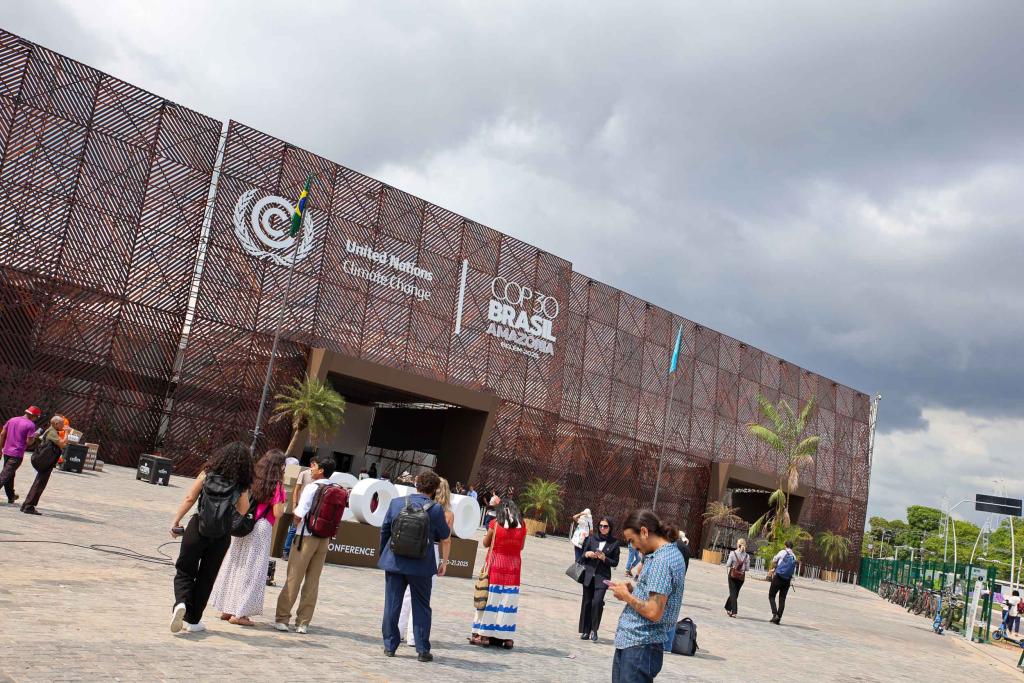
The UN Climate Change Conference in Belém wrapped up on Saturday with decisions that reflect both a shared desire for global action and increasingly polarized interests.
This year’s conference—which the Presidency had framed as the “implementation COP”—was meant to focus less on what the world must do and more on how to make it all happen. With major commitments already on the table to tackle global warming and ensure we can adapt to the worsening impacts of climate change, negotiators were expected to pin down tools, indicators, and processes to turn aspirations into action.
But deep divisions on finance, trade measures, mitigation pathways, and other areas stalled progress on these decisions until the very last moment. The outcome of the conference left many disappointed, including more than 80 countries that pushed for a roadmap to transition away from fossil fuels in the final deal. Those who supported a stronger outcome on climate finance for developing countries were equally discouraged.
Still, there were some positive outcomes and a clear desire to make progress in the months and years ahead, including through collaboration outside of the UN Framework Convention on Climate Change (UNFCCC) process.
“While deep divisions were on display in Belém, we also saw strong ambition from countries to continue working together on the transition away from fossil fuels. This work will go beyond COP 30.”
Patricia Fuller, President and CEO
“While deep divisions were on display in Belém, we also saw strong ambition from countries to continue working together on the transition away from fossil fuels,” said Patricia Fuller, IISD president and CEO. “This work will go beyond COP 30.”
Climate adaptation also took up much of the spotlight at the conference, which in itself is positive.
“The Mutirão decision effectively keeps adaptation finance on the negotiating table and signals political will to support those countries impacted most by climate change,” says Anne Hammill, associate vice president, Resilience at IISD. “Political battles compromised what could have been stronger outcomes on the technical work of implementation, but these efforts will continue through National Adaptations Plans and other processes.”
A New Climate Finance Work Programme
Although not on the official agenda, climate finance was in the spotlight at COP 30, with discussions focused on how countries would deliver the promise of the New Collective Quantified Goal on Climate Finance that was adopted in Baku last year, including through scaling up the provision of public finance under Article 9.1 of the Paris Agreement.
The Mutirão decision—a high-level political text proposed by the COP Presidency and adopted by parties—recognizes the urgency of this issue by establishing a 2-year work programme on climate finance to ensure that countries continue to discuss the implementation of the Baku commitment.
The new program could provide a platform for political follow-up on the Baku to Belém Roadmap to scale up climate finance from both public and private sources for developing countries to at least USD 1.3 trillion per year by 2035—finance essential for their climate action in the next decade.
It also provides a space for developing countries to continue pushing for the provision of public finance from developed countries to meet the core USD 300 billion mobilization goal set by the Baku decision.
Adaptation Finance to Triple, Delivery Delayed
The Mutirão decision also called for the tripling of adaptation finance by 2035. This new goal is a welcome continuation beyond the sunset of the previous goal agreed at COP 26 in Glasgow. It sends an important political signal on the need to address the widening adaptation finance gap and helps maintain pressure on developed countries to scale up their support.
However, it does not match the level of ambition that developing countries and civil society had consistently pushed for in Belém. For one, it has been weakened from the originally proposed 2030 target and does not mention a specific baseline. As climate impacts worsen, a 2035 target does not meet the growing adaptation finance needs of developing countries and will delay urgently needed action to protect their communities, economies, and ecosystems.
Contested Adaptation Indicators
One of this COP’s core priorities was agreeing on a set of indicators for the global goal on adaptation—a technical process that became tightly intertwined with high-level negotiations on adaptation finance under the Mutirão decision. Unfortunately, COP 30 failed to deliver a coherent outcome on indicators for the global goal on adaptation.
The adopted list of 59 indicators includes key elements to assess global adaptation progress, including indicators for tracking means of implementation (finance, technology transfer, and capacity building), one indicator on gender-responsive adaptation policies, and suggestions for disaggregation (e.g., by gender, age, geography, and ecosystem). However, last-minute changes to the list of indicators that was carefully designed by a group of experts over the last 2 years have compromised their credibility and will make them more difficult to operationalize.
Amid confusion and objections to the text in the closing plenary, the next steps for technical work on the indicators remain vague, with hints that the set will see further revisions until 2027. As countries work to strengthen their national monitoring, evaluation, and learning systems for adaptation, the indicators should have provided them with a way forward. Unfortunately, the adopted indicators fall short of guiding them in this process, which will inform the development of their second Biennial Transparency Reports. As a result, we could potentially miss a window to provide evidence and visibility for adaptation as part of the second global stocktake.
After 2 years of negotiations, the decision on the national adaptation plan (NAP) assessment was finally adopted. The outcome of the NAP assessment recognized the progress of developing countries’ adaptation planning and implementation, while pointing out the challenges they face in accessing the necessary resources and climate information needed to carry out their NAP processes and implement adaptation actions.
It also highlighted the importance of integrating Indigenous and Traditional Knowledge and a gender-responsive approach in the NAP process, as well as the potential of nature-based solutions and ecosystem-based adaptation. However, the decision does not provide any meaningful guidance on how to scale up support for developing countries’ NAP processes, nor does it include key elements, such as explicit mention of adaptation mainstreaming and synergies and policy coherence with the national biodiversity strategy and action plan process.
Fossil Fuel Roadmap Pushed Out
Amid all the discussions in Belém, one question echoed through the conference halls: where is the space to build on commitments to move away from fossil fuels, phase out fossil fuel subsidies, and triple renewables—and how do we close the ambition gap in nationally determined contributions (NDCs), which is still far from delivering on this promise?
By the end of the week, 88 countries had thrown their support behind developing a roadmap to transition away from fossil fuels, pushing to anchor the idea in the Mutirão decision so work can advance over the coming year. However, the final text did not reflect these calls, containing no language on a roadmap for transitioning away from fossil fuels.
Draft language on fossil fuel subsidy reform did not make it into the Mutirão decision either. The final text launched the Belém Mission to 1.5 with COP 30 and 31 presidencies tasked with delivering a report by COP 31 on enabling ambition and the implementation of NDCs and NAPs. However, there is no clear hook for the mission to link back into the process. The decision also launched the Global Implementation Accelerator, meant to accelerate implementation to keep 1.5°C in reach and support countries in implementing their NDCs and NAPs. These two processes, if well designed and delivered, could still offer steps toward a roadmap for transitioning away from fossil fuels.
In addition, agreement was reached in the final decision to develop a just transition mechanism, aiming to enhance international cooperation, technical assistance, capacity building, and knowledge sharing, which had been a key ask from civil society groups. The establishment of this mechanism represents a key step forward in making the Just Transition Work Programme more actionable.
Trade Talks Continue
Trade emerged as one of the hottest issues at these climate talks, surfacing in presidency consultations and spilling into other negotiation areas. The flashpoint was the so-called unilateral trade measures, which include border carbon adjustments and deforestation-related import regulations. Some parties view these measures as disadvantaging developing economies and creating imbalances in decarbonizing the global economy. In the end, the political consensus on this sticking point was to hold three dialogues at the subsidiary bodies on enhancing international cooperation in this area. The results of those exchanges will be reported further at a high-level event in 2028.
Gender Action Plan Agreed
The Belém talks successfully concluded the negotiations on the much-anticipated Gender Action Plan. The result includes many essential elements, including the use of disaggregated data and gender analysis for decision making and collaboration among relevant actors about gender and climate change to advance gender-responsive climate action.
The call to integrate gender into national climate policies and plans, as well as into reporting and communications under the UNFCCC, will help to ensure accountability for implementing these commitments across the different streams of climate action.
The recognition that multidimensional factors—such as race, disability, and age—shape people’s experiences with climate change and their ability to engage in climate action is fundamental for equity. Strengthening the evidence base on this will be essential as countries implement the Gender Action Plan to deliver gender-responsive climate action over the next decade.
What’s Next?
COP 31 will convene in Türkiye, with Australia serving as the “President of Negotiations.” In an innovative decision, delegates agreed to a compromise after many months of stalemate between the two potential hosts. Antalya will be the host city for COP 31, with Türkiye signing the host-country agreement with the UNFCCC, organizing the World Leaders Summit, and serving as the COP 31 President-Designate. Türkiye will also appoint the High-Level Champion and the Youth Champion and lead the Action Agenda. However, Australia will nominate a representative to preside over the negotiations and will host a pre-COP in the Pacific.
So when does the work begin?
Brazil wants to keep the momentum going and promised to deliver roadmaps for deforestation and a just transition away from fossil fuels in the coming year. President Lula brought the fossil fuel transition roadmap to Johannesburg this weekend, where the leaders of Brazil, Australia, and Türkiye met with their counterparts from other major economies for the G20 summit and adopted a declaration on the climate crisis and other global challenges, despite the United States’ objection and boycott.
In the face of the United States’ decision to step back from a leadership role, augmented roles for other leaders will be even more important. The innovative arrangement for COP 31 leadership has pledged to promote solidarity between developing and developed countries and to bring attention to the Pacific Island states. COP 32, in Ethiopia, will be the first climate COP under the leadership of a least developed country.
In addition to these leaders for the global process, all eyes should also turn to the domestic implementation of NDCs—as well as the countries that have yet to submit an NDC. Given the large number of countries in support of transitioning away from fossil fuels at this COP, we can only hope that these countries speed up their domestic implementation of the transition.
What NDCs 3.0 Are (and Aren’t) Saying About Fossil Fuel Production: COP 30 update
After the International Court of Justice (ICJ) published an advisory opinion in July reinforcing states’ legal obligations to stop fossil fuel expansion, including by providing fossil fuel subsidies, the imperative for ambitious nationally determined contributions (NDCs) has never been clearer. Yet most of the 89 third-generation NDCs submitted to date still fall short of confronting the root causes of the issue, such as government support for production and licensing of new fields. In this article, we look at the dominant, emerging, and innovative approaches to addressing fossil fuel production in countries’ climate plans and their implications for the 30th UN Climate Change Conference (COP 30) and beyond.
November 17, 2025
The run-up to COP 30 has been defined by growing clarity about the role of fossil fuel production in the climate crisis. The ICJ advisory opinion, issued in July 2025, confirmed that states have a legal obligation to take all necessary measures to prevent harm from climate change, including addressing the sources of emissions, including fossil fuel production and fossil fuel subsidies. The ICJ advisory opinion also confirmed that in the context of the Paris Agreement, NDCs must be progressively more demanding over time, reflect the highest possible ambition, and be informed by the global stocktake (GST).
The science is clear that there is no room for new oil and gas fields, or new coal mines, in a 1.5°C world. Ending the issuance of new exploration licences is a critical step toward ending new fields altogether. At the same time, the United Nations (UN) Emissions Gap Report, the Production Gap Report, and the UNFCCC NDC Synthesis Report all highlight a widening gap between global climate targets and national action, particularly in relation to fossil fuels.
At COP 28, parties to the Paris Agreement agreed, in the GST outcome, to “transition[] away from fossil fuels in energy systems, in a just, orderly and equitable manner.” Since then, many global leaders have urged countries to address this core issue in their new climate plans, including the UN Secretary General and the Brazilian President Lula da Silva, who opened COP 30 by stating that the world must move away from fossil fuels.
With 89 NDCs 3.0, representing 115 countries, submitted as of November 17,1 the picture is clearer than when IISD wrote about this topic earlier this year. NDCs increasingly refer to fossil fuel production, just transition, and international cooperation, signaling progress and a response by most countries to the GST call. Yet the majority of producing countries still avoid committing to actual reductions in production, focusing instead on reducing emissions from extraction and transportation processes.
The Dominant Topic: Reducing emissions from production
On the one hand, 31 out of the 402 fossil fuel-producing countries that have submitted their NDC 3.0 mention fossil fuel production: a clear majority. Notable omissions are China, Türkiye, and Norway, which, despite being among the largest 20 fossil fuel producers in the world, do not mention production explicitly in their NDC. In addition, five countries that do not produce fossil fuels mention fossil fuel production: the Marshall Islands, Moldova, Vanuatu, Kenya (which has large untapped oil and coal reserves), and Uruguay (which has oil and gas exploration). Addressing the central cause of climate change in their NDCs is a good start.
On the other hand, the majority of fossil fuel-producing countries focus on measures for mitigating emissions from production (22 out of 40), or international cooperation measures (13 out of 40), rather than on measures to wind down production.
While reducing production emissions is an important first step, it does nothing to address Scope 3 emissions (resulting from the downstream fossil fuel combustion), which are by far the largest component of fossil fuel emissions.
Moreover, it is concerning that some producing countries, including Brunei, Nigeria, and Uzbekistan, include references to their intention to increase fossil fuel production, while others, including the United Arab Emirates and Azerbaijan, base their fossil fuel production emission reduction strategy on technologies that are not available at scale, such as carbon capture, utilization, and storage technology.
“Transitioning Away”: No new licences, no new public financing
A true “transitioning away” approach would be to set quantitative targets for reducing fossil fuel production altogether. No country includes such targets in their NDC. However, some countries are taking steps along the way. Concrete measures to disincentivize or wind down fossil fuel production have been addressed by Australia, Colombia, and the United Kingdom. These are some constructive examples from NDCs submitted so far with measures to disincentivize or wind down fossil fuel production, which countries that are still to submit their NDCs can emulate:
The United Kingdom’s NDC states that it will undertake consultation on halting new oil and gas licences to explore new fields.
Colombia’s declarative NDC refers to its decision to suspend new hydrocarbon exploration contracts, while advancing in the planning of a progressive reduction in the use of fossil fuels.
Similarly, ending national and international public finance for fossil fuels is essential to transitioning away from them. Therefore, NDCs should provide a pathway for ending public financial support for fossil fuels, including production. Only two countries make explicit references to ending fossil fuel production support:
In its new NDC, Australia includes several measures it has taken to restrict direct support for the fossil fuel energy sector, including prohibiting direct financing for the extraction of coal and natural gas and restrictions for infrastructure construction support when the primary purpose of extracting coal, crude oil, or natural gas.
Canada’s NDC includes a reference to its ending of new direct public support for the international unabated fossil fuel energy sector.
Canada and Australia, together with 38 other countries, are members of the Clean Energy Transition Partnership, signatories of which have reduced their fossil fuel international public finance by up to 78% in 2024 compared with before the partnership was signed.
Subsidies and other forms of public support to fossil fuels represent the opposite of “transitioning away,” and reform of public finance for fossil fuels could liberate substantial fiscal space to finance a just transition away from fossil fuels. However, it is a topic that also receives very little attention in NDCs, with only 103 of the NDCs 3.0 mentioning fossil fuel subsidy reform.
A car sits at a gas station. Reforming fossil fuel subsidies is essential to transition away from fossil fuels.
Economic Diversification and Just Transition
Subnational (and sometimes national) economies of fossil fuel-producing regions (or countries) are usually highly dependent on the fossil fuel sector for fiscal revenue generation, exports, and jobs. Therefore, a just, orderly, and equitable transition away from fossil fuels in those countries and their regions concentrating most of the fossil fuel activity should address economic diversification and just transition issues.
Accordingly, mentions of just transition and economic diversification highlighted in the third generation of NDCs have increased considerably in comparison to previous NDCs update rounds, with 13 countries out of 40 producing countries referring to concrete just transition measures, and 11 out of 40 referring to economic diversification measures.
On the just transition side, some examples to highlight include:
Azerbaijan mentions its collaboration with the International Labour Organization to create social protection frameworks to support workers during the transition to a green economy, with measures like unemployment benefits, retraining programs, and job placement services for those affected by the decline of fossil fuel-based industries.
The European Union includes references to its Just Transition Fund, which mobilizes EUR 19.2 billion of EU investments to help the people and places that suffer the most from the transition to climate neutrality.
Nigeria mentions its Just Transition Guideline Programme, targeted at retraining the workforce, financial support to green entrepreneurs, among others, targeted at those impacted by decarbonization, such as the oil and gas workers.
Iraq indicates that it will distribute funds proceeding from Article 6 (carbon markets) to community development, retraining of workers, among others, to ensure fairness and achieve equitable outcomes across all regions, including oil-producing provinces.
On the economic diversification side, some examples to highlight include:
Brunei Darussalam’s NDC makes references to its Vision 2035 Strategy, which focuses on diversifying the economy and fostering investments in non-oil sectors such as food, tourism, information and communications technology, and services.
The United Arab Emirates’ NDC notes the success of its economic diversification strategy, which has resulted in the non-oil sector’s share of GDP increasing from 30%–40% in the 1970s to around 75% today.
Venezuela has not submitted an NDC 3.0, but in its new NDC 2.0, it mentions its efforts to diversify the economy and move beyond oil dependency, within strategic development frameworks for 13 strategic sectors.
International Cooperation and Equity
Perhaps the most interesting examples of discussion topics that we observed in the new round of NDCs related to fossil fuel production are the references to international cooperation. They are particularly interesting, since not only producing countries but also some fossil fuel importers have started to refer to this topic, as a response to the GST call to address the issue.
First of all, many countries make explicit references to equity considerations around the topic of fossil fuel production:
Kenya’s NDC states that to forego “the benefits of exploiting" its fossil fuel resources, “significant compensatory international support will be required.”
Bolivia includes a warning of the dangers of an unmanaged transition, declaring itself as a “victim of an unfair energy transition, as by drastically reducing fossil fuel production, it went from being an exporter to an importer, allocating more resources to paying off its foreign debt.”
Nigeria points to its dilemma to “balance its economy, which is fossil fuel-based, with vital climate action, alongside needed socio-economic development” pointing to its low and slow-evolving Human Development Indicators.
Also, increasingly, both producer and importer countries make references to international alliances that address the issue of fossil fuel production:
Finally, many countries make clear calls in their NDCs for the international community, in particular fossil fuel producers, to finally address the issue of fossil fuel production in the context of climate change mitigation. For instance, non-producing countries, like the Marshall Islands, call on fossil fuel producers “to act with the same ambition” and “collectively plan a just, fair, and orderly transition away from fossil fuels.” Similarly, Vanuatu urges all states to align their NDCs to comply with the obligations and standards as clarified by the ICJ and to “address and remedy any conduct relating to anthropogenic greenhouse gas emissions that may amount to internationally wrongful acts, whether that be through extraction, production or consumption of fossil fuels.”
Some producers also call to action on the issue. For instance, Colombia states that it is “aware of the shared responsibility to act with transparency and evidence” and it “understands that the paths of decline in the production and consumption of fossil fuels will be determined progressively, based on the best scientific information." Finally, Brazil’s NDC states that Brazil would “welcome the launching of international work for the definition of schedules for transitioning away from fossil fuels,” with “developed countries taking the lead.”
COP 30 in Belém offers an opportunity to shape the transition away from fossil fuel production. Photo by IISD/ENB | Mike Muzurakis
What does this mean for COP 30 and beyond?
As negotiations continue at COP 30, one of the clearest measures of success will be whether countries are willing to explicitly confront the role of fossil fuel production in driving the climate crisis. The science is unequivocal, the legal mandate has been sharpened by the ICJ advisory opinion, and the political expectation is now on the table: transitioning away from fossil fuels requires more than improving efficiency or reducing methane leaks. It requires planning for a managed and equitable reduction in production. With 89 NDCs 3.0, representing 115 countries, submitted so far, we see encouraging signs of progress in the way countries frame the transition—more references to just transition, economic diversification, and the need for international cooperation. Yet for many of these NDCs, the core question remains unanswered: how, and on what timeline, will fossil fuel production decline?
For COP 30 to mark a real turning point, countries that have not yet submitted their NDCs should do so with clear commitments on fossil fuel production, reflecting the agreed global goal of transitioning away from fossil fuels in a just, orderly, and equitable manner.
Meanwhile, countries whose NDCs acknowledge fossil fuels only indirectly, or solely through measures to reduce production emissions, should consider resubmitting more ambitious NDCs or, at minimum, developing implementation plans that translate long-term intentions into concrete steps. National transition plans, sectoral roadmaps, subsidy phase-out schedules, and regional just transition strategies all offer pathways to operationalize these commitments.
One outcome of COP 30 could be a high-level, inclusive dialogue on a just, orderly, and equitable transition away from fossil fuels, with developed countries leading in line with common but differentiated responsibilities and respective capabilities. Building on Brazil's NDC proposal to define "schedules" for the transition, such a dialogue could address the NDC implementation gap on energy outcomes, linking mitigation ambition with finance, justice, and equity, as well as highlight the socio-economic risks of a disorderly transition.
A less sustainable alternative would be that this discussion could take place as one topic within a bigger dedicated space in the negotiations to address the large ambition and implementation gap of NDCs. This would be in line with the Alliance of Small Island States' proposal on an NDC “dedicated space” that examines barriers to the implementation of conditional elements of NDCs with a view to resolving systemic barriers to increase mitigation action. According to this proposal, this space could be in the form of a roadmap/technical dialogue/contact group/work program/expert group and/or a standing agenda item.
Regardless of the concrete mechanism to address this in the UNFCCC, ignoring fossil fuel production is no longer a viable option politically, economically, or scientifically. As the world looks to Belém, COP 30 offers a unique opportunity to move beyond statements of intent and begin shaping the practical, fair, and coordinated transition away from fossil fuel production that the Paris Agreement ultimately requires.
We have also analyzed the NDCs 2.0 of six countries that have submitted them in 20205: Botswana, Djibouti, Honduras, Lesotho, St Vincent and the Grenadines, and Venezuela. We, however, don't include those in the general counts given in this article.
Angola, Australia, Azerbaijan, Bangladesh, Bolivia, Brazil, Brunei, Canada, China, Colombia, Côte d'Ivoire, Ecuador, European Union, Indonesia, Iraq, Japan, Kyrgyzstan, Malaysia, Mongolia, Morocco, Mozambique, New Zealand, Nigeria, Norway, Pakistan, Peru, Russia, Serbia, South Africa, Suriname, Thailand, Tunisia, Türkiye, Ukraine, United Arab Emirates, United Kingdom, United States, Uzbekistan, Yemen, Zimbabwe.
Angola, Australia, Canada, Chile, the European Union, Malaysia, Republic of the Marshall Islands, the United Kingdom, and Uzbekistan.
Editor's note: Mexico’s NDC 3.0 was submitted a couple of hours after this article was published. Including Mexico, the total of NDCs submitted by 17.11.2025 would be 90, representing 116 countries. This NDC would also bring the count of fossil producers that have submitted an NDC 3.0 to 41, the count of how many have addressed fossil fuel supply issues to 32, and the count of which countries focus their measures on mitigation measures to reduce fossil fuel production emissions to 23.
What’s at Stake for Transition Away From Fossil Fuels at COP 30
Two years after governments at the 28th UN Climate Change Conference (COP 28) pledged to transition away from fossil fuels, that promise is hanging in the balance. COP 30 in Belém will test whether countries can turn words into action by aligning financial flows, raising ambition in their nationally determined contributions (NDCs), and ensuring the transition is just and inclusive.
November 3, 2025
At COP 28 in Dubai, governments took a historic step toward adding more substance to the goals of the Paris Agreement by committing to transition away from fossil fuels in energy systems in a just, orderly, and equitable manner.
Two years later, that promise hangs in the balance. Despite the headline commitment, governments continue to pursue policies that pull in opposite directions. Current production plans would see countries extracting over 120% more fossil fuels by 2030 than is consistent with limiting global warming to no more than 1.5°C above pre-industrial levels. No progress was made on the “transitioning away” agenda at COP 29, but in July 2025, the advisory opinion of the International Court of Justice confirmed that fossil fuel expansion, including by subsidizing fossil fuels, can be in breach of international law.
As clean energy development reshapes markets, corroding fossil fuel demand, fossil fuel-producing countries that fail to diversify their economies are increasingly exposed to both legal risks and market shocks.
COP 30 in Belém presents a chance for governments to secure alignment and drive the transition away from fossil fuels. They can do so in three ways:
by adopting follow-up commitments on phasing out fossil fuel subsidies and public finance for fossil fuels,
by adopting a robust and credible response to the ambition gap in NDCs, and
by strengthening the Just Transition Work Programme (JTWP) to make the shift away from fossil fuels fair, inclusive, and equitable.
Phasing Out Fossil Fuel Subsidies and Public Finance for Fossil Fuels
At COPs 26, 27, and 28, governments committed to phasing out inefficient fossil fuel subsidies that do not address energy poverty or support just transitions. Implementation, however, is still lagging.
At COP 30, negotiations under Article 2.1(c)—the provision of the Paris Agreement that calls for aligning financial flows with climate goals—could bring a breakthrough. Countries could be asked to submit inventories of their fossil fuel subsidies and develop action plans for gradually phasing them out while protecting vulnerable communities. These plans should set clear timelines for phasing out remaining subsidies, explain when temporary and targeted support measures may still be needed to address energy poverty or support just transitions, and propose alternative policy tools to ensure energy access and social protection.
Countries should also be called upon to end all forms of public finance for fossil fuels, both domestic and international, with wealthier nations taking the lead.
It will be vital that Article 2.1(c) discussions continue beyond the Sharm el-Sheikh Dialogue, which expires this year, so that remaining issues can be resolved through continued collaboration. With many elements of Article 2.1(c) still contested, further talks are necessary to improve common understandings.
The Baku to Belém Roadmap—a roadmap to mobilize at least USD 1.3 trillion in climate finance per year by 2035 (expected on November 5)—should highlight fossil fuel subsidy phase-out as a powerful tool to unlock fiscal space for scaling up climate finance. Annex II countries to the UN Framework Convention on Climate Change—those responsible for providing climate finance to developing countries—accounted for USD 378 billion in fossil fuel subsidies in 2023 alone. COP 30 is the moment to endorse the roadmap and commit to redirecting this support toward climate finance.
Nationally Determined Contributions
The Paris Agreement’s 5-year ambition cycle is at a defining phase: submission of the third generation of NDCs. The Paris Agreement encourages parties to progressively strengthen their NDCs, and including commitments to transition away from fossil fuels is a way for countries to deliver such a strengthened approach. While NDCs were due in February 2025, most parties have not yet delivered theirs.
The October 2025 NDC synthesis report was stark. Collectively, new NDCs would cut emissions by only 17% by 2035 compared to 2019 levels, when a 60% reduction is required for a pathway aligned with a 1.5 °C target. Moreover, only 22% of submitted NDCs contain domestic targets or policies for advancing the energy transition—such as increasing renewable energy capacity and energy efficiency, accelerating the phase-down of unabated coal power, and transitioning away from fossil fuels in energy systems.
Unless COP 30 delivers a robust response to this ambition gap, the Paris Agreement’s credibility will be at risk.
After a similar shortfall in NDC ambition before COP 26 in Glasgow, parties responded with several measures, including launching a Mitigation Work Programme and encouraging updated NDCs within a year. While the efficacy of those measures can be questioned, inaction at COP 30 in the face of such a clear failure to live up to the 1.5°C goal would send an alarming signal.
Countries that have not yet submitted their NDCs—accounting for around 70% of emissions—urgently need to do so before COP 30, and those NDCs must meaningfully address the “transition away from fossil fuels” of the global stocktake. They should include quantified targets to reduce fossil fuel production, commitments to end fossil fuel exploration licences, and commitments to phase out their fossil fuel subsidies.
So far, 15 NDCs by fossil fuel-producing countries have integrated measures to manage fossil fuel production into their NDCs, but most of them relate to decreasing emissions from production rather than transitioning away from production itself. Only four countries have included specific policies or measures to transition away from fossil fuel production in their NDCs. Finally, just 10 countries include forward-looking or actionable commitments to phasing out fossil fuel subsidies in their NDCs, including several references to recently initiated reforms.
Just Transition
The energy transition will succeed only if it is fair and inclusive. Without addressing its social, economic, and distributional dimensions, the shift away from fossil fuels risks deepening inequality and excluding the most vulnerable from access to energy, employment, and business opportunities. The JTWP—established at COP 27 and operationalized at COP 28—was designed to make climate action people-centred, promoting social dialogue and the engagement of relevant stakeholders, decent work, social protection, and opportunities for all while advancing the Paris Agreement goals. Since its launch, the JTWP has served as a valuable forum for exchanging experiences and has strengthened the shared understanding of how to implement just transitions in practice.
Yet dialogue alone is no longer enough. To meet the scale of the challenges emerging with accelerating energy transition, the JTWP must evolve into a mechanism that can coordinate the growing number of just transition initiatives worldwide and directly supports countries—particularly those in the Global South—in developing and implementing coherent, well-resourced just transition strategies.
Last year's COP 29 in Baku ended without agreement on next steps, leaving this crucial agenda at a crossroads.
But June 2025 negotiations in Bonn showed encouraging progress, with parties converging around a more comprehensive vision of just transition—one rooted in human rights, gender equality, nature, and universal access to clean energy and clean cooking. An informal note captured these areas of progress but left key questions open about how the JTWP should be structured going forward—whether to build on existing mechanisms or establish new ones, such as a toolbox, global platform, technical assistance network, or guidance framework.
Building on this progress, COP 30 in Belém will be the moment for countries to act decisively and give the JTWP a clear mandate and practical direction, enabling it to help countries develop national just transition strategies, integrate them into NDCs, national adaptation plans, and long-term plans, and access the financial and technical support needed for implementation.
Gender and Inclusion
The COP 30 Action Agenda places inclusion at the centre of the conference’s political focus, linking gender equality, decent work, and social justice with climate and energy policy. As countries accelerate the clean energy transition, many are recognizing that energy policies often overlook the needs of women, youth, and marginalized communities. Gender-responsive approaches in the JTWP, the COP 30 cover text, NDCs, and national policies can better reflect these realities and ensure that the benefits of the transition are shared equitably.
Evidence from upcoming International Institute for Sustainable Development research in India and Kenya illustrates this potential: when solar irrigation pumps were designed with gender and inclusion in mind, social benefits multiplied. In several villages, surplus solar power was used to operate grain mills, creating new income streams and shifting traditional gender roles as women took on management responsibilities.
By anchoring gender-responsive approaches in national energy and climate strategies, governments can turn these principles into practice—advancing the goals of the Action Agenda and building cleaner, fairer, and more resilient societies for all.
COP 30 is a moment to move beyond declarations and deliver concrete progress on transitioning away from fossil fuels. Through clear commitments to phase out subsidies and public finance for fossil fuels, raise NDC ambition, and advance a just and inclusive transition, governments can prove that the Paris Agreement is driving real transformation powered by political will.