
What to Expect at the Bonn Climate Change Conference 2025
Q and A with Jennifer Bansard of Earth Negotiations Bulletin
Climate change negotiators will soon gather at the annual Bonn Climate Change Conference for their midyear talks. As well as taking up unfinished items from their last meeting in Baku, Azerbaijan, they will look to advance technical items with the aim of ensuring this year’s 30th UN Climate Change Conference (COP 30) in Brazil is set up for success. Jennifer Bansard is leading the Earth Negotiations Bulletin team that will cover the talks; here, she shares what items to watch.
This year, we’ve witnessed people around the world struggling to adapt to the increasing impacts of climate change. How are negotiators going to address adaptation at this year’s Bonn Climate Change Conference?
The Global Goal on Adaptation (or GGA) will feature prominently on the meeting agenda of the United Nations Framework Convention on Climate Change Subsidiary Bodies. It was established in the Paris Agreement in 2015, but it's a rather vague goal: “enhancing adaptive capacity, strengthening resilience, and reducing vulnerability.”
It has been difficult for many countries and stakeholders to know what to do to achieve progress in terms of adaptation, and tracking it is yet another challenge. So, in Dubai at COP 28, parties adopted a framework on the GGA, which defines targets that should help guide action. There are targets related to water, to food and agriculture, health, biodiversity, infrastructure, and cultural heritage. The framework also specifies targets for each of the steps in the adaptation cycle, such as risk assessments, as well as plans to address those risks, and monitoring, evaluation, and learning mechanisms to assess how things are going.

At the same time, parties launched work to define indicators to measure progress toward those targets. Since COP 28, there have been several rounds of expert meetings to build a list of potential indicators. At one point, we had a list of 9,000—too many to handle, obviously.
Parties identified criteria to guide the experts in narrowing down the list of potential indicators, looking at things like data availability, whether there are existing baselines, whether the indicators can be applied across different contexts, and so on. There's also the question of whether the indicators can be aggregated across levels—looking from the very local, subnational level to the national and international levels, plus considering which indicators can be disaggregated by demographic and socioeconomic characteristics, which would help gain a more nuanced perspective of who is adapting to climate change.
After all this work, parties in Bonn will discuss a “somewhat consolidated” list of 490 potential indicators. Still a lot, but the hope is with another round of talks, they may be able to narrow it down further and reflect on potential interlinkages.
Has adaptation struggled to get the spotlight in these negotiations, compared to other topics, such as Loss and Damage?
I have to say, progress on adaptation has been slow to materialize. It's been difficult to get everybody on the same page. I mean, we're 10 years into the adoption of the Paris Agreement, and we've yet to define indicators for the GGA.
But there has been quite good momentum since Dubai. We have many activists to thank for continually emphasizing the importance of adaptation. With the lack of progress on mitigation, adaptation becomes ever more important.
What is the state of mitigation in the climate talks? Have you seen anything since Baku that makes you hopeful the Mitigation Work Programme will find its own momentum?
The original hope when establishing the Mitigation Work Programme was that it would help drive “mitigation ambition and implementation in this critical decade.” So far it has led to a series of dialogue events focused on specific sectors, bringing a spectrum of actors—from private sector to national government—together, especially those that could drive investment into mitigation efforts related to that specific sector. So it's not that it hasn't led to anything . . . but it's not yet fostered measurable enhanced mitigation ambition, let alone implementation.
The big issue we've seen in the last 2 years is whether and how to respond to the outcome of the first Global Stocktake under the Paris Agreement. In the global stocktake decision, we have this landmark reference to transitioning away from fossil fuels in energy systems. It was a big breakthrough at COP 28, and many left Dubai feeling quite hopeful.
But that hope vastly diminished because it was clear in subsequent negotiation rounds that many countries are not intending to follow up on that collective call to transition away from fossil fuels. So that raises a lot of doubt about how realistic it is for the planet to stay not just within 1.5°C of warming but, at this point, 2°C.
However, it's always a bit difficult to make predictions on mitigation. Even though what national governments are putting forward is not very ambitious, we see a lot of private sector and subnational government actors still actively pushing for the transition—and not just in the energy sector, but in a lot of other sectors, such as transport.
We are well past the initial deadline for countries to submit their third round of nationally determined contributions (NDCs). How many were submitted—and how will NDCs feature in the Bonn talks?
NDCs are really the central feature of the Paris Agreement, with countries being expected to publish new and progressively more ambitious NDCs every 5 years.
Only 16 countries met the original submission deadline for the third round of NDCs in February 2025, however. As of this interview, we have 22 countries that have submitted NDCs. We expect more to come, and all the NDCs published by sometime in September will be incorporated into the Secretariat’s synthesis report, so that is another deadline countries have in mind. But for countries trying to push their NDCs through difficult parliamentary discussions or get buy-in across a wide coalition government, they may not release their NDCs until just before COP 30.
Ultimately, it doesn't really matter for the climate whether those plans are published in February or in August or even in 2026. What matters more is how they're developed, because if they are built in a participatory manner, it increases the odds they will actually be implemented. This may also increase their ambition, which is the biggest question: how will these new NDCs respond to the outcome of the global stocktake in terms of 1.5°C alignment, sectors covered, and transition away from fossil fuels?
Many people familiar with NDCs are not as familiar with Biennial Transparency Reports or BTRs. Can you explain those reports, their recent deadline, and how they will feature at the Bonn Climate Change Conference?
In the Paris Agreement’s Enhanced Transparency Framework—which is the Agreement’s whole monitoring and reporting system—parties are required to submit BTRs every 2 years. These include information on things like progress toward the NDCs, technology development and transfer, and capacity building, and they address support needs as well as what support has been provided and received. They give a comprehensive picture of climate action at the domestic level, but also a lot of information about the multilateral component of the provision of support to developing countries.
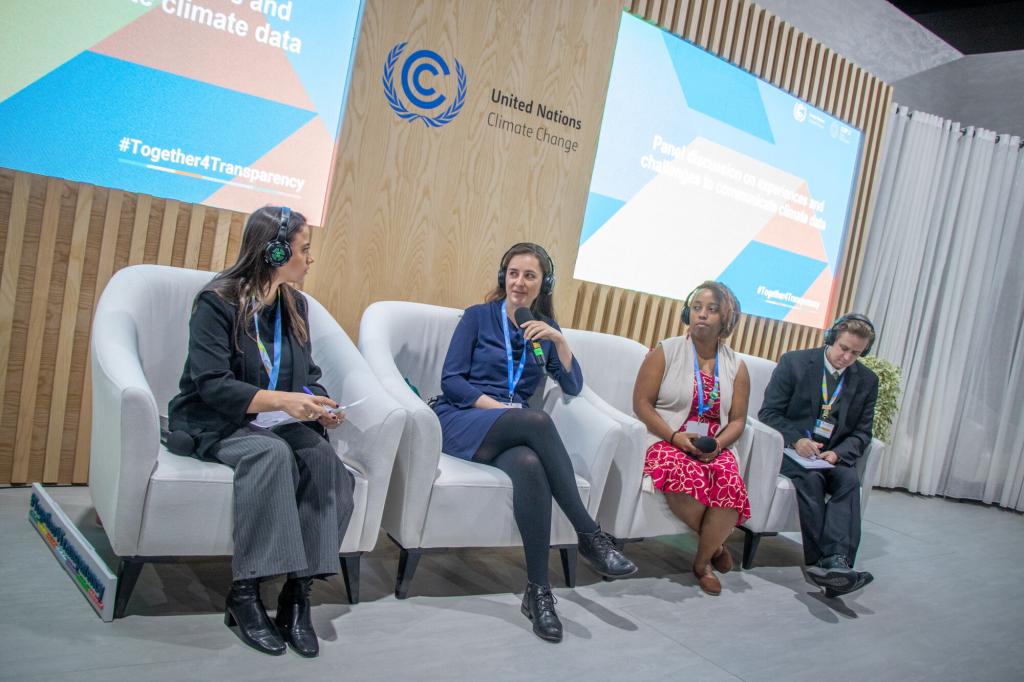
Parties were supposed to submit their first BTRs by the end of December 2024 and this was quite successful. It was a huge endeavour—especially because developing and developed countries had different reporting requirements until the end of last year. It requires a lot of effort to enhance developing countries’ capacity to comply with these more comprehensive reporting requirements. The Secretariat has published tools to support that process. They offered workshops to support countries in preparing these reports. And now more than 110 parties have submitted their reports, including many least developed countries and Small Island Developing States that, in principle, are granted flexibility in the submission of BTRs.
Now it is time to take stock of how the preparation of the first round of BTRs went. A select number of countries are going to present their BTRs in a public setting in Bonn. People familiar with how countries report on progress in implementing the Sustainable Development Goals at the High-level Political Forum will be familiar with this sort of process—receiving advanced questions from other parties, then giving an oral presentation. There are also a lot of mandated events in Bonn focused on exchanging lessons learned on the BTRs, and different negotiation items will address the need for continued support for reporting purposes.
In Bonn, negotiators are supposed to initiate the development of a new Gender Action Plan. However, gender turned out to be a contentious topic in Baku. How do you expect talks to progress?
Gender will be something to watch closely. One positive thing that came out of COP 29 in Baku was agreement on a 10-year extension on the gender work programme. That was quite a big milestone. But the nitty gritty lies in the Gender Action Plan, which defines more concrete activities and objectives. This is what negotiators are supposed to start outlining in Bonn.
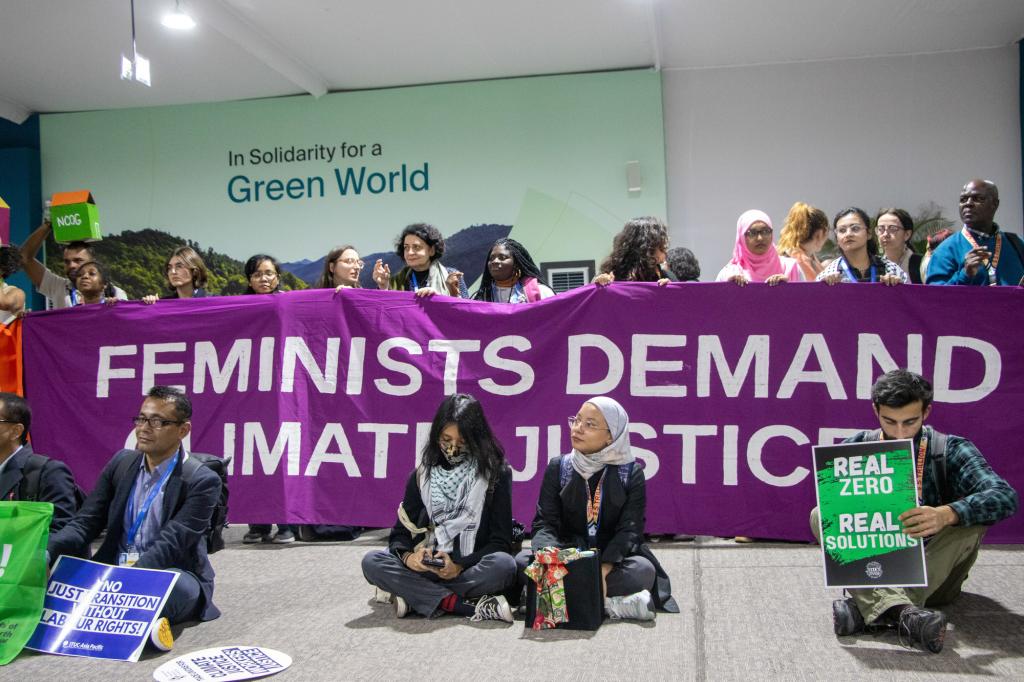
Gender discussions in the climate process have quite a long history. Things have become more contentious in recent years—in the climate process, but also in other multilateral processes, when it comes to gender and human rights language more generally. We’ve seen a wave of conservative or right-wing governments coming to power around the world, with a lot of backlash against gender equality, equity-oriented policies, and human rights protection. Some actors are strongly pushing a binary perspective on gender to the extent they will oppose referring to “gender” and instead want to highlight “men and women.” There's resistance to the concept of intersectionality as well. We've even seen pushback on language addressing violence against women. It has been quite sobering to witness those discussions.
Things that were no big issue 5 years ago are a hard fight now. Some parties are very openly pushing back against this, but there are also countries or actors that are pushing back against gender equity and human rights language only in the back rooms. So that creates a lot of tension.
We'll see how it goes in Bonn. I think it was a big success to get the 10-year extension, but that doesn't help us if the action plan is void of any meaningful measure.
When the New Collective Quantified Goal (NCQG) was set at USD 300 billion in Baku, a number of parties were upset. Is there anything that can happen in Bonn to help rebuild trust?
I'm not very hopeful Bonn will help deliver anything on this front. Finance is traditionally not a big issue at the June climate meeting. There is an event on finance flow alignment, which in itself is quite contentious because it puts a lot of emphasis on restructuring the global financial architecture and system of financial flows, including the private sector. Many developing countries see this as a diversion from developed countries’ commitment to provide public finance.
We will see what tone countries’ opening statements take in Bonn. Truly, the last day and a half in Baku was pretty rough, with everything hanging on the NCQG—and then a lot of countries emphasizing their deep disappointment and their expectations that this must be corrected and improved in the future. We know the incoming Brazilian Presidency is working in the background on the Baku-to-Belém roadmap to scaling up finance to the USD 1.3 trillion many envisioned. Bonn will not really give us a sense of how that is going, but it will give parties the chance to have these discussions in the corridors, face to face.
As an experienced observer, what has stood out about Brazil’s actions to take up the Presidency for COP 30?
It’s a big contrast to the last 2 years. Azerbaijan and the UAE both had very limited previous engagement in the climate process. While they succeeded in growing their capacity to live up to the challenge, we have very different starting conditions with Brazil.
Brazil has been heavily engaged in the climate change negotiations since the beginning. They have a lot of contacts with countries all over the world, which helps with preparatory discussions. And we can also see that the political climate in Brazil has shifted. One of the reasons the country submitted a bid to host the climate COP was their clear intent to show that Brazil is back on the international environmental scene. They are not only hosting the climate change negotiations this year, but next year they're also hosting the COP of the Convention on Migratory Species, for example.
Brazil has its own priorities and specific profile regarding issues such as deforestation, agriculture, and Indigenous Peoples. We'll see how the Presidency will push forward the issues that matter to them. Brazil is trying to bring ministries beyond the environmental ones—especially ministries of finance— on board for climate action.
The Presidency is really emphasizing the action agenda and trying to get all sorts of stakeholders to put forward concrete measures—not some long shot ideas they may undertake in the future, but very concrete measures they are implementing soon.
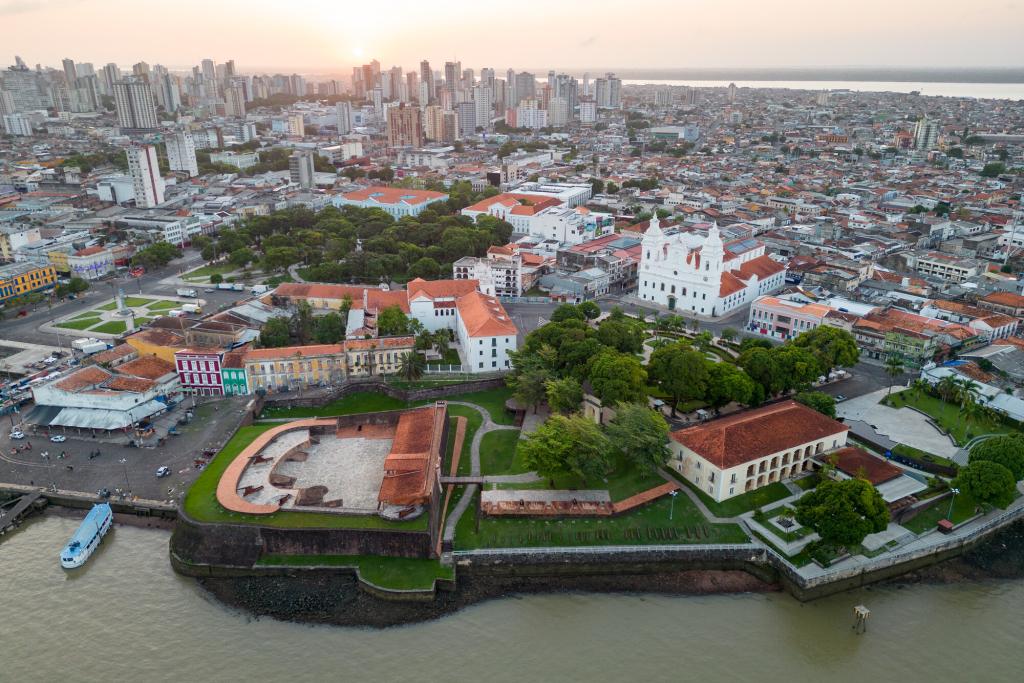
The COP will take place in Belém, which is going to cause logistical challenges because of flight connections and housing needs. We know there's been additional infrastructure built in Belém to accommodate the talks, and temporary infrastructure will be added to increase the number of hotel rooms available.
Bonn will provide a chance for discussions on exactly how this COP is going to happen. I think a big question will be anticipated participant numbers. After a strong increase in participant numbers in the past few years, some are wondering if there will be a cap on the number of participants.
Any concluding thoughts?
This year, a lot of governments are cutting budgets, and some are pulling back from multilateral approaches, with consequences for climate policy, environmental policy, and development cooperation more generally. We’ve noticed even developed countries tightening wallets when it comes to their delegates going to international environmental meetings. It’s something we’ll watch for in Bonn—something that may constrain the reactivity of these processes and might also change the way these negotiations are conducted.

You might also be interested in
Climate Negotiations Glossary
Concise definitions of key terms and acronyms used in UNFCCC climate change negotiations and beyond.
UNFCCC Submissions Tracker
Tracking and sharing opportunities for stakeholders to give input to the UN climate change negotiations.
The State of Global Environmental Governance 2023
In global environmental talks in 2023, the focus across nearly all issue areas was funding implementation and reviewing performance.
Lessons Learned at COP 28
Two newcomers to climate negotiations reflect on their COP 28 experiences—surprises, insights, and what they'll look for at the next UNFCCC talks.