Success story

How Sub-Saharan African Cities Are Building Climate Resilience Through Nature-Based Solutions

By combining community engagement and multistakeholder governance, the SUNCASA project enters its third year of implementation with 2.4 million trees and shrubs planted over 3,500 hectares of restored land, and tangible impacts already enhancing urban communities’ resilience to climate change.

April 10, 2026

Restoring nature and strengthening community resilience to climate change are long-term efforts that often take years to produce tangible results. Entering its third year of implementation, the Scaling Urban Nature-based Solutions for Climate Adaptation in Sub-Saharan Africa Project (SUNCASA Project) has already delivered concrete benefits to communities, with 2.4 million trees and shrubs planted, restoring over 3,700 hectares of degraded watershed. This progress has been driven by inclusive, participatory community engagement and a unique multistakeholder partnership model.

Across Dire Dawa (Ethiopia), Kigali (Rwanda), and Johannesburg (South Africa), local organizations and communities scaled up nature-based solutions (NbS) that are both climate-focused and socially inclusive. These efforts have expanded agroforestry, reforestation, afforestation, riparian buffer zones, urban greening, and the removal of harmful alien invasive plants, achieving 85% of the project’s 3-year targets in the first 2 years of operations.

“It's exciting to see we're right in stride, which is not to say the teams haven't faced challenges. Those include erratic rainfall patterns that have made it very challenging to plant the seedlings, but the teams have figured out ways to overcome that,” said Lisa Beyer, World Resources Institute’s senior manager of Nature for Urban Resilience and SUNCASA’s NbS co-Lead.

“At the heart of SUNCASA is its unique partnership model, bringing together municipalities, interdisciplinary experts from academia, local organizations, women's groups, and our global team. Above all, however, it is the leadership and dedication of local communities that made these achievements possible in just 2 years—they are truly the engine of SUNCASA's success,” said IISD’s Samantha Boardley, SUNCASA’s interim project lead and NbS co-lead. 

According to Professor Kibebew Kibret, SUNCASA's deputy technical lead in Dire Dawa and NbS expert from Haramaya University, the project’s design takes a singular approach by enabling strong multistakeholder coordination to advance NbS implementation. “I could say that, for the first time, science and society truly connected. Science and society came together to create real impact—scientific institutions brought technical knowledge, skills, and best practices, while communities contributed with their experience, including Indigenous perspectives,” said Professor Kibret.

For Kibret, a key factor behind achieving results in just 2 years has been the deep engagement of local communities. “They have fully embraced the project,” he highlighted. “On top of that, there has been a strong commitment from all of us—we are genuinely excited about the changes SUNCASA is bringing. Bringing all of this together, even in the harsh environment of Dire Dawa, has led to truly remarkable outcomes.”

Dire Dawa: From drylands to green growth
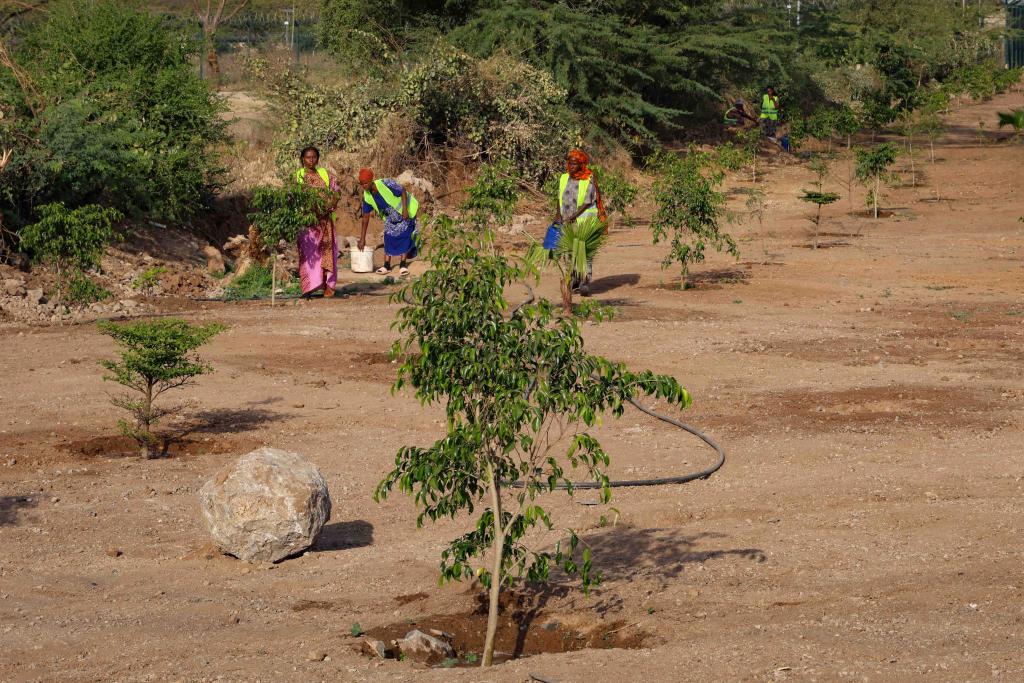
SUNCASA | Women working on a SUNCASA afforestation site in Dire Dawa, Ethiopia.
SUNCASA afforestation site in Dire Dawa, Ethiopia: 70% of the afforestation target achieved by the end of 2025 (Photo: Cesar Henriique Arrais/SUNCASA)

SUNCASA partners from 14 organizations had the opportunity to see first-hand how NbS are transforming both rural and urban areas of Dire Dawa. During their second Peer Learning Event, participants witnessed the commitment of local communities and the results achieved so far.

By December 31, 2025, a year before the project’s deadline, local partners and communities had reached 70% of the afforestation target, planting more than 500,000 trees and restoring 246 hectares of degraded land along the Dechatu River catchment. These efforts are helping address soil erosion, improve soil fertility, and enhance groundwater recharge.

Partners in Dire Dawa have also achieved 93% of the project’s agroforestry target, with nearly 380,000 trees planted across 359 hectares, generating new livelihood opportunities while strengthening food security.

“With trees bearing fruit, people are selling those fruits in the market and making some additional cash. And then they start to save money and purchase livestock. This brings advantage to our local community, other than just increasing green coverage and improving groundwater recharge,” said Matiwos Belayhun, SUNCASA monitoring, evaluation and learning coordinator at the Hararghe Catholic Secretariat.

The project has also exceeded its buffer zone restoration target, with 95 hectares restored, while achieving an impressive 94% tree survival rate overall. 

“The major secret, I have to say, is getting along with communities. As long as you keep the interest of the community and try to be scientific, practical, and realistic—without exaggeration—I think the impact will come.”

Arbo Feyisa, Agroforestry and Forestry Specialist at Haramaya University.

“Within this short period of time, the life of the community has transformed significantly because of SUNCASA interventions,” remarked Professor Kibebew Kibret.

For the Mayor of Dire Dawa, Kedir Juhar, the impacts of SUNCASA’s NbS are already visible. “We see urban river catchments coming back to life. Green spaces are expanding, and communities are seeing tangible, practical change,” he said during the opening of the project’s second Peer Learning Event. “Every NbS we invest in our cities generates many benefits—saving lives, protecting infrastructure, and helping nature to come back.” 
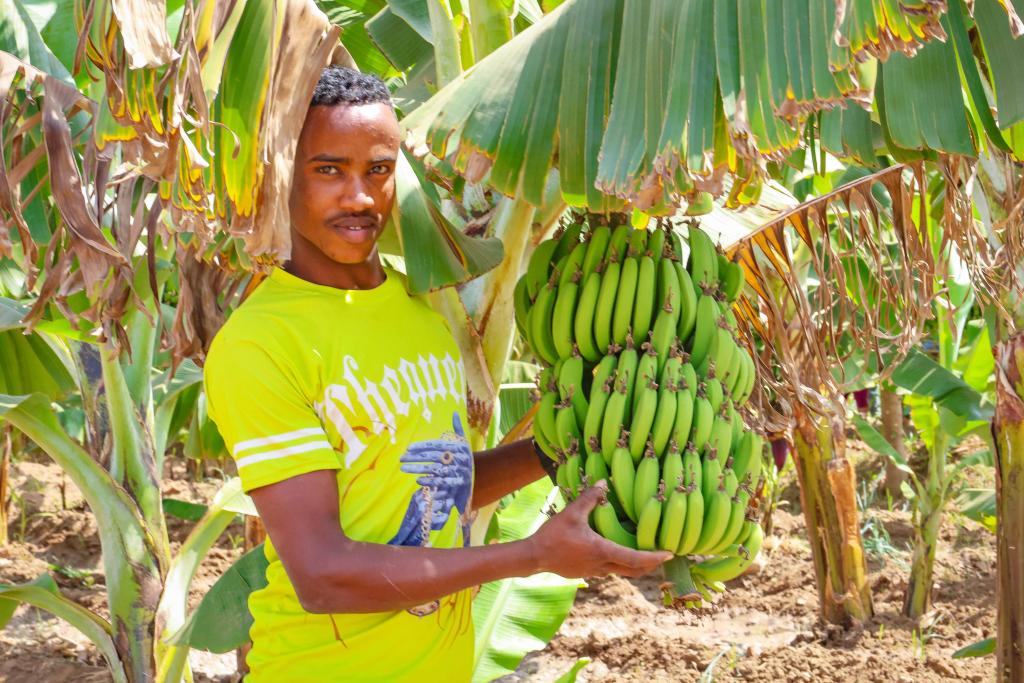
SUNCASA | Community member showing a bunch of bananas grown in a SUNCASA agroforestry site
Community member showing a bunch of bananas grown in an agroforestry site: 93% of SUNCASA's goal reached in only two years. (Photo: Cesar Henrique Arrais/SUNCASA)

According to the SUNCASA integrated cost-benefit analysis for Dire Dawa, the city will save USD 1.35 million in flood-related repairs by 2050 as a result of the projects’ NbS investments. An additional USD 930,000 will be saved in avoided health expenses linked to floods, water pollution and urban heat. By working with local organizations and communities, SUNCASA is strengthening the climate resilience of 220,000 people in Dire Dawa. 

Kigali: Transforming Urban Landscapes and Livelihoods

SUNCASA’s NbS implementation in Kigali is advancing well, with significant progress observed in the restoration of 362 hectares of riparian buffer zone area (92% of the project target) and 1,654 hectares of agroforestry system established – surpassing the initiative's target by over 450 hectares. By the end of the project’s second year, local partners and organizations had planted 1,267,559 trees and buffer plants across critical micro-catchments of the Nyabarongo River.

“The community working with SUNCASA says that the project is transforming the reality of the community, not only the landscape, the nature itself, but the reality of the real people,” underscored Benigne MUGWANEZA, project manager with the Rwanda Young Water Professionals (RYWP). 
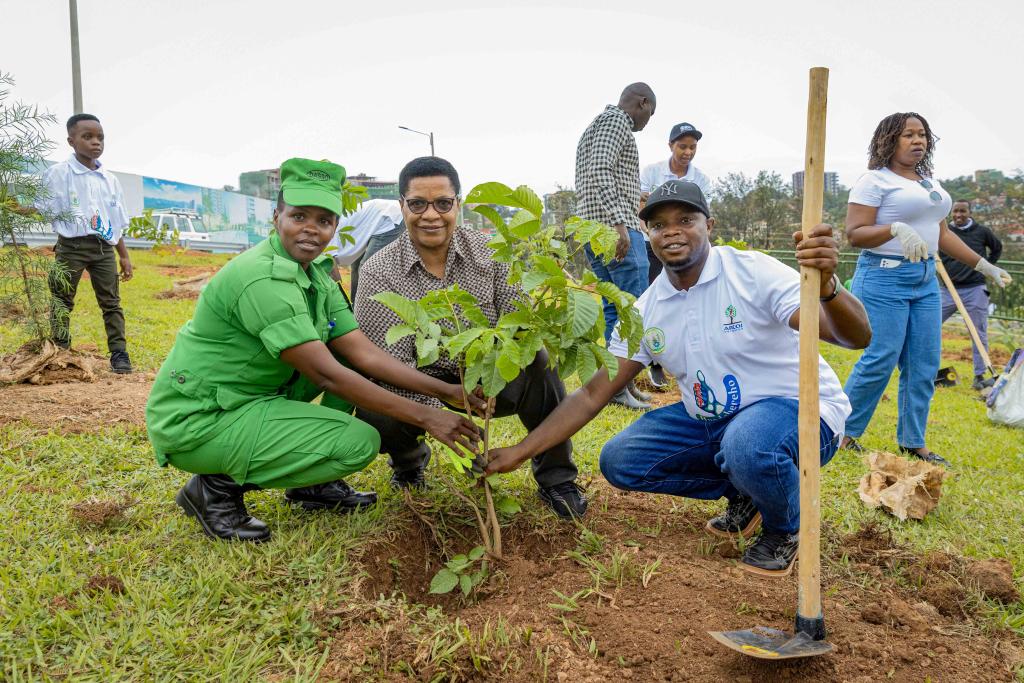
SUNCASA | Community planting trees during a Umuganda with SUNCASA support
Local partners planting trees during an Umuganda, a monthly community-led initiative to improve the city's green infrastructure. (Photo: William Bidibura/ARCOS Network)

According to Theodore NSHIMYUMUREMYI, Monitoring, Evaluation and Learning Officer with ARCOS Network,  SUNCASA is providing jobs to thousands of community members, particularly underrepresented groups such as women, youth, and people with disabilities.

For Mugwaneza, the impact extends beyond immediate job creation and landscape restoration. “The interactions SUNCASA has had with communities have brought people together and created opportunities to reconnect with nature and reflect on the role they can play in protecting it,” she explained.

She added that participation in NbS activities also builds valuable skills. “Every time someone participates in NbS work, they gain experience—strengthening their resume, expanding their knowledge, and building practical skills for working with nature.”
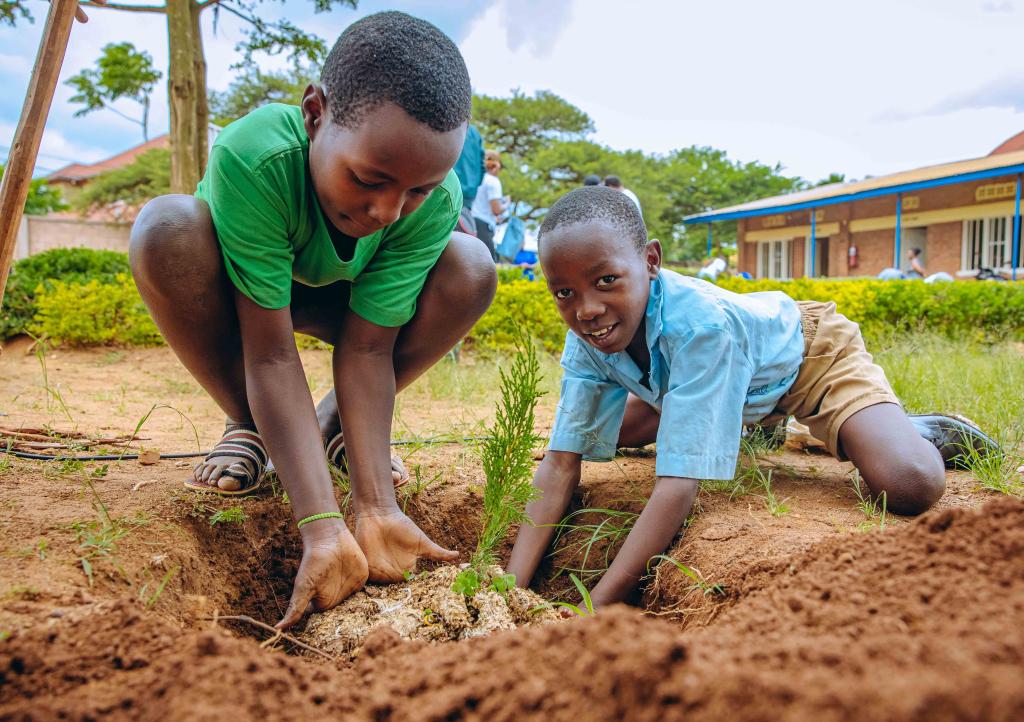
SUNCASA | Kids receive training on trees maintenance at a school in Kigali.
Kids across 17 schools in Kigali received training for maintaining the trees planted through SUNCASA (Photo: Rwanda Young Water Professionals).

SUNCASA’s integrated cost-benefit analysis for Kigali indicates savings of USD 12 million in avoided costs from flood-related infrastructure damages by 2050, along with USD 5.57 million in health savings. The study projects that investments will pay back in just seven years, with every USD 1 invested in NbS generating USD 2.09 in combined economic, social, and environmental benefits. Nearly 1 million residents are having their resilience strengthened through SUNCASA NbS.

Johannesburg: Fight Against Invasive Species 

Communities and partners in Johannesburg have shown strong commitment to implementing NbS, exceeding targets in tackling one of the city’s most pressing environmental challenges: the spread of alien invasive plants.

“Alien invasives are damaging the water quality and competing with our indigenous plant population, and this is destroying the ecosystem in the Jukskei River space,” explained Gugu Zondi, Integrated Catchment manager at Johannesburg City Parks and Zoos. “SUNCASA is one way of saying nature-based solutions work—we are letting nature work for itself.”
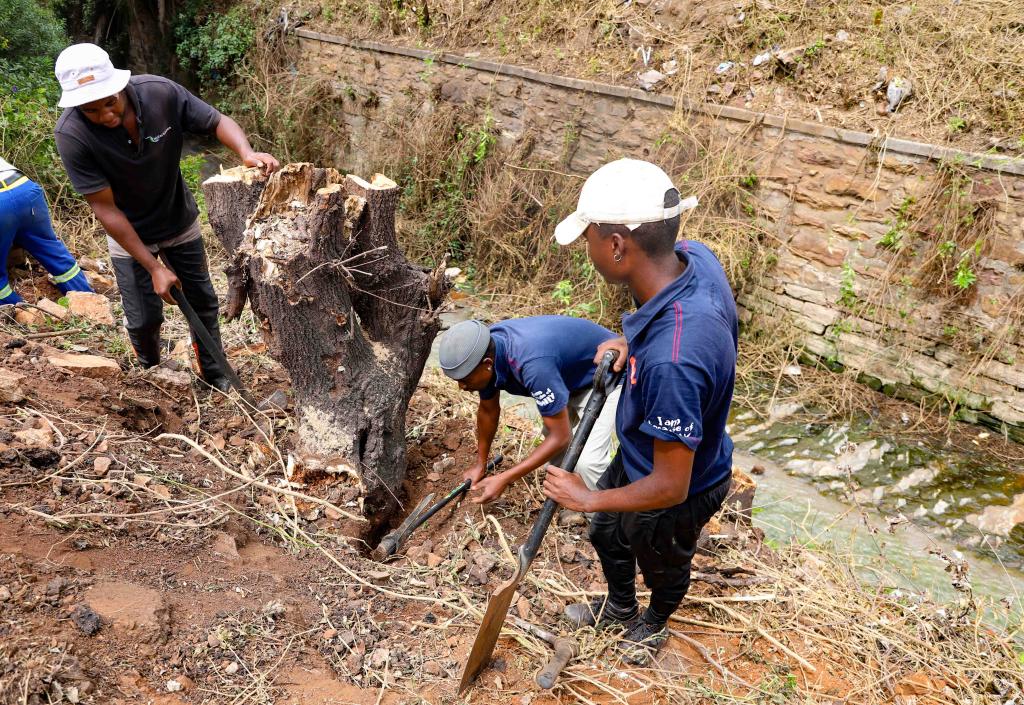
SUNCASA | Community removing invasive alien species next to Jukskei River in Johannesburg
Community members removing invasive alien plants next to the Jukskei River: Savings of USD 2.2 million as a result of SUNCASA's intervention. (Photo: Cesar Henrique Arrais/SUNCASA)

Restoring land in densely populated parts of Johannesburg, like Alexandra Township, is challenging due to limited land availability and competing demands. 

By the end of Year 2, 496 hectares of riparian corridor from the source of the Jukskei River in Victoria Yards to Alexandra Township and critical sections of Braamfontein Spruits had been revitalized through the removal of invasive alien species and strategic rehabilitation using native indigenous plants. This represents 99% of the projects’ three-year target in Johannesburg. Revitalization efforts included the removal of 532 tonnes of debris from the river—much of it later transformed into sculptures and litter traps, fostering the eco-tourism in the area.

SUNCASA has helped capacitate many people to obtain PCO (Pest Control Operator) licenses, enabling them to identify [invasive] species and apply effective clearing methods. “NbS projects should leave a legacy—not only in the landscape, but in the people they reach,” said Boaz Tsebe, rehabilitation and invasive species specialist with Water for the Future.
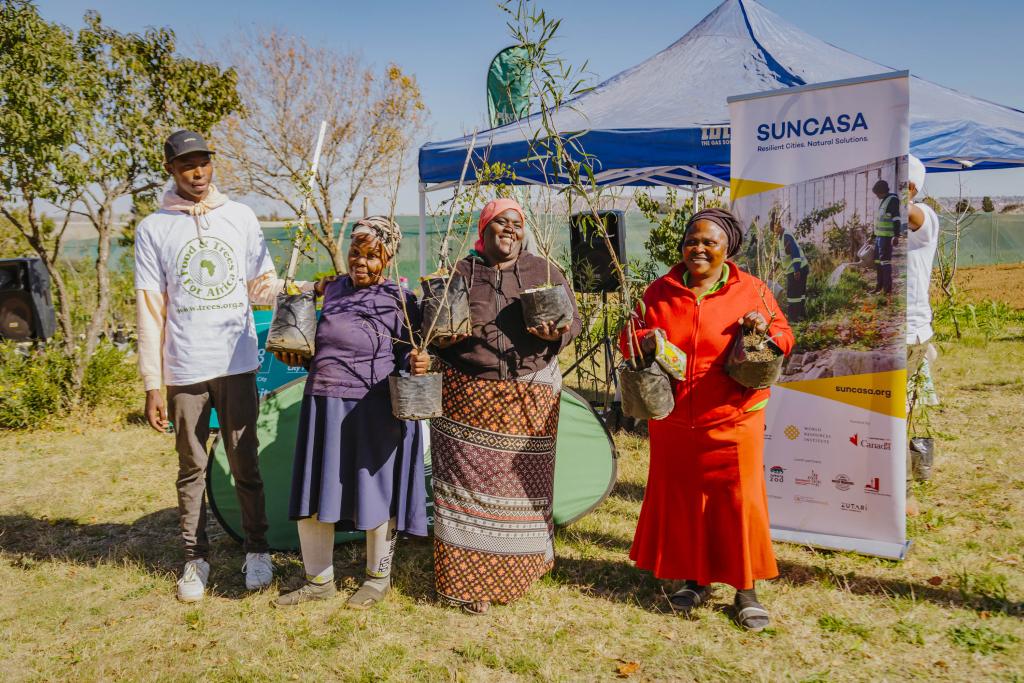
 

SUNCASA | Trees distribution in Johannesburg.
Community members receiving seedlings to plant in their homes: nearly 28,000 indigenous and fruit trees have been planted to replace invasive species. (Photo: Jenna Eckhart/SUNCASA)

To support ecosystem recovery, nearly 28,000 indigenous and fruit trees have been planted to replace invasive species. These efforts are strengthening biodiversity, reducing flood risks and soil erosion, and expanding green spaces for local communities. 

“The urban greening and the planting of indigenous trees interventions around our parks, around our catchment, around our residents, have given us the chance to introduce an educational element which will assist locals to support these initiatives, safeguard resources, and put them to greater use,” noted Semadi Manganye, co-founder and director of the Alexandra Water Warriors

The integrated cost-benefit analysis for Johannesburg demonstrates that for every USD 1 invested in SUNCASA NbS, it will return USD 3.06 in socio, economic and environmental benefits. By 2050, the city is expected to save USD 2.2 million in alien invasive species management, USD 3.5 million in avoided flood-related infrastructure repairs, and USD 4.83 million in health expenses related to water pollution, urban heat, and flooding. Around 1 million residents are benefitting from SUNCASA NbS.

Challenging Gender-biased Norms and Practices

Gender equality and social inclusion (GESI)are at the core of SUNCASA’s approach and achievements. Through its local GESI partners, the project has made significant progress in challenging discriminatory norms and practices, promoting the meaningful participation of women and underrepresented groups in climate change adaptation policymaking and NbS implementation, as well as encouraging more equitable divisions of labour and inclusive decision-making at the household level.

By the end of year two, three major workshops on gender-responsive NbS, biased barriers to NbS governance and policy making, and strengthening women’s participation in municipal NbS decision-making, had been delivered, reaching a total of 1,247 participants across the project cities.

These trainings, which focused on household power dynamics and gender-biased norms, yielded notable results. Post-training evaluations showed an 82% increase in participants’ knowledge of gender equality and social inclusion issues, significantly exceeding the project target of 50%.
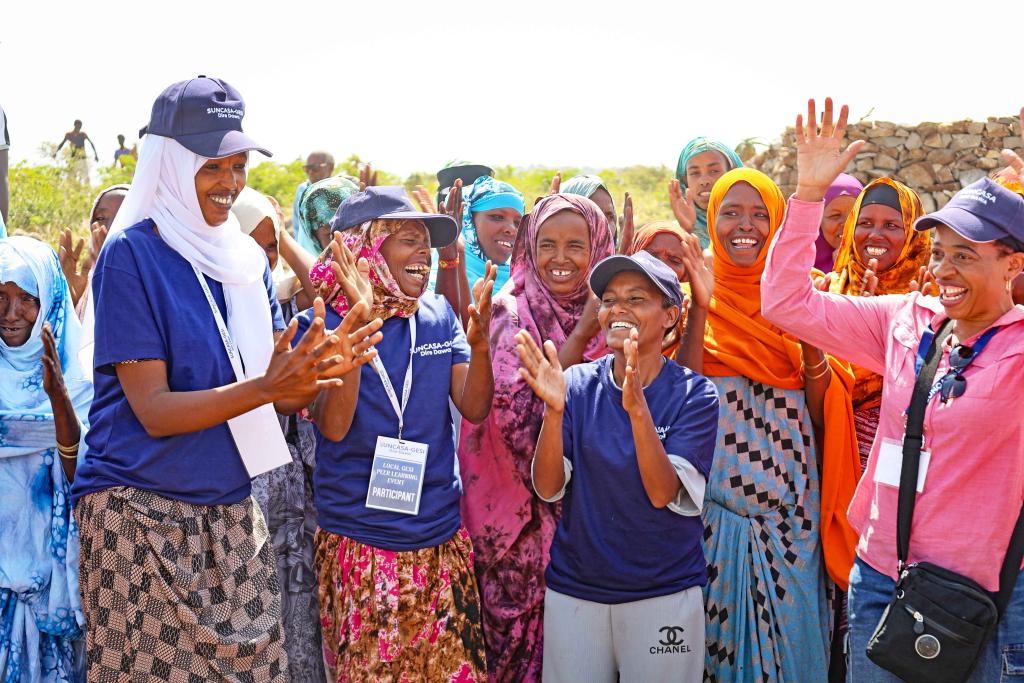
SUNCASA | GESI partners in Dire Dawa, Ethiopia, welcome SUNCASA teams during the project's 2nd Peer Learning Event.
Community members and GESI partners during the field trip of the project's 2nd Peer Learning Event: 82% increase in GESI workshop participants’ knowledge of gender equality and social inclusion issues. (Photo: Cesar Henrique Arrais/SUNCASA)

“We know very well that women are the ones who first face the consequences of climate change issues. In Rwanda, we have already had a leverage of women contributing, participating, always proactive. But what SUNCASA did was to emphasize that and make sure this would be impactful. Everyone—young people, women, children—are all working together on this, because it's not about one person, it is about a whole community,” said RYWP’s Benigne Mugwaneza.

Scaling Impact and Securing SUNCASA’s Legacy

As SUNCASA enters its third year of implementation—with several targets already achieved—local organizations and communities, as well as government stakeholders, are shifting their focus toward scaling up the impact of NbS and ensuring a lasting legacy in beneficiary communities.

“In 2026, I’m expecting that we, as governments, community organizations, and the private sector, all come together and sustain it. We try our best to work together and collaborate to make SUNCASA a long-term thing,” highlighted Gugu Zondi from Johannesburg City Parks and Zoos.

“My expectation is to finalize the remaining activities of SUNCASA, capitalize on the lessons learned, and work decisively to ensure the project’s sustainability,” said Professor Kibebew Kibret from Haramaya University.

Echoing this, Theodore Nshimyumuremyi from ARCOS Network emphasized: “By the end of this year, my expectation is to build on the success we have achieved through the SUNCASA project, working toward a lasting impact that won’t be forgotten.”

For WRI’s Lisa Beyer, the capacity built across the three cities will be key to sustaining long-term outcomes. “By the end of 2026, I think we’ll have built an amazing workforce—a GESI-responsive workforce that is balanced in terms of gender and inclusive of other marginalized groups,” she said.

“We are going to see not just restoration of land and the environment, but widespread changes for families and for those working and living in these communities. Local communities, governments, and leaders are all coming together to ensure that these projects truly support those most vulnerable, particularly in cities,” she added.
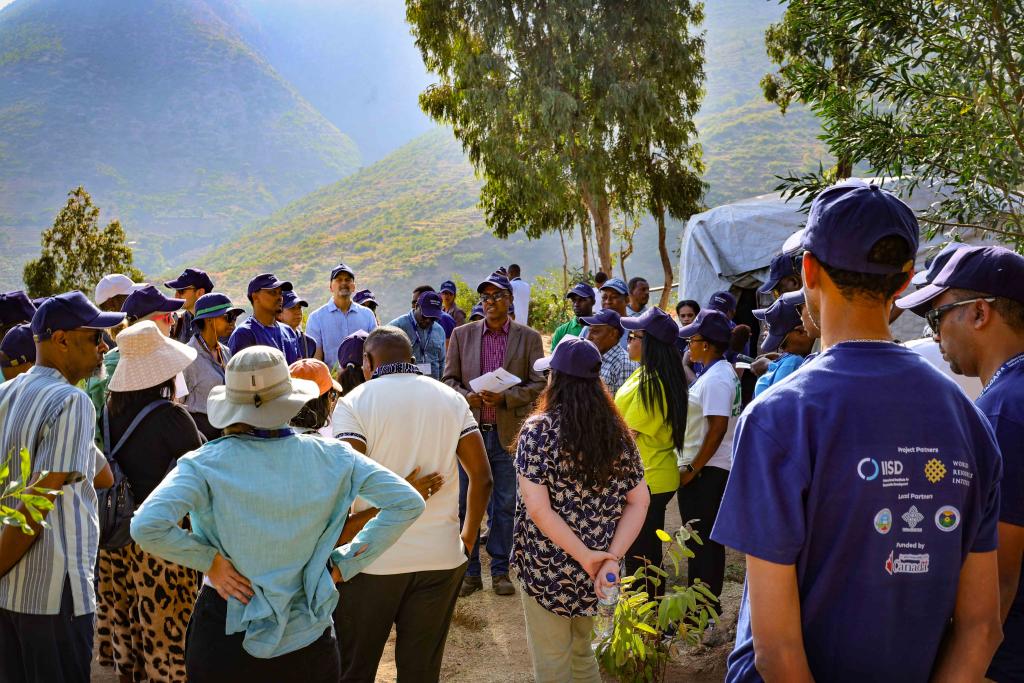
SUNCASA | SUNCASA teams gathered in a project site in Dire Dawa, Ethiopia.
SUNCASA's teams gathered at Adada Kebele, in Dire Dawa, during the latest peer learning event: Securing SUNCASA's legacy in the long run. (Photo: Cesar Henrique Arrais/SUNCASA)


For Marc Manyifika, WRI Africa's Country Lead for Urban Water Resilience, the true success of SUNCASA lies in what remains after it ends, like stronger communities, empowered local leaders, and NbS that continue to shape more resilient cities. "Our priority now is to scale what works and ensure it lasts, so that SUNCASA’s impact continues to benefit communities and ecosystems well into the future," he said. 
 

About SUNCASA

SUNCASA is a 3-year project enhancing resilience, gender equality, social inclusion, and biodiversity protection in urban communities in Ethiopia, Rwanda, and South Africa. It is delivered by the International Institute for Sustainable Development and the World Resources Institute, funded by the Government of Canada, and implemented with a wide range of local organizations and communities. 

SUNCASA restores urban watershed areas through gender-responsive NbS such as agroforestry, afforestation, reforestation, buffer zone creation, and urban tree planting, ultimately strengthening the resilience of 2.2 million people.

Success story

Ghana Establishes Independent Fiscal Council to Support Long-Term Debt Sustainability

Ghana has been rebuilding since its 2022 debt crisis. Restructuring its debt was a crucial first step, but lasting recovery demands strong institutions—ones that keep debt sustainable while protecting investment in schools, hospitals, and infrastructure. Working with Ghanaian think tank IMANI Africa, IISD provided analytical support for the design of the country's new Independent Fiscal Council and advocated its potential in strengthening transparency and trust in public finances, engaging parliamentarians, government officials, and civil society. 

April 8, 2026

After Default, Ghana's Road to Debt Sustainability

After defaulting on much of its external debt in late 2022, Ghana embarked on one of the most complex sovereign debt restructurings in recent years, encompassing domestic and external debt.  

By 2025, Ghana had restructured most of its eligible public debt—reaching a deal with international bondholders and signing bilateral agreements with official creditors under the G20 Common Framework for Debt Treatments. By December 2024, approximately 93% of the restructuring had been completed, including the successful implementation of the Domestic Debt Exchange Programme (DDEP) and the restructuring of Eurobonds.  

These milestones, implemented in line with Ghana’s ongoing USD 3 billion IMF Extended Credit Facility program, have been reinforced by a series of positive economic shifts─stronger growth, declining inflation, improved reserves, ongoing fiscal consolidation and firm monetary policy stance─and have helped restore the country’s debt sustainability and boost its sovereign credit ratings.

While the debt restructuring has reduced immediate payment pressures, it has not automatically solved the deeper institutional challenges that allowed debt levels to become unsustainable in the first place. Ghana is still classified as being at high risk of external and overall debt distress, according to World Bank and IMF analysis.    

This matters far beyond financial markets. When large shares of public revenue are used to service debt, there is less left over for everything else, like schools, hospitals, infrastructure, and climate resilience. For countries like Ghana, where development needs remain significant, the cost on humans and nature is very concrete.

Recognizing these risks, Ghana has begun strengthening the institutions that govern its public finances. In 2025, amendments to the country’s Public Financial Management Act introduced stronger fiscal rules─a public debt-to-GDP target of 45% by 2034 and an annual primary surplus of at least 1.5% of GDP on a commitment basis─and committed to establishing an Independent Fiscal Council.  

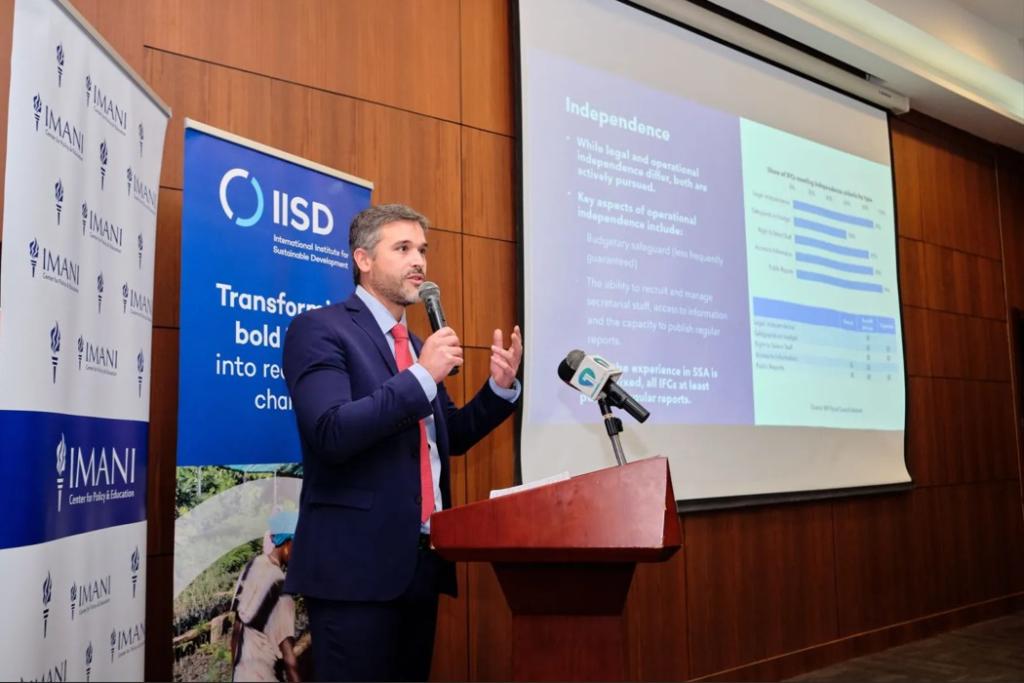
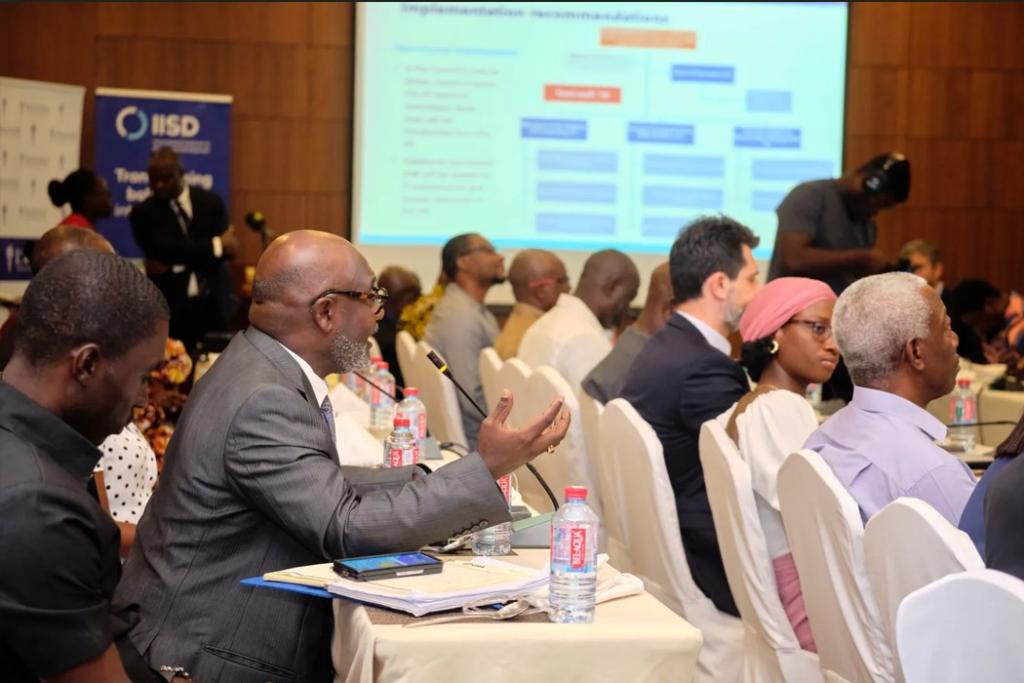
A meeting room with someone speaking in the foreground and a Powerpoint presentation in the background. Audience is listening.
Parliamentarians, government officials, and civil society discuss the establishment of the Independent Fiscal Council in Accra (August 2025) 

A Fiscal Council is a public institution that reviews government budgets and projections to promote transparency. When well-designed, it can play an important role in strengthening fiscal governance by providing independent, evidence-based analysis, improving budget and debt decisions, increasing transparency and accountability around government finances, and strengthening trust in fiscal policy among both citizens and in financial markets.  

Building an Institution That Works for the Country

Since early 2025, IISD has been supporting the design of the new Independent Fiscal Council. The aim: build an institution that is effective, credible, and suited to Ghana’s institutional and economic context.

This work has been carried out in collaboration with IMANI Africa, a Ghanaian policy Think Tank with strong credibility across the country’s political ecosystem. Partnering with a respected local institution has helped ensure that the analysis and recommendations are grounded in Ghana’s political and institutional realities.

The IISD–IMANI work on institutional design choices provided a strong evidence-based foundation for our internal deliberations at the Ministry of Finance on the Fiscal Council’s structure and mandate.

Dr. Theo Acheampong, Technical Advisor, Ministry of Finance, Ghana

The IISD-IMANI team conducted a comprehensive assessment of the council’s potential role and functions in Ghana. This included political economy analysis based on interviews with government officials, parliamentarians, and other stakeholders; a review of international experience with fiscal councils, particularly in emerging and developing economies; and macroeconomic analysis of Ghana’s fiscal and debt sustainability challenges.  

Key recommendations on the council’s main objectives, design and operational structure were presented at a high-level stakeholder event that had representatives from the Ministry of Finance, Members of Parliament, the Bank of Ghana, and civil society attending. Recommendations included a specific vision for the council’s main aims, design, and operations. 

A man is speaking to an audience with IMANI and IISD background, and a presentation behind him
Fernando Morra, debt policy expert at IISD, presents recommendations for the establishment of the fiscal council in Accra (August 2025) 

Designing the institution has required navigating different perspectives. Some stakeholders envisioned a relatively informal advisory body, while others favoured a stronger “watchdog” with the authority to rigorously scrutinize fiscal policy. Reconciling these views—while ensuring the institution remains practical and sustainable—has been an important part of the process.

Ghana's Fiscal Council Takes Shape

In early 2026, the Government of Ghana publicly announced the establishment of the new independent fiscal council, presenting it as a key institutional reform to strengthen fiscal transparency and improve decision-making after the country’s recent debt crisis.

This work was a valuable reference for us in clarifying the trade-offs across different institutional models and in informing our thinking on what design would be most credible, practical, and fit for Ghana’s fiscal governance needs.

Dr. Theo Acheampong, Technical Advisor, Ministry of Finance, Ghana

The council’s core mandate is expected to center on communicating the long-term debt implications of government fiscal actions—clearly and technically—to the executive, the public, the Parliament, and investors. This emphasis matters because debt sustainability depends on more than following fiscal rules—it hinges on creditor and public trust. The council can help build that trust by showing how fiscal decisions shape the debt path over time. 

This approach reflects IISD’s broader case for more flexible fiscal frameworks.

The council's governance structure, its supporting secretariat and its interaction with other institutions are also designed to ensure it can operate independently and effectively. The five professionals nominated by Ghana's president, whose expertise spans academia, public policy and financial governance, reflect that intent. 

Ensuring Sustainable Pathways for the Country  

As the council moves to operation, continued attention to its analytical capacity, data access, and public communication will be essential for ensuring that it can effectively fulfill its mandate.

Looking ahead, IISD and IMANI stand ready to support the next phase of this reform in the setup of the Fiscal Council with the government of Ghana. These include strengthening the council’s core technical analysis—such as selecting and assessing macroeconomic projection models aligned with fiscal rules and debt sustainability analysis; supporting the development of data-sharing arrangements between the council, the Ministry of Finance, other government departments, and national statistical authorities; and helping design effective public communication practices so the council’s analysis can reach and inform key stakeholders, including policy-makers, parliament, investors, and the public. 

By continuing this partnership, IISD aims to help ensure that Ghana’s Fiscal Council becomes a credible and durable institution—one that can contribute to more transparent fiscal policy-making and support the country’s long-term development priorities.

Anahí Wiedenbrüg, Debt Lead, International Institute for Sustainable Development

Success story details

Topic
Sovereign Debt
Region
Africa
Impact area
Sustainable Economies
Success story

Gender Equality in Action: Childcare program enables mothers to work on nature-based solutions in Kigali

SUNCASA partners from AVEGA Agahozo have established a childcare program for children aged 9 to 35 months at tree nurseries to support women by providing care while parents work.

March 10, 2026

Beyond advancing climate change adaptation through nature-based solutions (NbS), the SUNCASA project (Scaling Urban Nature-based Solutions for Climate adaptation in Sub-Saharan Africa) is strongly committed to promoting gender equality and social inclusion across the implementing sites in Kigali (Rwanda), Dire Dawa (Ethiopia), and Johannesburg (South Africa). A core target is that at least 50% of all community members engaged with SUNCASA’s activities are women or individuals from underrepresented groups.

However, turning this commitment into concrete action—and ensuring women can meaningfully participate in NbS activities—remains challenging, particularly for women with young children. In Kigali, SUNCASA’s partner AVEGA Agahozo has responded by establishing a childcare program at tree nursery sites. This initiative allows women involved in NbS activities to bring their children aged 9 to 35 months to work, where they are cared for on-site through a rotation of parents and caregivers at dedicated childcare facilities.
 

SUNCASA | Childcare facility in the nursery in Kigali.
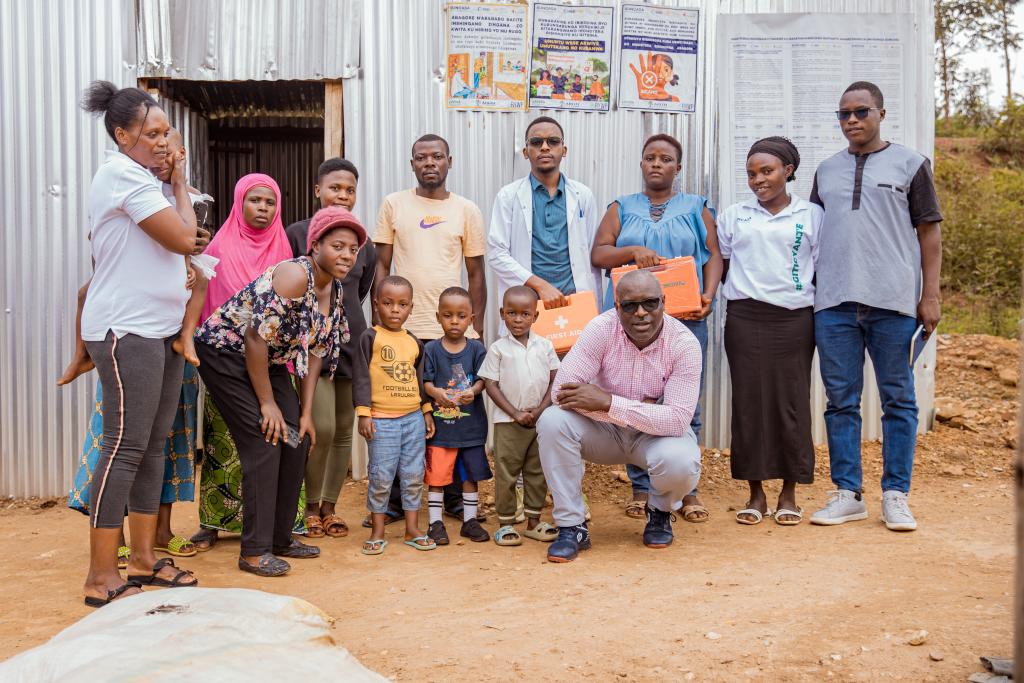
Parents, children, and caregivers in front of one of the childcare program facilities (Photo: Avega Agahozo)

Why a Childcare Program in NbS?

In Kigali, around 30 women are employed in Kabuye and Mageragere tree nurseries, and 17 of them have children eligible for these childcare services. Previously, while these women carried out NbS activities, many of these children stayed near the nurseries without adequate supervision. They were exposed to harsh weather, safety hazards such as pits and stagnant water, and other risks, while also sometimes damaging seedlings or engaging in unsafe play.

This situation placed a heavy burden on mothers, who had to balance their work with constant concern for their children’s safety. It also affected their ability to fully participate in NbS activities and maintain productivity.

“Before the childcare program began, I had to leave my child with neighbours,” said Mukeshimana Alice from the Kabuye tree nursery. “Sometimes they weren’t available, and I had no choice but to miss work. It was stressful and unpredictable.”

Establishing a childcare program close to the nurseries has had a dual impact on both children and recent mothers. It provides a safe, structured environment for children, while enabling women to participate in NbS activities with greater focus and efficiency—supporting both their productivity and their children’s well-being and development.

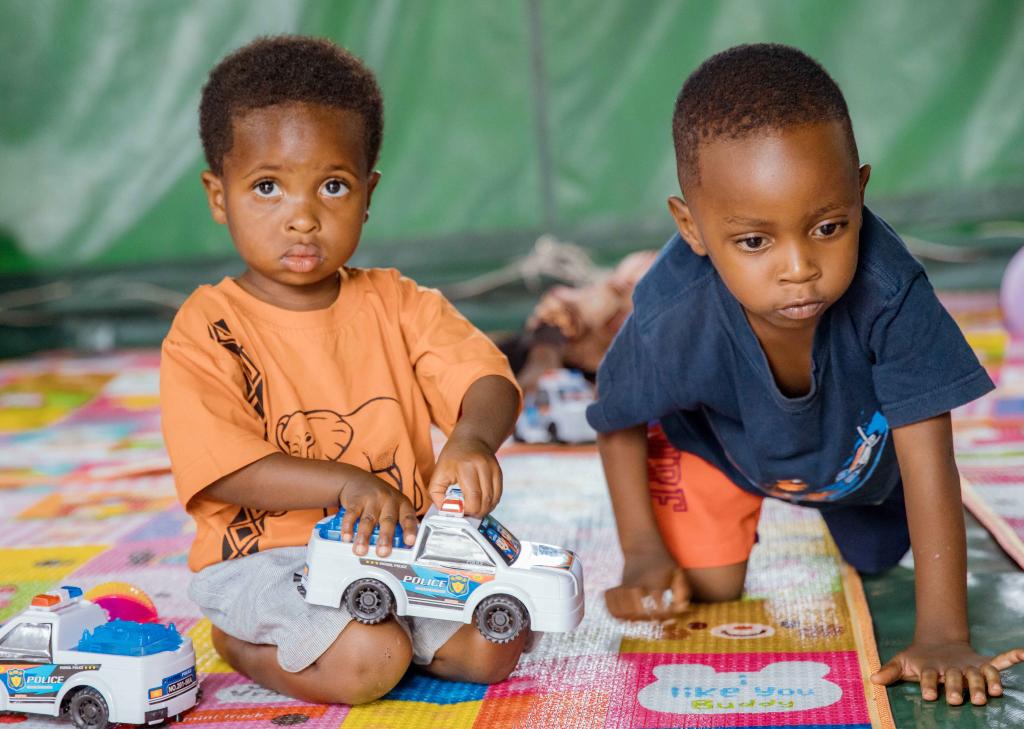
SUNCASA | Kids assisted by SUNCASA childcare program in Kigali, Rwanda. (Photo: Avega-Agahozo)
Children aged 9 to 35 months are assisted by the childcare program, a safe environment that enables recent mothers to work on NbS implementation. (Photo: AVEGA Agahozo) 

Capacity Building on Early Childhood Development

To support the rollout of the childcare program, parents working in seedling production joined a 3-day early childhood development (ECD) training. They learned about the basics of child development, positive parenting and responsive caregiving, and how childcare can support both children’s well-being and the productivity of workers involved in NbS. The training also included practical activities, such as making simple toys using locally available materials.

Local leaders and community health workers attended the training sessions, learning alongside parents to strengthen community-wide engagement. Following the training, each childcare site established a management committee to oversee daily operations, working closely with the site manager from the ARCOS Network, SUNCASA’s NbS partner in Kigali. Local leaders and nearby health facilities also provide ongoing support to ensure the program runs smoothly.

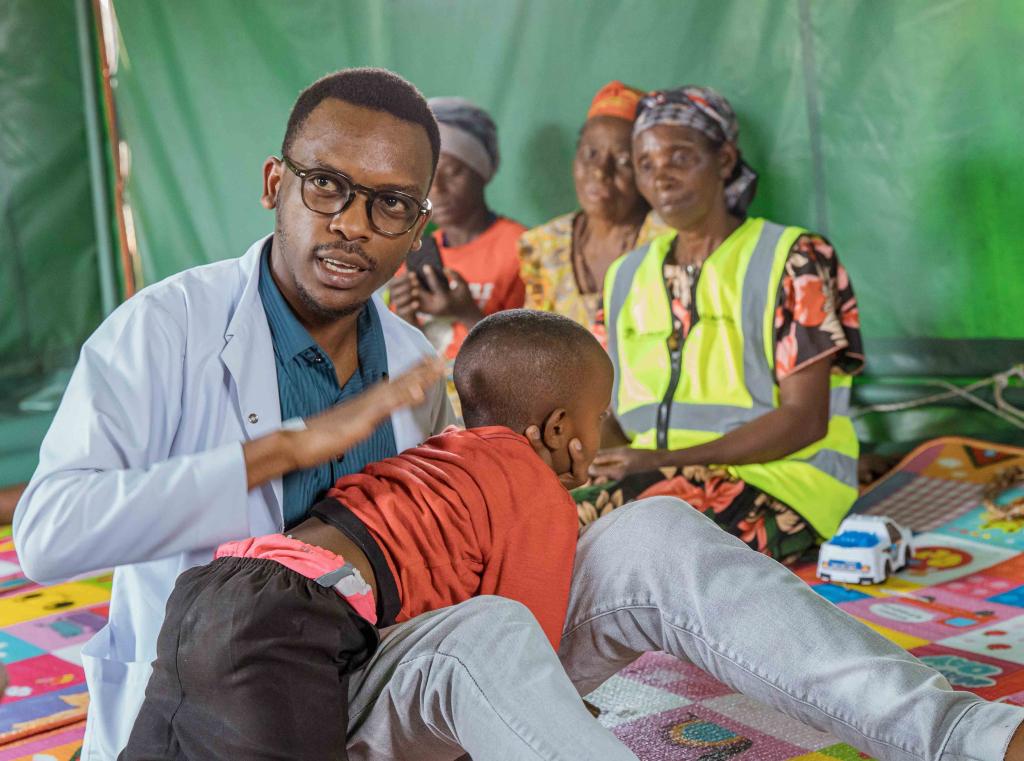
SUNCASA | First aid training at childcare facility in Kigali.
Parents and caregivers attended a 3-day training on early childhood development, which included a hands-on first aid session. (Photo: AVEGA Agahozo)

At the same time, parents began creating toys for their children using locally available materials, enriching their learning and play environments while fostering creativity and resourcefulness. Their ingenuity has led to soft balls made from recycled materials, toy vehicles crafted from plastic bottles, dolls sewn from old clothes, and jump ropes made from banana leaves.

What Has Been Done So Far

The AVEGA Agahozo team, in collaboration with the ARCOS Network, began implementing the childcare program by identifying 20 parents with children aged 9 to 35 months. The teams then assessed the materials and equipment needed—including tents for children, mobile toilets, hand-washing stations, hygiene supplies, milk, toys, first-aid kits, plastic mats, and other essentials.

To ensure safety, AVEGA assigned a medical staff member to deliver practical training on the proper use of first-aid kits at each tree nursery site for caregivers and personnel.

Before launching the program, AVEGA Agahozo and ARCOS teams held meetings with caregivers to assess readiness and establish a clear plan. A rotation schedule was created to define how parents and caregivers would take turns managing childcare activities. Each caregiver also signed a code of conduct outlining expectations, prohibited behaviours, and consequences for non-compliance, ensuring a safe and well-organized environment for the children.

Supporting Parents and Boosting Productivity 

The participants of the program underlined the importance of adequate nutrition and care provided for their children. Parents also anticipate improvements in their productivity, particularly mothers engaged in NbS activities. 

“Our productivity increases because mothers are no longer managing a double role—caring for children while participating in NbS activities. We are confident that our children are safe.”

Mother from the Magegagere tree nursery

Local sector officials noted that the initiative is the first of its kind in Kigali. “This is a new initiative that will improve the lives of our children by supporting their holistic development. Mageragere Sector is committed to collaborating effectively with the project to ensure the program achieves its objectives,” said Jean Pierre Maniragaba, the Mageragere Sector social affairs officer.

Success story

Laos' Tax Incentives Reform Seeks to Drive Sustainable Investment and Safeguard Revenue

For years, Laos has offered generous tax incentives to attract foreign investment, often at a cost exceeding the economic benefits of the investments. With support from the International Institute for Sustainable Development (IISD), the country has introduced an updated Investment Promotion Law that reforms how its tax incentives are designed and administered. The law narrows the scope of tax benefits granted to companies, ensuring they are targeted, efficient, and aligned with Laos’ long-term development priorities.  

January 27, 2026

Over the past decade, Laos experienced slow but steady economic growth, driven by hydropower, mining, and infrastructure investments. But since the COVID pandemic, the picture has darkened: high public debt, inflation, and currency depreciation have strained government finances and squeezed household purchasing power.

Overly generous tax incentives, intended to attract foreign investment, have often been abused by investors, reducing government revenue and leaving fewer funds available for essential public services like education or health care.  

In 2023, responding to a request from Laos' Investment Promotion Department (IPD) and building on years of collaboration, IISD stepped in to support the government in revising the country's Investment Promotion Law. This law serves as the primary legal framework for attracting investment, including through tax incentives granted to businesses.  

Through the reform of incentive design and administration, the government seeks to promote investment that contributes to sustainable economic growth while strengthening revenue mobilization. 

A Necessary Reform for the Country’s Financial Stability 

When IISD experts began working with Laos in 2023, the country's tax-to-GDP ratio sat at just 13%, one of the lowest in the region. This ratio, which measures a country's total tax revenue as a percentage of its economic output, tells you how much of a nation's wealth the government can actually collect to fund public services.

IPD officials pinpointed those generous incentives as one of the key sources of revenue leakage.  

IISD brought critical expertise at the right moment. Their analysis helped us understand how other countries in the region are managing similar challenges, and their recommendations provided concrete options for reforming our incentive framework. This partnership has strengthened our capacity to design policy that works for Laos' specific context.

Dr. Souphaphone Saignaleuth, Deputy Director General of the Investment Promotion Department (IPD), Ministry of Planning and Investment (MPI), Laos

Laos has made important efforts to leverage tax incentives as a tool to promote investment. But implementation challenges have emerged over time. In some cases, investors benefited from long-term tax holidays, especially those undertaking sectoral and zonal-based investments like agriculture and related value chains, who enjoyed import duty incentives for the entire duration of their projects. 

While these incentives were intended to stimulate sustainable development, they reduced government revenue without consistently delivering the full range of expected economic benefits such as sustainable job creation, technology transfer, productivity improvements or economic spillovers to local businesses.

In other instances, import duty relief schemes intended to support domestic production were used in ways that did not fully realize their intended objectives, with some imported goods being re-exported to neighbouring countries without contributing to local value addition. These experiences highlight the importance of refining the design and monitoring of incentive schemes to ensure that they maximize economic development outcomes while safeguarding fiscal sustainability. 

A report by the State Audit Organization, presented to the National Assembly, highlighted weaknesses in the administration of tax incentives, including gaps in compliance, monitoring, and project documentation. In some cases, incentives were granted without sufficient accountability measures to ensure that projects delivered meaningful economic benefits or justified the need for tax support. 

These findings underscored the importance of strengthening oversight, clarifying eligibility requirements, and improving inter-agency coordination to ensure that tax incentives contribute effectively to national development goals.

The challenge for Laos, as for many developing countries, is balancing the need to attract foreign investment to tackle urgent development issues while making sure investors cannot use incentives to avoid fairly contributing to government revenue.

Dr. Souphaphone Saignaleuth, Deputy Director General of the Investment Promotion Department (IPD), Ministry of Planning and Investment (MPI), Laos

Supporting Investment Incentive Reform in Laos 

IISD has been working with the IPD since 2016, initially providing advice on revising the country's national model Bilateral Investment Treaty (BIT). In November 2023, the IPD approached IISD with a new challenge: help rationalize tax incentives in the Investment Promotion Law. 

Meeting room at the Investment Promotion Department of Laos, with people sitting and listening to a workshop
IISD tax policy experts work with the Investment Promotion Department in Vientiane

The team analyzed the 2016 Investment Promotion Law, producing a commentary that highlighted the limited effectiveness of tax incentives as an investment promotion tool. The analysis included recommendations on tightening these incentives if the government chose to continue using them, along with a regional perspective comparing Laos' approach with similar economies.  

In January 2024, we travelled to Laos and met with multiple ministries directly involved in designing and administering tax incentives. It was very helpful to hear their perspectives on what is working, what isn't, and how incentives could be better targeted. Those discussions shaped our recommendations and made sure the updated law would be aligned with the country's priorities.

Kudzai Mataba, Tax Policy Advisor, IISD

By June that year, a new draft Investment Promotion Law was presented to Parliament. The IPD again requested support to gather international and regional experience on tax incentive reform to strengthen their proposal. The law was passed in June 2024 and came into force in August 2024. 

Making Investment Policy Work for Sustainable Development 

Laos' government has made important improvements to its Investment Promotion Law to ensure that tax incentives are better targeted, more transparent, and aligned with national development priorities. The main changes include the following: 

1. Narrower, More Focused Eligibility Criteria 

The list of eligible business activities has been narrowed from broad categories like agriculture or health care to more specifically define the types of services or operations that qualify for tax incentives. 

For example, instead of simply listing "agriculture," the law now specifies activities such as “clean agriculture”, “industrial crop cultivation”, or “environmental and biodiversity conservation”. This increased precision aligns incentives with the government’s strategic priorities: encouraging investment in environmentally sustainable practices, supporting value-added production, and ensuring investors’ compliance with social and environmental standards. At the same time, it reduces opportunities for the misuse of incentives.   

2. Defined Time Periods for Incentives

The duration of tax incentives has now been capped at an initial period of 10 years, replacing the previous system where incentive periods were undefined. This reform aims to avoid long-term, unrevised revenue loss. Renewals for investors who reinvest profits will now be subject to sectoral compliance checks, in contrast to the previous law where renewals were granted automatically. 

3. A Strengthened Investment Screening Process 

New language has been added to enhance due diligence and screening of investment projects before granting tax incentives. Investors are now required to meet specific obligations and obtain approvals before moving forward with investment concession agreements. This screening process helps ensure that only compliant and strategically aligned projects benefit from fiscal support. 

4. Increased Monitoring and Accountability 

To improve transparency, investors must now submit financial reports to the Investment Promotion Division during and after receiving tax incentives. This allows the government to track whether incentives are delivering their intended benefits, assess their value, and identify any misuse. It also supports evidence-based policy-making for future incentive reforms. 

5. Removal of Automatic International Arbitration 

Provisions that previously allowed investors to automatically take disputes related to investment incentives to international arbitration have been removed. This change reduces legal and financial risks for the government while still allowing negotiated pathways for arbitration where appropriate. It also strengthens national legal systems by requiring disputes to be addressed through domestic legal and administrative processes before any escalation to international arbitration, thereby ensuring greater government oversight and control over how such disputes are managed and escalated. 

6. Adjustment of Investment Requirements 

Previously, low and uniform minimum investment thresholds allowed large-scale projects including agricultural and land-intensive investments to qualify for tax incentives without sufficient differentiation or risk-based safeguards. The reform introduces adjusted investment requirements that take into account the size, scale and nature of projects, including their potential environmental and social impacts. This approach ensures that incentives are more proportionate and better targeted, while applying stronger safeguards where fiscal exposure and sustainability risks are highest. 

A Sustainable Path Forward

These reforms strengthen fiscal policy while promoting responsible investment that delivers tangible benefits for the country.

Moving forward, IISD remains committed to supporting the country in implementing these reforms, ensuring that investment policies contribute to long-term economic stability and shared prosperity. As Laos continues its journey toward fiscal sustainability, this policy change stands as a testament to the power of evidence-based decision making and international collaboration.  

Success story details

Success story

Making the Business Case for Nature-Based Infrastructure: How the City of Cape Town boosted funding for restoring its waterways

The City of Cape Town is investing in nature-based infrastructure (NBI) to restore its degraded rivers and wetlands. When funding was under pressure, the International Institute for Sustainable Development’s (IISD’s) NBI Centre supported the city with two integrated cost–benefit analyses (CBAs). By translating environmental, social, and economic benefits into clear evidence, the analyses helped strengthen the investment case, moving projects toward implementation. 

December 11, 2025

From the mountain slopes and Cape Flats to the coast, the rivers of the Sand and Zeekoe catchments weave through the City of Cape Town before reaching estuaries like Zandvlei and Zeekoevlei. These vleis (a local phrase for shallow lakes) have long been places where residents and visitors sail, fish, and watch birds, while the waterways themselves carry stormwater and shield neighbourhoods from floods. But years of urban growth, pollution, and climate stress have clogged the waterways and weakened their natural defences. 

Currently, the city is busy with the dredging of Zeekoevlei, its first in more than 40 years, to improve water quality in two sections. While this will bring short-term relief, underlying problems of upstream pollution and sedimentation remain.  


Dredging boat in a river.

The City of Cape Town commenced with the dredging of Zeekoevlei in June 2025, the city’s first vlei dredging in 42 years. Photo: City of Cape Town.

To respond to these water, climate change, and environmental challenges, the City of Cape Town developed its Water Strategy, which aims to make Cape Town a water-sensitive city by 2040. Central to this strategy are the Green Infrastructure Programme and the Liveable Urban Waterways (LUW) Programme, designed to rehabilitate rivers and wetlands through water-sensitive design and NBI.

However, in early 2024, the LUW Programme suffered a major setback. Funding for four of its five projects was deferred due to budget constraints, and projects were pushed back to 2033. From the ZAR 50 million (USD 2.9 million) originally allocated, only ZAR 10 million (USD 600,000) remained, and the four projects were put on hold. 

How the NBI Centre Contributed

In the months that followed, advocacy and lobbying intensified. A public petition gained traction, and the Mayor’s advisory committee recommended that the budget be restored. Alongside the advocacy push, IISD’s NBI Global Resource Centre carried out an integrated CBA of LUW projects in the Diep/Sand and Zeekoe catchments, with technical assistance coordinated by the C40 Cities Finance Facility. The work gave the city something it had previously lacked: robust economic evidence. While the analysis did not cover the delayed projects directly, it demonstrated a clear economic case for investing in waterway rehabilitation. 

Using IISD’s Sustainable Asset Valuation (SAVi) approach, the assessment went beyond traditional economic analyses by integrating the wider social, economic, and environmental benefits of the planned projects. It linked ecosystem services to budget impacts, showing how rehabilitating waterways could lower dredging and canal repair costs, reduce flood damage, and deliver social and environmental co-benefits such as jobs, recreation, and biodiversity gains. It also tested climate scenarios to understand how the NBI would respond to different climate futures. 


 Henri Contor developed the system map, the quantitative model, and the integrated cost-benefit analysis.

The numbers told a clear story. In the Diep/Sand catchment, every rand invested would generate almost two rand in benefits, with net gains of up to ZAR 133 million (USD 7.6 million) by 2050. In Zeekoe, each rand invested would generate between 1.6 and just over 2 rand, with net benefits ranging from ZAR 68 million to ZAR 125 million (USD 3.9–7.1 million). Across both catchments, the projects would save up to ZAR 55 million (USD 3.1 million) on dredging and canal refurbishment, safeguard tourism and property revenues, and create about 60 local jobs each year. Under pessimistic climate scenarios, the benefits grew even stronger as avoided flood damages became more valuable.

By translating ecological improvements into economic terms through avoided costs, along with benefit–cost ratios, the SAVi assessment made the investment case for NBI tangible.

Water course next to sand and grass, urban area and mountain in the background.

Zandvlei in the Sand catchment. Photo: City of Cape Town.

Projects Moving Toward Implementation

In July 2025, the City of Cape Town approved ZAR 99 million (USD 5.6 million) for LUW projects over the next 3 years, with a further ZAR 91 million (USD 5.1 million) earmarked beyond that, nearly ZAR 200 million (USD 11.4 million) in total.

The deferred projects are now recommencing and are expected to complete their detailed design phase over the next 2 years. The Sand Langevlei project (which was not pushed back) is the first to move toward construction, with the other four projects set to follow. Planned measures include wetland creation, canal naturalization, stormwater ponds, riparian rehabilitation, and improved public spaces. All projects have been co-designed with local communities, through 15 stakeholder workshops involving more than 800 participants.

With momentum regained, the city is now turning to the next phase. The LUW Programme covers around 40 projects across multiple catchments. Two of these catchments represent about half of the total program costs, requiring more than ZAR 1 billion (USD 57 million) in capital investment. The city plans to apply the same cost–benefit approach used by IISD to build the case for future investments.

The Diep/Sand and Zeekoe projects are part of the next phase of the LUW Programme, drawing on earlier work with the C40 CFF and IISD.

Mountain and sea in the background.

Clean rivers and wetlands are part of what makes Cape Town special. When we look after them, we’re not only protecting nature, we’re giving our children safe places to play, reducing flood risks, and creating spaces where families can relax. The Liveable Urban Waterways Programme is about more than cleaner water—it’s about creating safe, healthy places where communities can connect with nature again. What makes this programme special is that it’s being shaped with local residents. By working together, we can make our waterways places that everyone is proud of and can enjoy.

Councillor Zahid Badroodien, Mayoral Committee Member for Water, City of Cape Town

Making the Case for NBI

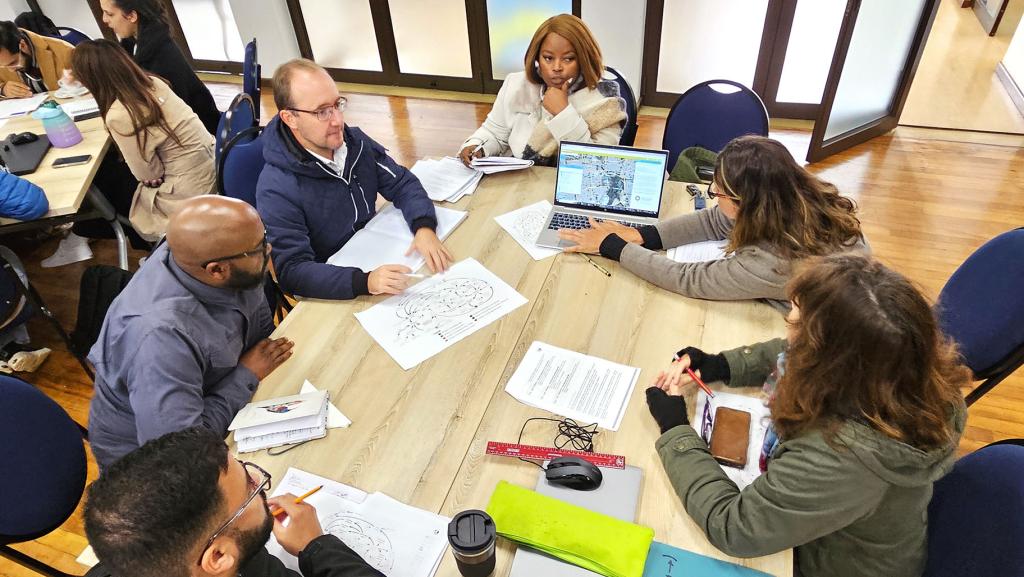
For Cape Town, the integrated CBAs strengthened the case for waterway rehabilitation as both an environmental and economic investment. It also proves valuable that city staff learned about developing, interpreting, and communicating about CBAs, both through the co-creation of the analyses and in-person trainings held by IISD.

Group of people sitting around and a table.
Training about NBI and CBAs in Cape Town in 2024, with support from C40 CFF. Photo: IISD.

The SAVi report is already being used in roadshows with senior decision-makers, presenting headline numbers that explain how restoration can protect budgets as well as neighbourhoods.

By applying this kind of economic evidence, Cape Town is offering a practical example for other cities seeking to invest in NBI.

The results in Cape Town show that when avoided costs, direct benefits, and wider co-benefits are quantified, it gives decision-makers the evidence they need. That is exactly what our approach is designed to do: make the economic case for investing in nature.

Ronja Bechauf, policy advisor, IISD
Success story

Over a Decade of Protecting the World's Fresh Water: Five ways IISD Experimental Lakes Area has made a difference

The Experimental Lakes Area has been transformed ever since IISD saved it from imminent closure in 2014. 

But don’t just take our word for it. 

Here are five stories from people who have seen, firsthand, the impact of IISD-ELA over the last decade.

November 24, 2025

When it comes to understanding the environment, some plucky scientists in Canada over half a century ago discovered that working directly on the environment can result in richer and more accurate results than conducting research in a classic laboratory.

It was that discovery that led to the ribbon-cutting of the Experimental Lakes Area in 1968—a series of 58 lakes and their watersheds in northwestern Ontario.

It is the only place in the world where scientists can experiment on and manipulate real lakes to build a more accurate and complete picture of what human activity is doing to our fresh water. The findings from its over 50 years of ground-breaking research have rewritten environmental policy around the world—from mitigating algal blooms to reducing how much mercury gets into our waterways—and aim to keep fresh water clean around the world for generations to come.

Lake 240 of IISD's Experimental Lakes Area in Ontario

Just over 10 years ago it found a whole new lease on life, coming under the wing of the International Institute for Sustainable Development.

And ever since then, it has never looked back. From opening its doors to students, journalists and scientists from around the globe to working with local communities and kicking off new and exciting research into microplastics and oil spills, IISD Experimental Lakes Area—as it is now known—has never had more of an impact on the lives of those who depend on fresh water.

But don’t just take our word for it. 

Here are five stories from people who have seen, firsthand, the impact of IISD-ELA over the last decade.

IISD Experimental Lakes Area Embraces Africa

It’s not only North America that houses massive freshwater lakes. Africa’s seven Great Lakes are highly valuable natural resources, renowned for rich fisheries and biodiversity hotspots” that underpin the welfare and livelihoods of over 50 million people across 10 countries.

That’s why over the last decade, IISD-ELA has teamed up with the African Center for Aquatic Research and Education (ACARE) to strengthen science on large freshwater resources and the countries in which they reside.

That means sharing knowledge between experts on both continents. It means building projects that benefit Lake Erie and Lake Edward. And it means building the future of African Women in Science.

Let's hear what The Honourable Terry Duguid, Member of Parliament, Winnipeg South has to say...

Click here to learn more about how and why we are collaborating with those who work hard every day to protect Africa’s Great Lakes.

How Our Science Changes How Industry Acts

Science only matters if it makes our lives better. 

That’s why, ever since 2014, the world’s freshwater laboratory has committed to ensuring that all the science we do is converted into policy recommendations for industry and governments to change how they act.

Here’s a great example of how research into cleaning up the shorelines of lakes after oil spills immediately changed how industry dealt with those spills—for the better.

Here's more from Vince Palace, the head Head Scientist at IISD Experimental Lakes Area.

Click here to learn more about what IISD-ELA has discovered when it comes to oil spills in freshwater systems, and how best to clean them up.

lakes-50-years.jpg

Building the Next Generation of Freshwater Scientists

At IISD-ELA, we believe in the power of engaging students directly in hands-on science to inspire, interest, and motivate young people to examine the world around them, encouraging the process of lifelong learning.

And we need to nurture the next generation of freshwater scientists to ensure that freshwater protection continues way into the future.

That’s why we have spent the last decade building a whole suite of educational programming and community outreach that gets young people from all walks of life interested in freshwater science—all while getting their feet wet in the process.

Here's the story of Savana Theodore-Maraj, our Former Education and Outreach Assistant.

Click here to discover all the educational programming—for students and the general public—that IISD has to offer.

Honouring the Land and Water

For almost a decade, the world’s freshwater laboratory has been building relationships with local First Nations communities and working to understand their concerns and needs. 

Our activities with our neighbours in Treaty 3 communities involve collaboration and communication in areas of common interest, including the environmental impacts of resource development, education, youth engagement, and traditional ecological knowledge.

Giniw’ikwe/Laura Horton of Rainy River First Nation/Tulita offers us her perspective.

Click here to learn more about IISD-ELA is committed to working closely with Indigenous partners.

Where does the science go from here?

A decade passes by in the blink of eye. But IISD Experimental Lakes Area is committed to protecting freshwater resources for generations to come. 

And this means more science on the biggest threats to our fresh water—from plastics to pharmaceuticals and more. It also means building bigger audiences, in part thanks to a new Centre for Climate and Lake Learning that will function as a hub for education and outreach on freshwater science in northern Ontario.

Chelsea Rochman—Research Fellow at IISD Experimental Lakes Area and an Associate Professor of Ecology at the University of Toronto—gives us her take...

Click here to learn more about how and why IISD-ELA is exploring the impact of plastics on fresh water—and where it goes from here.

Success story

Restoring Wetlands and Weaving Tradition: How Fijian coastal communities are building climate resilience

From reviving kuta weaving to patrolling coastal waters, Fijian communities are taking action to safeguard biodiversity, prevent illegal fishing, and build resilience in the face of climate change.

November 21, 2025

Most of Fiji’s coastal fisheries are experiencing overfishing and declining productivity. The impacts of climate change are increasingly being felt across coastal ecosystems, affecting the many people who depend on them for food security and income.

For many communities, marine resources serve as an important livelihood base. However, rising sea temperatures and increased frequency and intensity of climate-induced disasters are degrading ecosystems, leading to declines in fish stocks and other marine resources. These impacts have been compounded by unsustainable and destructive fishing practices, such as spearfishing with compressors and poaching within community-based marine protected areas (MPAs).

Additionally, terrestrial-based pressures from unsustainable land practices, such as land clearing, are resulting in pollutant runoff that further degrades coral reef systems.

In response to these challenges, WCS-Fiji, through the Climate Adaptation and Protected Areas Initiative, initiated community-based small-scale enterprises to reduce fishing pressure on traditional fishing grounds in the Bua District, Fiji. A locally viable, climate-resilient and nature-positive initiative was identified: kuta (a freshwater sedge used in traditional weaving).

The Kuta Story

The kuta (Eleocharis dulcis) is a native wetlands reed that is traditionally harvested and woven into mats, attire, and handicrafts by women in the provinces of Bua, Cakaudrove, and Macuata on Vanua Levu Island. Kuta is woven and worn as garments for weddings, birthdays, and other special occasions in Fiji. When an individual wears kuta, they are identified as having cultural links to one of the three provinces on Vanua Levu—Bua, Macuata, and Cakaudrove. Kuta’s unique weaving patterns increase its economic potential as it can also be woven into handbags, mats, and other household décor, making it a popular commodity both locally and overseas.

woman harvesting eleocharis dulcis plants in Fiji
Fijian community members harvesting Kuta. (Photo: WCS Fiji)

Recognizing the cultural and economic potential of kuta, WCS-Fiji is revitalizing this craft to provide sustainable income generation opportunities for women. Additionally, the project included restoring wetlands to ensure sustainable supply of the reed, while  supporting the ecosystem function of these areas, acting  as a natural sponge to reduce downstream impacts of pollution on coral reefs.

After securing permission to undertake the project through a formal Free Prior and Informed Consent process, WCS-Fiji met with women in the Bua District to gauge their interest in reviving kuta weaving. The response was overwhelmingly positive, confirming local interest and paving the way for the team to begin focused training and support.

Following the consultations, WCS-Fiji, through the Cooperative Business Unit of the Ministry of Trade, Cooperatives, and Small and Medium Enterprises, organized and delivered a training workshop on governance and cooperative registration, attended by 133 community members (98 female, 35 male), including 41 youth participants. This workshop aimed to establish a robust organizational framework for the creation of a kuta-focused cooperative, laying the groundwork for long-term sustainability and self-governance of the initiative. Notably, women's participation was high and active throughout the training. To support initial production efforts, WCS-Fiji distributed essential cultivation and harvesting equipment, including gloves, hats, knives, knife files, and gumboots to participants. These resources were critical to enabling safe harvesting of kuta and to ensuring the viability of the enterprise from the onset.

The Yasi Boi Yawa Women’s Cooperative was successfully formed and registered, with  Maraia Bibi elected as chairperson. In Bibi’s words, “I am grateful for the awareness by WCS-Fiji for bringing to light some ideas in which kuta can be farmed and commercialized as a source of income generation for us women in this village.” She further emphasized the importance of resource sustainability and diversification, noting -

"I hope this does not end here; I hope that this women’s group finds alternative sources of livelihood and does not rely heavily on kuta, ensuring we do not run out of it as it holds cultural significance to us"

Maraia Bibi
woven-kuta-material-fiji
Woven kuta. (Photo: WCS Fiji)

The WCS -Fiji team anticipates that the revitalization of kuta weaving will not only provide alternative income streams for women in Bua but also promote broader participation in nature-based solutions for ecosystem restoration, as the presence of kuta reeds is an indication of a healthy wetland. Kuta stabilizes r mud and silt, reducing erosion, which can be detrimental to downstream waterways. It is expected that this initiative will contribute to the re-establishment of traditional social ties across the participating communities and support the emergence of local women as environmental stewards and entrepreneurs.

How Fijian Communities Are Protecting Their Reefs From Illegal Fishing

Illegal fishing is a significant threat to Fiji's climate-resilient reefs and the food security of coastal communities. Importantly, the persistent occurrence of illegal fishing within customary fishing grounds has resulted in diminishing returns for subsistence and small-scale commercial fishers, eroding both food security and income streams.

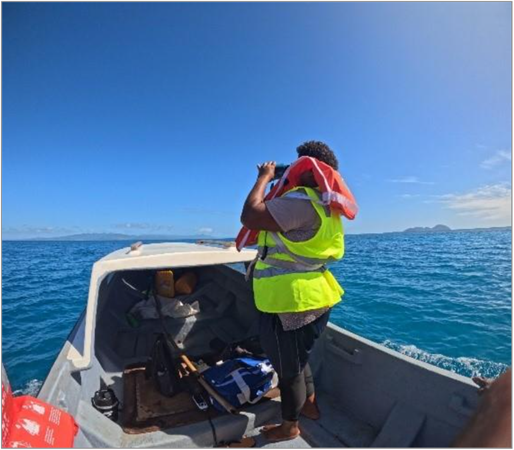
woman-on-the-lookout-from-boat
Female fish warden on the lookout. (Photo: WCS Fiji)

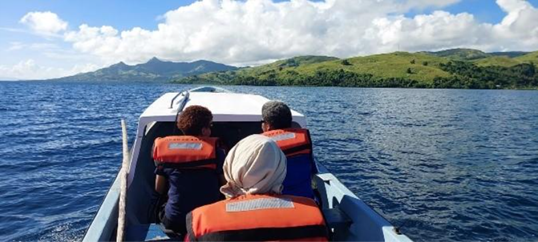
In response to these challenges, the communities of Bua, Bureta and Nakorotubu Districts are working with WCS-Fiji to undertake community surveillance and enforcement to enhance fisheries management and safeguard community-based MPAs. This initiative aligns with national priorities under the Ministry of Fisheries’ mandate to strengthen local governance of fisheries resources.  

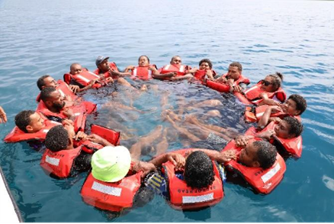
Community representatives participated in a structured training program encompassing the Boat Master Licence, Class 6 Restricted Licence, and Honorary Fish Warden certification in the districts.

 The training, conducted in collaboration with the Maritime Safety Authority of Fiji and the Ministry of Fisheries, was designed to equip community members with a sound understanding of relevant legislation, including the Fisheries Act and associated regulations. The program also emphasized standard operating procedures for enforcement, documentation protocols, and mechanisms for reporting to relevant authorities. This foundational knowledge enables community Fish Wardens to conduct lawful patrols, identify breaches, and escalate incidents through official channels.

people-in-a-circle-wearing-life-jackets-in-a-river-Fiji
Boat master and fish warden training.

Following a participatory consultation process, each district established an Enforcement and Compliance group under the District Natural Resource Management Committees. These bodies are responsible for overseeing local enforcement activities and coordinating responses with government agencies. A 1-day workshop was convened to formalize these structures, clarify roles and responsibilities, and develop community-specific enforcement plans.

Initial patrols in Nakorotubu and Bua have already yielded results. Two separate incidents led to the apprehension of individuals engaged in unauthorized fishing activities. One case involved a fisher operating without the required permits in Nakorotubu waters, while another involved a licensed fisher violating the terms of their licence by fishing in non-consented areas in Bua. Both cases were processed and submitted to the Ministry of Fisheries for investigation and action. These enforcement successes have generated strong community awareness and deterrence effects. Word of the apprehensions spread rapidly, enhancing the effectiveness of the patrols and reinforcing community resolve to protect their marine resources.

Enforcement-patrols-in-boat-Fiji
Enforcement patrols in Nakorotubu. (Photo: WCS Fiji)

Community leaders have expressed strong support for the initiative. A Nakorotubu elder said: “I want to see the restoration of the Nakorotubu fisheries resources to how they were when I was young and ensure sustainable fishing methods are used at all times.” Similarly, Bua High Chief Ramakutu Nagagavoka emphasized the collective responsibility of the community -

“I want the Bua fishing grounds to be prosperous and healthy. Our communities must work together, even if it means holding our own villagers accountable through community patrols.”

Bua High Chief Ramakutu Nagagavoka

By combining Traditional Knowledge, local engagement, and practical support, Fijian communities are building climate resilience in their own way and demonstrating how protecting the environment can go hand in hand with securing sustainable livelihoods.

Success story

Meet Three Young Canadians Building a More Sustainable Future

IISD Next is a global initiative that empowers thousands of young people to meaningfully engage in sustainable development policy. Here are just three of their stories.

July 23, 2025

Around the world, youth leaders are banding together to educate, bring about change, and champion sustainable development. With a growing network of over 1,000 youth across 60 countries, IISD Next is a global initiative that empowers young people to meaningfully engage in sustainable development policy. 

Led by award-winning Youth Engagement Coordinator Emily Kroft, the program provides youth with the knowledge, skills, and confidence they need to participate in decision-making processes. Through workshops such as the Campus Workshop Series on Sustainability, participants explore topics such as the UN’s 2030 Agenda and the 17 Sustainable Development Goals, moving beyond token involvement to informed and impactful advocacy.

Through training, meetings, and discussions on policy through global negotiations and youth organizations, IISD Next has connected with several outstanding youth who are making a difference.

Here are just a few of them…

Young people sit on a panel at COP in Azerbaijan

Rachel Boere, Youth4Nature Foundation

In 2022, Youth4Nature paused external operations for a month of strategic planning and a focus on knowledge sharing and team growth. IISD Next joined to deliver a workshop on policy. “In this engaging session, Emily was able to make policy feel tangible by connecting it to our everyday lives,” shares Rachel Boere with the Youth4Nature Foundation (Y4N). “We covered everything from local policy to international policy, the SDGs, accountability tools, and more. These conversations help us identify our own policy goals, how to identify the policy goals of partners and align with them, how to stay safe when trying to influence policy, and how to identify formal and informal policy all around us.”

Y4N acknowledges that there are challenges preventing youth from leading on solutions in the climate-nature nexus, such as a lack of resources, capacity, knowledge, and access. “Through by-youth, for-youth knowledge-sharing, capacity-building & storytelling initiatives, we strive to educate, equip, and establish youth as the climate-nature leaders we know we already are, on local, regional, and international levels. We focus on solutions that are rooted in traditional and scientific knowledge and grounded in intergenerational justice,” explains Boere.

Young people from around the world sit in a small room at COP in Azerbaijan

Since 2019, Y4N has been mobilizing young people around the world to lead on nature and climate action since 2019. The organization has collected over 200 stories from youth in 60+ countries through two global storytelling campaigns, building a lasting community supported with resources, funding, and capacity-building. Y4N has also facilitated nine global delegations—supporting more than 50 young leaders to participate in high-level policy spaces like  UN Climate Change Conferences and New York Climate Week—many of whom now navigate these arenas independently with greater confidence and impact. On the ground, Y4N launched INUKA, a restoration pilot in Kenya supporting youth-led nature-based solutions, which has since scaled into a full program. The organization also co-developed the NbS Global Youth Statement in partnership with GYBN and YOUNGO, engaging over 1,000 youth worldwide in shaping global policy.

Y4N isn’t slowing down any time soon, focusing on creating more policy resources and advocacy tools related to nature-based solutions. 

You can learn more about their work and impact at: youth4nature.org/impact.

Paige Wise sits in front of a sign that says Bexco, Busan

Paige Wise, Institute for Management and Innovation, University of Toronto

Paige Wise attended the fifth session of the Intergovernmental Negotiating Committee (INC-5)—the world’s first international treaty to combat plastic pollution—through the Children and Youth Major Group (CYMG) to the United Nations Environment Programme (UNEP). She was researching the INC process and outcomes for her master's degree in sustainability management final research paper at the University of Toronto. 

“As a youth at INC-5 and a graduate student researcher, I attended INC-5 plenaries, contact groups, bilateral meetings, and side events to learn about the INC process and challenges,” says Wise.

Participating in the IISD Next session on plastic subsidies helped my understanding of the complexities of the negotiations. It helped me understand that there are many economic mechanisms involved in the artificially cheap price of plastics, and that more studies are needed to understand the full extent and implications of plastic subsidies.”

She’s transforming her experience at INC-5 into presentations for her master's cohort to further the education of the MScSM program on international treaty negotiations. “It has been an empowering experience to present to my cohort on everything I know and experienced at INC-5,” she explains. 

“Participating in the IISD Next session on plastic subsidies helped my understanding of the complexities of the negotiations. It helped me understand that there are many economic mechanisms involved in the artificially cheap price of plastics, and that more studies are needed to understand the full extent and implications of plastic subsidies.”

Paige Wise, Institute for Management and Innovation, University of Toronto

“In addition, I am proud of translating this passion I have into working with professors on related research studies at the University of Toronto and furthering the knowledge of the university and beyond.”

Viewing these international negotiations as a researcher, she came home with ideas for positive changes moving forward. “I would like to see international agreements act more efficiently to ensure systematically thought-through negotiations towards legally binding instruments, that nations can adapt to successfully. Globally, there are nations taking a stance and implementing their own climate programs at a fast pace, affecting international trade. These policies have a big influence on other national responses and programs implemented, and I would like to see lessons from positive sustainable development policies adapted to the international proceedings. Essentially, what can each progressive step take from one another, and how processes and mechanisms improve?”

Wise has been inspired by the negotiation process, propelling her towards new research and continued developments in sustainable development policy in her field. She is sharing her knowledge with other researchers, colleagues, and connections to make a difference at the University of Toronto’s Institute for Management and Innovation.

Five young people hold a Canadian flag

Amira Shousha, Young Diplomats of Canada

Amira Shousha, a delegate with Young Diplomats of Canada (YDC), has witnessed firsthand the transformative power of youth advocacy in global decision-making spaces. YDC provides a platform for young leaders across disciplines to elevate their voices on international issues from trade and diplomacy to climate action and digital governance. 

“What makes YDC so powerful is the diversity of backgrounds our delegates bring,” says Shousha. “We have people with grassroots experience, policy knowledge, scientific training, and more—each contributing their unique perspective to high-level negotiations.” 

Since 2008, YDC has mobilized nearly 300 alumni, empowering young Canadians to broaden their understanding and impact. “Seeing that spark, the moment someone realizes their voice can make a real impact, is incredibly rewarding,” shares Shousha. “It informs the kind of leader they become afterward.”

For youth wanting to make a difference, Shousha recommends taking the risk, applying to as many programs as they can—and not to let any of your identities hold you back from demanding space. “You can’t wait until someone gives you a turn because it will take too long. Seek enough education to constantly mould your knowledge,” Shousha says. “As the world continues to expand, you’ll notice the differences in International communities and systems.”

Despite the scale of today’s global challenges, she remains optimistic about new ideas and innovations. YDC sees a lot of youth who are motivated to make change, which is a reminder that if you want to see positive change in the world, you should not give up.

A young man holds a mic and stands in front of a small audience

Creating More Climate Champions With IISD Next

IISD Next recognizes how youth across our communities are inheriting the impacts of climate change more than any previous generation. From discussions with the youth working on creating change, the knowledge gap around how policy is made and how to influence policy change was a real issue.  Without understanding how to navigate the policy landscape, we can’t expect young people to significantly move the needle on climate policy. 

With the boost of systems know-how that IISD Next offers, youth champions can now begin to engage effectively and initiate real policy-level change in the climate space. 

For youth interested in learning more about sustainable development and policy, IISD Next offers a free Campus Workshop Series on Sustainability beginning in September each year.  

Success story

“The howler monkeys are everywhere”: How women in Belize are harnessing the power of nature to conserve their community

This International Women’s Day, the president of the Community Baboon Sanctuary Women’s Conservation Group in Belize River Valley talks to the International Institute for Sustainable Development (IISD) and partner the Wildlife Conservation Society (WCS) about the environmental challenges facing their community, the group’s proudest achievements as a women-run organization, and their aspirations for community-based conservation through nature-based solutions in Belize.

March 5, 2025

Women are critical in the fight to protect and restore local ecosystems, but they are often underrepresented in ecosystem restoration and conservation initiatives, despite often being more adversely impacted by climate change and biodiversity loss.

The Kunming-Montreal Global Biodiversity Framework (KM–GBF) was adopted in December 2022 at the 15th Conference of the Parties to the UN Convention on Biological Diversity. This historic agreement sets out an ambitious pathway to protect Earth's biodiversity and reverse its decline. Target 2 aims to ensure that 30% of the total area of degraded terrestrial, inland water, and marine and coastal ecosystems are under effective restoration by 2030. This goal must be achieved using a gender-responsive and socially inclusive approach in alignment with the KM–GBF Gender Plan of Action. It’s clear that as the challenges of climate change and biodiversity loss intensify, the call for innovative conservation efforts, including from women conservation champions, has never been more urgent.

WCS has taken this clarion call to heart through its work in one of the most biodiverse regions in Central America, the Maya Forest Corridor in Belize. The corridor acts as a critical pathway to the more prominent Selva Maya Forest, which serves as a lifeline for countless species and plays an important role in regional climate regulation. However, the Maya Forest Corridor is under threat; drought, wildfires, and floods are damaging the forest and disrupting wildlife migration patterns, among other issues. 

People sitting around a table chatting

In response, the IISD and the WCS team are collaborating closely with the Community Baboon Sanctuary Women’s Conservation Group (CBSWCG) in the Belize River Valley to promote the natural recovery of degraded ecosystems through reforestation. This transformative, nature-based approach is being designed through the Climate Adaptation and Protected Areas (CAPA) Initiative, which aims to restore and protect vital ecosystems while improving the resilience of ecosystems and communities to climate change.

We sat down with Jessie Young, the president of the CBSWCG, to better understand the environmental challenges facing their community, how the group is harnessing the power of nature to confront these challenges, and their aspirations for the future of community-based conservation in Belize. 

Woman standing near a lake

Tell us about your organization.

The CBSWCG has been operating since 1998. It was founded to continue the work of the male-run Community Baboon Sanctuary which ceased operations 2 years prior. I lobbied local women leaders within nearby communities with the idea of forming a women’s group to take over the management of the Sanctuary and carry on its conservation efforts in the Maya Forest Corridor. The women all agreed but were scared as we had no idea what we were getting ourselves into! However, we believed in ourselves and had willpower, and those two things charted the way for us. And here we are today.

The five goals of the CBSWCG are conversation, education, research, tourism, and community development. The group is comprised of a board of directors made up of seven women, as well as five staff members (three women and two men), and three advisory committee members (two women and one man). 

What are some of the key impacts that climate change has had on the local ecosystems and communities where you work?


I would say more frequent and severe droughts, and increasingly, more fires, especially during the dry season. Farmers' crops are getting damaged or destroyed by prolonged droughts, insects and other pests, and farmers increasingly need shade (via cover structures) to protect their crops. Flooding and erosion are becoming more severe and are becoming an issue in new areas within the communities. People are getting discouraged from annual flooding and forest fires and are now leaving the communities to settle in other locations that are not as vulnerable to these threats. We are very concerned and hope that the effects of the climate crisis do not result in famine in our communities.

woman standing in a forested area

What nature-based methods are your group applying to help build community resilience to climate change?

We have been engaging with cattle ranchers living in the area to restore riparian forest, encourage using growing fence posts which act as natural barriers to prevent uncontrolled livestock grazing, planting nutritious grasses for livestock, establishing silvo-pastoral systems, and applying agroforestry methods. We also encourage farmers to leave corridors between property boundaries to allow for the free movement of wildlife. Our group works with schools and communities to spread awareness and provide training on responding to climate change concerns, such as forest fires, droughts, and managing agricultural pests.

As a woman-run organization, what achievements are you most proud of?


There is so much I can say, but to have the support of community leaders and landowners is a great achievement. We have received lots of respect from men and community leaders. This was a surprise for us in the beginning. The CBSWCG is a grassroots organization founded by women with minimal educational backgrounds. We are also the longest-standing organization promoting conservation in this area. Due to our work, the howler monkey [baboon] population has gone from 800, when we started, to 6,000. The howler monkeys are everywhere—this is a huge accomplishment.

howler monkey on a tree

How do you feel your organization is perceived by others within the community?


Our group is seen as a sign of hope, or maybe I should say we are seen as agents of change and the backbone of our communities. We are the movers and shakers, the planners and the implementers of our community development in every aspect. We believe that the conservation progress we have made over the years is the reason why we have been given the respect and support from the communities, and other organizations. This motivates us and drives us to do more.


What role do you feel women and underrepresented groups play in community-based conservation?


As women members of CBSWCG, we know our needs and the needs of our families, and we try to use everything sustainably. When we come home from work, we still have to cook and take care of the kids. Women take the same management of the home and apply this into the conservation field. We know how important it is to conserve.


We understand the challenges, opportunities, weaknesses, strengths, goals, and direction we want for ourselves, our families and most of all, our communities. This is what drives us each day, even when we get overwhelmed and feel like quitting. Reflecting on why we are here keeps us motivated and strong. We are each other’s strength, we are all equal, none with more power than the other and equally supportive of each other.

We are seen as agents of change... We are the movers and shakers, the planners and the implementers of our community development in every aspect.

How has your organization been involved in the CAPA project?


We have been involved with the CAPA project through nature-based restoration and livelihoods activities that we are promoting here in our communities. We have been able to expand our agroforestry and backyard gardening project with technical support from WCS and funding from CAPA. We also recently received a CAPA Innovation Fund grant that will allow us to address flooding and erosion issues in affected communities through riparian planting efforts. This will assist the CBSWCG in furthering our reach to address the needs of our people.


What impacts have you seen to date as a result of your work with the CAPA project?


The CAPA project is helping us to address the needs of farmers by establishing cover structures to shield crops from pests and protect them from drought conditions. Some farmers are already selling a few crops, which improves their economic situation and enables them to provide for their families. The Belize Rural High School, which is located in one of the communities that we serve, received a cover structure, and the students will be learning to germinate vegetable seeds and seedlings for backyard gardening. We also established a nursery with a cover structure within the organization’s compound that will provide fruit trees for agroforestry, as well as trees and plants for riparian restoration and forest restoration in degraded areas to farmers, cattle ranchers, and community members.

We are each other’s strength, we are all equal, none with more power than the other and equally supportive of each other.

What longer-term impacts do you hope to see as a result of your organization’s work?


Our main goal is to have healthy forests and healthy people by 2030.  This requires conserving and restoring critical ecosystems, as well as improving the livelihoods of our people and families within our communities to become self-sustaining by eating healthy, local organic vegetables that they have grown themselves. We hope that through our home gardens and agroforestry initiatives, that there will be less cutting of land for “slash and burn agriculture” (also known as milpa), as is the tradition in the Belize River Valley. We hope that these efforts will help us to promote a healthy river valley environment by 2030.


About the CAPA Initiative

The CAPA Initiative is a 3-year project funded by Global Affairs Canada that aims to use nature-based solutions to strengthen climate resilience and protect biodiversity in and around protected areas in the Kavango-Zambezi and Greater Virunga landscapes in sub-Saharan Africa, Belize, and Fiji. Learn more about the program here.

Success story

Women Turning the Table on Food Loss and Waste in Kenya

A group of changemakers led a movement to tackle food loss and waste in Kenya. IISD experts have been working closely with local women leaders to make change happen.

October 2, 2024

More than a quarter of Kenyans were undernourished in 2021, and food insecurity continues to rise. At the same time, food loss and waste in sub-Saharan Africa exceeds 30% of production—more than double the global average. This means that countries like Kenya are losing and wasting more food than they receive each year through global aid.

But change is on the horizon. Women leaders from across Kenya, with support from IISD, are making strides toward tackling the issue—from influencing the development of a new post-harvest management strategy to spearheading food redistribution efforts among retailers. Their efforts highlight the power of partnerships in creating viable solutions. Here’s their story. 

How a Group of Women Leaders United to Find Solutions

IISD experts Cristina Larrea and Erika Luna attend a food loss and waste workshop with local champions Jane Ngigge, Joy Muya and Wambui Mbarire.
IISD experts Cristina Larrea and Erika Luna attend a food loss and waste workshop in May 2024 with local champions Jane Ngigge, Joy Muya, and Wambui Mbarire.

Women are leading the way on tackling food loss and waste in Kenya. IISD experts Steffany Bermudez, Livia Bizikova, Cristina Larrea, and Erika Luna have been working closely with local food loss and waste champions to make change happen.

In 2019, commodity sectors expert Jane Ngige joined IISD in Kenya for a workshop on boosting sustainability in the Kenyan tea sector. As Chairperson of the Warehouse Receipt System Council, a key body in Kenyan agriculture trade, Jane played a key role in helping IISD build relationships with influential figures in Kenya’s food and agriculture sectors. This meeting marked the beginning of IISD’s growing relationship with key actors in the region.

Then, it was at a 2022 workshop in Rwanda on the role of voluntary sustainability standards in supporting East African farmers, that IISD first met Wambui Mbarire. Wambui is the Chief Executive Officer of the Retail Trade Association of Kenya (RETRAK), a body that represents the voice of local retailers. She identified tackling food loss and waste as a key priority for Kenya and set the scene for an ambitious new focus for the team’s growing partnerships.

IISD and RETRAK organized a workshop focused on finding solutions in 2023. This event brought together various actors involved in the day-to-day work of tackling food loss and waste, including Brendah Nakhumicha, Team Lead at the Division of Food Safety at Kenya’s Ministry of Health, and Joy Muya, a legal advisor for Food Banking Kenya, a food-recovery organization that recovers and redistributes food from all levels of the supply chain. To further support efforts in addressing food loss and waste, FAO Kenya food systems specialist Winnie Yegon, who has supported coordination of the development of the government strategy for tackling postharvest food loss and food waste, was able to receive feedback on the strategy that will be helpful especially in the implementation stages.

These three meetings brought the right people together, at the right time. By working with local partners, IISD ensured its work remained relevant to the issue at hand, responding to the emerging needs of policy-makers and ensuring the strategic actors necessary to make change were talking to each other and taking notice of IISD’s recommendations.

“Our work with IISD has been phenomenal. We have been able to work with partners on the ground and really look at how to harness the power of partnerships around food loss and food waste,” said Jane Ngige. “IISD has been great in terms of bringing people together—from farmers and agronomists to government regulators . . . to look at the bigger picture of the policy situation, see how effective these policies have been and what needs to be reviewed. Some policies were created decades ago, and the situation has changed. We must look and see whether they're still relevant today.”

A New Post-Harvest Management Strategy

Food loss refers to food lost during production, post-harvest, and processing stages, while food waste refers to food discarded at the retail and consumer levels. Most food loss tends to happen due to post-harvest issues, whether that is poor handling of products, supply chain issues, or improper storage, processing, and packaging.

After 2 years of working on its new Post-Harvest Management Strategy for Food Loss and Waste Reduction, the Kenya Government released it to the public in October. The strategy seeks to build partnerships across supply chains to address recurring issues that have led to food loss and waste, as well as maximize the value of investment by ensuring resources are used effectively and sustainably

“The strategy represents a key milestone in our efforts to meet the food and nutritional needs of our people, while also improving the sustainability and efficiency of our food systems”

Brendah Nakhumicha

The strategy was drafted by a multi sectoral national task team with support from the FAO. “It has been a truly collaborative effort,” said Winnie Yegon. “We are delighted that several ministries of the Kenyan government have now signalled their support for the strategy.” You can read the full report here.

IISD has engaged with key actors throughout the different stages of the strategy’s development. Some of our recommendations to draft versions of the strategy have been included in the final version, with our contributions recognized by the government as “actionable activities.” IISD experts also continue contributing to its development by suggesting further engagement in implementation activities in 2025 and beyond.

Guidelines for Retailers on How to Redistribute Food Effectively

Attendees at a food loss and waste workshop organized by the Retail Trade Association of Kenya.
Participants of a Nairobi workshop on food loss and waste in Kenya, organized by RETRAK and IISD in June 2023.

Food is often wasted as a result of strict regulations, narrow rules around fresh produce in retail and hospitality, and a lack of legal frameworks to allow for the donation of food that is still fresh.

IISD’s workshops also highlighted that Kenya’s retailers needed a set of clear guidelines to help them redistribute surplus food more effectively. RETRAK has led the way in putting together such guidelines, in coordination with the Ministry of Health, with support from the FAO and development organizations such as the World Resources Institute, Solidaridad, and IISD. IISD experts assisted in drafting the guidelines during a workshop in June 2024.

“We hope the new guidelines will reduce or minimize the amount of food surplus that becomes waste and create a pathway for supermarkets and eateries to donate their food,” said Wambui Mbarire. “We want to create a situation where food is available, for free or at a discount, for people unable to feed themselves effectively.” Wambui also suggests that the next step should be to pilot the guidelines with retailers and gauge how effective they are at making sure food goes to those who need it—instead of being turned into animal feed or going to the landfill.

However, challenges remain when it comes to effective redistribution. “One of the barriers we've experienced is our infrastructure capacity,” said Joy Muya. “Retailers say, ‘we want to work with you, but we want it to be all or nothing.’ They want us to recover from all their stores countrywide and this is a limitation for us because we just don't have the capacity.

“Even when we've partnered with organizations to see if we can pool our collective resources to recover and redistribute, it's still a challenge because of the amount of waste. With retail outlets scattered across Kenya, it's difficult to meet retailer requirements because, in many cases, they require that we have refrigerated trucks. More resources would help us to scale significantly.”

For the guidelines to realize their potential, there must be more support to ensure retailers can manage their stock, minimize waste, and guarantee food is distributed more effectively. Investing in these initiatives will be critical in enabling retailers to play their part in creating a future without food insecurity.

Sowing the Seeds of Change

Over the last few years, IISD’s collaboration with local food loss and waste champions, the Kenyan government, and other key actors has laid the foundation for meaningful progress in addressing food insecurity. With the new Post-Harvest Management Strategy for Food Loss and Waste Reduction and guidelines to aid retailers with redistribution, steps have been taken to tackle the root causes of food loss and waste and begin to bring down the country’s high levels of food insecurity and malnutrition.

These outcomes demonstrate the power of forming effective partnerships and being responsive to the needs of local partners. But there is still a great deal of work left to do, and it will be incumbent on all parties involved to ensure these initiatives are effectively implemented. IISD will continue to play its role in ensuring their success, and we invite all those who are interested in contributing to tackling food waste and food loss in Kenya to get involved and work together to help create lasting meaningful change.