
SUNCASA | Turning trash into treasures along the Jukskei River in Johannesburg
SUNCASA and its local partners in Johannesburg, South Africa, launched a unique initiative that blends environmental action with artistic expression in the heart of Alexandra Township. Led by environmental artist and scientist Hannelie Coetzee, local artists have turned waste carried by the Jukskei River into thought-provoking sculptures and litter traps to tackle flooding and pollution in the region.
Adapted from the Johannesburg Inner City Partnership’s (JICP) original publication.
Alexandra, Johannesburg — Along the once-neglected banks of the Jukskei River, a powerful new collaboration is finding innovative nature-based solutions. Through the SUNCASA (Scaling Urban Nature-based Solutions for Climate Adaptation in Sub-Saharan Africa) Litter Traps and Art Project, the Alexandra community in Johannesburg is transforming solid waste into river cleaning installations and public art to reduce flooding, improve biodiversity, and ignite climate action from the ground up.
This initiative is being implemented under the SUNCASA project. The 3-year initiative is aimed at revitalizing the Upper Jukskei River catchment through nature-based solutions that address flooding and erosion, manage urban heat, improve water security, and enhance biodiversity protection—ultimately increasing climate resilience for over 1.045 million people.
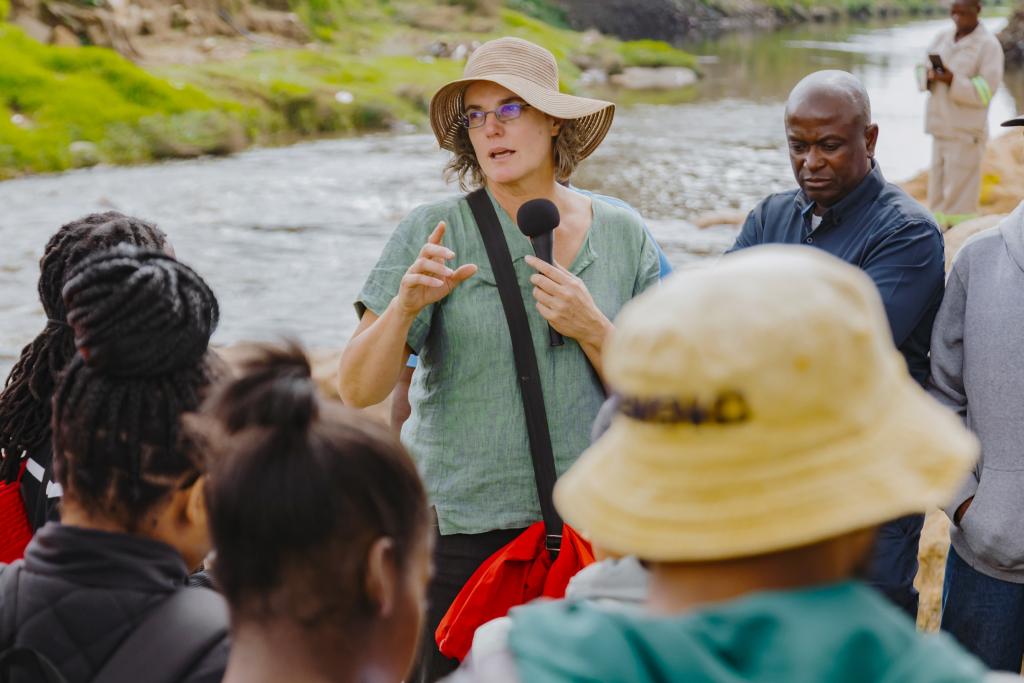
“It struck me that we could turn the rather unsightly litter traps into vibrant community spaces by activating them through public art installations,” says David van Niekerk, CEO of the Johannesburg Inner City Partnership (JICP). “They could then be used not only for river cleaning, but also to involve the local community in the activation process, as well as places where locals and tourists could learn about the river and nature-based approaches.”
The Jukskei River Community Litter Trap and Art Launch took place on April 16, 2025, in Alexandra Township. The program included a visit to the Kula Marolen Foundation for an introduction to Alexandra’s weaving community, followed by guided site visits along the Jukskei River led by artist and scientist Hannelie Coetzee, working with The Art Collective and Alexandra Water Warriors. The event concluded with reflections from key partners, including the City of Johannesburg and Global Affairs Canada, and a networking lunch, showcasing collaborative efforts to revitalize the river.

“We’ve turned the detritus of urban life into guardians of the river,” says lead artist and environmental scientist Hannelie Coetzee. “Each trap speaks to what has been discarded — physically and socially — and transforms it into a symbol of care. Art is not an add-on here; it is central to ecological restoration.”
Each trap speaks to what has been discarded — physically and socially — and transforms it into a symbol of care. Art is not an add-on here; it is central to ecological restoration.
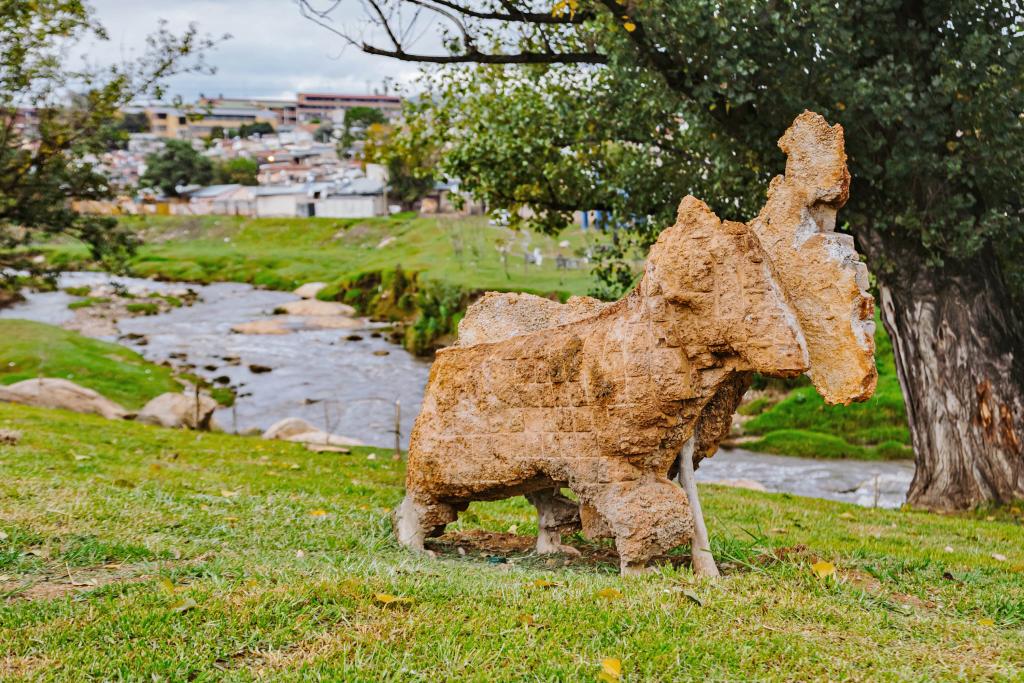
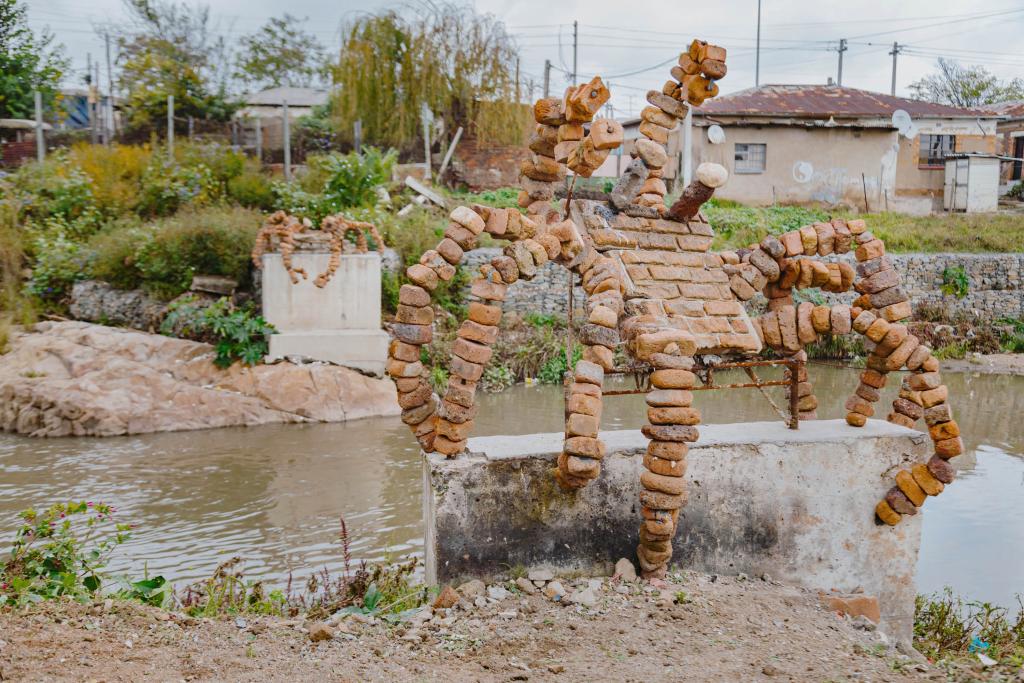
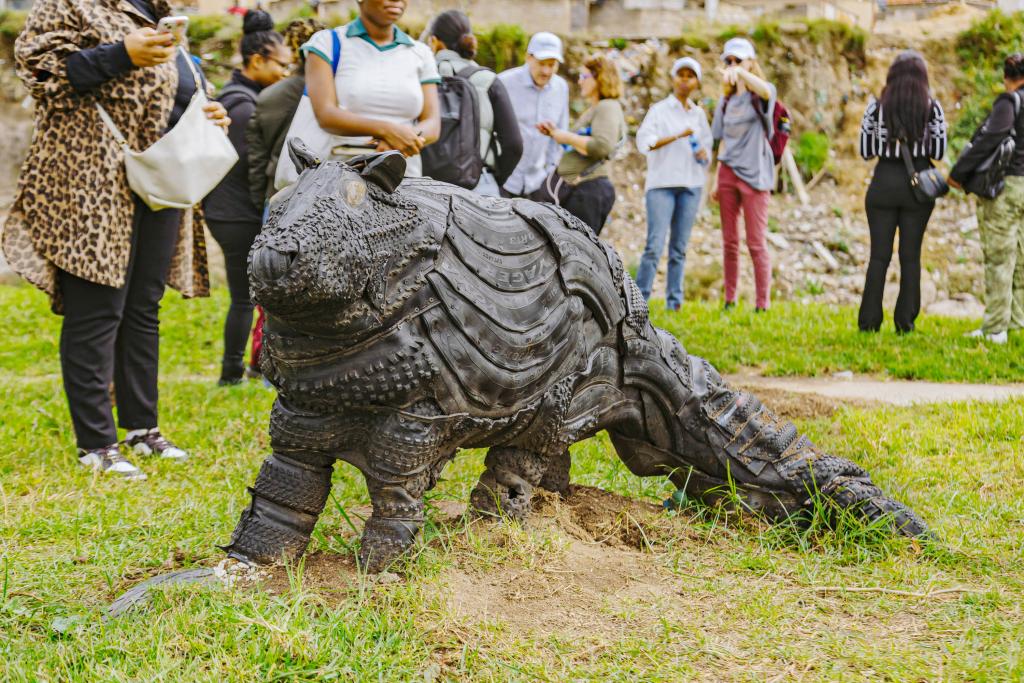
Attending the launch ceremony, Janina Schinck, SUNCASA's Project Lead, underscored that community engagement is a key component of SUNCASA's implementation. "It has been inspiring to see the engagement of the Alex community in our project activities. With the River Creature Series, they have created something really special to showcase the importance of community-led watershed management for years to come."
See below the other artworks comprising the Alexandra River Creature Series along the Jukskei River:
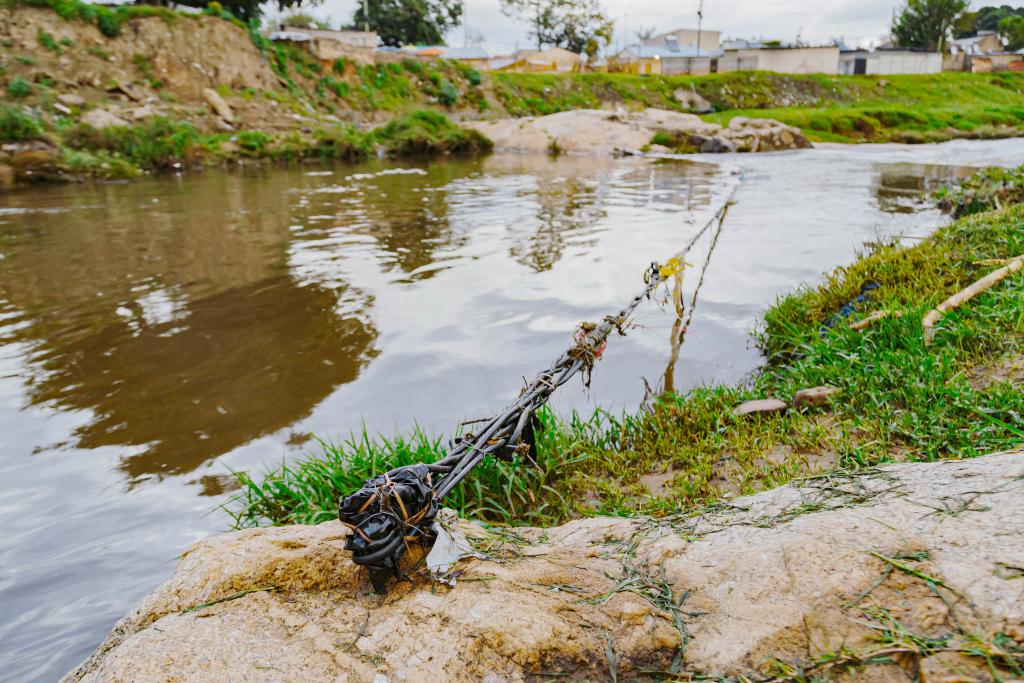
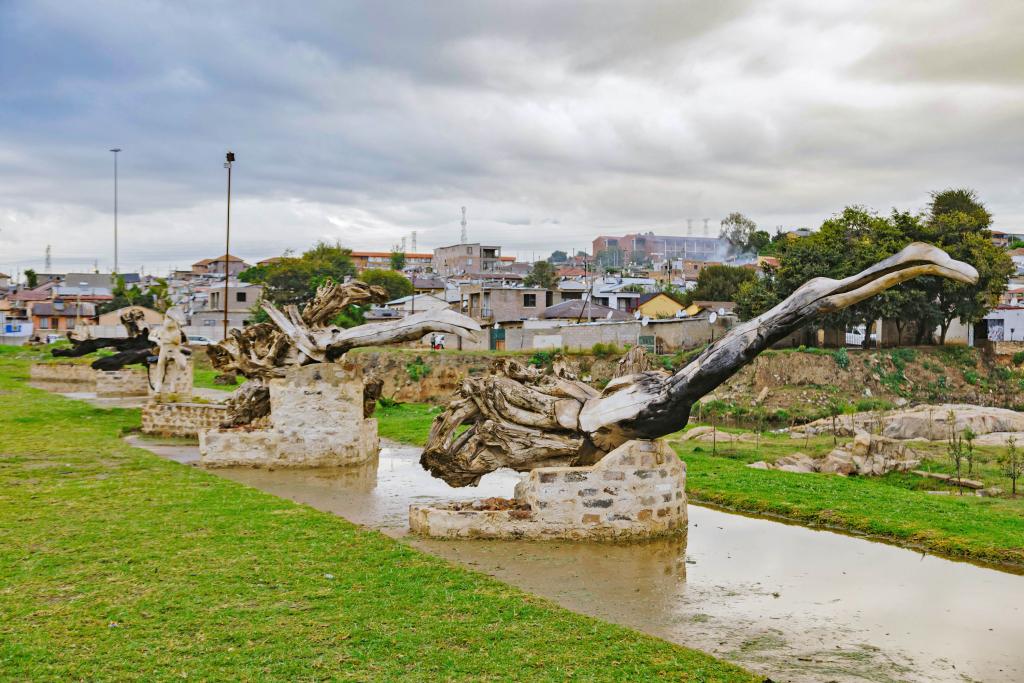
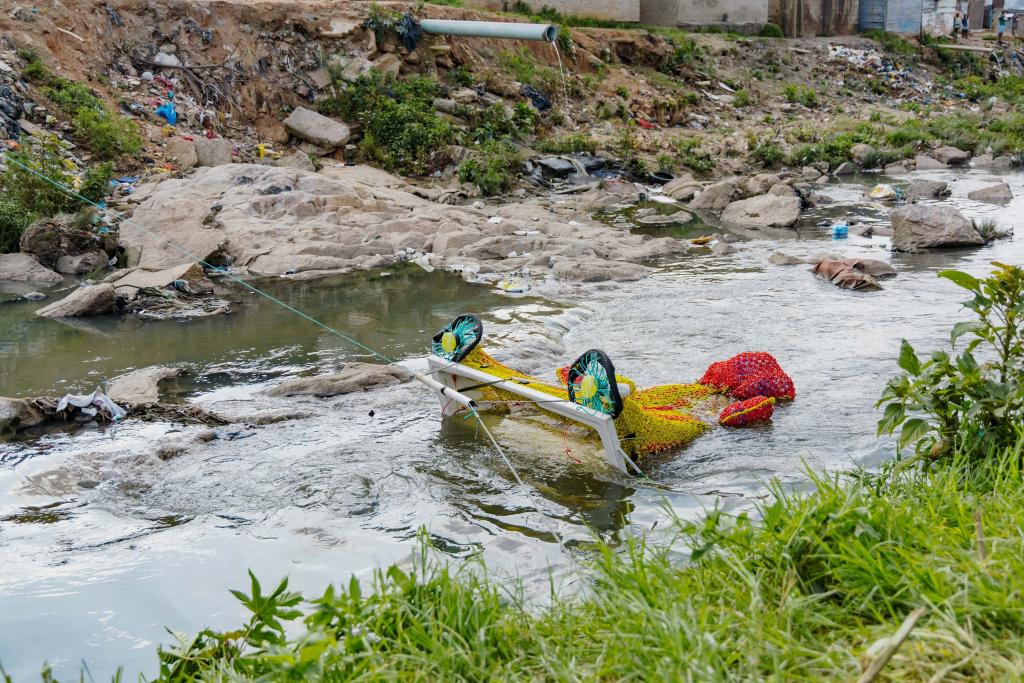

The SUNCASA initiative is funded by Global Affairs Canada and delivered by the International Institute for Sustainable Development and World Resources Institute. Implemented across three sub-Saharan cities: Johannesburg, Kigali (Rwanda), and Dire Dawa (Ethiopia), the project aims to enhance climate resilience, gender equality, social inclusion and biodiversity protection through community-driven nature-based solutions. In Johannesburg, SUNCASA’s NbS will benefit over 1 million people.
In Johannesburg, the program’s alignment with the City’s Integrated Development Plan strengthens efforts to combat key environmental challenges in vulnerable areas like Alexandra— where informal settlements face regular flooding, rising heat, and pollution.
Key interventions include:
- removal of alien invasive species and replanting of indigenous vegetation
- solid waste removal and recycling
- urban greening and tree planting to reduce urban heat
- community education and local capacity building
- public art using creative reuse of waste for environmental awareness
The engagement of local partners like Water for the Future, Alexandra Water Warriors and Gender CC exemplifies the value of locally rooted partnerships in climate resilience work. Their involvement and leadership ensure that gender-responsive and socially inclusive nature-based solutions are not only implemented but also embraced and maintained by the community in the long run.
The educational component of the project translates the science and creativity into accessible resources for learners. Community-focused lesson plans cover topics such as biodiversity, including the mongoose’s role in managing rat populations, and goats being a more sustainable livestock choice, offering an integrated understanding of ecosystem health.
Hundreds of community members have already engaged with the dynamic litter harvesting devices and the process of waste transformation. The next phase involves a co-designed plan for the riparian zone of the Jukskei River Park, activating participation from thousands more who live along the riverbanks.

You might also be interested in
Year One of SUNCASA Progress: Lessons in Nature-Based Solutions
In its first year of implementation, the Scaling Urban Nature-based Solutions (NbS) for Climate Adaptation in Sub-Saharan Africa (SUNCASA) project has delivered significant results, laying the foundation for scaling up gender-equitable and socially inclusive climate adaptation efforts in 2025 and 2026 in Dire Dawa (Ethiopia), Kigali (Rwanda), and Johannesburg (South Africa).
Challenging Gender Discriminatory Norms, Practices, and Beliefs in Sub-Saharan Africa
SUNCASA held a series of training sessions to support women and other underrepresented groups in overcoming the barriers preventing their access to natural resources and meaningful participation in nature-based solutions governance.
SUNCASA in Kigali: Beyond planting trees
The City of Kigali and SUNCASA launched the “My Tree” campaign to promote tree sustainability and community ownership.
SUNCASA City Infographics
Explore our city infographics for a closer look at SUNCASA's nature-based solutions actions and project sites.