Explainer

Bonn Climate Talks 2026: What to expect after Santa Marta

As governments return to Bonn for the UN climate talks, one question is on many minds: can the momentum built through the Santa Marta process translate into greater ambition on fossil fuel transition within formal UN climate negotiations?

May 29, 2026

The climate community returns to Bonn for the 64th session of the UNFCCC Subsidiary Bodies (SB 64), from June 8 to 18, 2026. Following the 30th UN Climate Change Conference (COP 30), the global climate agenda has entered a decisive implementation phase, with a strong focus on translating climate ambition into practical solutions. While that shift to implementation is felt across every agenda item, it is perhaps felt most acutely in the transition away from fossil fuels (TAFF).

At COP 30, there was widespread disappointment that parties did not agree on a formal TAFF roadmap within the COP 30 outcome. A push by around 80 nations ultimately fell short amid procedural disagreements and resistance from fossil fuel-dependent economies. But the scale of support behind the proposal could not be ignored. In response, the Brazilian COP 30 Presidency committed to developing a fossil fuel roadmap outside the official process. Colombia and the Netherlands announced that they would co-host a dedicated conference on the issue, to be held in Santa Marta in late April 2026.

What happened in Santa Marta matters for Bonn because 57 countries showed up, engaged seriously on implementation, and demonstrated that political weight behind the transition is growing. That shift in the political baseline is itself a form of pressure on formal negotiations—and SB 64 is the first major test of whether it translates into higher ambition.

What Happened in Santa Marta, and Why Does It Matter for Bonn and Beyond?

The First International Conference on Transitioning Away from Fossil Fuels, held from April 24 to 29, 2026 in Santa Marta, Colombia, brought together 57 countries, including vulnerable economies, major importing blocs such as the EU, and several significant fossil fuel producers, including Canada, Norway, Brazil, Nigeria, Mexico, and Colombia itself, along with COP 31 co-hosts Australia and Türkiye.

Santa Marta marked a clear shift from ambition setting to the harder implementation challenges of managing fossil fuel decline: strengthening economic resilience, restructuring fiscal systems, and building diversified clean energy pathways. It did not seek a negotiated outcome. Rather, it was designed as a complement to the UN Framework Convention on Climate Change (UNFCCC) process—an implementation-focused space for those already ready to move forward and a coalition of the willing operating at a level of ambition the formal process has not yet reached.

The conference agreed on three thematic workstreams to take this agenda forward. Each one speaks to live debates at SB 64 and offers a basis for pushing ambition higher in Bonn and at COP 31.

Workstream 1: National and regional transition roadmaps

The first workstream focuses on designing national and regional fossil fuel transition roadmaps. Santa Marta identified this as a core area of forward work, with support from the NDC Partnership and the Science Panel on the Global Energy Transition. This workstream is the most direct point of contact between Santa Marta and Brazil’s COP 30 Presidency process. The Brazilian COP 30 Presidency’s Roadmap and the Santa Marta Conference together offer avenues to progress the necessary global cooperation on TAFF roadmaps this year. 

The question for Bonn is how to ensure that, as this work gets underway, it raises the bar for what the wider UNFCCC membership is prepared to commit to—including the more than 130 countries that were not in Santa Marta.


Parties that are releasing national TAFF roadmaps—such as France and Brazil—could signal that this implementation work has standing within the Paris Agreement framework through decisions under the transparency negotiations or through decisions recognizing national TAFF roadmaps as delivering on paragraph 36 of the COP 30 Mutirão decision. National TAFF roadmaps are not a parallel track to NDCs and long-term low-emission development strategies; they are a means of delivering on them. As countries develop and implement them, that work can naturally generate the kind of implementation evidence that should feed into the second global stocktake (GST 2) process in 2028, ensuring that countries doing the work get credit for it, and that others feel the pull to follow.

The roadmap workstream also connects directly to the just transition work programme. SB 64 is expected to recommend a draft decision on the operationalization of the Just Transition Mechanism for adoption at COP 31. The just transition work programme and national TAFF roadmap processes should not be seen as separate tracks—they are mutually reinforcing. Just transition safeguards are most meaningful when embedded in the same nationally determined contribution (NDC) and investment planning cycles as decisions on fossil fuel decline, so that decisions on fossil fuel decline are planned alongside the measures to support affected workers, communities, regions, and households. Bonn can help give direction on how they can come together in practice.

Workstream 2: Financial reform and transition investment

The second workstream will address the economic conditions that underlie fossil fuel dependence—including fossil fuel subsidy reform, unlocking transition investment, overcoming barriers such as conventional investor–state dispute settlement arrangements, and managing debt constraints that trap countries in fossil fuel dependence. IISD will support this work.

The momentum built in Santa Marta around financial reform speaks directly to some of the most contested debates at SB 64. The ongoing effort to operationalize the roadmap to USD 1.3 trillion in climate finance, the Veredas dialogue on Article 2.1(c) on aligning financial flows, and persistent discussions on developed countries’ climate finance obligations under Article 9.1 are all live agenda items at Bonn. Progress on fossil fuel subsidy reform, investment barriers, and debt constraints—the core focus of this workstream—shapes the economic conditions in which those finance discussions take place. 

Santa Marta does not resolve the finance debates at Bonn, but it changes the political context in which they take place. A growing bloc of countries taking practical steps to reform fiscal systems and remove barriers to transition investment shifts the terms of the debate.


Workstream 3: Producer–consumer cooperation and trade

The third workstream will focus on connecting fossil fuel-producing and consuming nations to reshape trade systems toward decarbonization and green commerce, building alignment on fossil fuel transition, and challenging the logic that currently incentivizes extraction. The Organisation for Economic Co-operation and Development will assist with this workstream.

This kind of producer–consumer cooperation is precisely the territory that Article 6.8 of the Paris Agreement was designed to enable—non-market, cooperative approaches that help parties implement their NDCs through finance, technology transfer, and capacity building. Article 6.8 remains underutilized, but it offers the legal architecture for formalizing the kinds of producer–consumer cooperation that the Santa Marta process is beginning to develop. However, it’s the negotiating parties who will debate whether this interpretation can be utilized.

There is nonetheless a case for caution about pushing these workstreams prematurely into formal UNFCCC negotiating text. The experience of recent COPs suggests that once issues like subsidy reform or trade system redesign enter that space, pressure to accommodate the most resistant parties tends to dilute rather than advance ambition. Santa Marta's energy comes precisely from operating outside that dynamic.

The more productive path is to let these workstreams broaden the Santa Marta coalition itself—by expanding the number of countries publishing national TAFF roadmaps and engaged in fiscal reform, subsidy phase-out, and producer–consumer cooperation—so that when these issues do surface in formal UNFCCC negotiations, the political weight behind them is simply harder to resist. That gradual accumulation of political weight is precisely how the Santa Marta process was designed to work.

Santa Marta’s Role in Raising Ambition: Complementarity in practice

The Santa Marta process was always designed to support, not undermine, the UNFCCC. The conference’s final outcome document is explicit on this: the conference report will be handed to the COP 30 Presidency to inform its roadmap, shared ahead of SB 64, and formally presented at London Climate Action Week. In coordination with the UN Secretary-General’s team, it will also be shared during New York Climate Week. Incoming COP presidencies will work to align the conference’s outcomes with the Global Climate Action Agenda and to channel them toward GST 2.

This is complementarity in practice—and it is a form of ambition raising. 

The willingness of 57 countries to implement the transition away from fossil fuels, placed on the table in rooms where ambition is negotiated, changes what is politically possible.


For the more than 130 countries that were not in Santa Marta, Bonn is an opportunity to see what is achievable—and to consider joining a process that is building real momentum. A second conference is planned for 2027 in Tuvalu, ensuring continuity and a growing track record.

Bonn is the first test of whether that momentum translates into higher ambition in the formal process—through transparency decisions that recognize TAFF roadmap work, the Presidency's signalling on sequencing, the just transition discussions, and the finance agenda, where Santa Marta countries are now better placed to argue for stronger commitments. How much of that ambition gap closes in Bonn will set the tone for what is achievable at COP 31.


Photo credit: IISD/ENB - Kiara Worth
Explainer

Linking Health and Climate Action: Five recommendations for the 31st United Nations Climate Change Conference from Santa Marta

Health will be on the agenda this November when climate negotiators arrive in Antalya, Türkiye for the 31st United Nations Climate Change Conference (COP 31). Specifically, the COP 31 Presidency has added “Dynamic and Resilient Health Systems” as a priority theme for their Action Agenda, noting that “health systems must undergo a structural transformation that enables them to anticipate, absorb, adapt to, and recover rapidly from climate-related shocks.”

May 14, 2026

The elevation of health to a headline item for the Antalya COP builds on the first Health Day marked by a climate COP at last year’s conference in Belém. It also strongly links to outcomes at the historic First Conference on Transitioning Away from Fossil Fuels, where a coalition of progressive countries met in Colombia to consult on practical tactics to speed a just energy transition.

In Santa Marta, national representatives, health advocates, and civil society leaders met in a breakout session co-hosted by the Global Climate and Health Alliance, the Lancet Countdown, the Colombian Ministry of Health, and the Friends of Climate and Health. Participants were invited to shape clear, actionable messages on the links between the health sector and the energy transition, which were then forwarded to governments attending the conference.

From their expert input, five pillars emerged that countries and COP 31 should build on to link their health and climate agendas.

Participants in climate and health breakout session in Santa Marta
Participants in the climate and health breakout session at the First Conference on Transitioning Away from Fossil Fuels.

1. Move From an “Energy Transition” to a “Systemic Transformation”

Climate action must go beyond the simple substitution of energy sources and advance toward a structural transformation of economic systems that depend on fossil fuels. This requires rethinking current models of production and consumption, while promoting more efficient and sustainable uses of energy both as a resource and as a raw material.

Such an approach should place health, well-being, and equity at the center of the transition, while also acknowledging the pervasive role of fossil fuel–based products across nearly all sectors of modern life and daily consumption.

2. Place Health at the Heart of the Climate and Just Transition Agenda

Health should not be understood only as a co-benefit, but as a central result of the transition. Integrating health metrics and indicators into just transition frameworks strengthens equity, improves the effectiveness of public policies, complements economic analyses, and increases social support for decarbonization measures. In this sense, the transition must be built from a fair, territorialized approach and centred on a concept of well-being for people, communities, and the environment.

3. When Evaluating Health Impacts, Examine the Entire Fossil Fuel Value Chain

National policies should address not only the impacts associated with emissions related to energy use, but also the climate-related health impacts of fossil fuel derivatives, including petrochemicals, plastics, and fertilizers. Their impacts are currently underestimated despite their significant risks.

Fertilizer spraying on farm fields
Aerial view of tractor spraying fertilizer on plants in an agricultural field, California, United States. (iStock)

4. Align Finance, Fiscal Policy, and Evidence With Real Health Costs and Benefits

Decision making must reflect the true socio-environmental and health costs of inaction, as well as the economic and health benefits of action. This involves reforming subsidies, evolving tax systems beyond carbon-only approaches, and integrating health data into investment frameworks. These elements should also be incorporated into subsidy analysis and models used to design roadmaps and prioritize the necessary national transformations.

A woman in a health facility in India holds her daughter in her arms as a doctor undertakes a check-up.
A child receives an exam from a doctor. (iStock)

5. Close Evidence, Communication, and Capacity Gaps to Better Highlight Health

Bridging the gap between technical knowledge and decision making requires greater investment in research, transparent health data systems, decarbonization and climate, and accessible communication. Investing in and strengthening diverse spokespersons—including health professionals and communities—is key to countering climate misinformation and accelerating climate action.
 

Explainer

Climate Adaptation and Peacebuilding Keep Missing Each Other

Alignment between peace and climate adaptation efforts can strengthen resilience, legitimacy, and long-term stability, often more effectively and at lower cost than treating the two agendas in isolation.

April 22, 2026

In fragile and conflict-affected contexts, climate change and conflict reinforce one another. They do so not in simple or automatic ways, but by interacting with existing political, social, and economic vulnerabilities. Climate impacts affect livelihoods, resource access, and governance systems. Conflict and weak institutions undermine the effectiveness of climate adaptation. 

Addressing this dual burden is not primarily a technical challenge—it is a political one. It concerns power, governance, legitimacy, and how priorities are set in contexts of competing pressures. 

Yet peacebuilding and climate adaptation efforts still largely operate separately. Climate actors tend to focus on infrastructure, livelihoods, and risk management, while peace actors prioritize dialogue, mediation, and stabilization. 

At the launch workshop of a new EU initiative on Policy Coherence for Adaptation and Resilience, practitioners and policy-makers discussed how to move beyond this fragmentation. The EU Action established in late 2025 brings together the Berghof Foundation, the Centre for Humanitarian Dialogue, and the International Institute for Sustainable Development (IISD) to address the persistent gap between peacebuilding and climate adaptation policy in conflict-affected settings. 

Workshop for climate and peacebuilding experts, practitioners, and policymakers
At the launch workshop of a new European Union initiative, the Centre for Humanitarian Dialogue, the Berghof Foundation, and IISD convened policymakers to address the persistent gap between peacebuilding and climate adaptation policy in conflict-affected settings. Photo: Berghof Foundation

The central message was clear: climate pressures rarely create new conflicts, but they sharpen existing ones. Deliberate alignment between peace and climate adaptation efforts can strengthen resilience, legitimacy, and long-term stability, often more effectively and at lower cost than treating the two agendas in isolation.

Why Aligning Peace and Climate Efforts Matters

Climate change is widely recognized as a risk multiplier that intensifies existing vulnerabilities—including inequality, marginalization, and contested authority. In fragile settings, it can add strain to already weak governance systems. At the same time, weak institutions, low trust, and political exclusion reduce the effectiveness and sustainability of adaptation measures. The result is a vicious cycle: climate pressures deepen instability, and instability limits adaptation. 

Neglecting peace and adaptation links in such contexts is short-sighted, however. Experience from practice suggests that adaptation can generate peace dividends when it strengthens institutions, manages distributional tensions, and builds trust between communities and authorities. The interaction between the two fields presents not only risks but also opportunities for mutual reinforcement.

Moving Beyond "Do No Harm" 

Both communities have made important progress. Peacebuilding increasingly integrates environmental considerations into conflict analysis, while climate and environmental actors apply conflict-sensitivity and “Do No Harm” principles. This is important, but remains limited, as it mainly focuses on avoiding negative spillovers. It rarely shapes shared objectives, coordinated strategies, or joint definitions of success.

Below, we see the range of approaches through which peace and climate adaptation can interact. Over time, there has been a gradual shift from “blind” to “sensitive” approaches. The “sweet spot” may lie in greater alignment between the two fields.

In practice, peace and climate actors continue to operate under separate mandates, funding streams, and institutional logics. Several participants noted that national policy processes such as national adaptation plans (NAPs) and nationally determined contributions (NDCs) are relatively well-established and structured, while comparable planning mechanisms on the peace side are more ad hoc. 

NAPs set out how governments intend to manage the medium- and long-term impacts of climate change, while NDCs outline national climate commitments under the Paris Agreement. Both are increasingly central to how states plan, finance, and coordinate climate action. In fragile settings, this imbalance can lead to adaptation initiatives that overlook conflict dynamics or peace processes that fail to account for climate-related pressures shaping grievances and instability.

Southern Iraq illustrates this disconnect. There, climate-induced water scarcity has intensified disputes between agricultural communities, service providers, and authorities, particularly around access, allocation, and service delivery. These disputes are driven as much by governance failures and mistrust as by physical scarcity itself. While peacebuilding efforts address grievances related to access or governance failures, they often do not engage with adaptation planning that would help manage worsening scarcity over time. Conversely, adaptation responses focused on infrastructure or efficiency gains often overlook local conflict dynamics, contributing to resistance or perceptions of unequal benefit-sharing.

Avoiding harm is necessary—but in interconnected systems of fragility, it is not enough.

What Alignment Means in Practice

Alignment does not require merging mandates or creating new institutions. Rather, it is more of a practical exercise, ensuring that peace and climate adaptation efforts are designed so that they do not work at cross-purposes and, where possible, reinforce one another. In practice, this means understanding how climate and conflict risks interact, aligning goals and priorities across peace and adaptation processes, and coordinating interventions so that they reduce shared vulnerabilities rather than shift risks from one sector to another. 

Over time, this requires strengthening the political and institutional foundations on which both agendas depend, including accountable governance, inclusion, and basic state capacity. These foundations are central to both sustainable peace and effective adaptation. Strengthening them across fields can help reduce climate vulnerability and conflict risk simultaneously.

Established climate policy processes, particularly NAPs, NDCs, and national dialogues or development strategies, offer concrete entry points, particularly in post-conflict settings. Peace agreements may also include provisions on land, water, or resource governance that need to adapt to changing climate realities. Important work by IISD and the NAP Global Network has shown how these processes can integrate conflict sensitivity and support peacebuilding.

Several practitioners noted that peace processes dealing with natural resources, especially water management, could provide a foundation for integrating adaptation considerations into post-conflict governance arrangements

From Concept to Political Practice

Moving toward alignment requires institutional shifts. This includes setting compatible objectives across sectors, strengthening coordination between ministries, and developing monitoring systems that track both climate- and peace-related outcomes. In fragile settings, gaps between national policy, subnational authorities, and local realities are often where climate stress and conflict pressures converge. Sustained engagement with civil society, parliaments, and security actors is therefore not optional, but central to making alignment work. 

Financing is another faultline. Discussions underscored that scale alone is not enough. Participants highlighted the need to invest more deliberately in gender equality, land rights, and equitable distribution of benefits, rather than relying on small, symbolic investments that fail to address underlying inequalities. 

These are not merely technical adjustments. They require political will and sustained cross-sectoral cooperation, as well as acknowledging and managing risk. Both climate policies and security or stabilization interventions can introduce new risks if poorly coordinated. Aligning peace and climate adaptation offers a pragmatic and politically grounded path toward more durable resilience.

This article was written with contributions from Lina Hillert, Alec Crawford, Katharina Schmidt, Janel Galvanek, and Alexander Reiffenstuel

Explainer

International Public Finance Explained: Concepts and trends

G20 governments and major multilateral development banks provide over USD 100 billion each year in international finance for energy projects. How has support for fossil fuels and clean energy changed over time?

April 16, 2026

What Is International Public Finance, and Why Does it Matter?

International public finance, including loans, grants, equity stakes, or guarantees, is provided by governments through international public finance institutions, including development finance institutions and export credit agencies, as well as major multilateral development banks (MDBs).  

Public finance institutions play an outsized role in shaping the energy system by providing government-backed, low-risk finance that is often a determining factor in which projects get built. Public finance institutions can also influence the energy landscape by signalling government priorities and adding research and advisory capacity, which all help leverage additional investments for proposed projects.

What Are the Current Trends in International Public Finance?

G20 international public finance institutions and the major MDBs provide over USD 100 billion each year in international finance for energy projects.

Over the past decade, international public finance for fossil fuels by the G20 and MDBs has seen a marked decline, dropping from a high of USD 151 billion in 2016 to USD 37 billion in 2024. Meanwhile, investments in clean energy have increased, though at a slow pace, and now surpass fossil fuels, an important shift in momentum for the global energy transition. In 2024, international public finance for clean energy amounted to USD 47 billion, a slight decline from USD 54 billion in 2023.

The Clean Energy Transition Partnership (CETP), which saw 40 signatories (including some G20 members) agree to end international public finance for fossil fuels and prioritize clean energy, has been a major driver in shifting financial flows. When compared with 2019–2021 levels, before the alliance was formed, international public finance for fossil fuels by CETP members has fallen by up to 78%. Scaling up clean energy finance, however, has been slower, with less than one-fifth of the funds redirected from fossil fuels.

While G20 countries' and major MDBs' international public finance for energy is on the right track in terms of moving away from fossil fuels towards clean energy, the pace of the switch needs to be faster for this public finance component to meaningfully contribute to a clean energy transition.

How Is International Public Finance Data Collected?

The Public Finance for Energy Database is a project of Oil Change International. The Database compiles transaction-level data on finance from G20 export credit agencies and development finance institutions, as well as the major multilateral development banks.  

Oil Change International builds this data set by tracking energy finance from public finance institutions at the transaction level. As of 2024, it covers almost 13,000 transactions totalling over USD 1.5 trillion going back to 2013.

For more information on the data and methodology, please visit the Public Finance for Energy Database.

Explainer

Capital Expenditures From State-Owned Enterprises Explained: Concepts and trends

Investment decisions by state-owned enterprises help shape national and international energy systems. Where are these companies investing capital and what do the latest trends tell us?

April 16, 2026

What Is State-Owned Enterprises Capital Expenditure?  

Energy state-owned enterprises (SOEs), also known as public sector undertakings, are companies that are majority owned by national governments, with a minimum 50% share. In this context, SOE capital expenditure (CapEx) represents company spending on acquiring, constructing, or upgrading physical assets such as pipelines, LNG terminals, power plants, battery energy storage systems, transmission and distribution lines, and other assets.

These energy companies are often tasked with ensuring energy security (particularly affordability), driving economic development, and delivering social services in fossil fuel-dependent communities. Governments own and control SOEs, with clear oversight over their investment decisions. Often, they benefit from direct or indirect financial support and subsidies from the government.

SOE CapEx spending is disaggregated into two main categories:

  • fossil fuels: investments in the infrastructure to extract, process, and use coal, oil, and gas, and their by-products (e.g., electricity) in the energy sector.
  • renewable energy: spending on building solar, wind, geothermal, bioenergy, and hydropower capacity, as well as battery storage and grid upgrades explicitly tied to renewable energy expansion.

Spending that does not fit these two categories—for instance, on other types of energy, such as nuclear power plants and transmission and distribution—is tracked and tagged separately in our database where possible.

Why Does SOEs' CapEx matter?

Globally, energy SOEs are the dominant force in the fossil fuel industry. In 2025, national oil companies were responsible for 54% of oil and 50% of gas production; this is expected to increase to 60% as private companies retreat from new oil and gas investments and reduce exposure to risky projects. State coal companies accounted for around 60% of coal production and coal power generation globally.

SOEs’ continued investment in fossil fuels can create long-term financial, security, and environmental risks that will have to be borne by the public. As the world shifts to renewables, energy SOEs face a risk of stranded assets—investments or resources that prematurely become uneconomic to operate—turning into a financial liability for national budgets. Fossil fuel investments also exacerbate the climate crisis and other environmental impacts from fossil fuel use and can even jeopardize energy security by locking governments into volatile global fossil fuel markets, contrary to policy-makers’ best intentions.

Avoiding these risks for energy SOEs starts with evidence-based research into their investment decisions.

What Are the Current Trends in SOEs’ CapEx?

SOEs in G20 countries continue to invest close to USD 300 billion each year into fossil fuel infrastructure. Unlike fossil fuel subsidies, CapEx by energy SOEs tends to remain stable over time and is less reactive to oil price fluctuations. As a result, the 2026 fossil fuel price shock from the Strait of Hormuz blockage is not likely to produce drastic increases in SOE CapEx on fossil fuels; however, it might trigger an increase in fuel stockpiling through SOEs.

Among the tracked SOEs, most fossil fuel investments come from national oil companies, at over USD 260 billion in 2024. While there is a notable shift toward renewable energy financing among state power companies and, notably, state coal companies, national oil companies face significant transition challenges and are moving at a slower pace.

Renewable energy investments are picking up, in large part driven by China, whose SOEs accounted for 81% of G20 SOEs renewables CapEx. On average, for every US dollar spent on renewable energy CapEx by G20 SOEs in 2020–2022, USD 9 went to fossil fuels. This ratio dropped slightly to 1:8 on average in 2023–2024, indicating a slow shift toward renewable energy spending. However, this estimate of renewable energy spending might be conservative due to the lack of transparency in SOE reporting (see methodology).  

One notable trend is an increase in CapEx investments in transmission and distribution infrastructure, which almost doubled from around USD 16 billion in 2020 to over USD 30 billion in 2024, as countries rush to build out grids to accommodate increasing electricity demand and renewable capacity. The Saudi Electricity Company alone spent USD 13 billion on grids in 2024 as the country prepares to increase the uptake of renewable energy.

Mixed renewables received USD 12 billion every year on average from 2020 to 2024. Where data is available by renewable energy type, solar spending increased by 50% on average every year from 2020 to 2024. Wind investments, which declined between 2020 and 2022 largely due to inflation and increased borrowing costs, saw a slight uptick in 2024—a trend that was also observed globally.

In short, while there is a gradual increase in SOE CapEx on renewable energy, the bulk of their investments remain in fossil fuels.

How Do We Collect Data on SOEs' CapEx?

Our data collection relies on official company and government reporting, sourcing CapEx figures from companies’ annual management reports and cash flow statements.

Our team collects and categorizes data to the extent that it is disaggregated by the reporting entities, recognizing that the level of disaggregation differs from country to country. For instance, India’s Ministry of Statistics and Programme Implementation publishes monthly flash reports providing project-level details on annual investments by national SOEs, allowing for precise spending disaggregation by technology type. Where explicit breakdowns are not available, we utilize tiered methodologies to estimate spending shares as follows:  

  • direct disclosure: We prioritize exact spending numbers or percentage allocations between fossil fuel and renewables investments provided by the SOE, assessed against our own standard classification by technology and fuel type.
  • project-level analysis: When totals are not disaggregated, but certain projects are announced as operational, we utilize project pipelines, permitting dates, and IRENA installation costs to estimate annual spending across a project's construction timeline.
  • capacity proxies: As a last resort for state power companies, we may attribute spending based on year-on-year changes in a company’s installed capacity mix.
Explainer

G20 Government Financial Support for Renewable Energy Explained: Concepts and trends

Government financial support is crucial to reach the goal of tripling renewable energy capacity by 2030. Where are G20 renewable investments going, and how have they changed over time?

April 16, 2026

What Is Included in Government Financial Support for Renewable Energy?

Support to renewable energy can come in various forms: direct transfer of funds (such as grants, concessional loans, or guarantees), price support (such as feed-in-tariffs and feed-in-premiums), tax breaks, or the provision of land, water, and other public assets at below-market prices. The government can also directly invest in new renewable projects and provide funding for state-owned enterprises with a mandate of renewable expansion.  

Why Does G20 Financial Support for Renewable Energy Matter?

Government financial support to renewables reduces the financial barriers to building and integrating renewable energy projects. Many types of renewable energy generation installations, including grid-scale solar photovoltaic (PV) and onshore wind, are now cheaper than fossil-powered generation. However, government support is provided for several reasons:

  • as legacy support of feed-in tariffs and feed-in premium policies implemented in the past;
  • to provide certainty for investors given the upfront capital investment requirements or to reduce their cost of capital, particularly in many emerging market and developing economies where borrowing costs can be high; and  
  • to support the connection and integration of renewable energy, including ancillary services, grid expansion and modernization, and storage.

As the world’s largest economies, G20 countries have the means to influence global energy systems. As of 2023, in the G20, advanced economies and China accounted for 95% of government financial support to renewable power. However, this support may need to double to around USD 336 billion per year to achieve the 28th United Nations Climate Change Conference (COP 28) pledge to triple renewable energy capacity by 2030.

What Are the G20 Governments Doing to Support Renewable Energy?

Renewable energy investments have accelerated in response to the twin energy crises seen so far this decade, as governments and consumers seek more secure and sustainable energy sources. Following Russia’s invasion of Ukraine in 2022, Europe put in place the REPower EU initiative to phase out imports of Russian fossil fuels and accelerate the expansion of renewable energy.

Across the G20, government annual financial support for renewable energy was estimated at about USD 169 billion as of 2024. However, the total may be higher, as differences in national reporting practices and gaps in data availability make tracking difficult.

While most (77%) public financial support does not distinguish between specific renewable technologies, for the remaining support, where we are able to analyze by technology type, most are aimed at supporting solar PV and both onshore and offshore wind. 

These trends broadly reflect IRENA’s assessment of where we stand against the global goal of tripling renewables by 2030: progress is happening, both in terms of renewables financing and new capacity additions, but the pace of both needs to be faster, and grid integration needs to more strongly support increases in generation capacity.

How Do We Collect the Data?

For this inventory of G20 renewable energy support policies, we scanned public documents, especially national budgets, to find the value of government support measures to renewable energy installations between 2020 and 2024. We included policies that support renewable power generation (added capacity), storage integration, and grid expansion and upgrades.

Feed-in tariffs and feed-in premiums were included even where some measures were funded by consumer levies, which constitutes a form of price support. Also, some feed-in tariffs are paid or “topped up” from government budgets. In the European Union, we sourced the data from the European Commission’s own inventory of energy support policies, produced by Enerdata and Trinomics.

Explainer

Fossil Fuel Subsidies Explained: Concepts and trends

Amounting to more than USD 900 billion at last count, fossil fuel subsidies have a significant impact on the global energy landscape, but what exactly are they, and what do the latest trends tell us?

April 16, 2026

What Are Fossil Fuel Subsidies?

Fossil fuel subsidies can take many forms, including direct budget transfers, tax breaks, retail prices held artificially below cost, and preferential finance or regulated tariffs for enterprises that do not reflect full production costs. While each measure differs in design, the effect is the same: fossil fuels are mostly priced below their real costs.

Most fossil fuel subsidies globally are directed at consumers, usually in the form of price support, including efforts to shield citizens from price shocks. Fossil fuel producers also receive subsidies, typically to encourage exploration and development of fossil fuels, while fostering more private investment in the sector. General services refer to a third type of subsidies that cannot be categorized solely under consumer or producer support. These represent the cost of policy measures that create enabling conditions for the fossil fuel sector through the development of private or public services, institutions, and infrastructure.

How Do Fossil Fuel Subsidies Impact Global Energy Systems?

Fossil fuel subsidies can distort markets, encourage overconsumption, and lock countries into fossil fuel dependence. By artificially lowering the price of fossil fuels and diverting public money away from other renewable investment opportunities, these measures can make it more difficult for clean energy to compete.

Many consumption subsidies, while often well intentioned, are untargeted, meaning that every household—wealthy and low-income—receives the same benefit. In practice, this means that wealthier households, who tend to consume the highest levels of energy, disproportionately benefit, exacerbating socio-economic inequalities.

While producer subsidies and subsidies for general infrastructure comprise a smaller portion of total expenditure, they lock in higher production and emissions and divert critical public and private resources away from cleaner sources of energy.

These measures divert much-needed public money away from other priorities, such as clean energy investment, and expose economies to global fuel price volatility, undermining the energy security they are often meant to protect.

What Are the Latest Global Trends in Subsidizing Fossil Fuels?

The 2026 energy crisis is causing massive supply disruptions for gas and oil, pushing up global prices. Countries have responded by putting in place new support measures, including price caps and tax concessions for consumption. Official data for 2026 will not be available for some time, but some organizations are tracking government commitments in real time.

Fossil fuel subsidies tend to follow oil prices. With costs hitting an average of USD 95.6 per barrel in March 2026, caused by geopolitical escalation in the Middle East, subsidies for fossil fuels are at a real risk of rising again as governments impose new measures to shield consumers from price shocks.

The previous energy crisis in 2022 resulted in record-high subsidies of USD 1.76 trillion. The latest official data from 2024 shows fossil fuel subsidies declined across all fuels to USD 921 billion, experiencing an overall decrease of 48% from this peak.

Petroleum overtook natural gas to become the largest recipient of subsidies in 2024, valued at USD 403.5 billion. Subsidies for petroleum and natural gas are likely to increase in 2026 due to the conflict between the United States and Iran. End-use electricity subsidies dropped by around 20% to USD 216 billion in 2024. Meanwhile, subsidies for coal, while decreasing, stayed above USD 40 billion. For a detailed data set, visit the Fossil Fuel Subsidy Tracker.

How Do We Collect Global Fossil Fuel Subsidy Data?

The Fossil Fuel Subsidy Tracker (FFST) incorporates estimates of fossil fuel subsidies and other support measures for 192 economies. It is updated once a year as the latest data from source organizations becomes available. The estimates are gathered from three international databases: the Organisation for Economic Co-operation and Development (OECD) Inventory of Support Measures for Fossil Fuels, the International Energy Agency (IEA) Energy Subsidies Database, and the International Monetary Fund (IMF) Fossil Fuel Subsidies Database. Estimates from the three organizations are based on different and complementary methodological approaches: the OECD uses a "bottom up" inventory of policy measures, while the IEA and IMF use a "top down" price gap approach.

Due to the omission of the United States’ fossil fuel subsidy data from OECD records, the FFST utilizes IMF estimates to complete the global estimate.

Learn more about how the Fossil Fuel Subsidy Tracker, as well as how the OECD, IEA, and IMF collect fossil fuel subsidy data here: Methodology - Fossil Fuel Subsidies.

Explainer

The International Monetary Fund and World Bank Are Reforming Their Main Debt Sustainability Assessment Tool—Here's why it matters

The International Monetary Fund and World Bank are about to revise their main tool for assessing how much low-income countries can borrow, and on what terms. Our experts unpack what’s at stake and why the reform matters for sustainable development. 

April 1, 2026

Key takeaways

  • The Low-Income Country Debt Sustainability Framework (LIC-DSF) is the primary "early warning system" used by the International Monetary Fund (IMF) and World Bank to manage borrowing for 70% of low-income countries.
  • A country’s risk rating directly dictates whether they receive funding as concessional loans or as debt-free grants.
  • The framework’s original 2006 design fails to be appropriate for today's diverse creditor base, including the significant increase in domestic borrowing and private external debt. 

The LIC-DSF is the primary analytical tool used to assess debt sustainability in low-income countries. Jointly developed by the World Bank and the IMF in 2006 and updated periodically since, it is designed for countries with limited access to international capital markets. It aims to function as an early warning system, identifying when debt dynamics are becoming inconsistent with sustainable repayment capacity and signalling the need for corrective action.

Debt vulnerabilities have intensified following successive global shocks, including the COVID-19 pandemic, and a rise in interest rates by major central banks. Countries operating under the LIC-DSF, such as Zambia, Ethiopia, Ghana, and Suriname, have undergone complex and protracted restructurings, exposing strains in the international debt architecture and the limits in the uptake of early risk signals. Far from isolated cases, many others—particularly in Africa—are facing mounting repayment pressures

This is about more than financial stability. These countries must reduce poverty and inequality while financing the transition to more sustainable and resilient economies. The central questions are whether current debt levels are compatible with these objectives; how to address obligations that are either unfinanceable, unaffordable, or unsustainable, or constrain essential investment; and how to mobilize adequate and affordable financing, drawing lessons from past experience. 

At the same time, many of these countries face growing pressure to mobilize domestic resources in a context of declining official development assistance (ODA) and repeated global shocks. This raises important questions about how debt sustainability assessments relate to domestic revenue capacity, fiscal space, and external stability. 

Revising the LIC-DSF is therefore essential not only to prevent a broader debt crisis, but also a development crisis. 

What is the LIC-DSF, and who is it for? 

The LIC-DSF is a forward-looking risk assessment tool. Like any debt sustainability analysis (DSA), it projects debt-burden and debt-service indicators over the medium term, compares them against predefined thresholds, and assigns a risk rating of debt distress. These ratings are intended to guide borrowing decisions by multilaterals, inform prudent debt management, and anchor restructuring negotiations, when needed. 

The LIC-DSF was adopted following the large-scale debt relief initiatives of the late 1990s and early 2000s. While the Heavily Indebted Poor Countries Initiative and the Multilateral Debt Relief Initiative focused on reducing inherited debt stocks, the LIC-DSF aimed to prevent a renewed buildup of unsustainable debt by making concessional lending dependent on a standardized analytical framework. 

The framework applies to the world's most vulnerable economies, accounting for 70% of the world’s poor. The IMF identifies these countries through its Poverty Reduction and Growth Trust eligibility framework based on income level and market access. The list of countries almost entirely overlaps with those eligible for the World Bank's concessional lending arm, the International Development Association (IDA). 


How is the framework used in practice?  

The LIC-DSF performs three main functions in practice: it signals when borrowing and lending become risky, shapes the terms on which multilateral financing is granted, and provides an analytical benchmark in situations of debt distress. 

  • First, the framework operates as a forward-looking risk assessment tool for debt managers in countries where it applies. By projecting debt-burden and debt-service indicators and comparing them to policy-dependent thresholds, it assigns a rating of low, moderate, or high risk of debt distress. These ratings are intended to signal when debt dynamics are becoming inconsistent with sustainable repayment capacity, encouraging debt managers to respond preemptively before vulnerabilities become acute.
  • Second, the LIC-DSF is embedded directly in the operational rules of multilateral financing, particularly in the World Bank’s International Development Association. LIC-DSF risk ratings determine the mix of grants and credits that countries receive: low-risk countries receive standard concessional credits, moderate-risk countries receive a mix of credits and grants, and countries at high risk—or already in distress—receive their allocation entirely in grants. Through this mechanism, the framework links assessments of external debt vulnerabilities to the terms of concessional financing and aims to discourage excessive accumulation of non-concessional debt.
  • Finally, the LIC-DSF provides a reference point in debt restructuring processes. In cases of distress, the framework helps anchor discussions about the scale of adjustment required to restore sustainability and provides a common analytical basis for negotiations among debtor governments, multilateral institutions, and other creditors. 

Together, these functions make the LIC-DSF more than a technical diagnostic: it operates as a coordinating device shaping expectations and decisions across the international development finance system. 

Why is it under review now? 

When the LIC-DSF was introduced, it was built around assumptions that reflected the financing landscape of the early 2000s. These assumptions shaped core features of the framework, such as its initial focus on public and publicly guaranteed external debt, the use of present value measures to capture concessionality, and policy-dependent thresholds of debt burden and services to GDP and exports, based on the World Bank’s Country Policy and Institutional Assessment index, including other macroeconomic indicators in later revisions. While the LIC-DSF has been revised periodically since its introduction in 2006, reflecting evolving financing conditions and analytical improvements, the framework’s underlying structure has largely remained anchored in these original design choices, raising questions as to whether this structure still adequately captures today’s debt vulnerabilities. The current review is particularly significant due to the scale of the shift in the debt landscape since the framework’s original design. 

One important shift concerns the composition of debt. At the time the LIC-DSF was introduced, most low-income countries relied predominantly on concessional financing from multilateral institutions and Paris Club creditors. Today, their creditor base is far more diverse. Domestic borrowing—in local currency and held by residents—has increased significantly. At the same time, private external debt that is not publicly guaranteed has also grown, expanding the stock of liabilities that may generate external repayment pressures but that are not always fully captured in traditional assessments focused on public debt. 

PPG = Public and Publicly Guaranteed debt
Private NG = Private Non-Guaranteed Debt

External vulnerabilities have also become more salient. Many low-income countries face tighter external financing conditions, rising external debt-service obligations, and growing pressures on foreign exchange earnings. These dynamics have become particularly visible following a series of global shocks—including the COVID-19 pandemic, the war in Ukraine, the sharp tightening of global financial conditions, and, more recently, escalating geopolitical fragmentation affecting trade, energy, and capital flows. 

Taken together, these developments have prompted questions about whether the LIC-DSF’s traditional indicators—originally designed for a different debt structure—fully capture the evolving sources of risk faced by low-income countries, and whether they provide sufficiently timely signals when debt dynamics are becoming increasingly difficult to sustain. 

What are some of the key critiques of the framework? 

Most critiques of the LIC-DSF have focused on its methodological and conceptual features. A growing literature highlights several limitations in the framework’s analytical design. First, analysts point to its limited integration of public investment needs, particularly spending related to climate adaptation, resilience, and broader development objectives. This has raised concerns that the framework may not adequately capture the trade-offs between debt sustainability and development financing. Second, critics identify an optimism bias in macroeconomic projections, arguing that baseline scenarios may rely on overly favourable growth or fiscal assumptions, which can delay the recognition of debt distress. Third, scholars have questioned the discretion involved in assigning final risk ratings, noting that the use of judgment beyond model-based indicators can reduce transparency and weaken the consistency between analytical outputs and policy conclusions. Civil society organizations have echoed these concerns, calling for a more transparent and development-oriented framework that better reflects countries’ social and climate priorities

While these critiques have provided important insights, they have largely remained at the level of methodological refinement. What has been largely missing from the debate is an assessment of how the LIC-DSF functions in practice. The framework is not only an analytical tool; it is used to guide debt management decisions, inform multilateral lending policies, and shape the dynamics of debt restructuring negotiations. Reform proposals should therefore consider not only the framework’s methodological design but also the practical uses and incentives it generates in real-world policy processes. These issues will be discussed further in an upcoming report. 

What’s currently on the table, and which issues should be central to the review? 

The ongoing review of the LIC-DSF has so far focused largely on technical refinements, including adjustments to macroeconomic assumptions, stress tests, and the treatment of investment and climate-related spending. While these discussions are important, they risk overlooking a structural issue in how debt vulnerabilities are assessed and how the framework is used in practice. 

There are three issues that should be central to the review. 

  • First, there must be stronger recognition that external vulnerabilities are often a primary driver of debt distress in low-income countries. Debt crises frequently emerge not only from fiscal imbalances but also from pressures on the external account—such as terms-of-trade shocks, capital flow reversals, or foreign exchange constraints. In its current form, the LIC-DSF does not sufficiently capture these dynamics.
  • Second, this requires a clearer analytical separation between fiscal and external sources of vulnerability. We therefore see merit in moving toward two complementary instruments: (i) a public DSA focused on risks emerging from the fiscal side, and (ii) an external DSA that systematically assesses vulnerabilities related to the balance of payments, foreign currency exposure, and external financing conditions. This distinction would allow for a more accurate diagnosis of the nature of debt risks.
  • Third, multilateral lending decisions should place greater weight on the external sustainability assessment. In practice, lending frameworks remain heavily anchored in public debt indicators, even when external constraints are the binding source of vulnerability. 

A meaningful review of the LIC-DSF should, therefore, move beyond incremental methodological adjustments and strengthen the framework’s ability to diagnose and respond to external sources of debt vulnerability. 

Explainer details

Explainer

Key Takeaways From Gender-Responsive Mangrove Restoration in Senegal

Biodiversity-mindful mangrove restoration can be a powerful tool for both environmental and social outcomes. We unpack lessons learned from a gender-responsive restoration project in Senegal.


March 19, 2026

Mangroves are among the most biodiverse and productive ecosystems in the world. 

In Senegal's Sine Saloum and upper Casamance deltas, they support a rich diversity of fish, crustaceans, birds, and insects, acting as critical nurseries and feeding grounds. Their root systems trap sediment, stabilize coastlines, and offer a natural buffer against storm surges and rising sea levels. 

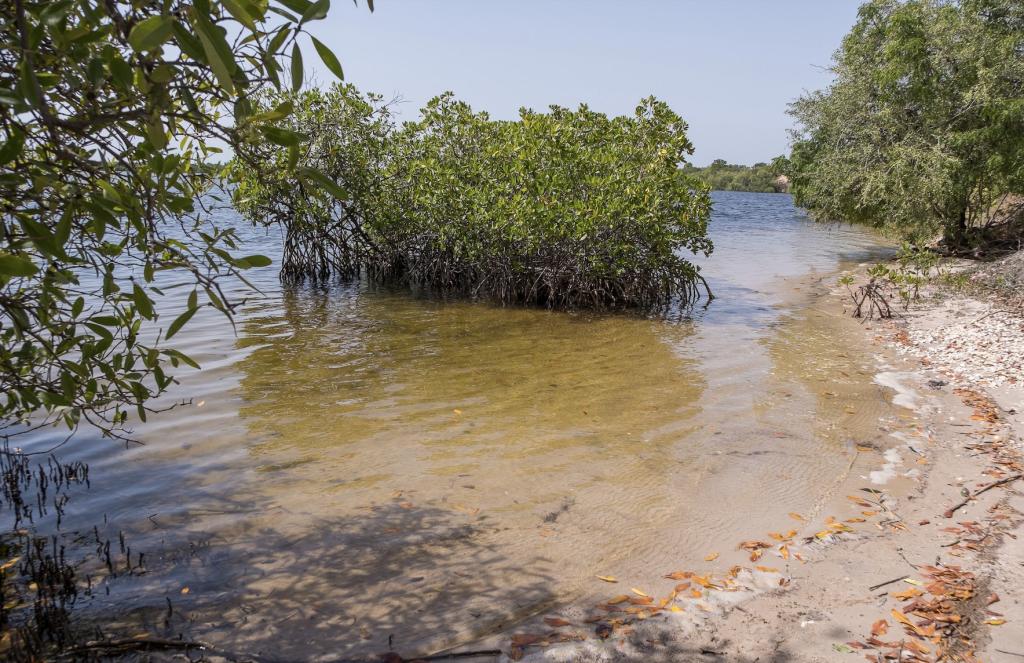
Beach among mangroves on the island of Sipo in the delta of the Sine and Saloum rivers of Senegal

However, Senegal’s mangrove forests are increasingly threatened. Climate change impacts, overharvesting of resources, land-use conversion, and pollution have led to the severe degradation of mangroves in many parts of the country’s coastline. As mangroves degrade and disappear, the biodiversity and the services these ecosystems provide to local communities—and the planet—also decline. 

In response to this challenge, through the Natur’ELLES project, local partners are working to demonstrate how biodiversity-mindful mangrove restoration that is co-designed with women at the community level can be a powerful tool for achieving better environmental and social outcomes. 

Why Gender-Responsive Restoration?

In coastal communities in Senegal and around the world, women are deeply connected to mangrove ecosystems and the livelihoods derived from them. They are often engaged in unpaid or informal sector activities, such as gathering shellfish, producing mangrove-based crafts, collecting fuelwood, and managing nutrition for their families. As mangroves decline due to direct human intervention and human-induced climate change, so too do the resources that women rely on to sustain their households and generate income. 

Many of these livelihood activities, such as small-scale fisheries, shellfish collection, and coastal agriculture, are sensitive to climate change impacts such as more frequent storms. 

As mangroves decline, the protection that they offer against stronger sea surges and coastal erosion is increasingly lost—disproportionately affecting women’s livelihoods in vulnerable communities. Restoring the health and biodiversity of mangroves, therefore, enhances climate resilience, particularly for women-led households. 

Through their informal management of mangrove ecosystems to support their livelihood activities, women have developed critical localized knowledge and skills that can be leveraged to ensure restoration work is long-lasting and effective. Despite this, women are frequently left out of decision making about resource use and ecosystem restoration at the local level. Ignoring gender dynamics in the restoration of ecosystems not only perpetuates inequality but also limits the effectiveness and sustainability of conservation efforts. 

Gender-responsive restoration means ensuring that women are at the decision-making table, not just as beneficiaries but as leaders. It also means designing interventions that address their specific needs, strengthen their capacities, and create new opportunities for income, leadership, and resilience.

What Is Gender-Responsive Restoration?

Launched in 2023, the Natur’ELLES project is funded by Global Affairs Canada and implemented by SOCODEVI with support from the International Institute for Sustainable Development. Its ambition is to restore and conserve mangrove biodiversity while strengthening the climate resilience of women and their communities in Senegal's Sine Saloum and upper Casamance regions. 

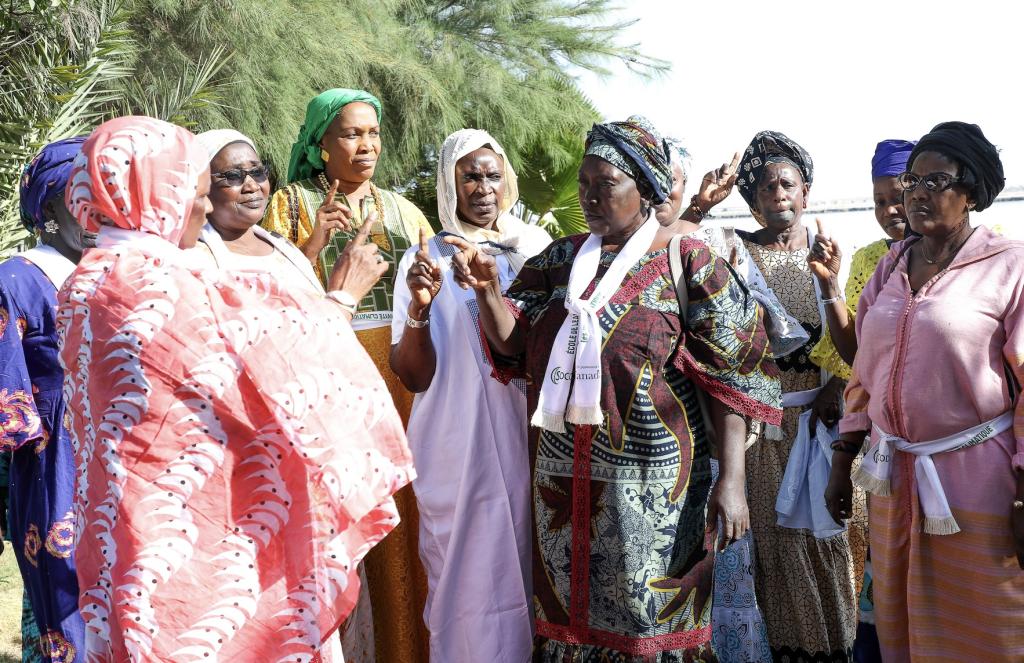
A group of women gather for photography and storytelling training in Kaolack, Senegal.

The project has aimed to adopt a community-based and gender-responsive approach to nature-based solutions for biodiversity conservation and climate adaptation. Restoration activities are co-designed with local women’s groups to ensure local relevance, ownership, and sustainability. 

While biodiversity recovery is a central focus of the project, so too is women’s economic empowerment. Restoration sites are chosen based not only on their ecological potential—such as hydrological connectivity, which determines how well water can move through and connect ecosystems, or species regeneration capacity, which is the ability of plants or animals to naturally recover—but also for their socio-economic importance, particularly to the women who rely on mangrove resources for their livelihoods. This ensures that project activities lead to biodiversity improvements that directly support and enhance women’s existing incomes. 

Restoration efforts are linked to livelihood activities that depend on flourishing biodiversity, from coastal fishing to the sustainable use of mangrove forests. For example, rather than relying on mono-species planting, the project promotes diverse species mixes that reflect natural ecosystem composition. This is heavily informed by local women, who contribute their knowledge of which species support fisheries, attract birds, or resist salinity alterations. By recovering species-rich habitats, women and their communities gain access to more resources to support their livelihoods. 

Another key element of the project is capacity strengthening and training for women in sustainable livelihoods that depend on healthy mangrove ecosystems, such as oyster farming and mangrove honey production.

Lessons for Practitioners

Mangrove restoration efforts, like the natural and assisted regeneration methods implemented through the Natur’ELLES project, can encounter several challenges. For example, changes in salinity levels in water and soil—often driven by altered tidal flows or climate variability—can hinder mangrove growth and survival rates. 

Poor natural regeneration can also pose difficulties for executing organizations, as degraded areas sometimes lack sufficient seeds, seedlings, or suitable conditions for mangroves to regrow naturally. 

In addition, pressure from nearby land use, such as agriculture, infrastructure development, or wood harvesting, can degrade surrounding ecosystems and limit the success of restoration efforts. 

Restrictive gender and social norms can also hinder women's participation in leadership roles. 

But as global attention grows around nature-based solutions, the experience from Natur’ELLES offers important insights, and several priorities stand out. 

First, it is essential to integrate biodiversity benefits and gender equity measures from the very beginning of restoration planning. 

This means integrating gender analysis into participatory climate vulnerability and capacity assessments to more adequately consider gender and social norms and customary practices. This exercise can gather critical information that considers how women and communities use and benefit from ecosystems, as well as a better understanding of how local women participate in leadership and monitoring roles, such as in grassroots organizations and decision-making bodies. 

Activities that encourage women’s participation in ecosystem management should not be limited to their inclusion in income-generating activities, but should also encourage their participation in leadership, planning and monitoring of ecosystems, where they can influence key decisions and restoration strategies. 

Second, restoration outcomes are more sustainable when directly connected to livelihood benefits, particularly for women. Projects should therefore support women’s income-generating activities that benefit from healthy restored ecosystems, such as climate-resilient aquaculture, sustainable tree harvesting, or value-added processing of mangrove ecosystems, such as honey production. 

Third, ecosystem service valuations (e.g., blue carbon, coastal protection services, fisheries productivity and non-monetary benefits, such as social and cultural practices) can be leveraged to make the case for restoration to communities, governments, and potential funders. They can also speak to the importance of women’s management of these ecosystem services. 

Through the use of its SAVi tool, IISD is helping to quantify carbon sequestration of the restored mangroves to ensure that this “blue carbon” is accounted for when conducting cost-benefit analyses of projects situated on mangrove ecosystems. 

The tool estimates the amount of CO₂ sequestered in mangrove biomass and sediments and then assigns an economic value to these climate benefits using carbon pricing or social cost of carbon estimates. By incorporating these values into cost-benefit analyses alongside other ecosystem services—such as fisheries productivity and coastal protection—SAVi helps demonstrate the full economic and environmental value of mangrove restoration and strengthens the case for investing in nature-based solutions in Senegal. 

Finally, building local and institutional capacities is crucial for sustaining gender-responsive, biodiversity-rich restoration at scale. This includes training community members, particularly women, in restoration techniques and monitoring; improving women’s access to financial services and organizational skills; and supporting public-benefit institutions—such as local cooperatives, protected area community committees, and governmental agencies—to integrate gender equality and biodiversity considerations into relevant management plans, financing mechanisms, and policies. 

In Senegal, women’s representation in protected area management committees has tripled thanks to the Feminist Environmental Leadership and Climate Agency Program, coupled with literacy and gender-focused initiatives, and nearly 1,500 women have modernized oyster farming using climate-smart techniques, boosting productivity while reducing physical workload. More than 150 women and men have been trained in nature-based solutions like reforestation, assisted natural regeneration, and over 190 hectares of mangroves and forests have been restored, enhancing ecosystem and community resilience. Building these capacities helps ensure restoration efforts can be scaled up effectively and remain inclusive and ecologically sound in the long run.

Explainer

Why Carbon Pricing Remains Politically Difficult

Carbon pricing is widely considered one of the most efficient tools for reducing emissions—yet global experience reveals a persistent gap between its theoretical promise and the political realities of implementation. We unpack why, drawing on insights from experts and practitioners.

March 19, 2026

A recent webinar hosted by the International Institute for Sustainable Development, The Policy Practice, and the Thinking and Working Politically Community of Practice, brought together researchers, practitioners, and policy professionals to explore one of the most critical—and often most difficult—dimensions of climate policy: the political economy of carbon pricing.

While technical and policy discussions about the energy transition are now commonplace, this session focused on a different question: why is carbon pricing still so politically challenging?

The core message throughout the discussion was clear: the constraints on carbon pricing are political as much as they are technical.

What are the current global trends in carbon pricing? 

Globally, carbon pricing has expanded significantly over the past two decades. As of 2025, there are around 80 carbon pricing instruments in operation worldwide, covering roughly a quarter of global greenhouse gas emissions. However, only a small fraction of emissions is priced at levels consistent with recommendations from the High-Level Commission on Carbon Prices. In many countries—particularly in the Global South—prices remain low, and coverage is limited.

Carbon pricing is not a new idea. The first carbon price was introduced in 1991 in Sweden. More than 30 years later, the persistence of low ambition cannot be explained by a lack of technical knowledge. Instead, it reflects deeper political economy dynamics, including tensions between winners and losers, incumbents and reformers, short-term pressures and long-term goals.

What are the key political economy challenges of carbon pricing?

Carbon pricing reforms face four recurring political challenges according to Dr. Michael Lerner of the London School of Economics (see here for more detail).

1. Putting Carbon Pricing on the Policy Agenda

Climate change is often not the top priority for policymakers facing fiscal pressures, economic volatility, or political instability. Carbon pricing must compete with other urgent concerns. Success at this stage often depends on:

•    Building coalitions within and beyond government
•    Framing carbon pricing in terms of co-benefits (health, competitiveness, modernization)
•    Seizing windows of opportunity such as fiscal crises or political transitions
•    Responding strategically to external pressures such as carbon border adjustment mechanisms

Timing and preparedness matter: reformers must be ready when political openings arise.                                                                                                                                

2. Designing Carbon Pricing Policies That Are Politically Feasible

Even when carbon pricing reaches the agenda, negotiations encounter resistance from incumbent industries, concerns about competitiveness, and fears of social impacts. Narratives about elitism, unfair burdens, or economic harm can gain traction quickly.
Full consensus is rarely achievable, but the key is not to eliminate opposition but to manage it. Start with modest ambition but embed mechanisms to increase stringency over time:

•    Carefully design revenue use, particularly to support vulnerable groups
•    Pair carbon pricing with complementary policies such as green investment or subsidy reform

3. Implementing Carbon Pricing Systems 

Adopting a carbon pricing policy does not guarantee impact. Implementation requires regulatory capacity, credible monitoring and enforcement, and clear communication with regulated entities.

In many developing countries, institutional capacity constraints shape design choices. Simplified systems, phased rollouts, and pilot approaches can help build familiarity and compliance. Regulators often begin with facilitative enforcement before moving to stricter approaches.

4. Sustaining and Strengthening Carbon Pricing Over Time

Carbon pricing must endure political change and gradually increase in ambition. Several reversals globally demonstrate how fragile these policies can be.

Durability depends on:

•    Establishing predictable price trajectories
•    Institutionalizing rules in relatively insulated bodies
•    Maintaining broad coalitions
•    Continually reinforcing the economic and social co-benefits

Carbon pricing is not a one-time reform — it is an ongoing political project.


What does carbon pricing look like in practice?

Philip Gass, Director of the International Institute for Sustainable Development’s (IISD’s) Energy Program, Mai Duong, Policy Advisor on Tax, Climate, and Nature at IISD, and other IISD experts shared the experience of different countries to highlight how context—political, economic, and institutional—shapes the design and outcomes of carbon pricing.


China: Expanding scope under political constraints

China’s national emissions trading system launched in July 2021 after several years of pilot programs and preparation. It is now the world’s largest by emissions coverage, regulating roughly 8 billion tonnes of CO₂ annually, around 60% of China’s emissions. 

However, the system initially focused only on the power sector, despite earlier announcements that multiple carbon-intensive sectors—such as steel, cement, aluminum, chemicals, and aviation—would be included from the outset.

This narrower scope reflected political economy realities. Industrial lobbying, concerns over data quality, and technical complexity all played a role. The design itself is intensity-based rather than built around an absolute emissions cap, meaning it focuses on reducing emissions per unit of output rather than limiting total emissions. This has raised questions about overall system effectiveness and reflects the challenge of setting a clear cap in a context where national emissions have not yet peaked, and industrial growth remains a priority.

Recent policy developments suggest gradual expansion, with plans to include additional sectors and introduce an emissions cap after 2033. International trade dynamics, including the EU’s Carbon Border Adjustment Mechanism, are also increasing pressure for expansion. 

China’s case illustrates how domestic industrial interests, development priorities, and international trade pressures intersect in shaping the pace and scope of carbon pricing reform.
 

Beijing skyline.


Canada: The politics of visibility

Canada’s experience highlights the importance of policy visibility in shaping the political durability of carbon pricing.

The country introduced a federal carbon pricing framework that allowed provinces to maintain their own systems if they met national standards, with a federal “backstop” applied elsewhere. Over time, however, consumer-facing carbon pricing became increasingly contentious.

A central issue was visibility. Consumers saw carbon price increases directly at the fuel pump and on heating bills, often on a weekly or monthly basis. Rebates, by contrast, were delivered only a few times per year. Although economic analysis showed that many households, particularly lower-income households, received more in rebates than they paid in carbon costs, polling suggested that a majority believed they were worse off.

Political tensions between federal and provincial governments further complicated the situation. In some provinces, messaging highlighted the federal carbon charge at gas stations, reinforcing opposition. Exemptions for certain fuels and regions also weakened the perceived consistency of the policy. Ultimately, consumer carbon pricing was repealed, while industrial carbon pricing remained in place and is expected to strengthen.

The case illustrates how policy design, communication, and intergovernmental dynamics can shape the resilience of carbon pricing policies.
 

Indonesia: The parallel challenge of fossil fuel subsidy reform

Indonesia’s experience with fossil fuel subsidy reform illustrates the “flip side” of carbon pricing. Major reforms in 2014–2015 removed most gasoline subsidies and capped diesel subsidies, significantly reducing fiscal pressure at the time. However, these reforms were not institutionalized. Over time, as global energy prices rose and domestic pressures returned, subsidy spending increased again. Recent estimates indicate that in 2024, approximately IDR 713 trillion was spent on energy subsidies, with nearly 90% directed toward fossil fuels.

A key political economy challenge lies in visibility and immediacy. Energy price increases are felt directly by households through transport costs and daily expenses. Reforms are therefore quickly interpreted as political decisions rather than technical fiscal adjustments. Sudden price hikes, weak communication, and limited trust in protection mechanisms can trigger backlash. Broad price controls—rather than tightly targeted support—mean that reforms affect a large share of the population at once, amplifying political sensitivity.

Institutional coordination adds further complexity. Effective targeting requires cooperation across ministries and reliable data systems, and fragmentation can delay or weaken implementation. Current discussions around reforming the 3 kg LPG subsidy reflect attempts to move toward beneficiary-based targeting and tighter distribution controls to reduce leakage.

The experience suggests that subsidy reform, like carbon pricing, cannot be treated as a one-off measure. Durable change requires gradual adjustment, clear roadmaps, improved targeting systems, and sustained communication to build credibility and public understanding.

See IISD’s Policy Brief on implementing carbon pricing in South-East Asia for more details of progress in the region.
 

What These Experiences Reveal About the Politics of Carbon Pricing

Several lessons emerge across the country cases.

Communication is critical. People easily understand price increases but do not automatically recognize rebates, long-term benefits, or avoided climate damages. When costs are visible and benefits are not, public support can weaken quickly. Clear and sustained communication about tangible economic and social benefits is therefore essential.

Coalitions matter. Carbon pricing reforms are more durable when supported by broad coalitions that extend beyond climate ministries. This includes government actors, industry segments that benefit from low-carbon transitions, civil society, and external partners.

Political economy analysis must be ongoing. Stakeholder dynamics change as policies evolve. Political economy analysis should therefore be continuous rather than treated as a one-time exercise.

Policy design is inherently political. Decisions about sector coverage, price trajectories, and revenue use determine how costs and benefits are distributed. Political considerations must therefore be integrated into policy design from the start.
 

What Governments Should Take Away

These lessons point to several practical priorities. Governments need to communicate early and consistently so that policy benefits are as visible as costs. Clear roadmaps for reform are also important, particularly where carbon pricing is linked to fossil fuel subsidy reform.

Social considerations should be integrated from the start. Gender equality and social inclusion are often overlooked in carbon pricing debates but are essential for ensuring policies are perceived as fair.

Above all, carbon pricing should be approached as a long-term institutional process rather than a one-time reform. Its success depends not only on technical design but also on sustained political support, effective communication, and the ability to manage shifting stakeholder interests over time.

About the Event

Webinar on the Political Economy of Carbon Pricing, February 19, 2026. Hosted by IISD, The Policy Practice, and the Thinking and Working Politically Community of Practice. 

Experts participating in this webinar:  Dr. Michael Lerner of the London School of Economics, Neil McCulloch, The Policy Practice, Philip Gass, Director of IISD’s Energy Program, and Mai Duong, Policy Advisor on Tax, Climate, and Nature at IISD.


The Policy Practice and TWP logo.


Explainer details