World Leaders Must Play Their Part in Rethinking Trade to Help Us “Build Back Better”
While the question of who will lead the WTO is important, political leaders must also renew their commitment to working together if trade is to contribute to a more equitable, sustainable, and resilient world.
July 28, 2020
Eight candidates are now competing to head the World Trade Organization (WTO)—reviving a long-overdue debate about how trade can support sustainable development, especially now, as the world continues to weather the COVID-19 crisis and lays the groundwork to rebuild. But while the question of who will lead the WTO is important, political leaders must also renew their commitment to working together across forums if trade is to contribute to a more equitable, sustainable, and resilient post-COVID-19 world.
Today, the WTO is overshadowed by tensions between major economies, putting into question countries’ ability to find multilateral solutions for global problems. Meanwhile, the pandemic has shown how critical it is for them to collaborate on trade—not just so essential goods such as food and medicines can cross borders, but to safeguard decent work and livelihoods, and help us ensure a just transition to a low-carbon economy.
With COVID-19 sparking border closures, decreases in trade volumes, job losses, and declines in remittances, the world economy is more fragile than ever. Governments and companies now need to rethink how trade can contribute toward sustainable, equitable economies by realizing fundamental human rights and promoting human freedom and dignity. That means ensuring that trade and markets help improve respect for labour standards, create jobs, improve gender equity, and contribute to sustainable development across its core pillars.
The pandemic has shown how critical it is for world leaders to collaborate on trade—not just so essential goods such as food and medicines can cross borders, but to safeguard decent work and livelihoods, and help us ensure a just transition to a low-carbon economy.
It also means making sure that actions taken by the largest exporting and importing countries don’t harm producers and consumers in the world’s smallest economies. More equitable trade rules also need to ensure that countries can foster the resilience of their value chains to external shocks, including by adding value to their domestic output.
Achieving progress in these areas will require more than just improved trade policies and rules. Governments will need to rebuild trust and show they are willing to make the tough political choices to ensure a better world post-COVID, rather than reverting back to old positions and holding onto past disagreements. They will have to engage in meaningful global collaboration at the WTO to address the impacts of the pandemic on its most vulnerable Members, who were and are dependent on the interconnected globalized world that was largely designed to support the most powerful.
They will also have to reassess the current trade rulebook in light of the pandemic, and rewrite its provisions where needed to help ensure protection of the most vulnerable from future trade shocks, working with the International Labour Organization (ILO) and others. The trade community will have to engage more closely with the UN’s climate change talks and find creative, robust ways to tackle trade-related issues, such as carbon pricing and fossil fuel subsidies. In addition, they will have to deliver an ambitious and fair outcome at the WTO on fisheries subsidy reform in time for the 2020 deadline set in Sustainable Development Goal (SDG) 14, as one step toward the conservation and sustainable use of the earth’s resources, while ensuring that the development dimension remains at the core of any trade negotiating process.
The COVID-19 crisis has shown us that it is more urgent than ever for trade and markets to contribute to promoting sustainability, overcoming inequality, and improving resilience. A new WTO Director-General could contribute to galvanizing collective action on the shared problems we face as we grapple with the pandemic and its aftermath.
However, achieving real change will require more than a changing of the guard at the WTO and other global institutions concerned with the governance of trade and markets. World leaders in key countries will need to agree to work together to “build back better”—and ensure that delivering equitable outcomes on trade is first and foremost when they do so.
Nathalie Bernasconi-Osterwalder is the Executive Director of IISD Europe and Senior Director, Economic Law and Policy. Peter Wooders is IISD's Group Director, Energy.
Solving our Food Crisis Requires a Fundamental Transformation of the System
Global food supply is at an all-time high, yet so is hunger. Why the contradiction? And how can we solve this challenge with policy?
July 27, 2020
The world is far from being on track to achieve SDG2—zero hunger—by 2030. At present, 2 billion people face moderate or severe food insecurity. These numbers have been going in the wrong direction since 2014, up by 60 million in the last five years alone.
The COVID-19 pandemic will likely push the overall number even higher, between 83 and 132 million. An additional USD 10 billion is needed this year to prevent millions more people becoming food insecure as a result of COVID-19-related measures, and half of this money needs to come from donors.
The latest report of the UN Committee on World Food Security’s High Level Panel of Experts on Food Security and Nutrition, Food and Nutrition Security: Building a Global Narrative to 2020 outlines the steps needed to get the global community on track to meeting SDG2.
As the report makes clear: Simply cranking up food supply hasn’t put us on track to meet SDG2, and it will not address the current food crisis. Hunger is rising not because there is a shortage of food. In fact, world food stocks are near record highs.
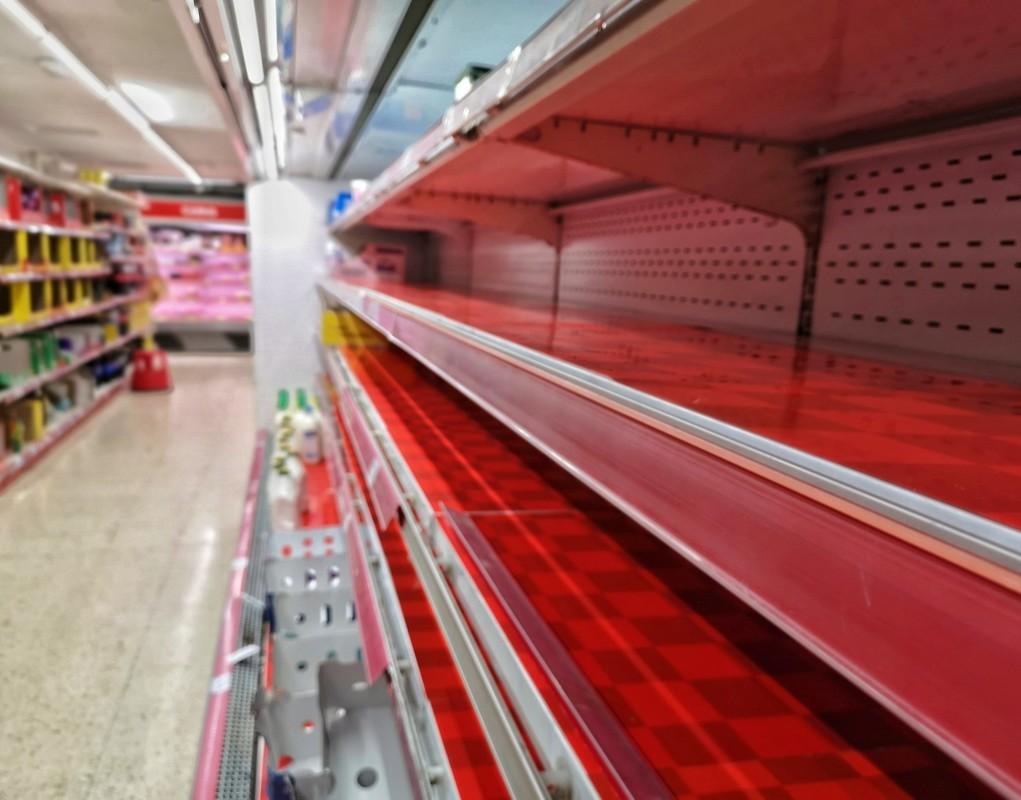
Global food supply chains were disrupted during COVID-19, leading to empty shelves / iStock
The COVID food crisis is different from past crises and is made all the more challenging by its multiple moving parts. The lockdowns to control the pandemic, for instance, have disrupted global food supply chains, leading to cancelled export for farmers, empty shelves, and in some cases higher prices for many consumers. The prices that cocoa farmers can fetch for their crops has fallen sharply due to a drop in consumer demand. Meanwhile, wheat flour has been cleared out of supermarket shelves in many countries due to hoarding, driving up its price.
The lockdowns have also trigged a severe global economic recession, resulting in massive losses of jobs and incomes. Global economic growth is expected to fall anywhere from 5%–10% in 2020. When incomes fall, so does people’s capacity to acquire food. This collapse in purchasing power has occurred alongside unprecedented food waste due to food being unable to reach markets, creating contradictions of hunger amid plenty. Food system workers and farmers are among the hardest hit from the slowdown, with nearly one in three livelihoods in the sector now at risk.
People experiencing malnutrition in all its forms are especially vulnerable to COVID-19, while falling incomes mean a growing number of people cannot afford diverse and nutritious foods. These dynamics are creating a dangerous self-reinforcing cycle of risk and disease.
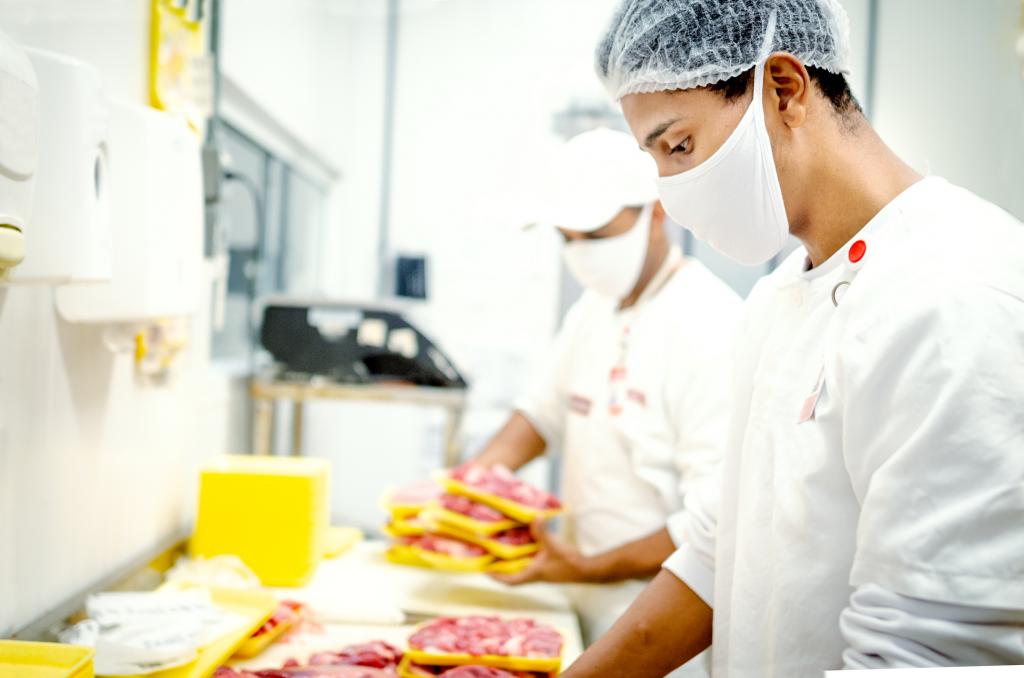
The crisis is also affecting different countries and groups in different ways. Food system workers—often paid low wages and working in crowded conditions—are among the most vulnerable to the virus, while their livelihoods are at heightened risk. Meatpacking workers and migrant farm labourers—as we have seen in Canada and around the world—have experienced disproportionately high infection rates.
Meat workers have experienced disproportionately high COVID-19 infection rates / iStock
Countries that depend on food imports also face challenges, especially due to price increases for certain foods, such as wheat and rice, on which some exporters have placed restrictions during the pandemic. Many poor countries have seen their currencies decline in value in the wake of the global recession, pushing up the local prices of imported foods.
Tackling a Complex Crisis With Fundamental Policy Shifts
How can we tackle the current crisis and reverse the longer-term trend of rising hunger? The High Level Panel of Experts on Food Security and Nutrition (HLPE) report advocates for urgent policy shifts that aim for a transformation of food systems as a whole.
What does this mean in practical terms? It means moving from a singular focus on increasing food supply through specialized production and export to making fundamental changes that diversify food systems, empower vulnerable and marginalized groups, and promote sustainability across all aspects of food supply chains, from production to consumption.
We need to diversify food systems, empower vulnerable and marginalized groups, and promote sustainability across all aspects of food supply chains, from production to consumption.
It also means shaping food policies in ways that recognize inter-system linkages—ensuring, for example, that food systems, ecological systems, and economic systems create positive synergies rather than working at cross-purposes.
And it means incorporating a greater understanding of the complex interaction of different forms of malnutrition occurring simultaneously within societies, including not just hunger and undernutrition, but also obesity and micronutrient deficiencies.
Above all, the COVID-19 pandemic is showing us that transformative food policies must be flexible to allow for diverse approaches; we must stop trying to find one-size-fits-all solutions.
Diverse Systems Are Key to Building Resilience
As the HLPE report outlines, transformation across food systems would help to alleviate many of the problems unleashed by the pandemic. Policies that promote diverse farming systems—such as agroecology—are typically more ecologically sustainable than systems geared for specialized production and long-distance trade. More diverse production systems contribute to more nutritious diets by providing a wide variety of foods essential to good health.
Support for regional markets can help farmers sell food closer to home / Shutterstock
Support for more regional markets—sometimes referred to as territorial markets—can provide farmers with outlets for their crops that are closer to home and better meet local demand, reducing the risks associated with relying on global market conditions.
Transformative food policies must be flexible to allow for diverse approaches; we must stop trying to find one-size-fits-all solutions.
More localized markets are also more empowering for vulnerable and marginalized groups because they create livelihood opportunities not only for local farmers, but also for local traders and processors. Grounded in communities and catering to their specific needs, these more localized market systems can respond to changing conditions more quickly and reduce the need for an excessive reliance on imports.
The threat to food security in this current moment is immense, and old approaches have not been up to the task. This was evident even before the outbreak of the pandemic. Policies that support transformative initiatives help to build more diverse food systems that are not only more likely to achieve SDG2, they will also be more resilient when the next crisis hits.
Jennifer Clapp is a Professor and Canada Research Chair in Global Food Security and Sustainability and a member of the High Level Panel of Experts on Food Security and Nutrition of the UN Committee on World Food Security.
Sustainability-Linked Bonds: A new way to finance COVID-19 stimulus
July 22, 2020
Sustainability-linked bonds can play an important role in allocating capital toward COVID-19-related relief or recovery measures.
With infection rates still stubbornly high in many countries, it has become clear that mitigating the economic impact of COVID-19 will require ambitious stimulus measures and spending. This is where COVID-19 bonds have a vital role to play, given their ability to tap into international capital markets while taking advantage of the increasing popularity of sustainable investing. They can be the ideal financial instrument for investors seeking to allocate capital toward COVID-19-related relief or recovery measures.
While COVID-19 bonds can be issued by both corporate and sovereign, supranational and agency (SSA) issuers, 90% of the issuance as of April 28, 2020, fell into the latter category. However, the share of corporate issuers should increase over time and mirror the composition of social bond issuers, especially if the need for pandemic-related financing is drawn out due to a longer, U-shaped economic recovery. In 2019, 56% of social bond issuers were from the private sector, while the rest of the issuers were SSAs. If COVID-19 bonds indeed followed a similar pattern, the financing burden of COVID-19 measures would be better distributed across public and private issuers.
The COVID-19 bond issues to date have either been designed as (1) general-purpose bonds, as part of a wider COVID-19 response plan of the issuer, or (2) use-of-proceeds bonds financing specific COVID-19-related projects. The majority of social or sustainability bond issues fall in the second category and follow the relevant principles and guidelines of the International Capital Market Association (ICMA). Going forward, issuers should consider a third type of structure for their COVID-19 bond issuances: sustainability-linked bonds (SLBs), also known as key performance indicator (KPI-) linked bonds. They would be well-placed to channel financing into both prevention and post-COVID-19 recovery while putting incentives in place for issuers to ensure that pandemic-related health objectives are met.
Sustainability-Linked Bonds: An increasingly popular instrument
The ICMA defines SLBs as “any type of bond instrument for which the financial and/or structural characteristics can vary depending on whether the issuer achieves predefined Sustainability/ESG objectives” (p. 2). While SLB issuance has been limited to date, sustainability-linked loans experienced a 78% growth in 2019, with issuance worth USD 465 billion. SLBs are expected to build on the popularity of their loan counterparts and will benefit from the ICMA’s recently published Sustainability-Linked Bond Principles, which provides issuers with the necessary guidance to raise capital with this new sustainable debt instrument.
SLBs can be issued by any company or public entity and provide a strong incentive to issuers to deliver on their impact commitment, as their cost of financing is now linked to how well they perform on predetermined sustainability KPIs
SLBs are an especially interesting option for financing pandemic-related measures, as they can be issued by any company or public entity—unlike use-of-proceeds bonds, given the difficulty some issuers face in earmarking these funds for a limited set of eligible projects. In addition, SLBs provide a strong incentive to issuers to deliver on their impact commitment, as their cost of financing is now linked to how well they perform on the predetermined sustainability KPIs.
For example, Enel, the energy company, recently issued a 5-year SLB, where the coupon (i.e. the interest payment) would increase by 25 basis points if the installed renewable energy capacity does not achieve the bond’s sustainability performance target within a predetermined time frame. These SLBs can also go beyond coupons and can be linked to other bond characteristics, such as maturity.
iStock
Adapting to the COVID-19 Context: Setting meaningful KPIs
In the case of COVID-19 SLBs, the KPIs would depend on the type of issuer and the industry the issuer operates in. For example, for SSA issuers, the KPIs could involve the number of infections in the country within a specific time period or the number of intensive care units available. For corporate issuers, where remote work is not possible, KPIs could include the number of infections in the workforce compared to a predetermined baseline or compared to peers in the same industry.
Companies in the healthcare sector could set KPIs linked to the amount of preventive equipment or ventilators produced. KPIs that focus on the recovery, in case of a financial institution, for example, could involve the number of loans provided to small and medium-sized enterprises (SMEs) in the hardest-hit sectors, such as tourism. Recovery-related KPIs for SSA issuers could be the number of people applying for unemployment benefits or GDP growth.
Companies in the healthcare sector could set KPIs linked to the amount of preventive equipment or ventilators produced. KPIs that focus on the recovery of a financial institution could involve the number of loans provided to small and medium-sized enterprises (SMEs) in the hardest-hit sectors
The inherent challenge with SLBs is to set KPIs that are ambitious enough but, at the same time, achievable. To address this, issuers should work with sustainability experts to design KPIs that are material and meaningful. The issuer’s existing sustainability strategy could be a good starting point.
Another challenge is how to link sustainability performance to the bond’s coupon. Issuers should be careful when designing SLB structures with coupon step-downs. In this case, the issuer pays a lower coupon when KPIs are achieved. Portfolio managers have difficulty valuing step-down structures, and therefore they will be hesitant to integrate them into their fixed income portfolios. For this reason, all SLB issues to date have had coupon step-ups, where the issuer needs to pay a higher coupon if the KPIs are not met.
This does not mean that COVID-19 SLBs should replace general-purpose or use-of-proceeds bond structures, but rather that issuers should explore SLBs as an alternative approach to structuring COVID-19-related debt financing. The beauty of SLBs is that they can be issued by any entity with access to capital markets. Therefore, issuers have no excuse not to participate in financing COVID-19 measures now, should they wish to do so.
G20 Recovery Packages Benefit Fossil Fuels More Than Clean Energy
Decisions taken in response to the COVID-19 crisis today will lock in the world’s development patterns for decades. With policy decisions made on a daily basis, information about how public money is being spent can be hard to follow. That is why a consortium of 14 expert organizations came together to track energy-specific responses by G20 governments.
July 15, 2020
This blog was originally published by IISD-GSI on 7 July 2020. The estimates of public money commitments for different energy types have been updated on July 15 2020 due to both the issue of new government policies and additional research.
Early findings from our research show that, between the beginning of the COVID-19 pandemic in early 2020 and July 15, 2020, G20 countries have committed at least USD 151 billion to fossil fuels and at least USD 89 billion to clean energy in their stimulus and recovery packages. Another USD 28 billion went to “other energy” that is not straightforward to categorize.
This public money flows to energy production and consumption through direct budgetary transfers, tax expenditure, loans, loan guarantees, transfers induced by government regulations, and various hybrid mechanisms. It is in addition to many other government policies that are, and were, supporting different energy types before the COVID-19 pandemic and the collapse of energy commodity prices earlier this year.
These numbers, reported as of July 15, 2020, are a work in progress based on analysis of official government documents. They speak only for measures specific to both energy production and consumption as already approved by governments. More stimulus and recovery packages are still being discussed as proposals for later release, but several important trends are already evident.
Pre-COVID Trends Continue
The COVID-19 crisis and governments’ responses to it have expedited trajectories that existed before the pandemic struck. National and subnational jurisdictions, which heavily subsidized the production and consumption of fossil fuels in previous years, are once again throwing lifelines to oil, gas, coal, and electricity. Meanwhile, economies that had already started the transition to clean energy are now using stimulus and recovery packages to continue this.
According to the consortium’s estimates, as of July 15, 2020, the only G20 countries where national and subnational-level public money commitments to clean energy exceeded those to fossil fuels are Brazil, China, Germany, Japan, and the United Kingdom. The opposite holds true for Australia, Canada, France, Indonesia, India, Italy, Mexico, Russia, Saudi Arabia, South Africa, Republic of Korea, Turkey, and the United States. For Argentina, there was not enough data to quantify support measures specific to the energy sector. Finally, in the European Commission’s pledges, it was difficult to disentangle support to fossil fuels from support to clean energy, and these public money commitments were “other energy”—a large category in other G20 countries as well.
Green Strings Attached and Different Shades of Green
The recovery picture is not black and white, or, rather, grey and green. While USD 121 billion (80% of the total USD 151 billion) is going to support fossil fuels with no environmental conditionality, some countries have attempted to attach at least some green strings to the public money being funnelled toward high-carbon assets. For example, the French government made its bailout of Air France conditional on reducing the airline’s emissions.
The “fossil conditional” category of public money commitments includes support to airlines, car manufacturers, fossil fuel companies, power plants, and producers of “blue” hydrogen (hydrogen-based on fossil fuels but with carbon capture and storage), with the requirement that they must reduce their overall environmental footprint. While such conditionality is a step in the right direction, the bottom line is that governments are still providing significant funding to fossil fuels and are also violating the “polluter pays principle.” The research consortium estimates the value of “fossil conditional” measures at USD 30 billion (20%) out of the total USD 151 billion committed to fossil fuels in the G20 countries as of July 15, 2020.
Similarly, there are different shades of green. According to the 14 expert organizations, solar, wind, energy efficiency, small hydro, “green” hydrogen (hydrogen based on renewables), cycling, and walking are “clean unconditional” and account for USD 16 billion (19%) out of the total (nearly USD 89 billion) committed to clean energy. The bigger chunk (81%) is over USD 72 billion in support for “clean conditional” energy realities such as electric cars, rail, public transport, “advanced” biofuels, large hydro, grids, and storage—these have great potential to reduce carbon emissions but can still cause environmental harm depending on how the energy is sourced.
Finally, at least USD 28 billion has been committed to “other energy”—a category including support for multiple energy types (e.g., in power generation or hydrogen of unspecified origin), which are impossible to disentangle. Researchers included nuclear, “first generation” biofuels, and waste in this category due to their predominantly negative impact on the environment over time.
Tip of the Iceberg
Our bottom-up estimates are possible for only about 3% to 5% of the total stimulus and recovery commitments. A considerably larger amount of public money committed to supporting the G20 economies in response to the crisis may also benefit different elements of the energy sector. However, these values are not available from official sources and are therefore not included in the consortium’s estimate. Countries such as Italy and Japan are deliberately designing their recovery packages in an industry-neutral way. However, in reality, even support from central banks through mechanisms such as quantitative easing is not entirely neutral and benefits the incumbents, which, in the energy sector, are predominately fossil fuels.
The first wave of stimulus and recovery packages has been rushed out. In fact, some G20 countries face difficulties efficiently disbursing the funding they have committed to recovery. Now is the time for more strategic responses to the COVID-19 crisis, and G20 governments still have an opportunity to green their stimulus and recovery packages to help create a low-carbon future for generations to come. The staggering amounts of public money already committed in this recovery show that, when governments need to mobilize fast, they can—an attitude that should be applied to climate action. We will continue to monitor these funding flows to ensure that our leaders are held accountable for their decisions.
The consortium behind the estimates includes 14 expert organizations: International Institute for Sustainable Development (IISD), Institute for Global Environmental Strategies (IGES), Oil Change International (OCI), Overseas Development Institute (ODI), Stockholm Environment Institute (SEI), Columbia University in New York City, Forum Ökologisch-Soziale Marktwirtschaft (FÖS), Fundación Ambiente y Recursos Naturales (FARN), Instituto de Estudos Socioeconômicos (INESC), Institute for Climate Economics (I4CE), Instituto Tecnológico Autónomo de México (ITAM), Legambiente, REN21 and The Australia Institute (TAI).
The USMCA Is Now In Force. How Will it Impact North American Trade Policy?
The new accord governs a multi-trillion dollar market and is expected to face heavy scrutiny within the three countries, especially during a U.S. election year.
June 29, 2020
The U.S.-Canada-Mexico Agreement (USMCA) entered into force on July 1, 2020, replacing the North American Free Trade Agreement (NAFTA) and establishing new rules of the road for trade and investment in the region. Along with including chapters on digital trade, environment, and labour, which did not feature in the original NAFTA, the new accord also features significant changes in relation to investor-state dispute settlement (ISDS). Parties have to a large extent abandoned this controversial mechanism.
The USMCA will govern a multi-trillion dollar market and is expected to face heavy scrutiny within the three countries, especially during a U.S. election year. Known as CUSMA in Canada and T-MEC in Mexico, the new agreement has been mired in debate for both substantive and political reasons since the idea was first floated years ago.
Indeed, in the months leading up to Donald Trump’s 2016 election win and in the early years of his administration, the U.S. leader repeatedly threatened a NAFTA withdrawal unless he could obtain a “fairer” deal for American workers. This was part of a wider effort to negotiate or renegotiate trade agreements with any country that allegedly did not provide the U.S. with “free, fair, and reciprocal” terms, fuelling tensions with many trading partners, including Canada and Mexico.
Now that the USMCA has taken effect, we unpack some of the new features of the agreement below and explain why they matter.
The USMCA entered into force on July 1, 2020, establishing new rules of the road for trade / iStock
Labor rights and enforcement with the new USMCA
NAFTA did not have a labor chapter, which was instead dealt with in a separate agreement on labor cooperation. Notably, the new USMCA labor chapter brings labor into the trade agreement, including a section on cooperation, and is subject to the trade agreement's dispute settlement chapter.
This means that if a dispute panel finds that one of the parties is not complying with the labor provisions, the party raising the issue can “suspend benefits” under the agreement if the issue is not resolved. However, the USMCA parties must first undertake consultations under the labor chapter before resorting to that option.
While the labor chapter was included from the start, the USMCA ratification process hit a snag last year, after Democrats in the U.S. Congress questioned whether its labor provisions were sufficiently stringent and threatened not to approve the deal. This prompted trade negotiators to develop a “Protocol of Amendment”, which involves select revisions to the environment, labor, intellectual property, and dispute settlement chapters.
The USMCA will govern a multi-trillion dollar market and is expected to face heavy scrutiny within the three countries, especially during a U.S. election year.
Notably, the protocol establishes a “Facility-Specific, Rapid Response Labor Mechanism”. This process allows one USMCA party to request consultations with another party if they fear that a “facility” – such as a car manufacturing plant – is not complying with “the right of free association and collective bargaining” for its workers under the relevant labor laws . The complaining party can also ask for a review of conditions and even impose “remedies” as a result.
The complaining party can ask for a panel of labor experts to evaluate the claims, though remedies can be imposed before a panel has completed its work. The mechanism has raised questions, however, over the prospect of labor inspectors being sent into one country from another USMCA party to “verify” compliance, which led to U.S. officials clarifying to Mexico that these would solely involve technical experts, not tasked with enforcement action.
ISDS not applicable to Canada, US and Mexico agree to limited version
The USMCA’s investment chapter contains significant modifications from its NAFTA version, known colloquially as “Chapter 11”, which has been heavily used over the past 25 years. While some of the substantive standards have seen changes in the USMCA, due partly to the language in the U.S. Model Bilateral Investment Treaties of 2004 and 2012, the most notable difference is how this new tripartite trade and investment agreement will handle investor-state dispute settlement.
ISDS is the mechanism that allows foreign investors to file for arbitration against host states, i.e. those countries where they have undertaken those investments, in front of a three-person tribunal. The mechanism has been included in many international investment agreements, as well as trade agreements with investment chapters. However, ISDS has faced sharp scrutiny over the past several years, prompting a strong push for reforming the mechanism or doing away with it entirely.
For example, one of the primary concerns is what ISDS means for a government’s right to regulate in the public interest and concerns over whether the prospects of an ISDS claim can lead to governments experiencing “regulatory chill”. The hefty legal fees involved in investor-state arbitration, as well as the often massive damages awards that can result from a case, are among ISDS’ many other criticisms.
According to the United Nations Conference on Trade and Development (UNCTAD), at least 67 ISDS cases have been filed under NAFTA since it took effect 26 years ago. How USMCA might handle ISDS going forward was therefore a major issue for trade and investment watchers in the negotiation process.
In a landmark shift, ISDS will now no longer apply to Canada under USMCA, and its consent to ISDS for “legacy investment claims” under NAFTA will expire three years after NAFTA’s termination.
In a landmark shift, ISDS will now no longer apply to Canada under USMCA, and its consent to ISDS for “legacy investment claims” under NAFTA will expire three years after NAFTA’s termination.
Meanwhile, USMCA Chapter 14 allows for some ISDS but significantly limits the access to US and Mexican investors. Both parties are bound by an annex, which provides for investment arbitration only for claims alleging violations of direct expropriation and non-discrimination, and only in certain conditions and limitations.
A further annex, also applicable to the U.S. and Mexico, contains a special regime for “Covered Government Contracts” in sectors such as oil and natural gas, power generation, telecommunications, transportation, and infrastructure. Here, investors who are parties to such contracts can bring ISDS claims with respect to other types of violations, such as fair and equitable treatment (FET).
Looking ahead: the U.K. and Kenya
Aside from the geopolitical issues that the USMCA process brought to the fore, these substantive elements could give useful signals of how the U.S and the other USMCA parties will aim to address these in other trade negotiations, including in the forthcoming talks between the U.S. and United Kingdom, as well as a planned U.S.-Kenya trade deal.
The latter would be the U.S.’ first with an African partner, with negotiations due to begin next week. Trump officials have long said that this agreement could serve as a “model FTA” for agreements with other African countries, making that process one to watch closely going forward.
*The authors would like to thank Nathalie Bernasconi-Osterwalder for her valuable insights and feedback on this piece.
What Trump's Latest EPA Rollbacks Can Teach Us About the Importance of Co-Benefits
A recent ruling on how the EPA regulates mercury could have wide-ranging impacts on U.S. citizens and the environment.
June 23, 2020
Lost among the recent ubiquity of pandemic-related headlines was a critical chapter in President Trump’s sustained assault on key environmental regulations. This time, the issue was mercury, and the move will undoubtedly have knock-on effects for our respiratory health.
While cursory glances at the headlines may simply suggest yet another Trumpian rollback of U.S. Environmental Protection Agency (EPA) measures, a closer look at this recent ruling reveals much more about the nature of environmental protection and the need for a comprehensive understanding of how we regulate pollutants.
First, the science.
Mercury is a common by-product of power-plant activities and industrial mining processes. When ingested by humans (most commonly through the fish we eat) mercury poisoning (or Minamata disease, named after the Japanese town in which it was first documented) can lead to a host of medical conditions that include hair loss, muscle weakness/paralysis, organ damage, loss of senses, depression, and even death.
(In fact, scientists at IISD Experimental Lakes Area, in a highly controlled experiment, intentionally added small amounts of traceable mercury to a lake to discover how it moved through the ecosystem and food web, and how it reached and accumulated in the fish that billions of people around the world consume daily.)
When it comes to mercury, the direct human health benefits of reductions were quantified at a maximum of USD 6.2 million. However, when you include the corollary benefits, the impact on human health in dollar figures shoots up to between USD 37 billion and USD 90 billion.
Back in 2011, the Obama administration finally recognized the evident need for the regulation of mercury emissions from coal- and oil-fired power plants. They decided to deem it "appropriate and necessary" for the U.S. EPA to introduce a series of thresholds and rules.
The administration determined, however, that when calculating the benefits of new mercury-emission regulations, "co-benefits" should also be counted. Co-benefits, put simply, are the ancillary effects of a set of regulations or practices that are also beneficial to the original intention. In this case, that intention was protecting public health.
When it comes to mercury, the direct human health benefits of reductions were quantified at a maximum of USD 6.2 million. However, when you include the corollary of particulate matter (including sulphur dioxide and nitrogen oxides) that is reduced due to the installation of the required mercury-control technology, the impact on human health in dollar figures shoots up to between USD 37 billion and USD 90 billion.
That calculation offers a clear justification for the USD 9.6 billion price tag industry spent in implementing the changes. But without that "co-benefits" line in the calculations, the benefits tumble back down to $6 million, making a less convincing financial case to industry.
And the originally intended health benefits? Had co-benefits been disregarded in the original U.S. EPA mercury calculations, it is estimated the United States would have suffered 11,000 more premature deaths, 4,700 more heart attacks, and 130,000 more asthma attacks every year.
Including co-benefits was a necessary step and should provide an aspirational blueprint for environmental policy.
But the Trump administration has now managed to axe the justification of the inclusion of co-benefits—when it comes to mercury, at least. The Mercury and Air Toxic Standards still stand but are now vulnerable to lawsuits and further rollbacks, due to their now supposed diminished value.
This is a highly disquieting move whose impacts could be experienced by hundreds of thousands of people in the United States and abroad, given that mercury emissions literally blow in the wind and pay no regard to international borders.
But what should worry us more is the precedent that is being set. Now that the devaluation of critical co-benefits has been officially sanctioned in the context of mercury, and with a head of the EPA that just happens to be a former coal lobbyist, the scene is now set for a docket of pollutants emitted from the burning of fossil fuels to have their regulations loosened.
Scientists at IISD Experimental Lakes Area intentionally added small amounts of traceable mercury to a lake to see how it reached and accumulated in the fish that billions of people around the world consume daily.
Including co-benefits was a necessary step and should provide an aspirational blueprint for environmental policy. And in the context of this current pandemic, protecting air quality and its impact on our citizens’ health is at the forefront of our minds.
As the months pass, we cannot forget the critical role that the valuation of co-benefits plays in safeguarding public health and must ensure that this recent ruling proves to be a blip and not the signal of a new normal.
Want to learn more about what IISD Experimental Lakes Area has discovered about the impact of mercury on fresh water and fish? Click here.
Environmentalists Should Pay Close Attention to the Racial Justice Movement
There are parallels and overlaps between climate justice and racial justice, as well as many lessons the climate movement can learn from this global moment of reckoning.
June 19, 2020
It might appear opportunistic to link the climate and racial justice movements at a time when race is shaping the conversation in the media, in our workplaces, and in our homes. But as Dr. Ayana Elizabeth Johnson has recently explained, on the air and in her recent Washington Post op-ed, "Our racial inequality crisis is intertwined with our climate crisis. If we don’t work on both, we will succeed at neither."
She's right. These are deeply connected issues, so drawing these parallels can help expand the meaning of justice: because it is about race, about gender, about the climate, about food, about everything that matters.
What has become clear now is where all the overlap lies. Social injustices, for instance, are driven by economies, politics, and institutions that generate prosperity for some and poverty and disenfranchisement for many. These systems of power and oppression are also evident in the way climate change impacts low-income countries hardest, as well as poorer individuals, minorities, and women anywhere in the world.
The ‘father of environmental justice,’ Dr. Robert Bullard, urges us to see all forms of justice as a single, deeply connected set of principles based on fairness and equity. “It’s all one book”, he said during a recent interview for the Climate 2020 podcast. Although he is deeply concerned about the present time, Dr. Bullard takes the long view and understands that the struggle carries on. “It’s a marathon,” he explains, best approached through a 30- or 50-year strategy, not a four-year plan, until the baton is passed to the next generation.
Unfortunately, when it comes to the climate, we don't have this kind of time. The situation is only getting worse: as a result of human-caused climate change, by 2070 up to 3 billion people will need to move to escape temperatures too hot for humans to withstand and thrive in.
Righting these deep-rooted wrongs requires active, unrelenting support for movements that fight for justice in all its permutations. And if we are aiming to rewrite development pathways created by unfair systems, we must first break these systems down.
“I can't breathe: Those words are incredibly important to the climate and environmental movement," said Liv Havstad, executive director of Hip Hop Caucus, during an interview for the climate newsletter Heated. "How do we make sure this movement is responding to all the ways people can’t breathe, particularly black people?"
Indeed, the essential act of breathing has become a terrifying uncertainty for billions of us, as police brutality continues, unfairly funded healthcare systems break down, anxiety and depression rates soar, air pollution levels rise, and extreme heat becomes the norm.
Righting these deep-rooted wrongs requires active, unrelenting support for movements that fight for justice in all its permutations. It's why, as Leah Thomas argues, every environmentalist should be anti-racist. And if we are aiming to rewrite development pathways created by unfair systems, we must first break these systems down.
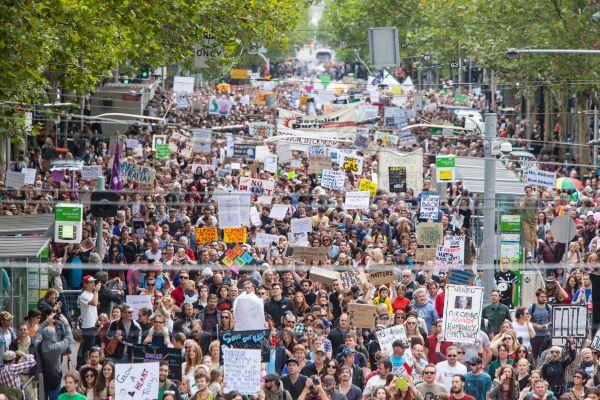
A climate march in Australia; climate activists have a lot to learn from the racial justice movement / iStock
Instances of “slow violence” have been ignored for too long
Even though racism and the unequal impacts of climate change cause immeasurable damage every day, and have been doing so for a long time, this harm is often concealed from sight or ignored by those who don't suffer them directly. The process is something akin to what Rob Nixon coined "slow violence": "a violence that occurs gradually and out of sight, a violence of delayed destruction that is dispersed across time and space, an attritional violence that is typically not viewed as violence at all."
Slow violences of injustice, racism, and inaction have crossed a threshold, becoming urgent and acute ... existential questions we have long been asking ourselves are imbued with a renewed energy.
We are living in a historical moment, but not because anything new is happening: tragically, pandemics have come and gone; people have suffered racial abuse and oppression for generations; and we have seen evidence of the climate and environmental emergency for decades now. But the slow violence of injustice, racism, and inaction have crossed a threshold, becoming urgent and acute. That makes this moment feel different. The existential questions we have long been asking ourselves are imbued with a renewed energy, which must be applied to confronting all forms of injustice.
It's broken, so let's fix it—starting now
Tackling injustice, however, means clashing head-on with systems that have been put into place and upheld by those in power. Consider this: the creation of an institution and its raison d''tre is shaped by the values of its creators—what they consider to be right and wrong. These values will ultimately determine the trajectory of the institution—for example, a nation that moves toward green growth or toward fossil fuels; a city that moves toward inclusive urban planning or toward neighbourhood redlining. The longer a society adheres to the values of its creators, the more woven into the fabric of day-to-day life they become, and the more difficult it can be to challenge the status quo.
One country that has managed to challenge dominant narratives and development models is Costa Rica. Andrea Meza Murillo, Director of the Climate Change Division in Costa Rica's Ministry of Environment and Energy, explained during a recent interview with IISD that the government decided to maintain fuel prices at their higher, pre-pandemic levels and use the extra revenue to fund unemployment support schemes, which are now historically stretched. Such a decision in the current global context reflects the nation's sustained commitment to decarbonization and greener growth, while also reaffirming Costa Rica’s rejection of outdated models of development that put the economy before well-being.
A roadside market stall in Guancimo, Costa Rica; this country has long rejected outdated models of development that put the economy before the collective well-being / iStock
But such inspiring examples as this one remain uncommon, as most institutions are self-serving and resist change. In the wake of George Floyd’s death, the mayor of Minneapolis, Jacob Frey, admitted that reforming public institutions to address their embedded biases is almost impossible: "This is not just about the eight minutes of time where our officer had his knee on George Floyd’s neck," he told the New York Times. "This is about the previous 400 years. This is about a hundred years’ worth of intentional segregation and institutionalized racism." Though Mr. Frey was referring to racism in the local police force, the same discrimination exists in all kinds of systems.
The labelling of Indigenous Peoples as stewards of their ancestral lands, for example, has been used to limit their influence strictly to local issues and exclude them from bigger, nationally relevant conversations.
The narratives that institutions build for themselves will sometimes seek to disguise racist or post-colonial mentalities and pigeon-hole people in order to perpetuate carefully crafted status quos. The labelling of Indigenous Peoples as stewards of their ancestral lands, for example, has been used to limit their influence strictly to local issues and exclude them from bigger, nationally relevant conversations.
Even when in pursuit of noble causes, like ensuring the survival of humanity in the face of a climate emergency, the interests and competing priorities that come into play in constructing a narrative of resilience and progress will carry conflicting values and visions.
Is an ambitious climate narrative aligned with the principles of justice?
The narrative in climate discussions, widely supported by science, posits that a global temperature increase must be limited to 1.5°C above pre-industrial levels to avoid the catastrophic impacts of climate change. We fully support this ambition as the responsible and just thing to do; however, we need to match the enormous mitigation efforts needed to meet this target with massively scaled-up adaptation planning to prepare for a world in which the 1.5°C goal is not met, a world in which the lives and livelihoods of billions of people—especially those who are marginalized, living in poverty, and largely under-represented in global and national decision-making processes—are at risk.
This doesn't mean we should give up on the 1.5°C target; on the contrary, the focus must be on a transformational approach to climate action that is more radical in reducing greenhouse gas emissions and, at the same time, sets mechanisms, funding, and actions in place to urgently address the needs of people in a world that is 2°C or 3°C warmer. Although it may sound subtle, this would represent a huge departure from the existing climate narrative and bring justice closer to the centre of climate action.
Let's start acting for the future we want—one for the planet and its people
We may soon look back to find that one of the great legacies of 2020 was planting a stronger sense of responsibility and activism in all of us to drive change—whether it manifests through protesting, changing our habits and values, or being more open to opinions we have previously shunned.
(…) This time
nothing, no one forgotten. We are here for the storm
that’s storming because what’s taken matters.
The words above, written by Claudia Rankine, eloquently point to the tragedies, injustices, and uprisings that are challenging us today, which will hopefully bring us closer together in the long run. As the world spins out of orbit, we’re seeing the racial justice movement courageously laying the foundation for a new order—it’s our shared responsibility to help build it, but we must pick up the tools and get to work.
Share this page:
Insight
The U.K.’s Global Tariff: A new broom sweeps green?
In liberalizing the trade of dozens of environmental goods, the U.K. signals its commitment to tackling climate change. But is this enough?
June 10, 2020
The new U.K. Global Tariff will liberalize trade in dozens of environmental goods. It's a great start, but should it go further?
The United Kingdom’s (U.K.) departure from the European Union (EU) at the end of January presented its government with a number of choices about how it would operate outside the Single Market and Customs Union. Chief among these choices was the countries’ new external tariff regime, released May 19. This schedule determines which imported products will face duties, and how high those duties will be.
Applying from the end of the transition period (currently December 2020), this new regime will replace the EU’s Common External Tariff (EU CET) and shape the competitiveness of thousands of foreign and domestic goods, including hundreds of goods of critical importance to sustainability and the greening of the economy. Ensuring such goods and components can be imported tariff-free increases their competitiveness, encourages uptake by consumers and businesses, and helps level the playing field between investments in low-carbon energy sources and fossil fuels on which tariffs are uniformly zero-rated. (Eliminating tax preferences favouring fossil fuels would help also.)
Wind turbines are a more clear-cut example of what constitutes an environmental good / iStock
What's different about the new U.K. Global Tariff?
Assessing the new U.K. Global Tariff (UKGT) against the EU CET is complicated by the absence of consensus on what constitutes an “environmental good.” While some products like solar panels or wind turbines are uncontroversial, others—especially goods with both environmental and non-environmental uses, such as acrylic polymers or superheated water boilers—are more contestable.
One benchmark is the list produced by the co-chairs of the plurilateral Environmental Goods Agreement (EGA) negotiations. This list built on the 54 products itemized in the earlier Environmental Goods initiative of the Asia-Pacific Economic Cooperation (APEC), bringing the total to 265 tariff lines. As part of the British government’s consultations on the UKGT, a group of trade experts, business groups, and civil society organizations formally recommended liberalizing the roughly three quarters of the EGA product list that faces tariffs under the EU CET.
The UKGT did not quite meet that challenge in full, but still made meaningful progress over the EU CET in liberalizing EGA-list products. The UKGT:
Maintains existing tariff-free access for all 67 products from the EGA list that were already zero-rated under the EU CET; this category includes products such as photovoltaic cells and modules; machines and apparatus for the manufacture of boules or wafers (which are used in the manufacture of photovoltaic wafers); light-emitting diodes (LEDs); and various instruments and apparatus for measuring or checking the flow, level, or pressure of liquids or gases.
Removes tariffs on an additional 133 product categories listed in the EGA list and their sub-categories; tariffs on most of these products under the EU CET range between 1.5% and 4%.
Reduces tariffs on another 57 product categories, albeit generally by 1 percentage point or less as part of a rounding exercise.
Ultimately leaves only five EU CET tariff lines from the EGA list at their previous levels.
Notably not lowered were tariffs on electric or hybrid-electric passenger vehicles, which remain at 10%, nor on bicycles, which remain at 14%. The complete set of tariff changes can be found here and those corresponding to the EGA list here.
Products such as photovoltaic cells and modules will remain tariff-free / iStock
Meaningful changes
Among the environmental goods on which tariffs won’t apply at the end of the U.K.’s Brexit transition period are the following lines covering equipment used to generate heat or electric power from renewable energy sources.
Four or six-digit tariff line (HS 2017)
Description
7007.19
Toughened (tempered) safety glass — Other, which covers solar glass used in photovoltaic panels.
7009.91
Glass mirrors, unframed, which covers solar concentrating mirrors with one or more float glass layers, designed for use with photovoltaic (solar) generators.
84.10
Hydraulic turbines and water wheels, and parts of hydraulic turbines and water wheels.
8419.19
Instantaneous or storage water heaters, non-electric, which covers solar water heaters.
8483.40
Gears and gearing, […] of a kind used in wind turbines and dual-axis slewing drives designed solely or principally for solar concentrator systems.
8501
AC generator “alternators,” which covers AC generators for wind-powered generating sets.
8502.31
Generating sets, wind-powered.
9013.80
Liquid crystal devices […]; lasers […]; other optical appliances and instruments, not specified or included elsewhere in this chapter — Other devices, appliances and instruments, which covers solar heliostats.
Other environmental goods on which tariffs will be set to zero include thermostats, glass wool insulation products, fluorescent lamps, LED lamps, waterless urinals, composting toilets, and heat pumps.
A start, but what next?
The products liberalized are a subset of the EGA list, which in turn represents only a portion of all goods that can reasonably be considered environmental. However, it is highly likely that we will continue to see many new environmental technologies invented. Once they are, how will they be dealt with in the U.K.’s tariff schedule? It’s reasonable to expect that, in time, the government will review and update its tariff settings as technologies evolve, market realities shift, and new versions of the Harmonized Commodity Description and Coding System (HS) are designed and implemented.
Wider implications
Beyond the domestic benefits of lowering tariffs on so many goods important for environmental sustainability, it’s hoped that the U.K.’s unilateral liberalization could eventually encourage a restart to the EGA negotiations at the World Trade Organization.
As convener of the 26th session of the Conference of the Parties of the United Nations Framework Convention on Climate Change (COP 26) in Glasgow (November 1–12, 2021), the U.K. will have the opportunity to highlight the importance of expanding the number of countries liberalizing their trade in environmental goods.
As the convener of COP 26, the U.K. will have the opportunity to highlight the importance of expanding the number of countries liberalizing their trade in environmental goods.
That the U.K. has offered these reduced tariffs on a most-favoured-nation basis—i.e., accessible to all World Trade Organization members equally—bolsters the approach taken by the six countries currently negotiating an Agreement on Climate Change, Trade and Sustainability (ACCTS), of which the elimination of tariffs on an agreed list of environmental goods will form a part.
By COP 26, the initial parties to the ACCTS negotiations are likely to have concluded an agreement and will have opened it to new adherents. Announcing the U.K.’s intention to join ACCTS at that event would send a signal of its commitment to multilateral progress on trade, the environment, and climate change.
Dmitry Grozoubinski is the founder of ExplainTrade and a Visiting Professor at the University of Strathclyde. George Riddell is Director of Trade Strategy at EY UK&I. Ronald P. Steenblik is a Senior Fellow at the International Institute for Sustainable Development.
The Environmental Consequences of COVID-19 in Fragile States
The COVID-19 pandemic could have severe impacts on the environment in fragile states, compounding the challenges faced by their governments and their populations. But it doesn’t have to be that way.
June 9, 2020
The COVID-19 pandemic could have severe impacts on the environment in fragile states, compounding the challenges faced by their governments and their populations. But it doesn’t have to be that way.
For fragile states, the social and economic impacts of the COVID-19 pandemic are immediate and potentially devastating. The virus threatens to overwhelm already overstretched and under-resourced health systems. When it is compounded with the loss of jobs, the collapse of capital and remittance flows, and disruptions to commodity supply chains and food systems, among other knock-on impacts, there are serious concerns for the stability of these countries and the well-being of their citizens. For those countries most in need of progress toward achieving the Sustainable Development Goals (SDGs), the pandemic threatens to stall or reverse any tenuous gains that have been made.
Less well discussed is what the pandemic might mean for the environment in fragile states, and how these impacts—on watersheds, forests, wildlife, fisheries, and ecosystems—could undermine peacebuilding efforts, further driving instability.
Food systems and the biodiversity connection
Most immediately, disruptions to both domestic and international food systems could increase food insecurity for the poorest and most vulnerable. In most fragile states, agriculture remains the dominant source of livelihoods. Cutting farmers off from their markets and even from their fields due to lockdowns could threaten local food supplies, with restricted supply potentially leading to a spike in prices just as incomes are contracting. The shutdown of fisheries could further compound food security risks. A repeat of the 2008 food price crisis—and the social instability that resulted—is a growing concern. In response, there could be rapid increases in the conversion of land to agriculture; local subsistence hunting; and illegal, unreported, and unregulated fishing. If not sustainably managed and controlled, these actions could have a significant impacts on local biodiversity and, consequently, ecosystem and community health.
Beyond food, the mining sector is a key pillar of many fragile state economies. The pandemic has led to the shutting down of a number of mining operations, both by government decree and by corporate policy. This could push thousands into the informal, already crowded artisanal and small-scale mining (ASM) sector at large-scale mines. With governments increasingly unable to enforce what few regulations may exist for these remote operations, the high environmental and social costs could include deforestation, water pollution, and the increased use of cheap mercury in processing; elevated health and safety risks relating to the influx of untrained miners; and the expanded use of child labour as schools close and incomes are reduced. Women will bear many of the impacts. Should these ASM operations spring up in close proximity to large-scale mines, tensions and conflicts could also emerge between miners and companies.
With governments increasingly unable to enforce what few regulations may exist for these remote operations, the high environmental and social costs could include deforestation, water pollution, and the increased use of cheap mercury in processing.
Finally, as governments retreat from more rural areas and direct their resources and attention at the fight against COVID-19, they could leave a vacuum easily filled by non-state armed groups or criminal organizations seeking to exploit the situation for revenues or territorial control. As an example, with the imposition of lockdown measures in Colombia, community and land rights activists were quickly targeted by groups involved in illegal mining.
Fewer tourists means less revenue to help protect nature
Not many tourists travelled to fragile states prior to the pandemic; however, the sector was an important source of jobs, investment, and revenue for many of these countries. What tourism existed has often been closely tied to nature, including visits to expansive national parks, mountains, and waterfalls. Many of these biodiversity hotspots were home to significant conservation programming, funded in part by tourism receipts.
Tourism at national parks in fragile states has dropped off sharply / iStock
The collapse of these revenues and the halted flow of visitors for the foreseeable future put these critical ecosystems under considerable strain and significantly impairs the ability of governments and conservation managers to monitor and protect habitats and wildlife. Given the high correlation between biodiversity and conflict, reduced oversight of protected areas and critical ecosystems could lead to increased competition for and exploitation of the valuable natural resources found within their boundaries, including timber, charcoal, bushmeat, and minerals. Conservation International reports that illegal poaching has increased since the pandemic began, while deforestation has surged in Brazil and Cambodia. Global Witness notes that, in the latter, environmental defenders are increasingly finding themselves under threat. In the absence of effective state intervention, increasing tensions and grievances within and among stakeholder groups could turn violent.
What tourism existed has often been closely tied to nature, including visits to expansive national parks, mountains, and waterfalls. Many of these biodiversity hotspots were home to significant conservation programming, funded in part by tourism receipts.
In the longer term, once economies start to open up again, cash-strapped governments in fragile states may rapidly increase their focus on extractives and natural resource-based industries, such as forestry, fisheries, and mining, to generate quick revenues. This could happen at the expense of strong environmental, fiscal, and socioeconomic considerations. It could also lead to increased competition for resources among interest groups, the capture of resource rents by governments, rapid environmental degradation, and fraying of the social contract between citizens and the state.
Environmental degradation and competition over natural resources
Should environmental degradation and competition over natural resources increase as a result of the pandemic, it will not inevitably lead to conflict. However, when both increase in a context of state fragility and weak governance—to say nothing of a changing climate—and where the COVID-19 pandemic has led to increased unemployment and economic collapse, the likelihood of violence increases.
Unfortunately, in many fragile states, we are already seeing increasingly draconian responses to the pandemic from governments known for their corruption and authoritarianism. By further eroding the trust citizens have in public institutions—if there was any trust to begin with—these responses are making it harder for communities and governments to cope with the pandemic and its economic, social, and environmental consequences.
The responsible sourcing of fish is one way for fragile states to improve resource management / iStock
What can be done to avoid this and support fragile states?
All hope is not lost, however. There is much that can be done—by communities, civil society, governments, donors, and international organizations—to stave off this possible future and instead move toward one of good governance and sustainability. Fragile state governments must, of course, be held accountable for their actions by the international community, and efforts must continue to strengthen governance—that’s nothing new. But the broader focus must remain on supporting and building the resilience of communities, ecosystems, and governments, to ensure that they have the capacity to respond to and recover from future shocks. This includes support not only for health systems, but also for climate-resilient infrastructure, improved water management, more sustainable food systems, alternative livelihoods, and robust climate adaptation planning and implementation.
Support from the international community will be necessary and must continue to grow.
Within the extractive and agricultural industries, governments must be supported in their efforts to enforce and improve resource management regulations. Alongside companies and consumers, they can also redouble their efforts to ensure the responsible sourcing of timber, fish, agricultural products, minerals and metals, both through voluntary initiatives and regulatory mechanisms. It is important that the gains achieved in this area pre-COVID-19 be maintained and that these commodities be extracted, processed, and traded in a way that respects human rights, protects the environment, and promotes peace. Support services must be offered to artisanal and small-scale producers specifically, to ensure that they are protected from COVID-19 while also being able to generate the incomes they need to support their families and communities. These communities can be made a central part of recovery efforts, through employment in infrastructure projects and programs to support livelihood diversification.
COVID-19 could push thousands into the already crowded small-scale mining sector / iStock
The shrinking coffers of fragile state governments will not be able to cover all of this; support from the international community will be necessary and must continue to grow. And while support for fragile state communities through tourism may still be a ways off, conservation practitioners working to protect critical ecosystems can still be supported from afar.
Achieving the transition toward sustainability and stability will require considerable energy, commitment, and resourcing—all of which are admittedly in short supply as countries wrestle with domestic health challenges and budgetary shortfalls. However, the pandemic has underscored that, in a highly globalized world, countries ignore the needs of fragile states at their peril.
We May Be in Uncharted Waters, But We Aren’t Lost at Sea
When the financial crisis of 2008 hit, governments around the world began structuring stimulus plans. We can learn a lot by looking back at how effective these turned out to be.
June 8, 2020
As Canada navigates the COVID-19 pandemic from immediate response to short-term relief and, finally, long-term recovery, its leaders will face increasing scrutiny as to how much stimulus money is going where, and to what extent it will help us build back better.
If this all feels vaguely familiar, it’s because we’ve seen it before. When the global financial crisis of 2008 hit, governments around the world began structuring similar stimulus plans. We can learn a lot by looking back at how effective these turned out to be, both in terms of revitalizing economies and forging a path toward a low-carbon, sustainable future.
In the aftermath of the 2008 crisis, many countries implemented two kinds of policies: those that met urgent needs to support vulnerable sectors and people, saving industries and creating jobs; and those that aimed at longer-term recovery.
Taking the long road to recovery
In the latter category, countries such as the U.S. came out of the financial crisis with policies aimed at transitioning the energy system toward renewables, rolling out mass broadband, revolutionizing education and health care, investing in research and development, and renewing infrastructure.
While these kinds of long-term policies don’t fill the immediate need for jobs, they build a foundation for future growth and prosperity (the central tenet of building back better) by deliberately reshaping the economy.
While long-term policies don’t fill the immediate need for jobs, they build a foundation for future growth and prosperity (the central tenet of building back better) by reshaping the economy.
To do this, you need to have some idea of what you’re driving toward. Post-2008, countries including the U.S., Korea, Australia, Japan, and China used stimulus to support and nurture sectors that were poised to drive green recovery, which meant that economic rebuilding went hand in hand with immediate and lasting environmental improvements.
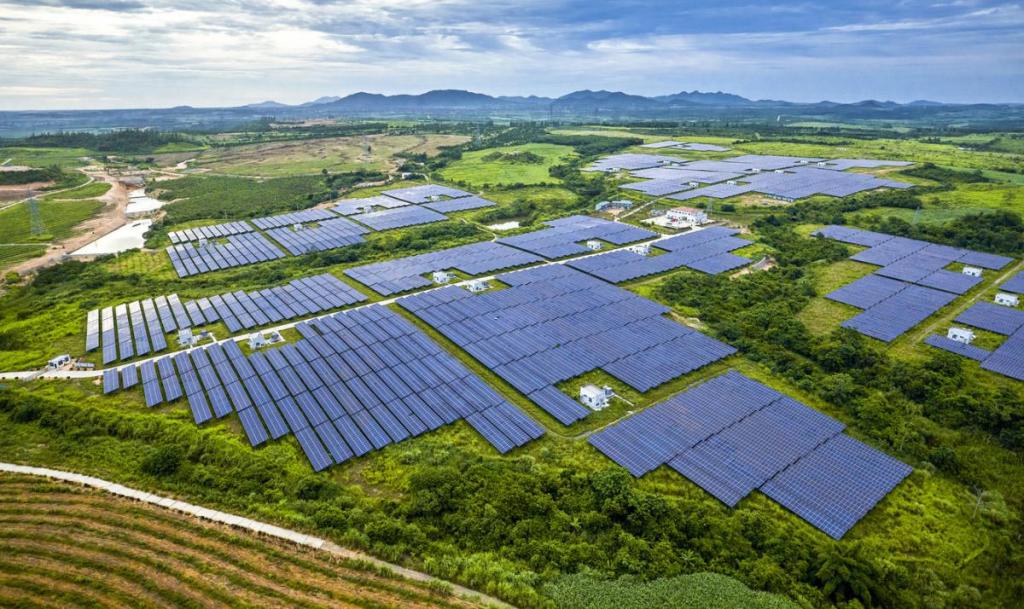
Investing in solar energy may be the right move for some countries / iStock
They put people to work retrofitting buildings to high energy-efficiency standards. China launched into its drive for global leadership on wind and solar power manufacturing. The U.S. forced its troubled auto manufacturing sector to reorient and start building fuel-efficient cars that would serve future markets.
It became clear that, in recovering from crisis, a nation could actively reshape its future to become at once greener and more prosperous.
The global financial crisis also taught us that bailouts of companies should be avoided, but if they are necessary taxpayers should be made whole at the end of the day, and conditions of bailouts should be onerous and tied to policy directives.
It became clear that, in recovering from crisis, a nation could actively reshape its future to become at once greener and more prosperous.
Because the auto bailouts in the U.S. were tied to improvements in vehicle efficiency, a lower emitting vehicle fleet was able to thrive, despite decades of resistance by the sector itself. The Canadian auto bailout came with daunting conditions; it forced restructuring and accelerated bankruptcy that wiped out shareholders, replaced senior management and took equity stakes. In the same vein, the present-day bailout of KLM-Air France was conditioned on limiting the airline’s ability to compete with France’s more environmentally friendly domestic rail services in cases where the journey by rail would be less than 2.5 hours.
Shovel-ready versus shovel-worthy
Investment in simple, ‘shovel-ready’ projects where finance was constrained also performed well after the 2008 crash, such as energy-efficiency funding for residential and municipal sectors. Areas where there was potential for a high number of standardized small projects, such as efficiency retrofitting, also performed better, and showed lower risk than large, complex infrastructure projects.
But governments must consider what’s shovel-worthy, too, applying the principles of smart industrial policy and targeting far-sighted support in areas where latent comparative advantage may take years to emerge. Many countries, notably Europe, made large investments in wind and solar power part of their post-2008 spending. For Europe, this led to a large wind-energy cluster, where countries like Germany held a mechanical engineering advantage.
The inevitable price of this kind of success is risk; the EU investments in solar energy did not create a similar cluster, in part because China already had an advantage in semiconductor electronics.
This is our chance to set Canada on a path of resilience and ensure we can compete in the low-carbon markets of the future.
Policy design is also crucial to avoid unintended consequences and rebound effects. In Australia, a home-insultation program was rapidly instituted, but failed because of a lack of consultation and poor design choices that traded safety, accountability, and effectiveness for speed of implementation. In Japan, subsidies to drive a massive shift toward more efficient, lower-emitting vehicles were a great success, but the decrease in greenhouse gases was largely offset by reductions in road tolls designed to boost tourism, which led people to drive more.
These kinds of pitfalls can be avoided by working across ministries, consulting with stakeholders, and carefully considering policy impacts (both intended and unintended).
We have an opportunity right now for a green transition, with an unprecedented global investment of public funds that will have decades-long repercussions. It’s our chance to set Canada on a path of resilience and ensure we can compete in the low-carbon markets of the future.
But in our rush to create policy solutions in these uncharted waters, let’s not forget that we can draw on rich experience to help us navigate toward this goal.
This op-ed originally appeared in the Hill Times on June 8, 2020. It has been republished with permission.