Conference

Battery Summit 2026 | Building the Battery Manufacturing Backbone for India’s Energy Transition

Part of the Battery Summit 2026, this panel will examine the opportunities and challenges associated with scaling up domestic battery manufacturing.

June 16, 2026 9:30 am - 5:30 pm IST

The Ashok, New Delhi 

(Open to public)

Batteries will play a central role in India’s development pathway by enabling electric mobility, renewable energy integration, stationary energy storage, and a broader low-carbon economy. With this in mind, building a resilient, circular, and self-reliant battery ecosystem will be critical for strengthening energy security, industrial competitiveness, and economic growth.

The Battery Summit 2026, convened under the theme Towards a Self-Reliant Battery Ecosystem in India, will bring together policy-makers, industry leaders, researchers, innovators, financiers, and development partners to discuss the future of India's battery value chain. The summit will focus on key pillars, including battery manufacturing, production technologies, critical minerals and processing, recycling and circularity, and emerging battery innovations.

As part of the Summit, this panel, organized by the International Institute for Sustainable Development, will examine the opportunities and challenges associated with scaling up domestic battery manufacturing. The discussion will explore pathways to move from announced manufacturing capacity to commercially competitive production, while strengthening industrial linkages, reducing import dependence, and building a future-ready battery ecosystem.

The panel will examine:

  • scaling up battery manufacturing from policy support to operational production
  • strengthening domestic capacity for equipment, components, and supply chains
  • preparing for evolving technologies and changing battery chemistries
  • mobilizing finance and improving cost competitiveness to attract original equipment manufacturers and build investor confidence
  • develop skills, safety systems, and quality standards for world-class manufacturing

The discussion will contribute to broader national efforts to establish a globally competitive battery manufacturing ecosystem capable of supporting India's clean energy transition and long-term industrial development.

Speakers

Swasti Raizada, Senior Policy Advisor, IISD

Kuldeep Rana, Scientist, Ministry of New and Renewable Energy

Kiriti Varma, Co-Founder and COO, Altmin

Ankur Khaitan, Managing Director and CEO, TACC Limited

Akanksha Tyagi, Programme Lead, CEEW

Yogesh Sharma,  Professor, Indian Institute of Technology, Roorkee and co-founder, Indi Energy
Conference

IGF 22nd Annual General Meeting

The leading global mining policy forum will be held under the theme of Trust in an Interdependent World: Advancing inclusion and resilience in mineral value chains.

October 12, 2026 9:00 am - October 14, 2026 5:00 pm Central European Time (CET)

(Open with a UN pass)

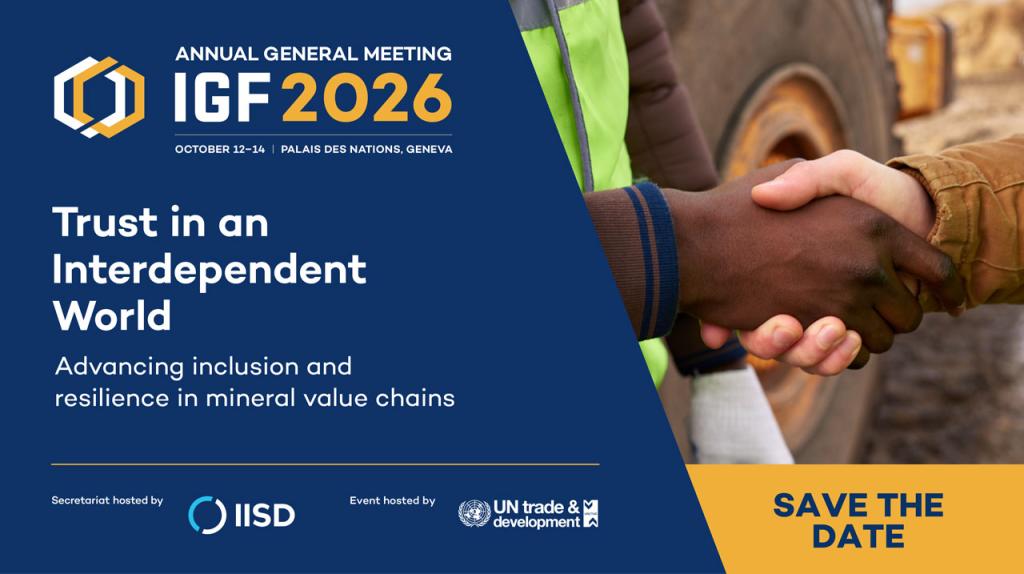
An image promoting the 22nd IGF Annual Meeting, which takes place from 12-14 October, 2026, at the Palais des Nations in Geneva

The Intergovernmental Forum on Mining, Minerals, Metals and Sustainable Development (IGF) is pleased to announce that its 22nd Annual General Meeting (AGM) will take place October 12–14, 2026, at the Palais des Nations in Geneva, hosted by UN Trade and Development (UNCTAD). This year’s theme is Trust in an Interdependent World: Advancing inclusion and resilience in mineral value chains.

As the leading international mining policy forum, the AGM provides a unique opportunity for policy-makers to connect with their global peers alongside actors from industry, civil society, and non-governmental and international organizations.

The AGM will include expert-led sessions that examine important aspects of mining governance, including critical minerals, legal frameworks, social inclusion, benefits sharing, mineral exploration, environmental management, sustainability standards, artisanal and small-scale mining, and more.

  • All plenary sessions will include language interpretation for participants in English, French, Spanish, and Russian
  • The AGM is hosted by UN Trade and Development
  • More details will be shared closer to the event on the AGM website

IGF Government Forum

Following the 22nd IGF Annual General Meeting, the IGF Government Forum will take place on Thursday, October 15. 

During this 1-day workshop, IGF members will join discussions on thematic and regional priorities. The IGF Government Forum is open to government officials only.

Conference

SB 64 Press Conference | Santa Marta to Bonn—Building Political Weight for the Fossil Fuel Transition

June 8, 2026 2:30 pm - 3:00 pm CEST

Nairobi 4, Main Building - Entrance Level, Bonn, Germany

(Open to public)

The transition away from fossil fuels, is set to take centre stage at UNFCCC June Climate Meetings (SB 64) in Bonn. These negotiations will be the first major test of whether momentum from Santa Marta can begin to shape the formal UNFCCC process—including through discussions on transparency, just transition, finance, the second global stocktake, and Presidency-led work on implementation.

At this SB 64 press conference, speakers from civil society and governments involved in the Santa Marta process will reflect on opportunities for the talks to build political weight for the transition away from fossil fuels. The briefing will draw on IISD’s joint publication, Progressing the Transition Away From Fossil Fuels: A Guide for Policy-Makers Working on TAFF Roadmaps and Plans, and will explore how countries can move from ambition to implementation through credible roadmaps, financial reform, just transition planning, and international cooperation. 

Conference

Critical Minerals, Responsible Supply Chains, and Sustainable Governance—China and Indonesia in Focus

June 4, 2026 1:00 pm - 4:00 pm WIB

Pullman Jakarta Central Park

(Open to public)

Global demand for critical minerals is projected to quadruple by 2040, largely driven by green and digital technologies. This shift is accelerating mining and processing projects worldwide while increasing environmental and social pressures on supply chains. As countries seek to maximize benefits from their mineral resources, strengthening environmental, social, and governance (ESG) practices must be a priority.

China dominates global critical mineral refining with an average 70% market share, meaning its overseas corporate operations significantly shape global ESG outcomes. At the same time, Indonesia has emerged as the world’s leading nickel producer, drawing substantial international investment to its processing sector.

This two-part side event at the Indonesia Critical Minerals Conference 2026 examines these dynamics through two complementary lenses: 

  1. the governance frameworks needed to ensure Indonesia's mineral wealth translates into sustainable development
  2. the ESG practices of Chinese companies in global supply chains.

Part 1: Advancing Indonesia’s Critical Minerals Strategy for Sustainable Growth

1:00 pm – 2:35 pm WIB

This session presents findings from IISD’s upcoming report on Indonesia’s critical minerals strategy, focusing on the nickel value chain, mining governance and ESG implementation, and the country’s evolving EV battery manufacturing policy. However, for growth to be sustainable, it must be inclusive and equitable.

The discussion will examine how Indonesia can align industrial development and growing critical mineral demand with stronger sustainability standards, governance frameworks, and inclusive economic development.

Part 2: ESG Standards and Practices of Chinese Companies in Critical Minerals Supply Chains

3:00 pm – 5:00 pm WIB

The session presents new research on how Chinese enterprises operating across global critical mineral supply chains approach ESG management, using Indonesia’s nickel sector as a case study. It compares China’s ESG frameworks with international sustainability standards and explores challenges related to responsible business conduct and supply chain due diligence abroad. 

The session also features a panel discussion with representatives from Harita Nickel; the China Chamber of Commerce for Metals, Minerals and Chemicals Importers and Exporters (CCCMC); the Association of Indonesian Mining Professionals; and Publish What You Pay Indonesia.

Attendance is free of charge. Participants must register as visitors through the Indonesia Critical Minerals Conference & Expo 2026 to access the venue.

Conference

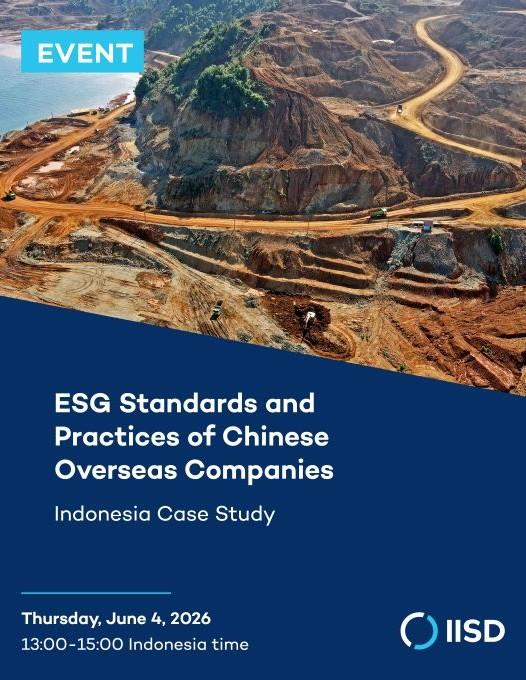
Environmental, Social, and Governance Standards and Practices of Chinese Overseas Companies: Indonesia case study

This IISD side event featured a panel discussion where findings from IISD's latest study on the environmental, social, and governance (ESG) management practices of Chinese enterprises in global mineral supply chain were presented, and which takes the case study of Indonesia and the nickel supply chain.

June 4, 2026 1:00 pm - 3:00 pm Western Indonesian Time

Drexler Room, Hotel Pullman Jakarta Central Park, Jakarta, Indonesia

(Open with a conference pass)

As demand for critical minerals rises, so, too, do expectations for responsible business practices. As a global leader in the mining sector, improving China’s sustainability standards and performance in critical minerals supply chains could translate into significant social and environmental improvements across the entire sector. At the Indonesia Critical Minerals Conference, IISD hosted an official side event where findings from our latest report on Chinese ESG standards and practices were presented and discussed alongside an expert panel.

The study outlines the evolution of the Chinese national ESG framework in mineral value chains and compares Chinese and international voluntary sustainability standards. Through interviews with stakeholders in the nickel supply chain in Indonesia, the study provides an overview of the main challenges Chinese companies face in implementing ESG practices, including supply chain due diligence. It highlights key areas and measures that could contribute to enhancing ESG standards among Chinese mining and processing companies operating overseas.
 

ESG standards and practices of Chinese overseas companies social card with event details

Conference details

Topic
Mining
Region
China
Conference

The Hidden Billions: Tax expenditure reform for sustainable finance

As national budgets tighten and overseas development aid shrinks, the global search for sustainable finance has reached a critical turning point. At the FCDO Global Partnership Conference, IISD Tax and Sovereign Debt Director Alexandra Readhead will deliver a feature talk revealing how the hidden tax expenditures can be harnessed to create immediate fiscal space and steer investment toward a green, inclusive future.

May 20, 2026 11:00 am - 11:30 am London time

(By invitation)

Card with information on Alexandra Readhead's talk at the FCDO global partnerships conference


At the FCDO Global Partnership Conference in London, IISD Tax and Sovereign Debt Director Alexandra Readhead will take the stage at 11 a.m. BST to deliver a feature talk, "The Hidden Billions: Tax Expenditure Reform for Sustainable Finance."

Drawing on her work with IISD and the Coalition on Tax Expenditure Reform (COATE), an initiative by five leading policy organizations launched at FfD4, Alexandra will discuss why tax expenditure reform should be the next practical step governments take to free up money for development and climate.  

Governments often provide tax breaks and credits to attract investment, but without proper evaluation, they often become hidden costs that often rival or exceed national health and education budgets. Alexandra will outline how governments can move from hidden to harnessed, turning these overlooked billions into targeted tools for green industrial development, gender inclusion, and economic resilience.

This talk comes at a critical juncture for international development. As debt pressures mount and overseas development aid shrinks, the search for sources of funding for development and climate has intensified.  

About the Conference

The Global Partnerships Conference, co-hosted by the UK Foreign, Commonwealth & Development Office (FCDO) and the Republic of South Africa, brings together a diverse coalition of governments, investors, and civil society to build modern partnerships that drive inclusive development and reduce long-term dependence on aid. 

Other events at the FCDO Global Partnerships Conference

A Roadmap for Fiscal Sustainability: Taxing Smarter for Growth and Equity

This side event, organized by the International Centre for Tax & Development, will provide practical lessons drawn from research on tax reform in lower-income countries. It will focus on how reforms can be effective at scaling tax revenues, as well as being equitable and sustainable.

Boosting fiscal resilience in lower-income countries has acquired a renewed urgency in the new reality of development finance. While aid decreases substantially, many lower-income countries also face pressing debt servicing costs that exceed what they can spend on basic services for their citizens.

Navigating the next era of development requires a new paradigm grounded in resilience, self-reliance, and partnership. Taxation is key to getting this right. While low and middle-income countries collect at least $1.5 trillion in tax revenue, this is still nowhere near the $4 trillion required to plug the financing gap toward the SDGs. It is impossible to conceive of a more self-determined development model in which tax does not play a larger role. When they are ineffective or inequitable, however, efforts to raise more revenue can undermine tax collection and public trust.

The challenge is massive, but we have a clear roadmap: more than a decade of context-specific evidence, much of which has been generated through partnerships between revenue authorities, civil society associations, finance ministers and researchers in the UK and across the globe. These partnerships enable officials and researchers to leverage data, share skills, jointly identify key insights, and embed learning feedback loops in real-time.

Learn more 

Conference details

Conference

Connected Waters: Bridging communities and ideas (IAGLR-SCAS 2026 joint conference)

This is where global research on the world’s large lakes meets Canada's rich tapestry of aquatic systems, from rivers and lakes to oceans and groundwater.

May 25, 2026 8:00 am - May 29, 2026 6:00 pm Central Daylight Time

RBC Convention Centre Winnipeg, 375 York Ave, Winnipeg, MB R3C 3J3

(Open to public)

We're hosting the International Association for Great Lakes Research (IAGLR) conference, along with the Society of Canadian Aquatic Scientists (SCAS) conference, May 25–29, 2026—right here in Winnipeg.

This is where global research on the world’s large lakes meets Canada's rich tapestry of aquatic systems, from rivers and lakes to oceans and groundwater.

Don't miss this opportunity to connect, collaborate, and advance our knowledge across scales and borders. 

Sign up today, and remember that IAGLR and SCAS members enjoy discounted registration rates.

Conference

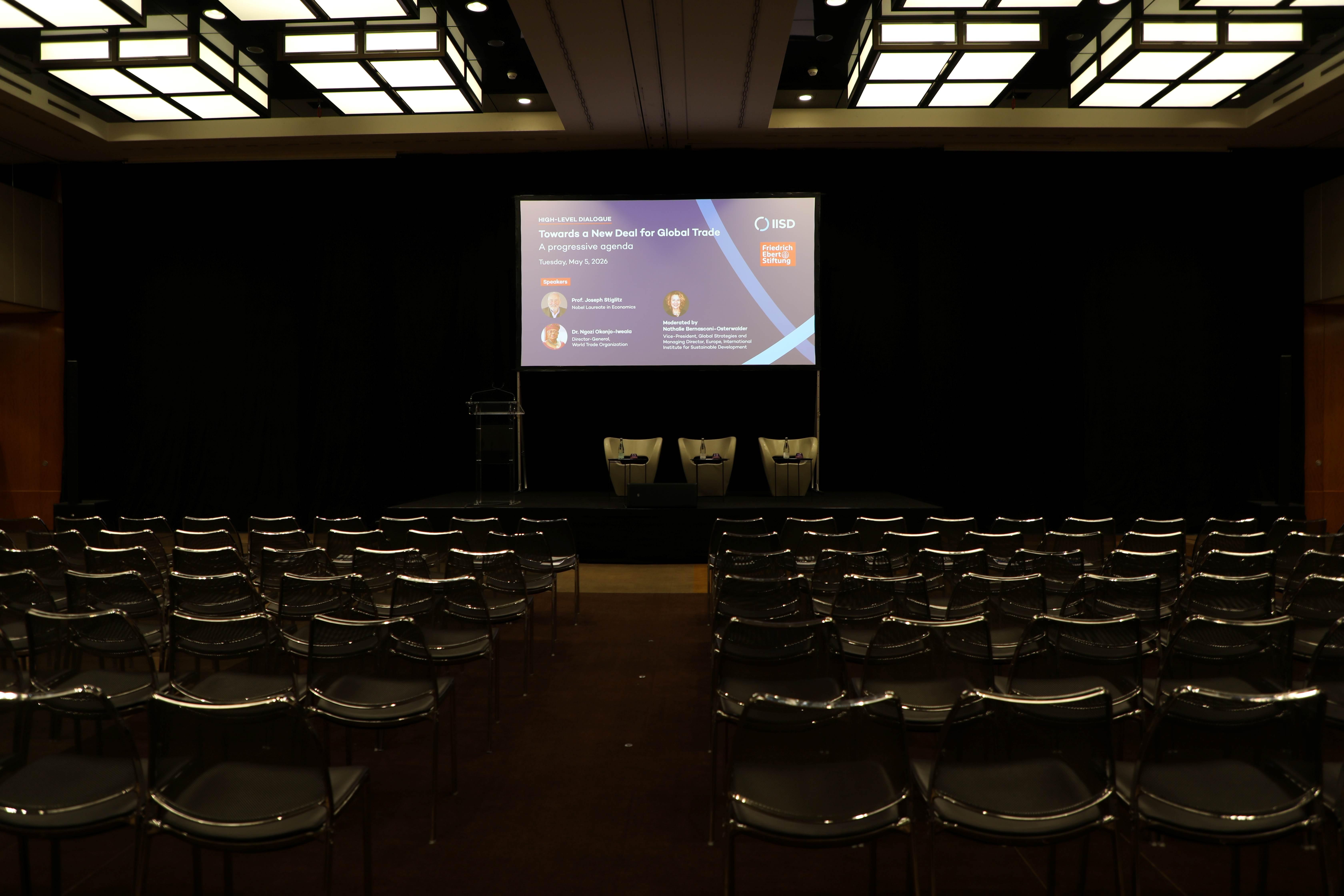
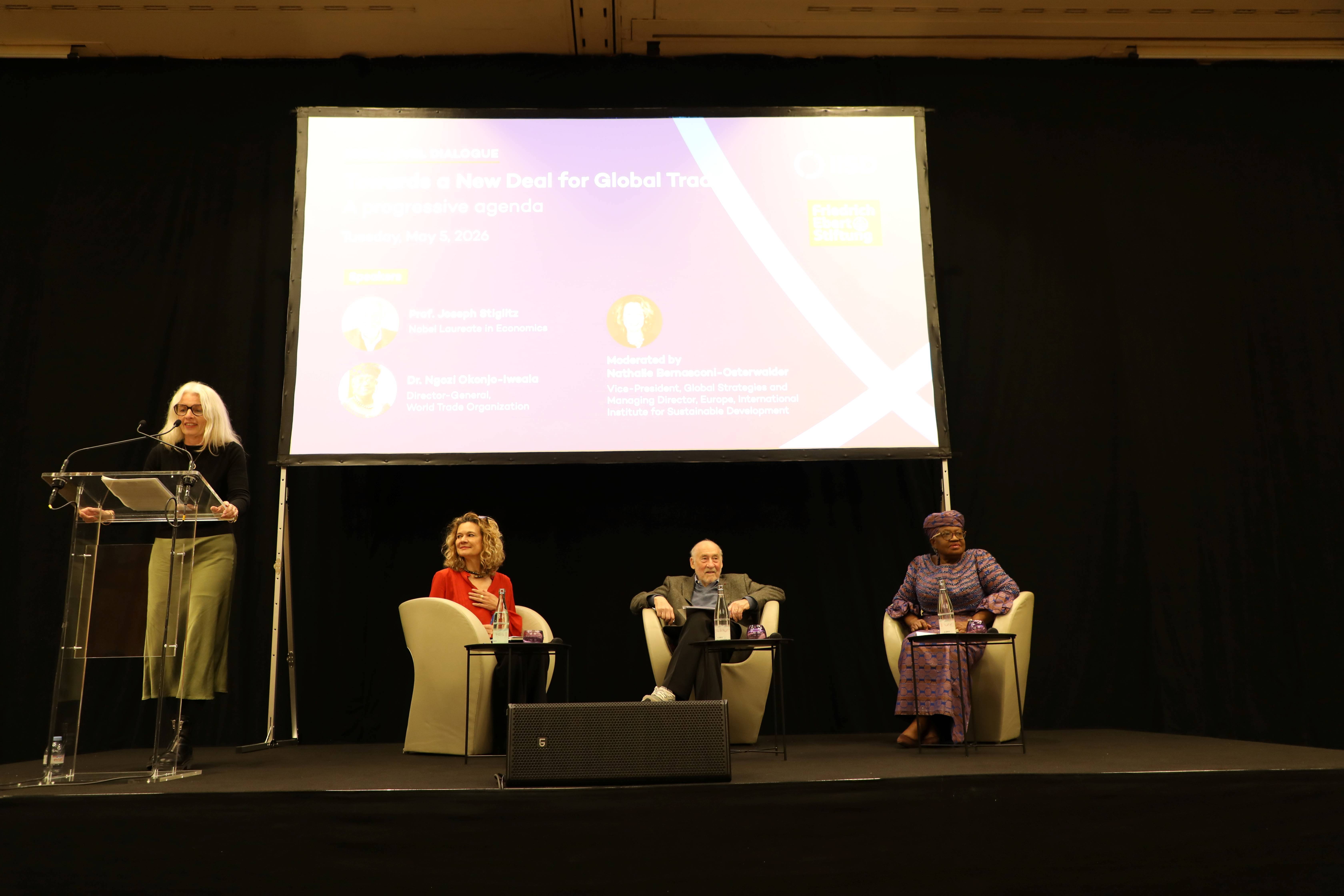
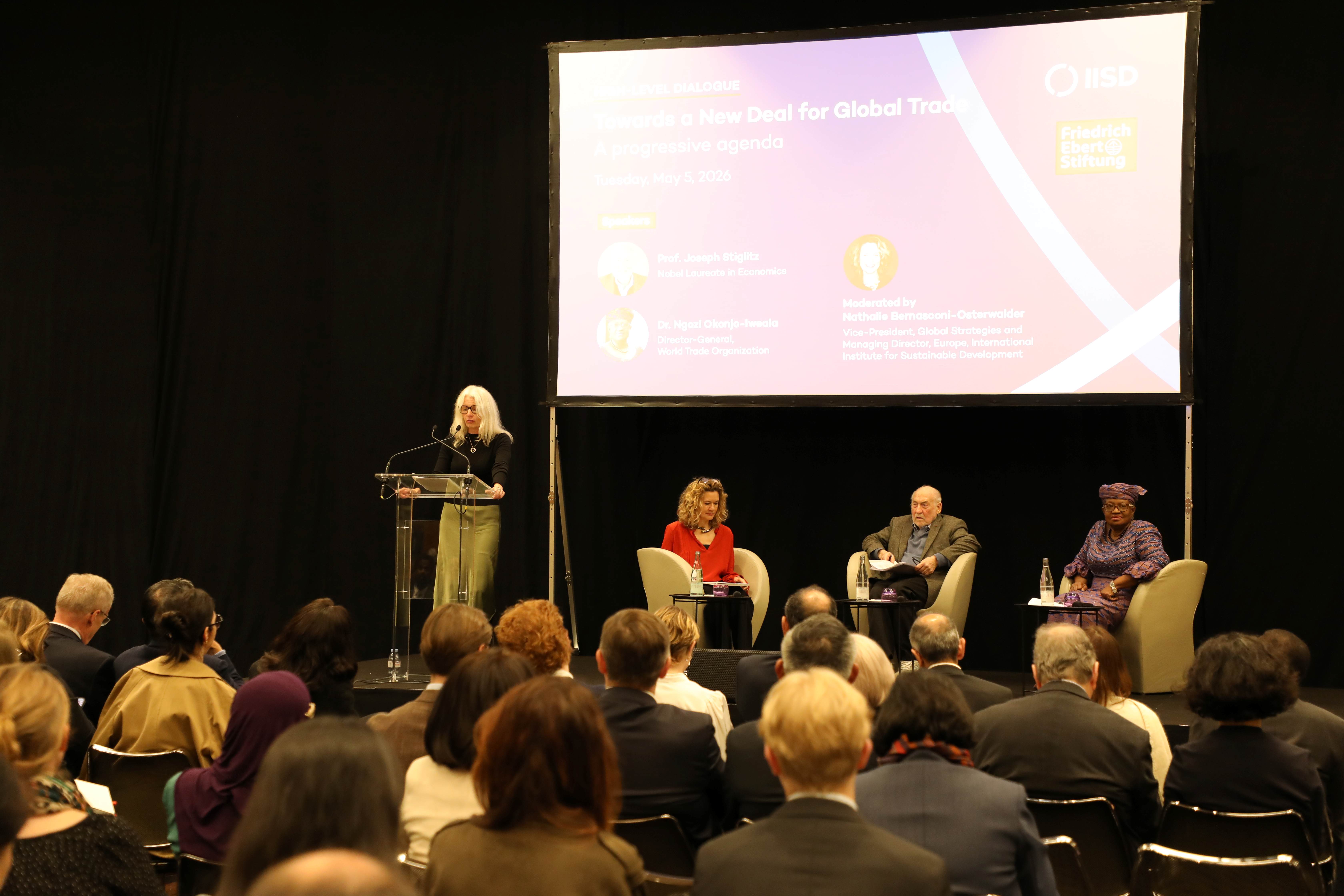
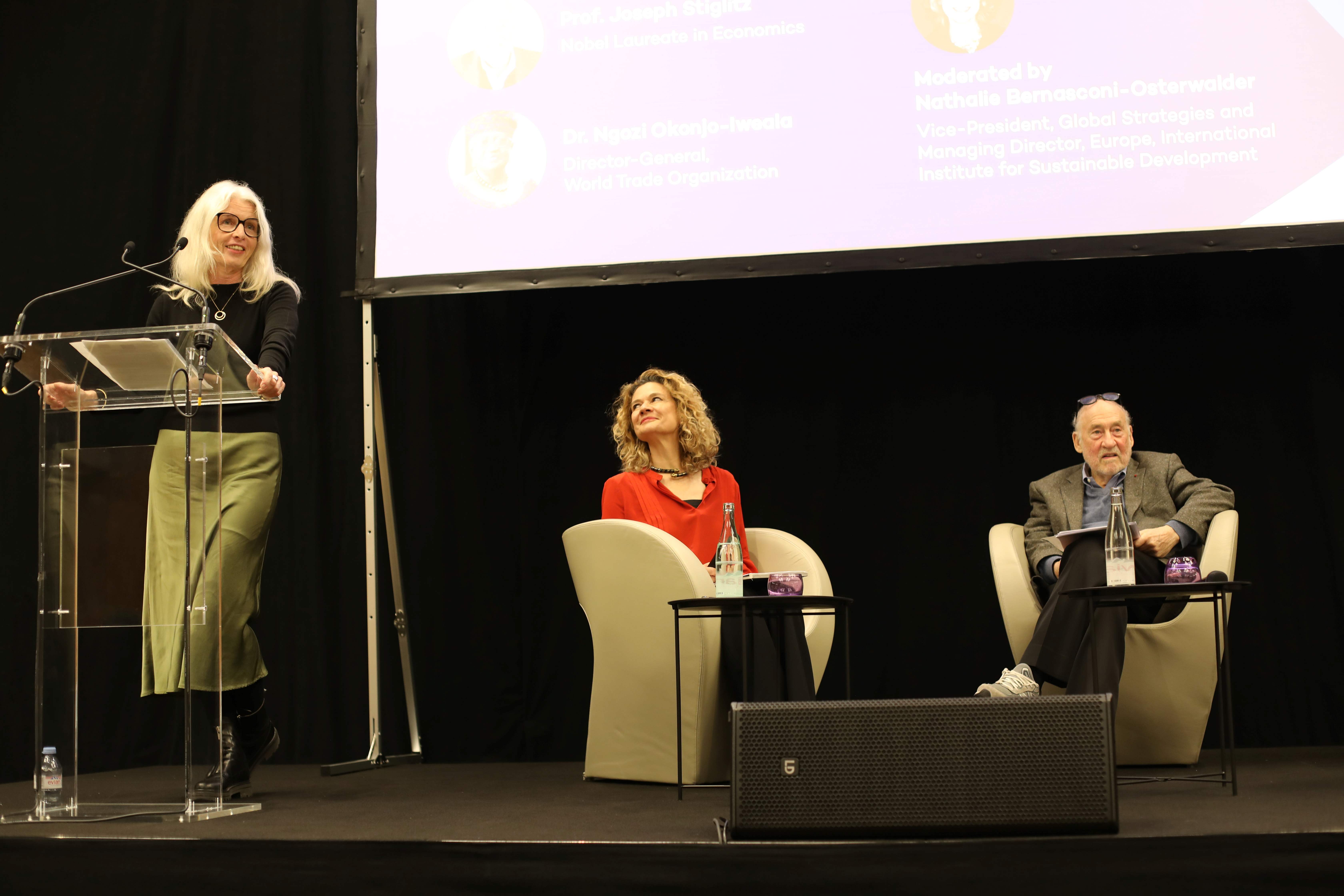
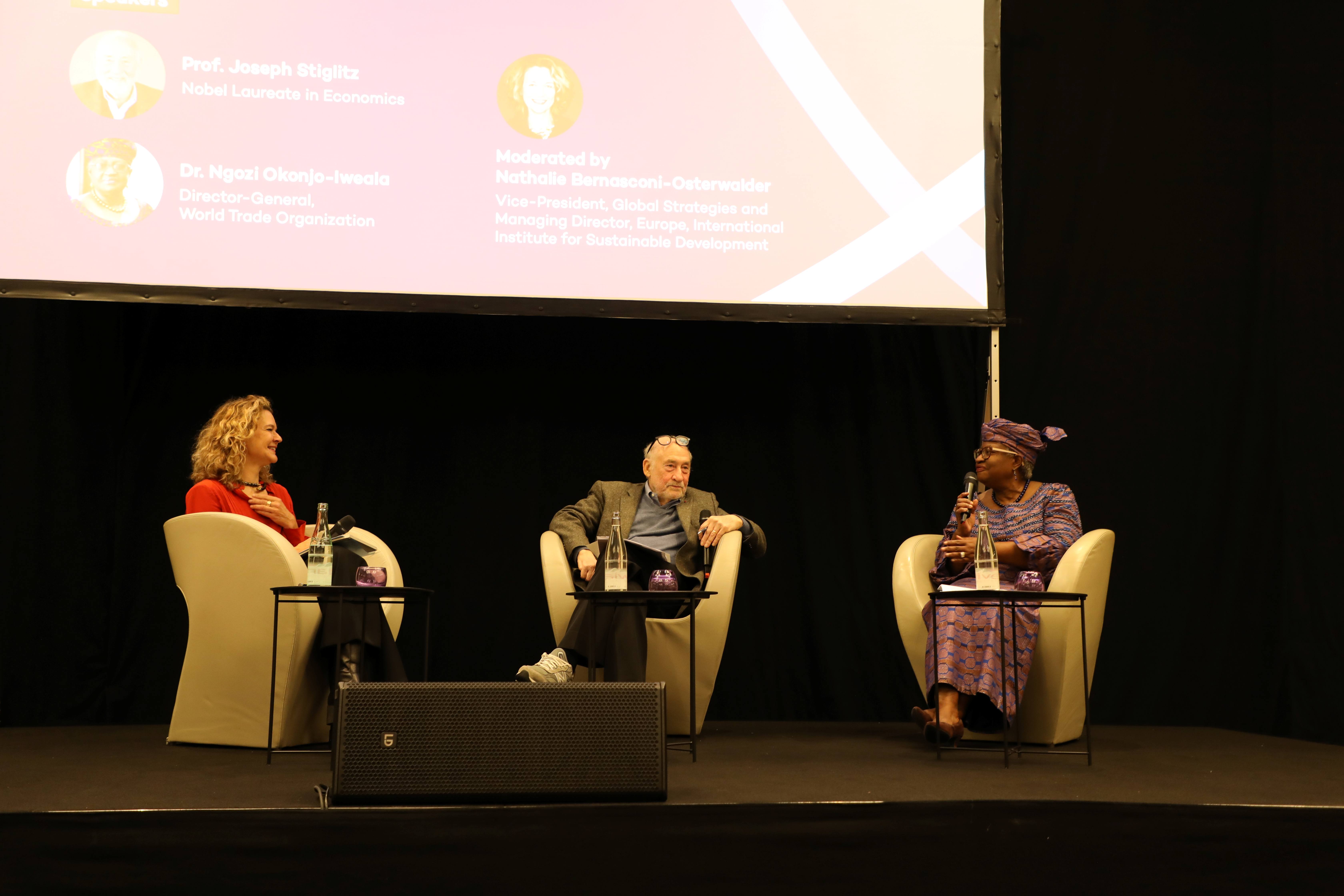
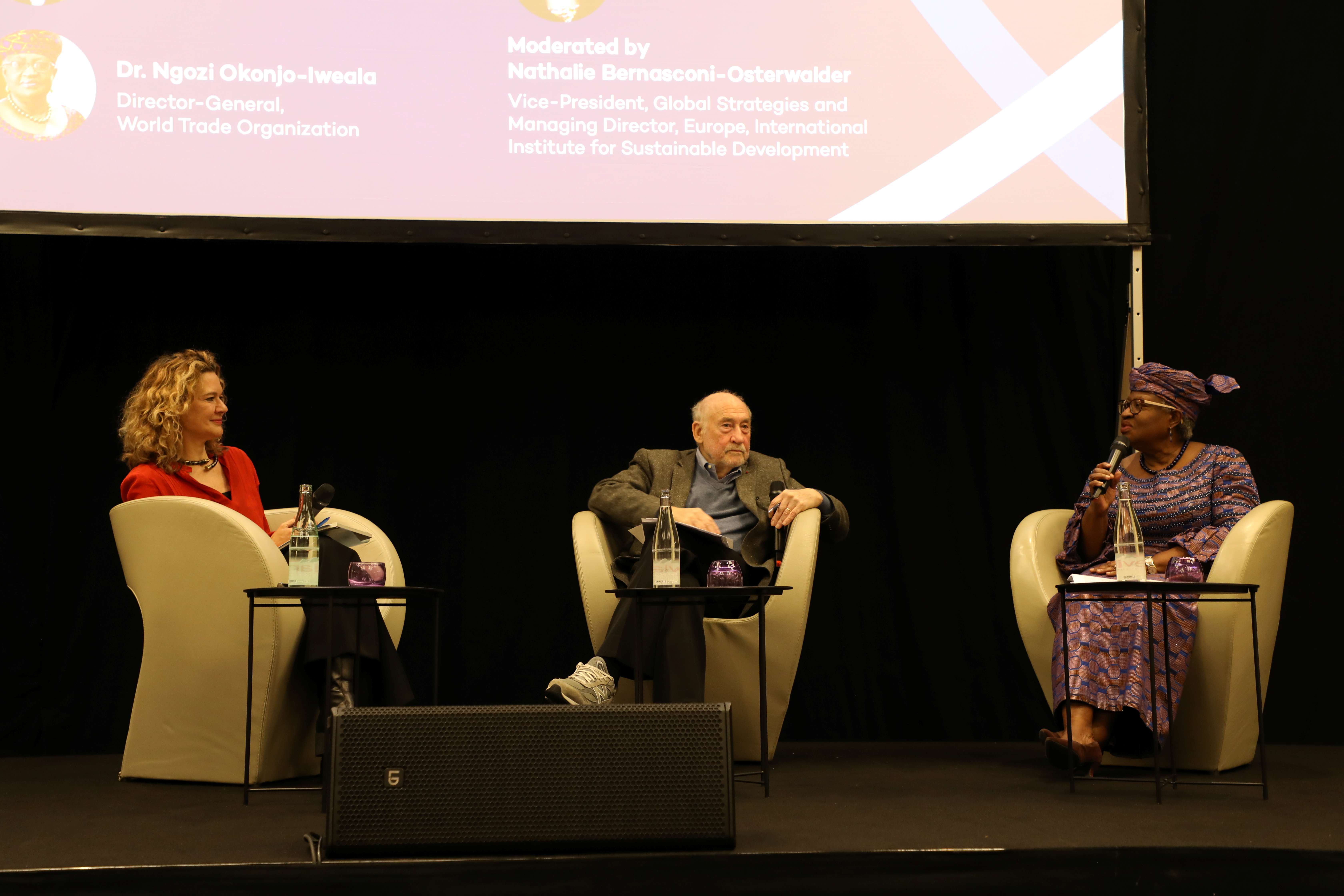
High-Level Dialogue Toward a New Deal for Global Trade: A progressive agenda

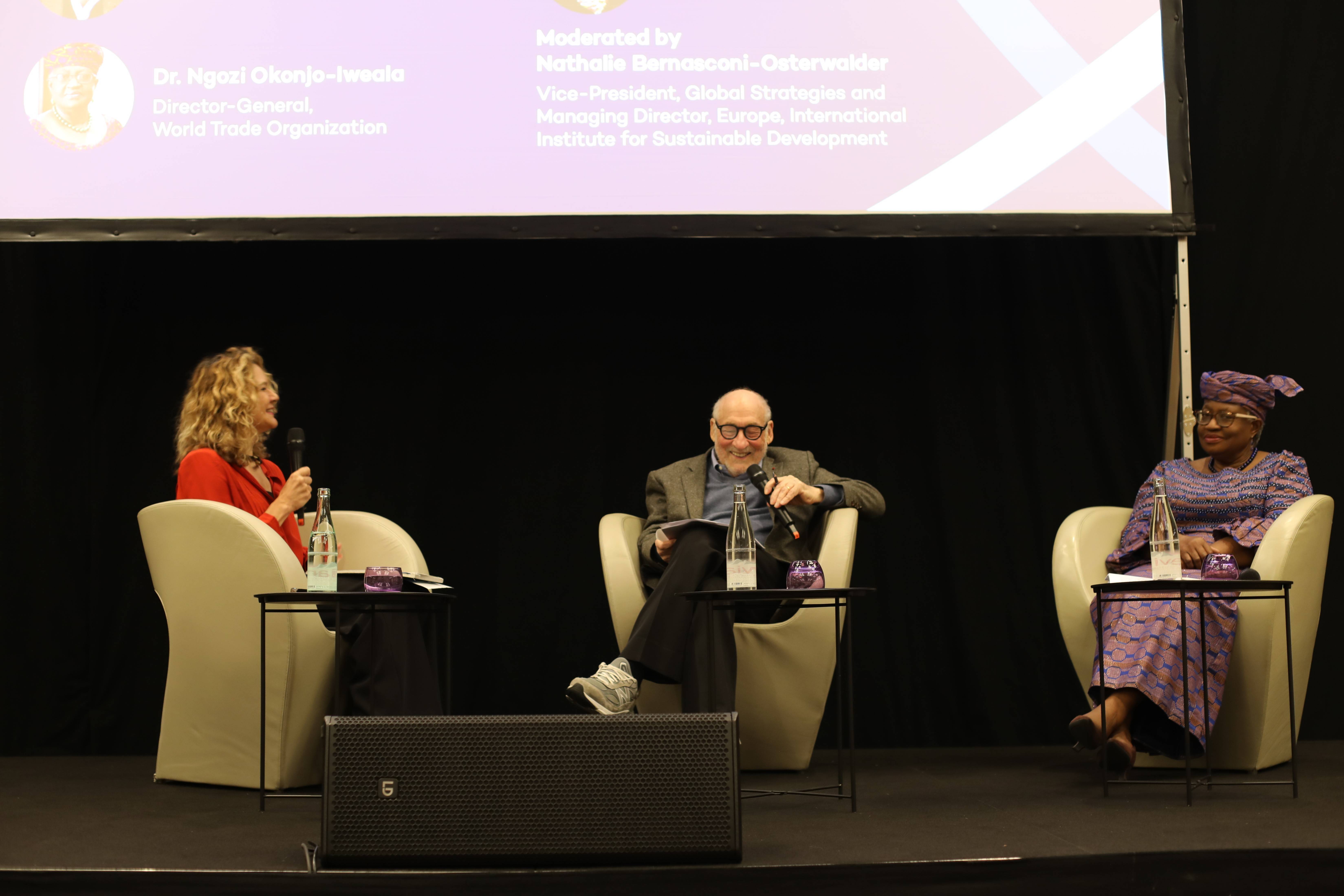
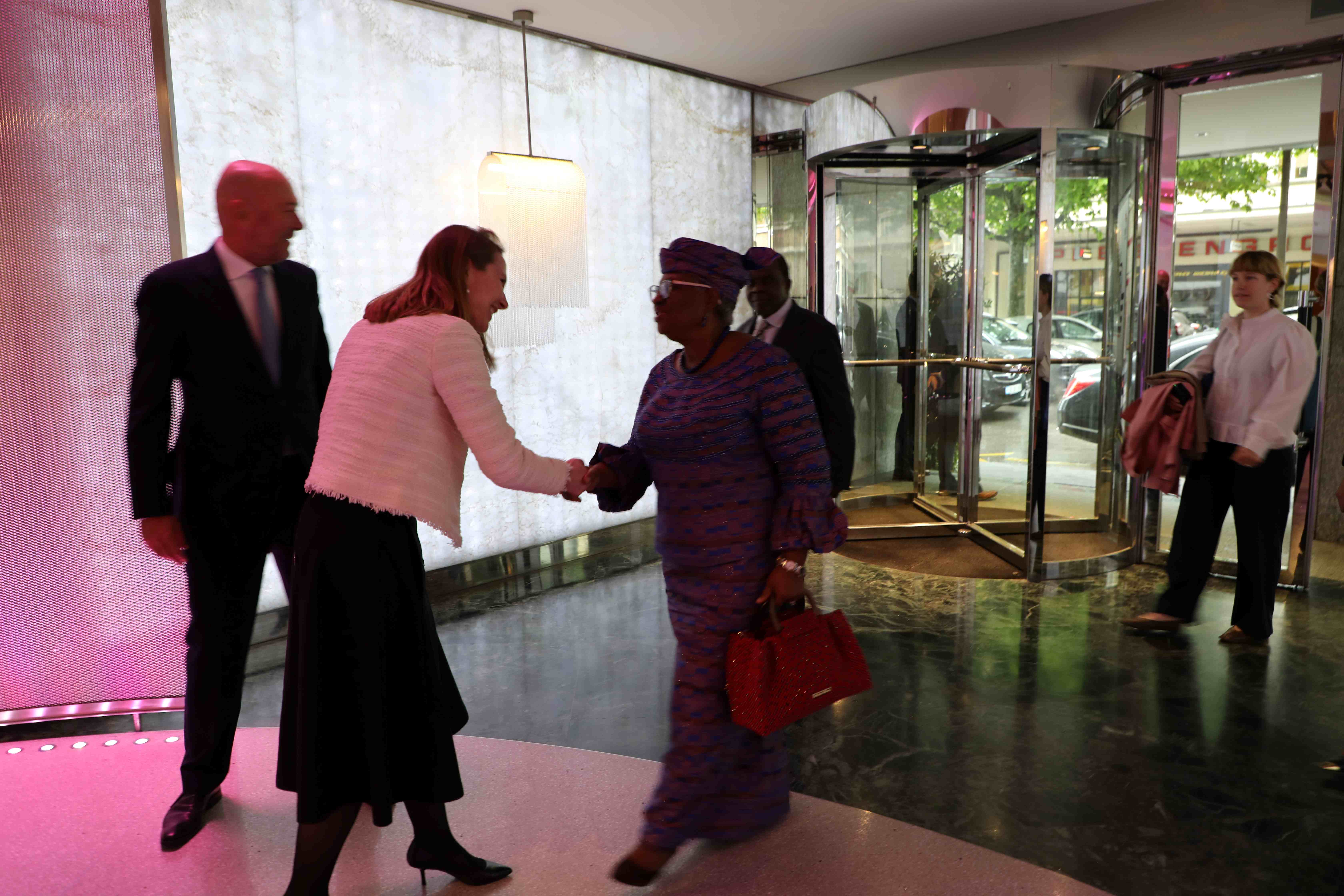
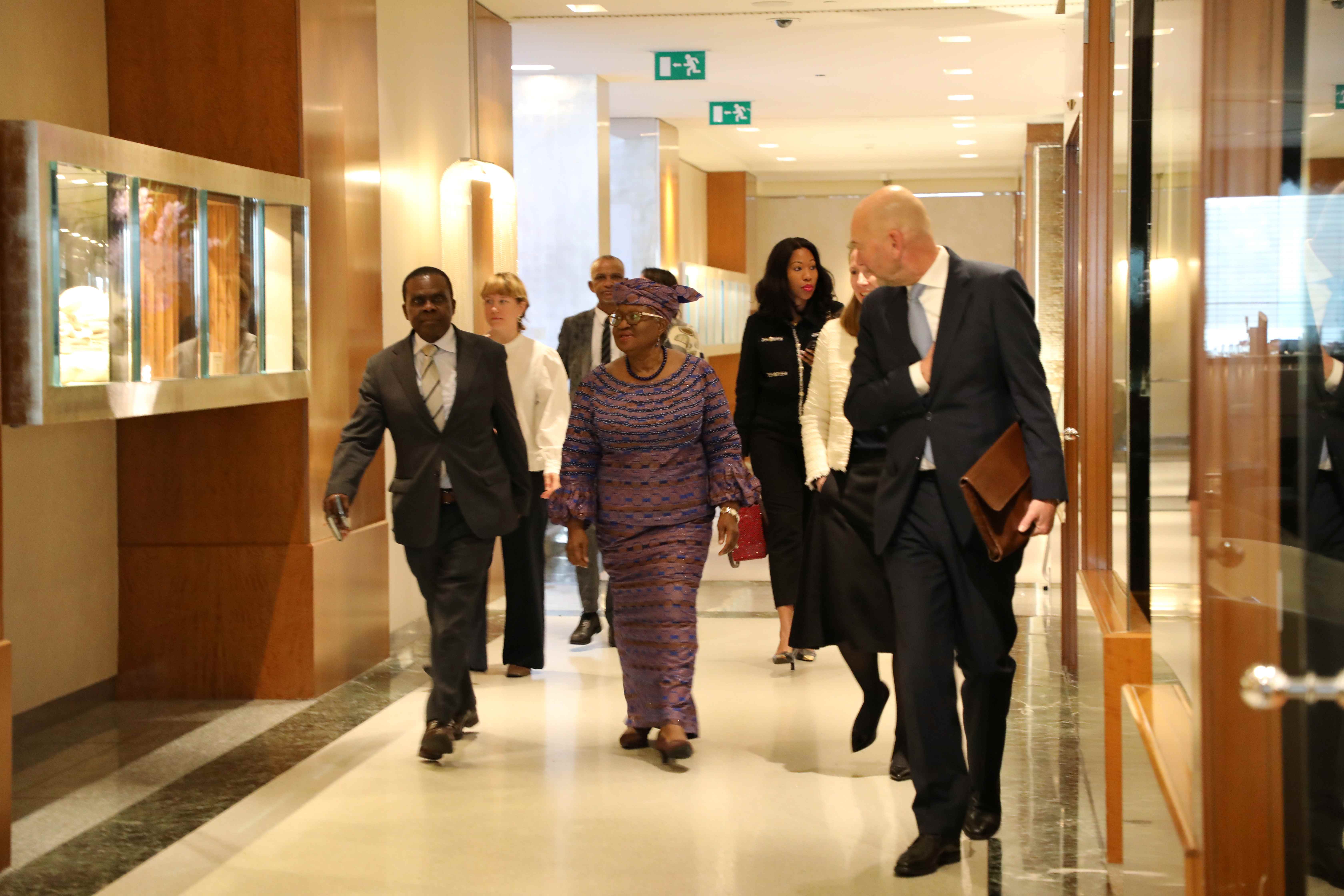
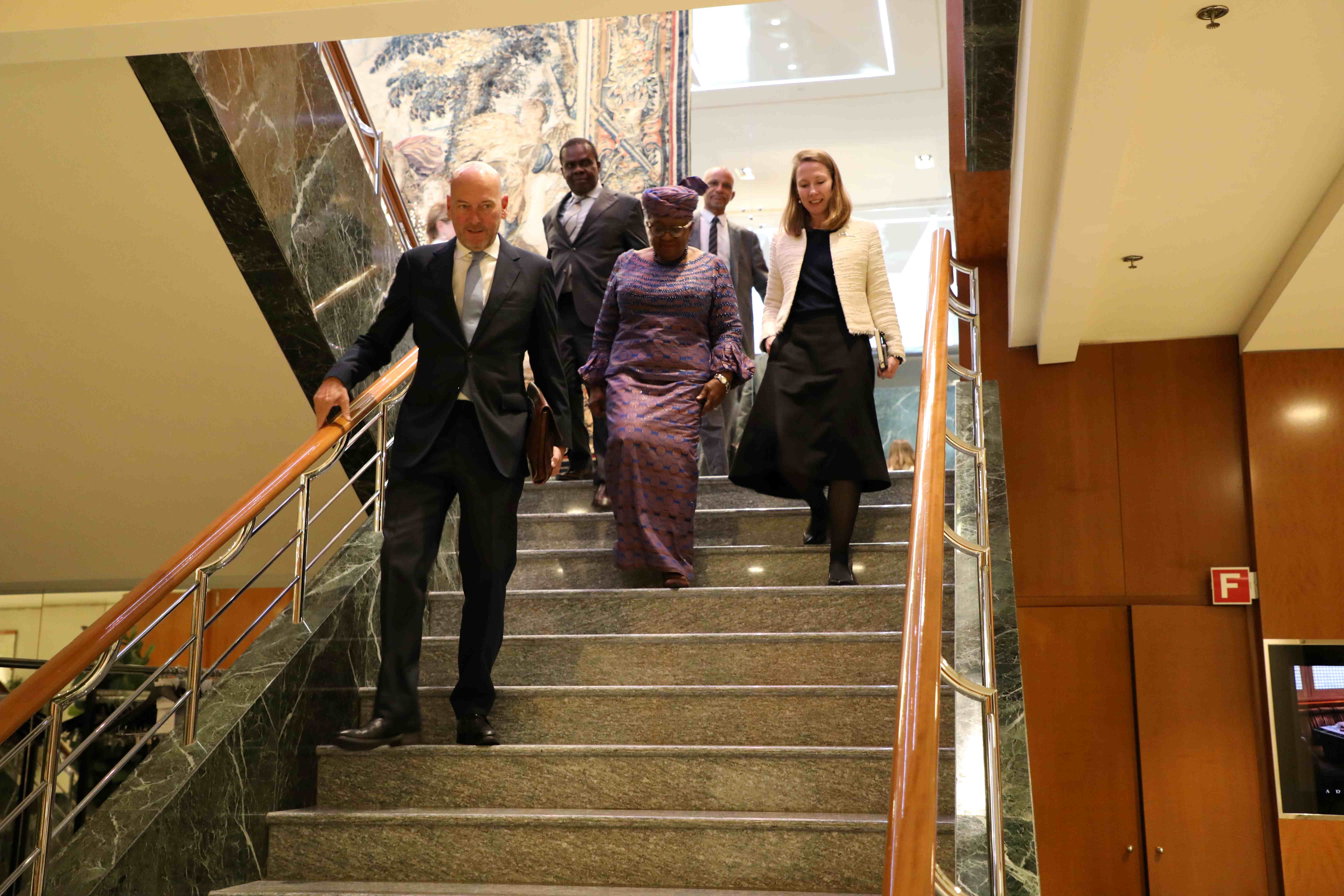
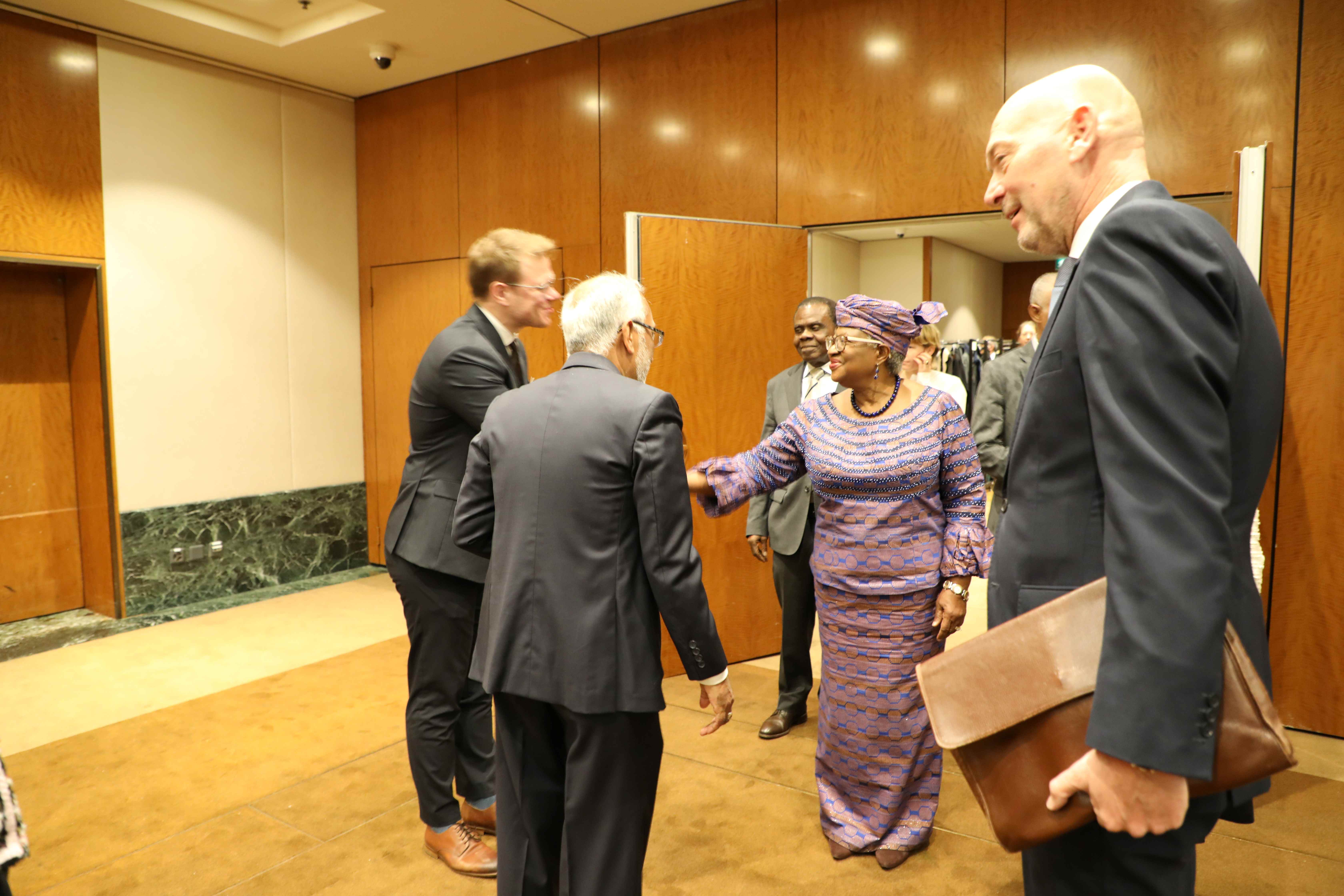
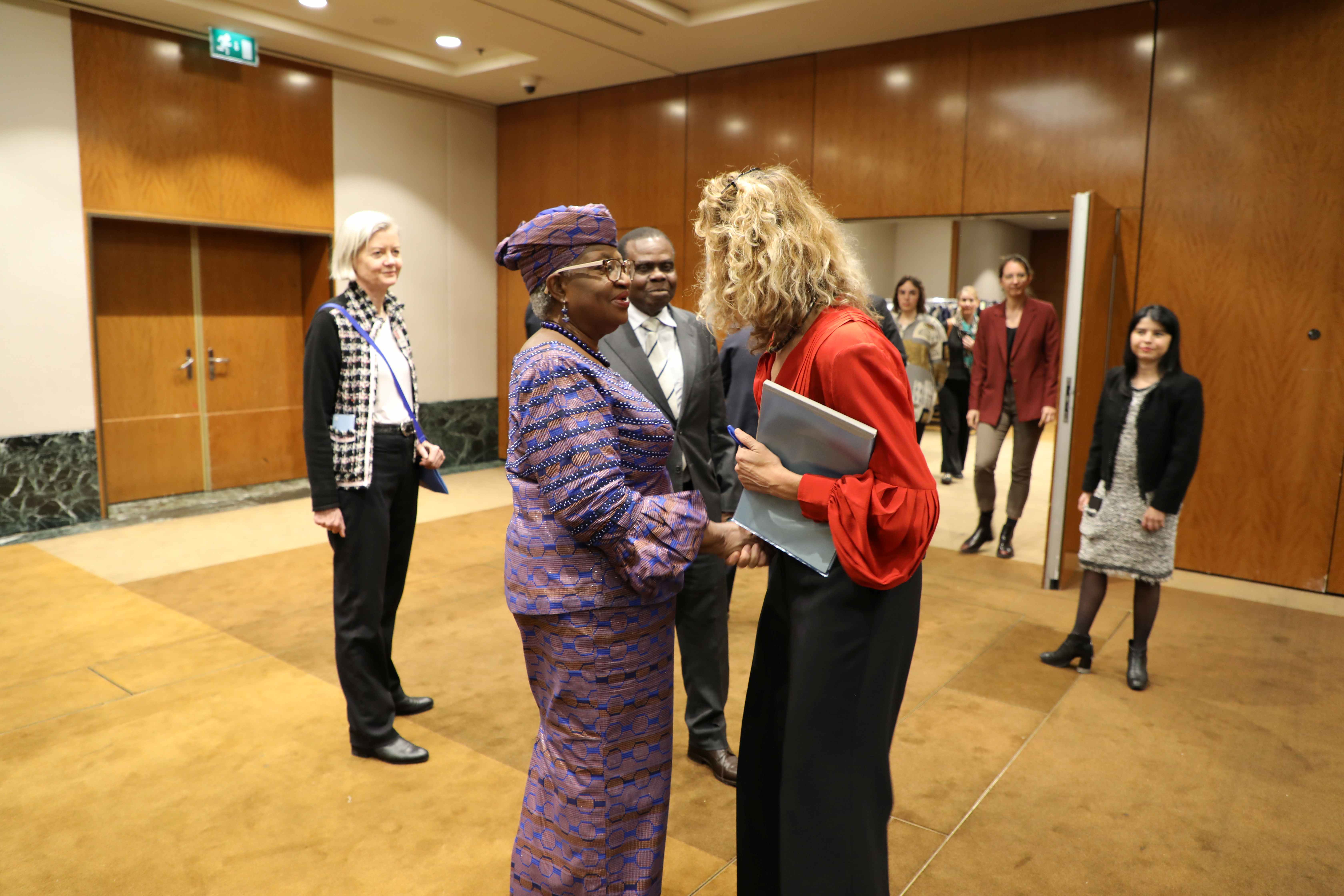
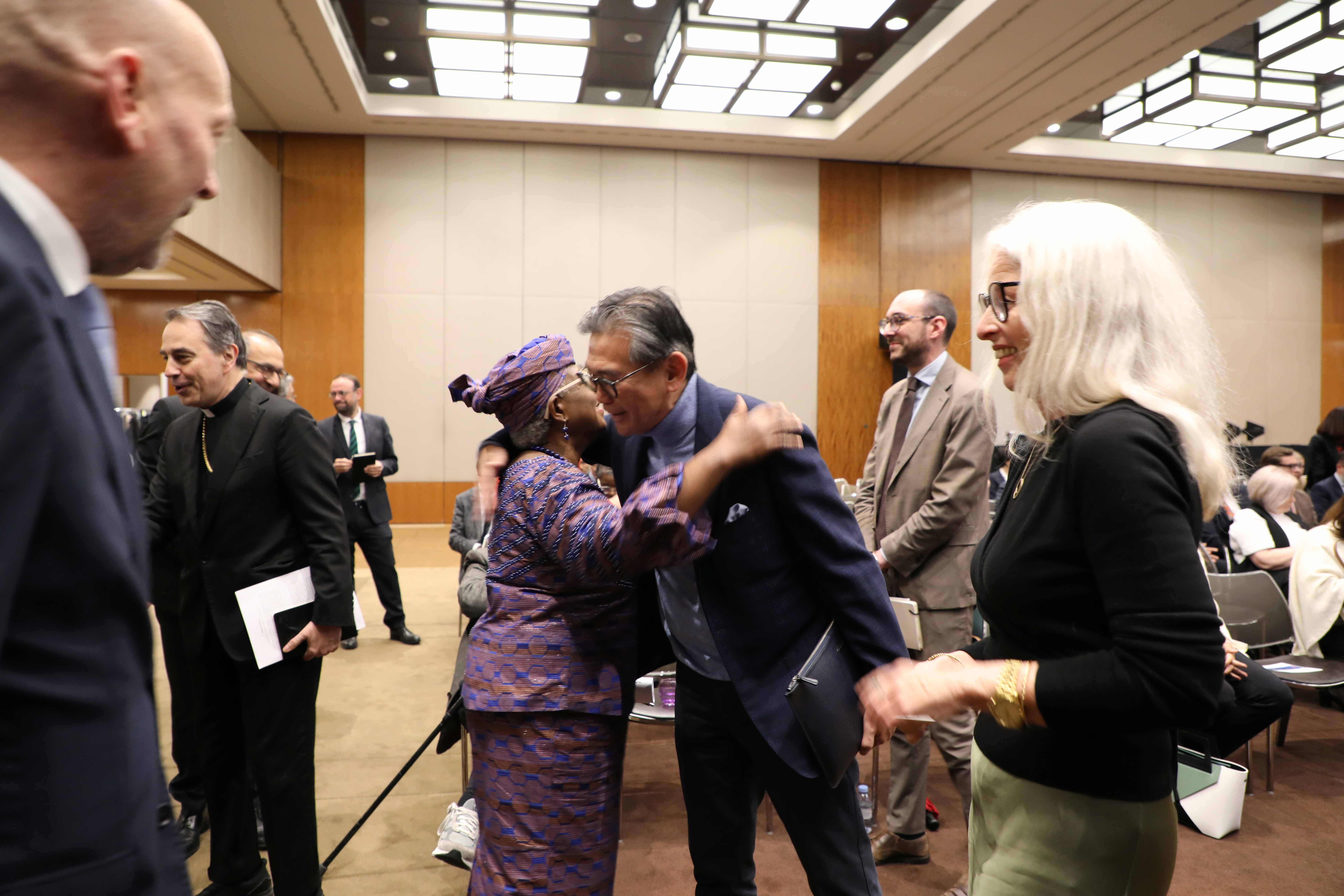
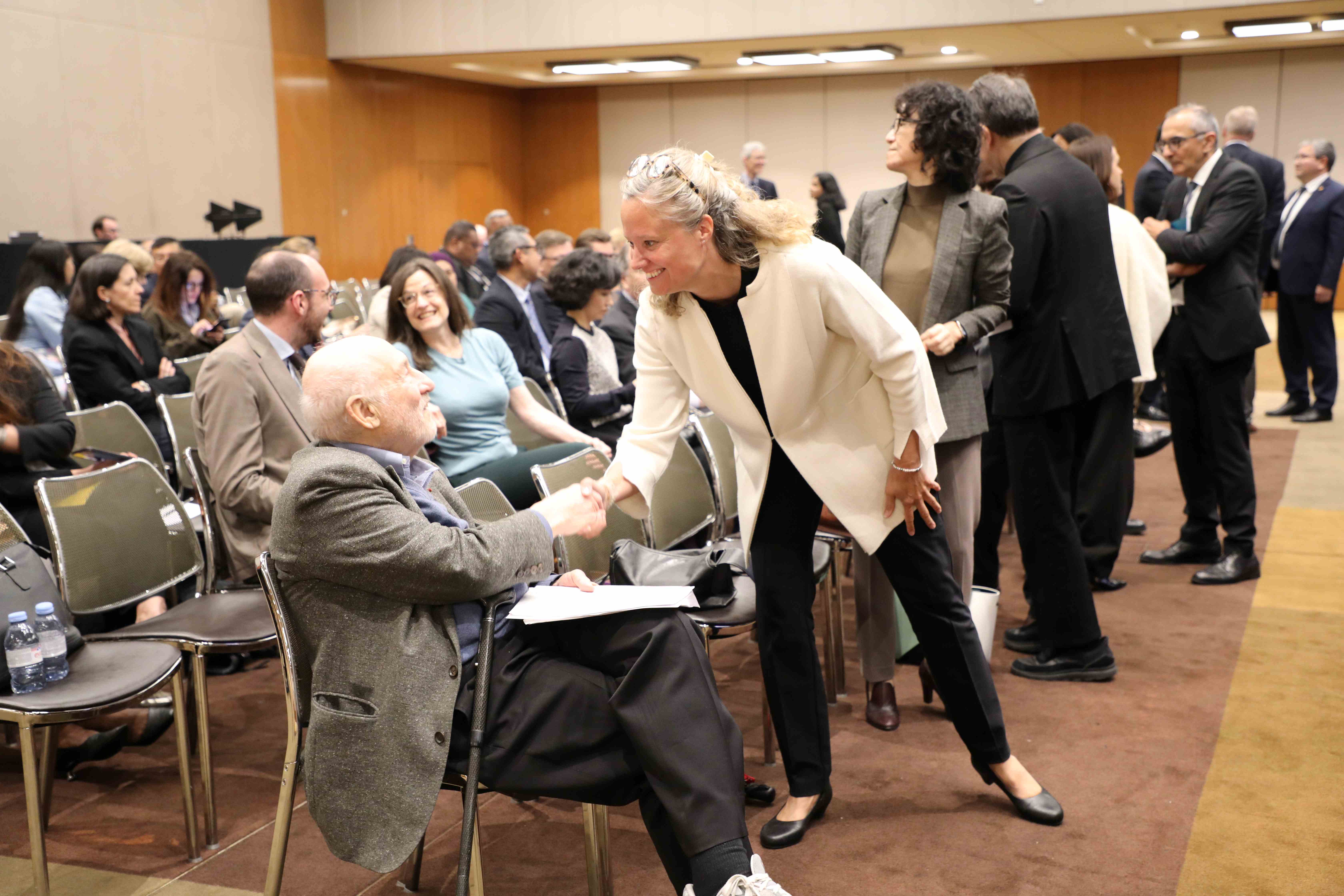
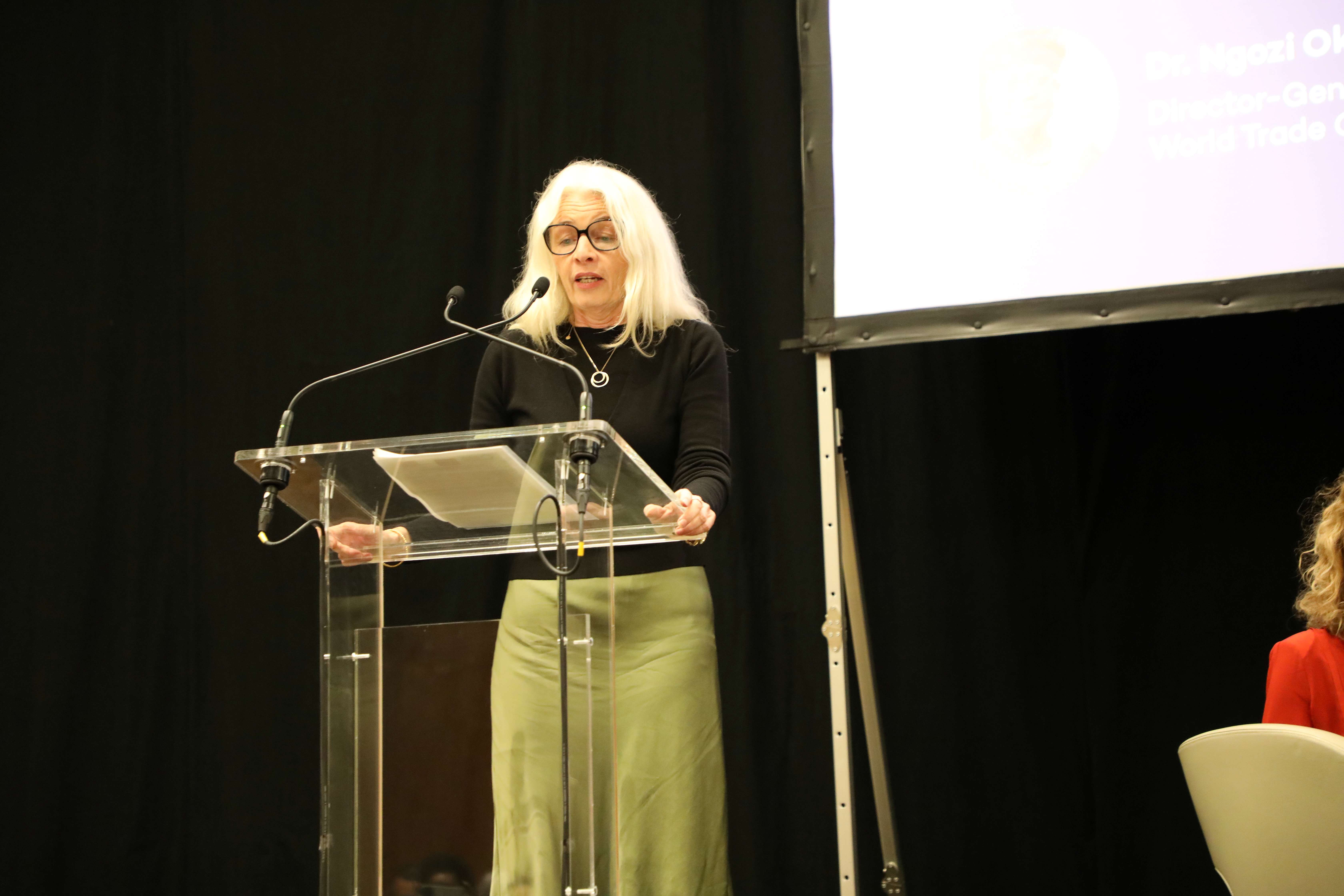
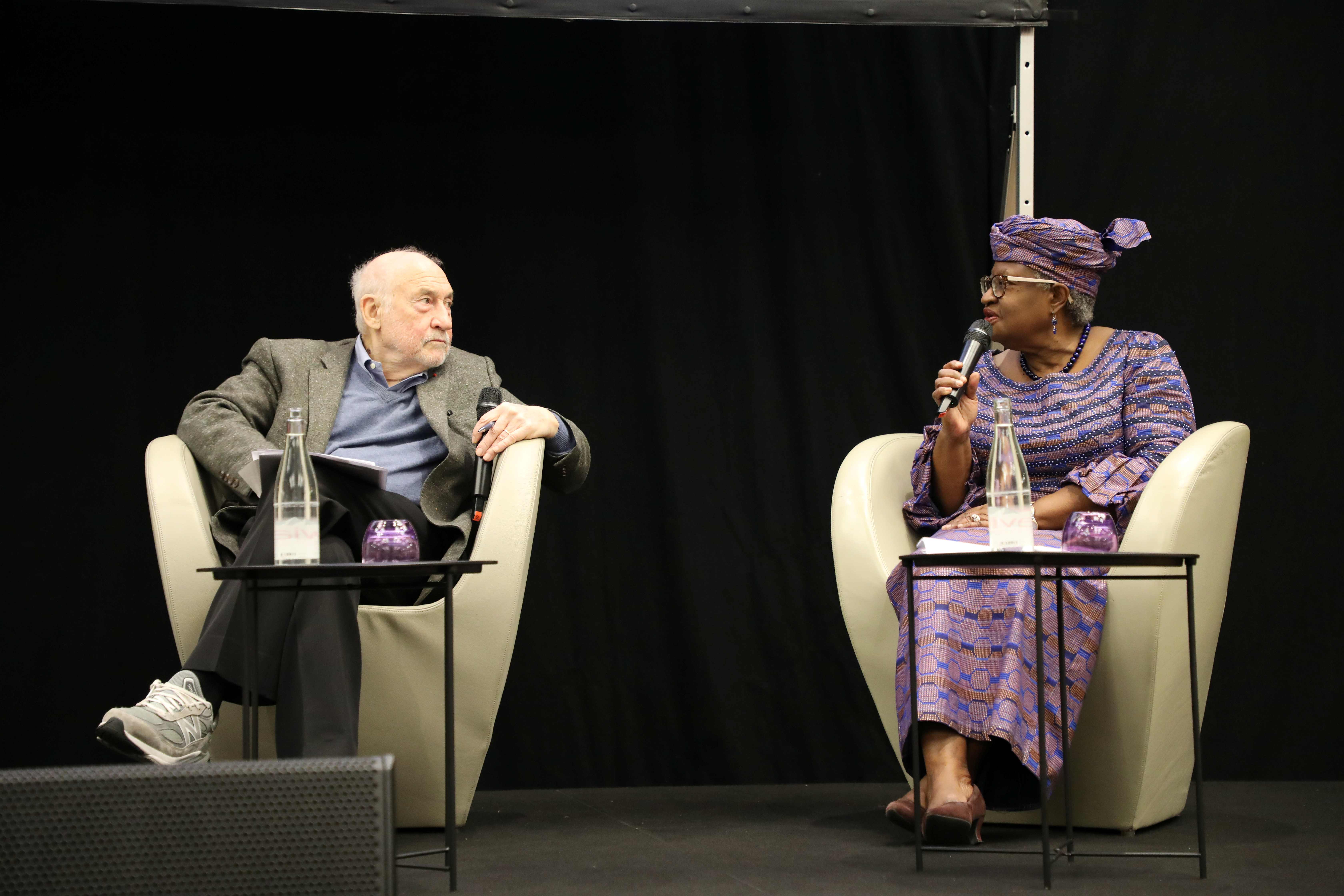
This high-level dialogue explored core principles for a progressive trade policy suited to a changing global order. Featuring Nobel Laureate Joseph Stiglitz and WTO Director-General Ngozi Okonjo-Iweala, moderated by Nathalie Bernasconi, the discussion examined how the multilateral trading system can evolve to address today’s urgent economic, social, and environmental challenges.

May 5, 2026 12:00 pm - 1:30 pm CEST

(By invitation)

About the Event

The international trade regime is facing a period of profound transformation. Long-standing neoliberal trade orthodoxy is being gradually abandoned—even by the very nations that established it—as governments face mounting pressure to intervene in their economies to secure supply chains, protect domestic industries, and address rising inequality.

As major economies increasingly move toward unilateral actions, the role of the World Trade Organization (WTO) is being tested. The normalization of protectionism and the rise of authoritarian capitalist models are contributing to a fragmented global trade landscape. However, this moment of tension also presents a critical opportunity to rethink the system. The challenge is no longer just to critique the status quo, but to articulate affirmative, progressive principles that can guide trade policy across diverse political and economic contexts.

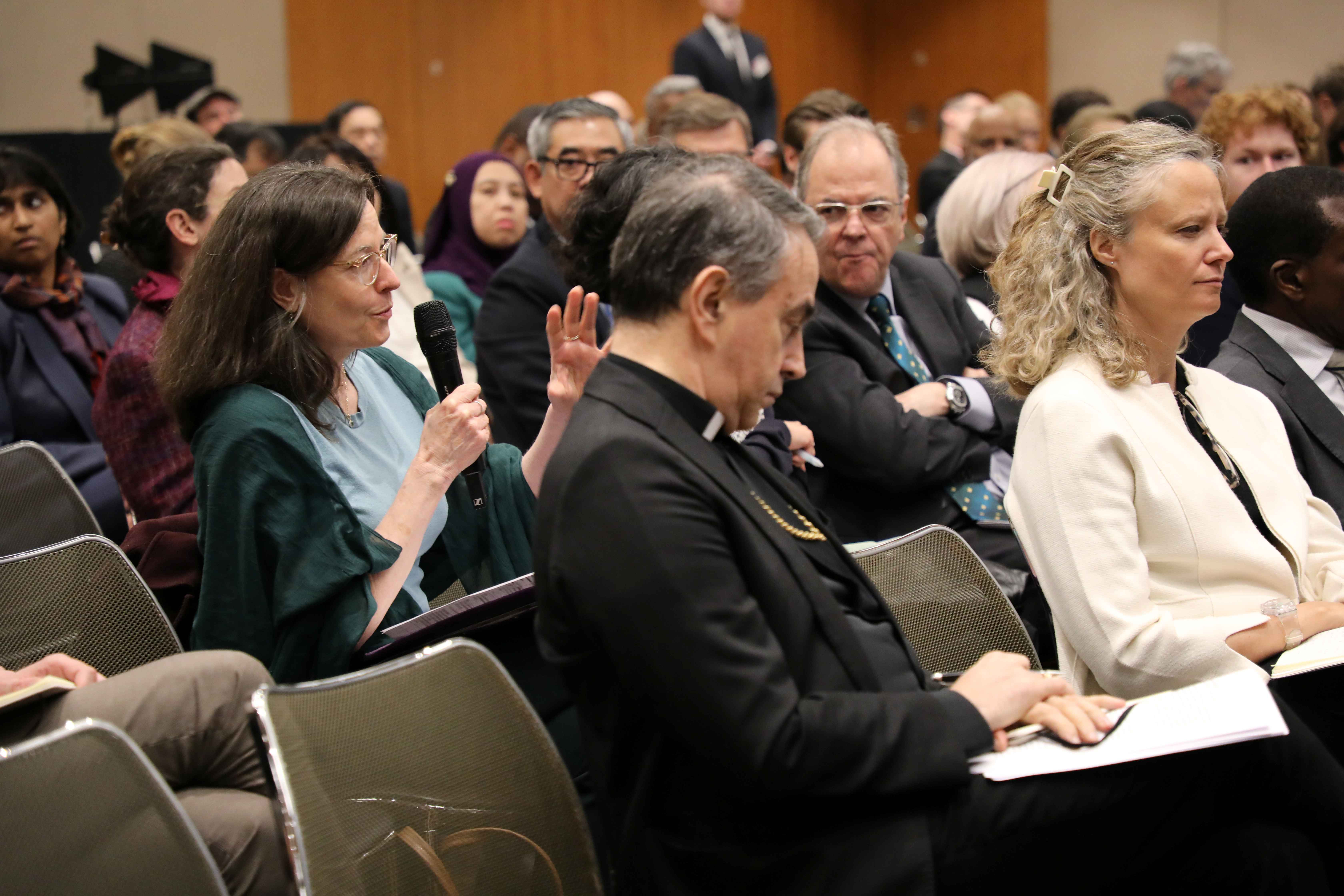
This event, co-organized by the Friedrich-Ebert-Stiftung and the International Institute for Sustainable Development (IISD), brought together critical academic perspectives and institutional leadership to stimulate a substantive debate on the continued necessity of multilateralism and the concrete pathways for its reform.

Key questions for discussion included:

  • principles for a new era: What are the affirmative principles of “progressive trade policy" that can work for both developed and developing nations?
  • navigating fragmentation: How can the multilateral trading system maintain its relevance in an era of increasing geopolitical rivalry and "minilateral" agreements?
  • a new deal on trade rules: How must trade rules evolve to facilitate—rather than hinder—climate action, more equitable development, and social safeguards?
  • Geneva’s role: How can the Geneva-based policy community lead the transition toward a more equitable and resilient global trade order?

Panel

Moderator:

Panelists:


Event organized in collaboration with the Friedrich-Ebert-Stiftung foundation.

Conference details

Topic
Trade
Impact area
Sustainable Economies
Conference

Natural Solutions for Water Security: Canada’s Policy Path Forward

Natural infrastructure is a critical, scalable solution to Canada’s climate, biodiversity, and infrastructure challenges. As climate risks intensify, this 2-day policy forum hosted by the International Institute for Sustainable Development and the Climate Risk Institute will bring together decision-makers to advance climate adaptation, natural asset management, and private finance. Participants will align policy, funding, and implementation to accelerate resilient, system-wide solutions. By invitation only.

June 2, 2026 9:00 am - June 3, 2026 5:00 pm CDT

(By invitation)

Natural infrastructure is no longer optional—it is an urgent, ready-to-deploy solution to some of Canada’s most critical and interconnected challenges. As climate change accelerates, biodiversity declines, and pressures on infrastructure, housing, and jobs intensify, the need for integrated, resilient systems has never been more pressing. This is a pivotal moment for leaders across jurisdictions and sectors to act decisively, shifting from fragmented, project-based approaches to coordinated, system-wide integration across policy, funding, and planning.

The International Institute for Sustainable Development and the Climate Risk Institute  will host an intensive two-day policy forum designed as a high-impact working session to accelerate the role of natural infrastructure in addressing today’s most urgent challenges.

This is not a typical convening—it is a strategic opportunity to align leaders across sectors, advance priorities such as private finance and natural asset management, and close critical gaps in policy, funding, and implementation. Together, participants will map current and emerging efforts, hear from institutional champions, and actively shape the next phase of coordinated action.

A focused network of decision-makers committed to moving beyond dialogue will use this forum to validate, strengthen, and propel the work needed to scale natural infrastructure solutions now. Registration is free but by invitation only.

Conference

Weathering the Waters: Building climate resilience that pays off

Hosted at the Winnipeg Art Gallery, this event explores climate adaptation in Canada, with a focus on water security, flood and drought risk, and rising economic costs. Speakers will examine progress to date, the risks of delayed action, and practical solutions for advancing climate adaptation financing and scaling resilience nationwide. This is an open event, hosted in partnership with the Max Bell Foundation; advance registration is required to attend.

June 2, 2026 4:30 pm - 7:30 pm CDT

(Open to public)

As the economic burden of climaterelated disasters in Canada continues to rise, evidence shows that proactive climate adaptation and improved water management can significantly reduce future losses—saving billions in avoided damage each year. This discussion will reflect on adaptation efforts to date, where progress has stalled, and what is needed to move from planning to action, highlighting how continued delays threaten reliable access to clean water, increase flood and drought risks, drive up long-term costs, and more. It will examine the economic case for prioritizing climate-informed planning over continued reliance on reactive disaster spending.

Participants will gain insights into emerging approaches to financing adaptation and scaling resilience across Canada.

Join the International Institute for Sustainable Development for a dynamic panel discussion, featuring:

  • Colleen Sklar, Principal of Creative Resolutions (Moderator)
  • Blair Feltmate, Head of the Intact Centre on Climate Adaptation
  • Daniel Henstra, Co-lead of the Climate Risk Research Group
  • Lynda Nicol, Executive Director, Manitoba Association of Watersheds

The event will open at 4:30 p.m., with the panel discussion at 5:00 p.m., followed by a reception from 6:30 p.m. to 7:30 p.m. 

This is an open event with limited capacity—please register early to secure your spot (first-come, first-served). Register here.

Presented in partnership with:

Max Bell Foundation logo
BHP Foundation