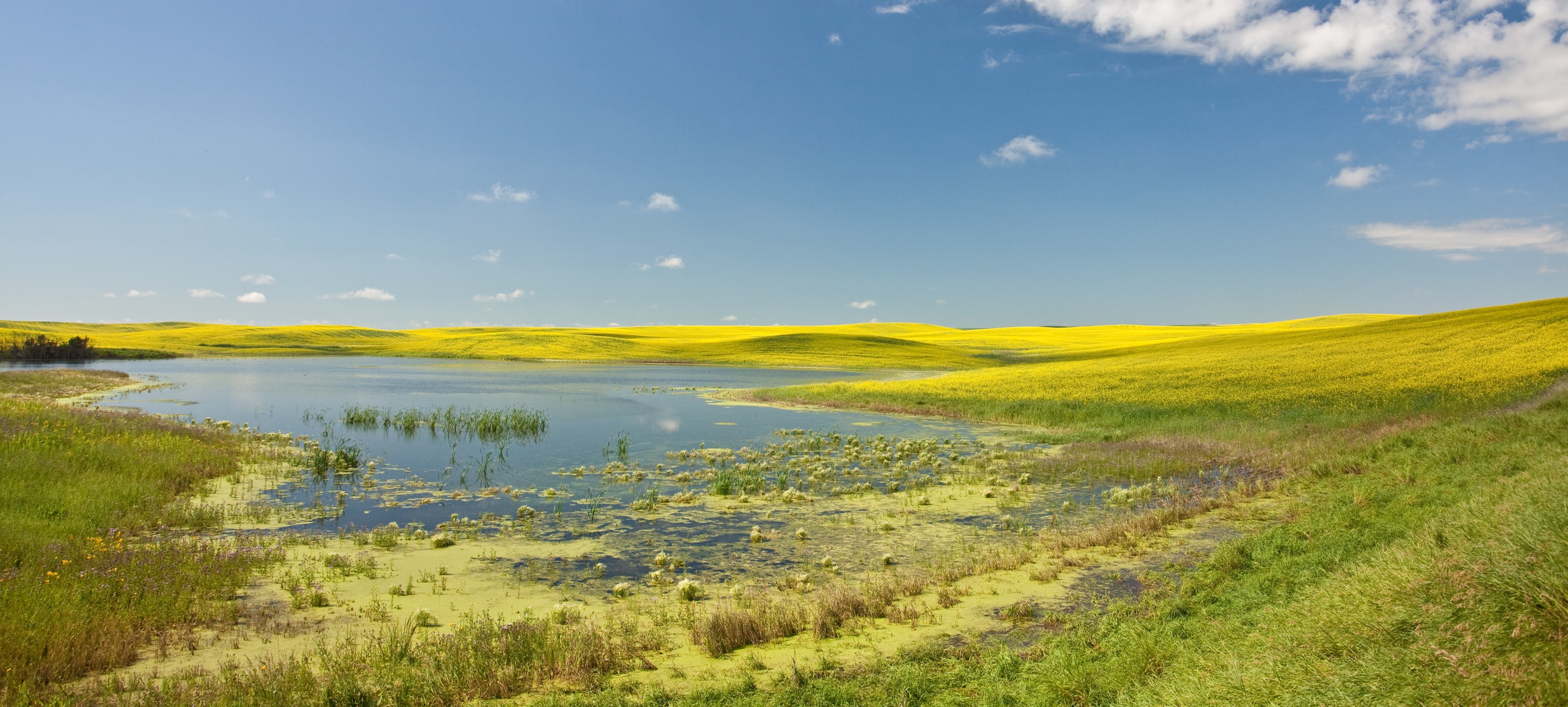
Natural Solutions for Water Security: Canada’s Policy Path Forward
In June 2026, the International Institute for Sustainable Development (IISD) and the Climate Risk Institute (CRI) co-hosted the forum Natural Solutions for Water Security: Canada’s Policy Path Forward through IISD's Natural Infrastructure for Water Solutions initiative.
Recap and Forum Resources
The forum brought together leaders from federal, provincial, and municipal government, watershed organizations, finance and engineering sectors, academia, and non-profit organizations to advance the shift of natural infrastructure from novel to normal practice across the Canadian Prairies and beyond.
Natural infrastructure is a critical, scalable solution to Canada’s climate, biodiversity, and infrastructure challenges. As climate risks intensify, this 2-day policy forum co-hosted by the International Institute for Sustainable Development and the Climate Risk Institute in June 2026 brought together decision-makers to advance climate adaptation, natural asset management, and private finance.
Over 2 days, participants assessed the current policy and funding landscape, aligned on shared priorities, and identified practical opportunities to advance natural infrastructure at scale. A clear conclusion emerged across every session: the case for natural infrastructure is now well established. What remains is the enabling architecture—the standards, data, financing mechanisms, and professional capacity required to deliver it consistently.

Five Lessons From the Water Security: Canada’s Policy Path Forward Forum
1. Natural Infrastructure: Leveraging untapped potential
Melissande Gaucher, from Housing, Infrastructure and Communities Canada (HICC), described natural infrastructure as central to HICC’s mandate to build resilient and thriving communities. HICC's Natural Infrastructure Roadmap focuses on unlocking federal programs and policies, leveraging expertise, and advancing tools and expertise. Current programs supporting natural infrastructure include the Canada Housing Infrastructure Fund, Build Communities Strong Fund, and Building Canada Homes. HICC has also released fact sheets on 11 types of natural infrastructure solutions, with a performance measurement guide under development.
2. Federal Funding and Provincial Pathways
Christine Mettler presented recommendations to better support natural infrastructure through federal infrastructure funding programs, federal–provincial bilateral agreements, provincial program design, and improved municipal access to funding. Drawing on examples from across Canada, she highlighted opportunities to embed natural infrastructure through clearer eligibility, dedicated funding streams, and stronger guidance and tools.
3. Unlocking Private Finance for Natural Infrastructure
Priya Bala Miller (Nature Investment Hub [NIH]) and Marina Puzyreva (IISD) explored how nature finance can help scale natural infrastructure. While public funding remains central, constrained budgets and more than CAD 5 trillion in privately managed assets point to the potential for private capital. The session highlighted the foundations of a responsible nature finance market in Canada, including supportive policies, investment-ready projects, credible measurement, and Indigenous rights and leadership.
4. Advancing Natural Asset Management
Donna Chiarelli of the Natural Assets Initiative (NAI) highlighted natural asset management (NAM) as a practical way for communities to value and manage natural assets alongside built infrastructure. And while NAM has gained momentum, implementation challenges remain, particularly in the Prairies, where water availability increasingly influences growth, development, and infrastructure decisions.
5. Embedding Natural Infrastructure in Planning and Design
Joanna Eyquem (CRI) highlighted the growing pressures on infrastructure systems from aging assets, economic shifts, and climate risks, emphasizing the need to embed natural infrastructure in existing infrastructure planning, design, and delivery. Natural and grey infrastructure should be considered together as complementary solutions to improve resilience and related outcomes.
The Action Agenda
Four themes recurred throughout the forum and helped shape the development of an emerging action agenda:
- the need to improve policy clarity and program design to actively enable natural infrastructure implementation;
- sustained capacity building at multiple levels to move from planning to implementation;
- consistent evidence of benefits to unlock public and private investment; and
- the importance of embedding Indigenous collaboration from the outset of projects.
Building on these themes, there were six short-term commitments for strategic actions following the forum. This action agenda remains in its early stages. We invite others to contribute to these actions and add new actions toward the collective goal of accelerating the implementation of natural infrastructure across Canada.
Read the full summary report here.
About
As climate risks intensify, this 2-day policy forum hosted by the International Institute for Sustainable Development and the Climate Risk Institute will bring together decision-makers to advance climate adaptation, natural asset management, and private finance. Participants will align policy, funding, and implementation to accelerate resilient, system-wide solutions. By invitation only.
Natural infrastructure is no longer optional—it is an urgent, ready-to-deploy solution to some of Canada’s most critical and interconnected challenges. As climate change accelerates, biodiversity declines, and pressures on infrastructure, housing, and jobs intensify, the need for integrated, resilient systems has never been more pressing. This is a pivotal moment for leaders across jurisdictions and sectors to act decisively, shifting from fragmented, project-based approaches to coordinated, system-wide integration across policy, funding, and planning.
The International Institute for Sustainable Development and the Climate Risk Institute will host an intensive two-day policy forum designed as a high-impact working session to accelerate the role of natural infrastructure in addressing today’s most urgent challenges.
This is not a typical convening—it is a strategic opportunity to align leaders across sectors, advance priorities such as private finance and natural asset management, and close critical gaps in policy, funding, and implementation. Together, participants will map current and emerging efforts, hear from institutional champions, and actively shape the next phase of coordinated action.
A focused network of decision-makers committed to moving beyond dialogue will use this forum to validate, strengthen, and propel the work needed to scale natural infrastructure solutions now. Registration is free but by invitation only.
Photos from the Forum

Mélissande Gaucher of Housing, Infrastructure and Communities Canada (HICC) - taken by Colin Corneau (https://www.colincorneau.com/)
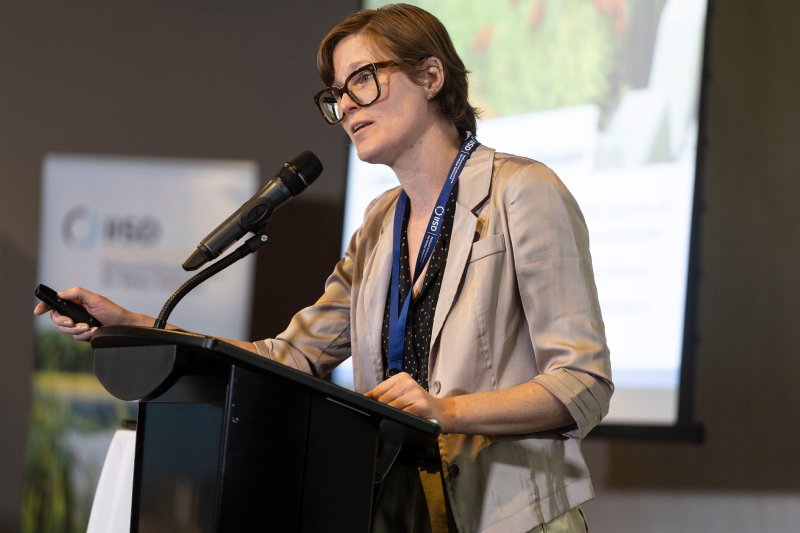
Christine Mettler presenting recommendations to better support natural infrastructure - taken by Colin Corneau (https://www.colincorneau.com/)

Priya Bala-Miller of the Nature Investment Hub - taken by Colin Corneau (https://www.colincorneau.com/)

Marina Puzyreva (IISD) facilitating a breakout session - taken by Colin Corneau (https://www.colincorneau.com/)
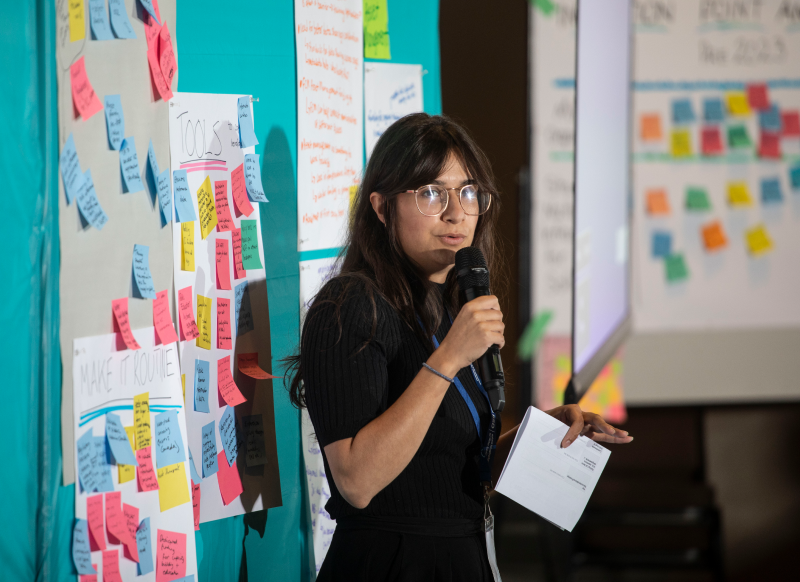
Emily Sharma of the Natural Assets Initiative (NAI) - taken by Colin Corneau (https://www.colincorneau.com/)

Co-hosts Dimple Roy (IISD) and Stephanie Gagnon (CRI) delivering the closing remarks - taken by Colin Corneau (https://www.colincorneau.com/)

Attendees chatting during a break at the Natural Solutions for Water Security Forum - taken by Colin Corneau (https://www.colincorneau.com/)

Participants at the Forum - taken by Colin Corneau (https://www.colincorneau.com/)

Attendees discussing key topics during a breakout session - taken by Colin Corneau (https://www.colincorneau.com/)
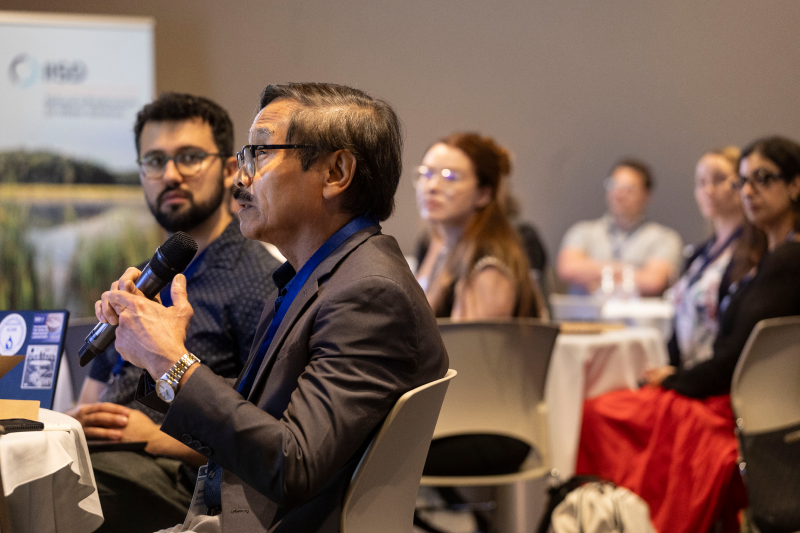
An attendee contributing to the conversation during a plenary session - taken by Colin Corneau (https://www.colincorneau.com/)
Additional downloads
Upcoming events
IGF 22nd Annual General Meeting
The 22nd IGF AGM will be held under the theme of Trust in an Interdependent World: Advancing inclusion and resilience in mineral value chains.
Trade Policy in Support of Climate Change Adaptation: Sharing results from a research collaboration in Viet Nam and the Pacific
A webinar to help trade and climate policy-makers understand how trade policy can support climate change adaptation, drawing on new IISD research from Viet Nam and the Pacific.
2026 Investment Policy Forum
The 17th edition of IISD's Investment Policy Forum will take place from September 16 to 18, 2026, in Dar es Salaam, Tanzania.
Counting What Counts: Implementing beyond GDP metrics
This hybrid event will explore practical pathways for implementing Beyond GDP metrics at the national level.