New Coalition to Drive Reform on Tax Expenditures Launches at FFD4 in Seville
New coalition builds on years of research and technical support to help governments reform tax expenditures and strengthen public finances.
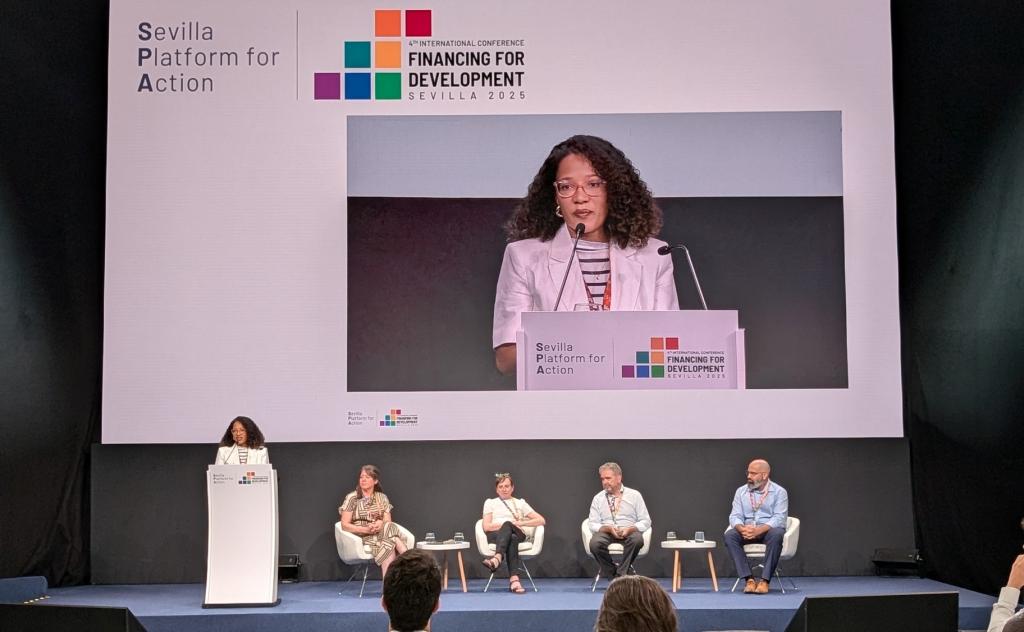
Seville, Spain – July 1 – Five leading global research and policy organizations launch a coalition to accelerate reforms of tax expenditures through evidence-based research and technical assistance on the opening day of the Fourth Financing for Development Conference (FfD4) taking place in Seville this week.
Governments worldwide forego an estimated 4% of global GDP—around a quarter of all tax revenues—each year through tax holidays, exemptions, and incentives. Most of these tax expenditures are untracked, unevaluated, and underreported, continuing without clear evidence of impact. This creates a major fiscal drain, leaving fewer resources for infrastructure, health, education, climate action, and other development priorities.
With the Compromiso de Sevilla calling for "enhanced oversight and management of tax expenditures," the FfD4 outcome provides a clear mandate and momentum for this initiative, ensuring the agreement leads to concrete actions like standardized reporting to improve transparency and oversight, and the rationalization of ineffective tax expenditures.
The new initiative will scale up research and independent technical support to governments, exchange expertise and best practices, leverage complementary strengths from different members to provide holistic support, and work on strengthening international momentum, ensuring tax expenditure reforms remain a priority in forums like FfD4.
As of now, the United Kingdom, Brazil, France, Guinea, Nigeria, Rwanda, Senegal, and Spain have already endorsed the initiative, signalling growing political will to bring transparency and accountability to this area of public finance.
Quote
“Despite their fiscal cost, tax expenditures are often poorly understood, weakly scrutinized, and inadequately reported. This coalition aims to close that gap with rigorous research, hands-on technical support to governments, and international cooperation.”
Elisângela Rita, Tax Policy Advisor, International Institute for Sustainable Development
About the Lead Implementing Entities
The five partner organizations are the Council on Economic Policies, the International Centre for Tax and Development, the German Institute for Development and Sustainability, the International Institute for Sustainable Development, and ODI Global. Together, they bring decades of experience supporting governments, civil society, and international institutions in advancing fiscal reform. Their combined strengths in research, policy design, and on-the-ground implementation position the platform to support meaningful, sustained reform across diverse contexts.
Media Contacts
IISD: Lauren George
Communications Officer, IISD
[email protected]
+33682462094- ICTD: Emilie Wilson
Head of Communications and Impact, ICTD
[email protected] - ODI Global: Anna Schuesterl
[email protected]
About IISD
The International Institute for Sustainable Development (IISD) is a globally recognized think tank with 3 decades of experience working to solve the world’s most pressing sustainable development challenges. We combine deep expertise in a wide range of issues with a collaborative approach to research, policy advice, and hands-on support to ensure these solutions are brought to life. Headquartered in Winnipeg, Manitoba, we are a diverse team of over 300 professionals working from offices in Canada, Switzerland, and other locations around the world.
You might also be interested in
Securing the Future of Development Finance in a Fragmented World
This deep dive article examines the largest sources of development finance, highlights which flows are most critical and their level of exposure to geopolitical risks, with the aim of helping prioritize implementation of the FfD4 agenda.
FfD4 Countdown: A Watered-Down Proposal on Tax Expenditures Risks Undermining Countries’ Domestic Revenue Mobilization
Preferential tax treatments directly affect governments’ ability to fund sustainable development. At June’s Financing for Development conference, countries must commit to stronger oversight and reform of tax expenditures.
UN Tax Convention: What happened at recent negotiations, and what’s next?
This article analyzes key decisions made at the latest round of negotiations for a UN Convention on Tax and explores how the convention can be most effective tackling the challenges of developing countries.
A Guide to Guarantees for Sovereign Debtors
A guide to deploying sovereign guarantees to mobilize capital and support sustainable development while managing fiscal risks.