Webinar

Fisheries Subsidies: A closer look at the latest draft additional rules

This webinar provided a detailed overview of the latest draft text from ongoing WTO negotiations on additional rules to curb harmful fisheries subsidies. IISD experts offered context on the negotiation process, explored key elements of the draft rules, and unpacked the dynamics that shaped their development.

July 16, 2025 2:00 pm - 3:00 pm CEST

(By invitation)

On July 16, the International Institute for Sustainable Development hosted a webinar for members of the World Trade Organization (WTO) and government officials to discuss the latest draft text from ongoing negotiations on additional fisheries subsidies rules, commonly referred to as “Fish 2.” These talks build on the adoption of the WTO Agreement on Fisheries Subsidies in 2022, known as “Fish 1.”

This webinar provided participants with a comprehensive overview of the latest draft text for the proposed provisions, focusing on the version circulated by the Chair of negotiations in November 2024. IISD experts offered context on the negotiation process, explored key elements of the draft rules, and unpacked the dynamics that shaped their development.

Drawing on insights from IISD’s latest research, World Trade Organization Talks on Additional Fisheries Subsidy Rules, the session highlighted the main issues under discussion and examined the implications of the draft text from a sustainable development perspective. Participants also had the opportunity to ask questions and share their views on the topic. 
Webinar details

Webinar

Connecting Media to the SDGs’ Data and Stories

Amid serious threats to multilateralism broadly and the 2030 Agenda for Sustainable Development particularly, this event seeks to raise media literacy and coverage of the role the Sustainable Development Goals play in community well-being, while also providing tools and resources to help journalists connect national SDG reporting to the daily news cycle.

July 17, 2025 9:00 am - 10:00 am EDT

(Open to public)

In the decade since the SDGs were adopted by 193 countries, a rich ecosystem of data, reports, and stories has been built to track progress and backsliding on reaching the Global Goals. While data gaps remain, there has never been more information available on how cities, regions, and countries are working and struggling to build a more sustainable, just world.

However, it is not always easy to navigate this ecosystem—or to connect global efforts on the SDGs with the accelerating daily news cycle. This webinar is especially designed for journalists (but open to all) to help them leverage available data to ground their stories in national and international sustainable development trends. The one-hour session:

  • offered insights for engaging with leaders and organizations within the UN system
  • mapped the SDGs data ecosystem and give reporters resources to inform their daily stories
  • discussed the Voluntary National Review (VNR) process and its potential to increase transparency and accountability of national policymakers

Panel

Resources

We have collected links to a number of tools and resources referenced during the webinar. Please note IISD is not responsible for content posted on external sites.

HLPF 2025

Organizational Links

Additional Reports and Data Tools

Webinar

Next Steps for the UN Convention on Tax: Mapping Priorities

July 16, 2025 3:00 pm - 4:30 pm CET

(Open to public)

Background

Countries around the world are losing billions to illicit financial flows, tax avoidance, tax evasion, and unfair allocation of taxing rights—reflecting a global tax framework which is no longer fit for purpose. The UN Framework Convention on International Tax Cooperation is our opportunity to reinvent the global tax system for the needs of the 21st century, but what are the next steps?

On July 16, 2025, the International Institute for Sustainable Development (IISD) hosted a live webinar to launch its new research analyzing substantive issues and strategies through which the UN Convention on Tax can best meet its objective: supporting fair and inclusive global tax cooperation.

The launch was followed by a panel of experts, government representatives, academia, and international organizations for focused discussions on protocol areas to give tools to negotiators ahead of the First Session of the Intergovernmental Negotiating Committee on the Framework.

Speakers

  • Annet Ogutto, Director, African Tax Institute (moderator)
  • Elisângela Rita, Senior Policy Advisor Tax and Investment, IISD
  • Frederik Heitmuller, Associate Postdoctoral Fellow, International Centre for Tax and Development
  • Irma Mosquera, Full Professor Tax Governance, Lead Researcher Global Tax Governance, Leiden University
  • Liselott Kana, Head, International Tax Legislation Department, Chile Ministry of Finance
  • Nanna Otoo, Board Secretary, Ghana Revenue Authority
  • Patricia Brown, Inter-Regional Advisor on Tax Matters, United Nations

Webinar details

Topic
Taxation
Webinar

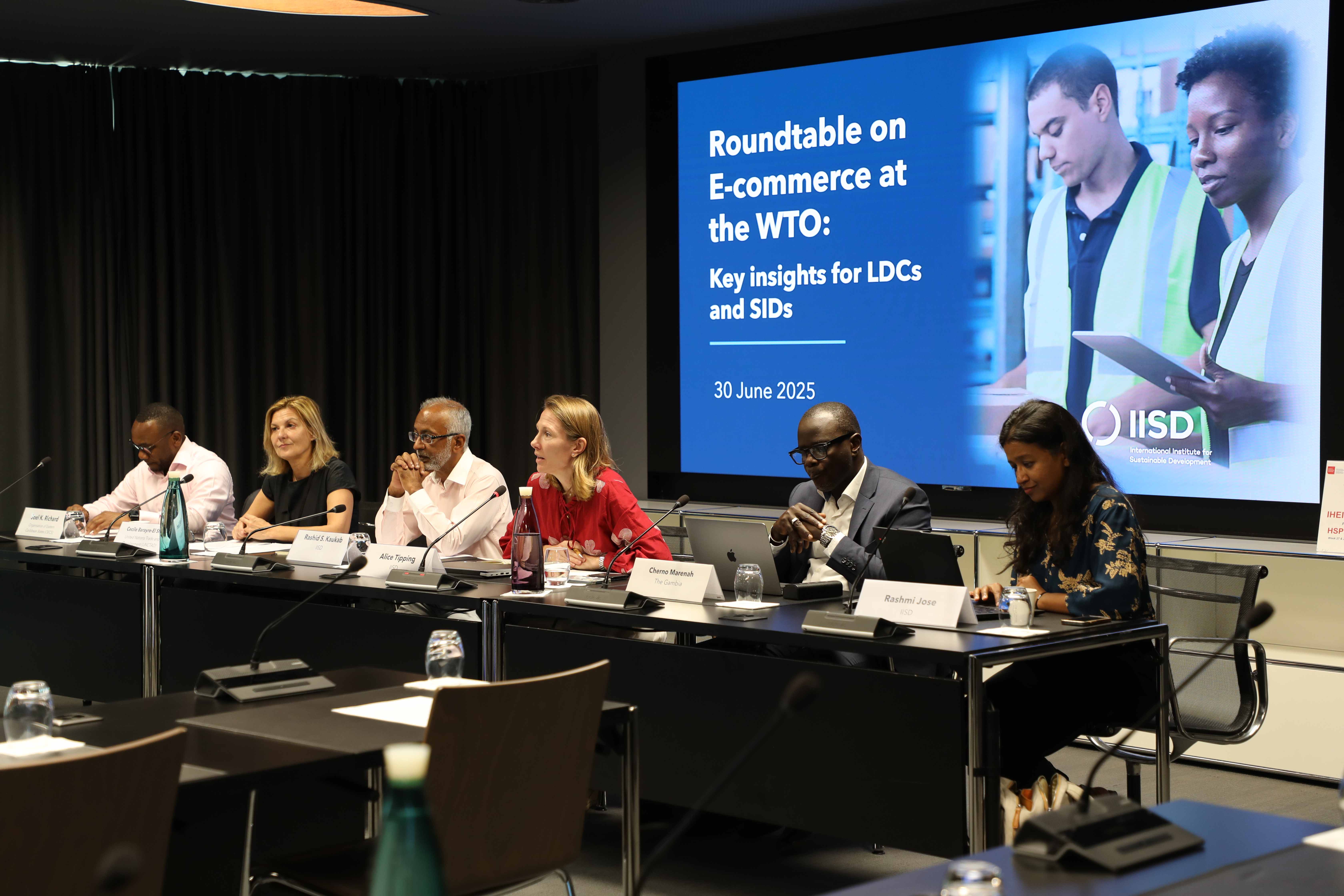
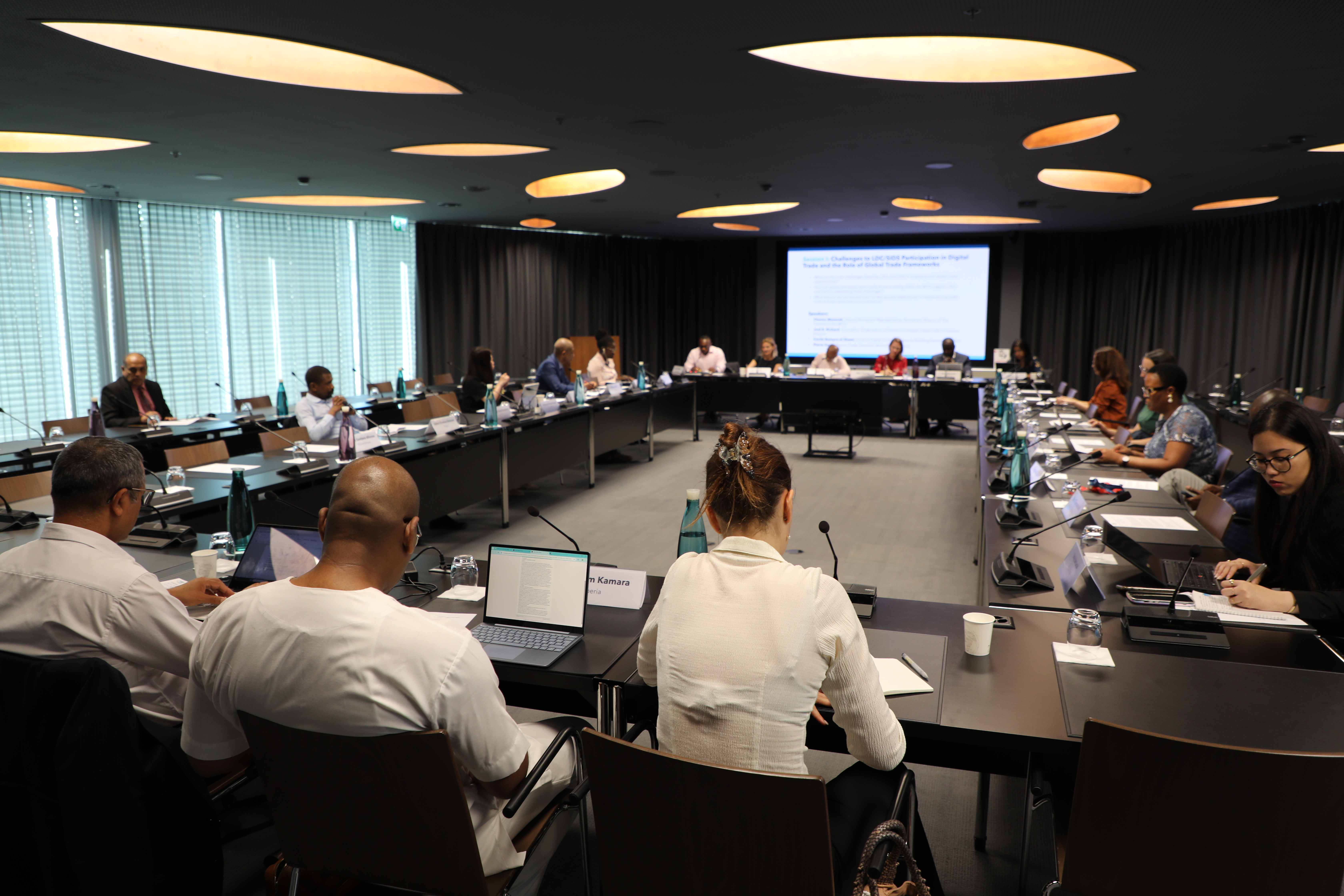
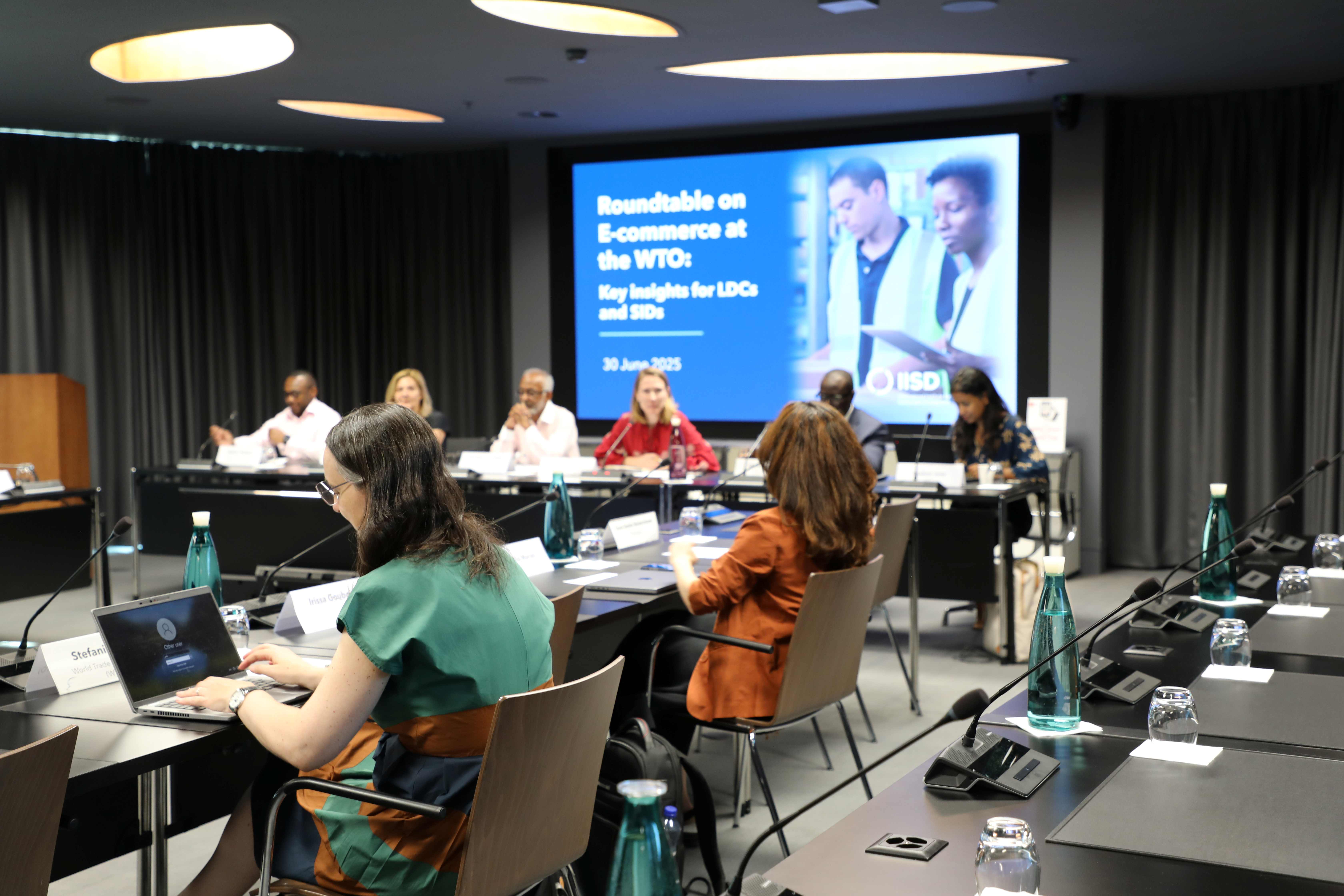
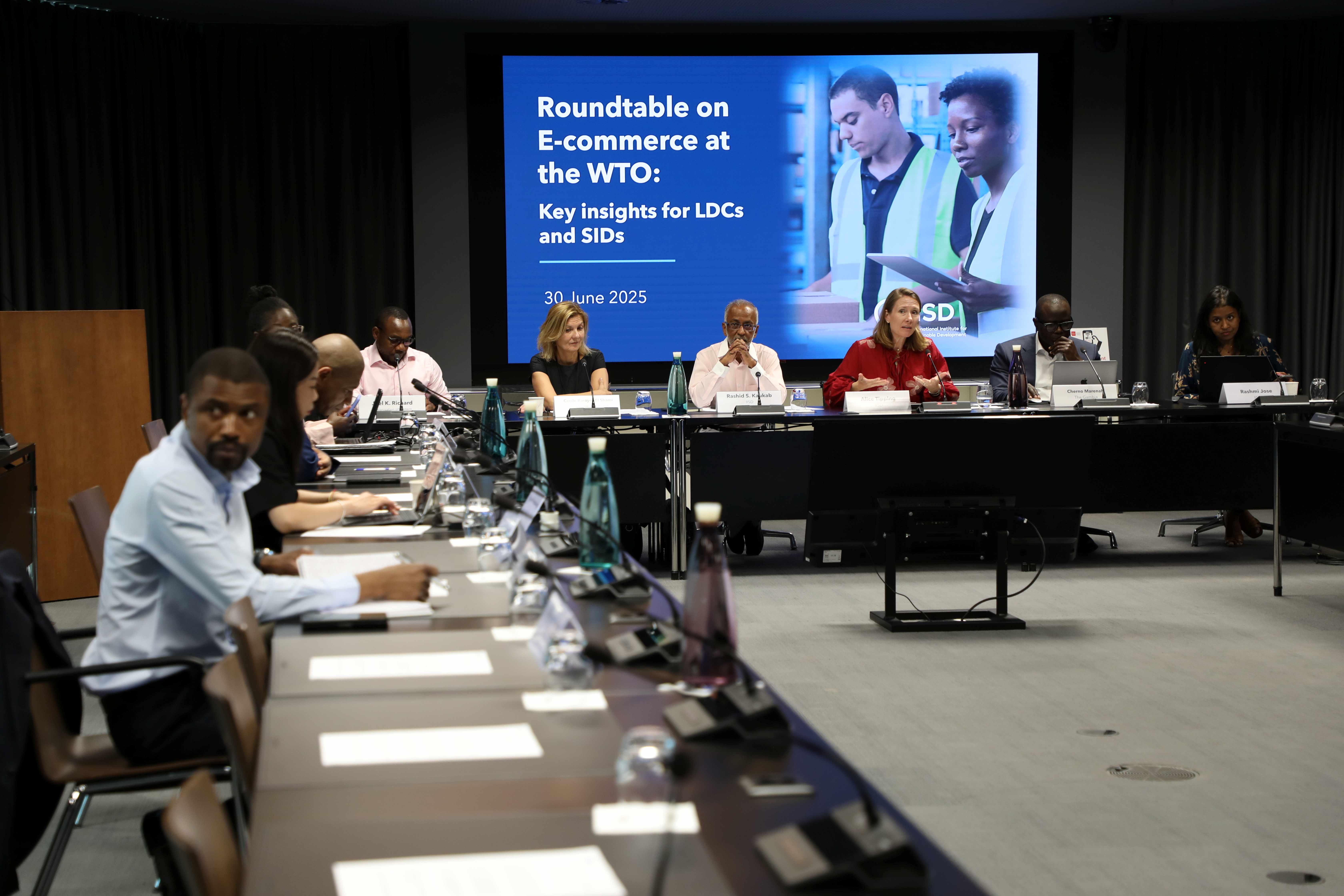
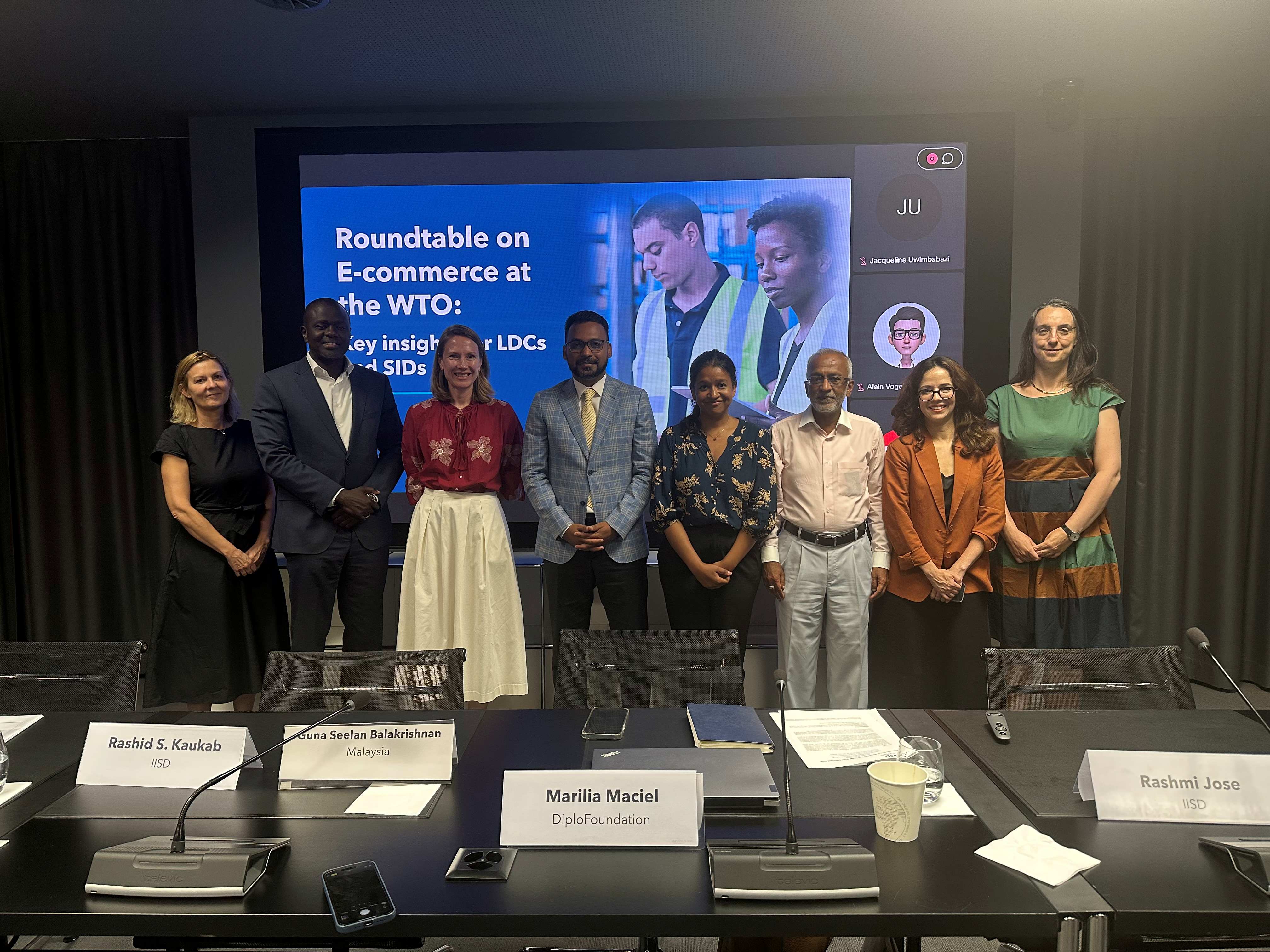
E-Commerce at the World Trade Organization: Key insights for least developed countries and Small Island Developing States

This in-person round table provided an overview of e-commerce issues at the WTO and explored how least developed countries (LDCs) and Small Island Developing States (SIDS) can engage with both multilateral and plurilateral processes to support their digital trade ambitions.

June 30, 2025 8:30 am - 2:00 pm Geneva

(By invitation)

Background

As the global economy continues to digitalize, there is increasing recognition of the need to update international trade frameworks to support digital trade. Discussions on e-commerce have gained significant traction at the multilateral level, with growing engagement from developing countries. A subset of WTO members—including several developing economies—has concluded a stabilized legal text for a proposed plurilateral agreement on e-commerce. These members are now advocating for its integration into the broader WTO treaty architecture.

This evolving landscape has important implications for LDCs and SIDS, which face distinct challenges in participating in the digital economy. As the 14th WTO Ministerial Conference (MC14) approaches, it is critical that LDC and SIDS delegations are informed and equipped to navigate the multilateral and plurilateral dynamics shaping digital trade governance.

About the Event

This in-person round table provided WTO delegates from LDCs and SIDS with a timely and practical overview of the multilateral and plurilateral processes on e-commerce at the WTO. Experts also explored how e-commerce discussions and frameworks address development concerns, including the specific barriers LDCs and SIDS face and the support needed for effective implementation and inclusive participation in the digital economy.

The round table featured insights from WTO negotiators, international organizations, and technical experts. It also offered a space for delegates from LDCs and SIDS to share experiences in a confidential setting under Chatham House Rule.

Participants explored questions such as:

  • What are the main challenges faced by LDCs and SIDS in engaging with digital trade opportunities?
  • How can global processes, particularly those evolving within the WTO, support LDCs and SIDS in addressing these challenges?
  • How is the development dimension being addressed, and what are some key expectations and concerns from LDCs and SIDS?

Panel

Moderators:

  • Alice Tipping, Director, Trade and Sustainable Development, IISD
  • Rashid S. Kaukab, Senior Specialist, Trade and Sustainable Development, IISD

Panelists:

  • Cherno Marenah, Deputy Permanent Representative, Permanent Mission of the Gambia to the WTO
  • Joel K. Richard, Counsellor, Organization of Eastern Caribbean States Geneva Mission
  • Cécile Barayre-el Shami, Chief of Digital Economy Capacity Building Section, UN Trade and Development
  • Pierre Sauvé, Senior Trade Specialist, World Bank
  • Stefania Gallo, Trade Policy Analyst, E-commerce team, Council and Trade Negotiations Committee Division, WTO
  • Marilia Maciel, Director of Digital Trade and Economic Security, DiploFoundation
  • Rashmi Jose, Senior Policy Advisor, Trade and Sustainable Development, IISD
  • Guna Seelan Balakrishnan, Minister Counsellor, Malaysia Permanent Mission to the WTO

Webinar details

Topic
Trade
Project
Digital Trade
Webinar

The World Trade Organization Fisheries Funding Mechanism

This webinar provided an overview of the World Trade Organization (WTO) Fisheries Funding Mechanism—also known as the Fish Fund—and explained how it can support Central American Integration System (SICA) member states in implementing the Agreement on Fisheries Subsidies.

June 18, 2025 9:00 am - 10:30 am (UTC-6 Central America) (UTC-5 10:00 am Panamá), (UTC-4 11:00 am Dominican Republic)

(By invitation)

Background

At the Twelfth WTO Ministerial Conference (MC12) in June 2022, WTO members adopted the historic Agreement on Fisheries Subsidies, the first WTO agreement to focus on sustainability. The Agreement aims to curb harmful subsidies that contribute to overfishing and illegal, unreported, and unregulated (IUU) fishing while recognizing the special needs of developing and least developed countries (LDCs).

To support implementation of the Agreement, WTO members also established a new funding mechanism—commonly referred to as the Fish Fund—to provide targeted technical assistance and capacity building. The Fish Fund became operational in late 2022 and has since attracted over USD 16 million in voluntary contributions from various donor countries and organizations. 

This webinar was designed specifically for fisheries and trade officials from the SICA region, aiming to raise awareness of the Fish Fund and help eligible countries access the resources needed to effectively implement the WTO Agreement on Fisheries Subsidies.

About the Event

This interactive session introduced participants to the WTO Fisheries Funding Mechanism, outlining its goals, structure, and application process. It also promoted experience sharing on preparations for the Agreement’s implementation and offered practical guidance on how SICA member states can engage with the Fish Fund. The session included an overview of the key provisions of the Agreement on Fisheries Subsidies, along with a practical self-assessment tool developed by IISD to help countries evaluate their current frameworks and identify needs for technical support.

Experts responded to guiding questions such as

  • What is the purpose and scope of the WTO Fish Fund?
  • How does the application process work for developing countries?
  • What opportunities does the Fund create for SICA countries?

This event was co-organized by SICA-OSPESCA, AIDA, and IISD.

Panel

Moderator:

  • Legal Expert, AIDA 

Speakers:

Webinar details

Webinar

Cybersecurity, Digital Trade, and Development: Understanding the policy landscape

This webinar explored the intersection of cybersecurity and digital trade, highlighting the implications for developing countries navigating a rapidly evolving digital landscape.

July 1, 2025 3:00 pm - 4:00 pm CEST

(Open to public)

Background

Cybersecurity threats are rising rapidly in both frequency and impact. In 2025 alone, global losses due to cyberattacks are estimated to exceed USD 10.5 trillion. Developing countries are increasingly affected by this trend: from 2014 to 2023, cyber incidents in these countries grew at an average annual rate of 21%, ultimately accounting for 30% of all reported incidents globally.

Beyond the economic cost, cyber threats pose significant risks to national security, political stability, and social systems. In response, governments worldwide are expanding their cybersecurity-related legal and regulatory frameworks. Common measures include data localization requirements, restrictions on cross-border data flows, and controls on the import and export of digital goods and services.

While these policies aim to safeguard national interests, they can also create barriers to digital trade and risk deepening global digital divides. This raises important questions about how cybersecurity measures can be designed and governed in ways that protect societies while supporting inclusive and sustainable digital development.

About the Event

This webinar examined the evolving relationship between cybersecurity, digital trade, and development. Participants gained insights into:

  • the types of cybersecurity measures being adopted at the national level;
  • how such measures affect digital trade, particularly cross-border data flows and market access;
  • how these national policies are treated under international trade law, including WTO rules and provisions in emerging digital and plurilateral trade agreements.

The session also explored the specific challenges developing countries face in crafting effective and inclusive cybersecurity frameworks. Discussions considered how trade agreements might offer pathways toward more cooperative, development-oriented approaches to global cybersecurity governance.

Panel

Moderator:

  • Alice Tipping, Director, Trade and Sustainable Development, IISD

Presenter:

  • Neha Mishra, Assistant Professor, Geneva Graduate Institute

Discussants:

  • Cecilia Risolo, Minister Counsellor, Permanent Mission of Argentina to the WTO
  • Laura Cyron, Economic Affairs Officer, UNCTAD

This webinar is hosted by the International Institute for Sustainable Development (IISD), with support from the Swedish International Development Cooperation Agency (SIDA). It is part of a broader series of technical sessions aimed at enhancing understanding of the digital trade policy landscape, particularly among policy-makers in developing countries.

Webinar details

Topic
Trade
Project
Digital Trade
Webinar

Toward a New Canadian Industrial Strategy

This webinar explored findings from the Commission on Carbon Competitiveness (C3) and the Transition Accelerator’s new report and featured expert views on how Canada can enhance the competitiveness of its industries and capitalize on today’s opportunities.

June 19, 2025 1:00 pm - 2:30 pm EST

(Open to public)

Canadian industry is at a pivotal moment. In the wake of recent policy shifts in the United States, Canada is forced to find ways to diversify its economy and chart a path toward long-term growth and prosperity. This is a chance for the nation to consider industrial policy options.

With the election of a federal government focused on nation-building projects, Canada has a unique opportunity to revisit past industrial policy efforts to address persistent challenges, such as low productivity and barriers to innovation, while strengthening economic sovereignty. This renewed vision is being framed as a “New Canadian Industrial Strategy.” 

A newly released report from the Commission on Carbon Competitiveness (C3) and the Transition Accelerator explores how Canada can rethink its approach to industrial policy, with a focus on both legacy industrial sectors and new, innovative sectors and technologies.

Many of the most promising opportunities lie in the rapidly expanding global low-carbon markets. As the United States federal government abandons its pursuit of these opportunities, Canada is well-positioned to step forward as a stable, resource-rich, and innovation-driven destination for green investment.

This webinar explored key recommendations from the report and featured perspectives from different stakeholders on how Canada can enhance industrial competitiveness and seize the opportunities inherent in this critical moment.

Speakers:

  • Aaron Cosbey, Senior Associate, IISD and Chair, Commission on Carbon Competitiveness
  • Travis Southin, Future Economy Lead, The Transition Accelerator
  • Michael Bernstein, President and Chief Executive Officer, Clean Prosperity
  • Sarah Petrevan, Vice President, Industrial Decarbonization and Sustainability, Cement Association of Canada
  • Sean Speer, Senior Fellow, Munk School of Global Affairs & Public Policy, University of Toronto
  • Marie-Pierre Ippersiel, President and Chief Executive Officer, PRIMA Québec
  • Marisa Beck, Research Director for Clean Growth, The Canadian Climate Institute 

This webinar was hosted by the Commission on Carbon Competitiveness and the Transition Accelerator.

Read the report here.

C3 logo


Extra Small Transition Accelerator Logo

Webinar details

Webinar

What to Expect at HLPF 2025

​Each year, countries gather at the UN at the High-level Political Forum on Sustainable Development (HLPF) to report their successes and challenges in bringing the 2030 Agenda and its Sustainable Development Goals (SDGs) to life. What should you expect as the 2025 HLPF approaches?

July 8, 2025 9:00 am - 10:00 am EDT

(Open to public)

​Amid an urgent push for UN reform and “real threats to the very fabric, values, principles, and sustainability of multilateralism" in the words of the UN Secretary-General, diplomats will gather in New York to discuss tangible steps to meet the development goals the agreed to in 2015. With five years left to the deadline for reaching the SDGs, representatives will meet under the theme of “Advancing sustainable, inclusive, science- and evidence-based solutions for the 2030 Agenda for Sustainable Development and its Sustainable Development Goals for leaving no one behind.”

Webinar summary on the SDG Knowledge Hub

37 countries have expressed interest in delivering voluntary national reviews (VNRs) of their implementation of the 2030 Agenda at the 2025 HLPF, presenting their lessons learned to peers and civil society leaders while also fielding questions on their actions. ​In additional to national SDG progress reports, the 2025 HLPF will conduct in-depth global reviews of progress on: 

  • SDG 3 on good health and well-being
  • SDG 5 on gender equality
  • SDG 8 on decent work and economic growth
  • SDG 14 on life below water
  • and SDG 17 on partnerships for the goals. 

This Q&A webinar organized by IISD and Cepei provides an overview of the main themes and issues of this year's HLPF to help interested stakeholders unpack the key messages and exchange expectations and questions with other attendees. As one of the most well-attended annual webinars IISD co-hosts, this session is a chance not only to hear from insiders but to build a wider network of allies who believe in transparent, meaningful sustainable development.

Panel

Commentary, Resources and Events

We have endeavored to share a number of helpful links on the right-hand side of this page. These additional resources, events, and commentary were recommended during the webinar. IISD is not responsible for external content.

Webinar

Debt Relief for Resilience: Reimagining debt solutions for low-income countries

More than half of low-income countries are either already in debt distress or at high risk of it. The time for bold, forward-thinking solutions is now. This webinar marked the launch of the Debt for Resilience (D4R) initiative. During the event, IISD’s Sovereign Debt Lead, Anahí Wiedenbrüg, presented a new diagnosis of current debt vulnerabilities and introduced the D4R initiative, followed by insights from leading voices in global finance and policy on how to drive real change.

June 12, 2025 9:30 am - 11:00 am EST

(Open to public)

In 2025 alone, African nations are projected to spend over USD 89 billion on debt servicing, while facing acute balance-of-payment pressures and limited fiscal space—undermining essential investments in healthcare, education, infrastructure, and environmental sustainability.

The Debt for Resilience Initiative (D4R) introduces a bold, coordinated framework focused not just on short-term liquidity, but on restoring long-term external debt sustainability, safeguarding public resources from leakage to private creditors, and directing investment toward resilience-building development outcomes.

This launch event took place just ahead of the Fourth International Conference on Financing for Development (FfD4), a once-in-a-decade opportunity for countries to negotiate a global consensus on how to finance sustainable development—including concrete commitments to advance debt relief for the most vulnerable.

Through this webinar, participants gained insight into the latest diagnosis of debt vulnerabilities in low-income countries and learned about a pragmatic new path forward through D4R. Following the report presentation, high-level experts reflected on how D4R aligns with broader development finance priorities, before opening the floor to audience questions and discussion. 

Moderator

  • Marina Zucker-Marques - Senior Academic Researcher, Global Development Policy Center

Speakers

  • Anahí Wiedenbrüg - Lead, Sovereign Debt, International Institute for Sustainable Development
  • Guillaume Chabert - Deputy Director, Strategy, Policy and Review Department - International Monetary Fund
  • Prof. Yemi Osinbajo - Former Vice-Minister of Nigeria and currently spearheading the African Leaders Debt Relief Initiative  
  • Mahmoud Mohieldin - Lead Expert of the UN Secretary General High-Level Group on Debt. 
Webinar

Advancing the Transition Away From Fossil Fuels in Third-Generation National Climate Plans

July 3, 2025 8:00 am - 9:00 am ET

via Zoom

(Open to public)

Webinar card for 'Advancing the Transition Away from Fossil Fuels in Third-Generation National Climate Plans"

Ahead of the 2025 United Nations Climate Change Conference (COP 30), there is an urgent need for countries to deliver ambitious nationally determined contributions (NDCs) that implement the global stocktake outcome, including transitioning away from fossil fuels. However, research from the International Institute for Sustainable Development shows that past NDCs have largely not addressed transitioning away from fossil fuel production, raising the question of how this matter can be included in future NDCs.

Meanwhile, since COP 28, there have been significant changes in the global context of the clean energy transition. Recently imposed tariffs by the United States have had important implications for clean energy supply chains. In Europe, we have seen some retrenchment of the clean energy transition. However, it remains critical for the Global North to take the lead in the transition away from fossil fuels. In this changing context, this webinar will provide recommendations for strong implementation of the global stocktake outcome in NDCs.

Panellists from governments and international organizations will share their experiences and views on implementing the transition away from fossil fuels via third-generation NDCs, including how to make these plans fundable, and will reflect on how NDCs can facilitate a clean and just energy transition in emerging and developing economies. Panellists will also share what they expect to be contained in NDCs to be delivered by COP 30.

This webinar will be co-hosted by the International Institute for Sustainable Development and the United Nations Development Programme.

Agenda

Welcoming Remarks

Ivetta Gerasimchuk, Director, Energy Program, International Strategy, IISD

Keynote Speaker

Cassie Flynn, Global Director of Climate Change, UNDP

Panel Discussion

Paul Mathew, Climate Finance Specialist, Climate Investment Funds Energy Team

Andrés Arévalo, Directorate of Climate Change and Risk Management, Ministry of Environment and Sustainable Development, Colombia

Ir. Ary Sudijanto, Deputy for Climate Change Control and Governance of the Economic Value of Carbon, Ministry of Environment, Indonesia

Daniel Benefor, Senior Programmes Officer, Environmental Protection Agency, Ghana

Q&A
Closing