Insight

How the UNFCCC Can Tackle Fossil Fuel Subsidies at COP 28 and Beyond

November 27, 2023

The 28th United Nations Climate Change Conference (COP 28) presents a crucial opportunity to take stock of public financial flows to fossil fuels. Fourteen years after the G20 and Asia-Pacific Economic Cooperation countries made initial commitments to tackle “inefficient” fossil fuel subsidies, there is a major gap between governments’ rhetoric and action. In 2022, world governments provided a record USD 1.3 trillion in fossil fuel subsidies. This came despite the objective in Article 2.1(c) of the 2015 Paris Agreement of making “finance flows consistent with a pathway towards low greenhouse gas emissions and climate-resilient development” (p. 3).

Removing fossil fuel subsidies makes sense not only for accelerating climate action but also for broader economic and environmental reasons. The Intergovernmental Panel on Climate Change (IPCC) finds that “removing fossil fuel subsidies would reduce emissions, improve public revenue and macroeconomic performance, and yield other environmental and sustainable development benefits” (p. 46). On climate mitigation specifically, the IPCC notes that “fossil fuel subsidy removal is projected … to reduce global CO2 emissions by 1–4%, and [greenhouse gas] emissions by up to 10% by 2030, varying across regions” (p. 46).

The UN Framework Convention on Climate Change (UNFCCC) is not the only international institution to address fossil fuel subsidies. International economic institutions, including the G20, Organisation for Economic Co-operation and Development, International Monetary Fund, and World Trade Organization are also engaging with this issue, and subsidies are a target of one of the UN Sustainable Development Goals (SDG 12.c). Still, the UNFCCC plays an important part in strengthening global and national commitments, improving transparency, and providing space for dialogue and the sharing of experiences.

COP 28 in Dubai could be a turning point for action on fossil fuel subsidies—if there is political will. How have fossil fuel subsidies featured in UNFCCC negotiations so far? And how can action on fossil fuel subsidies be taken at COP 28 and beyond?

Fossil Fuel Subsidies and the UNFCCC: The story so far 

Fossil fuel subsidies have received only limited attention in 3 decades of climate change negotiations, notwithstanding the tangible climate and development benefits of addressing them, as well as several attempts by individual countries to put the issue on the negotiating agenda. This began to change 2 years ago, at the Glasgow Climate Conference (COP 26), when negotiators took an important—though long overdue—step by calling for the “phase-out of inefficient fossil fuel subsidies, while providing targeted support to the poorest and most vulnerable in line with national circumstances and recognizing the need for support towards a just transition” (p. 5). The same call was repeated a year later at COP 27 in Sharm el-Sheikh, Egypt.

While these calls are a clear sign that negotiators see addressing fossil fuel subsidies as important for climate action, the commitment is flawed in that it (i) lacks a clear deadline, (ii) uses an undefined qualifier (“inefficient”) that allows countries to argue that they have no fossil fuel subsidies, and (iii) does not provide for a follow-up process to track progress.

In addition to this global commitment, some countries have referred to fossil fuel subsidies in their nationally determined contributions (NDCs) submitted under the Paris Agreement. This is important because including fossil fuel subsidy reform in NDCs may make it harder for political leaders to backslide and for future governments to reverse reforms, as domestic stakeholders can hold their governments to account.

However, a closer look at these references reveals several weaknesses. First, so far only 29 out of 198 parties have included some form of reference to fossil fuel subsidies in one of their NDCs. Second, as of the latest generation of new or updated NDCs, only 16 parties have included an actual commitment to reform their subsidies. Two parties (Armenia and Singapore) use their NDCs to argue that they have no subsidies whatsoever (notwithstanding data suggesting otherwise). Four parties (including India and Indonesia) mention that reforms have been carried out in the past. And another party (New Zealand) only includes a commitment to help other countries with reforming subsidies. Third, six countries (Burkina Faso, China, Ethiopia, Ghana, Tunisia, Vietnam) that included a reference to some kind of fossil fuel subsidy reform in their initial NDC submitted at the time of the adoption of the Paris Agreement omitted this in their new or updated NDC submitted a few years later.

The 16 countries that committed to reform their fossil fuel subsidies include some of 2022’s big subsidizers, such as Egypt (USD 28 billion), Kazakhstan (USD 18 billion), Nigeria (USD 5 billion), and Turkmenistan (USD 4 billion). However, most countries that commit to reform are low-income and small economies that do not provide a large volume of fossil fuel subsidies. Strikingly, there are no G7 countries among them (even though the G7 committed to phasing out subsidies by 2025), nor do they include any G20 countries. Likewise, the European Union’s (EU’s) NDC is silent about fossil fuel subsidies, even though the bloc has pledged to phase out fossil fuel subsidies domestically.
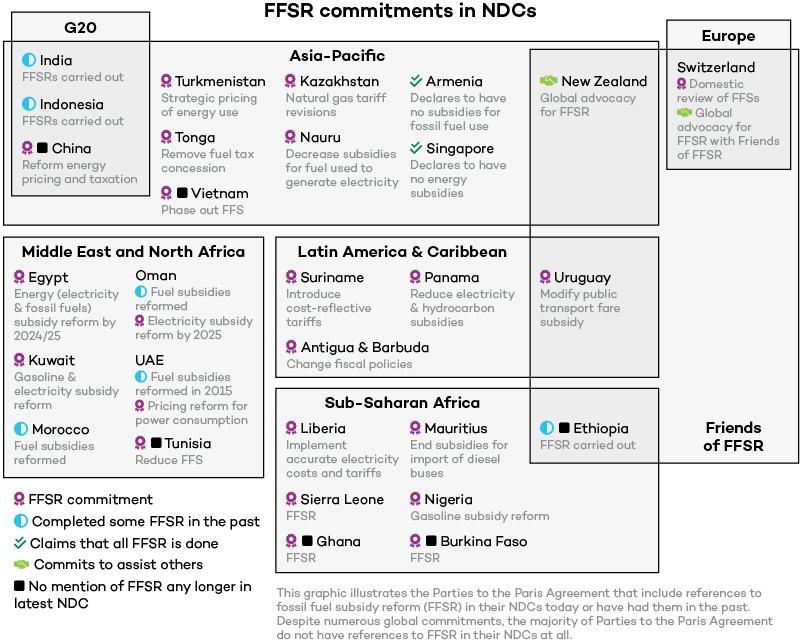
FFSR commitments in NDCs

How Parties Should Strengthen Global Commitments on Fossil Fuel Subsidies at COP 28 

At COP 28 and in its immediate aftermath, Parties have numerous opportunities to address the identified weaknesses. They can start doing so in Dubai by strengthening the commitment made in Glasgow and Sharm el-Sheikh. This process would include

  • setting a clear deadline—e.g., 2025 for developed countries, following the G7’s example, and 2030 for developing countries.
  • removing or clarifying the term “inefficient,” which does not have an internationally agreed definition. A better approach would be to instead name exceptional cases when subsidies could be considered justifiable. For example, the EU is calling for the removal of fossil fuel subsidies “which do not address energy poverty or just transition.”
  • mandating a follow-up process—e.g., requesting that the UNFCCC Secretariat develop a report on fossil fuel subsidies and climate change.
  • expanding the commitment to address all public financial flows, including domestic and international public finance, and investment through state-owned enterprises. G20 countries provided at least USD 372 billion in such finance to fossil fuels in 2022.

One way of achieving this at COP 28 would be to adopt a so-called “cover decision” similar to the Glasgow Climate Pact. However, given that cover decisions are the product of negotiations on the official UNFCCC agenda, their adoption is not a given, and more far-reaching cover decisions are likely to encounter more resistance from Parties.

A global commitment to reform fossil fuel subsidies by a given date could also be part of the outcomes of the first global stocktake, which is due to wrap up at COP 28. In the global stocktake’s technical dialogues, various Parties and non-Party stakeholders have drawn attention to the potential of phasing out fossil fuel subsidies for climate change mitigation. As a consequence, a synthesis report by the UNFCCC Secretariat summarizing these submissions included concrete suggestions on how fossil fuel subsidy reform may feature in the outcome of the process. This means that if countries fail to adopt a cover decision, there is still a clear opportunity for Parties to include a commitment to address fossil fuel subsidies as part of a possible COP decision resulting from the global stocktake. Although the precise outcomes of the global stocktake are as yet undetermined at this stage, they could include a COP decision along with a technical annex, which could specify details.

How Fossil Fuel Subsidy Reform Should Feature in New National Commitments and Enhanced Transparency 

Following the global stocktake, Parties are expected to develop and submit new—and more ambitious—NDCs. These offer space for governments to include national commitments on reforming or removing fossil fuel subsidies, drawing on—and, where possible, improving—existing practices. These contributions could include, for example, time-bound reform commitments or pledges to phase out specific subsidies. The spotlight should be, in particular, on those countries that have committed to subsidy reform in other forums (notably the G7, G20, and Asia-Pacific Economic Cooperation countries), as well as countries that have advocated for reform (including countries that belong to the Friends of Fossil Fuel Subsidy Reform).

What’s more, it will be important that the references to fossil fuel subsidies are forward-looking, including actions to be taken by countries, rather than reflecting on past developments. Civil society will play an important role in providing support for countries to include fossil fuel subsidy reform in their NDCs, as well as accountability for countries that have already committed to doing so. International organizations, such as the World Bank and United Nations Development Programme, will play a similarly important part in assisting countries in including subsidy reform commitments in their NDCs.

To the extent that countries include fossil fuel subsidy reform commitments in their NDCs, there is also an opportunity to strengthen transparency through the UNFCCC. Parties are required to submit biennial reports on the progress made in implementing and achieving NDCs. These reports are reviewed by technical experts, as well as through a facilitative, political peer-review process. Importantly, however, Parties can choose the indicators they will report on. For the reporting and review process to be meaningful, it will be crucial that Parties with commitments choose fossil fuel subsidy-related indicators (e.g. indicators related to SDG 12.c) and report on those. Countries should also be encouraged to submit the data on the fossil fuel subsidies they have reported in the context of the SDGs.

How Fossil Fuel Subsidies Can Be Addressed Through Discussions on Climate Finance 

Another place where fossil fuel subsidies can be—and have been—discussed is under talks on climate finance, particularly those related to Article 2.1(c) of the Paris Agreement. At COP 27, Parties established the Sharm el-Sheikh dialogue on the scope of Article 2.1(c), which held two workshops in 2023. Fossil fuel subsidies have not been specifically discussed in this dialogue, although the EU has suggested doing so in future.

Also related to Article 2.1(c) is the work by the Standing Committee on Finance (SCF), which has included information from third-party sources (e.g., the Fossil Fuel Subsidy Tracker) on fossil fuel subsidies as part of its Fifth Biennial Assessment and Overview of Climate Finance Flows. In addition, the SCF has been collecting views on how to achieve Article 2.1(c). In response, various Parties and non-Party stakeholders have called for action on fossil fuel subsidies, including both a general phase-out commitment and follow-up action (e.g., an annual progress report). However, some Parties have also expressed reservations about considering fossil fuel subsidies in the context of Article 2.1(c). COP 28 is expected to include discussions on Article 2.1(c), and these could potentially result in a decision on a further dialogue or work program in which fossil fuel subsidies could feature as a topic.

Moreover, discussions on the UNFCCC’s “new collective quantified goal on climate finance” (NCQG)—which requires developed countries to provide developing countries with climate finance to support the implementation of the Paris Agreement—have included fossil fuel subsidies. One of the purposes of these talks is to negotiate a new goal that would follow the USD 100 billion annual climate finance goal from 2025 onwards. In addition to the new “quantity” (i.e., how much climate finance ought to be provided), Parties have begun to discuss the “quality” of climate finance. For instance, the Association of Latin America and the Caribbean has suggested a concept of “net climate finance,” where the value of climate finance would be reduced by finance provided to high-emissions activities, including fossil fuel subsidies. Some Parties have also suggested that fossil fuel subsidy reform may be used as an innovative source of financing, which could help achieve the NCQG. Discussions on the NCQG are expected to wrap up at COP 29 in 2024, and it remains to be seen how fossil fuel subsidies will feature in the final goal.

How Countries Can Create a Dialogue on Fossil Fuel Subsidy Reform in the Mitigation and Just Transition Work Programs 

Fossil fuel subsidies may feature in two recently established work programs. First, COP 27 established a work program on just transition pathways, which may address fossil fuel subsidies as part of its work. However, at this stage, Parties still have to agree on the objectives, scope, and modalities of the work program. Similarly, Parties in Sharm el-Sheikh launched a new Sharm el-Sheikh mitigation ambition and implementation work program to scale up mitigation action in the short term. In the first “global dialogue” of this work program, participants highlighted fossil fuel subsidy reform as a mitigation action. Although the outcomes of these work programs remain to be determined, they provide an opportunity for countries to share experiences on fossil fuel subsidy reform.

The Time for Action on Fossil Fuel Subsidies is Now 

Parties have plenty of options to make progress on fossil fuel subsidy reform at and after COP 28. What we need now is the political will. Fossil fuel subsidy reform is essential to an effective global response to the climate crisis. Countries must take the opportunity to make progress on this agenda at COP 28 and beyond.


Harro van Asselt is Hatton Professor of Climate Law, Department of Land Economy, University of Cambridge and Jakob Skovgaard is Associate Professor, Department of Political Science, Lund University, Sweden.

Insight

Breaking the GlaSS Ceiling at COP 28: Four key elements to ensure a successful global goal on adaptation

As the final rounds of negotiations on the GGA kick off at COP 28, a looming question remains: Will it be comprehensive enough for countries to implement in the years ahead?

November 24, 2023

In 2021, Parties of the United Nations Framework Convention on Climate Change (UNFCCC) launched the Glasgow-Sharm-el Sheikh (GlaSS) work program on the global goal on adaptation (GGA). Over the past 2 years, the GlaSS work program has provided space for Parties and non-party stakeholders to exchange views and increase their understanding of the GGA. As the final rounds of negotiations on the GGA kick off at the 28th United Nations Climate Change Conference (COP 28), a looming question remains: Will it be comprehensive enough for countries to implement in the years ahead?

As important discussions about the type and number of targets continue, countries have started seeing convergence on other elements of the GGA framework. Keeping in mind the bigger picture of adaptation, the GGA framework must be clear and comprehensive to provide countries and other stakeholders with the direction to meaningfully capture and generate lessons about adaptation progress through their national monitoring, evaluation, and learning (MEL) systems. In particular, Parties and observers must consider four key elements required in the final decision text for the GGA framework to truly drive adaptation action and support. Otherwise, the GGA will fail to drive the much-needed increase in evidence on adaptation progress, potentially leading us to maladaptation and increased losses and damages.

Taking a Step Back: How did the GGA begin?

In 2015, the Paris Agreement established the GGA with the aim of “enhancing adaptive capacity, strengthening resilience and reducing vulnerability to climate change” (Article 7.1). Many expected the adaptation mandates under the Paris Agreement to pave the way with clear next steps that detail the content and operationalization of a framework to assess the GGA. However, progress was slow until Parties launched the GlaSS work program in 2021. This program focuses primarily on discussing approaches and methodologies for evaluating progress toward adopting the GGA at COP 28.

An ongoing challenge is that, unlike mitigation, no global metrics can meaningfully capture what “successful adaptation” entails across all contexts and ecosystems. As such, defining a framework for assessing the GGA has taken longer than expected.

Over the past 2 years, the Subsidiary Body for Implementation (SBI) and the Subsidiary Body for Scientific and Technological Advice (SBSTA), with the support of the UNFCCC Secretariat, have organized a series of eight workshops to bring Parties and other stakeholders together to discuss the scope and content of the GGA. Despite a bumpy road in the first year of experimenting with different modalities for improving inclusion, the GlaSS work program remarkably achieved several, if not most, of its eight original objectives. The progress made on the visibility and understanding of the GGA is clear.

State of Play: GGA discussions ahead of COP 28

Ahead of COP 28, Parties are converging on several elements. Over the past year, the definition of a framework for the GGA advanced notably with COP 27’s Decision 3/CMA.4. Later in 2023, despite difficult discussions at the Bonn talks in June, the draft conclusions from the 58th meeting of the Subsidiary Bodies (SB58) built on COP 27’s decision to propose possible structural elements for the outline of a draft decision to be adopted at COP 28.

Figure 1 shows the proposed elements that could be part of the COP 28 decision, based on SB58’s draft decision and ongoing party submissions over 2023, along with a traffic-light assessment of the level of convergence for each target.

Figure 1. Possible structural elements of a COP 28 decision text and traffic-light assessment of convergence

Structural elements

Level of convergence

Purpose
icon representing a white tick in a green round frame
Principles
icon representing a white cross in a red round frame
Inclusion of overarching layer (target or political message)
icon representing a white tick in a green round frame
Target under the overarching layer
icon representing a white cross in a red round frame

Inclusion of dimensions of the iteration adaptation cycle

icon representing a white tick in a green round frame
Targets under the dimensions
icon representing a white tick in a green round frame
Indicators under the dimensions
icon representing a white exclamation mark in a yellow round frame

Inclusion of themes

icon representing a white tick in a green round frame
Consolidation of themes
icon representing a white tick in a green round frame
Targets and indicators under themes
icon representing a white cross in a red round frame

Inclusion of general and cross-cutting considerations (CCCs)

icon representing a white tick in a green round frame
Consolidation of CCCs
icon representing a white tick in a green round frame
Targets and indicators under the CCCs
icon representing a white cross in a red round frame

Inclusion of enabling conditions

icon representing a white exclamation mark in a yellow round frame

Inclusion of means of implementation (MoI)

icon representing a white cross in a red round frame
Targets and indicators related to MoI
icon representing a white cross in a red round frame

Follow-up work

icon representing a white exclamation mark in a yellow round frame
Development of indicators under dimensions 
icon representing a white exclamation mark in a yellow round frame
Development of further targets (themes, CCC)
icon representing a white cross in a red round frame
Additional mandates to the Secretariat, Constituted Bodies, etc.
icon representing a white exclamation mark in a yellow round frame
New agenda item under SBSTA and SBI on the GGA
icon representing a white exclamation mark in a yellow round frame

Finance and budgetary provisions

icon representing a white exclamation mark in a yellow round frame

Reporting and sources of information

icon representing a white tick in a green round frame

Links to the global stocktake

icon representing a white tick in a green round frame

International cooperation and the role of stakeholders

icon representing a white tick in a green round frame

Source: Adapted from Bueno et al., 2023

Note: A green tick icon indicates convergence; a yellow exclamation mark icon indicates different approaches, yet convergence is possible; a red cross icon indicates prominent divergence remaining. For further information and explanations of the traffic light assessment, please refer to the recent reports from ARG1.5o prior to and after the 8th GlaSS workshop.

Four Elements for a Successful GGA Framework at COP 28: Impact, effectiveness, equity, and legitimacy

While the global stocktake (GST) and the GGA are concerned with assessing global, collective progress on adaptation, the realities of this progress are highly contextual and localized within countries. Here, national and subnational MEL systems play a crucial role in generating the much-needed empirical, secondary, and synthesized evidence to populate the GGA framework and inform the GST assessment. National MEL systems are a critical part of national adaptation planning, providing a source of multiple communication and reporting instruments for the UNFCCC and capturing data, experiences, and lessons about progress on adaptation across their constituencies. In short, the GGA decision must contain elements about types of information and the processes for generating this information; this will guide countries in operationalizing and integrating this framework into their existing MEL systems.

Discussions on the GGA have greatly advanced since 2021. However, some difficult conversations have been left to the last minute or haven’t happened at all. To reduce the risk of the GGA framework falling short of informing policies and enhancing finance flows, the following four elements must be included in the decision text:

  1. Impact: A comprehensive overarching statement that complements focused dimension targets. Targets can play a pivotal role in capturing the attention of decision-makers and signalling where countries should invest in contextualizing an adopted GGA framework through their national MEL systems. There is no need for a wide array of achievable targets, which risk diluting attention and information across too many dimensions. A handful of focused targets can go a long way to hook global and national politicians and justify loosening their purse strings.

Here, let’s remember that ambition does not equate quantification. For example, defining quantitative outcome-level targets, such as the percentage of increasing resilience globally, would require detailed global methodologies that would not capture all contexts, along with burdensome baselines. Rather, the GGA could look at the example of the Sendai Framework for Disaster Risk Reduction’s monitoring and evaluation to set qualitative high-level goals that can be assessed from national and other sources rather than by rigid or aggregated methods. As such, the overarching statement should spell out a qualitative, comprehensive, and time-bound vision that can frame the GST assessment of progress towards the GGA.

  1. Effectiveness: Inclusion of MoI across the decision text. The inclusion of MoI in the GGA decision text is a contentious issue. This is not uncommon in adaptation and loss and damage discussions; mentions of tracking and committing to support are rarely popular among developed countries. However, as the Adaptation Gap Report 2023 points out, adaptation is underfunded, and countries remain unprepared. With 133 of the 155 developing countries currently engaged in their national adaptation planning processes, the need to move from planning to implementation with appropriate funding strategies has never been more urgent. The reality is that without appropriate funding, accelerating adaptation actions and achieving the GGA will not be possible.

Circumventing or ignoring the importance of MoI in achieving the GGA would dilute the GGA framework’s purpose and limit its effectiveness. As one of the three pillars of the Paris Agreement, MoI has been recognized as separate from other enabling factors, such as leadership or institutional arrangements. Despite pushback by some countries, MoI’s importance should be reflected, ideally with clear mentions in more than one element of the GGA decision text.

  1. Equity: Attention to gender and human rights considerations throughout the text. Achieving the GGA and building resilience to climate risks requires addressing the systemic issues that exacerbate vulnerability, including gender inequality and the denial of rights. It is crucial that the GGA framework provides clear mentions of gender and human rights to signal to countries the importance of operationalizing the GGA and its framework with these factors in mind.

Integrating gender considerations in the GGA framework will help ensure that countries monitor, assess, report, and ultimately generate lessons about the gendered impacts of the climate crisis and equity in adaptation efforts. More specifically, this means having clear mentions in the framework and the decision text that ensure that both data collection (to generate gendered evidence) and analyses (to understand gendered impacts) at national and global scales account for gender and different social groups. Gendered data and lessons, in turn, lead to improved design in adaptation actions and support, including gender budgeting.

  1. Legitimacy: Clarified roles and responsibilities for further work. While it is critical to embed the three elements above in the GGA decision text, there is a high probability that further work will be needed. For example, this includes on the development of a handful of indicators under each adaptation dimension and potential additional mandates to the secretariat and/or constituted bodies. How further work is undertaken will also play an important role in the legitimacy and sustainability of the GGA framework and whether it will be fully endorsed and implemented by Parties.

Over the course of the history of the GGA discussions, it has been impossible to disentangle technical issues from political ones. These go hand in hand, as the choice of methodological approaches has implications on the level of burden on countries’ capacities and, of course, the funding needed to implement them. As such, the process for further work—for example, through a temporary ad hoc working group—must be both technical and political to be productive. This means having strong representation from the scientific and technical communities, as well as from countries and underrepresented groups.

It has been a long road since the start of the GlaSS work program in 2021. The advances are significant, but too often, UNFCCC decisions remain in the realm of global agreements without uptake from countries and local actors. The GGA framework must clearly signpost these four key elements for countries to follow up in order to operationalize it. This will help to break the GlaSS ceiling by removing barriers to achieving the GGA.

Insight

The Global Stocktake Needs to Send a Strong Message on Adaptation

Concluding at COP 28, the inaugural global stocktake sheds light on our collective progress toward reaching the Paris Agreement’s goals. What signals should it send to countries to strengthen adaptation and resilience in the next 5 years?

November 21, 2023

Extreme events exacerbated by climate change have become more frequent and intense around the world; yet, according to the technical dialogues of the global stocktake, our current level of adaptation falls significantly short.

At the upcoming UN Climate Change Conference (COP 28) in Dubai, the conclusion of the first-ever global stocktake will present the opportunity to emphasize the pressing need for strengthening resilience and accelerating global adaptation efforts.

After 2 years of intense discussions and negotiations, the inaugural stocktake will provide the final assessment of the current state of global climate action in reducing emissions, strengthening resilience, and mobilizing the necessary resources to tackle the climate crisis to determine whether countries are making progress in reaching the long-term goals of the Paris Agreement. It will tell the stories of both ambition and reality: the successes and gaps of our collective efforts, as well as how to recalibrate and confront challenges to set the course for the next 5 years of global climate action.

This is happening at a pivotal moment, as countries are preparing to update and enhance their nationally determined contributions (NDCs) and other domestic climate policies, such as their national adaptation plans (NAPs) and strategies.

The political messages marking the end of the global stocktake will be critical. They will offer a crucial signal to countries to ramp up ambition on adaptation to achieve the Global Goal on Adaptation, which aims to protect communities and ecosystems in the face of escalating climate impact.

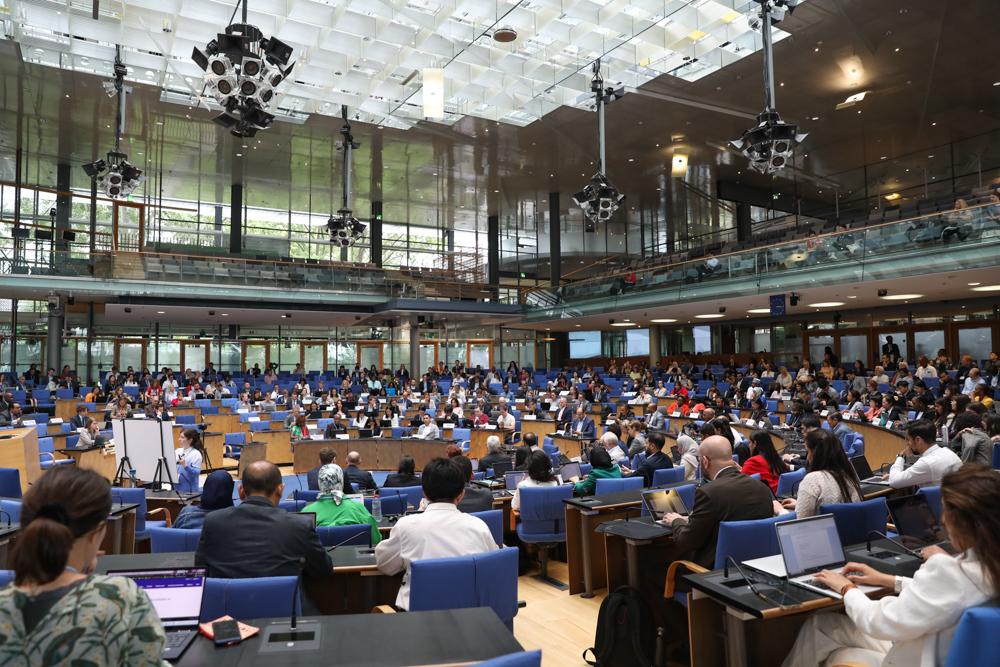
Delegates gather for a technical dialogue for the Global Stocktake, focusing on mitigation, including response measures
Delegates at the third Technical Dialogue for the Global Stocktake at the 2023 Bonn Climate Change Conference (Photo by IISD/ENB | Kiara Worth).

Countries Are Making Progress on Adaptation, But Not Fast Enough

In September 2023, the co-facilitators of the global stocktake’s technical dialogues released their synthesis report, capturing over 252 hours of meetings and discussions and approximately 170,000 pages of information submitted from countries and civil society organizations. Among the 17 key findings from the technical dialogues, nine focused on adaptation and loss and damage.

The technical dialogues concluded that (especially developing) countries are demonstrating increasing ambition in their adaptation plans and policies. More than 140 developing countries have a NAP process underway, enabling them to identify and address their medium- and long-term priorities for adapting to climate change. To date, 47 countries have already developed and communicated their NAP documents.

While countries are making modest strides in implementation, most observed adaptation efforts were characterized as “fragmented, incremental, sector-specific and unequally distributed across regions.” Against the backdrop of cascading climate risks and the rising losses and damages associated with climate change impacts, the report notes that adaptation is the responsibility of all levels of governance, and countries need to scale up their adaptation efforts.

The window of opportunity to secure a liveable and sustainable future for all is rapidly closing… When adaptation is informed and driven by local contexts, populations and priorities, both the adequacy and the effectiveness of adaptation action and support are enhanced, and this can also promote transformative adaptation.

Farhan Akhtar and Harald Winkler, co-facilitators of the technical dialogues

Much more is needed to fulfill the Global Goal on Adaptation, including enhancing adaptive capacity, strengthening resilience, and reducing vulnerability. Governments must urgently move from planning to implementation. For developing countries, however, this is not an easy task. The synthesis report emphasizes the pressing need to significantly scale up financial resources, technology, and capacity building from rich countries through expanded and innovative sources, including the private sector.

The synthesis report also points to good practices and lessons learned to support countries in the aftermath of this first global stocktake. First, it highlights that climate risks must be integrated into all aspects of development planning and mainstreamed in government decision-making. This more holistic approach will build resilience across sectors and promote coherence and synergistic actions.

Second, the synthesis report underscores the importance of inclusive and participatory adaptation planning processes that are informed by local contexts, populations, and realities. Adaptation is the responsibility of stakeholders at all levels and should be planned and implemented, taking into account the knowledge, priorities, and needs of local communities. Furthermore, access to early warning systems and downscaled climate services and data are crucial for sub-national governments to assess, plan, implement, monitor, and evaluate adaptation actions.

Finally, the report emphasizes the importance of systematically measuring progress in effective adaptation. This accentuates the crucial role of monitoring, evaluation, and learning systems for adaptation and the need for downscaled, accessible climate information and climate services at the sub-national levels.

Flag with COP 28 floating under blue sky

What Do We Need From the Global Stocktake’s Conclusion on Adaptation?

In Dubai, countries will negotiate and adopt a final decision on the global stocktake, offering a way forward. It is an opportunity for countries to signal to the world their collective will to address one of the most pressing challenges of our time and ramp up ambition, action, and support for adaptation.

The global stocktake’s final decision needs to send a message on the urgency of adaptation, balancing its focus on emissions reductions and adapting to climate change impacts, and include elements that will inform the update and enhancement of NDCs and NAPs. It should follow the recommendations from the synthesis report and the technical dialogues and shine a spotlight on the importance of adaptation mainstreaming across planning and decision-making processes; a whole-of-society approach to building resilience; iterative and well-designed monitoring, evaluation, and learning systems for adaptation; and locally led adaptation. It should also highlight the need for the sufficient provision of grant-based, predictable, accessible adaptation finance and the centrality of the NAP process for developing countries to address climate risks, reduce vulnerabilities, and increase resilience.

Effective adaptation requires community-led approaches that give the most vulnerable people a voice. People have a right to participate in the decisions that affect their lives. We also need to change the narrative—women are not just vulnerable; they are powerful actors in driving adaptation action.

Angie Dazé, Director, Gender Equality and Social Inclusion for Resilience

Equally important is the consideration of gender equality and human rights. Addressing gender equality and employing a rights-based approach could lead to more effective processes and sustainable outcomes, ensuring an inclusive and participatory planning process and the equitable distribution of adaptation benefits for people of all genders and social groups.

COP 28 is happening at a critical moment in global climate governance. Our climate is changing. Disasters exacerbated by climate change are occurring at an alarming scale and frequency. Communities and ecosystems need to adapt to this new reality.

The assessments of the first global stocktake is a clarion call underscoring the imperative to bolster resilience, reduce vulnerability, and protect people and nature. As the world watches closely, negotiators and ministers need to understand that their final decision is not just another procedural conclusion for this 2-year process. It needs to send a signal of hope—a collective commitment from countries to increase ambitions, actions, and support on both mitigation and adaptation—for this and the generations to come.

Insight

If Not Now, When? Ambitious energy package is a must at COP 28

November 20, 2023

As COP 28 approaches, all eyes are on the energy sector. Amid a striking 91% of global carbon dioxide emissions originating from fossil fuels in 2022, the world is watching for an ambitious energy transition package at this year’s UN Climate Change Conference in Dubai.  

Many regard this year’s edition as the most important COP since COP 21, where governments adopted the Paris Agreement. The global stocktake, the Paris Agreement mandated inventory of global progress on climate action, is set to conclude in Dubai, with world leaders expected to present a political response. The global stocktake has already revealed that countries are not on track to meet the Paris Agreement’s mitigation goal of limiting global warming to 1.5°C. Rather, the world needs to move much faster to reduce emissions. 

In this context, COP 28 is a moment of reckoning for the energy sector. It presents a significant opportunity for governments to construct a credible and ambitious deal to dramatically step up climate action to speed up the energy transition. 

In the last year, discussions about phasing out fossil fuels and scaling up renewable energy have gained traction. The Dubai conference is a chance to build on this momentum. For an ambitious and robust energy package at COP 28, governments need to step up on five key areas. 

1. Agree to phase out fossil fuels 

It’s clearer than ever that the world needs to get off fossil fuels—and fast. This year’s Intergovernmental Panel on Climate Change (IPCC) Sixth Assessment Report Synthesis highlighted the need for a rapid global phase-out of unabated fossil fuels and a near-term peak in their consumption if the 1.5°C guardrail is to remain within reach. Last month, the International Energy Agency reaffirmed that there is no room for new oil and gas fields in a 1.5°C-aligned pathway, a conclusion supported by many other scenarios.  

But fossil fuel phase-out at the pace and scale required is, in fact, not “inevitable,” as the COP 28 president suggested in June. The UNEP’s recent The Production Gap report showed that while coal, oil, and gas supply and demand must decline “rapidly and substantially” between now and 2050, governments are still planning to produce around 110% more fossil fuels in 2030 than would be consistent with limiting warming to 1.5°C. 

COP 28 presents an opportunity for governments to correct course and send strong signals to corporations and financial institutions to stop investing in fossil fuel expansion.  

In Glasgow in 2021, COP 26 called on countries to “phase down” unabated coal power and phase out “inefficient” fossil fuel subsidies. Building on this landmark statement, at COP 27 in 2022, around 80 developed and developing countries supported India’s call to phase out all fossil fuels, not just coal.  

The momentum behind the call to phase out all fossil fuels has only grown since COP27. In May, the G7 committed to “accelerat[ing] the phase-out of unabated fossil fuels.” The High Ambition Coalition has repeatedly called for fossil fuel phase-out. The global stocktake technical synthesis report, which summarizes the science showing what’s needed to get on track with Paris Agreement goals, was very clear that phasing out all unabated fossil fuels is necessary to achieve net-zero. The European Union (EU) has made fossil fuel phase-out a key pillar of its COP 28 strategy. More than 100 companies have also backed the push for fossil fuel phase-out. 

However, several players are taking a stand against this position. The G20 was unable to agree on fossil fuel phase-out due to push-back from Saudi Arabia and several other countries. Meanwhile, China’s climate envoy has said that fossil fuel phase-out is “unrealistic.” 

A key debate will revolve around the inclusion of the word “unabated.” Agreement on phasing out “unabated fossil fuels” would leave room for new fossil fuel plants equipped with carbon capture and storage (CCS) technology. However, there is a lack of evidence on the efficacy of CCS—the IPCC found it has limited emissions reduction potential—and IISD analysis shows that CCS is not a promising solution for the oil and gas sector. Besides, there are already feasible, effective, and cost-efficient alternatives to produce power. Fifteen members of the High Ambition Coalition, including France, Kenya, the Marshall Islands, and the Netherlands, have indicated they will oppose the inclusion of the word “unabated” in any COP 28 decision. 

A credible and robust decision on fossil fuel phase-out at COP 28 would include all fossil fuels, not just “unabated,” and be worded as “phase out,” not “phase down.” 

2. Agree to triple renewable energy and double energy efficiency 

Alongside fossil fuel phase-out, a 1.5°C-aligned energy transition also requires a rapid scaling up of renewable energy capacity and energy efficiency. The International Energy Agency has indicated that the world must triple its renewable energy capacity and double the rate of energy efficiency improvements by 2030.  

The momentum behind this call has snowballed in 2023. Led by the United States, the EU, and the UAE, more than 60 countries now back a commitment to triple renewable energy and double energy efficiency at COP 28. This pledge would be structured as a political declaration, although these countries would also push for language in a formal COP decision.  

COP 28 is a critical moment to tip the policy and investment landscape further in favour of renewables and efficiency—especially in developing countries, an essential part of the COP 28 energy package. In implementing any such agreement, governments must be cautious that the significant increase in supply of the transition minerals required for renewable energy is properly managed, including policies to safeguard against social and environmental risks of mining and ensure local communities benefit. 

3. Implement commitments to end finance to fossil fuels and scale up financing for clean energy 

Rapidly scaling up renewables and energy efficiency will require serious investment. The International Renewable Energy Agency estimates that global clean energy investment needs to quadruple to around USD 5 trillion a year on average between 2023 and 2030. Financing is particularly needed in emerging and developing economies other than China, with Africa currently only attracting 3% of global clean energy investment.  

It’s not until COP 29 that countries are due to agree on a “new collective quantified goal” to replace the USD 100 billion per year by 2020 goal for climate finance from developed countries to developing countries. That said, COP 28 is a key milestone to check the progress of negotiations on the new goal.  

A large chunk of the required clean energy investment could be freed up by shifting public money away from fossil fuels. At COP 26, countries agreed to pursue the phase-out of inefficient fossil fuel subsidies, and they repeated this commitment at COP 27. However, in 2022, fossil fuel subsidies from G20 countries skyrocketed to a record USD 1 trillion. 

COP 28 could make progress on ending fossil fuel subsidies: decision text should drop the qualifier “inefficient” and instead name exceptional cases when subsidies could be considered justifiable. In this vein, the EU is calling for a phase-out of subsidies “which do not address energy poverty or just transition.” Countries should also set a deadline for ending subsidies. A 2025 deadline, like the G7 set in 2016, would be appropriate for developed countries. Finally, commitments should go beyond just subsidies to address all financial flows, including public finance and investments through state-owned enterprises. 

4. First-mover coalitions should demonstrate progress 

Away from the formal negotiations, three key country groupings have the opportunity to demonstrate progress at COP 28: the Powering Past Coal Alliance, Beyond Oil and Gas Alliance, and Clean Energy Transition Partnership (CETP). All three groups have committed to advancing the transition away from fossil fuels or, in the case of the CETP, shifting public finance from fossil fuels to clean energy. 

It’s important for all three alliances to show momentum at COP 28, such as by announcing new members. 

5. Any new commitments from energy companies should be credible and robust 

Sultan Al-Jaber, the COP 28 President, has mentioned plans to launch a new oil and gas sector alliance at the conference, to be called the Global Decarbonization Alliance. The alliance will reportedly set a goal of reaching net-zero scope 1 and scope 2 emissions by 2050—excluding scope 3 emissions, which result from burning fossil fuels and account for 80%–95% of oil and gas sector pollution. The group is also expected to commit to progressive targets for reducing methane emissions from upstream production.  

The UN High-Level Expert Group on the Net-Zero Emissions Commitments of Non-State Entities, tasked with developing stronger and clearer standards for net-zero emissions pledges, has made it clear that credible oil and gas sector pledges must commit to ending exploration for new oil and gas fields, the expansion of oil and gas reserves, and oil and gas production. Companies must also commit to publishing trackable plans showing how they will cut their emissions (from all scopes) by 2025 and reach net-zero by 2050. 

With ambitious options for a COP 28 energy package on the table, it’s critical that inadequate initiatives are not allowed to hamper momentum. 

The stakes are too high for half measures—COP 28 must deliver the full package 

Scaling up renewable energy and phasing out fossil fuels are two sides of the same coin—COP 28 must deliver on both. A deal to triple renewable energy capacity and double energy efficiency, without a corresponding agreement on fossil fuel phase-out, would not fulfil COP 28’s full potential. Shifting public financial flows away from fossil fuels is essential to turn words into action. And first-mover coalitions and other groups have an important role to play in raising momentum—not undermining it. 

The time to act is now. The global stocktake has laid bare the course correction governments must make to safeguard our future. Countries must use COP 28 to match global ambition to the urgency of the task at hand. 

Insight details

Insight

Why Canada Needs to Transform Its Approach to Funding for Climate Disaster Recovery

October 31, 2023

This summer, Canada endured its worst wildfire season on record. The ecological, health, and livelihood losses due to these fires are immense—as will be the costs of rebuilding and recovery. These events come on the heels of Hurricane Fiona and the windstorms in Ontario and Quebec in 2022, which alone caused over CAD 800 million and CAD 1 billion, respectively, in insured damages.

When large-scale disasters such as these occur, provincial and territorial governments can turn to the federal government to help fund a portion of their response and recovery costs through the Disaster Financial Assistance Arrangements (DFAA) program. With the number of climate-related disasters increasing, the federal government is now spending billions of dollars annually through the DFAA program to support post-disaster recovery.

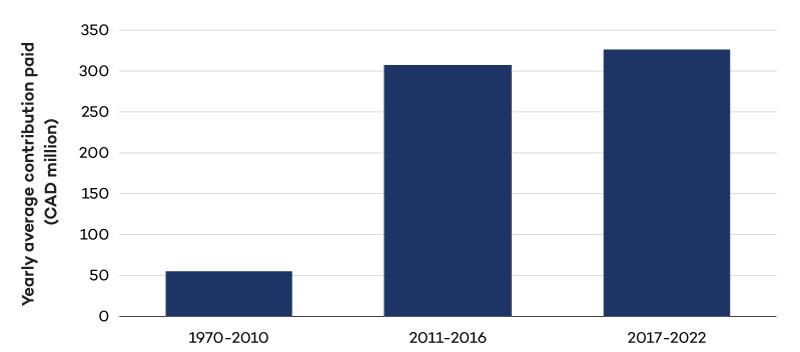
Of the CAD 7.9 billion in assistance paid by Ottawa since the start of the DFAA program, approximately three quarters was distributed in the past 10 years. The 2021 wildfires and flooding in British Columbia alone required CAD 1.5 billion in DFAA payments, and recovery costs for Hurricane Fiona in 2022 may exceed CAD 1 billion. Reflecting these rising costs, the annual budget for DFAA payments jumped from CAD 100 million in 2022/2023 to CAD 1,724.9 million in 2023/2024.

A graph showing an increase in DFAA funding between 1970 and 2022.
Increase in DFAA funding over the years. Data sourced from Public Safety Canada.

In its 2023 budget, the Government of Canada committed funding for a modernized DFAA program to support the mitigation of disaster risks. As outlined in the November 2022 report of a federally commissioned advisory panel, modernizing the DFAA provides an opportunity to increase the climate resilience of Canadian communities and avoid future costs. By pivoting the program from being solely focused on disaster response and recovery to including disaster prevention and resilience, the DFAA program could become an important tool used to fund adaptation projects across Canada.

What is the DFAA program?

Established in 1970 and administered by Public Safety Canada, the federally funded DFAA program provides financial assistance to the provinces and territories in the event of a large-scale natural disaster. As of January 2023, provincial and territorial governments can request access to these arrangements when their recovery costs exceed CAD 3.61 per capita of their population. As the cost of disasters increases, so too does the share covered by the federal government. The federal government pays an average of 82% of eligible disaster costs: these include emergency shelters, repairs to public infrastructure, and restoration of businesses or homes.

Why does the DFAA program need to be modernized?

For years, the DFAA program has been critiqued for being inefficient and lacking the flexibility to respond to changing circumstances and the unique needs of different communities across the country.

A major criticism of the program, though, is that it is primarily financing disaster response and recovery—as opposed to disaster prevention. Moreover, its requirements make it impossible for provincial and territorial governments to invest in initiatives that build resilience, such as relocating buildings away from high-risk flood zones or requiring homes to be built to better withstand wildfires. This situation is at odds with Canada's current emergency management strategy and commitments under the Sendai Framework for Disaster Risk Reduction, both of which emphasize preventing and reducing the negative impacts of disasters.

This means that, over the past 50 years, nearly CAD 8 billion has been spent reacting to disasters across Canada with limited mechanisms to ensure any of this funding actively prevents these disasters from occurring—even in areas where disasters are preventable and predictable.

How can the DFAA program be improved?

With the cost of disasters increasing every year, in 2022, Public Safety Canada established an expert advisory panel to "review and make recommendations on how to improve the sustainability and long-term viability of the program." In their November 2022 report, Building Forward Together, the panel members called for the DFAA program to play a much larger role in incentivizing disaster risk reduction and building long-term climate resilience. In its 10 recommendations, the panel called for

  • establishing an integrated disaster-resilience standard and associated national resilience rating system, which would help Public Safety Canada target funding measures to reduce the impacts of climate-related disasters and support climate change adaptation;
  • ensuring that federal finance strategically targets vulnerable populations, as informed by the national resilience rating system;
  • improving the coordination and alignment of federal programs for disaster risk reduction and climate change adaptation to ensure measures are implemented meaningfully;
  • ensuring stakeholders have access to the information, tools, and capacity they need to be aware of their risk levels and make informed decisions; and
  • increasing the program’s efficiency by digitizing and streamlining the application process, providing better access to guidance, and improving responsiveness, as well as making the program more flexible to differing needs between and within regions.

Implementing these recommendations would fundamentally change the focus of the DFAA program from responding to climate-related disasters as they happen to taking steps needed to anticipate, prevent, and reduce these events—consistent with ongoing efforts to adapt to climate change.

How does this relate to Canada’s National Adaptation Strategy?

In June 2023, Canada's first National Adaptation Strategy (NAS) was released. Disaster resilience is one of the five key systems around which the strategy is organized. Consistent with the commitment made in Canada’s 2023 budget, the NAS includes a target of modernizing the DFAA program by 2025 "to incentivize disaster risk reduction and improve recovery outcomes from large-scale disasters." However, meeting the NAS target will require a significant amount of work in a relatively short amount of time; ensuring that these modernization efforts truly allow Canada to better prepare for and recover from climate-related disasters will likely be challenging. The federal government will also need to reach agreements with provincial and territorial governments.

Building resilience to climate change and extreme weather events is not just a Canadian endeavour. Countries throughout the world have struggled to better align and integrate their climate change adaptation and disaster management efforts. In August 2023, the United States Federal Emergency Management Agency announced nearly USD 3 billion in funding for various adaptation projects. This follows an observed trend of greater understanding among national governments of the need for a more integrated approach to climate change adaptation and disaster risk reduction efforts to achieve their sustainable development goals.

What’s next?

The frequency and cost of climate-related disasters are increasing across Canada. Federal financial assistance arrangements must change to meet this growing challenge. They should focus on reducing and preventing the damage caused by floods, fires, and hurricanes rather than simply providing more funding for disaster response and recovery. Federal funding can include provisions that lead provincial and territorial governments to incorporate adaptation measures into pre-disaster planning and post-disaster rebuilding. Crucially, we need meaningful governance systems to integrate climate adaptation and disaster prevention measures across federal departments and between federal and provincial agencies.

Without a greater focus on disaster prevention that accounts for climate change, Canada will only see a rising bill tied to increasingly devastating natural disasters. The DFAA program is a critical tool to help people across the country withstand these events now and into the future, but it is in desperate need of sharpening to support long-term resilience.

Insight details

Insight

The Climate Crisis Is Outpacing B.C.'s Ability to Adapt

October 26, 2023

British Columbia has become Canada's epicentre of climate change-induced disasters. After historic wildfire seasons in 2021 and 2022, 2023 is now officially the province's most expensive and most destructive wildfire season on record. One of the worst fires, the McDougall Creek fire, forced more than 10,000 people to flee and has damaged or destroyed at least 181 properties in West Kelowna alone. Just a couple of years ago, 619 people died during a week-long heatwave, almost all of them perishing indoors without adequate cooling systems.

Heat waves, wildfires, and floods are costing B.C. up to CAD 17 billion per year—and the actual number is often higher when accounting for disruptions in shipping and supply chains that affect other provinces and territories or the indirect impacts on B.C.'s tourism industry. There are also costs associated with loss of life or deteriorating health, lost income and livelihoods, or the impacts on mental health and cultural heritage that often cannot be quantified in economic terms.

Last week, the province's Ombudsperson released a report highlighting how outdated, under-resourced, and inaccessible B.C.'s disaster and emergency support programs are—particularly for vulnerable people. Simply put, these measures are insufficient to address the impacts of today’s climate crisis.

What needs to change? We must acknowledge the limits of adaptation efforts

The ecological, health, and livelihood losses due to fires and floods are immense—as will be the costs of rebuilding and recovery. The uncomfortable reality is two-fold: 1) we cannot continuously finance disaster recovery, and 2) there are limits to adaptation. Even with sufficient investments into infrastructure upgrades, we will reach a degree of change too large to manage unless we collectively stop emitting greenhouse gases into the atmosphere and the climate stabilizes. The number, intensity, and frequency of extreme weather events will reach a point at which typical adaptation measures like building seawalls and expanding reservoirs simply won’t be enough, causing what the international climate community refers to as "loss and damage."

Loss refers to the complete loss of something, such as a human life or an ecosystem that can’t be brought back. Damage usually refers to infrastructure, for example, a bridge that collapses in a flood despite the fact it was built to more resilient standards. Loss and damage can be profound in both economic and non-economic ways that are beyond what countries, communities, and ecosystems can adapt to. While many might picture hurricane-ravaged island nations or monsoon-drenched shantytowns, the inescapable reality is that loss and damage also looks like what is happening right here, right now, in B.C.

As we reflect on the staggering fiscal and human impacts of climate change, it becomes abundantly clear that we need urgent, transformational change in how we approach climate risks and how we respond to ongoing and future loss and damage.

The federal, provincial, and municipal levels of government have finally started to get serious about climate adaptation—but there's a huge gap in tangible adaptation measures needed right now, let alone acknowledgement of the irreversible effects of loss and damage in B.C.'s current Climate Preparedness and Adaptation Strategy for 2022–2025.

The good news is that this particular strategy is due for an update by 2025. This means we have a window of opportunity to weigh in and ensure our government goes beyond the status quo when it comes to climate adaptation planning.

Sandbags are stacked along the shoreline of Okanagan Lake during Spring flooding on May 23, 2017 in Lake Country, British Columbia, Canada.

Coming to terms with the irreversible impacts of climate change: It's time to link climate adaptation and emergency management

One critical piece of the puzzle is better integration of climate change adaptation into emergency preparedness planning, timely and effective humanitarian response, and post-disaster recovery efforts. There is also a need to rapidly address the growing risk of destroyed homes and infrastructure that are not covered by private insurance. This means relocating buildings away from high-risk flood zones, building the capacity of communities, and improving coordination and cooperation around emergency preparedness and management at the regional level.

Local communities and municipalities must receive the tailored support they need to understand the climate risks anticipated for their area and be able to plan accordingly for more intense floods, fires, and heat-related emergencies. However, information alone will not solve the problem: many resource-constrained municipalities will need predictable provincial and federal funding and assistance to help pay for emergency preparedness, disaster response, and required infrastructure upgrades.

Preparing for climate change is complex, and the solutions aren’t always straightforward. But we cannot act with anything less than urgency right now. B.C. is often referred to as a leader on climate change, nationally and globally, and it’s time for the whole government at every level to step up and collectively rise to this challenge.

Insight details

Insight

African Environmental Ministers Commit to Beyond GDP and Inclusive Wealth Measures

To deliver more effective and coordinated responses to the growing environmental concerns Africa faces, African environment ministers, international partners, and national stakeholders met from August 14 to 18 in Ethiopia’s capital, Addis Ababa, at the 19th session of the African Ministerial Conference on the Environment (AMCEN-19).

October 25, 2023

The ministerial segment was held on August 17 and 18 following several days of constructive dialogues and inputs from civil society and the group of ministerial experts.

Centred around the conference theme Seizing Opportunities and Enhancing Collaboration to Address Environmental Challenges in Africa, the plenary sessions and side events covered several critical issues for the region’s sustainability, including critical minerals, natural resources, pollution, climate finance, the SDGs, and regional and global partnerships.

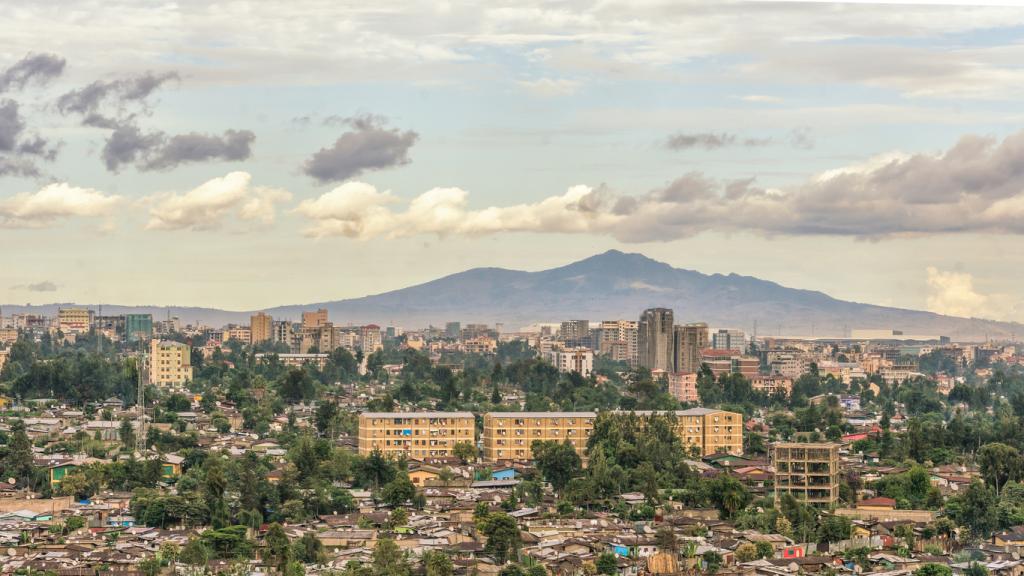
Addis Ababa
Addis Ababa hosted the 19th session of the African Ministerial Conference on the Environment (AMCEN) as climate change impacts and economic pressure mount for the continent.

The meeting concluded in the Addis Ababa declaration, in which member states showed strong commitment to work together with AMCEN as the key coordination channel to address the ongoing environmental challenges the continent is facing. The series of concerns and action plans laid out in the declaration reflect several important concerns on the region's trajectory:

  • African ministers' concerns regarding unsustainable economic activities and their impact on nature, climate, and pollution are growing.
  • The sustainability and well-being of the continent are at serious risk: as stated in the declaration, the region lost 65% of its productive land over the past 70 years. Meanwhile, the population has grown more than sixfold. 
  • Global and regional coordination, capacity-building, and financial resources are key to addressing the ongoing challenges.

Aware of these challenges and the necessity to urgently go beyond business as usual, the ministers see the adoption of inclusive wealth measures as an important step forward that can contribute to the well-being of the continent. The introductory segment of the declaration reads:

We African ministers for the environment … committed to continuing to take environment and climate action to unlock inclusive wealth creation that safeguards the socio-economic well-being of the people in Africa.

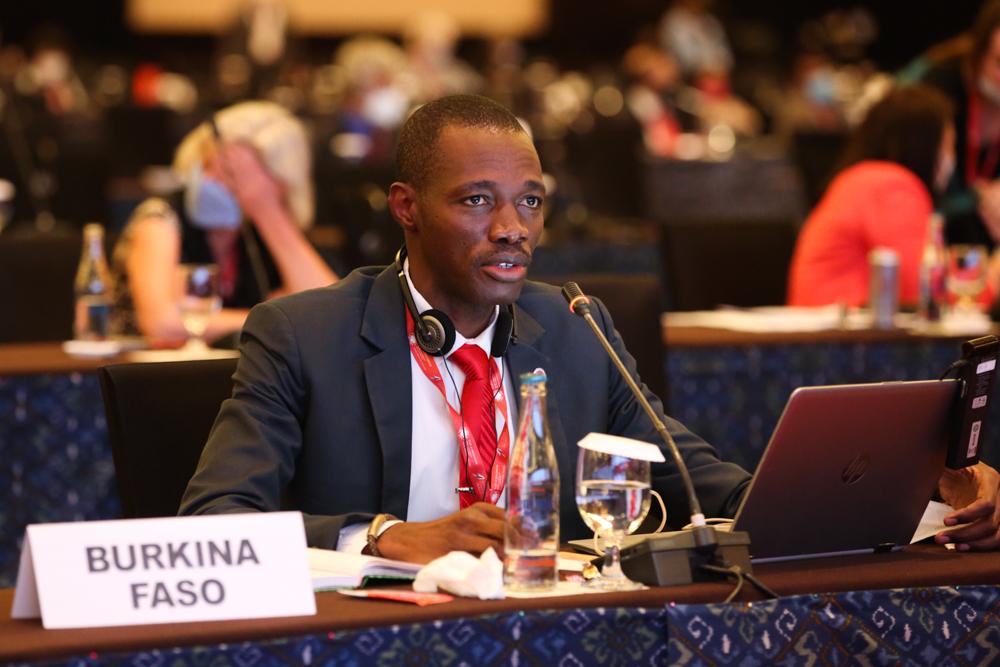
This statement, which is backed up by government officials’ warnings during the conference on the destructive nature of our activities, shows that environment ministers have strong incentives to move beyond GDP as the primary tool of policy-making and toward inclusive wealth measures. In his keynote speech during the Inter-Ministerial Dialogue on Green Jobs, Burkina Faso’s Minister of Environment, His Excellency Roger Baro, stated: “It's time we all review our growth models so that our progress doesn't jeopardize that of generations to come.”

Roger Baro
Roger Baro, Minister of Environment, Burkina Faso (Photo by IISD/ENB Kiara Worth)

African ministers’ concerns about the destructive nature of our activities set a good foundation for the Summit of the Future, where world leaders will agree on proposals to better address global challenges. The proposals include moving beyond GDP toward indicators such as inclusive/comprehensive wealth, as suggested by the Secretariat General. In response to the ambition of the Secretariat General and the findings from the 2023 Inclusive Wealth Report showing a declining wealth per capita in many African countries, what is needed for the continent is an accounting framework that will allow countries to measure and monitor wealth and use it for policy-making. There are several reasons why such a framework is important for the continent:

  • Because wealth is positively correlated with well-being, “unlock[ing] inclusive wealth creation that safeguards the socio-economic well-being” should begin with an assessment of the current national stock of wealth and how it evolved over time. Such an assessment will give countries a clear picture of their well-being path, opportunities, and bottlenecks.
  • With a natural capital measure, countries will be better equipped to monitor their natural resources and biodiversity and the contribution of revenue drawn from the extraction of these resources to the development process. Take minerals, for instance. The region hosts the world's rarest resources, such as cobalt, lithium, and diamonds. About 60% of the world's diamonds are supplied by Africa. Yet, on average, countries capture only 40% of natural resource revenues. This 60% revenue loss represents a significant resource for governments, which could contribute to investment in education and jobs, as well as closing the current biodiversity finance gap estimated at “USD 700 billion per year” (Declaration, point 5). 
  • Several promising environmental and climate initiatives taken by the region can positively drive different components of wealth and thereby well-being. As stated in point 33 of the Declaration, the Green Climate Fund invested around USD 4.9 billion across 92 projects in Africa. This initiative, including many others, such as the Great Green Wall or the African Green Stimulus Programme, can positively and simultaneously drive job creation (human capital), the preservation of biodiversity (natural capital) and infrastructure (produced capital).

The 19th ordinary session of the AMCEN was another important opportunity for policy-makers to decide what they want for the future of the continent. The Addis Ababa declaration tells us that the holistic well-being of Africans and the health of the planet are top of mind. Along with the existing initiatives the region is embarked on, a wealth accounting framework will play a key role in achieving those aspirations.

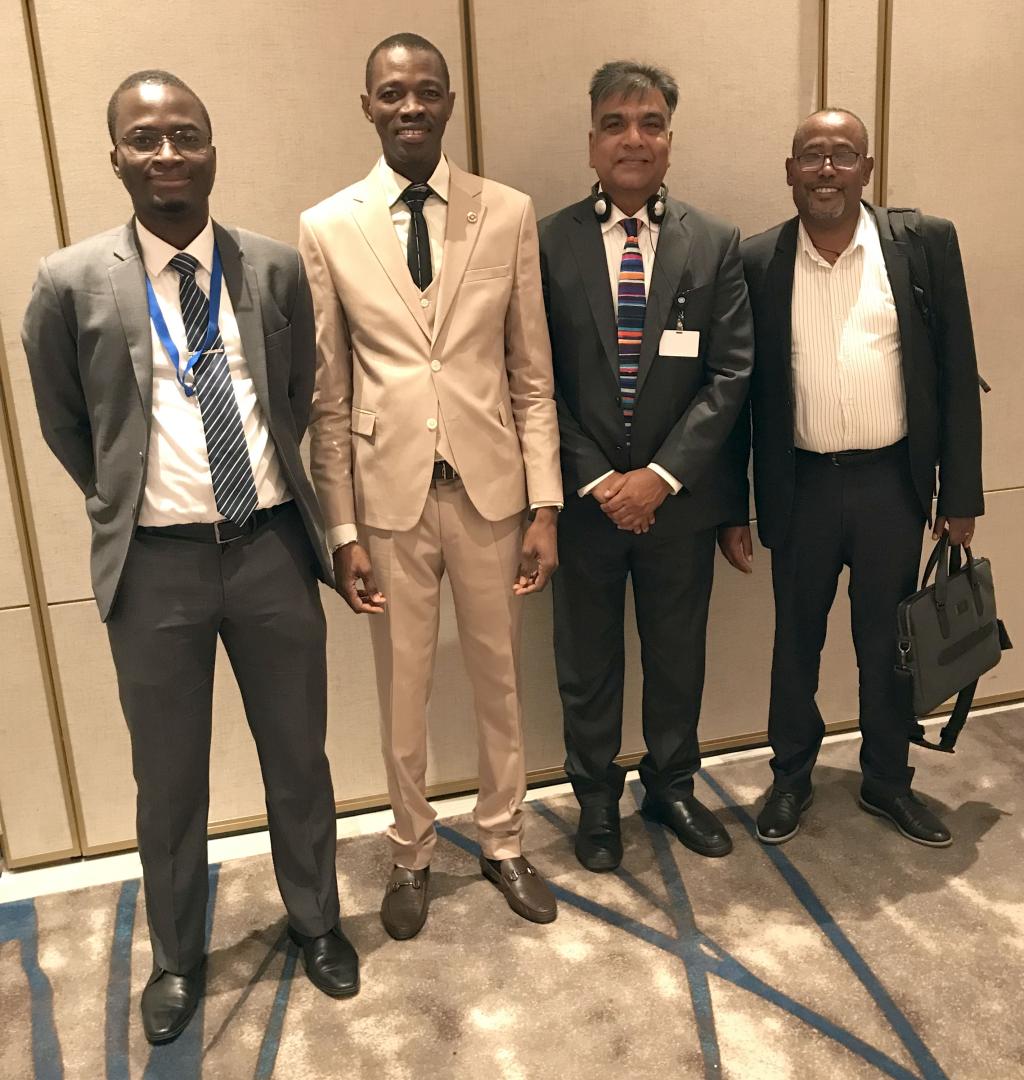
Zakaria Zoundi, Minister Roger Baro, Pushpam Kumar, Mesfin Tilahun Gelaye
Insight

Africa Steps Up to Reshape International Tax Rules

As new technologies, demographics, and climate change shift the global economy, governments and international organizations have started reforming the rules to keep up—and African policy-makers are seizing the opportunity to push for a fairer system to protect public revenues. 

October 20, 2023
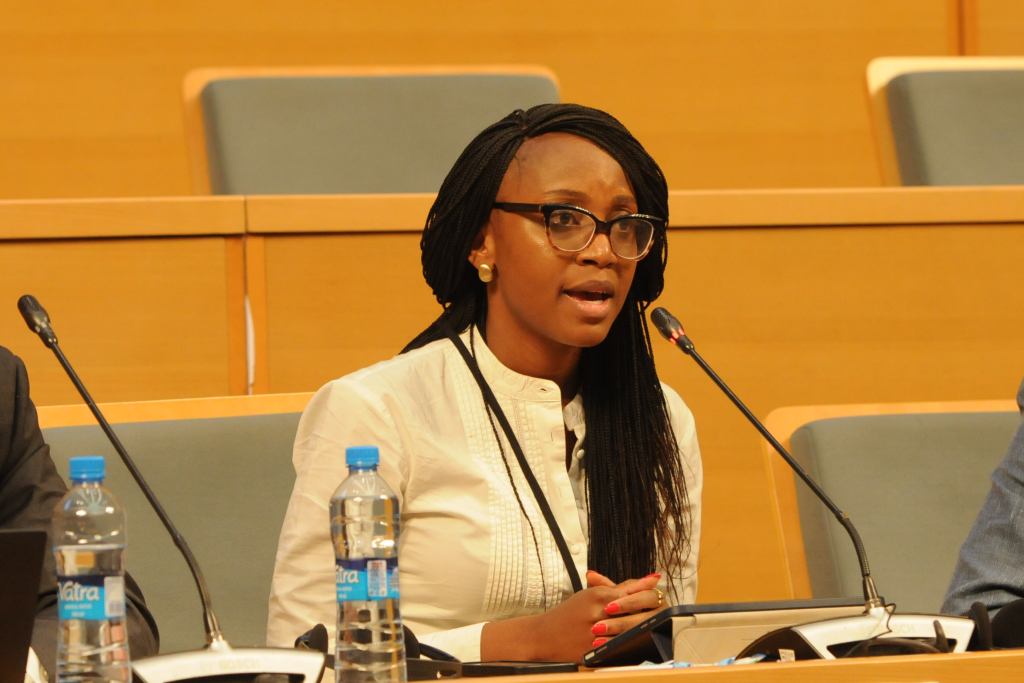
Chenai Mukumba, Executive Director, Tax Justice Network Africa, speaking at the Global Conference on the Future of Resource Taxation in Zambia. Photo by IISD/ENB 
Chenai Mukumba, Executive Director Tax Justice Network Africa, speaking at the Global Conference on the Future of Resource Taxation in Zambia. Photo by IISD/ENB

“The era of waiting has come to an end,” announced Chenai Mukumba, Executive Director of Tax Justice Network Africa, at a tax policy conference earlier this year. “African countries no longer exist at the peripheries of global tax governance.”

Mukumba’s is just one of the many African voices that have been publicly questioning international tax rules for at least a decade. Established a century ago, these rules have maintained wealth imbalances between nations, with multinational corporations based mainly in rich countries exploiting legal loopholes to avoid paying taxes in the places they operate. For developing countries, this amounts to hundreds of billions of dollars in lost revenues and costs Africa at least USD 23 billion per year. Prominent critics have also pointed out that the established rules fail to prevent illicit financial flows—that is, money moving across borders to conceal taxable income and illegal activities.

But as new technologies, demographics, and climate change shift the global economy, governments and international organizations have started reforming the rules to keep up—and African policy-makers are seizing the opportunity to push for a fairer system to protect public revenues. For instance, the United Nations Economic Commission for Africa published a 2015 report highlighting the need to stem tax avoidance and evasion. The report led to the Addis Tax Initiative, a capacity-building partnership for developing countries. And since 2009, African countries have reportedly collected at least EUR 1.7 billion in additional revenue through improved tax administration, information exchange mechanisms, and rigorous offshore investigations.

Driving the UN Push for Inclusive and Effective International Tax Cooperation

In August, the United Nations (UN) Secretary-General published a much-anticipated report that outlines three options for more inclusive and effective international tax cooperation—setting standards and norms to ensure multinationals pay their fair share of tax. The report was mandated by a 2022 UN General Assembly resolution, which also requested the Secretary-General take stock of progress made on international tax cooperation and debated the issue at the 78th session of the UN General Assembly.

It’s a little-known but noteworthy fact that this game-changing resolution was submitted by Nigeria on behalf of the Group of African States at the UN. This report sets in motion a major shift in global tax architecture by proposing that the UN should play a bigger role in international tax cooperation, empowering developing countries along the way. These developments exemplify how collective bargaining can be a powerful tool to disrupt the traditional agenda-setting role occupied by developed economies. Moreover, by successfully driving international tax changes to address their needs, Africa is advancing a more inclusive system for the world.

“The era of waiting has come to an end, African countries no longer exist at the peripheries of global tax governance.”  

Chenai Mukumba, Executive Director of Tax Justice Network Africa

The OECD's Inclusive Framework

In June, the Organization for Economic Co-operation and Development (OECD) released the latest guidelines on implementing a global minimum corporate tax. The guidelines follow the 2021 agreement in principle by 138 nations on the foundational premise to ensure multinational corporations are liable for a minimum tax rate no matter where they operate. African negotiators applied upward pressure, pushing for a 20% minimum tax rate (negotiators ultimately settled on 15%). And through the African Tax Administration Forum, African nations successfully advocated for including the Subject to Tax Rule to protect the primary taxing rights of developing countries and collaborated to develop a common approach to implementing key components of the global minimum tax. Exactly half of African states are represented in the 138 supporting the OECD’s minimum tax proposal, while many others are contemplating how to protect their taxing rights once the rules come into effect.

Moreover, since the IISD-ISLP guide for developing countries on the global minimum tax was published, many senior African officials have come forward wishing to discuss policy options. African countries seem to be embracing the shifting landscape as a time to explore new approaches. For instance, some countries are contemplating how to use the global minimum tax as a catalyst to strengthen their international tax regimes, both unilaterally and in cooperation with regional peers. Others are rethinking their use of tax incentives and investment promotion agencies.

Kudzai Mataba (far right), IISD Policy Analyst, speaking at the Global Conference on the Future of Resource Taxation in Zambia. Photo by IISD/ENB

Regional Trade, Investment, and Tax

At the regional level, the African continent is negotiating the monumental African Continental Free Trade Agreement, which would cover the largest trade area in the world to date, measured by the number of countries participating. The negotiation presents a timely opportunity for African countries to contemplate the interactions between trade, investment, and tax policies and how they can promote development on the continent. The trade agreement could also be an ideal forum for African countries to consider regional strategies to implement the new international tax rules advancing through the UN and OECD.

African leaders should be applauded for their efforts to create an inclusive international tax framework. The momentum built on the international level should be maintained through ongoing continental trade negotiations—but there is a need for further research on the interactions between tax, trade, and investment policies. IISD is looking forward to examining these critical policy interactions and how they support national sustainability goals.

Insight

From Cotton Ginner to Retail Rack: How much do we really know about “sustainable” cotton?

Exploring the complex value chains behind our t-shirts and towels and asking why we need to get better at tracing garments from the store back to the farm.

October 6, 2023

Cotton. Once a wild perennial plant, it is now a trillion-dollar industry.

As the most common natural fibre in the textile industry, cotton is used for a wide range of purposes—from clothing and upholstery to hygiene products and medical equipment. 

But hidden behind our t-shirts and towels are over 100 million households in 75 countries that rely on cotton cultivation for a living. Nine out of 10 of these households are in lower-income countries. And they are grappling with challenges such as water scarcity, pest management, and low prices and incomes.

Voluntary sustainability standards (VSSs) such as Better Cotton, Organic, and Cotton made in Africa seek to address these challenges. They set sustainability requirements for cotton farmers and processors to meet in exchange for certifying their produce as VSS compliant, which can help them fetch up to 50% higher prices.

VSS-compliant cotton production has doubled every 2.5 years since 2008 and now accounts for at least a quarter of global cotton production. This form of recognition can help consumers make more responsible purchasing choices. But how much do we really know about “sustainable” cotton?

A lack of transparency in cotton textile value chains is hindering VSSs’ impact. By the time a garment reaches the retail rack, much of the information about where and how it was produced is lost. Where did the cotton come from? What price was paid to the farmer? What environmental and socio-economic impacts were generated? Did all stages of its processing comply with a VSS?

To help answer these questions, IISD partnered with fashion retailer Kappahl to map the value chain for select organic cotton garments. We mapped the identities, locations, and operations of upstream suppliers. And we engaged with them to collect sustainability data.

This mapping could help Kappahl address concerns and make more informed decisions when purchasing from suppliers. It may also help them to verify organic certification and disclose more reliable sustainability information to their customers.

If you’re interested in learning more, check out our research:

Insight

Working with Countries to Move Beyond GDP

In his recent policy brief, Valuing What Counts: Framework to Progress Beyond Gross Domestic Product, the UN Secretary-General invites member states to move beyond GDP by measuring what truly matters for sustainability and prosperity. The policy brief outlines the shortcomings of GDP as an indicator and suggests more meaningful measures.

September 20, 2023

Some of the points stressed in the brief reinforce the conclusions of IISD’s work on expanded wealth measures to complement GDP in three countries—Indonesia, Ethiopia, and Trinidad and Tobago. IISD is working closely with economic experts and researchers from universities in each of the three countries to develop expanded wealth measures to complement GDP. Our work reflects and reinforces the Secretary-General’s call to complement GDP in several ways.

First, the UN policy brief stresses the need for a concise, widely accepted, comparable, and universally applicable (p. 10) framework to complement GDP. The expanded wealth framework IISD applies in our work is just that. Based on the global comprehensive/inclusive wealth frameworks developed by the World Bank and the UN Environment Programme, this robust framework complements GDP by measuring the assets that underpin well-being in all its forms: economic, environmental, and social. Our country partners understand the utility of the framework and are working with us to implement it using country data and expertise. We have modified the global methods used by the World Bank in ways that will ensure comparability and universal applicability—for example, by simplifying the approach to measuring human capital and produced capital.


The three coutries are using a simplified method of estimating the value of produced assets. This method builds on guidance for measuring capital stocks from the Organisation for Economic Co-operation and Development (OECD) and uses basic data on fixed capital formation available in essentially all countries. As such, it effectively leverages what already exists. Data for fixed capital formation in major economic sectors were readily available in all three countries for at least a 20-year time horizon. Using OECD methodological guidance, these data were readily converted to the time series of stock values required to measure wealth.

Second, the Secretary-General emphasizes that any framework to measure beyond GDP must be country owned (p. 10). Our wealth framework is being applied in three countries with very different development priorities, challenges, and data availability. Nevertheless, robust estimates have been produced for all three countries by national experts using national data. The results reveal useful insights in each. To help build country ownership, IISD provides guidance and quality control while leaving the estimation work to country experts. These experts are responsible for liaising with national statistical offices, central banks, and other data providers to collect data, calculate indices, prepare reports, and consult on policy recommendations. The IISD team provides support and arranges peer-support meetings between the country experts. The approach has been strongly collaborative from the start, with the goal of ensuring country ownership of the methods and results in the end.

Beyond GDP diagram

Third, the Secretary-General suggests that measuring beyond GDP should be “iterative and dynamic, based on what exists, while allowing for the addition of new indicators” (p. 10). By building upon the World Bank’s and UN Environment Programme’s efforts to measure expanded wealth indicators, IISD is already applying this guidance in its efforts to go beyond GDP. 

Finally, the Secretary-General also stresses that any framework intended to complement GDP should convey strong and clear messages that are actionable and intuitive (p. 10). IISD’s collaborative approach to building expanded wealth measures provides useful insights for the countries involved. It helps them build the capacity that will inevitably be needed if countries are to move beyond GDP. Our experience shows that data collection, estimation, and interpretation will consist of a multi-year effort.

While it is important to understand the concepts and rationale for this work, many of the specific challenges in national application only become evident through “doing.” IISD’s engagement with country partners has, so far, lasted 4 years and involved more than 14,000 hours of technical support. Our experience shows that with support, countries can produce expanded wealth measures. Over time, countries will be able to produce this data on their own—just as they do for GDP. But reaching that goal will require targeted long-term support and guidance so countries can gain the experience they need.