Report

Nature-Based Solutions Inventory for Zambia

This inventory showcases the variety of nature-based solutions (NbS) projects that have been completed recently or are currently under implementation in Zambia. It highlights the varied responses across the country to the climate and biodiversity crises, including efforts to address the increasing risks and vulnerabilities brought about by a changing climate. 

June 5, 2026

Key Findings

  • To provide economic benefits and environmental gains, many of the initiatives integrate NbS with the development of livelihoods, such as beekeeping, alternatives to firewood, and sustainable harvesting of non-timber forest products.

  • To keep community-driven conservation at the heart of implementation, the interventions are deeply embedded in participatory governance, Traditional Knowledge systems, and nature-based livelihood strategies.

  • The NbS projects in Zambia integrate capacity building and policy to ensure long-term sustainability and alignment with national frameworks.

  • Many of the projects prioritize gender-responsive approaches, actively engaging women, young people, and marginalized groups to build inclusive adaptation mechanisms.

The economy and citizens’ livelihoods in Zambia are highly dependent on the country’s natural resources. Agriculture, for example, accounts for approximately 3.4% of the GDP and provides employment for about 70% of the population. The country's forests and fisheries are estimated to contribute about 4.7% and 3.3% of its GDP, respectively, while its 20 national parks, 36 game management areas, and 490 forest reserves play a crucial role in water regulation, food security, and sustaining local economies. 

This dependency makes the country and its people highly vulnerable to the impacts of climate change, and underscores the need for mainstreaming NbS, and ecosystem-based adaptation strategies in particular, into national policies to ensure that actions to adapt to the impacts of climate change are planned for and that the country’s ecosystems continue to be healthy and provide for communities. This is especially relevant because Zambia’s country development strategies highlight increasing temperature, erratic rainfall, droughts, and floods as threats to its economic growth and food security, with projections pointing to worsening climatic conditions. 

The inventory aims to showcase the variety of NbS projects that have been completed recently or are currently under implementation in Zambia. It highlights the varied responses across the country to the climate and biodiversity crises, including efforts to address the increasing risks and vulnerabilities brought about by a changing climate. The inventory also aims to help stakeholders understand the NbS implementation landscape in Zambia, pinpoint existing gaps, potential synergies, and collaboration opportunities, and avoid duplication.

Report details

Topic
Climate Change Adaptation
Nature-Based Solutions
Region
Zambia
Impact area
Climate
Nature
Initiatives
Climate Adaptation and Protected Areas (CAPA) Initiative
Publisher
IISD
Copyright
IISD, Wildlife Conservation Society, and World Wildlife Fund for Nature, 2026
Workshop

Student Workshop: Inclusive and Sustainable Growth Beyond GDP in Zambia

Despite the dominance of GDP in political and public discourse on how well countries are performing, alternative metrics exist that better gauge human well-being, happiness, and sustainability. 

June 9, 2026 9:00 am - 12:30 pm UTC +2

(By invitation)

As the push intensifies for countries to go "beyond GDP" when measuring progress and building more sustainable public policies, the International Institute for Sustainable Development (IISD) and IDRC are hosting a half-day conference at University of Zambia to discuss what looking beyond the GDP framework would mean for students in Zambia.

Through a series of talks, workshops and participatory activities this conference will introduce the limitations of GDP as well as provide overviews of alternative and complementary measures to GDP and their policy implications.

This conference is delivered in partnership with the University of Zambia and Rethinking Economics Zambia, and with the support of Rethinking Economics International and Rethinking Economics for Africa.

Co-presented by

Rethinking Economics
University of Zambia
Deep Dive

Why Is It So Hard to Engage Local Communities in Climate Vulnerability Assessments?

Those most affected by climate change should lead efforts to strengthen their own resilience, based on their needs, priorities, and capacities. However, meaningfully engaging communities in climate vulnerability assessments remains far harder than it seems. A new report from nearly 100 communities in Southern Africa shows why, and what to do about it.

May 14, 2026

What Are Participatory Climate Vulnerability Assessments, and Why Do They Matter?

Climate change is not affecting everyone equally. The communities most exposed and vulnerable to climate impacts are often the ones with the least voice in the decisions that shape their future. Closing that gap is at the heart of locally led adaptation (LLA), also referred to as community-based adaptation (CBA): an approach that places communities at the centre of climate adaptation decision making. Rather than prescribing solutions from the outside, LLA aims to strengthen communities' agency in identifying their own priorities and designing their own solutions.

A participatory climate vulnerability assessment (PCVA) is the essential first step in this process. It is a facilitated process that combines community knowledge with scientific climate data to map current and future climate risks, and to understand how those risks affect distinct gender and social groups within a community differently.

Getting this right matters. A poorly conducted PCVA (rushed, superficial, or failing to capture the diverse perspectives) leads to poorly designed adaptation plans. Resources go to the wrong priorities. Vulnerable groups are left out. Opportunities to build genuine resilience are missed.

"This project allowed the communities to have an input, instead of assuming what they want or what they are going through; the communities are speaking for themselves, instead of going with preconceived ideas of what is needed."

CBA SCALE+ project partner

Despite more than 20 years of practice, scaling LLA meaningfully remains elusive. Many assessments that call themselves participatory are still extractive in practice. The Intergovernmental Panel on Climate Change confirmed in its 2022 Sixth Assessment Report that LLA can successfully enhance adaptive capacity. Yet the persistent challenge is implementing it at a scale that meaningfully reflects the social diversity of communities and the urgency of the crisis.

A new report from the International Institute for Sustainable Development and CARE offers a field-tested account of what keeps going wrong and what practitioners can do about it. It draws on PCVAs conducted in nearly 100 communities across Mozambique, Zambia, and Zimbabwe between 2024 and 2025, as part of the CBA SCALE+ project. While many of the challenges identified have already been documented, they persist today. Here’s why.

Why Are Participatory Climate Vulnerability Assessments Harder Than They Look?

We know communities need to lead efforts to strengthen their resilience to climate change impacts. But doing this well (respectfully, rigorously, and at scale) is far harder than it looks. Three challenges in particular resonate from the CBA SCALE+ experience.

Adapting and Responding to Overlapping Crises

In early 2024, Zambia declared a state of national emergency. Zimbabwe followed weeks later. A prolonged drought driven by El Niño had been devastating harvests since mid-2023. Cereal yields in Zambia fell 43% below the 5-year average. In Zimbabwe, the figure was 50%. Communities across the project area were hungry, water-scarce, and under acute stress.

In this context, conducting a PCVA didn’t seem like a priority to the communities and local governments, who were understandably focused on food relief, not multi-decade planning. Some partner organizations, with histories of humanitarian work in the same areas, were expected to provide emergency assistance that the project was not designed to deliver. When flexible emergency funding was not available, trust began to erode. Communities that had committed to engaging with the process started to pull back.

Cows drinking water from a river in Zambia

In a context of drought, conducting a PCVA doesn’t seem like a priority to the communities and local governments, who are understandably focused on food relief, not multi-decade planning. © CARE Zambia / Margret Ngonga.

This kind of polycrisis context, when climate, economic, and political crises overlap and reinforce each other, is increasingly the normal operating environment for climate adaptation practitioners.

This means that flexible funding mechanisms need to be built into project design from the start, not scrambled for after a crisis hits. Equally critical is honest expectation management. Communities in survival mode cannot meaningfully engage with 30-year climate projections unless their immediate reality is first acknowledged. The project teams that rebuilt trust most effectively were those that adapted their engagement (through shorter sessions, more flexibility, transparent communication about delays) while finding ways to address urgent needs alongside longer-term work.

Bridging Community Knowledge and Climate Science

Even without a drought emergency, one of the hardest tasks in any PCVA is integrating what communities know from lived experience with what climate science tells us about future risks.

Communities hold rich knowledge of their local environments, built over generations: how rainfall has shifted over decades, which crops no longer perform as they once did, and where seasonal flooding has become more frequent. While irreplaceable, this knowledge is, by definition, rooted in observed experience. Climate projections, on the other hand, describe what climate variables such as temperature and rainfall may look like in 2040 or 2060; a future no one has yet lived through.

Community members discuss and draft plans around a table

Building community confidence in climate science requires time, repeated interactions, trusted local messengers, and visual tools that make abstract data tangible. © CARE Zambia / Margret Ngonga

The CBA SCALE+ team encountered four recurring barriers to bridging this gap.

  • The first is framing. Framing the PCVA primarily as a participatory exercise may have unintentionally signalled that scientific climate projections were optional, rather than central to the analysis.
  • The second is capacity. Translating technical climate projections into accessible, locally meaningful messages requires both scientific fluency and skilled facilitation. That combination is rare, and the report found that some project teams lacked the confidence to engage communities meaningfully with future climate data.
  • The third is present bias: the human tendency to prioritize immediate concerns over long-term risks. This is particularly true for communities already under stress: Getting people to think about 2050 when 2024 is already a crisis requires deliberate, skilled facilitation.
  • The fourth is trust in the messenger. In some communities, scientific information was received with skepticism, particularly when it came from the government. The credibility of the person delivering the information shaped whether communities were willing to engage with it.

What worked? A gradual, trust-based approach. Seasonal weather forecasts are shorter-term predictions that communities can connect to immediate decisions about planting and livestock. Teams that started with those forecasts found that when they proved accurate, communities became more open to longer-term projections.

"Building trust is slow. Last year, the traditional community predictions and the scientific predictions matched, so the communities were more willing to listen to the scientific knowledge."

CBA SCALE+ project partner

Building community confidence in climate science requires time, repeated interactions, trusted local messengers, and visual tools that make abstract data tangible.

Meaningfully Engaging Local Governments

For LLA actions to move from community plans into funded, implemented reality, local governments need to be genuine partners, not just formal signatories or occasional attendees.

The CBA SCALE+ experience showed that meaningfully engaging local governments is essential, but challenging. Across the three countries, teams encountered gaps in local officials' technical capacity on climate adaptation, competing pressures from drought emergencies, and in some cases, pre-existing tensions between civil society organizations and government actors that affected collaboration.

At the same time, the project's strongest outcomes came precisely where local governments were most engaged. In Mozambique, early and sustained collaboration with district-level councils meant that PCVA results fed directly into the local adaptation plans of two districts. In Zimbabwe, regular updates to government extension workers through existing communication channels helped keep the process connected to formal planning systems.

Local government involvement must begin at the outset of a PCVA, not at the validation stage. Officials brought in early become advocates for the process and champions for its results within formal systems. Those invited only at the end remain, at best, passive endorsers.

Practitioners should invest in dedicated capacity strengthening for local government actors. Transparency about project goals and timelines, and genuine space for officials to shape the process, are also essential.

The Knowledge Is Already There: A Call to Do This Better

In Zimbabwe, project teams documented how some communities had already adapted their cropping patterns and livestock types to changing climate conditions; responses developed through observation and necessity, without external support. They identified community-led initiatives that deserved to be scaled up: drought-tolerant seed multiplication programs, locally enforced wetland protection rules, and diversified livelihood strategies built around shifting seasonal patterns.

In Zambia, the PCVA process revealed that 4 of the 12 focus communities relied primarily on legal mining rather than agriculture—a fact that fundamentally changed what climate adaptation needed to look like for those communities and that no existing secondary data had captured.

These findings were only possible because the process was genuinely participatory: communities were given space to speak for themselves, rather than having their realities assumed in advance. They also demonstrate the value of PCVAs in generating nuanced, context-specific information. Such insights are critical for identifying adaptation measures that build on existing strengths while addressing priority needs.

A woman fetches water in a river in Zambia

One of the hardest tasks in any PCVA is integrating what communities know from lived experience with what climate science tells us about future risks. © CARE Zambia / Margret Ngonga

The challenge, then, is building the systems (the funding structures, the facilitation capacity, the inter-institutional trust, the policy frameworks) that allow existing community knowledge to surface, be taken seriously, and be acted upon.

That requires NGOs to resist the temptation to arrive with pre-packaged solutions. It requires funders to accept that genuine participation takes time and cannot be compressed into a short project cycle. It requires local governments to show up as partners in collective learning, not as authorities dispensing directives.

The lessons from this report have been documented before. The challenges persist because the structural conditions that generate them (tight timelines, inflexible funding, insufficient investment in local capacity) have not changed significantly.

Closing that gap is not just good practice. For the nearly 100 communities in Mozambique, Zambia, and Zimbabwe that took part in this process, and the many millions more living on the frontlines of climate change, it is a matter of urgency.
 

The quotes in this article come from partners who wished to stay anonymous. All photos are from Margret Ngonga, CARE Zambia.

The Community-based Adaptation: Scaling-up Community Action for Livelihoods and Ecosystems (CBA SCALE+) project is implemented by a consortium led by CARE Deutschland along with IUCN, FANRPAN, IISD and local partners, with financial support from The International Climate Initiative.

Report

Leveraging Copper for Economic Transformation

Policy choices for value addition in Zambia

The report highlights key opportunities for Zambia to grow its copper processing and manufacturing industries. It analyzes challenges facing the country's copper-based industries and assesses how the country's policies respond to these. Finally, it provides recommendations on how to harness copper processing and manufacturing for sustainable development.

April 22, 2026

Recommendations

  • Government should focus industrial development efforts on the copper value chain by expanding smelting and refining, aligned with the planned increase in mine output under the 3MT strategy.

  • Access to reliable and affordable electricity should be the most urgent priority for copper value addition. Accelerating investment in generation capacity is essential, including by implementing efforts to get to cost-reflective tariffs combined with targeted protection for vulnerable households.

  • To foster competitiveness in its value chains, Zambian authorities can consider strengthening the development of special economic zones/industrial parks and infrastructures close to copper mines.

  • Corridor strategies and trade facilitation are core tools to boost copper exports to meet rising demand in Africa. Investment in transport and energy corridors, alongside reforms to customs, digital trade systems, and border posts, are key to cutting costs and improving competitiveness.

Copper is central to Zambia’s economy. The country is the world’s 10th-largest copper producer, and copper accounted for around 60% of export revenues in 2023. Yet, the country’s heavy reliance on mining exposes it to risks, including slower growth, limited diversification, weak job creation, and heightened vulnerability to external shocks. 

Against this backdrop, deeper participation in the copper value chain—through processing and manufacturing—offers a potential pathway to strengthen resilience and domestic linkages. Still, value addition is not automatic. Its benefits depend on careful sequencing, competitiveness, and the ability to address binding constraints while proactively managing social and environmental costs. 

With global demand for copper expected to remain strong, and projections pointing to persistent supply shortfalls into the mid-2030s, Zambia is therefore well placed to expand its role in copper value chains.

Report details

Digital Story
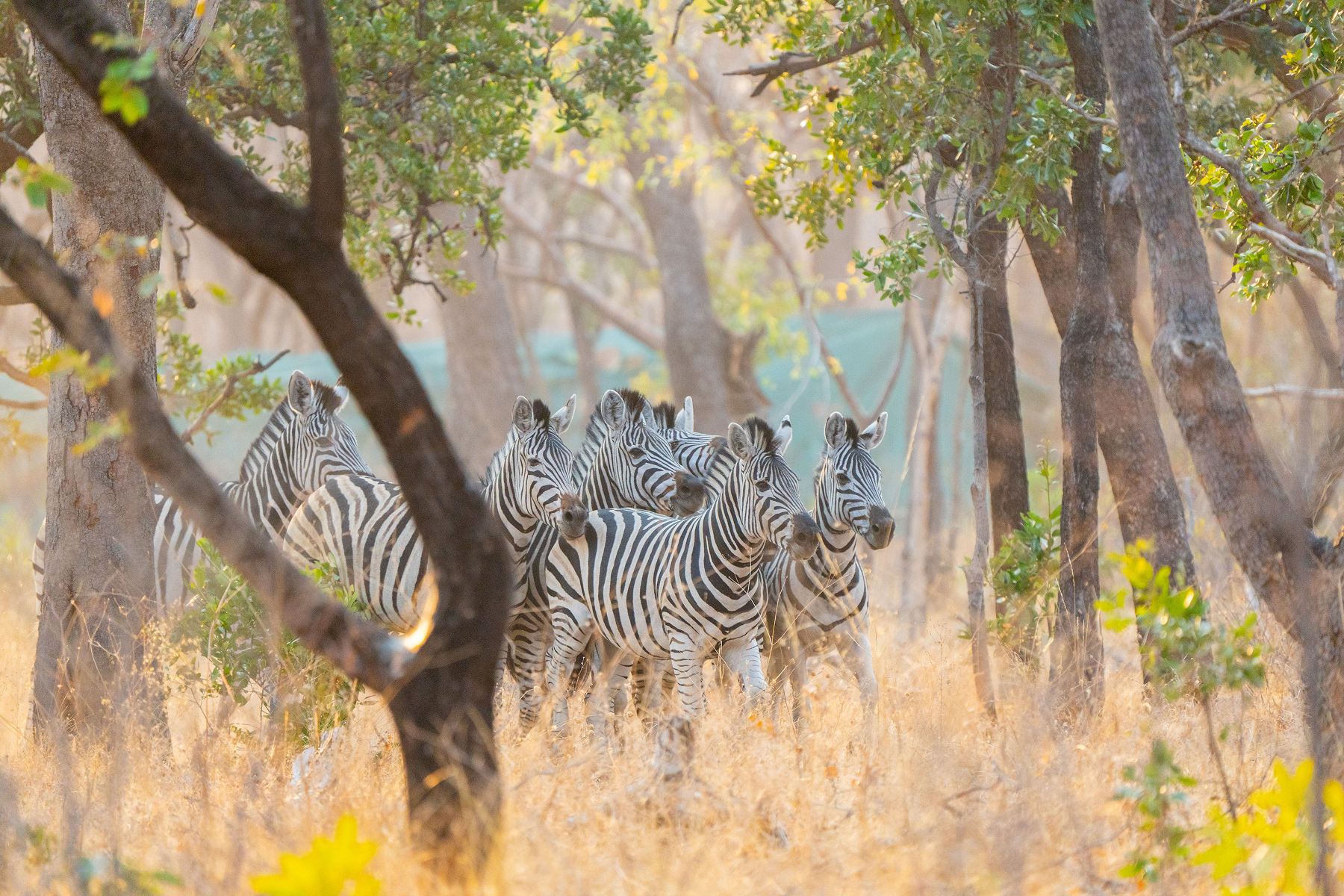
Herd of zebras running through trees

Bringing Wildlife Back

How a national park in Africa is on its way to ecological recovery

March 2, 2026

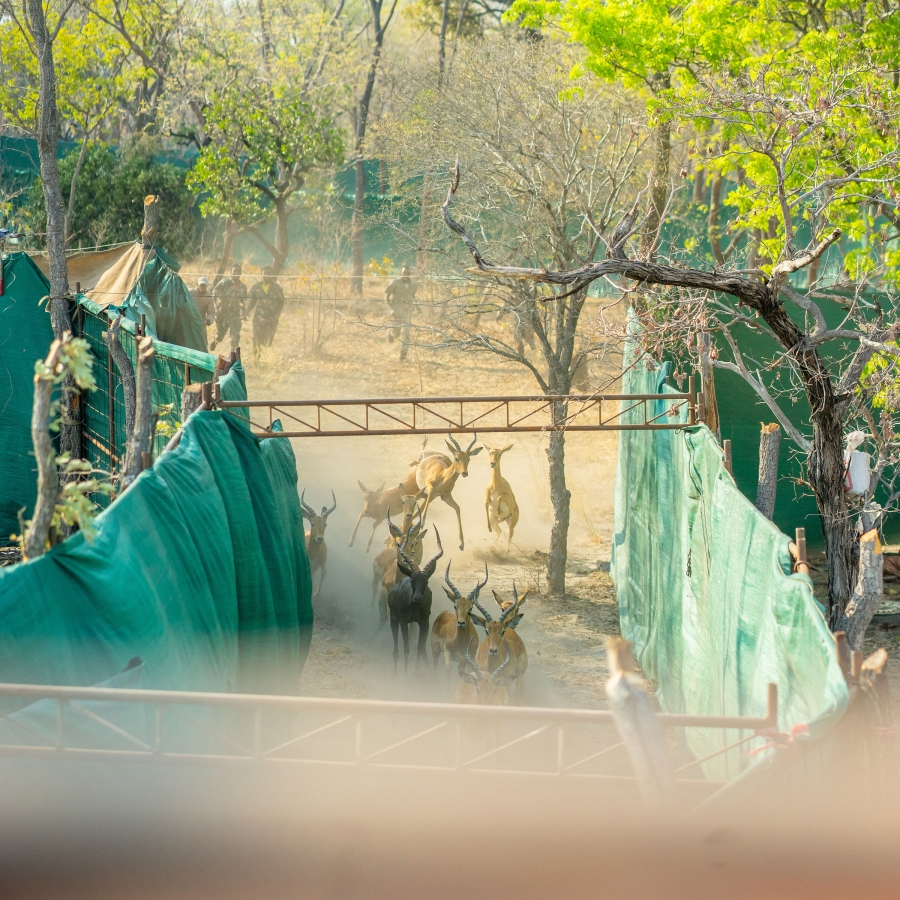
In late 2025, a process kicked off to translocate over 200 impala, wildebeest, and zebra to Sioma Ngwezi National Park in southwestern Zambia. The first batch of animals was delivered toward the end of September, and calves have already been sighted among the newly established herds, bringing new life to areas of the park that had seen little wildlife in recent decades.

In a vast landscape like Sioma Ngwezi, these are modest indicators in ecological terms. Restoration takes time. But in a park where wildlife populations were decimated by conflict and climate change, this is a significant milestone.

Impalas running through guided fencing

Why Rewilding Matters Here

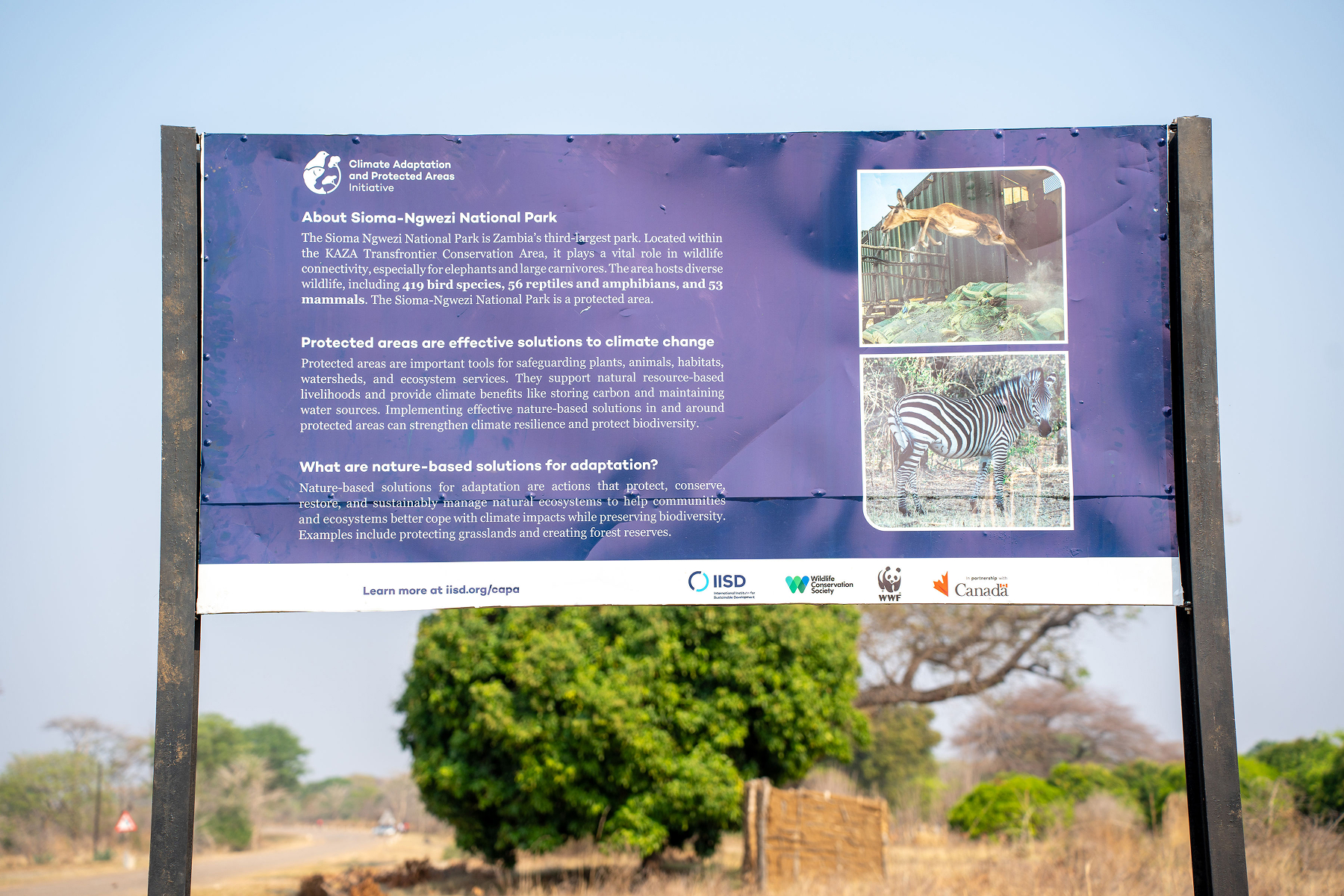
Sioma Ngwezi National Park is Zambia’s third-largest national park. It lies at the heart of the Kavango–Zambezi (KAZA) Transfrontier Conservation Area, which stretches across the borders of Zimbabwe, Zambia, Botswana, Namibia, and Angola. The park’s miombo forests, grasslands, and river system form part of a broader regional landscape that sustains wildlife movements and ecological connectivity across one of southern Africa’s most critical ecosystems.

The park has been under threat for decades. As it lies along Zambia’s border with Angola, it was heavily impacted by that country’s decades-long civil war; the instability facilitated widespread cross-border poaching in Sioma Ngwezi. Large mammals were targeted, and fire was often used to flush them out, leading to a steady decline in wildlife populations. As a result, the park’s ecological processes that depend on herbivore movement, grazing pressure, and nutrient cycling were disrupted.  

While peace in neighbouring Angola helped ease these pressures, recovery has been complicated by the intensifying impacts of climate change, from which Sioma Ngwezi has not been exempt. A severe, multi-year drought has placed additional strain on this already fragile ecosystem. In this context, restoring wildlife populations is not simply about conservation; here, restoring wildlife will be critical to rebuilding the ecological integrity of the park, allowing biodiversity to thrive and ecosystem health to recover.

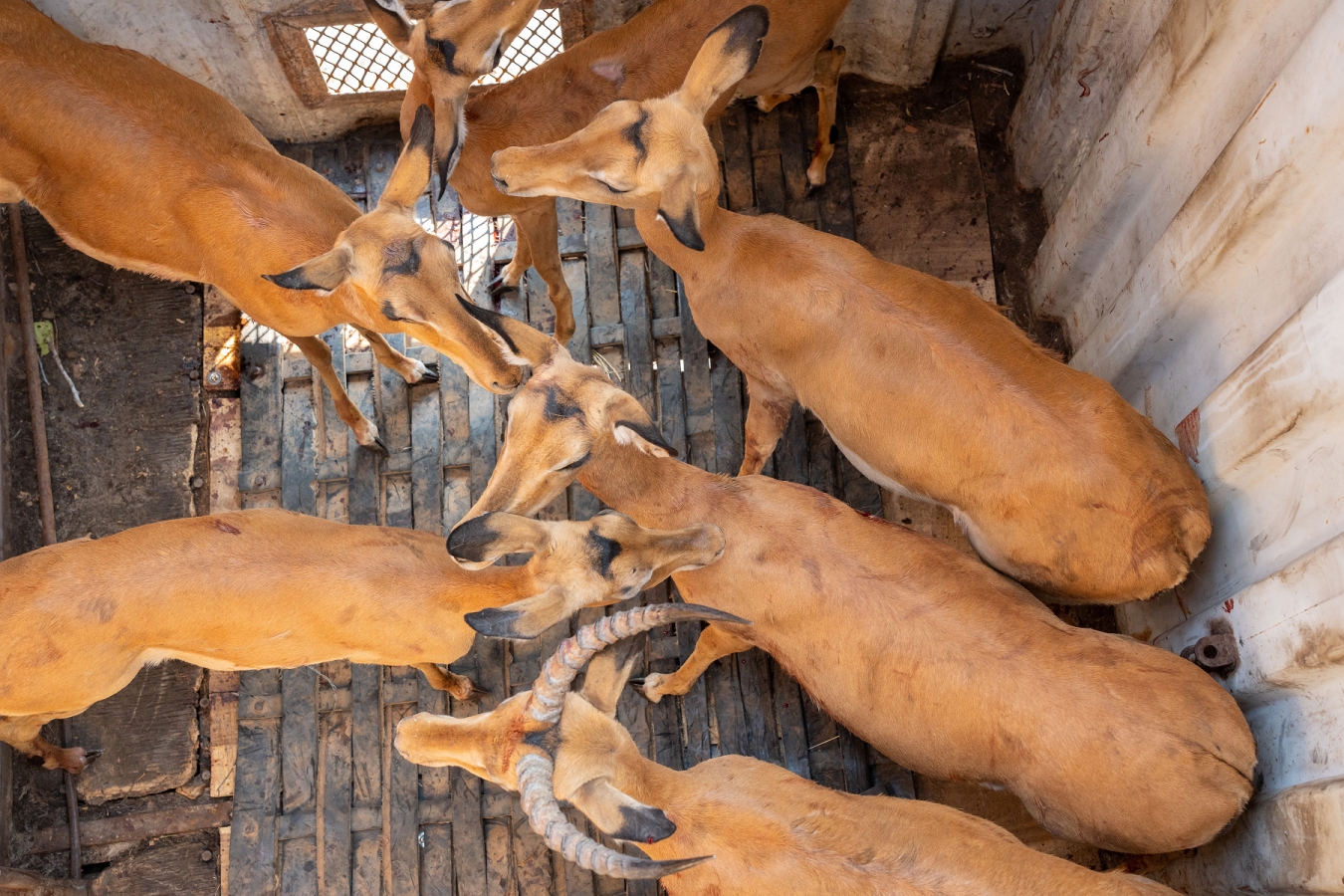
Overhead photo of six impalas prior to release

Functioning ecosystems are more resilient. The feeding patterns of herbivores influence vegetation structure and soil health, and wildlife movements support the redistribution of nutrients across the park. Predator–prey dynamics also help to maintain ecological balance. When these processes weaken, so does the ability of the park—and the communities that depend on it—to respond to climatic shocks.

Rewilding Sioma Ngwezi, therefore, is both a biodiversity imperative and a resilience strategy.

People listening in front of a CAPA backdrop

Moving From Assessments to Action

The idea to support wildlife translocation in Sioma Ngwezi emerged early in the Climate Adaptation and Protected Areas (CAPA) Initiative planning process. The initiative is a multi-country effort focused on strengthening the resilience of protected areas and the communities that depend on them in the face of climate change and biodiversity loss. In Sioma Ngwezi, a critical part of that resilience building begins with restoring ecological function. 

A large sign about Sioma-Ngwezi National Park covering climate change and nature-based solutions

A climate vulnerability and risk assessment conducted in partnership with WWF Zambia identified biodiversity loss as a key factor undermining the park’s long-term resilience. Working closely with Zambia’s Department of National Parks and Wildlife (DNPW), the CAPA team identified the reintroduction of key herbivore species as a practical entry point for restoring Sioma Ngwezi’s ecological function.

Over several operations beginning in September 2025, more than 200 animals are being translocated from private game reserves to the park. The targeted species—impala, wildebeest, and zebra—all play important roles in the park’s grazing dynamics, predator–prey relationships, and nutrient cycling. Increasing their numbers will also strengthen the genetic diversity within the park. 

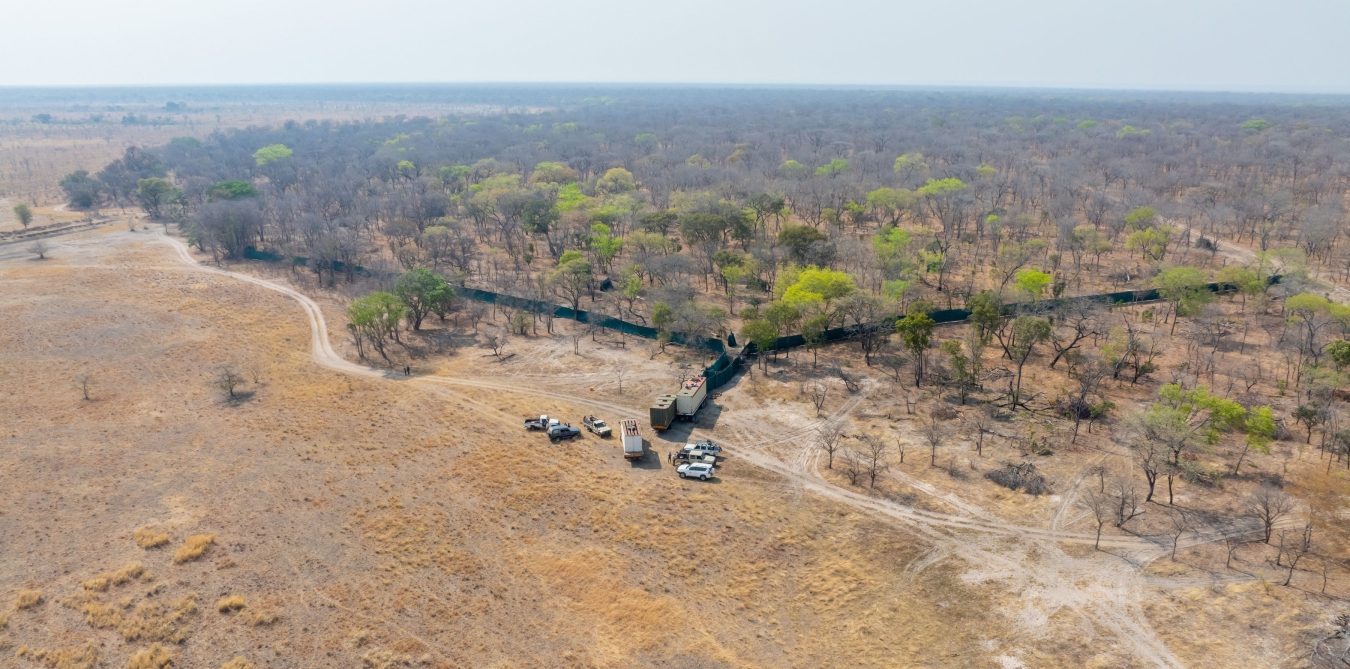
Translocating animals requires moving wildlife from areas of relative abundance to those landscapes where their numbers are lower. Skilled and experienced teams, supported by veterinary services, guide the animals into transport vehicles; they are then carefully moved, under close supervision, to their destination and acclimatized to their new habitat in an enclosure, or boma, before their gradual release.

However, the success of such efforts depends on more than simply moving the wildlife.

Sioma Ngwezi is one of Zambia’s driest national parks. Water availability is a key determining factor in whether wildlife will thrive in the park; without reliable fresh water, they could either die or move into surrounding communities in search of resources, increasing the risk of human–wildlife conflict. As part of the broader effort to ensure translocated animals thrive in their new habitat, WWF Zambia have been working with the DNPW to install boreholes and pumps within the park, while the CAPA team has supported the desilting of natural lagoons to improve the retention of pumped water and seasonal rains.

These measures will help ensure that reintroduced wildlife can thrive in Sioma Ngwezi, while reducing the pressures that wildlife can place on surrounding communities. 

A Beginning, Not an Endpoint

Rewilding Sioma Ngwezi does not resolve all the park’s challenges, but the return of over 200 animals marks a significant milestone toward recovery.

Early monitoring has provided encouraging signs. Calves have been observed among the newly established herds, and the presence of wildlife is increasing in areas previously characterized by low activity. DNPW has complemented the CAPA translocations with the transfer of additional wildebeest. In the long term, it is hoped that increasing wildlife numbers may drive growing interest—and revenues—from domestic and international visitors; concomitant investments in tourism infrastructure are now desperately needed. 

Birds eye view of the Sioma Ngwezi park entrance

For communities surrounding the park, a better functioning ecosystem opens pathways to sustainable tourism and nature-based livelihoods. For conservation authorities, it strengthens Zambia’s contribution to the broader KAZA landscape.  

That said, ecological restoration unfolds over years and decades.  

The scale of global biodiversity loss can be daunting. But encouraging progress is occurring, through specific actions in specific places. In Sioma Ngwezi National Park, new hoofprints along the edges of restored watering holes provide evidence of restoration—of the ecosystem and the hope that sustains it. 

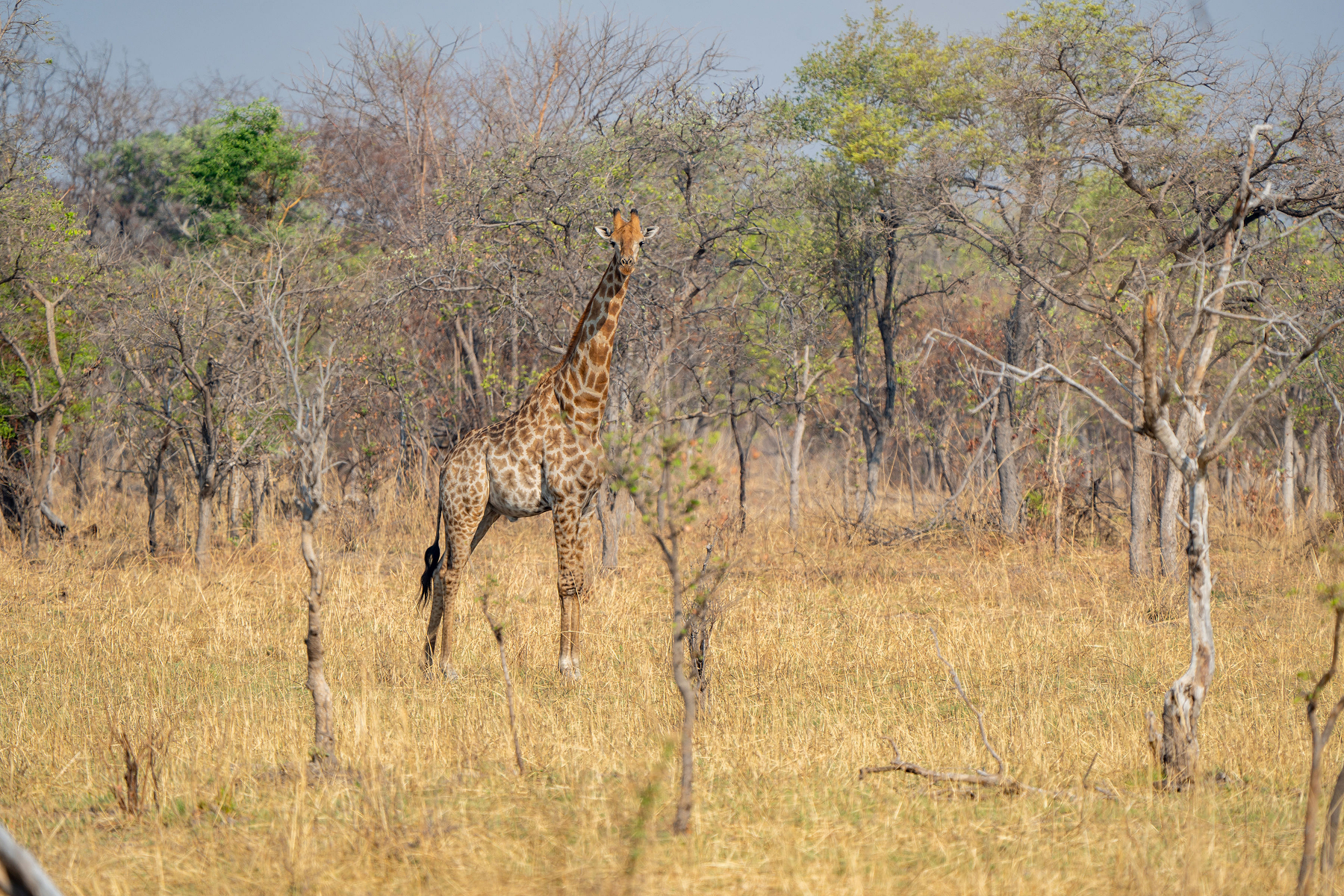
Giraffe staring directly into camera at Sioma Ngwezi National Park
Report

Engaging Communities in Climate Vulnerability Assessment

Lessons from Southern Africa

Scaling up community-based adaptation begins with robust participatory climate vulnerability assessments at the community level, to identify locally meaningful adaptation priorities, aligned with future climate risks. This report explores how to make these processes more effective, timely, and respectful.

February 26, 2026

Recommendations

  • Build on existing data and information and combine community knowledge with scientific climate information.

  • Ensure effective and meaningful engagement of local actors.

  • Adapt and respond to overlapping climate, biodiversity, political, and economic crises.

  • Build and maintain community trust.

Despite 2 decades of discussions, implementing community-based adaptation at scale remains a challenge. Community-level participatory climate vulnerability assessments provide the foundation for effective locally led adaptation by linking local insights on climate impacts and vulnerabilities with climate projections. They can offer a nuanced understanding of current and future risks to diverse genders, social groups, ecosystems, and livelihoods.

Along with three other international organizations—CARE, the Food, Agriculture and Natural Resources Policy Analysis Network, and the International Union for Conservation of Nature—and local partners, we applied participatory climate vulnerability assessment processes in nearly 100 communities in Mozambique, Zambia, and Zimbabwe from 2024 to 2025. This report identifies six takeaways:

  1. Respectful community engagement should build on existing climate and vulnerability data, but reliable information is not always available or accessible.
  2. Integrating community knowledge with scientific climate data requires a deep understanding of climate science and a focus on overcoming cognitive biases.
  3. Involving local governments and other key actors at the outset and throughout the participatory climate vulnerability assessment process is essential to institutionalizing community-based adaptation.
  4. Conducting a participatory climate vulnerability assessment during ongoing climate, biodiversity, political, and economic crises requires sensitive communication and effective expectation management.
  5. Transparently communicating what participatory climate vulnerability assessment processes can and cannot achieve—and why—is essential to keep communities engaged.
  6. Blending the approaches and expertise of diverse partners fosters a shared understanding and ownership across large consortia, ultimately bolstering the quality of the participatory climate vulnerability assessment process and results.

While these lessons may seem familiar, practitioners should not take them for granted—much remains to be done for community-based adaptation to realize its potential. This report provides detailed recommendations for each lesson, targeting adaptation and development practitioners interested in advancing community-based adaptation and community-level participatory climate vulnerability assessments.

Report details

Topic
Climate Change Adaptation
Gender Equality
Region
Zambia
Zimbabwe
Mozambique
Project
CBA SCALE+
Impact area
Climate
Social Equity
Publisher
CBA-SCALE Southern Africa+
Copyright
CARE Deutschland, 2026
Deep Dive

Community-Based Adaptation in Southern Africa Is Gaining Momentum. Here’s how to scale it up.

Community-based adaptation (CBA) is a proven approach to building resilience to climate change. However, despite being around for over 20 years, there are still gaps in the policy context and limited resources available to realize its potential. Why? As part of the CBA SCALE+ project, experts from the International Institute for Sustainable Development reviewed over 50 policy documents from Southern Africa that revealed the gaps and the opportunities.

January 23, 2025

According to the Intergovernmental Panel on Climate Change, community-based adaptation (CBA) can successfully reduce climate risks, thus generating sustainable changes for the most vulnerable communities. However, despite being implemented for over 20 years, the current policy environment and lack of funding for this approach do not support wide adoption.

To better understand why, as part of the CBA Scale+ project, experts from the International Institute for Sustainable Development reviewed 53 policy documents related to climate change, adaptation, climate-sensitive sectors, and sustainable development from the African Union, Mozambique, Southern African Development Community, Zambia, and Zimbabwe.

The research showed that only 6% of the 53 policies reviewed explicitly mentioned CBA or locally led adaptation. Of the 16 policies that were reviewed in more depth, there were none that strongly integrated all of the key enabling elements for CBA to be scaled up in the region.  However, there are entry points in key policies, and opportunities exist to overcome the gaps, recognizing that adaptation planning is an iterative process.

Community-Based Adaptation: An effective approach

The Intergovernmental Panel on Climate Change notes that approximately 40% of the global population is now “highly vulnerable” to the harsh realities of climate change. Southern Africa’s ecosystems, communities, and infrastructure face significant risks due to climate change, and the region has already experienced widespread losses and damages. People have always lived with a degree of climate-related risk, but those risks are changing and increasing, and the growing uncertainty is heavily impacting the livelihoods of people in Mozambique, Zambia, and Zimbabwe.

Without an enabling policy environment, technical and financial resources for adaptation will not reach the communities that most need to build their resilience to climate change.

CBA, an approach aligned with locally led adaptation principles, has been recognized as an effective way to reduce climate risks and generate sustainable changes for the most vulnerable communities. It involves processes led by local actors, including subnational authorities and local organizations, to engage at-risk communities to understand their experiences with climate change and assess how risks may change in the future. This enables the identification of adaptation priorities designed to reduce the harm from current and future climate conditions, combining local knowledge with scientific climate information. CBA is tailored to local socio-economic contexts and fosters inclusive governance and effective adaptation, as well as trust between governments and communities. Involving marginalized groups in decision making enhances the community's capacity to monitor climate impacts and address the drivers of vulnerability.

Seven Key Policy-Enabling Factors for CBA

Globally, half (51%) of the national adaptation plans (NAPs) submitted to the United Nations Framework Convention on Climate Change as of July 31, 2023, include an explicit reference to CBA, including Mozambique's NAP, and 40% reference locally led adaptation. Despite growing recognition in countries’ adaptation plans and the proven potential of CBA, there remain barriers to its implementation at a scale that is in line with the urgency of the climate crisis and the needs of vulnerable communities. Without an enabling policy environment, technical and financial resources for adaptation will not reach the communities that most need to build their resilience to climate change. 

Our research, therefore, sought to develop a framework of key enabling factors needed to scale the implementation of CBA. We reviewed existing adaptation frameworks, such as the locally led adaptation principles, as well as others, such as the CARE Adaptation Good Practice Checklist, and considered how they could be reflected at a policy level. We narrowed these down to seven enabling factors that we believe will influence the extent to which CBA is implemented at scale. For each of these factors, specific criteria were identified to assess the extent to which they are present in policy documents.


Figure 1. Seven key enabling factors for CBA Scale – Source: CBA Scale+

Understanding the Existing Policy Environment for CBA in Southern Africa

In order for the CBA Scale+ project to support CBA implementation at scale in Southern Africa, we need to better understand what enabling factors for CBA were or were not included in policies. To this end, our research analyzed climate change, development, and sectoral policy documents from the African Union, Mozambique, Southern Africa Development Community, Zambia, and Zimbabwe.

Among these, all of the documents mentioned climate change, with 86% mentioning adaptation and/or resilience to at least some extent. This shows some progress in the integration of adaptation in sectoral and development policies.

However, 64% included only passing references to climate change adaptation and/or resilience, and only 6% (three documents) included explicit references to CBA. None of the documents referenced locally led adaptation.

Based on this preliminary analysis, our research explored 16 documents that included a substantial amount of information on adaptation and mentioned subnational levels of governance and/or actors in relation to adaptation. We evaluated these documents against the criteria of our CBA enabling factors framework to assess how well the enabling factors are reflected.

Woman working on a farm in Malawi

A woman harvests crops in Malawi

Enabling Implementation of CBA at scale: Gaps and entry points

The review of policy documents revealed both gaps with respect to the enabling factors for CBA and potential entry points for a more systematic approach to move toward implementation at scale.

Gaps in the Enabling Environment for CBA

Integration of Adaptation in Subnational Development Planning

For CBA implementation to reach scale, adaptation needs to be integrated into the subnational development plans that drive the allocation of resources at the local level. This is not widely recognized—just over half of the documents analyzed (56%) established a clear mandate for integrating adaptation in local development planning. Further, this crucial mandate is not highlighted in the Southern Africa Development Community policies analyzed, leaving room for improvement at the regional level.

Mechanisms for Collaboration With Civil Society Actors

Adaptation actions will be implemented by a range of actors, including civil society organizations (women’s groups, local non-governmental organizations, farmers’ cooperatives, etc.) and communities, so it is critical that institutionalized arrangements for adaptation engage these actors and facilitate collaboration among them and with local government authorities. Only 44% of the policies highlight mechanisms for ongoing collaboration with non-governmental actors.

Communicating With Local Actors

Commitments to communicate about adaptation processes to local actors are weak. Only 19% of the documents mention the importance of communicating about adaptation processes to subnational authorities and/or local organizations and communities. This is essential to ensure that local actors are able to participate in and influence adaptation decision making processes, a central aspect of the CBA approach.

Getting Finance to the Local Level

Getting finance to the local level is a priority for CBA actions to be implemented at scale. Half of the policies recognized the need for climate adaptation finance to reach the local level, but only 25% highlighted a mechanism to do so.

Among all the climate change, development, and sectoral policy documents analyzed by our experts, 64% included only passing references to climate change adaptation and/or resilience, and only 6% (three documents) included explicit references to CBA.

Entry Points for Scaling up CBA

Recognition of the Role of Local Actors

Engagement of local actors is at the heart of the CBA approach, and most of the documents analyzed recognized the importance of engaging local communities and/or institutions in the adaptation processes. Most of the policy documents (88%) highlighted subnational authorities as important actors for adaptation, and all but one (94%) also recognized the importance of engaging civil society actors in adaptation planning and action.  One of these is Mozambique’s NAP, which mentions, for example, the need to mobilize women-led community grassroots organizations in gender assessments to inform adaptation plans. However, there is less emphasis on the leadership of local actors—less than half of the documents (44%) explicitly address this issue.

Alignment With Relevant Policies

Adaptation isn’t implemented in isolation—it is closely linked with objectives related to sustainable development and biodiversity, requiring alignment of policies in these different areas to create opportunities for integrated approaches like CBA. All of the policies analyzed acknowledge the linkages between ecosystems, biodiversity, and/or sustainable development and adaptation.  Half of the documents elaborate the nature and adaptation linkages, while 40% provide details on linkages with sustainable development. For example, the 8th National Development Plan of Zambia highlights the country’s intention to pursue adaptation strategies that promote environmental sustainability.

Capacity Strengthening

Subnational authorities and local actors—including civil society organizations, community-based organizations, and others—need a range of capacities to contribute to scaling up CBA. All but one of the documents analyzed (94%) recognized the need to strengthen the capacities of either subnational authorities or local actors (though only 44% recognized the need to strengthen the capacities of both). For example, the national climate policy of Zimbabwe includes a specific chapter on education, training, and awareness and mentions the capacities of local authorities, farmers, and practitioners working with communities.

Recognition of Diverse Knowledge Systems

Three quarters of the policies reviewed mention local, traditional, or Indigenous knowledge, with most including details on how this knowledge will be used and integrated in adaptation initiatives. This shows great progress in terms of integration. For example, Mozambique’s NAP highlights the systematization and documentation of scientific, technical and local knowledge about climate as one of the tasks to be carried out by research institutes. Recognition of the need for different knowledge systems can compel more participatory approaches to adaptation, including CBA.

Commitments to Gender Equality and Social Inclusion

Adaptation is only effective if it generates equitable benefits for people of all genders and social groups, including Indigenous Peoples and youth. A commitment to target adaptation efforts toward the people who need them most can be an important driver for CBA. Most of the documents analyzed (81%) mentioned gender equality and social inclusion (GESI) in relation to adaptation, showing progress on the integration of GESI, and at least one policy per country gave more details on how this could be done. For example, Zambia’s NAP used gender and inclusiveness as 2 out of 10 criteria to prioritize their adaptation actions. Building on the strongest policies from each country, other country and Southern Africa Development Community policies should strengthen the integration of GESI.

Where to Go From Here?

CBA has demonstrated its effectiveness in building resilience among vulnerable communities in Southern Africa and beyond. Our analysis underscores that important progress has been made in integrating the enabling factors for CBA in policies, creating entry points that can be used to move toward implementation at scale. At the same time, the gaps reveal that there are significant opportunities to enhance this integration. The explicit recognition of the CBA approach in the policy documents is crucial, as well as increasing financial support to local actors and fostering community-based actors’ leadership. With the upcoming updates to nationally determined contributions and the iterative nature of NAPs, there is a promising window to embed CBA more deeply into policy and practice. If we seize that opportunity, we can leverage the strengths of CBA to build resilience where it’s needed most and at a scale that reflects both the severity of the climate crisis and the urgent needs of the most vulnerable.


The Community-based Adaptation: Scaling-up Community Action for Livelihoods and Ecosystems (CBA SCALE+) project is implemented by a consortium led by CARE Deutschland along with IUCN, FANRPAN, IISD and local partners, with financial support from The International Climate Initiative (IKI).

Deep Dive

How to Make Nature-Based Solutions for Adaptation Work for Everyone

To be effective, nature-based solutions (NbS) for adaptation need to consider how our unique identities influence our interactions with the natural world and our capacity to adapt to the impacts of climate change. It sounds challenging, but it starts with integrated climate risk assessments. We share three key take-aways from IISD’s Climate Adaptation and Protected Areas Initiative (CAPA) that will help practitioners plan for effective, inclusive, and sustainable NbS for adaptation.

October 15, 2024

NbS for adaptation can enhance biodiversity and strengthen climate resilience for both communities and ecosystems. However, communities are made up of diverse people with different needs, who experience the impacts of climate change and biodiversity loss in distinct ways.

Knowing this, how can we ensure that NbS for adaptation benefit everyone?

It all starts with planning.

Planning for NbS for adaptation requires recognizing how different people are impacted by climate change, understanding the factors that influence their vulnerability and exposure to climate hazards, and working with them to identify which adaptation options might work for them.

It means identifying how adaptation priorities differ within and among groups and what factors might enable—or inhibit—their ability to access and share in the benefits of nature.

To ensure that NbS for adaptation initiatives are effective and sustainable, gender and social differences must be considered in the planning process.

The Intergovernmental Panel on Climate Change’s Sixth Assessment Report on Climate Change (2022) says that equity and justice are key considerations in climate change adaptation, and these principles cannot be advanced without attention to the adaptive capacity and disproportionate risks experienced by vulnerable people.

Globally, we know that people’s vulnerability to climate change varies depending on social factors, such as gender, sexuality, age, socio-economic status, race, ethnicity, Indigeneity, nationality, and ability, among others. We also know that people have different roles and responsibilities in the access, use, and management of natural resources, and this, too, can influence vulnerability to climate change. There is also now evidence that attention to gender and social differences improves the effectiveness of adaptation efforts overall. Additionally, policy initiatives focused on global biodiversity conservation (such as the IUCN (International Union for Conservation of Nature) Global Standard for Nature-based Solutions and Target 23 of the Global Biodiversity Framework) also highlight the importance of considering gender equality and social inclusion (GESI).

Women working on the land in Zambia

Including more diverse perspectives in resource governance and conservation efforts can also yield better results, given the unique and specialized relationships with nature possessed by different groups, such as women and Indigenous Peoples.

Having this information on how different groups interact with nature and how they are impacted by climate change and biodiversity loss is critical to the development of effective NbS for adaptation.

If NbS for adaptation are not designed with these differences in mind, they will miss the mark, which may lead to maladaptation and worsen vulnerabilities for some groups.

So, how can you collect this essential information during the planning process?

Understanding Gender and Social Issues in NbS for Adaptation: Our approach

IISD experts leading the CAPA Initiative, a 3-year project funded by Global Affairs Canada, recommend starting the planning of nature-based adaptation projects with an integrated climate risk assessment.

Seeking to promote natural solutions and strengthen climate resilience in Belize and the Greater Virunga and Kavango-Zambezi landscapes*, they first gathered information on climate change and biodiversity loss and assessed how these issues impact communities within or adjacent to the Protected Areas.

*Fiji's integrated climate risk assessment is currently ongoing.

A key aim of the process was to better understand the different impacts of these issues based on gender and other social factors. This information was gathered by integrating GESI criteria into the climate risk assessment. This involved attention to GESI both in the questions the assessment aimed to answer (for example, assessing the relative decision-making power and opportunities of different groups in conservation planning processes) and in the process undertaken (for example by ensuring gender-responsive methodologies were used to collect data through separate, confidential focus group discussions that were inclusive of underrepresented groups, such as women and youth).

The assessments, implemented together with the World Wide Fund for Nature Africa and the Wildlife Conservation Society in Belize, analyzed gender differences and helped to determine which groups within the landscapes are considered “underrepresented” regarding their participation in and leadership of natural resource and/or Protected Areas management.

In Belize and the Greater Virunga landscape, the groups identified as underrepresented consist of youth and Indigenous Peoples: the Garifuna in Belize and the Batwa populations in the Greater Virunga landscape. In the Kavango-Kambezi landscape, they consist of youth and persons with disabilities. Across the landscapes, women were identified as facing barriers due to gender inequality. These groups became the focus of the assessments, which enabled the CAPA initiative to better understand the unique constraints and opportunities they experience to design NbS for adaptation activities that could encourage their active participation and leadership.

What follows are three key take-aways that highlight important insights gathered from the assessments and how this information will help project partners plan for just and effective, fit-for-purpose NbS for adaptation.

Key Take-Away #1: People of different genders and social groups rely on different livelihood activities, which influences their adaptation priorities

Findings from the assessments demonstrated that men, women, and underrepresented groups undertake different livelihood strategies according to roles, responsibilities, and cultural norms that influence their daily activities. Gendered roles within key resource sectors mean that women and men are affected by the impacts of climate change in different ways. For example, in both the Greater Virunga and Kavango-Zambezi landscapes, women are often responsible for gathering water and fuelwood, as well as procuring food, which becomes more arduous during drought.

In Belize, fishing is dominated by men, who are strongly affected by declining fish stocks due to rising sea temperatures. The degree of dependence on a particular resource or livelihood strategy also plays a role in vulnerability to climate change. For example, climate hazards have resulted in Belize’s Garifuna communities scaling back their traditional farming practices. In the Kavango-Zambezi landscape, people with disabilities are facing challenges in cultivating home gardens—a key source of food security—because the river they previously relied on has dried up.

Group of people discussing in a circle

These differences in livelihood activities influence people’s priorities when it comes to adaptation. In Belize, youth expressed a preference for options that gave them hands-on, practical experience, such as coral, mangrove, and beach restoration, while women were least interested in options linked to forests and forestry due to safety concerns. In both the Greater Virunga and Kavango-Zambezi landscapes, both men and women expressed an interest in NbS for adaptation that were linked to the diversification of livelihoods to build resilience.

Having information on these differences in livelihoods and preferences is key to planning NbS for adaptation that can benefit everyone.

Key Take-Away #2: Resource access and control strongly influence barriers and opportunities for NbS for adaptation

Across the CAPA landscapes, the assessments highlighted the critical role that land tenure and other natural resource access and control issues play in shaping people’s livelihood opportunities and, consequently, their vulnerability to climate impacts.

In Belize, more women are interested in taking up livelihood strategies such as farming, yet many lack ownership of key assets, including land. Indigenous groups such as the Batwa in the Greater Virunga landscape and the Shangaani in the Kavango-Zambezi landscape have seen their traditional territories appropriated to create Protected Areas. In the latter, local communities have access to buffer zones with key natural resources, yet traditional authorities (often men) govern the use of communal resources. In the former, both men and women have access to ecosystem services, yet land is primarily owned by men who make decisions on land allocation and associated activities. Lack of land ownership is linked to less decision-making power regarding natural resource management in the Greater Virunga landscape.

NbS for adaptation are long-term investments in climate resilience and biodiversity conservation outcomes, which require secure land access or ownership. It is simply not feasible to expect community members to invest in long-term solutions if they face immediate climate risks and lack secure tenure. It is important to recognize that some groups, such as women, may not benefit in the same way if NbS for adaptation activities, such as land restoration, are prioritized over others. This is why it is helpful to gather information on the gender and social dimensions of resource access and use it to plan NbS for adaptation that can deliver equitable benefits to communities.

Key Take-Away #3: Women and underrepresented groups play important roles in natural resource management but often experience structural challenges and capacity gaps

In all three landscapes, the assessments revealed persistent barriers that limit the meaningful participation of women and other underrepresented groups in decision making related to NbS for adaptation. In the Greater Virunga and Kavango-Zambezi landscapes, most local Protected Areas management plans have demonstrable gaps in inclusivity. Often, women are present in planning meetings to give a semblance of participation, but the final decisions and plans do not reflect their concerns, needs, or goals. Similarly in Belize, the Garifuna are not always consulted on the management of ecosystems that hold cultural and traditional importance.

Across the landscapes, women and underrepresented groups expressed that they lack opportunities, knowledge, and technical skills to engage in NbS for adaptation.

In Kavango-Zambezi, women noted a desire for technical skills to enable their participation in agroforestry. In Belize, women and youth are highly motivated to participate in NbS for adaptation, yet they lack confidence in their ability to influence conservation and Protected Areas management priorities.

Mapping conservation and natural resource management structures to understand capacities, needs, and gaps is essential to planning NbS for adaptation. Often, women and underrepresented groups provide leadership within community-level groups. In Greater Virunga, there are many women involved in savings and loan programs, as well as livelihoods-related groups that deal with conservation issues. However, many of these groups are informal and lack broader decision-making power, technical skills, and access to information. The sustainability and success of NbS for adaptation is contingent on improved and inclusive governance over the long term, and women and underrepresented groups are key players in these efforts.

What Do These Findings Mean for Planning NbS for Adaptation?

In learning from CAPA, it is clear that NbS for adaptation must be planned with consideration for how people’s unique identities influence their interactions with the natural world and their capacity to adapt to the impacts of climate change. This can be accomplished by conducting an integrated climate risk assessment that incorporates GESI and using the findings to inform NbS for adaptation options.

Gathering this information can help identify creative ways to ensure different groups can benefit from various NbS for adaptation actions. What matters is finding balance in the planning of NbS for adaptation options, being honest about who may benefit and who may not, and ensuring options address different needs, capacities, and priorities. Planning NbS for adaptation with this information in mind will ensure that the solutions proposed are effective, inclusive, and sustainable.

For more on inclusive NbS for climate adaptation, see our guide for practitioners and communities here.  


This piece was largely informed by the reports produced by the two integrated assessment consultancy teams in the African landscapes and in Belize, which will be published and shared on the CAPA website. In the African landscapes, the consultancy team that performed the assessment consisted of the following: Luckson Zvobgo (Climate Change Context; NbS for Climate Adaptation; Governance, Gender, and Social Context); Evidence T. Kasinganeti (Governance, Gender, and Social Context as well as Conflicts Context); Sandra Bhatasara (Governance, Gender, and Social Context); Felix Kalaba (Ecosystem Context); and Andreas L. S. Meyer (Biodiversity; Climate Change Context). In Belize, the consultancy team Compass Communication and Research performed the assessment with assistance from the Wildlife Conservation Society Conservation Planning Team.

Success story

Hope Springs: How one community brought a river back from the brink

For over a decade, a small group of community members in Zambia have been working to restore the Nsongwe River, once a precious sanctuary for wildlife and the community. Their actions are slowly but surely bringing the river back to life. Now, with support from IISD’s Climate Adaptation and Protected Areas Initiative, their goal is within reach. Susan Sekirime explains.

September 19, 2024

As the world gears up to celebrate World Rivers Day on September 22, we should take a moment to reflect on the vital role that rivers have played in sustaining human evolution.

Rivers are one of the world’s most precious resources, but they are invariably undervalued. Long before we engineered running water, rivers flowed through our landscapes, pumping fresh water to wetlands and lakes and out to sea.  Animals and plants found sanctuary in the rivers, fish swam in their waters, and birds flew overhead. Vegetation was replenished by seeds carried by rivers for thousands of miles, while a multitude of species used rivers as migration routes. These waterways did not just sustain life on Earth, they were also part of the fabric of our culture and history, shaping identities of entire nations. The valleys of some great rivers contain many sites of early human settlement, and for centuries, rivers served as trade routes across the globe, influencing the economic, social, political, and religious development of mankind.

A tranquil river surrounded by trees

Today, these values still exist, and in some ways, are even more significant than before. An estimated 2 billion people globally rely directly on rivers for their drinking water, while about 500 million live on deltas that are sustained by sediment from rivers. But in a world where our climate is rapidly changing, and the global population is expected to increase by nearly 2 billion in the next 30 years, rivers are under pressure. There is a critical need to protect and preserve these invaluable natural resources.

The Nsongwe community, some 30 minutes outside of Mosi-oa-Tunya National Park in southern Zambia, knows this all too well. The Nsongwe River, a spring-fed waterway that was once their lifeline and sanctuary, is no more the victim of poor planning and neglect. However, over a period of 13 years, a small group of community members have been working to desilt, reforest, and restore parts of the river. We spoke to one of the local women from the village, Bridget Meyer, who kicked off this work and has been leading the river’s restoration, and asked her to share her story.

A group of women from the Nsongwe community who have been working to restore the river.

What do you remember about the Nsongwe River growing up?

“I remember the river being vibrant with life and flowing all year round through the heart of a lush forest. We revered the Nsongwe River not only as a recreational spot for swimming but also for its healing waters believed to possess curative properties that could soothe ailments and restore well-being.

The cool, clear waters, shaded by a thick canopy above, offered a serene escape from the heat.

As a young girl, the Nsongwe River was a big recreation area for me and my friends. We spent our weekends enjoying the cool breeze along the river as we collected a special grass to make baskets. We chased butterflies along the Nsongwe River corridor, believing that you would receive a beautiful and colourful gift at Christmas resembling the colour of the butterfly you caught. We swam every day. A section of the river was lined with a wall of basalt rock on which girls and boys listed love notes in chalk. Gossip and other communal information was exchanged on this wall. At any one point in the afternoons, there would be about 10 or more girls swimming and enjoying the river. We made sound echoes that bounced off the rock wall.

A special wild pea with big pods grew every rainy season. We harvested the pods and squeezed one edge that would pop open. We used the opening to slide in our earlobes and wear as earrings. We wore them for Christmas! I really cherish those moments.

The river did not only appeal to the locals who dwelled near it; it was also a critical habitat for wildlife, most notably the hippos. The dense forest and the abundant water provided the hippos with everything they needed: safety from predators, lush vegetation for grazing, and ample space to submerge and keep cool under the hot sun.

A sunset silhouette of a hippo swimming in a river

The Nsongwe River was more than just a body of water; it was a sanctuary, both for the communities who dwelled near it and the wildlife that called it home.

What is the state of the Nsongwe River today?

“The river has undergone a very dramatic transformation. Currently, it stands mostly dry, its former glory significantly diminished. Many of the deep pools that dotted its course have been filled with soil and sand, a testament to the neglect and environmental degradation it has suffered.

The lush forest that once lined its banks, providing shade and a cool microclimate, has been largely cleared. The removal of these trees not only took away the river’s natural cooling mechanism but also exposed the surrounding land to the harsh sun. This deforestation has had a domino effect, leading to increased erosion along the riverbanks. The soil, once held firmly in place by the roots of countless trees, has washed away, leaving behind barren and eroded fields.

The Nsongwe River currently stands mostly dry

Without the protective cover of the forest and the sustaining waters of the river, the local wildlife has suffered. The hippos, which once brought their young to grow and thrive in the safety of the Nsongwe River’s waters, no longer visit. The river, devoid of its life-giving flow, cannot support them, nor the fish.

The community, too, feels the absence of the river's bounty. Swimming, a joyful and communal activity that also served as a respite from the heat, is no longer possible. The river, which once healed and nurtured, now serves as a stark reminder of the fragility of natural ecosystems and the profound impact of human activity on the environment.”

What has the community done to successfully restore the river?

“Over a period of 13 years, a small group of community members have been working to desilt, reforest, and restore parts of the river. To date, we have managed to remove soil deposits and plant native hydrophilic plants along a 300-metre stretch of the riverbank.

A woman works to restore the Nsongwe River

We pumped water from our well to a drinking trough for cattle away from the river to protect the restoration works. These actions, albeit very minimal, have restored some natural springs that had been buried, and the area where we concentrated our efforts has started showing signs of life.

In the vast dryness that has characterized the Nsongwe community for several decades, this stretch is now a cool, green haven.

Community members have started gathering to cool off in the water, and a lone crocodile has also taken permanent residence in the area.

This success serves as a beacon of hope and has sparked a wave of renewed optimism among the local community and conservationists alike that the entire river could potentially be returned to its former state.

What would it mean to the community if the Nsongwe River started flowing again?

“Revitalizing the Nsongwe River would bring numerous benefits, both ecological and economic.

For the village, the resurgence of the river could lead to a revival of local activities and traditions that were once centred around its waters. Swimming and fishing, activities that foster community bonding and support local livelihoods, could once again thrive.

The return of clean, flowing water would also ensure the health and sustainability of local gardens, boosting food production and supporting self-sufficiency.

Moreover, the restoration of the forest surrounding the river would be equally good. Replanting trees and rehabilitating the forest would not only help stabilize the climate around the river by providing much-needed shade and reducing erosion, but would also reestablish a habitat for wildlife, including the once-common hippos. The cooler microclimate would make the area more comfortable for both residents and visitors, enhancing the village’s appeal as a destination for ecotourism.

Such environmental restoration could catalyze economic revitalization. With the river and forest restored, new opportunities could arise in ecotourism and agroforestry, providing jobs and stimulating economic activity. Local markets could see a surge in demand for agricultural products and crafts, further energizing the village’s economy.

In essence, the restoration of the Nsongwe River and its surrounding forest is not just an ecological necessity but a cornerstone for the future prosperity of the village, fostering a sustainable model that could inspire similar efforts elsewhere. That is why the work we are doing with the Climate Adaptation and Protected Areas Initiative is so important!”

Bridget Meyer leads a community discussion

The work already done by the community was the proof of concept that Climate Adaptation and Protected Areas (CAPA) partners IISD and WWF Zambia needed to scale up the nature-based solutions that the community had achieved. With support from Global Affairs Canada, the CAPA Initiative is now supporting the Nsongwe community to restore the river and its tributaries, the Lubemba and Lutwa streams.

So far, this has meant conducting risk assessments to better understand the unique climate, biodiversity, and gender risks faced by the community, alongside hydrological assessments to identify areas suitable for specific restoration efforts, including desilting and the construction of check dams to control water velocity, conserve soil, and improve the land.

Through CAPA, IISD and WWF Zambia have managed to get the whole community involved, including their Senior Chief—who has since encouraged villages outside of the CAPA target area to do the same.

Beyond the river itself, CAPA is also supporting the community in restoring 400 hectares of forest along the Nsongwe River and is constructing fire breaks along a 50-metre buffer zone on both sides of the river to protect the restored areas. These efforts will support effective water recharge, flow, and availability during the dry seasons, thereby contributing to efforts to revive the Nsongwe—which once ran for 5 kilometres before joining the Zambezi—to its former glory.

This work is part of CAPA’s efforts to design and implement concrete gender-responsive, conflict-sensitive, nature-based solutions to support local communities to adapt to climate change while safeguarding critical ecosystems and biodiversity in and around protected areas in the Kavango–Zambezi landscape.

What started as a one-woman effort, with support from a few community members, is now a whole community effort, and we are proud to be working alongside them to restore the whole river and two of its tributaries.

Learn more about what we are doing in the Kavango–Zambezi Landscape.

Insight

Biodiversity Is in Crisis—Here's one way to fix it

A growing movement of projects and partnerships is using locally driven and gender-responsive nature-based solutions to address the twin crises of climate change and biodiversity loss. Scaling up this work to match the urgency and reach of the crises will be a challenge—but it’s one we must embrace.

May 21, 2024

The Rwenzori Mountains loom large over the surrounding scenery in southwestern Uganda. Here, snowmelt and rainwaters flow through alpine meadows and forests of otherworldly flora, including giant lobelia and heather taller than a person, to provide the source waters of the Nile. Moving south, the lakes, rivers, and grasslands of Queen Elizabeth National Park are home to not only elephants, buffalo, and hippopotami but also vast herds of kob—and the tree-climbing lions that prey on them.

Standing within these beautiful settings, you could be forgiven for thinking that nature is thriving. However, these exceptional places, inscribed as part of our collective natural heritage by UNESCO, are increasingly islands of ecosystem health in fragmented landscapes and seascapes beset by outside pressures.

The Sixth Extinction

It is a well-known story, and the headlines are often dire. Rates of species extinction and ecosystem degradation are accelerating; according to the 2019 Global Assessment Report by the Intergovernmental Science-Policy Platform on Biodiversity and Ecosystem Services (IPBES), 1 million animal and plant species are currently threatened with extinction, many within decades, unless urgent, transformative action is taken. Abundance has plummeted for many of those species not yet gone; WWF’s 2022 Living Planet Report notes an average decline of 69% in the relative abundance of monitored wildlife populations around the world between 1970 and 2018. The scale of the problem is so large that it is now commonly referred to as the sixth extinction: the loss of an unusually large number of species in a short time, driven by human activities.  

Compounding Crises

IPBES cites five anthropogenic factors as key drivers of this crisis: land- and sea-use change; direct exploitation of natural resources; climate change; pollution; and invasive species.

Nature has a foundational role in global health, food systems, livelihoods, climate adaptation, economies, and security. Thus, the acceleration of nature loss, when considered in the context of rising demands from growing populations for both ecosystem services and natural resources, means that avoiding further degradation or loss of biodiversity and ecosystem services should be an increasingly important consideration for governments, communities, and the private sector.

This crisis is unfolding in the context of rising global temperatures. The climate crisis is having a significant impact on the natural world. While land- and sea-use changes are currently the greatest drivers of nature loss, a failure to limit planetary warming to 1.5°C will result in climate change becoming the dominant cause of global biodiversity loss and ecosystem degradation in the coming decades.

Climate change is disrupting natural feedback loops and altering the habitats and ranges of various fauna and flora. Its impacts also undermine the delivery of ecosystem services, harming human lives and livelihoods and compromising efforts to eradicate poverty and hunger and provide safe water for billions of people. Achieving the United Nations Sustainable Development Goals, alongside the Paris Agreement and the Kunming-Montreal Global Biodiversity Framework, will depend on a coordinated response to these deeply connected emergencies.

How Can Nature-based Solutions Build Climate Change Resilience?

But while climate change and biodiversity loss often act to reinforce one another, so do effective climate change adaptation and nature protection. Nature-based Solutions (NbS) have emerged as an integrated concept beyond climate change adaptation and traditional conservation. NbS may have the potential to tackle multiple societal challenges, such as protecting, managing, and restoring biodiversity and ecosystems. Their services are increasingly seen as an effective way to address some of the shared root causes and impacts of the biodiversity and climate crises.

In Belize, Fiji, and the Greater Virunga and Kavango-Zambezi (KAZA) landscapes in sub-Saharan Africa, NbS are being rolled out to increase the resilience of both communities and ecosystems to climate change. Through the Climate Adaptation and Protected Areas (CAPA) Initiative, IISD is working with the Wildlife Conservation Society, the World Wide Fund for Nature, and local partners and communities within these spaces to conserve, protect, restore, and sustainably manage protected areas.

More than 50 km from the mainland of Belize, Glover’s Reef atoll lies just inches above the deep blue waters of the western Caribbean. Glover’s is a critical link in a chain of reefs and islands that form the largest barrier reef in the Western Hemisphere. Here, IISD and the Wildlife Conservation Society are working to strengthen the reef's health and its ability to support local livelihoods, remain a suitable habitat for marine species, and provide coastal protections against extreme weather events.

Half a world away, in southwestern Uganda, lies what is arguably Africa’s most biodiverse landscape. The Greater Virunga Landscape stretches along the shared borders of Uganda, Rwanda, and the Democratic Republic of Congo—a mosaic of mountains, savannas, rivers, lakes, swamps, tropical rainforests, and volcanoes. Here, conservation interventions implemented by the World Wide Fund for Nature and partners focused on reforestation, invasive species removal, land restoration, and nature-based livelihoods will help build the resilience of three national parks (Rwenzori Mountains, Queen Elizabeth, and Bwindi Impenetrable) and the communities that surround them to rising temperatures, increased flood risk, landslides, and erosion. Even more work is happening under the project in the KAZA landscape and in Fiji to support reforestation, restock wildlife, promote sustainable fisheries, and improve flood mitigation, among other activities.

The threats facing these ecosystems—and, by extension, the conservation practitioners that manage and support them; the communities that sustain and depend on them; the flora and fauna that make them indispensable—can often seem insurmountable. But there is hope. CAPA is one small part of a growing movement of projects, partnerships, and approaches using NbS to simultaneously address these two existential emergencies. Scaling up this work to match the urgency and reach of the crises will be a challenge, but it is a challenge we must embrace.

To learn more about the CAPA Initiative, please visit www.iisd.org/capa.