Press release

New initiative taps into the power of nature to build resilience and protect biodiversity amid climate crisis

September 8, 2023

September 8, LUSAKA—The three-year Climate Adaptation and Protected Areas (CAPA) initiative, launching today in Zambia’s capital, will use nature-based solutions to support local communities in adapting to climate change while safeguarding critical ecosystems in and around protected areas in the Kavango-Zambezi and Greater Virunga landscapes in sub-Saharan Africa, as well as in Belize and Fiji.

“CAPA will bridge the gap between protected areas management and climate change adaptation planning, while involving women and marginalized groups at all stages to ensure an inclusive approach,” said Anne Hammill, Associate Vice President, Resilience, at IISD.

Through the CAPA initiative, IISD, along with the World Wide Fund for Nature (WWF) and the Wildlife Conservation Society (WCS), with support from Global Affairs Canada, will work with local communities, traditionally marginalized groups, women, and national and local authorities to design and implement concrete gender-responsive, conflict-sensitive, nature-based solutions for adaptation that can be implemented right away.

WWF Zambia Country Director, Nachilala Nkombo, says “CAPA represents a valuable opportunity to enhance climate change adaptation measures in the Kavango-Zambezi landscapes. By working closely with local communities, we can develop solutions that not only address climate change impacts but also empower communities to actively participate in safeguarding Zambia’s natural heritage.”

CAPA will implement a wide range of activities in each site to achieve its objectives, such as

  • establishing native tree nurseries to support reforestation efforts, restocking community game ranches with native wildlife to restore ecological balance, and initiating the establishment of community forests in Zambia; 
  • supporting restoration activities of agricultural lands adjacent to protected areas, through soil and water conservation, in Uganda; 
  • promoting sustainable fisheries and establishing marine protected areas while supporting the development of climate-resilient alternative livelihood options in two communities in Fiji;
  • establishing financial protections for marine reserves in the event of natural hazards in Belize.

“Through the CAPA initiative, Canada reaffirms its commitment to climate action and supporting sustainable development in international contexts,” said Honourable Ahmed Hussen, Canada’s Minister of International Development, at today’s launch event. “We are proud to partner with organizations like IISD, WWF, and WCS in implementing gender-responsive approaches that ensure inclusive and equitable outcomes for all.”

“CAPA aligns with Zambia’s commitment to sustainable tourism development and the conservation of our natural resources,” said Honourable Rodney Sikumba, Zambia’s Minister of Tourism. “By establishing community forests and engaging with traditionally marginalized groups, we can ensure that local communities are at the forefront to drive the climate adaptation agenda, fostering long-term resilience in line with our global goals on adaptation commitments.”

Media Contacts

For further information or interview requests, please contact:

Hazel Zulu

Senior Liaison Officer, Canadian High Commission

Email: [email protected]

Mobile: +260 979 473 284                                   

Benetria Milambo

Communications Coordinator, WWF Zambia

Email: [email protected]

Mobile: +260 772 099 733

Marie Royer

Communications Officer, IISD

Email: [email protected]


Climate Adaptation and Protected Areas Initiative

The Climate Adaptation and Protected Areas (CAPA) Initiative will use nature-based solutions to strengthen climate resilience and protect biodiversity in and around protected areas in the Kavango-Zambezi and Greater Virunga landscapes in sub-Saharan Africa, as well as in Belize and Fiji.

Through this project, IISD along with the World Wide Fund for Nature (WWF) and the Wildlife Conservation Society (WCS), with support from Global Affairs Canada, will work with local communities, traditionally marginalized groups, women, and national and local authorities to design and implement concrete gender-responsive, conflict-sensitive, nature-based solutions for adaptation in and around protected areas and critical landscapes.

The CAPA Initiative seeks to:

  • tap into the potential of nature-based solutions to support local communities in adapting to climate change while safeguarding critical ecosystems and biodiversity in and around protected areas;

  • better integrate climate adaptation considerations into the management of protected areas; and

  • allow more women, in all their diversity, and marginalized groups to participate in the design and implementation of nature-based solutions for adaptation and in climate-resilient management plans for protected areas.​

The project is being implemented across four landscapes:

  • In Belize it will address water security concerns, improve biodiversity and hydrological functions, stabilize and enhance degraded soil and provide ecosystem services to local communities.​

  • In Fiji it will promote sustainable fisheries, safeguard locally managed marine areas, train local communities, preserve functional and healthy ecosystems and improve flood mitigation, nutrient cycling, and the provision of downstream ecosystem benefits to coral reefs and adjacent coastal habitats.​

  • In the Greater Virunga Landscape (Uganda) it will focus on nature-positive livelihood interventions and restoration of agricultural lands adjacent to protected areas and the establishment of tree nurseries and beekeeping.

  • In the Kavango-Zambezi Landscape (Angola, Namibia, Zambia, Zimbabwe) it will promote the restoration of forest cover, restocking wildlife, strengthening indigenous forest systems and stabilizing headwater, riverine, and functions on natural lagoons wetlands to enhance ecosystem integrity and biodiversity.​

Report

Subsidy Swap: Reducing fossil fuel subsidies through energy efficiency and renewable energy in Zambia

This report examines the potential of subsidy reform to improve cost recovery in the electricity sector and promote clean energy and energy efficiency in Zambia.

November 28, 2018

In Zambia’s electricity sector, demand has risen faster than supply.

In response to rising demand, several new power plants have been commissioned, including the 300 MW Maamba coal power plant and the 120 MW Itezhi Tezhi hydropower plant in 2016. Subsidies, particularly in the form of under-recovery of electricity sector revenues caused by below-cost pricing, have led to electricity sector deficits and threatened the financial sustainability of the sector.

Price increases in the electricity sector in 2017 of 75 per cent have reduced electricity sector subsidies, but costs remain higher than revenues. This report explores how subsidy reform could help to reduce the cost of subsidies and promote a transition to energy efficiency and clean energy. The report focuses on the mining sector, which is responsible for more than half of all electricity consumption, and the potential of solar PV. 

Report details

Topic
Subsidies
Energy
Region
Zambia
Impact area
Climate
Publisher
IISD
Copyright
IISD, 2018
Insight

Not a Case of Either/Or: How government and mines in Zambia can save money through energy efficiency

For years, Zambia’s large hydroelectric dams were able to meet the power needs of its mines, but facing rising electricity demands the country opted to increase generation using coal, diesel and heavy fuel oil.

November 16, 2018

Copper mining has played a decisive role in the economic history of Zambia for more than a century.

Beginning in the 1920s, American and South African mining companies scaled up production and established the Luanshya, Mufulira, Rhokana and Nchanga mines. By the 1960s, Zambia was a major player, producing 12 per cent of the world’s copper. The mining sector is by far the most important industry in Zambia: in 2012 it accounted for almost all foreign direct investment (86 per cent) and export earnings (80 per cent). One quarter of all government revenues and 10 per cent of GDP comes from mining, and it accounts for almost 2 per cent of all formal employment.

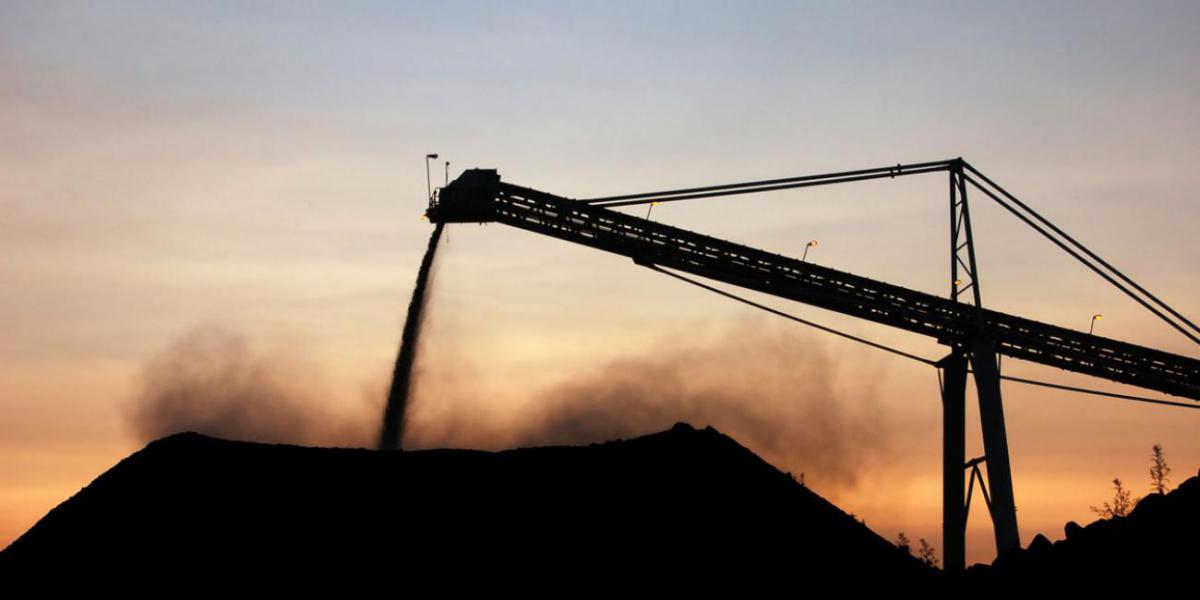
Zambia mining

The scale of the mining industry means that it is by far the largest consumer of electricity. Over half of Zambia’s electricity is consumed in the country’s mining sector. For years, Zambia’s large hydroelectric dams were able to meet the needs of the mines, but rising electricity demand, reaching 11 TWh per year in 2017 up from 8.6 TWh in 2010, created a situation in which the country had to the either invest in additional generation or reduce demand.

Faced with this choice, Zambia opted to increase generation using coal, diesel and heavy fuel oil (HFO). This pressure saw the first major coal generator installed since independence. The 300 MW Maamba coal power station was commissioned in 2016 and now accounts for around 10 per cent of Zambian electricity generation. It is reported that a further 300 MW at the site is in development. Diesel and HFO power generators included 55 MW of HFO generators at Ndola installed between 2013 and 2017.

As demand rises, new coal generation could be developed, creating a transition away from today’s relatively clean hydro-generated electricity. The increasing share of coal and diesel makes electricity generation more expensive. This is especially the case during peak demand, as the merit order of the electricity system runs from cheap hydropower to increasingly expensive coal, diesel and HFO, as well as imports from the Southern African Power Pool. A marginal reduction in electricity demand at peak times tends to knock out the most expensive source of generation.

The mines pay low tariffs for electricity. However, this tariff is not thought to be sufficient to cover the costs of the national utility, ZESCO. In August, mining company tariffs were raised to USD 9.3 cents per kWh, but this is still not deemed enough to cover the cost. A much-delayed cost-of-service study was due to increase transparency and lay out the costs of electricity provision, indicating whether further hikes are needed to balance ZESCO’s books. Any gap between costs and revenues that creates losses at ZESCO must ultimately be bailed out by the government through subsidies or other mechanisms. This means that the government is effectively providing a subsidy to the mining industry for every unit of electricity it consumes.

The current uncertainty about electricity tariffs is creating a problem for the mining industry. It is difficult to make investment decisions in the absence of clear information on the costs of electricity going forward.

There is one solution that would help to address all these issues: If the mines increased energy efficiency, they would reduce their electricity bill and become less exposed to the price of electricity. The government would need to provide less power from the most expensive generators, since the most expensive generators tend to be the last to be dispatched, and ZESCO could move closer to cost recovery. Energy efficiency could be a win–win.

Research from the CUTS Lusaka, IISD and Gaia Consulting project team has shown that support for energy-efficiency investments could save money for the government, the mines and the electricity sector as a whole. The meetings were a part of an ongoing project on subsidy swaps to reduce fossil fuel subsidies and use savings to promote sustainable energy. A scheme to promote energy efficiency could be partially funded by savings from offsetting the effective electricity subsidy. We thought this was a brilliant idea—now we wanted to find out whether the mines thought so too.

In October 2018 our team of researchers visited the mines. In Kitwe, one of the major copper-producing regions of Zambia, we discussed with energy managers from the mines how energy efficiency can be promoted and were surprised by the level of enthusiasm. Mining company energy managers reported that they had already identified numerous potential projects that could reduce energy demand and improve efficiency. Some of these projects are already taking place. However, finding capital for larger projects remains a challenge. Providing low-cost loans or risk reduction measures could help these projects to succeed.

Another exciting potential area is self-generation. As electricity tariffs rise, solar energy becomes cost-competitive. With continuous electricity demand for activities like water pumping, there is a constant based load in the mines that could be met during daylight hours by solar photovoltaic generation. The combination of falling solar costs and rising electricity tariffs are making this increasingly attractive. Mining companies reported that they are already exploring the potential for self-generation.

There is an opportunity to create a system that rewards investments in efficiency and self-generation. This can solve two problems at the same time: it can incentivize mines to reduce their electricity consumption and it can make an increase in electricity prices to cost recovery levels easier. To accelerate this transition, a series of further carrots and sticks can be added. For example, tariffs for mining companies could be reduced if they have made energy-efficiency investments or conducted energy audits. A portion of the revenues from the increased tariff could also be recycled into a fund providing low-cost credit to energy-efficiency projects.

IISD, CUTS Lusaka and Gaia plan to publish detailed results from their consultations and hold further discussions on this issue.

Insight

Zambian Villagers Win the Right to Sue a Mining Company in the United Kingdom

In an interesting development, the United Kingdom Court of Appeal recently upheld the decision of a lower court that British courts have jurisdiction to hear a case in which a United Kingdom-based mining company’s activities caused harm abroad (in Zambia). We explore.

October 27, 2017

In an interesting development, the United Kingdom Court of Appeal recently upheld the decision of a lower court that British courts have jurisdiction to hear a case in which a United Kingdom-based mining company’s activities caused harm abroad (in Zambia).

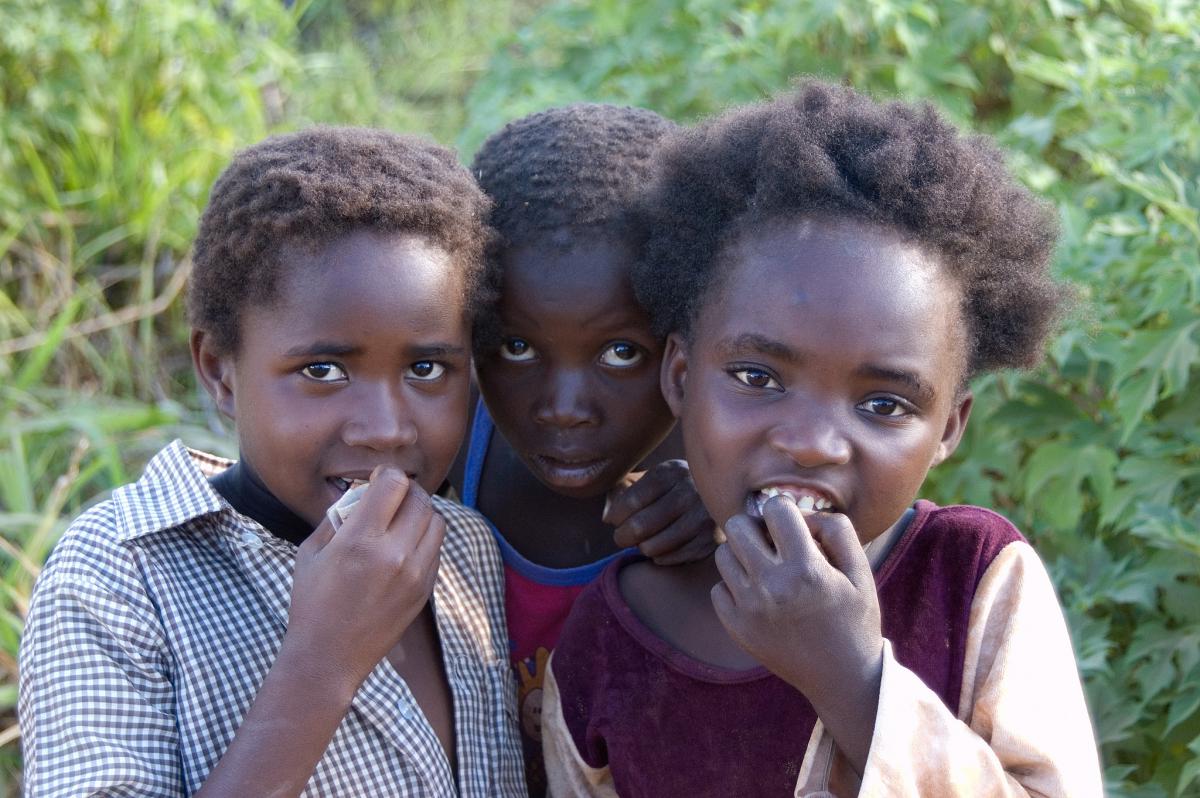
In this case, 1,826 Zambian villagers sued a United Kingdom-domiciled company that owns a majority share in a copper mine in Zambia. The villagers claim that chemicals from the mine have polluted rivers, streams and aquifers, causing illness, injury, crop failures and loss of income.

“The frequency and severity of spills are higher and more consistent. Before we could not smell [the pollution] but now we can. The ground is contaminated, our crop yield has dropped, the maize crop is about half what it was,” Leo Moulenga, a villager from Shimulala, told the Guardian two years ago.

Photo by Jeff Walker/CIFOR
The Zambian villagers claim that chemicals from the mine have polluted rivers, streams and aquifers, causing illness, injury, crop failures and loss of income.

It is frequently a problem for victims in developing countries to get redress for damages caused by multinational corporations. Often, the only option for victims is to bring the case to a local court. Unfortunately, the local entity of the transnational corporation may no longer exist or have limited assets in-country. It is therefore important to have access to courts in the "home" country of the parent company.

This problem is also at the heart of discussions this week in Geneva at a United Nations meeting on transnational corporations and human rights. In this forum, countries are deliberating on a binding international instrument that includes rules on access to justice and effective remedy. An important part of this discussion focuses on the role of courts in the home state of the parent company. Hopefully, the discussions at the UN will result in an outcome that will ensure courts cannot stay a civil tort case brought by a victim domiciled abroad against a parent company based on so-called forum non conveniens grounds. This means that a court should not be able to refuse a case just because it considers that there is another forum in which the case could be tried more suitably.

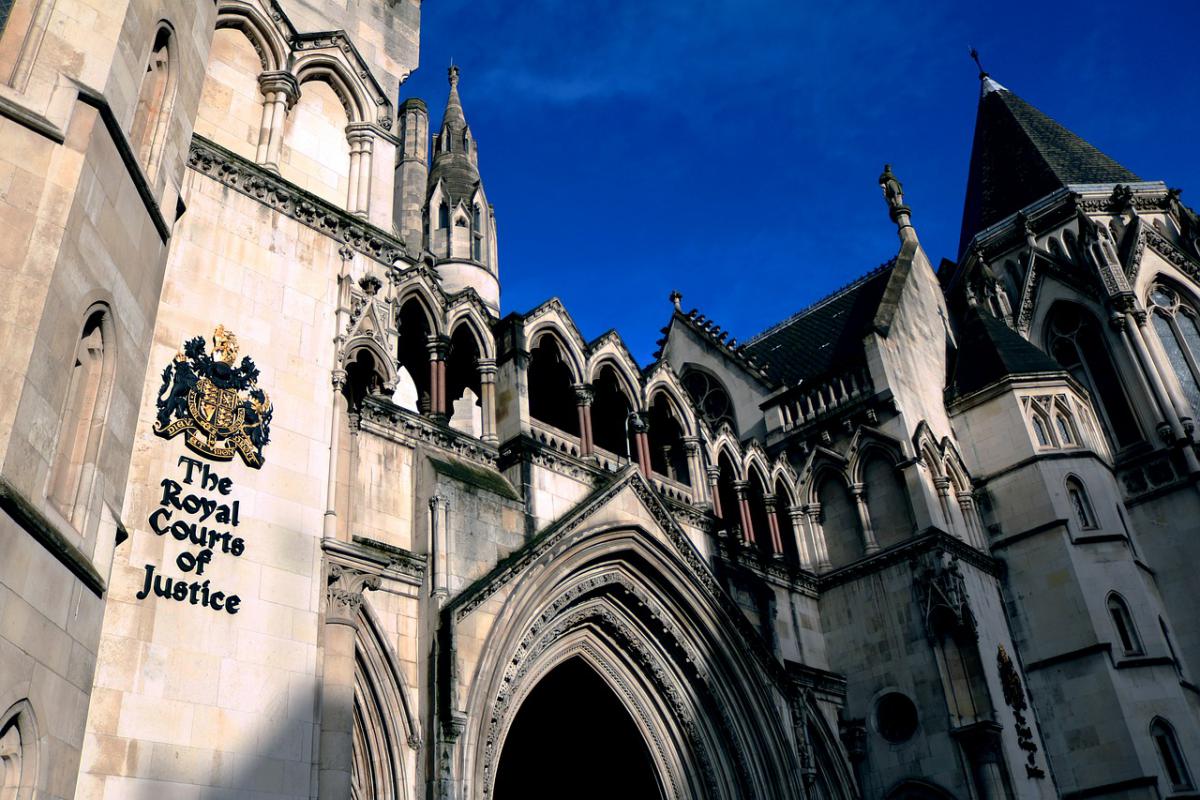
The United Kingdom Court of Appeal recently upheld the decision of a lower court that British courts have jurisdiction to hear a case in which a United Kingdom-based mining company’s activities caused harm abroad (in Zambia).

In addition to the important role the UN can play in moving these issues forward, investment treaties and chapters should also include provisions to improve access to justice for those harmed by foreign investment. Some recent investment treaty models (in Africa, for example) commit state parties to ensuring that access to courts in the home state of the foreign investor is possible. Such a reference in the investment treaty helps ensure that transnational companies are held accountable for their actions in the host state and that they cannot escape liability simply because they are transnational in character. These types of clauses are important and can ultimately result in better behaviour in the companies in the country where they operate.

IISD has been developing innovative approaches to investment law and policy for over 15 years. The role of home state courts for transnational investments in civil cases was first incorporated in the 2005 IISD Model Investment Agreement for Sustainable Development.

Insight details

Topic
Mining
Region
Zambia
Report

Incentives for Renewable Energy in Southern Africa: Case study of Zambia

April 7, 2013

Energy markets around the world face many challenges. Conventional supplies of fossil fuel reserves are becoming increasingly scarce, leading to rising prices and the development of unconventional sources.

At the same time, concerns over climate change are growing, increasing the urgency for countries to decouple greenhouse gas emissions from economic growth. All of these pressures have greatly raised the profile of renewable energy technologies (RETs), with governments now commonly providing a range of support frameworks and incentives to attract investment.

In developing countries, the support of renewable energy is complicated by the need to simultaneously expand access to energy more generally, as a cornerstone of poverty eradication and improvement of living standards. Frameworks and incentives must attract finance and maximize benefits from natural resources, while expanding energy access and keeping energy affordable for consumers and industry. In order to achieve this difficult balancing act, policy-makers must know what kind of investment incentives are most effective at raising capital for renewable energy projects and what size of support is affordable and reasonable.

This report assesses investment incentives for renewable energy in Zambia. Through an analysis of the incentives available for RETs, and drawing on insights from representatives from governments and industry, it suggests some initial findings on the extent to which Zambia's investment incentives for renewable energy are effective and affordable, and identifies further research that could usefully be conducted in this area.

Report details

Topic
Investment Law & Policy
Trade
Region
Zambia
Impact area
Sustainable Economies
Publisher
IISD
Copyright
IISD, 2013