Conference

Battery Summit 2026 | Building the Battery Manufacturing Backbone for India’s Energy Transition

Part of the Battery Summit 2026, this panel will examine the opportunities and challenges associated with scaling up domestic battery manufacturing.

June 16, 2026 9:30 am - 5:30 pm IST

The Ashok, New Delhi 

(Open to public)

Batteries will play a central role in India’s development pathway by enabling electric mobility, renewable energy integration, stationary energy storage, and a broader low-carbon economy. With this in mind, building a resilient, circular, and self-reliant battery ecosystem will be critical for strengthening energy security, industrial competitiveness, and economic growth.

The Battery Summit 2026, convened under the theme Towards a Self-Reliant Battery Ecosystem in India, will bring together policy-makers, industry leaders, researchers, innovators, financiers, and development partners to discuss the future of India's battery value chain. The summit will focus on key pillars, including battery manufacturing, production technologies, critical minerals and processing, recycling and circularity, and emerging battery innovations.

As part of the Summit, this panel, organized by the International Institute for Sustainable Development, will examine the opportunities and challenges associated with scaling up domestic battery manufacturing. The discussion will explore pathways to move from announced manufacturing capacity to commercially competitive production, while strengthening industrial linkages, reducing import dependence, and building a future-ready battery ecosystem.

The panel will examine:

  • scaling up battery manufacturing from policy support to operational production
  • strengthening domestic capacity for equipment, components, and supply chains
  • preparing for evolving technologies and changing battery chemistries
  • mobilizing finance and improving cost competitiveness to attract original equipment manufacturers and build investor confidence
  • develop skills, safety systems, and quality standards for world-class manufacturing

The discussion will contribute to broader national efforts to establish a globally competitive battery manufacturing ecosystem capable of supporting India's clean energy transition and long-term industrial development.

Speakers

Swasti Raizada, Senior Policy Advisor, IISD

Kuldeep Rana, Scientist, Ministry of New and Renewable Energy

Kiriti Varma, Co-Founder and COO, Altmin

Ankur Khaitan, Managing Director and CEO, TACC Limited

Akanksha Tyagi, Programme Lead, CEEW

Yogesh Sharma,  Professor, Indian Institute of Technology, Roorkee and co-founder, Indi Energy

Press release

India’s State Energy Firms can Boost Energy Security by Progressively Shifting Over INR 2 Trillion Per Year From Fossil Fuels to Clean Energy

May 5, 2026

New Delhi, May 5, 2026—India’s nine state-owned energy companies could progressively redirect a significant share of their over INR 2 trillion annual capital expenditure toward clean and reliable energy, strengthening energy security while accelerating the low-carbon transition, a new analysis finds.

This opportunity rests on the scale of investment these firms already command. In fiscal year (FY) 2025, the nine public sector undertakings (PSUs) invested INR 2.6 trillion across fossil fuels and clean energy, giving them exceptional capacity to influence long-term, strategic priorities through changes in capital allocation. Of this, INR 2.3 trillion in FY 2025 was directed to fossil fuels, compared to about INR 0.3 trillion in clean energy. Progressively redirecting a share of this existing investment mix could free up close to INR 2 trillion a year for clean energy, helping bridge the gap between short-term capital expenditure (CapEx) plans and India’s long‑term net‑zero ambitions, while aligning with the growing role of renewables and electrification in global energy security.

“While a significant share of PSUs’ current fossil fuel CapEx is tied to ongoing projects, new and incremental investments can be progressively rebalanced toward clean energy,” said Deepak Sharma, a consultant at the International Institute for Sustainable Development. “By prioritizing firm and dispatchable renewables, storage, critical minerals, and electrification, India’s state energy firms can reduce exposure to volatile global fuel markets while cutting emissions and strengthening long-term energy security.” 

In FY 2025, these PSUs generated INR 26 trillion in revenues—nearly 8% of India’s GDP—highlighting the scale at which they can shape the country’s energy future. They also transferred nearly INR 6 trillion to governments through taxes and dividends, giving them exceptional leverage to align public finances with long‑term investment priorities. It is precisely this intersection, argues the report, Mapping India’s Energy Transition: A Data Dive into the Strategic Role of State-Owned Enterprises in the Energy Sector, that makes them decisive actors in boosting energy security by accelerating India’s clean energy transition.

“Nine major PSUs do more than run operations—they help shape and drive the entire energy system,” Sharma added. “India’s public sector energy companies are foundational to both the economy and the energy system. Their scale, institutional reach, and public ownership give them a level of influence no other group of actors can match. With a clear mandate to deliver a share of national clean energy targets, they can turn economic strength into a decisive force for delivering India’s energy transition at speed and scale, addressing the security risks of a fossil-intensive energy system.”

The report finds that eight of the nine energy PSUs (excluding National Hydroelectric Power Corporation Ltd. India) account for about 11% of India’s greenhouse gas emissions on a Scope 1 basis—direct emissions from their own operations. This figure rises sharply when Scope 3 emissions are included: the downstream combustion of fuels and products these PSUs sell across the wider economy adds a further 33 percentage points, taking their combined footprint to nearly 44% of national emissions. These companies are also closely interdependent—coal mined by Coal India Limited is burned by National Thermal Power Corporation (NTPC), and grid electricity from NTPC reaches PSU refineries—meaning that coordinated action within the group can deliver outsized system-wide emissions reductions.

“India’s public ownership of the energy system gives it a rare strategic advantage in managing this carbon interdependence,” Sharma added. “With aligned mandates, common ownership, and coordinated planning, PSUs can move together—redirecting capital, managing risks, and accelerating emissions reductions at a system level. How effectively the government mobilizes this collective potential will be decisive for India’s low‑carbon transition.”

India’s energy PSUs have the financial strength, access to low-cost financing, and system-wide influence needed to scale clean and reliable energy. As India’s transition shifts from rapid capacity addition to delivering reliable power—requiring storage, stronger grids, and firm renewable energy—PSUs are becoming central. NTPC, for instance, began scaling renewables through long-term contracts with private developers and is now pursuing a 60 GW target for clean energy, expanding its own portfolio while investing in more stable, dispatchable clean power—a model for how PSUs can evolve their role in the energy system.

“PSUs are where India’s energy, economic, and climate realities converge,” Sharma concluded. “They absorb global fuel shocks, shape public finances, and anchor millions of livelihoods. What they do next will determine how fast India can reduce import dependence, scale clean and reliable power, and ensure the transition is both orderly and just."

Media contacts:

Deepak Sharma, consultant, IISD [email protected]

Madhulika Verma, senior communications officer, IISD; [email protected] 

Press release details

Digital Story
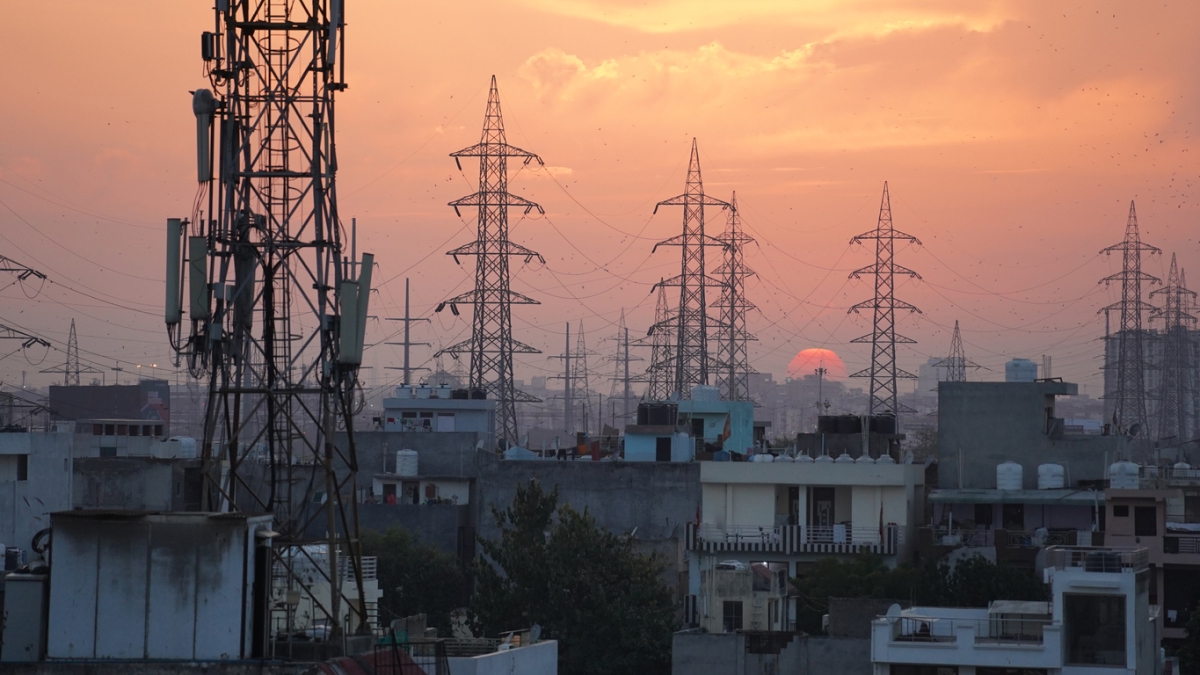
Sunset in a concrete jungle with orange hue

Mapping India’s Energy Transition

A data dive into the strategic role of state-owned enterprises in the energy sector

May 5, 2026

India's state-owned enterprises (SOEs), known nationally as Public Sector Undertakings (PSUs), were established to serve national objectives of providing energy security, affordability, supporting strategic industries, generating employment in underdeveloped regions, and stabilizing the economy during downturns. Energy sector PSUs sit at the centre of India’s energy transition. They mine most of India’s coal, produce and refine most of its crude oil, pipe most of its natural gas, and generate most of its electricity. They are also among India’s largest public sector employers, investors, and contributors to the public exchequer. Niti Aayog’s recent report suggests that public investment in electricity grids, electric vehicle (EV) charging, and green technology research and development (R &D) is critical to crowding in private capital and lowering the cost of the net-zero transition. What these PSUs do over the next decade will shape whether India meets its 2030 clean energy targets and its 2070 net-zero commitment and whether the millions of workers and communities that depend on fossil fuel sector experience an orderly transition or a disruptive one.

Through its Mapping India's Energy Policy initiative, IISD has tracked government support to India’s energy sector since 2014. In FY 2025, out of USD 78 billion of total energy support by the government, PSU capital expenditures accounted for USD 26 billion, making these enterprises not just producers of energy but the principal implementing arm of India’s energy policy. This digital story extends that analysis by examining nine strategic PSUs across economic, environmental, and social dimensions, assessing their alignment with national transition goals, and identifying the policy levers that can accelerate a just and credible energy transition.

Rural boy drinks water on water jet, agricultural equipment for field irrigation, solar panel's, corn plants, rain fog.

Why These Nine Energy PSUs Matter

India has around 66 listed central PSUs, but only a handful anchor the country’s energy system. This digital story focuses on nine such energy PSUs: Coal India Limited (CIL), NTPC Limited (NTPC), NLC India Limited (NLCIL), Oil and Natural Gas Corporation Limited (ONGC), Oil India Limited (OIL), Indian Oil Corporation Limited (IOCL), Bharat Petroleum Corporation Limited (BPCL), GAIL (India) Limited (GAIL), and NHPC Limited (NHPC).

Together, these enterprises manage India’s most significant fossil fuel assets while also developing some of the country’s largest renewable energy projects (see below). Their dual portfolios give them a uniquely important role in shaping both India’s current emissions trajectory and its clean energy future.


The Interconnected Web of Growth, Development, and Carbon

India’s nine energy PSUs carry an enormous economic and social footprint. In FY 2025, their combined revenues reached around INR 26 trillion (USD 307 billion), equivalent to 7.7% of India’s GDP, and they transferred approximately INR 6 trillion (USD 70 billion) to the Union and state governments through taxes, dividends, and other payments (see below). They remain major public investors through sustained capital expenditure of about INR 2.6 trillion (USD 31 billion) and contribute to national priorities, including corporate social responsibility (CSR), R&D, and large-scale employment. Their trade footprint is equally significant: these PSUs account for a substantial share of India's merchandise imports through purchases of crude oil, natural gas, and petroleum products on international markets, while also generating foreign exchange earnings through exports of refined petroleum products and other energy commodities. Their scale and financial weight make them central to India’s economic trajectory and energy transition.


However, this economic and social weight is mirrored by a highly concentrated carbon footprint. Eight of the nine energy PSUs—except NHPC, which is a hydropower producer—report 488.5 Mt of direct CO₂e emissions from their own operations, which is 11% of India's national total of 4,371 Mt CO₂e. That figure, taken alone, would suggest a modest footprint for companies that collectively dominate the country's energy system.

But these companies do not just consume energy. CIL mines coal that central and state utilities and industries burn. PSU refiners sell fuels that power hundreds of millions of vehicles. When the downstream combustion of what they sell is included on a responsibility attribution basis, the combined figure rises to an equivalent of 44% of India's emissions. The figure below shows both measures, side by side, for each company.


As shown below, India’s energy PSUs are linked through a cascading chain of energy flows. CIL coal sales generate Scope 3 emissions for CIL, and become Scope 1 emissions for NTPC, and finally result in Scope 2 emissions for oil PSUs that purchase grid electricity. This sequence illustrates how one PSU’s output becomes another’s emission source, revealing the deep interdependence of India’s fossil-based energy system and the need for joint action across coal, power, and petroleum sectors, since emission reductions in one PSU directly affect the other PSU.


This concentration of emissions within publicly controlled entities presents a challenge but is also a significant opportunity for climate mitigation at scale in India. Unlike fragmented private sector emissions that require diverse policy instruments to influence, public sector emissions can be addressed through direct government ownership mechanisms, coordinated strategies, and aligned institutional mandates, backed up by appropriate government support policies.

Can PSUs bridge India’s renewable capacity-generation gap?

India’s 2035 goal of sourcing 60% of its installed electricity capacity from non-fossil sources highlights a significant gap between current capacity and the level of reliable clean power needed. The pace and direction of PSU investment will be critical not only for adding capacity but also for ensuring that renewable energy can be delivered reliably and at scale. In the early phase of renewable expansion, NTPC played a key enabling role by supporting private developers through long-term power purchase agreements, helping reduce risks and attract investment. As the market has evolved, NTPC has increasingly shifted toward building its own renewable portfolio and supporting projects that can provide more reliable power.

Even under an earlier target of 50% of installed electricity capacity from non-fossil sources, India identified the need to reach approximately 500 GW of non-fossil electricity capacity, up from around 275 GW in February 2026. Yet overall, the pace of renewable deployment has fallen short of what India’s 2030 targets require. Renewable capacity additions since FY 2021 have averaged only 20 GW per year, and in FY 2025, India added approximately 30 GW of renewable capacity. Supply-chain disruptions, fluctuating module prices, tighter financing conditions, and bottlenecks related to evacuation infrastructure, rights of way, and land have slowed renewable deployment.

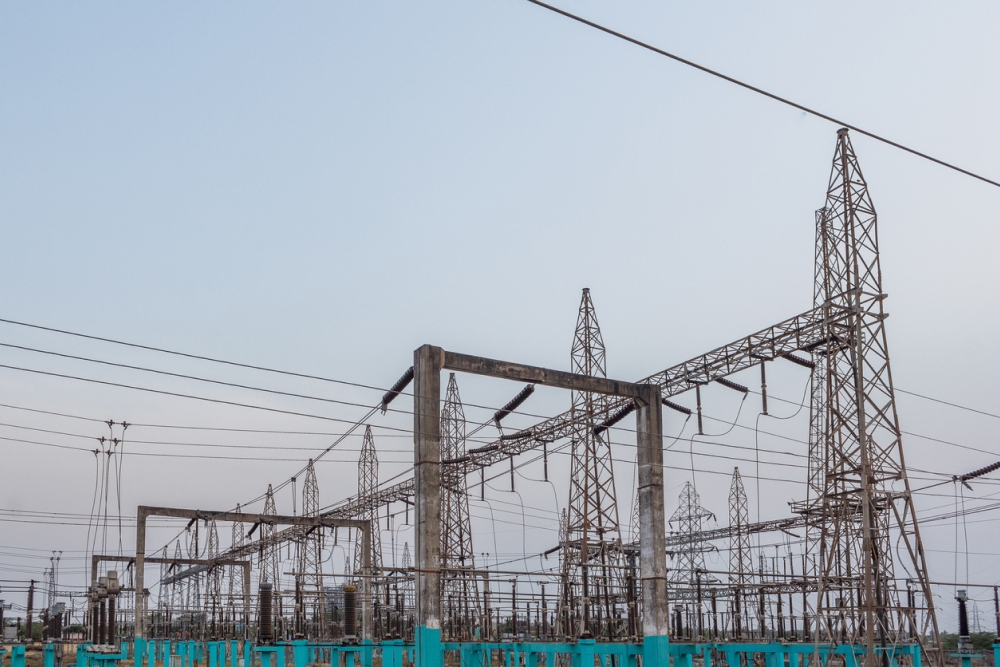
Electricity power substation in Chennai India, where electrical power is generated, transmitted, and distributed to systems. Photographed during sunset with low lighting conditions.

The Government of India itself has noted that this slowdown reflects not stagnation but a deliberate shift from expansion to system integration. According to the National Electricity Plan, this is achievable through large-scale deployment of storage, transmission expansion, and hybrid renewable systems that can smooth variability and provide a firm power supply. Consequently, there is a growing push for firm and dispatchable renewable energy (FDRE) and hybrid renewable projects. As highlighted in a recent IISD analysis on FDRE, such projects currently show a modest cost gap compared to conventional coal, but declining battery costs and improved utilization factors are expected to make FDRE competitive with new coal-based capacity within this decade.

Within this evolving landscape, PSUs are uniquely positioned to lead. Their access to concessional finance, land, and strong balance sheets enables them to invest in long-gestation projects. Moreover, PSUs such as NHPC and THDC India Limited (an NTPC subsidiary) bring decades of hydropower experience, positioning them to expand pumped-storage capacity, which is essential for reliable renewable power. Ultimately, India’s transition is moving from rapid capacity growth to reliable clean power delivery, and PSUs will play a central role in bridging this gap.

Rising Energy Transition Ambition but Slow Progress

Across their portfolios, India’s nine energy PSUs are signalling rising clean energy ambition, but their formal decarbonization commitments remain uneven. They are expanding into solar and wind portfolios, green hydrogen, batteries, pumped storage, critical minerals, biogas production, second-generation biorefineries, and EV charging networks. However, operational net-zero targets are patchy: some, but not all, of the nine PSUs have set net-zero goals for Scope 1 and Scope 2 emissions, highlighting an ambition gap between project-level renewable targets and whole-of-company decarbonization (see below). Only GAIL has adopted a Scope 3 target, aiming to reduce these emissions by 35% by 2040, a practice others could emulate to align more closely with India’s long-term net-zero pathway.


Progress to date is slower than these ambitions imply. Most concrete action has focused on adding renewable capacity, while comprehensive fossil-asset transition plans and just transition roadmaps remain limited. Interim measures, such as biomass co-firing and flexible coal operations, can reduce emissions in the near term, but they risk creating new dependencies if they are not anchored in clear long-term phase-down pathways. Emerging options like first-generation biofuels and coal gasification with carbon capture also carry significant uncertainties, including life-cycle emissions, high costs, technological readiness, and land and water trade-offs. These technologies may have niche roles, but large-scale deployment should be approached cautiously, particularly as more mature, cost-effective clean energy alternatives continue to improve.

The table below situates these PSU commitments within India’s wider transition goals for renewables, biowaste-to-energy, electric mobility, and green hydrogen, and summarizes the incentives supporting them. It also highlights the gap between ambition and implementation: while PSU targets for renewables and green hydrogen are expanding, progress on biowaste-to-energy, electric mobility, and hydrogen deployment remains modest, underscoring the need to accelerate PSU delivery to align with India’s broader transition trajectory.


Capital Expenditure: Fossil investments still dominate

India’s nine energy PSUs illustrate a dual mandate trap: they are expected to safeguard short-term energy security and fiscal revenues attained through fossil fuel operations while also advancing decarbonization objectives, and this tension is evident in their capital expenditure patterns. In FY 2025, these enterprises collectively invested INR 2.33 trillion (USD 28 billion) in fossil fuel-based projects, nearly eight times their combined INR 0.30 trillion (USD 4 billion) investment in clean energy. While the 5-year capital expenditure plans of these PSUs include an upward trajectory in clean energy investments, the overall investment mix remains heavily tilted toward fossil energy assets.

Most of these fossil investments fall into two categories. The first involves adding new coal-fired capacity and increasing mining capacity, in line with government plans to meet accelerating electricity demand. For example, NTPC aims to become India’s largest captive coal miner, integrating fuel security with power generation, while NLCIL continues to expand lignite mining and thermal capacity. The second category comprises oil PSUs' investments in pipeline networks, refinery expansions, and petrochemical integration. These investments align with the government’s objective of increasing natural gas share in India’s primary energy mix to 15%, while also hedging against future declines in transport fuel demand through the diversification of refineries into petrochemicals.

Taken together, this pattern reveals a dual mandate trap in practice: PSUs are responding rationally to expectations of reliable fossil energy and strong fiscal contributions, yet this keeps their capital outlays concentrated in long-lived fossil fuel infrastructure. Over the medium term, it increases the risk of locking in a high-carbon trajectory, raising future transition costs for the public sector, and stranding assets as climate policies and trade measures tighten.

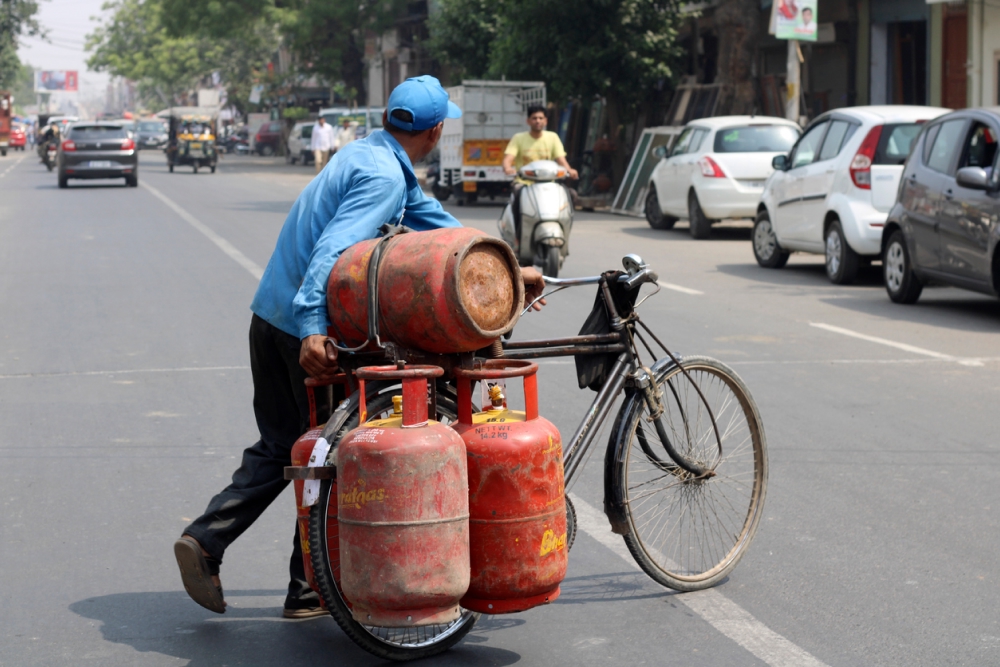
Rohtak, Haryana, India - blue collar worker delivering LPG gas cylinder on cycle.

Diversifying India’s Energy Mix in a Volatile and Warming World

India’s energy system is still heavily dependent on imported fossil fuels. These fuels have underpinned economic growth and helped meet rising energy demand, but they also lock the country into a high-emissions development path at a time when global mitigation needs to accelerate. In FY 2025, India imported the vast majority of its crude oil and around half of its natural gas, and it still brought in large volumes of coal. These fossil flows sustain today’s growth model while pushing cumulative emissions higher, with direct consequences for India’s future climate risk.

The infographic below illustrates how India's PSUs are directly linked to energy security and how fossil fuel price volatility transmits into their accounts and into government finances. When global energy prices spiked in FY 2023, the impact was immediate and wide-ranging: excise duties on petrol and diesel were cut, while INR 22,000 crore (USD 2.7 billion) was paid to compensate oil PSU under-recoveries on LPG. Oil PSUs saw compressed profits, with lower corporate tax and dividends, while NTPC faced sharply higher variable costs as imported coal prices surged. Gradually shifting PSU investment toward non-fossil energy can reduce the volume of coal, oil, and gas that must be procured on volatile global markets—strengthening energy security while also lowering national emissions intensity.


A faster buildout of clean energy is therefore mainly about diversifying India’s energy mix and aligning it with a safer climate trajectory. Assessments by the Intergovernmental Panel on Climate Change and others show that South Asia (and India in particular) faces some of the world’s highest risks from additional warming, including more frequent deadly heat waves, intensified monsoon variability, and coastal and riverine flooding that threaten lives, labour productivity, and infrastructure. By accelerating the deployment of clean energy, PSUs can help limit future temperature increases and reduce the scale of climate impacts that would fall disproportionately on India’s citizens and economy. The case for clean energy in India thus rests on diversification of the energy mix, credibility in meeting international climate commitments, and long-run climate resilience, rather than on narrow claims about short-run generation costs.

Managing the Just Transition Challenge

Managing the social and economic consequences of coal phase-down will be one of India’s most complex transition challenges. The scale is significant: according to Niti Aayog’s recent report, over 150 districts across India are significantly dependent on fossil fuel supply chains, directly or indirectly sustaining livelihoods for nearly one-third of India’s population. Formal coal mine employment stands at around 345,000 workers, but when informal workers in mining and ancillary activities are included, over 1 million people depend directly on coal. When fossil-fuel-linked manufacturing sectors are included, such as textiles, basic metals, petroleum products, and chemicals, the total affected labour force reaches 16.9 million, the majority in the informal sector and therefore the most exposed to disruption.

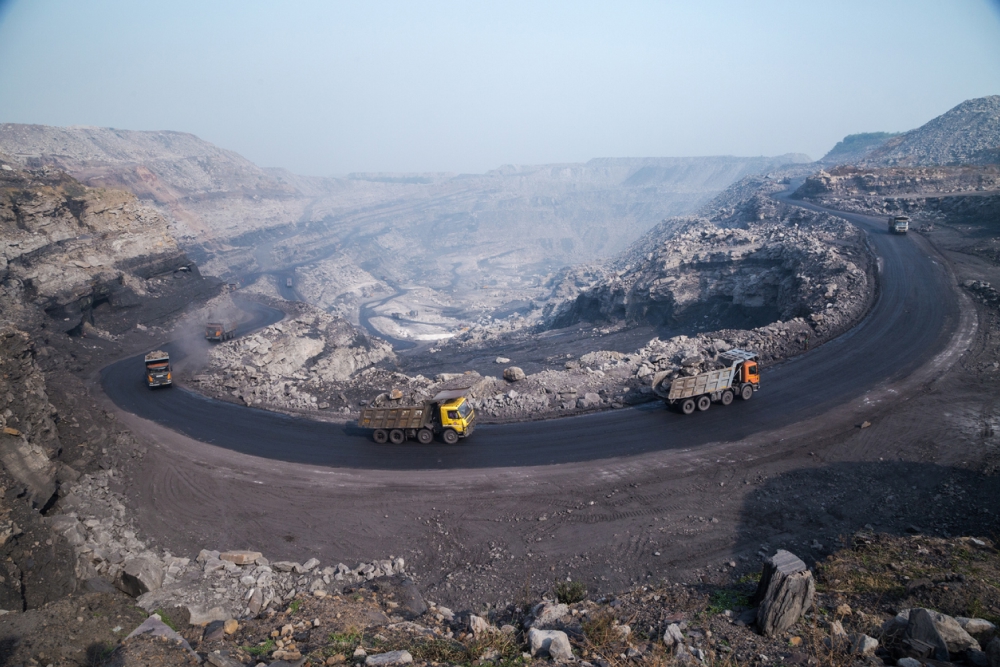
Trucks in Jharkhand’s Jharia, one of the most significant coal mines in India

Coal demand is projected to peak between 2030 and 2035, then plateau and gradually decline as renewable energy displaces coal-based generation. International experience demonstrates the serious consequences of poorly managed transitions, including long-term unemployment, social dislocation, and regional decline. The nine energy PSUs have begun taking early steps toward diversification and skill development. CIL has announced plans to develop solar projects on mined-out land, and NTPC has conducted training programs on solar energy, electric mobility, and battery-related technologies. These initiatives are important signals of intent and can generate useful lessons, but they remain limited in scope relative to the scale of the transition challenge. International experience demonstrates that comprehensive, well-resourced, government-led strategies are required for managing coal transitions. Germany's Structural Development Act, for instance, allocated up to EUR 40 billion through 2038 to support coal regions through investments in clean energy, infrastructure, and labour market policies.

Comprehensive just transition strategies for coal- and fossil fuel-dependent regions will need to be developed collaboratively by national and state governments, PSUs, affected workers, and communities. For each fossil fuel-intensive PSU, transition planning should include worker redeployment pathways with clear timelines, reskilling programs aligned with realistic employment opportunities, regional economic diversification initiatives for coal-dependent districts, and social safety nets for workers unable to transition. PSUs have a responsibility to map their workforce exposure, communicate transparently about the implications of different transition scenarios, and engage constructively in dialogue.

International Lessons: Embedding climate action in SOE governance

Around the world, governments are redefining the role of SOEs in meeting climate goals. Two examples stand out: Ireland’s Climate Action Framework for Commercial Semi-State Bodies (2022) and the Organisation for Economic Co-operation and Development’s (OECD’s) 2025 report on State-Owned Enterprises and Sustainability.

Ireland’s approach gives SOEs a governance framework for climate action. Led by NewERA, the framework requires every semi-state company to measure and report emissions, factor carbon costs into investment decisions, adopt circular-economy principles, and disclose progress annually. Board-level accountability ensures climate targets are not optional but integral to business planning.

The OECD builds on this principle, urging governments to adopt a state-ownership policy for sustainability. Such a policy clarifies why states own enterprises in the low-carbon era, sets environmental and social expectations, and establishes consistent disclosure and coordination mechanisms across ministries.

India can draw from these frameworks. It already has strong oversight bodies, such as the Department of Public Enterprises (DPE), administrative ministries, Department of investment and public asset management (DIPAM), and the Cabinet Committee on Economic Affairs (CCEA). For decades, DPE has tracked PSU performance through its memorandum of understanding (MoU) performance evaluation system and has published the Public Enterprises Survey every year since 1961, creating one of the world’s longest-running data sets on PSU performance and governance. These existing monitoring systems provide a strong foundation for integrating climate-related responsibilities.

A “Whole-of-SOE Climate Framework” could unify them by:

  • embedding climate key performance indicators into the DPE MoU performance system;
  • allowing dividend flexibility via DIPAM for clean capital expenditure (CapEx);
  • mandating carbon appraisal for major CCEA-approved projects; and
  • establishing an interministerial coordination body to ensure consistent monitoring, disclosure, and course correction.

Recent work by IISD highlights important lessons from SOE experiences across emerging economies, including efforts to scale renewables, integrate variable renewable energy into national grids, plan coal phase-down, and design just transition measures. These cases underline both promising approaches and the risks that arise when transitions are poorly coordinated, inadequately financed, or not grounded in strong institutions. India can use these insights to anticipate challenges, avoid common pitfalls, and design a more coherent, forward-looking strategy. With better-integrated governance and clearer climate mandates, India’s PSUs can evolve from stand-alone enterprises into coordinated agents of national decarbonization.

Four Policy Levers for Accelerating Just Energy Transition

India's concentration of energy production and distribution within PSUs creates conditions for rapid, coordinated decarbonization that fragmented, market-based systems cannot easily replicate. Because these enterprises share a public owner, the state can set common expectations, coordinate large investments across companies, and align planning horizons with national climate goals. The institutional capacity exists within these organizations. The financial resources are available through profitable operations and access to public finance. What remains is implementation coordinated across enterprises, accountable through governance mechanisms, transparent in execution, and adequate to the scale of transformation required to meet India's climate commitments while ensuring energy security and just transition for affected workers and communities.

Four critical policy interventions can accelerate SOE transition:

  • Develop a Climate Mandate for Strategic PSUs
    The government could establish a formal mandate requiring each strategic PSU to align its corporate plans with India’s 2035 and 2070 climate goals, including periodic progress reporting on renewable deployment, fossil fuel emission management, energy efficiency and just transition, coordinated across ministries to ensure coherence and accountability.
  • Integrate Climate Metrics into Performance Management
    Expand DPE's annual MoU framework to include mandatory climate key performance indicators covering emissions intensity reduction, renewable capacity additions, clean energy CapEx share, and just transition milestones. Climate performance should carry weight equivalent to financial metrics in evaluations.
  • Create PSU-Specific Incentives for Clean Energy CapEx
    Introduce targeted fiscal and financial incentives, such as tax rebates, dividend flexibility, or preferential access to concessional finance for PSUs investing a defined share of their annual CapEx in clean energy, green hydrogen, storage, or efficiency.
  • Develop Holistic Transition Plans for Fossil and Employment-Intensive Sectors 
    Each fossil fuel-intensive PSU should contribute to comprehensive transition plans led by state and national governments. These plans should map worker and asset exposure, outline credible asset phase-down scenarios, and identify realistic redeployment and reskilling pathways for affected workers and communities.

Download database and annex

Digital Story details

Topic
Energy
Just Transition
Region
India
Publisher
IISD
Copyright
IISD, 2026
Digital Story
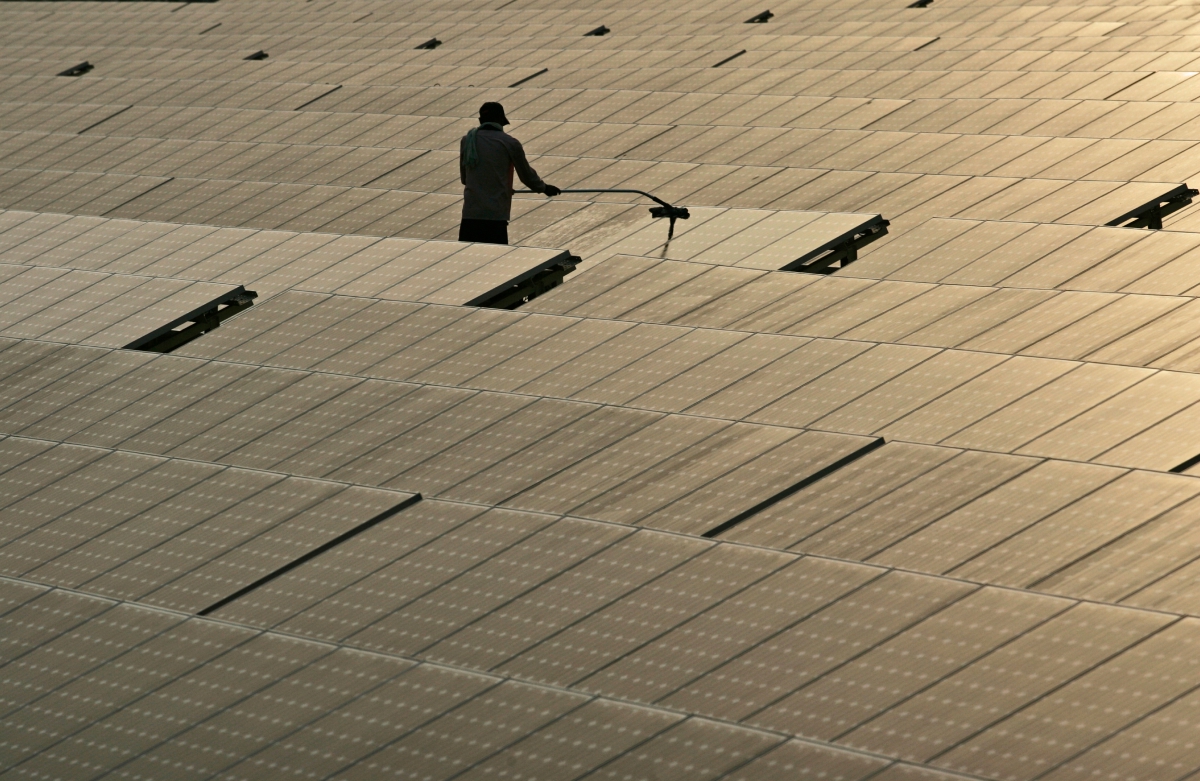
Man cleaning top of solar panels in India

Mapping India’s Energy Policy 2026

Power subsidies and supply shocks tightening clean energy support

The digital story is the latest update in Mapping India’s Energy Policy series that tracks India’s public financial support for energy. It highlights rising fiscal pressure from electricity subsidies, risks from reliance on imported LPG, and the impact of fuel tax changes in the transport. Rebalancing public support toward distributed renewables, diversified clean cooking mix, and clean mobility can strengthen India’s energy security and accelerate transition.

April 29, 2026

Overview

India’s quantified energy subsidies were at least INR 4.3 lakh crore (USD 51 billion), or 2.3% of real GDP in financial year 2025 (FY 25). Of this, INR 2.9 lakh crore (USD 35 billion) (68%) was in the form of direct budgetary transfers, i.e., transfers straight out of government budgets, which are often the most visible and quantified form of subsidies.

With global energy markets under stress from geopolitical disruption and commodity price volatility amid the conflict in the Gulf, the composition of energy subsidies matters more than ever. As a major importer of oil, gas, and coal, India is particularly exposed to these dynamics: when public spending is heavily weighted toward imported fossil fuels, governments absorb price shocks directly through their budgets—tightening fiscal space for clean energy investment and social welfare.

This analysis is part of our series Mapping India’s Energy Policy. We draw on the latest Union Budget 2026-27 data from the Government of India presented on February 1, 2026 to highlight how electricity and fossil fuel subsidies are tightening the fiscal space for scaling clean energy, in the context of the current energy crisis.  

We observe three major trends. First, electricity consumption subsidies—provided by state governments—reached INR 2,40,992 crore (USD 28 billion) in FY 25 and contributed to nearly 58% of all energy subsidies. These subsidies have nearly doubled over the last decade as electrification became nearly universal in India. Second, among fossil fuel subsidies, liquefied petroleum gas (LPG) subsidies were the largest at INR 71,718 crore (USD 8.4 billion), accounting for 17% of all energy subsidies in FY 25, and are expected to grow in FY 26 and FY 27, due to continued exposure to global price volatility, as government absorbs price spikes during the current energy crisis (see cooking section for details). Third, clean energy subsidies for renewable energy and electric vehicles (EVs) represent 10% of total energy subsidies and are gradually expanding but remain vulnerable to global oil price shocks due to structural fiscal dependence on oil and gas revenues. 


Fossil fuel subsidies were three times those to clean energy in FY 25.

Shifting public financial support—like subsidies—from fossil fuels to clean energy can accelerate the energy transition, with benefits for energy access, government budgets, and energy security. Over the past decade, India has expanded electricity access, scaled renewable energy capacity, supported cleaner cooking fuels and clean transportation. For policy-makers, the central challenge is not whether public resources should support the energy system—such support remains essential for affordability and development—but how to rebalance fiscal support to align with India’s medium and long-term energy transition goals while maintaining fiscal sustainability.

Power

Rising Electricity Subsidies in India Undermine Financial Viability of Utilities and Fiscal Space for the States

Electricity subsidies for end consumers are important welfare instruments, but are also a major financial burden for states that jeopardize spending on social welfare programs, the energy transition, and other government priorities. Electricity subsidies are aimed at largely benefiting domestic and agricultural consumers, who have low purchasing power in India. By 2022–23, electrification became near universal in India, and subsidies have grown with rising electricity consumption.

Rooftop view of solar panels overlooking city

Evidence from state-level trends highlights that in the wake of the COVID-19 pandemic and rising cost of power procurement in 2022–23 (as shown in the figure below), state governments were quick to implement subsidy measures to support poor consumers. However, the subsidy per unit has continued to increase despite marginal reductions in average power purchase costs in 2023–24 and 2024-25. Electricity subsidies are now structurally embedded in state budgets, with growing costs limiting fiscal space.


After the COVID-19 pandemic, electricity subsidies as a share of state government revenues (which includes their own tax revenue, share in central taxes, and non-tax revenue) have increased in 20 states/Union Territories (UTs). In FY 25, five state – Punjab, Rajasthan, Andhra Pradesh, Karnataka, and Madhya Pradesh spent between 9% and 20% of their state revenues on electricity subsidies. This was partly due to more generous subsidy schemes. For example, the state with the highest share, Punjab (20%), had expanded subsidy coverage to domestic consumers (up to 300 units) since 2022, in addition to free electricity to agricultural consumers. In Karnataka, the launch of the state scheme Gruha Jyoti Yojana in August 2023, which subsidizes up to 200 units, has contributed to the state’s electricity subsidies increasing from INR 13,906 crore (USD 1.6 billion) to INR 27,725 crore (USD 3.2 billion) between FY 23 and FY 25. These volumetric cutoffs for electricity subsidy schemes are double to triple the monthly electricity consumption per household of approximately 103 units in FY 25, leading to questions about whether the schemes adequately target low-income consumers.

Eight states show a reduction of electricity subsidies as a share of state revenues, led by an absolute decline in subsidies or improved fiscal management, while Odisha and Arunachal Pradesh show no change. 

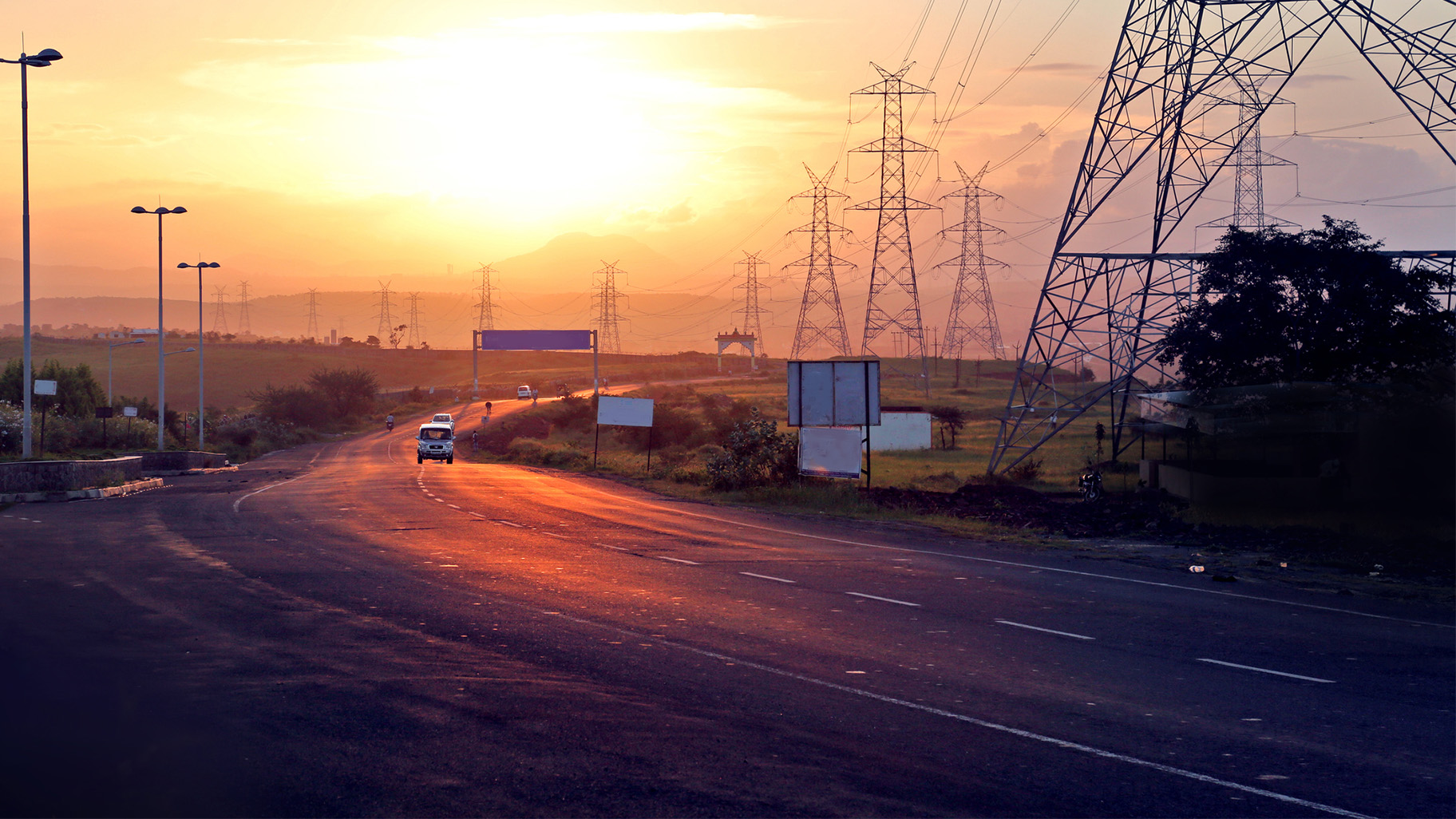
Highway at sunset by powerlines in India
 

Distribution companies (discoms) have become increasingly reliant on timely subsidy reimbursements to maintain cash flows, and delays expose them to financial risks and increase short-term borrowing. In FY 25, tariff subsidies accounted for an average of 21% of discoms’ revenues (up from 17% in FY 21), with revenue from operations recovering around 70% of costs as shown in the figure below.


In FY 24, discoms were borrowing to cover operational expenditure: about 44%–86% of total borrowings by the discoms in eight Indian states is reported to have been for non-capital end-use, with interest expenses contributing to 5% of discoms’ annual expenses each year.

Between FY 19 and FY 25, dependence on tariff subsidy reimbursements for meeting discoms’ expenses increased in 23 states/UTs. In FY 25, this dependence rose to nearly 30% or above in seven states—Nagaland, Bihar, Mizoram, Rajasthan, Punjab, Madhya Pradesh, and Karnataka.

The Government of India introduced the Revamped Distribution Sector Scheme (RDSS) in 2021, a results-linked scheme to improve timely payments by state governments to discoms, among other things. This helped clear subsidy backlogs to some extent. Subsidies were paid on time in 10 states in FY 22 and 11 states in FY 23—out of the 12 states that accounted for 90% of the subsidy billed nationwide

Sufficient and regular tariff revisions are necessary to improve discom finances. Despite RDSS’s success in ensuring timely subsidy payments, there are minor delays resurfacing in eight states/UTs—Maharashtra, Punjab, Haryana, Delhi, Andhra Pradesh, Himachal Pradesh, Rajasthan and Uttarakhand in FY 25, indicating that capitalizing on RDSS’s success remains elusive. Maintaining consistent discipline in subsidy payments by state governments in future will be paramount to avoid building up a future subsidy backlog.

Renewable Energy Subsidies Offer a Pathway for Fiscal Reform 

Deploying renewable energy can cut power procurement costs and lower the ongoing subsidy burden. “Vanilla” solar and wind is already the cheapest form of electricity supply. Even grid-scale firm and dispatchable renewable energy (FDRE)—combining solar, wind, and storage to provide predictable power supply—at discovered tariffs between INR 4.76 and INR 4.77/kWh (~USD 0.053/kWh) is already cheaper than the average power procurement cost in 2024–25 (INR 5.38/kWh) as shown in the figure above) and new thermal. In addition, FDRE projects can be commissioned in around 2–2.5 years, compared to 5–7 years for new thermal capacity, enabling faster capacity addition and cost realization.

In fact, a recent analysis from Ember also finds that solar paired with battery storage can now economically meet up to 90% of India's electricity demand at a levelized cost of ~INR 5.06/kWh, already within or below average power procurement costs in most states. As procurement costs decline, the gap between the cost of supply and tariffs (which subsidies bridge) can narrow down even further.

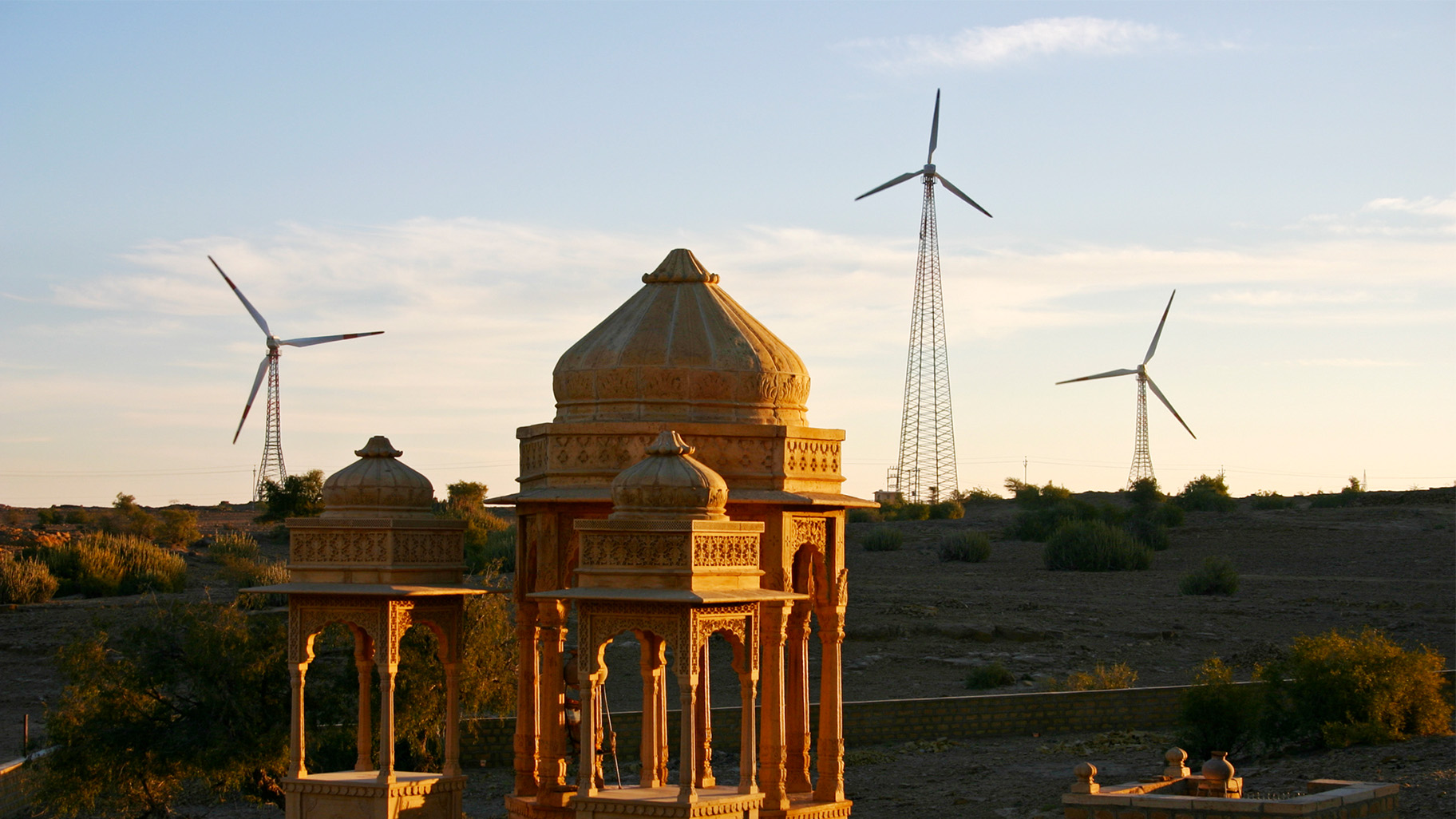
Wind turbines appear behind a structure in India.

At the distribution level, well-designed village-scale solar closer to demand can lower power procurement costs while reducing technical losses. Distributed renewable energy, when combined with energy storage, can also provide a variety of grid services, such as transmission and distribution congestion relief and system upgrade deferrals, although locational aspects may determine exact cost savings.  

On the demand side, solar irrigation and rooftop solar further reduce subsidy pressures. Agricultural electricity subsidies remain a major fiscal burden; solarization under PM-KUSUM replaces recurring subsidized supply with upfront capital investment. Rooftop solar under PM Surya Ghar similarly reduces household grid consumption and subsidy outlays. Across these pathways, the fiscal logic is consistent: shifting from recurring subsidies to one-time capital investment to lower supply costs and, over time, subsidy requirements.

Notably, the central government has been ramping up renewable energy subsidies over the last decade, peaking at INR 26,406 crore (USD 3 billion) in FY 25. Within these, decentralized renewable energy schemes, namely PM Surya Ghar and PM-KUSUM, spent INR 7,818 crore (USD 924 million) and INR 5,164 crore (USD 630 million) at the end of FY 25, respectively. Together, these two schemes account for 49% of all renewable energy subsidies in FY 25. However, spending has been low compared to budgetary allocations, indicating implementation challenges on the ground.

State governments should complement the centre’s subsidies with their own initiatives to speed up land identification and grid readiness for renewable energy integration. This could accelerate benefits for discoms (lower subsidy outlays) and consumers (improved electricity supply and lower air pollution), while delivering new jobs and regional economic development.  

Recommendations

  1. Improve targeting of electricity subsidies: Transition from broad, consumption-based electricity subsidies toward evidence-based volumetric cutoff limits that improve subsidy targeting to low-income and vulnerable households.  
  2. Invest in state-level distributed renewable energy strategies: Scale up schemes for solarizing agriculture, rooftop solar, grid strengthening, and energy storage to bring generation closer to end-user demand, reduce long-term dependence on subsidized electricity, reduce grid investment costs, and improve system resilience.  

Cooking

Clean Cooking: A vital form of support, but LPG exposes fiscal accounts to price shocks

India’s second largest energy subsidy is for LPG consumption through direct budgetary transfers, lower goods and service tax (GST), and price stabilization measures. In FY 25, total LPG support reached INR 71,718 crore (USD 8.4 billion), about ~17% of total energy subsidies, as shown in the figure below.


LPG remains central to clean cooking in India, but it is also a key channel through which global price volatility and supply chain vulnerability translate into domestic fiscal exposure and energy security risks, as 60% of India’s domestic LPG is imported. Recent conflicts in the Gulf have brought this dynamic into sharper focus. Temporary supply constraints along the Strait of Hormuz (a critical global energy chokepoint) tightened LPG availability and pushed up international prices, leading to an increase of INR 60 per 14.2 kg cylinder (USD 0.7 per 14.2 kg cylinder) on March 7, 2026 (an increase of 7%) for domestic consumers. The price shock reflects a long-standing structural challenge affecting households and public finances.

The Fiscal Burden

When global LPG prices rise, policy-makers face a difficult decision. They can pass through higher costs to households, which can undermine purchasing power for poor households and potentially push some to use more biomass (a major health risk). Or they can cap the retail prices, which cushions consumers in the short term but shifts the burden to oil marketing companies (OMCs) through under-recoveries, and eventually to government budgets due to lower revenues (and losses) for OMC and potential bailouts.

In FY 2024–25, OMCs incurred approximately INR 33,000 crore (USD 4 billion) in LPG under-recoveries, which is comparable to India’s annual budget allocation for the National Health Mission (~INR 39,000 crore, USD 4.6 billion). Further, these under-recoveries were more than twice the direct budgetary subsidies for all of government of India schemes supporting LPG, which stood at INR 14,179 crore (USD 1.7 billion) in FY 2024–25.

IISD’s analysis showed that cumulative LPG under-recoveries for OMCs had already exceeded INR 50,000 crore (USD 5.9 billion) by August 2025, prompting the Government of India to approve INR 30,000 crore (USD 3.5 billion) in compensation to OMCs. Periods of rising global LPG prices and rupee depreciation amplify this exposure.

Under-Recoveries and Fiscal Exposure Will Escalate With Global LPG Price Increases

Our analysis shows how quickly fiscal exposure can escalate when global LPG prices rise. Saudi Aramco LPG benchmark prices, which are the widely accepted benchmark for LPG exports from the Middle East to the Asia-Pacific region, increased by ~44% between March and April 2026. If this level persists, and domestic prices remain at INR 913 per refill (USD 10.7 per refill), our forward projections indicate that India’s annual LPG under-recoveries could exceed INR 60,000 crore (USD 7 billion) in FY 2026–27, as shown in the figure below.

Even if global LPG prices rise moderately from pre-crisis February 2026 levels, the fiscal exposure remains substantial. For instance, annual under-recoveries could reach approximately INR 26,000 crore (USD 3 billion) (with a 10% increase) and INR 48,000 crore (USD 5.6 billion) (with a 30% increase) in FY 2026–27, suggesting that OMCs may need another bailout in the current fiscal year.


Short-Term Responses and Their Limits

The Government of India responded to recent supply disruptions by boosting domestic LPG production, diversifying imports, and mandating a shift to piped natural gas (PNG) in areas with existing pipeline infrastructure, accelerating the expansion of PNG connections.

While shifting demand to PNG can help reallocate LPG to households without pipeline access, it does not address the core challenge of import dependence, as India continues to rely heavily on imported natural gas. Expanding PNG for cooking locks in long-lived infrastructure and continued fiscal exposure, potentially diverting resources from cleaner and more durable transition pathways such as electrification. Infrastructure for electric cooking also supports cooling, EVs, heating, lighting, and many other end-uses, whereas PNG is used only for cooking and heating and therefore risks becoming a stranded asset.

LPG cylinders stacked on a rickshaw cart

The Case for a Diversified Clean Cooking Basket

A durable response requires diversifying the clean cooking energy mix, maintaining LPG and PNG where needed, while systematically scaling up viable non-fossil alternatives. For instance, in urban areas, electric cooking is already cost-competitive. Following the recent LPG price increase, households will need to spend around 20% less by shifting to electricity. As electricity is domestically produced, wider adoption can reduce import dependence. IISD analysis indicates that large-scale uptake could halve LPG import demand and generate subsidy savings of up to INR 2.4 trillion (USD 28 billion) by 2050.

Similarly, in rural areas, decentralized biogas offers a locally produced alternative where feedstock is available, with no recurring fuel costs. Unlike recurring LPG subsidies, biogas support is largely capital intensive but fiscally sustainable over time.

Recommendation

Prioritize diversification of the clean cooking basket: Scale electric cooking in urban and peri-urban areas, expand decentralized biogas in feasible rural settings, and retain targeted LPG support where alternatives remain limited. This should be complemented by a government-endorsed, time-bound national roadmap for non-fossil clean cooking to strengthen resilience to external supply shocks.

Transport

Conflict in the Gulf, affordability concerns, and the need for price stabilization measures bring another challenge for India: declining energy revenues. India’s energy revenues, including centre and states, were nearly INR 10 lakh crore (USD 118 billion) in FY 25 (14% of all government revenue) and declined marginally from a peak of INR 11 lakh crore (USD 130 billion) in FY 22 on a real basis. The high reliance of the government on fossil tax revenues—especially oil and gas (at 11%)—across centre and states exposes the government’s fiscal base to energy price volatility and underscores the need to diversify revenue streams, lest fiscal dependence becomes a reason to slow the energy transition.

Excise Duty Cuts: An understandable but costly intervention

Since the conflict in the Gulf, international crude oil prices surged from ~USD 66 per barrel on February 26, 2026, to ~USD 113 per barrel by April 7, 2026, a near 75% increase in 6 weeks. Prior to any policy response, under-recoveries stood at approximately INR 26 per litre (USD 0.3 per litre) on petrol and INR 82 per litre (USD 0.9 per litre) on diesel, with OMCs absorbing a combined daily under-recovery of approximately INR 2,400 crore (USD 280 million), while keeping retail prices frozen.

On March 27, 2026, the Government of India reduced excise duty by INR 10 per litre (USD 0.12 per litre) on petrol and diesel to partially offset OMC under-recoveries. The fiscal cost of this intervention is substantial. If the current duty structure is maintained through FY27, revenue losses will reach an estimated INR 1.3 lakh crore (USD 15 billion) (0.4% of GDP), on top of other subsidy pressures.

Prolonged price suppression on transport fuels creates policy trade-offs. Maintaining reduced excise duties could weaken price signals that encourage fuel efficiency, shifts toward lower-emission transport options (such as from private vehicles to public or shared transport), and incentives for consumers to take up EVs, while limiting fiscal space for governments to scale up clean mobility and public transport.

Abrupt price pass-throughs could generate short-term macroeconomic pressures. As international crude prices stabilize, a phased and calibrated pass-through, beginning with petrol and then with diesel, would ease the burden on the exchequer while limiting welfare impacts on lower-income households. Gradually rebuilding revenues while scaling investments in clean mobility and electrification would reduce exposure to future oil price shocks and better align crisis responses with long-term transition priorities.

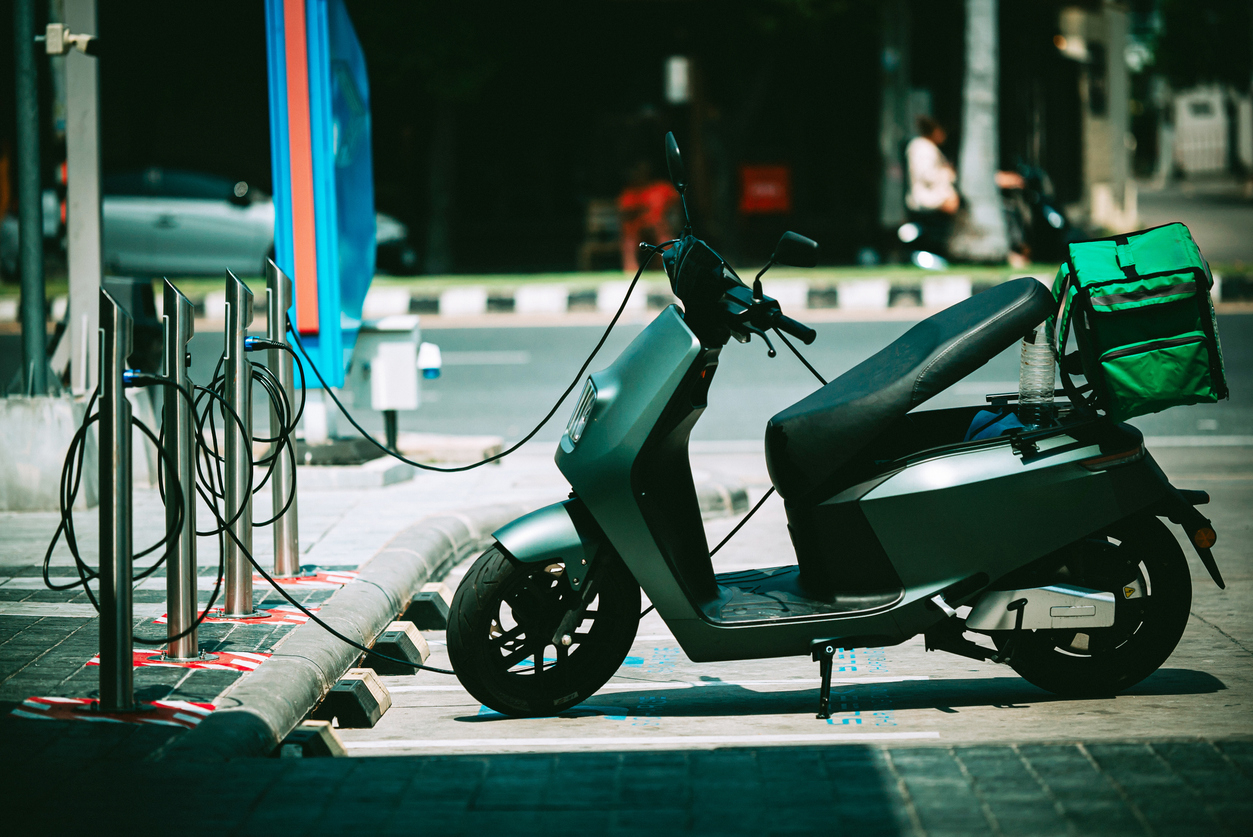
EV scooter being charged in a nighttime setting

The Case for Clean Mobility

Ahead of the recent excise duty cuts on petrol and diesel, the Government of India had already reduced taxes on internal combustion engine (ICE) vehicles in September 2025. For most ICE vehicles, the GST fell from 28% to 18%, and the GST compensation cess (1%–22% and higher for luxury car segments) is also no longer applicable.

The GST rate on EVs continues at 5%. Although still concessional, the tax reforms have weakened EV’s relative price competitiveness on an upfront cost basis. The recent excise duty cuts on transport fuels also dampen the relative advantage on operational costs that EVs offer. Every percentage point gain in EV share in new vehicle sales reduces future crude import demand and the associated fiscal exposure. Therefore, the transition to electric mobility is a high energy security priority.

The conflict in the Gulf offers an opportunity for oil-importing countries such as India to accelerate EV adoption and reduce exposure to volatile and geopolitically risky imports. India has established a strong policy architecture for promoting EVs, with central subsidies reaching INR 16,812 crore (USD 2 billion) or one-fifth of quantified oil and gas subsidies in FY 25. This includes GST concessions, demand incentives, and production-linked incentives for domestic manufacturing. However, sustaining the ambition will require a clear resource mobilization strategy to ensure continued EV support until adoption reaches critical mass. At such a time, road user charges or similar measures will be needed to replace fuel tax revenues with EV revenues.

Recommendations

  • Plan for a managed, gradual pass-through of fuel costs to consumers. The excise reduction was an understandable stopgap stabilization measure, but maintaining it indefinitely implies annual revenue foregone of nearly INR 1.3 lakh crore (USD 15 billion).
  • Future automobile tax policy should be assessed for the import dependence it entrenches, alongside its demand effects. ICE vehicle tax settings have direct and recurring fiscal consequences for crude import costs, OMC under-recoveries, and excise support requirements. A forward-looking tax framework would factor in these downstream fiscal exposures. 

Download database and reference list

Digital Story details

Topic
Energy
Subsidies
Region
India
Project
Budgeting for India’s Energy Transition
Publisher
IISD
Copyright
IISD, 2026
Press release

Scaling Up India’s Clean Energy can Protect its Economy—and its People—From Global Fuel Shocks

April 29, 2026

New Delhi, April 29, 2026 — Three trends are shaping India’s energy finances today: rapidly rising electricity consumption subsidies, growing exposure to global liquefied petroleum gas (LPG) price shocks, and a gradual shift toward clean energy. While the latter is encouraging news for the country’s longer-term energy security, progress is being undermined by ongoing fossil fuel subsidies, which are currently around three times higher than the support going to clean energy.

A new analysis from the International Institute for Sustainable Development shows that rising levels of broad-based fossil fuel subsidies are limiting the fiscal space for government to scale clean energy—precisely the solution India needs to decouple its energy system from volatile fossil fuel imports. Mapping India’s Energy Policy 2026: Power Subsidies and Supply Shocks Tightening Clean Energy Support outlines how this subsidy burden is expected to increase this fiscal year if global prices remain elevated and domestic prices for petrol, diesel, and LPG continue to be capped.

India spent at least INR 4.3 lakh crore (USD 51 billion) on energy subsidies last fiscal year, 75% of which were consumption subsidies for electricity and LPG, highlighting the scale of public spending currently required to manage energy affordability. While subsidies like this have played a critical role in expanding energy access and protecting households from high, volatile fuel prices, they risk becoming an unsustainable burden for governments. Electricity subsidies are growing faster than consumption due to higher cut-off limits for eligible consumers in some states, and LPG subsidies are tied to factors outside of the government’s control, such as surging global fuel prices.

LPG is the largest fossil fuel subsidy and a key source of fiscal vulnerability. India imports around 60% of its LPG, exposing subsidy spending to global price volatility. Subsidies for LPG reached INR 71,718 crore (USD 8.4 billion) in FY 2025—nearly half of which are under-recoveries (the losses oil and marketing companies incur when retail prices are kept below cost).

“The recent tensions in the Gulf highlight India’s exposure to global LPG price volatility. If prices remain elevated at current levels, under-recoveries could exceed INR 60,000 crore (USD 7 billion) in FY 2026–27, increasing pressure on public finances. Scaling alternatives such as electric cooking and decentralized biogas, while better targeting LPG support, can improve affordability and reduce long-term fiscal risks.”

Sunil Mani, IISD policy advisor

Subsidies for electricity consumption account for INR 2.41 lakh crore (USD 28 billion), or 58% of total energy subsidies in FY2025—nearly double their level a decade ago. These subsidies are equivalent to 20% of annual revenues for some states, with a growing share used to cover routine operating costs of power distribution companies rather than long-term efficiency improvements. The report finds that some states need to better target electricity subsidies to low-income households to ensure support reaches those who need it most while leaving fiscal room for investments in grid upgrades and clean energy.

“Electricity subsidies have played an important role in expanding access to energy and protecting consumers, but their current scale and recurring nature have entrenched fiscal and operational stress for state governments. Without better targeting and deeper reforms, rising subsidies risk crowding out spending on welfare priorities and long-term energy improvements.” 

Godwin Paul Chandra Sekar, IISD policy advisor

IISD’s analysis does point to growing support for clean energy. Subsidies for renewable energy reached INR 26,406 crore (USD 3 billion) in FY 2025, with nearly half of this directed to decentralized solutions such as rooftop solar and farmer-led renewable energy systems. Support for electric vehicles also rose to INR 16,812 crore (USD 2 billion), reinforcing their role in reducing oil dependence. Together, these shifts ease long-term fiscal pressures and strengthen energy security if supported by targeted policy and investment. However, India’s clean energy subsidies currently still account for only about 10% of the total pot.

The energy crisis is yet another opportunity for India to boost clean energy supplies. Strategic, targeted support—that combines investments in decentralized renewables, clean cooking alternatives, and electric mobility— strengthens India’s energy security and mitigates economic risk over time.

Swasti Raizada, IISD senior policy advisor 

Media contacts  

Swasti Raizada, senior policy advisor, IISD; [email protected]

Madhulika Verma, senior communications officer, IISD; [email protected]

Press release

India's EV and battery manufacturing future depends on states playing to their strengths

April 28, 2026

New Delhi, April 23, 2026— India can become a global electric vehicle (EV) and battery manufacturing hub—but depends on getting state policy design right. States can move beyond broad policy incentives toward targeted industrial strategies built around their existing strengths, according to a new report.

As the 2026 global energy crisis continues to expose India’s vulnerability to volatile oil markets, accelerating the adoption of EVs can reduce exposure to fuel price shocks. But without an effective parallel strategy to localize EV and battery manufacturing, accelerated EV uptake will only deepen reliance on imported cells, components, and high-end technology, widening the trade deficit and leaving the sector exposed to supply chain disruptions.

A new report by the International Institute for Sustainable Development, States in the Driver’s Seat: Policies localizing electric vehicle and battery manufacturing in India, shows how state governments can adjust their incentives to deepen the domestic localization of EV and battery supply chains. By mapping what states are offering—and where gaps remain—the report highlights why getting state policy design right is now central to India’s industrial and energy policy. 

The IISD report identifies three priorities for closing that gap. Policy support across central and state levels must do more to de-risk capital-intensive, first-of-their-kind investments. States must move beyond fragmented incentive packages toward integrated ecosystems that combine industrial infrastructure, testing and certification capacity, workforce development, and small and medium enterprise integration. And demand certainty—through public procurement, zero-emission vehicle mandates, and low-emission zones—will be essential to reduce market risk and draw private investment across the value chain.

While 33 of 36 states and union territories now have EV policies, most focus on deployment. Supply-side measures to promote EV and battery manufacturing exist in some states but are often spread across industrial, electronics, and EV policies. The result is that net localization remains below 20% for several high-value components, including battery cells, motors, convertors, and on-board chargers—showing a gap between policy intent and policy support.

"States have laid the foundation for EV manufacturing in India through common incentives like financial support, land concessions and tax waivers," said Swasti Raizada, senior policy advisor, IISD. 

The next step is to design policies that are built on each state’s industrial strengths and by targeting support to the most capital and technology-intensive parts of the supply chain.

Swasti Raizada

A comparative assessment of 14 major automotive states in the IISD report reveals that India’s EV manufacturing push is broad but uneven. While vehicle and battery assembly capacity is expanding, upstream and midstream segments—where capital requirements, technological complexity, and supply chain risks are highest—continue to receive comparatively less policy attention at the state level. States show wide differences in manufacturing maturity, policy coherence, and readiness to support capital  and technology-intensive segments of the EV and battery supply chain. 

State that aligns policies—and target specific segments of the EV and battery value chain—based on their comparative advantage, can better attract investments, deepen local value addition and create integrated manufacturing ecosystems.

"Deepening localization of EV and battery manufacturing will require states to effectively use risk-sharing tools beyond subsidies," adds Raizada. 

States need to lower entry barriers and support the creation of intellectual property—drawing lessons from India’s semiconductor push—to differentiate themselves, accelerate progress in high-value battery segments, and reduce import dependency.

Swasti Raizada

Optimizing state policies is critical to future-proofing India’s automotive manufacturing base that delivers local jobs, serves rising domestic demand, and reduces India’s exposure to volatile fuels and component imports. 

Media Contacts

Swasti Raizada, Senior Policy Advisor, [email protected] 
Madhulika Verma, Senior Communications Officer, [email protected]

Press release details

Report

States in the Driver’s Seat

Policies localizing electric vehicle and battery manufacturing in India

As the world’s fourth-largest automotive base, India holds the potential to create local manufacturing opportunities through the electric vehicle (EV) transition. State governments are at the forefront, controlling critical policy levers for deepening localization. This study examines the subnational policy landscape for EV and battery manufacturing across 14 major automotive states in India.

April 22, 2026

Key Findings

  • Supply-side EV and battery policies are beginning to translate into investments spanning across the EV value chain. These investments reflect early but tangible progress on localization across the value chain but are leading to geographically dispersed manufacturing outcomes.

  • Localization cannot be achieved through central policies alone. States control critical levers—land acquisition, power tariffs, logistics infrastructure, and regulatory clearances—that determine EV and battery manufacturing competitiveness and investment decisions.

  • Alignment between centre and state policies strengthens the overall incentive stack. State incentives can reduce location-specific costs, while central government incentivizes reward production and value addition.

  • Targeted policy instruments that address specific cost barriers, especially for midstream (such as production of cathode active materials, precursor materials) and upstream (critical minerals mining or sourcing) segments of the value chain, are needed at the state level for deepening localization.

The global automotive industry is undergoing a structural shift driven by transport electrification and increasing EV adoption. Valued at nearly USD 240 billion, contributing about 7.1% of GDP and supporting over 30 million direct and indirect jobs, India's automotive sector holds the potential to create local manufacturing opportunities through the EV transition. 

EV manufacturing requires an industrial configuration that is capital-intensive, electronics- and battery chemistry-driven, and significantly more exposed to global supply chains than conventional automotive manufacturing. Net localization for several high-cost EV components─such as batteries, motors, DC-DC convertors, and on-board chargers─is increasing but remains low in India despite several central government and state government policies. 

This report examines the subnational policy landscape for EV and battery manufacturing across leading automotive states in India. It finds that at least 14 state governments provide financial support through capital expenditure- or operating expenditure-reducing measures for localizing EV and battery manufacturing, indicating a growing ambition among Indian states to attract investments in the sector. However, targeted policy instruments that address specific cost barriers shall be needed for deepening localization. State policies remain less differentiated for midstream (such as production of cathode active materials, precursor materials) and upstream (critical minerals mining or sourcing) segments of the value chain, demonstrating growing policy maturity for downstream segments such as vehicle/battery assembly but nascency in terms of an emerging integrated value chain strategy. 

The study suggests six actions for central and state governments: 

  • design subnational support measures that de-risk midstream and upstream battery investments,
  • provide dedicated policy support for research and development investments, patent filing, and strategic intellectual property creation in the battery value chain,
  • conduct fresh rounds for Production Linked Incentive Auto to increase industry participation as downstream manufacturing for EV original equipment manufacturers and component suppliers matures,
  • develop project preparation facilities and plug-and-play industrial land infrastructure at the state level to further accelerate cell and battery manufacturing,
  • bridge the skill gap by establishing a dedicated skilled workforce development program for EV and battery manufacturing, and
  • introduce clear public procurement and phased zero-emission vehicle mandates to boost demand and reduce market risk for domestic manufacturers.

Report details

Topic
Climate Change Mitigation
Energy
Subsidies
Region
India
Impact area
Climate
Publisher
IISD
Copyright
IISD, 2026
Press release

PM‑KUSUM Can Cut Electricity Subsidies While Accelerating Solar Irrigation in India

April 8, 2026

New Delhi, April 8, 2026 — Solar‑powered irrigation can cut agricultural power subsidies, provide reliable daytime electricity, boost farmers’ incomes, and create jobs, according to a new report.

The report Scaling Solar Power for Irrigation in India: Lessons from PM‑KUSUM by the Council on Energy, Environment and Water (CEEW), the Center for Study of Science, Technology and Policy (CSTEP), and the International Institute for Sustainable Development (IISD), finds that in many states, decentralized solar irrigation already costs INR 3–4 per unit, far below utilities’ INR 6–7 per unit supply cost.

Using a purpose-designed methodology, researchers estimate that solarizing just 10% of agricultural electricity demand could generate significant savings for states for over a 25-year period—INR 2,543 crore in Rajasthan, INR 6,305 crore in Madhya Pradesh, INR 3,113 crore in Karnataka, and INR 1,935 crore in Tamil Nadu. In Rajasthan alone, these savings are equivalent to more than 12.5% of the state’s annual agricultural power subsidy, highlighting PM-KUSUM’s potential to ease pressure on state budgets.

“Even modest solarization of agricultural power demand can significantly reduce long-term subsidy burdens while delivering reliable electricity to farmers,” said Anas Rahman, senior policy advisor, IISD. “As the scheme enters its next phase, states should focus on tariff design, grid readiness, and payment security to make solar irrigation financially sustainable for both utilities and farmers.”

The study focuses on Component A (small-scale grid-connected solar plants on farmers’ land) and Component C-FLS (feeder-level solarization) of Pradhan Mantri Kisan Urja Suraksha evam Utthaan Mahabhiyan (PM-KUSUM), India’s flagship program to promote solar energy in agriculture. While the scheme has delivered clear benefits, implementation has fallen short of targets. Deployment to date stands at 8.4% under Component A and 38.2% under Component C-FLS.

Beyond fiscal savings, the scheme has also supported jobs and farmer incomes. Over 32,000 jobs have been created under components A and C-FLS, and farmers can earn an estimated 11%–16% annual return on investment by installing 0.5 MW–2 MW solar plants and selling electricity to the grid. Leasing land can generate around INR 30,000 per acre per year.

Despite early interest from states, progress has been slowed by low farmer awareness, land availability constraints, tariff viability challenges, grid limitations, and broader institutional and financial bottlenecks. Addressing these barriers will be critical to scaling impact in the next phase.

A growing pipeline signals readiness for scale

State‑level interest in the scheme has been building. More than 40 GW has been tendered under PM‑KUSUM over the past 2 years, and power purchase agreements have been signed for over 20 GW. Much of the remaining capacity is at the letter-of-award stage, with commissioning timelines of 9–15 months, pointing to a strong near-term pipeline of projects.

“PM‑KUSUM has moved beyond pilots to a scale‑ready pipeline, with significant capacity already tendered and under development,” said Shalu Agrawal, director of programmes at CEEW. “What matters now is execution—getting tariffs rights, reducing payment risk, and integrating projects smoothly into the grid. Done well, solar irrigation will become a cost-effective, mainstream solution for meeting agricultural power demand while easing subsidy pressures.”

With the first phase of the scheme concluded on March 31, 2026, the report recommends a next-generation scheme that incorporates lessons learned and is flexible and investment-ready, enabling states to adapt, innovate, and tailor the scheme to local conditions.

“States have been the real drivers of innovation under PM‑KUSUM,” said Rishu Garg, senior policy specialist, CSTEP. “The next phase must allow states more flexibility, strengthen state implementing agencies, expand planning capacity at the distribution level, and prepare rural grids to handle decentralized solar. Without these institutional foundations, scale will remain uneven across states.”

The challenge ahead is no longer proving the viability of solar irrigation but enabling scale. With the right reforms, PM‑KUSUM can evolve from a promising start into a durable shift toward clean, reliable power for Indian agriculture.

Key recommendations

  • Ensure tariff viability through competitive bidding or market-linked benchmarks  
  • Ease land constraints through geographic information system-based tools and approval-ready land banks  
  • Strengthen distribution company ownership and planning  
  • Prepare the grid through hosting-capacity assessments and feeder planning  
  • Unlock financing through payment security mechanisms and blended finance  
  • Improve farmer uptake through local outreach and extension networks
Media Contacts
About CEEW

The Council on Energy, Environment and Water (CEEW)—a homegrown institution with headquarters in New Delhi—is among the world’s leading climate think tanks. The Council uses data, integrated analysis, and strategic outreach to support public policy, transform markets, shape technology, and nudge behaviour. CEEW seeks to explain—and change—the use, reuse, and misuse of resources. It addresses pressing global challenges through an integrated and internationally focused approach. The Council prides itself on the independence of its high-quality research and strives to impact sustainable development at scale. In over 15 years of operation, CEEW has impacted over 400 million lives and engaged with over 20 state governments. Follow us on LinkedIn and X (formerly Twitter) for the latest updates.

About CSTEP

The Center for Study of Science, Technology and Policy (CSTEP) is one of India’s leading think tanks, with a mission to enrich policymaking with innovative approaches using science and technology for a sustainable, secure, and inclusive society. CSTEP’s interdisciplinary research encompasses diverse fields, such as energy, climate, and air pollution.

Report

Scaling Solar Power for Irrigation in India

Lessons from PM-KUSUM Components A and C-FLS

Launched in 2019, the Pradhan Mantri Kisan Urja Suraksha evam Utthaan Mahabhiyan (PM KUSUM) scheme aims to expand solar-powered irrigation, boost farmer incomes through energy generation, and reduce agricultural power subsidies. This report assesses the scheme’s two components, A and C-FLS, drawing on extensive fieldwork, research, and stakeholder consultations. It distills key implementation learnings and offers actionable recommendations to strengthen governance, financing, and execution for a scalable post-2026 scheme.

April 7, 2026

Policy Recommendations

  • The economic case of agricultural solarization is strong. Farmers who lease land earn an average of INR 30,000/acre annually, while those who invest earn 11%–16% returns.

  • The next phase of PM-KUSUM should be designed in the spirit of cooperative federalism between the Union and states. The scheme should be flexible, enabling states to adapt and innovate deployment models to their context, and should enable innovations to disperse across state through cross-learning.

  • States should design an “incentive stack” on top of the Union Government incentives: The state governments should complement the financial incentives with their own initiatives to speed up land identification and ready the grids.

  • Adopt competitive bidding-based tariff discovery for agricultural solarization to better reflect market conditions and ensure cost-effective procurement.

The Government of India introduced the PM-KUSUM scheme in 2019 with a total outlay of INR 34,422 crores to add ~34,800 MW of solar power in the agriculture sector by March 2026. The scheme has three broad objectives: improving irrigation access through solar-powered irrigation, increasing farmers’ income by enabling them to become energy producers, and reducing the agricultural power subsidy burden on states. 

This report provides a comprehensive assessment of the performance and outcomes of PM-KUSUM’s two grid-connected components: Component A and Component C-FLS. These two components promote medium-scale (typically 1–10 MW) decentralized solar power plants, connected to rural distribution substations and deployed on farmers’ land to support irrigation. While they have generated strong interest among states due to their potential to lower subsidy burdens and enable reliable daytime power for agriculture, progress has remained gradual, underscoring the need for targeted measures to enable scale-up. 

Drawing on extensive research, fieldwork, and stakeholder consultations across Madhya Pradesh, Rajasthan, Tamil Nadu, and Karnataka, the report seeks to 

  • examine the progress and limitations in implementing PM-KUSUM Components A and C-FLS;
  • highlight challenges faced by state agencies, developers, and farmers, drawing from evidence from field insights;
  • provide actionable recommendations to strengthen governance, operational efficiency, and financing, as well as improve infrastructure, awareness, and implementation; and
  • inform the design of a post-2026 scheme architecture that is investment-ready and enables state-specific innovations, fostering a long-term, scalable impact. 

The report finds that barriers to scale fall into three interconnected categories: (a) governance challenges that limit state ownership and implementation capacity, (b) market barriers that deter potential small developers and new entrants from participating, through misaligned tariffs, thin financing, and fragmented approvals, and (c) structural constraints around land access and grid readiness that will only intensify as the scheme scales. For each barrier, the report documents what progressive states have already done and translates these lessons into actionable recommendations for the design of PM-KUSUM's next phase.

Report details

Topic
Energy
Subsidies
Region
India
Project
Solarizing Irrigation in India
Impact area
Climate
Sustainable Economies
Publisher
IISD
Copyright
IISD, 2026
Webinar

Climate Finance: Mechanisms and instruments for emerging economies

April 2, 2026 4:00 pm - 5:00 pm India Standard Time (IST). UTC +5:30

virtual via Zoom

(Open to public)

The investment required to tackle climate change is unprecedented—especially in emerging economies such as India, where public finance alone cannot meet growing climate and development needs. Mobilizing private capital at scale, while using limited public and philanthropic resources strategically, is therefore critical. At the same time, stronger market foundations such as bankable project pipelines, supportive policy reform, and clear climate taxonomies are essential to unlock investment.

India has made significant strides in deploying innovative climate finance instruments, including sovereign and municipal green bonds, concessional finance, guarantees, and risk‑mitigation mechanisms. These tools are increasingly being used to crowd in private capital across sectors such as renewable energy, energy efficiency, agriculture, and climate adaptation.  

As climate finance ecosystems across emerging economies continue to evolve, a clearer understanding of how and where different financial instruments and mechanisms can be deployed most effectively is critical to mobilizing investment at scale. Recognizing the distinct roles of these tools can help shape blended‑finance partnerships and identify opportunities where public and philanthropic capital can be used strategically to catalyze private investment.

The webinar “Climate Finance: Mechanisms and instruments for emerging economies,” the final session in the IISD–IIM Calcutta climate finance series, will explore how these instruments can be designed and deployed effectively in India and other emerging economies. The webinar brings together experts from finance and research institutions. It will highlight practical lessons, remaining challenges, and opportunities to accelerate climate action at scale. 

Agenda

Welcoming Remarks

Priyami Dutta, Policy Advisor, IISD

Context Setting

Swasti Raizada, Senior Policy Advisor, IISD

Panel Discussion

Moderator: Professor Mritiunjoy Mohanty, IIM Calcutta 

Vibhuti Garg, Director, South Asia, The Institute for Energy Economics and Financial Analysis

Upendra Bhatt, Co-founder and Managing Director, cKinetics

Madhura Joshi,  Programme Lead - Global Clean Power Diplomacy, E3G

Gaylor Montmasson-Clair, Founding Director, Southern Transition

Yanne Horas, Associate, IISD

Q&A

Closing Remarks

Professor Runa Sarkar, IIM Calcutta