Mapping India’s Energy Policy 2026
Overview
India’s quantified energy subsidies were at least INR 4.3 lakh crore (USD 51 billion), or 2.3% of real GDP in financial year 2025 (FY 25). Of this, INR 2.9 lakh crore (USD 35 billion) (68%) was in the form of direct budgetary transfers, i.e., transfers straight out of government budgets, which are often the most visible and quantified form of subsidies.
With global energy markets under stress from geopolitical disruption and commodity price volatility amid the conflict in the Gulf, the composition of energy subsidies matters more than ever. As a major importer of oil, gas, and coal, India is particularly exposed to these dynamics: when public spending is heavily weighted toward imported fossil fuels, governments absorb price shocks directly through their budgets—tightening fiscal space for clean energy investment and social welfare.
This analysis is part of our series Mapping India’s Energy Policy. We draw on the latest Union Budget 2026-27 data from the Government of India presented on February 1, 2026 to highlight how electricity and fossil fuel subsidies are tightening the fiscal space for scaling clean energy, in the context of the current energy crisis.
We observe three major trends. First, electricity consumption subsidies—provided by state governments—reached INR 2,40,992 crore (USD 28 billion) in FY 25 and contributed to nearly 58% of all energy subsidies. These subsidies have nearly doubled over the last decade as electrification became nearly universal in India. Second, among fossil fuel subsidies, liquefied petroleum gas (LPG) subsidies were the largest at INR 71,718 crore (USD 8.4 billion), accounting for 17% of all energy subsidies in FY 25, and are expected to grow in FY 26 and FY 27, due to continued exposure to global price volatility, as government absorbs price spikes during the current energy crisis (see cooking section for details). Third, clean energy subsidies for renewable energy and electric vehicles (EVs) represent 10% of total energy subsidies and are gradually expanding but remain vulnerable to global oil price shocks due to structural fiscal dependence on oil and gas revenues.
Fossil fuel subsidies were three times those to clean energy in FY 25.
Shifting public financial support—like subsidies—from fossil fuels to clean energy can accelerate the energy transition, with benefits for energy access, government budgets, and energy security. Over the past decade, India has expanded electricity access, scaled renewable energy capacity, supported cleaner cooking fuels and clean transportation. For policy-makers, the central challenge is not whether public resources should support the energy system—such support remains essential for affordability and development—but how to rebalance fiscal support to align with India’s medium and long-term energy transition goals while maintaining fiscal sustainability.
Power
Rising Electricity Subsidies in India Undermine Financial Viability of Utilities and Fiscal Space for the States
Electricity subsidies for end consumers are important welfare instruments, but are also a major financial burden for states that jeopardize spending on social welfare programs, the energy transition, and other government priorities. Electricity subsidies are aimed at largely benefiting domestic and agricultural consumers, who have low purchasing power in India. By 2022–23, electrification became near universal in India, and subsidies have grown with rising electricity consumption.

Evidence from state-level trends highlights that in the wake of the COVID-19 pandemic and rising cost of power procurement in 2022–23 (as shown in the figure below), state governments were quick to implement subsidy measures to support poor consumers. However, the subsidy per unit has continued to increase despite marginal reductions in average power purchase costs in 2023–24 and 2024-25. Electricity subsidies are now structurally embedded in state budgets, with growing costs limiting fiscal space.
After the COVID-19 pandemic, electricity subsidies as a share of state government revenues (which includes their own tax revenue, share in central taxes, and non-tax revenue) have increased in 20 states/Union Territories (UTs). In FY 25, five state – Punjab, Rajasthan, Andhra Pradesh, Karnataka, and Madhya Pradesh spent between 9% and 20% of their state revenues on electricity subsidies. This was partly due to more generous subsidy schemes. For example, the state with the highest share, Punjab (20%), had expanded subsidy coverage to domestic consumers (up to 300 units) since 2022, in addition to free electricity to agricultural consumers. In Karnataka, the launch of the state scheme Gruha Jyoti Yojana in August 2023, which subsidizes up to 200 units, has contributed to the state’s electricity subsidies increasing from INR 13,906 crore (USD 1.6 billion) to INR 27,725 crore (USD 3.2 billion) between FY 23 and FY 25. These volumetric cutoffs for electricity subsidy schemes are double to triple the monthly electricity consumption per household of approximately 103 units in FY 25, leading to questions about whether the schemes adequately target low-income consumers.
Eight states show a reduction of electricity subsidies as a share of state revenues, led by an absolute decline in subsidies or improved fiscal management, while Odisha and Arunachal Pradesh show no change.
Distribution companies (discoms) have become increasingly reliant on timely subsidy reimbursements to maintain cash flows, and delays expose them to financial risks and increase short-term borrowing. In FY 25, tariff subsidies accounted for an average of 21% of discoms’ revenues (up from 17% in FY 21), with revenue from operations recovering around 70% of costs as shown in the figure below.
In FY 24, discoms were borrowing to cover operational expenditure: about 44%–86% of total borrowings by the discoms in eight Indian states is reported to have been for non-capital end-use, with interest expenses contributing to 5% of discoms’ annual expenses each year.
Between FY 19 and FY 25, dependence on tariff subsidy reimbursements for meeting discoms’ expenses increased in 23 states/UTs. In FY 25, this dependence rose to nearly 30% or above in seven states—Nagaland, Bihar, Mizoram, Rajasthan, Punjab, Madhya Pradesh, and Karnataka.
The Government of India introduced the Revamped Distribution Sector Scheme (RDSS) in 2021, a results-linked scheme to improve timely payments by state governments to discoms, among other things. This helped clear subsidy backlogs to some extent. Subsidies were paid on time in 10 states in FY 22 and 11 states in FY 23—out of the 12 states that accounted for 90% of the subsidy billed nationwide.
Sufficient and regular tariff revisions are necessary to improve discom finances. Despite RDSS’s success in ensuring timely subsidy payments, there are minor delays resurfacing in eight states/UTs—Maharashtra, Punjab, Haryana, Delhi, Andhra Pradesh, Himachal Pradesh, Rajasthan and Uttarakhand in FY 25, indicating that capitalizing on RDSS’s success remains elusive. Maintaining consistent discipline in subsidy payments by state governments in future will be paramount to avoid building up a future subsidy backlog.
Renewable Energy Subsidies Offer a Pathway for Fiscal Reform
Deploying renewable energy can cut power procurement costs and lower the ongoing subsidy burden. “Vanilla” solar and wind is already the cheapest form of electricity supply. Even grid-scale firm and dispatchable renewable energy (FDRE)—combining solar, wind, and storage to provide predictable power supply—at discovered tariffs between INR 4.76 and INR 4.77/kWh (~USD 0.053/kWh) is already cheaper than the average power procurement cost in 2024–25 (INR 5.38/kWh) as shown in the figure above) and new thermal. In addition, FDRE projects can be commissioned in around 2–2.5 years, compared to 5–7 years for new thermal capacity, enabling faster capacity addition and cost realization.
In fact, a recent analysis from Ember also finds that solar paired with battery storage can now economically meet up to 90% of India's electricity demand at a levelized cost of ~INR 5.06/kWh, already within or below average power procurement costs in most states. As procurement costs decline, the gap between the cost of supply and tariffs (which subsidies bridge) can narrow down even further.
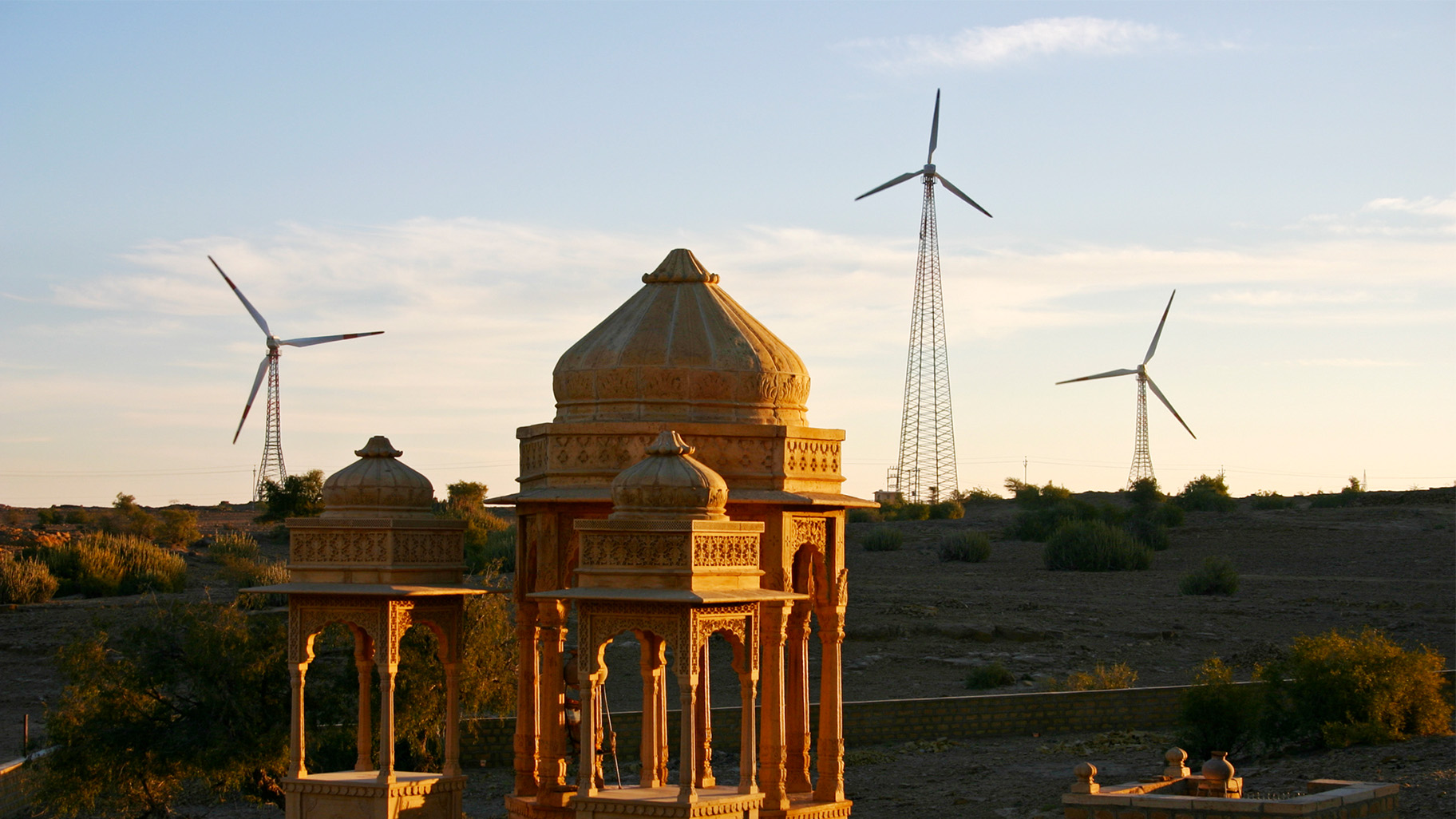
At the distribution level, well-designed village-scale solar closer to demand can lower power procurement costs while reducing technical losses. Distributed renewable energy, when combined with energy storage, can also provide a variety of grid services, such as transmission and distribution congestion relief and system upgrade deferrals, although locational aspects may determine exact cost savings.
On the demand side, solar irrigation and rooftop solar further reduce subsidy pressures. Agricultural electricity subsidies remain a major fiscal burden; solarization under PM-KUSUM replaces recurring subsidized supply with upfront capital investment. Rooftop solar under PM Surya Ghar similarly reduces household grid consumption and subsidy outlays. Across these pathways, the fiscal logic is consistent: shifting from recurring subsidies to one-time capital investment to lower supply costs and, over time, subsidy requirements.
Notably, the central government has been ramping up renewable energy subsidies over the last decade, peaking at INR 26,406 crore (USD 3 billion) in FY 25. Within these, decentralized renewable energy schemes, namely PM Surya Ghar and PM-KUSUM, spent INR 7,818 crore (USD 924 million) and INR 5,164 crore (USD 630 million) at the end of FY 25, respectively. Together, these two schemes account for 49% of all renewable energy subsidies in FY 25. However, spending has been low compared to budgetary allocations, indicating implementation challenges on the ground.
State governments should complement the centre’s subsidies with their own initiatives to speed up land identification and grid readiness for renewable energy integration. This could accelerate benefits for discoms (lower subsidy outlays) and consumers (improved electricity supply and lower air pollution), while delivering new jobs and regional economic development.
Recommendations
- Improve targeting of electricity subsidies: Transition from broad, consumption-based electricity subsidies toward evidence-based volumetric cutoff limits that improve subsidy targeting to low-income and vulnerable households.
- Invest in state-level distributed renewable energy strategies: Scale up schemes for solarizing agriculture, rooftop solar, grid strengthening, and energy storage to bring generation closer to end-user demand, reduce long-term dependence on subsidized electricity, reduce grid investment costs, and improve system resilience.
Cooking
Clean Cooking: A vital form of support, but LPG exposes fiscal accounts to price shocks
India’s second largest energy subsidy is for LPG consumption through direct budgetary transfers, lower goods and service tax (GST), and price stabilization measures. In FY 25, total LPG support reached INR 71,718 crore (USD 8.4 billion), about ~17% of total energy subsidies, as shown in the figure below.
LPG remains central to clean cooking in India, but it is also a key channel through which global price volatility and supply chain vulnerability translate into domestic fiscal exposure and energy security risks, as 60% of India’s domestic LPG is imported. Recent conflicts in the Gulf have brought this dynamic into sharper focus. Temporary supply constraints along the Strait of Hormuz (a critical global energy chokepoint) tightened LPG availability and pushed up international prices, leading to an increase of INR 60 per 14.2 kg cylinder (USD 0.7 per 14.2 kg cylinder) on March 7, 2026 (an increase of 7%) for domestic consumers. The price shock reflects a long-standing structural challenge affecting households and public finances.
The Fiscal Burden
When global LPG prices rise, policy-makers face a difficult decision. They can pass through higher costs to households, which can undermine purchasing power for poor households and potentially push some to use more biomass (a major health risk). Or they can cap the retail prices, which cushions consumers in the short term but shifts the burden to oil marketing companies (OMCs) through under-recoveries, and eventually to government budgets due to lower revenues (and losses) for OMC and potential bailouts.
In FY 2024–25, OMCs incurred approximately INR 33,000 crore (USD 4 billion) in LPG under-recoveries, which is comparable to India’s annual budget allocation for the National Health Mission (~INR 39,000 crore, USD 4.6 billion). Further, these under-recoveries were more than twice the direct budgetary subsidies for all of government of India schemes supporting LPG, which stood at INR 14,179 crore (USD 1.7 billion) in FY 2024–25.
IISD’s analysis showed that cumulative LPG under-recoveries for OMCs had already exceeded INR 50,000 crore (USD 5.9 billion) by August 2025, prompting the Government of India to approve INR 30,000 crore (USD 3.5 billion) in compensation to OMCs. Periods of rising global LPG prices and rupee depreciation amplify this exposure.
Under-Recoveries and Fiscal Exposure Will Escalate With Global LPG Price Increases
Our analysis shows how quickly fiscal exposure can escalate when global LPG prices rise. Saudi Aramco LPG benchmark prices, which are the widely accepted benchmark for LPG exports from the Middle East to the Asia-Pacific region, increased by ~44% between March and April 2026. If this level persists, and domestic prices remain at INR 913 per refill (USD 10.7 per refill), our forward projections indicate that India’s annual LPG under-recoveries could exceed INR 60,000 crore (USD 7 billion) in FY 2026–27, as shown in the figure below.
Even if global LPG prices rise moderately from pre-crisis February 2026 levels, the fiscal exposure remains substantial. For instance, annual under-recoveries could reach approximately INR 26,000 crore (USD 3 billion) (with a 10% increase) and INR 48,000 crore (USD 5.6 billion) (with a 30% increase) in FY 2026–27, suggesting that OMCs may need another bailout in the current fiscal year.
Short-Term Responses and Their Limits
The Government of India responded to recent supply disruptions by boosting domestic LPG production, diversifying imports, and mandating a shift to piped natural gas (PNG) in areas with existing pipeline infrastructure, accelerating the expansion of PNG connections.
While shifting demand to PNG can help reallocate LPG to households without pipeline access, it does not address the core challenge of import dependence, as India continues to rely heavily on imported natural gas. Expanding PNG for cooking locks in long-lived infrastructure and continued fiscal exposure, potentially diverting resources from cleaner and more durable transition pathways such as electrification. Infrastructure for electric cooking also supports cooling, EVs, heating, lighting, and many other end-uses, whereas PNG is used only for cooking and heating and therefore risks becoming a stranded asset.

The Case for a Diversified Clean Cooking Basket
A durable response requires diversifying the clean cooking energy mix, maintaining LPG and PNG where needed, while systematically scaling up viable non-fossil alternatives. For instance, in urban areas, electric cooking is already cost-competitive. Following the recent LPG price increase, households will need to spend around 20% less by shifting to electricity. As electricity is domestically produced, wider adoption can reduce import dependence. IISD analysis indicates that large-scale uptake could halve LPG import demand and generate subsidy savings of up to INR 2.4 trillion (USD 28 billion) by 2050.
Similarly, in rural areas, decentralized biogas offers a locally produced alternative where feedstock is available, with no recurring fuel costs. Unlike recurring LPG subsidies, biogas support is largely capital intensive but fiscally sustainable over time.
Recommendation
Prioritize diversification of the clean cooking basket: Scale electric cooking in urban and peri-urban areas, expand decentralized biogas in feasible rural settings, and retain targeted LPG support where alternatives remain limited. This should be complemented by a government-endorsed, time-bound national roadmap for non-fossil clean cooking to strengthen resilience to external supply shocks.
Transport
Conflict in the Gulf, affordability concerns, and the need for price stabilization measures bring another challenge for India: declining energy revenues. India’s energy revenues, including centre and states, were nearly INR 10 lakh crore (USD 118 billion) in FY 25 (14% of all government revenue) and declined marginally from a peak of INR 11 lakh crore (USD 130 billion) in FY 22 on a real basis. The high reliance of the government on fossil tax revenues—especially oil and gas (at 11%)—across centre and states exposes the government’s fiscal base to energy price volatility and underscores the need to diversify revenue streams, lest fiscal dependence becomes a reason to slow the energy transition.
Excise Duty Cuts: An understandable but costly intervention
Since the conflict in the Gulf, international crude oil prices surged from ~USD 66 per barrel on February 26, 2026, to ~USD 113 per barrel by April 7, 2026, a near 75% increase in 6 weeks. Prior to any policy response, under-recoveries stood at approximately INR 26 per litre (USD 0.3 per litre) on petrol and INR 82 per litre (USD 0.9 per litre) on diesel, with OMCs absorbing a combined daily under-recovery of approximately INR 2,400 crore (USD 280 million), while keeping retail prices frozen.
On March 27, 2026, the Government of India reduced excise duty by INR 10 per litre (USD 0.12 per litre) on petrol and diesel to partially offset OMC under-recoveries. The fiscal cost of this intervention is substantial. If the current duty structure is maintained through FY27, revenue losses will reach an estimated INR 1.3 lakh crore (USD 15 billion) (0.4% of GDP), on top of other subsidy pressures.
Prolonged price suppression on transport fuels creates policy trade-offs. Maintaining reduced excise duties could weaken price signals that encourage fuel efficiency, shifts toward lower-emission transport options (such as from private vehicles to public or shared transport), and incentives for consumers to take up EVs, while limiting fiscal space for governments to scale up clean mobility and public transport.
Abrupt price pass-throughs could generate short-term macroeconomic pressures. As international crude prices stabilize, a phased and calibrated pass-through, beginning with petrol and then with diesel, would ease the burden on the exchequer while limiting welfare impacts on lower-income households. Gradually rebuilding revenues while scaling investments in clean mobility and electrification would reduce exposure to future oil price shocks and better align crisis responses with long-term transition priorities.
The Case for Clean Mobility
Ahead of the recent excise duty cuts on petrol and diesel, the Government of India had already reduced taxes on internal combustion engine (ICE) vehicles in September 2025. For most ICE vehicles, the GST fell from 28% to 18%, and the GST compensation cess (1%–22% and higher for luxury car segments) is also no longer applicable.
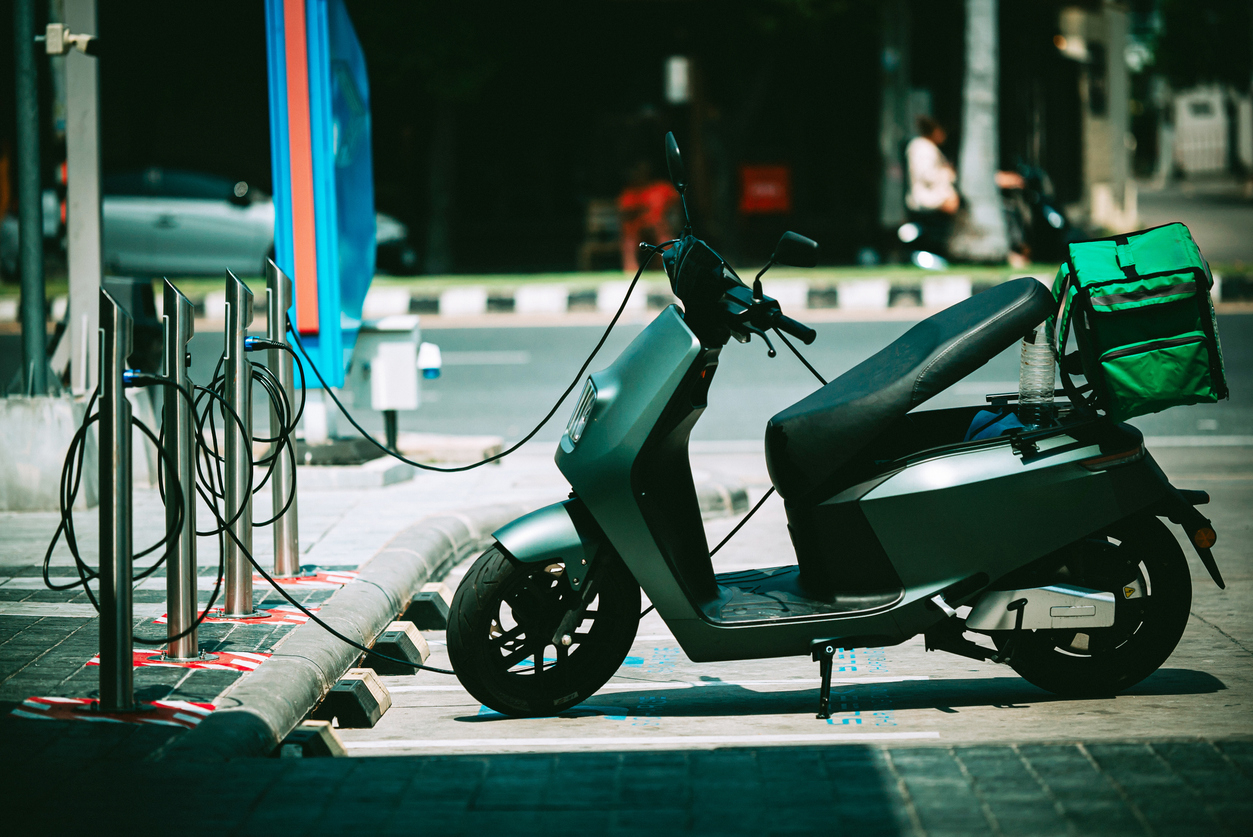
The GST rate on EVs continues at 5%. Although still concessional, the tax reforms have weakened EV’s relative price competitiveness on an upfront cost basis. The recent excise duty cuts on transport fuels also dampen the relative advantage on operational costs that EVs offer. Every percentage point gain in EV share in new vehicle sales reduces future crude import demand and the associated fiscal exposure. Therefore, the transition to electric mobility is a high energy security priority.
The conflict in the Gulf offers an opportunity for oil-importing countries such as India to accelerate EV adoption and reduce exposure to volatile and geopolitically risky imports. India has established a strong policy architecture for promoting EVs, with central subsidies reaching INR 16,812 crore (USD 2 billion) or one-fifth of quantified oil and gas subsidies in FY 25. This includes GST concessions, demand incentives, and production-linked incentives for domestic manufacturing. However, sustaining the ambition will require a clear resource mobilization strategy to ensure continued EV support until adoption reaches critical mass. At such a time, road user charges or similar measures will be needed to replace fuel tax revenues with EV revenues.
Recommendations
- Plan for a managed, gradual pass-through of fuel costs to consumers. The excise reduction was an understandable stopgap stabilization measure, but maintaining it indefinitely implies annual revenue foregone of nearly INR 1.3 lakh crore (USD 15 billion).
- Future automobile tax policy should be assessed for the import dependence it entrenches, alongside its demand effects. ICE vehicle tax settings have direct and recurring fiscal consequences for crude import costs, OMC under-recoveries, and excise support requirements. A forward-looking tax framework would factor in these downstream fiscal exposures.
Download database and reference list
You might also be interested in
Scaling Up India’s Clean Energy can Protect its Economy—and its People—From Global Fuel Shocks
New analysis shows that rising levels of broad-based fossil fuel subsidies are limiting the fiscal space for governments to scale clean energy—precisely the solution India needs to decouple its energy system from volatile fossil fuel imports.
Mapping India's Energy Policy 2025
Mapping India's Energy Policy 2025 gathers the latest available data on energy-related government support and revenues in India, including fiscal year 2023–2024.
India’s Clean Energy Support Rises, but Progress Hinges on PSUs’ Diversification and Electricity Reforms
Government support for fossil fuels in India fell in financial year 2024 while clean energy subsidies increased by 31% year-on-year, finds new research from IISD.
Firm and Dispatchable Renewable Energy Could Reach Cost Parity With New Thermal Plants in India by 2030
New research finds that firm and dispatchable renewable energy (FDRE) can match the cost of new thermal power plants in India with the possibility of achieving cost parity as early as 2025. FDRE is already cheaper than new coal when the full social costs of thermal power plants are considered.