Insight

Watching the Water: The case for real-time freshwater monitoring

February 17, 2021

It has been nearly a year since many across the world have packed up their offices and started working from home.

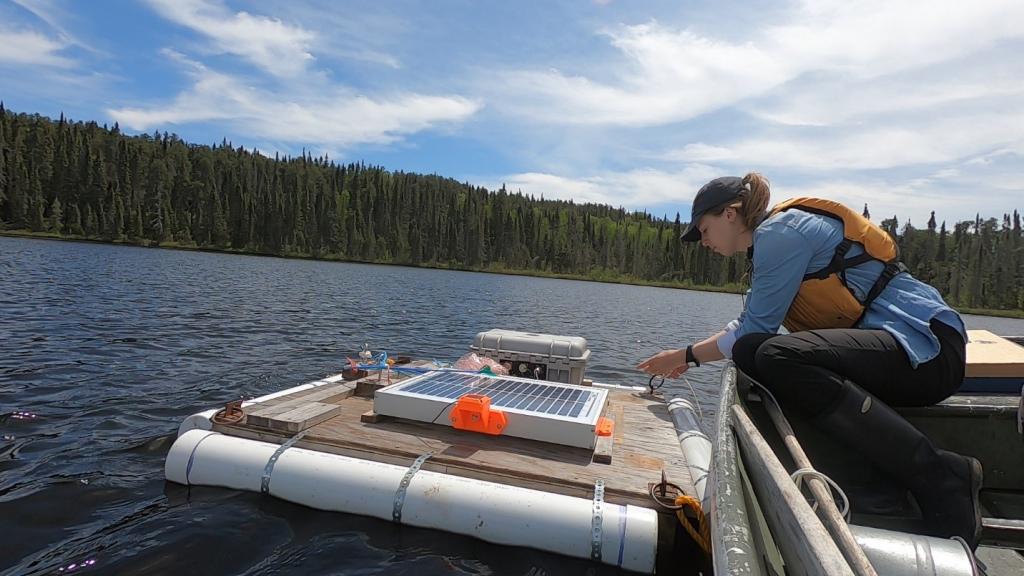
Despite working virtually, we still managed to make it safely out to the site to collect real-time data from Lake 227 during the 2020 summer season. This lake hosts the longest-running experiment at IISD-ELA in its 53-year history.

In June 2020, we deployed a sensor and AquaHive low latency telemetry platform in the surface water of the lake, which records and transmits temperature, chlorophyll a and blue-green phycocyanin concentration, and fluorescence on the hour, right to our laptops.

In other words, the AquaHive allows us to conduct freshwater monitoring in real time.
woman works on the dock of a lake

The case for faster freshwater monitoring

Monitoring programs are essential for understanding the quality and quantity of fresh water; however, traditional programs are expensive in terms of staff time and travel.

This means that the number of samples is limited by the cost of collecting each sample, the distance and time it takes to get to the site, and the number of personnel taking the samples. In addition, data interpretation is often later than the sample date. In some scenarios, samples are collected, transported to a laboratory, undergo analyses, transcribed, and then sent back for interpretation. This time lag may be too long to make important decisions, such as the safety of drinking water.

Deploying low latency sensors and platforms means that data can be collected and transmitted from sensor to screen with little to no delay, allowing faster decision making.

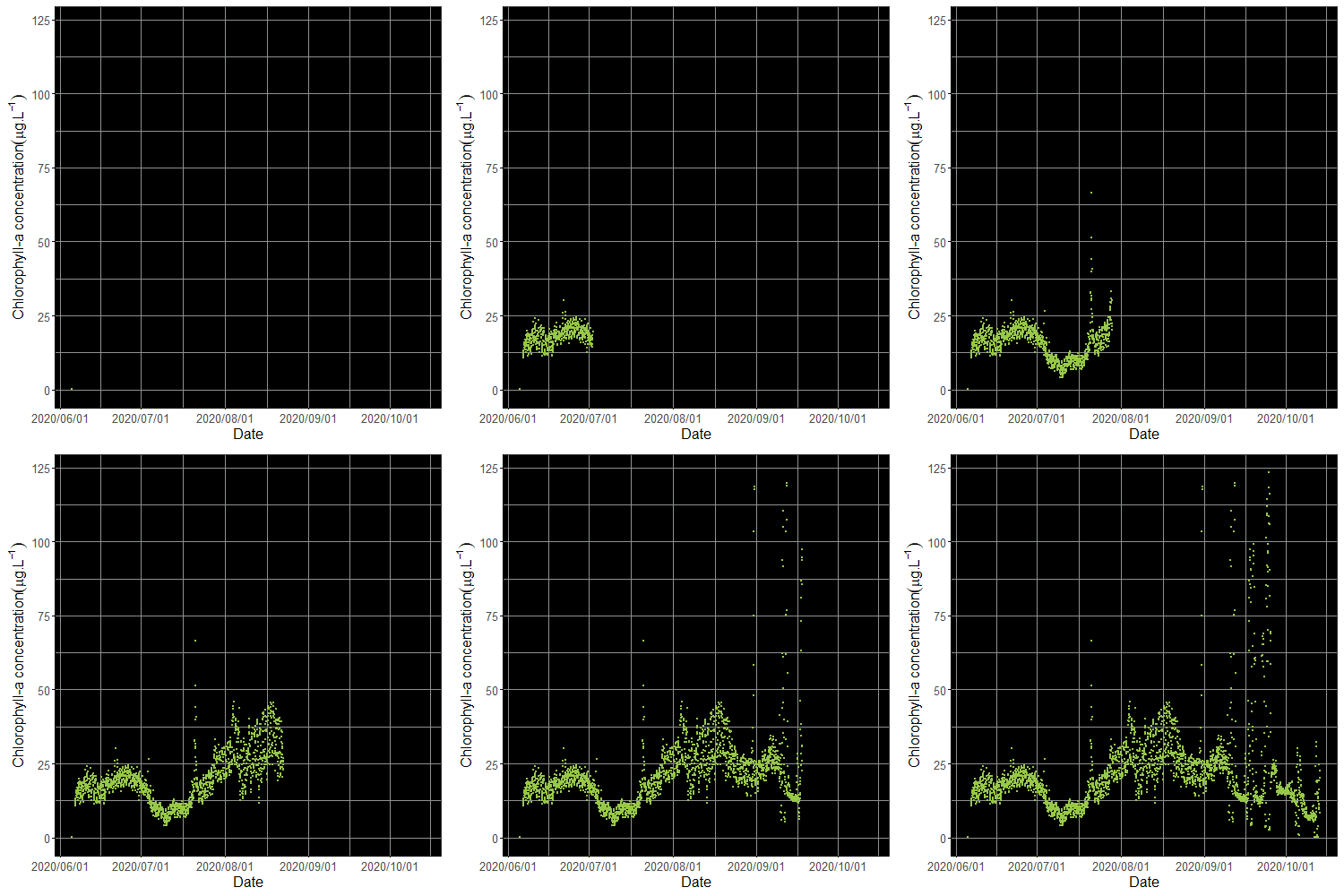
And the proof is in the pudding—from June 6 to October 13, 2020, we collected 3,091 recordings in real time from the AquaHive on Lake 227. This data revealed some interesting trends and changes that we would otherwise have had to wait for until recordings were downloaded, transcribed, and analyzed.
dynamic graph showing rates of chlophylla-a in a Canadian lake

Above: Every hour, sensors on Lake 227 record data and the AquaHive telemetry platform send it back to our computers in real time. This animated graph tracks the trajectory of chlorophyll-a concentration.

Real-time monitoring in the real world

What other benefits can sensor-to-screen monitoring bring us when applied in real-world monitoring situations?

Below are three examples of how low latency platforms can help monitor and communicate freshwater data.

LOCAL COMMUNITIES MAKING REAL-TIME DECISIONS

Including and communicating with local communities about the environment and their safety builds trust and transparency.

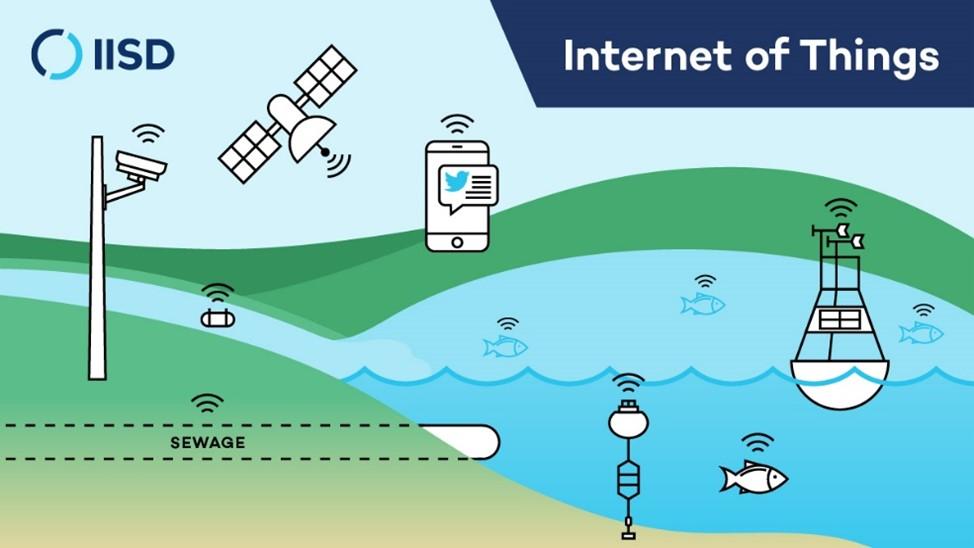
The AquaHive platform logs and transmits hourly data to the cloud, letting us see trends and even alerting us when the water changes quickly or a parameter exceeds a set threshold, which could indicate an event such as a pollution spill. This could allow communities to save money by protecting their drinking water systems or let people know immediately when swimming and recreation are unsafe. It also builds evidence that communities can use to protect their local water.  
internet of things graphic

COLLECTING INFORMATION FROM REMOTE SITES

To arrive at Lake 227 from the central camp, you have to take a car, two separate boat rides, and two portages. While we are fortunate at IISD-ELA to have the equipment to access the site, many lakes around the world—and even in northern Ontario—are much more complicated to access. This limits what we can see and understand at remote sites, despite the possible importance to the environment, nearby communities, or pollution concerns. Using sensors and platforms that transmit data in real time can allow communities or scientists to collect much more data than previously attainable and improve capacity to make sound decisions.

EARLY WARNING DETECTION

Scientists use forecasting to predict changes or early warnings of future events, such as flood forecasts. Similar methods can be deployed for water quality warnings, for events such as algal blooms or pollutants, to allow faster decision making and management. Some innovative environmental managers have already begun using real-time systems—for example, the Government of Newfoundland and Labrador has deployed real-time water quality sensors that update graphs every 2 hours, allowing real-time interpretation and alerts for early warnings.  

The technology is here: now it is time to adjust how we do science—and turn that science into effective action to protect water.

Stay Tuned!

We plan to deploy the platform on Lake 227 for another season to collect more information about algal blooms. We are also working to deploy AquaHive and sensor platforms on the Winnipeg River in Manitoba.
Insight

Plenty of Low-Hanging Fruit for Feds to Pick in Curbing Consumption of Single-Use Plastics

Part of Canada’s action plan to ensure a green recovery from the pandemic should include incentives for small businesses, entrepreneurs, and researchers to develop innovative and sustainable solutions to reduce and prevent plastic pollution in fresh water, as well as better understand its effects.

February 1, 2021

As we continue to witness many regions of the country experiencing undulating waves of COVID-19 infections (and related shutterings and (re)openings), it seems fair to say that there are many aspects of our lives that have changed forever.

One important difference seems to be our use of plastics. 

Plastics continue to be a major part of our daily lives here in Canada, as they are durable, relatively inexpensive to produce, and versatile enough for use in a diverse range of products. However, the quantity and ability to recycle these products far outstrip their usefulness.

people on a beach wearing blue shirts picking up plastic waste

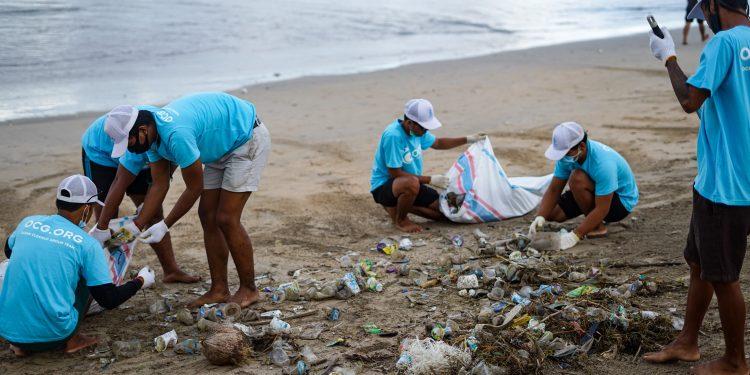
In fact, less than 10% of plastics in Canada are recycled, contributing to over 3 million tons of plastic being thrown into landfills or into the environment each year. Over one third of plastics produced in Canada are for single-use packaging or products—such as plastic bags, take-out containers, and bottlecaps—one of the largest sources of plastics found in fresh water.  

Part and parcel of the changes drafted into our daily life brought about by COVID-19, Canadians’ reliance on certain types of single-use plastics has increased.

We all remember when, at the height of the outbreak, some provincial health officials advised against using reusable bags and containers in grocery stores, with several chains banning them outright in favour of plastic bags. Although many of these restrictions are now being lifted, it may still be a while before consumers return to reusable bags.

Policymakers are also facing pressure to reverse or suspend legislation that would address plastic waste and pollution, such as Canada’s proposal to ban harmful single-use plastics by 2021.

The quantity and ability to recycle these plastics products far outstrip their usefulness.

And it doesn’t stop there; perhaps the most noticeable increase in plastic pollution brought about by COVID-19 has been in the form of single-use personal protective equipment (PPE), such as masks and gloves.

Single-use PPE is an absolutely necessary and effective public health measure, but these products are not always discarded properly and may end up as litter that can ultimately enter our waterways. How many did you see in the parking lot on your last trip to the grocery store?

Indeed, a recent study identifies plastic facemasks as a potential source of microplastic fibres in the environment. Although research is already underway to develop biodegradable or recyclable masks, even a temporary surge in plastic litter can lead to long-term impacts for freshwater environments.

So, let’s talk about the impact on the environment for a second.

In aquatic environments, organisms of all types—from algae to fish to birds—ingest or interact with plastics, causing reproductive issues, behaviour changes, starvation, physical harm and, in some cases, death.

When they break down into microplastics (< 5mm), these particles can easily travel long distances across watersheds where they can be ingested by fish, birds, and other animals—including humans. As an emerging threat to freshwater environments with potential human health implications, further scientific research on the sources, fate, and effects of microplastics is critical.

While this may sound all doom and gloom, there is actually some rather low-hanging fruit here that the federal government can easily enact to mitigate many of the potential long-term impacts of this surge in plastics use on the environment.

It is now up to us to build back better, and ensure that we balance ongoing surges in plastics usage with efforts to mitigate those impacts—all in the interests of ensuring the prosperity of Canadians and our environments for generations to come.

First, we need to move forward with our planned Canada-wide strategy on zero plastic waste, including a ban on harmful single-use plastic items by 2021. The recently announced federal ban on some single-use plastics is certainly encouraging, but there remains much to do if we are to meet the ultimate goal of zero plastic waste.

Part of Canada’s action plan to ensure a green recovery from COVID-19 should include incentives for small businesses, entrepreneurs, and researchers to develop innovative and sustainable solutions to reduce and prevent plastic pollution in fresh water, as well as better understand its effects.

Next, we need to see more education on proper disposal practices for PPE to ensure that those critical products do not end up as litter in our environment, including our freshwater resources.

And for the plastics that we can’t divert from waste streams, the federal government also needs to collaborate with industry and all levels of government to develop harmonized waste management procedures and innovative domestic recycling programs to ensure we are disposing of our plastics effectively and responsibly.

While COVID-19 has drafted in a series of lifestyle adjustments that no one could have anticipated, it is now up to us to build back better, and ensure that we balance ongoing surges in plastics usage with efforts to mitigate those impacts—all in the interests of ensuring the prosperity of Canadians and our environments for generations to come.

This article originally appeared in The Hill Times on February 1, 2021. It has been reprinted with permission.

IISD in the news

Trudeau's EV Agenda Gets Boost as U.S., Detroit Pivot From Trump

But several recent developments suggest the shift to EVs is gaining traction. The combination of Joe Biden’s presidency in the U.S., coupled with a Democratic-led Congress and pandemic-loosened purse strings in Canada, could jump-start the change — helped by a big boost from industry.

January 29, 2021
IISD in the news

Network formed to tackle plastic pollution

Over 40 leading companies, government bodies and NGOs have joined the new Canada Plastics Pact formed to end plastic waste and pollution. It pledges to work collectively towards "ambitious 2025 goals."

January 28, 2021

IISD in the news details

Report

AquaHacking Lake Winnipeg Challenge 2020

Final Report

Discover exactly why and how we AquaHacked Lake Winnipeg in 2020

January 27, 2021

AquaHacking is a start-up competition designed to support technology and business development addressing environmental problems related to fresh water. Launched by the de Gaspé Beaubien Foundation, the AquaHacking Challenge has been running in the Great Lakes and St. Lawrence region since 2015 resulting in 18 new start-ups.

In 2020, we were thrilled to host one of three regional AquaHacking initiatives which will focus on Lake Winnipeg and its watershed. We challenged students and young professionals to team up and develop innovative solutions to problems plaguing the Lake Winnipeg watershed, such as algal blooms, pharmaceuticals and microplastics.

On October 20th, we held our virtual awards ceremony to announce where each team placed and celebrate their success. Particuleye Technologies won first place, earning $20,000 in seed funding for their smart camera device capable of quantifying and classifying microplastic particles in real-time in running water using machine learning.

This report takes you through the whole year, from the kick-off in January to the final in October, introducing to all the faces of the competition, the prizes, and, of course, the innovative and exciting solutions to the issues that plague Lake Winnipeg.

Webinar

We are a unique freshwater facility in Canada now digitising data we have collected over 50 years. Ask us anything, Reddit.

The world's freshwater laboratory is hard at work digitizing its incredible database. Now we want Reddit to ask us how we are doing it.

February 26, 2021 1:00 pm - 4:00 pm Central Standard Time

(Open to public)

THIS CHAT HAS NOW CONCLUDED, BUT YOU CAN READ ALL THE ANSWERS HERE

For over 50 years we have been collecting data on the biology and chemistry of our lakes on floppy disks, yellow waterproof notepads, and even the backs of manila envelopes.

These data have helped us understand everything from the impact of climate change on fresh water to what causes algal blooms and what happens when oil spills into a lake—and have informed protections for fresh water around the world.

Now we are hard at work digitizing those data collected in all those different formats over 50 years, so we can use digital technologies to protect lakes in Canada, the United States, and around the world.

These data will be more open, fair, available, and accessible so they can be used by new audiences to make new discoveries. They will help predict the changes of climate and new contaminants and ensure everyone has access to clean drinking water and healthy fish.

But it has been an intense process, and we have learned A LOT along the way.

Geoffrey Gunn, Scott Higgins, Michael Paterson, Jason Venkiteswaran, are in the thick of the process and want to share what they have learned with you.

So, on the afternoon of Friday, February 26, 2021, we are taking to Reddit to encourage anyone in a similar situation, planning on embarking on a similar project, or just plain interested in data, to Ask Us Anything.

Go on and ask us anything.

We dare you…

(More details to follow)


You can learn more about how and why we are digitizing our data here.

IISD in the news

Indigenous peoples outpacing Canadians in climate action, says co-chair of clean energy social enterprise

Kim Scott, a co-chair of the Indigenous Clean Energy Social Enterprise, believes it’s extremely important to get the message out that Indigenous people are among those leading the pack with clean energy initiatives.

January 25, 2021

IISD in the news details

Topic
Energy
Region
Canada
Impact area
Climate
IISD in the news

Here’s how Canadian leadership can turn the tide on overfishing

World leaders were supposed to put forward a landmark agreement last December that would end overfishing. But after two decades of stop-start negotiations at the World Trade Organization (WTO), the deadline was missed once again, with talks slated to continue into 2021.

January 25, 2021

IISD in the news details

Topic
Subsidies
Region
Canada
Project
IISD Global Subsidies Initiative
Impact area
Nature
IISD in the news

Natural gas royalty credits cost B.C. $1 billion more than expected over last four years

A review of four years of budget documents shows the B.C. government underestimated by $1 billion the amount of revenue it would forgo due to natural gas royalty credits, a shortfall that experts say highlights the volatile nature of markets and flaws in the province’s fossil fuel subsidy program.

January 22, 2021

IISD in the news details