The Industry Has Yet to Demonstrate Sufficient Commitment to Climate Action
In recent years, the oil and gas industry has voiced recognition of the need to address climate change and publicly positioned itself as part of the solution. In 2021, Canada’s largest oilsands producers established the Pathways Alliance, which set a target of net-zero emissions from oil sands production by 2050.
Current research shows that, to be effective, oil and gas sector net-zero targets should, at minimum:
-
Be aligned with or exceed Canada’s climate commitments.
-
Emphasize early, deep, and absolute emissions reductions.
-
Include interim targets for 2030 that are in line with IPCC 1.5°C pathways and do not rely heavily on carbon dioxide removal or CCUS.
-
Outline clear plans to end exploration for and development of new oil and gas fields.
-
Cover Scope 1, 2, and 3 emissions.
The net-zero plans of oilsands majors are, however, inconsistent with these criteria: many companies omit Scope 3 emissions, do not include robust interim targets, and/or rely heavily on carbon offsets rather than absolute emissions reductions.
Meanwhile, Canadian oil and gas companies plan to expand production of oil and gas by nearly 30% from 2020 to 2030, which would lead to a 25% increase in associated annual emissions. Existing Canada Energy Regulator scenarios—which are not aligned with the 1.5°C target—also forecast increases in oil and gas production. Reducing the emissions intensity of production is insufficient in a context of growing production since overall emissions will still increase.
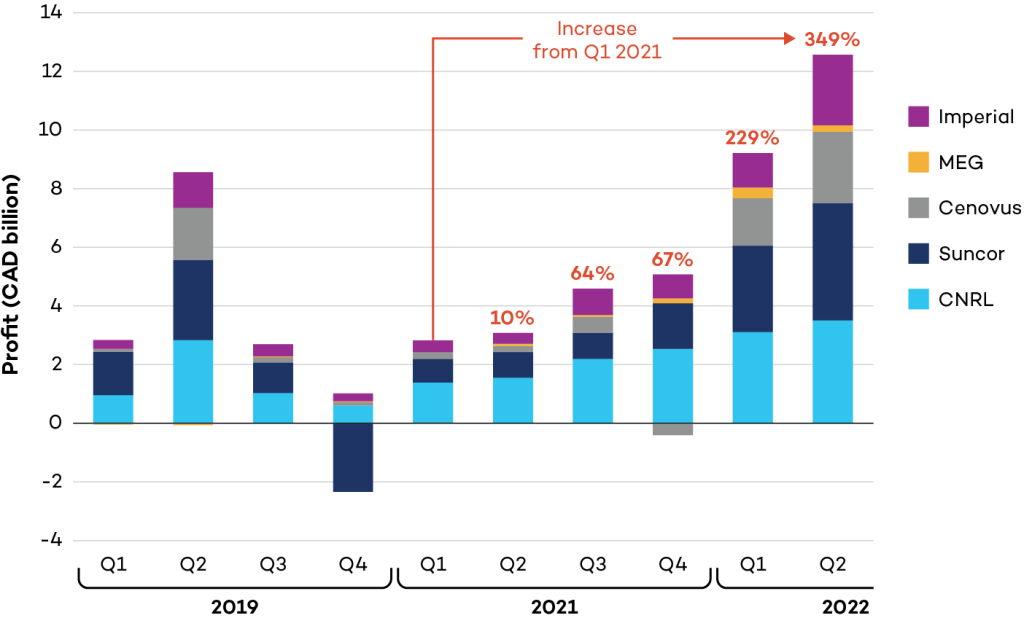
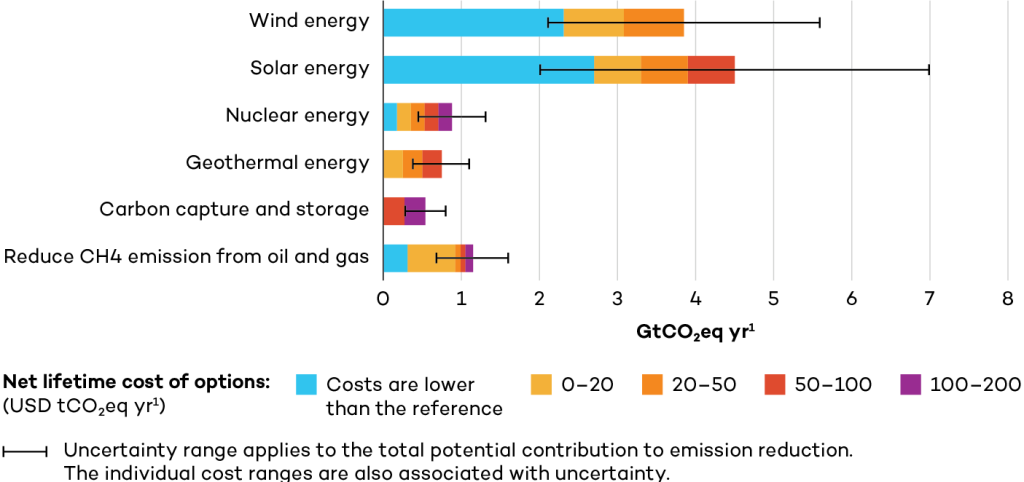
Despite some industry net-zero announcements, existing government supports, continued calls to action, and windfall profits, Canadian oil and gas companies have not made substantive financial commitments to decarbonization, nor have they released sufficiently detailed plans for their emissions reductions. Instead, they are directing record portions of their cash flow toward shareholder benefits. Despite methane reductions being one of the most cost-effective and impactful means of climate mitigation, action by Canadian companies to reduce methane has been slow, and methane emissions from the sector remain largely underestimated.
The Pathways Alliance committed to investing CAD 24 billion in emissions reduction projects between now and 2030. This figure may sound significant; however, spread over 8 years it represents only 2% of these companies’ annual profits based on projected 2022 revenues. Further, they plan to invest the majority of this amount in carbon capture and storage, which is not expected to lower emissions by 2030. Notably, the group has indicated that the commitment is conditional on further government support for their proposed projects.