How Can Blockchain Improve Sustainability in Mining?
Companies interested in sustainability and transparency are starting to use blockchain to trace materials back to their sources.
April 26, 2019
Mining plays a key role in the transition to a low-carbon future. Technologies required for this shift, such as wind turbines or solar panels, need vast amounts of mineral and metal inputs.
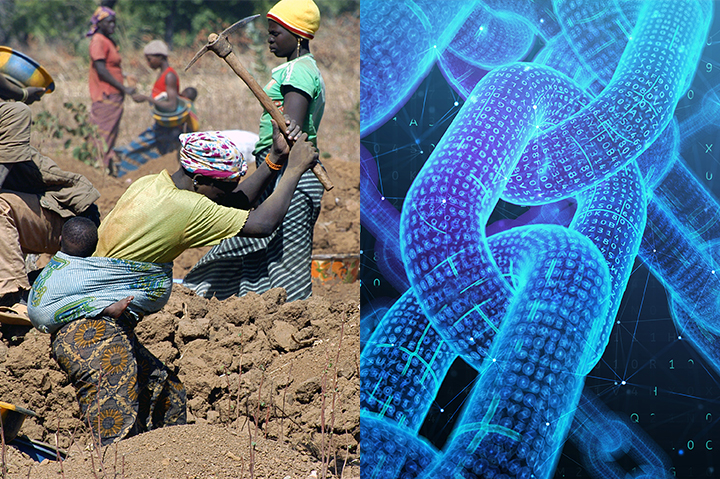
However, this increased demand can put pressure on the countries where the minerals and metals are extracted, and can lead to violence, conflict and human rights abuses. For example, the extraction of cobalt in the Democratic Republic of Congo (DRC), which produces over 63 per cent of the world’s supply, has been connected to violence so often that cobalt has been nicknamed “the blood diamonds of this decade.”
How can mining ensure sustainability within the cobalt sector as production demands increase?
Ford, one of the world’s best-known car makers, hopes blockchain will be the answer. They will pilot the first blockchain project tracing cobalt supplies from the DRC, with the goal of ensuring manufacturers’ cobalt is not linked to human rights abuses.
Blockchain's ability to trace materials back to their source could increase transparency in mining.
What is blockchain?
Distributed ledger technology (DLT) is used to store and exchange assets and information between two parties anywhere in the world in a secure, transparent way.
In partnership with Huayou Cobalt, IBM, LG Chem and RCS Global, the project uses the IBM Blockchain Platform to create a simulated sourcing scenario. This means the cobalt is produced in the DRC at Huayou’s mining operation and will be tracked as it travels from the mine to be smelted at the LG Chem plant in South Korea, at which point it will be sent to a Ford plant in the United States to be used in cars.
Blockchain will track the cobalt at each stage of this supply chain, from when it is mined to when it is smelted to when it appears in cars.
How will blockchain impact sustainability efforts?
Blockchain can increase transparency in artisanal and small-scale mining operations, contributing raw materials by providing miners the ability to partner with due diligence data providers. This is meant to eliminate the use of cobalt sourced from operations linked to human rights abuses.
More generally, blockchain can be a pivotal tool in sustainable mining supply chains due to its ability to track the financial, environmental, social and regulatory criteria of a project from the moment an operation begins to when an end user has the product in hand.
Blockchain could revolutionize the transparency of mining and trade, but challenges remain.
What challenges do we need to bear in mind?
The inherent challenge of these systems is how to ensure that the data uploaded is correct and reflects the truth. This challenge of how the off-chain and on-chain worlds can be linked is called the “oracle problem.” Blockchain oracles can be trusted organizations that verify the validity of the information before it goes onto the blockchain. In the case of the Ford cobalt pilot, RCS Global could have this role.
There is also the question of whether to use public (permissionless) or private (permissioned) blockchains for supply chain management. While the major permissionless blockchains are more secure because they are more decentralized, the information stored on them is public. This can cause privacy issues for companies who do not want to share all their supply chain information with competitors, regulators or their clients. Therefore, it is not surprising that most supply chain pilots are based on private, permissioned blockchains.
This leads to the final challenge: scalability. Supply chains are moving billions of transactions and large amounts of data, often in real time. The Achilles’ heel for blockchain is its inherent difficulty to scale well. There is always a trade-off between decentralization, network performance and security. So the question remains whether a blockchain-based solution could indeed service the needs of the mining industry while maintaining the benefits of the technology.
Blockchain developers are exploring various solutions to address the issue of scalability. These include the creation of sidechains and looking into ways to break up blockchains into different partitions. It remains to be seen which solution will see more adoption and whether it will be sufficient to address the scaling problems of this emerging technology. We look forward to following Ford’s pilot project and other blockchain applications in supply chain management.
When you think about greenhouse gas (GHG) emissions, you probably think about smokestacks, tailpipes and forest fires before you think about t-shirts, right?
The global fashion industry emits roughly the same amount of GHGs as the entire European Union.
But consider this: Americans bought 60 per cent more clothing in 2014 than in 2000. If consumption rates continue on this trajectory, the world will need three times as many resources in 2050 to meet demand. For a resource-intense industry, that’s a big deal.
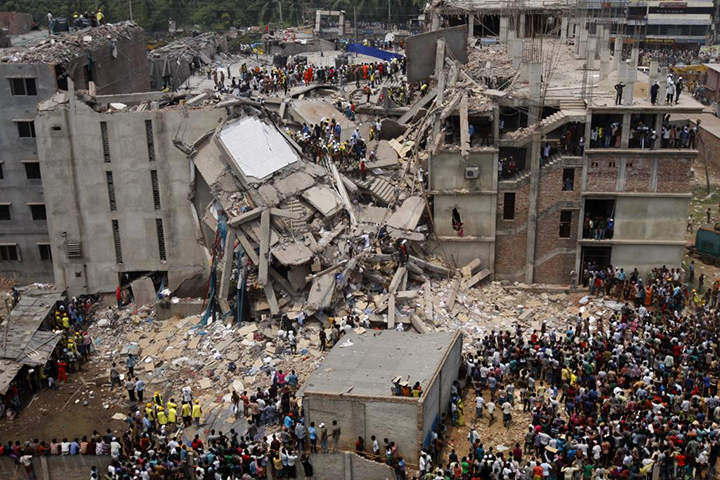
On April 24, 2013, a building known as Rana Plaza collapsed in Bangladesh, killing 1,134 people and injuring 2,500 more. Most were garment workers forced to return to the building despite large cracks in the walls.
The Rana Plaza collapse prompted local and international calls for fashion industry reforms. (Source: rijans/Flickr)
Fashion Revolution formed in the wake of this disaster. Both an organization and a global movement, it aims to change “the way our clothes are sourced, produced and consumed.” Every April, it holds Fashion Revolution Week and the #whomademyclothes campaign, a call for consumers to ask for more transparency from their favourite brands.
While there are many statistics that show how dangerous the garment industry is, both for people and the planet, one of the biggest challenges is that brands don’t know their own supply chains. In their Fashion Transparency Index 2018, Fashion Revolution reviewed 150 of the biggest global fashion brands and ranked them “according to how much they disclose about their social and environmental policies, practices and impact.” The brands were rated based on publicly available information and data.
Adidas and Reebok came out on top, with a disclosure level of 58 per cent each. Below them, luxury and bargain brands were interspersed, showing that paying more for a product doesn’t necessarily mean greater transparency or sustainability: Zara is at 42 per cent; Prada and American Eagle both sit at 15 per cent; Chanel is at 3 per cent.
Why Is Transparency Important?
You cannot monitor your supply chain if you don’t even know where your manufacturing facilities are. When Rana Plaza collapsed, people picked through the rubble to find clothing labels that would tell them which brands’ clothes were made there. Brands can use this to evade responsibility—they had a contract with a reputable factory! How could they know that factory would subcontract it?
As Christina Hajagos-Clausen, garment director at IndustriALL Global Union, writes in the Fashion Transparency Index 2018, “Transparency of a company’s manufacturing supply chain better enables a company to identify and assess actual or potential adverse human rights impacts.”
Do you know who made your clothes?
Nazma Akter, Bangladeshi trade unionist and founder of the AWAJ Foundation, adds, “If unions and workers in Bangladesh have a list of where brands are manufacturing, it is so much easier for us to resolve problems quickly. We don’t need to do big public campaigns; we can address issues directly with brands.”
The good news is that improvements are being made. Voluntary sustainability standards, such as the Ethical Trading Initiative, help brands become more transparent. For example, the Better Cotton Initiative works with cotton farmers to make their crops more sustainable, and Cradle to Cradle assesses the impact a product has on the environment, both in its initial production and in its recyclability.
Though greenwashing is prevalent, retailers are facing increased pressure from their customers for more sustainable options. Fashion Revolution Week gets people to ask all at once: who made my clothes?
Further reading
Blog: Do Voluntary Standards Actually Stop Biodiversity Loss?
Blog: How Can Sustainability Standards Contribute to Empowering Women’s Food Security?
Blog: Should Farmers Who Follow Sustainable Practices Be Rewarded?
Is Vanadium the “Valyrian Steel” of the Energy Transition?
In Game of Thrones, a sword forged out of Valyrian steel is recognized for its unparalleled strength and light weight. It is this advantage that denotes it as one of Westeros’s most sought-after materials. In the real world, its equivalent just might be vanadium.
April 16, 2019
In Game of Thrones, a sword forged out of Valyrian steel is recognized for its unparalleled strength and light weight. It is this advantage that denotes it as one of Westeros’s most sought-after materials.
In the real world, its equivalent just might be vanadium. This silvery-grey metal was once used to construct some of the most celebrated blades in the world, including the Damascus Sword, on which George R.R. Martin based Valyrian steel. The swords were known to be so sharp that they could cut a “floating feather in half.”
And while swords are no longer the metal’s primary end-product, vanadium’s use in rechargeable batteries could position it for international reverence once more.
The shift to a low-carbon economy requires increasing reliance on renewable energy technologies, like wind turbines, solar panels and rechargeable batteries. Lithium-ion batteries are currently positioned to lead the market in rechargeable energy storage. Extracting enough of the minerals required for these batteries—including lithium and cobalt—in time to meet the Paris Commitments, however, may not be economically or politically feasible. Supply shortages are projected for both cobalt and lithium within the coming decade. In addition, there are ongoing concerns regarding the lack of transparent and responsible sourcing in the supply chains of both minerals.
Vanadium Redox Flow Batteries—or vanadium-flow batteries—could become a valuable substitute for lithium-ion batteries. Vanadium-flow batteries can be charged thousands of times without degrading, making them ideal for projects that require immense cycling. In addition to being long-lasting, vanadium-flow batteries are extremely durable and can hold immense amounts of energy. Vanadium-flow batteries also derive from a non-flammable material, making them safer and more reliable for large-scale stationary applications. These qualities make vanadium-flow batteries a legitimate, and in some cases superior, alternative to lithium-ion or lead-acid batteries for large-scale battery storage, especially for wind and solar power generation farms.
Currently, vanadium is primarily used as a steel alloy in products like cars, gears and jet engines. Its importance to the energy sector, however, is growing rapidly. In 2018 alone, the price of vanadium more than doubled, reaching historic heights. This accelerated growth in demand and price for the mineral made last year—for some—“the year of vanadium.”
The extraction and production of vanadium is largely concentrated in four countries: China, Russia, South Africa and Brazil. However, given the surge in demand, many mining companies in North America have revealed plans to invest in exploration or reopen closed vanadium mines in the United States, Canada and Australia. Energy Fuels, for example, announced plans to restart its vanadium production in Utah. And in March 2019, the Canadian company First Vanadium doubled the size of its vanadium site in Nevada. Recycling is also a significant source of vanadium, with as much as 40 per cent of total vanadium catalysts coming from recycled materials.
Vanadium-flow batteries have a low energy density, meaning they will most likely not replace lithium-ion batteries in mobile phones or electric vehicles. Their use for large-scale, stationary projects, however, could be a game-changer for the energy transition.
As we accelerate the ongoing energy transition and rely increasingly on renewable energy storage technologies, the transparent and responsible sourcing of strategic minerals will become even more necessary.
A low-carbon future is coming—and vanadium may play a big role.
South Africa: Is a transition away from coal just around the corner?
In South Africa, coal has long been king, but emerging factors suggest the fossil fuel may soon be pushed off its throne.
April 9, 2019
Workers at the Hendrina coal power station in Mpumalanga, South Africa, are unsure if they will soon be joining the former workers at the nearby Optimum coal plant, protesting outside a shuttered plant.
Former miners at the Optimum mine have not been paid since the mine was closed in September. Two units at Hendrina are reported to have already closed with more units under threat. Workers in older coal mines and power stations across the region are starting to question whether these closures will soon be replaced by a new fleet of modern power stations as a natural part of the project cycle or if it is the beginning of a fundamental shift away from coal.
Old King Coal
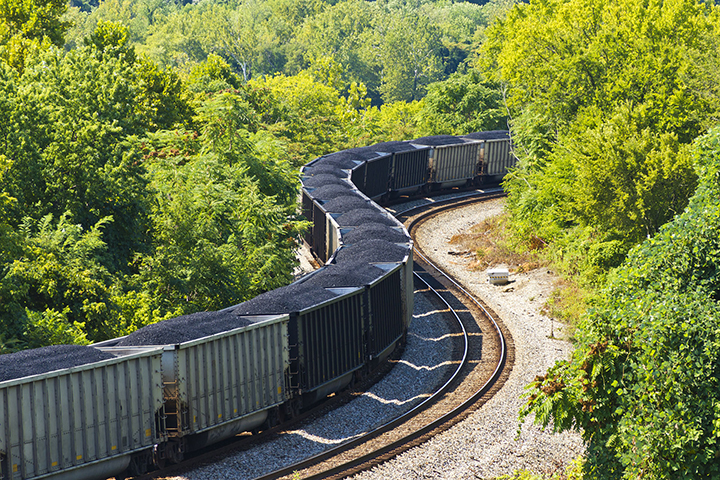
Coal has long been king in South Africa: 92 per cent of electricity and 20 per cent of transport fuels come from coal. Approximately half of the 140 million tonnes of coal produced each year is exported (production is 142 million tonnes and exports are reported to be 73 million tonnes) predominantly to India, China, Korea and Japan. However, there are several factors on the horizon that might derail the coal train.
Export demand for South Africa’s coal is starting to wobble. India has a target to reach zero coal imports, and China faces a massive overcapacity problem of its own, with more than 1 million coal workers facing unemployment. This creates pressure to avoid imports and buy local in key export markets. A drop in exports, where much of the best South African coal currently ends up, could push many mines into insolvency.
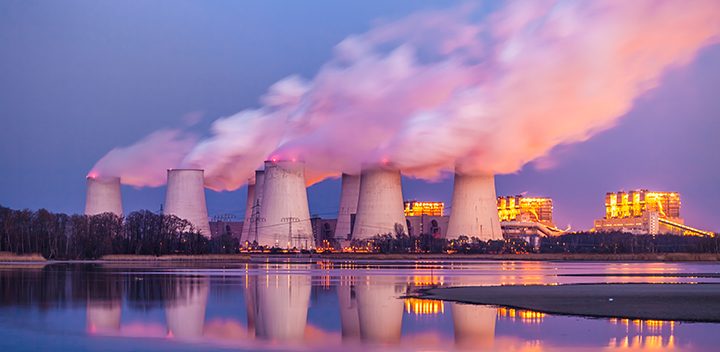
Cooling towers sit unused as several units are closed at Hendrina Power Station, Mpumalanga, South Africa.
An aging coal fleet means that a number of coal power plants, including Hendrina, Camden and Arnot, face decommissioning by 2025. This is significant because existing coal plants, which have long since recovered their capital investment, are considered reasonably competitive against new alternative forms of power generation, including renewables. New coal plants are estimated to be significantly more expensive. The latest auctions for renewable energy and coal power purchase showed renewables costing ZAR 62 cents/kWh for wind and ZAR 79 cents/kWh for solar photovoltaic. Wind is approximately 40 per cent lower than the Thabametsi and Khanyisa projects, the two recent coal independent power producers that won bids through the coal-baseload independent power producers’ procurement program at a price of ZAR 1.03/kWh.
The need to get ready for a transition
If policy catches up with economics, there is a risk for the coal industry that old plants will close as they reach the end of their life cycle but new coal capacity will not materialize. This would lead to a gradual decline in domestic demand for coal.
Together these international and domestic factors create the conditions for the current coal-dominated energy industry to unravel faster than many commentators are predicting.
If a transition away from coal is starting to appear more likely, the impact on the workers in the coal mines and coal power sectors must be considered. Indeed, South Africa was the only country that included a mention of the need to ensure a just transition in its Nationally Determined Contribution under the United Nations Framework Convention for Climate Change (UNFCCC) process.
IISD recently published a report reviewing international examples of how governments have responded to low-carbon transitions in terms of reducing negative impacts on energy consumers and workers. A key finding of that research is that, to ensure a just transition, it is important for the government, industry, workers and other stakeholders to be prepared for a possible sunset of the coal sector. A just transition requires policies that include social dialogue and a careful mapping of the transition's winners and losers. Such policies should give workers and communities opportunities to acquire skills and roles beyond coal while minimizing the negative impacts of the energy transition.
Batteries should be recycled, so the valuable minerals therein—including cobalt and lithium—can stay in the economy.
April 9, 2019
Batteries have proven to be an integral part of people’s day to day life.
And if you use a digital camera, smart phone, or drive an electric car, you rely on a specific type of battery: lithium-ion. Our need for these batteries won’t be ending soon, with estimates suggesting the lithium-ion battery market will reach USD 77 billion by 2024.
But what happens to your lithium-ion battery once it dies?
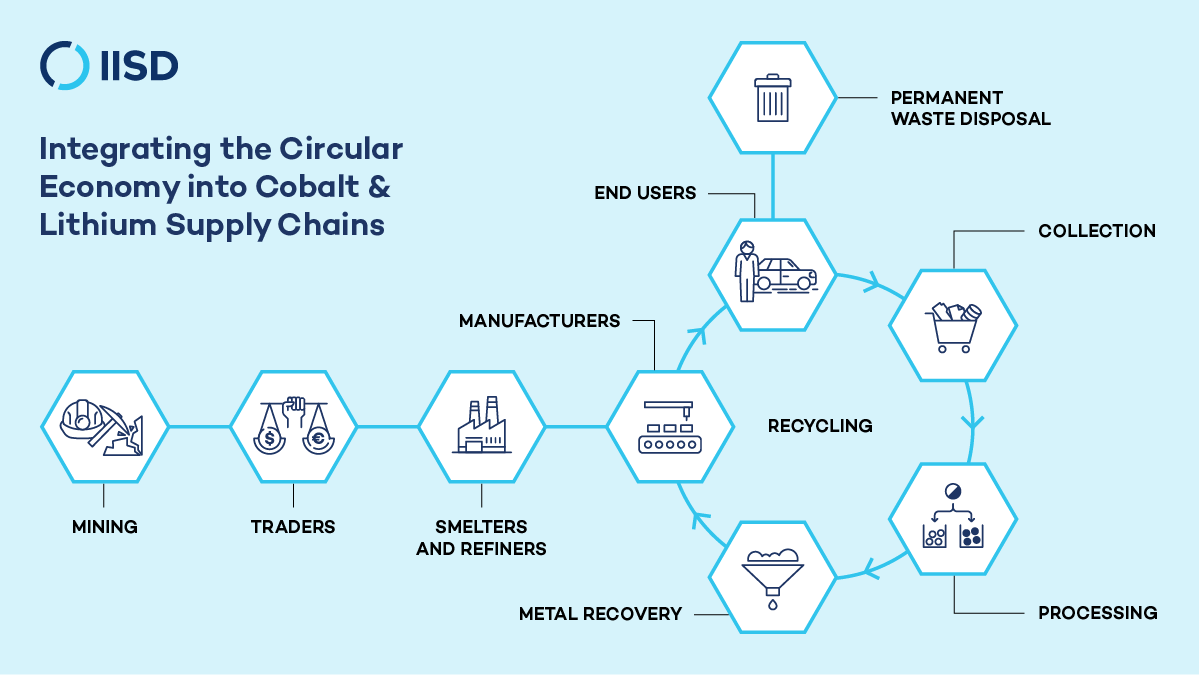
The battery should be recycled, so the valuable minerals therein—including cobalt and lithium—can become part of the circular economy.
The circular economy is a process of minimizing waste and making the most out of finite resources to achieve sustainable development. Many governments and mining companies are seeing the value of mineral recycling, including the U.S. Department of Energy, which recently announced its USD 20.5 million investment in lithium battery recycling.
Circularily not only delivers environmental benefits, but economic returns for keeping materials in use.
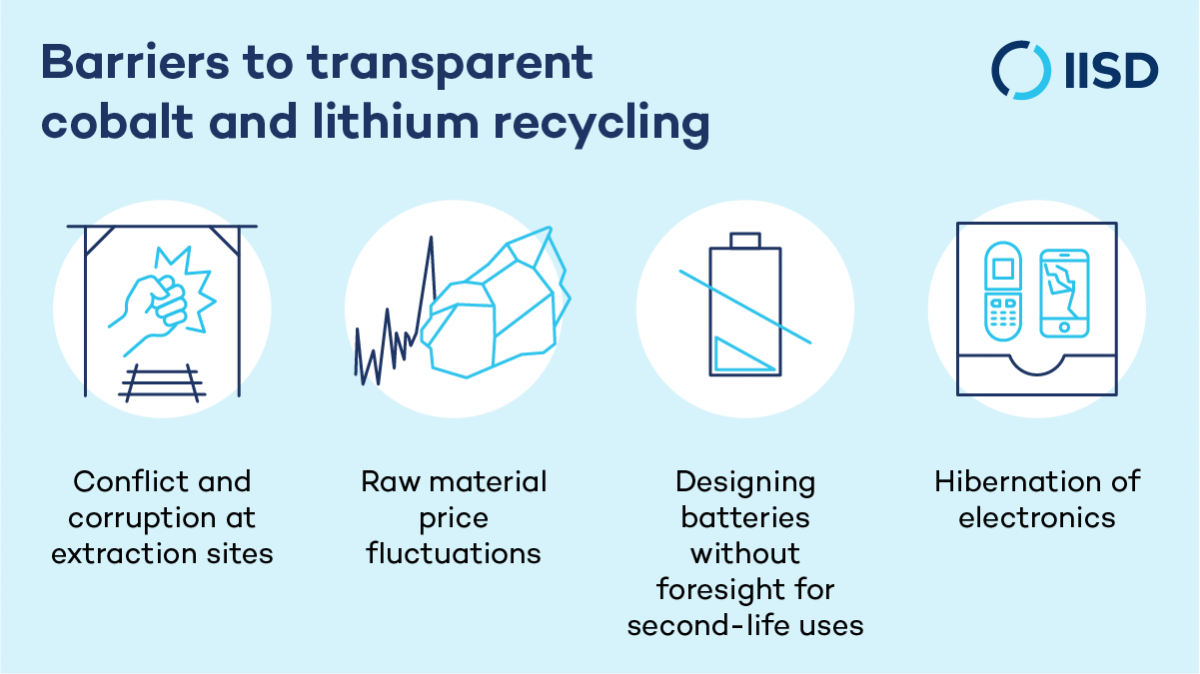
Certain minerals, such as cobalt and lithium, are extracted from regions where fragility, conflict and violence are prevalent. Some stakeholders hesitate to recycle materials that originated from conflict zones, as they worry that will compound their complicity in the corruption and violence intrinsic in their origin.
Raw material price fluctuations
Prices for virgin lithium and cobalt are projected to increase as the demand for batteries grow, especially driven by the uptake of electric vehicles (EVs). This increase in price can lead manufacturers to substitute cobalt with other, low-value materials, making batteries not economically worthwhile to recycle.
Designing batteries without foresight for second-life uses
The design of products can limit the ability of minerals to be recovered and recycled. If they are manufactured with permanent assembly methods, for example, this presents a challenge to proper disassembly and dismantling in secondary processes. And without proper labelling, the lithium-ion batteries would need to be tested and assessed before designating them for reuse, remanufacturing or recycling. This process which could be time consuming, energy intensive and expensive.
Hibernation of electronics
Hibernating electronics, the period when the product isn’t thrown away but held onto despite a lack of use by the owner, is a major obstacle, because while these items typically retain most of their battery capacity, they do not enter processes for reuse, remanufacture or recycling.
Challenges can also appear after a product has reached its end of life in the recycling supply chain. Inefficient collection infrastructure, technological and safety concerns, and transparency issues can also present an obstacle to lithium and cobalt recycling. And even if these barriers are addressed, there remain a number of issues in the regulatory environment impede increased mineral recycling. These barriers include the public sector’s struggles to establish appropriate definitions for secondary processes, to clearly allocate responsibility and liability in the supply chain for recycled products, and to set meaningful recycling targets.
Barriers to recycling range from government regulations to design flaws and human behaviour.
With all these barriers to lithium and cobalt recycling, how can stakeholders improve and expand upon mineral recycling so that it can contribute to a circular economy and sustainable development?
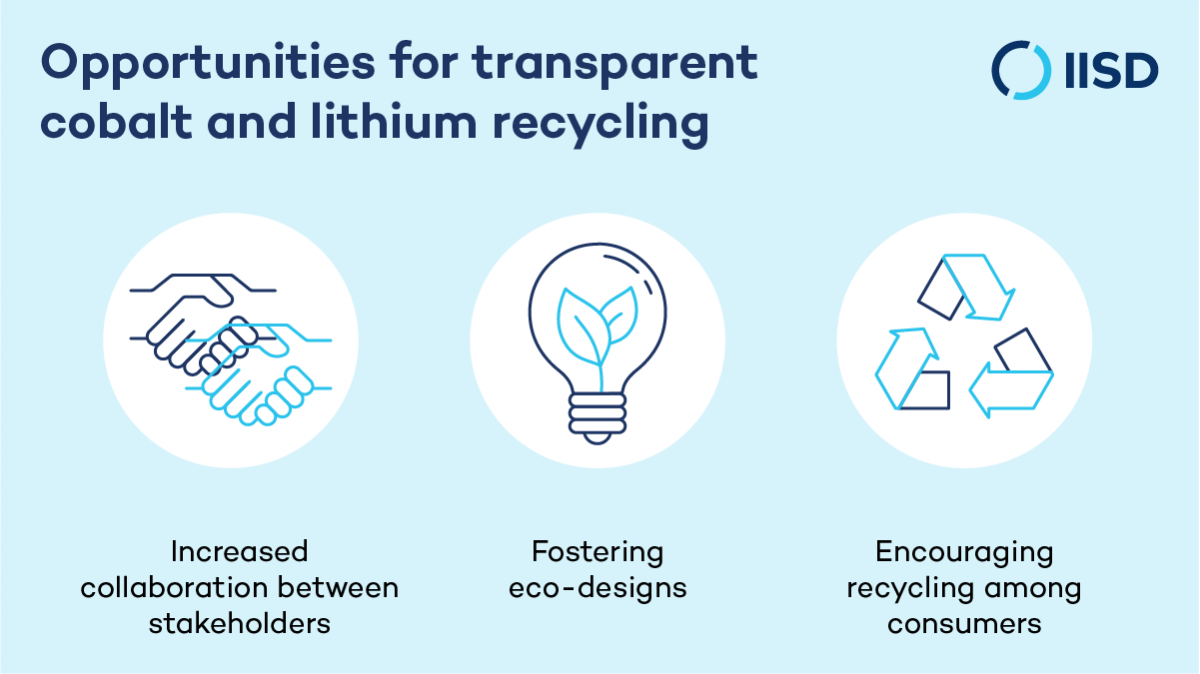
Increased collaboration between stakeholders
The public sector, private actors and civil society should collaborate to overcome market and regulatory barriers. This coordination will ensure that new or revised investments and regulations are reflective of the changing needs of the recycling industry.
The public sector should also coordinate their efforts with relevant stakeholders to develop and understand applicable definitions of recycling and other secondary processes, clearly designate the actors responsible and liable for recycling materials, communicate these regulations to businesses, and evaluate the risks and benefits of mineral recycling using multiple values.
Fostering eco-designs
Manufacturers should consider the eventual recycling of the product during its initial design to ease the dismantling, recovery and retrieval phases to include recycled lithium and cobalt in the circular economy.
Encouraging recycling among consumers
Awareness of mineral recycling processes should be raised among consumers, and incentives should be applied to encourage consumers to recycle their unused electronics. For example, a financial incentive can be offered to consumers for handing in their used mobile phones, laptops and other electronics.
Additional opportunities to foster mineral recycling include: enhancing transparency in the supply chain, developing new business models for mineral disposal, improving the perception of products with second-life minerals, and evaluating the risks and benefits of mineral recycling using multiple values.
For every barrier to battery recycling, there's an appropriate response.
As some of the main components in lithium-ion batteries, lithium and cobalt will play central roles in the transition to a low-carbon economy. When the public sector, private actors and civil society work together to ensure transparent mineral recycling processes, a sustainable circular economy can be achieved.
Prescribing the Right Medicine for India's Troubled Coal Sector
Instead of further subsidizing struggling coal infrastructure, India can begin to reallocate limited public funds to ensure a fair transition for workers and communities.
April 8, 2019
On March 7, 2019, the Cabinet approved what has been dubbed an Rs 31,560 crore (USD 4.6 billion) “prescription pill” for the power sector in India.
This includes investments worth Rs 21,528 crore (USD 3.1 billion) cleared for two coal projects to a combined capacity of 2,640 megawatt (MW) and a slew of measures to ease the 40,000 MW of coal power that is “stressed” and awaiting a Supreme Court ruling on insolvency proceedings.
Factors that have led to 21 per cent of India’s coal-fired power plants to become financially "stressed" aren't going away.
But is this the cure for the challenges facing India’s energy system—or temporary pain relief that will rapidly wear off?
Cabinet is trying to relieve stressed assets by improving coal linkages and providing flexibility to power producers when distribution companies are not paying their dues. However, several drivers behind coal power stress are only set to grow, increasing risk of future stranding.
India’s citizens have grown discontent with air pollution. A study by the Health Effects Institute finds that coal will be the single-largest source of air pollution by 2050, responsible for 1.3 million deaths per year. New emissions regulations will add to the cost of coal power, increasing future stress.
Meanwhile, competition from renewables is expected to grow as solar and wind continue to offer tariff bids at rates lower than coal power.
Water availability will also have impacts on the coal sector’s viability, particularly where it overlaps with concentrations of coal asset stranding. A joint study by the International Institute for Sustainable Development and Overseas Development Institute finds the three states with the highest degree of stressed coal capacity today—Chhattisgarh (58 per cent), Odisha (55 per cent) and Jharkhand (27 per cent)—are supplied by water basins expected to be "water-stressed" by 2050.
Uncertainty on future cost competitiveness of coal should worry decision-makers in both the public and private sector.
This isn’t a pleasant diagnosis. Uncertainty surrounding the future cost competitiveness of coal should worry decision-makers in both the public and private sector. It suggests the current intervention plan to triage assets and possible future capital infusions miss the bigger picture.
If coal becomes sufficiently costly, it is natural to assume some share of capacity can and should become stranded. The key question is not asset owners—but how any big shift might affect the estimated 1.6 million workers in the coal supply chain and their communities. Now is a golden opportunity to explore how government resources can be used—in the case of assets that cannot or should not be saved—to make sure no worker or community is left behind.
India faces concurrent structural challenges around employment and ensuring a sustainable and reliable energy supply for its people. It is becoming increasingly obvious how deeply linked these challenges are. Granted, the large number of jobs being created in the renewable energy sector is good news. At a macroeconomic level, it looks on track to more than compensate for any job losses. But the experiences of other countries show it will be just as important to ensure there is a fair deal for workers in the conventional energy sector—particularly when there is no easy way to match jobs from conventional to clean energy.
As things stand, taxpayers will foot the bill to prolong the lives of coal infrastructure projects; projects becoming increasingly financially unviable as the cost of renewables drops, air pollution legislation makes coal costlier to mine and burn, and water shortages leave power plants unable to run at capacity.
Caption
With 21 per cent of India’s coal-fired power plants already financially "stressed" and this figure set to rise, policy-makers have a choice. Instead of further subsidizing struggling coal infrastructure, India—and particularly the states of Chhattisgarh, Odisha and Jharkhand—can begin to reallocate limited public funds to ensure a fair transition for workers and communities as the country shifts to a cleaner, healthier, lower-carbon energy system.
Previous signals from government suggested a portion of funds raised through the "coal cess" would indeed be allocated to a fair transition away from coal. This has failed to materialize so far. While this may seem far from the current practice of many policy-makers in India, the signs suggest coal’s symptoms may well worsen. It is important to think early and seriously about the right remedy in light of recent trends.
In Search of Just Transition: Examples From Around the World
What is a just transition? Essentially, it’s a balancing act.
April 8, 2019
What is a just transition? Essentially, it’s a balancing act.
From an environmental perspective, we know we need cleaner energy to meet Paris Agreement goals and avoid the most catastrophic effects of climate change. From an economic perspective, those cleaner energy options are consistently dropping in price, making them increasingly more attractive than fossil fuels (e.g., solar energy prices have fallen more than 80 per cent over the past decade alone according to the International Renewable Energy Agency). And finally, from a social perspective, we understand the need for work that pays well in the energy sector, providing the necessary benefits for workers and their families and contributing to vibrant communities and economies.
Albert Weatherill runs McAusland Turner, an English maritime surveying company that has increasingly seen its work shift away from the coal and oil industry toward biomass and wind energy. (Photo: Jonathan Perugia for IISD)
The energy transition is happening and these three dynamics mean concerted efforts are needed to ensure the transition is fair for all. The implications are massive. Protests over energy policies in France, Canada, Mexico and elsewhere show just how high the stakes are, and that people are watching closely.
After all, energy transitions are about people: the ones who make the decisions and the ones affected by those decisions. A ‘just transition’ approach ensures the affected people are considered by those making decisions.
Poland was forced to face coal restructuring that shrunk employment in the coal mining sector by 75 percent in only a decade and a half. The government worked with labour unions to develop a mining social package and special privileges for mining communes.
In Indonesia, President Joko Widodo—recognizing that transport fuel subsidies were unsustainable for the national budget—campaigned in 2014 on subsidy reform, with the promise of better alternatives to promote development than cheap fuel. Upon election, he used his mandate to remove the subsidies and replaced them with investments in infrastructure, transfers to villages; and poverty reduction programs.
A national commitment to phase out coal-fired electricity in Canada was coupled with a national task force made up of industry, labour, environment and coal community representatives. This group travelled across the country to listen to Canadians regarding the supports and government policies they would need to weather the transition and come out stronger.
In Egypt, the government promoted a message of "shared sacrifice" to make the case for much-needed fuel price reforms that would meet an urgent need for financial and economic stability. The message was coupled with measures—including minimum wage boosts, food stipends and progressive taxation—to ensure no one was left behind, and no "sacrifice" was too large.
In each of these cases, the people affected by the transition were part of the decision-making process. A common thread was an understanding of the local context, to know who had influence and who would be affected by transition. Champions were identified to carry the message of the need for transition within their own constituencies, building a coalition for reform. Making the case, through transparent and inclusive engagement and communication was critical so people knew why the transition was occurring and how their concerns would be addressed. Finally, complementary policies were adopted to implement the transition and ensure vulnerable groups were protected. This "4C" approach has proven to be a hallmark of sustainable transitions.
The proposed Green New Deal in the United States and a similar move recently called for in the United Kingdom are positive signs that climate policy debates are moving from the realm of technocrats to recognizing social realities. Putting people at the heart of climate policy is essential to how we manage the move to a low-carbon future.
Humberside Offshore Training Association was set up to serve the oil and gas industry, but the number of people receiving safety training for the renewables industry has risen sharply in recent years. (Photo: Jonathan Perugia for IISD)
Further reading
Report: Real People, Real Change: Strategies for just energy transitions
Event: Shifting to Below 2°C Economies: Strategies for just energy transitions (April 10, 2019)
Report: Fossil Fuel Subsidy Reform and the Just Transition: Integrating approaches for complementary outcomes
Blog: Good COP, Bad COP: Reflections from a climate change conference
What’s the Future of Sustainable Development Planning and the 2030 Agenda in Canada?
Since the adoption of the 2030 Agenda, countries like Canada have been developing their SDG implementation strategies and looking for linkages.
April 5, 2019
On March 4, 2019, IISD hosted a forum to discuss progress on Canada’s 2030 Agenda strategy:
The draft Federal Development Strategy (FSDS) for 2019–2022 (currently under consultation) was presented by Gail Haarsma, Acting Director, Sustainable Development Policy Division, Environment and Climate Change Canada (ECCC).
Proposed amendments to the act that mandates the development of the FSDS were presented by Nathalie Trudeau, Director, Information and Indicators Division, Environment and Climate Change Canada (ECCC).
Julie Gelfand, Commissioner of the Environment and Sustainable Development, Office of the Auditor General of Canada, shared lessons learned from the audit on Canada’s readiness to take on the 2030 Agenda.
An overview of the development of Canada’s 2030 Agenda National Strategy was presented by Gail Mitchell, Director General, Intergovernmental Affairs, Employment and Social Development Canada (ESDC).
Sustainable development is considered to be critical framework for protecting our planet and ensuring future generations can enjoy healthy and prosperous lives. That said, national and international strategies to advance sustainable development have been around for two decades, but have often varied in ambition and political will, and have been allocated limited financial resources to ensure results.
(Français suivre)
Canadians can provide input to this phase of the Federal Sustainable Development Strategy until May 15, 2019.
The universal adoption of the 2030 Agenda and the UN Sustainable Development Goals (SDGs) in 2015 created a renewed interested in sustainability—in part because the SDGs provide a clear, compelling vision of a world that embraces sustainability. This ideal world would foster equality, ensure access to health care and schooling, end hunger and malnutrition, and conserve our aquatic and terrestrial biodiversity.
Since the adoption of the 2030 Agenda, countries have been developing their SDG implementation strategies and reporting on progress to the annual High-level Political Forum (HLPF) on Sustainable Development. In 2018, Canada submitted its Voluntary National Review (VNR) to the HLPF. In this report, we learned that the Government of Canada is committed to developing a national strategy on the 2030 Agenda.
The FSDS, which has been the Government of Canada’s vehicle for sustainable development planning since 2010, is a key contribution to Canada’s implementation of the 2030 Agenda. The 2016–2019 FSDS includes linkages between the FSDS and 12 of the 17 SDGs, mostly involving goals targeting environmental issues. A draft FSDS covering 2019–2022 was released for public consultation on December 3, 2018. Forum presenters emphasized that this strategy aims to strengthen linkages between the environmentally focused SDGs and the goals listed in the FSDS. The consultation will last until April 2, 2019, with the updated strategy expected to be tabled later this year.
Several amendments have been suggested to the Federal Sustainable Development Act. In 2016, the report of the Standing Committee on Environment and Sustainable Development (ENVI) recommended changes such as moving the focus from environmental to sustainability decision making, adding SDGs and international commitments, and improving the enforceability and accountability of the strategy. Bill C-57, an Act to Amend the Federal Sustainable Development Act, responds to these recommendations. One of the key issues raised during deliberations in the House of Commons and the Senate was the importance of considering crucial principles—such as the United Nations Declaration on the Rights of Indigenous Peoples and the SDGs—and emphasizing the government leadership on sustainable development. Bill C-57 received royal assent February 28, 2019, and is expected to enter into force after completing the Governor in Council (GIC) process.
Had not developed a formal approach to implementing the 2030 Agenda and the SDGs
Had no communication plan and no engagement strategy on how to include other levels of government and Canadians in a national dialogue on the 2030 Agenda
Had no implementation plan or system to measure progress in achieving the goals.
In the fall of 2018, the Minister of Employment and Social Development (ESDC) was tasked to lead the overall coordination of Canada’s implementation of the 2030 Agenda, in collaboration with all ministers and departments.
In addition, seven core departments were flagged as “champions” to support the advancement of the SDGs. These include:
ESDC
Global Affairs Canada
Environment and Climate Change Canada
Indigenous Services Canada
Crown-Indigenous Relations and Northern Affairs
Innovation, Science and Economic Development
Status of Women Canada
The 2018 federal budget included funding over 13 years:
CAD 49.4 million to establish an SDG Unit and fund monitoring and reporting by Statistics Canada
CAD 59.8 million for an SDG funding program to support the implementation of the SDGs in Canada
The SDG Unit at Employment and Social Development Canada (ESDC) is responsible for coordinating the overall implementation of the 2030 Agenda. This includes:
Raising public awareness of the SDGs
Engaging with provinces and territories, municipalities, Indigenous partners, civil society, businesses and academia on the development of a national strategy
Administering an SDG Funding Program that supports action.
Currently, from March 15 to May 15, 2019, Canadians can share their ideas and contribute to the development of the 2030 National Strategy.
Panelists discuss Canada's move to align development with the 2030 Agenda.
Based on information presented during the forum, it was well understood that everyone has a role to play in implementing the 2030 Agenda. Work is already underway by the government, civil society, non-governmental organizations, academia and the private sector to identify and address key priorities that can serve as a basis for Canada’s national SDG roadmap. Given the jurisdictional roles in a number of areas related to the SDGs, the provinces, territories and municipalities play a pivotal role in the successful implementation of the 2030 Agenda.
In summary, the draft FSDS 2019–2022 provides linkages to the SDGs, and the final version will be tabled later this year. Once an amended Federal Sustainable Development Act enters into force, the focus of the FSDS will shift to sustainable development decision making, and it will have the flexibility to include more social and economic aspects and will complement a national strategy for the 2030 Agenda led by ESDC. During the discussion, the invited experts agreed that, similar to other countries, eventually one federal sustainable development strategy that includes the SDGs expressed as national priorities would be desirable, but Canada is not there yet.
IISD is grateful to all the experts for their contributions to the event.
Quel est l’avenir de la planification du développement durable et du Programme de développement durable à l’horizon 2030 au Canada?
Le 4 mars 2019, l’IISD a accueilli une discussion axée sur les progrès à l’égard de la stratégie du Canada pour la mise en œuvre du Programme de développement durable à l’horizon 2030 (Programme 2030).
Gail Haarsma, directrice intérimaire, Division des politiques relatives au développement durable, Environnement et Changement climatique Canada (ECCC) a présenté la Stratégie fédérale de développement durable (SFDD) pour la période 2019-2022 (qui fait actuellement l’objet d’une consultation).
Nathalie Trudeau, directrice, Division de l’information et des indicateurs, ECCC a fait un exposé sur les propositions de modifications de la législation qui prescrit l’élaboration de la SFDD.
Julie Gelfand, commissaire à l’environnement et au développement durable, Bureau du Vérificateur général du Canada a fait part des enseignements tirés de l’audit de l’état de préparation du Canada pour la mise en œuvre du Programme 2030.
Gail Mitchell, directrice générale, Relations intergouvernementales, Emploi et Développement social Canada (EDSC), a présenté un aperçu de l’élaboration de la Stratégie nationale du Programme 2030 du Canada.
Le développement durable est considéré comme le cadre fondamental de la protection de notre planète et de la garantie que les générations à venir pourront jouir d’une vie saine et prospère. Ceci étant dit, les stratégies nationales et internationales pour promouvoir le développement durable qui existent depuis vingt ans sont fondées sur diverses ambitions et volontés politiques et bénéficient de ressources financières limitées pour parvenir aux résultats prévus.
Les Canadiennes et les Canadiens peuvent faire part de leurs idées et contribuer à l’élaboration de la Stratégie nationale pour le Programme 2030.
L’adoption universelle du Programme 2030 et des objectifs de développement durable de l’ONU (ODD) en 2015 a suscité un regain d’intérêt pour la durabilité, en partie parce que les ODD donnent une vision claire et impérieuse d’un monde qui adopte la durabilité. Ce monde idéal favoriserait l’égalité, garantirait un accès aux soins de santé et à l’éducation, verrait l’éradication de la faim et de la malnutrition et la préservation de notre biodiversité aquatique et terrestre.
Depuis l’adoption du Programme 2030, les pays ont élaboré leurs propres stratégies de mise en œuvre des ODD, et ont rendu compte de leurs progrès chaque année au Forum politique de haut niveau (FPHN) sur le développement durable. En 2018, le Canada a présenté son Examen national volontaire (ENV) (disponible uniquement en anglais) au FPHN. Dans ce rapport, nous avons appris que le gouvernement du Canada est engagé envers l’élaboration d’une stratégie nationale pour la mise en œuvre du Programme 2030.
La SFDD, le véhicule du gouvernement du Canada pour la planification du développement durable depuis 2010, est un apport fondamental à la mise en œuvre, par ce pays, du Programme 2030. La SFDD 2016-2019 comporte des liens entre la SFDD et 12 des 17 ODD, portant principalement sur des objectifs axés sur des enjeux environnementaux. Un avant-projet de SFDD pour la période 2019-2022 a été publié le 3 décembre 2018 aux fins de consultation publique. Les conférencières du Forum ont souligné que cette stratégie vise à renforcer les liens entre les ODD axés sur l’environnement et les buts énumérés dans la SFDD. Les consultations se poursuivront jusqu’au 2 avril 2019, et déboucheront sur une stratégie mise à jour dont le dépôt devrait avoir lieu plus tard cette année.
Plusieurs modifications de la Loi fédérale sur le développement durable ont été suggérées. En 2016, le rapport du Comité permanent de l'environnement et du développement durable recommandait un certain nombre de changements, notamment opérer un glissement de la prise de décisions fondée sur l’environnement à celle fondée sur la durabilité, ajouter des engagements envers les ODD et les engagements internationaux, et améliorer le caractère exécutoire et l’aspect de reddition de compte de la stratégie. Le projet de loi C-57, Loi modifiant la Loi fédérale sur le développement durable, répond à ces recommandations. L’importance de tenir compte de principes fondamentaux, tels que la Déclaration des Nations unies sur les droits des peuples autochtones et les ODD, et de souligner le leadership du gouvernement fédéral quant au développement durable, est l’une des principales questions soulevées lors des délibérations devant la Chambre des communes et le Sénat. Le projet de loi C-57 a reçu la sanction royale le 28 février 2019 et devrait entrer en vigueur à l’issu du processus du gouverneur en conseil.
n’avait pas élaboré d’approche officielle de la mise en œuvre du Programme 2030 et des ODD,
ne possédait ni plan de communication ni stratégie de mobilisation décrivant la manière de faire participer d’autres ordres de gouvernement et la population canadienne à un dialogue national sur le Programme 2030,
ne possédait ni plan de mise en œuvre ni système de mesure du progrès quant à l’atteinte des objectifs.
À l’automne 2018, le ministre de l’Emploi et du Développement social (EDSC) a été chargé de la coordination globale de la mise en œuvre du Programme 2030 par le Canada, en collaboration avec tous les ministres et ministères.
En outre, sept ministères de base ont été décrétés « champions » du soutien de la promotion des ODD. Il s’agit des suivants :
EDSC
Affaires mondiales Canada
ECCC
Services aux Autochtones Canada
Relations Couronne-Autochtones et des Affaires du Nord
Innovation, Sciences et Développement économique
Condition féminine Canada.
Le budget fédéral 2018 contenait le financement suivant étalé sur 13 ans :
49,4 millions de dollars canadiens pour établir une équipe des ODD et financer le suivi et les rapports de Statistique Canada,
59,8 millions de dollars canadiens pour un programme de financement des ODD qui appuie leur mise en œuvre au Canada.
L’équipe des ODD d’EDSC coordonne la mise en œuvre globale du Programme 2030, ce qui comprend les mesures suivantes :
accroître la sensibilisation du public à l’égard des ODD,
mobiliser les provinces et les territoires, les municipalités, les partenaires autochtones, la société civile, les entreprises et les universitaires pour l’élaboration d’une stratégie nationale,
gérer un programme de financement des ODD qui appuie les mesures prises.
À la lumière du contenu des exposés réalisés au cours du Forum, il est manifeste que chacun a un rôle à jouer dans la mise en œuvre du Programme 2030. Le gouvernement, la société civile, les organisations non gouvernementales, les universitaires et le secteur privés ont déjà commencé à déterminer et à traiter les principales priorités qui peuvent servir de base pour la feuille de route nationale du Canada pour les ODD. Les provinces, territoires et municipalités joueront un rôle essentiel dans la réussite de la mise en œuvre du Programme 2030 étant donné les compétences qui sont les leurs dans un certain nombre de domaines connexes aux ODD.
En bref, l’avant-projet de SFDD pour 2019-2022 fournit des liens vers les ODD, et la version définitive sera déposée plus tard cette année. Une fois que la Loi fédérale sur le développement durable modifiée sera en vigueur, la SFDD sera désormais axée sur la prise de décision en matière de développement durable et elle possédera la souplesse nécessaire pour inclure un plus grand nombre d’aspects sociaux et économiques, ce qui complétera une stratégie nationale pour le Programme 2030 dirigée par EDSC. Au cours de la discussion, les experts invités ont convenu que, comme pour les autres pays, il serait souhaitable que le Canada possède une SFDD qui inclue les ODD reconnus comme priorités nationales, mais il n’en est pas encore à ce stade.
IISD est reconnaissante envers tous les experts pour leurs apports à ce Forum.
How Can Public Procurement in Canada’s Trade Agreements Contribute to Sustainable Development?
April 4, 2019
Imagine this: A municipality pledges to make all of its buildings carbon-neutral by 2050.
To do so, it needs to invest in renovations using the most innovative, energy-efficient solutions available. The procurement department, however, has limited capacity to work through the complexities of the procurement process and has no expertise in energy efficiency. Municipal budgets are tight. Many local start-ups are developing innovative solutions for efficient, clean energy in infrastructure projects, but there’s legal uncertainty about whether and how the municipality can buy these solutions. So plans stall.
Understanding the barriers to sustainable public procurement is a vital step for governments wanting to use their purchasing power for good.
Although the momentum around sustainable public procurement (SPP) is growing, implementation is still difficult. Understanding what is holding back action is a big first step.
First of all, what is SPP?
SPP is about delivering the best value for taxpayer money when buying goods, services and public works. It means moving away from buying based only on the cheapest price, and instead incorporating other socioeconomic, social and environmental values. SPP has different layers, and they differ in the way they are regulated.
Green procurement is an environmentally friendly approach to SPP: it entails buying products, infrastructure and services that have a low-carbon footprint and that reduce impacts on biodiversity, decrease greenhouse gas emissions, and reduce pollution and pressure on natural resources.
Social procurement encourages buying products, infrastructure and services that take into account working conditions, gender equality and respect for human rights throughout their operations and production processes.
Socioeconomic procurement is when procurement is directed at or reserved for specific economic actors, such as small and medium-sized enterprises, women-owned businesses, Indigenous groups and businesses employing disadvantaged groups, such as visible minorities or people with disabilities. This approach is meant to economically empower these groups and better integrate them in the economic system.
What do trade agreements say about SPP?
Over the years, international trade agreements have increasingly begun to cover public procurement between countries. For example, the World Trade Organization Agreement on Government Procurement (WTO GPA) is now a plurilateral agreement between 15 WTO members, including the European Union, with its 28 member states. The Comprehensive Economic Trade Agreement (CETA) between Canada and the EU has very broad coverage when it comes to public procurement, down to the level of municipal and provincial procurement in Canada.
Procurement chapters in these agreements are not very explicit when it comes to SPP, yet procurers are still often reluctant to move forward with SPP because of them.
The WTO GPA, revised in 2012, has made a significant step forward in promoting award methodologies going beyond the lowest price and in including technical specifications including references to the environment. However, other clauses can be read and interpreted in light of SPP and sustainable development more broadly.
How is Canada implementing SPP?
Canada has a few different initiatives to ensure public procurement becomes a strategic driver of innovation and of a low-carbon economy.
The Centre for Greening Government, under the Treasury Board Secretariat, focuses on reducing greenhouse gas emissions in the federal building stock and fleet through green public procurement. It also issued Canada’s Green Procurement Policy in 2006, which aims to consider the environment in various procurement activities, from planning to maintenance to disposal.
In 2018, the Canadian government also launched a one-year pilot project encouraging more women-owned or women-led businesses to supply catering services in the Atlantic Region.
A recent workshop in Ottawa, Canada offered policy makers recommendations to help different levels of government improve the sustainability benefits of their procurement processes.
Linking procurers and suppliers more directly on SPP opportunities
Aligning SPP approaches across governments
Accelerating development of a national database on life-cycle assessmentI
Incorporating social policy considerations directly and explicitly into trade laws that would include references to workers’ rights and fair labour conditions, and participation of specific economic actors, such as Indigenous communities and women-owned enterprises
Including environmental specifications, encouraging transparency and opening competition for the tender process
Instituting pilot or demonstration projects to raise awareness of SPP opportunities and approaches
Focusing on military spending under the Department of National Defence, as top government procurer.
What do we recommend to policy-makers?
Returning to our example from earlier, the municipality could:
Hold targeted dialogues with suppliers and procuring authorities to ensure each knows how they can actually work together in pre-procurement phases to inform the procurement process in a transparent way
Create accessible tool kits for municipalities on how to evaluate and utilize SPP in their procurement needs and processes
Translate and incorporate specific texts and clauses referencing municipal SPP procurement and distribute them to Canadian municipalities.
WTO Debate on Future of “Differentiation” Highlights Challenges in Upcoming Negotiating Agenda
In March 2019, Jair Bolsonaro and Donald Trump announced Brazil will stop asking for certain types of treatment accorded to developing countries at the World Trade Organization.
April 4, 2019
On March 19, 2019, the presidents of the United States and Brazil made a landmark announcement: Brazil, South America’s largest economy, would move away from pursuing special and differential treatment (S&DT) in upcoming negotiations at the World Trade Organization (WTO).
This essentially means Brasilia will stop asking for certain types of treatment, such as different agricultural subsidy limits, or extra transition time to implement new disciplines, that can potentially be accorded to developing countries when negotiating new trade rules at the Geneva-based organization.
The statement from Donald Trump and Jair Bolsonaro adds another wrinkle to an intensified, long-running debate in trade circles over whether and how to reconsider the WTO practice of allowing members to “self-designate” as developing countries.
Jair Bolsonaro's and Donald Trump's March 19, 2019 announcement has added additional nuance to the push for World Trade Organization reforms. (Source: @jairbolsonaro)
That designation has implications both for the application of global trade rules and for members’ respective “schedules” of concessions and commitments for goods and services. For example, in agriculture, developed and developing countries face different thresholds over the maximum level of trade-distorting domestic support they are allowed to provide.
In recent years, the United States has increasingly called for rethinking this practice of “self-designation,” arguing not only that it is outdated, but also damaging to the institution overall. They have repeatedly made their case at Geneva negotiating sessions and during the December 2017 WTO Ministerial Conference in Buenos Aires, Argentina.
More recently, this past February the United States submitted a proposed General Council decision that, if approved, would limit certain WTO members from being eligible for special and differential treatment in future arrangements. While unlikely to be adopted, the U.S. proposal does indicate a significant intensification of the differentiation debate, with Washington calling for a sea change in how the organization’s 164 members approach the negotiation of new global trade rules.
According to the proposed draft decision, those WTO members not eligible for special and differential treatment would include those that are currently members of the Organisation for Economic Co-operation and Development (OECD) or trying to join; are part of the G20 coalition of advanced and emerging economies; are considered by the World Bank to be “high income” countries; or make up at least 0.5 percent of global merchandise trade. The range of members affected under this system would be significant: it would cover countries ranging from Argentina to China, India to Indonesia, with vastly different national and regional characteristics.
Notably, Brazil is beginning the process of trying to join the OECD, a move the Trump Administration says it supports.
The U.S. paired this proposal with a 45-page communication explaining its rationale. The rules-based trading system “is hardly monolithic,” the U.S. argues, citing the disparity between developed and developing countries over who is required to play by which rules. “The perpetuation of this construct has severely damaged the negotiating arm of the WTO by making every negotiation a negotiation about setting high standards for a few, and allowing vast flexibilities for the many.”
The U.S. also argues it is unfair to the organization’s poorest members to be lumped in the same category as larger economies that have better outcomes in indicators such as the Human Development Index or gross national income (GNI) per capita. Unlike other developing countries, least developed countries (LDCs) do not self-designate themselves as such, but are instead deemed as LDCs based on United Nations classification.
“Self-declaration also dilutes the benefit that the LDCs and other Members with specific needs tailored to the relevant discipline could enjoy if they were the only ones with the flexibility,” the U.S. says.
"While the world has changed dramatically since the WTO replaced the previous General Agreement on Tariffs and Trade (GATT) system, there is a fundamental difference in opinion on how this change has manifested itself."
What this could mean for global trade talks
Coming as WTO members are actively pushing to conclude negotiations to discipline harmful fisheries subsidies before 2020, the U.S.’ call for ensuring these disciplines “apply to the world’s largest fishing nations, many of which are self-declared developing countries,” is already making waves in negotiating sessions, bringing an already contentious issue in the fisheries talks back to the forefront. A footnote in that U.S. document refers specifically to China, Indonesia, Peru, India, Vietnam, and the Philippines as ranking among the “top ten largest marine captures fisheries producers,” according to data from the Food and Agriculture Organization of the United Nations (FAO).
Meanwhile, agriculture negotiators are currently in the midst of a working group process to identify priority items for the next WTO ministerial conference, and the U.S. refers to an existing proposal by China and India which, the U.S. cautions, could complicate efforts at reforming domestic farm subsidies, given how it approaches the developed-developing country issue.
The U.S.’ proposed General Council decision has drawn pushback from several WTO members, and some have issued their own communication defending the practice of special and differential treatment as essential for ensuring “equity and fairness” and giving developing country members the space to address challenges that may not show up in economic indicators, but have real implications for people’s livelihoods. A joint communication from China, India, South Africa, Venezuela, Lao PDR, Bolivia, Kenya, and Cuba, dated February 26, counters the U.S. proposal on multiple grounds, though without referring to the U.S. by name.
“Recent attempts by some members to selectively employ certain economic and trade data to deny persistence of the divide between developing and developed members, and to demand the former to abide by absolute ‘reciprocity’ in the interest of ‘fairness’ are profoundly disingenuous,” they say. Furthermore, they note, the “development divide remains firmly entrenched” and must be acknowledged.
Along with arguing that the challenges faced by developing countries across different sectors and negotiating areas are more complex than what the US’ proposed category system allows, they also warn that the WTO is facing far different, and more serious, existential threats. This includes the impending collapse of its Appellate Body, given the U.S.’ repeated move to block the selection of new judges. They also refer to the “impasse” in the Doha Round trade talks and a worrisome rise in protectionist and unilateral trade actions.
As WTO members gear up for a packed 2019 calendar of multilateral negotiations on fisheries and agriculture, the Brazilian announcement issued from Washington has highlighted an issue that has long complicated global trade talks, but may now require even more nuanced thinking: that while the world has changed dramatically since the WTO replaced the previous General Agreement on Tariffs and Trade (GATT) system, there is a fundamental difference in opinion on how this change has manifested itself, and how to reflect today’s and tomorrow’s realities and challenges when crafting new trade rules.