Insight

Could the COVID-19 Pandemic Give the 2020 Environmental Agenda a Much-Needed Boost?

COVID-19 has changed everything. But if we take the right steps and trust science, there's potential for a lot of good to happen.

April 1, 2020

COVID-19 has changed everything. But if we take the right steps and trust science, a lot of good can happen.

This year was supposed to be a turning point. The window to ramp up climate ambition, protect nature, and drive down emissions was open like never before.

Now, the spread of the coronavirus disease has changed everything, including the international environmental agenda.

The arcane world of face-to-face negotiations has largely ground to a halt. The timid signals of private financing finally turning green have been overwhelmed by the worst global economic meltdown in more than 30 years. The kinds of public meetings and demonstrations that gave Greta Thunberg and millions of others a voice are now banned. The attention of political leaders has now—rightly—shifted to saving lives from the global pandemic.

And yet there are ways in which, if we get it right, this crisis could not only reinforce the 2020 environmental agenda but give it a badly needed boost.

Scientists are in the spotlight—let's keep them here

First, science and the opinions of experts are suddenly being given their true value. Politicians and business leaders are yielding the microphone and the formulation of policy advice to chief health officials. In the face of national emergencies, few are playing politics anymore with people’s lives, and those who do are being treated with well-deserved derision. We can hope that, once COVID-19 subsides, those scientists who warned of the public health, economic, and ecological consequences of global warming and the rapid loss of the planet’s biodiversity will be heeded.

We have the chance to turn a new round of stimulus spending “green” by focusing funds on actions that create employment, advance a just transition, address climate and biodiversity priorities, and help achieve the Sustainable Development Goals.

Second, we have the chance to turn a new round of stimulus spending “green” by focusing funds on actions that create employment, advance a just transition, address climate and biodiversity priorities, and help achieve the Sustainable Development Goals.

The time for strategic spending toward a low-carbon future is now

It has long been said that meeting these public policy priorities would take an injection of trillions of dollars in public funding. Now that we are injecting trillions, we have a once-in-a-lifetime opportunity to ensure we fund the transition to a sustainable future while relaunching the economy. A significant proportion of this emergency funding ought to focus on a new generation of green investments, from expanding net-zero carbon energy and transport systems to increasing and funding protected areas and forging green food systems.

The third lesson is that we can redesign a global trading system that works within the natural order. It is likely that the virus—like so many zoonotic diseases—jumped from animal to man as a result of disturbed natural ecosystems and wildlife trade. The announcement by China and the European Union that they would shut down trade in wild animal species is long overdue. Yet the global pandemic will need to trigger even broader rethinking and a shift in priorities, so trade policy spends as much time mapping risks and halting trade in products and services that put millions at risk as pulling down barriers to trade. This could include restricting trade in carbon-intensive goods, plastics, waste, and other materials. The Amazonian forest fires of 2019 were ecological smoking guns for many global supply chains, including palm oil, timber, beef, and soy.

We can redesign a global trading system that works within the natural order

The pandemic also demonstrates that people and their individual and community actions matter. Rather than leaving mitigation and containment responses to others—other communities, other experts, other countries—families and communities have a direct way to help “flatten the curve.”

The role of concerned citizens can no longer be ignored

This lesson lies at the heart of sustainability. Our future will be determined by the flights and trips we avoid, the household consumer goods we choose to purchase, the green electricity we use, and the zero waste actions we adopt. That will drive real change at scale.

A final lesson is about risk. This pandemic has shown that, when faced with immediate and acute health risks, people will respond. Yet, while many jurisdictions and cities declared a climate emergency, there is little evidence that responses looked much different from business-as-usual.

Perhaps now it will be different. With COP 26 delayed until early 2021 and postponements or cancelations of many other meetings and negotiations, the real test won’t be new agreements, new goals, new promises. The real test will be the actions of concerned people who trust science and want to do their share. 
Insight

Three Ways the Coronavirus Is Shaping Sustainable Development

This pandemic and the global recovery from it will impact the future of sustainable development. Here are three key themes that are emerging.

March 30, 2020

The COVID-19 pandemic is first and foremost a humanitarian crisis. Efforts to contain the virus and support those directly impacted are of utmost importance. At IISD, that means our first focus has been on the health and safety of our staff and our own effort to flatten the curve.

As leaders, it is also our responsibility to look ahead and assess how the pandemic and the global recovery from it will impact the future of sustainable development.

Our views are shaped by IISD’s threefold mission to advance a stable climate, sustainable resource development, and fair economies. From this perspective, three themes are emerging:

  1. Resilience is essential. It has been heartbreaking to see lives risked due to global shortages of critical medical and safety equipment, including masks worth less than a dollar. This lack of planning and preparation for the outbreak has starkly demonstrated the importance of resilience: the ability for human systems to anticipate, cope, and adapt. Resilience is also critical to how the world responds to climate change, where further temperature increases are now nearly certain. Our communities and institutions must succeed in planning for and adapting to climate change or risk further heartbreak and tragedy.
     
  2. Stimulus must be sustainable. Governments around the world are racing to implement economic stimulus and support packages to keep individuals, businesses, and economies afloat.  While supporting their urgent implementation, we must ensure that these measures pave the way to a more sustainable economy and do not lock us further into a high-carbon future. Periods of high unemployment and low interest rates are the right time for new low-carbon investments and infrastructure, including the kind required to support the transition to clean energy.
     
  3. Inequality is magnified. The COVID-19 pandemic is an unprecedented global shock that magnifies the impact of inequality, hitting the poor the hardest. In developed countries, frontline workers in the service economy are among the most exposed to the virus and the least able to absorb its financial impact. And the hardest hit will be the poor in developing countries, where already-struggling workers will not have the benefit of social safety nets and stimulus packages. The G7 and G20 must immediately help these countries to finance the flattening of the pandemic curve. Longer term, we must redouble efforts to foster sustainable economic systems, including fair trade and investment.

All three of these themes are closely connected to IISD’s work on climate, sustainable resource development, and fair economies. In addition, their scale and complexity demand that we continue to act together to achieve sustainable development. Expect to hear more from our expert staff and associates on each of these and other emerging topics in the coming weeks.

In the meantime, I sincerely hope you and yours are safe in this challenging and uncertain time. Together, we can navigate this crisis and build a better, more sustainable world.

How else will sustainability be shaped, and how should IISD and others respond? Join the conversation on Twitter at @IISD_news and @IISD_Pres.

Insight

Who Will Pay for Alberta's Orphan Wells?

Alberta's orphan wells require proper decommissioning to prevent harm to the environment and surrounding communities. Who will pay for this?

March 26, 2020

Canadians are facing many struggles right now: an unprecedented economic slowdown due to COVID-19, a global oil price shock, and the still-urgent challenge of transitioning to a low-carbon future. We know the federal government is stepping in to support the oil and gas sector, and more stimulus decisions will play out over the next few months. The way this help is provided could make or break the ability of communities to prosper in the long run, something that is especially the case for the tricky issue of orphaned oil and gas wells in Alberta.

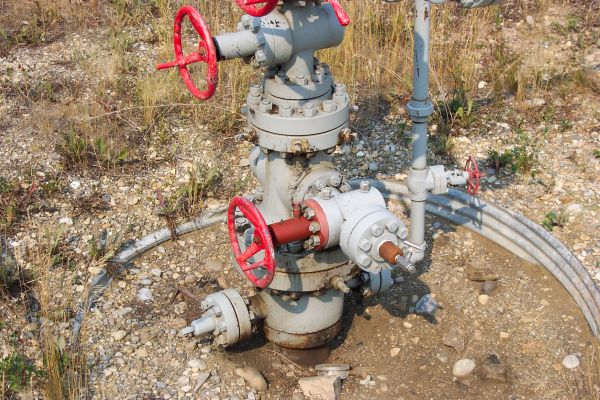
Of the province’s 300,000 or more un-reclaimed oil and gas wells, about half are inactive, and around 3,500 are so-called “orphans.” These wells require proper decommissioning to prevent harm to the surrounding environment and those who call it home. But if the company that owns a well declares bankruptcy and walks away, who pays for this decommissioning?

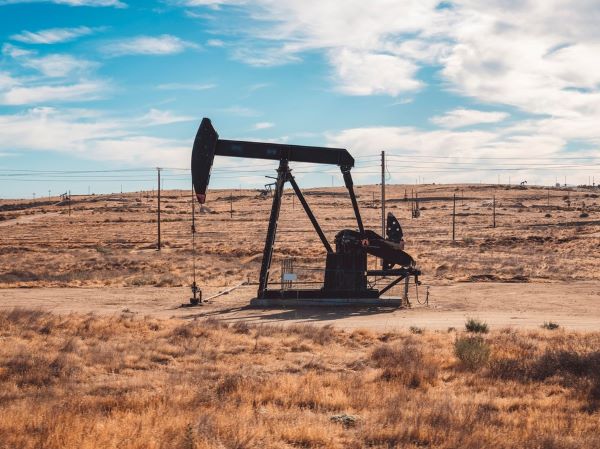
Orphan well in a field during daylight
An old oil rig sits in an open field / iStock

A Growing List of Unpaid Bills is Hurting Albertans

The growing list of unpaid bills by oil and gas companies is already harming Albertan communities. Companies haven’t paid $20 million in compensation to landowners since 2010, and 2019 alone saw $173 million in unpaid municipal taxes. But costs for orphan well cleanup are by far the highest.

The Alberta Energy Regulator has privately estimated the cost of cleaning oil and gas wells at a staggering $100 billion, but the actual amount to clean up Alberta’s oil patch could be much higher. And while Alberta’s Orphan Well Association is supposed to take over managing these wells, they’re having serious trouble keeping up.

Now, with the effects of COVID-19 and oil price drops creating new challenges, the impacts on communities could worsen significantly.

With the effects of COVID-19 and oil price drops, the impacts on communities could worsen significantly. The math is frightening.

The math is frightening, yet it seems increasingly likely that these rising costs will be passed on to taxpayers rather than the companies who are responsible. And making taxpayers pay for cleanup adds insult to injury: inactive and depleted wells already pose a massive and unfair burden to communities’ health and well-being, including the farmers and ranchers who are now stuck with these wells on their land. Leaks from inactive and depleted wells can contaminate the soil and water used to grow food, accumulate in nearby areas, and pose dangerous health risks.

At IISD, we have documented the sizable subsidies provided to the oil and gas industry by both the Albertan and federal governments. Directing even more public money toward cleanup of inactive and depleted wells could constitute a significant new fossil fuel subsidy.

More importantly, it wouldn’t solve the problem that got us here.

Caught Between a Rock and a Hard Place

Right now, communities in Alberta are caught between a rock and a hard place. Targeted support from the federal government could help address environmental issues and inject economic and job activity in the province. But support needs to come with a firm commitment to assist communities with energy transition and economic development issues first as our economic landscape shifts.

Directing more public money toward cleanup of inactive and depleted wells could constitute a significant new fossil fuel subsidy. And it wouldn't solve the problem that got us here.

Government has the power to stimulate the economy in the short term and put in place policies to ensure Canadian communities thrive in the long term. When it comes to inactive and depleted wells, here’s how Canada could do this:

Ensure industry remains responsible for cleanup. Short-term targeted support could help kickstart well reclamation, but it is critical that Canadian governments do not become the long-term funders of the cleanup. Ultimately, the oil and gas industry should be funding cleanup, so mechanisms need to be set up now to ensure this is possible well into the future. It’s also important that the laws that govern the Orphan Well Association be followed, which will save taxpayers’ money, reduce the need for loans to the association, and accelerate cleanup.

An abandoned orphan well in rural Alberta
An abandoned oil well in rural Alberta / iStock

Support measures for well cleanup should be community-focused and not take the form of entrenched fossil fuel production subsidies. There are already proposals to do this, which ultimately would not solve the problem over the long term. On the contrary, using flow-through shares or similar tax instruments for well reclamation means higher subsidies going to companies with no guarantee that communities will benefit.

It is critical that the oil and gas industry—not Canadian governments—become long-term funders of the cleanup.

The Redwater decision makes it clear that governments have the power to uphold the “polluter-pays principle,” even if a company goes bankrupt. It is possible to do this by looking back at the former owners of the well (or the directors or shareholders of the bankrupted company) to ensure that liabilities are addressed. But it’s important to note that many inactive wells are held by large and financially successful companies. In these cases, the companies should foot the bill.

Create a stronger inactive well regime. Governments must find a way to make sure we never end up in this situation again. If federal and provincial support is provided, it must come with a more effective inactive well regime, following best practices from other jurisdictions such as mandatory timelines for well remediation, more stringent up-front security bond requirements before drilling, tightened liability rules, and the monitoring of bankruptcy courts to prevent liabilities being left to government.

Alberta is currently updating its system for environmental oil & gas liabilities, but it looks unlikely the update will result in the kind of rules that are needed. The framework for dealing with inactive wells must be fixed to prevent the current situation from worsening exponentially. And when developing and improving policies, governments should be consulting with affected communities.

Guarantee tangible benefits for Albertan workers and communities. Any federal and provincial assistance for inactive and depleted wells should have a clear link to reclamation and create opportunities for Albertans. There is significant potential for oil well reclamation to open up new jobs. Old well sites could be used for renewable power installations, including solar and geothermal, which could help farmers earn additional income.

There is significant potential for oil well reclamation to open up new jobs.

Canada should commit to policies and programs that advance just transition principles. With the ongoing shuttering of several oil and gas companies, clear strategies are needed to help those who have historically relied on the industry. Reclamation jobs are only a small part of the picture, and not everyone will be able to benefit from cleanup work. Canada should be proactive in prioritizing and supporting communities impacted by transition across the country, for example, by introducing a progressive and expansive Just Transition Act and by listening to what communities need at a local level.

It’s clear that the way inactive and depleted wells are being managed is not working for communities or the environment. The good news is that addressing well cleanup now can help put people to work while at the same time getting local economies back on track. Let’s do it in a way that ensures industry stays accountable so that communities and taxpayers aren’t on the hook in the long run.

Insight details

Topic
Energy
Subsidies
Just Transition
Region
Canada
Impact area
Climate
Insight

COVID-19: How to fight disease outbreaks with data

We can analyze data across the world to identify and predict disease outbreaks. But synthesizing and standardizing it at a global level is a complicated task.

March 20, 2020

This article originally appeared on the World Economic Forum website, The Agenda.

Throughout history, the movement of people has helped disease travel quickly around the world. From the 1918 influenza pandemic which infected 500 million people due to the mass movement of demobilized troops at the end of the First World War, through to modern day viruses like COVID-19, which has spread rapidly due to the accessibility of global travel.

The good news is that in today’s age of information, our global connectivity gives us a strong advantage in fighting infectious disease. We can analyze masses of data across different parts of the world to identify outbreaks and use advanced machine learning models to predict future movement across geographies. The challenge is that collating relevant data and standardizing it at a global level is a complicated task.

Lab techs pulling data into a computer
iStock / poba

Quick diagnostics result in better data

One of the keys to collecting good quality healthcare data is quick diagnostics. The private sector continues to deliver innovations that can collate and share diagnostic results almost immediately, helping to monitor the spread of the virus at greater speed and scale.

Companies around the world are investing in developing new testing kits that can test for COVID-19 in just 15 minutes, significantly quicker than the regular nasal swabs that are being used, which can take 24 hours to process. New tests will be able to test passengers with symptoms as they arrive at an airport, before findings are then shared with local health authorities in real time through cloud-enabled connectivity.

At airport immigration counters, biometric authentication offers real-time tracking of populations by integrating facial recognition with thermal imaging. Contactless biometrics systems have the added benefit of reducing contact over shared surfaces or finger scanners.

We have seen a stream of reports published on the impact of COVID-19, but much of the data provided lacks granularity.

Quicker diagnosis means swifter quarantine, helping to prevent a virus from spreading through an airport or into a new country. Rapid diagnostics also deliver quicker access to valuable data that could help make pre-emptive containment measures even more effective.

Extracting the best data for policymakers

But when it comes to standardizing good quality, health-related data on a global level and extracting relevant insights to policymakers in time, we face two key challenges.

First, collecting the type of data that is most useful for tracking disease. We have seen a stream of reports published on the impact of COVID-19, but much of the data provided lacks granularity.

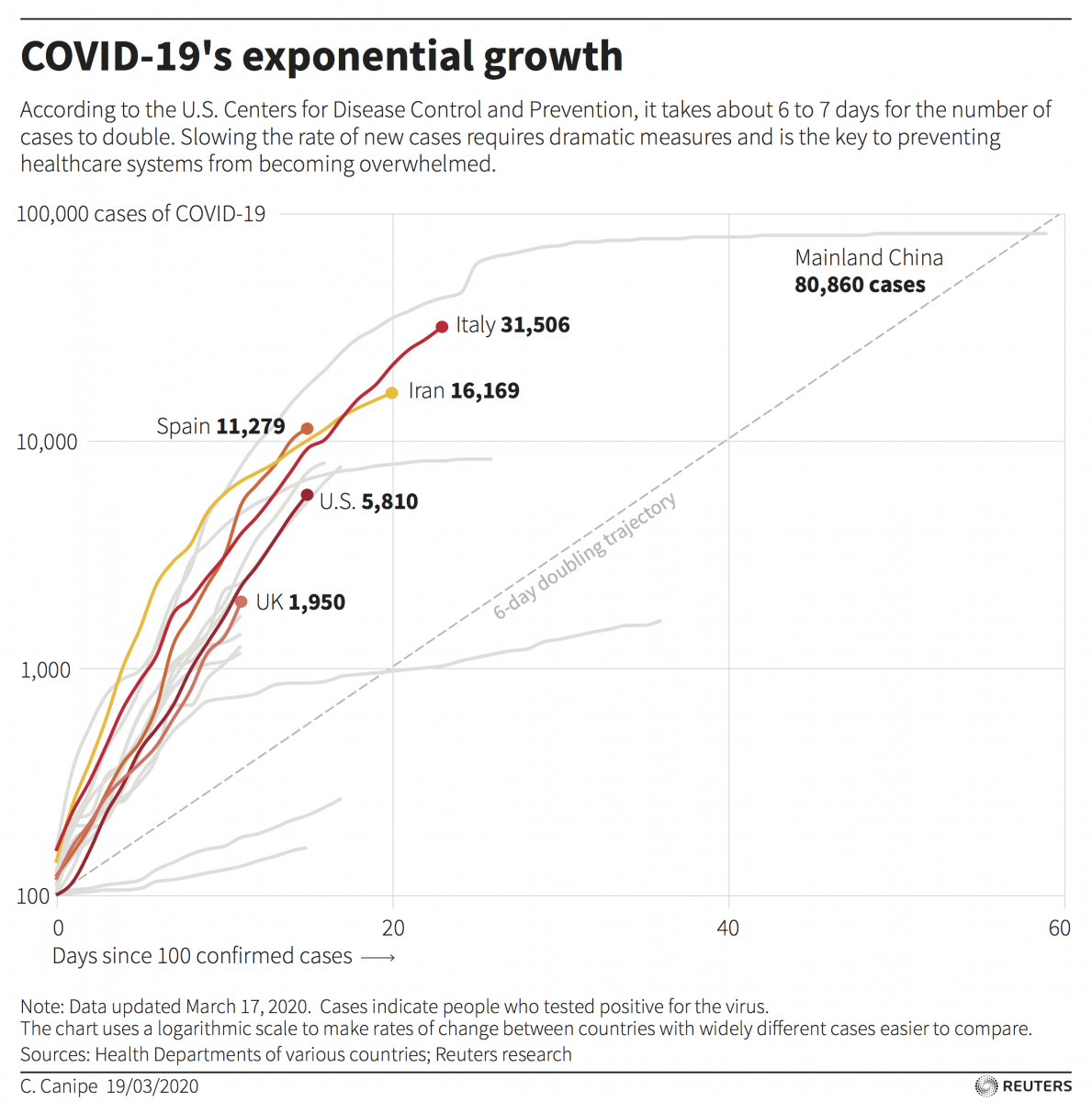
Data on COVID-19 growth
Reuters

In addition to mortality rates, we need to better understand the demographics of those that have been affected. The more information we have regarding which age groups and pre-existing conditions are most at risk, the more accurately we can decide where to focus containment efforts or deploy medical supplies.

We also need to identify the type of broader datasets that could help indicate when another virus might spread. This could mean monitoring the health of communities that regularly interact with animals in case another type of coronavirus was to jump from animals to humans; or tracking other indicators such as unusual health patterns, to stop any other new diseases in their tracks.

In many parts of the world, data does not flow easily from hospitals into the public realm, or across borders. Global data standards have yet to be developed and this creates gaps in datasets and delays in how data can be used.

Second, we need to find ways to standardize different sources of data. Coordinating diagnostic capabilities and information-sharing formats between hospitals and the public sector is not easy, unless the country in question has a centralized patient record system.

Taiwan’s big data approach to healthcare has served it well in this context. The state has been able to link medical records on the national health insurance database with customs and immigration records to identify and test people who had recently travelled from China, sought medical care, or showed signs of severe respiratory illness.

But in many parts of the world, data does not flow easily from hospitals into the public realm, or across borders. Global data standards have yet to be developed and this creates gaps in datasets and delays in how data can be used to shape global health efforts.

Better interconnectivity across national data systems

One way to improve the speed at which data is standardized could be to encourage better interconnectivity across national data systems through more homogenous data standards.

This would require a great deal of collaboration between various stakeholders and could be challenging to promote across borders. Which country decides which best practice data collection standards to use? And how realistic is it for low-income countries with limited budgets to upgrade their processes to align with those in the developed world?

Another solution is to use artificial intelligence to process the huge amount of data already available online from public health organizations, population databases and transport records. Automated disease surveillance platforms are already enabling us to track and recognize the spread of disease globally through a combination of machine learning and natural language processing and were able to report the spread of COVID-19 faster than the World Health Organization and the US Centers for Disease Cotrol and Prevention (CDC). Other AI models hope to forecast how climate change and human activity may impact our risk of contracting new zoonotic diseases from animals.

Linking clinical and travel data with personal data collected from social media, such as family history and lifestyle habits, would make it possible to deliver even more detailed predictions related to individual risk profiles and healthcare outcomes.

Some artificial intelligence models hope to forecast how climate change and human activity may impact our risk of contracting new zoonotic diseases from animals.

Critics of surveillance technology may be quick to point out the threats to civil liberties that such systems pose. Monitoring the global movement of people and personal health history is a new frontier for machine learning and will be subject to the same regulatory checks that other artificial intelligence platforms have faced.

COVID-19 has clearly demonstrated the economic cost of remaining on the defensive during an infectious disease outbreak and highlighted the importance of investing in identifying the next pandemic before it emerges. Ultimately, this will rely on cross-sector collaboration and the ability to coalesce private sector innovation into policy through cooperation and a steady flow of information.

Insight

Good Morals, Good Marketing: The business case for taking climate action

The family-run Falcon Trails resort in Manitoba is taking its climate action to the next level.

March 4, 2020

Today, IISD and the Manitoba Chambers of Commerce launched a new resource, the Climate Action Toolkit for Manitoba Business. During the research phase, we spoke with many leaders from the local business community who had already taken steps to reduce their carbon footprint; one of them was Caleigh Christie, whose family manages a resort called Falcon Trails. This is her story about taking sustainability to the next level.

At the corner of Falcon Lake in Manitoba’s Whiteshell Provincial Park, a 90-minute drive from downtown Winnipeg and just stone’s throw from the Ontario border, you’ll find a swimming dock, a small ski hill and a smattering of hand-built cabins. This is Falcon Trails Resort, one of the most climate-friendly places you can stay in the region, especially if you choose their off-grid accommodation.

The environment hasn’t always been front and centre of the Falcon Trails business model—initially, when Craig Christie and Barb Hamilton purchased the site with a few other partners in 1996, their motivation was simply to ensure the ski hill was protected. (The provincial government had owned and maintained it since 1959; there were plans to shut it down in the mid-‘90s, but at the last minute, an agreement was made to sell it privately to members of the local community.)

The husband-and-wife team ran a construction business in the area and were outdoor enthusiasts, so they set out from the beginning to build a modest resort that would have as little impact on the surrounding environment as possible, allowing guests to enjoy nature without harming it.

"We just started to recognize that our environmental efforts could be used as a competitive marketing advantage.”

“Those first 10 years were just about building the cabins, figuring out how to run a ski hill and a resort,” says Caleigh Christie, the couple’s daughter, who is now General Manager, Indoor Operations, for Falcon Trails. “But then the other partners decided to leave, giving our family full control of the business.

And this is when the real climate action began...

“Around that time, my sister brought in eco-friendly cleaning products for our staff to use and we were putting the finishing touches on our off-the-grid cabins, and we just started to recognize that our environmental efforts could be used as a competitive marketing advantage.”

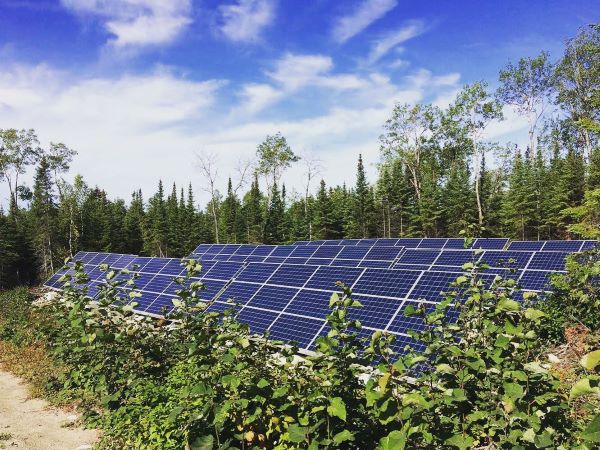
Solar panels at Falcon Trails resort, part of its climate action plan
An array of solar panels at Falcon Trails resort

Initially, says Christie, the family had promoted Falcon Trails’ off-the-grid accommodations simply as “outpost cabins,” but they decided to rebrand them as “eco cabins” after noticing a growing demand for eco-tourism in the travel sector. They also applied for—and won—numerous awards from Travel Manitoba, which gave a further boost to their public reputation.

A moral decision and a competitive marketing decision...

“In the end, our efforts became a moral decision as well as a competitive marketing decision,” says Christie. “Since then, we’ve continued to push the needle on what we can achieve.”

In terms of the infrastructure at Falcon Trails, the Christie-Hamilton family has taken advantage of rebate programs with Manitoba Hydro to install solar panels, along with various incentives to improve energy efficiency through upgrades to insulation and LED lighting retrofits.

It hasn’t all been smooth sailing. As is the case when most businesses start on their journey to take climate action, there are occasional hiccups. Christie recalls that, when they first swapped their conventional cleaning products for eco-friendly brands, there was resistance from staff who felt the new products weren’t as effective. It took some trial and error to find a solution that worked for everyone.

Portrait of the Christie-Hamilton family, leaders of climate action, in winter outside
The Christie-Hamilton family. Photo by Marie Selliery.

Now, though, the only challenge is finding new ways for Falcon Trails to step up its game. Something they’ve been trying recently, says Christie, is coming up with projects that not only reduce their footprint but simultaneously engage the local community. They’ve just launched a new Environmentalist-in-Residence program, for instance, which allows guests to stay at the resort during the offseason, at no cost, in exchange for a service that makes the resort even more eco-friendly.

“We have an experienced seamstress coming as part of this,” says Christie, “and she restores textiles, so she’s going to look at ways we can repurpose our old bedsheets and towels. She’ll also do some mending of the hockey bags we use to haul laundry from cabin to cabin and fix some uniforms.”

They’ve just launched a new Environmentalist-in-Residence program, for instance, which allows guests to stay at the resort during the off season, at no cost, in exchange for a service that makes the resort even more eco-friendly.

It goes without saying that the staff at Falcon Trails are fully on board with putting climate action at the centre of how they do business. This won’t be changing anytime soon, but Christie does have some advice for those who are looking to make similar efforts in their own operations.

“You have to go into this knowing that becoming an eco-friendly business won’t happen overnight, but it needs to start happening now—the sooner, the better.”

Insight details

Insight

Sustainable by 2045: Three ways the mining industry can make it happen

On February 29, more than 150 leaders from the minerals industry—from governments, civil society and the private sector—came together to find solutions for sustainable development at the Sustainability Forum

March 3, 2020

The year is 2045.

The Sustainable Development Goals (SDGs) have been achieved: poverty has been eradicated; renewable energy powers the globe; gender equality is widespread; and worldwide terrestrial and water ecosystems are thriving.

We made this happen—but how? What actions were taken in the last 25 years to bring us to an age of peace, prosperity, and progress?

On February 29, more than 150 leaders in the minerals industry—from governments, civil society, and the private sector—came together to answer these questions at the annual Sustainability Forum. The event was co-hosted by the Intergovernmental Forum on Mining, Minerals, Metals, and Sustainable Development (IGF), the Prospectors & Developers Association of Canada (PDAC), and the World Economic Forum (WEF) and facilitated by Watershed Partners.

Participants were asked to reflect on specific changes that need to occur in the minerals industry in order to make it more sustainable. While some changes are already underway, many others demand greater prioritization; in light of this, we set out to create a plan of action to determine what's actually needed to get us to this ideal scenario in 2045.

The following were identified as key focal points:

New technology must be implemented alongside just transition

Technology could play a role in facilitating a positive change if managed responsibly. New technologies are already being used across the sector: to digitize data collection, track big data, automate parts of the mining process, and generate sustainable energy for mines. However, the labour implications of these technologies are vast and varied.

Job categories will evolve and skills requirements will change. This will create new and better opportunities for high-skilled labour but will also lead to challenges for those whose jobs will be replaced by machines. It is important that training and skills development programs be enhanced and expanded to enable workers to embrace this technological shift.

Community involvement must happen at a deeper level

Active community engagement must be a priority at each stage of the mining cycle—from exploration to extraction and mine closure. Local communities shouldn’t be seen as obstacles to the mining process but as key partners with whom companies and governments should consult and collaborate at every stage. Their voices need to be not only heard but elevated and prioritized in the mining process—only then can the mining industry be a catalyst for socioeconomic development and stability.

Sector silos must be broken down to create holistic change

Finally, there were many who spoke of the need for systemic collaboration. Transformational change in the minerals industry cannot be tackled by the sector on its own; it will require action from multiple stakeholders, working together across silos and levels of governance. Decision-makers in the minerals industry will need to forge relationships with communities and leaders in the health, education, planning, finance, and environmental sectors, among others, to promote sustainability at large. These relationships must be cultivated now, so they can drive the next 25 years of change.  

"Transformational change in the minerals industry cannot be tackled by the sector on its own"

The world is facing interrelated and compounding crises: the climate emergency, dramatic biodiversity loss, gender inequality, infringements on Indigenous rights, and so on. Mining is at the forefront of many solutions to these converging crises: It's integral to the production of renewable energy technologies while also being a significant source of global emissions; it's often a significant employer in Indigenous communities but can also find itself in conflict with them over land and natural resource management; it can have a large impact on local biodiversity, but can also be a key partner in the protection of species and ecosystems; and it is often seen as an activity dominated by men, but opportunities for women are growing rapidly. We should remember that where there is risk, there is often opportunity.

If we want to make the world better in 2045 than it is today, the work starts now.

Insight details

Topic
Mining
Insight

The Climate-Conflict Connection: Why aren’t we acting on it?

The two agendas of climate change adaptation and peacebuilding are rarely coordinated—it's time for this to change.

February 28, 2020

The two agendas of climate change adaptation and peacebuilding are rarely coordinated—it's time for this to change.

For Somalia, last year’s drought was its worst in nearly a decade.

Wells dried up, crops failed, and thousands were displaced from their land. For nomadic herders, the drought meant travelling farther distances in search of fresh pasture, bringing them into competition with neighbouring farming communities over scarce water and land resources. And with the mass exodus of many village elders—who traditionally lead local dispute resolution processes—some of this competition turned violent.

Somalia is one of the most fragile states in the world, while also being among the most vulnerable to climate change and least prepared to adapt. It is an evolving example of the compounding crises of conflict and climate change vulnerability—each reinforcing the severity of the other and driving the state and its people into a cycle of fragility.  

"When these challenges aren’t approached together, any failure to meaningfully address one issue can obstruct progress in the other."

This isn’t new: for years, policy-makers and practitioners have been drawing attention to the role that climate change can play as a “threat multiplier.” We know the link exists.

However, the two crises are still being tackled in separate silos, with peacebuilding in one corner and adaptation efforts in another. If the aim is for peaceful, sustainable development in states struggling with fragility, greater effort must be made to align the peacebuilding and climate change adaptation agendas.

When these challenges aren’t approached together, any failure to meaningfully address one issue can obstruct progress in the other.

Conflict aggravates climate change vulnerability, and vice versa

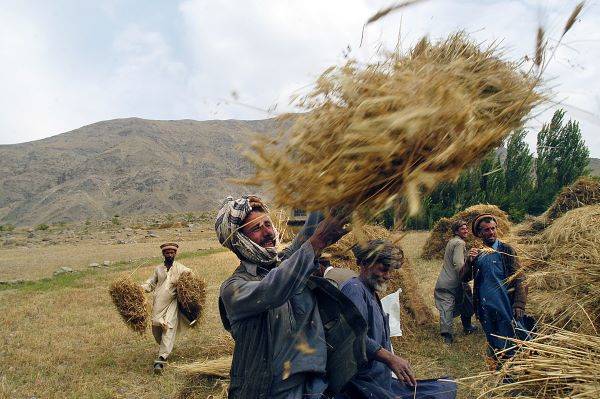
Historic or ongoing conflict, for instance, can jeopardize a country’s ability to adapt to the adverse impacts of climate change. The conflict in Afghanistan, for example, has reinforced widespread corruption and mismanagement over water resources. As a result, many communities find their ability to cope with increasing incidences of droughts and floods severely compromised, despite the country’s wealth of rivers and glaciers.

Afghani man hauls wheat into the air

Conversely, vulnerability to climate change (as seen in Somalia) can aggravate existing socio-political tensions. The adverse impacts of climate change—such as rainfall variability, increasing temperatures, storms, droughts and floods—can lead to shortages in arable land and water resources. This, in turn, can create competition over scarce resources between opposing groups (farmers and herders, for example), sometimes leading to violence.

Climate change vulnerability can also contribute to an increase in criminal activities, as those previously dependent on natural resources look to alternative livelihoods for income. A significant and growing portion of the population in the Sahel region, for example, is young, and for many, their livelihoods are climate-dependent. As climate change undermines these farming and herding livelihoods, many have looked to secure livelihoods elsewhere—opening them up to recruitment by terrorist organizations and criminal networks.

We need to put an end to this cycle

Frequently, these dynamics manifest in a cycle. The presence of conflict may inhibit a government’s ability to invest in climate change adaptation, as they instead invest in more urgent priorities: delivering clean water and restoring public services, for example. But the adverse impacts of climate change—and a failure to adapt to them—can also have a destabilizing effect on a government’s ability to maintain or build peace. Meaningful, concerted action on both climate change adaptation and peacebuilding is needed to put an end to this cycle.

Climate vulnerability and conflict often share root causes. A history of inequality, poverty and weak institutions can hamper a country’s ability to respond to shocks and stresses—climate-related or otherwise. Adaptation efforts aimed at the root causes of vulnerability can therefore have potential co-benefits for peacebuilding, and vice versa.

In fact, meaningful climate change adaptation shares many of its attributes with successful peacebuilding: both are country-driven, targeted at root causes, participatory and gender-responsive; they involve multiple levels of governance; and they are planned and implemented in response to medium- and long-term priorities. Given their many intersections, it’s clear that we must align these agendas and planning processes. 

"Meaningful, concerted action on both climate change adaptation and peacebuilding is needed to put an end to this cycle."

One way to accomplish this is through the National Adaptation Plan (NAP) process, a mechanism that uses an integrated approach to development and adaptation planning. By integrating climate change adaptation into a country’s medium- and long-term development plans in a participatory, country-owned and holistic manner, the NAP process can be designed in a way that addresses many of a country’s core and overlapping vulnerabilities.

Some countries have already begun to use the NAP process to incorporate peace and conflict dynamics. The Palestinian NAP document, for instance, acknowledges the role that the ongoing Israeli conflict plays in exacerbating climate vulnerabilities and defines subsequent adaptation options moving forward. The Cameroon NAP document calls for improved land governance in its adaptation options in order to mitigate potential pastoralist conflicts.

The mutually reinforcing crises of climate change vulnerability and conflict present a key threat to sustainable development, one that has been well known for years. For countries struggling with climate change and conflict, bringing together the agendas of peacebuilding and adaptation is not just good practice: it is imperative.

Read more about these dual crises—and solutions for sustainable development—in a new report: The NAP Process and Peacebuilding

Insight

Can Climate Talks Regain Momentum in 2020?

As 2020 begins, climate talks resume and the international community faces deadlines to replace old frameworks with new ones.

February 27, 2020

2020 has a ring to it, holding the promise of a new decade after leaving the old one behind.

Each year starts with the possibility of a new beginning, but often still carries the baggage of the previous year. As 2020 begins, so too do more climate talks. The international community faces deadlines to replace old frameworks and rules with new ones, and to conclude negotiations on new treaties and agreements.

In our new report, The State of Global Environmental Governance 2019, the Earth Negotiations Bulletin team reflects on the successes, shortcomings and overall trends of 2019. We also look ahead, with optimism 2020 will regain the momentum recently lost.

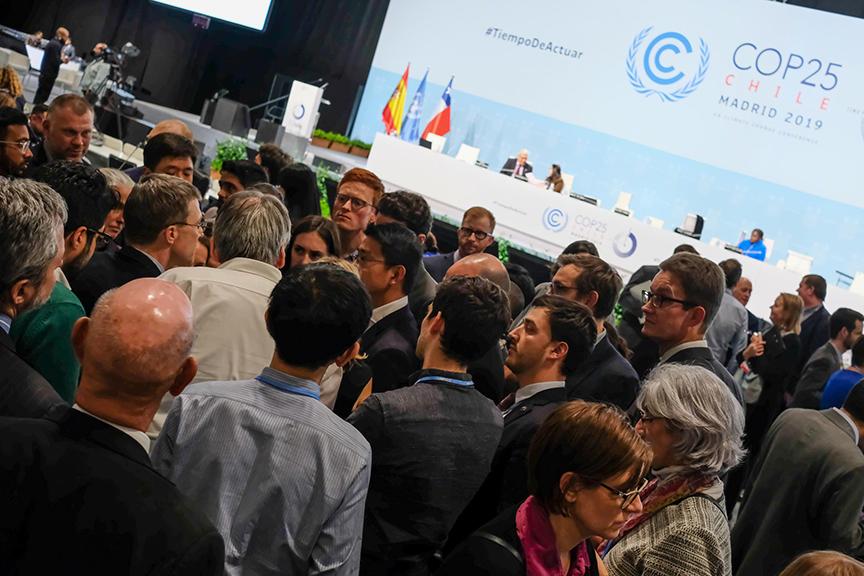
Delegates at COP25
Negotiators at the UNFCCC COP 25 negotiations in Madrid (Photo by IISD/ENB | Kiara Worth)

In 2019, scientists were truth-tellers.

Over the course of the year, international scientific bodies produced a range of reports on climate change, biodiversity, and the environment as a whole. Each report contains dire warnings for the future of the planet due to the impact of climate change on food production, of pollution on human health, and land incursions on species extinctions. Given historic inaction, nearly every system on the planet is in danger.

Yet, despite the thousands of pages of scientific evidence, intergovernmental political processes remain deadlocked on so many issues. Policy makers could not mount the type of response commensurate with the science.

Climate change governance had a particularly difficult year, limping to the end of the decade after the historic adoption of the Paris Agreement in 2015. The demands for climate ambition are loud, and angry. Millions of children and youth, feeling their futures have been stolen, participated in climate strikes every Friday throughout the year. Hearing their calls, 67 countries pledged greater climate ambition at the UN Secretary-General’s Climate Action Summit in September, but these countries represent only a small fraction of global emissions.

Extinction Rebellion protestor raises hands
Extinction Rebellion protestor at UNFCCC COP25 (Photo by IISD ENB Kiara Worth)

As the year came to a close, governments at the UN Climate Change Conference in Madrid (COP 25) failed to issue a clear call for ambition and could not agree on rules for the market mechanism necessary to complete the Paris Agreement rulebook. The Paris Agreement officially begins in 2020 amid major questions about its ability to catalyze climate ambition and prevent global warming above 2°C.

There were a few bright spots during the year as some policymakers acted on the scientific truths. The first multilateral action to reduce global plastic waste, which amounts to millions of tons each year, was taken under the Basel Convention on the Control of Transboundary Movement of Certain Hazardous Wastes and Their Disposal. In May, parties to the Basel Convention agreed to include mixed, unrecyclable, and contaminated plastic waste exports into the control regime that requires the consent of importing countries before waste exports can proceed.

The Paris Agreement officially begins in 2020 amid major questions about its ability to catalyze climate ambition and prevent global warming above 2°C.

The fourth meeting of the UN Environment Assembly sent a strong signal that production and consumption of single-use plastics should be reduced or phased out, and the plastics industry has been put on notice. In fact, over the course of the year more than 30 countries, nearly half of which are in Africa, put in place bans on single-use plastic bags.

Delegate applauds at African Climate Risks Conference
Delegate applauds at the African Climate Risks Conference (Photo by IISD/ ENB | Kiara Worth)

As we outline in a chapter on linkages, 2019 was also notable for increasing recognition of the need for a more interconnected form of governance. More and more, actors drew linkages among environmental and sustainable development processes, especially biodiversity and climate change, land and climate change, oceans and climate change, human health and the environment, and economics, trade and climate change. The increased understanding about the impacts of degrading ecosystems and a warming climate on local and global economies alike, has led to a number of multinational companies and financial institutions announcing new climate-friendly policies and investments.

Of course, the links among the SDGs and multilateral environmental agreements (MEAs) are many and complementary.

The 2019 Sustainable Development Goals Report was released in time for the SDG Summit in September. The report outlined progress in some critical areas, including declines in extreme poverty and the under-5 mortality rate, increases in access to electricity, and greater efforts to respond to urbanization, waste, and illegal fishing. Nonetheless, many areas need urgent collective attention, including climate change, ocean acidification, land degradation, hunger, education and gender equality. The report also stressed that the goal to end extreme poverty by 2030 is jeopardized as the world struggles to respond to entrenched deprivation, violent conflicts, and vulnerabilities to natural disasters.

It is abundantly clear the world needs an urgent, ambitious response to unleash a social and economic transformation. But, in 2019, world leaders appeared detached from the crisis at hand, reading statements that were largely devoid of meaningful pledges. This reaction was in stark contrast to the verdict of the people who rose in protest during the Summit and throughout the year: leaders are failing to address the environmental and development emergency the world faces.

It is abundantly clear the world needs an urgent, ambitious response to unleash a social and economic transformation. 

This year, we face a busy international agenda as well as waning political will, rising nationalism, and faltering support for multilateralism. 2020 is expected to conclude negotiations and establish new tools to address biodiversity, marine biodiversity in areas beyond national jurisdiction, and a post-2020 strategic approach to international chemicals management. We are already in the fifth year of SDG implementation, and to succeed by their 2030 completion date, governments still need to increase their ambition under the Paris Agreement.

Positive, forward-looking outcomes are essential, but not guaranteed.


This article is adapted from the introduction to The State of Global Environmental Governance, released by Earth Negotiations Bulletin on 24 February 2020. Earth Negotiations Bulletin is a balanced, timely and independent reporting service that has covered United Nations environment and development negotiations for 27 years.

The State of Global Environmental Governance 2019 was edited by Jennifer Allan, PhD, with contributions from Beate Antonich, PhD, Jennifer Bansard, Rishi Bhandary, Pamela Chasek, PhD, Natalie Jones, PhD, Faye Leone, Stefan Jungcurt, PhD, Delia Paul, Asterios Tsioumani, PhD, and Elsa Tsioumani, PhD.

Insight

These Detector Dogs Are Sniffing out a Disease Threatening the World’s Citrus Trees

Scientists in the United States are training dogs to detect a disease that is destroying the world’s orange trees.

February 12, 2020

This article originally appeared on the World Economic Forum blog; it has been reprinted here with permission. 

Dogs, of course, possess an incredible sense of smell. They can be trained to sniff out bombs, drugs and even diseases such as cancer, malaria, diabetes and tuberculosis.

Now, scientists in the United States are training dogs to detect a disease that is destroying the world’s orange trees.

Huanglongbing (HLB), or citrus greening, prevents fruit from ripening and eventually kills the tree. It is spread by a tiny insect called the Asian citrus psyllid.

First documented in Guangdong Province in southern China in the early 1900s, HLB is now found in the majority of the world’s citrus-producing areas.

In Florida, where the disease emerged in 2005, it has caused a more than 70% drop in the production of oranges. It has spread to Texas, California, Georgia and Louisiana and is threatening to wipe out the $3.35 billion US citrus industry.

Paw patrol

Currently, there is no cure. Early detection is vital; and farmers try to find and destroy infected trees as quickly as possible.

The problem is, trees can have HLB for months, or years, without showing symptoms. Meanwhile the disease spreads undetected through citrus groves.

But it turns out that canines are much more adept than humans at identifying the sick trees.

Plant epidemiologist Timothy Gottwald and colleagues at the US Horticultural Research Laboratory in Fort Pierce, Florida trained 20 dogs to sniff out Candidatus Liberibacter asiaticus, the bacterium that causes HLB.

Image removed.

The 20 dogs in the study picked out infected trees with 99% accuracy.
Image: Gottwald et al., (2019) in Proceedings of the National Academy of Sciences

Every time the dogs correctly identified the bacterium in a tree and sat down next to it the researchers rewarded them with play time with a toy.

The dogs were able to detect diseased trees with about 99% accuracy – within two weeks of infection, according to a paper published in the journal Proceedings of the National Academy of Sciences.

By comparison, a DNA-based test – the only US Department of Agriculture-approved method for confirming the presence of HLB – detected less than 3% of infected trees at two months.

Gottwald’s research suggests using sniffer dogs combined with removal of infected trees is the most effective way to suppress the spread of the disease, and would allow the US citrus industry to remain economically sustainable for another 10 years.

Vital protection

About 80% of the world's food comes from plants. But, as with Florida's citrus trees, they're under constant threat from pests and disease, according to the Food and Agriculture Organization of the United Nations.

Some 40% of global food crops are destroyed by this threat every year. And such problems can be impossible to wipe out once they've taken hold.

The UN has named 2020 its International Year of Plant Health to raise awareness of how protecting plants from disease can help end hunger, reduce poverty, protect the environment and boost economic development.


Insight details

Insight

What the Mighty Mangrove Tells us About our Broken Relationship With Nature

Mangrove trees can sequester up to ten times as much of our carbon pollution as rainforests and help defend against flooding. Their roots help anchor shorelines around the world, protecting coasts from the devastating impacts of storm waves.

February 3, 2020

This article originally appeared on the World Economic Forum blog; it has been reprinted with permission.

Mangroves are trees that grow miraculously on seawater, fringing some of the tropical shores of our planet.

They shelter a wealth of wildlife, protecting more than 3,000 fish species, many of which are of commercial importance.

Mangrove trees can sequester up to ten times as much of our carbon pollution per hectare as rainforests, making them an important player in limiting the impacts of climate change.

Mangrove roots also help anchor shorelines around the world, protecting coasts from the devastating impacts of storm waves – much more effectively than concrete sea walls.

Despite all these benefits, mangroves tend to be undervalued. The explosive growth of shrimp farming, urban expansion, climate change and other aspects of economic development reduced mangrove forests by as much as 35% between 1980 and 2000. 11 of some 70 mangrove species are at risk of becoming extinct.

How to value nature

Mangroves and the rest of the natural world offer value to humanity at no cost. Every year, the environment provides about $125 trillion in free services, for example pollination, water filtration, oxygen production and flood protection. This is worth more than the entire global GDP.

The planet is like a bank account where every living thing pays in deposits, but we are the one species that keeps withdrawing funds. Our overuse of our natural resources is costing us $6 trillion every year. By 2050, those costs could rise to $28 trillion.

Over the last century, we have become out of balance with nature. Today, 96% of mammals are human beings and our domesticated livestock. Only 4% accounts for everything else, from elephants to tigers to pandas. 70% of birds are our domesticated poultry, mostly chicken. In the ocean, 90% of the large fish – from sharks to tuna to cod – have been removed in the last hundred years. And 40% of insect species in the world are now endangered, too.

In 2019, the United Nations reported that around one million animal and plant species are threatened with extinction, many of them within decades.

The planet is like a bank account where every living thing pays in deposits, but we are the one species that keeps withdrawing funds.

A new report by the World Economic Forum in collaboration with PwC assessed 163 industry sectors and their supply chains for their impact on biodiversity. The biggest drivers of biodiversity loss on land are agriculture, and livestock farming and ranching. In the ocean, we have been taking fish out of the water faster than they can reproduce, and today 63% of fish stocks are experiencing overfishing. As the world’s population continues to grow, we must figure out how to produce more food without destroying the planet’s ecosystems.

We need to replenish our savings accounts. Today, only 7% of the ocean is designated or planned as protected – and only 2.4% is fully protected from fishing and other activities. We’re doing better on land – but even there, only 15% of our land is protected. How much more of the natural world do we need to protect?

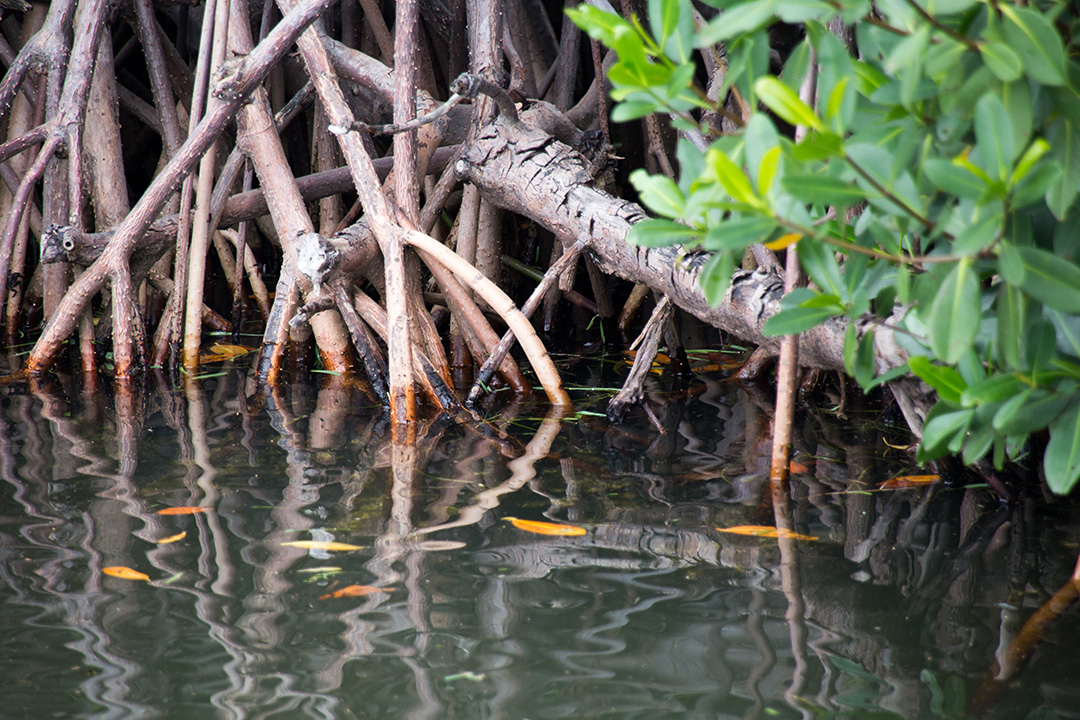
Mangroves
Mangrove trees can sequester up to ten times as much of our carbon pollution as rainforests and help defend against flooding.

Science tells us that, if we are to prevent mass extinction and the collapse of our life support system, and if we are to avert a climate catastrophe, we need to keep half of the planet in a natural state. The challenge for governments around the world – to be agreed at this year’s conference of the UN Convention on Biological Diversity in Kunming, China – is to start by protecting at least 30% of our planet (land, freshwater and ocean) by 2030.

The Kunming conference will take its cues from the Paris climate conference but has a specific focus on nature. It will mark an opportunity to decide on how much more space we are willing to give to nature.

The hope is that in October 2020, the world will agree to save itself, rather than accept the collapse of human society as we know it.

There are signs that we can turn things around. Vietnam has lost more of its mangroves than most countries and shrimp farms have decimated the coastal regions. The government, seeing the crisis, invested $1.1 million to restore 12,000 hectares of mangroves. This natural infrastructure saves the country $7.3 million every year in maintenance costs for dykes and other flood prevention infrastructure.

Vietnam’s success story is well known, yet mangroves elsewhere are still being destroyed by unrestrained economic development. We need to get smarter about how we cultivate land, learning from both past mistakes and successes, so we can have a healthy earth and a healthy food supply.

As biodiversity loss has become one of the defining threats to our civilization, we must lead where others have lagged in the past. We cannot be content to sit on the sidelines as entire ecosystems teeter on the brink of collapse. We need to invest in biodiversity before our account goes even deeper into the red.