Insight

Should Governments Subsidize Hydrogen?

In the race to resilience, hydrogen is suddenly in the spotlight. Subsidies to this alternative fuel source present both risks and opportunities, which need to be weighed carefully.

January 19, 2021

As countries chart paths to net-zero economies by 2050, hydrogen has enjoyed a new wave of attention. Proponents believe that hydrogen could play a key role in decarbonizing industries such as steel, cement, heavy-duty vehicles, and shipping that cannot feasibly be electrified with current technology.

According to Bloomberg, hydrogen could meet up to 24% of the world's energy needs by 2050. The promise of hydrogen is certainly attractive. It can replace fossil energy as an industrial feedstock, be converted to electricity through fuel cells, burned for heat, or stockpiled in tanks as a form of energy storage.

Governments have taken note, releasing a score of national hydrogen strategies in the past year. Many of these strategies include subsidies to promote hydrogen through production-related procurement and end-use technologies, support for investment, and favourable regulation.

However, in the rush to promote hydrogen, governments risk wasting billions on subsidies that promote environmentally harmful or redundant technologies. Are these risks justified, and how could this approach impact countries’ environmental targets?

What Is Hydrogen and How Is It Made?

Hydrogen is a gaseous fuel that reacts with oxygen to release energy, producing only water as a byproduct in the process. This means it has the potential to be greenhouse-gas-free—depending on how we produce it. Currently, hydrogen is mainly produced from natural gas and coal, resulting in significant greenhouse gas emissions. The hydrogen produced in this emissions-intensive way is called “grey hydrogen.”

However, these emissions could be slashed by switching to renewable hydrogen, which is made by electrolysis (green hydrogen) or potentially adding carbon capture and storage to hydrogen production from natural gas or coal (blue hydrogen).

Current hydrogen demand is concentrated in a relatively small number of industrial consumers, and it is generally produced close to the point of consumption.

A Wave of Political Support for the Hydrogen Economy

The EU Hydrogen Strategy, released in July 2020, describes hydrogen as a key contributor to Europe’s goal of carbon neutrality by 2050. This would involve replacing fossil fuels with hydrogen in industrial processes and other hard-to-decarbonize sectors. In addition to this strategy, several European countries have released their own national hydrogen strategies, such as Germany and France

Along with new policies, governments have announced new funding for hydrogen, much of it as part of COVID-19 recovery packages. For example, Germany plans to invest EUR 9 billion of its recovery spending in renewable hydrogen to help increase the country’s hydrogen capacity to 5 GW by 2030 and 10 GW by 2040, while France has committed EUR 7 billion to help the country reach 6.5 GW of renewable hydrogen capacity by 2030.

Common to the strategies of EU members is an emphasis on renewable hydrogen over fossil hydrogen using carbon capture. Both Germany and Spain have signalled that they will prioritize green hydrogen, with Germany expected to import most of its supply due to land constraints. The EU Hydrogen Strategy calls for 40 GW of domestic renewable hydrogen production capacity by 2030. 

Outside of Europe, U.S. President-elect Joe Biden has also pledged support for renewable hydrogen in his clean energy plan, and Japan’s Hydrogen Roadmap envisions a hydrogen economy based on imports of both blue and green hydrogen. 

Pros of Hydrogen Subsidies

There are many reasons to pursue hydrogen. For one, pollution from fossil fuels imposes serious health and environmental costs. The underpricing of pollution can be considered a market failure, which subsidies to hydrogen technology are an attempt to address. Of course, it can also be argued that pricing pollution directly would better address this failure. However, sometimes it is politically easier to introduce subsidies to cleaner technologies rather than increase taxation on polluting ones.

Subsidies might also be justified by their ability to help the burgeoning hydrogen industry overcome the incumbent advantage currently held by fossil fuels. Government support for a new technology can allow it to reach sufficient scale for commercial deployment. Solar and wind power are now the cheapest ways to generate electricity in most places, but this was not the case until subsidy-driven growth led to sufficient economies of scale for prices to fall.

In any case, subsidies to fossil fuels exacerbate the market failure of underpricing pollution. At the very least, governments should reform fossil fuel subsidies or at least “swap” them to support cleaner energy.

As always, the devil is in the details. Any new hydrogen subsidies must be sufficiently thought through so that they don’t risk becoming costly and ineffective. 

Cons of Hydrogen Subsidies

With billions of public funds at stake at a time when governments must spend taxpayers’ dollars more carefully than ever, it is critical to ensure that subsidies are justified. We have seen it before in countless sectors: subsidies are often expensive; fail to achieve their stated objectives; place a high burden on public budgets; and distort markets, potentially leading to a less efficient distribution of resources. Once in place, they are extremely difficult to remove as companies and consumers become dependent on them.

The G20 made a commitment to reform “inefficient” fossil fuel subsidies in 2009 and, despite much campaigning and public pressure, countries still spend USD 300–600 billion on fossil fuel subsidies globally.

A great deal of resistance to reform is driven by legitimate concerns around potential job losses, energy poverty, and civil unrest.

Given all these downsides, governments should be cautious with their use of subsidies.

Do the Potential Opportunities of Hydrogen Subsidies Outweigh the Risks?

At a macro level, it is possible to imagine several ways in which subsidies to hydrogen could be counterproductive.

First, hydrogen subsidies risk being environmentally counterproductive. Blue hydrogen—produced from fossil fuels but accompanied by carbon capture—can reduce emissions at the point of capture, but methane emissions that escape from the process may undermine any carbon emissions savings. And at an indirect level, revenue from these subsidies could prop up methane production.

Furthermore, carbon capture may also indirectly benefit the fossil fuel industry, as it generally involves reinjection of carbon dioxide into oil wells, boosting fossil fuel recovery of oil from those wells. Combined, these knock-on effects could lead to hydrogen subsidies actually increasing overall greenhouse gas emissions.

Second, there is a risk of redundancy. Although hydrogen can be invaluable when it comes to decarbonizing industrial processes, subsidies could also promote hydrogen-based technologies in sectors that already have cost-effective low-carbon solutions. For example, in many cases, home heating can be decarbonized with electric heat pumps and low-carbon electricity. As such, the availability of existing lower carbon alternatives in this sector negates the need to subsidize hydrogen-based solutions.

As always, the devil is in the details. Any new hydrogen subsidies must be thought through so that they don’t risk becoming costly and ineffective. 

A third risk comes from the price dynamics observed in the sector and the potential to waste subsidies on what could become stranded assets. Bloomberg forecasts that renewable (green) hydrogen will be competitive with fossil (blue) hydrogen using carbon capture by 2030. The costs of both electrolysis (splitting water into hydrogen and oxygen) and renewable energy, especially solar photovoltaic (PV), continue to decline steeply, whereas grey and blue hydrogen production (through steam methane reforming of natural gas) is a mature technology whose cost is projected to remain stable.

Carbon capture and storage costs remain highly uncertain, as very few projects have been implemented. Additional government support for renewable hydrogen may accelerate an even faster drop in price. Within a decade, subsidized production of blue hydrogen may become stranded as green hydrogen becomes competitive.

At a micro level, many more things could go wrong with even well-intentioned hydrogen subsidies. Procurement processes, price discovery mechanisms, and financial monitoring could be flawed, leading to overpayment, cronyism, or poor transparency around costs and results. For any subsidies that are created, transparency around costs, conditions, contracts, and evaluation is critical to ensure they meet objectives and can be continually evaluated.  

Do’s and Don’ts for Hydrogen Subsidies

We still have much to learn about hydrogen, but we already know enough to make some recommendations about how subsidies could and should be used to promote its deployment. Governments have made clear that promoting hydrogen is a priority, so public funds will be committed to supporting this technology, and it is in everyone’s interest that this support is allocated wisely.

Do:

  • Be transparent—publish data on hydrogen subsidies, measure and monitor their objectives and costs, and critically evaluate their performance.
     
  • Target subsidies to sectors that have few other options for decarbonization, including cement, steel, and heavy transport.
     
  • Design subsidies to promote activities that have been solidly proven to be low carbon.

Don’t:

  • Promote technologies that have negative environmental impacts across the systemic or full life-cycle impact of subsidies on the energy system, or where data is incomplete, and there is a strong risk of such negative environmental impacts.
     
  • Subsidize technologies in sectors where there are already sufficient cost-effective low-carbon alternatives that are better placed to reduce emissions, such as passenger vehicles and home heating and cooking.
     
  • Support technologies or projects that have no path to cost effectiveness or risk becoming stranded assets in the medium term.

The jury is still out on the extent to which hydrogen will play a major role across the various parts of the energy system, so it is essential that public subsidies are disbursed in line with what we already know and that the evidence is kept under constant review as the technology develops. We can’t afford to miss out on a technological revolution, but we certainly can’t afford to spend billions financing white elephants either.

Insight

A Busy 2021 Negotiations Calendar Bodes Well for the Environment

The roster of multilateral events for this year is filling up quickly. Our experts reveal why this leaves them cautiously optimistic.

January 8, 2021

Thankfully, 2020 is in the books. Looking ahead to 2021, we’re trying to balance optimism with a realistic look at how multilateralism can recover. This year will be brighter, but let’s keep expectations in check.

While 2021 could feature seven COPs, five summits, and five key conferences, these come with the giant caveat of immunization. Governments, civil society, and the World Health Organization are calling for COVID-19 vaccines to be made available to all, but there is a real risk of the Global South getting left behind.

Global decision-making processes require participants from all member countries. Without cooperation to protect everyone, these global events risk excluding those most affected by environmental crises.

Catching up on a year’s worth of meetings

There is an enormous backlog of work. A whole year of meetings and their decisions have been postponed: 2020 was to have been busy. In addition to the annual climate and ozone COPs, the biennial biodiversity COP was expected to take a decision on the post-2020 global biodiversity framework. While some meetings took place and a few mostly operational decisions were taken, there is still much work to do. There are also the meetings normally scheduled for 2021, including COPs on desertification, wetlands, and mercury, as well as the Basel, Rotterdam, and Stockholm Conventions’ "TripleCOP."

And that’s not all. A number of events that were expected to address Sustainable Development Goal targets with 2020 deadlines were moved to 2021. The fifth meeting of the International Conference on Chemicals Management (ICCM 5), now scheduled for July 2021, is expected to decide the future of the strategic approach to international chemicals management. There’s also the UN Ocean Conference, the UN Environment Assembly, and the IUCN World Conservation Congress. The World Trade Organization’s Ministerial Conference was expected to further negotiations on eliminating harmful fishing subsidies, among other issues.

As the world seeks to roll out mass vaccination programs, the planet needs injections of political will—and action—for its protection.

Before this backlog can start to clear, several subsidiary bodies have to meet to advance discussions and prepare recommendations for the COPs. While some smaller subsidiary bodies went ahead in 2020, the UN Framework Convention on Climate Change (UNFCCC) and the Convention on Biological Diversity (CBD) postponed their large subsidiary body meetings.

The UNFCCC has yet to confirm the new dates for these meetings, although the COP is slated for November 1–12.

The CBD hopes to convene meetings of its subsidiary bodies, followed by the final meeting of the open working group that is negotiating the Post-2020 Global Biodiversity Framework prior to COP 15. The dates for all of these meetings are still to be announced, but—like the UNFCCC subsidiary bodies meeting—the sequence matters and can’t be rushed.

It seems we’ll all await announcements for some time. Before every meeting, documents must be prepared and shared (usually six weeks before the meeting). Given uncertainties and procedures, it’s unlikely we’ll see much in the first half of the year. The end of 2021—or more likely early 2022—could be very busy indeed.

Summits for “cross-cutting” issues

Planning for a number of summits is moving ahead. High-level events focused on food systems, energy, and water will seek to bring global attention to these issues, which are not governed by a single global treaty. The events on energy and water will be the first high-level global discussions on these topics in several decades. 

In person or online, food systems, energy, and water are three issues that can truly benefit from high-level attention.

The High-level Meeting on Water-related SDGs will be held virtually in March. If the others also have to proceed online, it may not be a problem. After all, we saw that high-level statements can work well online at the Climate Ambition Summit and Summit on Biodiversity. People from around the world also gathered to discuss issues in virtual events during the High-level Political Forum.

In person or online, these are three issues that can truly benefit from high-level attention. While renewable energy has proven “COVID-proof,” the pandemic disrupted food systems and underlined how essential water (and the sanitation services it provides) is for global health.

G7 and G20 leadership: An injection of political will?

The G7 was in an off-year in 2020 (the U.S. presidency didn’t organize a summit). The G20 was quiet on climate issues, perhaps as expected under Saudi leadership. In 2021, these clubs of powerful states could step up on climate, energy, and other environmental issues—particularly given the tonal shift promised by the incoming U.S. administration.

Italy will host the G20 this year, and the United Kingdom takes the helm of the G7. Both are “co-hosts” of the November climate change meeting in Glasgow. This creates huge potential for climate change to be firmly on the agendas of the G7 and the G20. These clubs set the tone for serious efforts to address global challenges. Beyond political will, they can take tangible steps to increase climate finance, reduce fossil fuel subsidies, or coordinate an environmentally friendly response to the pandemic. As the world seeks to roll out mass vaccination programs, the planet needs injections of political will—and action—for its protection.

Insight

Sustainable Development in the Year of COVID-19

The global pandemic has challenged us in new ways. But there have been achievements worth celebrating, and meaningful progress made toward a resilient future.

December 22, 2020

In many ways, 2020 has been defined by struggle, stress, and disappointment. The COVID-19 pandemic brought challenges the likes of which this generation has never seen. But there have also been bright spots worth celebrating.

In March, as the crisis was beginning to unfold, IISD experts revealed how we thought it would shape sustainable development. We listed three distinct issues: 1) the need for resilience, 2) the importance of stimulus packages to pave the way to a sustainable economy, and 3) that inequalities would be magnified.

This analysis shaped our work throughout the year and inspired some of the real progress we were able to achieve on several important fronts.

Resilience Is Essential

The National Adaptation Plan (NAP) Global Network, hosted by IISD, is fundamentally about helping countries build resilience to emerging shocks and stresses. When the pandemic hit, many countries struggled due to a lack of planning and preparation. Developing a national adaptation plan to address climate change ensures that stronger systems are ready to respond to other crises as well, including fast-moving viruses.

This year we were encouraged to see collaborative progress on climate adaptation worldwide, with our experts supporting 27 developing countries working on national adaptation plans. Kiribati and Tuvalu ensured they were meeting the needs of their local communities and the most vulnerable, while Peru is now ready to move forward with a plan that promotes gender equality.

Climate adaptation was also central to an exciting new project that involves a partnership with the Global Environment Facility, MAVA Foundation, IISD, and the United Nations Industrial Development Organization (UNIDO). Over the next five years, the project will use financial modelling and climate change projections to establish the business case for investing in nature-based solutions for climate adaptation. Natural ecosystems like forests, mangroves, wetlands, and grasslands can help build resilience in several ways that can complement and even substitute for built infrastructure. This project will make it easier for investors and government officials to assign a value to such solutions when making spending decisions.

These kinds of decisions are often at the heart of climate adaptation strategies, as we learned during a virtual round table hosted by IISD and the Government of Canada. The event helped facilitate an engaging discussion on using nature-based solutions to build resilience, bringing in a global audience of more than 600 people from 52 countries.

Stimulus Must Be Sustainable

The kind of economic upheaval we saw this year was unprecedented, requiring hundreds of billions of dollars in stimulus packages and bailouts. Many of the world’s big thinkers, including finance, policy, and sustainability leaders here in Canada, came together to advise governments on how to make sure those stimulus dollars are invested in a clean, prosperous, and resilient future.

IISD experts played a leading role in the Task Force for a Resilient Recovery, putting forth five key recommendations that the Canadian government incorporated into its Speech from the Throne. As well, we brought together more than 20 organizations to launch the Energy Policy Tracker, which provides real-time data on global funding commitments to fossil fuels in comparison to clean energy. Today, it is helping inform research efforts and key opinion leaders, including UN Secretary-General Antonio Guterres, along with journalists all over the world, supporting transparency and advocacy toward a clean energy transition.

Inequality Is Magnified

Even before COVID-19, hunger was on the rise. The pandemic made things worse, pushing millions more into extreme poverty and hunger. Perversely, it is poor farmers and their families—those who produce an important share of the world’s food and whose livelihoods depend on food and agriculture—that are among the most likely to experience hunger.

Researchers from IISD, International Food Policy Research Institute (IFPRI) and Cornell University discovered that, for an extra USD 14 billion per year, we could end hunger, support those farmers, and meet our climate goals sustainably. This research—which used a combination of economic modelling, machine learning, and data synthesis—filled a major knowledge gap in the field of agricultural and food policy. The Ceres2030 team behind it garnered international media attention and mobilized an extensive donor community, as well as high-level policy-makers. 

IISD also partnered with Pew Charitable Trusts to launch a campaign to Stop Funding Overfishing. At least half the world’s population relies on marine life as a source of dietary protein, and overfishing puts their survival at risk. Overfishing is also damaging to the environment and to the economy.

Public pressure is mounting for the World Trade Organization to finalize negotiations and reach an agreement to tackle harmful fisheries subsidies. The campaign, with a statement signed by 174 organizations, aimed to let negotiators know the world was watching and holding them accountable. After reaching 56 million people on social media, negotiations chair Santiago Wills explicitly called out campaigners as a crucial motivator for the progress made this year, noting that engagement of civil society in these talks "remains a key ingredient" for their success.

Going into 2021 ...

As we enter a new year, we're conscious of the increasing urgency in the climate movement and the need for action to start matching ambition. There is a great deal of work still ahead, not only for researchers and policy-makers but for everyone—business leaders, negotiators, communicators. The more we can share what is working, the greater our chances of creating a sustainable future.

Insight

Canada’s Climate Ambitions Must Include a Resilient Agricultural Sector

Announcements from the Canadian government to fund climate solutions in agriculture are encouraging, but Canada is falling behind its global peers when it comes to tackling emissions in this sector.

December 18, 2020

It’s been an exciting few weeks for climate policy in Canada. Fresh off the introduction of net-zero emissions accountability legislation, the government released its new climate plan, which will help guide Canada toward meeting its emissions reduction targets for 2030 and beyond. And for the first time, the federal government has explicitly highlighted how the agriculture sector—along with food producers across the country—can help us get there.

The announcements on agriculture are encouraging: funding for nature-based climate solutions in agriculture and cleantech; a national target to reduce fertilizer-related emissions by 30% compared to 2020 levels; and a promise to support climate-smart agriculture through the Canadian Agricultural Partnership. These are important steps, but Canada is falling behind its global peers when it comes to tackling emissions in agriculture, which matters because over 10% of our emissions come from this sector.

France, Germany, the Netherlands, and Portugal all have specific targets to reduce greenhouse gas emissions in agriculture. Ireland and New Zealand have entrenched their agriculture-related climate targets in law. While Canada’s new fertilizer emissions target is a good step, we can do better. A clearer target for the sector will help guide producers and industry toward a net-zero pathway.

Canada is falling behind its global peers when it comes to tackling emissions in agriculture, which matters because over 10% of our emissions come from this sector.

Many countries are making progress, thanks to comprehensive strategies to adopt more sustainable agricultural practices. The European Union’s Farm to Fork Strategy will tackle sustainability issues across the food chain, and 40% of the revamped Common Agricultural Policy budget has been proposed for climate action. France has explicit plans to have 50% of farms under agro-ecological practices by 2025, and the United Kingdom has just announced the biggest shakeup to its farm policy in the past 50 years, with a plan to eliminate harmful subsidies and foreground a climate-friendly, fair farming system.

As governments roll out stimulus packages in response to the COVID-19 pandemic, many sustainable agriculture plans are going even further. Denmark, France, Finland, Germany, and the Netherlands are just a few of the countries that have announced significant stimulus spending to kickstart climate action with producers. Joe Biden’s Plan for a Clean Energy Revolution and Environmental Justice calls for investment in climate-friendly farming and agricultural innovation.

To meet our Paris Agreement commitments, Canada needs strong climate action across all economic sectors. But we can’t leave behind our agricultural producers, who need help to manage the risks that climate change will present. Luckily, many of the same actions and policies to reduce emissions in agriculture can also help build resilience.

Many of the same actions and policies to reduce emissions in agriculture can also help build resilience.

With Budget 2021 right around the corner, Canada has a window of opportunity to get started on longer-term climate action in agriculture while supporting producers. We can take inspiration from best practices that other countries are already announcing and implementing. Here at home, the Farmers for Climate Solutions Task Force, of which IISD is a member, will be making concrete recommendations to the federal government on how to do so.

Canada is set to roll out further economic stimulus plans with unprecedented levels of spending on climate change. These investments should be celebrated—but we must keep our agricultural sector in the picture. Our climate ambitions will only be realized if we invest what it takes to build a fair, sustainable, and resilient agricultural sector for the benefit of all Canadians.

Insight

How Can Nature Play a Leading Role in Adapting to Climate Change?

Five Takeaways From Canada’s Action on Nature-Based Solutions for Climate Adaptation Roundtable Dialogue

December 16, 2020

Since 2012, the city of Vancouver has had an evolving Climate Change Adaptation Strategy and, within this, a Rain Strategy that aims to protect residents as incidents of extreme rainfall and flooding become more common. A key component of this strategy is green infrastructure, which slows down and holds on to rainwater, allowing it to soak into the ground, thereby reducing the volume of water entering the city's sewer system.

Other cities in Canada are finding that by conserving natural wetlands, they can effectively manage high and low water levels associated with a changing climate while simultaneously cleaning up pollutants—all at a lower cost than traditional built infrastructure.

Nature-based solutions (NBS) such as theseand many othersmay present our best chance to prepare effectively and purposefully for the risks and impacts of climate change and provide much-needed benefits for our communities. 

IISD and Environment and Climate Change Canada hosted an international round table to unpack Canada’s experiences with NBS for adaptation, with the aim of discussing recent successes, challenges, lessons learned, and opportunities to shape the nation’s leadership in this area going forward.

The event brought together a wide range of speakers to discuss specific benefits NBS offer when it comes to tackling climate change, biodiversity loss, and global recovery from COVID-19.

Five key insights emerged from this dialogue that are critical to scaling up NBS for adaptation:

  • Indigenous Protected and Conserved Areas (IPCA) have enormous potential to bring together biodiversity solutions and climate action. Steven Nitah, Northwest Territories Advisor for the Indigenous Leadership Initiative, said we need “two-eyed seeing—taking the best of both conventional science and Indigenous worldviews and understandings.” Canada’s Indigenous Peoples have extensive knowledge of the environment and, through IPCAs, have taken the lead in protection and conservation initiatives. Meaningful investments in Indigenous-led NBS would bring about important socio-economic opportunities, innovation, and mark a step forward on the path toward reconciliation.
     
  • Large-scale solutions require diverse partnerships. Adapting to climate change and the transition to sustainability depend on the strength of collective leadership across all sectors, levels of government, and Indigenous Peoples in Canada. For example, strong partnerships with the federal government, coordinated by organizations such as the Federation of Canadian Municipalities (FCM), have led to important capacity-building and effective funding approaches in this field. We must take advantage of this positive momentum to continue growing, learning, and deepening our understanding of NBS. In 2018, FCM’s Municipalities for Climate Innovation Program approved grant capital for projects to address the impacts of the heat island effect (urbanized areas that experience higher temperatures than outlying areas). These types of projects lend themselves well to quantifying the value of nature. Partnerships such as these provide targeted support and enable municipalities to contribute to national climate and biodiversity goals.
     
  • We must continue to build the evidence base around performance and effectiveness. While we’re finally starting to bridge the conversations between NBS and climate change, we need a stronger evidence base. Researchers at St. Mary’s University’s Centre for Nature-Based Solutions have been studying and quantifying co-benefits of restoring tidal wetland habitats, and their results are being documented to develop case studies. This innovative work demonstrates the success of NBS and contributes toward the need to capture metrics around performance and effectiveness. Another important opportunity will be for public funding to account for co-benefits: mandating the inclusion and valuation of co-benefits could raise the profile of NBS in comparison to grey infrastructure. Agreed-upon guidelines will ensure that a standardized approach for NBS projects enables comparison and assessment.
     
  • Return on investment matterslet’s get better at telling these stories. The World Economic Forum reports that NBS can unlock an estimated USD 10 trillion in business opportunities and create up to 395 million jobs in 2030. In Canada, we see growing evidence among local governments that recognize these opportunities by valuing and managing their natural assets as core infrastructure, allowing them to deliver vital services and socio-economic benefits that would otherwise be delivered via engineered structures. However, significant uncertainty remains among policy planners, decision-makers, investors, and engineers about the performance and predictability of NBS leading to a lack of investment. We need more stories, champions, credible analyses, and proof of NBS projects working—across different landscapes, in different climates, and for different purposes—to build confidence and attract investment. Roy Brooke, Executive Director at Municipal Natural Assets Initiative, perhaps articulated it best: "If you don't understand the services that nature provides, and you don't value those services, you are still putting a value on nature—it just happens to be zero."

Let’s start communicating that climate change is both an environmental and an economic issue. According to a report from the FCM and Insurance Bureau of Canada (IBC), preparing Canadian municipalities for the effects of climate change will cost CAD 5.3 billion per year. However, every $1 spent proactively in resilient infrastructure will yield $6 in future averted losses.

If you don't understand the services that nature provides, and you don't value those services, you are still putting a value on nature—it just happens to be zero.

Roy Brooke, Municipal Natural Assets Initiative

There is increasing evidence that NBS such as wetlands provide significant internal return on investment while providing important adaptation benefits. Recognizing the potential role of NBS projects in reducing risks and costs associated with future climate events, Craig Stewart, Vice-President, Federal Affairs at IBC, highlighted the potential of nature-based insurance, protecting ecosystems that generate protection against natural disasters. These ecosystem-focused insurance programs, championed by the insurance sector, demonstrate that the protection of specific natural systems is good for mitigating risk as well as improving our collective finances.

This event reinforced the fact that, when it comes to climate adaptation in Canada, NBS are almost always a win for both people and the planet. Especially now, in the midst of a pandemic, we’re reminded like never before about the value of natural spaces and NBS. These insights, if scaled up and broadly adopted, can help us withstand many of the challenges a changing climate has in store.

Insight details

Insight

From Bananas to Palm Oil: Tracking the rise and performance of voluntary sustainability standards

Our researchers have drawn a few key conclusions after studying the sustainability potential for eight popular commodities — bananas, cocoa, coffee, cotton, palm oil, soybeans, sugar, and tea.

December 15, 2020

IISD's State of Sustainability Initiatives has recently completed an extensive research project giving a market overview for important agricultural sectors that employ voluntary sustainability standards (VSSs). The Sustainable Commodities Marketplace Series research helps fill the knowledge gaps around global sustainable consumption and production for eight commodities—bananas, cocoa, coffee, cotton, palm oil, soybeans, sugar, and tea—uncovering important trends and information to support action on improving environmental and social performance in these sectors through VSSs.

Growth in VSS-compliant commodities is outpacing conventional production

Across the eight commodities, we observed faster growth in VSS-compliant production compared to conventional products. For example, VSS cotton experienced a 48% compound annual growth rate between 2009 and 2016, while the conventional supply contracted. This trend continued in the period 2016–2018. Single-sector standards, such as Bonsucro for sugarcane, the Better Cotton Initiative (BCI), and the Roundtable on Sustainable Palm Oil (RSPO), are playing a major role in driving this growth.

This unmistakable growth trend indicates that certified commodities are on track to make up an increasing share of their respective markets. In some sectors, where VSS-compliance rates are lower, there is great potential for further growth.

The share of VSS-compliant production varies between the commodities. For crops such as coffee, cocoa, cotton, tea, and oil palm, VSS-compliant products made up an estimated 20%–30% of global production in 2018. On the other hand, VSS-compliant bananas, soybeans, and sugar accounted for less than 10% of global production.

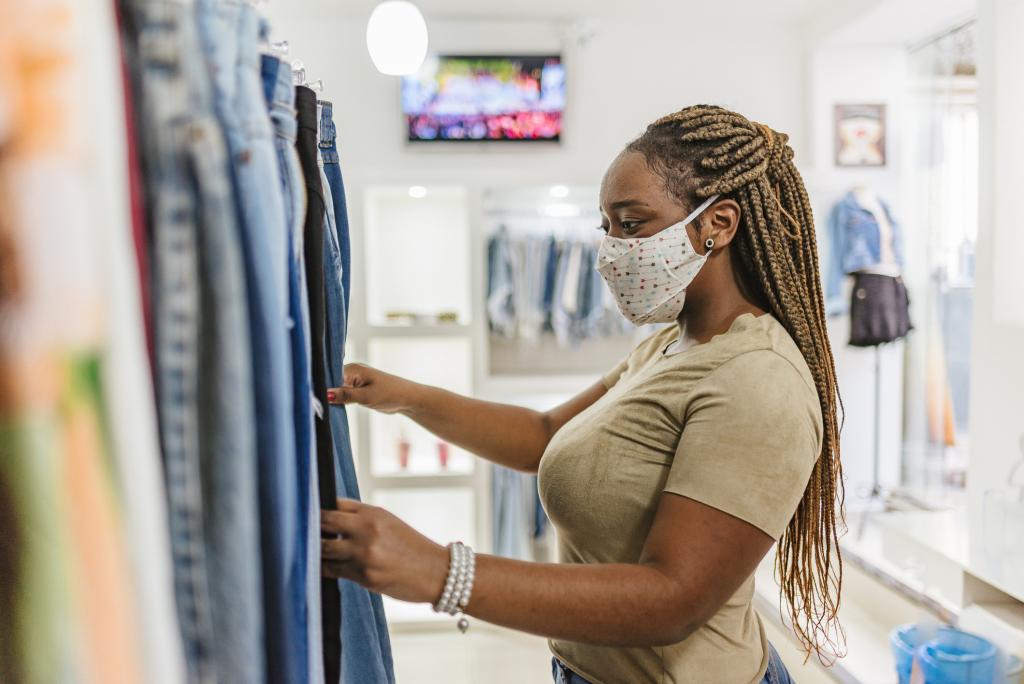
A young woman browses a row of jeans in a store while wearing a face mask
Shoppers are paying more attention to where their clothing comes from and creating higher demand for sustainable cotton / iStock

Western consumers are driving demand for sustainable products, along with businesses and regulators

Seeking healthier and more sustainably grown products, consumers in Europe and North America are behind much of the demand for certified commodities. This demand has had a major impact on the banana, cocoa, and cotton markets, where VSS-compliant products have reached 10%–15% of retail sales in these regions.

Additionally, value chain actors such as commodity traders, food processing companies, and retailers are increasingly adopting sustainable sourcing commitments to buy VSS-certified commodities. They are often motivated to meet consumer demand and manage supply chain and reputational risks. For example, some companies, including Colgate-Palmolive, Nestle, P&G, and PepsiCo, have committed to sourcing 100% VSS-compliant palm oil. These commitments can also bring companies into compliance with anti-deforestation policies and other regulations in the sector.

Some regulatory frameworks now define commodity sourcing conditions in both producing and consuming countries, which could use VSS-compliance as a due diligence and enforcement mechanism, while others use VSSs in export promotion measures. Examples include the Soy Moratorium for soybeans produced with zero deforestation in Brazil, the European Union Renewable Energy Directive for palm oil, and the Mozambique government’s efforts to produce 100% sustainable cotton by engaging with the Better Cotton Initiative.

Close-up of a large bunch of palm kernels
Colgate-Palmolive, Nestle, P&G, and PepsiCo, have committed to sourcing 100% VSS-compliant palm oil / iStock

Monitoring, enforcement, and product traceability remain difficult

Monitoring and enforcing VSS-compliance is a challenge, given the complexity of each value chain and the numerous and varied producers, sectors, and jurisdictions involved. Unfortunately, there are documented cases of certified producers operating in violation of their VSS criteria. But new technologies offer great potential to bolster monitoring and enforcement efforts. For instance, satellite-based sensors are now used to detect illegal logging to curb deforestation in palm oil operations.

Satellite-based sensors are now used to detect illegal logging to curb deforestation in palm oil operations.

Tracing sustainably produced products from the farm gate to the end consumer remains difficult. In many cases, certified crops are blended with their conventional counterparts after they leave the farm, losing their sustainability distinction forever. And if decision-makers cannot easily identify sustainably produced products, they cannot choose them.

Raising awareness is crucial to further growth

Global supply exceeds demand for some VSS-compliant products, including palm oil, soybeans, sugar, coffee, and tea. This leads to certified products selling as conventional ones, cutting the price incentive for producers to follow VSSs.

There are a variety of reasons for this demand shortfall, including a lack of awareness about environmental and social issues surrounding agricultural production. This is especially true for hidden commodities, such as palm oil and soybeans, which are mostly used as inputs for other products.

To stimulate demand, it is necessary to raise consumer awareness about how using VSSs can address issues such as deforestation and unfair labour practices related to producing these commodities. This is particularly important in developing and emerging economies, which will fuel future demand as populations and incomes rise.

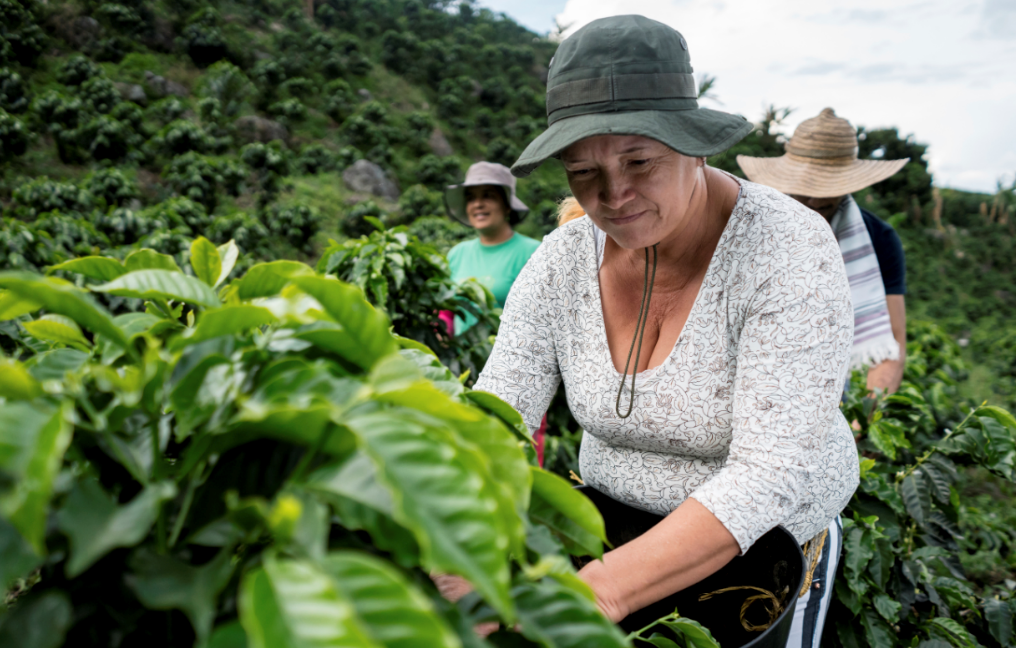
colombia-coffee.png
To stimulate demand for sustainable commodities, we must try to raise consumer awareness about how using VSSs can address issues such as deforestation and unfair labour practices / iStock

Raising awareness among supply chain actors, including commodity buyers and traders, can also push them to adopt more ambitious sustainable sourcing commitments, that go beyond serving end-consumer preferences and mitigating risk, and practice greater transparency in reporting their progress. Public sector actors can also examine the opportunities—and limits—of drawing on VSSs as mechanisms of due diligence and regulatory compliance concerning sustainability issues—including related provisions in procurement programs that could incentivize demand for VSS-compliant products.

Digging deeper

The growth in production for VSS-compliant commodities and strong demand signals from Europe and North America are very promising trends. However, VSS-compliant consumption and production have a lot of room to grow. This blog provides a brief overview of our recent research, but other important issues, such as consumer price sensitivity in developing and emerging economies and the increasing development of corporate sustainability certification schemes in some sectors, are covered in greater depth in our reports.

The Sustainable Commodities Marketplace Series provides a more detailed look at the unique production and consumption trends and sustainability issues for each of these eight important commodities while evaluating the potential for VSSs to address related environmental and social concerns. We are currently working on a follow-up series, which closely examines VSSs’ impacts on prices and the issue of consumer demand for VSS-compliant products in developing counties.

Insight

Did the Climate Ambition Summit Make Enough Progress?

As birthdays go, one could have hoped for better circumstances. Five years ago, governments adopted the Paris Agreement on climate change, and December 2020 was intended to provide its first major test: would governments submit enhanced or new nationally determined contributions (NDCs), more stringent in their emissions reductions, along with more generous pledges on finance?

December 14, 2020

(This analysis comes from the larger Earth Negotiations Bulletin summary and analysis of the Climate Ambition Summit, first published December 14, 2020)

Like so much else in 2020, the COVID-19 pandemic threw a wrench into the works. There could be no in-person meeting to celebrate and negotiate the final aspects of the Paris rulebook. But, at the same time, the global health concerns that shaped the year reinforce the truth that the health of humanity and of the planet are interwoven.

Instead, a series of virtual events substituted for the Glasgow Climate Change Conference, originally scheduled for December 2020. The virtual Climate Dialogues in late November and early December allowed parties and civil society to exchange views and share new information. Meanwhile, the Climate Ambition Summit provided an opportunity for parties to show progress—and for the incoming Conference of the Parties (COP) Presidency to demand it. 

According to the co-conveners—the United Nations (UN), the United Kingdom, and France—there would be “no space for general statements,” and announcements were expected to “show genuine progress from existing policies.” Still, with three climate summits in the past six years, some worried about diminishing returns. Would this call from the UN and COP presidencies be enough to bridge the gap between ambition and what is necessary to limit catastrophic global warming according to science?

“We have to ask ourselves two questions,” incoming COP 26 President Alok Sharma said as he closed the event. “At the end of the day, have we made progress? And is it enough?” This brief analysis of the Climate Ambition Summit attempts to answer those questions.

Ambition, if only in name

Did the Climate Ambition Summit present meaningful progress? Technically, yes.

The convenors requested leaders to come forward with announcements relating to Nationally Determined Commitments (NDCs), long-term net-zero strategies, climate finance commitments, and adaptation plans. Motivated, perhaps, as much by peer pressure as by the demands of science, many countries announced significant upgrades to their medium-term mitigation targets. The European Union’s proposal of 55% greenhouse gas emissions reductions, as well as the United Kingdom’s and Denmark’s targets of 68% and 70% reductions, respectively, are among the most ambitious in the history of the United Nations Framework Convention on Climate Change (UNFCCC). China’s pledge to reduce its economy’s carbon intensity by “at least” 65% from 2005 levels by 2030 nudges one of its previous NDC targets higher. Collectively, the summit yielded 45 announcements of new, updated, or revised NDCs. Many of these announcements, however, included already agreed-upon policy. It will therefore take time to untangle previous commitments from new ones and assess their contribution.

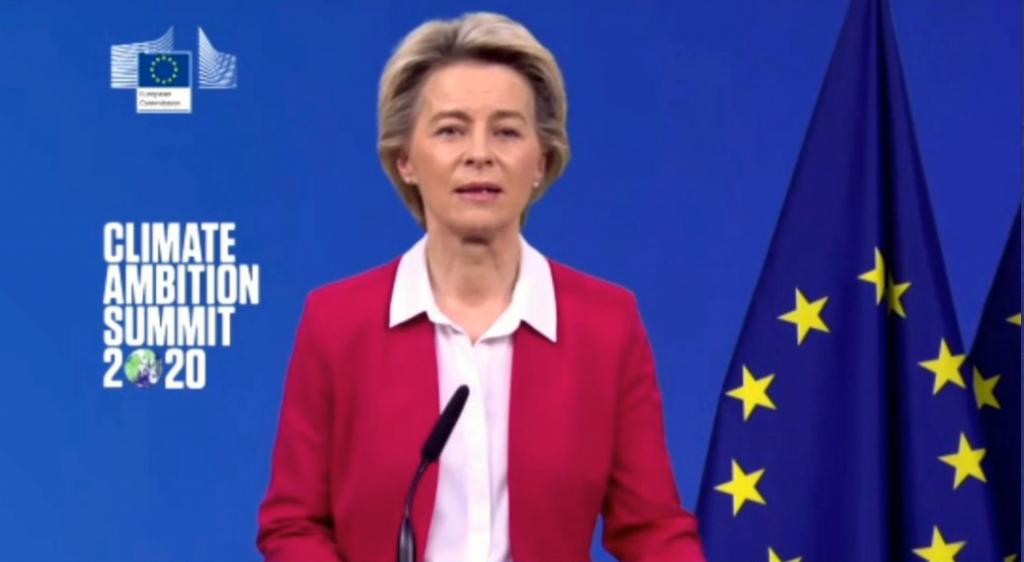
Ursula von der Leyen
Ursula von der Leyen, President of the European Commission, announces the EU's greenhouse gas reduction target of 55% below 1990 levels by 2030, saying this is the EU's contribution on the road to COP 26.

Moreover, ambition in developing countries continues to be conditional on developed countries delivering on their financial promises. Developing countries such as Barbados and the Maldives, which announced ambitious mitigation commitments despite their constraints, reiterated long-standing calls for increased climate finance, technology transfer, and capacity-building support. In fact, developed countries’ promise in Copenhagen in 2009 to mobilize USD 100 billion in climate finance per year by 2020 will not be met. As a result, it is likely that many developing country commitments will continue to be conditional on those flows reaching their destination. This summit was a reminder that, as UNFCCC Executive Secretary Patricia Espinosa noted, climate finance contributions can be the key enabler of ambition—or its breaking point.

Gaston Alfonso Browne
Gaston Alfonso Browne, Prime Minister of Antigua and Barbuda, called on the United States and China to cooperate as global leaders and recommit to the 1.5°C target. "Let's increase our climate ambitions and global cooperation to save our planet."

Despite an abundance of participants—111 speakers in all—there were some notable absences. Organizers were clear only those who presented enhanced ambition would be offered a speaking slot, with priority for “transformational commitments.” The absence of Brazil, the Russian Federation, Australia, and New Zealand, to name only a few, sent a message: commit to serious change or be left behind on the world stage. Yet some commentators questioned the effectiveness of this tactic even as they recognized it may be the only trick left in the UN’s toolbox since those parties will still be present and active at the rescheduled COP 26 in Glasgow in 2021. 

“No representatives from the fossil fuel industry were invited to speak, either,” another quipped online, “and they don’t seem that devastated.”

Also absent was the United States, which exited the Paris Agreement in November 2020—only to have its new President-Elect Joe Biden announce the United States would rejoin the Paris Agreement when he takes office in January 2021. Although officially absent, American subnational and non-state actors did participate, including two U.S. state governors. At the same time, many major players may still be waiting to see how a Biden administration acts on climate before cementing further international commitments. Some observers saw China’s Climate Ambition Summit commitment, which did not contain an earlier peaking target for emissions that some had anticipated, as a sign that it was “hedging its bets” before the official re-entry of the United States into the Agreement.

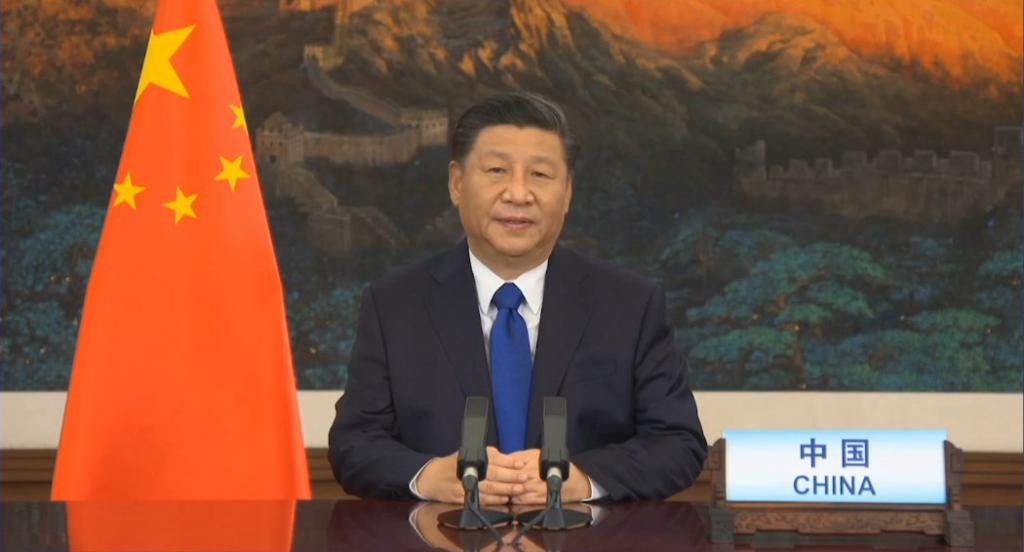
Xi Jinping
President of the People's Republic of China Xi Jinping addresses the Climate Ambition Summit.

What is promised and what is necessary

If the summit achieved its goal of raising ambition—however incrementally—whether that ambition is sufficient to meet the key objectives of the Paris Agreement is questionable. The World Meteorological Organization estimates a 24% chance of surpassing the threshold of 1.5°C of warming in the next five years. The 2020 UNEP Emissions Gap Report concludes that the world remains on track to exceed 3°C of warming by the end of the century. The Intergovernmental Panel on Climate Change (IPCC) has warned that emission cuts of 40%–60% from 2010 levels are needed by 2030 to stay on track to limit warming to the Paris Agreement’s lower threshold of 1.5°C. Most countries who spoke at the summit came nowhere close to this level of ambition.

While significant, these commitments do not necessarily reflect the urgency of the science. At the November 2020 Climate Dialogues, Intergovernmental Panel on Climate Change scientists were clear: immediate and urgent decarbonization is necessary and any delay adds to the burden on future generations. Many announcements made in 2020 and at the summit skew toward longer-term decarbonization, with net-zero targets tied to 2050. As UN Secretary-General António Guterres noted, G20 countries still spend 50% more in their COVID-19 stimulus and rescue packages on sectors linked to fossil fuel production than on low-carbon energy. And of the world’s largest emitters, only a small number have proposed or submitted stronger NDC targets. Although some took the commitments of the summit as evidence that the Paris Agreement’s “ratchet mechanism” is working, it was clear to others it is not working fast enough. Before the summit, activist Greta Thunberg slammed world leaders for setting “distant hypothetical targets,” declaring that “the gap between what we need to do and what needs to be done is widening by the minute.”

Nisreen Elsaim
"The vulnerability of communities in least-developed countries and African countries to COVID-19 is massive. How can they survive the climate crisis? Staying below 1.5°C is our only hope." Nisreen Elsaim, Chair of the UN Secretary-General's Youth Advisory Group on Climate Change.

Significant uncertainty clouds the climate agenda entering 2021. Some were encouraged that the British presidency demonstrated a willingness to employ its vast diplomatic network as the incoming COP 26 Presidency to mobilize stakeholders worldwide, including through the non-party stakeholder-oriented Race to Zero campaign, despite the postponement of the COP by a full year and the raging pandemic. But with the UNFCCC’s mid-year Subsidiary Body meetings yet to be scheduled for 2021, the path to COP 26 is not yet clear. While a number of speakers cited growing optimism about recent scientific advances to combat COVID-19, uneven access to vaccines raises concerns that the long tail of the pandemic could further disadvantage developing countries, including in climate negotiations. 

Uncertainty also remains around the role of civil society. Some noted that virtual platforms make it difficult to execute the “inclusive multilateralism” that many in the international community continue to call for. The incoming Presidency’s focus on including business, and scientific and civil society groups also raises the question of how these communities will participate in the UNFCCC process, should opportunities for face-to-face interaction remain limited in the months or years to come.

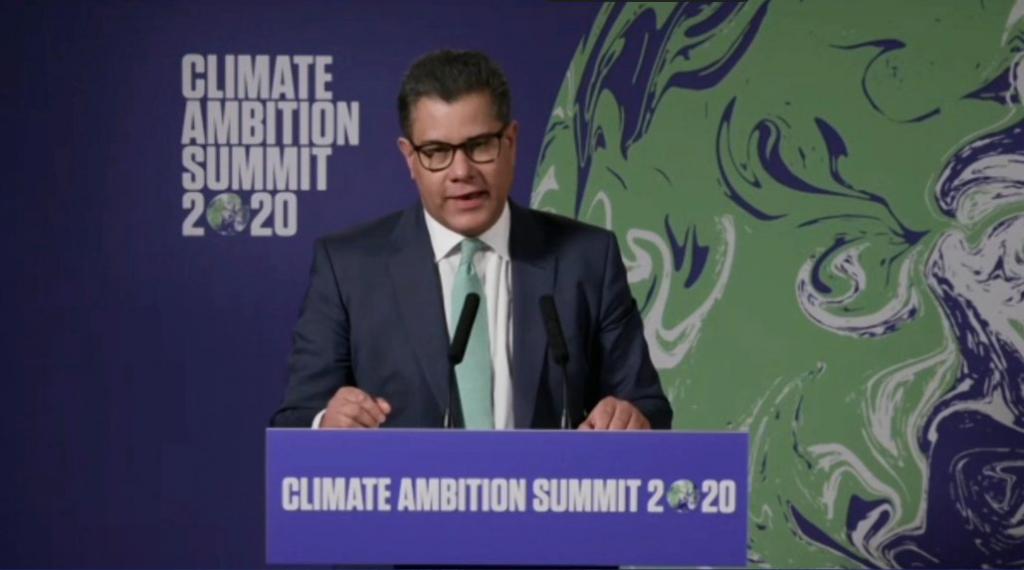
Alok Sharma
UNFCCC COP President Alok Sharma addresses the Climate Ambition Summit: “I want the golden thread of climate action to weave through every international gathering next year."

Stitching together climate ambition

The incoming COP Presidency projected determination at the summit’s close. “I want the golden thread of climate action to weave through every international gathering next year,” Sharma said, pointing to upcoming G7 and G20 meetings. But even if the targets and the science are clear and unmoving, whether climate ambition will deliver those targets remains to be seen. Current policies do not hold the world below 1.5°C, or even 2°C, of warming. Most of today’s targets will be judged when the leaders presenting them are long out of office.

The coming year’s recovery from a global pandemic, a shifting world stage, and the juggling of economic priorities with environmental imperatives will dictate whether true transformation will emerge at COP 26 in Glasgow. Will the golden thread weave together humans and the planet once more? Or will the Paris Agreement’s patched-up cloth of goodwill unravel at the seams?

To receive ongoing coverage of global environmental negotiations, subscribe to the Earth Negotiations Bulletin e-newsletter.

Insight

Making Peace with Nature: Highlights from the UN Climate Change Dialogues 2020

The Climate Dialogues were intended to bridge the gap to COP 26 by giving parties an opportunity to exchange views on outstanding issues. Here, we offer lessons learned from a virtual approach to multilateral engagement.

December 8, 2020

Making peace with nature is the defining task of the 21st century. It must be the top, top priority for everyone, everywhere. – UN Secretary-General António Guterres

While the Climate Dialogues were in their second week, United Nations Secretary-General António Guterres spoke about the state of the planet. "Apocalyptic fires and floods, cyclones and hurricanes are increasingly the new normal," he highlighted. "It is time to flick the 'green switch.'"

The days before the opening of the Dialogues were rife with media talk of COVID-19 vaccines but overcoming one crisis does not mean dismissing the other. As Patricia Espinosa, Executive Secretary, United Nations Framework Convention on Climate Change (UNFCCC), gravely noted during the opening of the Dialogues, "There is no vaccine for the global climate emergency."

The COVID-19 pandemic has forced the postponement of the 26th meeting of the UNFCCC Conference of the Parties (COP 26) until 2021, but governments and stakeholders agreed that climate action must continue regardless of the pandemic.

There are several outstanding issues due to be resolved at COP 26, including guidance for Article 6 of the Paris Agreement (cooperative approaches), common time frames for nationally determined contributions (NDCs), and transparency of reporting. The Subsidiary Bodies and constituted bodies are also under pressure to advance on their mandates, including holding workshops and preparing anticipated reports. As participants were starkly reminded by the Subsidiary Body for Implementation (SBI) Chair Marianne Karlsen, "We must continue to make progress in the only formal process we have."

While the UNFCCC does have experience hosting online events, the Climate Dialogues were an unprecedented experiment in scale.

The Climate Dialogues were intended to bridge the gap to COP 26 by giving parties an opportunity to exchange views on outstanding issues, as well as providing a space for holding mandated events and informational sessions. This brief analysis explores how the Climate Dialogues fared in fulfilling these functions and reflects on the lessons learned from a virtual approach to multilateral engagement.

A (Video) Call to Action

Solidarity is humanity. Solidarity is survival. – António Guterres

It was a tall order: creating a virtual space for an event that normally sees tens of thousands congregate in major convention centers. While the UNFCCC has experience in hosting online events, including the June 2020 Momentum event, the Climate Dialogues were an unprecedented experiment in scale. The Secretariat, subsidiary bodies, parties, and non-party participants were effectively testing out new grounds as they proceeded: as Subsidiary Body for Scientific and Technological Advice (SBSTA) Chair Tosi Mpanu-Mpanu said early on, "We are building the plane as we are flying it."

Inequities in participation opportunities that affect in-person events fell into sharp resolution at this virtual event. The meeting mostly took place during working hours in Central European Time (UTC+1), and time zone issues placed a heavy burden on delegations that had to participate in meetings during the night for the better part of the Dialogues.

Internet connectivity issues were also a problem. Some speakers, particularly those from least developed countries (LDCs) and small island developing states (SIDS), were unable to connect during their scheduled speaking slots, or suffered from delays and poor-quality audio. Moreover, the connection between the meeting platform used by participants and the livestreaming platform through which most observers accessed the dialogues also malfunctioned at times, leaving observers in the dark. These technological problems did not prove fatal to the Dialogues, but no doubt muffled the voices of smaller and less developed constituencies. One observer wondered, "Why were these obvious issues not better anticipated and corrected for?"

Without a physical meeting space, observers lacked the opportunity to carry out the colorful, attention-grabbing actions that many associate with UNFCCC meetings.

Observers also expressed concerns about access to documentation, limited places for active participation sessions, and lack of monitoring of the livestreaming platform for questions. Meanwhile, without a physical meeting space, observers lacked the opportunity to carry out the colorful, attention-grabbing actions that many associate with UNFCCC meetings, not to mention the major protests that disrupted COP 25 in Madrid.

Some observers acknowledged inherent limits of the virtual setting; others wondered whether this was a missed opportunity to be exposed to input from outside the bubble of the UNFCCC process. The lack of media attention compared to in-person meetings was also very apparent: even climate-focused media did not really cover the Dialogues.

The flip side of the virtual format was its "democratizing" impact: the Dialogues, as well as the virtual meetings by the constituted bodies that took place in 2020, were able to reach many individuals and communities who would not have been able to attend in-person meetings. Many emphasized this good practice should be fostered even after the pandemic.

Progress and the State of Discussions

We cannot go back to the old normal of inequality, injustice and heedless dominion over the Earth. Instead, we must step towards a safer, more sustainable and equitable path. – António Guterres

Despite the challenges and hurdles faced in 2020, there was progress across many areas. Most constituted bodies managed to adjust to the pandemic and deliver on their mandates. There were, of course, gaps and shortcomings: some countries, for example, worried about the pace of work on loss and damage, notably with regard to adopting a plan of action for the new expert group on action and support.

Capturing progress from the Dialogues themselves is more difficult. Observers were unable to see the extent of progress on the informal discussions on outstanding Paris Rulebook issues as the sessions were held in a closed format. While the informal discussions undoubtedly had the merit of preventing parties from becoming "rusty," as one delegate put it, he added they appeared to make "little progress on the whole."

It seems increasingly likely that parties will not wait until the last minute to initiate discussions on post-2025 climate finance.

Without the substantial pressure for the COP to come to a conclusion, discussions on Article 6 remained at an abstract level, although this may be changing. According to some delegates, the looming expiration date of the Clean Development Mechanism—and the associated threat of a void in project funding—may create external pressure that will lead to a decision at COP 26 in Glasgow.

Similarly, in the technical discussion on common time frames, country groups largely repeated their well-known positions rather than engaging with the technical questions under discussion.

Finance evidently remained a source of disagreement. Thorny questions on modalities for climate finance accounting resurfaced, as always. Yet the topic of loan concessionality, especially for vulnerable countries, is increasingly acknowledged, including by donor countries. Although there is not much progress in terms of substance, it seems increasingly likely that parties will not wait until the last minute to initiate discussions on post-2025 climate finance.

All in all, the Dialogues may have fared better at keeping parties talking than at moving the talks forward. But how should virtual discussions be captured, and how should they feed into the negotiations? Some parties insisted that virtual discussions cannot replace negotiations and were adamant that no reports from the informal discussions be produced—or have any status in future negotiations if they were produced. Other parties called for continuing informal work in 2021 to deliver results at COP 26 and encouraged the presiding officers to capture the status of discussions prior to the next round of negotiations.

Ambition vs Reality

The science is crystal clear: to limit temperature rise to 1.5°C above pre-industrial levels, the world needs to decrease fossil fuel production by roughly 6% every year between now and 2030. – António Guterres

The question of ambition was ever-present in the Climate Dialogues, even if the notion of what such stated ambition may bring into being is still uncertain. In the wake of several high-profile net-zero or carbon neutrality announcements by major economies, the pressure rose for other countries to present new or enhanced NDCs. The Race-to-Zero campaign, launched at COP 25, had a high profile at the Dialogues, championed by the UK COP 26 Presidency. Executive Secretary Espinosa expressed this collective hope: "We are seeing leadership and momentum that didn’t exist even a few months ago."

Parties may be moving closer to the goals that science demands. During the Dialogues, Climate Action Tracker broke news that if all net-zero pledges made by countries were fulfilled, global warming by the end of the century would reach 2.1°C—a substantially lower figure than the 2.9°C expected under current policies. For some, this represented evidence that the Paris Agreement's ratcheting-up mechanism had worked, if only in terms of ambition.

Yet ambition is not action, or even implementation. Questions remain about whether some parties' distant pledges for 2050 will be reflected in current national policies and legislation. Confidence is not high. As activist Greta Thunberg commented on Twitter, "If only words, pledges and setting distant hypothetical targets actually lowered our emissions, then we wouldn’t still be in this mess." 

The gap between parties’ stated ambition and the science, as well as the track record of implementation, raise concerns. In the course of the Structured Expert Dialogue, scientists made it clear that emissions reductions are nowhere near where they need to be—and that relying on "overshoot" scenarios of exceeding temperature goals to later draw down emissions would lock in irreversible impacts for vulnerable communities. The upcoming Climate Ambition Summit is billed as another venue to create momentum for increased ambition. The question nevertheless remains: will this continue to be all promise, no implementation, or will real progress shine through?

Looking Ahead to COP 26

Human activities are at the root of our descent towards chaos. But that means human action can help solve it. – António Guterres

While the Climate Dialogues undoubtedly advanced the climate regime’s various mandates and work, it is debatable to what extent it paved the way to success in Glasgow.

What will discussions and negotiations look like in 2021? While the evolving COVID-19 vaccine situation makes it appear more likely that COP 26 will be able to proceed in late 2021 as planned, the format of intersessional meetings is still very much up for discussion. Conjuring a hopeful vision, Patricia Espinosa promised that "as soon as we can meet [in person], we will." But uncertainty remains.

One delegate urged parties to "get over" their concerns about perfection, saying the Dialogues were not intended to replace the more formal setting, and that parties need to use every opportunity to make progress. Further informal discussions will be key to ensure these discussions move toward more concrete exchanges. According to some, having future co-facilitators who will handle matters in Glasgow in the room during virtual talks could be a promising way to avoid duplication of work. This foreshadows that continued experimentation with virtual discussions will continue in 2021, building on lessons learned from the Dialogues.

The visible and active presence of the UK COP 26 Presidency at the Dialogues assuaged concerns in the wake of what many viewed as a bumpy year. One long-time observer pointed out that the combination of the active COP 25 and 26 Presidencies bodes well for success at COP 26. Some had concerns, however, as to whether what one participant termed the UK Presidency’s "gazillion campaigns"—including on adaptation and resilience, energy transition, and clean road transport—would relate to the key negotiation issues on the table at COP 26, and whether they might spread resources too thinly.

With the Climate Ambition Summit commemorating the anniversary of the adoption of the Paris Agreement just a week away, participants at the Dialogues anticipated a slew of new and updated NDCs in the coming weeks and months. Did the Dialogues move the dial on the necessary ambition to put the world on track to meet the Paris goals? Will that ambition translate into scientifically rigorous action? As Patricia Espinosa pointed out, the increasing optimism and momentum increases the already high expectations for COP 26. If they are to meet the challenge of the moment and make peace with nature, parties will need—in the words of the Executive Secretary—to "work like [they] never have before."

Insight

Can the WTO Tackle Fossil Fuel Subsidies Effectively? Yes, but something needs to change

As countries across the globe develop recovery packages to cope with the socio-economic effects of the COVID-19 pandemic, we're seeing a unique opportunity to steer public finance away from fossil fuels and toward the clean energy transition.

December 2, 2020

The year 2021 is critical to "building back better." As countries across the globe develop recovery packages to cope with the socio-economic effects of the COVID-19 pandemic, spending limited public resources smartly and efficiently is more important than ever. These stimulus packages provide a unique opportunity to steer public finance away from dirty fossil fuels, thereby facilitating the clean energy transition and contributing to the goals of the Paris Agreement.

So far, this opportunity has been missed. More than half (USD 235 billion) of recovery funds committed to energy in G20 countries target fossil fuels. This is yet another manifestation of G20 countries' failure to live up to their repeated pledge to end government subsidies to fossil fuel consumption and production, despite the well-established tangible benefits of fossil fuel subsidy reform for the climate, public health, and the public purse.

While other countries, in particular the Friends of Fossil Fuel Subsidy Reform group, have made efforts to push this reform agenda forward, global progress has so far been limited. The voluntary nature of existing phase-out pledges, combined with the lack of a clear deadline, has offered governments leeway to continue handing out deeply harmful subsidies.

The voluntary nature of existing phase-out pledges, combined with the lack of a clear deadline, has offered governments leeway to continue handing out deeply harmful subsidies.

Acknowledging this limited progress, the climate plan of U.S. President-Elect Joe Biden signals that the world's largest producer of fossil fuels wants to spearhead a "worldwide ban on fossil fuel subsidies." As the only global institution with binding rules to regulate subsidies, the World Trade Organization (WTO) seems well-positioned to play a central role in pursuing such a goal.

For this to happen, however, something must change.

In contrast with measures to support renewable energy, fossil fuel subsidies have so far remained largely unchallenged under the global trade body's dispute settlement mechanism. Despite the trade-distorting effects fossil fuel subsidies can have, the WTO’s trade-focused subsidy rules have proved ineffective in curbing support to fossil fuels.

The good news is, there is a way forward

In a new report, researchers outline three concrete ways that WTO members can support the phase-out of fossil fuel subsidies:

  1. Boost Transparency

The saying that "sunlight is the best disinfectant" also holds for subsidies. Following the G20's initial pledge in 2009, some countries have begun to report their fossil fuel subsidies and subject their support measures to international peer review.

Through efforts by organizations such as the Organisation for Economic Co-operation and Development, the International Energy Agency, and non-governmental organizations like IISD and others, we now know more about the scale of these subsidies and who provides them. These efforts are bolstered by SDG 12.c, which sets the stage for voluntary reporting on fossil fuel subsidies by United Nations member states.

WTO members can contribute by participating in these efforts, as well as by improving their notifications of fossil fuel subsidies to the WTO and raising the issue of fossil fuel subsidies in the context of the organization’s regular Trade Policy Reviews. By doing so, they can help set a baseline against which phase-out efforts can be measured.

  1. Better Enforce Existing Rules

Existing WTO subsidy rules have major limitations. They focus exclusively on the trade implications of subsidies, leaving environmental concerns unaddressed, and even trade effects are only imperfectly disciplined. These rules, nevertheless, have the merit of being already in place and offer the legal space to challenge some fossil fuel subsidies. For instance, subsidies geared toward promoting fossil fuel exports may constitute "prohibited" subsidies that could be challenged by any other WTO member. WTO members should therefore explore their existing options to launch a challenge against fossil fuel subsidies.

  1. Negotiate Specific Rules on Fossil Fuel Subsidies with a Focus on Their Environmental Impacts

If WTO rules are to truly support fossil fuel subsidy reform and the clean energy transition, however, more fundamental changes will also be needed. WTO members should begin discussing new disciplines on fossil fuel subsidies in earnest, following the example of the ongoing WTO negotiations on environmentally harmful fisheries subsidies.

To this end, members should launch an informal dialogue on the prospects and challenges of regulating fossil fuel subsidies more effectively through the WTO at the organization’s next Ministerial Conference in 2021. They can draw on the renewed momentum created by a growing number of countries eager to promote sustainable trade rules, as well as ongoing negotiations by a subset of WTO members on a new Agreement on Climate Change, Trade, and Sustainability (ACCTS), which is due to include rules on fossil fuel subsidies.

The phase-out of fossil fuel subsidies neither begins nor ends at the WTO. However, the global trade body—and the international trade system more generally—can provide powerful tools to countries willing to collectively advance fossil fuel subsidy reform. At a moment when fiscal space is becoming inexorably tighter as a result of the COVID-19 pandemic, the time is right for governments to reconsider the damaging way in which they are spending billions of scarce public dollars and show they are serious about supporting a green recovery.


Insight

A Fair Path Forward: What gender-responsive adaptation teaches us about an equitable recovery

Only with an understanding of who is most vulnerable—and why—can we identify strategies that address real needs, ensuring no one is left behind.

November 23, 2020

The COVID-19 pandemic has shone a light on the ways in which gender inequality interacts with shocks and stresses to exacerbate the impacts on women and girls. As this global crisis unfolds, we are seeing gender-specific risks, including an increase in domestic violence, as well as reduced incomes and a greater care burden for women. These impacts are even more pronounced for those who have precarious livelihoods, are socially marginalized, or have a physical disability.

For those of us concerned with the gender dimensions of climate change, these issues are familiar. When extreme events such as droughts and floods occur, women are often on the front lines, keeping everyone fed and caring for children and sick or elderly family members.

Gender differences in access to information, services, and resources have a strong influence over people’s adaptive capacity, with women most often at a disadvantage. Social norms that shape gender roles and relationships determine both the opportunities available to people and the constraints to their resilience. Again, those who are the poorest and/or socially excluded are most affected.

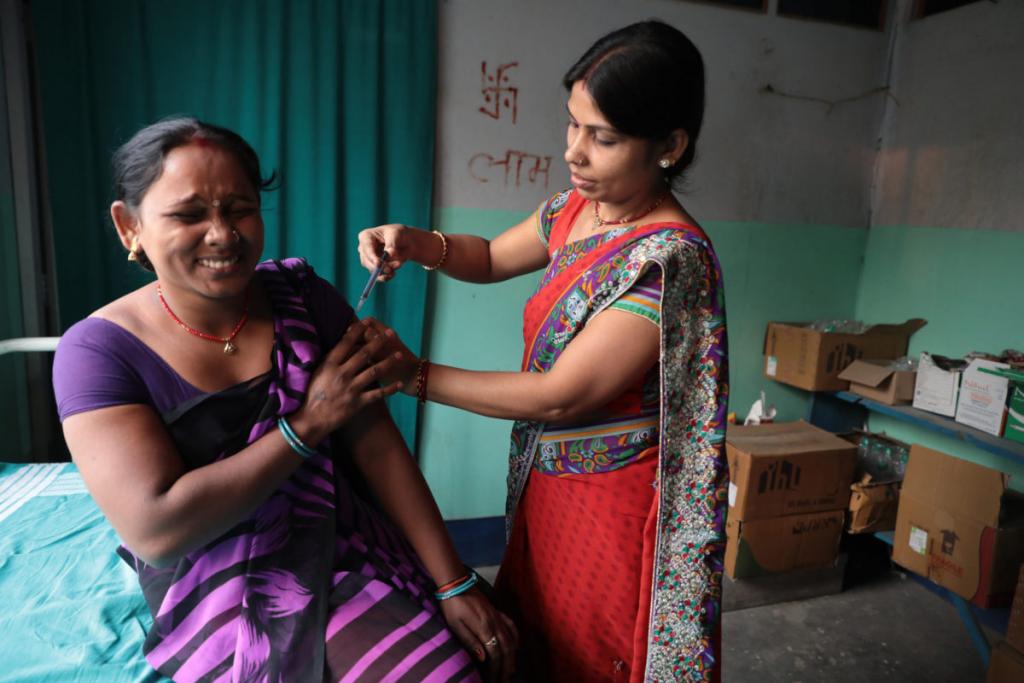
A woman receives a vaccination by a nurse
A nurse at a private clinic in rural Bihar, India, provides an injectable contraceptive to a client / Paula Bronstein/Getty Images

Though we have yet to understand the full impact of this crisis, attention is now turning to what comes after, with many activists and leaders calling for a resilient recovery that addresses the immediate impact of the pandemic while still advancing sustainable development. A resilient recovery will enable countries to prepare for future shocks while also advancing the clean energy transition.

The challenge for decision-makers is to do this in a manner that also addresses the gender and social inequalities likely to be exacerbated as the fallout from COVID-19 continues—the same inequalities that make some people and communities particularly vulnerable to climate change. If this recovery is done right, we can address multiple goals by building systems that are both resilient and equitable.

So what does this look like? For answers, we can look to some of the learning from efforts to address gender and social dimensions in climate change adaptation.

We have found that effective adaptation requires community-led approaches that give the most vulnerable people a voice. People have a right to participate in the decisions that affect their lives.

When it comes to building climate resilience, we focus on assessing who is most exposed to climate risks, how different people are affected, and what the barriers to adaptation are for different groups. This requires consideration of people’s location and living conditions, how they sustain their livelihoods, and their social position, all of which play a role in determining vulnerability to climate change. Only with an understanding of who is most vulnerable—and why—can we identify adaptation strategies that address real needs and ensure no one is left behind.

For COVID-19, we also need to recognize the differential impacts of the pandemic—and our responses to it—on people of different genders and social groups. The collection of data disaggregated by gender, age, ethnicity, etc. is essential to inform decision making about next steps. This includes data on who is contracting and dying from the virus but also how its consequences affect different people and who is benefitting from the relief programs put in place to ease economic and social burdens.

How are people of different backgrounds differently affected by the virus and by the lockdowns? Which programs are working best to minimize the long-term economic impact on the most vulnerable households? Who is not benefitting from recovery programs, and why not?

Next, we have learned that we need targeted adaptation funding and strategies that address the underlying factors, making some groups more vulnerable than others to the same climate risks, taking into account gender, wealth, and social status, among other factors. For adaptation to be effective, resources must be channelled to those that need them most, with the flexibility to adjust as needed to uncertainty and changing risks.

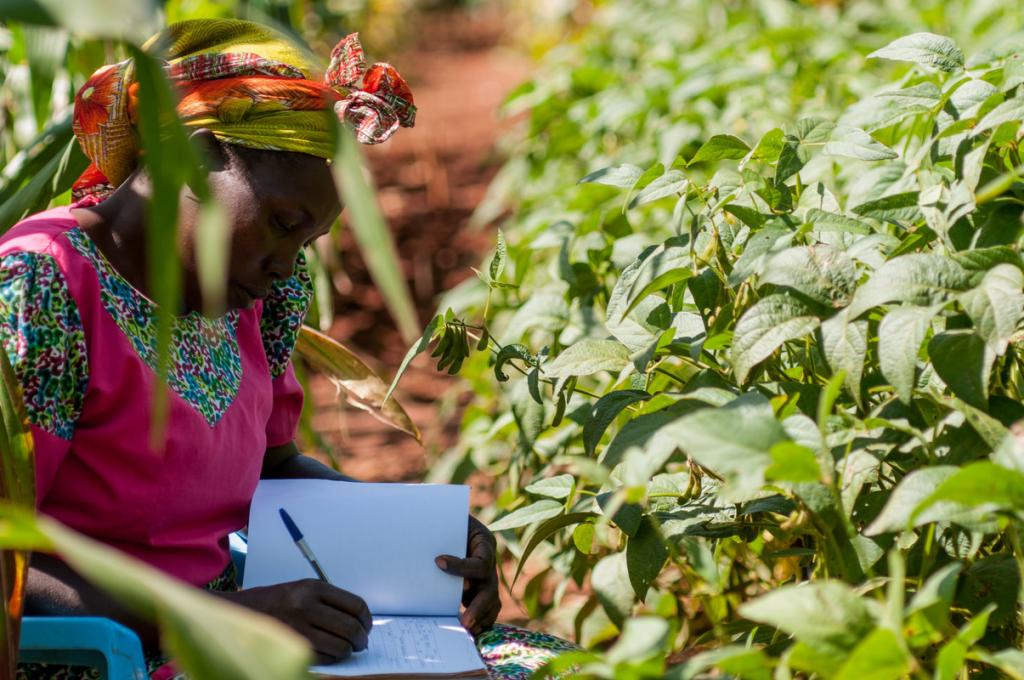
A Kenyan woman in a head scarf writes in a notebook while crouched down in a farmer's field
A woman takes notes for a soil inspection at a farm in Kenya / ©2016CIAT/GeorginaSmith

This report from the Insuresilience Global Partnership, for example, describes how micro-level climate risk insurance can be designed for women’s needs by allowing for collateral other than property and/or by bundling it with savings or health-focused products to make it more affordable. Targeted measures like this help to ensure equitable access for women and provide some protection for those employed in informal roles, such as in the agricultural sector.

The analysis also highlights the need for the staff and communication materials to be representative of the diversity of intended clients. These types of insights can inform the pandemic recovery, where emergency relief measures must evolve into robust social protection schemes that enable people to build individual and community resilience to future shocks and stresses, including those caused by climate change. Local actors must be empowered to provide tailored support.

Finally, we have found that effective adaptation requires community-led approaches that give the most vulnerable people a voice. People have a right to participate in the decisions that affect their lives, and the nature of climate change adaptation—as an ongoing process of learning and adjustment to manage risks—requires approaches that foster people’s agency and enhance planning capacities.

A learning and reflection process by CARE Ethiopia, for instance, found that participatory analysis of climate-related vulnerabilities and capacities where women and men discussed the issues separately led to a better understanding of specific needs and better-targeted actions.

It would be a missed opportunity if the recovery from this pandemic does not draw on almost two decades of important learning.

For these efforts to be effective, participatory processes must address power dynamics within communities and tackle unhelpful social norms that lead to inequality and marginalization. We know that women and marginalized people bring essential knowledge to the challenge of building climate resilience, and we need to ensure that they have a seat at the table and that their voices are heard.

In building back better from COVID-19, we must ensure that those most affected by the crisis have a say in how the recovery happens. Programs run by the government should be designed in consultation with the people they aim to benefit, ensuring meaningful participation of all genders and social groups.

Better yet, funds can be channelled to organizations that are already working with the most vulnerable members of society, who can work with their clients to identify the best path forward. Support is needed for communities and institutions to engage in forward-looking planning toward better management of all types of risks in the future.

There are many parallels to draw between this pandemic and the climate crisis. We can either continue reinforcing existing gender and social inequalities or we can transition to economies and societies that are both more resilient and more equitable. It would be a missed opportunity if the recovery from this pandemic does not draw on almost two decades of important learning.