Deep Dive

Building Peace and Climate Resilience: Aligning peacebuilding and climate adaptation in fragile states

It can be difficult to make the case for climate adaptation planning in contexts defined by fragility and violence. However, a failure to integrate climate adaptation considerations into peacebuilding plans and post-conflict development agendas can undermine the long-term viability of both.

January 20, 2022

This article was originally published on the Ecosystem for Peace – A compendium of ideas website, hosted on medium.com, and is reprinted below with permission. Read the original post here.

Context

It can be difficult to make the case for climate adaptation planning in contexts defined by fragility and violence. Despite the often clear link between fragility, climate impacts, and climate vulnerability, it can be difficult to argue that limited time and resources should be put into plans for adapting to future and uncertain climate risks; governments and donors are understandably focused on alleviating immediate human suffering, re-establishing or strengthening public services, and generally creating the conditions for development and investment. However, a failure to integrate climate adaptation considerations into peacebuilding plans and post-conflict development agendas can undermine the long-term viability of both.

The converging crises of conflict and climate change can be mutually reinforcing, with climate impacts potentially exacerbating the conflict cycle and violence weakening the governance structures and institutions needed to build climate resilience.

There are, of course, considerable barriers to adaptation planning in such contexts beyond the prioritization of more immediate needs. Governance is weak, as governments struggle with the hard work of rebuilding the social contract and re-establishing their legitimacy in the eyes of their citizens. Adaptation projects and progress may have been derailed by conflict; populations may have been targeted or displaced, staff evacuated, and project resources damaged or destroyed. A dearth of reliable and accurate climate data and information can also hinder effective policymaking. Finally, donor priorities may have shifted. Unfortunately, with often similar root causes — weak institutions, discrimination, inequality, poverty, marginalization — the converging crises of conflict and climate change can be mutually reinforcing, with climate impacts potentially exacerbating the conflict cycle and violence weakening the governance structures and institutions needed to build climate resilience. One way to align peacebuilding, development, and adaptation strategies is through the National Adaptation Plan (NAP) process.

What’s been done

The NAP process is a country-owned strategic process to integrate climate adaptation priorities into medium- and long-term development plans. For fragile states, the NAP process provides governments struggling with conflict, instability, and climate change the opportunity to align their peacebuilding, development, and adaptation agendas and lay the foundation for lasting peace. The NAP process is not designed to address the drivers of conflict in a country; however, as an integrated approach to development and adaptation planning, it is well-positioned to support peacebuilding processes in some of the world’s most climate-vulnerable countries in several ways.[i]

First, the NAP process — similar to peacebuilding processes — requires that governments take a holistic approach to addressing vulnerabilities to climate change and conflict. It promotes both incremental and transformative actions to increase resilience across sectors and levels of government. Doing so effectively requires addressing the underlying causes of climate vulnerability — which in fragile states can overlap with the drivers of conflict, such as weak governance, inequality, and poverty.

Second, both the NAP process and peacebuilding timelines are concerned with medium- and long-term planning horizons. While fragile states face urgent and immediate adaptation and stability needs, it takes an average of 22 years for an economy to recover from a major conflict.[ii] A similar longer-term view, espoused by the NAP process, is required to adapt to a changing climate.

Third, the NAP process is contextually sensitive, flexible, and structured to evolve; as an iterative process it is well-placed to take into account the changing dynamics of fragile states and to be adjusted over time to reflect the evolving realities on the ground. As with sustainable peacebuilding programmes, the NAP process is not imposed from outside, but rather is country-owned and participative. And finally, the NAP process, in articulating a country’s adaptation priorities, can open the door to funding for technical support, capacity building, and institutional strengthening in countries often in dire need of resources for all three.

Governments are already using the NAP process to integrate conflict dynamics and considerations into adaptation planning and efforts.

A review of submitted NAP documents indicates that governments are already using the process to integrate conflict dynamics and considerations into adaptation planning and efforts.[iii] Several countries, including Cameroon, Ethiopia, Colombia, and Brazil, see adaptation as a clear means to preventing potential conflicts around land and water resources. Others, such as Palestine, recognize conflict as a key source of their population’s climate vulnerability. Still others — such as Sudan, Burkina Faso, and Colombia — note in their NAPs that adaptation plans need to recognize conflict as a driver of climate vulnerability and adaptation as a possible tool for conflict prevention.

Looking ahead

There remains much to do to fully align NAPs with peacebuilding agendas in fragile states. Governments must ensure that their climate adaptation actions respond to conflict dynamics and, when possible, that they are designed to actively address the drivers of both climate and conflict vulnerability. This includes, at a minimum, ensuring that adaptation actions are conflict-neutral; interventions that do not, for example, consider the equitable distribution of adaptation benefits could cause more harm than good. They must also work to ensure that their peacebuilding plans and programmes are climate resilient and designed to cope with existing and expected local and national climate impacts. Donors also have a role to play; they must increase their support for conflict-sensitive, flexible, and autonomous adaptation planning in conflict-affected states, and fully support the transition from planning to implementation.


This article is a contribution to a compendium of 50 entries on the future of environmental peacebuilding, written by 150 authors in a collective effort to chart a future course of action. Environmental peacebuilding, climate security, environmental peace and security — these are all terms to articulate the relationship between natural resources and the lines between violent conflict and peace.

The collective project will be collated and launched online on 1 February 2022 at the International Conference for Environmental Peacebuilding. It is meant to be a tool both of collective sensemaking and of influence for decision-makers. Learn more here.


Note: This white paper submission is drawn from: Crawford, A. and Church, C. (2020) The NAP Process and Peacebuilding: Briefing Note. International Institute for Sustainable Development: Winnipeg. (https://napglobalnetwork.org/resource/naps-and-peacebuilding/)

[i] Crawford, A., and Church, C. (2020) The NAP Process and Peacebuilding: Briefing Note. International Institute for Sustainable Development: Winnipeg. (https://napglobalnetwork.org/resource/naps-and-peacebuilding/)

[ii] Hoeffler, A. (2012) Growth, aid and policies in countries recovering from war. Organisation for Economic Co-operation and Development. (https://www.oecd-ilibrary.org/development/growthaid-and-policies-in-countries-recovering-from-war_5k49dfgl38wb-en)

[iii] Crawford, A. and Church, C., (2020) The NAP Process and Peacebuilding: Briefing Note. International Institute for Sustainable Development: Winnipeg. (https://napglobalnetwork.org/resource/naps-and-peacebuilding/)

Image credit: Moinak Ahmed, IISD Impact Images Project.

Deep Dive

From Land Degradation to Land Restoration

Still Only One Earth: Lessons from 50 years of UN sustainable development policy

Creating an enabling environment for land degradation neutrality—an approach that counterbalances the expected loss of productive land with the recovery of degraded areas—can help ensure food security, energy needs, land tenure, gender equality, access to clean water, and biodiversity are considered and meaningfully addressed together. (Download PDF) (See all policy briefs) (Subscribe to ENB)

January 11, 2022

Devotha Tumainieli farms on the steep western slopes of Mount Kilimanjaro in Tanzania. She has a small plot of two hectares where she grows bananas for her family and as a cash crop. But over the past decade the productivity of Devotha’s land—and that of other farmers around her—declined dramatically, almost to the point where her family began to starve (GEF, UNDP & UNCCD, 2017, pp. 20-21).

Land degradation such as this occurs when land cover is lost or removed, causing vulnerable soil and organic matter to be washed or blown away. Salinization of soil can produce similar effects, reducing land productivity. The symptoms are many and alarming: expansion and movement of sand dunes, diminished rainfall, depletion of pastureland, erosion from wind and rain, and loss of biomass and biological integrity.

The resulting human suffering is severe. For farmers like Devotha, this means greater food insecurity and financial hardship.

People have long depended on the land and the resources it provides to meet their basic needs and support their families. At the same time, population growth, unsustainable consumption, intensive agricultural practices, the use of damaging extractive or mining technologies, growing conflict over rights to land, forced migration of people, and climate change are pushing the planet to its limits, causing land degradation on a vast scale (GEF, UNDP & UNCCD, 2017, p.3). In economic terms, the World Bank calculates global land degradation to cost USD 85.8 trillion annually (Reinl, 2019).

Concerns about, and efforts to address, land degradation are not new. During the colonial era in West Africa, government officials identified a process that soon became known as “desertification” and started to prioritize conservation efforts to address it (Tal & Cohen, 2007, p.163). In the 1930s, the southern plains of the United States suffered massive soil erosion due to inappropriate farming methods and drought during the “Dust Bowl.”

Today, 25% of the total land area across the globe is degraded. While 3.2 billion people are directly affected by land degradation, especially smallholder farmers and rural communities, millions more are affected through food insecurity, higher food prices, climate change, environmental hazards, and the loss of biodiversity and ecosystem services. Scientists have warned 24 billion tons of fertile soil are lost each year, largely due to unsustainable agriculture practices. If this trend continues, 95% of the Earth’s land areas could become degraded by 2050 (GEF, 2019). The international community has been trying to combat land degradation and desertification for decades, but challenges remain.

The Birth of International Land Governance

The 1972 UN Conference on the Human Environment convened in Stockholm, Sweden, in the midst of severe drought in the Sahelian region of Africa. Between the late 1960s and the early 1980s, approximately 100,000 people died due to food shortages and disease. The drought led to fears the Sahel was turning into a permanent desert due to mismanagement of natural resources, overgrazing, and overpopulation (Giannini, et al., 2003). The Stockholm Plan of Action responded by recognizing international cooperative research on soil degradation needed to be strengthened and broadened. Recommendation 20 recognized economic and social factors contribute to soil degradation, including the “payment of inadequate prices for agriculture produce of developing countries, which prevents farmers in those countries from setting aside sufficient savings for necessary investments in soil regeneration and conservation.”

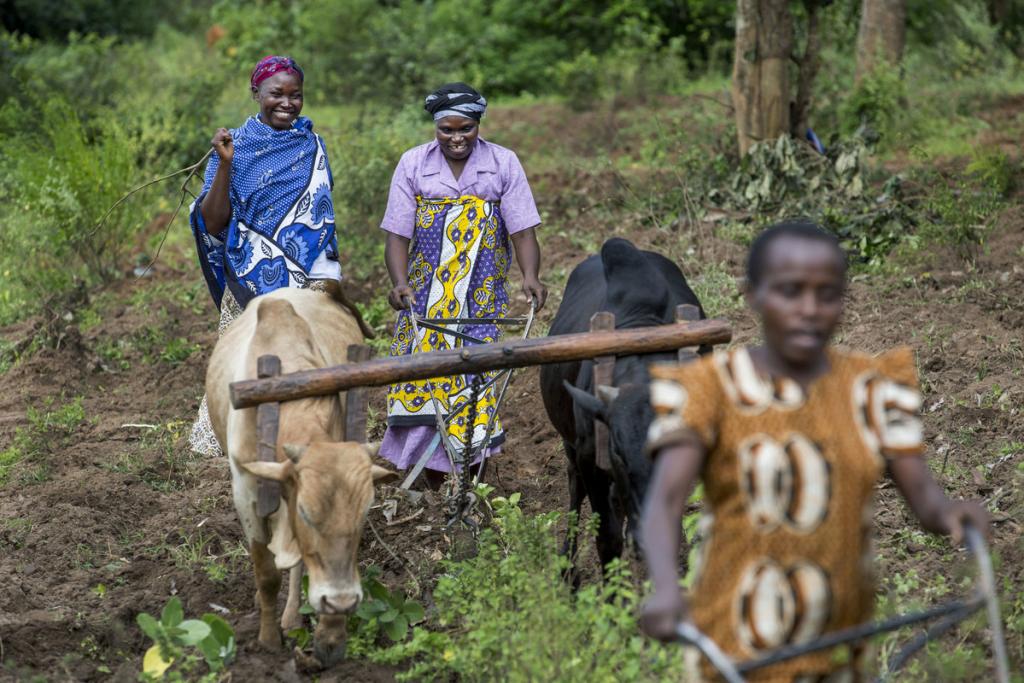
Women restoring land
Large-scale, top-down efforts are not always appropriate to the realities of farmers and communities on the ground (Photo: Hamish John Appleby/IWMI) (CC BY-NC-ND 2.0)

Five years later, the UN Conference on Desertification (UNCOD) convened in 1977 and adopted a non-binding Plan of Action to Combat Desertification (PACD), which aimed to improve land-use practices and social and economic welfare at the national level and in rural areas and local communities (Kong, et al., 2021). The PACD’s 28 recommendations acknowledged the local specificity of desertification and the need to incorporate rural land users when planning policy responses (UN, 1977, p. 5).

The PACD was largely ineffective, in part due to a lack of political will and funding (Mabbutt, 1987; Danish, 1995; Kong et al., 2021). From 1977-1992, implementation efforts focused on large-scale, top-down efforts that were not always appropriate to the realities of farmers and communities on the ground. Increasingly, experts suggested the circumstances surrounding “desertification” were too locally specific to be effectively addressed with regional schemes conceived solely by governments and international organizations (Danish, 1995, p. 147).

However, the PACD boosted dryland science and advanced understanding of desertification (Mabbutt, 1987). While it had been hypothesized that human mismanagement of natural resources, especially the reduction in vegetation cover, had sparked the Sahelian drought, scientists discovered human impact was not the only problem. Studies determined climate variations and changes in global sea surface temperatures have an impact on rainfall patterns (Giannini, et al., 2003), which partially explained the end of the drought in the mid-1980s. Yet, land degradation continued.

At the 1992 UN Conference on Environment and Development (Earth Summit) in Rio de Janeiro, African countries mounted a campaign for a global convention to combat desertification. As a result, Chapter 12 of the resulting action plan, Agenda 21, called for the UN General Assembly to establish “an intergovernmental negotiating committee for the elaboration of an international convention to combat desertification in in those countries experiencing serious drought and/or desertification, particularly in Africa, with a view to finalizing such a convention by June 1994.”

Two years later, governments adopted the UN Convention to Combat Desertification (UNCCD). The Convention, which is often called the first “sustainable development” convention, is committed to improve living conditions for people in drylands, to maintain and restore land and soil productivity, and to mitigate the effects of drought. The UNCCD moved away from the PACD’s centralized, prescribed “top-down” strategies. Instead, it embraced local-level, community-based actions and knowledge—a more bottom-up approach (Kong et al., 2021). Thus, the Convention calls for national governments to channel a certain degree of authority and resources to local land users and non-governmental organizations (NGOs).

Land Degradation Neutrality

During the UNCCD’s first fifteen years, most countries affected by desertification developed national action programs in line with the Convention, but implementation was slow. The UNCCD lacked financial support to implement its programs. There was also a need to bring more scientific knowledge into the work of the Convention and communicate that knowledge in a policy-relevant way so decision-makers and landowners alike could understand and take steps to restore degraded land and prevent further degradation. Furthermore, the UNCCD’s policies, procedures, and programs suffered from the absence of a clear overarching goal and quantitative, time-bound targets to guide action and make measurable progress (UNCCD, 2016).

Recognizing the value of a shared goal to drive progress, then-UNCCD Executive Secretary Luc Gnacadja, among others, proposed a new concept to combat desertification—“a land degradation-neutral world.” This proposal was taken up by the UN Conference on Sustainable Development (Rio+20) in June 2012 in paragraph 206 of its outcome document, The Future We Want, which called for achieving a land degradation-neutral world in the context of sustainable development.

We recognize the need for urgent action to reverse land degradation. In view of this, we will strive to achieve a land-degradation neutral world in the context of sustainable development.

The Future We Want, Paragraph 206

In 2015, the global objective to achieve land degradation neutrality (LDN) was incorporated into the 2030 Agenda for Sustainable Development as Sustainable Development Goal (SDG) target 15.3: By 2030, combat desertification, restore degraded land and soil, including land affected by desertification, drought and floods, and strive to achieve a land degradation-neutral world. The same year, UNCCD parties adopted a decision acknowledging that striving to achieve SDG target 15.3 provides a “strong vehicle for driving implementation of the UNCCD” (UNCCD, 2015). Countries were invited to set voluntary targets to achieve LDN as a key step to implement this new centerpiece of the Convention.

According to UNCCD decision 3/COP.12, land degradation neutrality is “a state whereby the amount and quality of land resources necessary to support ecosystem functions and services and enhance food security remain stable or increase within specified temporal and spatial scales and ecosystems” (UNCCD, 2015). LDN represents a paradigm shift in both land management policies and practices. It counterbalances the expected loss of productive land with the recovery of degraded areas, and strategically places measures to conserve, sustainably manage, and restore land in the context of land use planning (UNCCD, n.d.).

The UNCCD recognized LDN implementation efforts require a firm grounding of the “neutrality” concept in national policies and procedures. Thus, a first step was to develop a Scientific Conceptual Framework for Land Degradation Neutrality to provide a scientific foundation for understanding, implementing, and monitoring LDN. The Framework was designed to create a bridge between the vision and the practical implementation of LDN.

At the same time, policymakers had to incorporate LDN in national agenda setting and state budgets. In 2014, the UNCCD financed a pilot project to assist 14 countries to set voluntary targets. This led to the LDN Target Setting Programme, which takes countries through a structured process to help leverage, assess, measure, and achieve their LDN commitments. To date, 128 countries have committed to set LDN targets.

LDN Implementation Challenges

LDN sets a clear, measurable goal for the UNCCD. Its integration with the SDGs and national development plans improved the visibility of land degradation, creating a pathway to channel and mobilize resources to tackle it (Kong et al., 2021). However, challenges remain, including those that have existed for decades: the need for equitable land tenure and gender equality, national support and coordination, and funding.

Land Tenure

Land tenure refers to the relationship among people, as individuals or groups, with respect to land. It defines the conditions under which land can be occupied, held or managed, by whom, and for how long. There are different types of tenure; it may be based on written policies and laws (statutory land tenure) or on unwritten customs and practices (customary land tenure) (UNCCD, 2020a). Although land tenure security may not be sufficient to stop land degradation, land tenure insecurity often prevents farmers from adopting sustainable land management practices (Chasek et al., 2019).

The UNCCD Secretariat estimates 2.5 billion rural people derive their livelihoods from agriculture and natural resources (UNCCD, 2020a). If people have land tenure security, they are more likely to have sustained food security and predictable sources of income. Secure land rights also enable the use of land as collateral to access other opportunities, such as credit markets. Moreover, landowners manage their land better than “tenants,” thereby reducing land degradation.

Gender Equality

Strengthening women’s land rights and equal access to resources increase food security, improve livelihoods, reduce poverty, and increase investments in sustainable land management practices. Yet, in more than half of the world’s countries, laws or customs hinder women’s ownership or access to land. Evidence shows women’s share as agricultural land holders vary from 0.8% in Saudi Arabia to 51% in Cabo Verde, with an overall global average estimated at 12.8% (UNCCD, 2020a).

Almost one-third of women’s employment globally is in agriculture. Women are at the frontline of LDN, struggling to salvage the large area of agricultural land already affected by degradation. The inaugural 2017 UNCCD Gender Action Plan (GAP) mandates gender mainstreaming to advance the efforts of countries to achieve their LDN targets. The GAP outlines four priority areas:

  • ensure women’s participation in decisions taken during the design, planning, implementation, and evaluation of LDN initiatives;
  • integrate women’s economic empowerment in implementation activities in order to eradicate their extreme poverty;
  • strengthen women’s land rights and access to resources; and
  • enhance women’s access to improved knowledge and technologies that relate to effective UNCCD implementation, including LDN (Global Mechanism, 2019).
Women farming
Women are at the frontline of land degradation neutrality, as they try to salvage the large area of agricultural land already affected by degradation (Photo: Jonathan Torgovnik/Getty Images Reportage)

Support and Coordination

Even if strong policies are in place, LDN policy implementation will not be successful if the main agency at the national level lacks the personnel and knowledge to coordinate integrated land use planning and LDN implementation. Some governments lack the scientific knowledge and data to develop integrated land use planning, including uncertainties about the influences of global drivers, like climate change, on national and local land use. Poor coordination between national governments and local authorities, and lack of knowledge and systems for enforcing, monitoring, and evaluating LDN measures can also prevent effective implementation. Finally, some national governments still need to create incentives and pathways so local officials, decision makers, land users, and other stakeholders are involved in planning processes (Chasek, et al., 2019).

Funding

Increased resource mobilization is essential to effectively implement LDN policies. While there should be funding available from national budgets, these funds are often insufficient where they exist at all. To avoid additional land degradation and rehabilitate 12 million hectares of degraded land each year, traditional financial sources, official development assistance, and national government resources alone will not suffice (Chasek, et al., 2019, p. 186). Furthermore, the UNCCD’s financial mechanisms—the Global Mechanism and the Global Environment Facility—may not be able to mobilize enough resources to achieve the LDN target.

With this in mind, the UNCCD created an independent Land Degradation Neutrality Fund (LDN Fund) to mobilize blended public and private sector funding to support the large-scale rehabilitation of degraded land and land degradation avoidance through sustainable and productive land management. Potential projects must be land-based projects that can avoid, reduce, or reverse land degradation while producing financial returns (UNCCD, 2020b).

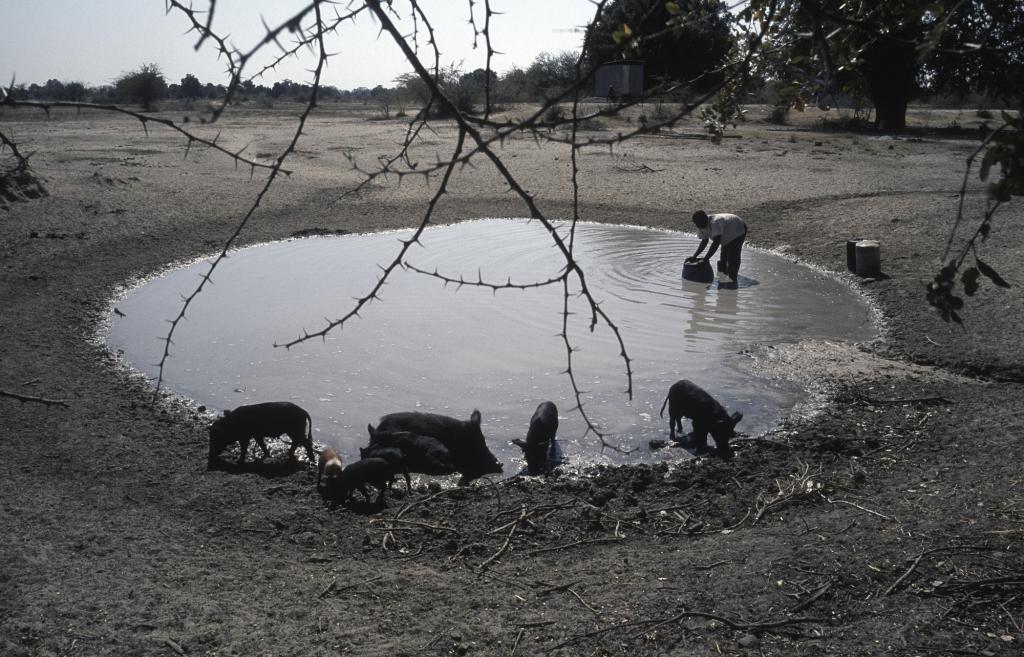
Animals at small watering hole
In the drylands, scarce water resources can be a source of conflict between nomadic herders, farmers, and communities. (Photo: Xurxo Lobato)

Moving Forward

Despite the COVID-19 pandemic, which was formally declared by the World Health Organization in March 2020, the UNCCD, governments, stakeholders, and other partners have been making LDN a reality. At the same time, a number of related initiatives are underway.

The UNCCD Secretariat has demonstrated how land use change and land degradation is a primary driver for emerging infectious diseases. The 2020 report “Supporting the Global Response to the COVID-19 Pandemic: Land-based Solutions for Healthy People and a Healthy Planet” explains how land can move from being part of the pandemic problem to being central to the solution. The report argues the foundation for building back better in the face of climate change and the pandemic must take future land-use decisions into account.

Each of us holds the power to protect the land for each choice we make in our daily lives. And we can still choose to protect nature. By doing so, we in fact protect our future.

The Great Green Wall initiative is often celebrated for its ambition. Launched in 2007 by the African Union, this initiative aims to restore Africa’s degraded land and transform millions of lives in one of the world’s poorest regions, the Sahel. By planting trees, grass, and shrubs in more than 20 countries across Africa, the initiative aims to restore 100 million hectares of currently degraded land, sequester 250 million tons of carbon, and create 10 million green jobs by 2030. Thus far, progress has been made in restoring the fertility of Sahelian lands, including the planting of more than 18 million trees in Senegal, 8 million in Nigeria, 129 million in Eritrea, and 146 million in Niger.

Drought is one of the most far-reaching natural disasters, bringing short- and long-term economic and social losses to millions of people worldwide. Countries across the globe that face the impacts of intense drought still lack comprehensive early warning plans. The UNCCD, in partnership with the Food and Agriculture Organization, the World Meteorological Organization, the Global Water Partnership, the European Commission, the National Drought Mitigation Centre, and the UN Environment Programme, has produced a Drought Toolbox. The toolbox provides stakeholders with easy access to real-time data and resources to support action on drought preparedness to boost the resilience of people and ecosystems.

Combating desertification and land degradation and mitigating the effects of drought will secure long-term socio-economic benefits for people living in the drylands and reduce their vulnerability to climate change. LDN—with conservation, sustainable use, and restoration as its three pillars—provides an effective framework. Creating an enabling environment for LDN can help policymakers and planners to navigate social, economic, and environmental tradeoffs so food security, energy needs, land tenure, gender equality, access to clean water, and biodiversity are considered—and addressed—together. (UNCCD, 2020c).

As UNCCD Executive Secretariat Ibrahim Thiaw said, “If we choose to work in harmony with nature, we will avert land degradation, we will curb our emissions, we will reverse biodiversity loss. If we choose to restore the land rather than destroy it, we can create jobs and opportunity.”

Works Consulted

Chasek, P., Akhtar-Schuster, M., Orr, B. J., Luise, A., Rakoto Ratsimba, H., & Safriel, U. (2019). Land degradation neutrality: The science-policy interface from the UNCCD to national implementation. Environmental Science & Policy, 92, 182–190. doi.org/10.1016/j.envsci.2018.11.017

Danish, K. W. (1995). International environmental law and the “bottom-up” approach: A review of the desertification convention. Indiana Journal of Global Legal Studies 3(1), 133-176.

Giannini, A., Saravanan, R., & Chang, P. (2003). Oceanic forcing of Sahel rainfall on interannual to interdecadal time scales. Science, 302, 1027–1030. science.org/doi/10.1126/science.1089357

Global Environment Facility. (2019). Land degradation. thegef.org/sites/default/files/publications/gef_land_degradation_bifold_2019.pdf

Global Environment Facility, United Nations Development Programme, & United Nations Convention to Combat Desertification. (2017). Listening to our land: Stories of resilience. thegef.org/sites/default/files/publications/UNDP%20Listening%20to%20our%20land.pdf

Global Mechanism. (2019). Land degradation neutrality interventions to foster gender equality. catalogue.unccd.int/1222_UNCCD_gender_briefing_note.pdf

Kong, Z.-H., Stringer, L., Paavola, J., & Lu, Q. (2021). Situating China in the global effort to combat desertification. Land, 10, 702. doi.org/10.3390/land10070702

Mabbutt, J. A. (1985). Implementation of the plan of action to combat desertification: Progress since UNCOD. Land Use Policy, 4(4), 371-388. doi.org/10.1016/0264-8377(87)90060-3

Reinl, J. (2019). Desertification costs world economy up to 15 trillion dollars. UN Inter Press Service. ipsnews.net/2019/09/desertification-costs-world-economy-15-trillion-dollars-u-n/

Tal, A., & Cohen, J.A. (2007). Bringing “topdown” to “bottom-up”: A new role for environmental legislation in combating desertification. Harvard Environmental Law Review, 31(1), 163-217.

United Nations. (1977). Report of the United Nations Conference on Desertification. A/CONF.74/36. https://documents-dds-ny.un.org/doc/UNDOC/GEN/N77/043/12/PDF/N7704312.pdf?OpenElement

United Nations Convention to Combat Desertification. (n.d.). Achieving land degradation neutrality. unccd.int/actions/achieving-land-degradationneutrality

United Nations Convention to Combat Desertification. (2015). Integration of the sustainable development goals and targets into the implementation of the United Nations convention to combat desertification and the intergovernmental working group report on land degradation neutrality. Decision 3/COP.12. Report of the Conference of the Parties on its twelfth session. ICCD/COP(12)/20/Add.1. unccd.int/sites/default/files/sessions/documents/ICCD_COP12_20_Add.1/20add1eng.pdf

United Nations Convention to Combat Desertification. (2016). Achieving land degradation neutrality at the country level: Building blocks for LDN target setting. unccd.int/publications/achieving-landdegradation-neutrality-country-levelbuilding-blocks-ldn-target-setting

United Nations Convention to Combat Desertification. (2020a). Land tenure. unccd.int/actions/land-tenure

United Nations Convention to Combat Desertification. (2020b). Operationalization of the Land Degradation Neutrality Fund. Report by the Global Mechanism. ICCD/CRIC(19)/3. unccd.int/sites/default/files/sessions/documents/2020-12/ICCD_CRIC%2819%29_3-2015637E.pdf

United Nations Convention to Combat Desertification. (2020c). Supporting the global response to the COVID-19 pandemic. unccd.int/publications/supporting-global-response-covid-19-pandemic-land-based-solutions-healthypeople-and

Deep Dive

Sustainable Food Systems in Canada

IISD undertook a scoping exercise to hear from our staff, civil society, and policy partners about what they see as some of the biggest challenges in charting a path to sustainable food systems in Canada.

December 16, 2021

IISD recently undertook an exercise to hear from our staff, civil society, and policy partners about what they see as some of the biggest challenges in charting a path to sustainable food systems in Canada. We wanted to know:

  • What do experts, civil society organizations, and social movement actors see as some of the major sustainability challenges to food systems in Canada?
  • Are there themes and topics that are currently under researched and require more policy attention? Are there ways of doing research or bringing partners together that are missing in current approaches?
  • Could IISD better contribute to sustainable food systems policy dialogues in Canada now or in the future? 

To try and answer these questions, we conducted surveys and workshops with IISD staff who have worked on food and agriculture issues, in addition to conducting interviews with 17 academic, government, private sector, and civil society experts. 

What We Heard 

Our findings revealed that many urgent questions exist regarding the sustainability of Canada’s food systems. In particular, we heard concerns about the sustainability and resilience of Canada’s food supply chains, the critical need for rapid decarbonization in the country’s food and agriculture sectors, and the need to better address equity and justice concerns across Canada’s food systems.

Some examples of questions we heard:

  • What are strategies to build complementarities between export and domestic food markets? 
  • How can we balance self-reliance and exports, as well as increased yields, with sustainability and equity?
  • How can we deal with succession in Canada’s farming population?
  • How can we support and plan for adaptation to the impacts of climate change on agriculture and the impacts of agriculture on our climate?
  • How can we adopt a “systems approach” to address different dimensions of sustainability and ensure a more comprehensive multisectoral approach to food systems policy? 
  • How can we transition to a more equitable and sustainable food system as part of recovering from the pandemic and improving the country’s wealth?
  • How can we mainstream equity and justice considerations in food policy, including by ensuring decent work for all and supporting Indigenous food sovereignty as a key step to further reconciliation?

We heard that there are various existing challenges to effective, sustainable food systems policy in Canada: these include, for example, a lack of incentives for sufficient climate action in agriculture, and challenges navigating municipal, provincial, and federal jurisdiction. We heard that there is a need for multistakeholder dialogues to build a shared vision and consensus on sustainable food systems in Canada, as well as for more inclusive policy discussions that highlight sustainability, equity, and justice issues across the food system. The announcement of a Food Policy for Canada and the accompanying Canadian Food Policy Advisory Council represent landmark progress by the federal government, but there is still much work to be done to achieve sustainable food systems transformation. 

Examples of Sustainability Issues Facing Canadian Food Systems

Despite the valiant efforts of many policy advocates, organizations, and researchers, some sustainable food systems issues and themes appear to lack the attention they require to tackle the scale of the challenge. Below are five examples. One recurring and overarching piece of feedback we heard is a need for an equitable and holistic approach to food systems research and policy development, encompassing healthy people, animals, and ecosystems.

  1. Trade and sustainability tensions: How can Canada balance self-reliance, increased yields, and exports, including the export goals outlined by the federal Advisory Council on Economic Growth, with sustainability and equity commitments such as the Paris Agreement, Aichi Biodiversity Targets, and the Sustainable Development Goals? See our infographic on international trade
  2. Labour and market issues: This includes issues such as barriers to farming for historically marginalized groups, trends in producer income, labour shortages and foreign worker issues, market concentration in Canadian and global food systems, and more. 
  3. Access, agency, and food security: Organizations such as Food Secure Canada, as well as community-based groups across the country, are at the forefront of advocacy in this area. There is much work to do in government policy to improve holistic thinking about food production systems and equity and to make the connection to overall ecosystem health and people’s well-being (for example, sustainable diets).
  4. Climate risks and impacts in food production: Climate change will affect the entire food system, from crop production, contaminants, and food safety to the disruption of food supply chains, impacting exports and trade and more. See our infographic on agriculture and greenhouse gas emissions.
  5. Agricultural land use, water use, and biodiversity: Many organizations already work on these issues—given the scale of the climate and biodiversity crises, we need all hands on deck. It’s crucial to connect social, economic, and environmental issues related to land and water use: for example, determining how sustainable or regenerative agriculture can put money in farmers’ pockets. See our infographic on water use in Canadian agriculture.

Sustainable Food Systems Must Be Central to COVID-19 Recovery 

COVID-19 has brought to light systemic issues and gaps in the Canadian food system that need to be addressed. We heard from many that the pandemic exposed major gaps in our food systems, including shocking levels of food insecurity and income precarity, labour force challenges for Canadian farms, the plight of migrant workers and racialized communities working in the food sector, and more. Yet the pandemic has also put a spotlight on opportunities for sustainable food solutions, such as the increased desire Canadians have demonstrated for local food and self-reliance, such as through community gardening and farmers’ markets.  

A key challenge for Canada is how to transition to a more equitable and sustainable food system as part of recovering from the pandemic. See our infographic on the impact of COVID-19.

IISD has been actively pushing for governments to adopt green recovery policies in response to the pandemic. In Canada, our president took part in the Task Force for Resilient Recovery, aimed at fostering a recovery that gets Canadians back to work while ensuring the country is competitive, prosperous, and climate-resilient. We also took part in a farmer-focused task force led by Farmers for Climate Solutions, which made robust federal budget recommendations to spur climate action on Canadian farms while supporting farmer livelihoods. 

Momentum Is Building for Sustainable Food Systems Work in Canada

Internationally, IISD has a strong track record of working on issues related to food security, food policy, farmer incomes, and sustainable production. Food and agriculture issues have cropped up across all of IISD’s programs of work. A great example is the Ceres2030 partnership, which brought together IISD, Cornell University, and the International Food Policy Research Institute to provide the donor community with policy options to best direct their investment to move toward a world without hunger while supporting sustainable food systems. 

IISD has significant expertise (e.g., on measures and indicators, community tools, financial instruments, etc.) that could be useful to apply to specific food system areas (e.g., risk management strategies, labour displacement, non-market food distribution systems) to address key sustainability and equity food system issues (e.g., reduce environmental footprints, redistribute wealth along the value chain, rethink markets). There is ample opportunity for more collaboration and synergies among IISD programs in Canada to link science to policy-making and increase work on projects that enhance social equity.

We are inspired by the work of many who are tackling Canada’s food system challenges with dedication and tenacity. Here are just a few examples of recent work from leaders in the field that have caught our eye:

  • The Green Budget Coalition, on which IISD sits, charts key federal policy actions to help Canada transition to environmentally sustainable agriculture.
  • Farmers for Climate Solutions is bringing together farmer organizations and supporters across the country to help improve agricultural policy and find practical solutions to ensure the sector is part of climate action. 
  • Food Secure Canada’s ongoing work bringing people and organizations together for food security and food sovereignty. For example, check out their recommendations for a Canadian food policy action plan in response to COVID-19. 
  • Grassroots organizations are working to advance the rights of migrant workers, including in Canada’s food systems, such as the Migrant Rights Network and Migrant Workers Alliance
  • Greenbelt Foundation and Équiterre’s The Power of Soil study charts how addressing soil health is key to a sustainable transition and how Canadian policy-makers can support it.
     
Deep Dive

The Paris Agreement’s New Article 6 Rules

The promise and challenge of carbon market and non-market approaches

The COP 26 climate negotiations in Glasgow led to the highly-anticipated conclusion of rules aimed to help put into practice the Paris Agreement's Article 6. What do these new rules mean and what can we learn from the past?

December 13, 2021

Carbon markets have been exuberant lately. Anticipating the final agreement from the UN Climate Conference in Glasgow, carbon offset markets for airlines have grown by 900% and corporate carbon offsets by 170% so far this year. With the Article 6 “rulebook” negotiations of the Paris Agreement finally completed in Glasgow, the International Emissions Trading Association (IETA) with the University of Maryland forecast that additional financing from carbon markets could exceed USD 1 trillion by 2050. 

When the Paris Agreement was approved in 2015, its Article 6 was viewed as a major advance for achieving the objective of the United Nations Framework Convention on Climate Change (UNFCCC) and the evolving international climate regime, given that it embraced more clearly the notion that “cooperative approaches” (often indicating “markets”) could help governments achieve their national carbon reduction and removal targets. This advance could occur through international transactions in carbon reduction credits, and cooperative approaches could also encourage the private sector to contribute to greenhouse gas (GHG) emissions reductions. Notably, the Paris Agreement also embraced outright “non-market approaches” among two or more parties. 

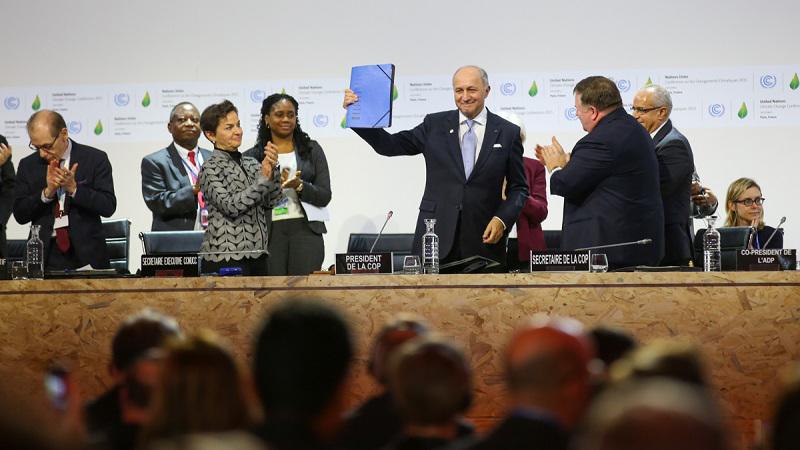
In the six years that followed, however, negotiators struggled to agree upon the detailed rules for how these “cooperative approaches” would function. The outcome of the UNFCCC’s Twenty-Sixth Conference of the Parties (COP 26) in Glasgow marks a breakthrough in finalizing these rules and opening up the promise of carbon markets. 

Learning From the Past

A key question, however, is whether the recent exuberance for the new carbon market rules is fully warranted. This concern has particular resonance given that prior international carbon market-style arrangements and the UNFCCC Kyoto Protocol’s “flexibility mechanisms”—most notably the Protocol’s Clean Development Mechanism (CDM)—have a controversial track record in actually lowering GHG emissions. Moreover, some past CDM projects had adverse social impacts. 

Governments spent years creating CDM rules, which were administered by a centralized supervisory body charged with overseeing thousands of projects intended to help developing countries reduce or avoid GHG emissions. Years of work in refining the CDM rules helped create the first global carbon market. However, controversy plagued the CDM after it began approving projects in 2004, a process that kicked off after the CDM’s rules were adopted as part of the Marrakech Accords in 2001. 

For example, some observers contend that the CDM has been a centralized bureaucracy hampered by unclear measurement tools for verifying the quantity and quality of emission reductions or removals through offsets. There were also questions about whether these emission reductions were additional and permanent, including because there were unclear accounting rules to prevent carbon emissions being counted twice. In some cases, CDM project financing led to perverse incentives that generated additional GHG emissions, notably for industrial gases such as hydrofluorocarbons and nitrous oxide. Others criticized the CDM for focusing too widely on sustainable development outcomes, with project approvals delayed and hamstrung by complex environmental and social safeguards, arguing that projects should narrowly focus on the UNFCCC and Kyoto Protocol greenhouse gas mitigation objectives. 

Throughout the course of the Article 6 negotiations, governments sought to ensure that the new international market rules would learn from the mixed record of the CDM. The conclusion of Article 6 rules at the Glasgow COP is therefore a notable achievement on several fronts. The new rules are designed to ensure that GHG emission reductions cannot be counted twice. The rules limit the number of past CDM projects that a country can count toward its reporting under its Nationally Determined Contribution (NDC). And the new rules establish a new international mechanism to oversee one portion of international carbon market activity. 

Perhaps as important as these and other details, Glasgow has reaffirmed that international carbon markets are an important means toward reaching the Paris Climate Agreement goal of limiting average global temperature increases to 1.5 degrees Celsius from pre-industrial levels.

What Does the Glasgow Climate Pact Say on Article 6?

The Article 6 negotiations at Glasgow finalized three key sub-articles through “decisions” reached by the parties to the UNFCCC and Paris Agreement, namely CMA 12a, CMA 12b, and CMA 12c. CMA refers to the Conference of the Parties serving as the meeting of the Parties to the Paris Agreement—in other words, the forum under which countries gather to oversee how the Paris Agreement is being put into practice. There are also Annexes on Guidance (6.2), Rules (6.4), and a Work Programme (6.8). 

Article 6.2 covers bilateral actions to reduce or remove GHG emissions. Article 6.4 creates a new multilateral mechanism to replace the old CDM. Article 6.8 addresses non-market international cooperation among governments. These new rules cover both government-to-government and government-to-private sector markets. Some early signals suggest these new rules will guide the practices of fully private sector or voluntary carbon market activities. 

Below, we look at some of the most important details of the 6.2 and 6.4 outcomes, and what needs to happen to make them work effectively. For a more detailed analysis of the Glasgow Article 6 outcome, the European Roundtable on Climate Change and Sustainable Transition provides a comprehensive breakdown of what these rules entail. 

Notably, neither Article 6.2 nor 6.4 mentions the term “markets.” The absence of the term may reflect the wariness of some developing countries toward the use of capital markets to resolve adverse environmental impacts, given the concern that this could absolve rich countries of the need to take actions regarding the harmful effects of their own economic growth. Instead, the legal text sets out the norms and tools to ensure “common approaches” contribute to a country’s NDC. Such approaches can range from one country financing another’s energy or transport sector efficiency upgrades or purchasing carbon offsets in its forests, peatlands, or wetlands. 

The Glasgow Climate Pact finalized what the UNFCCC refers to as those “fundamental norms” intended to ensure international carbon markets are real, additional, and verifiable in delivering further reductions in greenhouse gas emissions. The Article 6 text clarifies how international carbon markets involving governments should function. To help ensure reductions and that these are real, additional, and verifiable, private markets should follow those norms and detailed standards, or consider more stringent approaches, regardless of whether they are directly regulated to do so. 

Article 6.2 sets out guidelines covering internationally transferred mitigation outcomes (ITMOs) between two governments that are Parties to the Paris Agreement. (The term ITMOs has been used since the 1997 Kyoto Protocol to refer to internationally traded carbon credits between two governments.) Article 6.4 establishes a new, unnamed multilateral mechanism that resembles the function of the former Clean Development Mechanism—notably in a Supervisory Board that would approve all 6.4 projects—while potentially allowing some technical flexibility. For example, instead of using a set formula for establishing a baseline of carbon emissions, this new mechanism will examine individual party baseline estimates and allow them to be adjusted to their circumstances. 

Ensuring Environmental Integrity

The Glasgow Pact includes common metrics to ensure the “transparency, accuracy, completeness, comparability, and consistency” of carbon measurement systems. Notably, governments have adopted new environmental integrity rules that aim to ensure all recorded carbon credits use verifiable and comparable accounting systems, and that no traded unit—or ITMO—leads to “a net increase in emissions of participating parties within and between NDC implementation periods.” This is set out in Article 6.2. D.17.

The infrastructure to ensure environmental integrity is so comprehensive that it will be technically challenging to assemble and function. Under Article 6.4, it comprises a centralized project authorization system overseen by a new supervisory board, a central accounting framework, a central registry, and an Article 6 database. The details of these administrative systems will take months to set up. A recent report by the Asian Development Bank points out it could take until 2030 for all the requisite measures to be put in place so that the Article 6 “common approaches” can be developed. Confirming this view, the COP decisions on Article 6 note a range of interim activities to implement this infrastructure that could stretch out to 2030.

Since Article 6 is about carbon markets, Article 6 environmental integrity provisions do not stray beyond carbon credit measurement and ongoing verification. Clearly, projects based on Article 6 will need to include a wider definition of integrity that embeds wider environmental, social, and governance (ESG) standards and safeguards to avoid perverse or environmentally destructive outcomes. Examples of this include single-species large-scale afforestation projects that can uproot Indigenous and local communities, harm biodiversity, or ruin downstream freshwater tables. Indeed, the decisions on 6.2 and 6.4 show consensus for the need for transactions to address sustainable development, and environmental and social safeguards. (For the purpose of the Article 6.4 mechanism, this means that, as was the case with the CDM, it will need to consider these issues and develop rules for how they are to be taken into account.)

Second, Glasgow resolves long-standing concerns that the same ITMO-connected carbon reduction credit could be counted twice by the home and host country. New rules to avoid double counting—set out in the details of corresponding adjustments—are welcome, notably in empowering the host country to decide if it will forgo booking carbon credits within its own NDCs, or if it will instead sell those credits to an international government purchaser. Corresponding adjustment rules take effect immediately. 

Negotiators left for another day whether ITMOs will include “emission avoidance.” They will need to come up with ways to ensure reporting is consistent among these offsets, along with how these are recorded in both domestic and international registries. They will also need to address how to ensure parties can reach the ambition of these ITMOs, while not interfering with the “nationally determined nature” of NDCs. Reporting will also have to demonstrate how the aforementioned “environmental integrity” is being implemented. 

An unwelcome outcome of the Article 6.4 corresponding adjustment rules is what appears to be the disallowance of any sharing of carbon credits from cross-border electric power projects. There is growing interest, particularly among Asia-Pacific, Central Asian, and Central American countries, in building joint low-carbon electric power generation projects. These projects consist of cross-border transmission grid connections, with common regulations, standards, pricing, and integrated systems, and are designed to increase regional energy security, reduce development costs, and reduce GHG emissions. 

For example, work has been underway for more than a decade in cross-border energy integration in the Greater Mekong region. In September 2021, Laos signed a power purchase agreement with Vietnam to import 600 MW of power generated from wind. The new Article 6 rules create disincentives for these kinds of deals by disallowing any splitting of avoided emissions between two or more countries that share a single electric power generating facility. 

Third, the Glasgow negotiators agreed that an equivalent of 5% of the “share of proceeds” from carbon markets linked to the 6.4 multilateral mechanism will be transferred to the Global Adaptation Fund to help developing countries finance their efforts to adapt to the impacts of climate change. This is set out in Article 6.4.VII, 67. Despite months of haggling, this rule does not cover Article 6.2, where instead governments are strongly encouraged to do the same. Article 6.4 transactions will also be subject to a 2% cancellation fee, in order to help ensure a guaranteed net reduction, albeit at this relatively small share of the overall ITMO. These transactions may also be subject to an administrative fee. Certainly, the “international tax” related to Article 6.4 transactions bears watching to see what impact or potential disincentive it has on future transactions, how the tax is paid, and how this share of proceeds contributes to adaptation benefits in practice. 

Fourth, Glasgow reached a compromise to weed out some, but not all, legacy carbon credits. That no one knows how many carbon credits have been generated from past CDM financing in itself highlights some of the flaws of the previous regime. Estimates by the UNFCCC suggest that past CDM certified emission credits were anywhere between 300 million to 2.3 billion credits. Other estimates put the total at 4 billion credits, making labels like “zombie credits” hard to shake. The Glasgow compromise allows credits generated after 2013—anywhere between 120 and 300 million credits—to be eligible for inclusion in the first tranche of a country’s NDC. It does not allow any such inclusion for activities that were “REDD+” transactions for avoided deforestation.

Rather than being the final word, Glasgow should now initiate a detailed review at the national level of those post-2013 CDM credits, with a view to removing those CDM credits that not only have weak guarantees regarding additionality and permanence but also that do not complement NDC conditional ambitions like closing coal-powered facilities. Among the largest recipients of CDM projects are China, India, Brazil, and South Korea.

Implementation: The role of development finance

A key concern as Article 6 moves ahead is to ensure that developing countries have the capacity to benefit from international market transactions.  The complex administrative machinery set out in Article 6.4 is intended to do just that. However, multilateral development banks and bilateral agencies need to support the capacity of developing countries to benefit from the new Article 6.2 and 6.4 rules. This support should include helping countries assess their own potential carbon market opportunities, including their carbon sequestration options, along with helping build their capacities for measurement, accounting, and verification. If international carbon markets reach anywhere near the levels projected by IETA—and it is unclear right now to what extent the United States, the European Union, or China will look for offset credits outside of their borders—then more work will be needed within developing countries to embed wider ESG standards and safeguards. 

Some of this work is already underway, given that most of the COP 26 rules were anticipated well before governments met in Glasgow. For example, initiatives like the San Jose Principles, adopted in 2019 by 32 of the parties to the Paris Agreement, aim to bolster market integrity and transparency details. These principles show that some governments have been steadily working on key measurement, accounting, and auditing rules. International financing initiatives like Japan’s Joint Crediting Mechanism, which is comprised of 65 projects valued at over USD 500 million in 17 developing countries, and the World Bank’s Transformative Carbon Asset Facility of USD 210 million, have further helped developing country governments and the private sector prepare for carbon markets. Joint work under a Switzerland–Peru–Ghana agreement is the first country-to-country agreement to put Article 6.2 rules into practice. These pilot activities can develop the data to help ensure the future Article 6 market activities fully address environmental and social safeguards.

Ensuring Additionality and Permanence

While the Article 6 rules from Glasgow show a marked improvement compared to earlier approaches under the Kyoto Protocol, there are potential pitfalls that governments and private actors alike would do well to learn from.

As noted above, environmental groups were correct in noting that too often Kyoto Protocol offsets were claimed for activities that were not truly additional. In other words, they were claimed for emissions reductions that either would have happened anyway or were the result of a deliberate increase in GHG emissions-related production that was undertaken in order to market the subsequent emission reductions.  

Even with the rules adopted in Glasgow, a number of NGOs and developing country stakeholders still contend that the market approach creates a perverse incentive for host parties to keep their NDC ambition low. This would allow them to keep the baseline lower than it otherwise would be and offer marketing opportunities for rich countries to continue business as usual and still fulfill their NDCs. Once again, we see the essential element of upward ambition as tied to the credibility of the market.

Furthermore, some environmental groups are concerned about the permanence of offsets. In other words, they question whether the emissions reductions claimed for offsetting activities, such as planting trees, will last in perpetuity (or at least for as long as the carbon emission equivalent will last in the atmosphere). However, it may be that the more ironclad the permanence of the offset, the more expensive the transaction. For example, higher costs may result from the purchase of a buffer asset or political risk “insurance” should the offsets fail to deliver. Failure could occur because of fire or blight or a host party government that reverses a commitment to maintain forest cover or to renewable energy or sustainable agricultural policies. 

There is more work being done to improve our understanding of the full costs involving in protecting against such threats. Already there are examples concerning the purchase of pledged buffer assets, and discussions for some form of guarantee, such as political risk insurance against government breach or interference in the carbon contract. For these reasons, market advocates have noted that advances in carbon monitoring technology and real-time data tracking of carbon emissions and retention could help address concerns of permanence to some degree by enhancing the credibility and enforceability of offsets.

Government Versus Private Markets 

The Paris Agreement provides governments with a new set of rules to make international carbon markets work. A big question coming out of Glasgow is to what extent will purely private sector, voluntary carbon markets conform with the new Article 6 rules.

Moreover, how will governments, particularly those in host countries, react to and/or regulate private carbon offset transactions that impact lands they consider as sovereign? How will they approach transfer payments into their country for private transactions that involve payment to Indigenous and other communities for services on lands they consider to be their own? These questions remind us that in many countries there remains a lack of clarity on how governments will treat and define carbon rights. 

Steps by the Task Force on Voluntary Carbon Markets on the demand side and recommendations from the Voluntary Carbon Market Initiative on the supply or seller side are encouraging in trying to address these questions, while underscoring how much more needs to be done. Recently, an informal outline of where Japan may head with regards to a greater role of private markets is intriguing, while the private sector third-party carbon offset body Gold Standard, which already requires that projects address environmental and social safeguards, has also signalled that it will require corresponding adjustments within its voluntary markets. Since there are dozens of leading voluntary carbon market certification bodies, a practical challenge for the private sector involves multiple and diverging financial accounting standards. The November 2021 launch by the International Financial Reporting Standards Foundation of a new International Sustainability Standards Board with an initial release of a proposed standard for reporting on climate change could provide some early guidance for Article 6-related treatment in corporate financial and non-financial statements.

Non-Market Approaches 

While the focus in both this article and in the press overall has mostly been around the “markets” side of Article 6, we should also note the resolution of the rules related to Paris Article 6.8, the so-called “non-market approaches” (NMAs). The Glasgow decision on Article 6.8 notes that NMAs may include social inclusivity, financial policies and measures, circular economy, blue carbon, just transition of the workforce, and adaptation benefit mechanism. The decision also notes that these approaches should involve more than one party. However, NMAs are not “transactions” and would not be “regulated” under the rules of 6.2 or the 6.4 mechanism. 

For those who have concerns about market approaches, NMAs may offer the brighter hope for emission reductions or at least represent “low hanging fruit.” For example, about 75% of European building stock is energy inefficient and responsible for more than a third of EU GHG emissions. Regulations tackling this inefficiency would not have to rely on a market transaction. Indeed, policy measures aimed at improving efficiency as well as climate finance to upgrade buildings can be effective mitigation and adaptation actions at the same time while also meeting the Glasgow Pact objective of a “just transition” through construction-related employment. 

A notable example of potential Article 6 NMA actions may emerge from the China–U.S. Joint Declaration, which identifies areas for joint cooperation such as regulatory actions to cut methane emissions, energy-efficient policies and standards to reduce electricity waste, steps to phase out coal, and efforts to reduce fossil fuel subsidies.

The Road Ahead

While the completion of the Article 6 negotiations in Glasgow marks an important milestone in sorting out crucial details to stop double counting of credits and limiting the carry-over of legacy credits, thereby promising to improve past mechanisms, the administrative steps to make Article 6.2 and 6.4 actually work are complex and will take time to implement. At this early stage, it appears that those seeking to engage in cooperative approaches may find it simpler to follow an approach under 6.2, which appears to be a more streamlined and less prescriptive system than 6.4. On the other hand, the possibility that an approach under 6.4 will have more oversight may give some comfort to other Article 6 participants, especially developing countries that have not had much experience in such transactions and would like assurance of some proceeds going toward adaptation funding. These very distinctions between the two articles raise risks of two dissimilar international carbon markets emerging. 

In the months ahead, caution will be needed to temper markets—especially private markets tenuously linked to the Article 6 outcomes—from irrational exuberance. Already, some traders have proposed using cryptocurrency to back trades, a proposal both daunting for many developing countries struggling with global financial markets, and worrisome that carbon markets may become increasingly volatile and speculative. Given the sheer number of net-zero corporate promises around the Glasgow COP, there are risks that markets overestimate the carbon offset potential of investments. In turn, investors may pour funds into large-scale, single-crop afforestation projects reminiscent of agricultural land grabs. There are also potential development risks, whereby developing countries sell their least-cost carbon mitigation or removal options, only to face more expensive domestic NDC actions down the road that worsen their overall development prospects.

While the fundamental rules are now settled, the myriad details to make them function are not. Now the hard work begins to see if the promise of the market can deliver real and additional benefits to the climate and society.

 

Deep Dive details

Deep Dive

“The Ocean Is Not a Dumping Ground” Fifty Years of Regulating Ocean Dumping

Still Only One Earth: Lessons from 50 years of UN sustainable development policy

Dumping waste not only threatens the ocean we know, but also the 80% of the ocean that has yet to be explored. While the 1972 London Convention, its 1996 Protocol, and some treaties have regulated dumping of some specific wastes, uneven adherence to ocean dumping rules has resulted in a piecemeal approach to guarding the waters that connect us. (Download PDF) (See all policy briefs) (Subscribe to ENB)

December 7, 2021

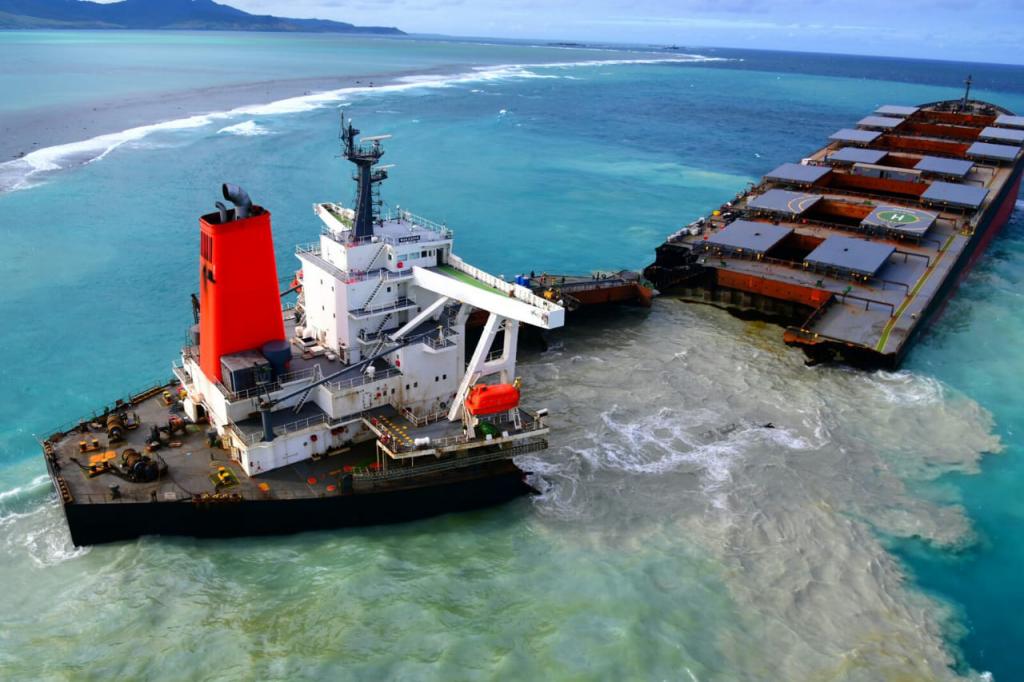
Deliberately sinking a ship bigger than the Titanic would be unimaginable, right? But that is exactly what happened in 2020 in the Indian Ocean off the coast of Mauritius when the Japanese-owned, Panama-flagged ship, Wakashio, ran aground. After hitting a coral reef en route from China to Brazil, the ship began leaking up to 1,000 tonnes of oil, devastating the surrounding ecosystem. The ship split in two in mid-August of that year. The larger front of the vessel was towed by Maltese-flagged ships for deliberate sinking, with the consent of the Mauritian government. The Indian Ocean’s biggest ecological disaster alarmed experts and activists alike.

Renowned oceanographer Sylvia Earle said sinking the ship for disposal was “unconscionable” when “strict littering rules prevent anyone from so much as discarding a plastic bottle in the ocean” (Degnarain, 2020). Even Pope Francis weighed in, offering prayers for Mauritius and urging respect for nature. An estimated 100,000 people marched in the streets of Port Louis, the capital of Mauritius, to protest the government’s inaction in one of the largest demonstrations the country has ever seen. The Wakashio incident resulted in the contamination and destruction of ecosystems in the lagoons and shoreline of Mauritius, leading to the death of some 50 whales and dolphins, and threatening the livelihoods of many who depend on tourism and fishing. Efforts to determine who to hold to account and how are complex and ongoing.

MV Wakashio wreckage
The International Maritime Organization (IMO) helped to mitigate the impacts of MV Wakashio oil spill in Mauritius (Photo: IMO)

Considering this recent tragedy, and after nearly 50 years since the adoption of the first global treaties on ocean dumping, reviewing what exactly the international community has accomplished and what more needs to be done is both timely and worthwhile.

The World’s Dumping Ground

Covering about 70% of the Earth’s surface and accounting for 97% of its water, the ocean is the lifeblood of our planet. More than three billion people depend on the ocean for their livelihoods and food security. The ocean is also home to millions of plants and animals. It produces over half of the world’s oxygen, regulates climate and weather patterns, and provides medicinal ingredients that help fight cancer and other diseases.

Yet many take the ocean for granted. For hundreds of years, we have used the ocean as a dumping ground for waste, with little consideration given to the impact on human and ecological health, biodiversity, and livelihoods. Dumping waste not only threatens the ocean we know, but also the 80% of the ocean that has yet to be explored. In the words of Sylvia Earle, the ocean is like a “library of priceless knowledge that can be carefully extracted without destroying the source. Changing the chemistry of the ocean with pollution closes the book on information vital to our future and future generations” (Degnarain, 2020).

The ocean is not a dumping ground. It is quite likely where life originated from. While we can forgive previous generations for not fully recognizing the importance of a clean ocean for life on this planet, there is no excuse today. The science and knowledge about how important the ocean is to the existence of life—ours included—is now widely understood.

Sylvia Earle, legendary ocean explorer

An “out of sight, out of mind” attitude and the belief that dumping waste far enough from land would not cause harm led to the dumping of millions of tonnes of waste in the ocean annually by the late 1960s and early 1970s. This waste included dredged material from ports and rivers, waste from land-based mining (or tailings), industrial waste, and ash from power stations. At the same time, growing awareness led to increased concern about the impacts of dumping on the marine environment. Accumulation of waste and toxic materials in the ocean damage and often destroy entire habitats and ecosystems, are detrimental to marine and human health, and threaten livelihoods and economies. Ocean currents can carry and spread toxins, impacting regions far from where the dumping occurred.

Did you know?

  • Dumping of wastes at sea contributes an estimated 10% of the overall input of pollutants into the sea.
  • Dredged material makes up about 80-90% of all licensed materials dumped.
  • On average, 500 million tonnes of dredged material are dumped annually in waters of London Convention and Protocol Contracting Parties.
  • Approximately 10% of dredged material is contaminated by shipping, industrial, and municipal discharges, or by land run-off.

Source: IMO website.

Origins of Global Action on Ocean Dumping

With growing awareness of environmental issues overall and marine pollution, in particular, governments attending the Stockholm Conference in June 1972 considered draft articles of a new treaty on ocean dumping. Less than six months later, governments meeting in London adopted the Convention on the Prevention of Marine Pollution by Dumping of Wastes and Other Matter (London Convention), one of the first global treaties aimed at protecting the marine environment from human activities. The Convention’s preamble recognizes the limited “capacity of the sea to assimilate wastes and render them harmless, and its ability to regenerate natural resources.”

Dumping, as defined in Article III of the London Convention, refers to the deliberate disposal at sea of wastes or other matter from vessels, aircraft, platforms, and other man-made structures at sea, as well as to the deliberate disposal at sea of vessels, aircraft, platforms, or other man-made structures themselves.

The Convention, which entered into force in 1975, banned dumping of specific wastes, such as those containing mercury, cadmium, oil, and high-level radioactive wastes. In 1993, the treaty was amended to: ban the dumping of low-level radioactive wastes; phase out dumping of industrial wastes; and ban incineration of industrial wastes at sea.

London Protocol

The more restrictive 1996 London Protocol, which updated the Convention, entered into force in 2006. It prohibits all dumping of wastes and other matter, except for those on a prescribed list that undergo a rigorous assessment and permitting process. In addition, the Protocol regulates disposal of wastes from land-based mining operations and implementation of marine geoengineering, which it allows for research purposes only. The London Protocol also bans the exportation of waste to other countries for dumping, as well as the burning of waste at sea. While initially used to limit the dumping of dangerous chemical waste into the ocean, incineration produces emissions of hazardous chemicals that can end up spilling into the ocean as well.

Barrels of hazardous waste Russian arctic
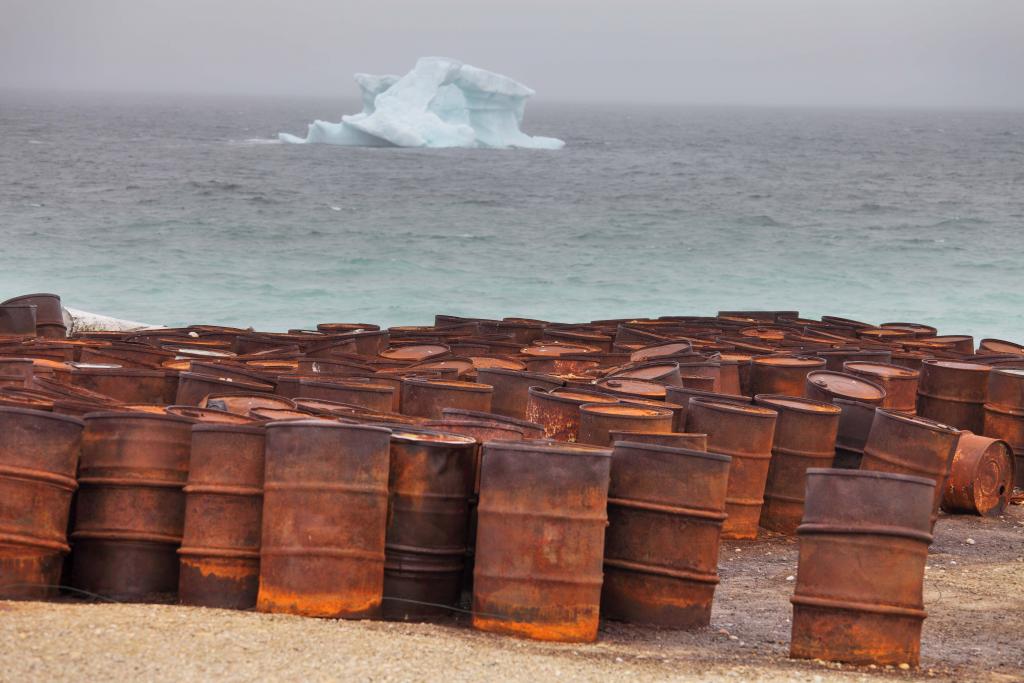
Toxic and hazardous waste barrels washed up on the shore of Russia’s Arctic Coast. (Photo: iStock)

Countries that engage in illegal dumping often lack the capacity to implement safe and sound dumping strategies. Thus, the London Protocol, in its preamble, recognizes the interests and capacities of developing countries, particularly small island developing states, which often lack the necessary resources to properly dispose of their waste and enforce regulations. The Protocol also includes a provision promoting support for access to and the transfer of environmentally sound technologies and know-how, and adequate resources for implementation to developing country parties that request it.

Importantly, the Protocol applies a precautionary approach. This means lack of conclusive scientific evidence regarding damage to the marine environment from dumping cannot be used to justify lack of action and preventative measures.

Radioactive Waste in the Ocean

Radioactive waste provides one example of growing acceptance and application of a precautionary approach in the context of ocean dumping. While the London Convention initially banned dumping high-level radioactive waste and allowed dumping low-level waste, a 1993 amendment prohibited dumping of all nuclear waste.

The United States was the first country to dispose of radioactive waste in the ocean in 1946, with the advent of nuclear power, but halted the practice in 1970. According to the US Environmental Protection Agency (EPA), more than 55,000 containers of radioactive wastes were dumped at three sites in the Pacific Ocean between 1946 and 1970. Other nuclear powers, however, continued dumping millions of litres of radioactive waste until 1993, when Greenpeace documented a Russian navy ship dumping 900 tonnes of nuclear waste into the Sea of Japan.

Expanding the scope of regulations to include social and political concerns, in addition to scientific and technical matters, combined with growing acceptance of the precautionary approach, allowed the parties to the Convention to respond to Russia's actions (McCullagh, 1996). As a result of international pressure, Russian President Boris Yeltsin halted the dumping.

Governments continue to grapple with large amounts of nuclear waste and contaminated water. For example, the Government of Japan is planning to dump 1.25 million tonnes of contaminated radioactive water from the Fukushima Daiichi nuclear power plant into the Pacific Ocean as storage space at the plant runs out—enough to fill 500 Olympic-sized swimming pools (BBC, 2021). While protests and debate delayed plans, dumping could now begin in the spring of 2023 and take decades to complete. In April 2021, Japan approved a plan to begin releasing the contaminated water and in August, the Japanese utility company, TEPCO, said it would build an undersea tunnel to release the water.

However, opposition has been and remains fierce. Local fishers say dumping the wastewater will devastate their livelihoods and industry. Environmental groups are also vehemently opposed, as is neighboring Republic of Korea, which still bans seafood imports from the Fukushima region and argues dumping the contaminated water would threaten its marine environment. The Republic of Korea, Chile, and China raised their concerns at the 2019 meeting of the Contracting Parties to the London Convention (Greenpeace, 2019). Following the recent announcements, the Republic of Korea expressed its “strong regret” over Japan’s actions and said Japan should “immediately halt” its plan to release radioactive water into the sea and “consult and communicate sufficiently beforehand” with neighboring countries (Yonhap, 2021). While China has urged Japan to revoke its “highly irresponsible unilateral decision,” the US believes the planned release is in line with global standards (Clark & Masumi, 2021). These protestations are expected to continue.

Using the Ocean to Mitigate Climate Change

The urgency of addressing climate change and the debate over mitigating technologies, such as carbon capture and storage (CCS) and marine geoengineering, propelled Protocol parties to take steps to ensure these technologies are controlled and regulated, given their potential to harm the marine environment. While conclusive scientific evidence regarding their damage and harm is still elusive, the Intergovernmental Panel on Climate Change (IPCC) views CCS as a short-term technological option for reducing net CO2 emissions, and as a requirement in IPCC scenarios to keep temperature rise below 1.5°C.

In 2006, the Protocol was amended to allow CCS under the seabed when deemed “safe” and to regulate the injection of CO2 waste streams into sub-seabed geological formations for permanent isolation. In October 2019, Protocol parties agreed to permit the provisional application of a 2009 amendment allowing for the transboundary export of CO2 for CCS, under certain circumstances, even though the amendment has not yet entered into force.

In 2013, parties adopted an amendment to allow marine geoengineering activities for research purposes only, although it has not yet entered into force. Marine geoengineering, as defined under the Protocol, refers to “a deliberate intervention in the marine environment to manipulate natural processes, including to counteract anthropogenic climate change and/or its impacts, and that has the potential to result in deleterious effects, especially where those effects may be widespread, long-lasting, or severe.” One marine geoengineering technique, ocean fertilization, refers to the practice of dumping iron or other nutrients into the ocean to manipulate the marine environment in a manner that draws CO2 from the atmosphere. However, balancing climate mitigation with protection of the marine environment remains a challenge.

Many governments and environmental activists alike oppose such activities. For example, the German government’s scientific Advisory Council on Global Change opposed introducing CO2 into seawater because “the risk of ecological damage cannot be assessed and the retention period in the oceans is too short” (The Guardian, 2008). A March 2019 report from the Joint Group of Experts on the Scientific Aspects of Marine Environmental Protection calls for a precautionary approach with respect to marine geoengineering, given lack of scientific evidence on the impacts on the marine environment (Joint Group of Experts on the Scientific Aspects of Marine Environmental Protection, 2019).

Other Treaties Addressing Ocean Dumping

Since the 1972 Stockholm Conference and the adoption of the London Convention, the international community and regions have also adopted other treaties to combat ocean dumping. The 1973 International Convention for the Prevention of Pollution from Ships (MARPOL) aims to prevent and minimize pollution of the marine environment from ships from operational or accidental causes, including dumping of oil and other harmful substances. All ships flagged under parties to MARPOL are subject to its requirements, regardless of where they sail. In 1990, the US National Research Council Marine Board credited MARPOL with making “a substantial positive impact in decreasing the amount of oil that enters the sea” (Riviera Newsletters, 2008). In 1998, the volume of oil spilled was over 5,000,000 gallons less than that in 1978.

The 1992 Convention for the Protection of the Marine Environment of the North-East Atlantic (OSPAR Convention) deals with the prevention and elimination of pollution by dumping or incineration. It entered into force in 1998, replacing the Convention for the Prevention of Marine Pollution by Dumping from Ships and Aircraft (Oslo Convention) and the Convention for the Prevention of Marine Pollution from Land-based Sources (Paris Convention). In 2007, amendments to the Convention allowed for storing CO2 in geological formations under the seabed. OSPAR cooperates with the London Convention in such areas as radioactive substances and CCS.

The 1976 Convention for the Protection of the Marine Environment and the Coastal Region of the Mediterranean (Barcelona Convention), the first regional seas convention entered into force in 1978. The Barcelona Convention has seven protocols, including the Protocol for the Prevention and Elimination of Pollution of the Mediterranean Sea by Dumping from Ships and Aircraft or Incineration at Sea. The Protocol obligates Contracting Parties to take “all appropriate measures to prevent, abate and eliminate to the fullest extent possible pollution of the Mediterranean Sea by dumping of wastes or other matter.” Amendments, yet to enter into force, prohibit dumping activities except for wastes or other matters listed in the Protocol, including dredged material, fish wastes, and uncontaminated geological material. The Mediterranean Pollution Assessment and Control Programme helps parties meet their obligations under the Dumping Protocol, including through the development of guidelines containing procedures to evaluate wastes and other matter considered for disposal at sea.

The Future of International Governance of Ocean Dumping

Banning ocean dumping is, unfortunately, not enough to eliminate it. Ocean dumping is tightly controlled and regulated in some countries but not in others. Some countries have not ratified the London Convention and Protocol. Some regional agreements are more robust than others. This has led to an uneven application of and adherence to the ocean dumping regime, and the various international and regional instruments it entails, resulting in a piecemeal approach to ocean dumping governance. Reporting, compliance, and enforcement challenges persist, with countries often not living up to their obligations in practice (Ringbom and Henriksen, 2017). Encouraging broader participation in and implementation of these agreements will determine the effectiveness of ocean dumping governance.

On the other hand, advocacy, activism, international pressure, and media campaigns have spotlighted the impacts of dumping on the marine environment and countries that cause damage. This has led to increased international and regional action to regulate and outright ban some ocean dumping, as well as hold those responsible for dumping to account. In this sense, international governance of ocean dumping has achieved significant success since its humble beginning fifty years ago. Countries that dump with impunity will be called out. Governments often respond when faced with bad press or boycotts, lest they be viewed as pariahs. Shining a light on the impacts of dumping on the marine environment has progressed the cause of strengthened ocean dumping governance, albeit slowly.

As Sylvia Earle said, while previous generations can be forgiven for not fully recognizing the importance of a clean ocean for life on this planet, the science and knowledge about the ocean’s importance to the existence of life is now widely understood and no excuses can justify such deliberate action.

Works Consulted

BBC. (2021). Fukushima: Japan approves releasing wastewater into ocean. https://www.bbc.com/news/world-asia-56728068

Clark, A., & Masumi, S. (2021). Why Japan Is Dumping Water from Fukushima into the Sea. Washington Post. https://www.washingtonpost.com/business/energy/why-japan-is-dumping-water-from-fukushima-into-the-sea/2021/08/26/4648e788-0649-11ec-b3c4-c462b1edcfc8_story.html

Degnarain, N. (2020). Sylvia Earle demands Japanese shipowner remove sunk Wakashio wreck from Indian Ocean floor. Forbes. https://www.forbes.com/sites/nishandegnarain/2020/10/07/sylvia-earle-demands-japanese-shipowner-remove-sunk-wakashio-wreck-from-indian-ocean-floor/

Fukushima 311 Watchdogs. (2019). South Korea brings Fukushima radioactive water sea dumping issue at international London Convention and Protocol of marine pollution. https://dunrenard.wordpress.com/2019/10/20/south-korea-brings-fukushima-radioactive-water-sea-dumping-issue-at-international-london-convention-and-protocol-of-marine-pollution/

Greenpeace. (2019). China, Korea, and Chile challenge Japan over Fukushima contaminated water crisis at United Nations maritime meeting. Press Release. https://www.greenpeace.org/eastasia/press/2698/china-korea-and-chile-challenge-japan-over-fukushima-contaminated-water-crisis-at-united-nations-maritime-meeting/

International Maritime Organization. (2012). Origins of the London Convention: Historic events and documents leading up to the 1972 adoption of the London Convention.

International Maritime Organization. (2016). The London Protocol: What it is and why it is needed. https://wwwcdn.imo.org/localresources/en/OurWork/Environment/Documents/London%20Protocol%20Why%20it%20is%20needed%2020%20years.pdf

International Maritime Organization. (2019a). The London Protocol and London Convention: How global regulation can deal responsibly with climate change mitigation technologies to protect the marine environment. https://wwwcdn.imo.org/localresources/en/OurWork/Environment/Documents/London%20Protocol%20Climate%20Change%20Leaflet%202019%20_FINAL_online%20version.pdf

International Maritime Organization. (2019b). Precautionary approach over marine geoengineering solutions for climate change. Press Release. https://www.imo.org/en/MediaCentre/PressBriefings/Pages/04-marinegeoengineeringGESAMP.aspx

Joint Group of Experts on the Scientific Aspects of Marine Environmental Protection. (2019). High level review of a wide range of proposed marine geoengineering techniques. GESAMP Reports and Studies, 98. http://www.gesamp.org/publications/high-level-review-of-a-wide-range-of-proposed-marine-geoengineering-techniques

Lebling, K., & Northrop, E. (2020). Leveraging the ocean’s carbon removal potential. World Resources Institute. https://www.wri.org/blog/2020/10/ocean-carbon-dioxide-sequestration

Marine Defenders. (2018). Introduction to the MARPOL treaty. https://www.marinedefenders.org/oil-pollution-laws.html

Maritime Executive. (2019). IMO allows transboundary carbon capture and storage. https://www.maritime-executive.com/article/imo-allows-trans-boundary-carbon-capture-and-storage

McCullagh, J. R. (1996). Russian dumping of radioactive wastes in the Sea of Japan: An opportunity to evaluate the effectiveness of the London Convention 1972, Pacific Rim Law & Policy Journal, 5(2), 399-427.

OSPAR Commission. 2020. From Our Executive Secretary. https://www.ospar.org/about/introduction

Ringbom, H., & Henriksen, T. (2017). Governance challenges, gaps and management Opportunities in areas beyond national jurisdiction. Global Environment Facility – Scientific and Technical Advisory Panel. https://www.thegef.org/sites/default/files/publications/51193%20-%20STAP%20ABNJ%20-%20lowres.pdf

Riviera Newsletters. (2008). MARPOL 73/78 has a proven record of achievement. https://www.rivieramm.com/news-content-hub/news-content-hub/marpol-7378-has-a-proven-record-of-achievement-52821

Sjoblom, K., & Linsley, G. (1994). Sea disposal of radioactive waste: The London Convention of 1972. IAEA Bulletin, 2/1994, 12-16. https://www.iaea.org/sites/default/files/publications/magazines/bulletin/bull36-2/36205981216.pdf

United Nations Environment Programme. (n.d.). Programme for the assessment and control of marine pollution in the Mediterranean. https://www.unenvironment.org/unepmap/who-we-are/institutional-set/med-pol

US Environmental Protection Agency. (2019). Ocean dumping: International treaties. https://www.epa.gov/ocean-dumping/ocean-dumping-international-treaties

US Environmental Protection Agency. (2020). Learn about ocean dumping. https://www.epa.gov/ocean-dumping/learn-about-ocean-dumping

Yonhap. (2021). S. Korea expresses ‘strong regret’ over Japan’s Fukushima water. The Korea Herald. http://www.koreaherald.com/view.php?ud=20210825001034

Deep Dive

The Incremental Approach to Governing Mercury

Still Only One Earth: Lessons from 50 years of UN sustainable development policy

Years of activism on mercury poisoning gave rise to the Minamata Convention on Mercury. Going forward, governments need to better regulate mercury use in artisanal and small-scale gold mining, while balancing human health and poverty alleviation. (Download PDF) (See all policy briefs) (Subscribe to ENB)

November 1, 2021

In 1972, 15-year-old Shinobu Sakamoto left her fishing village in Japan to attend the world’s first global conference on the human environment in Stockholm, Sweden. The journey was a long one, but especially so for Sakamoto, who was disabled due to methylmercury poisoning in utero. She is one of the many afflicted with what would become known as Minamata disease, named after the city where the poisoning took place.

Sakamoto is one of the survivors who has bravely spoken out about the effects of Minamata disease. In Stockholm, their stories resonated with people who had recently read Rachel Carson’s Silent Spring, about the dangers of pollutants. Many might have also seen “Death-Flow from a Pipe,” a photo essay documenting the effects of Minamata disease, put together by photojournalist W. Eugene Smith for Life Magazine in June 1972. The perils of chemical pollution and mercury poisoning had become mainstream news, heightened by the efforts of Sakamoto and other survivors.

These dangers remain with us today. In the United States in 2010, more than 200,000 children were born to mothers with methylmercury levels high enough to put their babies at risk of neurological disease. Children in the Faroe Islands suffer developmental delays as their traditional food sources are contaminated with methylmercury (Selin & Selin, 2020, p. 4). Inuit communities in Canada face similar dangers, due to contamination in whales, walruses, and fish.

The fetal Minamata disease patients including myself are getting worse, year by year. Many people are still suffering and struggling from pollution. Today, I must repeat my message — Minamata disease is not over. Pollution must end.

SHINOBU SAKAMOTO
Shinobu Sakamoto, a woman living with fetal Minamata disease, at the first meeting of the Conference of the Parties to the Minamata Convention in 2017
Shinobu Sakamoto, a woman living with fetal Minamata disease, at the first meeting of the Conference of the Parties to the Minamata Convention in 2017. (Photo: Kiara Worth, IISD/ENB)

In 2017, 45 years after her first journey to Stockholm, Sakamoto travelled to Geneva, Switzerland. She gave an opening address to the parties to the Minamata Convention, a treaty named after Minamata disease. The treaty aims to reduce mercury releases into the atmosphere, land, and water to protect human health and the environment.

It has been a long road from when mercury was identified as an issue of global concern to action under a global, legal-binding treaty. Yet why has mercury successfully moved from agenda setting to action, while other heavy metals that are toxic and persistent in the environment, such as cadmium and lead, still lack legally binding global action? And what still needs to be done to protect human health from heavy metals?

Quicksilver: Useful, but Dangerous

Mercury is sometimes called quicksilver because is it the only metallic element that is a liquid at room temperature. For centuries, the shiny, silvery liquid has been used for a wide range of products and processes. Mercury is present in some consumer goods, such as fluorescent lightbulbs, thermometers, and dental amalgam. It is a naturally occurring element, released into the air and water through the weathering of rock containing mercury ore.

Increasingly, mercury releases are due to human activities. Artisanal and small-scale gold mining (ASGM), industrial processes, waste incineration, and fossil fuel production contribute to mercury releases into the atmosphere and water (see Table 1).

Table 1. Mercury Emissions Estimates by Sector [kg], 2018 
Category Mercury emissions estimates
Artisanal and small-scale mining 847,658
Stationary combustion of coal 473,777
Non ferrous metals production 326,657
Cement production 233,168
Waste from products 146,938
Vinyl chlorine monomer 58,268
Biomass burning 51,860
Ferrous metals production 39,903
Clor alkali production 15,146
Waste incineration 14,944
Oil refining 14,377
Stationary combustion of oil and gas 7,130
Cremation 3,768

Source: UNEP (2019). Global Mercury Assessment 2018.


The largest contributor is non-industrial gold mining, where workers use mercury to extract gold from the surrounding rock. This process has been in use for centuries. In 1558, the “patio process” was invented to separate silver from the surrounding ore using mercury. It helped fuel the colonial empires. For example, Spanish colonies in the Americas used mercury shipped from Southern Spain and Peru to mine silver for the empire. Today, more than 500,000 workers in seven countries work in the sector. The Democratic Republic of the Congo employs the most globally, but Sudan, China, Ghana, Côte d’Ivoire, Mali, and Tanzania also have significant workforces in the ASGM sector (IGF, 2017).

It is a complex development issue with few easy answers. The sector is informal and unregulated. Many of the workers are poor and this work is an important source of income. They use mercury because it is the most economical option, while larger mining facilities use more expensive processes. It has long been, and continues to be, one of the central implementation challenges of global efforts to reduce the use of mercury.

Building the Foundation of Heavy Metals Governance

The Stockholm Conference on the Human Environment catalyzed action on heavy metals through legal instruments that referenced the Stockholm Declaration and Action Plan. Several were agreements to prohibit the dumping of mercury, lead, and cadmium into the marine environment, particularly the waters around Europe and the North Atlantic. The International Convention on the Prevention of Marine Pollution by Dumping of Wastes and other Matter (London Convention) and the Convention for the Prevention of Marine Pollution by Dumping from Ships and Aircraft (Oslo Convention) were adopted in 1972. The Convention for the Prevention of Marine Pollution from Land-Based Sources (Paris Convention) joined the list in 1974. The Baltic Sea was protected by the Helsinki Convention in 1974 and the Mediterranean Sea by the 1976 Dumping Protocol to the Barcelona Convention. By 1984, the European Economic Community set limits and water quality objectives to eliminate mercury emissions from the key polluting industries (Selin & Selin, 2006).

Action to protect the marine environment from mercury strengthened over time but remained regional. The Oslo and Paris Conventions joined to form the Convention for the Protection of the Marine Environment of the North-East Atlantic (OSPAR). It set a goal that “every endeavour will be made to move towards the target of cessation of discharges, emissions and losses of hazardous substances of concern by the year 2020.” But, as noted in 2000, the Convention alone cannot address all sources of mercury pollution and would have to work closely with other international bodies (OSPAR, 2000). The Mediterranean Action Plan set a 2025 goal for reducing mercury pollution from land-based sources.

In the 1980s and 1990s, countries began to expand controls of heavy metals beyond the marine environment. The Basel Convention on the Control of Transboundary Movements of Hazardous Wastes and Their Disposal was adopted in 1989. Waste containing, contaminated with, or consisting of mercury, cadmium, and lead were included as hazardous wastes. Any international trade in these wastes would need the prior informed consent of the importing country. Countries also developed technical guidelines to help manage these wastes in an environmentally sound manner.

The Convention on Long-Range Transboundary Air Pollution (CLRTAP) was established by European and North American countries under the auspices of the United Nations Economic Commission for Europe. In 1998, parties adopted a Protocol on Heavy Metals, which included mercury, lead, and cadmium. Thus, for Europe and North America, efforts to protect the air and water from mercury were well underway.

But evidence about the global extent of heavy metal pollution continued to mount. The Arctic Monitoring and Assessment Programme (AMAP) reported in 1998 that levels of heavy metals were increasing, even though mercury is not produced or used in the Arctic. The findings showed that despite reductions in mercury emissions in North America and Western Europe in the 1980s, global emissions were increasing (AMAP, 2002). The report also showed atmospheric deposition of lead was drastically reduced where the use of leaded gasoline was banned. There was less data available on cadmium. AMAP recommended further monitoring to establish trends.

In response to the AMAP report, the Arctic Council called for the United Nations Environment Programme (UNEP) to undertake a global assessment of mercury. The CLRTAP executive body separately sent its own call for a global assessment. In 2001, the UNEP Governing Council responded and launched a global mercury assessment, which concluded in 2003 there was “sufficient evidence of significant global adverse impacts to warrant international action to reduce the risks to human health and/or the environment” (UNEP, 2013). Nearly 30 years after the Stockholm Conference, mercury was on top of the global agenda.

Mercury Moves on Alone

Countries were divided on how to respond to the Global Mercury Assessment. Switzerland, Norway, and the European Union (EU) called for a global treaty on mercury and perhaps heavy metals more broadly. Such a treaty would have included cadmium and lead, like the CLRTAP Protocol on Heavy Metals. But others, including the US, Canada, Japan, Russia, Australia, New Zealand, and several developing countries, preferred a voluntary approach (Selin, 2014; Sun, 2017). They suggested the time and expense of negotiating a treaty could be better directed to more targeted, flexible approaches. There was also treaty fatigue, given recent negotiations to adopt the Rotterdam Convention on the Prior Informed Consent Procedure for Certain Hazardous Chemicals and Pesticides in International Trade in 1998 and the Stockholm Convention on Persistent Organic Pollutants in 2001 (Bai, et al., 2005; Selin, 2014).

The stalemate continued until 2007, when the UNEP Governing Council established a working group to explore the options. The Open-ended Working Group to Review and Assess Measures to Address the Global Issue of Mercury recommended a mix of measures, one legally binding option and three voluntary measures. But in 2009, following the election of US President Barack Obama, a “tipping point” occurred, when the US agreed to negotiate a legally binding instrument. This convinced Australia, Japan, China, and India (Selin, 2014; Sun, 2017). The UNEP Governing Council agreed to launch negotiations, but for mercury only. But the disagreement of whether to include cadmium and lead persisted. While the EU and other countries pushed for a wider scope, countries ultimately agreed that any change to the negotiating committee’s mandate to move beyond mercury would require the Council’s agreement. Effectively, this ruled out a broader treaty on heavy metals.

The Global Mercury Partnership, a voluntary arrangement hosted by UNEP, played a valuable part in the negotiations. The Partnership, which includes governments, non-governmental organizations (NGOs), academics, and the private sector, was created in 2005, and has seven partnership areas that target key sources of mercury pollution, including ASGM, chlor-alkali production, and coal combustion, as well as waste management, supply and storage, and research on mercury air transport (UNEP, 2009). Partnership membership grew rapidly once treaty negotiations began. The range of expertise in the Partnership led to a series of briefings on key issues before each negotiation session, that were attended by delegates keen to ask questions (Sun, 2017).

Negotiations continued between 2010 and 2013. As with every negotiation, there were difficult issues to sort out, including supply and trade, use in products and processes, emissions and releases, support to developing countries, and compliance (Selin, 2014). In 2013, the treaty was adopted and opened for signature. The ceremony took place in Minamata, giving its name to the Minamata Convention on Mercury.

The Minamata Convention on Mercury

Finally, the world had a dedicated legal instrument for mercury emissions and releases regardless of the source or where the mercury ends up in water, air, or land. The Convention covers the entire life cycle of mercury, from production to waste (Selin 2014; Selin & Selin, 2020). The Minamata Convention, which entered into force in 2017, became the first global agreement on human health and the environment in nearly a decade and is unique for extensively considering health and engaging with the health community.

The Convention sets ambitious objectives that could have a rapid effect on the supply of and demand for mercury. It bans new mercury mines and existing mines can continue for only 15 years after a country joins the treaty. The Convention also phases out and phases down the use of mercury in a number of products and processes. Several of these phase-outs had a 2020 deadline, meaning that beginning in 2021, parties can no longer manufacture or trade in products that use or contain mercury. Such mercury-containing products include some batteries, compact fluorescent lamps under 30 watts, cosmetics (such as skin lightening creams), pesticides, and thermometers. Chlor-alkali production using mercury, formerly a major source, is to end in 2025. But countries can apply for an extension of five years.

“The name Minamata Convention contains the world commitment that serious environmental pollution and human health damage like Minamata disease must not happen again anywhere in the world.

MASAHARU NAKAGAWA, MINISTER OF THE ENVIRONMENT, JAPAN
Participants at the third meeting of the Conference of the Parties to the Minamata Convention in 2019 stand and chant “Make Mercury History” during the closing plenary session.
Participants at the third meeting of the Conference of the Parties to the Minamata Convention in 2019 stand and chant “Make Mercury History” during the closing plenary
session. (Photo: Sean Wu, IISD/ENB)

The role of other bodies, particularly the World Health Organization (WHO), and their expertise is visible in many of these recommendations (Selin, 2014). The WHO and the World Dental Federation supported a phase down, leading dental amalgam to become the only product listed for restricted use. Vaccines are excluded from the controls of the Convention. Given the lack of evidence of negative effects of mercury use in vaccines compared to the risks associated with limiting access to some vaccines, the WHO urged parties to exclude these products.

The Convention carefully handles ASGM and its use of mercury to mine gold. Countries with “more than insignificant ASGM” are to develop national action plans for the sector. These plans include national objectives and reduction targets, which could help promote accountability and transparency of efforts. Baseline estimates of the mercury used, and the practices of the sectors, will help formulate these goals. The plans also call for steps to formalize or regulate the sector, strategies to reduce emissions, releases, and exposure to mercury in the sector, and a public health strategy to protect and treat ASGM miners and their communities.

For mercury emissions from coal-fired power plants and coal-fired industrial boilers, there is a similar nationally driven approach. China and India preferred a voluntary approach while developed countries, the African Group, and NGOs wanted mandatory limits. The Convention allows countries to choose which technologies and practices are economically viable. There are provisions on waste and storage, and a financial mechanism to provide resources to developing countries to implement the Convention.

It is too early to tell if the Minamata Convention will be effective. A common way to assess a treaty’s effectiveness is through a formal effectiveness evaluation, with a list of agreed-upon indicators of success. The Convention parties agreed to a “minimized” version of the effectiveness evaluation at its 2019 meeting, after disagreements about which indicators to use (Wagner, et. al., 2019). Only after the first evaluation is completed will we have a sense of the Convention’s impact on the environment and health.


What About Other Heavy Metals?

Why did countries separate mercury from the other heavy metals? Regional approaches considered the heavy metals together, particularly to protect marine environments from dumping. There was support from the EU, Switzerland, Norway, and others to address cadmium, lead, and mercury together in one treaty. All three heavy metals are dangerous to human health. Cadmium can damage the kidneys, liver, and heart. Lead damages the brain, kidneys and, like mercury, the nervous system. But other countries disagreed that the three heavy metals should be grouped together. Potentially, two reasons may explain why their arguments prevailed and led to a treaty for mercury alone. Both can tell us a lot about why we see global treaties arise for some issues, but not others.

First, the mercury treaty is focused on a single issue with a discrete list of sectors involved in its production and use. A global treaty that included lead and cadmium would have to address numerous sources that are largely different. Coal can lead to mercury and cadmium emissions, and batteries contain lead and mercury. But there are many differences, which would complicate negotiations. A heavy metals treaty would have to address the range of sources, from industrial processes and fertilizers to everyday products, such as paint and cosmetics. That is a big list for a single treaty. There would a wide range of interests on the table to reconcile for many sectors. Focusing on a single issue helped conclude a treaty with timelines for phase-outs and phasedowns.

Second, science played a strong role in presenting mercury as a pressing, global threat. The AMAP assessment showed increasing levels of mercury in the Arctic but cited a lack of data for cadmium. In 2007, the UNEP Governing Council requested additional data on lead and cadmium to help fill information gaps (Decision 24/3 III). Individual countries had already taken strong action on lead. Leaded gasoline had been banned in most countries and by 1999, unleaded gasoline accounted for 80% of worldwide sales (OECD, 1999). In the 1990s and 2000s, the price of mercury was historically low, but started to rise in 2003 due to increased demand from the ASGM sector, despite import bans from the US and the EU (Selin & Selin, 2020, p.60-1). When the UNEP Governing Council agreed to form the Global Mercury Partnership and later to start treaty negotiations, demand in some parts of the world was increasing. Coupling science with evidence of an increasing threat put a spotlight on mercury.

Lead and cadmium are not completely forgotten. The UNEP Governing Council, now the United Nations Environment Assembly, discusses these heavy metals regularly. UNEP has a mandate to provide capacity building support, particularly to eliminate and safely dispose or recycle lead-acid batteries and lead paint. There are also voluntary partnerships, including the Partnership for Clean Fuels and Vehicles and the Global Alliance to Eliminate Lead Paint.

Moving Forward

The world is safer from mercury poisoning than it was 50 years ago, because of the tireless and brave activism of those with Minamata disease and decades of scientific monitoring. The Minamata Convention aims to protect those vulnerable to mercury exposure. It is too early to tell if this relatively young treaty will reach its lofty objectives. Thus, parties need to move forward with the effectiveness evaluation and strengthen its list of indicators and data collection.

Artisanal miners use mercury to purify the gold they unearth
Artisanal miners may use mercury to purify the gold they unearth. (Photo: pierivb/iStock)

Other difficult tasks lie ahead. The Convention needs to protect those working in remote areas in the ASGM sector. ASGM takes the environmental treaty into the world of global development, trying to address the need for poverty alleviation at the same time as reducing mercury use. This is uncharted territory for many environmental treaties. It will test the provisions in the treaty and the ability of countries to work together to achieve multiple goals at once.

How they address these challenges will be the legacy of the Minamata Convention and those victims it is named to honour.

Works Consulted

Bai, C., Barrios, P. Larsson Ortino, M., Sherman, R., Vavilov, A., & Xia K. (2005). Summary of the Twenty-third session of the UNEP Governing Council/Global Ministerial Environment Forum: 21–28 February 2005. Earth Negotiations Bulletin. https://enb.iisd.org/vol16/enb1647e.html

Intergovernmental Forum on Mining, Minerals and Sustainable Development. (2017). Global trends in artisanal and small-scale mining (ASM): A review of key numbers and issues. https://www.iisd.org/publications/global-trends-artisanal-and-small-scale-mining-asm-review-key-numbers-and-issues

Organisation for Economic Co-operation and Development. (1999). Phasing lead out of gasoline: An examination of policy approaches in different countries. OECD.

OSPAR. (2000). OSPAR Background Document on Mercury and Organic Mercury Compounds. https://www.ospar.org/documents?v=6904

Selin, H. (2014). Global environmental law and treaty-making on hazardous substances: The Minamata Convention and mercury abatement. Global Environmental Politics, 14(1), 1-19.

Selin, N. E., & Selin, H. (2006). Global politics of mercury pollution: The need for multi-scale governance. Review of European Community & International Environmental Law, 15(3), 258-269.

Selin, H., & Selin, N. E. (2020). Mercury stories: Understanding sustainability through a volatile element. MIT Press.

Sun, Y. (2017). Transnational public-private partnerships as learning facilitators: Global governance of mercury. Global Environmental Politics, 17(2), 21-44.

UNEP. (2009). 2007-2008 - Reporting of the mercury waste management partnership area. 

UNEP. (2013). Mercury: Time to Act. https://wedocs.unep.org/handle/20.500.11822/27436

Wagner, L., Jackson, L.C., Ripley, K., & Hengesbaugh, M. (2019). Summary of the third meeting of the Conference of the Parties to the Minamata Convention on Mercury. Earth Negotiations Bulletin. https://enb.iisd.org/vol28/enb2859e.html

Deep Dive

How to Advance Sustainable Mining

Still Only One Earth: Lessons from 50 years of UN sustainable development policy

Mining companies reap huge benefits extracting valuable minerals, but often at a cost to surrounding communities and the environment. Regulating these activities mainly depends on national frameworks and policies, but implementing good practices remains problematic. To truly shift to “sustainable mining,” governments and companies must recognize the social impacts of mining, and enact laws and regulations that require community consultation throughout the life of a mine. (Download PDF) (See all policy briefs) (Subscribe to ENB)

October 18, 2021

As a child, Kongolo Mashimango Reagen spent many days carrying 25-kilo sacks of cobalt from small mines in the Democratic Republic of Congo. His long days started at 5:00 am. Accidents were common. Tunnels dug by hand into the bright red earth often collapsed. He saw many children like himself die in the mines. His uncle sold the cobalt—a critical metal for electric car batteries—to local traders, and Kongolo received free food and board as his payment (Sanderson, 2019).

For more than a decade, informal mines in places like the Democratic Republic of Congo have enabled the global digital revolution. The world’s largest mining companies rub shoulders with miners who dig copper and cobalt by hand with little or no safety precautions (Sanderson, 2019). Small-scale mining is a double-edged sword for these local communities, providing employment but negatively affecting human health and the environment. Large-scale mining also affects communities both positively and negatively, albeit through different dynamics and obligations. The international community has not had much success in regulating mining activities, which remain largely under the purview of national governments. 

Yet many countries with rich mineral deposits do not have the capacity to govern mines effectively, with political elites often syphoning off the proceeds.

The Impact of Mining

The extractives or mining industry cause some of the most dramatic impacts on the natural environment and human health. The footprint of mining operations is often visible from outer space, with large areas of excavation standing out in a sea of green forest. Technological advances have amplified the sector’s environmental impact while reducing local economic benefits, since they allow for removal of plant biomass more rapidly. While this is true in many sensitive ecosystems where companies do not respect their contractual obligations, some newly developed technologies favor the environment, such as waterless and zero-waste mines

Carajas mine in Brazil
View of Brazil’s Carajás Mines from space. (Photo: NASA)

Mining activities can affect social and environmental systems in direct and indirect ways. Mine exploration, construction, operation, and maintenance may result in land-use change, leading to deforestation, erosion, contamination and alteration of soil profiles, contamination of local streams and wetlands, and an increase in noise level, dust, and emissions. Mine abandonment, decommissioning, and repurposing can also result in significant environmental impacts, especially soil and water contamination. The infrastructure that supports mining activities, including roads, ports, railway tracks, and power lines, can affect migratory routes of animals and increase habitat fragmentation (Haddaway et al., 2019).

The disposal of tailings is commonly identified as the single greatest environmental impact for most mining operations (Vick, 1990). The volume of tailings requiring storage often exceeds the total volume of the ore being mined and processed, with a dramatic increase over the last century as demand has increased and lower grades of ore are being mined through advances in extraction and processing technology. The rate of tailing production over the past 50 years increased exponentially with some individual mines producing more than 200,000 tonnes of tailings per day (Jakubick et al. 2003). It is therefore critical to research the characteristics and chemical composition of mine tailings during pre-feasibility pilot studies, and to establish the behaviour of the tailings once deposited in their final storage location to determine liabilities and environmental impacts. Following the Vale mine’s tailings dam collapse in Brudaminho, Brazil, in 2019, the International Council on Mining and Metals (ICMM) led an industry initiative in setting the standards to eliminate similar accidents. 

Mining activities can create many jobs, which have the potential to unlock economic opportunities, both directly and indirectly benefitting community members. These economic benefits may not match the scale of profits extracted by mining companies, however, since many mines are also a possible source of child labour, poverty, pollution, and disease. (See Table 1.)

Table 1: Negative and Positive Impacts of Mining
Positive Impacts Negative Impacts
  • Mines generate large tax revenues to national and local governments.
  • Mineral deposits, especially when scarce or present in large quantities, improve a country’s investment attraction internationally.
  • Mining generally requires a large labour force, thus providing many job opportunities, such as in construction at start-up (2–4 years) and in thousands of manual-intensive jobs.
  • Mining companies can provide benefits to their host communities, including infrastructure, basic services, and communications networks.
  • Mining stimulates associated business opportunities, such as transport and waste recycling.
  • Mine operations are often in remote areas, producing economic spin-offs in areas where employment opportunities are scarce and economic activities are limited.
  • Artisanal mining provides a source of economic livelihood for many people, thus somewhat reducing levels of poverty.
  • Mining provides raw inputs to an expanding list of “green” technologies.
  • Developing countries’ revenue losses from tax base erosion and profit shifting and illicit financial flows is USD 200 billion annually, across all sectors (UNECA, 2017).
  • Mines often pollute underground and surface water systems and create negative impacts downstream.
  • Mines pollute the air and cause poor health conditions. Increase in automation leads to low-skilled and repetitive job losses.
  • Mines cause displacement of communities; tailings often cause forced removal of communities.
  • Mines can cause lasting degradation of soils, biomass, and ecosystems.
  • Abandoned mines often pose dangers to humans and animals, and cause many deaths.
  • Artisanal mining is fraught with challenges, such as the use of toxic materials or abandoned mine shafts for extraction.
  • Fluctuating prices of minerals cause constant job insecurity among mine contract workers.t workers.
  • Due to the instability inherent to mine employment, host communities struggle with many social and related health challenges that are complex to resolve.

Furthermore, despite providing jobs, for decades most of the revenue from mining has eluded those most affected. Reporting on mining in Ghana, Daniel Twerefou, et al. (2015) note: “... in many mining communities today, the relationship between mining companies and the local community cannot be described as the best… [this] may have downstream impacts on the sector if measures are not put in place to improve the relationship.”

In addition, mineral resources are not renewable. After a period of production and peaking revenues, the productivity and accompanying revenue will inevitably drop, until the resource is depleted and operations cease. Without preparation for this inevitability, host communities will be plunged into poverty, worse than before mining began. This is the so-called “resource curse.” Such over-exploitation coupled with weak resource governance are challenging for many mineral-rich developing countries (Fitriani et al., 2015).

Two extreme pictures emerge when investigating the impacts of mine activities on the surrounding communities. In this sense, mining challenges all three dimensions of sustainable development: economic, social, and environmental. When governments and mining companies do not address these challenges, the areas around mine sites often become degraded landscapes filled with informal settlements and scrambling artisanal miners eking out a living adjacent to the garish mine infrastructure and swarming monster trucks.

The Challenge of International Mining Governance

Traditionally, the international community has taken a “hands-off” approach to mining, although it has been referenced at the sustainable development mega-conferences. It is a general principle of international law that countries have sovereignty over their own natural resources. In fact, this was codified at the 1972 United Nations Conference on the Human Environment in Stockholm, Sweden, as Principle 21 in the Stockholm Declaration.

Recommendation 56 of the Stockholm Action Plan called on the UN Secretary-General to provide a platform for the exchange of information on mining and mineral processing, including the environmental conditions of mine sites.

States have, in accordance with the Charter of the United Nations and the principles of international law, the sovereign right to exploit their own resources pursuant to their own environmental policies, and the responsibility to ensure that activities within their jurisdiction or control do not cause damage to the environment of other States or of areas beyond the limits of national jurisdiction.

Stockholm Declaration, Principle 21

Twenty years later, at the 1992 UN Conference on Environment and Development (Earth Summit) in Rio de Janeiro, Brazil, the adopted action plan, Agenda 21, called for more environmentally sound mining in Chapters 11 (forests), 13 (mountains), and 17 (oceans). Principle 2 of the Rio Declaration, however, reiterated countries’ sovereign right to exploit their own resources.

Ten years later at the 2002 World Summit on Sustainable Development (WSSD), paragraph 46 of Johannesburg Plan of Implementation (JPOI) recognized the importance of mining, minerals, and metals to economic and social development. Paragraph 46 of the JPOI called on governments to: (a) support efforts to address the environmental, economic, health, and social impacts and benefits of mining, minerals, and metals, including workers’ health and safety; (b) enhance the participation of stakeholders to play an active role throughout the life cycles of mining operations, including after closure for rehabilitation purposes; and (c) foster sustainable mining practices.

The WSSD also contributed to the establishment of the Intergovernmental Forum on Mining, Minerals, Metals and Sustainable Development (IGF) to improve governance and decision-making to leverage mining for sustainable development. The IGF now supports 79 member states through capacity building, including improving sustainable mining practices, addressing tax base erosion and profit shifting, and ensuring resource governance and social progress.

Finally, in 2012, at the UN Conference on Sustainable Development (Rio+20), the outcome document, The Future We Want, recognized in paragraph 228 the “importance of strong and effective legal and regulatory frameworks, policies and practices for the mining sector that deliver economic and social benefits and include effective safeguards that reduce social and environmental impacts, as well as conserve biodiversity and ecosystems, including during postmining closure.”
 
Despite attention to mining, these conferences never called for a comprehensive international treaty. But there are treaties with provisions that can help regulate the industry. Three categories of international law are relevant to mining: international investment treaties, international human rights law, and environmental conventions and treaties (Pring et al., 1999).

International investment treaties establish the terms and conditions for private investment by nationals and companies of one state in another state. Home country governments enter into these agreements to protect their companies’ investments abroad. Host country governments do so to promote foreign investment in their countries. While these agreements provide strong and effective economic protection for investors, they do not provide similarly strong protections for people and the environment affected by mining investments.

There are human rights agreements that can protect people who work in and live near mining operations. These include the 1948 Universal Declaration of Human Rights, the 1966 International Covenant on Civil and Political Rights, and the 1966 International Covenant on Economic, Social and Cultural Rights. The 1989 Convention on the Rights of the Child addresses child labour, and the International Labour Organization (ILO) Convention No. 169 on the rights of Indigenous Peoples is based on respect for the cultures and ways of life of Indigenous and tribal peoples. The nonbinding 2007 UN Declaration on the Rights of Indigenous Peoples and the 2011 UN Guiding Principles on Business and Human Rights also fall under this category. The UN Guiding Principles have driven many mining companies to undertake policies that have a positive influence on host communities, such as creating plans for community development.

Children mining in Tanzania
Children may have to work in mines rather than going to school in places like Shinyanga, Tanzania. (Photo: iStock)

The environmental treaties that affect mining the most are those that protect natural areas and resources. A “listing” under one of these treaties can place areas off limits to mining development (Pring et al., 1999). Examples include: the 1971 Ramsar Convention on Wetlands of International Importance; the 1972 Convention Concerning the Protection of the World Cultural and Natural Heritage; and the 1979 Bonn Convention on the Conservation of Migratory Species of Wild Animals. The 1991 Protocol on Environmental Protection to the Antarctic Treaty designates Antarctica as a “natural reserve, devoted to peace and science,” and prohibits all activities related to mineral resources. The 1982 UN Convention on the Law of the Sea governs mining on the seabed and subsoil beyond the limits of national jurisdiction. These activities are regulated under the International Seabed Authority.

There are also international treaties that address the transboundary movement of hazardous waste, which can include the disposal of tailings. These include the 1989 Basel Convention on the Transboundary Movement of Hazardous Wastes and Their Disposal, the 1991 Bamako Convention and the 1995 Waigani Convention.

Finally, the 2013 Minamata Convention on Mercury addresses the use of mercury in artisanal and small-scale gold mining (ASGM). These miners, primarily in developing countries, use mercury to extract gold from ore because it is relatively inexpensive and easy to use. Nearly all the mercury used in ASGM is eventually released directly into the environment and pollutes the atmosphere, soils, and waterways, exposing miners and their communities to serious health risks.

Tailings of mine in Poland
A mine tailings reservoir in Poland. (Photo: Unsplash)

The Challenge of Domestic Regulation

Despite these international agreements, mining governance still largely relies on national and local institutions and legal frameworks. The biggest challenges are implementation of regulations where they exist, and either a lack of strong penalties, or lack of political will to enforce penalties.

Many governments have adopted the “polluter pays” principle, which has become embedded into environmental frameworks with increasingly stringent requirements. Governments have traditionally used prescriptive approaches (called technology standards) that specify technologies to reduce pollution, but recently performance-based regulation with specific targets for environmental performance and economic instruments have become more widespread (UNDP, 2018). The main tools used to reduce environmental and social impacts are environmental impact assessments, through which governments and mining companies can conduct cumulative and strategic assessments to formulate plans and policies.

Gold mining in Burkina Faso
Miners digging for gold in Poura, Burkina Faso (Photo: iStock)

The greater dilemma relates to implementation of domestic policies. Governments and mining companies, recognizing the social impacts of mining, have increasingly introduced laws and regulations that require community consultation throughout the life of a mine. The United States, through the Dodd–Frank Wall Street Reform and Consumer Protection Act (Dodd-Frank) and in the European Union through the Organisation for Economic Co-operation and Development (OECD) Due Diligence frameworks developed strong obligations for companies listed in their stock markets to track their supply chains for conflict minerals. Such initiatives show promise, although they do not necessarily focus on the root cause of the problem, and do not include all minerals.

Unfortunately, some developing countries have been much slower in accepting community consultation and engagement principles, and even where this practice has become enshrined in national laws, proper implementation is often problematic. Some challenges include instances where mine company staff with limited social development expertise either make random decisions about community benefit projects without proper consultation, or social performance spending follows corrupt routes through flawed tender processes with no benefit to the community.

Forging Win-Win Solutions

There is a need for more innovative solutions to optimize the mining industry’s benefits and reduce its negative social and environmental impacts. Public-private partnerships, given enough political will and business commitment, are one such option.

In 2011, Anglo American CEO Mark Cutifani combined forces with the Kellogg Innovation Network’s Peter Bryant to find solutions to the complex challenges facing mining companies. A chronic lack of investment in innovation had reduced productivity, leading to increased costs and subpar returns on capital. At the same time, legacy environmental, health, and safety issues had diminished mining’s social license to operate in many communities. The solution was to recast the mining business model as a development partnership, and to work with stakeholders to pursue shared goals. This initiative saw the development of joint regional plans among government, community, and mine partners, with the southern African region as one of the first to implement such an initiative. These partnerships can jointly improve infrastructure, education, health services, and capacity building for these communities (KIN Development Partner Framework, 2014).

Other similar initiatives are illustrated by the International Council on Mining and Metals (ICMM). In collaboration with academic researchers, the Council has developed a matrix approach to identify technology solutions for the mining sector across six UN Sustainable Development Goals (SDGs):  nutrition and agriculture (SDG 2), good health and wellbeing (SDG 3), clean water and sanitation (SDG 6), affordable and clean energy (SDG 7), industry and innovation (SDG 9), and sustainable communities (SDG 11).

Most mining companies now have some form of corporate social responsibility approach through their activities, or are required to implement environmental, social, and governance principles, a key funding metric used by investors.

Our success as an industry is not only measured by the ounces, carats, or tons we mine, it is also measured by whether we improve people's lives.

Mark Cutifani, CEO, Anglo American

Some mining companies have introduced the SDGs into their work. For example, in addition to focusing on energy efficiency, mining companies can leverage their energy demand to extend power to undersupplied areas through partnerships that enable shared use of energy infrastructure, helping to achieve SDG 7. At Semafo’s Mana mine in Burkina Faso, Windiga Energy is building a 20MW solar plant, the largest in sub-Saharan Africa. The Mana mine will purchase energy from the plant, and the surplus will feed the national grid. Similar opportunities exist for the mining sector to contribute to the other SDGs, including catalyzing economic growth and employment (SDG 8), creating more resilient infrastructure (SDG 9), and combating climate change (SDG 13), among others (UNDP, et al., 2016).

At face value, sustainable mining appears to be an oxymoron, since minerals, once extracted, cannot be replaced in their original form. While this is true, it is undeniable that the high value placed on minerals can unlock huge benefits for a community or country. Many recent initiatives have been driven by national government policies or, in some cases, through mining companies that recognize the value of acting justly and introducing sustainability as an objective. The COVID-19 pandemic emphasized the need to prioritize the health and wellbeing of any mine’s most important asset: its labor force. This highlights the need for forging private-public partnerships to strengthen government support services, particularly in rural communities. The key to any sustainable development intervention is to consult with those who can benefit most, the immediate communities. Without addressing their real concerns, they are forced to pay the highest price—far beyond the actual value of the minerals extracted.

Works Consulted

Cutifani, M. & Bryant, P. (2015). Reinventing mining: Creating sustainable value. Kellogg Innovation Network.

Fitriani, E., Hutapea, M., & Tumiwa, F. (2014). Dare to transform: Governing extractive industries in Southeast Asia. In E. Fitriani, et al. (Eds.) Governance on extractive industries: Assessing national experiences to inform regional cooperation in Southeast Asia (pp.1-31).  UI Press. https://www.researchgate.net/publication/309152110

Haddaway, N.R., Cooke, S.J., Lesser, P., Macura, B., Nilsson, A.E., Taylor, J.J., & Raito, K. (2019). Evidence of the impacts of metal mining and the effectiveness of mining mitigation measures on social–ecological systems in Arctic and boreal regions: A systematic map protocol. Environmental Evidence 8, 9. https://doi.org/10.1186/s13750-019-0152-8

Jakubick, A.G., McKenna, G., & Robertson, A.G. (2003). Stabilisation of tailings deposits: International experience. Mining and the Environment III. https://rgc.ca/files/publications/Sudbury2003_Jakubick_McKenna_AMR.pdf

Pring, G., Otto, J., & Naito, K. (1999). Trends in environmental law affecting the mining industry (Part II), Journal of Energy & Natural Resources Law, 17(2), pp. 151-177, https://doi.org/10.1080/02646811.1999.11433164

Sanderson, H. (2019). Congo, child labour and your electric car. Financial Times. https://www.ft.com/content/c6909812-9ce4-11e9-9c06-a4640c9feebb

Twerefou, D.K., Tutu, K., Owusu-Afriye, J., & Adjei-Mantey, K. (2015). Attitudes of local people to mining policies and interventions. International Growth Center Working Paper E-33107-GHA-1. https://www.theigc.org/wp-content/uploads/2015/08/Twerefou-et-al-2015-Working-paper-1.pdf

United Nations Development Programme, Columbia Center on Sustainable Investment, Sustainable Development Solutions Network, & World Economic Forum. (2016). Mapping mining to the Sustainable Development Goals: An atlas. https://www.undp.org/content/undp/en/home/librarypage/poverty-reduction/mapping-mining-to-the-sdgs--an-atlas.html

United Nations Development Programme. (2018). Managing mining for sustainable development: A sourcebook. https://www.undp.org/content/undp/en/home/librarypage/poverty-reduction/Managing-Mining-for-SD.html

United Nations Economic Commission for Africa. (2017). Impact of illicit financial flows on domestic resource mobilization: Optimizing revenues from the mineral sector in Africa. https://repository.uneca.org/handle/10855/23862

Vick, S.G. (1990). Planning, design, and analysis of tailings dams. BiTech Publishers. https://open.library.ubc.ca/cIRcle/collections/ubccommunityandpartnerspublicati/52387/items/1.0394902

Deep Dive

The Paradox of Pledging: Is more flexibility enough?

With just weeks remaining until the UN climate talks in Glasgow and calls for greater climate ambition, it's time to look at what we have learned from "bottom-up" approaches to environmental governance.

October 15, 2021

This article was originally published in IISD's Earth Negotiations Bulletin and distributed in the Linkages Update newsletter.

There is less than a month before the Glasgow Climate Change Conference. It is the first meeting since the Paris Agreement officially started in 2020. It is a time to consider if this landmark deal can deliver on the change we need to address rapid climate change.

One central pillar of the Agreement is under particular scrutiny: the nationally determined contributions (NDCs). These are countries’ pledges to the Paris Agreement and, among other issues, detail their planned efforts to reduce their carbon emissions. There is no international oversight of their content. There are few rules governing what an NDC should contain; it is up to countries to decide.

COP21 president Laurent Fabius holds up the text of the Paris Agreement
COP21 president Laurent Fabius holds up the text of the Paris Agreement. (Photo by IISD/ENB Kiara Worth)

This pledging approach has been called “bottom-up” governance - that countries feed their plans into international frameworks. It isn’t unique to the Paris Agreement. Other multilateral environmental agreements (MEAs) and other global initiatives feature similar types of participant  pledging. As we approach COP 26 following a devastating year of climate change impacts, it’s worth examining how bottom-up governance works in theory and in practice.

The Popularity of Pledging

Pledging has emerged as a popular, flexible way to govern the environment. Countries can pledge to do what makes sense in their national context and for their capacities. They put forward pledges - or contributions - toward a shared goal in the hopes that the sum of these pledges will safeguard the environment. With enough transparency, pledging can enable the global community to hold countries accountable to their promises and push them if their pledges are not ambitious. Prolonged negotiations over contentious issues like burden sharing will not hold up implementation. Countries still need to agree to the “shared” aspects of environmental action—such as the overarching goal or information the pledges should contain, or reporting formats to track progress. But the rest is left to each country (or perhaps companies, cities, and others). In theory, pledging can be a shortcut of sorts, allowing for rapid implementation of each countries’ promised actions.

In the context of treaties, pledging has found a foothold. International treaties generally involve rules that guide or explicitly set out what countries will do. By reversing that logic and allowing countries to set their terms, more countries may be willing to sign up. It makes participating easier. Treaties based around the logic of national determination could have wider participation. And, for many environmental issues that require global solutions, wide participation is highly desirable. 

Let’s face it: setting stringent rules can scare away major countries that are integral to solving the problem. Most MEAs do not have enforcement mechanisms, so they are self-enforcing by nature. Parties are going to implement what they voluntarily decide to anyway, so pledging mechanisms can make this voluntary feature central to the design. 

Allowing countries the flexibility to choose their policies is also an attractive idea because of the different capacities of countries and the various challenges they face. Not all countries contribute to environmental problems equally. Developed countries have a lot to answer for, from climate change to toxic chemical production. Emerging economies are following this development model, increasing their contributions to some global environmental problems. The poorest, however, suffer the worst effects, whether it’s land degradation, biodiversity loss, or climate impacts. All these varied responsibilities and experiences are difficult to encapsulate in one, top-down treaty. National determination can allow each country to do what's best, according to their responsibilities and needs. 

But there are benefits of globally-set rules. First, they form a common playbook for all countries. Everyone knows what to expect from one another, and the expectations have legal certainty. This can help alleviate worries about protecting economic advantage. Second, countries that are affected by environmental damage are moral voices in the negotiations and can use their levers (such as withholding consensus) to push for more ambitious rules. As a result, many express concern these treaties could lead to lowest-common denominator pledges. These are presumptions - as yet, we haven’t found systematic studies of the ambition of bottom-up versus top-down treaties. The lack of comparative studies on this design question might be because most people focus on climate change, ignoring the other ways bottom-up governance appears in global environmental governance.

Nationally Determining Global Responses

Pledging comes in a range of forms. The Paris Agreement is perhaps the most well-known, but other treaty bodies and frameworks have called for countries to make voluntary commitments. Some leave the nature of the pledges open, while others define the scope and nature of the pledge.

The NDCs to the Paris Agreement try to balance flexibility for all countries with the need to ensure some clarity and comparability among pledges. These pledges are contributions toward a goal… which is actually a contested term. In the negotiations for the Paris Agreement, the notation “####” was used because some parties preferred commitments, or plans, or actions, or contributions, or some combination. The contribution label stuck, in part because developing countries argued it better suited their needs, and their lesser historical responsibility for the problem. In Katowice, countries agreed to most of the Paris Agreement rulebook. It included NDC guidance to help countries prepare more similar pledges. For developed countries (or others) that include a numerical target, they have to specify the base year, scope of the NDCs, and other technical information. Countries should also detail why they consider the NDC fair and ambitious, in light of its national circumstances.

Two hands holding each other by their pinky fingers

In 2015, it wasn’t only the climate change negotiators thinking in terms of pledges. The UN Convention to Combat Desertification (UNCCD) adopted the approach. After considerable debate, and some pilot projects, countries agreed to develop “voluntary targets to achieve land degradation neutrality according to national circumstances and priorities.” The same COP set in place a process to develop guidelines for reporting and review processes related to the targets, and a target setting programme has delivered financial and technical assistance to support countries in setting set baselines and targets. So far, over 80 countries have set and are pursuing actions to achieve their LDN targets.

A voluntary approach made sense for the UNCCD because it was aiming to do its part to achieve SDG 15.3 that aims to “combat desertification, restore degraded land and soil, including land affected by desertification, drought and floods, and strive to achieve a land degradation-neutral world.” The SDGs are a voluntary set of goals and targets - more of a roadmap than a detailed list of rules to follow. Countries are encouraged to conduct “regular,” “country-led and country-driven” reviews of their progress. These Voluntary National Reviews (VNRs) are provided to the High-Level Political Forum. Approximately 40 countries do so each July, with almost all UN Member States having presented at least one VNR. 

Global conferences have also sought to leave a mark by encouraging announcements of pledges or initiatives as a central focus for the event. The World Summit on Sustainable Development in 2002, for example, encouraged governments and non-governmental stakeholders to announce new partnerships. 

This year, the pledging trend continued. The UN sought pledges from a wide range of actors - looking to countries, companies, and cities and more to do their part. The High-Level Dialogue on Energy called the pledges “Energy Compacts.” The online register catalogues the Energy Compacts; the private sector leads with 51 pledges, followed by 31 countries. The Compacts had to meet the submission guidelines and guiding principles, but otherwise the content was up to the one making the pledge. Similarly, the Food Systems Summit solicited commitments from all actors - whether they were “collective commitments” or institutional ones. The Commitments Registry shows the wide range of commitments made, totalling over 220 across all the Summit’s action areas.

What’s emerged is a landscape of mixed pledging systems - some that seek diversity and others that focus on countries. Some systems are open to any type of pledge while others try to define (at least in broad terms) what the pledge should look like to facilitate analyses of the collective impact from all pledges.

Has Pledging Worked? Can It?

By one standard, pledging has worked because it helped unlock agreement on important issues. By the other much tougher standard of whether it leads to positive change for the environment, it is too early to tell. We’ve done considerable damage to the planet that will take decades to repair. And, time is running out to address the most serious challenges.

The new pledges to the Paris Agreement show a mixed picture. According to the UN Climate Change Secretariat’s synthesis report, the new NDCs represent a 12% decrease in emissions (for those that submitted pledges). But, this puts us on track for a 2.7°C warmer world by the end of the century. That’s if the pledges are fully implemented. Under the Paris Agreement, countries must have an NDC as a legally-binding requirement, but reaching the targets an NDC might set out is not legally required. The new round of NDCs are a step, but a small one.

A person touching a globe

Pledging systems can benefit greatly from reporting mechanisms. Transparency matters when we think of the large number of unmet pledges from the New York Declaration on Forests. Promises were made, in speeches only. The actions never materialized and there was no reporting system to hold the businesses and others to account. Without transparency and a deadline to report back to the world, pledges can provide short term glory but little follow-through. A bottom-up world requires scrutiny to hold everyone to their promises. Only some of the pledging systems have such transparency mechanisms. The reporting for the Paris Agreement is still being finalized, hopefully to be completed at the Glasgow meeting this year. 

That’s the paradox of pledging: it helps to reach agreement or to mobilize a wide range of actors toward environmental goals. But, at the end of the day it’s a non-legally binding promise to be fulfilled in the future. Odysseus needed to be tied to the mast so he wouldn’t stray from his course and be tempted by the sirens’ song. Pledging systems rely on those making the promise today to stay the course, implement those pledges, and put forward more ambitious ones. In the urgency to reach agreement and bring all on board, pledging is a flexible option. But they necessitate mechanisms for transparency and accountability to safeguard the promises, and with them the future of the planet.

Deep Dive

Principles and Best Practice in Border Carbon Adjustment

A modest proposal

Border carbon adjustment (BCA) is coming; it is no longer just a controversial hypothetical. As described in our recent report, the European Commission has proposed implementing a BCA mechanism by 2023, Canada has launched formal consultations on the shape of its own regime, and the United States and the United Kingdom have both vowed to follow suit.

September 27, 2021

Border carbon adjustment (BCA) is coming; it is no longer just a controversial hypothetical. As described in our recent report, the European Commission has proposed implementing a BCA mechanism by 2023, Canada has launched formal consultations on the shape of its own regime, and the United States and the United Kingdom have both vowed to follow suit.

Border carbon adjustment is coming; it is no longer just a controversial hypothetical.

More countries will probably follow as climate ambition becomes more meaningful. Sixty-three parties of the United Nations Framework Convention on Climate Change, representing 54% of global GDP, have communicated a target of net-zero to the Secretariat. Seven have put that target into law. Canada has a legislated carbon price rising to USD 140/tonne by 2030. The European Green Deal is credible enough that in early September 2021, the price of European Union emission allowances set new records at more than EUR 60/tonne—almost double their price from seven months earlier.

There is a direct link from that heightened ambition to BCA. Addressing climate change almost certainly means imposing substantial carbon costs on energy-intensive trade-exposed sectors such as steel, cement, aluminum, and chemicals. However, no country is willing to do that domestically if it simply means shifting greenhouse gas (GHG) emissions to competing sectors in other countries.

So the inevitable partner to climate ambition is some sort of protection against leakage—that is, the increase of emissions abroad in response to strong domestic climate policies. And while BCA may be imperfect, complex, legally questionable, and politically explosive, it is also primary among the options for that sort of protection.

The inevitable partner to climate ambition is some sort of protection against leakage.

BCA works by charging goods at the border a carbon price equivalent to what they would have paid had they been produced under the domestic carbon pricing regime. But that basic function can manifest in very different regimes, depending on the choice of design elements. The European Commission’s proposed regime is starkly different from the most recent BCA proposal in the United States, the FAIR Act (introduced by Senators Chris Coons and Gary Peters to the 117th U.S. Congress on July 19, 2021). This is in part because of very different underlying climate regimes but also because of different choices on features, including crediting for foreign climate action.

The variety of possibilities means that any BCA regime will be situated along a spectrum that ranges from purely environmental in nature to highly protectionist. As such, some have argued that there would be tangible benefit to international agreement on principles and best practice in elaboration and implementation of BCAs. Such an agreement might provide a bulwark against national protectionist pressures during the policy-making process, in the same way that multilateral trade rules now do.

Some will argue that such agreement amounts to legitimizing a tool they would rather never see put into practice. But the point is that it probably will be put into practice and, if so, there’s value in guidance to make it as good as it can be.

Any BCA regime will be situated along a spectrum that ranges from purely environmental in nature to highly protectionist.

Others may prefer a reactive strategy, taking any BCA to World Trade Organization (WTO) dispute settlement. But this course has its drawbacks. It would set the dispute settlement mechanism up for a highly divisive outcome; it would test a system that is currently broken, without a functioning Appellate Body; it would likely take years to resolve; and in the uncertain event that the complainant(s) won, the respondent would be strongly motivated to look for ways to avoid changing the offending measures, given the urgency of climate objectives.

What follows is a list of proposed principles and best practices for the elaboration and implementation of BCAs. They are proposals only, designed to illustrate concretely the sort of agreement that might be reached through international discussions.

Principles

  • Primacy of leakage protection: BCA should seek to prevent leakage—an environmental objective that involves enabling domestic climate ambition. It should not aim to preserve or increase the competitiveness of domestic firms, as we have multilateral agreements to refrain from using trade measures to that end (Preventing leakage will preserve the competitiveness of domestic firms in the face of carbon pricing. The argument here is that while preserved competitiveness may be a result, it should not be an objective). Nor should BCA be used to coerce other countries to enact more ambitious climate policies; judging the adequacy of other countries’ climate ambition is not the prerogative of any one country.
  • Revenue sharing: A significant portion of the revenue from a BCA should be rebated to exporting firms or countries, for example, by lowering producers’ costs to comply with the BCA regime.
  • No double protection: BCA charges on foreign goods should be adjusted downward to account for any domestic measures that shield covered sectors from a full carbon price. Only the effective carbon price should be levied on imports. Failing to do so involves unfair double protection for domestic producers.
  • Credit for equivalence: BCA should grant credit for effective carbon prices already borne by foreign goods in the country of export, as such carbon pricing reduces the risk of leakage. It should not grant credit for non-price foreign policies, assuming the border “adjustment” is to compensate for domestic price-based policies; the two types of policies are not equivalent.
  • Openness: There should be meaningful and timely consultation on draft regulations with affected trading partners, and full transparency of the regime’s implementation and operation.

Best Practice in Elaboration and Implementation

  • Coverage: BCA should only cover goods that are subject to domestic carbon pricing.
  • Challengeable assumptions: If a default is used to determine the GHG intensity of foreign goods, foreign producers should be able to challenge that default by submitting actual data.
  • Downstream sectors: BCA coverage should be extended to downstream sectors only if they face a risk of leakage equivalent to the thresholds used to qualify upstream sectors for coverage.
  • Exemptions: There should be no national exemptions from BCA coverage based on national policies (e.g., based on the level of ambition in climate policies). As noted above, no country has the prerogative to unilaterally judge the adequacy of other countries’ climate ambition.
  • International standards for data: GHG intensity data should be required in terms of an internationally recognized accounting regime, such as the GHG Protocol or ISO 14064. Ideally, all countries with BCAs that required such data would agree to the use of a single reporting standard.
  • Mechanisms for appeal: There should be independent mechanisms to appeal any decisions or judgments taken under the BCA regime with respect to foreign producers or goods.

The ideal forum for discussion on principles and best practice would be a multilateral one that includes the voices of both those proposing BCA and those potentially affected by it. The WTO would seem to fit that bill.

The ideal forum for discussion on principles and best practice would be a multilateral one.

But to be clear: what’s being proposed here is not a negotiated, binding consensus agreement among WTO members. Such an ambition is neither realistic nor useful. More appropriate might be discussion in an informal working group or, if necessary, in a forum parallel to the official WTO processes. The former has been used to good effect in the past when it’s been given a concrete timeline and agreed set of deliverables.

But any such process would need to be accelerated. It is probably already too late to inform the EU’s policy-making process, and the rush to greater climate ambition in other countries is being intensified by the increasing evidence of climate impacts and the resulting pressure on policy-makers to act.

A starting point might be at least raising the issue as a shared concern at the WTO’s upcoming Ministerial Conference in November 2021 (MC12). This might come, for example, in the statement currently being drafted for the conference by a group of WTO members that have been meeting in so-called Trade and Environmental Sustainability Structured Discussions. That group convened discussions on BCA at its first meeting in March 2021 and could reference those talks as a way to get the issue on the table and recommend further work within the WTO proper.

The pace of developments in this policy space are such that MC12 is a crucial moment for WTO members to begin useful engagement on BCA—a policy tool that will have fundamental implications for the multilateral trading system.

Download the PDF version of this article here

Deep Dive details

Topic
Trade
Impact area
Sustainable Economies
Deep Dive

Equity, diversity, and inclusion in Canada's National Adaptation Strategy: Why it matters and what it means

How can the diversity of identities and experiences of Canadians be reflected in a national strategy on climate adaptation and why does social inclusion matter? Lessons from other countries can help show the way.

September 20, 2021

Adaptation to climate change has been a pressing topic in Canada in recent months. Raging wildfires in British Columbia, drought on the Prairies, and heatwaves across the country—compounded by the dire messages contained in the latest report from the Intergovernmental Panel on Climate Change (IPCC)—have placed the climate crisis at the forefront of people’s minds. 

Canada’s federal government committed to developing a National Adaptation Strategy (NAS) as part of its 2020 climate plan and has charted a way forward for its development. Alongside reconciliation and nation-to-nation engagement with Indigenous Peoples, the government has committed to advancing social equity and using inclusive processes as a guiding principle for the NAS. These principles are also reflected in Canada’s recently submitted Adaptation Communication to the United Nations Framework Convention on Climate Change,  which identified the links between climate change and social and economic inequalities, highlighting the need to understand how gender, age, and Indigeneity intersect with other factors to disproportionately impact some Canadians.

But why is this focus on inclusion important? How can the diversity of identities and experiences of Canadians be reflected in a national strategy? We delved into the literature and explored lessons learned from other countries’ experiences to better understand which groups may need particular attention if Canada’s NAS is going to be truly inclusive. 

Here is what we learned.

Climate-related disasters can place LGBTQ2+ people at greater risk of violence and discrimination.

The impacts of climate change mean that more and more people will be exposed to natural disasters. During these types of emergencies, LGBTQ2+ people may face more barriers and challenges than non- LGBTQ2+ people. Though the impacts of climate change on the 1 million people making up Canada’s  LGBTQ2+ communities have not been well explored, there is some evidence from research on disasters in other countries that provides useful insights.

For example, research in Australia and New Zealand found that during evacuations caused by events such as floods and bushfires, LGBTQ2+ individuals may be exposed to greater discrimination and hostility, whether from fellow evacuees or from relief services.  Trans people may face barriers to accessing services when registration processes assume gender binary norms, and the facilities at evacuation sites may not be appropriate for non-binary individuals. Though not specifically focused on events linked to climate change, these examples are illustrative of the issues Canada’s NAS process must consider if it is to meet the needs of Canada’s LGBTQ2+ communities.

People with disabilities are particularly vulnerable in extreme weather events.

The specific climate-related vulnerabilities of people with disabilities are increasingly acknowledged, most recently and notably in the preamble to the 2015 Paris Agreement. However, the risks posed by the effects of climate change to people with disabilities are still not as visible in the Canadian discourse on climate change as they should be, given that 1 out of 5 Canadians is living with one or more disabilities (physical, sensory, cognitive, or mental health-related).

Mobility-related disabilities can endanger an individual during disasters wherein evacuation is necessary. A 2013 global survey by the United Nations Office for Disaster Risk Reduction found that only 21% of persons with disabilities believed they could evacuate without difficulty. Beyond the immediate physical danger, climate disasters that result in displacement can be especially difficult for people with disabilities who require access to certain services and accessible accommodations.  

A review of evidence (largely from the United States) found that many factors exacerbate the vulnerability of people with disabilities to climate change, including non-physical ones. For example, several conditions and medications can reduce a person’s ability to thermoregulate, placing them at greater risk of heat stress. Cognitive impairments such as Alzheimer’s disease can impede individual preparedness for emergencies, as well as the ability to evacuate and recover. 

Climate change compounds the marginalization experienced by racialized groups.

Canadians from racialized groups, who in 2016 accounted for 22% of the population, report lower socioeconomic outcomes as compared to non-racialized populations. Though there is limited evidence focusing on the Canadian context, research from the United States found that racialized populations are among the groups that have lower adaptive capacity due to a range of issues linked to socioeconomic factors, including poor-quality housing and gaps in insurance coverage. They also tend to live in areas that are more exposed to climate-related risks such as flooding—this was also found to be the case in this study of social disparities in exposure to flooding in Houston, Texas, following Hurricane Harvey. New analysis by the Environmental Protection Agency provides additional insights into the particular vulnerabilities of different racialized groups in the American context. Engagement of racialized groups in the NAS process is essential to better understand these issues in the Canadian context and what they mean for the NAS.

Navigating a flooded street in Montreal by boat
Research from the United States shows that visible minority individuals tend to live in areas that are more exposed to climate-related risks such as flooding. (Photo: iStock)

An intersectional approach is essential for effective inclusion.

Indigenous rights, gender equality, diversity, equity, and inclusion are closely intertwined. An effective NAS demands an intersectional approach, recognizing the particular needs of, for example, two-spirited individuals and racialized people who have disabilities—as well as their knowledge and resilience. Similarly, the experiences of women within the different groups may require particular attention to ensure that actions are tailored to their needs and that outcomes are gender equitable. Meaningful participation of Canadians in all their diversity in the NAS process requires concerted attention to these intersectional factors and how they influence adaptation needs and capacities.

People who face discrimination are skilled at assessing and managing risks—this knowledge can improve adaptation planning processes.

Though the above cases highlight the particular vulnerabilities faced by marginalized groups, the literature also includes many examples of their resilience. Case study research in the Philippines, Indonesia, and Samoa found that people in LGBTQ2+ communities tend to have strong social networks and flexible skills that they can employ in times of disaster—important resources for adaptation to climate change. For example, non-binary bakla people in the Philippines flexibly take on roles that are traditionally played by both women and men in post-disaster contexts, and in one example played a leadership role in organizing relief operations after cyclones in 2009.

These examples illustrate that an inclusive process is not only the right thing to do—it will make Canada’s NAS more effective.

Based on research in the Asia-Pacific region, this article argues that people with disabilities are skilled at “anticipating, assessing, and improvising in the face of risk” and that they are often in the position of needing to problem solve and self-advocate to overcome the barriers they face. Again, this is essential knowledge and experience for climate change adaptation planning. These examples illustrate that an inclusive process is not only the right thing to do—it will make Canada’s NAS more effective.

The ongoing National Adaptation Plan (NAP) process provides Canada with an opportunity to be a global leader in promoting equity, diversity, and inclusion in its adaptation efforts. Drawing on international experiences, the federal government can design a participatory, well-informed NAS process—supported by a comprehensive, intersectional gender analysis—that can help to ensure that no one is left behind in Canada’s efforts to adapt to climate change.