Press release

New EcoFilter System to Help Tackle Pollution in Johannesburg’s Jukskei River

The EcoFilter system will officially launch on April 23, 2026, at 10:00 a.m., at Victoria Yards—16 Viljoen St, Lorentzville, Johannesburg, South Africa. 

April 22, 2026

Johannesburg, April 22, 2026—A new nature-based EcoFilter system in Johannesburg is transforming how polluted urban rivers can be managed by combining water treatment, real-time data generation, and community benefits in a single solution.

Installed in the Upper Jukskei River catchment, the EcoFilter system is designed to address persistent and chronic pollution challenges, including microbial contamination, excess nutrients, organic waste, and heavy metals. The system aims to provide accurate monitoring data, demonstrating the potential of nature-based solutions to improve water quality, while supporting the irrigation of women-led community gardens at Victoria Yards, in Johannesburg’s inner city.

The system will officially launch on April 23, 2026, at 10:00 a.m., at Victoria Yards—16 Viljoen St, Lorentzville, Johannesburg. 

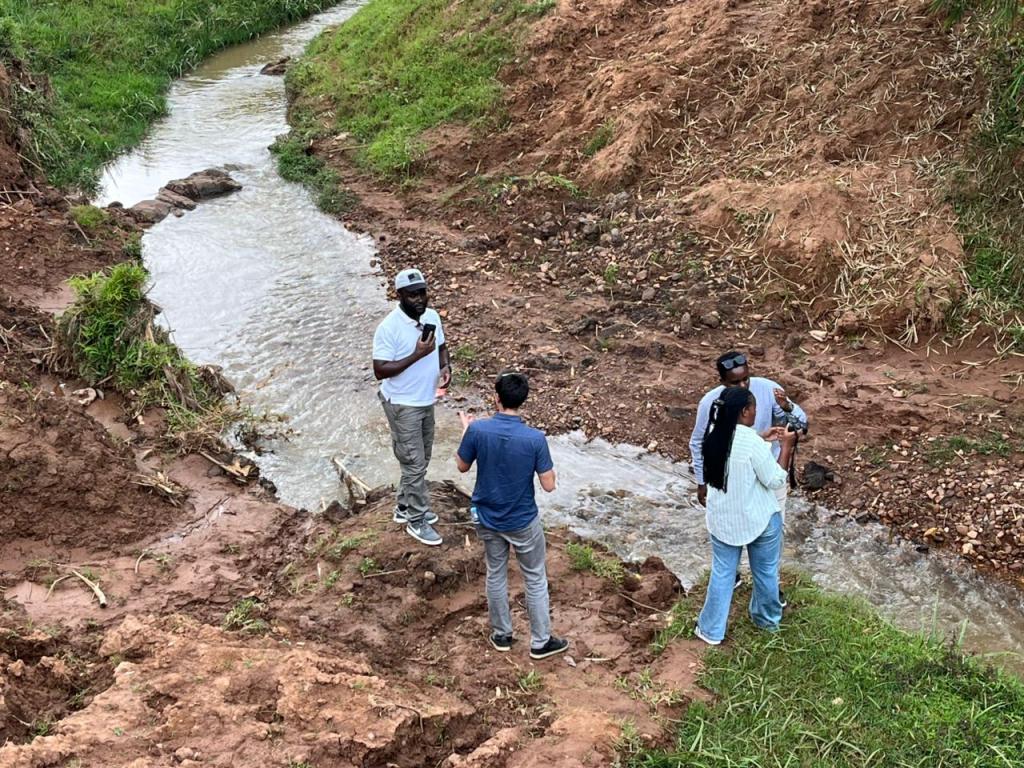
SUNCASA | Ecofilter System at Victoria Yards, Johannesburg
Installed in the Upper Jukskei River catchment, the EcoFilter system will address persistent and chronic pollution challenges. 

Designed to function like a natural wetland, the system enables continuous water-quality monitoring, generating long-term datasets to assess performance and inform evidence-based decision making. These data will help document progress, highlighting both successes and ongoing challenges in catchment management while supporting learning and replication in other parts of Johannesburg and across sub-Saharan Africa.

The EcoFilter consists of modular 1,000-litre units arranged in a series of ecological treatment cells that support both anaerobic and aerobic processes for water purification. While its primary function is to support biophysical monitoring of the Jukskei River and to evaluate its benefits for improving water quality, it also delivers direct benefits to the local community by supplying water for the irrigation of community gardens in the area. It will also provide a platform for education and research.
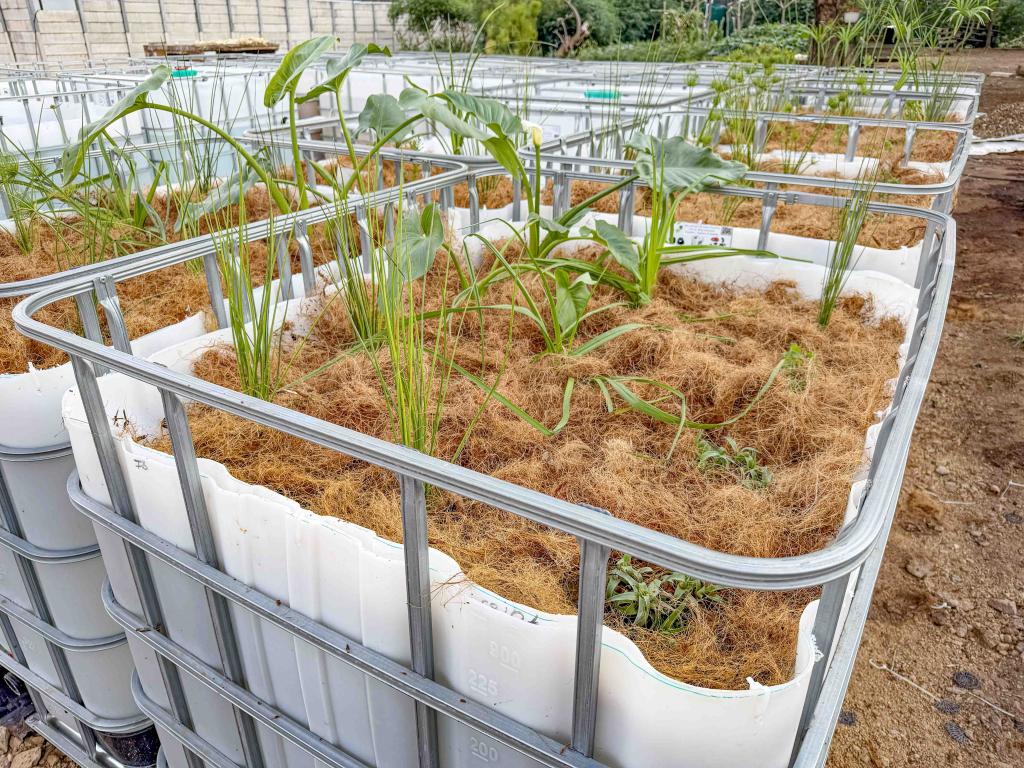
SUNCASA | Ecofilter System at Victoria Yards, Johannesburg
Designed to work like a natural wetland, the system enables continuous water-quality monitoring, generating long-term datasets to assess performance. 

The system was developed under the SUNCASA project (Scaling Urban Nature-based Solutions for Climate Adaptation in Sub-Saharan Africa) through a collaboration between Isidima Design and Development, Water For The Future, Zutari, and the University of Johannesburg. The system will be operated by trained staff from Water for the Future (WFTF).

SUNCASA works with local partners and communities to restore the Upper Jukskei River catchment through nature-based solutions. Interventions include removing invasive species and riverine waste, restoring riparian buffer zones, and expanding green spaces by planting indigenous vegetation. These interventions aim to strengthen the climate resilience of more than 1 million residents, particularly in relation to flooding, erosion, and water pollution.
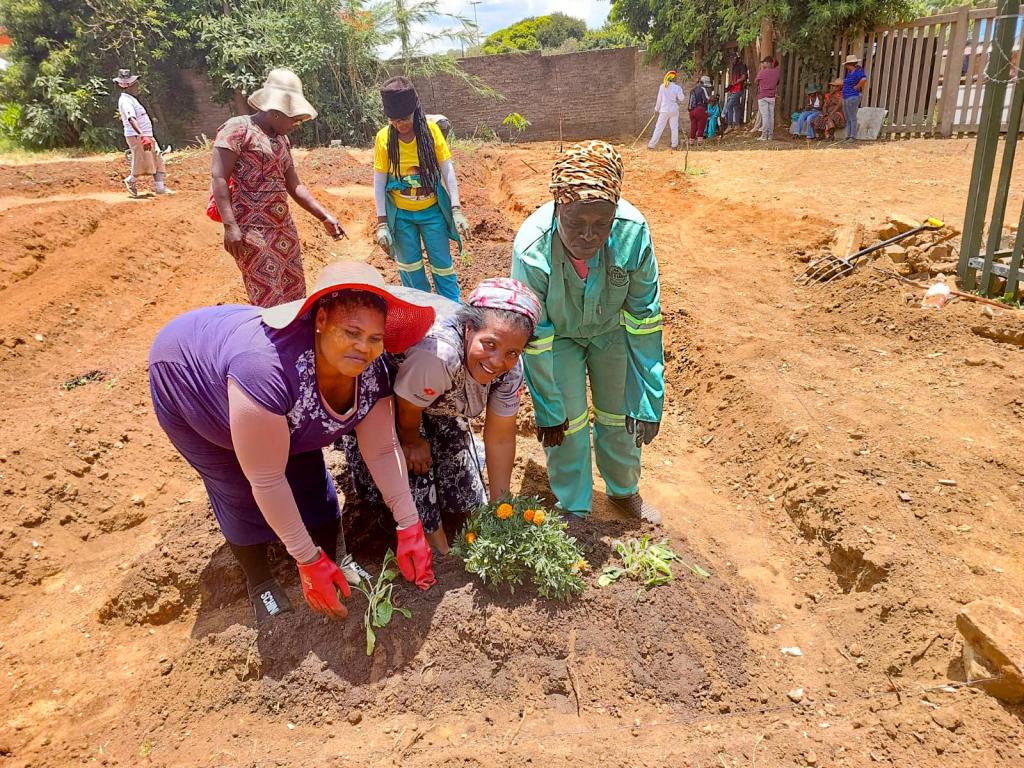
SUNCASA | Women-led community garden at Victoria Yards, Johannesburg.
Women-led community gardens at Victoria Yards will benefit from the water filtered by the EcoFilter system. 


QUOTES

“The City of Johannesburg is committed to transitioning from reactive pollution management to innovative, sustainable solutions that restore the health of our urban rivers. The implementation of the eco-filter system in the Upper Jukskei River catchment represents a significant step forward in integrating nature-based solutions with smart monitoring technologies.

This initiative not only improves water quality and strengthens our ability to respond to pollution in real time but also demonstrates how environmental interventions can deliver meaningful socio-economic benefits. By supporting community-led urban agriculture at Victoria Yards, the project contributes to food security, job creation, and inclusive development.

As a city, we see this as a scalable model for urban water resilience—one that aligns with our broader objectives of ecological restoration, climate adaptation, and sustainable service delivery.”— Daniel Masemola, Director of water management and biodiversity, City of Johannesburg

“The EcoFilter system offers an innovative approach to improving water quality while generating the data needed to support scaling, policy relevance, and learning across SUNCASA. While it is not designed to make Jukskei water potable or address catchment-wide pollution on its own, it provides a visible, monitored bioremediation node, reducing pollution loads and demonstrating the potential of integrated green infrastructure at scale. We believe this solution can be successfully replicated in other cities.”— Richard Grosshans, IISD and SUNCASA bioremediation lead

“Protecting communities and river ecosystems will require eco‑filters to move from pilots to city‑wide deployment as a core part of Johannesburg’s wastewater treatment strategy.”—Amanda Gcanga, WRI country lead for urban water resilience &  senior urban policy analyst, and SUNCASA lead in Johannesburg

“Since 2017, WFTF has spearheaded the vision for a rehabilitated Jukskei, securing the land and pioneering the scientific partnerships—such as our work with Dr. Simon Lorentz (SRK Consulting) and UJ-PEETS—that ultimately made this EcoFilter possible. This system is the next evolution of our nature-based strategy, through which WFTF has transformed brownfields into thriving, women-led urban agricultural sites. By integrating years of river monitoring with community-driven action, we aren’t just filtering water; we are proving that local leadership is the essential catalyst for urban resilience. We are proud that our foundational work, including the water monitoring station established with Dr. Lorentz and continuous testing by Dr. Kousar Hoorzook and her team at UJ-PEETS, created the blueprint for SUNCASA to assist in scaling these vital interventions. For WFTF, this project represents the culmination of a community’s commitment to reclaiming their environment and securing a climate-resilient future for the Upper Jukskei.”— Romy Strander, Water for the Future 

“We have been monitoring the Jukskei River discharge, water quality, and meteorology at Victoria Yards in collaboration with Water for the Future for the past 6 years to improve our knowledge of urban hydrology and provide information for remediation systems like the EcoFilter." — Dr Simon Lorentz, SRK Consulting (SA) 

“The Jukskei River is in a poor state—and we should not accept that. This project is a demonstration, a practical step to show what works so we can do more of it across the city. It also needs to create opportunities for the people living closest to these conditions. What we’re learning is that nature-based solutions and placemaking are one system—when you repair the environment, you restore the place. ”— David van Niekerk, CEO, Johannesburg Inner City Partnership


MEDIA CONTACTS

Cesar Henrique Arrais, Senior Communications Officer, IISD; [email protected]

Bridget van Oerle, Marketing Manager, JICP; [email protected]

Muskaan Malik, Communications Manager, Water For The Future; [email protected]
Success story

How Sub-Saharan African Cities Are Building Climate Resilience Through Nature-Based Solutions

By combining community engagement and multistakeholder governance, the SUNCASA project enters its third year of implementation with 2.4 million trees and shrubs planted over 3,500 hectares of restored land, and tangible impacts already enhancing urban communities’ resilience to climate change.

April 10, 2026

Restoring nature and strengthening community resilience to climate change are long-term efforts that often take years to produce tangible results. Entering its third year of implementation, the Scaling Urban Nature-based Solutions for Climate Adaptation in Sub-Saharan Africa Project (SUNCASA Project) has already delivered concrete benefits to communities, with 2.4 million trees and shrubs planted, restoring over 3,700 hectares of degraded watershed. This progress has been driven by inclusive, participatory community engagement and a unique multistakeholder partnership model.

Across Dire Dawa (Ethiopia), Kigali (Rwanda), and Johannesburg (South Africa), local organizations and communities scaled up nature-based solutions (NbS) that are both climate-focused and socially inclusive. These efforts have expanded agroforestry, reforestation, afforestation, riparian buffer zones, urban greening, and the removal of harmful alien invasive plants, achieving 85% of the project’s 3-year targets in the first 2 years of operations.

“It's exciting to see we're right in stride, which is not to say the teams haven't faced challenges. Those include erratic rainfall patterns that have made it very challenging to plant the seedlings, but the teams have figured out ways to overcome that,” said Lisa Beyer, World Resources Institute’s senior manager of Nature for Urban Resilience and SUNCASA’s NbS co-Lead.

“At the heart of SUNCASA is its unique partnership model, bringing together municipalities, interdisciplinary experts from academia, local organizations, women's groups, and our global team. Above all, however, it is the leadership and dedication of local communities that made these achievements possible in just 2 years—they are truly the engine of SUNCASA's success,” said IISD’s Samantha Boardley, SUNCASA’s interim project lead and NbS co-lead. 

According to Professor Kibebew Kibret, SUNCASA's deputy technical lead in Dire Dawa and NbS expert from Haramaya University, the project’s design takes a singular approach by enabling strong multistakeholder coordination to advance NbS implementation. “I could say that, for the first time, science and society truly connected. Science and society came together to create real impact—scientific institutions brought technical knowledge, skills, and best practices, while communities contributed with their experience, including Indigenous perspectives,” said Professor Kibret.

For Kibret, a key factor behind achieving results in just 2 years has been the deep engagement of local communities. “They have fully embraced the project,” he highlighted. “On top of that, there has been a strong commitment from all of us—we are genuinely excited about the changes SUNCASA is bringing. Bringing all of this together, even in the harsh environment of Dire Dawa, has led to truly remarkable outcomes.”

Dire Dawa: From drylands to green growth

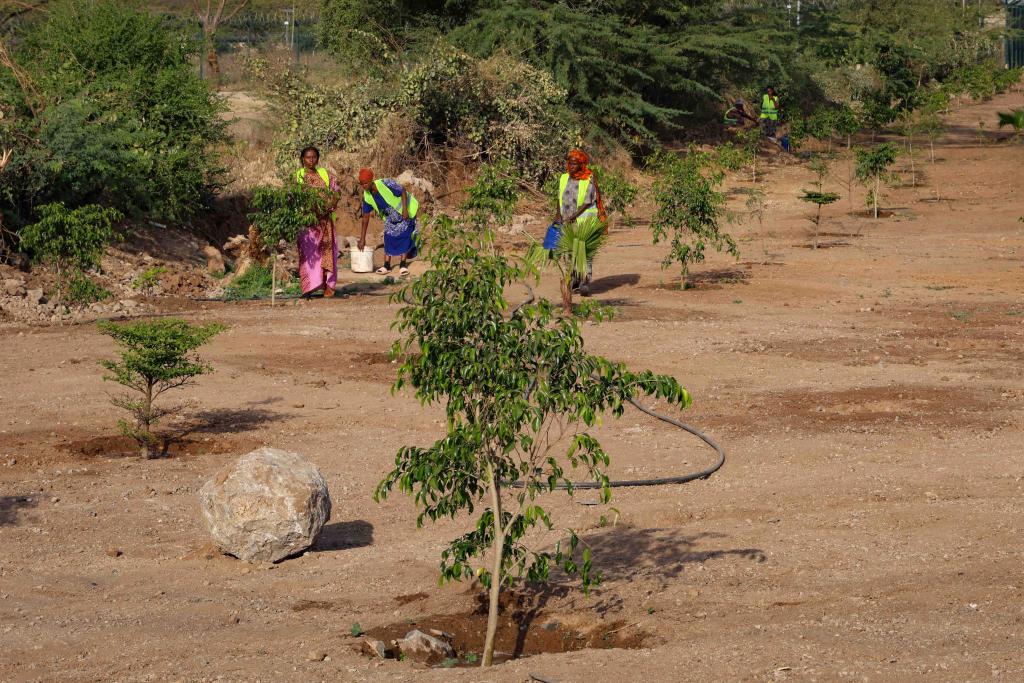
SUNCASA | Women working on a SUNCASA afforestation site in Dire Dawa, Ethiopia.
SUNCASA afforestation site in Dire Dawa, Ethiopia: 70% of the afforestation target achieved by the end of 2025 (Photo: Cesar Henriique Arrais/SUNCASA)

SUNCASA partners from 14 organizations had the opportunity to see first-hand how NbS are transforming both rural and urban areas of Dire Dawa. During their second Peer Learning Event, participants witnessed the commitment of local communities and the results achieved so far.

By December 31, 2025, a year before the project’s deadline, local partners and communities had reached 70% of the afforestation target, planting more than 500,000 trees and restoring 246 hectares of degraded land along the Dechatu River catchment. These efforts are helping address soil erosion, improve soil fertility, and enhance groundwater recharge.

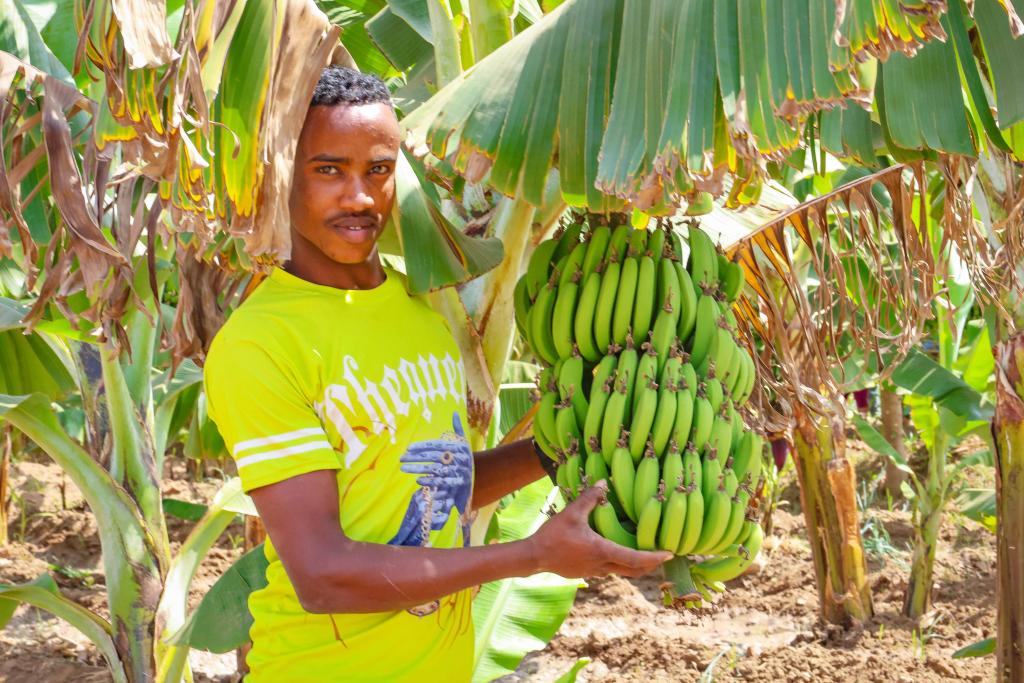
Partners in Dire Dawa have also achieved 93% of the project’s agroforestry target, with nearly 380,000 trees planted across 359 hectares, generating new livelihood opportunities while strengthening food security.

“With trees bearing fruit, people are selling those fruits in the market and making some additional cash. And then they start to save money and purchase livestock. This brings advantage to our local community, other than just increasing green coverage and improving groundwater recharge,” said Matiwos Belayhun, SUNCASA monitoring, evaluation and learning coordinator at the Hararghe Catholic Secretariat.

The project has also exceeded its buffer zone restoration target, with 95 hectares restored, while achieving an impressive 94% tree survival rate overall. 

“The major secret, I have to say, is getting along with communities. As long as you keep the interest of the community and try to be scientific, practical, and realistic—without exaggeration—I think the impact will come.”

Arbo Feyisa, Agroforestry and Forestry Specialist at Haramaya University.

“Within this short period of time, the life of the community has transformed significantly because of SUNCASA interventions,” remarked Professor Kibebew Kibret.

For the Mayor of Dire Dawa, Kedir Juhar, the impacts of SUNCASA’s NbS are already visible. “We see urban river catchments coming back to life. Green spaces are expanding, and communities are seeing tangible, practical change,” he said during the opening of the project’s second Peer Learning Event. “Every NbS we invest in our cities generates many benefits—saving lives, protecting infrastructure, and helping nature to come back.” 

SUNCASA | Community member showing a bunch of bananas grown in a SUNCASA agroforestry site
Community member showing a bunch of bananas grown in an agroforestry site: 93% of SUNCASA's goal reached in only two years. (Photo: Cesar Henrique Arrais/SUNCASA)

According to the SUNCASA integrated cost-benefit analysis for Dire Dawa, the city will save USD 1.35 million in flood-related repairs by 2050 as a result of the projects’ NbS investments. An additional USD 930,000 will be saved in avoided health expenses linked to floods, water pollution and urban heat. By working with local organizations and communities, SUNCASA is strengthening the climate resilience of 220,000 people in Dire Dawa. 

Kigali: Transforming Urban Landscapes and Livelihoods

SUNCASA’s NbS implementation in Kigali is advancing well, with significant progress observed in the restoration of 362 hectares of riparian buffer zone area (92% of the project target) and 1,654 hectares of agroforestry system established – surpassing the initiative's target by over 450 hectares. By the end of the project’s second year, local partners and organizations had planted 1,267,559 trees and buffer plants across critical micro-catchments of the Nyabarongo River.

“The community working with SUNCASA says that the project is transforming the reality of the community, not only the landscape, the nature itself, but the reality of the real people,” underscored Benigne MUGWANEZA, project manager with the Rwanda Young Water Professionals (RYWP). 

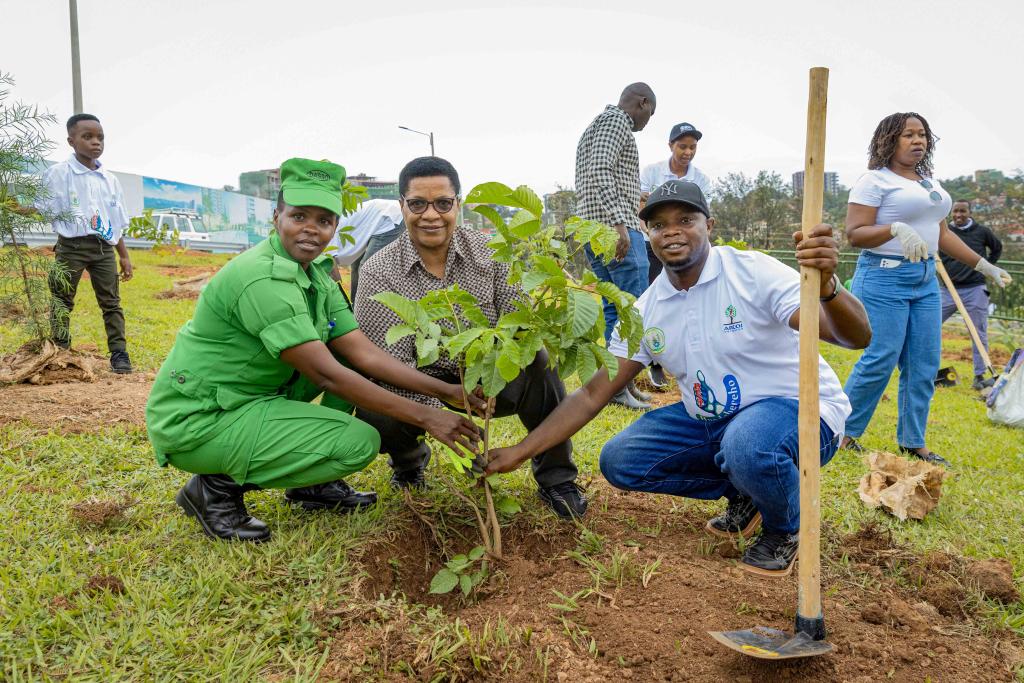
SUNCASA | Community planting trees during a Umuganda with SUNCASA support
Local partners planting trees during an Umuganda, a monthly community-led initiative to improve the city's green infrastructure. (Photo: William Bidibura/ARCOS Network)

According to Theodore NSHIMYUMUREMYI, Monitoring, Evaluation and Learning Officer with ARCOS Network,  SUNCASA is providing jobs to thousands of community members, particularly underrepresented groups such as women, youth, and people with disabilities.

For Mugwaneza, the impact extends beyond immediate job creation and landscape restoration. “The interactions SUNCASA has had with communities have brought people together and created opportunities to reconnect with nature and reflect on the role they can play in protecting it,” she explained.

She added that participation in NbS activities also builds valuable skills. “Every time someone participates in NbS work, they gain experience—strengthening their resume, expanding their knowledge, and building practical skills for working with nature.”

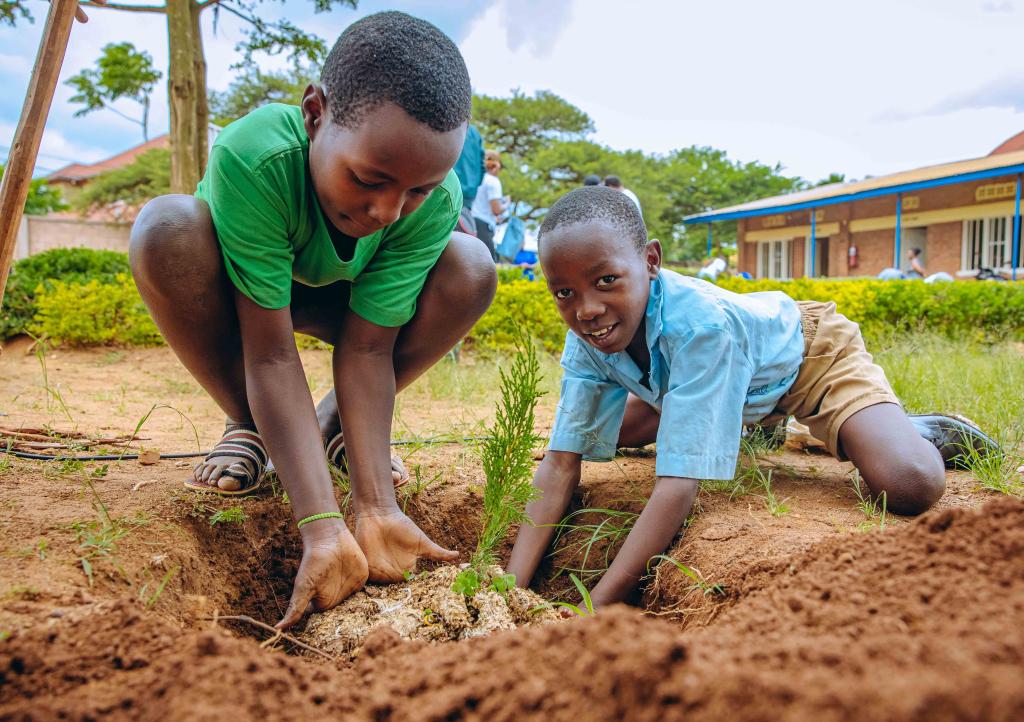
SUNCASA | Kids receive training on trees maintenance at a school in Kigali.
Kids across 17 schools in Kigali received training for maintaining the trees planted through SUNCASA (Photo: Rwanda Young Water Professionals).

SUNCASA’s integrated cost-benefit analysis for Kigali indicates savings of USD 12 million in avoided costs from flood-related infrastructure damages by 2050, along with USD 5.57 million in health savings. The study projects that investments will pay back in just seven years, with every USD 1 invested in NbS generating USD 2.09 in combined economic, social, and environmental benefits. Nearly 1 million residents are having their resilience strengthened through SUNCASA NbS.

Johannesburg: Fight Against Invasive Species 

Communities and partners in Johannesburg have shown strong commitment to implementing NbS, exceeding targets in tackling one of the city’s most pressing environmental challenges: the spread of alien invasive plants.

“Alien invasives are damaging the water quality and competing with our indigenous plant population, and this is destroying the ecosystem in the Jukskei River space,” explained Gugu Zondi, Integrated Catchment manager at Johannesburg City Parks and Zoos. “SUNCASA is one way of saying nature-based solutions work—we are letting nature work for itself.”

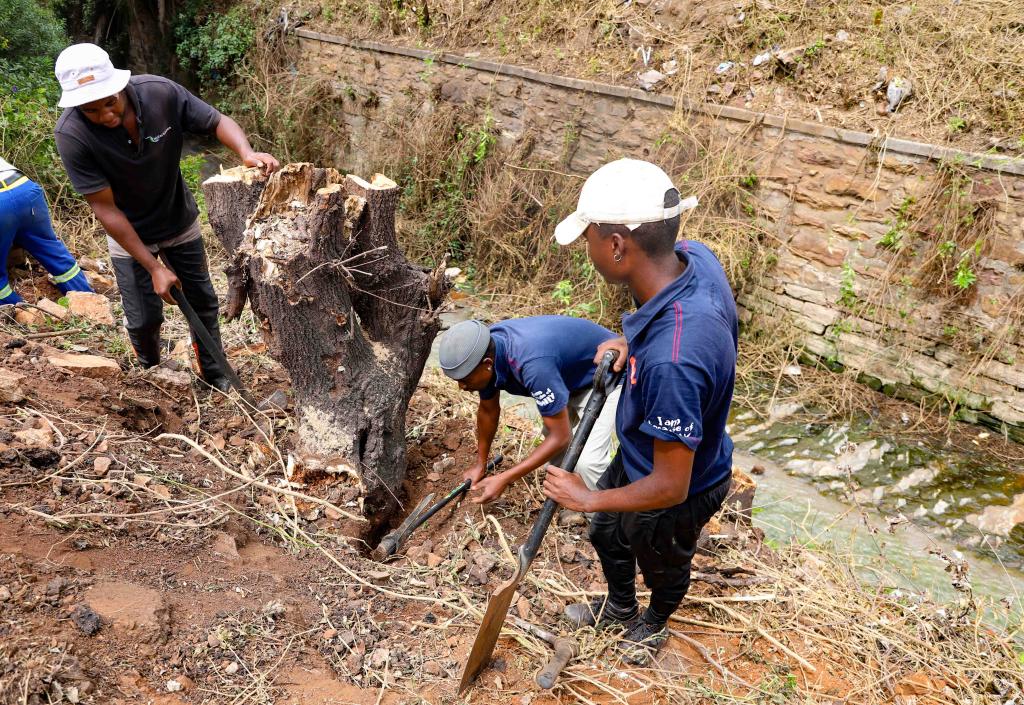
SUNCASA | Community removing invasive alien species next to Jukskei River in Johannesburg
Community members removing invasive alien plants next to the Jukskei River: Savings of USD 2.2 million as a result of SUNCASA's intervention. (Photo: Cesar Henrique Arrais/SUNCASA)

Restoring land in densely populated parts of Johannesburg, like Alexandra Township, is challenging due to limited land availability and competing demands. 

By the end of Year 2, 496 hectares of riparian corridor from the source of the Jukskei River in Victoria Yards to Alexandra Township and critical sections of Braamfontein Spruits had been revitalized through the removal of invasive alien species and strategic rehabilitation using native indigenous plants. This represents 99% of the projects’ three-year target in Johannesburg. Revitalization efforts included the removal of 532 tonnes of debris from the river—much of it later transformed into sculptures and litter traps, fostering the eco-tourism in the area.

SUNCASA has helped capacitate many people to obtain PCO (Pest Control Operator) licenses, enabling them to identify [invasive] species and apply effective clearing methods. “NbS projects should leave a legacy—not only in the landscape, but in the people they reach,” said Boaz Tsebe, rehabilitation and invasive species specialist with Water for the Future.
 

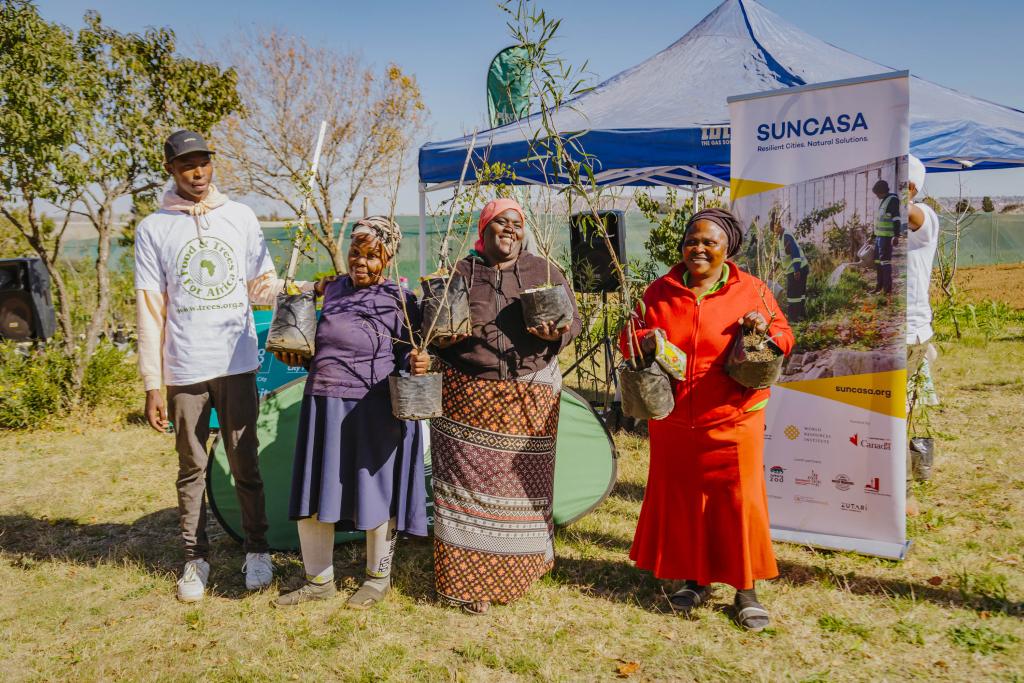
SUNCASA | Trees distribution in Johannesburg.
Community members receiving seedlings to plant in their homes: nearly 28,000 indigenous and fruit trees have been planted to replace invasive species. (Photo: Jenna Eckhart/SUNCASA)

To support ecosystem recovery, nearly 28,000 indigenous and fruit trees have been planted to replace invasive species. These efforts are strengthening biodiversity, reducing flood risks and soil erosion, and expanding green spaces for local communities. 

“The urban greening and the planting of indigenous trees interventions around our parks, around our catchment, around our residents, have given us the chance to introduce an educational element which will assist locals to support these initiatives, safeguard resources, and put them to greater use,” noted Semadi Manganye, co-founder and director of the Alexandra Water Warriors

The integrated cost-benefit analysis for Johannesburg demonstrates that for every USD 1 invested in SUNCASA NbS, it will return USD 3.06 in socio, economic and environmental benefits. By 2050, the city is expected to save USD 2.2 million in alien invasive species management, USD 3.5 million in avoided flood-related infrastructure repairs, and USD 4.83 million in health expenses related to water pollution, urban heat, and flooding. Around 1 million residents are benefitting from SUNCASA NbS.

Challenging Gender-biased Norms and Practices

Gender equality and social inclusion (GESI)are at the core of SUNCASA’s approach and achievements. Through its local GESI partners, the project has made significant progress in challenging discriminatory norms and practices, promoting the meaningful participation of women and underrepresented groups in climate change adaptation policymaking and NbS implementation, as well as encouraging more equitable divisions of labour and inclusive decision-making at the household level.

By the end of year two, three major workshops on gender-responsive NbS, biased barriers to NbS governance and policy making, and strengthening women’s participation in municipal NbS decision-making, had been delivered, reaching a total of 1,247 participants across the project cities.

These trainings, which focused on household power dynamics and gender-biased norms, yielded notable results. Post-training evaluations showed an 82% increase in participants’ knowledge of gender equality and social inclusion issues, significantly exceeding the project target of 50%.

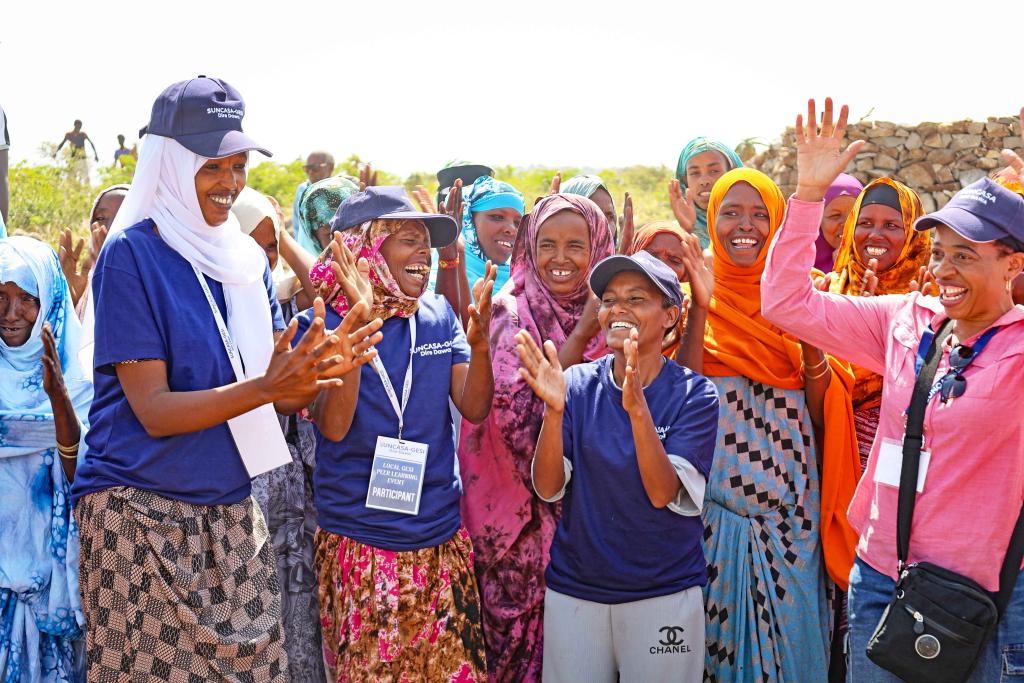
SUNCASA | GESI partners in Dire Dawa, Ethiopia, welcome SUNCASA teams during the project's 2nd Peer Learning Event.
Community members and GESI partners during the field trip of the project's 2nd Peer Learning Event: 82% increase in GESI workshop participants’ knowledge of gender equality and social inclusion issues. (Photo: Cesar Henrique Arrais/SUNCASA)

“We know very well that women are the ones who first face the consequences of climate change issues. In Rwanda, we have already had a leverage of women contributing, participating, always proactive. But what SUNCASA did was to emphasize that and make sure this would be impactful. Everyone—young people, women, children—are all working together on this, because it's not about one person, it is about a whole community,” said RYWP’s Benigne Mugwaneza.

Scaling Impact and Securing SUNCASA’s Legacy

As SUNCASA enters its third year of implementation—with several targets already achieved—local organizations and communities, as well as government stakeholders, are shifting their focus toward scaling up the impact of NbS and ensuring a lasting legacy in beneficiary communities.

“In 2026, I’m expecting that we, as governments, community organizations, and the private sector, all come together and sustain it. We try our best to work together and collaborate to make SUNCASA a long-term thing,” highlighted Gugu Zondi from Johannesburg City Parks and Zoos.

“My expectation is to finalize the remaining activities of SUNCASA, capitalize on the lessons learned, and work decisively to ensure the project’s sustainability,” said Professor Kibebew Kibret from Haramaya University.

Echoing this, Theodore Nshimyumuremyi from ARCOS Network emphasized: “By the end of this year, my expectation is to build on the success we have achieved through the SUNCASA project, working toward a lasting impact that won’t be forgotten.”

For WRI’s Lisa Beyer, the capacity built across the three cities will be key to sustaining long-term outcomes. “By the end of 2026, I think we’ll have built an amazing workforce—a GESI-responsive workforce that is balanced in terms of gender and inclusive of other marginalized groups,” she said.

“We are going to see not just restoration of land and the environment, but widespread changes for families and for those working and living in these communities. Local communities, governments, and leaders are all coming together to ensure that these projects truly support those most vulnerable, particularly in cities,” she added.

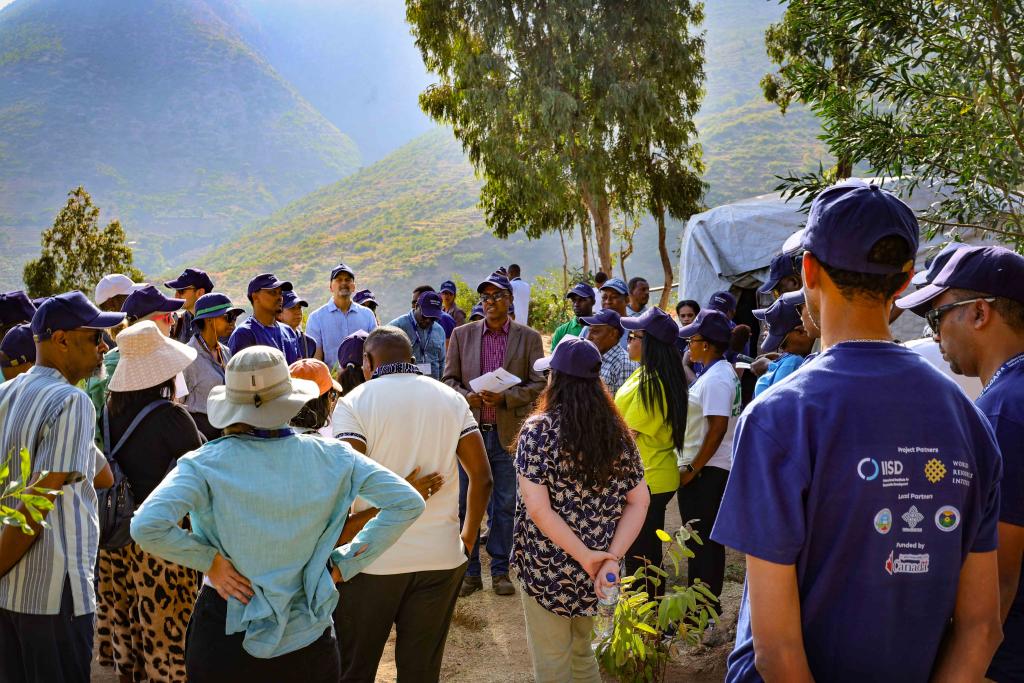
SUNCASA | SUNCASA teams gathered in a project site in Dire Dawa, Ethiopia.
SUNCASA's teams gathered at Adada Kebele, in Dire Dawa, during the latest peer learning event: Securing SUNCASA's legacy in the long run. (Photo: Cesar Henrique Arrais/SUNCASA)


For Marc Manyifika, WRI Africa's Country Lead for Urban Water Resilience, the true success of SUNCASA lies in what remains after it ends, like stronger communities, empowered local leaders, and NbS that continue to shape more resilient cities. "Our priority now is to scale what works and ensure it lasts, so that SUNCASA’s impact continues to benefit communities and ecosystems well into the future," he said. 
 

About SUNCASA

SUNCASA is a 3-year project enhancing resilience, gender equality, social inclusion, and biodiversity protection in urban communities in Ethiopia, Rwanda, and South Africa. It is delivered by the International Institute for Sustainable Development and the World Resources Institute, funded by the Government of Canada, and implemented with a wide range of local organizations and communities. 

SUNCASA restores urban watershed areas through gender-responsive NbS such as agroforestry, afforestation, reforestation, buffer zone creation, and urban tree planting, ultimately strengthening the resilience of 2.2 million people.

Press release

South African municipalities get less than 10% of climate finance

March 25, 2026

South African municipalities receive less than 10% of the country’s climate finance, despite being responsible for delivering local infrastructure for the just energy transition, leaving a major funding gap, new research finds.

The report shows that South Africa needs around ZAR 1.5 trillion (USD 81.83 billion) between 2023 and 2027 to finance its energy transition. Municipalities alone need about ZAR 200 billion (USD 10.91 billion), but city-level projects received just ZAR 1.71 billion (USD 93.3 million) in 2024, underscoring the scale of the funding gap facing local governments.

The International Institute for Sustainable Development report Bridging the Gap: Financing Mechanisms for Municipal Energy Transitions in South Africa comes as President Cyril Ramaphosa acknowledged the governance and financial challenges facing local governments in the 2026 State of the Nation Address and called for structural reforms to strengthen the municipal funding model.

The findings also reflect a broader global trend, with cities receiving only about 10%–15% of total climate finance—but the gap is particularly stark in South Africa. While total climate finance has increased, reaching ZAR 239 billion (USD 14.06 billion) in 2024, municipalities still struggle to access these funds due to low creditworthiness, limited technical capacity, and limited financing channels.

“Municipalities are on the front lines of South Africa’s energy transition, yet they receive only a small share of climate finance,” says Bathandwa Vazi, Policy Advisor at IISD. “Without stronger financial mechanisms and targeted support, local governments will struggle to deliver the infrastructure and investments needed for a just and effective transition.”

Municipal finances further constrain investment. Property rates and service charges account for 62.5% of operating budgets, while national transfers make up 25%, leaving limited fiscal flexibility. A 2023 IISD survey shows municipalities rely heavily on their own revenues, with limited use of debt financing—highlighting institutional barriers to borrowing. Smaller and rural municipalities face even greater constraints.

Why Climate Finance Is Not Reaching Cities 

The report also finds that the structure of climate finance itself makes it difficult for municipalities to access funding. Around 64% of available climate finance is directed toward clean energy projects, through large-scale private investments and debt instruments. Adaptation and locally led initiatives receive far smaller shares, a design that tends to favour national or private sector projects over municipal ones.

Between 2022 and 2023, South Africa mobilized about ZAR 10 billion (USD 611 million) in green finance grants across 160 projects implemented by 90 agencies. However, publicly available data does not specify how much of this funding went to municipalities. This lack of transparency makes it difficult to track whether climate finance is supporting local governments responsible for delivering much of the infrastructure needed for the energy transition.

A related imbalance is seen in the Just Energy Transition Investment Plan. While billions have been allocated to national priorities such as electricity infrastructure and green hydrogen, municipal projects received only ZAR 1.71 billion (USD 93.3 million) in 2024—less than one sixth of total funding—highlighting a persistent gap at the local level.

“South Africa’s energy transition will not be socially just or economically viable unless municipalities—particularly smaller and under-resourced ones—have the tools, financing, and institutional support needed to implement renewable energy projects, modernize electricity grids, and strengthen climate resilience,” concludes Vazi. “Empowering municipalities will ultimately determine whether the transition succeeds on the ground.” 

Closing this gap will require strengthening municipal capacity to develop bankable projects, improving transparency in climate finance tracking, expanding access to blended and concessional finance, and fostering partnerships between municipalities, development banks, and the private sector.

Media Contacts

Bathandwa Vazi, Policy Advisor, IISD, [email protected] 
Madhulika Verma, Senior Communications Officer, [email protected]   
Press release details

Report

Bridging the Gap

Financing mechanisms for municipal energy transitions in South Africa

Less than 10% of climate finance reaches South African municipalities, despite their central role in delivering the just energy transition (JET). Drawing on survey data, policy analysis, and key informant interviews, this report diagnoses the structural, institutional, and fiscal barriers behind this gap and sets out practical financing mechanisms to close it.

March 24, 2026

Policy Recommendations

  • Build municipal capacity for JET implementation.

  • Strengthen tracking and accountability of climate finance flows.

  • Strengthen municipal financial systems.

  • Foster public–private partnerships for localized renewable energy.

South African municipalities are essential to the JET, yet they remain marginal recipients of climate finance. As electricity distributors, infrastructure managers, and the primary point of contact between communities and the state, municipalities are indispensable to delivering climate resilience and renewable energy at the local level. Yet despite their critical role, South African municipalities receive less than 10% of tracked climate finance—constrained by weak creditworthiness, limited technical capacity, policy misalignment between national and local governments, and funding mechanisms that were not designed with local government in mind. 

This report investigates why the financing gap persists and what it will take to close it. Based on survey data from 20 municipalities, key informant interviews, and analysis of national and global climate finance flows, the report maps the structural barriers blocking municipal access to climate finance and evaluates the instruments available to address them. 

The report identifies four priority areas for reform: capacity building for JET implementation; improved tracking of municipal climate finance flows; stronger financial systems and cost-reflective tariff structures; and expanded public–private partnerships. Addressing these gaps is essential if South Africa's just energy transition is to be locally inclusive, financially sustainable, and equitably distributed across all municipalities—not just the metros.

Participating experts

Report details

Topic
Energy
Just Transition
Sustainable Finance
Region
South Africa
Impact area
Climate
Sustainable Economies
Publisher
IISD
Copyright
IISD, 2026
Report

A Sustainable Asset Valuation Assessment of Nature-Based Solutions in the Jukskei River Catchment in Johannesburg, South Africa

This Sustainable Asset Valuation (SAVi) assessment evaluates the economic, social, and environmental performance of nature-based solutions (NbS) implemented under the SUNCASA project in the Jukskei River catchment in Johannesburg, South Africa. The report quantifies how riparian restoration, invasive species removal, and urban tree planting reduce water pollution, lower flood damage to infrastructure, decrease public health costs, create jobs, and strengthen climate resilience.

March 18, 2026

Key Findings

  • Improving water quality will generate the greatest economic return. Over 25 years, avoided health costs linked to water pollution will amount to USD 3.7 million, highlighting the public health value of restoring the Jukskei River catchment.

  • Over 25 years, the interventions will generate about USD 8.6 million in net benefits. For every USD 1 invested, USD 3.06 will be returned in combined economic, social, and environmental value, with costs recovered within 7 years.

  • Restoring riparian zones and removing invasive alien species reduces municipal management costs, protects infrastructure, creates employment, and strengthens long-term climate resilience.

Johannesburg’s Jukskei River catchment is one of the city’s most degraded urban ecosystems. Rapid urbanization, informal settlements in riparian zones, invasive alien species, solid waste dumping, and aging infrastructure have intensified flooding, sewage contamination, and extreme heat. These pressures disproportionately affect vulnerable communities and place growing strain on public health systems and municipal budgets. 

The Scaling Urban Nature-based Solutions for Climate Adaptation in Sub-Saharan Africa (SUNCASA) project supports ecosystem restoration across the Jukskei River catchment. Implemented by the International Institute for Sustainable Development and the World Resources Institute, the project includes riparian restoration across 469 hectares, urban tree planting with 46,000 trees, removal of invasive alien species, solid waste management, and the development of multifunctional green infrastructure along the river corridor. 

The Nature-Based Infrastructure Global Resource Centre conducted a SAVi assessment to evaluate the full life-cycle costs and benefits of these interventions compared to a business-as-usual scenario. 

Over a 25-year period, the NbS interventions will generate USD 8.6 million in net benefits. For every USD 1 invested, Johannesburg will receive USD 3.06 in economic, social, and environmental returns, and the investment pays for itself within 7 years. 

The largest share of benefits comes from improved water quality. Avoided health costs linked to water pollution amount to USD 3.7 million over 25 years. Additional benefits include reduced flood damage, lower invasive alien plant management costs, carbon sequestration, and employment creation. 

This assessment shows that restoring the Jukskei River is not only an environmental intervention but a financially sound strategy that improves public health, reduces long-term municipal expenditure, and strengthens urban climate resilience in Johannesburg.

Webinar

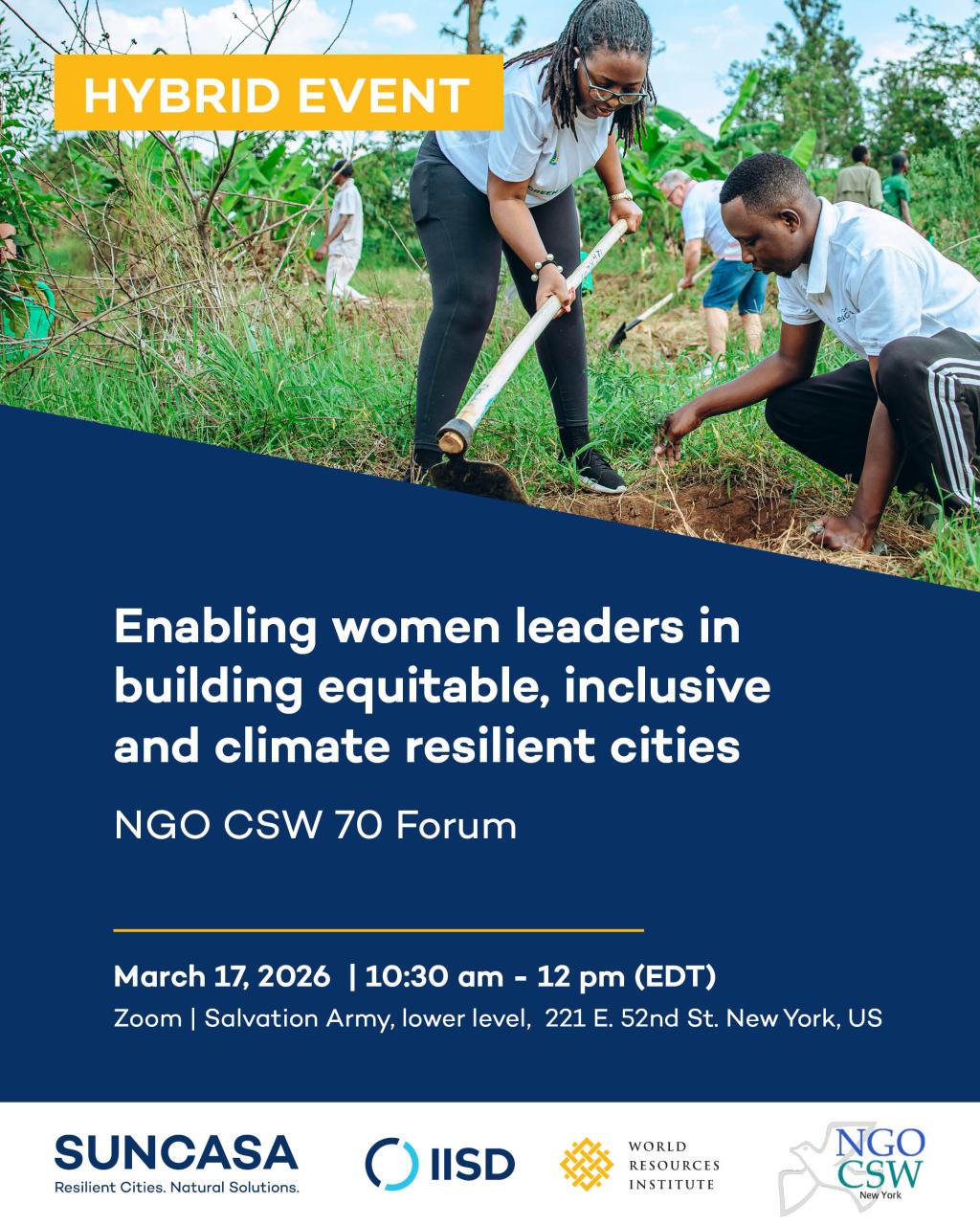
Enabling Women Leaders in Building Equitable, Inclusive, and Climate-Resilient Cities

SUNCASA presented its gender equality and social inclusion (GESI) approach and achievements at the NGO CSW 70 Forum in New York.

March 17, 2026 10:30 am - 12:00 pm EDT

Salvation Army, lower level, 221 E. 52nd St., New York, NY 10022

(Open to public)

SUNCASA | NGO CSW 70 Forum


The NGO Committee on the Status of Women (NGO/CSW) Forum celebrates 70 years in 2026. Held annually in New York, the Forum connects global civil society, non-governmental organizations (NGOs), and feminists with the official United Nations Commission on the Status of Women (UN CSW) process.

This year, the Forum featured a dedicated hybrid session highlighting the gender equality and social inclusion (GESI) approach and outcomes of the Scaling Urban Nature-based Solutions for Climate Adaptation in Sub-Saharan Africa (SUNCASA) Project.


Two thirds of African cities face extreme climate risks, with impacts falling hardest on the most vulnerable urban populations. Nature-based solutions (NbS) offer a cost-effective pathway to reduce climate vulnerabilities while enhancing biodiversity. However, women and other underrepresented groups are often excluded from shaping these interventions, despite their central role in stewarding natural resources.

The SUNCASA project addresses this gap by advancing gender responsive, socially inclusive NbS in Dire Dawa (Ethiopia), Kigali (Rwanda), and Johannesburg (South Africa). By responding to locally identified priorities, SUNCASA strengthens community resilience to climate change impacts such as flash floods, landslides, urban heat, and water scarcity, through NbS approaches that intentionally integrate gender equality and social inclusion.

At NGO/CSW 70, SUNCASA’s GESI experts and local GESI partners highlighted the project’s commitment to elevating women’s leadership within urban NbS. Discussions explored the project’s climate adaptation and GESI strategy.

A panel featuring women’s rights and community organizations from all three cities further explored how they are shifting norms, designing inclusive practices, and expanding opportunities—from engaging women in restoration work in Dire Dawa, to establishing a GESI code of conduct and supportive services in Kigali, to facilitating community dialogues on gender norms and intersecting vulnerabilities in Johannesburg. Together, these stories underscore the essential role of gender-responsive NbS in building more equitable and climate-resilient urban futures. 

PANEL

Moderators:

  • Ayushi Trivedi, SUNCASA GESI Lead, World Resources Institute
  • Meghan Stromberg, SUNCASA Project Manager, World Resources Institute

Panellists:

  • Bertha Chiroro, GenderCC, Johannesburg, South Africa
  • Hadas Temesegen, Harraghe Catholic Secretariat, Dire Dawa, Ethiopia
  • Theogene Niyirora, Avega Agahozo, Kigali, Rwanda


ABOUT SUNCASA

SUNCASA is a 3-year project enhancing resilience, gender equality, social inclusion, and biodiversity protection in urban communities in Ethiopia, Rwanda, and South Africa. It is delivered by the International Institute for Sustainable Development and the World Resources Institute, funded by the Government of Canada, and implemented with a wide range of local organizations and communities.

SUNCASA restores urban watershed areas through gender-responsive NbS such as agroforestry, afforestation, reforestation, buffer zone creation, and urban tree planting, ultimately strengthening the resilience of 2.2 million people.


Press release

Dire Dawa Shares Key Lessons for Nature-Based Solutions in Arid Landscapes

DIRE DAWA, ETHIOPIA – As the SUNCASA Project (Scaling Urban Nature-based Solutions for Climate Adaptation in sub-Saharan Africa) enters its third and final year, over 2 million trees and shrubs have already been planted, and the revitalization of degraded urban river catchments is increasingly becoming a reality for local communities in Ethiopia, Rwanda, and South Africa. Looking ahead to 2026, more than 60 partners will come together in Dire Dawa, Ethiopia, to share best practices, reflect on lessons learned, take stock of achievements and challenges, and align priorities for the final phase of implementation.

January 22, 2026

In the second year of the SUNCASA project, which focuses on harnessing the power of nature to adapt to the impacts of climate change, Dire Dawa, Ethiopia's second-largest city, has already exceeded its agroforestry targets, restoring or revitalizing more than 550 ha of land and planting more than 500,000 trees. The 95 ha of established buffer zones have also exceeded targets. Experts who led or supported these efforts will be sharing critical lessons learned from the experience at an upcoming event.

A peer-learning event taking place from January 26 to 29 will convene partners from Dire Dawa, as well as Kigali (Rwanda) and Johannesburg (South Africa), to discuss early impacts in each city, long-term sustainability goals, and the potential scalability of SUNCASA’s nature-based solutions (NbS), which also promote gender equality and social inclusion. Hosted at the Sharaf Hotel, the event will open at 9:30 a.m. local time with remarks from the Mayor of Dire Dawa, H.E. Kedir Juhar. 

As the host city, Dire Dawa will spotlight the unique challenges of implementing NbS in arid and semi-arid environments. Experts from the Dire Dawa Administration, Haramaya University, and the Hararghe Catholic Secretariat will lead discussions on local constraints—including limited water availability, extreme temperatures, and shallow soils—while also highlighting the strategies that have enabled the city to achieve a remarkable 94% tree survival rate under these conditions. 

Held under the theme “Green Cities for People and Planet,” the event will focus on the opportunities and challenges shaping the project’s final year. Through peer-led discussions, technical exchanges, and site visits, partners will reflect on progress to date and explore how SUNCASA’s results, partnerships, and lessons can be leveraged to secure sustained political, institutional, and financial support for NbS as an inclusive pathway to climate-resilient urban development. 

“The Dire Dawa peer learning event marks an important step forward for SUNCASA, creating space not only to exchange best practices, but to reflect critically on what it takes to deliver lasting impact,” said Samantha Boardley, SUNCASA’s interim project lead and one of the event’s lead facilitators. 

Partners from Kigali will showcase strong progress in agroforestry, with 1,344 ha planted, alongside the expansion of urban green spaces where more than 108,000 trees had been planted by September 20, 2025. Discussions will also highlight innovative community engagement approaches, including student-led climate action initiatives, nursery creation to support parents involved in project activities, and measures to prevent gender-based violence at project sites.

From Johannesburg, participants will share lessons from efforts to restore the Jukskei River, including the removal of alien invasive species and debris, the establishment of buffer zones, and extensive urban tree planting. Partners will also present successful public engagement initiatives, such as environmental education activities in Alexandra Township and the “Art and Litter Traps” project, which transforms waste collected from the river into sculptures and functional litter traps to address flooding and pollution.

Launched in 2024, SUNCASA is a 3-year initiative developed and implemented in close collaboration with local organizations. Delivered by the International Institute for Sustainable Development (IISD) and the World Resources Institute (WRI) with funding from the Government of Canada, the project aims to strengthen climate resilience, promote gender equality and social inclusion, and protect biodiversity in urban communities across Ethiopia, Rwanda, and South Africa. An estimated 2.2 million people living in climate-vulnerable areas benefit from this project.


SUNCASA’s 2nd Peer Learning Event

Where: Sharaf Hotel, 3000 Sabyian Sabian sub city, Dire Dawa, Ethiopia

Available Interviews
H.E. Kedir Juhar, Mayor of Dire Dawa City Administration
Benjamin Simmons, SUNCASA Senior Director, IISD
Aklilu Fikresilassie, Director, Thriving Resilient Cities, WRI Africa
Project scientists and community leads are available for interviews. (Please request in advance to confirm availability.)


Quotes

“In a short period of time, SUNCASA has shown what is possible when communities are placed at the centre of restoration. By restoring Dire Dawa's land, creating green jobs for women and youth, and protecting our natural habitats with more than a million trees, we are proving that environmental action can also strengthen livelihoods and well-being. We're pleased to share these lessons with other cities as part of this exchange.” 

—H.E. Kedir Juhar, Mayor of Dire Dawa

“What we are learning in Dire Dawa through SUNCASA has relevance far beyond this city. The results show how coordinated and locally led implementation of nature-based solutions (NbS) can be scaled and replicated in other climate-vulnerable cities facing water and land degradation challenges. Peer learning is an important platform for sharing these insights and more."

—Aklilu Fikresilassie, Regional Director for Cities, WRI Africa

“The Dire Dawa peer-learning event marks an important step forward for SUNCASA, creating space not only to exchange best practices, but to reflect critically on what it takes to deliver lasting impact. Anchored in site visits, peer-led dialogue, and technical exchange around the themes of (Re)Connect, Explore, Engage, and Sustain, the event will elevate city experiences while turning attention to sustainability and scale. At a time when expectations for nature-based solutions are higher than ever, this event invites partners to build trust, challenge norms, and explore how SUNCASA’s results, relationships, and lessons can extend far beyond the life of the project.”

—Samantha Boardley, IISD’s climate adaptation, PLE2 Lead Facilitator.


SUNCASA NbS Implementation Progress

  • Afforestation - 244/565 ha (43%)  
  • Agroforestry – 1,703/1,585 ha (107%)  
  • Buffer zones – 660/974 ha (70%)  
  • Reforestation – 68/494 ha (11%)  
  • Urban greening – 134,669/ 143,500 trees planted (94%)  
  • Invasive plant removal – 120/117.3 hectares cleared (78%)  

    *As of September 30, 2025  
     

For media inquiries, please contact:

Cesar Henrique Arrais, Senior Communications Officer, IISD, [email protected]
Eden Takele, Engagement & Communications Specialist, WRI Africa, [email protected] 
Digital Story
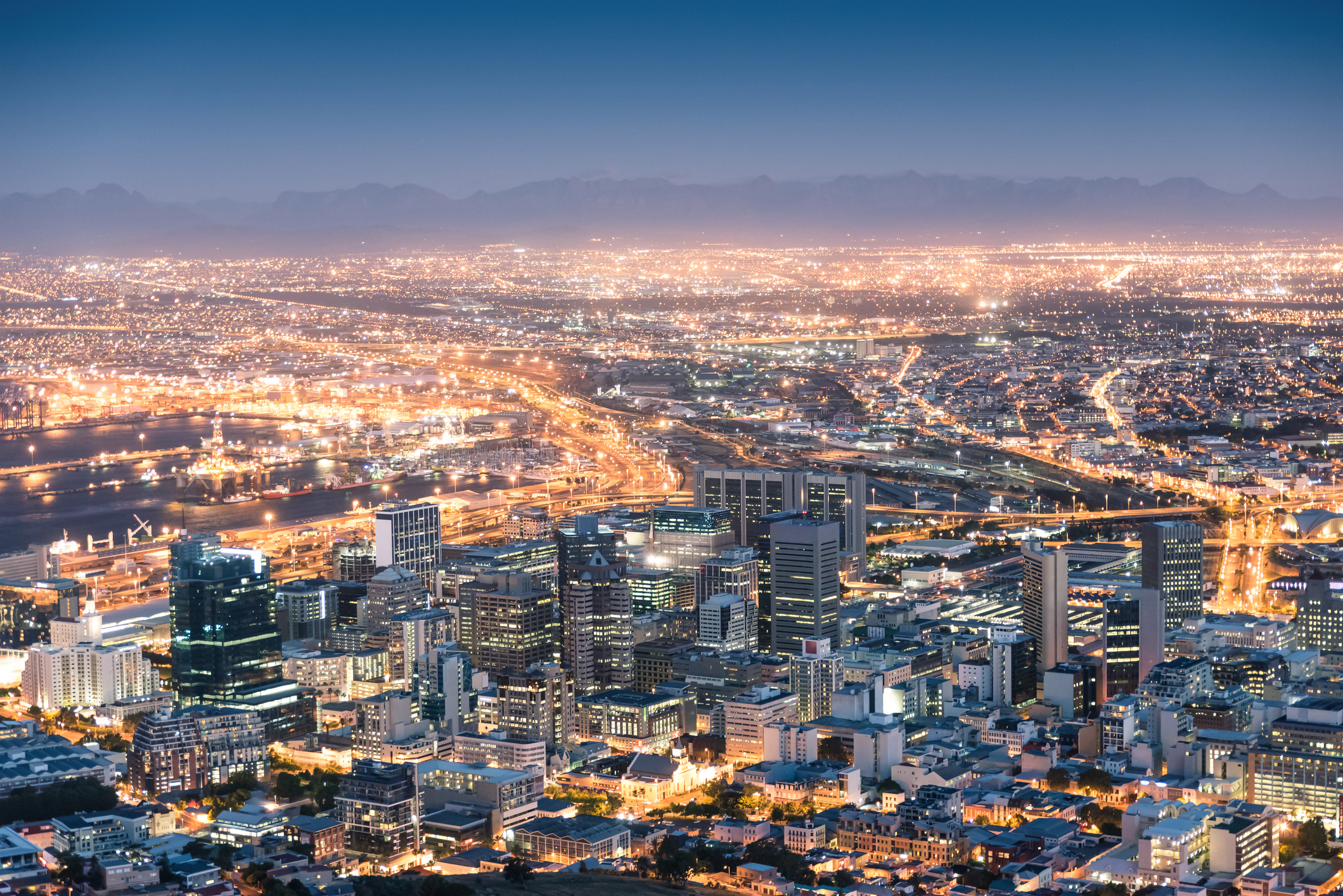
View from hill overlooking city lit up at night.

The Energy Tab

Energy subsidies in South Africa 2025

Energy subsidies in South Africa, 2025.

December 23, 2025

South Africa’s energy subsidies were at least ZAR 198 billion (USD 10.8 billion) in financial year (FY) 2025, with 55% from direct fossil fuel subsidies. Support for electricity, which covers most of the remaining quantified subsidies, also props up a coal-dominated power system. The values for renewable energy tax incentives are missing from the picture, as the claim amounts have not been published.  

While often well-intentioned, fossil fuel subsidies can have unintended negative consequences. These subsidies are frequently a financial burden for governments, locking in sources of air pollution and emissions that contribute to climate change, crowding out cleaner alternatives, and being an inefficient way to help low-income households. Understanding energy subsidies and their costs can help improve energy polices to achieve the best social and environmental outcomes.

In 2009, as a member of the G20, South Africa committed to phase out and rationalize inefficient fossil fuel subsidies over the medium term, while providing targeted support for vulnerable groups. Following its hosting of the G20 in 2025, South Africa could show leadership by taking steps to reform its energy subsidies, as outlined below. 

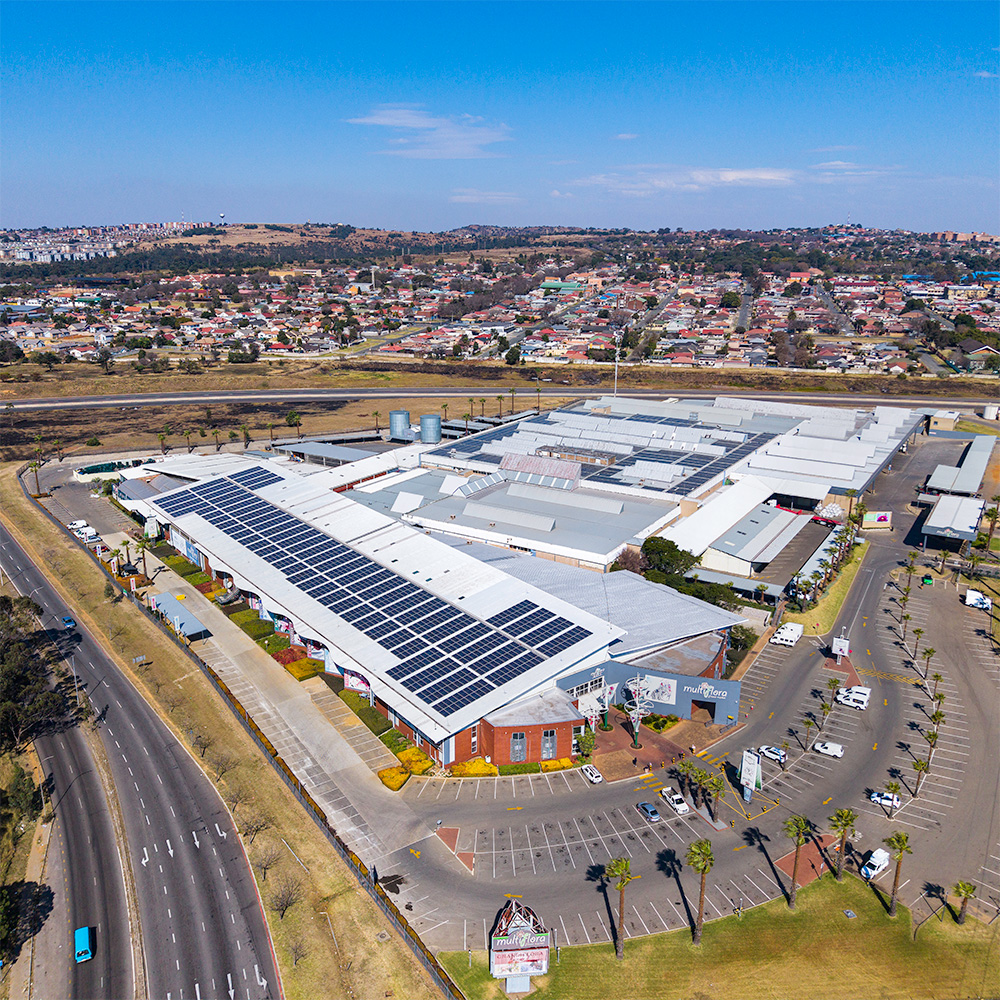
Aerial view of large public building with rooftop solar panels.

Key Recommendations

  • South Africa should develop a comprehensive action plan for energy subsidy reform with local stakeholders.
  • National government and Eskom should work together on a financial recovery plan for Eskom that aligns with a clear, agreed vision for its role in the South African Wholesale Energy Market.
  • National government should improve the implementation, targeting, and allocations of the Free Basic Electricity policy.
  • National government should support National Treasury to revise the design of the carbon tax, without undue corporate influence.
  • National government should facilitate the design of targeted support for the transport needs of low-income households, while blanket liquid fuel subsidies are phased out.
  • National Treasury should prioritize renewable energy subsidies during its process of expanding on tax expenditure reporting. 

Overview of Energy Subsidies 

Energy subsidies totalled at least ZAR 198 billion (USD 10.8 billion) in FY 2025. Most quantified subsidies support fossil fuels, but the picture is incomplete as the available data on the value of renewable energy subsidies is very limited (mainly tax incentives). 

Subsidies directly for fossil fuel consumption tripled from FY 2018 to FY 2025. In real terms, these grew from ZAR 37 billion (USD 2.9 billion) in FY 2018 to an estimated ZAR 110 billion (USD 6 billion) in FY 2025. Several policies contributed to this increase. First, the carbon tax commenced in FY 2020, resulting in foregone revenue related to the energy sector exemptions from FY 2020 onward (FY 2025 = ZAR 57 billion/USD 3.1 billion). Second, the value of tax exemptions and refunds for purchasing petrol, diesel, and illuminating paraffin increased (FY 2025 = ZAR 41 billion/USD 2.2 billion). Third, in FY 2023, a freeze on the General Fuel Levy was introduced (FY 2025 = ZAR 4 billion/USD 0.2 billion). Therefore, a driver of increased direct fossil fuel subsidies since FY 2018 has been the introduction of additional measures.

Electricity subsidies support a fossil fuel-dominated power system and increased more than fourfold from FY 2018 to FY 2025. In real terms, these escalated from ZAR 21 billion (USD 1.6 billion) in FY 2018 to ZAR 87 billion (USD 4.8 billion) in FY 2025, mainly due to bailouts for the state-owned power company, Eskom. Historically, most electricity in South Africa has come from coal power stations, and 83% of national electricity generation still came from fossil fuels in 2024. This placed South Africa’s electricity generation as the 12th most carbon intensive in the world. As renewable energy supply increases, the link between electricity subsidies and fossil fuel support will decrease. However, subsidies that support the existing asset base may delay the rollout of renewables. 

In theory, these electricity subsidies are technology neutral and were introduced for specific socio-economic reasons: provide free basic energy services, expand electricity access, improve energy efficiency, and support Eskom. As such, they differ from the liquid fuel subsidies and carbon tax exemptions, which aim to reduce the financial impact of using fossil fuels.

Recommendation

South Africa should collaboratively develop a comprehensive action plan for energy subsidy reform with local stakeholders. 

It should cover direct fossil fuel subsidies and electricity subsidies and align with just transition frameworks. As advised for all G20 countries, the plan should have concrete deadlines and detailed implementation steps. The prioritization and timelines for subsidy reform should be informed by an assessment of the social and economic impacts. Remaining subsidies need to have a clear rationale, such as supporting highly vulnerable populations. Where appropriate, subsidies can be targeted or shifted to low-carbon energy carriers that achieve the same objective. 

Scope and Definitions

We estimate national-level energy subsidies in South Africa using publicly available data from government FY 2018, with new data for FY 2024 and 2025. The digital story covers high-level results, brief discussion, and recommendations. The Annex provides tables of values, descriptions of policies, explanations of calculations, and references. 

Subsidies are financial contributions by a government or other public body that confer a benefit (Agreement on Subsidies and Countervailing Measures under the World Trade Organization). The main types are

  • direct and indirect transfers of government funds and liabilities (national budget outlays)
  • government revenue foregone (through reduced tax rates and tax exemptions)
  • provision of goods or services below market value  
  • income and price support through market regulations 

This definition is purely to identify if a measure can be counted as a subsidy: it does not make any judgment on whether the subsidy is inefficient or if it should be reformed. 

We focus on the first two types, and we cover only subsidies provided by the national government. We do include when municipalities are intermediaries for national subsidy instruments. 

Some unquantified subsidies are included. For renewable energy, there are important tax benefits, but the data on what has been claimed is not publicly available. 

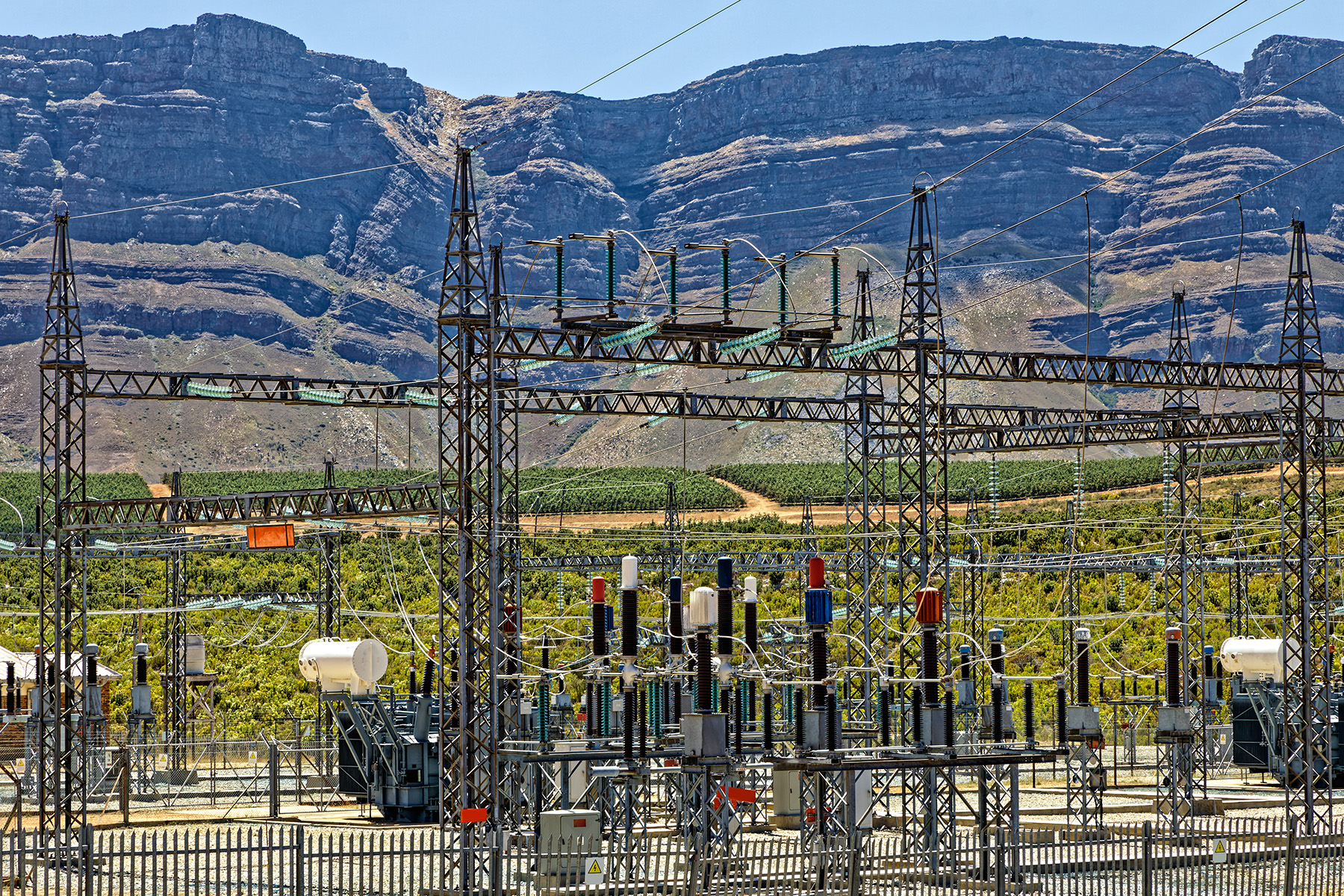
Electrical substation with mountains in the background.

Power Sector

Since FY 2020, over 70% of nominal electricity subsidies have been to help Eskom deal with debt, rather than directly improving the affordability or supply of electricity. Over 40% of quantified energy subsidies in FY 2025 were for electricity, with the bailouts to Eskom being by far the largest. The bailouts vary significantly year-on-year, and are set to continue, with  ZAR 80.2 billion (USD 4.4 billion) allocated for FY 2026. In nominal terms, Eskom received ZAR 299 billion (USD 17.8 billion) from government between FY 2020 and FY 2025, which was over 2.5 times the total of ZAR 113 billion (USD 6.9 billion) for all other electricity subsidies combined. 

Three other long-standing electricity subsidies are: a) allocations to supply free basic energy services, mainly via electricity, b) grants to the Integrated National Electrification Programme (INEP), which expands electricity access through infrastructure projects, and c) energy efficiency and demand side management grants for municipalities. 

The allocation for free basic energy increased 21% in nominal terms from FY 2024 to 2025. In FY 2025, the total INEP grant decreased by almost 30% from FY 2024 in nominal terms, as funds were channelled to a new Smart Meters Grant introduced in FY 2025 at ZAR 500 million (USD 26 million). In real terms, energy efficiency support has decreased by 16% comparing FY 2018 to FY 2025. 


In FY 2025, Eskom accounted for 53% of all government guarantees, and energy-related guarantees accounted for 87%. These guarantees will result in government expenditure to pay a lender if the borrowing entity is unable to meet a financial obligation. Loan guarantees can also reduce risks for project financiers, so they reduce interest rates. This transfer of project risk to the government can be considered a subsidy, but of a different type than those we present in the overview section.   

Recommendation

National government should create a space to develop a clear vision on Eskom’s future role in the South African Wholesale Energy Market, with buy-in from all key stakeholders. 

The bailouts are the result of a system that is not working. Until the contributing factors to Eskom’s financial distress are resolved, bailouts will be required. But solutions must now be found in the context of an evolving power market and Eskom’s unbundling. While some of this has happened on paper, pushback from vested interests in the legacy Eskom systems is delaying progress. 

National government and Eskom should work together on a financial recovery plan that aligns with such a vision and can be implemented without obstruction from vested interests. 

This plan should include details on how to improve Eskom’s operational and financial position in its new role, address residual governance issues, and allow for a reduction in conditional and time-limited fiscal support over time. It should address improved revenue collection and collaboration with the energy regulator on a long-term, predictable path for electricity tariffs. 

These efforts should allow the government to reduce Eskom’s debt-related bailouts and guarantees over time.  

A web of electric cables runs from a street light pole to shacks.

Free Basic Electricity 

In the decade from 2015 to 2025, Eskom’s average electricity tariff has increased almost three times the rate of inflation (177% versus 60%), so households are under increasing pressure to pay for electricity.  The grant for free basic energy services is intended to provide households below the poverty threshold with 50 kWh of free electricity per month (or equivalent fuel if there is no grid connection). The government allocations made to municipalities for this purpose have increased from FY 2018 by 51% (in real terms) to reach ZAR 18.3 billion (USD 1 billion) in FY 2025. The government determines the grant value per year based on the estimated cost to supply the electricity allowance to the determined number of households. So, the above-inflation increases in the subsidy are mainly due to the above-inflation rise in electricity prices, rather than an increase in the amount of service to be provided.

Main concerns around this subsidy are as follows: 

  1. It is widely recognized that 50 kWh per month per household is insufficient for basic energy needs, particularly when low-income households have more than one family on the same property or are sharing an electricity meter. The rate has not increased since 2003 when the policy was introduced. However, recent analyses on what it should be range from 100 kWh to 350 kWh/month, depending on assumptions, feasibility, and developmental definition of basic service.
  2. Analysis has shown that municipalities’ total expenditure on free basic electricity provision has been significantly less than the amount they received from the government. This could be a financial incentive for municipalities to make it difficult for households to claim their free basic electricity (FBE). In 2025, Eskom said that 8 million eligible households (of 10 million total) are still not receiving their FBE. This implies that only 20% of the funding provided to municipalities for FBE is actually being used for its intended purpose. So, in FY 2025, about ZAR 14.6 billion (USD 0.8 billion) for indigent household energy provision is being used elsewhere by municipalities.
  3. FBE funding goes to municipalities, but Eskom directly supplies a large proportion of indigent households, resulting in settlement issues. Some households get missed by Eskom and municipalities.
  4. Other limitations of FBE include the way different municipalities determine eligibility, the complexity of the registration process, penalties for electricity consumption rates, restriction of FBE to municipal account holders, and insufficient oversight. 

Recommendation

National government should prioritize processes to improve FBE implementation and redesign of the policy. 

Most vulnerable households do not currently receive FBE, so the targeting and accountability should be improved (some processes are underway) before increasing the allowance. Future revision will need to be coupled with innovative methods for financing a higher allowance, as the national budget is already strained. 

Features the government should include, building on work in progress: 

  • equitable criteria for eligibility across different municipalities, noting local context;
  • making registration and use of the service easy for recipients;
  • linking FBE beneficiaries to the prepaid meter data to prevent leakage;
  • strict oversight so that the funds are used for their intended purpose;
  • transparent reporting on municipal use of FBE grants;
  • robust settlement system in Eskom supply areas;
  • a new kWh/month allocation based on a fair per-person requirement for basic energy services;
  • targeting using the number of beneficiaries, not simply per electricity meter.
Lethabo Power station seen at sunrise with the smog and mist over the countryside and steam rising from the cooling towers.

Carbon Tax Exemptions  

Our estimate of the energy sector carbon tax exemptions was ZAR 57.2 billion (USD 3.1 billion) in FY 2025. The carbon tax is the primary mitigation policy instrument in South Africa for greenhouse gas emissions. However, during the extended Phase 1 of the tax from 2019 to the end of 2025, the threshold levels and allowances mean that most emissions are not taxed. Since the tax was introduced, the rules have remained the same, so the increase in the exemption value is mainly due to the yearly increase in the headline carbon tax rate in ZAR per tonne of carbon dioxide equivalent (tCO2e). 

Main concerns with Phase 1 of the carbon tax:

  1. The carbon tax is, in theory, linked to the “polluter pays” principle, and should contribute to covering the estimated cost of the damage to society (the social cost of carbon). In 2025, the headline carbon tax rate (i.e., the rate before any allowances are applied) in South Africa was ZAR 236 (USD 12.6)/tCO2e. This is a quarter of one of the lowest international policy-relevant social cost of carbon values of USD 51/tCO2, and is only a twentieth of a reweighted mean estimate of USD 283/tCO2 from a comprehensive 2024 analysis of 147 social cost of carbon studies.    
  2. With many entities getting over a 90% exemption, the effective carbon tax rate (i.e., the rate that is actually paid) is much lower than the headline rate. Based on revenue collection, the International Monetary Fund estimated the average effective carbon tax rate to be only ZAR 7 (USD 0.47)/tCO2 in FY 2022. This is far too low to be an effective driver of behaviour change.
  3. Research published in 2025 shows the significant extent to which corporate lobbying and industry pressure have delayed and compromised the effectiveness of the carbon tax.

The proposed Phase 2 of the carbon tax from 2026 should progressively reduce allowances and increase the tax rates. However, it maintains most of the allowances from Phase 1, and thus perpetuates the same concerns until the end of 2030, including a mechanism to keep the carbon tax on electricity generation revenue neutral. Analysis indicates that Eskom will not pay more tax in Phase 2 than it did in Phase 1 via an environmental levy. 

Recommendations

National government should support National Treasury to revise the design of the carbon tax, taking steps to constrain the potential for outsized corporate influence. 

A phased approach makes sense, but it must still result in an effective rate that drives change in behaviour and business operations to meaningfully reduce emissions in the short term. By 2035, at the latest, the headline rate should increase to an agreed fair reflection of the social cost of carbon, and without exemptions. Revenue from the carbon tax could be ringfenced to support other initiatives.  

National Treasury can consider further research on how other countries have introduced carbon pricing into a financially constrained electricity sector. 

This may help identify additional solutions for how carbon pricing can be an effective incentive for Eskom, despite its constrained financial position, and does not unfairly erode consumer affordability. For example, the European Union Emissions Trading System has eventually shown positive results in reducing emissions, after several phases, but work would be required to see if such a mechanism is feasible and desirable in the South African context.   
 

Black gas attendant in red coat pumps gas at a gas station

Liquid Fuels 

The three main liquid fuel consumption subsidies are untargeted, so the largest monetary benefit goes to the largest fuel consumers. About 60% of final liquid fuel consumption is for transport.

  1. The value-added tax zero-rating for sales of petrol, diesel, and illuminating paraffin has been more than 70% of the value of liquid fuel subsidies since FY 2018. With the drop in sales and price during the COVID-19 lockdown restrictions, the total revenue foregone to government decreased in FY 2021.
  2. The diesel refund amounts (for fuel levy and road accident levy on diesel used in specific primary production sectors) have been more or less static in nominal terms since FY 2020, declining slightly in real FY 2025 terms.
  3. In FY 2022, a reduction in the General Fuel Levy was introduced for 4 months, which resulted in a spike in government revenue foregone in FY 2023. This mirrored actions in many parts of the world to shield consumers from liquid fuel price increases in response to the energy price crisis caused by Russia’s invasion of Ukraine. Once the levy returned to the amount it was at the start of FY 2022 (given as a ZAR/litre of fuel type), it was “frozen” until FY 2025. An inflation-linked increase was announced for FY 2026, which will end the subsidy if implemented. 

At the intersection of energy and transport, the subsidy landscape is very much in favour of liquid fuels compared to electric vehicles. In the national budget for FY 2024, an electric vehicle tax incentive was tabled for FY 2027, but this is predicted to reduce tax revenue by just ZAR 500 million in that year, which is only 2% of the zero-rating of VAT on petrol sales reported for FY 2023.   

Recommendation

National government should facilitate the design of targeted support for the transport needs of low-income households, while blanket liquid fuel subsidies are phased out.  

Identifying the optimal mechanism (e.g., targeted cash transfers) will require research and collaboration with the intended beneficiary groups. This can be coupled with improved support for public transport in low-income areas and incentives to increase the electrification of transport. Between FY 2018 and FY 2025, the price of petrol and diesel has risen by more than 1.5 times the rate of inflation, so reducing the existing subsidies will likely face significant social pushback in the absence of suitable alternatives. 

Solar panels floating on a pond with grasses in the foreground and mountains behind.

Renewables and Storage  

There have been subsidies linked to renewable energy since 2008, with a subset applicable to energy storage (see Annex). Within our scope, we could not identify any current subsidies that are specific for energy storage only. Important renewable energy incentives are sections within the Income Tax Act. Some are only for renewable energy projects (e.g., 12B and 12U) and others are general tax incentives that renewable energy projects can qualify for (e.g., 11D). 

National Treasury has published the results of a survey on renewable energy tax incentives. However, there is minimal data in the public domain on their values. For example, 12B has been available since 2009 for qualifying renewable energy projects to claim a tax deduction on certain capital costs. However, National Treasury and the South African Revenue Service (SARS) have not yet published the value of the 12B claims. In 2023, this incentive was expanded for 2 years (12BA) to encourage more investment in renewable energy. National Treasury indicated that the potential impact during the first year of 12BA would be a ZAR 5 billion (USD 0.27 billion) reduction in government revenue. But a figure has not been published for the second year. 

Accurate quantification would require collaboration with National Treasury and SARS. Estimating the value of these tax incentives using measures like installed capacity is problematic and error prone. For 12B again, the tax deduction is based on project costs, which is commercially sensitive information. If this were approximated using industry data on average capacity costs, then it is unknown which projects qualify. Many projects under the Renewable Energy Independent Power Producer Procurement Programme are financed under special tax treaties and are not eligible to claim 12B

Recommendations

National Treasury should prioritize renewable energy subsidies during its process of expanding on tax expenditure reporting. 

Greater transparency on the value of renewable energy and storage subsidies will facilitate a more balanced discussion on overall energy subsidies. 

SARS should publish disaggregated values for renewable energy tax codes like Section 12B and 12U. 

For codes like Section 11D, a breakdown to the level of renewables would be helpful. While taxpayer information is confidential, collecting project-level data and publishing disaggregated, national-level results could be done without revealing any company or individual details.

Download Annex

Digital Story details

Topic
Energy
Subsidies
Region
South Africa
Impact area
Climate
Publisher
IISD
Copyright
IISD, 2025
Success story

Making the Business Case for Nature-Based Infrastructure: How the City of Cape Town boosted funding for restoring its waterways

The City of Cape Town is investing in nature-based infrastructure (NBI) to restore its degraded rivers and wetlands. When funding was under pressure, the International Institute for Sustainable Development’s (IISD’s) NBI Centre supported the city with two integrated cost–benefit analyses (CBAs). By translating environmental, social, and economic benefits into clear evidence, the analyses helped strengthen the investment case, moving projects toward implementation. 

December 11, 2025

From the mountain slopes and Cape Flats to the coast, the rivers of the Sand and Zeekoe catchments weave through the City of Cape Town before reaching estuaries like Zandvlei and Zeekoevlei. These vleis (a local phrase for shallow lakes) have long been places where residents and visitors sail, fish, and watch birds, while the waterways themselves carry stormwater and shield neighbourhoods from floods. But years of urban growth, pollution, and climate stress have clogged the waterways and weakened their natural defences. 

Currently, the city is busy with the dredging of Zeekoevlei, its first in more than 40 years, to improve water quality in two sections. While this will bring short-term relief, underlying problems of upstream pollution and sedimentation remain.  


Dredging boat in a river.

The City of Cape Town commenced with the dredging of Zeekoevlei in June 2025, the city’s first vlei dredging in 42 years. Photo: City of Cape Town.

To respond to these water, climate change, and environmental challenges, the City of Cape Town developed its Water Strategy, which aims to make Cape Town a water-sensitive city by 2040. Central to this strategy are the Green Infrastructure Programme and the Liveable Urban Waterways (LUW) Programme, designed to rehabilitate rivers and wetlands through water-sensitive design and NBI.

However, in early 2024, the LUW Programme suffered a major setback. Funding for four of its five projects was deferred due to budget constraints, and projects were pushed back to 2033. From the ZAR 50 million (USD 2.9 million) originally allocated, only ZAR 10 million (USD 600,000) remained, and the four projects were put on hold. 

How the NBI Centre Contributed

In the months that followed, advocacy and lobbying intensified. A public petition gained traction, and the Mayor’s advisory committee recommended that the budget be restored. Alongside the advocacy push, IISD’s NBI Global Resource Centre carried out an integrated CBA of LUW projects in the Diep/Sand and Zeekoe catchments, with technical assistance coordinated by the C40 Cities Finance Facility. The work gave the city something it had previously lacked: robust economic evidence. While the analysis did not cover the delayed projects directly, it demonstrated a clear economic case for investing in waterway rehabilitation. 

Using IISD’s Sustainable Asset Valuation (SAVi) approach, the assessment went beyond traditional economic analyses by integrating the wider social, economic, and environmental benefits of the planned projects. It linked ecosystem services to budget impacts, showing how rehabilitating waterways could lower dredging and canal repair costs, reduce flood damage, and deliver social and environmental co-benefits such as jobs, recreation, and biodiversity gains. It also tested climate scenarios to understand how the NBI would respond to different climate futures. 


 Henri Contor developed the system map, the quantitative model, and the integrated cost-benefit analysis.

The numbers told a clear story. In the Diep/Sand catchment, every rand invested would generate almost two rand in benefits, with net gains of up to ZAR 133 million (USD 7.6 million) by 2050. In Zeekoe, each rand invested would generate between 1.6 and just over 2 rand, with net benefits ranging from ZAR 68 million to ZAR 125 million (USD 3.9–7.1 million). Across both catchments, the projects would save up to ZAR 55 million (USD 3.1 million) on dredging and canal refurbishment, safeguard tourism and property revenues, and create about 60 local jobs each year. Under pessimistic climate scenarios, the benefits grew even stronger as avoided flood damages became more valuable.

By translating ecological improvements into economic terms through avoided costs, along with benefit–cost ratios, the SAVi assessment made the investment case for NBI tangible.

Water course next to sand and grass, urban area and mountain in the background.

Zandvlei in the Sand catchment. Photo: City of Cape Town.

Projects Moving Toward Implementation

In July 2025, the City of Cape Town approved ZAR 99 million (USD 5.6 million) for LUW projects over the next 3 years, with a further ZAR 91 million (USD 5.1 million) earmarked beyond that, nearly ZAR 200 million (USD 11.4 million) in total.

The deferred projects are now recommencing and are expected to complete their detailed design phase over the next 2 years. The Sand Langevlei project (which was not pushed back) is the first to move toward construction, with the other four projects set to follow. Planned measures include wetland creation, canal naturalization, stormwater ponds, riparian rehabilitation, and improved public spaces. All projects have been co-designed with local communities, through 15 stakeholder workshops involving more than 800 participants.

With momentum regained, the city is now turning to the next phase. The LUW Programme covers around 40 projects across multiple catchments. Two of these catchments represent about half of the total program costs, requiring more than ZAR 1 billion (USD 57 million) in capital investment. The city plans to apply the same cost–benefit approach used by IISD to build the case for future investments.

The Diep/Sand and Zeekoe projects are part of the next phase of the LUW Programme, drawing on earlier work with the C40 CFF and IISD.

Mountain and sea in the background.

Clean rivers and wetlands are part of what makes Cape Town special. When we look after them, we’re not only protecting nature, we’re giving our children safe places to play, reducing flood risks, and creating spaces where families can relax. The Liveable Urban Waterways Programme is about more than cleaner water—it’s about creating safe, healthy places where communities can connect with nature again. What makes this programme special is that it’s being shaped with local residents. By working together, we can make our waterways places that everyone is proud of and can enjoy.

Councillor Zahid Badroodien, Mayoral Committee Member for Water, City of Cape Town

Making the Case for NBI

For Cape Town, the integrated CBAs strengthened the case for waterway rehabilitation as both an environmental and economic investment. It also proves valuable that city staff learned about developing, interpreting, and communicating about CBAs, both through the co-creation of the analyses and in-person trainings held by IISD.

Group of people sitting around and a table.
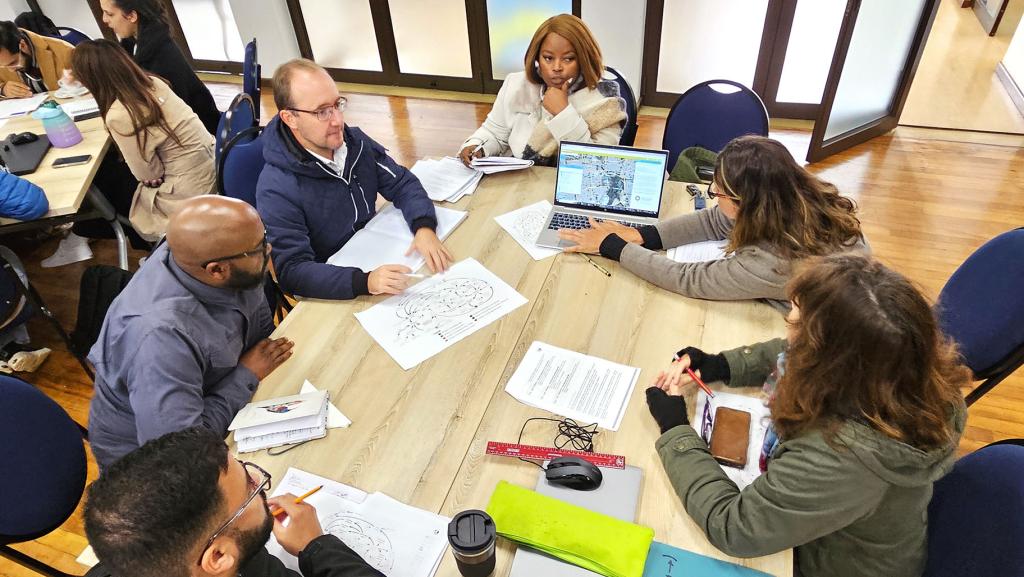
Training about NBI and CBAs in Cape Town in 2024, with support from C40 CFF. Photo: IISD.

The SAVi report is already being used in roadshows with senior decision-makers, presenting headline numbers that explain how restoration can protect budgets as well as neighbourhoods.

By applying this kind of economic evidence, Cape Town is offering a practical example for other cities seeking to invest in NBI.

The results in Cape Town show that when avoided costs, direct benefits, and wider co-benefits are quantified, it gives decision-makers the evidence they need. That is exactly what our approach is designed to do: make the economic case for investing in nature.

Ronja Bechauf, policy advisor, IISD
Insight

How Biophysical Monitoring Turns Data into Action for Nature-Based Solutions

Nature-based solutions expert, Stanley Chasia, explains how rigorous and consistent data analysis helps to refine strategies, attract investment, and strengthen natural infrastructure in Sub-Saharan Africa.

December 2, 2025

In 2024, water quality monitoring in Johannesburg’s Jukskei catchment, South Africa, revealed a remarkable seasonal pattern: concentrations of sulphate, phosphate, nitrate, ammonia, and chemical oxygen demand surged during the dry winter months of June to August—when rainfall was at its lowest—before dropping sharply in the rainy season from October to April. Collected by the City of Johannesburg’s Department of Environment, Infrastructure and Services, these findings show how rainfall-driven surface runoff dilutes pollutants in wetter months, while drier conditions concentrate them, offering crucial insight into the catchment’s ecological health. 

Such findings, obtained through rigorous analysis of biophysical data, informed the design and selection of nature-based solutions (NbS) interventions—for example, the use of biofilters to reduce water pollution—within the SUNCASA project (Scaling Urban Nature-Based Solutions for Climate Adaptation in Sub-Saharan Africa) in Johannesburg. This highlights how biophysical monitoring is essential not only for tracking environmental indicators such as water quality, soil erosion, and flood risk—and making adjustments as needed—but also for scaling up successful interventions.

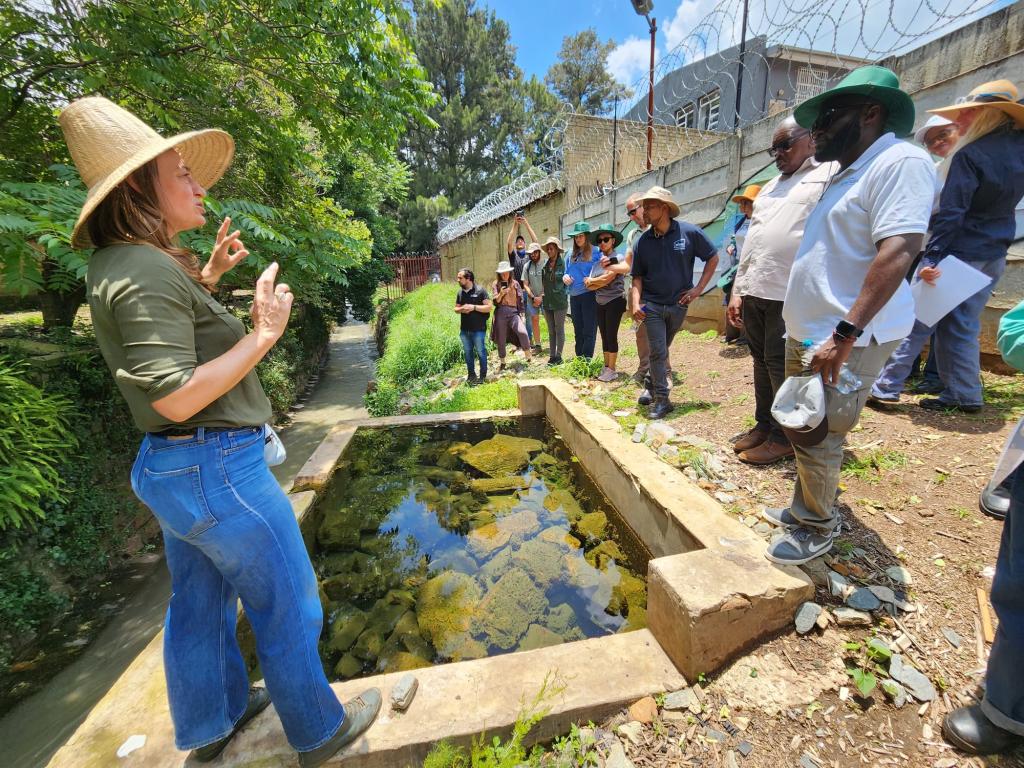
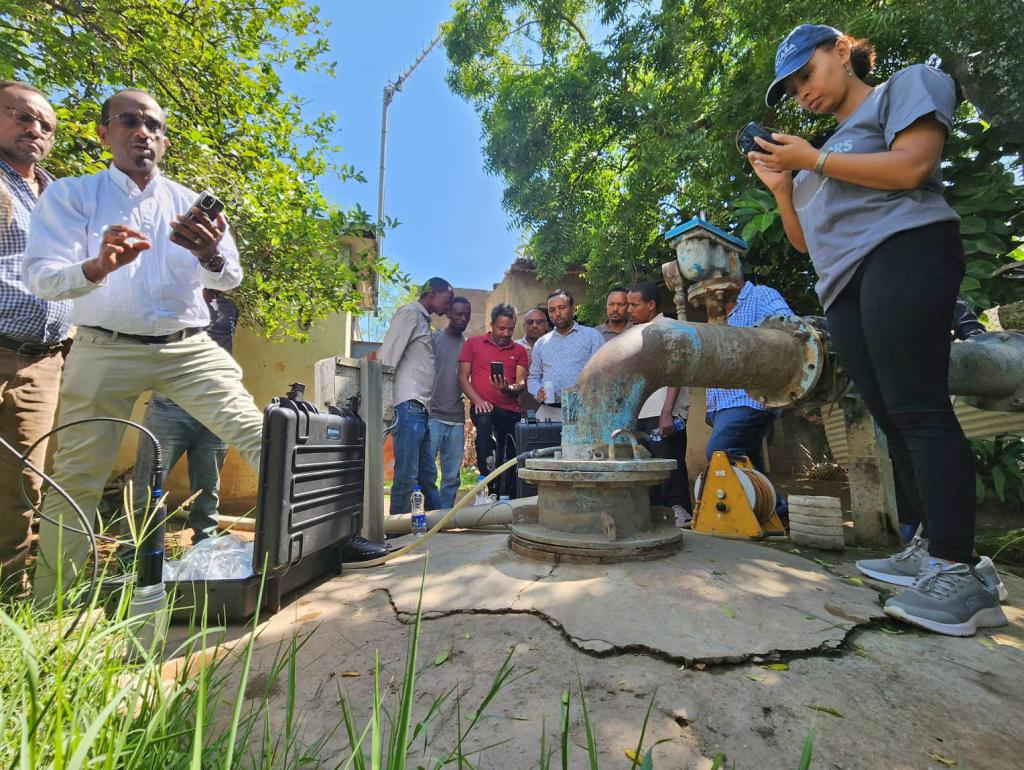
SUNCASA | SUNCASA Water team and Johannesburg partners during a biophysical monitoring training.
SUNCASA biophysical monitoring training in Johannesburg: water quality monitoring of the Jukskei River at Victoria Yards. (Photo: Joey Simoes | SUNCASA)

Operating in water catchments of three major African cities—besides Johannesburg, Dire Dawa, Ethiopia, and Kigali, Rwanda—SUNCASA project teams are planting millions of trees and removing invasive species to demonstrate how NbS interventions can deliver better returns on investment than traditional grey infrastructure for cities trying to reduce flash flood damage and tackle other growing climate change impacts. Rigorous, consistent data—like how effectively the project’s biofilters impact Johannesburg’s seasonal swings in pollutants—provides the feedback needed to refine SUNCASA’s strategies, attract investment, win over policymakers, and strengthen natural infrastructure that delivers multiple social, environmental, and economic benefits. 

The Challenge: Building robust monitoring systems

Effective biophysical monitoring depends on more than occasional data collection. It requires extensive investments in reliable monitoring systems anchored on robust data collection regimes and sound institutional frameworks. Tools, models, and technical skills are also needed to transform monitoring data into actionable insights and knowledge products which can support decision-making and adaptive management. 

In many catchments across Sub-Saharan Africa, regular monitoring is limited or absent, with existing datasets often incomplete or inconsistent due to gaps, duplication, or errors. Contributing factors include aging equipment, insufficient funding, limited technical capacity, and even vandalism of monitoring stations. The need for expertise in artificial intelligence, big data analytics, and data science is growing, as these fields are key to turning complex, multi-source datasets into guidance for community leaders.

SUNCASA’s biophysical monitoring approach 

In SUNCASA, the impact of NbS interventions is tracked by monitoring key biophysical parameters, such as improvement in water quality and quantity, changes in soil condition and health, soil erosion control, and reduction in floods and landslides vulnerability. Both baseline and monitoring data are gathered from primary and secondary sources, such as regular government monitoring data (e.g., water quality), global data repositories from remote sensing missions, and data portals hosting various biophysical datasets for each of the three SUNCASA project cities. This information—often in different formats, scales, and resolutions—must be standardized and processed before integrating it with on-the-ground measurements. 

SUNCASA | Partners in Dire Dawa, Ethiopia, measuring water quality.
SUNCASA NbS specialists in Dire Dawa conducting biophysical monitoring.

The situation varies between project sites:

  • Dire Dawa – No recent formal monitoring has taken place, limiting effective resource management.
  • Kigali – The Rwanda Water Board operates automatic hydrometric stations, but other biophysical data is typically gathered only when needed.
  • Johannesburg – The city conducts monthly water quality sampling in its catchment but requires additional hydrometric stations to enhance flood modelling and improve understanding of the hydrological regime.

Catchments with limited to no monitoring data can use secondary data from Earth observation missions to monitor environmental changes at NbS implementation sites. In SUNCASA, satellite imagery, such as Sentinel-2 from the European Space Agency, and Landsat from the United States Geological Survey, is being used in Dire Dawa to monitor soil moisture anomalies between precipitation, surface and sub-surface soil moisture content. Vegetation indices (e.g., Normalized Difference Vegetation Index and Enhanced Vegetation Index) are also being used to track vegetation health and changes in our NbS intervention sites. 

Across all three cities, NbS scenarios are being applied with hydrological and hydraulic models to understand how different interventions improve flood mitigation outcomes. In the Dechatu (Dire Dawa) and Jukskei (Johannesburg) catchments, SUNCASA is also supporting monitoring efforts by investing in additional monitoring equipment to carry out regular data collection. 

For instance, in Dire Dawa, a multiparameter probe and contact gauge meter have been acquired to monitor groundwater quality and water level, respectively, to measure long-term impacts of NbS activities on groundwater recharge. In Johannesburg, the installation of additional stream gauge equipment in the Jukskei River will provide data to improve hydrological model performance and calibration, which in turn improves the accuracy of flood models and gives earlier warnings to the city.

SUNCASA | Biophysical monitoring training in Kigali
SUNCASA Water team and local partners by the Nyabarongo River during the biophysical monitoring training in Kigali. (Photo: Tigist Bekele | SUNCASA)

Engaging communities in monitoring

In Sub-Saharan Africa, where an average of around 60% of people depend on agriculture, soil erosion and drought threaten food security by removing nutrient-rich topsoil. Natural ecosystems, such as trees and wetlands, help protect soil, purify air, and recharge groundwater—services that benefit communities directly.

SUNCASA is exploring participatory monitoring tools to involve community members in NbS biophysical monitoring. The growing availability of smartphones and mobile apps creates opportunities for citizen science, allowing community members to contribute to data collection, observation, and analysis—helping safeguard the ecosystems they depend on.