Why Innovation Is Critical to Achieving the Sustainable Development Goals
The SDGs are interconnected and complex. We are working to tackle that problem head-on while developing innovative approaches to achieving them.
October 11, 2017
At times, 17 goals and 169 targets can seem overwhelming (not to mention the 231 indicators to measure the Sustainable Development Goals [SDGs]).
But the 2030 Agenda was specifically designed to show the complexity of sustainable development and the interconnectedness of economics, social issues and the environment.
The global community now widely accepts that an integrated approach is needed to implement the SDGs. The concept has proven more difficult to achieve in practice, however. We frequently hear terms like “silo breaking,” “policy coherence,” “indivisibility,” “nexus thinking” and “whole of government approaches.”
But how do you turn the theory of integration into action?
At IISD, we are trying to answer just that: experimenting with new methods of building partnerships to drive innovative and integrated approaches.
“If our true goal is integration, for that to work we really need this: integration of viewpoints and learning from each other."
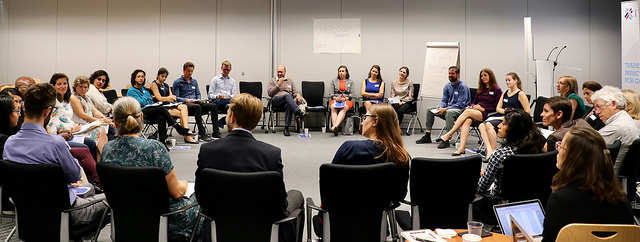
The Innovation Sprint recently launched in Geneva to test partnership-building with a diverse group of individuals representing a variety of institutions, disciplines, experience levels and backgrounds. The 25 people in the cohort come from backgrounds ranging from human rights to climate change to blockchain technology to youth empowerment to AIDS eradication. Many of them are stepping completely out of their comfort zones to apply their experience in new ways, to new topics.
"I participated in the Innovation Sprint because of the diverse group of people around the table,” said Maximilian Mueller, a Policy Officer at the International Union for Conservation of Nature (IUCN).
At IISD we are experimenting with new methods of building partnerships to drive innovative and integrated approaches to achieving the SDGs.
The cohort spent the summer exploring the theory behind concepts such as design thinking, assumption testing, question framing,systems thinking, leverage points and complexity. These concepts allowed participants to understand how human-centred approaches can lead to better outcomes by including divergent perspectives and rooting solutions in empathy. Systems thinking methodologies provided participants with tools to see the links between goals and not just the goals themselves.
“If our true goal is integration, for that to work we really need this: integration of viewpoints and learning from each other," Max said.
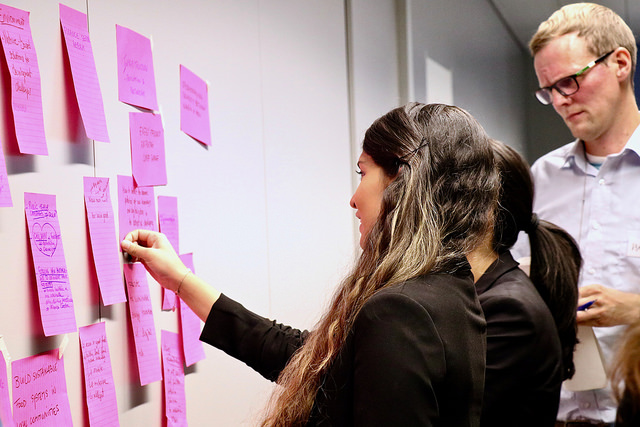
In September, the group met for the Innovation Sprint Kick-Off Workshop and identified areas where they could find common ground for collaboration. Four themes were identified, and the teams mapped key issues for each theme and identified design questions to test.
Exploring how citizens and individuals can play a more participatory role in the infrastructure around them and how it enables many dimensions of everyday life. This team is focusing on energy infrastructure and exploring big data as a means of creating more participation in infrastructure development.
Seeking to better understand people’s relationship to food, both in terms of how it is produced and how it is consumed. From the production side, the group is interested in incentives. From the consumption side, they are interested in early adopters (children) and local food production. They are also looking at food waste for both production and consumption.
Looking specifically at the Swiss financial system and exploring how the local finance community could be mobilized to be a model for how mainstream financial institutions can play into a new, sustainable finance paradigm.
Exploring how access to technology can enable new business models and sustainable development outcomes.
To be clear, we are not claiming that these themes are completely new, revolutionary or groundbreaking for sustainable development. We know there is a wide array of work already underway to advance each of these topics, but we believe each of these themes can benefit from a new partnership-building approach.
“What excited me about the Sprint was tackling real challenges and finding people who want practical outcomes."
In the coming weeks, the cohort will continue to gather information and compile relevant resources. One of the most important next steps is interviewing stakeholders who may be able to provide new perspectives on their themes.
Later in the year, the group will come together for another facilitated workshop, this time focused on ideation. Here they will develop concrete projects that will be taken forward.
"So much of the talk about the SDGs is at the policy and regulation levels,” said Harri Toivonen, a Cooperation Associate at CERN, the European Organization for Nuclear Research. “What excited me about the Sprint was tackling real challenges and finding people who want practical outcomes."
The Innovation Sprint recently launched in Geneva to test partnership-building with a varied group of individuals representing a variety of institutions, disciplines, experience levels and backgrounds.
At IISD, we believe that this experimental process can help us to learn more about the kinds of models, supports and resources required to build real partnerships between diverse actors that focus on the needs of countries and communities delivering SDGs.
That’s the kind of transformation and integrated thinking required of the 2030 Agenda and that’s what we aim to build with the Innovation Sprint.
A full album of photos from the September workshop can be accessed here.
Canada Must Do More to Adapt to Climate Change, Environment Commissioner Says
Canada’s Commissioner for Environment and Sustainable Development, Julie Gelfand, just called on the federal government to do more to prepare Canadians for the impacts of climate change. We explore how that needs to happen.
October 10, 2017
Canada’s Commissioner for Environment and Sustainable Development, Julie Gelfand, just released a report calling on the federal government to do more to prepare Canadians for the impacts of climate change.
“The federal government is not prepared to deal with the impacts of climate change that we are all feeling right now,” Commissioner Gelfand told the press on Tuesday.
“The report was a significant step, I think, in terms of highlighting the need for the federal government to be taking adaptation to climate change more seriously,” says Jo-Ellen Parry, IISD’s lead on climate change adaptation.
“We have seen some positive progress in recent years with the Pan-Canadian Framework process including the adaptation component within it,” Parry continued. “However, the commissioner’s report highlights that the federal government still has a long way to go to better understand how climate risks will impact its operations and make plans for addressing those risks.”
“The federal government is not prepared to deal with the impacts of climate change that we are all feeling right now,” Commissioner Gelfand told the press on Tuesday.
The commissioner’s report found that 14 departments have not assessed their climate change related risks.
“One of the things [the federal government] needs to do is go through a climate risk screening process for all of their operations,” explains Parry. “There’s a need to assess how the changes in our climate that are anticipated to occur—such as increases in temperature, changes in precipitation patterns, sea level rise along our coasts—could have impacts in terms of federal capacity to deliver benefits for Canadians.”
Parry says the next step is understanding what actions can be taken to reduce those risks and then proceeding to actually implement those actions that have been prioritized.
Canada's environment commissioner’s report on climate change adaptation in Canada found that 14 departments have not yet assessed their climate change related risks.
At the international level, many countries are taking action to adapt to climate change. One study found that of the 162 nationally determined contributions submitted to set out countries’ goals toward fulfilling the Paris Agreement, 87 per cent included a goal for adaptation.
Parry says there are many good examples for Canada to draw on.
“Under Barack Obama’s administration, there was a call for all federal agencies in the United States to undertake a comprehensive review of their climate risks and to develop adaptation plans in response to those risks,” she says. “They’ve also tied the provision of disaster assistance to having a disaster risk mitigation plan.”
Parry also notes that many low-income countries are making significant strides toward building their resilience to climate change despite limitations on their resources.
There’s a need to assess how the changes in our climate that are anticipated to occur could have impacts in terms of federal capacity to deliver benefits for Canadians.
“You can also look to any number of developing countries throughout the world that are in the process of developing national adaptation plans,” she says. “This is the process by which they’re bringing together the best knowledge that they have about their climate risks and engaging stakeholders within and outside of government to develop plans for how it is that they will mitigate those risks, and developing strategies for their implementation.”
“There are lessons there that Canadian governments, at the federal level but also at the provincial level, could learn from,” concludes Parry. “We’re hoping that there will be greater opportunity in the future for this type of knowledge sharing between countries and between regions.”
How Scientific Knowledge Can and Should Guide Policy-Making
Now that it is welcoming its first federal chief science advisor, Pauline Gerrard explains how Canada can best support and nurture its scientific community.
October 6, 2017
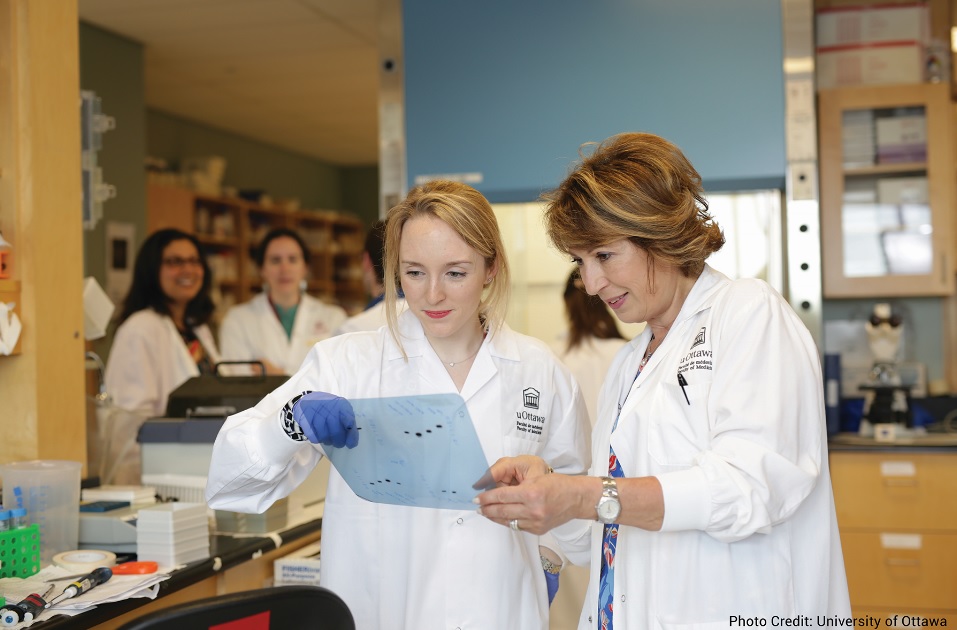
The connections between science, policy and democracy got a boost last week in Canada, when Dr. Mona Nemer was appointed as the new federal chief science advisor.
With this announcement, Canada joins the ranks of countries like the UK, New Zealand and Ireland in formally including a science office aimed at providing advice in support of good government decisions.
Dr. Nemer’s role is to ensure government science is accessible in the decision-making process, and that public and federal scientists have the freedom to speak out about their work and views. The appointment is an important part of this government’s pledge to advance evidence-based policy.
Dr. Mona Nemer's appointment is an important part of this government’s pledge to advance evidence-based policy.
But the details of how Dr. Nemer’s mandate will advance science remain to be seen. Bridging science with policy sounds logical and straightforward, but it isn’t always easy. Perhaps nothing shows that more clearly than a recent comment by Scott Pruitt, the head of the U.S. Environmental Protection Agency under President Trump, who said, “Science is not something that should just be thrown about to try to dictate policy in Washington, D.C.”
As Dr. Nemer steps into the role of the country’s chief science advisor, she will need to consider how best to support and nurture the Canadian scientific community.
One key challenge for Canada’s chief science advisor is to move from science being “thrown about” to a more systematic approach that uses scientific evidence to support good policies. This is hard. Science is often designed to focus on specific questions controlling for larger systems that can be critical in effective policy-making.
Science vocabulary and methodology can be inaccessible to the general public and often do not point to specific actions that can be taken by individuals. And in this world of fake news and quick Google searches, it is often challenging to know what is real and what isn’t and, in many cases, it is seems easier not to trust anything than to risk trusting information that could be false.
A first step to addressing these challenges is understanding how decision makers use scientific knowledge to guide policy-making and what factors facilitate its use. A recent study found that the most important factor influencing scientific impact was the legitimacy of knowledge. The researchers found that science that is perceived as unbiased and representative of multiple points of view is more strongly associated with impact than either the credibility or salience of the knowledge. This puts responsibility on researchers themselves to engage with stakeholders directly and incorporate multiple points of view into study design, delivery and communication.
In Canada, a critical part of incorporating multiple points of view is recognizing the wealth of traditional knowledge amongst elders and Indigenous knowledge keepers. Support for Indigenous-driven research and the incorporation of ndigenous perspectives and traditional knowledge into western approaches can strengthen the research itself and build legitimacy of findings. Indigenous perspectives can bring a holistic viewpoint to targeted studies and contribute generations of knowledge of the land and tradition in this country.
Traditional Native knowledge keepers and elders are a resource in seeing the world in a way that is rooted in the land.
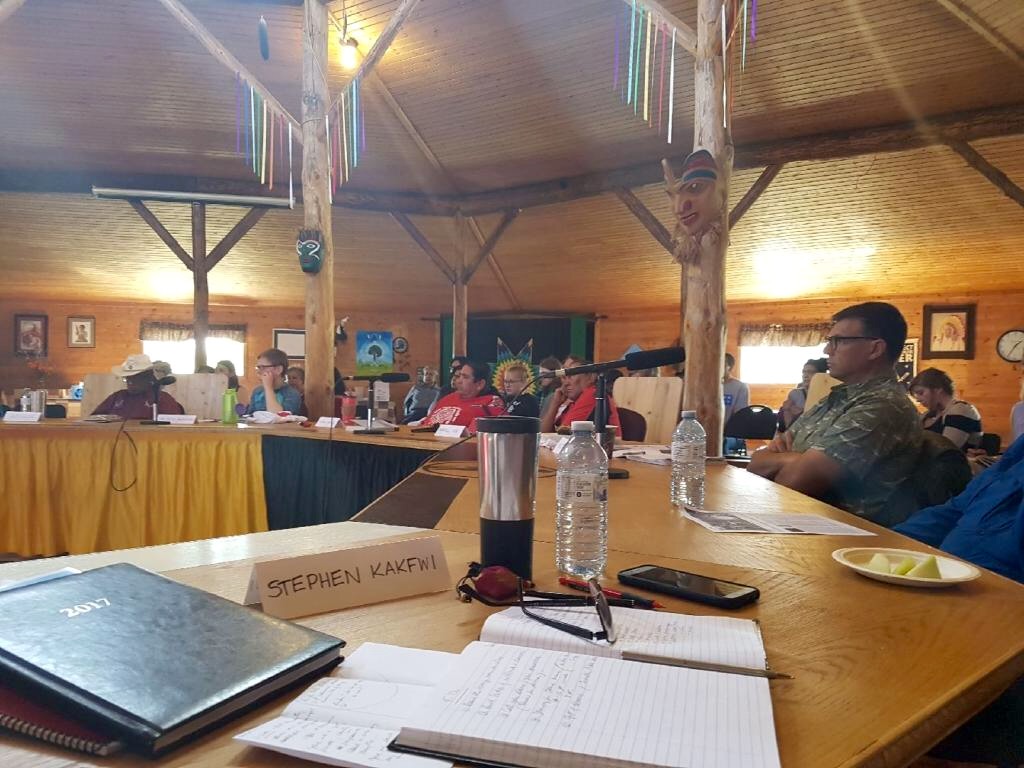
Pulling these perspectives together in a meaningful way often requires very different timelines, vocabularies and ways of looking at the world. As David Suzuki highlighted in a recent gathering of traditional knowledge keepers and scientists at the Turtle Lodge in Sagkeeng First Nation, Manitoba, “Traditional Native knowledge keepers and elders are a resource in seeing the world in a way that is rooted in the land.“
Dr. Nemer will need to focus on empowering and connecting indigenous leaders, public interest groups and scientists from academic, industrial and government agencies.
Bringing the positive tools from both sides together and using them in a newly formed paradigm of ecosystem-based science can greatly strengthen legitimacy and build commonly understood solutions for the future.
The limited role of non-government organizations (NGOs) in science in Canada is another factor that restricts our ability to pursue multi-sectoral research agendas that work in collaboration with different interest groups and stakeholders across the country. NGOs are currently not eligible to receive direct funding under most National Science and Engineering Research Council (NSERC) granting envelopes. This limits their ability to guide research and participate as equitable research partners. It is also in stark contrast to other OECD countries such as Norway and Switzerland where NGOs such as NIVA and EAWAG are leaders in basic and applied research on marine and freshwaters. NGO engagement and leadership in science of all kinds will contribute directly to legitimacy and strengthen the policy impact of science as a whole.
As Dr. Nemer steps into the role of the country’s chief science advisor, she will need to consider how best to support and nurture the Canadian scientific community. Foremost to this task will be entrenching approaches that build legitimacy. Because legitimacy depends on considering diverse voices, Dr. Nemer will need to focus on empowering and connecting Indigenous leaders, public interest groups and scientists from academic, industrial and government agencies. IISD is looking forward to being an active part of this exciting paradigm shift.
Digging Out of Conflict: Can Artisanal Mining Support Peacebuilding?
We sit down with Alec Crawford to talk about the relationship between conflict and the artisanal mining sector, and to see if there are opportunities for it to operate alongside peacebuilding efforts.
September 29, 2017
Artisanal mining is an important livelihood for many people in low-income countries.
The International Institute for Environment and Development (IIED) estimates that between 20 to 30 million artisanal and small-scale miners are active globally, and that between 15 to 20 per cent of global minerals and metals are derived from this type of mining.
In conflict zones, artisanal miners are in danger not simply because they operate amid conflict, but also because some armed groups try to use the minerals as a source of financing for the conflict.
Artisanal and small-scale mining is the theme of this year’s Annual General Meeting of the Intergovernmental Forum on Mining, Minerals, Metals and Sustainable Development.
What is “artisanal and small-scale mining” (ASM)?
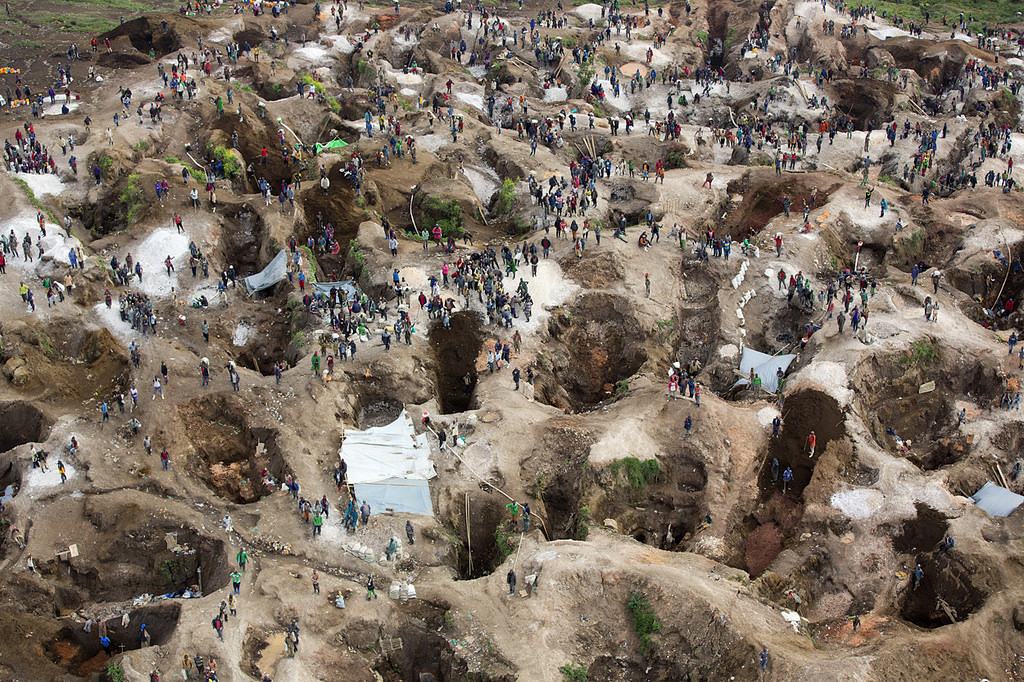
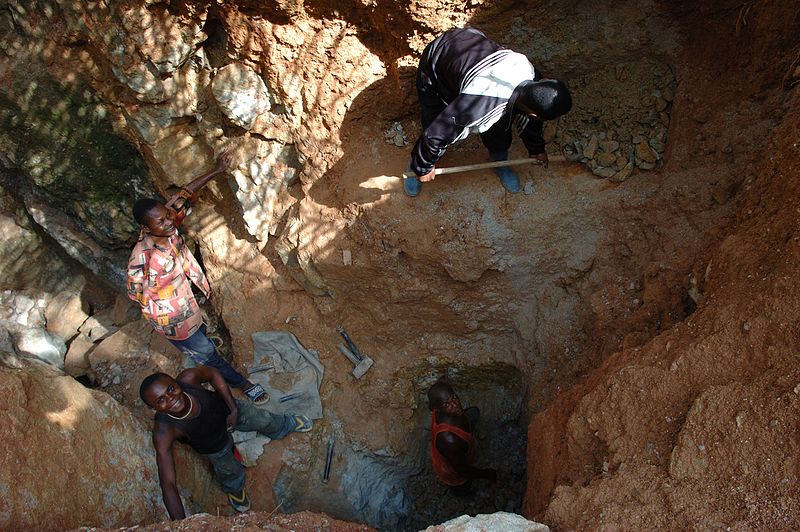
Artisanal and small-scale mining is quite diverse. It can include a range of activities, from informal, individual miners supplementing their farming incomes by panning for gold in a stream, to small-scale, formal, commercial mining entities that produce minerals in a responsible way.
Artisanal and small-scale mining is quite diverse and can include a range of activities. Photo: Flickr/Sylvain Liechti, MONUSCO
Where is there most risk of conflict disrupting ASM and the livelihoods that depend on it?
You see conflict disrupting ASM in areas of weak governance—which is typically inherent in conflict areas. You see it in areas where the government doesn’t have a lot of control of the security situation, and as such it can’t guarantee the safety of ASM miners who are either operating formally or informally. And that will in turn disrupt the livelihoods of the people operating in that sector.
For example, ASM miners in eastern Democratic Republic of Congo (DRC) are operating far from the capital, Kinshasa, in a sector that is largely informal. And in that part of the world, conflict has played a significant role in disrupting the development of formal, legal mining activities. It’s a very complicated context, but overall conflict continues to disrupt the activities of those people trying to make a living or garner some income from small-scale, artisanal mining.
For many desperately poor communities and individuals, it is very difficult for them to mine—either artisanally or on a small-scale—in the midst of conflict.
Does the opposite ever take place, where ASM fuels conflict?
There’s a lot of literature on the links between natural resources and conflict. Examples include cases where conflict is driven by a desire to capture a particular resource and sell it for profit, or where the conflict itself is financed through the sale of particular natural resources: diamonds, gold, coltan, timber. Unfortunately, it’s a long list.
Typically, the natural resources must be easy to loot and to transport, and it helps if they’re found far from the centre of political power. Again, this is the case in the DRC, and is also a tragic part of the histories of countries like Sierra Leone, Cambodia, Liberia and the Central African Republic, among others.
Efforts have been made to break the link between natural resources and conflict, particularly on the financing side: using certification schemes that target mineral supply chains, in an effort to block resource revenues from funding conflict. The best known may be the Kimberley Process, which promotes conflict-free production and trade in diamonds, but examples extend to a number of other natural resources.
The link is there, and public policy-makers and the private sector are working to try to address it.
For many desperately poor communities and individuals, it is very difficult for them to mine—either artisanally or on a small-scale—in the midst of conflict.
What role can ASM play in peacebuilding?
Many efforts have been made, dating back 20 years, to put into place certification schemes or regulations that would ensure that minerals are conflict-free. These schemes target the mineral or gemstone supply chain—and down all the way to the consumers—so consumers can be sure the products they’re purchasing have not been mined in a way that can contribute to conflict, whether as a funding mechanism for conflict, or as a motivating factor for conflict.
The Kimberley Process is one of the more famous examples. It was designed in response to the role that diamond mining and trading played in the conflicts that were happening in West Africa in the mid- to late-1990s and early 2000s; by removing so-called conflict diamonds from the global supply chain, the international community could help prevent money from their sale reaching armed groups.
There is quite a lot of international support for those kinds of mechanisms, and while their track record for success is not perfect, they have made a positive impact.
More work is needed, of course. Coltan (or columbite-tantalite), for example, is a key mineral in the production of cell phones and LCD screens. One of the world’s larger coltan deposits is found in eastern DRC, and initially it was being mined artisanally, sometimes in protected areas, and the proceeds from the sale of that coltan were being used by armed groups in the region to enrich themselves and to fund their conflicts.
While international and regional mechanisms have attempted to address this challenge, domestic legislation in the United States also directly tried to make a difference. The Dodd-Frank Act (more formally the Dodd-Frank Wall Street Reform and Consumer Protection Act) included a provision on certain minerals from the DRC. Companies registered on the US Securities and Exchange Commission had to report on whether they were using coltan, tin, tungsten and gold from DRC, and—through certification—prove that these inputs were not from conflict sites.
The legislation was effective—perhaps too effective. The market for these minerals in the eastern DRC dried up—so even if they were mined by artisanal or small-scale operations not controlled by armed groups—and there are many such mines—all of a sudden those miners found that they couldn’t find a buyer for their product. Buyers from the private sector stayed clear of the region altogether.
So, while the law had a positive effect when it came to reducing the flow of funding into armed groups, it also had negative consequences for local livelihoods for the many miners that were operating away from armed groups. The implications of the law for the peacebuilding process is unclear, but this illustrates that there can be knock-on effects that legislation can have that can complicate the situation.
Thankfully, other organizations have taken the lead on ensuring that conflict minerals stay out of supply chains. The Organisation for Economic Co-operation and Development (OECD) has developed the comprehensive Due Diligence Guidance for Responsible Mineral Supply Chains, which aims to help companies avoid activities and sourcing practices that contribute to conflict and human rights abuses. The guidance applies to all minerals and is global in scope. Included in the guidance is an appendix calling on all stakeholders to engage in the legalization and formalization of ASM activities. The OECD has also developed supplementary guidance on sourcing gold from ASM. The objectives of the work are not only to build supply chains that are secure, transparent and verifiable, but also to ensure that legitimate ASM activities can benefit from ongoing trade despite the fact that they operate in conflict-affected and high-risk areas.
The OECD guidance is now referenced and used in laws in the United States and in the European Union, which passed a regulation in 2017 requiring EU-based importers of gold, tin, tantalum and tungsten to follow the guidance. This new law will come into force in 2021. Finally, the guidance is also part of the legal framework of several African countries, notably the Democratic republic of the Congo, Burundi and Rwanda.
Many efforts have been made, dating back 20 years, to put into place certification schemes or regulations that would ensure that minerals are conflict-free. Photo: Julien Harneis
How well is ASM regulated at the national level in many of the countries where it is linked to conflict?
It depends on the country.
ASM can be formalized: small-scale and artisanal miners operate with licences, they are trained on effective environmental practices and effective mining practices, and they are committed to not using mercury in their operations. Having formalized regulation is, of course, what most countries are working toward.
Countries should facilitate and encourage participation in supply chain and certification initiatives that focus on promoting conflict-free minerals and minerals that are mined in a way that supports human rights.
But in many places, ASM remains outside of formal economic and legal spheres. It is often conducted by people who do not have licences, and who do not necessarily follow environmental regulations or best practices. The same can be said of occupational health and safety, and unfortunately at times, human rights. For these kinds of operations, it’s extremely difficult for governments to legislate those practices because they’re so widespread, they are happening in remote parts of the world, and even if they put in place legislation that would formalize artisanal small-scale mining, they don’t have the resources to enforce it.
So despite the fact that there are efforts in place and best practices that have been laid out for governments to formalize the sector—to bring it into the national economy and national legislation—often it comes down to financial resources: it’s not necessarily a question of political will, but one of money. They don’t have the funding that’s needed to inspect these mine sites, to run training and capacity building for miners, to set up alternative livelihoods for miners where they don’t want them to be. It’s a big challenge for many, many countries.
So what approach do you think can support peacebuilding while also protecting artisanal and small-scale mining livelihoods?
Countries should facilitate and encourage participation in supply chain and certification initiatives that focus on promoting conflict-free minerals and minerals that are mined in a way that supports human rights.
They can also allocate land to ASM operations. Such ASM zones can help to improve a government’s ability to regulate mining operations, to offer training and services to miners, and to help ensure that production is conflict-free.
At the same time, a lot more support can go to national governments to build up domestic legislation and management strategies for artisanal and small-scale mining and—crucially—to also support enforcement of any national and international laws that are being applied within a country’s borders. Because that’s often just not there.
Hunger Is On the Rise: Here are three ways to stop it
Hunger levels are rising. Carin Smaller explores how technology could help tackle climate change and end hunger.
September 29, 2017
Hunger levels are rising. The UN reports that 815 million people go hungry each day and that number has risen by 38 million people since 2015.
That news is even more appalling knowing that 2015 was the same year the world committed to the Sustainable Development Goals, which include ending hunger for good.
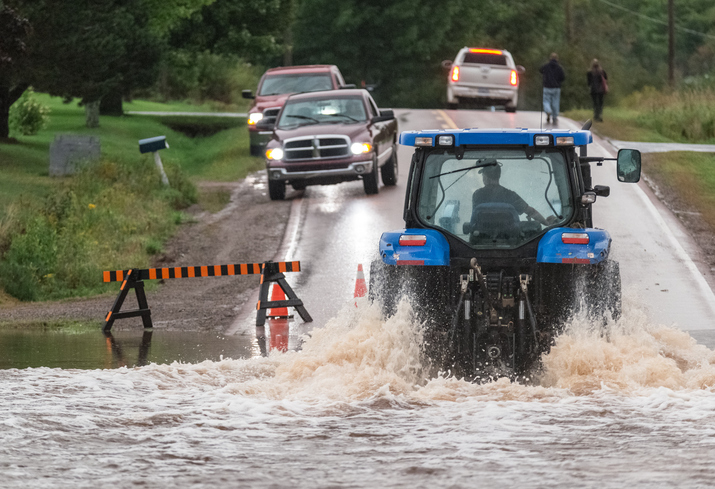
The main culprits for the recent rise in hunger are weather and war. War has always been a driver for hunger and that holds true today. But the increasing severity and frequency of droughts, floods and other extreme weather events represent new challenges.
The message is clear: If we do not solve climate change, we cannot solve hunger.
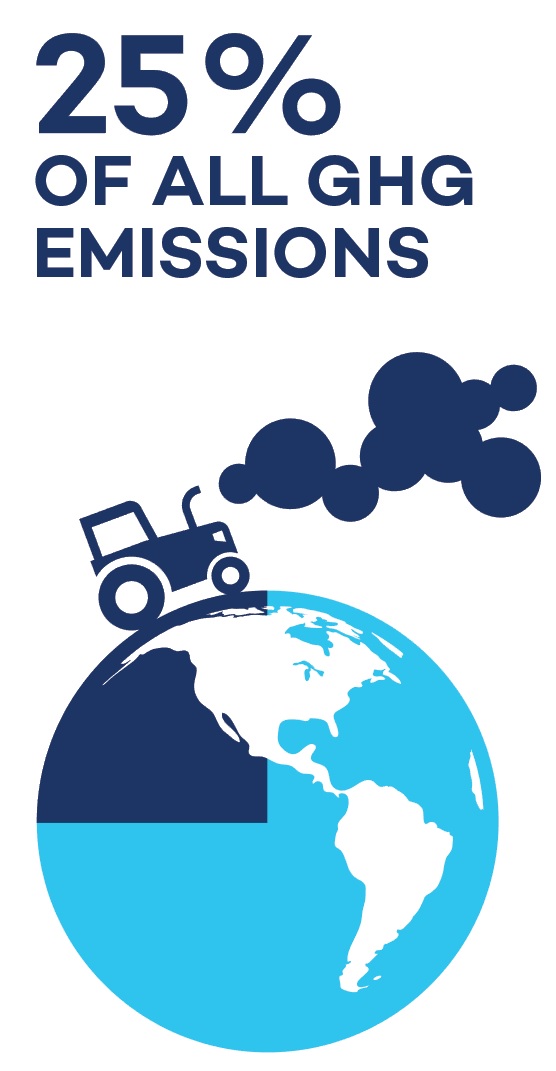
Agriculture is one of the main perpetrators of climate change. It contributes as much as 25 per cent of global greenhouse gas emissions, mainly from large-scale deforestation and direct methane emissions from animal farming. Also, most commercial agricultural production relies on non-renewable energy sources, which have significant greenhouse gas effects.
We simply cannot continue with business as usual. We have to find ways to produce enough nutritious food to meet rising global demand, provide sustainable livelihoods for agricultural producers—and do all this without destroying the ecosystem.
So what’s the answer? It is not about a new generation of seeds, fertilizers or pesticides.
It may lie in a technology revolution. Solar panels, batteries and computer chips may provide some of the answers to reduce the environmental footprint of agriculture, while at the same time enhancing the business of agriculture for the poor.
The message is clear: If we do not solve climate change, we cannot solve hunger.
To date, these three technologies have been largely inaccessible to and unaffordable for the poor. But as prices sharply decline, an avenue is opening for new solutions to ending hunger while addressing climate change.
For example, the cost of solar power has fallen from around 35 USD cents per kilowatt hour (kWh) in 2009 to less than 10 USD cents per kWh in 2016. From 2010 to 2016, the price of batteries for electric vehicles fell by around 80 per cent – from USD 1,000 per kWh to USD 227 per kWh. The relative price of information processing has declined by almost 96 per cent since 1970.
How, where and by whom these technologies will be used will determine if they can truly help in the fight against hunger and climate change.
These drastic cost decreases open up potential in developing countries for deploying multiple technologies that are currently powered by electricity: irrigation systems, storage facilities, refrigeration, automation and remote sensors.
Cell phones, for example, are being used to engage citizens in real-time monitoring of water supply and quality. A company in Tanzania has developed a simple soil moisture sensor which helps farmers detect when and when not to irrigate, using LED signals. And in Cuba, Mexico, Peru, Senegal, Venezuela and Zimbabwe, a simplified version of soil-free and indoor agriculture has been deployed, where plants in simply-constructed beds are watered by hand or by gravity.
Technology can be a powerful ally but it does not operate in a vacuum. Agriculture exists in an economic and political reality riddled with tension and unequal power relations. Technology tends to be biased in favour of capital and skilled labour and is therefore unevenly distributed between rich and poor, exacerbating inequalities. Plus, a tension remains between large and small-scale agriculture, between industrial and ecological systems of production, and between food availability and food waste.
How, where and by whom these technologies will be used will determine if they can truly help in the fight against hunger and climate change.
China’s Largest Arbitration Institution Adopts its First Investment Arbitration Rules
China’s new rules for investment arbitration are not yet publicly available in English. We present an advanced draft of the rules, and explain why they matter.
September 28, 2017
The China International Economic and Trade Arbitration Commission (CIETAC), the largest arbitration institution in China, last week adopted its own arbitration rules on International Investment Disputes.
Interestingly, the official press release by the State Council quoted the Secretary General of CIETAC saying that one of the reasons for adopting such rules was the impression that China “was treated unfairly” by tribunals established under other rules due to “a lack of understanding in Chinese laws and practices.” It was also reported that the CIETAC rules “will not only help protect Chinese firms’ overseas interests, but also benefit the Belt and Road projects as its foreign investment grows.”
This development comes at a time when other countries and regions—such as Africa and Latin America—are reasserting their own options for investment dispute settlement.
In Latin America, the Union of South American Nations (UNASUR) is developing its own regional dispute settlement mechanism, and the negotiations are well advanced. The negotiations on the creation the UNASUR Centre for the Settlement of Investment Disputes was first submitted by Ecuador in 2010, after it denounced the Convention on the Settlement of Investment Disputes between States and Nationals of Other States (ICSID Convention).
This trend is also reflected in the 2008 Ecuadorian constitution, which allows only for national or regional resolution of investment disputes. Bolivia has also developed its own national mechanism for investment disputes through the passing of its new arbitration act in 2015.
This development comes at a time when other countries and regions—such as Africa and Latin America—are reasserting their own options for investment dispute settlement.
These developments come from a similar sentiment, in that these countries and regions do not trust existing arbitration rules and institutions, such as ICSID or the Permanent Court of Arbitration. The question will be how to reconcile the different regional or national approaches. The fairest option would probably be to apply the mechanism of the region where the investment is taking place.
China’s new rules for investment arbitration are not yet publicly available in English. IISD has, however, obtained an advanced draft of the rules. From a first glimpse, despite some innovations in comparison to the CIETAC Arbitration Rules (2015) applicable to commercial disputes, the CIETAC Investment Arbitration Rules seem to fall short of what is expected from a new generation of investment arbitration rules in some respects. For example, although the rules in general allow for public hearings and third-party participation under certain circumstances, if the disputing parties agree, the whole process can still be kept secret from the general public.
A summary of the draft rules is below.
Summary of CIETAC Investment Arbitration Rules (2017)
Subject matter jurisdiction: International investment disputes. (Art. 2)
Personal jurisdiction: Consent-based jurisdiction between disputing parties. Investors on one side, and on the other side, government, intergovernmental organizations or any other agencies, organs, entities carrying out state duties. (Art. 2) Consent is obtained either by agreements between the disputing parties, or if the responding party has already submitted written consent in legal instruments, the other disputing parties can submit its consent by directly initiating the arbitration. (Art. 2) The tribunal is competent to decide its own competence. (Art. 25)
Institutions: CIETAC Investment arbitrations can be administered by two institutions - newly established CIETAC Investment Dispute Settlement Centre (in Beijing), and the CIETAC Hong Kong Arbitration Centre (in Hong Kong). The rest of the Rules do not seem to distinguish the proceedings taking place at the two institutions. Unless the disputing parties agrees otherwise, Beijing Centre will be the default institution. (Art. 4)
General Principal: The arbitration proceeding is conducted under the general principle of good faith. (Art. 6)
Composition of Arbitrators: The tribunal can be composed of sole arbitrator, three arbitrators (by default), or more than three arbitrators. Arbitrators are by default roster-based—a newly established Roster of CIETAC Int’l Investment Arbitration Arbitrators. Parties can also appoint arbitrators outside of the roster, subject to approval of the Secretary General of CIETAC. (Arts. 11-14)
Multiple parties: The Rules allow two or more claimants to jointly initiate a proceeding against multiple respondents. But the only difference between one-to-one dispute is in the composition of the tribunal—if disputing parties request a panel composed of more than three arbitrators, they will have to agree on all the arbitrators within 30 days, otherwise all of the arbitrators will be appointed by the Secretary General of CIETAC. (Art. 15)
Ethics and qualification of arbitrators: No specific qualification required other than the general requirement of “high morality, with publicly acknowledged competence in legal and investment area, good at independent judgment.” The Rules also prohibit the Sole arbitrator, president of the tribunal, or the majority of the panel from having the same nationality as either of the parties.
Counterclaim: The Rules allow for counterclaims filed within the specified time limit. (Art. 23)
Summary dismissal: Upon a disputing party’s request, the Rules allow the tribunal to consider the summary dismissal of claims or counterclaims manifestly lacking legal basis or beyond the jurisdiction. (Art. 26)
Third-party funding: The Rules allow third-party funding, requires prompt disclosure of relevant information to the tribunal and parties. The tribunal may take third-party funding into consideration when making decisions on awards and expenses. (Art. 27)
Seat of arbitration: Unless parties agree otherwise, the seat will be Beijing or Hong Kong or other places where the proceedings are carried out, but in general should be within a country that is a party to the NY Convention. (Art. 28)
Consolidation of proceedings: The Rules allow the parties to request, subject to the tribunal’s discretion, to consolidate two or more of the ongoing proceedings based on common facts or law if they were all initiated under the CIETAC Investment Arbitration Rules. (Art. 31)
Public hearing: Unless the disputing parties otherwise agree, the tribunals shall hear the claims in public. Disputing parties shall notify the tribunal in advance for any confidential information to be disclosed during the proceeding, and the tribunal shall take reasonable measures to protect that information. (Art. 32)
Temporary relief: The Rules allow for either disputing party to apply for temporary relief to the arbitration centre following an emergent arbitration proceeding. (Art. 40, Annex II)
In-proceeding Mediation: Arbitral tribunal may conduct in-proceeding mediation should it find the disputing parties so intent or one of the disputing parties so requests. (Art. 43)
Third-party submission: A non-disputing treaty party may submit to the tribunal the interpretation of treaty provisions relevant to the dispute. A non-disputing treaty party or other third parties may submit written opinions on issues relating to the dispute. The non-disputing treaty party or the third party shall notify the disputing parties in advance of their submissions. The tribunal may invite a non-disputing treaty party or a third party to make written submission if deemed necessary. When making decisions, the tribunal has the discretion whether to take into consideration the submissions by a non-disputing treaty party or a third party. Upon either disputing party’s request, or if the tribunal deems so necessary, it may hear oral arguments by a non-disputing treaty party or a third party. If necessary, tribunal may decide to grant access to proceeding-related documents to a non-disputing treaty party or a third party. (Art. 44)
Review of the draft award: Tribunal shall submit the draft award to CIETAC for review. Without prejudice to the independence of the tribunal, CIETAC may raise attention to the tribunal on issues of concern. (Art. 49)
Transparency: Unless disputing parties otherwise agree, by submitting to the jurisdiction of CIETAC under the Rules of Investment Arbitrations, parties are deemed to agree to allow CIETAC to disclose certain dispute-related information—subject to redaction of confidential information, including (1) Notice of Arbitration, (2) Reply to the Notice of Arbitration, (3) Application for Arbitration, (4) Counter Claim Request, (5) Pleadings, (6) Written statements of the disputing parties, (7) written statements of non-disputing treaty parties or third parties, (8) transcript, if available, and (9) orders, decisions, and awards of tribunal. (Art. 55)
Institutional administrative fee - A progressive schedule, with a minimum of RMB 24,000(USD 3,624)/case for any cases with disputed amount less than RMB 500,000 (USD 75,500), up to a maximum of RMB 420,900 (USD 63,500)/case for any cases with disputed amount more than RMB 400,000,001 (USD 60.4 million). (Art. 2)
Arbitrators fee - The Rules provide a scaled range of arbitrator fees based on the disputed amount. For example, for any cases with disputed amount less than RMB 500,000 (USD 75,500), the range is from RMB 15,000 (USD 2,265) to RMB 60,000 (USD 9,060); for any cases with disputed amount more than RMB 2 billion (USD 302 million), the range is from RMB 536,500 (USD 81,000) to RMB 10 million (USD 1.5 million). Parties may agree to go beyond the upper limit. Parties may also agree to pay an hourly-based fee. The suggested fee schedule will be published by the Arbitration Centres, parties may agree to go beyond the upper limit. (Art. 3)
Conserving Biological Hotspots in Conflict-Affected Democratic Republic of Congo
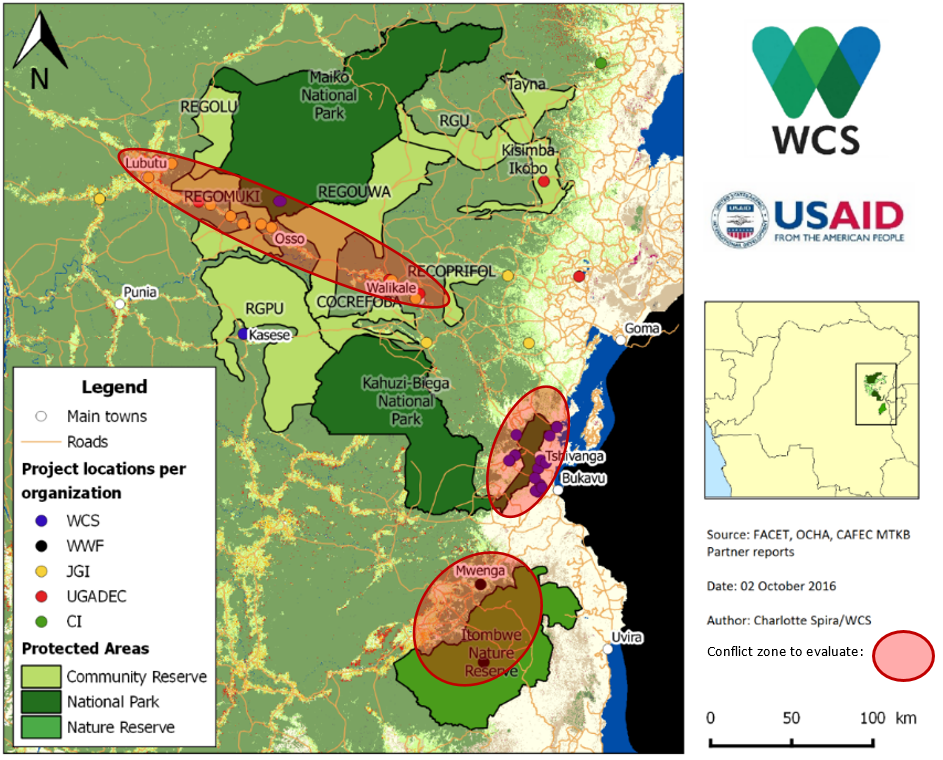
Maiko National Park, in the eastern part of the Democratic Republic of Congo, is so remote that the park’s northern edge can only be reached by a seven-day walk through thick, inhospitable forest.
September 26, 2017
Maiko National Park, in the eastern part of the Democratic Republic of Congo, is so remote that the park’s northern edge can only be reached by a seven-day walk through thick, inhospitable forest.
But even such an isolated area is not immune from the impacts of armed conflict.
The protected area straddles the border between three provinces and is home to a number of critical, endemic species—including the okapi and the eastern lowland gorilla. It is also home to illegal armed groups, artisanal miners, poachers and a number of conflicts.
All pose a serious threat to the health of the ecosystem and the animals that live within its borders.
Eastern lowland gorillas in Kahuzi-Biega National Park. Photo: Alec Crawford.
Building capacity in conflict-sensitive conservation
The workshop brought together key players from three critical conservation landscapes in the region (Maiko, along with Kahuzi-Biega National Park and Itombwe Nature Reserve), as well as representatives from community conservancies that border these parks and staff from the national conservation authority, the Institut Congolais pour la Conservation de la Nature (ICCN). Further details on results and observations from the training workshops in Bukavu, South Kivu province, are outlined in a full conflict analysis of the Maiko-Tayna-Kahuzi-Biega Landscape.
Conservationists were trained on the principles of conflict-sensitive conservation, how to identify and analyze key conservation conflicts in each ecosystem and how to develop appropriate response strategies.
Parks in peril
For Maiko, stakeholders—including the park’s chief warden—identified uncontrolled and illegal natural resource exploitation (such as mining, bushmeat hunting, charcoal harvesting) as the most pressing conflict faced by the park.
Driven by a number of root causes, including the weak application of the law, a lack of awareness of the park’s borders, a lack of alternate livelihood options in the region, and the continued presence of armed groups in Maiko, the conflict threatens the integrity of the park, and results in significant tensions between ICCN and the local population.
Due to its rich and diverse fauna, including one of the world's only remaining populations of eastern lowland gorillas, Kahuzi-Biega National Park was named a UNESCO World Heritage Site in 1980. It is now listed as one of 54 sites in danger, along with four other national parks and wildlife reserves in the DRC.
Central to this UNESCO status is widespread encroachment into a narrow corridor of land that connects the high-altitude sector of the park with the much larger low-altitude sector. The farms, pasture lands and mines that now occupy the land have fragmented the landscape, effectively blocking animal migrations between the two zones and threatening the biodiversity of the park.
This encroachment is caused by political instability, poverty, high population pressures and weak enforcement of the law. Among the many impacts are a loss of biodiversity, a decline in tourism, conflicts between humans and wildlife, and tensions between the park and local communities, which have even included direct threats to park personnel.
Similar issues are experienced in and around Itombwe Nature Reserve, the third critical conservation landscape represented at the workshop. Extremely rich in biodiversity and a site of significant species endemism, the park was initially gazetted in 2006; however, immediate conflicts over its proposed borders led to a redrawing of the reserve’s boundaries in 2016, this time with the involvement of local communities.
Itombwe is home to a number of critically threatened and endangered species, including forest elephants, chimpanzees and eastern lowland gorillas. Years of conflict in the region have meant that access to the reserve has often been limited. The reserve itself has also been a destination for those fleeing violence elsewhere, increasing demographic pressures on the ecosystem.
Stakeholders, including the reserve’s chief warden, identified poaching by community members in and around the reserve as a key conflict facing the ecosystem. Itombwe is divided among a number of chiefdoms and villages, and poachers—banned from hunting bushmeat in their home portion of the reserve—easily moved into neighbouring areas to hunt. Corruption, illegal hunting permits, weak governance, impunity, high local demand for bushmeat, the presence of villages inside the reserve, and limited government resources to respond were among the root causes identified by stakeholders.
Making plans for action
All three conflicts were prioritized for further action based on their significant impacts on the ecosystems and on the communities that surround them. Working in groups, stakeholders undertook a detailed analysis of each identified conflict, working together to understand the causes, impacts, stakeholders and power dynamics.
After reflecting on the work they do and how it might be interacting with these conflict dynamics, groups then identified entry points for action and developed a preliminary list of conflict-sensitive response strategies: conservation interventions that were designed to reduce conflict risks and enhance peacebuilding opportunities.
This workshop is just one small, first step. The real work starts now, as conservationists take their ideas and analyses back to Itombwe, Kahuzi-Biega and Maiko to develop, implement and monitor conservation strategies that are conflict-sensitive and that respond to community needs.
The challenges are great, but not insurmountable. Participants in the workshop left feeling optimistic, and hopeful that these wild, beautiful places and the plants and animals that call them home will continue to be protected for many years to come.
Kahuzi-Biega National Park was named a UNESCO World Heritage Site in 1980. It is now listed as one of 54 sites in danger. Photo: Alec Crawford.
The workshop was made possible by the generous support of USAID.
Mercury: What it does to humans and what humans need to do about it
As the very first meeting of the Conference of the Parties to the Minamata Convention on Mercury takes place, we explain why mercury poses such a risk to humans and what IISD Experimental Lakes Area has discovered, and lay out what needs to happen next.
September 23, 2017
This week, the international community is meeting in Geneva for the very first meeting of the Conference of the Parties to the Minamata Convention on Mercury (COP1).
The goal? To #MakeMercuryHistory.
But why is mercury so harmful to humans? What do we need to do to safeguard human health from mercury poisoning? And where does the Minamata Convention on Mercury come into all of this?
On the eve of COP1, we explain why mercury poses such a risk to humans and lay out what needs to happen next.
How does mercury get into lakes?
Mercury is emitted into the environment from many natural and human-made sources.
Industrial processes can release mercury as a by-product into the atmosphere. For example, a coal-burning power plant could release mercury into the air in its fumes. Mercury can travel long distances in the atmosphere—even across oceans and continents—before finally settling in lakes and rivers. This type of pollution is called non-point source pollution because the mercury ends up far away from where it was released.
Point sources, such as mercury released in waste water from a factory or mine, emit mercury more directly into bodies of water. It is believed that the water sources in Grassy Narrows, a Canadian community that has been plagued by mercury poisoning for generations, have been poisoned from mercury spilled decades ago at a paper mill—a point source.
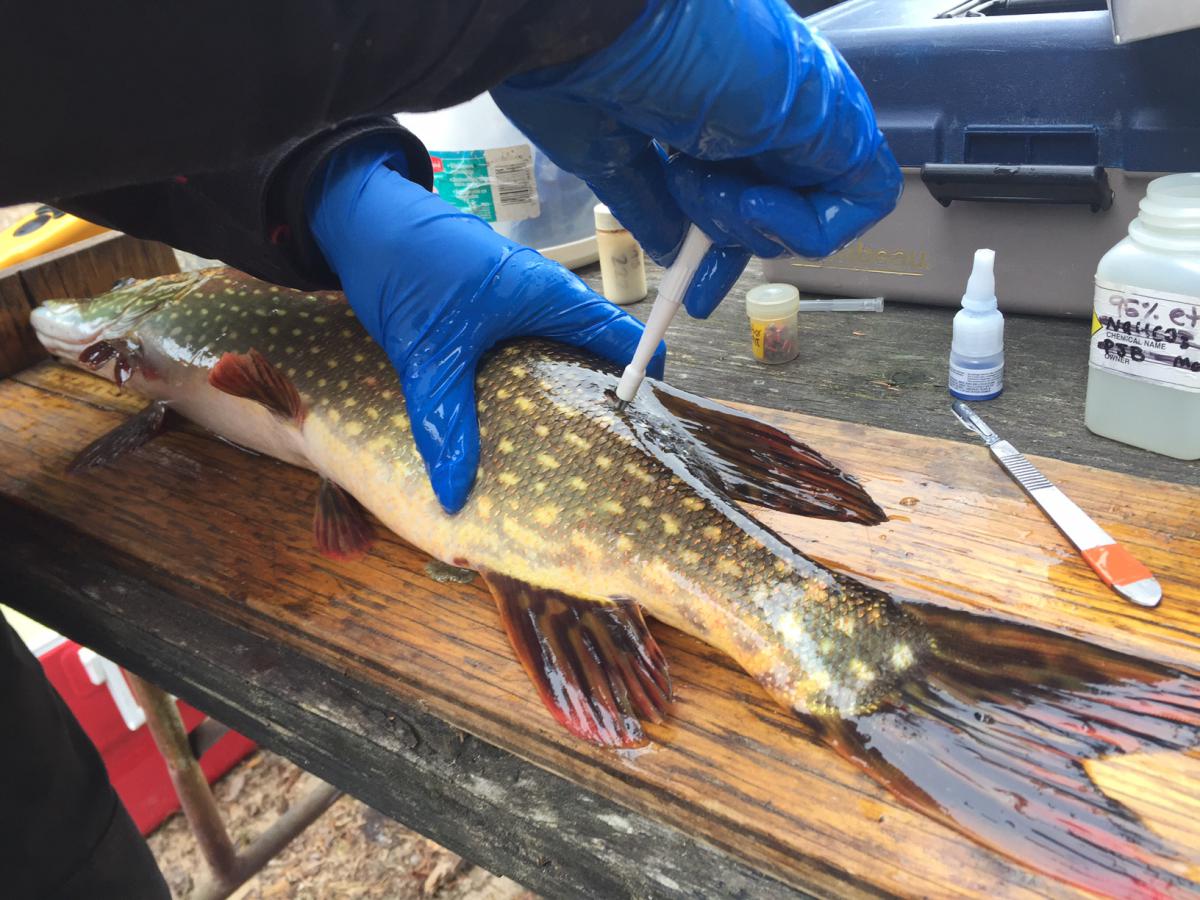
Mercury is also released into freshwater bodies when land is flooded for an extended period of time, for example when a new reservoir is created for hydroelectric power generation. Trees and other plants decay, creating a low-oxygen environment in which bacteria that convert mercury to its toxic form thrive. This mercury then accumulates in the fishes that live there. These processes were demonstrated by researchers at IISD Experimental Lakes Area in two whole-ecosystem reservoir-creation experiments.
What effect does mercury have on human health?
Methylmercury is the organic form of mercury that is harmful to humans and many other animals. It has no known function in our bodies.
Once mercury enters bodies of water, bacteria convert it into this toxic form, which is then carried up the food web into top predator species like sport fishes. When people eat those fishes, they also ingest the methylmercury contained in them. Once the mercury is in our bodies, it is not easily excreted, meaning that it accumulates over time.
Mercury poisoning, or Minamata disease (named after the Japanese town in which it was first documented), comprises a wide range of physical and mental symptoms. These include hair loss, muscle weakness/paralysis, organ damage, loss of senses, depression and even death.
What needs to be done to reduce the risks?
Fishes are an important source of protein for humans—many people around the world depend on them. Even so, given the risks, they should be eaten in moderation. Real impacts can only be made, however, by reducing the amount of mercury that enters ecosystems, and ultimately humans.
And systems can recover when mercury stops being added. Just ask the scientists at IISD Experimental Lakes Area who, in a highly controlled experiment, intentionally added small amounts of traceable mercury to a lake to see how it moved through the ecosystem and food web. Predictably, the amount of mercury found in the fishes increased.
When they stopped adding mercury, the amount found in fishes decreased, suggesting that reducing the amount of mercury that enters the atmosphere may have a significant impact on the amount of methylmercury that ends up in fish (and therefore humans). It should be noted, however, that the response time will vary considerably between lakes.
What is the Minamata Convention on Mercury?
The Minamata Convention on Mercury is an international treaty designed to protect humans from mercury poisoning by reducing the amount of mercury released into the environment. Now ratified by 75 countries, it bans new mercury mines, limits products containing mercury, and controls releases into air, land and water.
What needs to happen now?
First, given that this is a borderless problem (mercury emitted from a power plant in Asia can end up in an American lake), we need all countries to ratify the treaty so the international community as a whole can get to work on implementation.
As with all international efforts, making mercury history will require regional actions.
In Canada, for example, reducing mercury emissions means action at the federal and provincial levels. The federal government must show leadership in regulating activities, such as hydroelectric reservoir development mining and logging, that release mercury into the air, land or water. Ontario’s recent ban on coal-fired electricity generation, a major mercury contributor, demonstrates the potential that the provinces have in taking action to curb mercury release.
It should come down to all of us too. While government and industries move to phase out products containing mercury, public awareness campaigns should inform people of the dangers to the environment and on safe disposal of consumer products.
Adaptation Urgent as Climate Change Impacts Proliferate
In the 1990s and into the early 2000s, there was debate about whether there was a need to talk about climate change adaptation.
September 22, 2017
In the 1990s and into the early 2000s, there was debate about whether there was a need to talk about climate change adaptation.
Mitigation, many argued, needed the lion’s share of the attention; if the worst effects of climate change could be prevented, extensive adaptation wouldn’t be necessary. Moreover, the benefits of adaptation are only experienced locally, while mitigation addresses a global problem.
Ignoring the need to adapt to climate change is no longer an option. Mitigation and adaptation are two sides of the same coin, and both are critical. Our past emissions have already locked in an irreversible increase in our global temperature, and we are already seeing climate change increase the intensity and severity of extreme weather events as science has warned.
Over the past decade, many cities and communities have scaled up their efforts to prepare for climate change. In some cases, this action has been spurred by extreme weather events, such as New York City’s response following Hurricane Sandy. Many national and subnational governments have taken action to prepare key sectors like farming and water, and are now raising their ambition through national adaptation planning (NAP) processes.
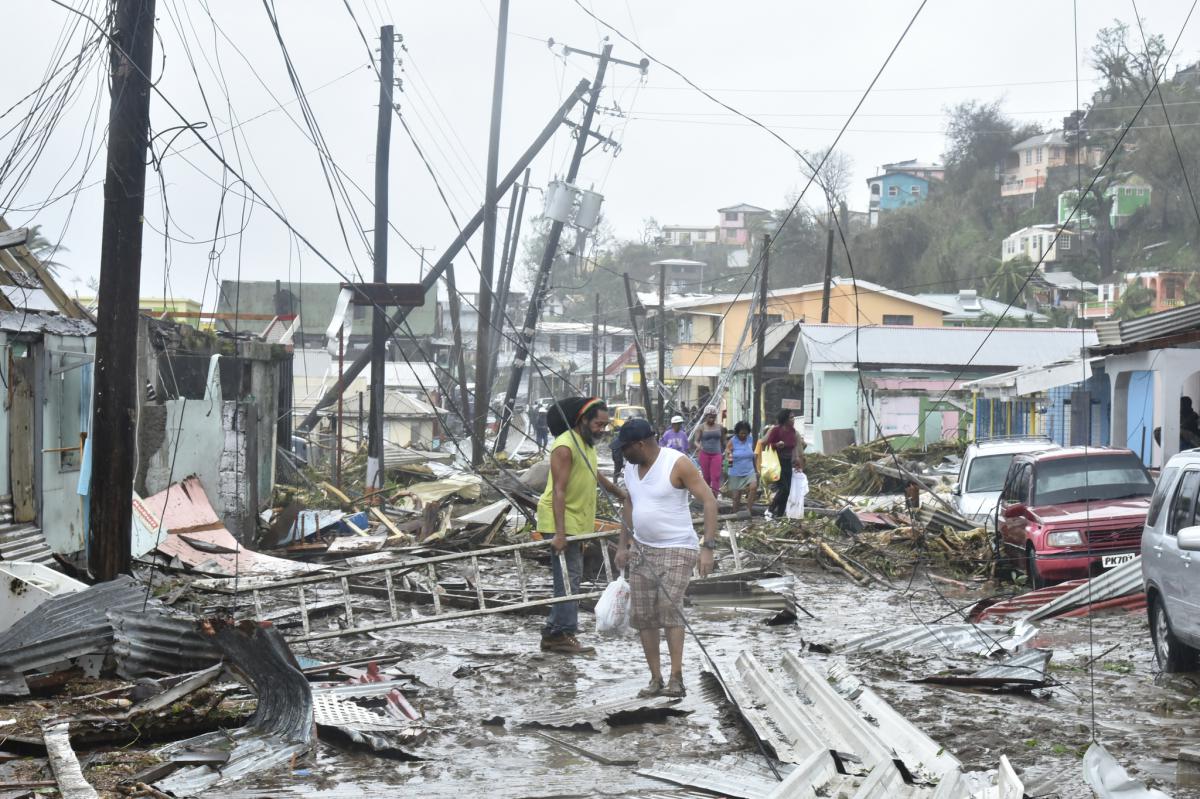
But as the recent spate of natural disasters—Hurricanes Harvey, Irma and Maria in the Atlantic; the South Asian flood crisis that affected millions this summer; floods in African countries that killed at least 1,240 people in August; the British Columbia wildfires here in Canada—have demonstrated, no region, no sector and no community is ready yet for climate change.
In addition to making investments in hard infrastructure that can withstand a more variable climate and extreme weather events, we also need to recognize the value of natural infrastructure to help absorb climate change impacts. For example, one recent analysis estimated that mangroves in the Philippines helped prevent USD 1 billion in climate-related damages annually. In addition to investing in new infrastructure, we will also need to preserve the ecosystems that already help reduce climate risk.
Some of the most innovative adaptive strategies are being developed by countries that are most vulnerable. After Hurricane Ivan damaged 89 per cent of buildings in Grenada in 2004, they dedicated their country to a "build back better" approach, designing houses to withstand high winds and becoming one of the first Caribbean countries to tackle the NAP process.
IISD has had the privilege of working with policy-makers and sector experts for many years to mainstream climate change adaptation planning and action. Recently, we examined adaptation action in 15 African and Asian countries, prepared an extensive menu of municipal adaptive options in the Building a Climate-Resilient City discussion paper series for Calgary and Edmonton, and continue to support adaptation planners from developing countries to develop and implement NAP processes.
What adaptation looks like on the ground will depend on local context, but regardless of where one is, the process for making decisions about how to adapt can often look the same. The Canadian Prairies and the Philippines may have very different adaptation needs, but they both are putting an economic value on natural assets’ ecosystem services. While the economic value of mangroves in the Philippines is being assessed, so too is the crucial role that wetlands in the Canadian Prairies play in reducing climate change impacts such as flooding by absorbing and temporarily storing a significant amount of water.
It is vital to recognize the economic value of these ecosystem services, and the financial loss if natural assets are destroyed. We should also consider investing in climate change adaptation strategies that have the added co-benefit of enhancing ecosystem services, such as distributed water harvesting.
At the national policy level, through the NAP Global Network, we have seen countries with circumstances as different as Albania and Grenada exchange lessons on how to finance adaptation actions that they have prioritized.
Recent natural disasters serve as a reminder of the urgency with which climate adaptation is needed. The challenge is immense, but there is a wide array of actions that governments at all levels and individuals can take to make progress on preparing for our changing climate.
Recognizing that adaptation is as urgent as mitigation is an important first step.
Farmland Investments Are Finding their Way to International Arbitration
A claim registered by a Swedish investor against the Tanzanian government for revoking a land title amid concerns over the impact on local communities and a wildlife sanctuary is the first known investor-state dispute against a government linked to the so-called “land grab” phenomenon, which arose out of the 2008 food crisis.
September 20, 2017
Swedish investor EcoDevelopment registered a claim at the International Centre for Settlement of Investment Disputes against the Tanzanian government on September 11, 2017 for revoking a land title amid concerns over the impact on local communities and a wildlife sanctuary.
The USD 500 million project concerned the production of sugar cane for use as renewable fuel on 20,000 hectares of land. Government assessment reports that the investor is challenging the government’s acts and omissions, including through its failure to provide land free of encumbrances. Reportedly, local activists opposed the project, defending the rights of some 1,300 local farmers who still used the land. This is the first known investor-state dispute against a government linked to the so-called “land grab” phenomenon, which arose out of the 2008 food crisis, and led to a wave of investor interest in acquiring large tracts of farmland.
Another case linked to farmland investments was reported in January 2016, when Indian investor Karuturi told the Bloomberg news agency that it would challenge a decision by the Ethiopian government to cancel a farmland investment, arguing that it amounted to an expropriation under the Ethiopia–India bilateral investment treaty. We are not aware of any formal international arbitration proceedings filed against the Ethiopian government by the company.
We predicted these types of disputes some years ago (see IISD’s report and PPT). It is virtually impossible for governments to guarantee that large tracts of land can be made available unencumbered. To give an idea of what is meant by large-scale investment, the average farm in Europe is 16 hectares and in the United States is 180 hectares, compared to the 20,000 hectares in question here. According to the International Institute for Environmental Development, it is highly unlikely that there is fertile land lying around that is not claimed by somebody.
When land is acquired for investment, those affected must have a say.
The principle of Free, Prior, and Informed Consent (FPIC) is an important tool for local communities. It requires proper information and consultation for the communities as well as the possibility to reject a project. The principle is enshrined in international law for Indigenous Peoples only, but its application is also expanding to local communities more broadly, and is reflected in some of the International Finance Corporation’s operational frameworks.
In the present case, ActionAid, who campaigned on behalf of the communities affected by the project, argued that the land had been grabbed without their consent, and that the investor failed to obtain the consent of the communities in the area affected. They also argued that the farmers had not been informed about the details of the outgrower scheme and the potential financial risks of taking out loans to start sugar production.
Though we do not know the details of this specific dispute and related circumstances, we think it raises important issues for governments and investors alike. First, experience has shown that large-scale agricultural investments often fail. Research from the World Bank and UNCTAD found that the most common source of conflict was between an investor who was granted formal rights to land by the government and the local people who had been living and working on land for years, but with rights to land that were typically not surveyed/demarcated and/or formally registered. The rights of pastoralists were also seldom recognized and therefore a source of conflict. Many investors were spending significant time and resources dealing with land disputes, which could and should have been identified earlier through a proper preparatory process. Alternatives to large-scale land investments, such as inclusive business models involving smallholder farmers through contract farming, management schemes, outgrower schemes or joint ventures, have proven to be more commercially viable and have more positive social and economic benefits for the local community.
Second, whatever the business model, when land is involved, it will affect the livelihoods of people. The rights of local landowners and users, whether formal or informal, must be clearly identified and respected accordingly. The best way to do this is through FPIC. This should include informing the affected communities in a way that is accessible and understandable, consulting with the community and fostering dialogue, including the community in planning and providing them with the option of rejecting the project. Third, before this process is complete, neither the investor nor the government can have any expectation that they will be able to move forward with the project. The consultation process can take time, often years, with the possibility that no agreement will be reached with communities.
Finally, host governments must be aware that if they have an international treaty with the home state of the investor, there is always a chance that an investor will use it to claim damages in case a government cedes to the demands of local communities who oppose an investment. The investor will be able to initiate international arbitration independent of whether or not the government acted in accordance with international and national law relating to community rights.
In our view, investment treaties should not be used against governments that need to change or exit from a proposed land investment, especially when no agreement can be reached with affected local communities. Yet, this is what we see repeatedly in the extractives sector and are now starting to see in the agricultural sector. Investors are seeking access to minerals and land based on the speculation that local communities will fall in line. Even where the government makes specific commitments in relation to land that is already in use, the investor should know that as long as consent is not given, the risk will subsist.
Nevertheless, some investors initiate international proceedings against governments. One treaty provision typically invoked in such cases is the provision requiring that the host state treat foreign investors “fairly and equitably.” Under this provision, arbitral tribunals have held states liable for breaching an investor’s “legitimate expectations.” Surely the Swedish investor in the present case will argue that it had a legitimate expectation to unencumbered land, and that the government must now pay for the damages for sunk costs and lost future profits. This type of argument stands in direct contradiction to the principle that requires that solutions be found in agreement with the local communities.
Globally, there are now more than 3,300 bilateral investment treaties and investment chapters in free trade agreements. IISD is aware of at least 26 investment disputes related to agriculture. Given the high rate of failure of many of the recent farmland investments, there is a risk that further claims will be initiated.
 Agriculture is one of the main perpetrators of climate change. It contributes as much as 25 per cent of global greenhouse gas emissions, mainly from large-scale deforestation and direct methane emissions from animal farming. Also, most commercial agricultural production relies on non-renewable energy sources, which have significant greenhouse gas effects.