Insight

Why Climate Risk Disclosure is Key to a Sustainable Economy

It will take significant private sector investment for Canada (and the world) to reach the goals laid out in the Paris Agreement. An important first step to securing that investment is making sure climate risk disclosure becomes mandatory.

December 19, 2018

It will take significant private sector investment for Canada (and the world) to reach the goals laid out in the Paris Agreement.

The kind of changes needed to avoid the consequences of over 2°C global warming — embracing low-carbon technology and techniques around energy production, transportation, and agriculture — require an infusion of capital beyond what governments and taxpayers can cover.

Climate risk disclosure

Likewise, there’s a clear need to draw investment away from the wrong kind of activities. Companies with high-carbon emitting lines of business and business models, however, rarely reflect climate change on their balance sheets according to the latest report from the Task Force on Climate-Related Financial Disclosures. Despite available voluntary standards, companies seldom disclose their physical risks from climate change or the business risks from emerging climate change-related regulations.

The result? Investors get a distorted, incomplete view of the market and the status quo continues.

Current strategies are good, but not enough

Fortunately, work to get us off this perilous path is underway, both at home and abroad. The Canadian government’s carbon price backstop will ensure a price on pollution exists in every province. The Expert Panel on Sustainable Finance (EPSF), appointed by the Minister of Environment and Climate Change and the Minister of Finance, will soon provide recommendations on harnessing the country’s financial assets for a successful low-carbon transition. There are likely to be strong calls to action, too. In the panel’s words, “If we want to capture the large market opportunities and establish the rules affecting our financial industry and our key economic sectors for ourselves, we need to move faster and more decisively.”

Canada has several international examples to take notes from. The European Union has actively developed the policy framework for sustainable finance as well as an action plan to enforce it. Their progress on the file is remarkable, especially considering animosity from several member countries.

The main takeaway from our G20 peers? Climate risk disclosure must become mandatory. The federal government should amend the Canadian Business Corporations Act to require that companies include certain climate change-related disclosures and environmental reporting in their annual reports. It should also require all federal institutions, including regulators, to do the same.

Everyone must be involved to effect change

Other entities have roles to play. The Toronto Stock Exchange should join the UN Sustainable Stock Exchanges Initiative — an excellent initiative to encourage environmental, social, and corporate governance — while the Bank of Canada should clarify how much the disclosure of climate-related risks is relevant to their 2019 Financial System Review. The Chief Actuary of the Office of the Superintendent of Financial Institutions should report on climate risks to the fully funded status of the Canada Pension Plan Investment Board. And the Office of the Superintendent of Financial Institutions should engage with the Central Banks and Supervisors Network for Greening of the Financial System.

Climate risk disclosure Canada

Given the 10-year window for meaningful action laid out by the Intergovernmental Panel on Climate Change's latest report, Canada should focus its efforts on environmental actions that deliver the best bang for its buck. With the investment system underwriting so much of our lives, there’s no question what the primary focus should be.

This article first appeared in the Media Planet insert in the National Post on December 17, 2018.

Insight

Our Sustainable Development Holiday Reading List

Looking for a book or podcast on sustainable development to enjoy during the holidays? The IISD team has your holiday reading list ready.

December 17, 2018

As 2018 draws to a close and many of us enjoy our holidays, you may finally find yourself with spare time to enjoy a book or podcast on sustainable development.

We asked the IISD team to share some of their favourite reads and listens on the issues we cover in our work. We hope you enjoy our holiday reading list—and all the best to you in 2019.

Sustainable development books

Factfulness: Ten Reasons We're Wrong About the World – and Why Things Are Better Than You Think
by Hans Rosling, Ola Rosling, Anna Rosling Rönnlund

I really enjoyed this book because it challenges our views of development and progress—and because the world is changing and we need to keep up. The book covers a broad range of progress indicators linked to development and the SDGs and asks how much we really know about what is happening in the world based on "facts" as opposed to our "perceptions" about the “third world.” My whole family learned a great deal from this book, including how globally the number of guitars per household is going up (great!)  and the relative lack of progress on climate change. — Laura Merrill, Senior Policy Advisor and Manager of Global Subsidies Initiative

Podcast: Data for Social Good
by Anik See for CBC Ideas

This CBC Ideas podcast on Data For Social Good is full of inspiring stories of how individuals are using public data to change how we see and understand the world, and find creative solutions to everyday problems. Stories range from mapping Mexico City’s informal bus routes to more accurately reporting fishing numbers in the Bahamas. A great listen while wrapping presents! — Jennifer Temmer, Project Manager with SDG Knowledge team

Winners Take All: The Elite Charade of Changing the World
by Anand Giridharadas

“I sit on a man’s back choking him and making him carry me, and yet assure myself and others that I am sorry for him and wish to lighten his load by all means possible … except by getting off his back.” Giridharadas opens his book with this provocative quote by Leo Tolstoy. Throughout the book we follow well-meaning do-gooders—mostly wealthy and successful—and learn about their initiatives for changing the world. But aren’t we just fooling ourselves? Won’t these initiatives do just the opposite and keep us from aspiring change at a more fundamental level?  — Nathalie Bernasconi, Group Director of Economic Law & Policy Program

How Change Happens
by Duncan Green

This book does a great job of introducing the concepts of "Systems Change" and "Complexity" into the context of sustainable development and shows how these ideas can be used practically to deliver greater impact. — Kali Taylor, Project Officer, SDG Knowledge Program

Insight

The French Lesson on Climate Change Action

President Emmanuel Macron's failure to engage with the public on fuel price increases can backfire unless France follows Just Transition principles.

December 14, 2018

Energy transitions are about people.

The protests happening in France send that signal loud and clear. If green policies are seen to be unjust or to be worsening inequality they will not be accepted, regardless of a government's good intentions.

The government of President Emmanuel Macron violated two important principles of what is known as a "just energy transition": they failed to engage in social dialogue and they failed to formulate concrete benefits of the reform for those who are less privileged.

Energy Transition
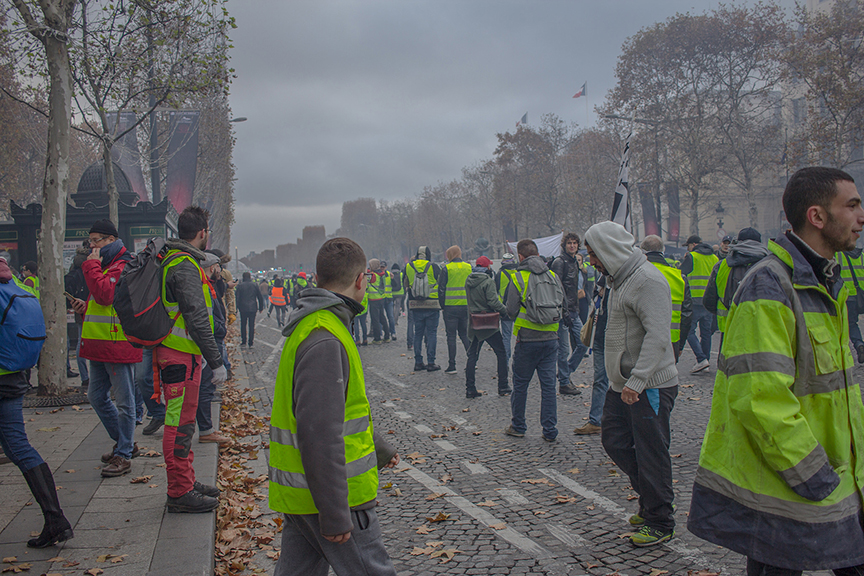
Gilets jaunes-12 by NightFlightToVenus (CC BY-NC-ND 2.0)

The good news is that when these principles are observed, reforms can and do succeed.

Take, for example, Ghana and Indonesia, countries which recently removed fuel subsidies. Governments there consulted with labor unions, consumer associations and other stakeholder groups while running communication campaigns explaining the reform's rationale and benefits.

In Canada, where the government is implementing another difficult reform – shutting down coal – the government launched a Task Force on Just Transition for Canadian Coal Power Workers and Communities. Made up of labour, industry, NGOs, academic and local government representatives, the task force is mandated to engage with relevant stakeholders, collect information on impacts, identify opportunities and feed recommendations back to the federal government.

The Straw that Broke the Camel's Back

In France, the "gilets jaunes" or Yellow Vests protests have been described as the biggest social unrest in decades. The riots are particularly jarring given that they arose in a country positioning itself as a world leader in terms of raising ambition and assuring the implementation of global climate change agreements.

The protesters were initially sparked by a fuel tax increase proposed to begin on Jan. 1, 2019. The discord, however, has been brewing over many other previously implemented or planned reforms by the Macron government such as partial abolition of the wealth tax, liberalization of the national rail and amendments to the labor code. Many of these are seen to contribute to rising inequality.

The fuel tax was designed to discourage people from using diesel cars and to raise revenue for funding renewables. Yet the protesters did not see concrete benefits for real people. Some of them even saw the tax as compromising the green agenda because a lion's share of fuel tax revenues would go to reduce France's fiscal deficit while the wealth tax was reduced.

As the protests grew increasingly violent, Macron canceled the tax increase. Prime Minister Edouard Philippe also announced a freeze on gas and electricity tariff rises and promised what should have happened in the first place: consultations across the country to see how reforms can be implemented without hitting vulnerable groups and how the green agenda can be matched with social needs.

Real Benefits for Real People

To enjoy broad-based support, green policies such as carbon and fuel taxes need to create visible benefits for vulnerable groups and reduce inequality. In Canada, the federal government plans to redistribute the proceeds of their carbon taxes to households as a form of carbon dividend. In Indonesia, when fuel subsidies were removed in 2015, $15.6 billion worth of savings were invested in social safety nets, infrastructure and transfers to villages. In France, the visible benefits of reduced diesel use will be better air quality and fewer respiratory diseases, but there hasn't been clear government communication on this point.

Job creation is another critical area for investing fuel tax revenues, and some of these ideas are already taking root in France. One was included in the protesters' counter-proposal for green policies as they urged the government to "favor ecology while saving households money" by carrying out a national plan to insulate buildings. On top of increasing energy efficiency, such programs also create local jobs.

The just transition is a headline issue at the U.N. climate conference currently taking place in Poland. There, the agenda focuses predominantly on workers, particularly in the coal industry. What is clear is that a just transition is needed not just for coal workers, but also for consumers. If social dialogue and concrete benefits for vulnerable groups are made central to climate policies, reforms will succeed.

Ivetta Gerasimchuk is lead for sustainable energy supplies, based in Geneva. Joachim Roth is energy policy consultant, based in Paris. Both work at the International Institute for Sustainable Development.

This article first appeared in U.S. News on December 7, 2018.

Insight

Canada Should Copy Europe When It Comes to the Bioeconomy

The recently announced EU Bioeconomy Strategy continues that continent’s legacy of advancing biological solutions to environmental questions and strategically highlights the economic benefits of the approach with a strong focus on jobs, growth and investment.

December 14, 2018

The recently announced EU Bioeconomy Strategy continues that continent’s legacy of advancing biological solutions to environmental questions and strategically highlights the economic benefits of the approach with a strong focus on jobs, growth and investment in the EU.

In fact, the EU’s bioeconomy already accounts for 4.2% of its GDP; it contributes over €2 trillion in annual turnover and €621 billion in added value, and keeps over 18 million people employed.

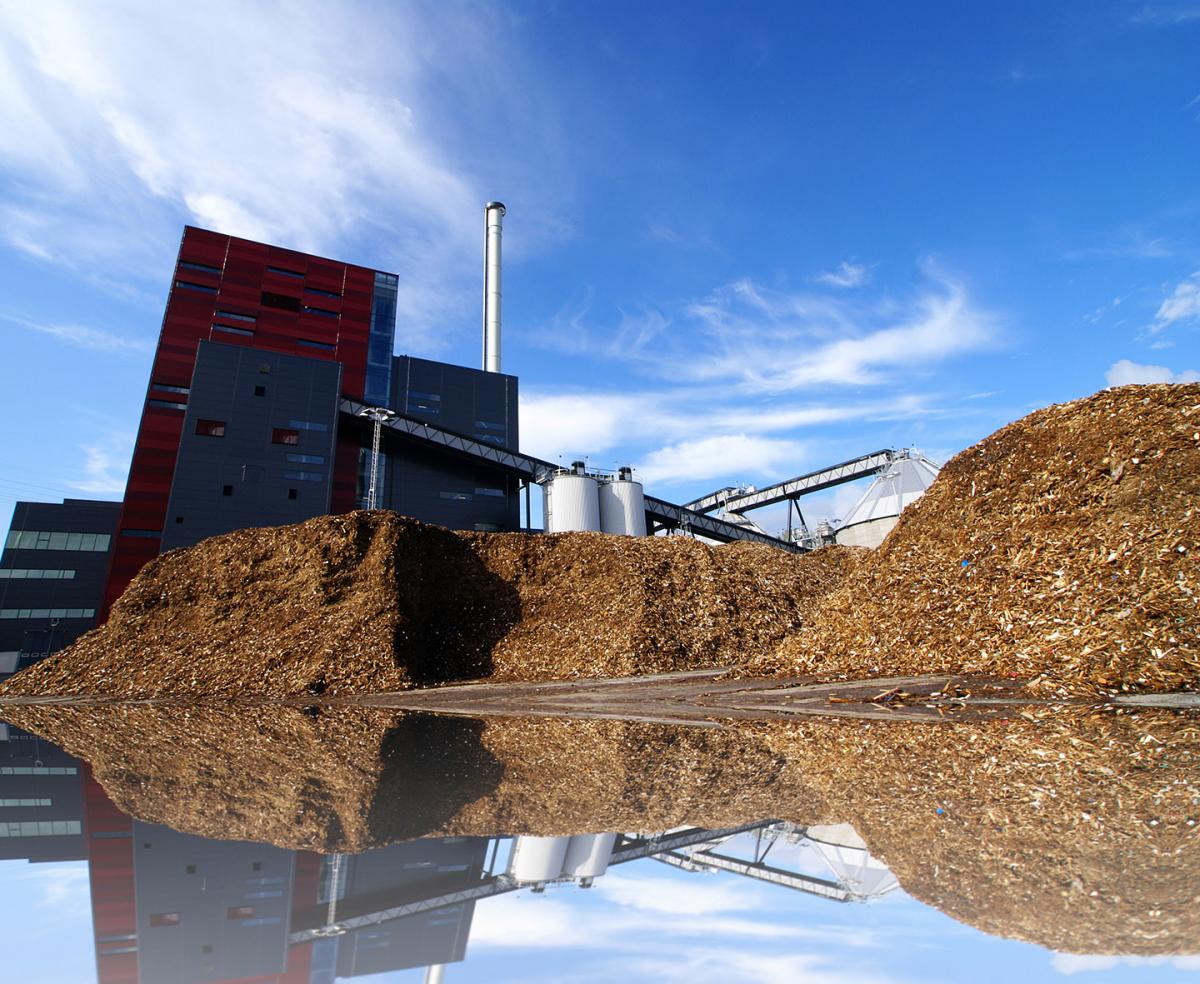
Bioeconomy

The plan is not only concrete—including a €100m Circular Bioeconomy Thematic Investment Platform to bring bio-based innovations closer to the market, and  a pledge to build 300 new sustainable biorefineries across Europe by 2030—it also complements an EU directive to ensure that 20% of the EU’s total energy needs are met with renewables by 2020.

In short, the Europeans are significantly ahead of the game.

If Canada were to up its game in the bioeconomy sector, the impact would be significant. In fact, replacing just 5% of Canada’s gas supply with renewable gases would reduce GHG emissions by 10 to 14 megatonnes annually.

We are already moving in the right direction.

The proposed Clean Fuel Standard seeks to increaser use of lower-carbon fuel—including renewable natural gas—and applies to the transportation, building and industry sectors. And the newly-formed Circular Economy Leadership Coalition, a collaboration of major business leaders, academics and non-governmental organizations, are committed to accelerating Canada’s transition to a circular economy.

However, to fully advance a bioeconomy in the country we need a National Bioeconomy Strategy, inspired by the recently updated EU Bioeconomy Strategy, and even the White House’s 2012 National Bioeconomy Blueprint. In fact, this was already recommended by the Canadian Chamber of Commerce in 2015.

The strategy needs to exemplify existing Canadian successes in bioeconomy, but also pave a path for Canada to further pilot technologies and innovations at home and globally—innovations that convert Canada’s abundant bio-waste materials and industrial by-products into fuel, bio-based fertilizers, and high value chemicals while also recycling scarce metals, plastics, and valuable nutrients.

The government of Canada should provide the necessary support, incentives, and guidance, through funding and programs to attract businesses, and develop biorefineries and innovation clusters across the country.

Put simply, a bioeconomy relies on the use of biological products, biomass, and waste materials to be used and converted into food, feed, fuel and more. If you imagine a circular economy, whereby “the value of products, materials and resources is maintained in the economy for as long as possible, and the generation of waste minimized”, a bioeconomy represents the renewable component.

While the recent report from the Intergovernmental Panel on Climate Change certainly sent shockwaves across the world as it warned of the devastating consequences of our current environmental trajectory, it also spotlighted the urgent need to find alternatives to the status quo.

In a world that urgently needs to find alternatives to dirty fossil fuels that emit high rates of greenhouse gases (GHGs) that contribute to climate change, and that needs to move away from the current linear economic model of “extract, use and discard resources”, the bioeconomy proves a highly viable solution.

Canada’s large land base, low population density, and abundance of natural resources have traditionally proven limiting factors in the transition to a bioeconomy future.

With today’s environmental imperatives, however, Canada, which emits high levels of GHGs and has access to an overabundance of waste, residues, and biomass, is perfectly positioned to become a world leader in advancing a bioeconomy.

This article first appeared on EU Reporter on December 12, 2018.

Insight

G20 Countries Must Speed Up Fossil Fuel Subsidy Reforms

Like dancers doing the tango, G20 countries step forward and back when it comes to climate action. It's time to pick up the pace.

December 14, 2018

Like dancers doing the tango, G20 countries step forward and back when it comes to climate action.

Phasing out fossil fuel subsidies seems to be one of the most difficult maneuvers of this dance. At every summit since 2009, G20 countries have reconfirmed this pledge. But in reality, they made very limited progress in delivering on it and in certain cases, progress has backslid.

Fossil fuel subsidy reforms

If there is a way to stop taxpayers’ money going into the pockets of oil, gas and coal companies and rich energy guzzlers, it is through G20 countries learning from each other’s experiences: the hard-won reforms and steps forward that some have made.

A recent report showed G20 countries provided $147 billion subsidies to coal, oil and gas in 2016. Factoring in the cost of external negative impacts such as on health and climate, fossil fuel subsidies are on the order of several trillion dollars.

Direct cash transfers, tax breaks, concessional loans, regulated prices and other forms of subsidies for fossil fuels strain government budgets, benefit the rich much more than the poor, and drive fossil energy over-investment and over-consumption. This public money locks in high-carbon production and consumption choices, ultimately fueling climate disbalance.

Organizations such as the World Bank, OECD, International Energy Agency and IMF have long made a compelling case for fossil fuel subsidy reform, while recognizing it can be difficult in the face of political inertia, vested industry interests and weak institutions.

Change, however, is possible. A recent analysis shows examples of phasing out fossil fuel subsidies all over the G20. Indonesia, for instance, saved $16 billion by reforming untargeted subsidies for gasoline and diesel in 2015. These savings were invested into health insurance, housing for low-income groups, clean water access, infrastructure and other areas. Other G20 countries such as India, Mexico and Saudi Arabia have also considerably reduced subsidies to fossil fuel consumption, though some of these reforms are now at the risk of backsliding due to rising oil prices.

When it comes to subsidies to fossil fuel production, Canada and Argentina saved $260 million and $780 million per year respectively by removing some of their incentives to upstream fossil fuel companies in recent years. In doing so, Canada referenced the G20 pledge. Canada and Argentina are now preparing for mutual review of fossil fuel subsidies, following the example of voluntary peer reviews by their G20 predecessors: China, Germany, Indonesia, Italy, Mexico, and the United States.

Other examples are similarly positive:

  • The European Union has committed to phasing out environmentally harmful subsidies by 2020, including those for fossil fuels. The EU has moved first in phasing out subsidies for hard coal mining by the end of 2018 and has directed some government support to a just transition for workers and communities currently engaged in fossil fuel production.
  • Amongst multi-lateral finance institutions, the World Bank Group has considerably reduced its financing of coal and announced that, after 2019, it will no longer finance upstream oil and gas either. Some other multilateral and national development banks have also reduced support to fossil fuel projects.
  • Some state-owned enterprises previously focused on coal mining and power, such as China Energy Investment Corporation and Coal India Limited, have begun to diversify their activities into renewables and towards a just transition for workers in those sectors.
  • China, Saudi Arabia and South Africa have all made steps to increase taxation of fossil fuel consumption, generating more government revenue and reducing consumption. India collected $12 billion in revenue over 2010-2018 in the form of a tax on coal production – this translates to a carbon price of around $2 per ton of carbon dioxide.

These reforms indicate the possibility of change but tackle only a fraction of public money in comparison to the scale of government support funneled to fossil fuels.

Fossil fuel subsidy reforms tango

Like tango dancers, G20 countries must echo each other’s steps and increase their tempo of reforms. Completing voluntary peer reviews of fossil fuel subsidies puts the focus on policies that may have been in place for decades and that often do not represent either good public policy or good ways of spending scarce public money.

By 2020, all G20 countries should have completed such peer reviews and adopted concrete and ambitious timelines for reforming each type of government support related to fossil fuels. There is an opportunity to match the reform timelines with those that already exist for fossil fuel subsidy phase out in the EU (by 2020) and G7 (by 2025). The reforms should be implemented in a way that protects vulnerable groups and supports a just transition for workers and communities currently dependent on fossil fuels.

Reforming fossil fuel subsidies has the added benefit of creating extra public budget – budget that can be used for wider social and sustainable development needs that ultimately benefit people, the planet and the country’s economy.

This article first appeared in The Hill on December 12, 2018.

Insight

Good COP, Bad COP: Reflections from a climate change conference

Stresses and worries after the UN Climate Change Conference (COP 24) in Katowice, Poland, comes to an end... but hope, too.

December 14, 2018

“I get stress.” 

After two weeks of shuttling conference delegates around town during COP 24, one of the biggest climate change events of the year, that’s how my taxi driver responded when I asked how he was doing. People are short-tempered when their taxis are late, or when traffic is bad, or when they have trouble conversing with drivers who don’t speak their language.

Many people I spoke to also felt guilty about taking taxis at all, given they’re at a climate change conference. The bus is more sustainable, but it turns a 20-minute one-way trip into a 1.5 hour journey, keeping them from much-needed food, bed, family phone calls and—at best—five hours of sleep. 

My five-year-old son also "got stress." He complained to his teacher this week about an achy tummy. He was worried because his father was travelling, and he hadn’t heard from him in a few days. I’ve been one of those folks who is catching little sleep, getting back to my hotel long after the little guy is in bed.

To be honest, I also got stressed at COP. I worry: Will the taxi get me to the conference centre on time? Will my meeting with this prospective funder go well? Will I be an interesting panelist? Will people attend this event?

Phil Gass speaking at COP24
Phil Gass speaking on a COP 24 panel discussion on decarbonization

I worry whether the negotiations will be successful. Of course, I worry about my son at school—and about his future in a changing climate.

Also, I worry that people will only hear about what didn’t happen at COP 24—not enough got done, countries stalled, it’s all hopeless. I worry people will only remember a tweet from a world leader saying we’re wasting time.

There are things I don’t worry about, though, and positive things I hold on to.

I don’t worry about the resolve of the negotiators, who also spent time away from their own children two weeks before Christmas. I don’t worry about the bottomless energy of youth delegates, who may be loud and disruptive at times but only because they care so much. They know in 10 years many of them will be the tireless negotiators facing down youth delegates who say they have to do more, and faster, and better.

COP delegates
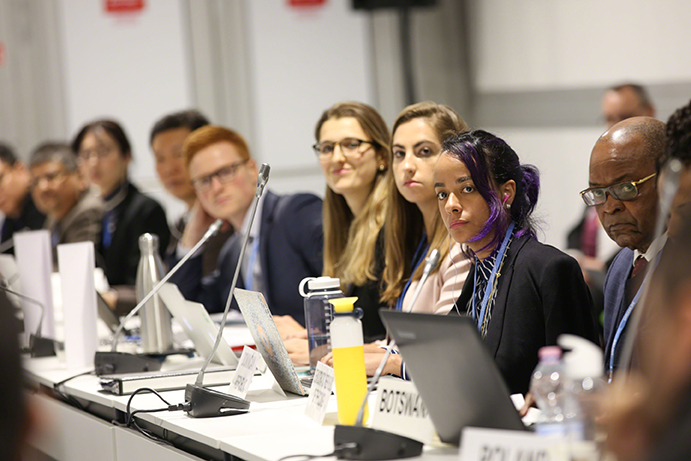
Delegates at the UN Climate Change Conference in Katowice, Poland

I don’t worry about the ability of my colleagues in the non-governmental sector to come up with ever more innovative approaches to reduce emissions or build resilience to climate change.

Driving back to my hotel, my driver explained how the suburb I was staying in used to be a prosperous community dominated by the coal sector. It is now derelict. Many people had left because the mines had closed and there was no work. Just two hours earlier, I had been at a side event of the Powering Past Coal Alliance, where new members were announced and commitments were made to phase out coal for all the necessary environmental reasons. But more than that, members committed to a Just Transition, to helping those facing job loss in an already declining sector. Workers badly need supports, including new and decent jobs, and a social safety net that will protect their communities through difficult transitions.

Youth delegates disrupted that event too. But they and the ministers on the panel want the same outcomes, even if they disagree how (and how fast) to get there. I hope both sides take time to visit the suburb I stayed in to better understand why their efforts are so incredibly important.

Nikiszowiec coal miner settlement and district in Katowice
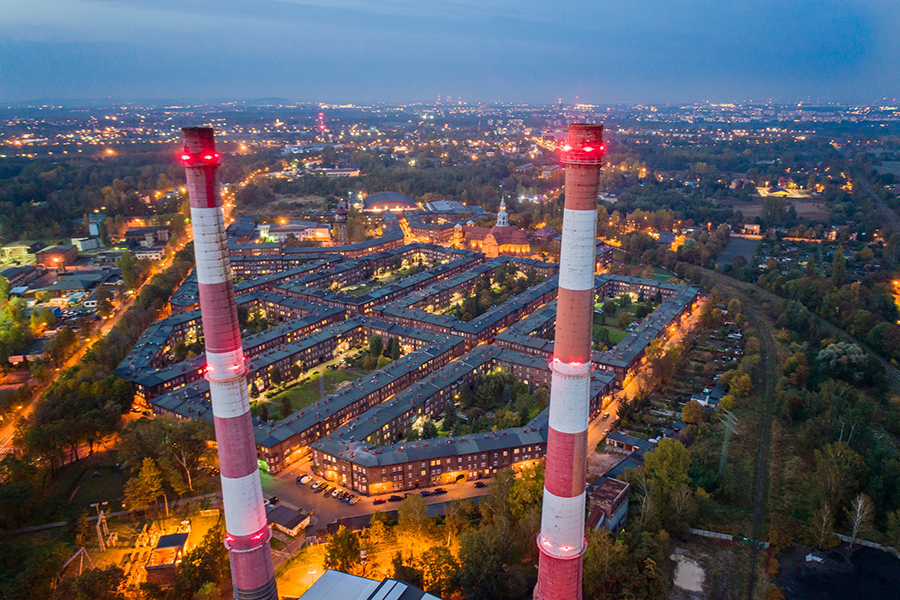
Nikiszowiec coal miners' settlement and district in Katowice

To borrow from a U.S. President who faced the seemingly impossible task of putting a man on the moon, those of us working on climate change and resilience and fossil fuel subsidy reform and Just Transition strive: “not because they are easy, but because they are hard, because that goal will serve to organize and measure the best of our energies and skills, because that challenge is one that we are willing to accept, one we are unwilling to postpone, and one which we intend to win...”

It’s important to remember this now more than ever. We will worry. We will get stressed. We will face setbacks along the way. We may not get an ideal outcome from COP 24. 

But what keeps me going is knowing progress will be made. It may be painful, but we will push for more ambition and better jobs and clean energy. The people at COP know their task is hard. They will continue to do it anyway, because they know there’s no other option.

We owe it to them to recognize their achievements, even as we look down the road ahead.

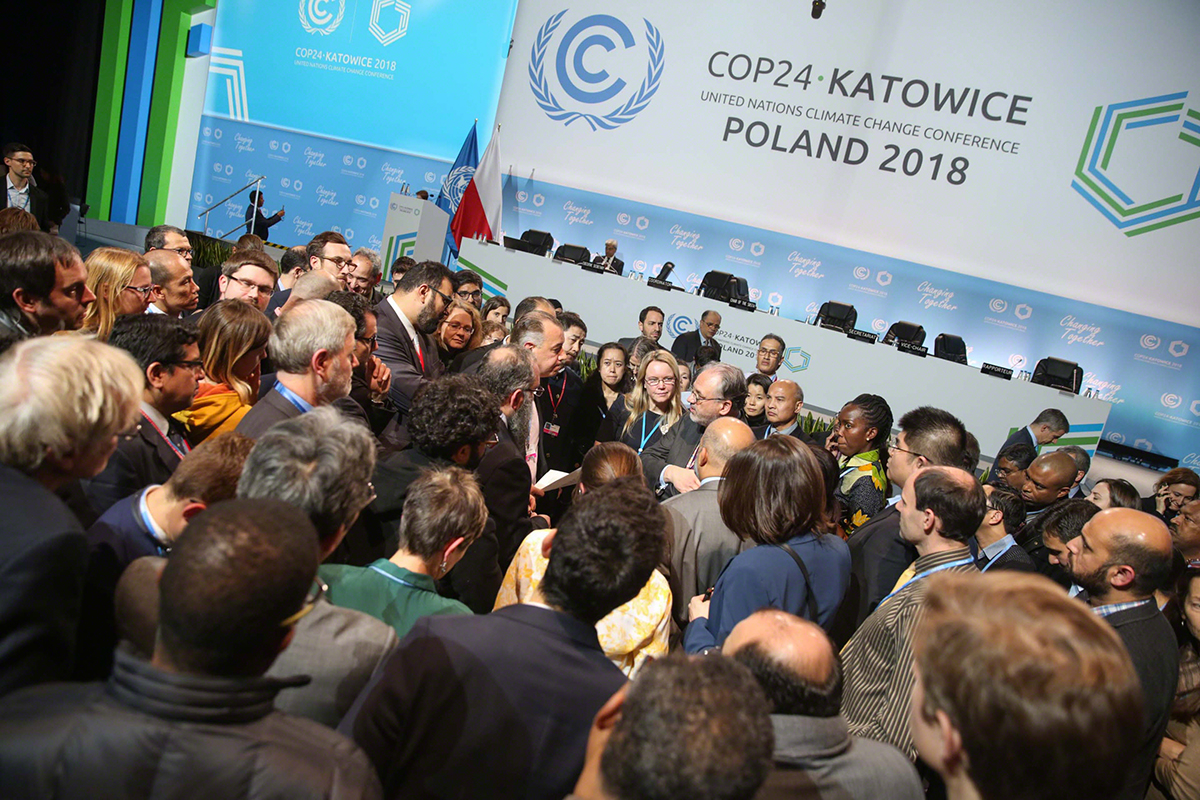
Katowice COP24
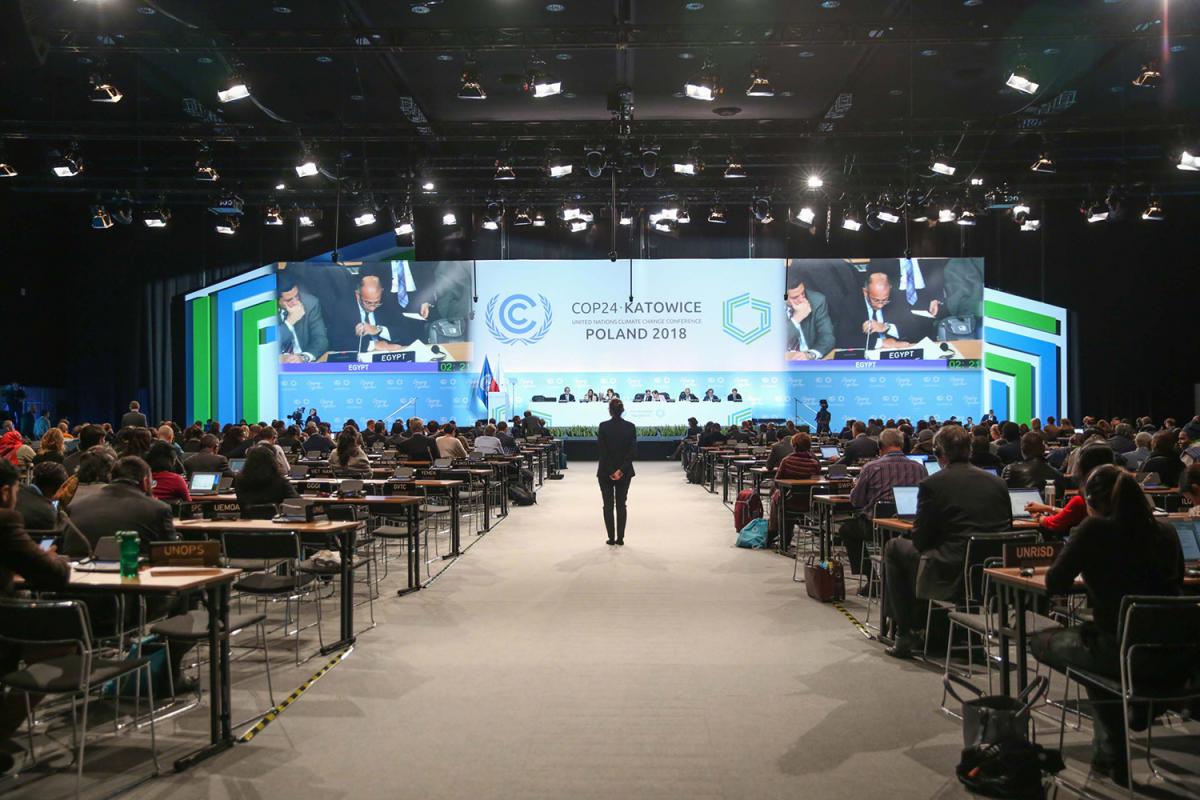
A delegate stands in the main meeting hall of COP24 in Katowice, Poland.


Insight

Belief in Climate Change in the Age of Trump

Will more evidence affect climate action, or are we entering a new Dark Age characterized by willful ignorance? Scott Vaughan reflects as COP24 struggles to make the necessary progress.

December 13, 2018

I’ve been thinking about Donald Trump, Thomas Aquinas and The Monkees a lot lately — especially with the lack of progress coming out of the UN Climate Change Conference in Katowice, Poland (COP24).

Let me start with Aquinas. Six hundred years ago, his work explored the relationship between faith and reason and showed they were not contradictory, but indeed complementary. This turned the page on the centuries that preceded him, a time we now know as the Dark Ages.

Climate change belief

Aquinas’ work helped set the stage for subsequent schools of philosophy—including Kant, Hegel and the British empiricists—that probed questions such as “How do we know what we know?” and “What underlies the relationship between belief and evidence?”

Aquinas noted belief (specifically the medieval world of religious belief) came first, but was not contradictory to the world of evidence:

We can't have full knowledge all at once. We must start by believing; then afterwards we may be led on to master the evidence for ourselves.

Fast forward to Donald Trump.

Asked about the findings of his own federal interagency task force, which examined the effects of climate change on the United States, he replied: “I don’t believe it.” 

Rather than disagreeing with the contents of the report—for example, disputing key findings—his lack of “belief” silences hundreds of experts who worked to summarize the state of empirical knowledge about climate change and America.

This U.S. report—released the day after Thanksgiving, no doubt in an effort to bury the headline—is the latest in a sobering string of reports tracking climate trends and projected impacts:

These three topics—observed greenhouse gas emissions and projections, observed changes in global average temperatures and the consequences of temperature increases—represent the evidentiary foundations of climate change.

Climate change

The recent report of the United States federal inter-agency work on climate change—the Fourth National Climate Assessment—similarly examined these areas and looked at consequences at the national level.

The U.S report is significant for three reasons. First, it focuses climate analysis at the country level, examining issues like public health, infrastructure, national security and economic livelihoods. Second, it includes agencies beyond the Environmental Protection Agency, NASA or the Interior, also bringing in the Pentagon, Commerce, Energy, Transportation and State departments. And third, Trump’s own White House signed off on the findings.

The report notes, factually, global average temperatures have already increased by one degree Celsius in the past century. The last few years have seen “record-breaking, climate-related weather extremes, and the last three years have been the warmest years on record for the globe.” Heatwaves are expected to become more common. Large forest fires in the Western United States and Alaska are expected to increase.

With these warming trends, sea levels globally have already risen by seven to eight inches in the past century. They’re expected to continue rising by at least several inches in the next 15 years, by one to four feet by the end of the century, and potentially by eight feet by the year 2100.

COP24 delegates in Katowice, Poland

The report also unpacks deepening risks from these trends; notably, climate change is expected to cause substantial losses to infrastructure and property and impede the rate of economic growth over this century, unless there are significant measures to mitigate climate trends. This core finding showing the economic costs of climate change builds on earlier work, including that of Nobel Prize-winning economist William Nordhaus, who warned climate impacts can be compared to more familiar economic shocks, including recessions and depressions.

So, in the face of all these detailed analyses, and all the economic predictions, Trump’s “I don’t believe it” raises a basic question: Will more evidence have people saying "I'm a believer," or are we moving closer to a new Dark Age characterized both by accelerating climate impacts and wilful ignorance called beliefs?

As Katowice flounders, the latter seems to be the case.

Insight

Do Voluntary Standards Actually Stop Biodiversity Loss?

Protecting our biodiversity is a complex challenge many voluntary sustainability standards are trying to address. We look at their strengths and weaknesses.

December 12, 2018

The demand and supply of standard-compliant products has grown significantly over the last two decades, with over 400 voluntary sustainability standards (VSSs) operating across the planet.

Vivek Voora, an associate with the Economic Law and Policy Program, sat down with us to discuss biodiversity protection through networks of VSS organizations, based on his recent paper.

Biodiversity

What impacts do Voluntary Sustainability Standards have on biodiversity?

Agricultural VSSs help bring supply chain stakeholders together to move the sectors they work in toward sustainability.

Protecting our biodiversity is a complex challenge many VSSs are trying to address. We see this in the adoption of environmentally friendly production practices, such as the reduction or prohibition of pesticides, water conservation and the preservation of natural habitats.

The organic standard prohibits the use of synthetic pesticides, which can negatively impact our lands and waters; the Better Cotton Initiative program requires their farmers to undertake water conservation measures that protect aquatic environments and the biodiversity that depends on them.

Just as importantly, VSSs also provide a forum to develop biodiversity conservation strategies, such as developing production criteria that bans agricultural expansion in areas of high conservation value.

How can VSS organizations contribute to policy-making on biodiversity protection?

Agriculture is responsible for 70 per cent of projected losses in terrestrial biodiversity due to widespread land conversion, pollution and soil degradation. This is why developing effective biodiversity conservation policies for the agricultural sector is crucial.

Most VSS organizations host an annual conference or general meeting for their members to exchange their thoughts on specific issues faced by their sectors. The Cotton made in Africa conference provided a workshop for their members to share their experiences with integrated pest management.

Another example would be the number of agricultural VSSs examining the potential for their implementation at the landscape scale to enable more large-scale sustainable outcomes, including biodiversity conservation. These VSS-enabled discussions can be insightful for policy-makers to devise complementary biodiversity protection measures for specific agricultural commodity sectors.

Biodiversity loss

By providing a forum focused on moving commodity sectors toward sustainability, VSSs can provide policy-makers with biodiversity conservation strategies derived by their stakeholders and tailored for the commodity sectors they work in.

What are the challenges VSS organizations face in making these contributions?

One of the major challenges is that VSSs are limited in what they can do to protect biodiversity because they have no regulatory power. This means they depend on individual consumers, like you or me, to support their environmental conservation efforts by buying their standard-compliant products over those that are not. This sends clear signals to corporations and governments of the demand for more sustainable products. Without these market signals, the potential for VSSs to enable biodiversity conservation vanishes.

Enforcing the proper adoption of their production criteria is also a significant challenge, as it depends on auditing efforts. Because these can be expensive, farmers without enough resources to undertake VSS-compliant production may be discouraged.

What are the opportunities for VSS organizations to make impactful change to policy-making for biodiversity protection?

Protecting biodiversity requires maintaining connected natural habitats that can provide various species with enough space to live unimpeded.

Biodiversity conservation

One of the most promising efforts of VSS is their work toward adopting a landscape approach to enabling VSS-compliant production. This would allow for a more effective approach to conserving biodiversity, as it would enable the protection of required natural habitats.

It would also allow VSS to better address specific agricultural commodity sectors’ impacts on biodiversity, enabling more coordinated efforts to conserve the areas that may protect a variety of species, from moose to birds.

VSSs protecting biodiversity at the landscape level can be more effective, especially if they are complementary to government biodiversity conservation efforts.

Insight

How IISD Is Contributing to Inclusive, Global Food Security

We are proud to announce the Canadian Food Security Policy Group (FSPG) recently confirmed IISD as an associate member.

December 11, 2018

We are proud to announce the Canadian Food Security Policy Group (FSPG) recently confirmed IISD as an associate member.

(Français ci-dessus)

Sophia Murphy, Senior Specialist with the agriculture team within our Economic Law and Policy Program, explains what this means for our efforts to enhance food security around the world.
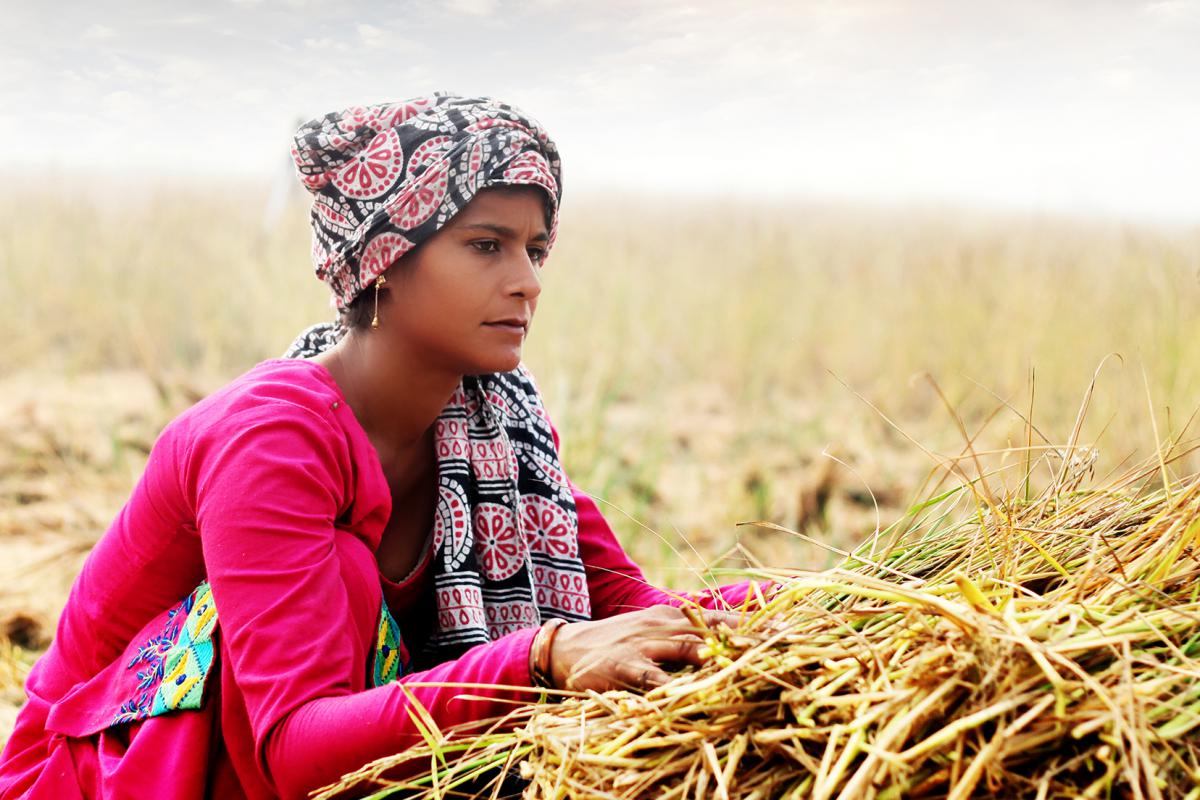
Food security

What is the FSPG, and why is it important?

The FSPG is a network of Canadian development and humanitarian organizations with expertise in global food systems and food security in the Global South. For over 20 years, the FSPG has carried out joint advocacy, research and policy dialogues to ensure that Canada’s international agricultural and development policies advance global food security in an inclusive and environmentally sustainable way.

How has IISD contributed to global food security so far?

Food systems are on the frontlines of nearly all urgent global challenges. Food systems are not just at the core of ending hunger and promoting food security, they are also central to curbing climate change, ensuring freshwater quality and availability, and protecting biological diversity.

This is why IISD is shedding light on the need to increase the quantity and quality of investments in agriculture and food systems in low- and middle-income countries. Our research on the cost of ending hunger breaks down how an additional USD 11 billion in public spending is needed, USD 4 billion of which should come from international development donors.

IISD has also conducted research into the policy options for transforming agriculture in Africa and Asia. We analyzed 117 countries over 45 years to understand which policy combinations have succeeded or failed, and to highlight how the potential for agricultural development to contribute to the eradication of poverty in a given country depends on the extent and quality of available arable land and the demographic pressures it faces.

We’re also building a global road map to ending hunger. Our Ceres2030 initiative continues to explore the question of what it will cost to end hunger and evaluates agricultural interventions that can transform the lives and raise the incomes of the world’s poorest famers while protecting the environment.

IISD also works directly with national governments, where policy meets practice. We provide high-quality advice to governments to support public and private investment that strengthens food security and livelihoods. Our work with policy-makers builds the laws and policies needed to maximize the benefits, and minimize the risks, of foreign investment.

Why is approaching food security in an inclusive manner important?

One of the aspects of the FSPG’s mandate is to support inclusive food systems. IISD views gender inequality as a critical obstacle to fair and sustainable food systems. Gender discrimination in agriculture can present itself in many forms, including unequal access to land and other productive resources, unequal expectations about who will perform unpaid labour, lack of employment opportunities for women, and exclusion of women from politics and decision making. Ensuring that food security policies are inclusive of women is crucial both for realizing gender equality and women’s empowerment, and for protecting food security for all. Collaborating within a network such as the FSPG can amplify and inform IISD’s efforts.
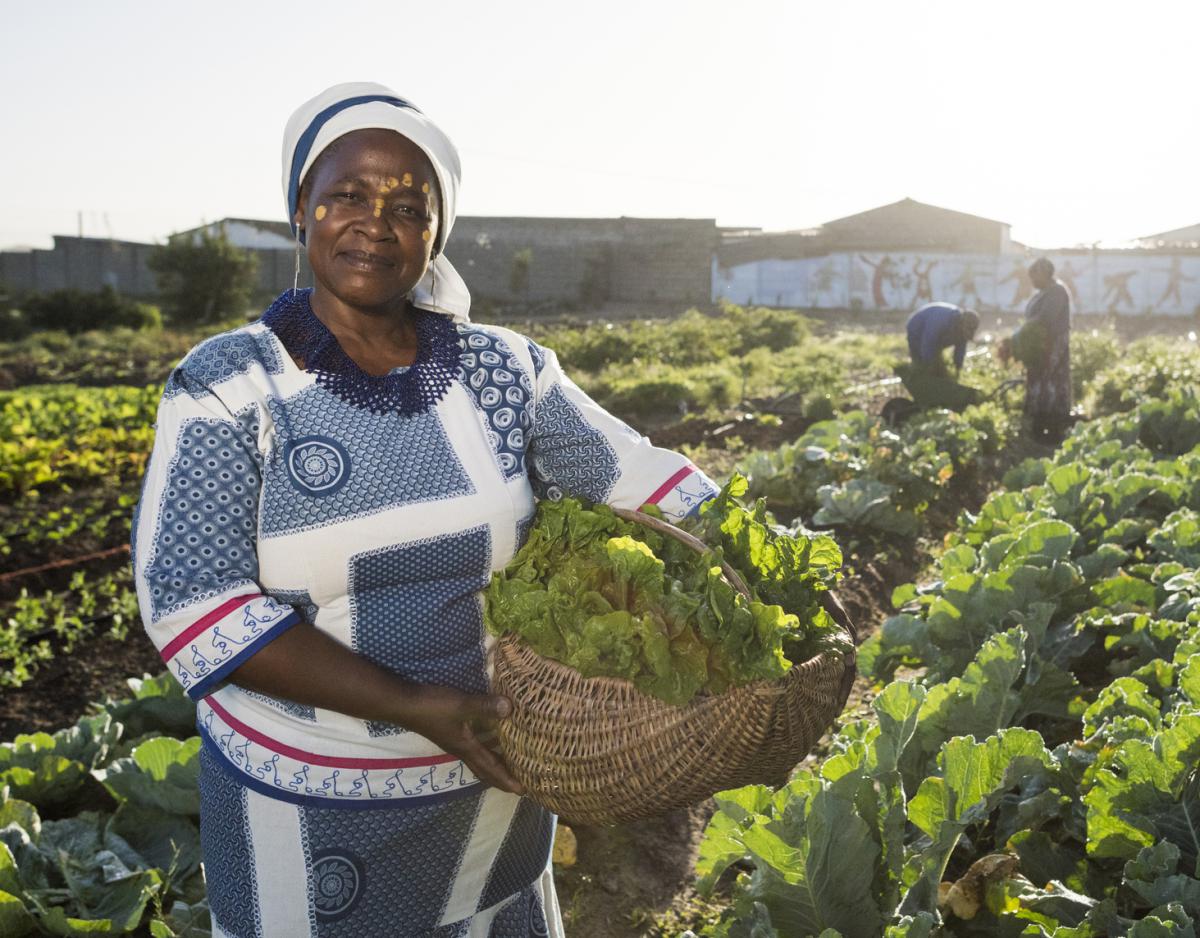
Food security policy group

The most recent gender initiative that IISD is involved with was the launch of the ECOWAS Network of Parliamentarians on Gender Equality and Investments in Agriculture and Food Security, which took place December 11, 2018, in Nigeria. The network will empower policy-makers with the knowledge and skills to advocate for gender-equitable agricultural investment. The network will focus on deepening parliamentarians’ understanding of the opportunities and challenges in addressing land and inequality for women in agriculture

What does membership in the FSPG mean for IISD?

IISD is proud to be a part of Canada’s long history of commitment to rural and agricultural prosperity around the world. FSPG brings together a variety of civil society organizations and individuals who are committed to shaping Canada’s international assistance to food security. By becoming a member of the FSPG, IISD can access the in-depth experience and knowledge of all the participating groups and can share our research and advisory services work on a larger scale. 

IISD is proud to join this action to end hunger and promote inclusive and sustainable food systems around the world.

***

Comment IISD Contribue à la sécurité alimentaire Inclusive?

Nous sommes heureux d’annoncer que le Groupe Canadien de Réflexion sur la Sécurité Alimentaire (GRSA) a récemment confirmé IISD comme membre associé.

Sophia Murphy, Spécialiste principale de l’équipe agriculture au sein de notre Programme de Droit et Politique Économiques explique ce que cette adhésion signifie pour nos efforts visant à améliorer la sécurité alimentaire dans le monde.

Food security

Qu’est le GRSA, ET POURQUOI EST-CE SI IMPORTANT?

Le GRSA est un réseau d’organisations humanitaires et de développement canadiennes spécialisées dans les systèmes alimentaires mondiaux et la sécurité alimentaire dans les pays du Sud.

Pendant plus de 20 ans, le GRSA des activités conjointes de défense des intérêts, de recherche et de concertation pour faire en sorte que les politiques internationales du Canada en matière d’agriculture et de développement favorisent la sécurité alimentaire mondiale de manière inclusive et durable sur le plan environnemental.

COMMENT IISD A-T-IL CONTRIBUÉ JUSQU’ À PRESENT A LA SÉCURITÉ ALIMENTAIRE MONDIALE?

Les systèmes alimentaires sont sur la ligne de front de presque tous les enjeux mondiaux urgents. Les systèmes alimentaires ne sont pas seulement au cœur de la lutte contre la faim et la promotion de la sécurité alimentaire, ils sont aussi indispensables dans la lutte contre le changement climatique, la qualité et la disponibilité des eaux douces et la protection de la diversité biologique.

C’est pourquoi IISD met en lumière la nécessité d’accroître la quantité et la qualité des investissements dans l’agriculture et les systèmes alimentaires des pays à revenu faible ou intermédiaire. Nos recherches sur le coût pour éradiquer contre la faim indique que 11 milliards de dollars supplémentaires de dépenses publiques sont nécessaires dont 4 milliards qui devraient provenir de donateurs pour le développement.

IISD a également mené des recherches sur les options politiques pour transformer l’agriculture en Afrique et en Asie. Nous avons analysé 117 pays sur une période de 45 ans pour comprendre quelles combinaisons de politiques ont réussi ou failli. Nous avons mis en évidence que le potentiel du développement agricole à contribuer à l’éradication de la pauvreté dans un pays donné dépend de l’étendue et de la qualité des terres arables disponibles et des pressions démographiques auxquelles il est confronté.

Nous construisons également une feuille de route mondiale pour éradiquer la faim. Notre initiative Ceres2030 continue d’explorer la question de ce qu’il en coutera pour éradiquer la faim et évaluer les interventions agricoles susceptibles de transformer la vie et d’accroître les revenus des agriculteurs les plus pauvres du monde tout en protégeant l’environnement.

IISD intervient directement auprès des gouvernements nationaux, où la politique rencontre la pratique. Nous fournissons aux gouvernements des conseils de grande qualité qui vise à encourager les investissements publics et privés qui renforcent la sécurité alimentaire et les moyens d’existence. Notre travail avec les décideurs politiques consiste à élabore les lois et les politiques nécessaires pour maximiser les avantages et minimiser les risques de l'investissement étranger.

POURQUOI EST-IL IMPORTANT D’ABORDER LA SÉCURITÉ ALIMENTAIRE DE MANIÈRE INCLUSIVE?

L’un des aspects du mandat du GRSA est de soutenir les systèmes alimentaires inclusifs. ISD considère les inégalités de genre comme un obstacle dangereux aux systèmes alimentaires équitables et durables. La discrimination de genre dans l'agriculture peut se présenter sous de nombreuses formes, notamment un accès inégal à la terre et à d'autres ressources productives, des attentes inégales quant à savoir qui effectuera un travail non rémunéré, le manque de possibilités d'emploi pour les femmes et l'exclusion des femmes de la politique et de la prise de décision. Il est essentiel de veiller à ce que les politiques de sécurité alimentaire tiennent compte des femmes, tant pour réaliser l’égalité genre et l’autonomisation des femmes que pour protéger la sécurité alimentaire pour tous. La collaboration au sein d’un réseau tel que le GRSA peut amplifier et compléter les efforts de IISD.

Food security policy group

La plus récente des initiatives en matière d’égalité de genre à laquelle IISD participe a été le lancement du Réseau de parlementaires de la CEDEAO sur l’égalité en genre, les investissements dans l’agriculture et la sécurité alimentaire, qui s’est déroulé le 11 décembre 2018 au Nigéria. Le réseau permettra aux décideurs politiques d’acquérir les connaissances et des compétences nécessaires pour plaider en faveur d'investissements agricoles plus équitables à l’égard des femmes et des hommes. Le réseau s’attachera à approfondir la compréhension des parlementaires sur les opportunités et les défis liés à la lutte contre les inégalités foncières pour les femmes dans l’agriculture.

QUE SIGNIFIE POUR IISD L’ADHESION AU GRSA?

IISD est fier de faire partie de l’engagement de longue date du Canada envers la prospérité rurale et agricole dans le monde. Le GRSA réunit diverses organisations de la société civile et des personnes qui se sont engagés à façonner à l’aide internationale du Canada en matière de sécurité alimentaire. En devenant membre du GRSA, IISD peut accéder à l’expérience et aux connaissances approfondies des membres du groupe et nous pouvons partager notre travail de recherche et de services de conseil à une plus grande échelle.

IISD est fier de s’associer à cette action visant à éliminer la faim et à promouvoir des systèmes alimentaires inclusifs et durables à travers le monde.


Insight

How ECOWAS Parliamentarians Are Advancing Gender Equality in Agriculture

How the ECOWAS Parliamentary Network fosters food security, women’s empowerment and investment in agriculture.

December 10, 2018

The ECOWAS Parliament launched its first parliamentary network focusing on gender equality in land, agricultural investments and food security, with support from the Food and Agriculture Organization (FAO), the International Institute for Sustainable Development (IISD), and OXFAM.

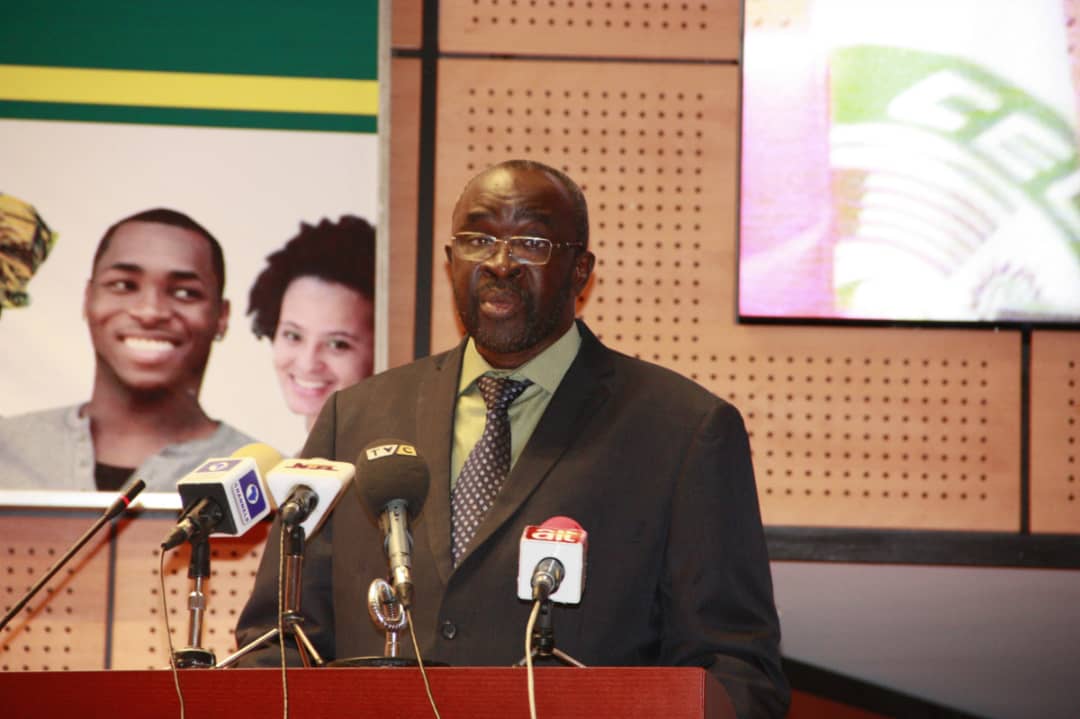
His Excellency Moustapha Cissé Lô, the speaker of the ECOWAS Parliament, explains why ECOWAS members are establishing this network. 

** Français ci-dessous**

Moustapha Cisse Lo

Why have the members of the ECOWAS parliamentarians created the Network on Gender Equality and Investments in Agriculture and Food Security?

The ECOWAS Parliament has a crucial role to play in contributing to the development processes of its member countries and in addressing critical issues that affect its constituents. All the West African countries depend highly on agriculture for their development, trade and integration. Therefore, we need to ensure that the needed investment into the agricultural sector contributes, among others, to job creation and access to markets, and that it supports infrastructure without jeopardizing smallholder farmers and entrenching gender inequality further.

ECOWAS countries have been tasked to enforce gender-friendly and inclusive agriculture laws to increase production and improve value chain to achieve Africa's Zero Hunger target by the year 2025. The ECOWAS Parliament recognizes and took commitments to close the gender gap and enhance women's participation in development as a key component for building a just society and achieving political, social, economic, cultural and environmental security among our people.

The parliamentary network will build on these commitments. It seeks to provide a consistent high-level discussion and policy building space among stakeholders in advocating for an increase in and exchange of "best legislative practices" related to gender equality, responsible investment in agriculture and food security.

What’s different about this network?

We want to address gender and social inequality in agricultural investments and promote best practices to protect land rights and facilitate inclusive local development.

This is why the network’s vision is to foster inclusive and gender-equitable agricultural investment in the ECOWAS countries conducive to food and nutrition security and poverty reduction. The network will provide a platform for parliamentarians in the region to learn from each other, share experiences, challenges and successes on matters of gender, land, agriculture and food security.

By maintaining policy dialogue and forming alliances with the ECOWAS Commission, international organizations, academia, civil society and farmers organizations, the network will encourage its members to engage in effective legislation and policies and raise awareness that contributes to transformative change at the regional and country levels.

What are the expected outcomes of the network?

The network is a game changer in the region as it looks to deepen understanding on the trends and responses to address land and inequality for women in agriculture.

It also seeks to engender agricultural investment for improved land governance and food security in Africa. The network will also enrich the conversation on securing women's land rights in Africa among parliamentarians in the region. This will further be reflected by the legislation that members of the ECOWAS Parliament push for within their national assemblies for the benefit of secure, inclusive and gender-conscious investments.  

What’s next for the network?

The network is set to be launched on December 11, 2018, on the sidelines of the second ordinary session. The network is an initiative of the ECOWAS Parliament and will be supported by organizations that share in the vision of the network: FAO, IISD, OXFAM and Women in Law and Development in Africa (WiLDAF).

The network, together with its partners, will agree on an activity plan to improving the network's efficiency and articulate its potential to realize its target. Additionally, the ECOWAS Parliament will define mechanisms and structures related to the function of the network and elect members of the Bureau of the Network. The network will also engage with continental bodies, experts from the region and beyond, and other likeminded institutions and agencies.

The network provides a great opportunity for the ECOWAS Parliament to engage on critical issues and take the lead in defining the regional priorities.

***

Investissements agricoles inclusifs en Afrique de l'Ouest

Comment le Réseau parlementaire de la CEDEAO encourage la sécurité alimentaire, l'autonomisation des femmes et l'investissement dans l'agriculture.

Le Parlement de la CEDEAO va inaugurer le premier réseau des parlementaires portant sur l'égalité de genre, les investissements dans l’agriculture et la sécurité alimentaire, avec le soutien de l'Organisation pour l'alimentation et l'agriculture (FAO), de l'Institut international du développement durable (IIDD) et de OXFAM.
 
Son Excellence Moustapha Cissé Lô, président du Parlement de la CEDEAO, explique pourquoi les membres de la CEDEAO créent ce réseau.

Moustapha Cisee Lo

Pourquoi les membres des parlementaires de la CEDEAO ont-ils créé le Réseau sur l'égalité de genre, les investissements en agriculture et la sécurité alimentaire?

Le Parlement de la CEDEAO a un rôle crucial à jouer pour contribuer aux processus de développement de ses pays membres et pour traiter les problèmes critiques qui touchent ses habitants. Tous les pays d'Afrique de l'Ouest dépendent fortement de l'agriculture pour leur développement, leur commerce et leur intégration. Par conséquent, nous devons veiller à ce que les investissements dans le secteur agricole contribuent, entre autres, à la création d'emplois, à l'accès aux marchés et au soutien des infrastructures, sans mettre en péril les petits exploitants et risquer de pérenniser les inégalités de genre.

Les pays de la CEDEAO ont été chargés de faire appliquer des lois agricoles inclusives et respectueuses de l'égalité de genre afin d'accroître la production et la chaîne de valeur afin d'atteindre l'objectif de l'Afrique « Faim Zéro » d'ici à 2025. Le Parlement de la CEDEAO a reconnu et pris l'engagement de combler le fossé qui sépare les hommes et les femmes et d'accroître la participation des femmes au développement. Ces décisions sont une composante essentielle de la construction d'une société juste et de la réalisation de la sécurité politique, sociale, économique, culturelle et environnementale de nos populations.

Le réseau parlementaire s'appuiera sur ces engagements. Il vise à fournir aux parties prenantes un espace de dialogue de haut niveau pour plaider en faveur d'un échange soutenu des "meilleures pratiques législatives" liées à l'égalité de genre, à l'investissement responsable dans l'agriculture et à la sécurité alimentaire.

Quelle est la particularité de ce réseau ?  

Nous voulons lutter contre les inégalités sociales et de genre dans les investissements agricoles et promouvoir les meilleures pratiques pour protéger les droits fonciers et encourager le développement local inclusif.

C’est pourquoi la vision du réseau est de promouvoir dans les pays de la CEDEAO des investissements agricoles inclusifs et équitables en termes de genre qui favorisent la sécurité alimentaire et nutritionnelle et réduisent la pauvreté. Le réseau offrira aux parlementaires de la région une plate-forme pour apprendre les uns des autres, partager leurs expériences, les défis et les succès sur les questions de genre, de foncier, d'agriculture et de sécurité alimentaire.

En entretenant le dialogue politique et en formant des alliances avec la Commission de la CEDEAO, les organisations internationales, les universités, la société civile et les organisations d'agriculteurs, le réseau encouragera ses membres à adopter des législations et des politiques efficaces et à sensibiliser davantage au changement en cours au niveau régional et national. 

Quels sont les résultats attendus du réseau ?

Le réseau est novateur car il cherche à approfondir la compréhension des tendances et à apporter des réponses pour lutter contre les enjeux du foncier et les inégalités entre les femmes dans l'agriculture.

Il vise également à générer des investissements agricoles plus soucieuses sur le genre afin d’améliorer la gouvernance foncière et la sécurité alimentaire en Afrique. Le réseau enrichira également le débat sur la sécurisation des droits fonciers des femmes en Afrique parmi les parlementaires de la région.  Les débats, nous le pensons, se refléteront également dans les législations que les membres du parlement de la CEDEAO plaideront au sein de leurs assemblées nationales dans le but de réaliser des investissements sûrs, inclusifs et soucieux de l’égalité de genre.

Quelle est la prochaine étape pour le réseau?

Le réseau sera inauguré le 11 décembre 2018, en marge de la 2ième session ordinaire. Le réseau est une initiative du Parlement de la CEDEAO et sera soutenu par des organisations partageant la vision du réseau comme la FAO, l'IISD, OXFAM et WILDAF.

Le réseau et ses partenaires conviendront d’un plan d’activité pour améliorer l’efficacité du réseau et définiront le potentiel du réseau pour atteindre son objectif. En outre, le Parlement définira le mécanisme et les structures liés à la fonction du réseau et élira les membres du Bureau du réseau. Le réseau collaborera également avec des organismes continentaux, des experts de la région et au-delà, ainsi qu'avec d'autres institutions et agences qui partagent les mêmes préoccupations.

Le réseau offre au Parlement une excellente occasion de s’engager sur des problématiques critiques et de définir les priorités régionales.