Insight

Seven ways new technology will impact the mining sector

More consultation, in-country study and analysis will be needed to determine the best policy options to address the challenges posed by new technology in the mining sector.
July 4, 2019
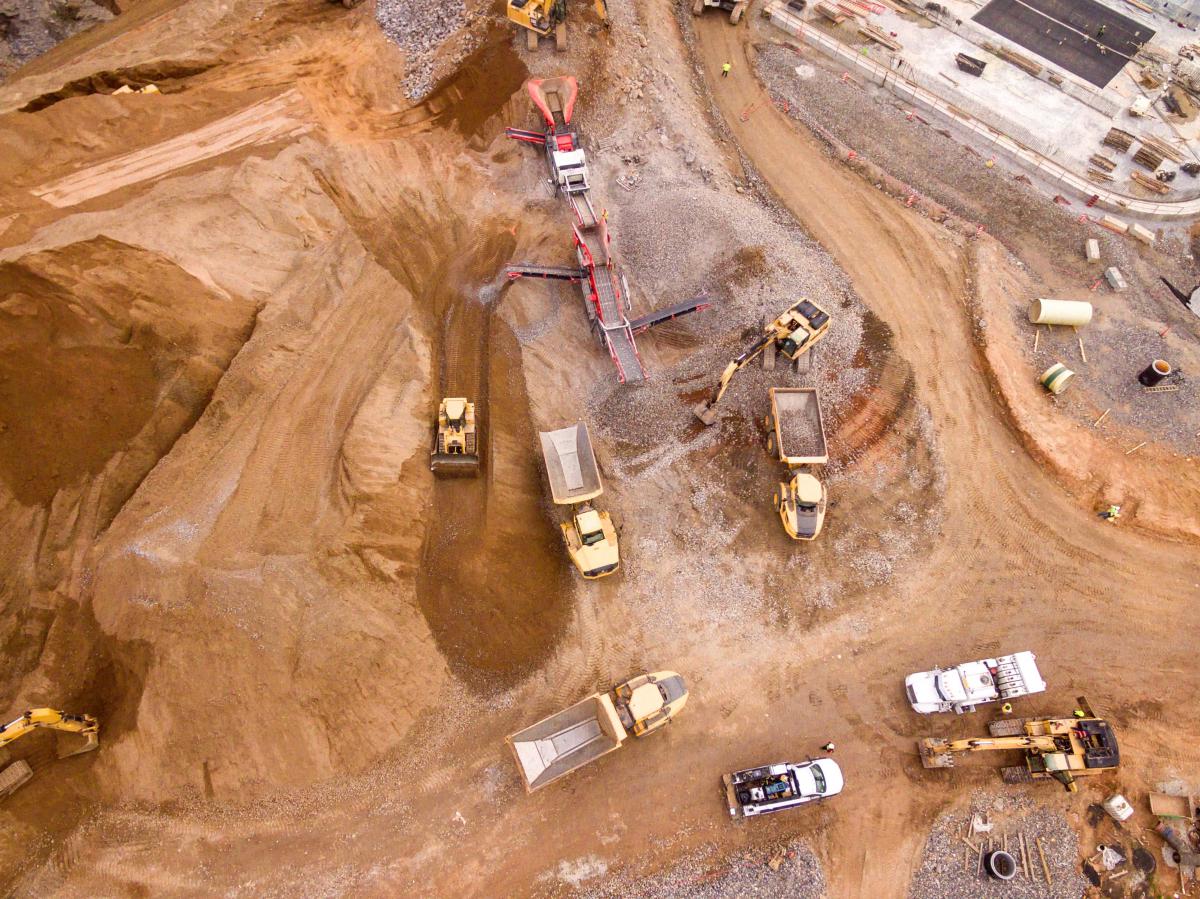
aerial photography of dump trucks
The mining sector is in the early stages of a technology revolution that will fundamentally change the face of mining. Photo by Shane McLendon

Two years ago, I co-authored a report that made a media splash beyond anything I’ve done in my almost 30 years of writing. Mining a Mirage – co-written with collaborators from the Intergovernmental Forum on Mining, Minerals, Metals and Sustainable Development; the Columbia Centre on Sustainable Investment; and Mining Shared Value – warned that massive job losses from new technology would jeopardize mining’s social license to operate.

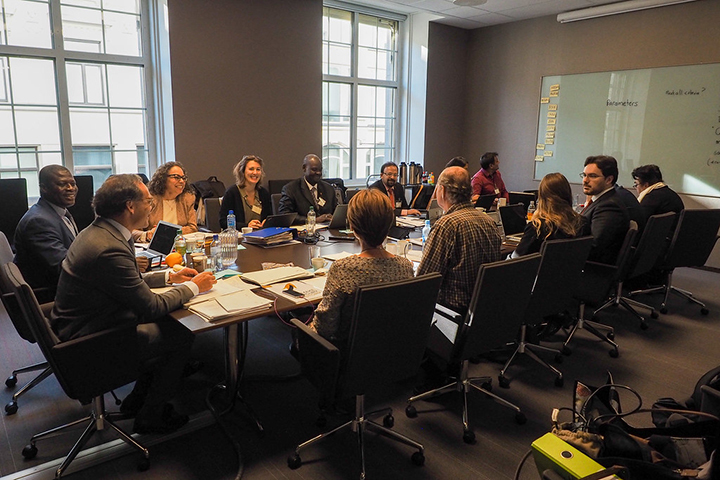
Two weeks ago, the same project team gathered above a rustic craft brewery in Paris, together with 30 global experts from the private sector, government, trade unions, civil society and academia to do a deeper dive into the trends and policy options. In the month and a half leading up to the Paris roundtable, we facilitated an innovative online discussion hosted by the World Bank’s GOXI: a platform for discussion in the extractives sector space. Both were part of an ongoing effort: the New Tech, New Deal project.

Halfway to our report launch in the spring of 2020, we thought it made sense to reflect and relate seven preliminary takeaways.

1) Disruptive technology is not new, but this wave is different.

Disruptive technology has been changing the face of mining, with labour and other impacts, since mining began. But the coming wave is different in quality and speed than anything we have seen before.

2) Technology is not a homogeneous force.

Some new technologies—like automation and drones—will replace labour. Others—like artificial intelligence, the Internet of Things, smart sensors and machine learning—will boost productivity without significant job losses. The same technology will have different impacts in different settings. For example, more diversified economies will feel the labour impacts less severely, and certain technologies will be rolled out at different paces in different contexts.

3) New technology takes jobs and makes jobs.

New jobs will be needed in areas such as data processing, GIS mapping and software design. These are better-paid jobs than the jobs they replace, such as trucking, drilling and blasting. In specific cases, new technology may increase viability so much that, while jobs per tonne are falling, the vastly increased scale of operation will mean more jobs. Overall, though, we are likely to see a net decrease in jobs in the mining sector due to automation.

We don’t expect to find any single perfect solution that addresses all the challenges posed by new technology in the mining sector.

4) Local communities will struggle.

Even if new high-skill jobs are better paid and safer, workers from nearby communities may be challenged to fill them. First, mining workers of the future will control machines remotely, in operation centres located miles away from mine site in cities or in other countries. In such cases, locals would have to relocate—a commitment not everyone can make. Second, locals may lack the capacity to be trained for the new jobs, particularly in countries and regions where primary and secondary education are poor or where there are weak links between mining companies and educational/vocational institutions.

5) There will be new kids on the block.

Given the massive research and development investments needed to operate the mine of the future and the increasing share of the value chain accruing to capital goods, we expect technology providers to become more dominant players as direct and indirect investors.

6) Artisanal and small-scale mining adds another layer of complexity.

Fewer semi-skilled positions in the formal sector may drive more poor labourers to the informal sector, which creates new problems. And that sector—which, despite its challenges, does act as a force for development—may face increasing struggles competing with ever-more productive formal sector mines.

7) Some technologies may be part of the solution.

Some aspects of the new technology can act to offset the negative labour impacts with positive social and environmental impacts. There is, for example, the possibility that the data-connected mine of the future could give local communities access to real-time data on operations, tailings dam indicators and water quality, or give tax authorities better data on production levels. We may also see such things as more women working in remote operations centres; increased worker health and safety; lower greenhouse gas emissions; and shared infrastructure with the potential to foster economic development, such as high-speed Internet and renewable electricity.

What kinds of solutions do we see as possible? The answers will vary from place to place. As noted above, training and education may be part of the answer, as might shared infrastructure. Other possibilities include mining companies acting as facilitators of non-mining-related economic development; higher taxes, or different tax or ownership structures; and increased focus on local content policies such as mandates for local hiring, purchasing or processing. All of these possibilities have their strengths and weaknesses, many of which are discussed in depth in our GOXI dialogues.

We don’t expect to find any single perfect solution that addresses all the challenges posed by new technology in the mining sector. It will take more consultation, in-country study and analysis (and possibly a few more French craft beers) to get us closer to understanding the full array and potential of the policy options available. Watch this space.

Aaron Cosbey is a Senior Associate with the IGF and co-leads the local content and new technology work alongside Isabelle Ramdoo, IGF’s Senior Associate and Development Economist.

The New Tech, New Deal project is supported by the Deutsche Gesellschaft für Internationale Zusammenarbeit (GIZ) GmbH, on behalf of the German Federal Ministry for Economic Cooperation and Development (BMZ).

Insight

When Life Gives You Lemons: How to bolster businesses’ capacity for making lemonade out of a changing climate

Lemonade is the perfect drink for a hot summer day. And while it can help us beat the summer heat, soaring temperatures in many parts of the world could threaten the future of the core ingredient needed for this beloved summer fixture.

July 3, 2019

This is the fifth and final instalment of our blog series on engaging the private sector in National Adaptation Planning (NAP) processes. To learn more, read our guidance note on the subject.

Lemonade is the perfect drink for a hot summer day: cool, crisp and refreshing. And while it can help us beat the summer heat, soaring temperatures in many parts of the world could threaten the future of the core ingredient needed for this beloved summer fixture.

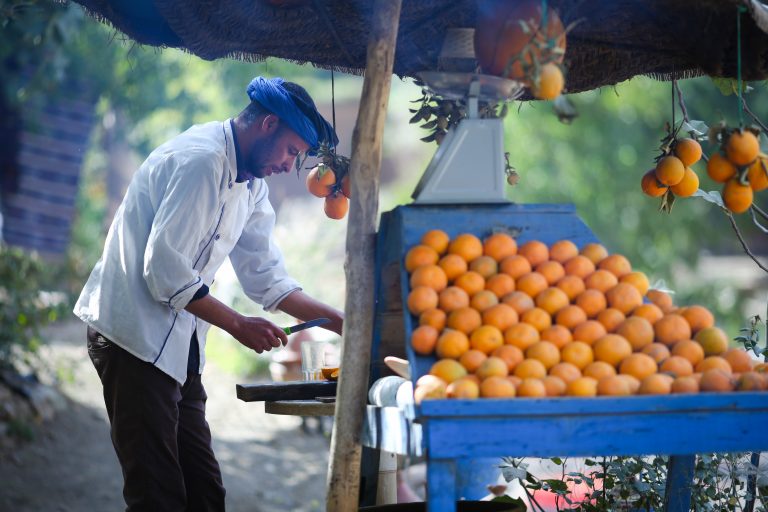
Man in Souss Massa in central Morocco cutting fruit
In the citrus-growing region of Souss Massa in central Morocco, heat waves in 2015 and 2016 resulted in a 30 to 40 per cent drop in blossoms.

Lemons—as well as other citrus fruits including limes, mandarins and tangerines—are especially vulnerable to heat waves and water stress. In the citrus-growing region of Souss Massa in central Morocco, heat waves in 2015 and 2016 resulted in a 30 to 40 per cent drop in blossoms. And while Morocco’s citrus production recovered by 2018, climate change is expected to increase the frequency of heat waves and severe droughts in the region, posing a threat to local businesses dependent on the crop.

To preserve the growth of these fruits and secure livelihoods across the industry, private sector actors—including farmers and processors—will need to adapt their businesses to a future of increasing temperatures and lengthening drought. This applies, broadly, across a wide range of industries and countries. However, a number of barriers prevent engagement in climate change adaptation policies and programs. Businesses may be unaware of what adaptation options are available to them, or may be unable to receive appropriate financing for responses. Further, there may be regulatory or institutional obstacles preventing their participation. But even if a business is operating with the right information, financing and policy requirements, it may still lack the technical capacities to participate in adaptation.

Capacity building is a key enabling factor to private sector engagement in the NAP process and a fundamental precondition for participation in the Paris Agreement. It is imperative that governments work in tandem with civil society actors, development partners, academia and businesses to identify and address capacity gaps.

Fruit markets in Morocco
To preserve the growth of these fruits, private sector actors need to adapt their businesses to a future of increasing temperatures and lengthening drought.

The needs can be great. Many private sector actors, for example, may lack the capacity needed to understand or use climate information and to integrate climate risk management into their business operations. Climate risk assessments are especially useful in establishing the business case for adaptation and identifying subsequent actions—though it may be a new skill for many ongoing operations. Businesses and individuals may also require enhanced capacities in the use of technologies and equipment needed to adapt (the adoption of conservation agricultural practices, for example, or the use of drones for pollination). They may also need help to develop the business models needed to bring adaptation products and services to market, or to implement business strategies that can reduce their exposure to climate risk.

Governments—through the NAP process—can help to address these capacity shortfalls through the development and delivery of training or outreach programs. To reach larger audiences and tap into existing private sector networks, targeting business multipliers is a good first step in this endeavour.

Governments can also offer guidance notes or training on ways to measure returns on climate change adaptation investments, including cost-benefit analysis, cost-effectiveness analysis, portfolio risk analysis for financial institutions, and new metrics that measure returns beyond the financial. Further, capacities are often needed to translate these assessments into responsible management plans and concrete actions. Building on risk assessments, governments can ensure that private sector actors have access to adaptation decision-making support tools designed to help them understand and incorporate climate risks into business activities. Many such tools are available.

The Climate Expert Initiative, for example, developed under the Deutsche Gesellschaft für Internationale Zusammenarbeit’s (GIZ’s) Private Sector Adaptation to Climate Change Program, provides a four-step approach for private sector actors conducting climate risk management and planning. The tool is designed specifically for companies, including micro-, small, and medium-sized enterprises (MSMEs), to analyze climate risks and opportunities and generate strong adaptation strategies.

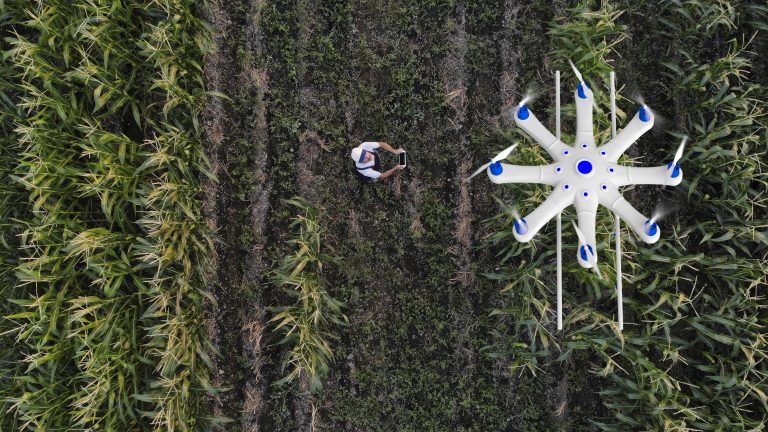
Drone overhead in farm fields
Businesses may require enhanced capacities in the use of technologies needed to adapt (the use of drones for pollination, for example).

So what does this have to do with the lemons in Morocco? Agrumar Souss, a citrus processing company, was trained to use the Climate Expert Initiative tool to assess its exposure to climate change and identify corresponding business opportunities and pathways. The assessment found that impacts like floods, drought, rising temperatures, and heat waves could have devastating impacts upon its business, drawing examples from the heat waves of 2015 and 2016. Using the tool, Agrumar Souss identified adaptation measures they could take to enhance their climate resilience in response, including using anti-backflow systems to address heavy rains, strengthening windbreaks in company orchards to reduce the trees’ exposure to strong winds, and using irrigation pumps powered by solar energy to address increasing droughts. In doing so, the company is contributing to the country’s overall adaptation aims and goals, as set out in the NAP process.

While there are many barriers to private sector engagement in the NAP process, there are often also corresponding solutions. In order for the NAP process to be successful, it is vital that governments promote four key enabling factors—information sharing, financing, institutional arrangements and capacity building—to get the private sector on board.


Any opinions stated in this blog post are those of the author and do not necessarily reflect the policies or opinions of the NAP Global Network, its funders, or Network participants.

Read the other four parts of this blog series:

Find out more about our work on Financing NAPs.

Insight details

Insight

How Institutional Arrangements Can Engage Small Businesses in Climate Adaptation

Micro, small and medium-sized enterprises need a supportive environment of institutional, legal and policy frameworks to adapt to climate change.

June 27, 2019

Micro, small and medium-sized enterprises (MSMEs) are the cornerstone for many economies worldwide, accounting for 60 per cent of employment in developing countries and an average of 50 per cent of GDP.

Today, as part of World MSME Day, we would like to highlight their pivotal role in global sustainable development and dig into the pressures they face responding to one of the most demanding challenges of our time: climate change.

Small businesses and climate change adaptation
In order to effectively adapt to climate change, MSMEs will have to overcome some key barriers that stand in their way.

MSMEs in developing countries are often found in climate-dependent sectors like agriculture, fisheries and tourism. In a world of rising temperatures and sea levels, unpredictable rainfall, and extreme weather events growing in frequency and intensity, the current and future challenges faced by MSMEs can seem insurmountable.

In order to effectively adapt to climate change, MSMEs will have to overcome some key barriers that stand in their way. Insufficient data on climate change and subsequent adaption options, for example, can be a major informational barrier. A lack of appropriate financing for adaptation activities is another problem. Governments can also present obstacles to MSMEs through unsuitable institutional arrangements or legal and policy frameworks. Addressing these institutional challenges will be key to ensuring MSME and broader private sector engagement in adaptation initiatives, including the NAP process.

Institutional, legal and policy frameworks should create a supportive environment for increased investment in adaptation, facilitating dialogue among national and subnational decision makers, private financiers and private enterprises—big and small.

In some cases, however, weak, inappropriate or missing regulations or institutional arrangements may deter support for adaptation efforts. A lack of zoning regulations, for example, for coastal areas could promote development that reduces surrounding protected areas, increasing vulnerability to sea-level rise and storm surges. Perverse incentives might undermine the business case for adaptation altogether; subsidized electricity in India made it cheaper for farmers to pump water out of underground aquifers than to invest in water conservation and efficient irrigation, contributing to significant over-extraction of water and a corresponding crisis for the agricultural sector.

Institutional arrangements
Institutional arrangements, laws and policies can make or break effective engagement in adaptation processes for private sector actors. (Photo by Klima- og miljødepartementet is licensed under CC BY-NC-ND 2.0 )

It may also take too long for governments to develop and adopt policies and laws that offer the stability needed from private sector actors when making investments in adaptation. Further, there may not be a clear policy signal for private sector actors to look for when making decisions to invest in adaptation; hence the need for a NAP.

To successfully engage MSMEs in the adaptation planning process, governments must ensure that the right enabling conditions are in place, both institutionally and in terms of the policy and legal framework. For the former, open dialogue and collaboration with MSME representatives will be central to the success of the NAP process. Governments have to get these institutional arrangements right at the outset of the process and must maintain these arrangements through all phases of the NAP. In Saint Lucia, the government undertook a study to assess levels of private sector engagement in adaptation and then subsequently took steps to increase coordination in the development and implementation stages of their NAP. This could be done in a number of ways. Institutionally, it may require that the government include MSME representatives in the NAP’s oversight committee, should one exist, or that structures are established to ensure communication between those driving the NAP process and MSMEs—a MSME NAP focal point, for example, or a sub-committee featuring small business representatives from prioritized sectors like tourism, water, energy and fisheries.

MSMEs are, of course, not homogenous and vary in terms of their size, sector, structure and location, among other things. To access the broad range of MSME actors, governments should develop relationships with key business associations and multipliers, such as chambers of commerce or local associations of farmers, fishers or miners. Doing so will make it easier to reach more actors within this space and involve them in NAP design and implementation.

MSME climate change support
MSME support for adaptation will help protect and create the jobs, goods and services needed to meet the climate crisis.

Within the legal and policy context, governments should also ensure that there is stability in domestic laws, policies and regulations. The revision or development of legislative instruments should be timely, participatory and transparent. This will create a sense of reliability, providing investors with a timebound idea of where and when national policies and regulations are likely to evolve.

Institutional arrangements, laws and policies can make or break effective engagement in adaptation processes for private sector actors. When weak, they can deter investments in measures that address climate vulnerability. When clear, stable and fair, they can facilitate continuous support and collaboration from the private sector throughout all phases of the NAP process.

In order for national adaptation efforts—including the NAP process—to  be successful, MSMEs must be involved. Their importance to economies, lives and livelihoods around the world make them a key part of successful adaptation to climate change; And while MSMEs are already actively participating in climate change adaptation efforts, it is imperative that governments continue to engage them in the process and remove whatever barriers exist to doing so.

Stay tuned for our next installment, when we dive into the final enabling factor for private sector engagement in the NAP process: capacity building. You can also find out more about our work on Financing NAPs.

This is the fourth installment in a five-part series on private investment in the NAP process.

Blog | What is the Business Case for Private Investment in the NAP Process? (Part one)

Blog | Why information sharing is key to engaging businesses in the NAP process (Part two)

Blog | Paying for it: How governments can help the private sector overcome financial barriers to investing in adaptation (Part three)

Insight

Zooplankton and Fresh Water: Here are the facts

Zooplankton are critical parts of freshwater ecosystems, but often get forgotten. Scientist Mike Paterson explains what zooplankton are, and why they matter.

June 26, 2019

Whenever I speak to the public as a researcher on water quality, I often hear four big questions:

  • Can I drink the water?
  • Can I safely swim in the water?
  • Will I be able to catch fish?
  • Can I safely eat the fish?

Conspicuously absent from these questions is any mention of zooplankton; in fact, I suspect most people don’t know what they are.

Given that I have spent so much of my research career studying them, I want to explain what zooplankton are and why they matter.

What are zooplankton?

Zooplankton are small animals that live in the water column of almost all water bodies, including oceans, lakes and ponds, although they mostly cannot survive in rivers and streams.

They range in size from a few millimetres down to a few microns (one micron is equal to 1/1000 of a millimetre) and may include the larval stages of larger animals such as mussels and fish.

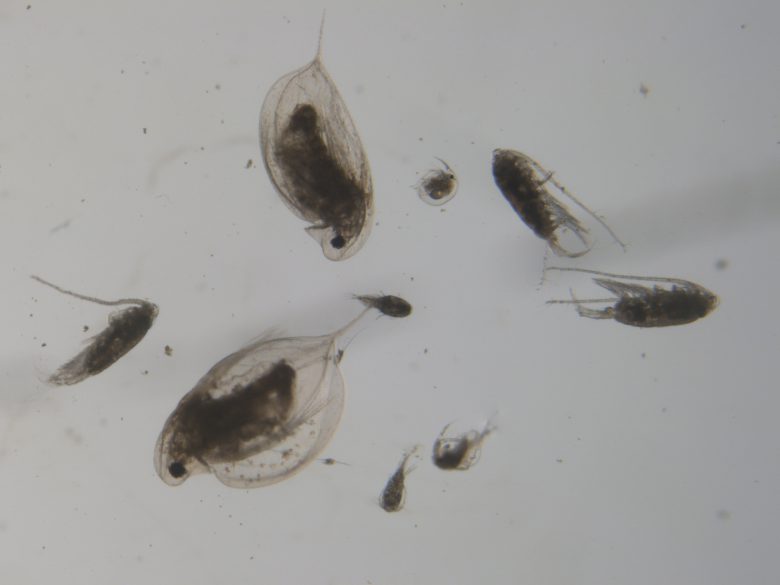
Zooplankton
Zooplankton are small animals that live in the water column of almost all water bodies, including oceans, lakes and ponds, although they mostly cannot survive in rivers and streams.

In lakes and ponds, the most common groups of zooplankton include Cladocera and Copepods (which are both micro-crustaceans), rotifers and protozoans. Most lakes will have 40 or more species of zooplankton common to them.

Zooplankton occupy the centre of the open-water food web of most lakes. They eat bacteria and algae that form the base of the food web and, in turn, are heavily preyed upon by fish, insects and other zooplankton. Many zooplankton have clear shells to avoid being seen by visual feeders, such as fish.

In keeping with their taxonomic diversity, zooplankton use a variety of feeding strategies, and they may eat bacteria, algae, other zooplankton and can even be parasites. Some zooplankton, like many Cladocera, are indiscriminate grazers, using their feeding appendages like rakes to filter particles from the water. Other zooplankton, such as many Copepods, are more selective and pick out individual particles or zooplankton prey based on their size, shape and taste.

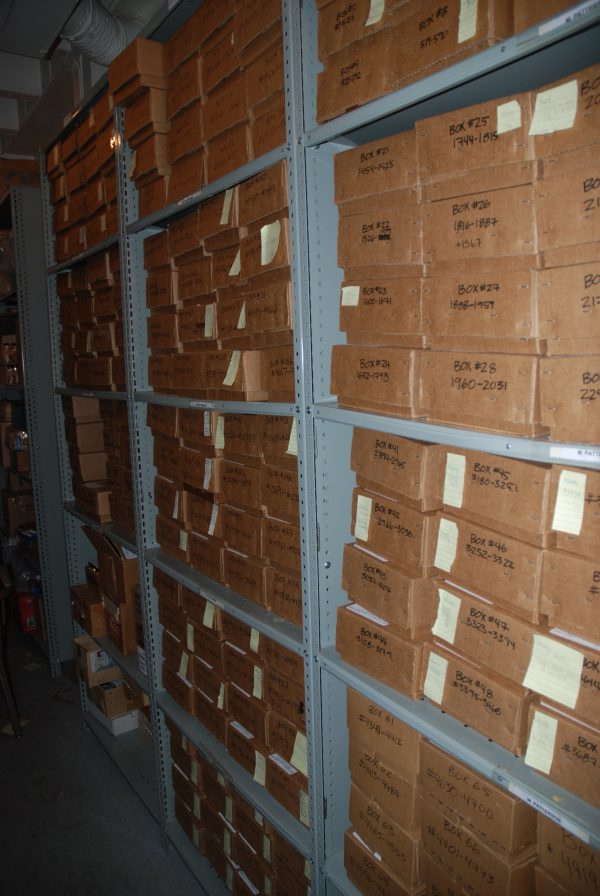
Zooplankton storage shelves
At IISD Experimental Lakes Area, our zooplankton collection now exceeds 30,000 samples.

Why are zooplankton important?

As a result of their central position in lake food webs, zooplankton can strongly affect water quality, algal densities, fish production, and nutrient and contaminant cycling.

Zooplankton are commonly included in biomonitoring programs because their densities and species composition can be sensitive to changes in environmental conditions.

In recent years, many species of zooplankton have been accidentally introduced to Canadian lakes and rivers from Europe and elsewhere, including the spiny water flea (Bythotrephes) and the larval stages of zebra mussels. Occasionally, some species of zooplankton, such as Mysis, have been deliberately introduced to lakes to enhance fish production.

Learning more about the importance and role of zooplankton

Because of the important role that zooplankton play in freshwater food webs, we have been collecting and studying them at IISD-ELA for our entire 51-year history—in fact, our zooplankton collection now exceeds 30,000 samples.

Let’s take a look at some examples from the last half a century that illustrate the importance of zooplankton.

CAN INCREASING ZOOPLANKTON POPULATIONS TACKLE ALGAL BLOOMS?

ELA was originally founded in 1968 to address problems associated with excessive algal blooms, which are unsightly, may cause fish kills and can result in the development of toxins. This process, known as eutrophication, is caused by high inputs of nutrients and plagues millions of lakes globally.


Because zooplankton eat algae, it has been proposed that it may be possible to control algal blooms by increasing zooplankton grazing. This method is called “biomanipulation” and is usually done by reducing predation on zooplankton by planktivorous fish either by directly removing these fish or adding a fish predator such as pike.

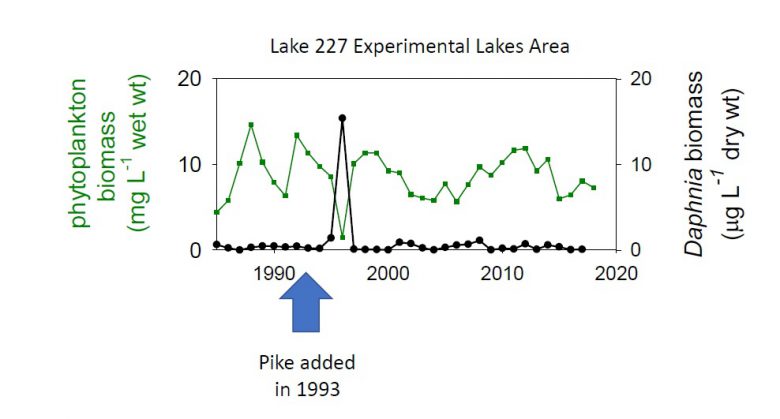
We tested the effectiveness of the latter method (commonly used in Europe) in the 1990s by adding pike to eutrophic Lake 227. Following the pike introduction, minnows were extirpated, densities of a zooplankton called Daphnia increased dramatically and algal densities decreased considerably. Unfortunately, algal densities remained low for only one year and the lake rapidly rebounded to its former eutrophic state.


ELA graph adding pike
To reduce algal blooms, we tested the effectiveness of adding a predator fish to the system in the 1990s by adding pike to eutrophic Lake 227. Following the pike introduction, minnows were extirpated, densities of a zooplankton called Daphnia increased dramatically and algal densities decreased.

This research, in conjunction with other studies, suggested that biomanipulation can effectively reduce algae in the short term, but may be less effective as a long-term solution for eutrophication. Ultimately, biomanipulation is most effective when combined with nutrient reduction strategies.

HOW DO CHANGES IN ZOOPLANKTON CAUSED BY ACID RAIN AFFECT FISH POPULATIONS?

In the 1960s and 70s, we set our sights on exploring how acid rain was affecting freshwater lakes and fish.

Following additions to Lake 223 of sulphuric acid to mimic acid rain, numbers of Mysis diluviana, a common zooplankton taxon, declined dramatically and were eventually eliminated from the lake. Mysis are important food for lake trout and the trout subsequently starved and their numbers and growth rates declined.”

In Lake 223, the toxic effects of lake acidity were not directly responsible for the declines in trout; instead, trout declined because of indirect effects mediated through the food web. Recognition of the importance of these indirect effects is one of the reasons why whole-ecosystem manipulations that incorporate intact food webs are so important. Although researchers stopped adding acid to Lake 223 after 1993 and the lake has fully recovered chemically, Mysis have still not reestablished and trout numbers and growth rates remain low.

As a result, our researchers are now reintroducing Mysis to Lake 223 in the hope of fully restoring the trout populations.

HOW DOES ZOOPLANKTON AFFECT THE AMOUNT OF MERCURY IN FISH?

Mercury (especially methylmercury) is by far the most important contaminant of freshwater fish and high exposures can have harmful effects on humans who consume it. Consequently, considerable research at IISD-ELA has explored this important contaminant.

In the 1990s, research at the site and elsewhere demonstrated that fish get almost all their methylmercury from their food, similar to humans. Because zooplankton are important prey for many fish, it is therefore important to follow and understand changes in methylmercury in zooplankton.

For example, in a series of artificially created reservoirs at the site, we found that concentrations of methylmercury in zooplankton increased by five times or more following impoundment. These increases were most strongly affected by increases in methylmercury in water but were also affected by changes in water chemistry and zooplankton species composition.

Insight details

Insight

Monitoring and Evaluation Systems for Adapting to Climate Change Are Only As Good As They Are Usable

Monitoring and evaluation systems for climate change adaptation should make it easier for people and decision makers to learn what is working and what is not.

June 25, 2019

You might think it unexpected or unlikely, but one of the places where social equity in development work recently became more apparent to me was during a workshop on Monitoring & Evaluation (M&E) of Climate Change Adaptation held in Lima, Peru in April 2019.

What is the M&E of adaptation really about?

Many people think that M&E work is mostly technical, quantitative and—let’s face it—rather boring. And they are probably right… except it shouldn’t be. It shouldn’t merely be a quantitative or a technical undertaking. In the context of climate change adaptation, M&E is simply a tool to support the understanding and prioritization of actions to assist decision making. It should make it easier for users and decision makers to learn, as time passes, what is working and what is not.

Measuring climate change adaptation
Most people might think monitoring and evaluating how a region adapts to climate change is mostly technical, quantitative, and let’s face it – even boring.

With an evolving understanding of what makes people vulnerable to climate change impacts and what to do about it, ideas around what should be monitored and evaluated also need to evolve in order to promote effective adaptation.

Ultimately, M&E is about understanding change: what has changed (or not), how it has changed and how much over a period of time.

Because causality is so hard to determine and remains mostly uncertain, and because change happens in ways that are often complex, difficult to pinpoint and intangible, these “hard-to-measure” elements become increasingly important to look at.

How we respond to climate change doesn't only depend on how hard the flood hits us

These elements can include things like how much faith the public has in the people and institutions working on climate change, the state and openness of family relationships, the feeling that one’s opinion matters, or even the (real or perceived) weight of social norms on people and households. All of these “social” aspects can play a big role in whether or not individuals and communities will actively engage in adaptation.

Measuring adaptation
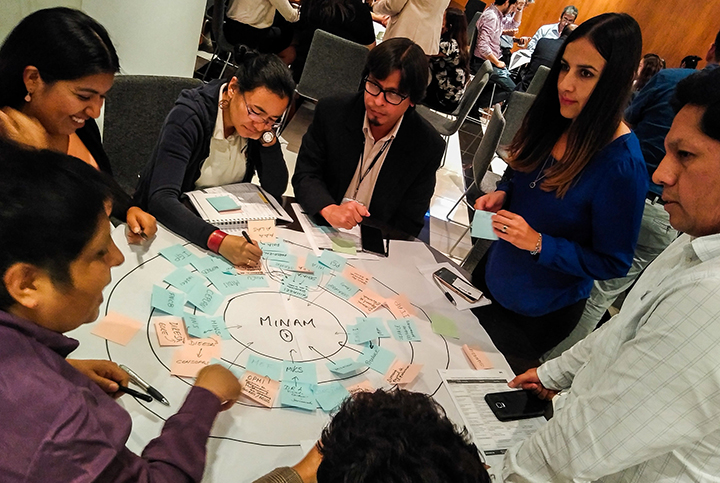
Participants of the workshop on Monitoring & Evaluation (M&E) of Climate Change Adaptation held in Lima, Peru.

However, because they are difficult to measure, these metrics tend to be excluded from M&E systems. Even if they are included, it is difficult to know if the answers to these questions are accurate or in any way biased. It is no less complicated to link these statements to people’s and institutions’ decisions to act or to remain inactive.

Take the case of an example presented by one of the countries participating in the Lima workshop. In this country’s first attempt at adaptation M&E, they developed over 100 indicators. These indicators helped them understand vulnerability but failed to illustrate how any given adaptation action can reduce that vulnerability or increase the capacity of people and institutions. So they decided to go back to the drawing board and reconsider their approach. The value of an M&E system is intrinsically related to the guidance and learning it provides to better understand, prioritize and act on the (adaptation) challenges at hand.

Blog | Why Gender Matters in Climate Change Adaptation

Mr. M&E and Ms. Intangible can dance a beautiful dance.

As M&E is a lot about learning and improving, there are important limitations and opportunities to recognize in an M&E system in the adaptation planning process. For example, it is important to recognize both what the system can measure (e.g., progress in processes, discrete achievements in numbers and types of stakeholders reached, outputs published, radio spots aired) and what it can’t really or realistically measure (e.g., to what extent stakeholders value, will or can use the results of a capacity-building workshop in their lives)—and then find the way to bring these two together.

Consultation climate change adaptation
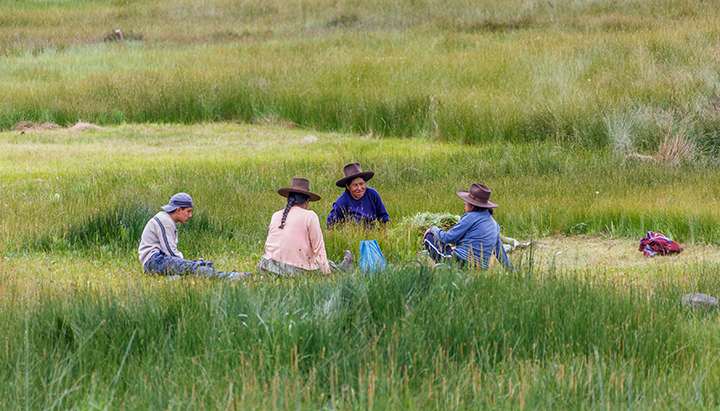
Expert technical inputs tend to be more highly valued than the lived experiences or perceptions and knowledge of people directly affected by climate impacts.

This is where the link between adaptation M&E and social equity resides. Like an airplane’s black box, an M&E system is, after all, an influential—if enigmatic—source of information that can largely impact where adaptation investments are made.

There is a saying: “Nobody is a prophet in their own land”—and sadly, this is often applicable in climate change adaptation work. Expert technical inputs tend to be more highly valued than the lived experiences or perceptions and knowledge of people directly affected by climate impacts.

Technicians building M&E systems must create them with elasticity so that they can tell a more complex, messier, if less certain, story; one that doesn't just spit out numbers and tidy graphs.

Unless the airplane’s black box is humanized and made more robust with a mix of different types of knowledge that include the technical and the social (to be simplistically binary), M&E findings will be myopic and do little service to advancing adaptation efforts, which should always aim to be inclusive and effective.

Further reading:

Brief | Kenya’s Monitoring and Evaluation of Adaptation: Simplified, integrated, multilevel

Brief | Colombia’s Progress in Developing a National Monitoring and Evaluation System for Climate Change Adaptation

Brief | Monitoring and Evaluation in the NAP Process: Opportunities, challenges and emerging solutions

Insight

Paying For It: How governments can help the private sector overcome financial barriers to investing in adaptation

Private sector engagement will be essential to the success of the NAP process, whether through direct financing or active participation in adaptation actions. Governments can play a key role in enabling this private sector engagement by promoting a number of enabling factors.

June 19, 2019

Most farmers in Kenya are smallholders: they own and work on plots of land that are on average less than three hectares in size.

For these farmers, a changing climate poses a significant challenge to their lives and livelihoods.

Kenya climate change adaptation
Kenya’s National Adaptation Planning (NAP) process recognizes climate-smart agriculture as a key priority for enhancing the resilience of the country’s agricultural value chains.

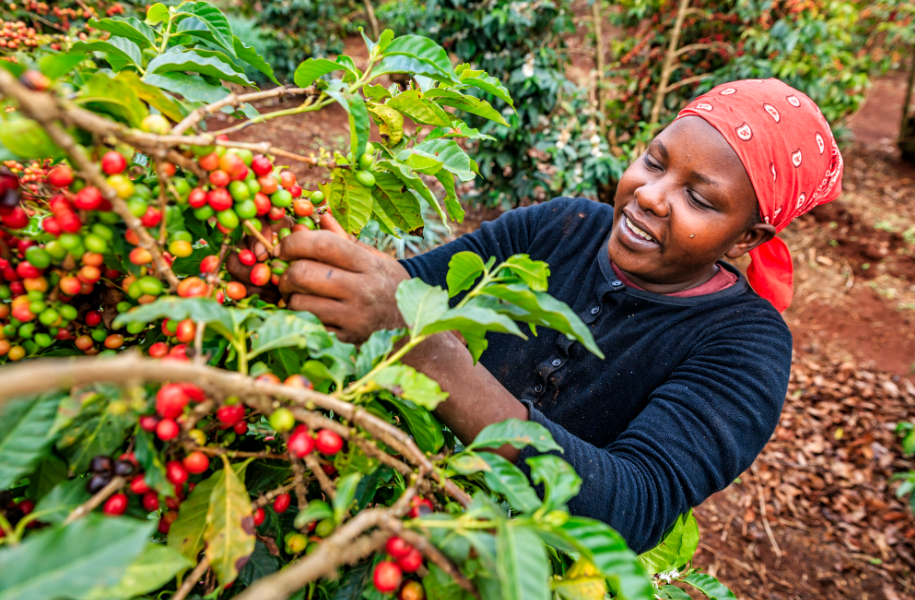
The challenge is immense, but the farmers can adapt: they can plant shade trees to protect their coffee crops from the blistering sun; they can switch to drought-resistant strains of cassava and sorghum; or they can increase the efficiency of their water harvesting systems. Such climate-smart agriculture techniques can be vital to ongoing adaptation efforts for this crucial segment of the national economy. And Kenya’s National Adaptation Planning (NAP) process recognizes climate-smart agriculture as a key priority for enhancing the resilience of the country’s agricultural value chains. However, designing and implementing these responses will require not only the right level of capacities, but also the appropriate financing.

Many private enterprises—and especially micro, small and medium-sized enterprises—may have limited access to financial resources to pursue adaptation actions. For many private sector actors, including smallholder farmers, accessing the appropriate level and type of financing to pay for their adaptation efforts can be difficult, even if the benefits to engagement are apparent. They may need financing to pay for investments in climate-proofing their operations, for example, or to bring new goods and services to the market that support resilience. However, accessing that financing can be impossible for many: they may not have the required collateral or may not be able to support high interest rates.

Kenya national adaptation plan
In Kenya’s NAP document, developing fiscal incentives for private sector investment in adaptation has been identified as a medium-term sub-action moving forward.

Ensuring that private sector actors have access to reliable financing to pay for adaptation actions and that appropriate financial instruments are made available to them will be integral to enabling private investments in a country’s longer-term adaptation goals and programs, including the NAP process.

Governments can help here. They can, for example, provide incentives that promote adaptation investments, including tax breaks. They can offer risk guarantees and can use procurement contracts that help secure the demand for climate-resilient products and services. Governments can use mechanisms like taxes, levies, fees and royalties to raise funding that allows financial support to be offered for climate risk assessments; extension services; and start-up or seed financing for new products and services. They can also use a variety of de-risking instruments—including partial credit guarantees, political risk guarantees and blended finance—to help bear the risk of adaptation investments, particularly for large-scale investments.

Accessing the appropriate kind of financing is another key challenge. Financiers and enterprises may be operating in imperfect capital markets that are unable to efficiently allocate capital or transfer risk. It is important that a variety of financial instruments suited to different types of adaptation investments are made available—financing, for example, that can cover short-term and long-term investments, or internal and external investments in adaptation. For example, there is often a shortage of longer-term credit in many financial markets, inhibiting the ability of companies to finance the investments required to cope with longer-term or distant climate impacts.

Enabling private sector access to finance should be a key part of the NAP planning and implementation process. This could include the development by the government of a NAP financing or resource mobilization strategy, keeping in mind that it is crucial that private sector actors be included in drafting these strategies, to ensure their priorities and interests are heard and incorporated.

In Kenya’s NAP document, developing fiscal incentives for private sector investment in adaptation has been identified as a medium-term sub-action moving forward. The government is already working toward this aim, in part through its support of the Finance Innovation for Climate Change Fund (FICCF). FICCF has sought to overcome many of the barriers to financing adaptation in its promotion of private sector investments in climate-smart agriculture. The fund does so in part by providing repayable grants to microfinance institutions for on-lending to smallholder farmers and aggregators, so that they can invest in climate-smart technologies and practices. The Kenyan government is helping the initiative by providing reliable access to data and information on current and forecasted weather and climate.

Kenya national adaptation plan
In Kenya’s NAP document, developing fiscal incentives for private sector investment in adaptation has been identified as a medium-term sub-action moving forward.

Private sector engagement will be essential to the success of the NAP process, whether through direct financing or active participation in adaptation actions. Governments can play a key role in enabling this private sector engagement by promoting a number of enabling factors.

In addition to promoting information sharing (released last week) and ensuring access to appropriate financing, in the next few weeks, we will also explore other enabling factors, including capacity building and institutional arrangements.

This is the third installment of a five-part series on private investment in the NAP process.

Blog | What is the Business Case for Private Investment in the NAP Process? (Part one)

Blog | Knowledge is Power: Why information sharing is key to engaging businesses in the NAP process (Part two)

Blog | How Institutional Arrangements Can Engage Small Businesses in Climate Adaptation (Part four)

Insight details

Insight

Why Information Sharing is Key to Engaging Businesses in the NAP Process

Private sector engagement in climate change adaptation will be necessary for countries, communities and individuals to meet the climate crisis.

June 18, 2019

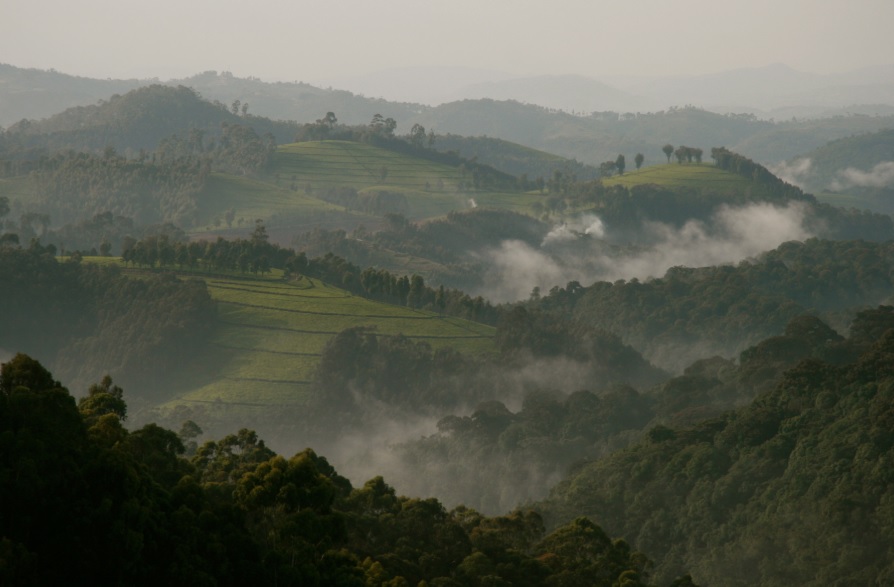
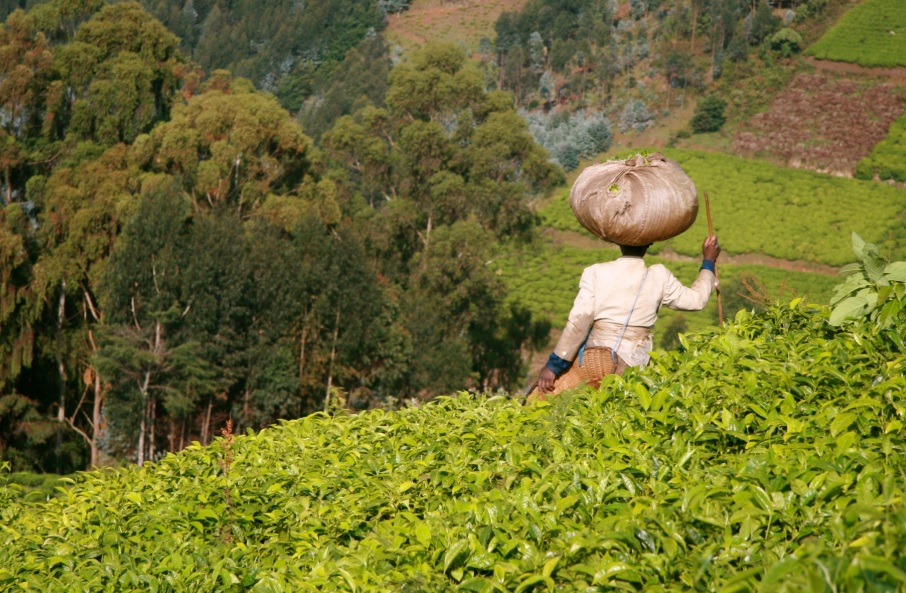
Among a lush stretch of clear lakes, flourishing vegetation and rolling hills, fields of tea plants grow and thrive for cultivation. Rwanda is the “Land of a Thousand Hills” and one of the world’s largest and best tea producers.

Agriculture continues to dominate Rwanda’s economy, employing more than 70 per cent of the country’s working population and accounting for a third of the national GDP. Tea and coffee are the key cash crops: together they make up 21 per cent of Rwanda’s total exports. And while the tea industry has been a major source of economic and social development, it is also vulnerable to some of the most severe impacts of climate change, including heavy rainfalls, increasing temperatures, floods and landslides.

Rwanda tea
Rwanda is the “Land of a Thousand Hills” and one of the world’s largest and best tea producers.

Those operating in the sector increasingly recognize the urgent need to respond to these changing conditions. The business case is clear: without investments in reducing the vulnerability of the crop and their operations to climate change, the viability of their businesses will become increasingly uncertain. This applies to enterprises both large and small; safeguarding jobs and profits in the face of climate change will require their engagement in adaptation processes, including the National Adaptation Plan (NAP).

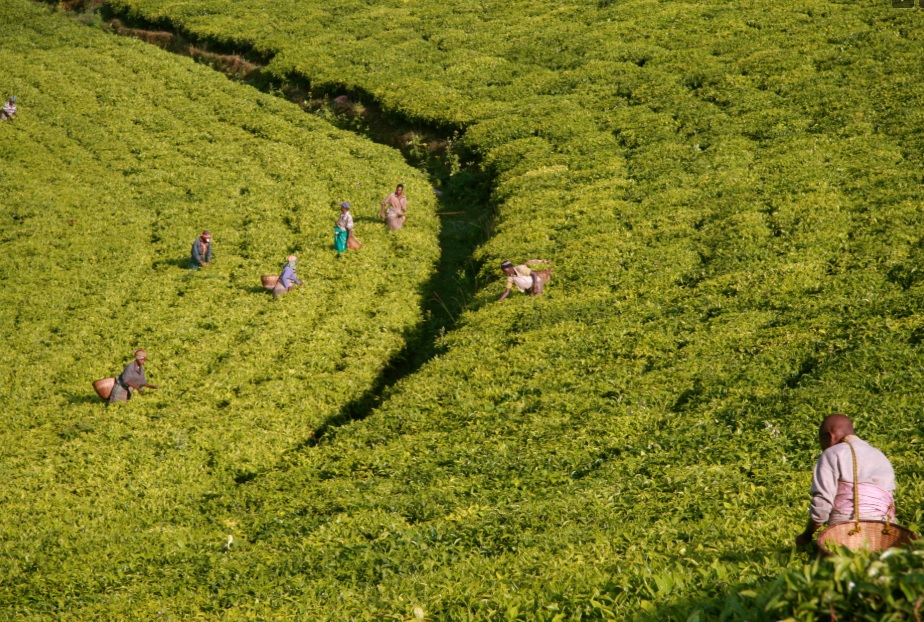
While the tea industry has been a major source of economic and social development, it is also vulnerable to some of the most severe impacts of climate change.

As is often the case, this is easier said than done. Globally, a lack of information on climate change is often a key reason why private sector actors do not invest in adaptation. Companies and investors often lack a detailed understanding of what climate change is, how it may impact their operations, and what options are available to them to increase their adaptive capacities and climate resilience. Climate information and data may be unavailable, inaccessible, of poor-quality or unevenly distributed. It may be hard to interpret and understand. It is imperative that governments work to break down these barriers to ensure that private enterprises understand the challenges and how to address them.

They can do this in a few ways. To start, governments should clearly communicate the business case for climate change adaptation, making it clear that climate change will significantly alter the economy and that there may be opportunities inherent in this transition, but also that inaction will bring with it serious risks. Saint Lucia’s NAP document, for example, calculated the cost of inaction in each sector, estimating that, by 2025, a lack of action on adaptation could cost the country up to 12 per cent of its GDP.

Tea plantation
While the tea industry has been a major source of economic and social development, it is also vulnerable to some of the most severe impacts of climate change.

Once the gravity of climate change is communicated and understood, it is essential that private sector actors understand what it is exactly they are adapting to. Governments must play a key role in gathering and disseminating localized climate data and presenting it in a format that businesses—both small and large—can understand and use. Governments can do this in a variety of ways, including by supporting improved climate research at public universities, by developing and maintaining a network of hydro-meteorological stations and services, and by establishing a help desk to answer stakeholder questions on climate information.

Finally, governments must work to ensure that, once they understand the gravity of the challenge and its implications, businesses also understand the adaptation options available to them. This information must be communicated through appropriate channels. It may require exploring digitization or mobile technologies, or working closely with local governments, civil society organizations or business multipliers (such as a local Chamber of Commerce) to reach micro, small and medium-sized enterprises. If these options are clearly communicated, the private sector may be able to better quantify the benefits and the costs of action, to inform better decision making.

To this end, governments are not the only actors who can help overcome these key informational barriers. Civil society organizations, development partners and even other private sector actors can address these obstacles. Businesses, for example, can share or sell climate and related information, participate in information-sharing platforms, or communicate their own best practices and lessons learned in adaptation action.

Investments in adaptation and sustainable agricultural practices have made Sowarthé’s operations far more resilient to climate change.

In Rwanda, the Albertine Rift Conservation Society (ARCOS Network), a regional conservation organization, identified some of these key barriers to private sector engagement in adaptation. In response, it organized a series of private sector dialogues in 2017 and 2018 to promote information-sharing between local businesses, civil society organizations and government entities. Sowarthé, a major tea company operating in Rwanda, presented their adaptation efforts during these dialogues, making the business case for these investments: investments in adaptation and sustainable agricultural practices have made their operations far more resilient to climate change. Their participation in the dialogues encouraged other enterprises to participate and explore ways of integrating adaptation into their operations.

Tea investments
Investments in adaptation and sustainable agricultural practices have made Sowarthé’s operations far more resilient to climate change.

Private sector engagement in the NAP process specifically and adaptation more generally will be necessary for countries, communities and individuals to meet the challenge of the climate crisis. We will continue to explore other themes relating to private sector engagement in the coming weeks—including enabling conditions around adaptation financing, capacity building and institutional arrangements. But to start, private sector decision-making on adaptation should be built on a foundation of reliable, accessible and understandable climate information. In addition to a good cup of tea.

Any opinions stated in this blog post are those of the author and do not necessarily reflect the policies or opinions of the NAP Global Network, its funders, or Network participants.

This is the second installment in a five-part series on private investment in the NAP process.

Blog | What is the Business Case for Private Investment in the NAP Process? (Part one)

Blog | Paying For It: How governments can help the private sector overcome financial barriers to investing in adaptation (Part three)

Blog | How Institutional Arrangements Can Engage Small Businesses in Climate Adaptation (Part four)

Find out more about our work on Financing NAPs.

Insight

Canada Slow to Come Clean on Removing Fossil Fuel Subsidies

Without adequately addressing subsidies, the federal government undermines benefits from its own commendable carbon pricing policies.

June 6, 2019

A few weeks ago, researchers in Hawaii found our atmosphere’s concentration of carbon dioxide is the highest it’s been in 3 million years. Back then, humans didn’t exist. Earth was significantly hotter. Sea levels were 15 metres higher.

We are heading toward a similarly unrecognizable world. The need to take bold climate change action could not be clearer.

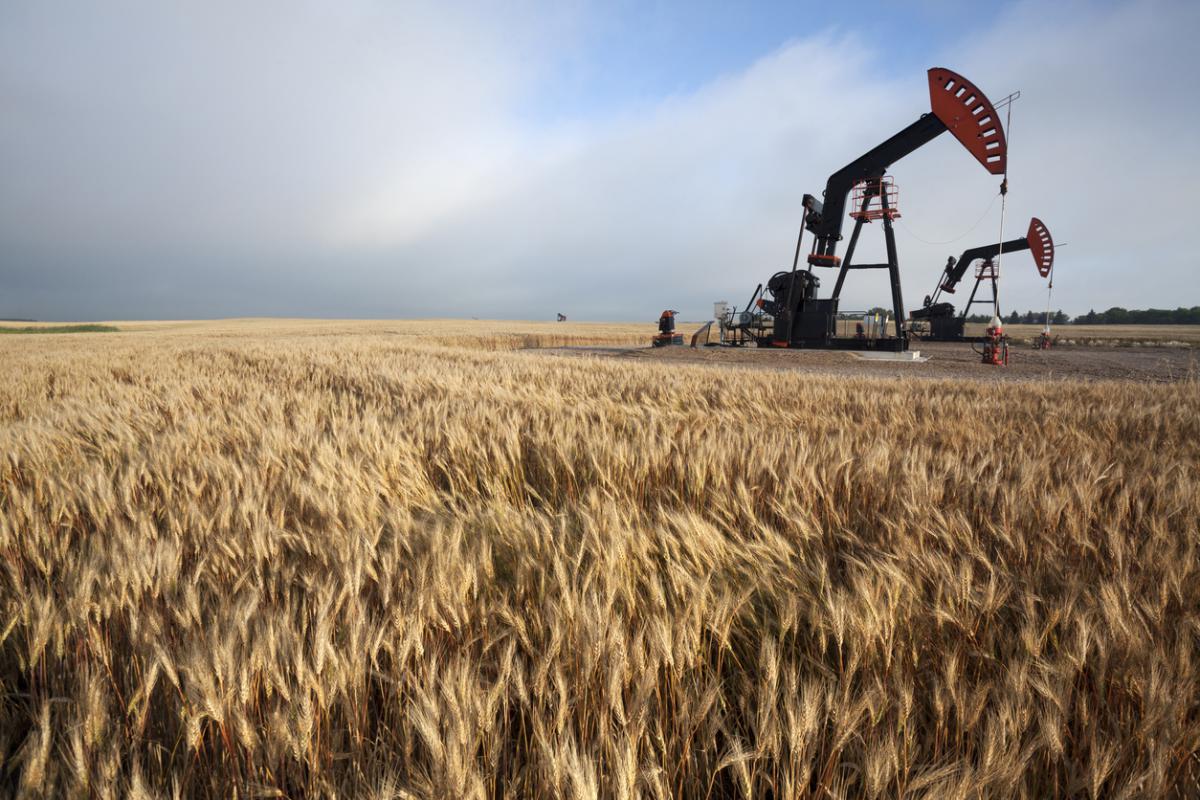
Canadian fossil fuel subsidies
In 2009, Canada joined other G20 countries in pledging to eliminate fossil fuel subsidies.

A vital action Canada must take to avoid a future of runaway climate change is reform of fossil fuel subsidies. By distorting the market, these subsidies incentivize the emissions that cause climate change. As well as being fiscally irresponsible, they help lock in pollution and slow our transition to a low-carbon economy.

Over the past few months, there have been repeated high-level calls to end fossil fuel subsidies. The United Nations' recent biodiversity report, which projected one million species approaching risk of extinction, denounced these subsidies for their devastating impact on wildlife. World leaders, such as UN Secretary-General Antonio Guterres and the International Monetary Fund’s Christine Lagarde, have condemned fossil fuel subsidies as a driver of climate change.

Ten years ago, Canada and other G20 countries committed to phasing out fossil fuel subsidies, but progress has been slow. Our country is still the largest funder of fossil fuels per unit of GDP in the G7. While the federal government has taken steps to address subsidies, including committing to a peer review of its subsidies with Argentina, phasing out some subsidies such as the Atlantic Investment Tax Credit (AITC) and opening consultations on non-tax subsidies, more work is needed to meet the G20 goal—because our subsidies are still significant.

In past years, federal subsidies have reached more than CAD1 billion per year. From 2016 to 2018, the federal government committed to some reforms, including removing the AITC, but still provided hundreds of millions of dollars annually in fossil fuel subsidies

To be clear, ensuring access to affordable energy is important, particularly for vulnerable groups. However, the reality is that many Canadian fossil fuel subsidies go to producers, not consumers. Our priority should be reclaiming taxpayer dollars and foregone public revenue handed to private companies that promote fossil fuel production.

The kicker is that we don’t understand the full scope of this problem. Canadians don’t have access to information on who directly benefits from these subsidies, or just how much in taxpayer dollars is being spent. Numerous organizations have pushed for subsidy transparency, but pressure to act has also come from inside government. Earlier this year, the Commissioner of the Environment and Sustainable Development criticized Canada’s lack of transparency and progress on this issue.

In response, Environment and Climate Change Canada began a public consultation on non-tax subsidies, which will remain open until the end of June. This is a positive step, and the results could build support for subsidy reform and improved policies to transition to a low-carbon economy.

However, more needs to be done. Despite clear calls to action from the commissioner, Finance Canada has yet to begin a similar public review process or consultation on tax provisions that benefit the oil and gas sector.

Without adequately addressing subsidies, the federal government undermines benefits from its own commendable carbon pricing policies. Significant emission reductions will only happen if Canada addresses those policies that encourage emissions in the first place.

The economics are clear. With billions redirected away from harmful subsidies, Canada has an incredible opportunity to support issues that matter to Canadians, such as job creation, healthcare and education.

We can move toward a low-carbon economy and a clean future for Canadians and at the same time use savings from subsidies to support industry, workers and communities that are affected by this transition. Canada already has a model to do this: the Just Transition Task Force on coal gave clear policy options to chart a safe, sustainable future beyond fossil fuels.

The question is: are we ready to come clean?

This op-ed first appeared in The Hill Times on June 5, 2019.

Insight details

Insight

How Will the Circular Economy Impact Jobs?

New research digs into some of the possible job impacts if a country like Finland fully embraces a circular economy model.

June 6, 2019

The 2019 World Circular Economy Forum (WCEF) in Helsinki was like a breath of fresh air as summer begins.

Speakers shared possible forecasts on innovation, economic opportunities and social development, giving new dimensions to the environmental sustainability of this promising economic model.

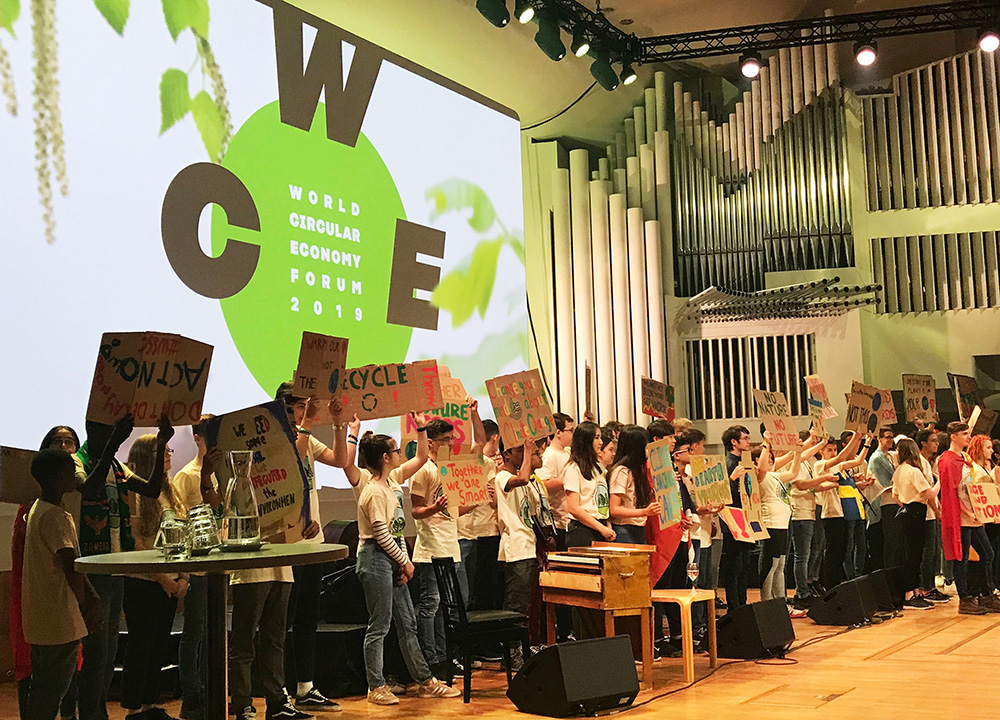
WCEF Youth Delegates
Youth delegates greet attendees at WCEF 2019 in Helsinki.

The question of how you grow and protect jobs under a circular economy has received increased attention this year. It’s natural to expect changes in employment under a circular economy, but, to date, a lot of analysis has been relatively high-level, based on economy-wide estimates. There remain several unknowns. Which sectors are best suited to growth under a circular economy? Where might new jobs be found? Where will governments have to assist workers to transition to new jobs?

In new research conducted in partnership with the Finnish Innovation Fund, Sitra, IISD dug into some of these unknowns to better understand how jobs may be created or impacted in Finland, though the findings have international implications. IISD also sought to provide insights on which sectors may need supportive policies to ensure that a transition to a circular economy is consistent with just transition principles.

We looked at six sectors: buildings, textiles, food production, mining, forestry and electronics. The good news across the board is that these sectors are well suited for a shift to a circular economy in Finland. Some, such as the building and electronics sectors, are naturally conducive to job growth under a circular model, since circularity implies an increase in labour-intensive activities associated with reuse, recovery and recycling (e.g., electronics recycling or building retrofits to meet efficiency targets). 

Other sectors, such as mining or forestry, see job growth but at a smaller level, as there is a net benefit when considering reduced demand for raw materials weighed against a sector well suited to circularity (e.g., sustainable forest products, cobalt for electric vehicles) and the potential for industry to seek to increase exports to offset reduced domestic demand. This means that there isn’t a threat of job loss, despite shifts away from consumption and production of raw materials in Finland and a higher focus on efficiency and extended product life span.

Electronics recycling
Some sectors in Finland, such as the building and electronics sectors, are naturally conducive to job growth under a circular model.

Some sectors will require additional attention. For example, food production will be affected, as there will be slightly lower demand for products in a reduced-waste scenario. Measures can be adopted to offset impacts on domestic jobs, however, such as procurement and promotion of locally grown products.

At the forum, international thought leaders shared their feedback—one of the main benefits the WCEF delivers. Acting as host, Sitra representative Kari Herlevi highlighted the importance of inclusive employment in a circular economy. He spoke about the need to look beyond employment numbers to sustainable well-being and social impacts, emphasizing that the circular economy is not about competition between sectors but collaboration for a sustainable circular model.

Speaking for the Organisation for Economic Co-operation and Development (OECD), Shardul Agrawala highlighted often neglected areas of research. He pointed out that it’s not only about the number of new jobs, but also their quality, the new set of skills required, durability and wages. He also noted that, apart from the jobs that are created or ended, there are jobs that are restructured or redefined in a circular model.

Carlos Tapia, representing Tecnalia, spoke about his research at a European regional level. He examined the dynamics between material and technological providers, where the former is more rural and the latter more urban based. This necessitates not only considering what the economy is based on but also where those jobs are physically located. His work estimates that there are already 5.8 million workers in circular jobs in Europe today. 

Representing the World Economic Forum, Antonia Gawel highlighted parallels with the fourth industrial revolution, noting the potential disruption for workers who are less resilient to technological change. She said that nearly three quarters of companies she has spoken with note that the most important component for the circular economy is the skills and talent required, much more so than the location of raw material inputs.

Peter Wooders, the Energy Program Director for IISD, closed the event by looking to the future. Having identified some jobs shifts within a circular economy model, the next challenge will be to develop implementation plans and policies that support workers in a just transition to a circular economy.

This event was a sneak peek. IISD and Sitra will share the entirety of their research in the fall, complete with job modelling in all six sectors and an analysis of how trade-related employment will be affected by a circular economy. The work will also include suggestions for how any government—not just Finland—can help workers find inclusive, circular employment.

Insight details

Insight

Why Gender Matters in Climate Change Adaptation

Effective climate change adaptation recognizes that women, men and children experience impacts differently depending on where they live, how they sustain their livelihoods, and the roles they play in their families and communities.

June 6, 2019

Climate change is the most critical challenge facing humanity today.

Experts are raising the alarm about this crisis with increasing anxiety. Clearly, urgent action is needed to reduce greenhouse gas emissions in order to limit the global temperature rise over the coming years.

Climate change and women
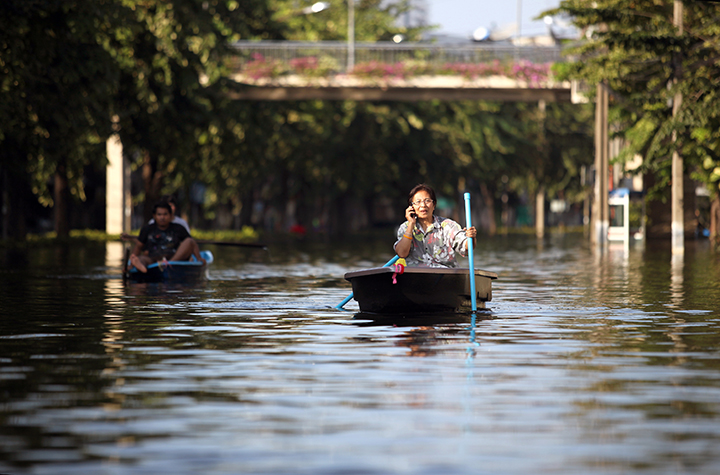
A women speaks on a cellphone in Bangkok during a 2011 flood.

But what about the people who are experiencing the impacts of climate change now, today? And those who will experience worsening impacts for the foreseeable future? 

For the first time, in 2015, the Paris Agreement under the United Nations Framework Convention on Climate Change established a global goal for adaptation to climate change. This was a recognition that we are committed to a certain amount of climate change and that investment in adaptation is both necessary and increasingly urgent. 

Climate change is inherently a justice issue—those who have contributed least to its causes will suffer most from its effects. At the global level, such as in the Paris Agreement, this is already recognized.

Infographic | Addressing Gender Equality in Climate Change Adaptation

This agreement, ratified by 185 countries, makes the links between climate change and human rights, poverty eradication and sustainable development. It also acknowledges the importance of gender equality and women’s empowerment, and calls for climate action to be gender-responsive. 

So how do these commitments play out in practice? With limited resources available for adaptation, particularly in poorer countries, how can we ensure that investments reach the most vulnerable women, men, girls and boys? How can we ensure that efforts to respond to this unprecedented challenge eliminate, rather than exacerbate, inequalities?

Climate change and women
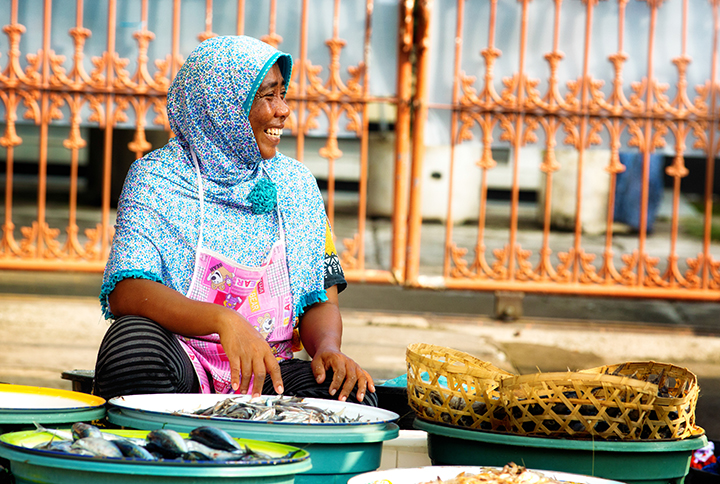
A fish vendor plies her trade in Seririt, Indonesia in 2015.

At the International Institute for Sustainable Development, we are increasingly focused on the gender implications of sustainable development policies and investments. Among other projects, we work with governments to promote planning for climate change adaptation that is gender-responsive. This comes down to three things:

Who matters?

Who decides?

Who benefits?

The right answer to all of these questions is, of course, everyone. Everyone matters when it comes to managing the impacts of climate change, particularly those who are least able to adapt. Everyone should have a say in how climate action occurs, and everyone should benefit from investments in adaptation in an equitable manner.

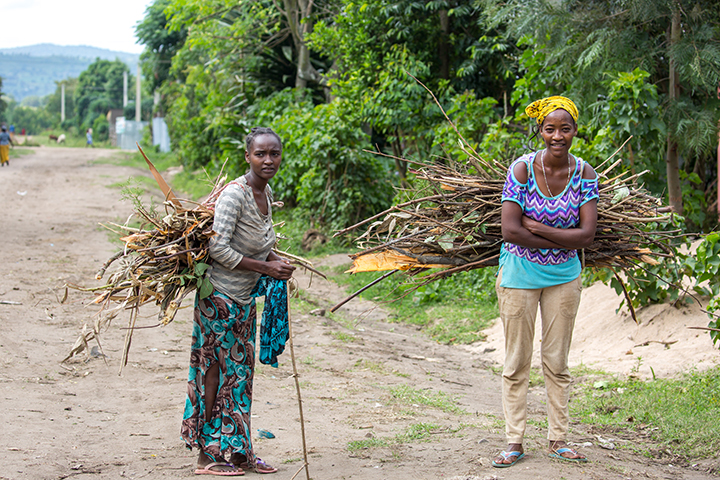
But when we are thinking about who matters, we need to recognize that people experience the impacts of climate change in different ways. A livestock herder in the Ethiopian lowlands has a much different experience of climate change than a civil servant in Addis Ababa. A woman in a poor rural household has a different experience of climate change than her husband.

Report  | Conducting Gender Analysis to Inform National Adaptation Plan (NAP) Processes: Reflections from six African countries

People have different adaptation needs, depending on where they live, how they sustain their livelihoods, and the roles they play in their families and communities. There are socially determined differences too—in opportunities, responsibilities and decision-making power—and all of these influence how vulnerable people are to climate change.

Without understanding these dynamics—which are often influenced by gender—there is a risk that the people with the greatest need for adaptation will be left out.

Women and climate change
"People have different adaptation needs, depending on where they live, how they sustain their livelihoods and the roles they play in their families and communities."

Effective adaptation considers the differing needs of women and men, as well as marginalized groups, to ensure that investments are targeted where they are needed most.

The reality in many countries is that women are under-represented in decision-making in areas relevant to climate change adaptation. For example, in many African countries, the number of women in senior positions in the government is concerningly small. And at the household level, decision-making power still often rests with men.  

If women are not involved in decision-making, how likely is it that their interests will be represented?

Effective climate change adaptation brings everyone to the table, recognizing the value of their knowledge and their potential as agents of change. The process of adaptation planning is designed to make it possible to invest in concrete actions that reduce vulnerability to climate change.

However, there is a risk that adaptation investments actually reinforce existing wealth and power structures, rather than benefiting the most vulnerable women and men. Adaptation is effective when it is equitable, providing opportunities and benefits for all people.

The urgency of adapting to climate change has never been clearer. We have an opportunity, through global commitments like the Paris Agreement, to rapidly scale up action in this area. For this to be effective, we need to start from the premise that everyone matters—rich or poor, farmer or civil servant, woman or man. 

We need to bring diverse voices, including those that are typically excluded, into decision making to identify the best solutions for adapting to climate change. And we need to ensure that investments in adaptation provide equitable benefits for people of all genders and social groups. This is the only way we can build families, communities and societies that are resilient to the impacts of climate change.