Conference

The Future of Finance

March 16, 2021 - March 18, 2021

(Open to public)

Sustainable finance has gained considerable traction in recent years. It has become one of the major megatrends in the financial industry. It is already influencing capital allocations globally, such as commitments from institutional investors to divest from fossil fuel companies and other “sin” sectors; environmental, social, governance (ESG) funds attracting record inflows in 2020; the CEO of the world’s largest asset manager writing a public letter to the business community stressing the potential financial impact of climate risk; and the European Union making moves to regulate the definition of sustainable financial products.

This future-focused event series featured three one-hour sessions, providing an in-depth look into some of the most important emerging themes that are shaping the transition to sustainable financial markets.

  • Sustainable Investing Trends in 2021
  • Nature-Based Infrastructure as an Asset Class
  • Gender Lens Investing

Our first session provided the “big picture” and will explore the sustainable investing trends to watch in 2021. This was followed by two deep-dive sessions on top themes that investors should be aware of due to their growing potential to shape the future of finance. Each session featured a concise breakdown of the current state of play and engaged high-level panellists in an interactive discussion of the gaps, opportunities, challenges, and trends.

This event was co-organized by the International Institute for Sustainable Development (IISD) and the China Council for International Cooperation on Environment and Development (CCICED) and is part of the Building Bridges Community. Building Bridges is a growing movement of organizations dedicated to advancing a sustainable finance system in Switzerland and across the globe. The initiative recognizes that the scale and complexity of this transition requires “building bridges” between finance, government, and sustainable development communities.

The next Building Bridges Week and Summit will take place November 29-December 2 in Geneva and we are happy that this event is contributing to the conversation in the lead up to that moment.


Session 1: Sustainable Investing Trends in 2021

Sustainable investing has come a long way. It was not long ago when this new way of investing was still considered to be niche—and even at times confused with philanthropy. Over the years, financial market participants have gained a better understanding of the value proposition of incorporating environmental, social, and governance (ESG) considerations in asset allocations and recognized the potential in the increasing client demand for values-based investing.

The session aimed to answer the following questions:

  • What will be the main trends in sustainable investing in 2021?
  • Which sustainable investing themes should be getting more attention?
  • Going beyond the hype: why is sustainable investing here to stay?
  • What will be the main drivers of sustainability integration in investment decisions?
  • What are the challenges of sustainable investing becoming mainstream? What needs to be done to address them?

Watch the session's full-recording and check out the presentation by David Uzsoki


Session 2: Making Nature-Based Infrastructure an Asset Class

Nature-based infrastructure (NBI) remains nascent, and there is a general lack of understanding of what it is and its value proposition. In order to scale up NBI, there is a need to demonstrate that it is indeed investment-ready and that it exhibits a set of unique characteristics that are appealing to both public and private investors. In other words, NBI needs to become a distinct asset class. For this to happen, several dimensions of work need to come together in a systemic and synergistic manner and in scale.

The session aimed to answer the following questions:

  • What is NBI and why is it important?
  • What is needed for NBI to become an asset class?
  • What were the key achievements and highlights in the space in 2020?
  • What are the latest innovative instruments and solutions available to address the “lack of revenue stream” problem?

Watch the session's full-recording and check out the presentation by Liesbeth Casier


Session 3: Gender Lens Investing

Sustainable investing has experienced impressive growth in recent years, reaching USD 30.7 trillion in assets under management in developed countries alone. At the same time, only a fraction of this amount, USD 7.7 billion, has gone into gender lens investing, a growing segment of sustainable investing that focuses on advancing gender equality. Achieving gender equality is essential for a prosperous and sustainable world, as it affects all aspects of sustainable development. In addition, gender diversity has a positive impact on financial performance. Companies with a gender-diverse workforce are likely to outperform their peers and increase their market valuations.

The session aimed to answer the following questions:

  • What is the business case for gender lens investing?
  • What are the latest developments in the space?
  • What is needed to scale up gender financing?
  • How can we integrate gender considerations into all new sustainable finance instruments?
  • How could a second generation of gender bonds look like?

Watch the session's full-recording and check out the presentation by David Uzsoki


Date /Time: 16-18 March 2021 - 8:00 AM EDT / 13:00 PM CET

Registration on Zoom: Click here

Event Hashtag: #FutureOfFinance & Social Media Pack.


Speakers

Session 1: Sustainable Investing Trends in 2021

  • Stephen Heintz, President and CEO, The Rockefeller Brothers Fund
  • Ma Jun, Chairman, Green Finance Committee of China Society for Finance and Banking
  • Marie-Laure Schaufelberger, Head of Group ESG & Stewardship, Pictet Group
  • David Uzsoki, Sustainable Finance Lead and Senior Advisor, IISD

Opening remarks: Scott Vaughan, International Chief Advisor, CCICED
Moderated by: Peter Cripps, Editor, Environmental Finance

Session 2: Making Nature-Based Infrastructure an Asset Class

  • Martin Berg, Head of Natural Capital Impact Strategy, HSBC Pollination Climate Asset Management
  • Liesbeth Casier, Senior Policy Advisor, IISD
  • Margaret Kuhlow, Finance Practice Lead, World Wildlife Fund
  • Michael Urban, Senior Sustainability Analyst, Lombard Odier

Moderated by: Kali Taylor, Policy Advisor, IISD

Session 3: Gender Lens Investing

  • Suzanne Biegel, Founder, Catalyst at Large
  • Frederic Pinglot, Group Sustainability Performance Director, Schneider Electric
  • Tim Radjy, Founder and Managing Partner, AlphaMundi Group
  • David Uzsoki, Sustainable Finance Lead and Senior Advisor, IISD

Moderated by: Kali Taylor, Policy Advisor, IISD
Conference

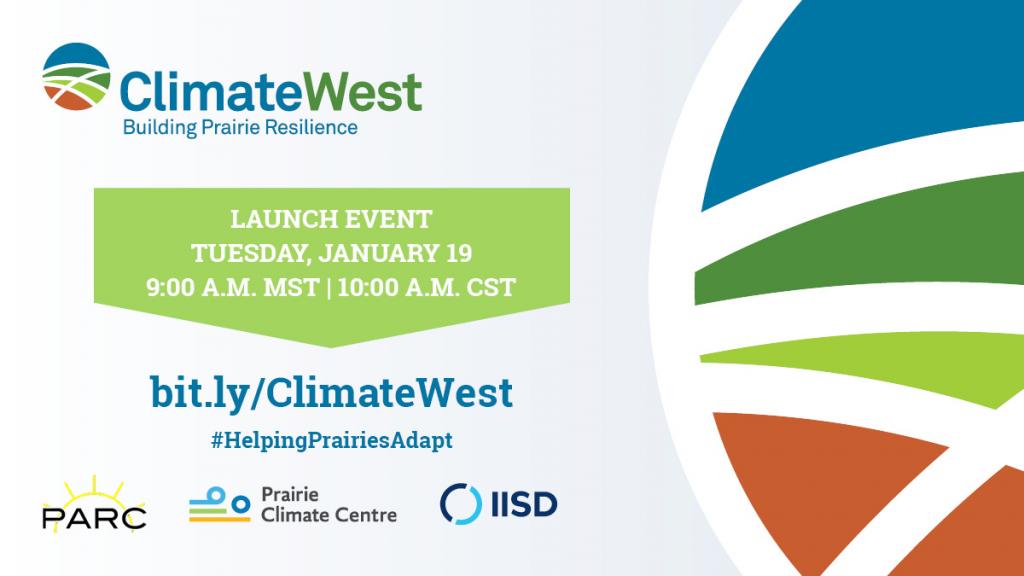
Launch of ClimateWest

The International Institute for Sustainable Development is excited to announce a new resource for climate change adaptation on the Canadian Prairies!

January 19, 2021 10:00 am CST

(Open to public)

ClimateWest will work with people, communities, businesses, and governments across Manitoba, Saskatchewan, and Alberta to help address the risks and opportunities generated by climate change. To learn more about ClimateWest, please register to join the virtual launch at 10:00 a.m. CST on January 19.

climatewest-launch-event.jpg

ClimateWest's founding partners include the International Institute for Sustainable Development (IISD), the Prairie Climate Centre (PCC) at the University of Winnipeg, and the Prairie Adaptation Research Collaborative (PARC) at the University of Regina.
At the event, you'll hear from ClimateWest’s Executive Director Jane Hilderman, and from many of the collaborating organizations who helped to create ClimateWest:

  • Terry Duguid, Parliamentary Secretary to the Minister of Environment and Climate Change
  • Hon. Sarah Guillemard, Minister of Conservation and Climate, Government of Manitoba
  • Hon. Warren Kaeding, Minister of Environment, Government of Saskatchewan
  • Dr. Richard Florizone, President & CEO, International Institute for Sustainable Development
  • Dr. Thomas Chase, Interim President and Vice-Chancellor, University of Regina
  • Dr. James Currie, Interim President and Vice-Chancellor, University of Winnipeg

The launch will also include a short moderated discussion with opportunity for Q&A.

In case you missed it, ClimateWest launches on the heels of the recently released Prairie Chapter of the national assessment process (led by the Government of Canada), which affirms the Prairies as Canada’s second fastest warming region due to climate change. ClimateWest seeks to support governments, businesses and communities with credible climate information, capacity-building, and adaptation guidance tailored to the Prairie region in order to build climate resilience.


If you have questions, please contact [email protected].
Follow ClimateWest on Twitter @climatewest_ca & Facebook @ClimateWest_CA

Conference details

Conference

IISD at the WTO's Trade and Environment Week: A Stakeholder Perspective on Trade, Environment, and Sustainable Development

The International Institute for Sustainable Development (IISD) is actively involved throughout the World Trade Organization's Trade and Environment Week, scheduled from November 16 to November 20, 2020.

November 16, 2020 10:00 am - November 20, 2020 6:00 pm CET

(Open to public)

IISD at the WTO's Trade and Environment Week


IISD is excited to be participating in the World Trade Organization's (WTO) Trade and Environment Week, a fully virtual event featuring sessions that span topics ranging from fossil fuel subsidy reform to tackling plastic waste.

Along with organizing and participating in some of the week's sessions, we will also be publishing daily reporting and analysis through IISD's SDG Knowledge Hub. For an e-mail newsletter featuring our trade and sustainability reporting, please subscribe here.

Monday, November 16: A Stakeholder Perspective on Trade, Environment, and Sustainable Development

This stakeholder dialogue was held by IISD during the WTO's Trade and Environment Week and featured an in-depth discussion on some of the key issues at the heart of the trade, environment, and development nexus.

This virtual session was held on Monday, November 16, 2020, at 5 PM CET (Geneva time). Bringing together speakers from civil society and the WTO membership, this dialogue considered some of the challenges and opportunities that lie ahead in these policy areas, as well as how to foster further collaboration across the various stakeholders operating in this space.

Speakers included:

  • Ambassador Chad Blackman of Barbados, Chair of the WTO's Committee on Trade and Environment
  • Nathalie Bernasconi-Osterwalder, Executive Director, IISD Europe
  • Peter Wooders, Senior Director, Energy, IISD
  • Rashid Kaukab, Executive Director, CUTS International Geneva
  • Isabel Jarrett, Manager, Reducing Harmful Fisheries Subsidies, the Pew Charitable Trusts
  • Carolyn Deere Birkbeck, Senior Researcher, Global Governance Centre, the Graduate Institute

The event moderator was Soledad Leal Campos, Senior Policy Advisor, IISD.

Watch the full recording of the virtual session


Tuesday, November 17: IISD at the Launch of the Structured Discussions on Trade and Environmental Sustainability

A group of WTO members announced the launch of "structured discussions" on trade and environmental sustainability, looking at how to complement and support existing work in this area at the organization. Peter Wooders, Senior Director, Energy, IISD, was part of the panel discussion organized for the launch.

Further details about IISD's participation in other events throughout the week will be available in due course.

Conference details

Conference

Virtual Forum on Hydrogen Economy

October 26, 2020 2:00 pm - October 27, 2020 4:30 pm GMT +2

(Open to public)

By 2050, hydrogen could meet up to 24% of the world’s energy needs, according to BloombergNEF. The demand for pure hydrogen is already around 70 Mt per year, mostly for use in oil refining and chemical production. This hydrogen is primarily produced from natural gas and coal, emitting substantial amounts of carbon dioxide. 

Today, countries are announcing national strategies to support the hydrogen industry. But will these new policies and investments help or hinder hydrogen’s role in the energy transition?

IISD is organizing a series of three public webinars on the Hydrogen Economy on October 26-27. The October 26 event will set out some guiding questions and present the state of play in the hydrogen sector overall. The October 27 events will involve dedicated workshops on key issues.

IISD will also hold a high-level discussion on November 2 on how governments should best intervene and support the market. Please note that this discussion will be by invitation only.

The Virtual Forum on Hydrogen Economy will highlight the following questions:

  • How could international trade of hydrogen play a role in the low-carbon transition? What are the standards and requirements?
  • Which niche markets should be prioritized today? (e.g., long-haul transportation, industrial use)
  • What are the policy packages and financing mechanisms? What is needed?

Join us on October 26 and 27 to hear industry experts, policy-makers, and academics from around the globe explore answers to these questions and more.  

Program

October 26 | Geneva (UTC +2) 2 p.m. | Beijing (UTC +8) 9 p.m.

Welcome and Introduction 

Are we at the start of the age of hydrogen? Which countries and industries are leading the way?

Moderator: ​Peter Wooders, Senior Director, Energy at IISD

Presentations

  • Introduction to the Hydrogen Economy, Richard Florizone, CEO, IISD 
  • Global Perspectives on the Hydrogen Economy, Antoine Vagneur-Jones, EMEA Energy Transition Associate, BNEF
  • Sweden’s Energy Goals, Climate Policies and Sectors, Sebastian Carbonari, Swedish Ministry of Infrastructure
  • Clean Hydrogen Alliance, Noam Boussidan, Platform Curator on Energy, World Economic Forum (WEF)

Watch the full recording of this session


October 27 | Geneva (UTC +2) 2 p.m. | Beijing (UTC +8) 9 p.m.

Workshop 1

Present prospects for production and industrial use of hydrogen

Moderator: Richard Bridle, Senior Policy Advisor and Lead, Renewable Energy, IISD

Presentations

  • Hydrogen Production in Inner Mongolia and Prospects of International Trade, Michael B. McElroy, Gilbert Butler Professor of Environmental Studies at Harvard University
  • Current Status of Industrial Hydrogen: Uses, trends, and prospects, Mark Zacharias, Clean Energy Canada 
  • Market Outlook for Industrial Hydrogen in China, Dang Yanbao, Baofeng Energy Group
  • Japan’s Hydrogen use and Implications for Trade, Monica Nagashima, Japan Energy Transition Initiative
  • Project Experience of Industrial Hydrogen, Samuel Perez Ramirez, Iberdrola

Watch the full recording of Workshop 1


October 27 | Geneva (UTC +2) 3:30 p.m. | Beijing (UTC +8) 10:30 p.m.

Workshop 2

Which transport sectors are on the brink of a hydrogen transition?

Moderator: Mostafa Mostafa,​ ​Policy Analyst, Energy, IISD

Presentations

  • H2 Energy, Hyundai Making Hydrogen Trucks in Switzerland Today, Rolf Huber, H2 Energy
  • A Challenge for Hydrogen Mobility Combining Local and Global Cooperation, Jean-Pierre Ponssard, Professor of Economics – École Polytechnique
  • International Energy Agency, Fuel Cells and Transportation Roadmap, Jacob Teter, IEA 
  • Transportation in Canada, Stefan Pauer, Clean Energy Canada 
  • Freight Transportation: Towards the hydrogen economy, David Layzell, Director of the Canadian Energy Systems Analysis Research
  • Hydrogen Is the Missing Link in Europe’s Strategy, William Todts, Transport & Environment

Watch the full recording of Workshop 2


November 2 | Geneva (UTC +2) 2 pm | Beijing (UTC +8)  9 pm

High-level panel – Attendance by invitation only

Global leadership and government perspectives on the hydrogen-based energy system

Conference

China Council for International Cooperation on Environment and Development – Press Conference and Launch of Research Outputs

The China Council for International Cooperation on Environment and Development (CCICED) is holding a press conference in Beijing, China, to launch a series of research outputs, ranging from climate governance to biodiversity conservation.

September 17, 2020 11:30 am - September 18, 2020 10:30 am Beijing (GMT+8)

(Open to public)

IISD serves as the Secretariat International Support Office for the CCICED, which brings together policy experts from a range of governmental, intergovernmental, and non-governmental institutions and agencies to examine environment and development issues that involve China and the wider international community. The event also includes an address by the CCICED Secretary-General, in addition to the report launches and an on-site reception.

A full agenda, along with the research outputs themselves and details on how to access the press conference virtually, are all available on the CCICED website.

Conference details

Region
China
Impact area
Sustainable Economies
Conference

IGF's 16th Annual General Meeting

Mining and COVID-19: From crisis to sustainability

October 20, 2020 8:30 am - October 22, 2020 12:00 pm EST

(Open to public)

As the COVID-19 pandemic continues to spread, governments around the world are responding with drastic measures to protect their populations and economies. Given the speed at which the situation continues to evolve, governments must be aware that the policy decisions they make today in response to the crisis may have long-term implications for the sector—for better or worse.

In the mining industry, the pandemic has threatened workers’ health, disrupted supply chains, and halted some operations altogether. It has had far-reaching supply and demand implications for a range of commodities, resulting in ongoing price volatility throughout the sector.

The Intergovernmental Forum on Mining, Minerals, Metals and Sustainable Development will host its 16th Annual General Meeting on October 20–22, 2020. To ensure the safety of all participants, the event will be held online for the very first time, and it will take place over three days to accommodate members joining from different time zones.

As a fully virtual event, participants will not be limited for the 2020 IGF AGM — all interested stakeholders are invited to attend.

Register now!

The AGM will focus on the key industry trends that have emerged with the pandemic and how governments are responding. It will also discuss what the future of mining could look like and how the sector can transition out of the current crisis to sustainability.

We look forward to seeing you—virtually—in October.

Agenda

Most sessions will include simultaneous interpretation for participants in English, French, and Spanish. A more detailed agenda will be announced shortly.

The AGM will run for three hours each day, from 8:30 to 11:30 EST / 14:30 to 17:30 CEST.
Day 1 | Tuesday October 20
  • Introduction and opening panel
  • The future of mining employment and skills
  • Leveraging impact investing mechanisms to building resilient communities
  • Global standards for environmental and tailings management
Day 2 | Wednesday October 21
  • ASM challenges post COVID-19
  • Responsible sourcing
  • Mining’s contribution to combating climate change
  • The future of resource taxation
  • Financial assurance mechanisms for mine closure
Day 3 | Thursday October 22
  • Community engagement
  • Opportunities for greater gender equality
  • Technological innovation in a post-COVID era
  • Environmental and social impact assessments
  • Closing remarks
Conference

Consultations on a Concerted Response to COVID-19 Related ISDS Risks

May 4, 2020 - May 31, 2020

(By invitation)

In May 2020, IISD conducted virtual consultations on a concerted response to the risk of investor-state dispute settlement (ISDS) challenges to COVID-19 related measures. 

The consultations sought views on the idea of a multilateral or bilateral suspension of ISDS for COVID-19 related measures and discussed potential forums to take up such an initiative. IISD also sought inputs on draft language for such a suspension. The first consultation draft is available here:  

Draft agreement for the coordinated suspension of investor-state dispute settlement with respect to COVID-19 related measures and disputes (May 2020): in EnglishFrench, and Spanish

In June 2020, IISD revised the draft language for a suspension agreement to reflect verbal comments and written submissions provided by developing country investment negotiators, international law experts, and civil society organizations during the consultation period.  

Draft agreement for the coordinated suspension of investor-state dispute settlement with respect to COVID-19 related measures and disputes (June 2020): in English, French, and Spanish.   

IISD is continuing to work with governments, regional economic communities, and other partners to raise awareness of this threat and provide options for how it can be mitigated.   

Conference

IISD at the Geneva Trade Week

September 28, 2020 - October 2, 2020

(Open to public)

IISD supported the organization of the Sustainability stream of the Geneva Trade Week, held by the Geneva Trade Platform at the Graduate Institute between September 28 and October 2, 2020.

The entire event was held virtually, with attendees able to watch and participate in the sessions live.

Along with serving as the thematic partner for the sustainability stream, IISD organized that stream's high-level panel. IISD was also a co-organizer of two other sessions devoted to fossil fuel subsidy reform and agricultural trade and food security, respectively. The session descriptions, timing, and speaker lists are described below. All times are in Central European Summer Time (CEST). Each session lasted for 90 minutes.

This work is part of our wider effort at promoting transparency and supporting inclusive trade conversations, which is funded by UK aid from the UK government.

Related work includes regular trade reporting on the SDG Knowledge Hub, the upcoming launch of a quarterly magazine on trade in October 2020, a community list for sharing events and resources on trade and sustainable development, and a joint webinar series with the University of Geneva's Faculty of Law. Make sure to sign up to our mailing list on trade and sustainability news and analysis today.


High-Level Panel | Trade and Delivering the 2030 Agenda: Key priorities and the impact of COVID-19

This high-level panel set out some of the overarching themes for the sustainability pillar of Geneva Trade Week, examining the challenges and opportunities that lie ahead in meeting the goals of the 2030 Agenda for Sustainable Development. Speakers considered this from a short-term perspective, as we seek immediate solutions to manage and rebuild from the COVID-19 pandemic, and also review plans for fulfilling the longer-term sustainability agenda by the end of this decade. Speakers came from the fields of climate change, agriculture, biodiversity, fisheries, jobs, and health and were asked to present “To Do” actions for policy-makers, civil society, and other stakeholders to consider as we reshape our economic systems to be more socially and environmentally sustainable.  

Confirmed Speakers:

  • Nathalie Bernasconi-Osterwalder, Executive Director, IISD Europe (moderator)
  • H.E. Albert Muchanga, Commissioner for Trade and Industry, African Union Commission
  • Suerie Moon, Co-Director of the Global Health Centre, Graduate Institute
  • John Murton, UNFCCC COP 26 Envoy, United Kingdom
  • Alexander Shestakov, Director of the Science, Society and Sustainable Futures Division, Convention on Biological Diversity
  • Elizabeth Wilson, Senior Director of Environmental Policy, Pew Charitable Trusts
  • Moustapha Kamal Gueye, Coordinator, Green Jobs Programme, International Labor Organization

Date and Time: Tuesday, September 29, 2020 at 1 p.m. CEST

Organizer: IISD


Ensuring Food Security, Sustainably: What role for trade?

This session sought to explore how policies and interventions shaping trade and markets can contribute to food security and sustainability in the context of emerging challenges such as climate change and the COVID-19 pandemic. Over the past decade, international agricultural and food markets have witnessed a number of changes and challenges that affect both domestic and international markets. At the same time, new trends and phenomena are emerging which are set to affect progress on Agenda 2030 for Sustainable Development and the ability of governments to deliver on the Sustainable Development Goals. Trade patterns are likely to be influenced by climate change. At the same time, trade itself can constitute an adaptation strategy. More recently, the COVID­-19 pandemic has adversely affected food security, including through its effects on trade and markets.

Speakers considered the following questions:

  • How can policy-makers reconcile the need to adapt to climate change with the objective of ensuring food security, more sustainably?
  • How can trade in goods and services contribute to food security in the context of the COVID-19 challenge?
  • How can trade policy frameworks better address food system shocks?

Confirmed Speakers:

  • Ahmad Mukhtar, Economist, Trade Food Security, FAO Liaison Office Geneva (moderator)
  • Federica Angelucci, Senior Consultant, Inclusive Agribusiness Systems, International Trade Centre (ITC) Alliances for Action
  • Ambassador Cheryl Spencer, Permanent Representative of Jamaica to the United Nations and other international organizations in Geneva
  • Martina Bozzola, Senior Research Associate, Agricultural and Resource Economics Research Group, ZHAW and Lecturer in the Economics of Agriculture, Food, and Health, Queen's University Belfast (UK)
  • Jonathan Hepburn, Senior Policy Advisor, IISD

Date and Time: Tuesday, September 29, 2020 at 3 p.m. CEST

Organizers: Food and Agriculture Organization of the United Nations (FAO), Zurich University of Applied Sciences (ZHAW), and IISD


#StopFundingOverfishing

This session showcased views and perspectives from the non-profit, non-governmental sector as represented in the group of over 150 organizations from around the world that have signed onto the Stop Funding Overfishing policy statement. Panelists included sustainable fisheries advocates who discussed why an ambitious WTO agreement on fisheries subsidies would support fishing communities on the ground/in the water and contribute to protecting the world’s ocean, as well as help WTO Members to build back better and reignite confidence in the rules-based trading regime. The overarching question guiding the discussion was "Why is an ambitious agreement to reform fisheries subsidies essential to ensure a sustainable and healthy ocean?"

Speakers considered the following related questions:

  • What is at stake, for fishers, and for the ocean? 
  • What are the consequences of failure, for marine resources and the coastal communities that depend on them?
  • What is the impact of harmful fisheries subsidies for communities in Peru, Japan, Tanzania and globally?
  • Why does eliminating harmful fisheries subsidies matter for people and nature?
  • How can sustainable fisheries be achieved through an ambitious WTO agreement? 
  • What must the international community do to ensure a successful outcome in 2020? 

Confirmed Speakers:

  • Debbie Charles, Managing Editor, DEVEX (moderator)
  • Kerstin Forsberg, Co-Founder/Director, Planeta Océano
  • Wakao Hanaoka, Founder/CEO, SeafoodLegacy
  • Michele Kuruc, Vice President, Ocean Policy, WWF
  • Editrudith Lukanga; Executive Director, EMEDO

Date and Time: Wednesday, September 30, 2020 at 3 p.m. CEST

Organizers: Pew Charitable Trusts, Friends of Ocean Action, and IISD

Tackling Fossil Fuel Subsidies for a Greener Future: Is the WTO up to the task?

Despite fossil fuels’ widely recognized responsibility for causing global climate change, many governments continue to provide extensive support for their production and consumption. Fossil fuel subsidies were estimated at almost USD 500 billion in 2019. Recent research has also shown that COVID-19 recovery plans, in many cases, involve spending on activities involving fossil fuel production or use that is around double that allocated to clean energy. Detailed information on fossil fuel subsidies is also scant, complicating efforts at discussing reform options. 

In addition to the well-known environmental impacts, fossil fuel subsidies can also have far-reaching social, economic, and trade consequences. They constitute a considerable burden on often scarce public funds and can significantly distort competition in the market for renewable energy, thwarting the much-needed energy transition.

Given its experience in negotiating and establishing multilateral rules on subsidies in different areas, the World Trade Organization would appear to be the forum of choice to tackle fossil fuel support measures. With an absence of WTO disputes on the issue and a famously low record of compliance with subsidy notification requirements, however, it currently remains unclear whether the WTO is best suited for fostering better transparency and effectively constraining government support to fossil fuels. 

Building on recent research in this area, this session brought together perspectives from academia, civil society, government, and intergovernmental organizations. It was articulated around the following questions: Can WTO rules be used, or reformed, to address fossil fuel subsidies more effectively? On what existing types of data could possible discussions on new disciplines rely, and how can potential data gaps be filled in? Are there efforts underway to ensure subsidy rules, including at the WTO, are aligned with the need to transition to cleaner energy systems?

Confirmed Speakers: 

  • Alice Tipping, Lead, Fisheries Subsidies, IISD (moderator)
  • Harro van Asselt, Professor of Climate Law and Policy, University of Eastern Finland
  • Ronald P. Steenblik, Senior Fellow, International Institute for Sustainable Development
  • Joy Aeree Kim, Senior Economic Affairs Officer, United Nations Environment Programme (UNEP)
  • Sara Meymand, Unit Manager, Trade Negotiations Division, and Chief Negotiator for Agreement on Climate Change, Trade, and Sustainability (ACCTS), New Zealand Ministry of Foreign Affairs and Trade

Date and Time: Thursday, October 1, 2020 at 9 a.m. CEST

Organizers: University of Eastern Finland and IISD

Conference

Localizing the SDGs in Your Community

Panel discussion on how Canadian municipalities are aligning with the Sustainable Development Goals.

May 20, 2020 8:00 pm

Canada

(Open to public)

Together | Ensemble is Canada’s national conference devoted to tracking progress on the United Nations Sustainable Development Goals (SDGs).

The free online conference will run May 20–22, 2020. It represents an all-of-society approach to addressing Canada’s toughest sustainable development challenges, bringing together the private sector, academia, government, and civil society. It will promote:

  • Work that is happening across the country
  • New opportunities for collective impact
  • Mobilization of good practices, effective research, and policy work
  • New partnerships, innovations, and pathways for progress on the SDGs.

On Thursday, May 21, 2020, IISD's Stefan Jungcurt moderates an exceptional panel discussion on cities and municipalities embracing the SDGs.

Localizing the SDGs in Your Community

Municipalities across Canada are aligning community indicator systems, strategic planning, and reporting frameworks with the Sustainable Development Goals to develop robust, holistic measures of sustainability and to promote interdepartmental collaboration. This session features strategies and tools from leaders who have initiated the process of localizing the SDGs in their communities.

Confirmed Speakers:

  • Stefan Jungcurt (moderator), International Institute for Sustainable Development (IISD)
  • S. S. Ahmad, Green Beacon Consulting
  • Anna Marie Cipriani, City of Waterloo
  • Luis Patricio, London Poverty Research Centre

Thursday May 21, 2020 from 12:00–12:45 pm EDT
Register online

Conference

IISD at Adaptation Canada 2020

February 18, 2020 7:00 pm - February 20, 2020 7:00 pm

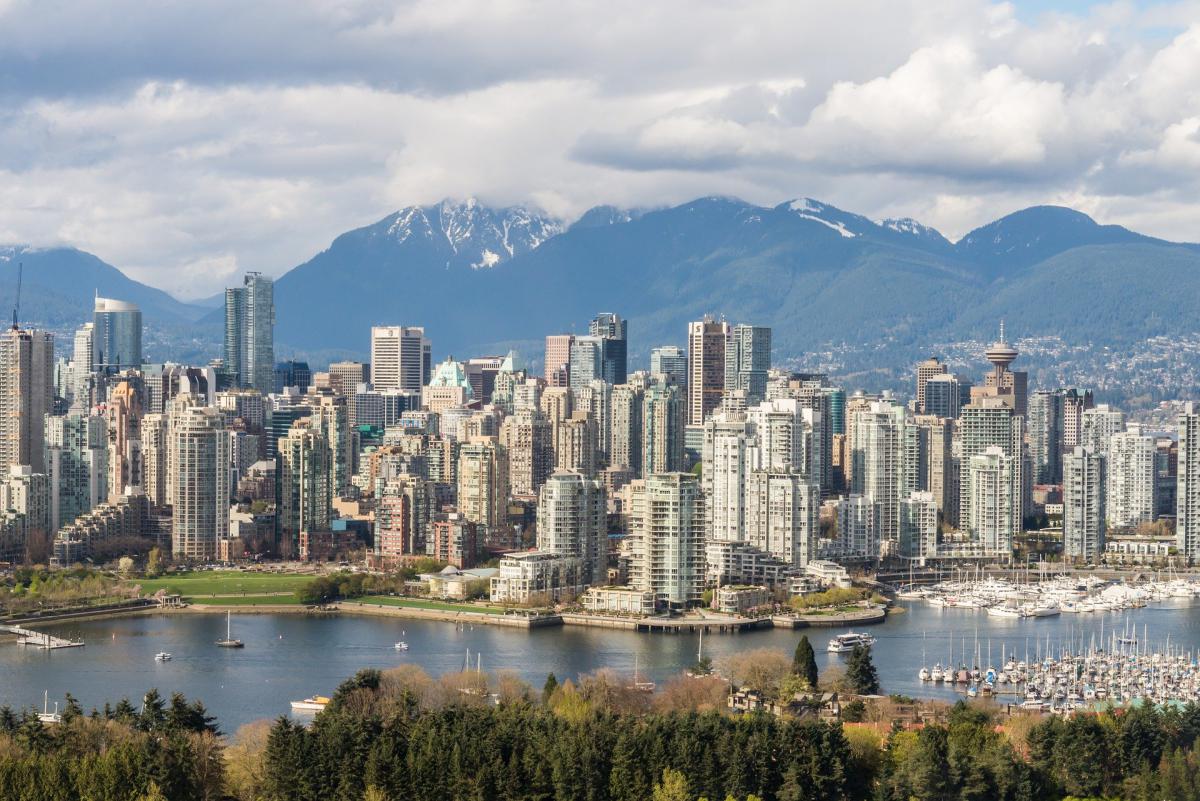
Vancouver, British Columbia

(Open to public)

Adaptation experts from different sectors, disciplines and regions of Canada will meet in Vancouver, British Columbia, for Adaptation Canada 2020. This national conference on climate change adaptation will take place from February 19 to 21, fostering debate on how Canada should face the critical challenges brought by the rise in global temperatures, as well as how the country is adapting to the already unavoidable impacts of climate change.

Photo credit: Luke Lawreszuk.

Adaptation experts from IISD’s Resilience Program will take part in discussions, share research and convene events at the conference, with a focus on gender and climate change on the Canadian Prairies. They will be involved in the two workshop sessions listed below.

Sharing Knowledge, Building Networks to Address a Changing Prairie Climate | Prairies Regional Adaptation Collaborative

February 20 | 10:30 am12 pm  | Pavilion Ballroom C

As the Prairie provinces experience more frequent and intense extreme events such as flooding, drought and wildfire, practitioners are responding by developing and implementing measures to manage and adapt to our changing climate.

The session will be organized by the Prairies Regional Adaptation Collaborative (PRAC), a partnership between Natural Resources Canada and the governments of Manitoba, Saskatchewan and Alberta that helps people, communities and businesses within the Prairie provinces prepare for the impacts of climate change. The IISD serves as its Secretariat.

This session will describe how interprovincial collaboration is building a community of adaptation practitioners on the Prairies. It will also provide an opportunity for practitioners engaged in these efforts to share their experiences and learn from one another as they work to ensure that their communities and businesses are better prepared.

Exploring the Gender Dimensions of Adaptation: Sharing Insights from Canadian and International Research

February 20 | 23:30 pm | Pavilion Ballroom D

The impacts of climate change will affect people in different ways, depending on their location and how they sustain their livelihoods, as well as a range of other factors including gender, class and ethnicity. If these issues are not considered in planning and decision making, there is a risk that adaptation investments will be ineffective, particularly in reaching the most vulnerable communities and groups.

This session will draw on empirical research and practical experience in Canada and Sub-Saharan Africa to explore how gender and other social factors influence experiences of climate change and the capacity to adapt.

IISD associate Angie Dazé will share her experience on the social and gender dimensions of climate change adaptation. Angie leads the gender theme of the National Adaptation Plan (NAP) Global Network, whose Secretariat is hosted by IISD, supporting developing countries in working towards gender-responsive NAP processes.


Conference details