Webinar

Launch Event of Ceres2030: Uniting Science and Policy to End Hunger Sustainably

October 13, 2020 12:15 pm - 1:00 pm CEST

(Open to public)

Almost 80 researchers spanning 23 countries worked intensely for three years to identify the most promising solutions to building sustainable food systems and to tell donors how much it would cost to end hunger by 2030. Their efforts, which combined artificial intelligence, state-of-the-art modelling, and a strong partnership with Nature Research, will be released at the launch event for Ceres2030: Sustainable Solutions to End Hunger.

Ceres2030 is a joint project between Cornell University, the International Institute Food Policy Research Institute (IFPRI), and the International Institute for Sustainable Development (IISD).

This launch event will focus on how much public spending is needed in low- and middle-income countries, including donor contributions through official development assistance (ODA), to achieve the UN Sustainable Development Goal 2, zero hunger. Panellists will also explore a diverse mix of agricultural interventions in three broad areas—farm-level interventions to directly improve farm productivity, drivers in market systems that can facilitate storage and services that farmers need, and social interventions to empower rural populations.

This session is part of a series of  hosted by the German Federal Ministry of Economic Cooperation and Development (BMZ). For more information on this event please see this programme.

Interpretation in French will be available for this meeting. See the event webpage in French.

En français  (The English recording is below, please scroll down)

Presenter

Dr. Eugenie Maiga - Lead author, Associate Professor, Norbert Zongo University

David Laborde - Senior Research Fellow, IFPRI & Co-Director Ceres2030

Jaron Porciello - Associate Director, Cornell University & Co-Director Ceres2030

Moderator

Carin Smaller, Director, Agriculture, Trade & Investment, IISD & Co-Director Ceres2030


Event hashtag: #GoodFood4All

In English
 

Webinar

Word Data Forum: Learning from open geodata platforms that worked in the midst of a pandemic

This side event during the UN World Data Forum 2020 will feature a panel discussion of experts and officials to address the production of open geodata platforms that worked in a timely manner in the midst of the pandemic.

October 19, 2020 3:30 pm - 4:45 pm UTC

(Open to public)

The side event will highlight the opportunities and challenges these geospatial platforms offer to better respond to the analysis and dissemination of COVID-19 findings using open data from (and for) stakeholders. It will also address the pros, cons, and challenges of data partnerships between different statistical communities.

Facilitator: 

Speakers

  • Beth Timmers, IISD
  • Grace Bediako, Ghana Statistical Service
  • Luca Di Gennaro Splendore, Statistical consultant
  • Olga Henker, Data Quality Conformity Organization
  • Steven MacFeely, UNCTAD
Webinar

Geneva Trade Week Session: Tackling Fossil Fuel Subsidies for a Greener Future: Is the WTO up to the Task?

Can WTO rules be used or reformed to better address Fossil Fuel Subsidies? Join this Geneva Trade Week session to find out. 

October 1, 2020 3:00 am - 4:30 am EST

(Open to public)

Despite fossil fuels’ widely recognised responsibility for causing global climate change, many governments continue to massively support their production and consumption. Fossil fuel subsidies were estimated at almost US$ 500 billion in 2019. Recent research has also shown that in the context of recovery plans from the Covid-19 pandemic, twice as much money is being spent on activities that produce or are heavy users of fossil fuels than on clean energy. Detailed information on fossil fuel subsidies still exists only for less than one-third of the world’s countries, which makes discussing their reform harder than it need be.

This situation is all the more concerning when considering that on top of their well-known environmental impacts, fossil fuel subsidies can also have far-reaching social, economic, and trade consequences. They constitute a considerable burden on often scarce public funds, and can significantly distort competition in the market for renewable energy, thwarting the much-needed energy transition.

In light of its experience in negotiating and establishing multilateral rules on subsidies in different areas, the World Trade Organization would appear to be the forum of choice to tackle fossil fuel support measures. With an absence of WTO disputes on the issue and a notoriously low record of compliance with subsidy notification requirements, however, it currently remains unclear how useful a forum the WTO could be in fostering better transparency and effectively constraining government support to fossil fuels. Is the WTO up to this timely and essential task?

Building on recent research in this area, this session will bring together perspectives from academia, civil society, government and intergovernmental organizations. It will be articulated around the following questions: Can WTO rules be used, or reformed, to address fossil fuel subsidies more effectively? On what existing types of data could possible discussions on new disciplines rely, and how can potential data gaps be filled in? Are there efforts underway to ensure subsidy rules, including at the WTO, are aligned with the need to transition to cleaner energy systems? 

This Geneva Trade Week session has been co-organized by the University of Eastern Finland and the International Institute for Sustainable Development (IISD).

Webinar

Why does a green recovery in Canada need to be fossil fuel subsidy-free?

Join us for an exploration of how tackling fossil fuel subsidies in Canada can help us recover from COVID-19.

September 30, 2020 12:00 pm - 1:00 pm EST

via Zoom

(Open to public)

The investments that Canada makes today will have long-lasting implications for years to come, with the world needing to accelerate efforts to address the climate and biodiversity crises. The past few months have shown how crucial it is that governments shift funds to important priorities beyond fossil fuels, such as clean energy, healthcare, and social protection. This webinar will illustrate how fossil fuel subsidy reform can support a green and just recovery.

We’ll deep dive into how subsidy reform can contribute to Canada’s short-term and long-term national priorities including COVID-19 economic recovery and achieving our climate change targets. We’ll analyze Canada’s existing fossil fuel subsidies and their COVID-19 response so far, in the context of the government’s commitment to phase out inefficient fossil fuel subsidies that encourage wasteful consumption. Finally, we’ll turn to assess Canada’ progress on the G20 fossil fuel subsidy peer review with Argentina and see how Canada compares internationally.

The webinar will feature Canadian and international climate change and fossil fuel subsidy experts, including a representative from the Friends of Fossil Fuel Subsidies Reform (FFFSR).

Webinar

IISD-UNIGE Webinar | Multilateral Environmental Agreements and the Trade Regime: Exploring options for CITES and preventing future pandemics

September 23, 2020 9:00 am - 10:00 am CEST

(Open to public)

The International Institute for Sustainable Development and the University of Geneva's Faculty of Law are excited to announce the second webinar in their new, joint series on trade and sustainability issues.

Held on September 23, 2020, at 3 PM CEST / 9 AM EDT, the webinar was devoted to trade, biodiversity, wildlife, and natural resources, taking a technical view of the different agreements that operate in this space, while linking these issues to the wider context of the COVID-19 crisis and public health. The speakers took a deep dive into the Convention on International Trade in Endangered Species of Wild Fauna and Flora (CITES), other multilateral environmental agreements (MEAs), and the World Trade Organization's (WTO) Agreements.

The webinar featured Sofie H. Flensborg, Legal Adviser at the CITES Secretariat, and Gabrielle Marceau, Professor at the University of Geneva, as speakers. Soledad Leal Campos, Senior Policy Advisor at the International Institute for Sustainable Development, served as moderator.

The event recording is available below and on IISD's YouTube channel.

Webinar

Parliamentarians Action #3 | Protecting and Promoting Women’s Land Rights in the Face of COVID-19 and Beyond

September 17, 2020 4:30 am - 7:00 am CEST

(Open to public)

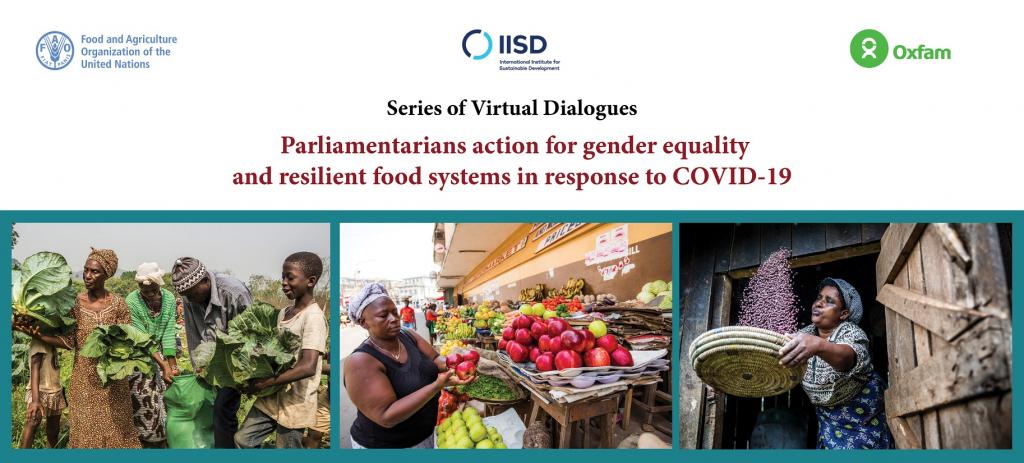
joint banner fao oxfam iisd

Land is a critical resource from which people derive their livelihoods. However, women around the world remain significantly disadvantaged regarding their right to land. Even when they are recognized as the primary users, they often lack ownership or control of the land or its economic outputs. The COVID-19 pandemic threatens to exacerbate this inequality.

This dialogue's theme, Protecting and Promoting Women’s Land Rights in the Face of COVID-19 and Beyond, covers the importance of women’s land rights for the achievement of the  Sustainable Development Goal (SDG) agenda in terms of the eradication of food insecurity, poverty, and gender inequality, as well as the measures to foster gender-equitable land tenure rights during the COVID-19 pandemic and beyond.

The dialogue’s objectives include: 

  • Raising awareness and strengthening knowledge on gender inequalities, land property rights, and the interlinkages with rural poverty and food insecurity. How can the SDG agenda and tools—such as the voluntary guidelines on the responsible governance of tenure of land, fisheries, and forestry—offer opportunities to strengthen women’s land rights?
  • Enhancing parliamentarians’ commitment to achieving SDG 2 on zero hunger and SDG 5 (particularly indicator 5.a.2) on gender equality through the promotion and adoption of gender-sensitive policy and legal frameworks
  • Promoting an exchange of knowledge and experiences among parliamentarians, women’s rights organizations, and other relevant stakeholders on specific measures and approaches to enhancing rural women’s land and property rights during and after the pandemic.

This virtual meeting was the third in a series of dialogues organized by the Food and Agriculture Organization of the United Nations (FAO), IISD, and Oxfam as part of their policy support to the ECOWAS Network of Parliamentarians on Gender Equality and Investments in Agriculture and Food Security. The objective of the series was to enhance the role of African parliamentarians in mitigating the gender-differentiated impacts of COVID-19 on food systems.

Interpretation: Simultaneous translation into French and English will be available. 

Date: September, 17, 2020

Time: 10:30 a.m. (CEST) to 1:00 p.m. (CEST) (duration: 2:30 hours)

Rome time:10.30 a.m.

Abidjan: 8.30 a.m.

Kinshasa/N'Djamena: 10.30 a.m.

Addis Ababa/Nairobi: 11.30 a.m.

Washington DC: 4.30 a.m.

Event hashtag: #ParliamentAction2020

Webinar

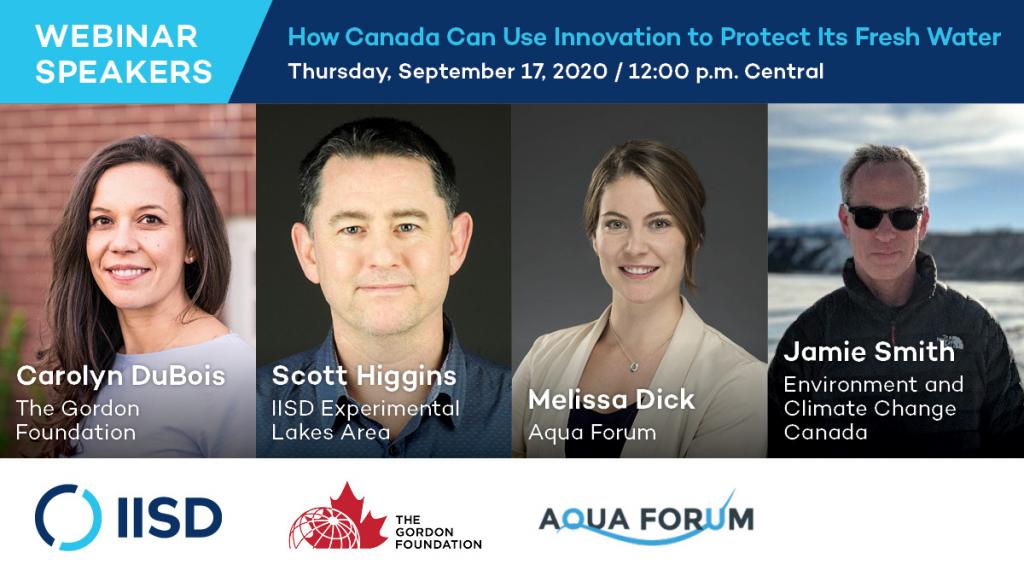
This Is How Canada Can Use Innovation and Data to Protect Its Fresh Water

Want to discover the potential for data and technological innovations to transform the way Canada protects its precious fresh water supplies?


September 17, 2020 12:00 pm - 1:00 pm Central Daylight Savings

(Open to public)

This event has now passed. You can watch a video of the full event below.

Join us and a group of distinguished panelists for on September 17, 2020 at 12:00 p.m. (Central Daylight Savings Time) to explore how data systems and technology could improve our management of freshwater systems and foster innovation in the water tech sector—all while strengthening community engagement.

You will hear exciting examples of innovation and excellence in Canada and discuss how a new Canadian Water Agency could support ongoing work while furthering continued innovation and success.

This is an event hosted by the Gordon Foundation, Aqua Forum and the International Institute for Sustainable Development and supported by Global Water Futures and Massey College as part of the ongoing engagement series How the Canada Water Agency can Deliver Water Security for Canadians.

This panel session will build on the discussion that began with the National Water Policy Panel on May 13, 2020, and webinars on Agriculture and Water and Co-development and Collaboration with Indigenous Peoples. Past recordings and supporting materials are available for on demand viewing. 

Four speakers
Webinar

Virtual Policy Dialogue: Creating Inclusive Food Markets by Linking Certification and Finance

What are the financial models, policies, and mechanisms that enable sustainable and resilient agricultural production?

September 7, 2020 11:00 am - 12:45 pm CAT/CEST

(Open to public)

Join us on Monday, September 7, 2020, at 11:00 CAT/CEST for a virtual policy dialogue about sustainability certification and access to finance for agricultural producers in Africa, with a focus on the least-developed countries.

This event features key actors, including financial service providers, government representatives, producers, and the standards community.

Topics for discussion:

  • Best practices from selected innovative investment cases of African certified agricultural producers
  • Investor requirements, risks, and opportunities to extend financing to sustainable agricultural producers
  • Leveraging certification to mitigate financial risk and to build farmer resilience

Registration is required.

Confirmed speakers:

  • Mr. Tomas de la Serna (Incofin)
  • Mr. Wanjohi Ndagu (Pearl Capital Partners, Yield Uganda Fund)
  • Mr. Andre Ndikumana (National Agricultural Export Development Board)
  • Mr. Jean Aime Niyonkuru (Sustainable Growers)
  • Mr. Rohith Peiris (Sorwathe Ltd)
  • Ms. Oriane Pledran (Moringa Fund)

This Partner Event of the AGRF Virtual Summit 2020 is organized by the International Institute of Sustainable Development (IISD).

Webinar details

Webinar

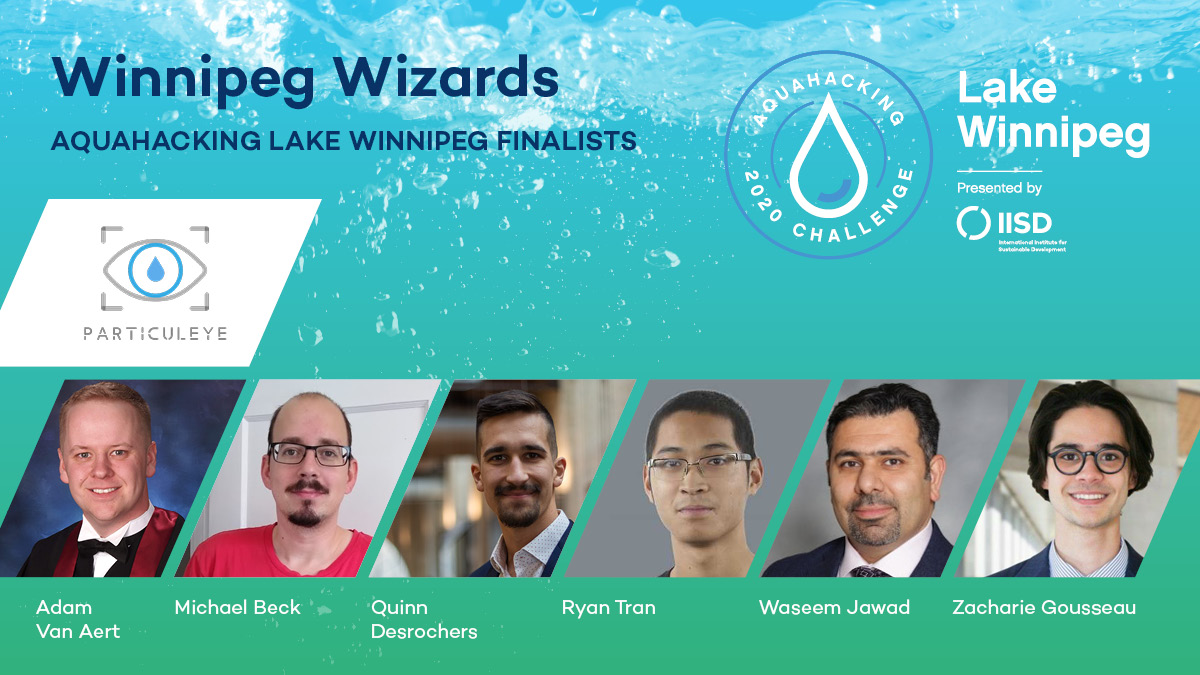
AquaHacking Lake Winnipeg Final

The virtual final for IISD’s AquaHacking Lake Winnipeg Challenge is just around the corner!

October 20, 2020 4:00 pm - 5:15 pm Central

(Open to public)

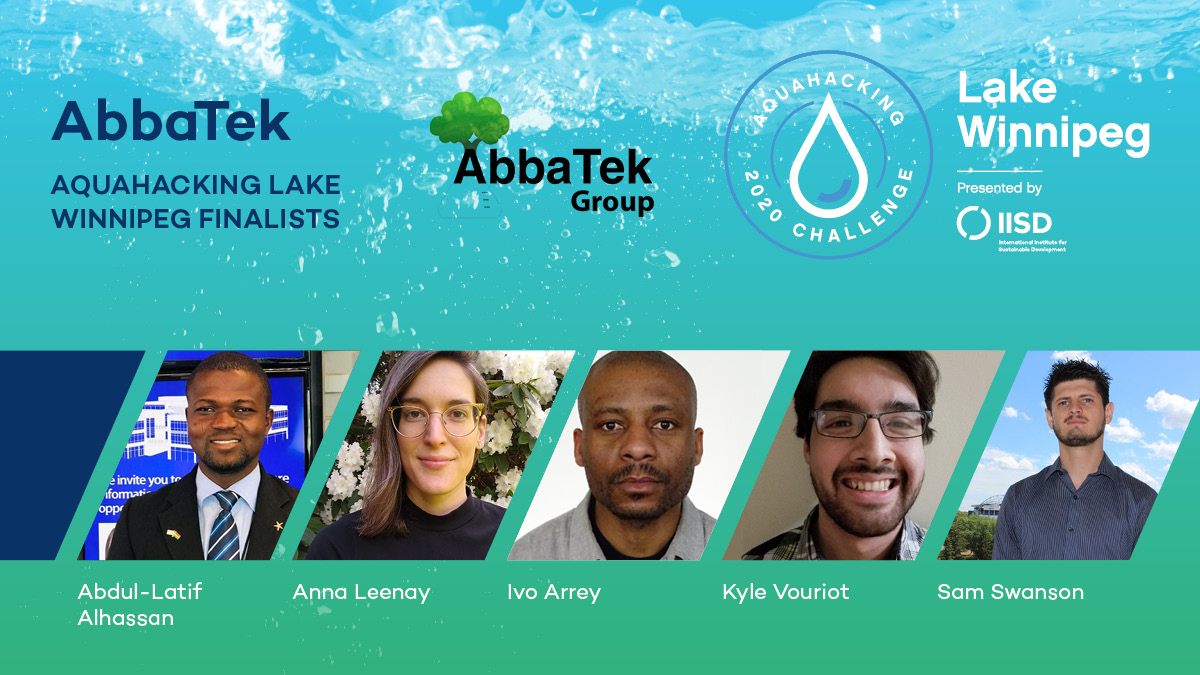
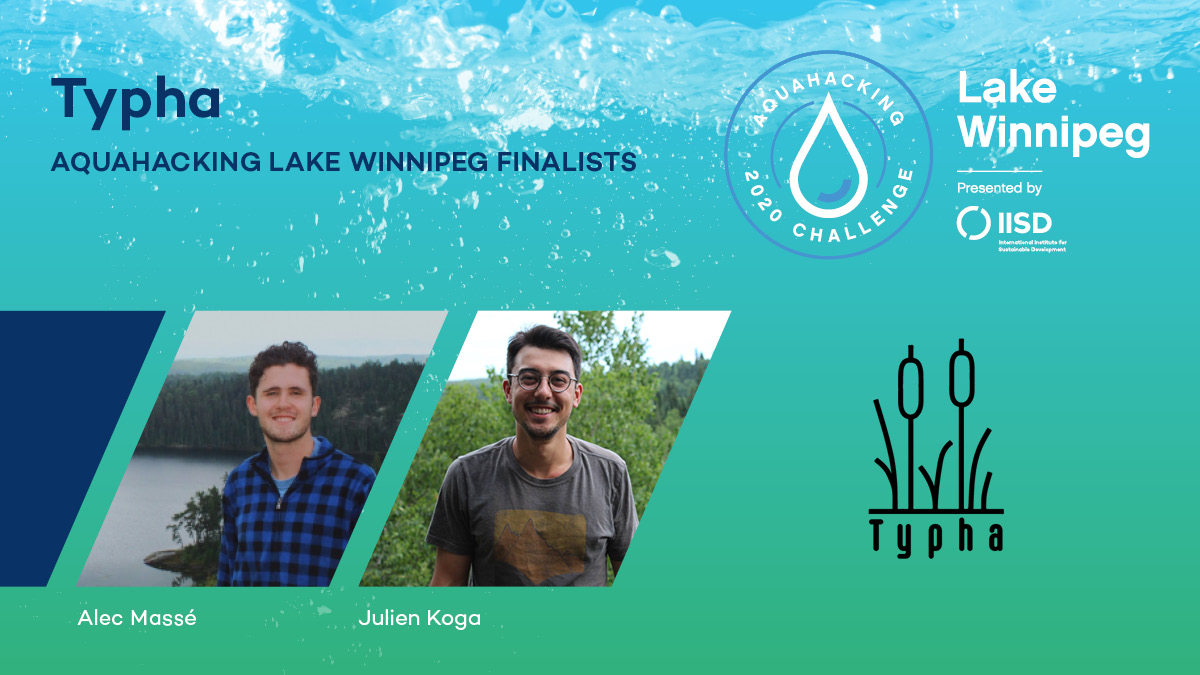
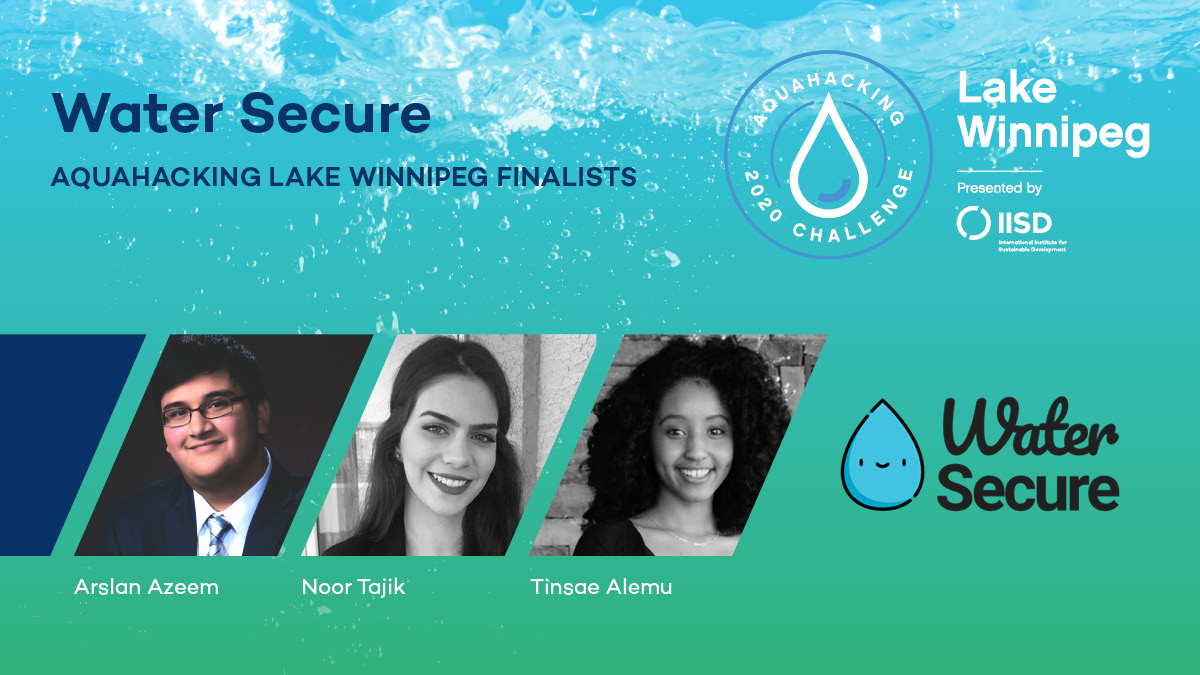
Since our semi-final in June, five teams of students and young professionals have been working with mentors to develop innovative tech solutions to urgent freshwater issues facing the Lake Winnipeg basin.

At the final, these teams will pitch their solutions to a panel of expert judges from the business, tech, and water sectors, who will determine which team will walk away with the top prize of $20,000 in seed funding. You’ll discover all the exciting solutions Canada’s young innovators have been developing over the last few months and meet the next generation of water entrepreneurs.

Tune in on Tuesday, October 20, at 4:00 p.m. (CST) on Facebook live to watch the top five finalist teams battle it out for top spot!

You can confirm your attendance for this Facebook live event on our Facebook event page. Be sure to share this page too!

Webinar

New Technology and The Future of Mining in a COVID-19 Era

What does COVID-19 mean for new technologies and the future of mining?

September 9, 2020 9:00 am - 10:30 am EST

(Open to public)

Even before COVID-19, new technologies were changing the mining industry. Artificial intelligence, machine learning, cheap sensors, automation, drones, and digitization of operations mean that new mines look very little like traditional ones. We have already seen the opening of completely automated mines like Resolute’s Syama in Mali. The global pandemic has made these sorts of innovations even more critical, but has also sharpened the focus on new tech’s unresolved challenges, including its impacts on the mining workforce.

What does COVID-19 mean for new technologies and the future of mining?

Join us Wednesday, September 9, at 9 a.m. ET / 3 p.m. CEST as we explore these trends with international thought leaders.

Aaron Cosbey, Senior Associate with IGF, will moderate the webinar with:

  • Wessel Badenhorst, Partner, Hogan Lovells, Johannesburg
  • Froydis Cameron-Johansson, Group Head, International and Governmental Relations, Anglo American
  • Osvaldo Urzúa, Centre for Copper and Mining Studies (CESCO), Chile; former Head, Institutional and Government Relations, BHP Billiton

Register today.

You can also learn more about IGF’s COVID-19 Response Series and its ongoing New Tech, New Deal Project online.

Webinar details

Topic
Mining
Project
New Tech, New Deal