COFFIS | June 2025 Bonn Members’ Meeting
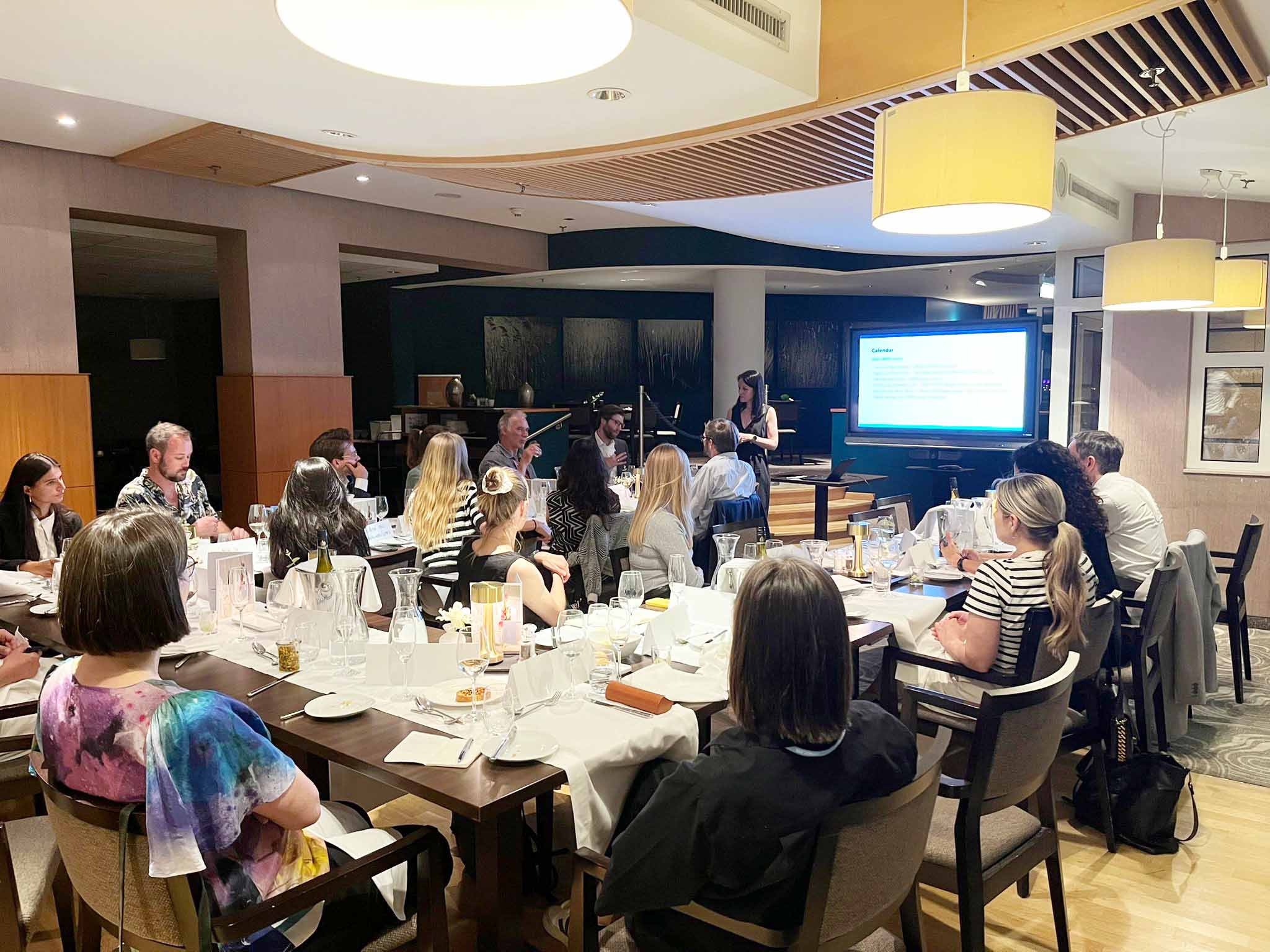
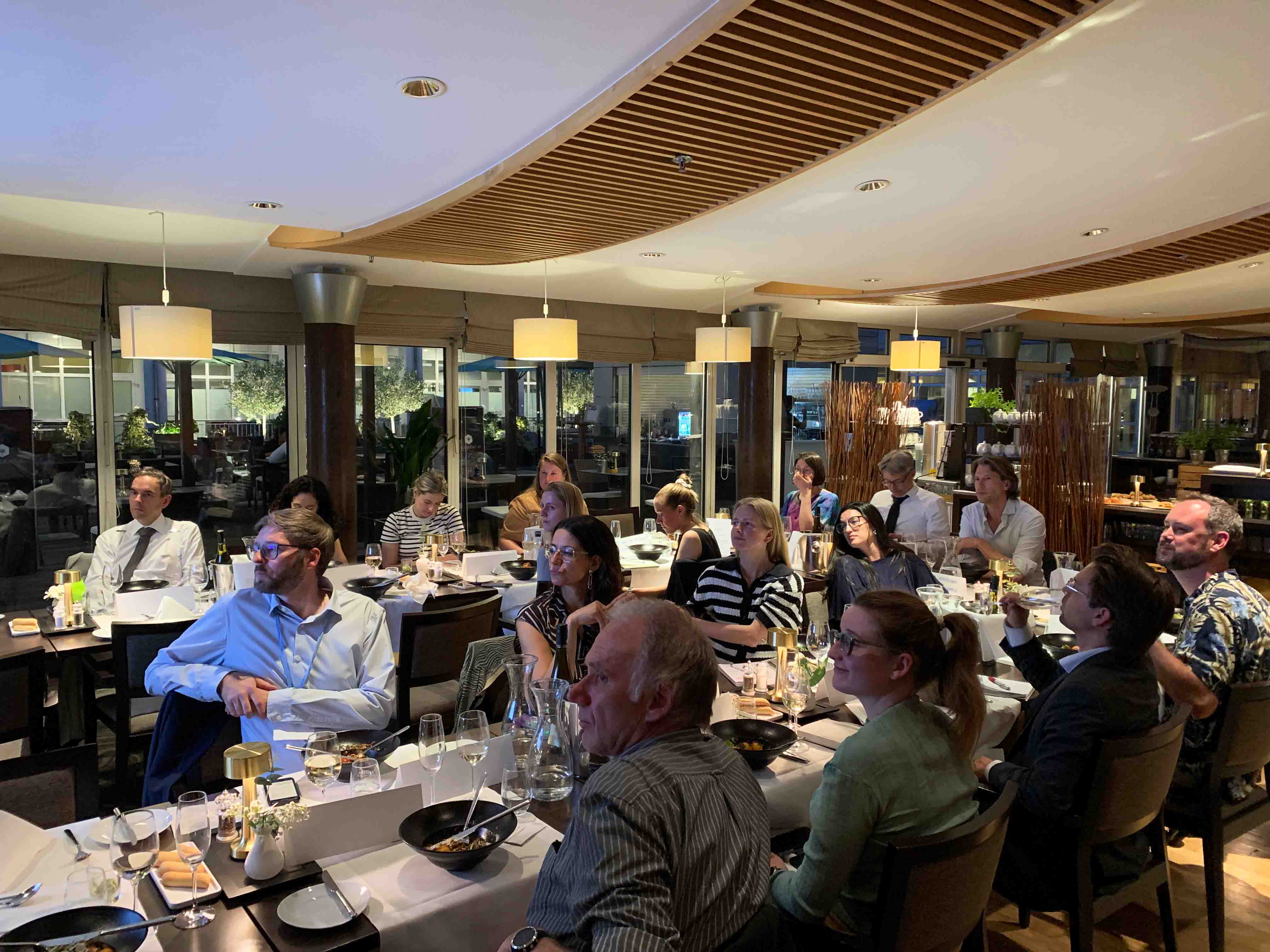
On the sidelines of United Nations June Climate Meetings (SB 62) members of the Coalition on Phasing Out Fossil Fuel Incentives Including Subsidies (COFFIS) met in Bonn to reflect on progress made, share lessons learned, and further strengthen collaboration in an important year for the coalition. The meeting also marked the first participation of the Marshall Islands as a COFFIS member, following its recent decision to join.
Members shared updates on their commitments and exchanged ideas on aligning approaches to fossil fuel subsidy inventories and phase-out plans. The meeting also explored ways to strengthen COFFIS’s communications and transparency in the lead-up to the United Nations Climate Conference (COP 30).
In Bonn, members exchanged insights on the challenges, opportunities, and common guidelines that can help translate commitments into concrete action. By joining COFFIS, members pledge to publish a fossil fuel inventory within one year—achieved by seven members to date. Within two years, members are expected to release their phase-out plans—a benchmark the coalitions’ 12 founding members will reach at COP 30.
Countries pointed to shifts in governments and priorities, limited administrative capacity, cross-department coordination hurdles, and broader political sensitivities as key factors behind some of the delays discussed during the meeting.
A Common Framework for Fossil Fuel Inventories
Building up on their exchange at the Members’ Spring Meeting in Geneva in March 2025, COFFIS members advanced their discussions toward a joint framework for fossil fuel subsidy inventories, aimed at ensuring more consistent and transparent reporting across the coalition. Particularly, the members discussed a draft document developed as a first step toward a comprehensive methodological framework committed to in the COFFIS joint statement. This document focuses on four key areas:
- defining fossil fuels,
- defining subsidy beneficiaries and sectors covered in the inventory,
- assessing climate and socio-economic impacts of subsidies,
- ensuring regular updates.
Guidance on Phase-Out Plans
With the 12 founding COFFIS members expected to publish their phase-out plans this year, the meeting featured a discussion on a draft guidance note designed to support both development and implementation of such plans. Drawing on lessons from past reform experiences, the note outlines a three-step process:
- Adopt a whole-of-government approach to ensure reforms are coordinated across ministries.
- Categorize fossil fuel subsidies into clear timelines for reform, using defined criteria and supported by practical decision tools and examples.
- Implement plans with detailed actions and responsibilities.
Transparency
Recognizing the importance of accountability, members discussed new steps to strengthen transparency. This includes sharing updates on member milestones, meeting outcomes and member experiences on the COFFIS website, alongside concise summaries of past or ongoing reforms. The aim is to ensure that achievements are visible and delays explained more openly—allowing for greater engagement with civil society, the media, and the broader public.
Looking ahead to COP 30
The meeting also explored ways to spotlight fossil fuel subsidy reform at COP 30, including through joint events and engagement in wider climate diplomacy processes. With key milestones approaching, the Bonn meeting reaffirmed COFFIS members’ determination to ensure that fossil fuel subsidy reform remains a political priority—backed by concrete steps to deliver on commitments, and make reform a visible, credible, and actionable part of the global energy transition.
More information about current COFFIS commitments, meetings, timelines, and deliverables can be found here.
Upcoming events
IGF 22nd Annual General Meeting
The 22nd IGF AGM will be held under the theme of Trust in an Interdependent World: Advancing inclusion and resilience in mineral value chains.
Inside the World Trade Organization Public Forum 2026
The WTO Public Forum, taking place from September 15 to 17, 2026, explores services trade as a driver for development under the theme "Powering the Future", with IISD co-organizing for the first time to bring sustainability to the heart of the conversations.
Counting What Counts: Implementing beyond GDP metrics
This hybrid event will explore practical pathways for implementing Beyond GDP metrics at the national level.
Learnings from Implementing NbS for Adaptation in and around Protected Areas
A webinar exploring lessons learned from implementing nature-based solutions for climate adaptation and resilience in and around protected areas in Angola, Belize, Fiji, Namibia, Uganda, Zambia and Zimbabwe.