
Why Does Trade Matter for Climate Change Adaptation Technology?
“International technology transfer” is vital for building global resilience but remains a poorly defined buzzword in climate and trade policy circles. Katharina Schmidt explores how we can better bridge the gap between trade policy and climate change adaptation and turn “technology transfer” from an abstract promise into a practical reality for the communities and countries most exposed to climate risk.
From devastating hurricanes and wildfires to frequent floods and prolonged droughts, no region is spared from the increasing intensity of extreme weather linked to climate change.
For the hardest-hit countries, particularly in the Global South, the ability to respond to these risks depends, to an important extent, on their ability to access and use climate adaptation technology.
Crucial for analyzing and responding to climate risks, climate adaptation technology includes the practical application of equipment, techniques, and knowledge to reduce vulnerability and bolster the resilience of human and natural systems.
Examples could include mobile climate information services, water-efficient irrigation systems, specific agricultural production practices such as agroecology or intercropping, or drought-resistant rice seeds.
While the necessity of these technologies is clear, their global distribution is fundamentally a matter of trade policy. This is due to the fact that—next to foreign direct investment and patent licensing—international trade in goods and services is the primary channel through which adaptation technology moves across borders. When a country identifies a need for equipment such as solar water pumps, irrigation systems, or weather stations, it often relies on international markets to obtain them.
While such “international technology transfer” is a vital mechanism for building global resilience to climate change, it often remains a poorly defined buzzword in climate and trade policy circles, where progress stalls due to historical and politicized divergences between developing and developed countries.
The 30th United Nations Climate Change Conference (COP 30) in Belém saw the establishment of a 3-year dialogue on trade and climate, and the launching of an Integrated Forum on Climate Change and Trade, elevating the role of trade in the climate negotiation forum. But to improve global access to adaptation technology, more effectively bridging the gap between trade policy and climate adaptation practices is essential in the transition from abstract political negotiations to practical, context-specific solutions.
What counts as an adaptation technology?
Adaptation technology is the application of technology to reduce vulnerability or enhance the resilience of natural and human systems. According to framings within the United Nations Framework Convention on Climate Change, it consists of three pillars:
- hardware, i.e., tangible equipment like irrigation systems or weather stations
- software, i.e., knowledge, skills, and processes needed to use the hardware
- orgware, i.e., the institutional frameworks and rules that allow technology to spread.
Unlike many mitigation technologies, adaptation is highly site-specific. A technology that works in one environment may not necessarily work in another. For example, growing cassava is a successful technology to resist typhoons in some parts of the Philippines, while the same practices have been found to lead to significant soil erosion in Thailand.
In other contexts, the use of a certain technology can increase climate risks in the long term. For example, water-efficient irrigation technologies may help sustain agricultural practices and support food security in a drier climate. However, their efficiency may also incentivize farmers to expand the cultivation of water-intensive crops, leading to an overall increase in freshwater extraction and compounding vulnerability to drought conditions.
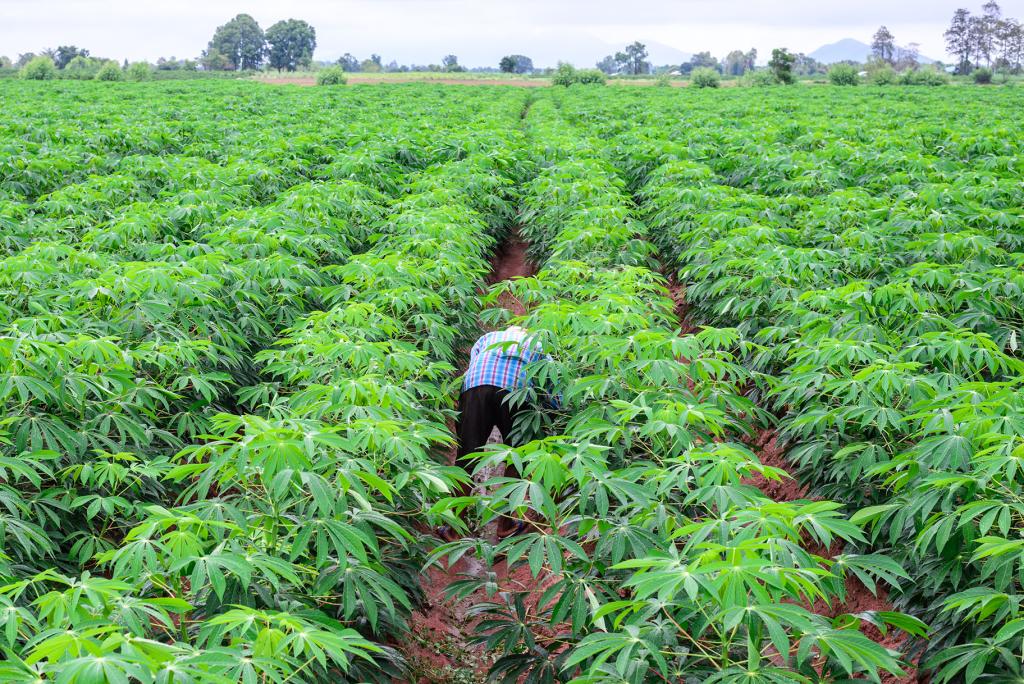
Application of adaptation technology, therefore, requires enabling environments and additional measures to successfully reduce climate risks, and any choice of technology must be based on contextualized climate risk assessments that consider the short-, medium-, and long-term climate risks. An adaptation technology also often needs to be embedded in a package of measures to be successful, including capacity development on sustainable practices for how a technology is used, emphasizing the need to consider not only the “hardware” but also software and orgware (i.e., needed skills, knowledge, and organizational structures) to deploy a technology successfully.
A Policy Disconnect
While trade is crucial for the global dissemination of technology, climate policy and trade policy have largely evolved in isolation, leading not to a lack of frameworks, but a disconnect between the trade and climate communities. This disconnect results in three main challenges.
- A shallow understanding: There is a poor understanding of adaptation technology among trade policy-makers, and trade frameworks often lack a deep understanding of what adaptation requires. This means that even frameworks that attempt to integrate adaptation goods and services miss the mark. An example is the Agreement on Climate Change, Trade and Sustainability, where adaptation is often bundled with mitigation, leading to confusing listings where goods like bicycles or aluminum are credited with "adaptation" benefits that aren't clearly explained.
- Trade barriers: There can be a misalignment between trade and adaptation policy goals, and trade rules, such as high import duties, technical standards, and intellectual property frameworks, may function as barriers to access to needed technology. For example, several Small Island Developing States have identified that high tariffs on essential equipment like rainwater harvesting components directly affect their national resilience goals.
- Siloed discussions: Discussions on technology transfer occur in parallel forums—such as the World Trade Organization and the United Nations Framework Convention on Climate Change—without meaningful internal communication, leading to missed opportunities to facilitate the transfer of needed technologies to the Global South.
Grounding Trade in Adaptation Needs
To bridge this gap, trade and climate policy-makers must move beyond the vague buzzword of technology transfer and focus on the specific, context-heavy technology needs of developing countries.
By aligning trade negotiations with the actual priorities found in national adaptation plans, policy-makers can transform global trade into a powerful driver for resilience.
Developing countries are already identifying their needs through national adaptation plans (NAPs) and technology needs assessments (TNAs). These documents provide a detailed, country-driven roadmap of what goods and services are actually required. Trade policy-makers can improve access to technology by aligning their negotiations with these national plans. If trade ministries are involved in the NAP process, they can specifically target the removal of barriers for prioritized technologies.
Practical Actions for Policy-Makers
To move from abstract commitments to a needs-based approach, policy-makers should take the following actions:
Integrate expertise: Government officials should involve trade experts directly in the NAP and TNA processes to raise their awareness on adaptation and identify and address specific trade barriers to adaptation technology.
Reduce trade barriers: Countries should reform their trade policies to reduce tariff and non-tariff measures hindering the inflow of adaptation goods and services. International cooperation to harmonize technical standards regionally or multilaterally can reduce barriers and ensure the quality and compatibility of imported adaptation technologies.
Leverage regional agreements: Bilateral and regional trade agreements can be more effective than global ones because they can be tailored to the specific climatic and institutional contexts shared by the participating countries.
Support South–South cooperation: Policy-makers should facilitate technology transfer between developing countries, as these nations often share similar challenges and have developed innovations that are already locally adapted.
Conclusion
Currently, the adaptation technologies most urgently needed to protect lives and livelihoods are still not reaching the countries and communities most exposed to climate risk. To change this, trade and climate policy-makers need to break out of their silos and use the policy instruments at their disposal—tools like NAPs and TNAs as a shared roadmap, and trade agreements as a key vehicle—for aligning trade rules, standards, and cooperation with concrete, country-identified needs. In the bigger picture, the goal is to turn “technology transfer” from an abstract promise into a practical reality, where trade actively enables affordable and context-appropriate access to adaptation technologies for those on the frontlines of climate impacts.
Feature image photo credit: Kiara Worth / IISD / Palau Office of Climate Change

You might also be interested in
Leveraging Trade to Support Climate Adaptation in Developing Countries
This paper aims to support trade negotiators in leveraging trade for climate change adaptation and to explore the critical role National Adaptation Plan (NAP) processes can play in this regard.
Technology Transfer for Climate Change Adaptation
This publication explores the concept of adaptation technology in trade and climate policy and how better integration of climate and trade policies can enhance adaptation technology transfer in developing countries.
Leveraging Trade Policy for Climate Change Adaptation in Viet Nam’s Agricultural Sector
Identifying adaptation goods and services for Viet Nam's agriculture and strengthening coordination between trade and adaptation policy-makers.
August 2026 | Carbon Minefields Oil and Gas Exploration Monitor
When IISD launched Carbon Minefields, we aimed to make the continued expansion of oil and gas production more visible and measurable.