
What to Expect at the 2025 Conferences of the Parties to the Basel, Rotterdam, and Stockholm Conventions
Chemicals make modern life possible but sometimes pose severe risks to human health and our environment. While our understanding of these chemicals and wastes continues to grow and capture attention—like recent headlines on cancer risk from fire-fighting foams—our uses of these substances are also increasing, with some projections suggesting the chemical industry could double by 2050.
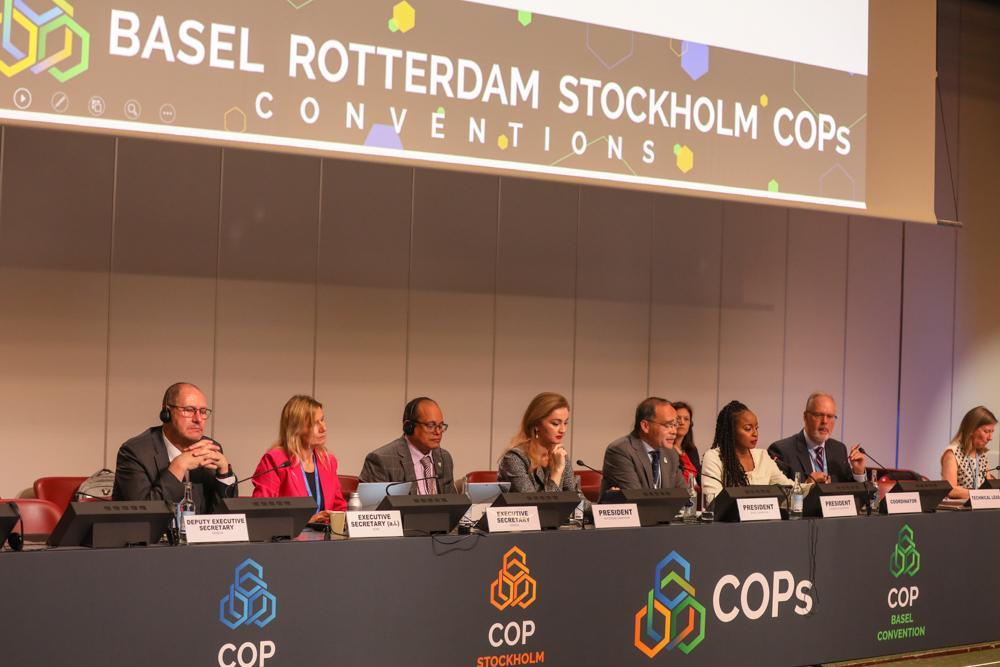
Diplomats from around the world will meet in Geneva soon for the 2025 Conferences of the Parties to the Basel, Rotterdam, and Stockholm Conventions (BRS COPs) to try to agree on how to better govern chemicals and wastes—especially what rules apply when they criss-cross national borders as part of global trade.
Jennifer Allan will lead the Earth Negotiations Bulletin team covering the BRS COPs, and we asked the veteran observer of multilateral environmental negotiations what to expect and why the talks matter.
Why are the BRS COPs sometimes called a TripleCOP?
It’s a unique format for environmental treaties. The governing bodies (aka COPs) of the Basel, Rotterdam, and Stockholm Conventions meet over the same two weeks. For some issues that relate to two or more of the treaties, negotiations consider each treaty. The format allows each treaty to keep its legal identity but also allows for synergies that benefit chemical and waste management. For example, the Basel Convention gets more time to do technical work on guidelines for the environmentally sound management of waste. Some of these guidelines relate to wastes that contain persistent organic pollutants (POPs), a group of chemicals that is the focus of the Stockholm Convention. It sounds dry, but these guidelines help countries manage waste safely for people and the planet.
This year, ministers will attend the TripleCOP for a high-level segment. The BRS TripleCOP often shies away from the political attention that high-level events bring. But many view this as an opportunity to raise the political profile of chemicals and waste management, as a cluster of challenges that government ministers need to address domestically and internationally.
What are the major milestones expected at the 2025 TripleCOP?
Each treaty will have its own focus.
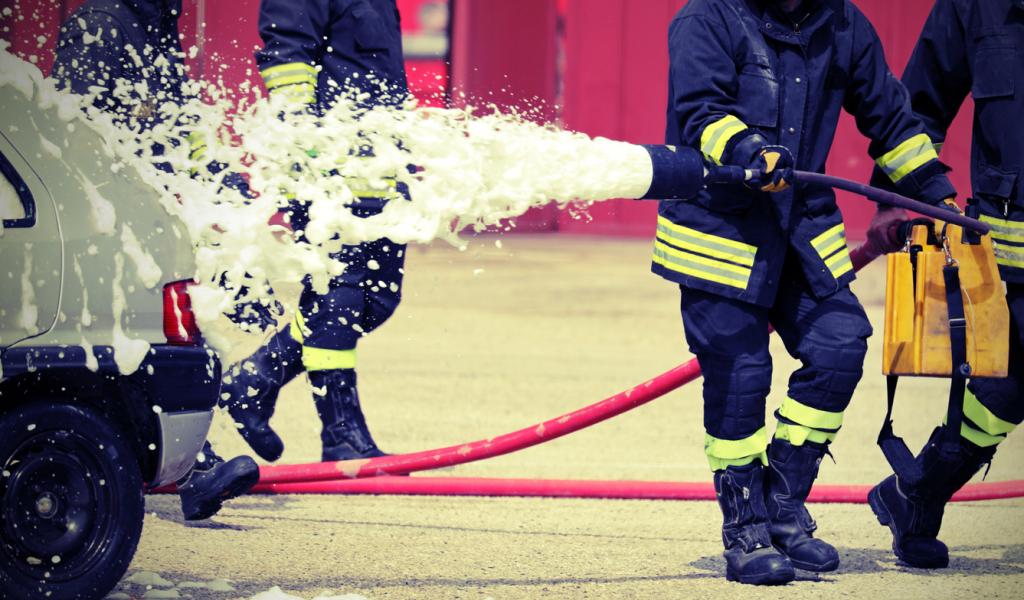
The Stockholm Convention has the strongest powers of the three. It can eliminate the production and use of POPs. Sometimes it allows some ongoing uses if there are no alternative chemicals available. Three POPs could be slated for elimination this year. One is a widely used pesticide called chlorpyrifos. The other two are complex groups of industrial chemicals. Medium-chain chlorinated paraffins help to make a material softer and more flexible, including paints, sealants, and adhesives. Long-chain perfluorocarboxylic acids are used in fire-fighting foams, textiles, cosmetics, and food packaging materials because they repel water, oil, and dirt.

These chemicals, like all POPs, are toxic, long-lasting in the environment, increase in concentration as they move up the food chain, and travel long distances from where they were used. Such long-range transport and persistence in the environment make POPs chemicals of global concern. POPs have been found in Inuit women’s breast milk, even though the Inuit people live thousands of kilometers from where the substances were produced or used. Protecting human health and remote environments requires a global response, based on the information gathered by the Stockholm Convention’s scientific committee. To date, countries have refined but never overturned the advice of its experts, which signals that production and use of these chemicals will be eliminated (albeit with some specific exemptions for a short time).
The Rotterdam Convention and Basel Convention both address trade in chemicals and wastes, respectively. They require the prior informed consent of importing parties. For both treaties, there are questions about how to improve their effectiveness.
The Rotterdam Convention has struggled to “list” new chemicals, which would add them to its consent procedure. Most of these are pesticides. Countries accepted the conclusions of the Rotterdam Convention’s scientific subsidiary body that chemicals meet the criteria for listing. But, countries cannot agree to add the chemicals to the procedure. A few countries frequently cite concerns about food security, often implying that listing in this Convention could curb a pesticide’s availability. Evidence to support or refute this claim is scant and variable. It only takes one country to block a listing.
The Basel Convention has recently added plastics and electronic and electrical waste (e-waste) to its consent mechanism. Now, countries are working to find ways to make this process efficient and effective for e-waste, plastics, and hazardous wastes. Some feel that it is creaking under the weight of all the waste we’re producing and trading each year. The production of e-waste alone has nearly doubled since 2010. Much of this waste will contain toxic chemicals and metals, including some POPs.
This all sounds really technical. Why should we care?
We should care because synthetic chemicals are everywhere - our clothes, cookware, plastics, computers, etc. There is a lot of uncertainty about their impacts. For many chemicals that are already used, there is little data about their health and environmental effects. It’s nearly impossible for consumers to avoid these dangers. In a number of products around the world, we don’t actually know what chemicals were used.
These treaties help protect human health and the environment. The Stockholm Convention protects us from POPs. The Rotterdam Convention provides information on how to manage chemicals more safely. The Basel Convention helps countries know what they are importing and how to manage the waste safely. The supply chains are becoming more and more complex - together, these treaties try to address the full lifecycle of certain chemicals. It doesn’t always work. The Rotterdam and Stockholm Conventions address largely different sets of chemicals. The Basel Convention doesn’t address the chemicals listed in the Rotterdam Convention. But still, these three treaties are trying to work together to build capacity for safer chemicals and waste management.
How will this meeting feed into other negotiations, like the plastics treaty talks?
It’s tricky to say. The Basel Convention took the first global action on plastics when it made all plastic waste trade subject to its consent procedure. Countries will discuss their national inventories of plastic waste at this BRS meeting. We may soon know more about the scale of the waste side of the plastics problem. But that will not help with understanding the drivers of overproduction of plastics. Many plastics are coated with chemicals. A few of these are POPs regulated by the Stockholm Convention, so we will watch to see where plastics pop up.
Negotiations are ongoing for a science-policy platform for chemicals and wastes, which may be referenced during the BRS COPs. Just like the Intergovernmental Panel on Climate Change works to advance the latest knowledge on climate change and the Intergovernmental Science-Policy Platform for Biodiversity and Ecosystem Services gathers the scientific consensus on biodiversity loss, this new science-policy platform could help resolve the huge uncertainties around chemicals and wastes. The BRS treaties rely on scientific experts to help guide their policy decisions. This strong foundation in science could help strengthen confidence in the need for this new body, and its ability to deliver for people and the planet.
To follow Earth Negotiations Bulletin’s daily reporting from the 2025 Conferences of the Parties to the Basel, Rotterdam, and Stockholm Conventions, bookmark their meeting page or subscribe to ENB Update to get their reports in your inbox each morning.

You might also be interested in
Effectively Delivering on Climate and Nature: Policy analysis to maximize synergies and co-benefits in Mongolia
A review of Mongolia’s climate and biodiversity policies to assess synergies, gaps, barriers, and opportunities to improve alignment and coordination.
A Guide to the Global Agreement to End Plastic Pollution
An insider's guide to global talks for a treaty to tackle plastic pollution from the Earth Negotiations Bulletin team.
How Indigenous Negotiators Fared in 2024
In the foreword in The State of Global Environmental Governance 2024, Hindou Oumarou Ibrahim shares her insights on what goals were reached, where "business as usual" must change, and what her priorities are for 2025.
What to Expect at Plastics INC-5
Q and A with Tallash Kantai of Earth Negotiations Bulletin on INC-5.