Insight

Three Ways Canada Can Make Progress With the Sustainable Development Goals

How can Canada implement the SDGs successfully? We present three steps that will allow Canada to show it is taking the 2030 Agenda seriously.

November 24, 2016

The 2030 Agenda sets out an “ambitious vision of the future,” tackling critical challenges that are important for Canadians.

These include reducing poverty and inequality, protecting biodiversity and water resources, building green infrastructure and making our production and consumption patterns more sustainable.

Implementing the 2030 Agenda entails an equally ambitious vision for governance systems (such as coordination across departments, integrated strategy development and tracking progress) so that they better integrate economic, environmental and social factors into decision making.

Many developed and developing countries already recognize the SDGs as a clear opportunity for generating greater coherence in government policy to advance long-term sustainability. This is evidenced by the fact that 22 countries had already voluntarily reported on progress toward implementation by the end of the first year of the SDGs.

Finland, for example, decided to put SDG implementation under the direct responsibility of the Prime Minister’s Office and has already developed a baseline and targets for the country’s SDG implementation efforts. China has developed its implementation strategy and assigned SDGs to specific departments connected through a coordinate mechanism. In its report to the UN’s High-Level Political Forum, Switzerland outlined a two-year strategy to prepare for implementation with actions such as multistakeholder consultations, clarifying institutional arrangements and conducting a baseline study and gap analysis to identify future areas of action to implement the 2030 Agenda. In addition, the German Council for Sustainable Development (RNE) submitted its statement on “Germany’s Sustainability Architecture and the SDGs” to the federal government outlining implementation efforts (RNE, 2015).

Canada, home to IISD’s headquarters, has yet to clearly articulate what its federal government’s leadership on the 2030 Agenda will look like. So far, all we have seen are mentions of the SDGs in speeches by Prime Minister Trudeau and references to a limited number of SDGs in the new Federal Sustainable Development Strategy for 2016–2019.

So what can Canada do to take the 2030 Agenda seriously and show specific actions on SDG implementation?

  • First, following the example of other countries, Prime Minister Trudeau should take leadership for SDG implementation under his Office and develop a process for effective interministerial coordination. This needs to happen in order to integrate the government’s social, economic and environmental policies into a coherent approach, in the true spirit of the 2030 Agenda.
  • Second, Canada should establish a multistakeholder National Round Table or Commission to engage Canadians with solutions to sustainable development issues and approaches to implementing the SDGs.
  • Third, Canada should expand the current Canadian Environmental Sustainability Indicators to a comprehensive set of national sustainable development indicators that reflect economic, social and environmental issues and thus enable a sound method for consistent measurement of progress toward the SDGs. This can then be used to create Canada’s own baseline and begin reporting on progress with SDGs to the UN HLPF.

Finally, when implementing these steps, we need to pay close attention to the inequality and well-being challenges that exist for many First Nations peoples in Canada. For example, while the average per capita income of Canadians is approximately $77,000 a year, for Canada’s Inuit population it is $17,000 a year. The SDGs make several references to First Nations peoples, including SDG 2, which relates to food, and SDG 4 regarding access to education. The recommendations of the historic Truth and Reconciliation Commission (TGC) report should be cross-referenced with the suite of targets in the SDGs, beginning with the overarching recommendation that the United Nations Declaration on the Rights of Indigenous Peoples be the framework for reconciliation (TRC 43). With regards to SDG 3 on health and well-being for all, at every stage of life, the TRC report recommends “measurable goals to identify and close the gaps in health outcomes between Aboriginal and non-Aboriginal communities,” including indicators such as infant mortality, maternal health, suicide, mental health, addictions, life expectancy, birth rates, chronic diseases and the availability of appropriate health services.

To successfully implement the SDGs in Canada, we need to focus on developing a national SDG strategy, conducting consultations and selecting indicators so that the deep-rooted challenges of Canada’s First Nations peoples are recognized and can become an integral part of the strategy and the monitoring framework. 

Insight details

Insight

The Art of Influence: How think tanks make a difference

"We like being thinkers, but we are thinkers with a purpose."  Mark Halle explores how think tanks make a difference.

November 24, 2016

IISD and other policy research institutes often describe themselves as “think tanks” for short—a somewhat self-assured focus on the intellectual side of the policy development supply chain. Even if I tend to describe myself as the shallow end of the think tank, approaching retirement leads me to meditate on the proper role of institutions of our sort.

Merriam-Webster defines a think tank as “an organization that consists of a group of people who think of new ideas on a particular subject or who give advice about what should be done.”  There are other definitions, but this one will do. The emphasis is on people and their intellectual power: a think tank consists of a group of people that thinks up new ideas, and the purpose of formulating those ideas is to offer them as a contribution to mapping possible pathways to change. In a nutshell, a think tank examines a field and seeks to formulate alternatives to current practice where this is less than optimal. A policy think tank does so by formulating alternative policy choices, solidly based on the analysis of evidence, that offer a chance of better outcomes if adopted.

Thinking is fun. Most people would welcome the opportunity to draw a pay-check for dreaming up new ways of doing things. But, to take a cue from patent law, the path from idea to intellectual product or property requires an innovative step and it must be susceptible to replication and scaling so as to secure a lasting improvement. It follows that policy advice must respond to the particular circumstances of time and place, and must reflect an understanding of how decisions are taken, and policies adopted, in the particular environment into which they are fed. And since that environment is in a state of constant flux, the policy options produced by think tanks must also evolve constantly. Think tanks that display flagging innovation are generally flagging in their influence and often in their financial health. A think tank must be at the cutting edge, or it is not much use. It can evolve into a consultancy or hew towards the academic end of the spectrum, relying on peer-reviewed papers and academic conferences to air the ideas, but neither is the proper berth for a think tank worthy of its name. Both modes can, and indeed at certain times should be part of the arsenal of a top level think tank, but that does not mean that it should be dominated by these activities.

So a think tank should be judged by a combination of innovation and relevance. Innovative thinking opens new perspectives, new ways to frame issues, and new interpretations of existing data. Everyone can think conventionally, and in any milieu there is almost always a strong inertia that keeps the conventional front and centre. There is no particular value in think tanks serving up standard fare, even if it plays into a familiar field and may improve the initial acceptability of the policy recommendations. Those that feed this sort of pap into decision-makers serve as a kind of capacity extension to government departments or parliamentary offices. That sort of service is readily available on the market. Being successful at that game requires technical skills and some experience, but it generally doesn’t require much—and certainly not innovative—thinking. Indeed, it may even shun invention.

Instead, the notion of innovation—or innovative thinking—is central to the functioning of a think tank. Think tanks question mainstream thinking; they challenge orthodoxy; they propose new and different ways of thinking of things, of framing problems, of combining elements.  They are open to promoting disruptive behaviour if it is the only way change can be achieved.  If they do no challenge, they are not doing their job. If they do not make policy makers uncomfortable (at least at first), it is highly likely that the product of their thinking is not very innovative and that they have failed in their disruptive role.

At the same time, policy has to be formatted to run on the operating systems of the policy-makers in place. If not—if they are articulated in terms that derive from another culture or thought-system—they may be admired for their intellectual prowess but they will have little impact. Recommendations for reforming the financial system have to play to finance professionals or finance sector regulators. New suggestions for breaking the impasse in multilateral trade negotiations need to speak to the trade policy community, not the protesters at the barricades. Or at least they should target the politicians who decide on the scope and orientation of trade policy.

This is the art form—to strike the right balance between innovation (and its inherent challenge to orthodoxy) and relevance, judged by the tone and language with which it plays into the target community. But it is easy to neglect the art form and generate policy options that gather dust on the shelves. The temptation to be an accepted part of the target community can lead think tanks to cleave towards orthodoxy, to accept assumptions that instead must be challenged, and to smooth out the sharp edge of implied criticism. This is a mistake and one that should be avoided at all cost.

We like being thinkers, but we are thinkers with a purpose and that purpose is to show not only that there is a pathway to sustainable development but that no other outcome is acceptable. A think tank cannot afford simply to direct its products at a vague community of mildly-interested people. All of our products must have a target and reaching that target must result in positive change. They must remind the policy community to focus on the long-term goal of sustainable development that we supposedly all share but that in reality we regularly betray. If this means making our friends uncomfortable, we should remember that it is in the service of the right cause. It is what our mission dictates.

Insight

Tracking Adaptation: Linking research, policy and action

Improving our ability to measure adaptation progress is not only a key component of transparency and accountability for new political commitments and emerging funding, but it is also necessary to foster effective adaptation through ongoing reflection and learning. 

November 17, 2016

Following the adoption of the Paris Agreement and the discussions held at the COP 22 in Marrakech, the future of climate change adaptation research, policy and practice has reached a crucial stage.

Despite the increasing number of initiatives tackling vulnerability, adaptive capacity and resilience challenges, there is still limited knowledge on how to effectively assess, monitor and learn from adaptation interventions that are taking place at the sub-national, national and regional levels. 

Innovative tools and approaches are needed for developing country adaptation planners to be able to assess, adjust, and learn from their initiatives on a continuous and cost-efficient basis, and ensure that the solutions implemented are having a positive impact on vulnerable populations. Within this context, adaptation tracking is gaining increasing momentum. 

Adaptation tracking involves monitoring and quantifying complex processes of change that take place at the intersection of socio-economic, natural and political systems, and across multiple scales. 

Improving our ability to measure adaptation progress is not only a key component of transparency and accountability for new political commitments and emerging funding, but it is also necessary to foster effective adaptation through ongoing reflection and learning. 

Key Attributes of Adaptation Tracking

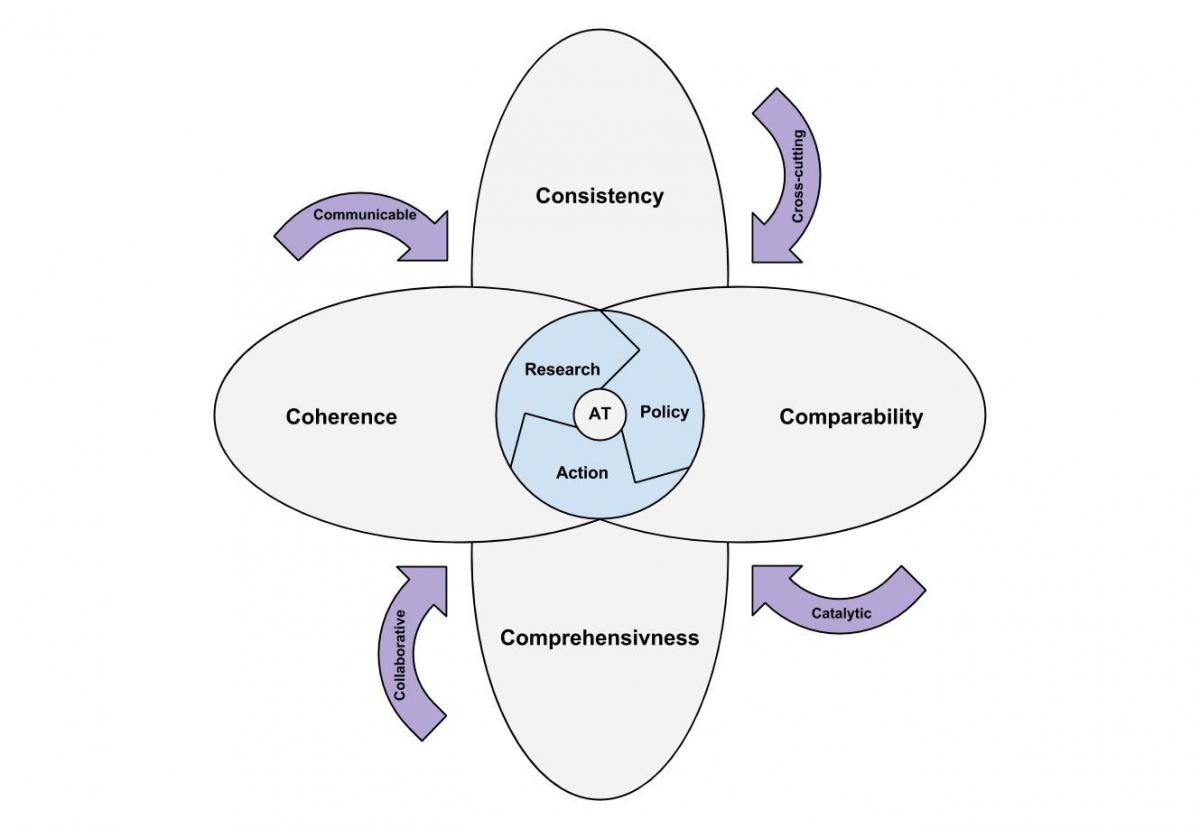
Among the main challenges—and opportunities—of the post-2015 climate change agreement, is the development of a global, national adaptation index that allows to characterize, monitor and compare adaptation progress (Ford and Ford, 2015). The 4Cs of Adaptation Tracking model (i.e. consistency, comparability, comprehensiveness and coherence) offers a useful approach to consider the need for a global tracking system to inform the policies, research and actions needed to adapt to the growing challenges posed by climate change. 

There are four key attributes that could help developing country adaptation planners to operationalize adaptation tracking, by ensuring that their approaches are:

  • Cross-cutting, by involving the core elements for monitoring, evaluating and learning in complex contexts: (a) temporal (e.g. short, medium and long-term climate change impacts), (b) sectoral (e.g. needs and priorities of multi-sector stakeholders), (c) geographic (e.g. rural, urban), and (d) scale-related aspects (e.g. interactions between the local, national, and international levels). 
  • Communicable, so they can deliver useful, actionable information to actors involved in research, policy and action. This attribute is linked to research, particularly from the health field, on the importance of knowledge translation (CIHR, 2005, Sudsawad, P., 2007), and on the role of knowledge brokering (Hammill et.al, 2013). It highlights the need to ensure actionable and relevant reporting (appropriate content and format) for diverse users.
  • Catalytic of adaptation change, providing a repository of both successes and failures in adaptation practice, and fostering experimentation and learning. This requires coordination among multi-sectoral stakeholders and institutions seeking to identify and scale novel adaptive practices.
  • Collaborative, drawing from a well-established body of research and practice on participatory approaches to development (e.g. McGee and Norton, 2000), tracking mechanisms should strive for more inclusive processes that engage and empower the myriad actors that play a role in adaptation processes, across sectors and scales. 

These attributes are represented in the form of contributing arrows in the figure below.

Supportive Attributes of Adaptation Tracking. Adapted from Ford and Ford (2015)

Supportive Attributes of Adaptation Tracking. Adapted from Ford and Ford (2015)

Together, they can strengthen the consistency, coherence, comprehensiveness and comparability of adaptation tracking (AT), and contribute to the effectiveness of functional comparisons and longitudinal analysis about adaptation progress.

Adaptation tracking is represented at the core of research, policy and practice, highlighting the necessary convergence of these fields towards a global, more rigorous system for tracking progress and fostering learning about adaptation.  

Adaptation is a deeply human, highly complex, and distinctly dynamic process of change. In order to address what Ford et.al. (2015) refer to as ´the messiness of adaptation´, we need to find a balance between fostering innovation and avoiding re-inventing the wheel. There are many lessons that can inform the development of metrics and benchmarking for adaptation tracking, most notably from experiences in the health care and the policy fields. Lessons could also be drawn from an emerging body of literature that is reviewing, synthesizing, and empirically evaluating experiences in a transdisciplinary context, proposing new criteria to ensure quality research  (e.g. Wickson and Carew, 2014). 

Adaptation tracking offers untapped learning possibilities in the adaptation field.  It can play a key role in the transition from a ´patchwork´ approach to monitoring and evaluation (M&E), towards a ´mosaic´ of experiences and lessons linking adaptation research, policy and action. A ‘mosaic’ that could inform the current and future decision-making and strategizing of adaptation planners from a robust evidence base of adaptation progress at the sub-national, national and international levels. It is not a technical solution that can be implemented in isolation from broader climate change strategies and development goals.

Challenges ahead include re-thinking how to track progress so we can improve adaptation practice, transparency and accountability, while consciously engaging in adaptation programming from a more creative and holistic perspective.

Insight details

Insight

Taking Stock of Adaptation Progress: Some lessons and challenges

On November 4, the international community celebrated as the Paris Agreement came into effect.

November 14, 2016

With the Paris Agreement now in effect, the global community is looking to both developed and developing country governments to act on their commitments and ensure achievement of its mitigation and adaptation goals. 

Determining if we actually are making progress toward achieving the purpose and long-term goals of the Paris Agreement will be informed by a global stocktake completed every five years, starting in 2023. Among other things, it will assess “the adequacy and effectiveness of adaptation and support provided for adaptation” (Article 7.14). The “rules” by which this will actually be done is just one of the many issues currently being negotiated in Marrakesh, Morocco, as part of the 22nd Conference of the Parties to the United Nations Framework Convention on Climate Change (UNFCCC). 

IISD has some understanding of the challenges associated with assessing and measuring adaptation progress. We undertook a large stocktaking exercise for the Adaptation Partnership in 2010-11 that synthesized current and planned adaptation action in 125 developing countries, rolled up into 12 regions. More recently, in 2015-16, IISD carried out a review of adaptation action in 15 countries for the Collaborative Adaptation Research Initiative in Africa and Asia. We have also examined systems being developed by countries to monitor and evaluate national efforts to adapt to climate change. 

Our experience points to five issues that will need to be addressed in future efforts to take stock of countries individual and collective progress toward their adaptation goals, such as through the global stocktaking.

1. Defining “Adaptation Action”

Although the UNFCCC clearly defines adaptation as “adjustments in ecological, social, or economic systems in response to actual or expected climatic stimuli and their effects or impacts,” applying this definition in practice is problematic. It suggests that adaptation action should only include structured responses to the actual or anticipated impacts of climate change. In practice, though, many development actions taken without deliberate consideration of their links to climate risk can still make a positive contribution toward enhancing countries’ capacity to adapt to climate change.

For example, actions taken to strengthen disaster risk management capacities and early warning systems may be expected to increase the capacity of countries to manage the increased risk of extreme climate events. Similarly, efforts to strengthen governance systems, improve health care delivery and strengthen access to education can help build adaptive capacity and facilitate adaptation action.

Determining what does or does not constitute adaptation action is made more challenging by the fact that initiatives sometimes state that they are being undertaken to reduce vulnerability to the impacts of climate change, but in practice they have not fully embedded the additional risk posed by future changes in climatic conditions into their design and implementation.

Even if there is a clear understanding that “adaptation actions” should be defined as initiatives that consciously and deliberately take into account the actual and anticipated changes in climate risks brought about by climate change, identifying these initiatives will be challenging. This will be particularly true as climate change considerations are increasingly mainstreamed into the design and implementation of policies, programs and projects—a key step in adaptation efforts. As this occurs, climate risks will be considered in the design of projects that do not specifically identify themselves as adaptation initiatives. How to identify and capture these initiatives will be a considerable challenge for future stocktaking exercises.

These challenges point to the need for a clearly stated and commonly understood definition of adaptation action—and awareness of its limitations—as the starting point for stocktaking exercises. This understanding is needed to ensure that different stocktaking exercises can be compared with one another and provide an accurate picture of emerging trends over time.

2. Defining “Adaptation Finance”

A common expectation of stocktaking exercises is that they will provide some insight into the scale and sources of adaptation financing. Meeting this expectation is challenged by a variety of issues, including: uncertainty regarding what counts as “adaptation finance” and, as discussed below, tracking the sources of this financing.

The uncertainty surrounding what is—and is not—adaptation action in turn raises uncertainty regarding what is and is not counted as adaptation finance. This challenge can be partly seen in the case of the Organisation for Economic Co-operation and Development’s (OECD's) Rio Marker for adaptation. Launched in 2010 as part of the OECD’s suite of markers tracking the scale of development assistance financing targeting environmental objectives, it enables donor agencies to tag their commitments as having climate adaptation as a principal or significant objective. 

However, as we and others have observed, the OECD’s accounting system for adaptation has its difficulties. Projects tagged by donors as contributing to climate adaptation often appeared to be traditional development projects (e.g., budget support for the health sector, providing schools with water and supporting the sustainable management of parks). These initiatives might be building adaptive capacity, but might not necessarily have considered the implications of changing climate risks in their design and implementation. It is therefore difficult to determine the true extent to which official development assistance is supporting adaptation action.

The need for a clear definition of what constitutes adaptation finance is just one of the many issues that the international community will need to address as it works to meet its goal of establishing a transparent accounting framework for climate finance by 2018.

3. Tracking Financing for Adaptation

Gaining a clear picture of the scale and adequacy of adaptation finance (however defined) is made more difficult by the increasingly diversified sources of adaptation funding. While development assistance agencies continue to finance adaptation through designated funds and discrete projects and programs, they are also developing new means by which to deliver their support for adaptation. This includes, for example, providing “top-up” funds to cover the additional cost associated with improving the climate resilience of new infrastructure developments. The range of donors is also changing with the growth in south–south development assistance; the contributions of southern donors to adaptation finance are only beginning to be tracked. The domestic and international private sector is also becoming increasingly involved in financing adaptation efforts, either independently or in partnership with governments. 

At the same time, at the national and subnational levels, developing countries are increasingly recognizing the extent to which they are financing adaptation efforts through their own domestic budgets. However, systems for tracking domestic finance for adaptation are largely inadequate. While initiatives such as the Climate Public Expenditures and Institutional Review are helping to address the situation, significant investment is needed to establish and enhance domestic systems for tracking adaptation investments.

As adaptation becomes increasingly integrated into routine decision making, it may be expected that determining the scale of finance flowing for adaptation will only become more difficult. This presents a clear challenge to efforts to assess the adequacy of support for climate change adaptation.

4. Assessing the “Effectiveness” of Adaptation Action

Stocktaking exercises such as those previously completed by IISD provide a picture of the extent to which national governments have established policies and programs to support adaptation action. However, they do not assess the effectiveness of these efforts, which presents a significantly greater challenge. The presence of a policy or plan does not necessarily ensure a government’s commitment to its implementation, or that it has been designed to meet the needs of those most vulnerable to climate change. Committed governments may lack the institutional capacity, human resources and financing needed to implement planned adaptation measures. Projects and programs may be announced but not implemented, or not achieve their planned objectives due to a range of potential internal and external factors. 

Strong monitoring and evaluation (M&E) systems can help inform analysis of the effectiveness of adaptation actions. However, few countries—developed or developing—have thus far established effective systems to monitor and evaluate progress toward their adaptation goals. In many countries, M&E systems in general are weak or largely absent. This presents a significant barrier to planned efforts such as the global stocktaking.

Significant new investment will be needed in many countries to establish the M&E systems needed to collect, track, manage and communicate the effectiveness of adaptation efforts. Building these systems as part of the National Adaptation Plan (NAP) processes being implemented by many developing countries provides an opportunity to address this capacity gap.

5. Access to information

All adaptation stocktaking efforts require access to a broad array of up-to-date information—from analysis of the social, economic and environmental factors driving vulnerability to climate change, to government actions to prepare for climate impacts, to the range of adaptation programming being implemented on the ground. Accessing the breadth of information needed to track adaptation progress can be highly problematic. Data and information are scattered across an assortment of sources; governments’ policies, strategies and plans are not always published electronically; and government web sites are often out of date. Even when information is accessible, it is necessary to “ground truth” observations and conclusions with local experts who bring their individual perspectives and interpretations of a situation.  

The resulting asymmetries in the availability of information between countries therefore presents an additional challenge to be overcome when engaging in comparative analysis of the progress being made by different countries. Again, this observation suggests the need for greater investment in M&E systems and improving the capacity of governments to engage in online knowledge-brokering activities.

Next Steps on Adaptation Stocktaking

Despite these challenges, adaptation stocktaking exercises can be quite valuable—particularly when undertaken on a regular basis using the same approach and methodology. They provide an opportunity to identify current and emerging trends in adaptation policies and programming. They can also point to common barriers and gaps in adaptation action. And they can suggest opportunities for knowledge exchange between different countries facing similar adaptation challenges.

Realizing these potential benefits would be supported by targeted investment in some key areas, particularly the establishment of M&E systems at the national and subnational levels. Greater investment in this area would significantly enhance the capacity of developing countries to not only support their NAP processes but also help put in place the groundwork needed to enable successful implementation the Paris Agreement’s global stocktaking.   
Insight

Adaptation at COP 22: Five themes we’ll be watching for

For many years, adaptation was a secondary concern in international climate negotiations.

November 8, 2016

For many years, adaptation was a secondary concern in international climate negotiations.

The main focus was on mitigating greenhouse gas emissions because the more emissions we prevent, the better chance we have of preventing the worst impacts of climate change.

But as we have already caused a certain amount of irreversible global warming—and with the UN warning that we are on track for 3ºC in global warming even if we achieve current emissions reductions pledges—adaptation is no longer a choice. We must respond to the impacts we are already experiencing and prepare for those to come. 

The Paris Agreement, which was adopted in December of 2015 and entered into force on November 4, 2016, recognizes the importance of adaptation. In addition to laying the foundation for global action to reduce emissions, it also calls on all countries to do their part in building climate resilience. Over the next two weeks, during the 22nd Conference of the Parties (COP 22), countries will be meeting to come up with a “rulebook” to implement the Paris Agreement.

Though by no means a comprehensive list, here are five issues in adaptation that we’ll be watching for in Marrakech over the next two weeks.

1. Agreeing How Countries’ Adaptation Actions Are Communicated

A key issue at COP 22 will be agreeing how parties to the Paris Agreement will communicate their actions on adaptation. The challenge will be finding a way to gather information from parties on adaptation that can be aggregated to get a global picture of successes and needs, while avoiding putting an onerous reporting burden on developing countries (that could potentially divert resources from implementation). 

Some parties view National Adaptation Plans (NAPs, discussed below) as the adaptation communications, while others want to use other existing reports (for example, biennial update reports), and some want a new form of communicating progress on adaptation. Many countries included adaptation in their Intended Nationally Determined Contributions (INDCs), but providing an aggregate overview of these has proved difficult. 

Adaptation is unlike mitigation in that it is so context-specific that it will be difficult to come up with a general, comparable form of communication that respects national context and resilience needs as well as capacity to report, while also ensuring the information can be aggregated. COP 22 will hopefully result in a path forward on this issue.

2. Scaling Up Ambition on Climate Finance

As countries look to implement adaptation projects, the clock is ticking for the international community to reach its committed USD 100 billion in climate finance to developing countries. Financing for adaptation has traditionally been far less than financing for mitigation—striking a fair balance between mitigation and adaptation will be a vital but contentious topic at this COP, and an important issue needed to achieve climate-resilient economies and societies.

And though methodologies on exact estimates are debated, those studying the projected amount needed for adaptation, such as the World Bank and UN Environment Programme, agree that there will be a massive gap in finance to meet the world’s adaptation needs in coming decades as climate change impacts worsen, with the costs far exceeding USD 100 billion. 

But in order to have a clearer picture of the adaptation finance landscape, there are still a number of outstanding issues that need greater clarification, including improved definitions of what counts as adaptation finance at the donor level, as well as agreement on tracking and reporting mechanisms for private finance, South-South support and domestic allocations for climate change.

The recent Biennial Assessment and Overview of Climate Finance Flows made a number of recommendations to the COP toward resolving these issues, and the High-level Ministerial Dialogue on Climate Finance that will be taking place on the Wednesday, November 16, will be a key event to watch on this issue. 

3. Building Momentum for National Adaptation Plan processes

The National Adaptation Plan (NAPs) process was created by the UNFCCC for medium- to long-term adaptation planning. It is a country-driven, iterative process that is intended to build on and incorporate adaptation planning processes that countries already have in place.

While countries around the globe are at different stages of forming and implementing their NAPs, common challenges are emerging, including how to align NAPs with the current development planning and budgeting processes, how to find finance to implement NAPs and how to ensure that NAPs are integrated—that is, how they balance sectoral and cross-sectoral priorities at the national, subnational and local levels.

Though each country’s NAP will be unique to its specific needs, learning from one another will be essential to countries’ ability to form effective NAPs. Through learning, countries can overcome shared challenges and avoid making the same mistakes. Learning should also involve development partner agencies building greater understanding of developing countries’ needs and ensuring they are being addressed by the different types of support available. All of this learning will contribute to building momentum for urgently needed NAPs.

One exciting development on NAPs is that the Green Climate Fund (GCF) has announced it will be providing USD 3 million in funding for countries specifically for NAP formulation (you can read our analysis of this GCF announcement here). IISD is also proud to host the NAP Global Network, one of several initiatives supporting developing countries engaged in NAP processes with sustained peer learning as a main priority.

4. Linking National Action with Subnational and Private Sector Action

While negotiators are busy working out specific issues—particularly scaling up finance to support adaptation—others at the meeting are busy sharing the latest knowledge and experiences with adaptation action at side events. 

A number of these events will look at adaptation action at subnational levels. For example, the Global Climate Action Agenda, which mobilizes non-governmental actors to support "early and effective implementation of the Paris Agreement on climate change," will highlight the role of cities and regions in advancing adaptation. 

Related to this issue, IISD will also be launching a new guidance note, Vertical Integration in National Adaptation Plan (NAP) Processes developed in collaboration with Germany’s GIZ.

5. New Strategies for Climate-Resilient Agriculture 

Nourredine Mezouar, Morocco’s minister of international relations, told media that that climate change adaptation in agriculture "must be at the heart of the negotiations at COP 22." To this end, the Government of Morocco has announced the Moroccan Adaptation of African Agriculture Initiative, which will seek to raise USD 30 billion for agriculture adaptation in Africa.

Supporting farmers in developing countries to adopt climate-resilient practices must be a top priority given the threat that climate change poses to food security. One recent study suggested that in Cambodia, for instance, rice prices may double by 2030 due to climate stresses, which would have devastating consequences in a country where, as the study’s co-author Sokuntheavy Hong told the Phnom Penh Post, many “poor households spend 60 to 80 per cent of their household incomes on food.”

Recent thinking on climate-resilient adaptation has expanded to focus beyond production alone to include full value chains (including processing, transportation, and selling the product) that gets crops from field to the table. Our recent work in Uganda has looked at ways that investments by the private sector can help support climate resilient rice value chains.

While the main negotiations will likely not focus on specific measures, side events to COP 22 will present a good opportunity for exchange and mutual learning among stakeholders gathered in Marrakesh who are identifying adaptation measures related to agriculture that enhance productivity, food security and resilience.

We look forward to seeing how negotiations at COP 22 and in side events contribute to raising ambitions on adaptation internationally and promote the achievement of meaningful adaptation progress.

Find out more about IISD at COP 22.

Insight details

Insight

What it Would Take to End Hunger

An event on the sidelines of CFS 43 focused on the public investment required to end hunger. 

October 26, 2016

An event on the sidelines of CFS 43 focused on the public investment required to end hunger. 

“Our goal is to understand the interventions needed to end hunger, and determine the cost,” said David Laborde, a senior research fellow at the International Food Policy Research Institute (IFPRI).

That introduction set the stage for a discussion on the sidelines of CFS 43, the annual gathering of the UN’s Committee on Food Security, organized by IISD, IFPRI and the Bill and Melinda Gates Foundation. The side event convened government officials and development specialists to unpack a question that sits at the core of the sustainable development agenda—how to ensure that no one goes hungry.

The event marked the release of new research by IISD and IFPRI on the cost of ending hunger. Employing a first-of-its kind economic model, combined with household data, the two organizations have estimated the amount of additional public spending required to end hunger, as well as the share of spending that needs to be borne by donors.  

Carin Smaller, an advisor on agriculture and investment at IISD, outlined the types of interventions that are critical to tackling hunger. These include: increased spending on social safety nets, such as food stamps; farm support to expand production and increase poor farmers’ incomes, such as fertilizer subsidies; and rural development that reduces inefficiencies along the value chain, such as better roads and storage facilities.  

If the right investments are directed to the right places—farm support in areas with large rural populations, for example—then the cost of ending hunger is surprisingly affordable; the IISD-IFPRI analysis estimates that USD 11 billion a year in additional public investment would largely eliminate hunger in developing countries. Based on the traditional share of donor spending in developing countries, donors will need to provide USD 4 billion of the total—a 45 per cent increase over current spending.

Mali’s Minister for Livestock and Fisheries, H.E. Njama Nango Dembélé, said the research served as an important guide for budgetary planning. He noted Mali’s own efforts to eliminate hunger and malnutrition by earmarking funding in the public budget.

“In Mali, 15 per cent of public spending is reserved for the agriculture sector,” said H.E Dembélé. “This spending is integrated with our strategy for strengthening food security.”

However, for these investments to have their intended impacts, there also needs to be a conducive policy environment, said H.E. Dembélé.

"Land reforms in countries such as Malawi, Brazil and Bolivia, have shown very positive effects on hunger, especially when working with communities and strengthening customary land rights,” said H.E. Dembélé. “Mali has just implemented its own land reform process including a new land law that integrates pastoral land rights. We need more support to help implement this law and maximize the potential to end hunger."

The director of Italy’s Agency for Development and Cooperation, Laura Frigenti, commented from the viewpoint of a donor country. She emphasized the need to introduce better efficiency in how overseas development aid is allocated.

“Lots gets wasted in designing safety nets, for example,” said Frigenti. “There is more we can do to ensure resources go where they need to go.”

Picking up on this theme, Laborde noted that we are in a better position today to improve targeting. Data and research techniques—such as those employed by IISD and IFPRI—have improved significantly. “Fifteen years ago we didn’t have the data and systems that we do today,” said Laborde.

“Technology also enables better targeting,” said Laborde. He highlighted how mobile phones allows food stamps to be delivered to households with greater precision—ensuring that food stamps reach the neediest households, and during the time of month or year when access to good hits a low point.

Neil Watkins, the Deputy Director of Agriculture and Nutrition Advocacy at the Bill & Melinda Gates Foundation, said that donors would be encouraged to increase spending on hunger and nutrition if they were confident it was optimally targeted.

“We need a 45 per cent increase in overseas development assistance for hunger programs—this is hard,” said Watkins. “But the fact that the IISD-IFPRI research is providing information on how to do that in a very targeted way—what works best, and where the need is greatest—provides a convincing case.”

Closing the discussion, Smaller emphasized the need to focus on where the need is greatest—those countries with the largest hungry populations, and with the fewest resources to lift people out of hunger themselves. It is in these countries that donors and host governments can have the biggest impact on hunger by working together.

Insight

As Mines Become More Automated, What Happens to the Social Licence to Operate?

We recently examined the impact of this automation on local spending and employment. Our aim was to determine the impact on economic development in host states and, by extension, the mines’ social licence to operate.

October 25, 2016

At Rio Tinto’s Yandicoogina mine in Western Australia, 22 trucks the size of houses roll 24 hours a day, 365 days a year, hauling high-grade iron ore. They don’t stop to change drivers: they have none.

The trucks are part of a fast-growing fleet of autonomous vehicles in mining operations the world over. There are also autonomous long-distance haul trains, tele-remote ship loaders, automated drilling and boring systems, rock breakers, shovel swings and semi-autonomous crushers, to name a few. These are a few of the many technologies that are changing the nature of mining so that it has a lot fewer faces.

The mine of the future will be operated primarily from distant centralized control centres that rely on GIS, GPS, autonomous equipment monitoring and programmable logic controllers. This future is not that far away. These technologies are being used now and spreading quickly.

We recently completed a study with a team of researchers that examined the impact of this automation on local spending and employment. They sought to determine the impact on economic development in host states and, by extension, the mines’ social licence to operate.

The social licence to operate—that is to say the legitimacy and trust required to gain and maintain the support of local stakeholders—is grounded in the notion of shared value. The basic concept is for the mine to create social and economic development benefits for local communities and host states while also promoting the core business of the mine operators.

We often think of mining contributing to host countries through taxes and royalties, but that’s a relatively small slice of the pie. Take Anglo American as an example: 11 per cent of its expenditures in 2014 were taxes and royalties paid to governments. That’s significant. But much more significant is the 80 per cent of expenditures that went to suppliers (43 per cent), capital (21 per cent) and employees (16 per cent). If a significant portion of that spending remains in the host countries—and that portion varies widely from country to country, operation to operation— it can have a much larger impact than the taxes paid.

Our study focused on examining the impact of new technologies on local employment and local purchasing. What happens to that spending when mines introduce labour- and fuel-saving automations?

We analyzed actual procurement data from two mining firms: one operated a large mine in a developing country and the other firm operated several small to mid-sized mines in an OECD country. We surveyed technology trends, we parsed out those elements of spending that would be affected by reducing employment (such as workers’ camps, food and uniforms) and we posited three scenarios: workforce reductions of 30, 50 and 70 per cent.

We found local procurement was only moderately affected: it dropped by 2 to 4 per cent in the OECD mine and 6 to 11 per cent in the developing country mine.

The numbers are striking though, if we look at the overall contribution of the mines to the host economies. Typically that number will include:

  • Local procurement of goods and services.
  • Salaries and wages paid to nationals of the host country.
  • Indirect impacts: spending by suppliers to meet demands from the mining operation (e.g., purchase of materials by camp builders).
  • Induced impacts: consumer spending by employees of the mine.

Our study found that automation-related losses in all these categories slashed the contribution to the host economy by 8.5 to 19 per cent in the OECD country and by 6.2 to 14.1 per cent in the developing country.

While the OECD country’s economy was sufficiently large and diversified to absorb this shock, the impact was concerning in the developing country scenario. Our study found that developing country’s gross domestic product (GDP) shrank by 2 to 4 per cent as a result of the impacts of mining automation.

These numbers are estimates, based on data from only two mining companies, and subject to a host of caveats. But if they are in the right ballpark, and if we multiply the impacts by many mining operations, the impacts in the coming years will be significant.

The data we collected also revealed a drastic difference in local procurement levels.  At the OECD-based mine, 91 per cent of all goods and services purchased were sourced locally, amounting to 58 per cent of total operational expenditures. In the lower-middle-income country operation, by contrast, only 21 per cent of procurement was local, amounting to just 12 per cent of operational expenditure.

Closing that local procurement gap is a central plank in the development strategy for many resource-rich developing countries. Whether by favouring investors that employ locally, building up the capacity of local suppliers, mandating local purchasing, or by other strategies, most host governments work hard to try to increase the impact of investment in their countries by boosting local spending on goods and services.

One of the concerns raised in the study is that the new technologies may make closing the local procurement gap much more difficult. These technologies are typically tied to overseas manufacturing and maintenance contracts that limit the potential contribution of local suppliers. It is also likely that developing country suppliers will not have the skill sets needed to work in the higher-technology environment, at least in the short and medium term.

The take-home message from our study is not that we need to stop technology from improving efficiency in mining operations. For one thing that would be impossible, and for another it would negate benefits such as reduced emissions, higher profits and taxes, and fewer human-error-caused workplace accidents.  

Nor is it that the importance of shared value is diminished. More likely, host countries and operators will begin to review the allocation of emphasis between the various elements of shared value. If, as we suggest, employment and local purchasing become less significant, governments will increasingly turn to taxes and royalties, infrastructure, downstream benefits, equity positions and alternative forms of contracts with mining companies in order to deliver the benefits that they trade for access to their natural resources.

There are many examples of this already happening, and governments can rationally be expected to look at emerging practice in this area. How governments, communities and companies work together in this process will determine whether shared value continues to motivate collaborative—as opposed to conflictual—strategies.

Insight details

Topic
Mining
Insight

Turning Down the Temperature: Freezing HFCs as a critical step in climate action

This past week, climate negotiators gathered in Rwanda's capital Kigali to once again test the international community’s political resolve to tackle climate change, this time on a class of short-lived greenhouse gases called hydrofluorocarbons.

October 17, 2016

On October 14, a historic agreement was reached to freeze and then eliminate, over the next few decades, hydrofluorocarbons (HFCs), a potent class of greenhouse gases used in air conditioners, aerosols and insulation foams.

This is the second historic deal on global climate action reached this month. On October 6, the international community agreed on a global, market-based approach to address emissions from the international aviation sector starting in 2021. These mitigation measures show the continued momentum of realizing commitments made under the Paris Agreement. They also demonstrate the importance of specific, focused time-bound agreements to tackle climate change. 

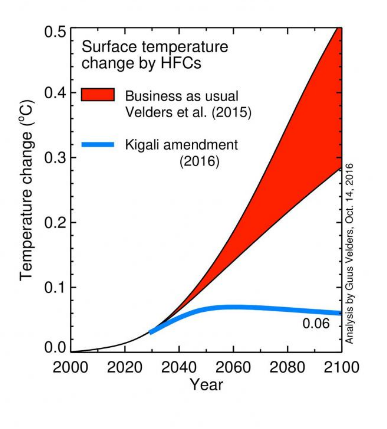
The agreement reached this past week in Kigali is the single biggest climate commitment ever, averting almost 0.5 degrees Celsius of global warming. It commits developed countries—such as the United States, Canada, and members of the European Union—to begin a phase down of HFCs by 2019. Developing countries—including China, Brazil, India and many African countries—have agreed to freeze HFC consumption by either 2024 or 2028.  

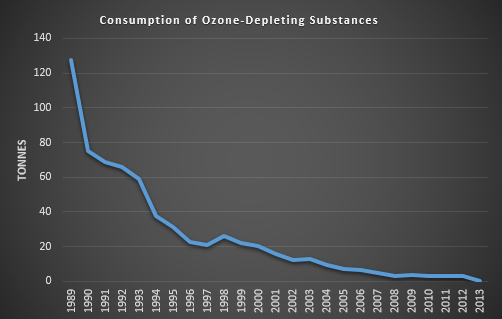
The Kigali agreement embeds the successful model of the Montreal Protocol. In the past 30 years, the Montreal Protocol has played a critical role in helping the ozone hole recover, with a recent study noting the emergence of a healing in the Antarctic ozone layer. By 2005, the Montreal Protocol was successful in reducing ozone-depleting substances by over 95 per cent or near 1.7 million tonnes, and avoided emissions of several billions tonnes of carbon dioxide equivalent. It has generated over USD 3 billion of funding to help developing countries meet their commitments under the agreement. In the United States alone, the success of the Montreal Protocol is estimated to result in 6.3 million skin cancer deaths avoided by the end of the century, with health care savings of over USD 4 trillion from 1990 to 2065.

For 30 years, the Montreal Protocol has brought together some key policy elements that were repeated in Kigali: strong scientific evidence of the atmospheric and climate effects of HFCs, collaboration with researchers and industry to identify and scale up substitutes, securing new and additional funding to assist developing countries in meeting reduction timetables, introducing a dual-track timetable for commitment implementation between developed and developing countries, and having a robust monitoring and compliance system to check ongoing progress.  

HFCs are all around us—in air conditioners that cool our houses and cars, in aerosols and insulation foams. They are potent gases with global warming potentials hundreds of times greater than carbon dioxide (CO2). The most common type, HFC134a, used in automobile air conditioners, has a global warming potential that is 3,790 times that of CO2 (over a period of 20 years, with climate-carbon feedbacks).

Although HFCs represent a small fraction of climate pollutants in the atmosphere today, their production and use are rising at a  rate of 7 per cent per year. Moreover, in some places they are the fastest-growing source of greenhouse gases. With a short atmospheric lifetime (HFC134a, for example, has a lifetime of 13.4 years), their increased use can pose a significant risk of short-term temperature increases. However, the good news is that HFCs are one of the lowest-hanging fruits in the global effort to combat climate change, with cost-effective solutions that are available today.

Despite the opportunities, the negotiations to phase out HFCs are no mean feat. Industrial activity, the growing global middle class, and rising temperatures will result in increased demand for low-cost cooling options. This requires solutions to address growing use of HFCs while avoiding undue burdens that would push people further into poverty and negatively impact quality of life and health.

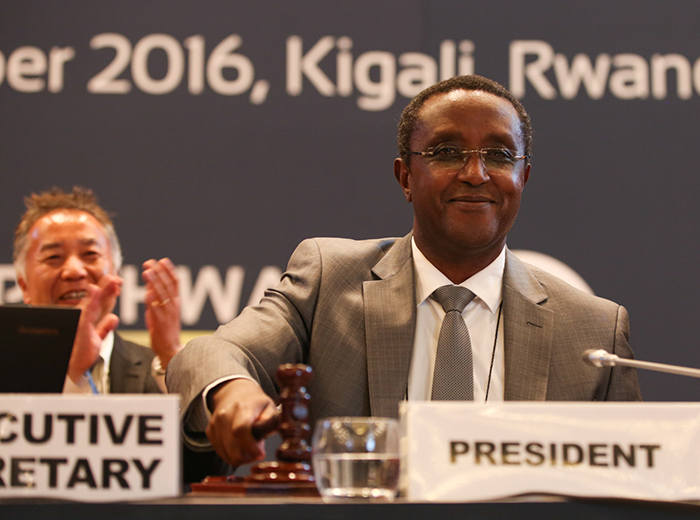
Photo of President and Executive Secretary

Patching the ozone hole

In 1989, the international community agreed to reduce the production and use of products that were responsible for the depletion of the ozone layer. The resulting Montreal Protocol has been one of the most successful global environmental treaties. It has been incredibly effective in reducing ozone-depleting products, such as chlorofluorocarbons (CFCs). 

Data source: European Environment Agency

The phase-out of CFCs was essential in reversing the damage done to the ozone layer. In addition, CFCs are potent climate pollutants, and their removal has had secondary climate benefits. For example, CFC11, which was used as a refrigerant gas, has a global warming potential 7,020 times that of CO2 (over a period of 20 years, with climate-carbon feedbacks). The phase-out of CFCs not only helped ozone recovery efforts but also resulted in about 10 gigatonnes CO2 equivalent of avoided emissions per year in 2010.

However, the growing global middle class combined with industrial growth have resulted in increased demand for production and use of substitute products such as HFCs. Much of the growth in HFC emissions is expected to come from developing countries.

Although significantly less damaging to the ozone layer, the climate impacts of HFCs were likely not top of mind when the Montreal Protocol was initially drafted. The more recent realization of the existential threat of climate change has put the spotlight on HFCs for a number of reasons, including their climate impact, the fact that there are cost-effective alternatives and because the benefits of action significantly outweigh the costs.

How low/fast must we go?

As with any climate pollutant with high global warming potential, such as HFCs and methane, the question shouldn’t be about the extent of reduction but rather how fast can we eliminate these sources of pollution altogether.

Left unaddressed, the rise of emissions from HFCs would have likely offset the success of the Montreal Protocol. Growth in HFCs would add near 9 gigatonnes of CO2 equivalent of emissions by 2050 and result in temperature increases of up to 0.5 degrees by the end of the century. Preventing such a dramatic increase is especially important in a world where the goalpost has been set to keeping the rise in global average temperature to below 1.5 degrees Celsius.

The United States, which has already begun regulating HFCs domestically, has championed a North American proposal and played a critical role in advocating for an ambitious, comprehensive approach for tackling HFCs. The agreement in Kigali has a number of key positive outcomes:

  • It builds on the success of the Montreal Protocol, as an effective instrument and adds HFCs as a regulated gas under the protocol through an amendment.
  • It sets milestones including one whereby developed countries will start to phase down HFCs by 2019, and developing countries will follow with a freeze of HFC consumption levels in 2024.
  • Finally, financial support to offset the impact on developing countries will be discussed in Montreal in 2017. This funding will no doubt be complemented by recently announced USD 1 billion funding measure by the World Bank and another USD 80 million by donor countries and philanthropists.

North America—First movers can benefit from economic opportunities

The United States is already ahead, having introduced HFC regulations under the EPA’s Significant New Alternatives Policy (SNAP) Program. A number of large US private sector companies have also thrown their weight in support of an accelerated phase-out of HFCs. As the world transitions away from HFCs, new products will create economic opportunities and will drive innovation. Those that get ahead of the regulatory curve will likely stand to benefit from tremendous opportunities presented by demand for substitute products.

For its part, Canadian regulators can work with their US and Mexican counterparts and continue on a path of strengthening a regional approach to climate policy. Better regulatory alignment will reduce compliance costs and can create economic activity on both sides of the border. Collaboration can also result in increased ambition while building on the North American leaders' commitment to working together to tackle HFCs.

Refer to IISD's Earth Negotiations Bulletin for detailed coverage of the Meeting of the Open-ended Working Group (OEWG 38) of the Parties to the Montreal Protocol on Substances that Deplete the Ozone Layer and 28th Meeting of the Parties to the Montreal Protocol.

Insight details

Insight

Hurricane Matthew: What role for resilience building?

As the international development community, national and local stakeholders join efforts to respond to storms, a focus on resilience building can be useful in four key ways,

October 10, 2016

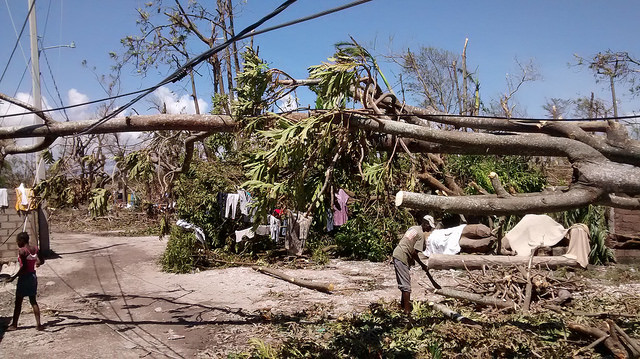
Striking images of Hurricane Matthew’s trail of devastation in the Caribbean region continue pouring in, as the storm makes its way through the U.S. eastern coast.

Messages, pictures and videos shared through social media tell a well-known, yet heartbreaking story: the shattering impacts of disasters on communities that are still struggling to overcome the effects of previous crises—of the last earthquake, the last hurricane, the last food crisis or health epidemic.

In Haiti, the effects of Hurricane Matthew will almost certainly exacerbate pre-existing challenges, remnants of the 2010 earthquake that left more than 1.5 million homeless and that resulted in a grave humanitarian crisis.[1]

The story of a hurricane sweeping the region is not only one about immediate physical devastation, documented in ‘real-time.’ The story is deeper and more far-reaching, particularly in terms of human and socio-economic development. It is a story about the impacts of disasters on livelihood options, on opportunities and the well-being of vulnerable communities—in the short, medium and long term. For these communities, the ability to cope with and adapt to change is not optional, but rather imperative to survival.

Hurricane Matthew has impacted vulnerable contexts where the compounded effects of shocks and long-term stressors are evidence of the importance of resilience building.

Photo: Julien Mulliez/DFID via Flickr

As the international development community, national and local stakeholders join efforts to respond to the storm, a focus on resilience building can be useful in four key ways:

Strengthening the capacity to recover, but also to leap forward

Building resilience is about strengthening the capacity of vulnerable systems to absorb, adapt, and potentially transform amidst change and uncertainty. It highlights the need to focus on post-disaster relief and transitional needs (e.g. shelter, food), but also on strengthening resources and attributes that will allow affected communities to improve and leap forward: to ‘bounce back better,’ in other words.[2] Institutional robustness, the ability of communities to self-organize and learn from past experiences, to access diversified livelihoods and participate meaningfully in recovery processes, are a few of the attributes that play a role in resilience building.[3]  

Integrating multiple scales

Resilience requires the adoption of a holistic, integrating perspective that considers the local (household, community and municipal), regional, national and international levels. Cross-scale integration will play a fundamental role in Hurricane Matthew’s response efforts, as strategies should build upon new and existing multi-sectoral collaboration, synergies, local knowledge and institutional strengths.

Embracing flexibility in programs and strategies

Resilience building takes place in complex, dynamic systems. In vulnerable developing contexts, characterized by constant change and uncertainty, resilience requires flexible programming and adaptive management. For stakeholders involved in hurricane response efforts, this translates into the ability to revise, learn and adapt their activities, to ensure the relevance of programs and strategies in regards to emerging needs and priorities in the ground.

Focusing on the long-term process, not on ‘quick wins’

Resilience building is a long-term process, not a stand-alone technical solution. It requires development stakeholders to adopt a long-term perspective, fostering activities that are articulated with broader development goals. In the aftermath of a hurricane, this translates into not losing sight of the ‘big picture,’ and focusing on sustainable growth.

Hurricane Matthew will continue its trajectory, and new, perhaps stronger hurricanes will hit again the already fragile communities that stand at the forefront of their effects. Resilience thinking provides us with an opportunity to examine vulnerable contexts under a new, deeper and more comprehensive lens, and to identify what can we do to provide the relief needed today, to achieve the sustainable growth of tomorrow.

Angelica V Ospina is a senior researcher with IISD's Resilience Program. 


[1] https://www.oxfam.org/en/haiti-earthquake-our-response

[2] DFID, (2011) Defining Disaster Resilience: A DFID Approach Paper. The Department for International Development, London.

[3] Coles, Eve and Buckle, Philip. Developing Community Resilience as a Foundation for Effective Disaster Recovery. Australian Journal of Emergency Management, Vol. 19, No. 4, Nov 2004: 6-15. 

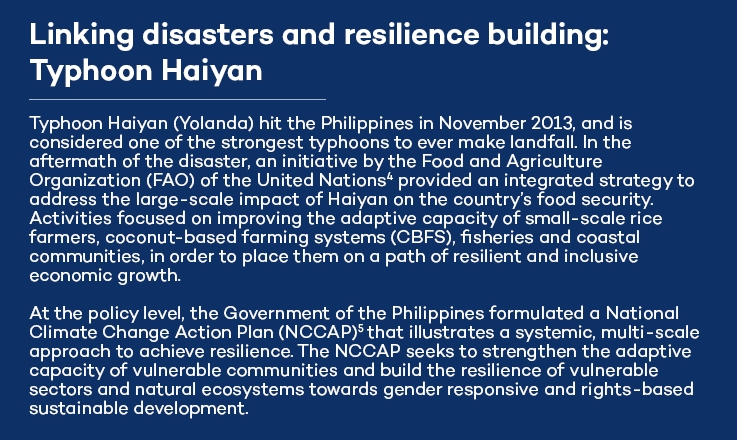
[4] FAO (2015) Typhoon Haiyan: Portraits of Resilience, Food and Agriculture Organization of the United Nations, Manila, http://www.fao.org/3/a-i5177e.pdf

[5] Philippines National Climate Change Action Plan 2011-2018, Climate Change Commission, http://faolex.fao.org/docs/pdf/phi152934.pdf

Insight details

Insight

A Sliver of Light in a Controversial Nuclear Power Arbitration

A phase-out of nuclear power has triggered a controversial legal dispute with Vattenfall, a Swedish state-owned energy company, which operated and owned two nuclear reactors. The legal proceedings have so far been highly secrete, but that is changing with a decision to open up the hearings to the public. 

October 10, 2016

Nuclear power has long-been a focus of public debate in Germany. However, the scales tipped decidedly against the energy source when—in the wake of the 2011 nuclear disaster in Fukushima, Japan—the German parliament decided to completely phase-out nuclear power by 2022.

That decision triggered a controversial legal dispute with Vattenfall, a Swedish state-owned energy company, which operated and owned two reactors that were decommissioned as a result of the parliamentary decision.

The case has gripped public attention in Germany for at least two reasons. First, it has brought attention to a dispute settlement process—known as investor-state dispute settlement (ISDS)—that had previously been largely unknown to the general public. While Germany has historically been a proponent of ISDS, having enshrined it in over a hundred of trade and investment agreements, it is only recently that the German Government has found itself on the receiving end of ISDS claims.[1]

By way of background, ISDS allows a foreign investor to sue states through international arbitration. It takes disputes that would otherwise be settled through domestic courts, and hands them to a small (normally three member) tribunal. This tribunal is unaccountable to the German public, and is not bound by German law. This is especially concerning in cases like the Vattenfall dispute, which centers both on important questions of public policy and German constitutional law.

Second is the lack of transparency that has characterized the proceedings so far. Secrecy is a common problem with ISDS—but the Vattenfall dispute has taken the problem to new heights. Copies of documents concerning the case have been kept secret in a high-security building. Press inquiries have been denied. In fact, not even parliamentarians have had access to meaningful information about the case.

The high level of secrecy is due the fact that the Energy Charter Treaty, which provides for ISDS in the energy sector, does not mandate transparency. Therefore, parties have the possibility to keep proceedings secret from the public—which is what Germany and Vattenfall have opted for over the past years. This is despite the fact that Germany has supported greater transparency in ISDS disputes at the European level.

After years of pressure for increased transparency, the voices calling for openness seem to have finally been heard: Germany and Vattenfall have agreed to make the hearings public. They will  begin on October 10th and will be streamed online and available to the public. This gives journalists, civil society, and the broader German public much needed insights into the nature of the dispute, and how the tribunal will respond to the sensitive public policy issues that it raises.   

IISD will be watching the proceedings closely, and reporting back on them. For those interested in learning more about the case, we have previously published a state-of-play report, which discusses the lack of transparency in the case in detail. A second IISD report provides further background on the case.


[1] In fact, it was an earlier claim by Vattenfall that first raised broad public attention to ISDS. This claim was a challenge to environmental restrictions imposed by the City of Hamburg on a coal-fired power plant. The dispute was settled when Germany agreed to adapt environmental requirements regarding the increased temperatures to the River Elbe through energy production.

Insight details