
Turning Tides: How women are reshaping the fisheries sector in Belize
For decades, the vital contributions of women in Belize’s fisheries sector have gone unrecognized. But after years of dedication and advocacy, women are now charting a new course for the country’s small-scale fisheries. And with the establishment of Belize’s National Women in Fisheries Association, they are claiming their rightful place in fisheries governance.
Situated along the Caribbean coast of Central America, Belize is home to an extensive barrier reef system that sustains a wealth of marine biodiversity and supports the livelihoods and well-being of diverse coastal communities. However, climate hazards such as rising sea surface temperatures, hurricanes, and tropical storms threaten its coastal and marine ecosystems and the key livelihood sectors that depend on them.
Small-scale fisheries have been particularly impacted. These fisheries employ over 3,000 fishers and contribute to the food and economic security of an additional 20,000 Belizeans. They are also integral to Belize’s cultural identity, as it is rooted in the traditional practices of Indigenous and local fisherfolk across the country. As the impacts of climate change intensify, establishing adaptive and equitable fisheries governance structures is essential to the long-term sustainability of the sector and the resilience of communities that depend on it.
Belize’s small-scale fisheries have already taken steps toward this, earning praise for their participatory and rights-based management approach, which actively engages fisherfolk in governance and decision making. But despite this inclusive approach, the sector remains male-dominated, with 97% of licensed commercial fisherfolk in Belize being men, and only 3% women.
However, a closer look at the small-scale fisheries value chain reveals a hidden workforce: the women who perform countless indispensable and unremunerated tasks, such as preparing meals and rations, organizing crews and trips, preparing equipment, collecting bait, processing catch, and organizing sales. Although women are rarely out at sea, their work managing the households and finances of fishing families directly influences whether marine resources are used sustainably or depleted over time. They also serve as resource stewards along the value chain, strengthening compliance and promoting long-term planning. The inclusion of women in fisheries decision-making can therefore lead to stronger conservation outcomes for marine ecosystems. Yet, their contributions are rarely documented and are thus excluded from national fisheries statistics, painting an inaccurate picture of the sector’s workforce.
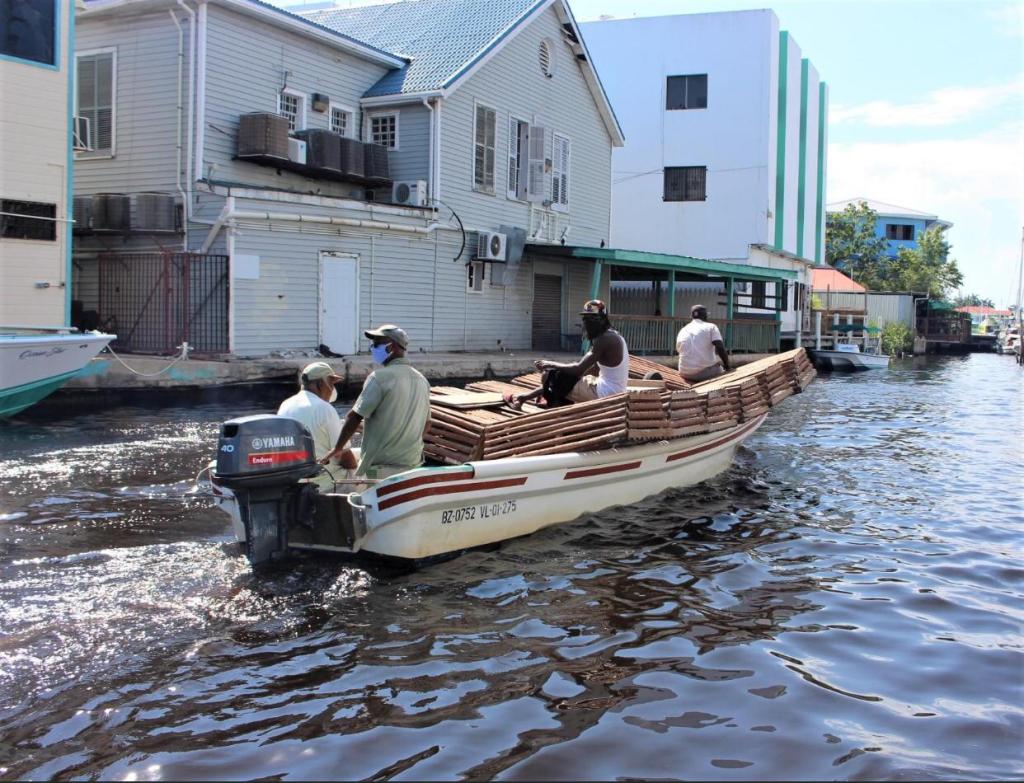
The failure to recognize women’s informal yet critical contributions and roles in the sector has limited their participation in decision making, led to their marginalization, and prevented them from accessing government-based resources such as trainings, micro-credit, and financing, which are typically provided to licensed fisherfolk. This been detrimental to women and to the sector as a whole, as both women and men bring unique experiences, knowledge, and skills that can complement one another and lead to improved outcomes and benefits.
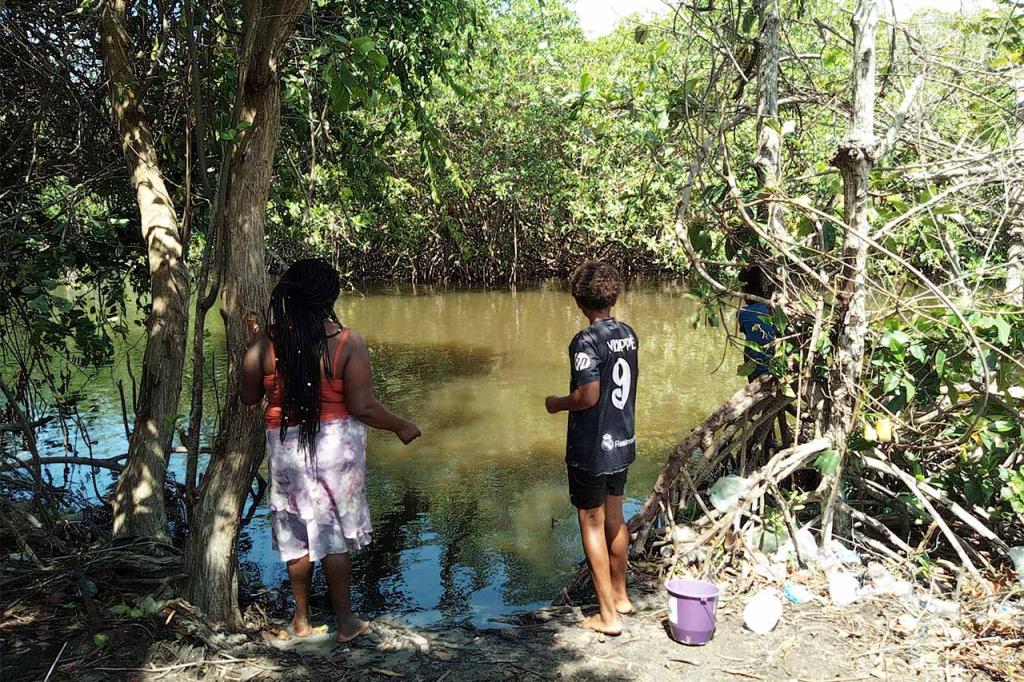
The First Women in Fisheries Forum
Recognizing the need for change, the first Women in Fisheries Forum (WIFF) was convened in 2017 by Sandra Grant, through the Belize Fisheries Department’s Marine Conservation and Climate Adaptation Project, and the Belize Country Office of the Wildlife Conservation Society (WCS).
This first forum aimed to acknowledge women’s contributions in Belize’s small-scale fisheries sector and provide a space for them to discuss issues they face and opportunities they wish to pursue. Despite being met with a lot of why's — “Why engage women in fisheries?” “Why have a closed meeting for women?” “Why can’t men be present?” and “Why even have this discussion?” — the first WIFF went ahead with its theme: “It’s about conversations that focus on recognizing women in the fishing industry.”
The 2017 forum brought together 52 women from nine fishing communities working along the fisheries value chain. It has flourished since; what some initially viewed as an unnecessary event has continued each year as a forum focused on empowering women within Belize’s small-scale fishing sector.
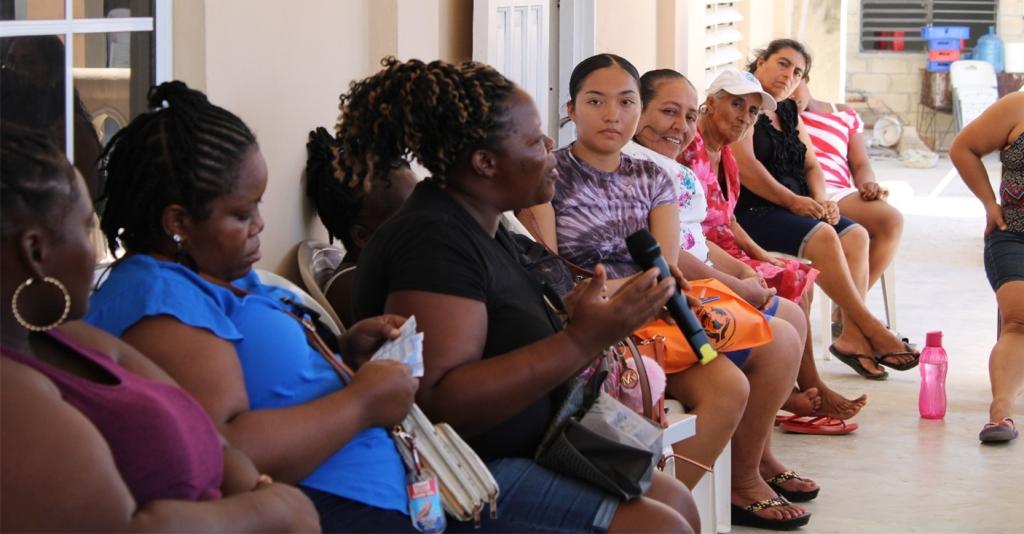
The WIFF provides a dedicated space for women involved across fishing value chains to network and share their learnings, knowledge and experiences. Participants report that it offers them a space to understand and value the many roles they play within the sector and how they can influence the long-term protection of Belize’s marine biodiversity and resources.
Since 2017, there have been seven WIFFs covering pertinent topics such as gender equality and social equity in fisheries, ocean-based livelihoods, women’s leadership, and climate change. Sessions held during the forum have socialized the United Nations Food and Agriculture Organization’s Voluntary Guidelines for Securing Sustainable Small-Scale Fisheries in the Context of Food Security and Poverty Eradication, raised awareness around social protections for women in fisheries, highlighted the importance of a household approach in the design and implementation of supplementary livelihoods, introduced small business development and management, and outlined how climate change impacts the ocean and ocean-based livelihoods. Throughout these sessions, they have strengthened participants’ confidence and capacity to lead and manage projects, advocate for their rights, and meaningfully engage in fisheries decision making.
Taking Governance to the Next Level
While the WIFF was making women’s contributions to small-scale fisheries visible and providing a platform for their voices to be heard and meaningfully valued, and as participation continued to grow year over year, the women recognized the need to go a step further and formalize their role in the sector.
With support from the Climate Adaptation and Protected Areas Initiative (CAPA), WCS and IISD convened over 65 women for the seventh annual WIFF, held in 2024. One critical goal of WIFF 7 was to elect an executive committee to establish a permanent governance structure for women in Belize’s small-scale fisheries sector: the National Women in Fisheries Association (NWIFA).
The NWIFA was established with the goal to empower women to lead in sustainable fisheries practices, promote equitable opportunities, and foster resilient communities, while ensuring that their essential contributions to the stewardship of marine resources of national and global importance are recognized and celebrated.
“It has been 8 years since the idea of a Women in Fisheries Forum was conceived with the aim of providing a space where women’s involvement along the fisheries chain could be recognized and valued,” said Sandra Grant, Caribbean Regional Fisheries Mechanism Deputy Director.
“In strengthening and empowering women, we give them the space to participate in fisheries management and decision-making for their communities and at the national level. This has resulted in organizing the women into a formal group with a vision of driving their own future and ensuring beneficial impacts to all persons engaged in fisheries.”
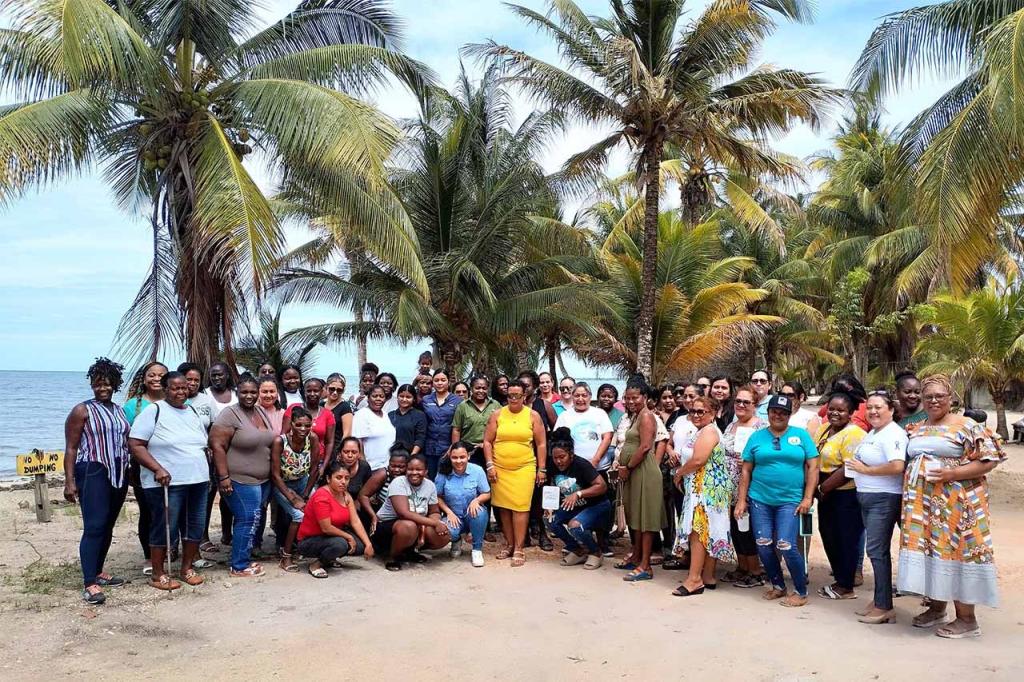
The NWIFA's executive committee brings together experienced leaders from across the sector. Members consist of women engaged across the fisheries value chain, including those involved in pre-harvest, harvest, post-harvest, informal day-to-day fishing activities that take place within the household setting, and value-addition activities.
Collectively, members of the NWIFA represent 11 different fishing communities across Belize, and at the forefront of the Association is Paula Jacobs Williams — a wife, mother, daughter, fisherwoman, seafood restaurant owner, and village chairlady of Punta Negra.
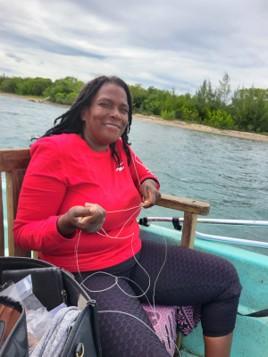
Fishing has been an essential part of her life since childhood, as she was raised in a traditional fishing community and learned how to fish from her father. As chair, she is no stranger to advocacy, actively lobbying the government on her village’s behalf to secure resources and technical assistance to address shoreline erosion. Despite her various roles and responsibilities, she brings the same dedication and determination to her position as Chair of the NWIFA, where she works to elevate women’s voices in fisheries governance, gain recognition for their contributions to the sector, and advocate for fisherwomen’s rights and access to government resources, including financing, insurance, and retirement plans.
“Young women who are entering the sector must have some hope if they are to improve and continue fishing in the future,” she says.
Looking Forward
In small-scale fisheries around the world, women’s valuable contributions to the sector and conservation decisions related to fishing remain largely unrecognized, ut the WIFF and NWIFA show what is possible when years of dedication and advocacy translate into real governance structures. Together, these initiatives have done more than just empower women in Belize: they have shifted men's mindsets and created conditions for women to lead and be valued.
Since its formation in 2024, the Association has been working on increasing membership, building its reputation, and partnering with other fisherfolk associations and community groups. Their presence at the national level has begun to challenge the assumptions of men in the sector, demonstrating that women deserve a seat at the decision-making table — and overlooking their contributions is not simply an equity concern, but a risk to households and ecosystems. The CAPA Initiative has also helped the Association elevate its international presence, supporting the secretary, Isela Martinez, to attend the Our Ocean Conference in 2026 and represent Belizean women in fisheries on the global stage.
Their momentum is visible at the community level as well. For Association treasurer Shereene Miranda, the sea has been a crucial part of her life since she was a toddler, when she began going on fishing trips with her parents. Her community of Hopkins depends on the long-term health of marine ecosystems, and she noticed a growing desire for women to both organize themselves and become fisherfolk. She helped double the number of women counted as members of her local association, the Yugadan Fisherfolk Association, in just 4 years, moving toward gender parity in the association and strengthening women’s representation in fisheries decision-making.
Moving forward, the executive committee and conveners of the WIFF are committed to working with policy-makers and protected area managers to provide women with opportunities to meaningfully contribute to the sustainable management of Belize’s marine resources and development of the sector.
Shereene’s final message to women working in the fishing industry is to not be afraid of “stepping out.” “Women need to be recognized as part of the fishing community,” she says.
About the CAPA Initiative
The CAPA Initiative is a 3-year project funded by Global Affairs Canada that aims to use nature-based solutions to strengthen climate resilience and protect biodiversity in and around protected areas in the Kavango-Zambezi and Greater Virunga landscapes in sub-Saharan Africa, Belize, and Fiji. Learn more about the program here.

You might also be interested in
“The howler monkeys are everywhere”: How women in Belize are harnessing the power of nature to conserve their community
The president of the Community Baboon Sanctuary Women’s Conservation Group in Belize River Valley talks about the environmental challenges facing their community, the group’s proudest achievements, and their aspirations for community-based conservation through nature-based solutions.
Nature-Based Solutions Inventory for Belize
This inventory showcases the variety of nature-based solutions projects (both completed and ongoing) that are being implemented across Belize's diverse ecosystems.
A Day in the Life of a Protected Area Manager
A day in the life of a protected area manager in Belize navigating climate change impacts.
Climate Risk Profile: Belize
This report details climate hazards, risks, and impacts in Belize and recommends gender-responsive nature-based solutions (NbS) for adaptation measures to address them.