Case Study Research on Offsets for Water Quality Management
This case study research examines six water quality trading/offset programs from Canada, the United States and New Zealand and provides lessons relevant to offsetting nutrients, specifically phosphorus and nitrogen, in Manitoba.
This case study research highlights specific policy and program mechanisms for achieving reduced nutrient and contaminant loading and maximum co-benefits through offsets by examining six programs from Canada, the United States and New Zealand.
Offset programs allow regulated dischargers that do not meet pollutant discharge limits to offset their excess loads against greater pollution reductions made elsewhere in the same watershed. Since sources in a watershed can face very different costs to control the same pollutant, offsets can enable cost-effective water quality improvements.
In Manitoba, there are currently over 200 wastewater treatment facilities that discharge phosphorus and contribute to the nutrient overloading and eutrophication of Lake Winnipeg. Upgrades to these facilities are resource intensive, and the option of offsetting discharges against nonpoint sources in this agricultural region may provide higher nutrient reductions, create ancillary ecological benefits and nurture successful relationships between various stakeholders.
The report discusses lessons for offsetting program design and implementation based on a review of the following programs:
Lake Simcoe Phosphorus Offsetting Program (Ontario, Canada)
South Nation Conservation water quality trading program (Ontario, Canada)
The Lake Taupō nitrogen trading program (Waikato, New Zealand)
Clean Water Services’ Tualatin River Program (Oregon, USA)
Erie P Market (Western Lake Erie Basin, USA)
Electric Power Research Institute Ohio River Basin Trading Project (Ohio, USA)
The programs demonstrate some range in parameters such as watershed size, pollutant types and stage of implementation. Most programs have been developed as a compliance option for point source discharges through partnering with nonpoint sources. Our analysis focuses on synthesizing common design and implementation elements, institutional setup, credit characteristics, transaction costs, verification procedures, and other protocols and mechanisms.
Local Climate Change Adaptation Planning in Manitoba
This study assesses the degree to which climate change adaptation is being considered in current local development plans, emergency plans and integrated watershed management plans in Manitoba.
The best available climate projections suggest that communities throughout Manitoba must prepare for significant climatic changes in the coming decades.
As part of these preparation efforts, municipalities should be considering the anticipated impacts of climate change in their key planning documents and identifying actions to reduce risks and adapt to these changes. To assess the extent to which Manitoba’s municipalities are preparing for climate change by incorporating climate risks and adaptation needs into local planning documents, the Climate Change and Air Quality Branch of Manitoba Sustainable Development commissioned the International Institute for Sustainable Development (IISD) to undertake this review.
The study reviewed a sample of local plans from across Manitoba, consisting of 20 development plans, five emergency plans and five integrated watershed management plans. Among the plans reviewed, it was found that five development plans, zero emergency plans and two integrated watershed management plans explicitly considered the need to adapt to climate change.
To address the gaps identified, this report recommends that the Province of Manitoba work with the Canadian Centre for Climate Services and the Prairie Climate Centre to help municipalities and watershed districts use local climate change projections to assess and mitigate risks. Climate change adaptation considerations should be incorporated into the templates for development plans, emergency plans, integrated watershed management plans, and any other relevant tools to provide municipalities and watershed districts with a helpful structure.
Further insights into municipal efforts to address climate change risks could be gained by examining a broader sample of local plans. Examining implementation tools such as zoning by-laws and annual budgets also could be useful to verify whether municipalities and watershed districts are acting on the content of their plan. A survey of local officials could offer insight into formal and informal aspects of climate change adaptation awareness, needs and efforts among Manitoba communities.
Why Climate Risk Disclosure is Key to a Sustainable Economy
It will take significant private sector investment for Canada (and the world) to reach the goals laid out in the Paris Agreement. An important first step to securing that investment is making sure climate risk disclosure becomes mandatory.
December 19, 2018
It will take significant private sector investment for Canada (and the world) to reach the goals laid out in the Paris Agreement.
The kind of changes needed to avoid the consequences of over 2°C global warming — embracing low-carbon technology and techniques around energy production, transportation, and agriculture — require an infusion of capital beyond what governments and taxpayers can cover.
Likewise, there’s a clear need to draw investment away from the wrong kind of activities. Companies with high-carbon emitting lines of business and business models, however, rarely reflect climate change on their balance sheets according to the latest report from the Task Force on Climate-Related Financial Disclosures. Despite available voluntary standards, companies seldom disclose their physical risks from climate change or the business risks from emerging climate change-related regulations.
The result? Investors get a distorted, incomplete view of the market and the status quo continues.
Current strategies are good, but not enough
Fortunately, work to get us off this perilous path is underway, both at home and abroad. The Canadian government’s carbon price backstop will ensure a price on pollution exists in every province. The Expert Panel on Sustainable Finance (EPSF), appointed by the Minister of Environment and Climate Change and the Minister of Finance, will soon provide recommendations on harnessing the country’s financial assets for a successful low-carbon transition. There are likely to be strong calls to action, too. In the panel’s words, “If we want to capture the large market opportunities and establish the rules affecting our financial industry and our key economic sectors for ourselves, we need to move faster and more decisively.”
Canada has several international examples to take notes from. The European Union has actively developed the policy framework for sustainable finance as well as an action plan to enforce it. Their progress on the file is remarkable, especially considering animosity from several member countries.
The main takeaway from our G20 peers? Climate risk disclosure must become mandatory. The federal government should amend the Canadian Business Corporations Act to require that companies include certain climate change-related disclosures and environmental reporting in their annual reports. It should also require all federal institutions, including regulators, to do the same.
Everyone must be involved to effect change
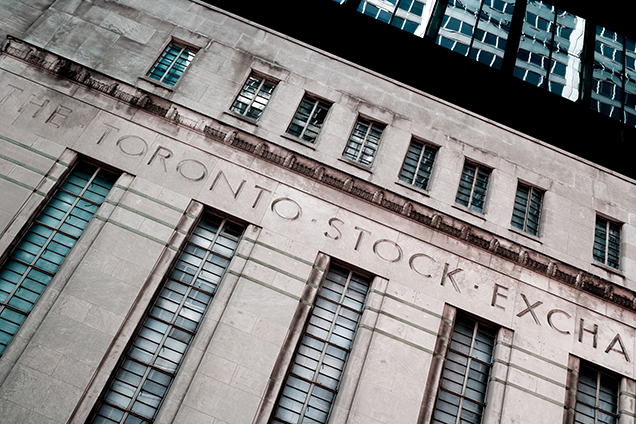
Other entities have roles to play. The Toronto Stock Exchange should join the UN Sustainable Stock Exchanges Initiative — an excellent initiative to encourage environmental, social, and corporate governance — while the Bank of Canada should clarify how much the disclosure of climate-related risks is relevant to their 2019 Financial System Review. The Chief Actuary of the Office of the Superintendent of Financial Institutions should report on climate risks to the fully funded status of the Canada Pension Plan Investment Board. And the Office of the Superintendent of Financial Institutions should engage with the Central Banks and Supervisors Network for Greening of the Financial System.
Given the 10-year window for meaningful action laid out by the Intergovernmental Panel on Climate Change's latest report, Canada should focus its efforts on environmental actions that deliver the best bang for its buck. With the investment system underwriting so much of our lives, there’s no question what the primary focus should be.
Canada Should Copy Europe When It Comes to the Bioeconomy
The recently announced EU Bioeconomy Strategy continues that continent’s legacy of advancing biological solutions to environmental questions and strategically highlights the economic benefits of the approach with a strong focus on jobs, growth and investment.
December 14, 2018
The recently announced EU Bioeconomy Strategy continues that continent’s legacy of advancing biological solutions to environmental questions and strategically highlights the economic benefits of the approach with a strong focus on jobs, growth and investment in the EU.
In fact, the EU’s bioeconomy already accounts for 4.2% of its GDP; it contributes over €2 trillion in annual turnover and €621 billion in added value, and keeps over 18 million people employed.
The plan is not only concrete—including a €100m Circular Bioeconomy Thematic Investment Platform to bring bio-based innovations closer to the market, and a pledge to build 300 new sustainable biorefineries across Europe by 2030—it also complements an EU directive to ensure that 20% of the EU’s total energy needs are met with renewables by 2020.
In short, the Europeans are significantly ahead of the game.
The proposed Clean Fuel Standard seeks to increaser use of lower-carbon fuel—including renewable natural gas—and applies to the transportation, building and industry sectors. And the newly-formed Circular Economy Leadership Coalition, a collaboration of major business leaders, academics and non-governmental organizations, are committed to accelerating Canada’s transition to a circular economy.
However, to fully advance a bioeconomy in the country we need a National Bioeconomy Strategy, inspired by the recently updated EU Bioeconomy Strategy, and even the White House’s 2012 National Bioeconomy Blueprint. In fact, this was already recommended by the Canadian Chamber of Commerce in 2015.
The strategy needs to exemplify existing Canadian successes in bioeconomy, but also pave a path for Canada to further pilot technologies and innovations at home and globally—innovations that convert Canada’s abundant bio-waste materials and industrial by-products into fuel, bio-based fertilizers, and high value chemicals while also recycling scarce metals, plastics, and valuable nutrients.
The government of Canada should provide the necessary support, incentives, and guidance, through funding and programs to attract businesses, and develop biorefineries and innovation clusters across the country.
While the recent report from the Intergovernmental Panel on Climate Change certainly sent shockwaves across the world as it warned of the devastating consequences of our current environmental trajectory, it also spotlighted the urgent need to find alternatives to the status quo.
In a world that urgently needs to find alternatives to dirty fossil fuels that emit high rates of greenhouse gases (GHGs) that contribute to climate change, and that needs to move away from the current linear economic model of “extract, use and discard resources”, the bioeconomy proves a highly viable solution.
Canada’s large land base, low population density, and abundance of natural resources have traditionally proven limiting factors in the transition to a bioeconomy future.
With today’s environmental imperatives, however, Canada, which emits high levels of GHGs and has access to an overabundance of waste, residues, and biomass, is perfectly positioned to become a world leader in advancing a bioeconomy.
We Must Study Marijuana's Impact on the Environment Before It's Too Late
How could marijuana impact freshwater supplies? The focus on human health with Canada’s legalization has highlighted the lack of discussion on the potential environmental effects.
December 7, 2018
In a flurry of international news, after years of false starts and political wrangling, it was finally written into law: Justin Trudeau’s administration legalized recreational marijuana use in Canada.
Admittedly, the course of true legalization never did run smooth. A myriad of complex province-specific regulations and policies have emerged that have served to reflect the fractured political nature of Canada’s federation, but also to mildly puzzle its citizens.
Much of the information that had been shared ahead of the big day was intended to clear up some of the public’s confusion focused on the human health risks of cannabis consumption. Billboards and advertising in suitably green font have warned Toronto and Vancouver’s denizens of how smoking marijuana can impair one’s ability to drive, trigger schizophrenia and other mental health issues, and stoke addiction.
While all admirable and necessary warnings, this focus on human health has highlighted the notable lack of public or governmental discussion on the potential impact of cannabis on the environment, and in particular on North America’s abundant supplies of fresh water.
Often featuring in the lower rungs of priority when it comes to determining the safety of a drug, the impact of a pharmaceutical on the freshwater environment can be significant on the health of lakes, rivers and those who reside nearby.
These examples should serve as a reminder that when deeming a drug fit for market, we should research and factor in its impact on the environment and water systems.
As the tide of marijuana legalization seems to be steadily sweeping North America, it also highlights how the USA and Canada, with our shared watersheds and borderless water movement, need to put our heads together on this issue.
When it comes to marijuana, a lot of the research and legislation is patchy and regionally specific. In Canada, some legislation exists to limit the use of more than 95 pesticides that can be used by licensed cannabis producers. There is also guidance to prevent these compounds from leeching into nearby water bodies and reaching its flora and fauna.
But we need to know more.
It’s hard to overstate the importance of fresh water to North America’s economy and peoples. The five mammoth Great Lakes alone account for 21% of the globe’s freshwater supplies and no fewer than 35 million Americans and Canadians depend on them for their drinking water.
Historically, economic development of the continent has depended on its networks of lakes and rivers, and today it provides places to swim, fish for food, and boat – helping to fuel economic activity in the recreation and tourism industry. Put simply, every economic sector in North American depends on fresh water.
We are still limited in our understanding of how much recreational use of cannabis in Canada will increase thanks to legalization. Some projections suggest a steep increase, but we need to be tracking consumption to know what could be leeching into our water.
Second, when cannabis itself is metabolized by humans and excreted into our water supplies, it can result in risks that are yet poorly understood and that are not accounted for when just applied pesticides are examined. We need more research to fill those information gaps.
Our water flows freely across our continent; cannabis flowing down from British Columbia will not stop short at the border with Idaho.
North America’s governments, scientists and industry need to work together to ensure a comprehensive understanding of the effects of marijuana on fresh water, and update wastewater treatment facilities and regulations to protect our lakes and rivers.
Floating treatment wetlands can help keep our fresh water clean and healthy.
Freshwater lakes around the world are in trouble.
Urbanization, waste treatment, landscape changes, agriculture and natural resource extraction cause runoff of nutrients, contaminants, petroleum products and organic materials into freshwater lakes around the world.
Floating treatment wetlands or islands are small artificial platforms that allow aquatic plants to grow in water that is typically too deep for them.
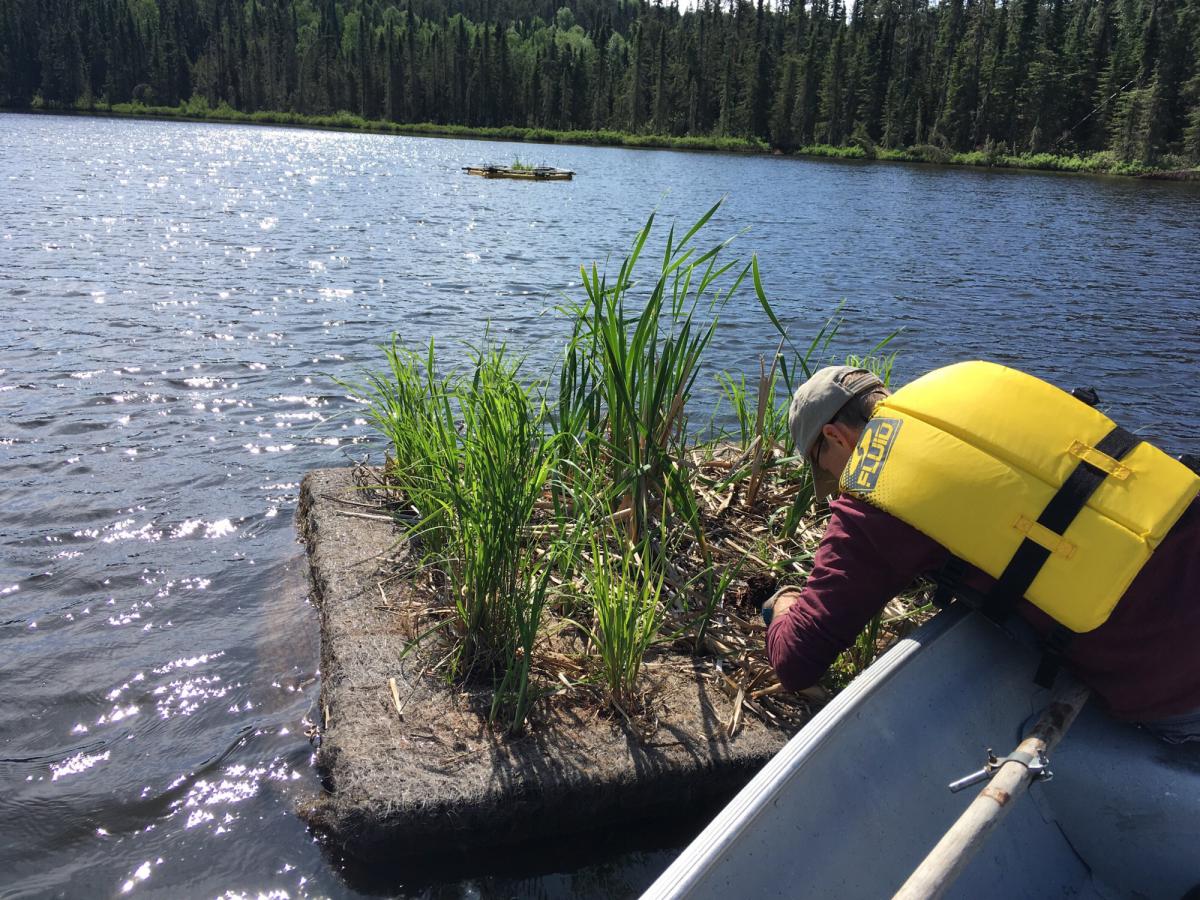
Floating treatment wetlands (FTWs) or islands are small artificial platforms that allow aquatic plants to grow in water that is typically too deep for them. The unique ecosystem that develops creates the potential to capture nutrients and transform common pollutants that would otherwise plague and harm our lakes into harmless by-products.
For the past decade, our research has explored sustainable water and land management that both creates opportunities for economic growth and improves the environment. We have shown that, by harvesting cattail, nutrients (such as phosphorus) taken up during growth and stored within the plant are permanently removed from the soil.
Some of our results have been staggering!
When we placed a series of FTWs in two lakes at IISD Experimental Lakes Area, we intentionally selected one lake that was high in phosphorus (Lake 227) and one that had normal levels (Lake 114).
We discovered that the cattail plants in Lake 227 had eight times the productivity and five times the amount of roots than those left in Lake 114, and four times the amount of phosphorus. This clearly evidences the effectiveness of FTWs in removing excess phosphorus from lakes.
Over the last few years, we have deployed a number of floating wetlands in various locations, from the IISD Experimental Lakes Area in northwestern Ontario for research to a “realworld” application in a residential stormwater pond in Lorette, Manitoba. We are also collaborating with other organizations, for example with Assiniboine Park in Winnipeg on the new FTW they deployed in their duck pond.
The Role of Infrastructure Planning in Flood Mitigation | A PRAC Webinar
This webinar focused on the growing exposure of built infrastructure to flood risk due to climate change, and the actions being taken to mitigate this risk.
November 27, 2018
This webinar was hosted by the Prairies Regional Adaptation Collaborative (PRAC) and focused on the growing exposure of built infrastructure to flood risk due to climate change, and the actions being taken to mitigate this risk.
An overview how climate change is impacting flood and natural hazard risks on the Prairies was provided, followed by, two case studies focusing on stormwater improvements in Claresholm, Alberta and water management in Yellow Quill First Nation, Saskatchewan.
ABOUT THE PRAIRIES REGIONAL ADAPTATION COLLABORATIVE
The PRAC is an initiative aimed at helping decision-makers in the Prairie provinces target local climate change issues and help integrate climate change adaptation considerations into decision making in policy, planning and operations. It is a federal–provincial cost-shared program between Natural Resources Canada and the governments of Manitoba, Saskatchewan and Alberta. The International Institute for Sustainable Development (IISD) acts as the secretariat for PRAC.
For more information about this webinar can be found here.
Data is no exception to the trend of localizing our consumption, charitable giving and development efforts.
November 27, 2018
In recent years, there has been a renewed effort to focus our consumption, charity and development efforts locally.
We’re encouraged to buy, eat and even travel close to home to reduce our ecological footprints. Business groups run Buy Local campaigns in nearly every urban centre. As a counter reaction to our increasingly digital world, leaders of all stripes—political, religious, educational, environmental—have suggested we strengthen our connection to and understanding of our sense of place.
Data is no exception to this trend.
There are increasing calls for urban and rural communities to access and use local-level data for informed decision making, planning, accountability and mobilization. Across Canada, civil society organizations such as the National Climate League and their regional climate hubs call for greater access to local-level environmental data. Similarly, collaborative efforts to localize the Sustainable Development Goals (SDGs), such as those from organizations involved in Alliance 2030, amplify the call for localized data to track progress on the SDGs.
Winnipeggers have taken the local data movement to heart and lead the way on several fronts, sharing their know-how with the rest of Canada. Winnipeg is home to the Prairie Climate Centre (PCC), and the Canadian Climate Atlas. Based at the University of Winnipeg, the PCC shares data for key climate indicators, developing climate data reports for numerous Canadian cities. The PCC makes an impact through knowledge mobilization, sharing documentary-style videos and articles about communities taking action to reduce their carbon emissions and improve community resilience to climate change.
The Climate Reality Project Canada's (CRPC's) Climate Hub in Winnipeg digs deeper into climate trends and impacts data, providing access to climate-related data at the city level. This work has made an impact by involving citizens to advocate for access to environmental data. The Winnipeg-based hub is part of a larger effort by citizen groups across Canada to advocate for, track and compare local-level environmental data.
“Currently, some of the most exciting and effective climate action is taking place at the local level. Having reliable, consistent measurements that we can share is a really useful way to increase visibility of what our neighbours are doing. And hopefully, this will be a gateway to greater collaboration across the country." - Curt Hull, Climate Leader, Climate Reality Project Canada Board Member
The Peg Community Indicator System (CIS), run by the International Institute for Sustainable Development (IISD) and the United Way Winnipeg, curates over 60 indicators to measure community well-being and sustainability related to the seven themes of the built and natural environments, health, basic needs, economy, governance and social vitality and education. Together, this data forms a basis for community priority setting and decision making. Peg’s recent efforts to connect their indicators to the SDGs further acts to inspire action across the city. Peg’s data has helped inform local government officials, educate youth on data literacy, set strategies for philanthropic organizations and stimulated conversations and storytelling on topics that matter to Winnipeggers.
“The indicators presented in Peg were instrumental to the development of the For Every Family Initiative—a project aimed to enhance the well-being of children and families in our community by enhancing the services of family resource centres. The data in Peg provided an evidence-based foundation to this initiative and was key in developing the case for support for our partners, including the Province of Manitoba, The Winnipeg Foundation, and numerous other foundations and philanthropists. By analyzing the data related to readiness to learn, children in care, and household income, we were able to identify how to best focus our energies in order to have the greatest possible impact in our community.” - Kathy Knudsen, Vice President, Community Impact – United Way Winnipeg
Peg is also the flagship CIS on IISD’s Tracking-Progress platform; an easily replicable on-line tool enabling communities across the country to determine and measure their own indicators of sustainability.
The Manitoba Collaborative Data Portal (MbCDP) is a key resource for spatial data and related resources aimed to promote informed discussion and decision making through access to data. The portal shares data on topics related to community health, transportation and housing. The MbCDP and the Winnipeg Data Consortium members lead the way in community data validation through their work to draw the consensus, understanding and shared knowledge needed to strengthen the local data landscape.
Together with other academic, government and civil society institutions, these four initiatives form part of a rich community data landscape that helps to inform, improve and support local efforts to shape the city into a more sustainable and equitable place.
Forget GDP – for the 21st Century We Need a Modern Growth Measure
Our radar to track progress is far from satisfactory.
November 14, 2018
It is critically important that we monitor societal progress and design responsive policies to 21st-century challenges, such as climate change, the marginalization of more than a billion people, resource depletion and emerging pollution-driven health crises.
We need reliable metrics to know how we are performing on the yardsticks of our economy, sustainability and social harmony. Unfortunately, our radar to track progress is far from satisfactory. Countries still use a 20th-century metric to measure well-being: Gross Domestic Product (GDP).
GDP provides measurements of output, income and expenditure quite well, and these are needed to understand and devise fiscal and monetary policies. But this measure flatly fails when it comes to well-being. Its founder, Simon Kuznets, cautioned half a century ago that it is useful mainly in tracking income. More recently, other economists suggest knowing change in per capita wealth of all types is key to monitoring sustainability.
Hence, there is growing international interest in a tool that still captures financial and produced capital, but also the skills in our workforce (human capital), the cohesion in our society (social capital) and the value of our environment (natural capital).
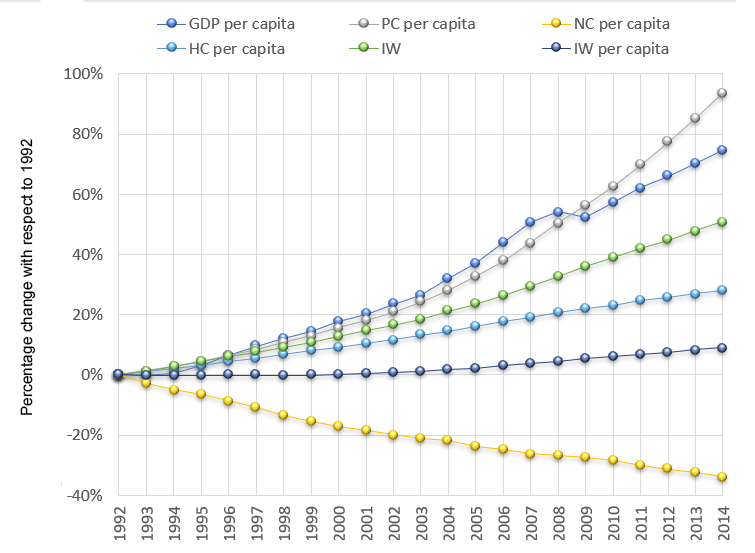
Work has advanced on some of these elements. The UN Environment-led Inclusive Wealth Index shows the aggregation through accounting and shadow pricing of produced capital, natural capital and human capital for 140 countries. The global growth rate of wealth tracked by this index is much lower than growth in GDP. In fact, the 2018 data suggests that natural capital declined for 140 countries for the period of 1992–2014.
Interestingly, many countries record GDP growth while they lose natural capital. One can see the trade-off among various types of capital, but the report clearly conveys that mixing income with wealth is bad economics and dangerous for sustainability measurement.
The index’s findings include strong recommendations to help reach global sustainability targets, including the UN Sustainable Development Goals. Closely tracking countries’ productive bases is key, as a declining asset base implies a non-sustainable trajectory. Many of the assets critical for maintaining productive bases are either not priced or are priced at much lower levels than they should be. This is especially true for natural capital and human capital assets. Natural capital assets such as forests and water bodies have only been valued for the products they provide for the market, such as timber and fish. However, these ecosystems offer a much larger suite of services, such as water purification, water regulation and habitat provisioning for species, among many others. These are clearly valuable services.
HC - Human Capital, PC - Produced Capital, IW - Inclusive Wealth, NC - Natural Capital
The Inclusive Wealth Index also helps policy-makers prepare to negotiate for reductions in greenhouse gases as well as for compensations accruing from climate change. Further, past reports have shown conclusively how countries can become unsustainable in absolute terms when population growth is factored into the computation. Understanding the impact population growth has on productive bases is a critical variable that leaders should factor into policy-making.
So analytic progress has been made, but there is still a need to bring all five elements of prosperity—financial, produced, natural, human and social capital—into one framework.
A new Canadian report does this.
Canada's Comprehensive Wealth project adds one number for evaluation and policy-making on top of GDP: a per capita sum of the five elements of prosperity. It draws on data from Statistics Canada—one of the finest statistical organizations in the world—which measures many elements of prosperity separately, to varying degrees of depth.
The report raises several red flags, most notably that Canadians’ comprehensive wealth only grew at an annual average rate of 0.2 per cent from 1980 to 2015. In contrast, GDP grew at an annual average rate of 1.31 per cent over the same period. In other words, the good GDP results of Canadians don’t have a strong foundation reflecting growth in earning potential, sustainable natural stocks, and diversified financial and produced capital.
There’s room for this study to grow in depth and breadth. The Canadian federal government should direct Statistics Canada to regularly report the country’s comprehensive wealth score.
People deserve an accurate sense of how well their economies are performing, with a view to long-term sustainability. GDP has and always will have valuable short-term insights, but to respond to 21st-century pressures we need a modern economic measure. Canada can lead the world as the first nation to adopt comprehensive wealth, making a commitment to the knowledge that empowers meaningful action.
Making Winnipeg a Smart City With New Technologies
We asked four members of our Winnipeg team how they would tackle some of Winnipeg’s most pressing issues: This is what they came up with.
November 7, 2018
As global populations continue to migrate to cities in search of economic opportunities and higher living standards, the world’s urban centres are continually growing.
However, in a time of limited resources, cities need to actively manage their own sustainable growth. In other words, cities need to get smart.
A smart city is an urban area that uses new technologies and data collection mechanisms to collect information about how the city is working—and then uses it to improve the efficiency of that city’s systems and valuable assets, all in the name of sustainability.
For example, among its many "smart" initiatives, New York City has implemented an internet of things (IoT) system whereby various sources of data, from microwave sensors to traffic video cameras and EZPass readers, are analyzed to alter traffic signals in real time to ease congestion issues in NYC’s busy midtown area and reduce cars’ emissions. Many cities, including Stockholm, London and Singapore have adopted innovative solutions to make their cities more sustainable.
The Peg’s population has grown to 765,800 from 657,800 in the last 10years and is well on course to hitting a million in the next decade.
Winnipeg, in the heart of Canada, is no stranger to fast-growing populations. Thanks mostly to immigration, The Peg’s population has grown to 765,800 from 657,800 in the last 10 years, and is well on course to hitting a million in the next decade.
Nevertheless, Winnipeg still faces a multitude of urban challenges ranging from unreliable public transport to inequitable access to health care. Despite some worthy attempts, Winnipeg also lags behind its Canadian cousins when it comes to implementing smart, city-wide solutions.
To move towards smart city status, however, Winnipeg does not need to reinvent the wheel, given the number of existing smart solutions already out there for cities.
We asked four members of our Winnipeg team how they would tackle some of Winnipeg’s most pressing issues and this is what they came up with.
HEALTH CARE
Jennifer Temmer: Use big data to organize and better target health outreach and education campaigns in libraries.
“In many communities, including those across Winnipeg, libraries have become important public spaces for everything from socializing to accessing the internet. As books and DVDs make way for e-readers and movie streaming services, libraries need to remain relevant.
One unique way to do this would be to take advantage of smart technologies and the power of big data. By connecting library card data with provincial health card data (all of which would be anonymous), community health providers could learn from which health issues library users in certain communities are suffering and then develop targeted approaches for public health education and community interventions on a library-by-library basis.”
ENVIRONMENT
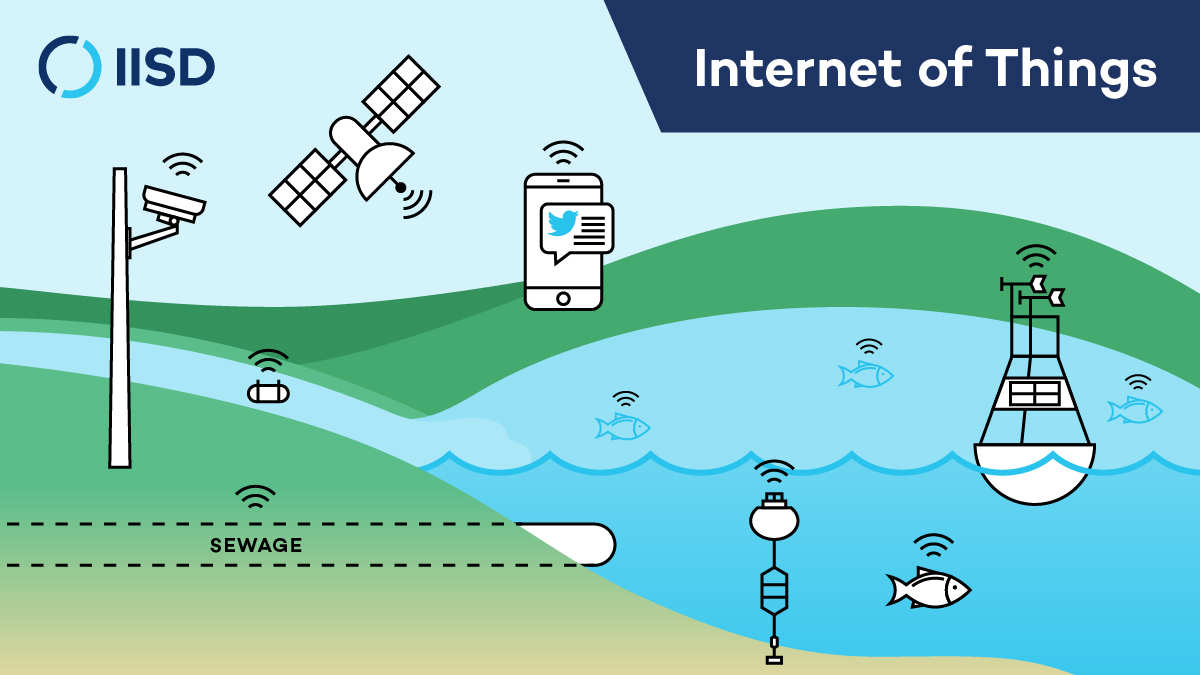
Madeline Stanley: Use sensors and the Internet of Things to detect water quality and sewage spills into Winnipeg’s waterways.
“Manitoba is the land of 100,000 lakes, but here in Winnipeg we continue to release raw sewage into our rivers and lakes. In fact, raw sewage leaks into our waterways daily and we don’t hear about these issues until there is a news flash or extensive harmful algal blooms form on Lake Winnipeg.
When monitoring a lake, the Internet of Things refers to the multitude of sources of data on the health and status of the lake—from photos posted on social media to trackers implanted in fish.
We can learn from the City of Stockholm, which has implemented a source-to-sewer Internet of Things network of sensors to monitor water quality (such as pH, temperature, conductivity, dissolved oxygen) throughout the city’s water system. Data is collected in real time and analyzed with big data analytics to inform and warn city officials about bacterial contamination in drinking water, wastewater release, pollution or algal bloom production so that they can make quick, smart decisions.
To move towards smart city status Winnipeg does not need to reinvent the wheel, given the number of existing smart solutions already out there for cities.
There is a large opportunity for the City of Winnipeg to implement an IoT network throughout our source-to-sewage network. For example, if a sensor detects contamination downstream of a wastewater facility the analytical network could respond by adding chemical treatment or shutting gates to the downstream ecosystem. The integration of these technologies, which are relatively low cost, may resolve some of the largest contributors of point source pollution to downstream ecosystems, such as Lake Winnipeg.”
ENERGY
Geoffrey Gunn: Make buildings smarter to make Winnipeg more energy efficient.
“Although Manitoba’s electric grid is almost entirely powered by renewable hydroelectricity, fully half of our winter energy use still comes from natural gas and fossil fuels. Luckily there are more ways than ever to be smarter about our energy use.
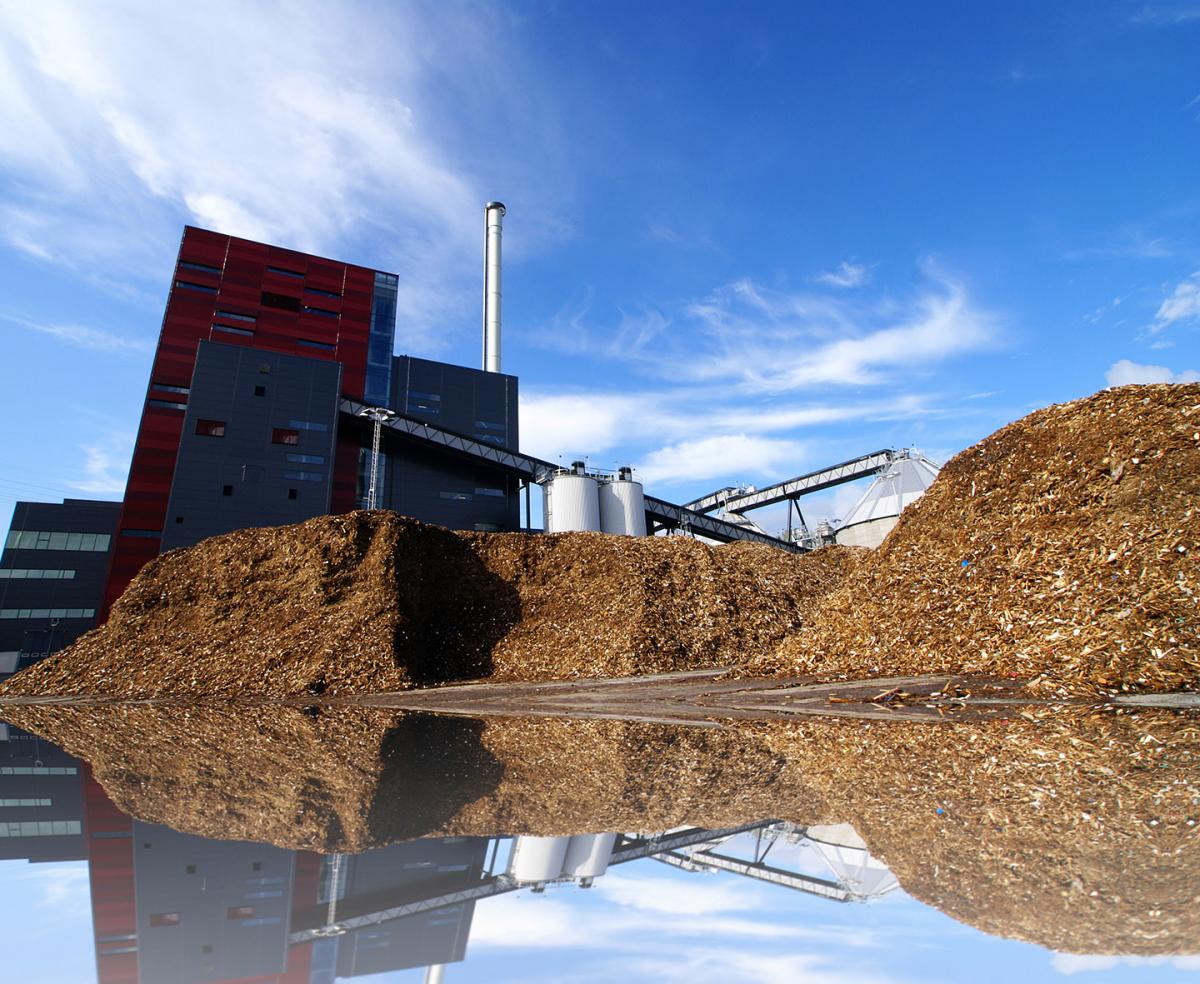
Smart thermostats can now learn how to heat and cool buildings more efficiently and direct heat to the places it’s needed, and in new neighbourhoods we can choose efficient district heating powered by biomass or geothermal systems.
Digital technology empowers networks by linking sensors to controllers with WiFi or cellular technologies. These micro-networks heat rooms, houses and even office buildings more efficiently because they develop more realistic models of airflow and what the needs of users are.
More practically, we can look to innovative projects like the Prince George District Energy System that uses low-carbon biomass to heat multiple buildings across downtown, saving 1,900 tonnes of greenhouse gas emissions each year. This technology used to be more common in industrial facilities, but innovative cities are re-examining it as a way to reduce their carbon footprint and to save money.”
Smart technologies could help Winnipeggers get a better real-time understanding of how long they have to wait for a bus to arrive, so they can plan their trips better, and reduce waiting times, especially in the winter.
TRANSIT
Sumeep Bath: Make Winnipeg Transit more efficient by monitoring usage in real time.
“Despite enjoying a growing population—by an average of 1.7% per year since 2013—Winnipeg’s transit system has been experiencing declines in ridership for the last few years.
While reasons for this decline abound, what is clear is that healthy use of a reliable public transportation system could help Winnipeg to ease traffic congestion issues (and reduce greenhouse gas emissions); allow those with a low income to navigate the city better; and promote tourism.
Smart technologies could help Winnipeggers get a better real-time understanding of how long they have to wait for a bus to arrive, and where their bus is currently located, so they can plan their trips better, and reduce waiting times, especially in the winter.
This can be achieved by placing GPS tracking devices in buses to monitor their actual locations—real-time information that is then accessible via the existing Winnipeg Transit app and informs Google Maps. To improve sophistication, a complement could be using Internet of Things technology to track riders’ cell phone movement to better locate buses, as well as harvesting information from riders’ social media posts regarding transit movements and late arrivals.”