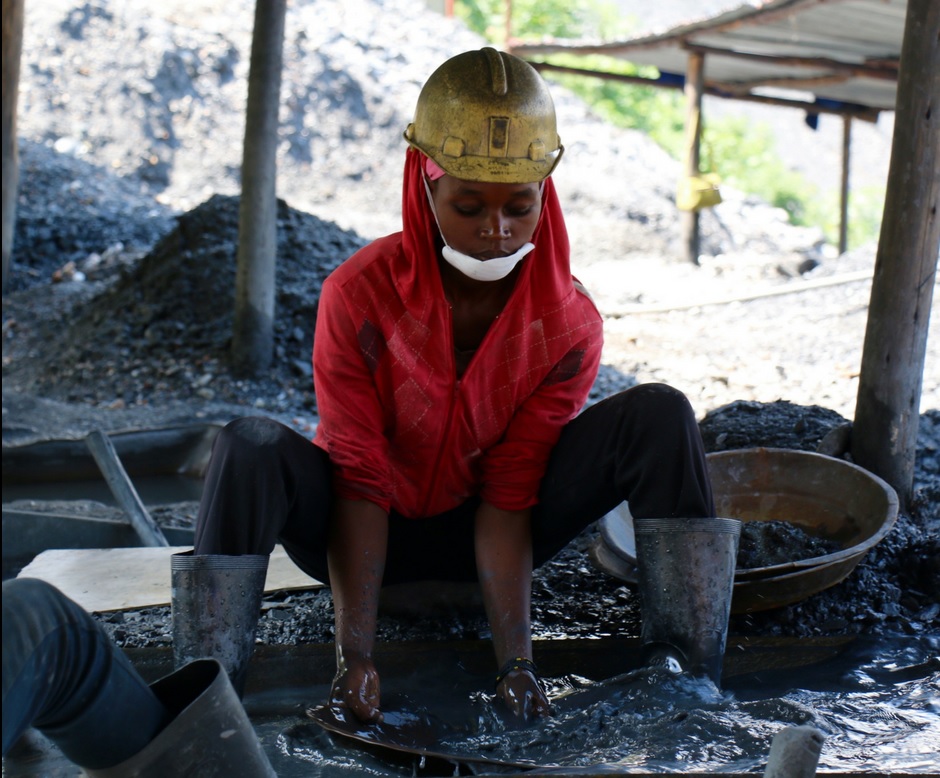
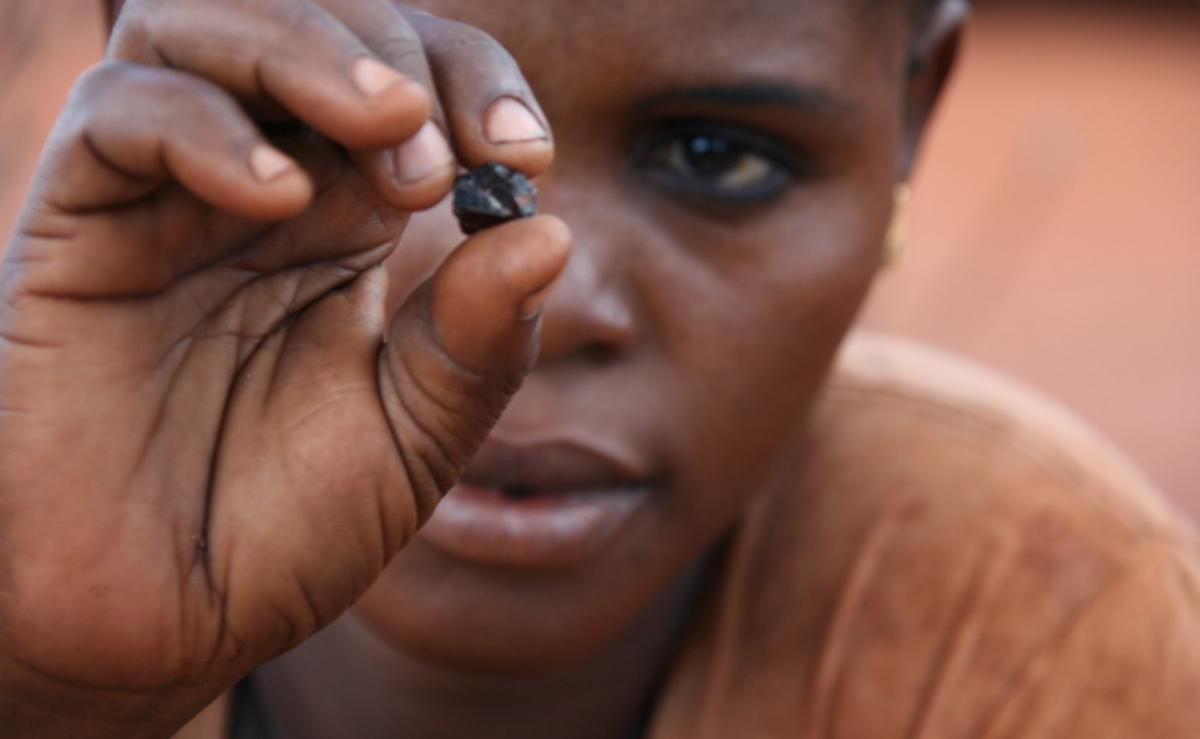
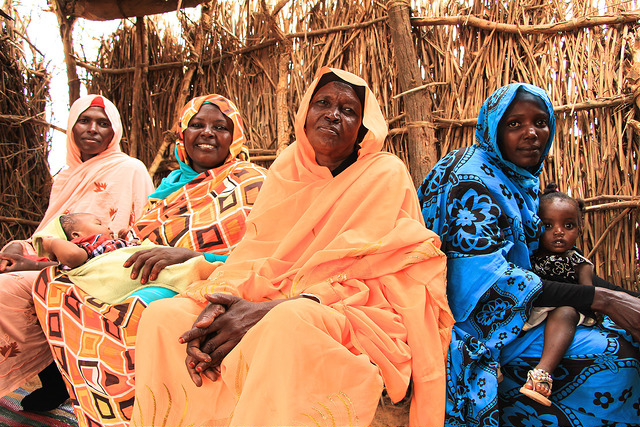
Women represent a large percentage of the ASM workforce—40 to 50 per cent in Africa alone, in fact—working in a range of roles at mine sites, mineral processing facilities and trading locations. Addressing gender equality and equity challenges in the ASM sector is clearly important to positively impact women’s economic empowerment.
Women in ASM are often denied access to benefits available to male miners. They experience inferior compensation and are excluded from specific jobs, community consultations, and negotiations with mining companies and authorities. Despite their significant presence in workforces, and regular activity in risk-laden parts of the sector, women’s views and needs are not represented.
Women represent a large percentage of the ASM workforce—40 to 50 per cent in Africa alone, in fact—working in a range of roles at mine sites, mineral processing facilities and trading locations
In many households supported by mining, women in ASM are responsible for most domestic activities. However, some women also participate in ASM on a seasonal basis or in times of particular economic hardship. This can lead to over-work and exhaustion. Because women’s roles in ASM are typically informal, their work as ‘miners’ goes unrecognized, which may extend so far as to them not receiving an independent wage separate from that of their husband, or their husband having control over their wages due to cultural norms.
Women often lack rights to their own land, again stemming from cultural and political norms, further hindering their economic independence and making them vulnerable. This leads to an inability to access other resources, such as gathering the collateral to obtain loans, adopting alternative technologies and hiring labour. It can also prevent them from having access to support, such as professional training or educational opportunities. In some cases, it leads to them being forced to migrate, even to different countries, to pursue a job in artisanal mining in order to survive.
When we enhance gender equality and equity in ASM, social transformations are spurred. This helps women achieve economic independence and allows the sector to continue promoting sustainable development.
Given these immense barriers, how can the ASM sector support female miners and ultimately foster their economic independence?
Evidence shows how women’s ASM-related earning supports families, creates new economic opportunities and enhances the status of women overall. Ultimately, an increased proportion of women working means growth in the economy. When women also have access to educational opportunities, they are able to contribute more to the economy. Approximately 50 per cent of economic growth in OECD countries in the past 50 years can be linked to increased educational attainment, of which half was by females.
Providing economic empowerment to women in ASM can also foster their participation in political roles in their communities, positively contributing to their region’s economy. In one example in Lao PDR, after a mining company began digging in their region, an increased proportion of women became active in their village committees and began engaging in policies, including schools for local children and corporate social responsibility programs.
Women often lack rights to their own land, again stemming from cultural and political norms, further hindering their economic independence and making them vulnerable.
Furthermore, supporting women miners can have positive effects on gender-sensitive capacity building. For example, one female miner in Uganda started her career panning, which evolved to buying ore then renting out tools. She eventually became an owner and shareholder of multiple mineshafts. She used her finances to not only educate her children, but also employ others and expand both her mining and farming investments. By providing women with access and training to gain capital to invest in diversifying their source of income, women in ASM can positively contribute to their local economy.
When we enhance gender equality and equity in ASM, social transformations are spurred. This helps women achieve economic independence and allows the sector to continue promoting sustainable development.
Connecting the Dots: Natural resources, women and peace
To celebrate International Women’s Day, we spoke with Silja Halle of UN Environment to discuss the opportunities presented by environment and natural resources to strengthen women’s participation in peace processes.
March 6, 2018
Between 1992 and 2011, less than 10 per cent of negotiators and signatories of peace processes were women.
In the recent peace process with the FARC in Colombia, however, women made up one third of participants, and the resulting peace agreement stands as a model of integration of gender equality and women’s rights as a core principle of a peaceful society. In addition, the Colombian peace process with the FARC fully recognized that sound natural resource management and environmental protection were integral to the achievement of peace and sustainable development.
Silja Halle, Programme Officer with UN Environment’s Post-Conflict and Disaster Management Branch, works internationally towards the integration of gender and natural resources into peacebuilding processes, like in Colombia.
To celebrate International Women’s Day on March 8, 2018, we sat down with Halle to discuss the importance of being gender-responsive in conflict-affected contexts, and how this relates to natural resource management and comprehensive sustainability.
Clare Church (CC): Why is it essential for women to be involved in peacebuilding processes?
Silja Halle (SH): By marginalizing women at the peace table, we undermine the prospect of dealing with the core drivers of conflict, including the environment and natural resources. Women represent only 4 per cent of signatories and less than 10 per cent of negotiators of peace agreements. This is unacceptable, when we are really trying to drive women’s future economic and political development internationally.
We also know that this exclusion of women at the peace table is a missed opportunity, because one important part of engaging women in peace processes is that they broaden the conversations taking place. And ultimately, this leads to better chances of community buy-in and addressing the root causes of the problem. In fact, research demonstrates that women’s participation increases the probability of a peace agreement lasting 15 years by 35 per cent.
CC: So if including women in peacebuilding processes relates to a better chance at lasting peace, how does this relate to natural resources?
SH: Among the root causes or drivers of conflict, it’s the women who consistently identify natural resources and the environment. This is mainly because they are so heavily involved in natural resource management from a livelihood perspective and because many are dependent on natural resources for their livelihoods and well-being. For example, women make up 43 per cent of the agricultural labour force in developing countries, two thirds of livestock keepers worldwide and 30 per cent of artisanal miners.
So when we incorporate women at the peace talks, we see that they bring the important issue of natural resources to the table. And not only this, they have the knowledge to discuss it.
By failing to engage women in peacebuilding processes and negotiations, these processes risk not only weakening how natural resource issues are addressed, but can also limit the potential for women to participate in natural resource governance and benefit from resource-related reforms.
CC: Aside from the peacebuilding processes, how else can gender affect conflict and the environment?
SH: Throughout periods of conflict, there can be a shifting of gender norms. For example, if men leave their communities to participate in conflict, spaces in the economic and political spheres open up for women. Land too, can open up for women. But these shifts are not necessarily maintained in the post-conflict period. Rollbacks often occur.
In Côte d’Ivoire, for example, women’s roles are more typically to produce food, whereas men more often cultivate export crops, like cocoa and coffee. In post-conflict Côte d’Ivoire, a number of agricultural support programs came in to kick-start the economy by investing in export crops. However, this structurally discriminated against women, because of their lack of involvement in cultivating those specific crops. And now, despite 75 per cent of Côte d’Ivoire’s national territory consisting of arable agricultural land, Côte d’Ivoire is a net importer of food products, like rice, wheat, corn and dairy.
Development aid for women in post-conflict situations is largely concentrated in health and education, which of course are both very important sectors. But less than 2 per cent of development aid targets gender equality in economic and political sectors. This is even lower for conflict-affected areas. As a result, many of the gains in women’s employment and income-generation that occur during conflict are often lost after conflict.
CC: How does your work with UN Environment incorporate these three themes of gender, natural resources and conflict?
SH: I am the Program Coordinator on Women, Natural Resources, and Peace, which means I manage the Joint UN Environment, UNDP, UN Women and PBSO Programme on promoting gender-responsive approaches to natural resource management for peacebuilding.
These organizations came together because they were all working on different aspects of the peace and security continuum. There was a developing evidence base about how natural resources, the environment and climate change interacted with conflict. But we were realizing that, in looking at the interactions between the environment and conflict, we had not yet tackled the gender dimensions and what this meant for women.
Similarly, a lot of work had been done on women, peace and security since the adoption of UN Security Council Resolution 1325 in 2000, but with very little understanding of how environment and natural resources could support this agenda.
Women should be empowered to participate in dialogue, mediation and conflict resolution efforts, governance and decision-making at all levels, and economic recovery and sustainable development.
So we all set out—with our different mandates and expertise—to understand how these issues were interlinked and what we could do address the programming gaps in this area.
CC: What has this partnership been able to accomplish so far?
SH: The first phase of our work was to produce the report, which came out in 2013, entitled Women and Natural Resources: Unlocking the Peacebuilding Potential. The report involves an in-depth analysis of the gender dimensions of conflict as they relate to renewable resources—like water, land, and forestry—and extractive resources—like mining and timber.
What we really wanted to know was: how gender dynamics—which are power dynamics—influence how men and women, girls and boys are impacted by the environment, conflict and peacebuilding issues; what can be done to address the imbalances and inequities in peacebuilding programming; and, ultimately, how peace can be strengthened by addressing these issues together.
We are in the second phase of our work, where the goal is to develop best practices and programming guidance for people in the field so that they can better integrate gender-responsive approaches to natural resource programming in peacebuilding processes. We are currently running two pilot projects, one in Sudan and one in Colombia. And through both, we are looking at specific ways of engaging women in natural resource conflict resolution, natural resource governance and natural resource conflict prevention.
Based on what we learn from the pilots, we will be producing guidance for practitioners; developing a web platform for a community of practice, which will include a resource centre; and continuing to advocate for better programming around these issues through storytelling and film.
CC: Looking forward, what do you think people should pay special attention to when looking at natural resources and conflict?
SH: Primarily, I think it’s essential to note that interventions around natural resources in peacebuilding processes provide momentous opportunities to empower women politically and economically. And ultimately, through these interventions, we can strengthen women’s contributions to lasting peace and sustainability.
Women should be empowered to participate in dialogue, mediation and conflict resolution efforts, governance and decision-making at all levels, and economic recovery and sustainable development. This is a critical step towards sustaining peace and sustainable natural resource management.
And lastly, we should be aware that targeted support is needed to overcome the many social, cultural and structural barriers women face in benefitting from the opportunities presented by natural resources. Where we invest when it comes to supporting women’s empowerment and gender equality in conflict-affected or fragile countries is a big part of this equation. By supporting women, we are not only furthering gender responsiveness and integration, but we are also making positive steps towards the environment and peace.
How Clean Innovation Is Benefitting the Mining Sector
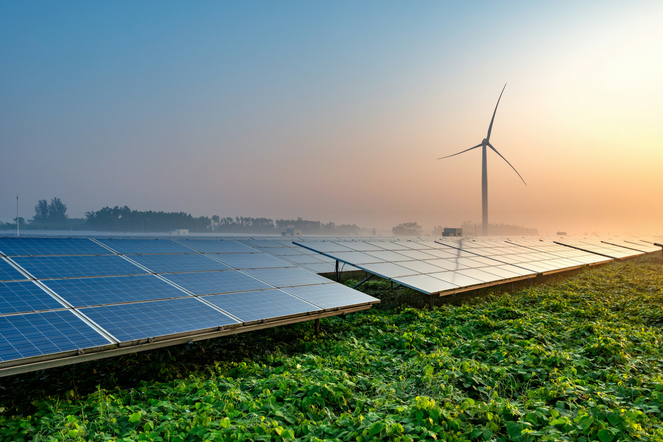
Did you know mining companies are getting innovative to help benefit their business and the communities in which they operate? Renewable energies - such as solar, wind and geothermal - represent a significant opportunity for clean innovation for the mining sector.
March 5, 2018
Innovation does not come easily to the mining sector.
In an already conservative business, the costs and risks of true innovation can be hard to justify. However, with companies needing to address inefficiencies in their operations to stay competitive, while ensuring they maintain their social license to operate, it is clear that mining needs to get innovative.
Renewable energies—such as solar, wind and geothermal—represent a significant opportunity for clean innovation for the mining sector: the chance for companies to simultaneously reduce their operating costs and their environmental footprint. The broad range of environmental impacts from mining necessitates new, innovative technologies and techniques across a range of areas of operation, including mine site design, production, closure, and chemical and water use.
There are many exciting examples of innovation in the mining sector. Let’s take a look at two that specifically show how renewable energy in the mining sector is benefitting communities.
With companies needing to address inefficiencies in their operations to stay competitive, while ensuring they maintain their social license to operate, it is clear that mining needs to get innovative.
Moving towards solar energy: The case of B2Gold in Namibia
For mining companies operating in Namibia—the world’s second sunniest country—offsetting fossil fuels with solar energy makes economic sense. This is what mining company B2Gold has done through their 7-megawatt solar power plant at its Otjikoto mine in Namibia. Working with Caterpillar on this project, B2Gold hopes to reduce the site’s reliance on heavy fuel oil and improve its social license to operate by using photovoltaic solar modules and micro-grid technology to generate and distribute solar power.
The system has been constructed as a hybrid energy model in which energy is drawn from the cheapest source at any given time. For example, a connection to the traditional grid allows for the use of traditional electricity at off-peak hours, to take advantage of cheaper night-time tariffs, while solar and heavy fuel oil will power the site during the daytime hours.
B2Gold is exploring options for the project to continue providing power to local communities after the mine closes, and how proceeds from the solar project can fund local development and conservation initiatives, including supporting the creation and management of a new national park near the mine site.
Clean technology contributing to local development: The case of SunMine in Canada
Innovation is not only necessary when a mine is in operation. When faced with the question of what to do with a fully reclaimed mine concentrator site on the outskirts of Kimberley in Western Canada, the municipality worked with a mix of partners to convert the site into a large-scale commercial solar power station called SunMine.
The project, which began production in 2015, is not only the province’s largest solar field, it is also Canada’s largest solar tracking facility. The energy produced on-site contributes directly to the province’s energy grid.
Renewable energies—such as solar, wind and geothermal—represent a significant opportunity for clean innovation for the mining sector: the chance for companies to simultaneously reduce their operating costs and their environmental footprint.
Beyond the innovation of converting a rehabilitated mine site into a solar energy project, SunMine is also a great example of collaboration. The former owners of the site provided the land and site infrastructure, as well as CAD 2 million toward the project. The Province of British Columbia contributed CAD 1 million through its EcoSmart Foundation. BC Hydro also purchases the power going into the grid, and the Columbia Basin Trust and Southern Interior Development Initiative Trust both contributed additional funding and assistance.
The project has the local community’s full support and helped develop local skills in engineering and renewables that could be applied elsewhere.
It’s difficult to say what the future holds for innovation in the mining sector, given the rapid pace of change currently being experienced by those involved in mining. What is clear, however, is a growing trend for mining companies to embrace renewable energy in their operations at every stage possible, to not only benefit themselves but local communities as well.
Four cities in North America are working to track how well their citizens are doing against the Sustainable Development Goals (SDGs). Read more.
March 2, 2018
What do Hawaii, Kelowna, Baltimore and Winnipeg have in common?
Not much, you might think. But actually, each of these places is working in their own way on a system to track how well their citizens are doing against specific indicators.
Using indicators to track progress is an integral part of the Sustainable Development Goals (SDGs), which are part of an international framework agreed by world leaders in 2015, aiming to end poverty, fight inequality and stop climate change.
The SDGs recognize that sustainability is a universal goal and that all countries and communities can play an important role in achieving this agenda.
IISD recently sat down with four representatives from initiatives who want to localize the SDGs in their communities in North America. We wanted to understand how the SDGs can be used at a local level, how these initiatives have moved forward, what impacts have been seen, and if these communities had advice for others who want to integrate the SDGs into their local planning and sustainability work.
To watch a recording of the conversation, click here, and to read a news story on the conversation, click here.
Rating communities using scorecards
Everyone loves a little healthy competition, and nothing works better than a scorecard to see how one community stacks up against another.
The British Columbia Council for International Cooperation and the Global Empowerment Coalition of the Central Okanagan initiated a SDG Scorecards project to show how communities in the province are progressing toward SDG targets.
The Scorecards provide a snapshot of progress, helping communities and citizens identify areas where they excel and where improvement is needed. The comparison with other local municipalities also allows communities and groups to share knowledge with each other about how to achieve results. The ratings are also a way to encourage participation by governments, local residents and organizations.
To ensure the initiative progresses, organizers connected with their local community councils to illustrate to them how the Scorecard initiative supports local planning efforts.
What have they learned?
To measure progress, we want to see changes in the numbers. That means improving the trends of the indicators we are tracking.
Local data can be difficult to obtain.
Data does not always tell the whole story. It is therefore important to work with a diverse group of organizations and actors to get the whole story and put the numbers into perspective.
Mapping local data against global goals
The University of Baltimore and the Baltimore Neighbourhood Indicator Alliance (BNIA) have been collecting data in local communities since 2000. After the SDGs were adopted, BNIA compared their locally developed community indicators to the SDGs to identify overlap and gaps between the two indicator sets. This process provided an opportunity to show other cities what they have in common and the great advantage there is in connecting to other communities and learning from each other.
Moving forward, BNIA will be reviewing the City of Baltimore’s Sustainability plan and placing this within the global framework—an impactful way to frame the existing priorities of a city within a global perspective. BNIA is also working with the Baltimore office of Sustainability to connect the city’s ongoing work to the larger sustainability framework.
What have they learned?
Many cities are just starting to recognize that the SDGs are key to communicating their stories to the outside world.
All cities have similar issues regardless of where they are in the world.
It is helpful to map existing efforts onto the SDGs to show priorities under this larger framework and show how your community is working toward this broader goal.
After the SDGs were adopted, the Baltimore Neighbourhood Indicator Alliance compared their locally developed community indicators to the SDGs to identify overlap and gaps between the two indicator sets.
Tracking metrics that are culturally appropriate
Hawaii Green Growth’s Aloha+ Challenge is seen as a local framework for SDG achievement. It’s a grassroots initiative that has identified locally and culturally appropriate indicators and metrics that are tracked on an online dashboard.
For the Aloha+ Challenge, the SDGs are a framework that remind Hawaiians that, in their culture, sustainability and holistic thinking are embedded in traditional life and can be revived in current times to create a more sustainable Hawaii.
The SDGs recognize that sustainability is a universal goal and that all countries and communities can play an important role in achieving this agenda.
By using the “local-global” lens, attention can be focused on local issues to push for further support for these types of initiatives in North America. In addition, for an island state like Hawaii, there is an added importance to share the SDG message, as only a global effort can help reduce the island’s risk from rising sea levels and the impacts of climate change.
What have they learned?
The SDG framework can lift up local initiatives and priorities to create a broader network of action.
Public-private partnerships are key to connecting innovation with governance and leadership so that efforts are ongoing, regardless of who is currently in power.
Using indicators as part of community infrastructure
A partnership of the International Institute for Sustainable Development and the United Way of Winnipeg, Peg is the City of Winnipeg’s Community indicator system.
Peg currently tracks and publishes over 60 local indicators—from childhood mortality to recycling rates—to measure the city’s progress. A new initiative aims to align Peg’s current indicators with the SDGs to further inspire Winnipeggers to create a more sustainable city.
For Peg, the SDG framework helps to give the work a broader perspective and place Winnipeg within a larger and more complex system. This work also helps link Peg to a larger network of communities across Canada, enabling comparisons and shared learning.
Peg currently tracks and publishes over 60 local indicators—from childhood mortality to recycling rates—to measure Winnipeg’s progress.
The next step is to transform the current digital platform to integrate the SDGs into the process. The new platform will ensure that local sources of community data can be integrated into the framework, and further efforts will be made to make clear connections between the data being publicized and activities happening in the community.
What have they learned?
We need to engage and consult with community actors in order to leave no one behind and ensure there is ownership by the community.
Community indicator systems should be part of the community infrastructure, there as a service to help inform decision-making.
These systems must maintain a reputation as a neutral body that provides the data as a tool to inform decisions and next steps.
Biomass has the potential to be a major player in the renewable energy sector in Manitoba. Now we need to create a sustainable industry for it. Here's how we can make that happen.
February 26, 2018
With mayors across the United States pledging to collaborate to uphold the Paris Climate Agreement and New York City unilaterally taking on Big Oil, it seems like subnational governments south of the border are realizing the impact that a changing climate will have on their jurisdictions.
Therefore, they are taking the reins on the fight to reduce fossil fuel reliance. But what about here in Canada?
Manitoba seemed to be sending a clear sign that it was serious about reducing carbon emissions by banning coal and petroleum coke for space heating—the first such jurisdiction in North America to do so. All coal users were required to have a plan in place by 2014 and to have transitioned away from coal to another fuel source by the middle of last year.
Where can we find viable options to replace these fossil fuels? In Manitoba, we are surrounded by (and sometimes very literally sitting on) the answer.
Six months later, the provincial government has proposed its Made-in-Manitoba Climate and Green Plan to combat climate change, including a CAD 25 per tonne price tag on carbon.
Where can we find viable options to replace these fossil fuels? In Manitoba, we are surrounded by (and sometimes very literally sitting on) the answer.
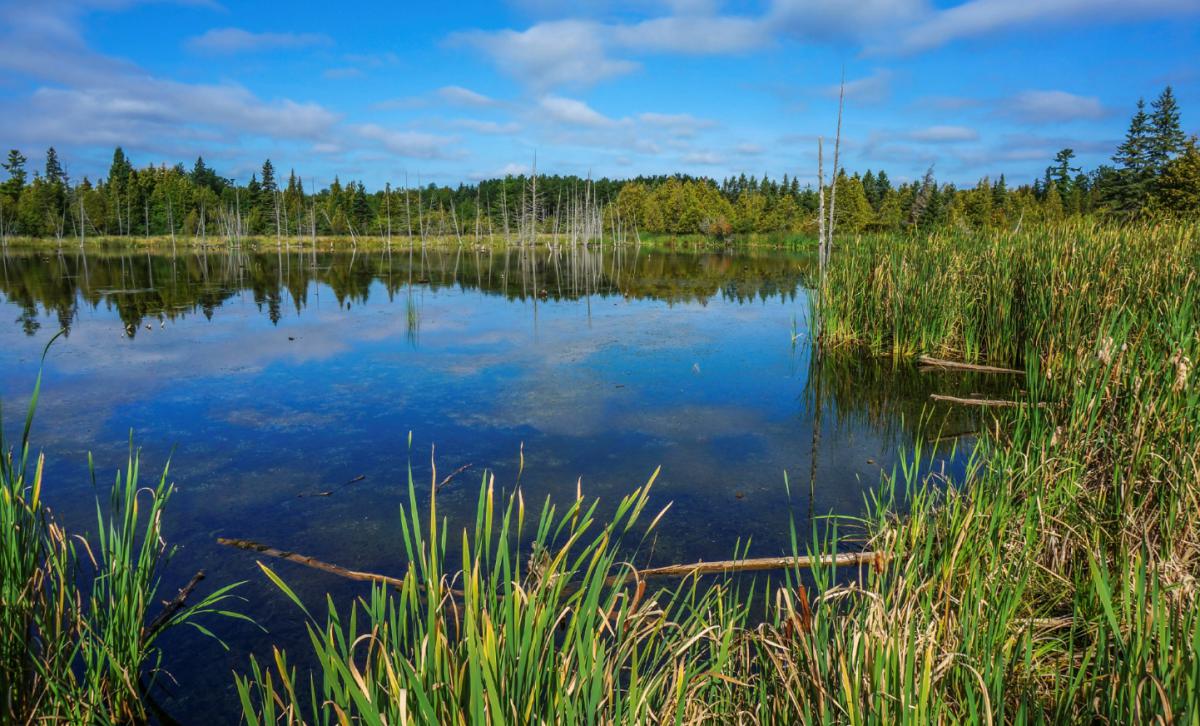
Types of biomasses—from wood and cereal straw to cattails and grasses—are viable and abundant sources of renewable energy in the province that offer a whole host of environmental and economic benefits.
According to the recently released Manitoba Bioeconomy Atlas, there is over 5 million tonnes of biomass available in Manitoba every year from agriculture, forestry residue, and from marginal lands and roadside ditches. Some of this biomass is already being put to good use as livestock bedding, compost and energy. Much of it is wasted and much more could be used as fuel.
There is over 5 million tonnes of biomass available in Manitoba every year from agriculture, forestry residue, and from marginal lands and roadside ditches.
Using biomass for heat and energy in place of non-renewable fossil fuels reduces greenhouse gas emissions and helps us meet international commitments on climate change. Harvesting "non-traditional" biomass such as cattails also removes phosphorus, a major cause of algal blooms in lakes. If we could remove 22 per cent of crop residue from agricultural fields and 25 per cent of harvestable cattail, we could remove 2,000 to 5,000 tonnes of phosphorus from our landscape, a huge help to Lake Winnipeg.
The coal ban had an intentional grace period, allowing users to invest in new solutions that meet their needs, while researchers innovated new ways to make our environment and economy work together.
During that period, innovative solutions to harvesting, processing and using biomass were developed right here in Manitoba. If locally sourced, biomass creates jobs in the community and increases Manitoba’s energy independence. This keeps dollars in the community and grows innovation, particularly in rural communities where natural gas is unavailable and electricity is expensive.
Now we need to bolster our infrastructure and create a sustainable industry to be able to benefit from what grows all around us.
One of the biggest renewable energy installations is currently underway in Lac Brochet in northern Manitoba, with solar, geothermal and biomass—setting a precedent for energy and food independence in northern communities and proving renewable energy integration in Manitoba. Biomass technologies are being installed across Canada and the United States that have great potential for application in Manitoba, such as biogas through anaerobic digestion and ethanol fuel from gasification.
The proposed Federal Clean Fuel Standard seeks to increase the use of lower-carbon fuel—including renewable natural gas—and applies to the transportation, building and industry sectors. Removing barriers to allow biogas injection into Manitoba’s natural gas grid as a source of renewable "green" natural gas would propel the biomass industry to that elusive higher value market. We could also take a lesson from Edmonton, which gasifies landfill and biomass waste to meet provincial waste recycling priorities.
The need for a new way to fuel Manitoba is real. The stage for biomass to become a viable source of renewable energy is set. Now we need to bolster our infrastructure and create a sustainable industry to be able to benefit from what grows all around us.
Surely, that is a truly Made-in-Manitoba solution.
Can Agricultural Growth Poles Solve Rural Poverty in Africa?
What are agricultural growth poles? Could they help solve rural poverty in Africa? Francine Picard explores...
February 20, 2018
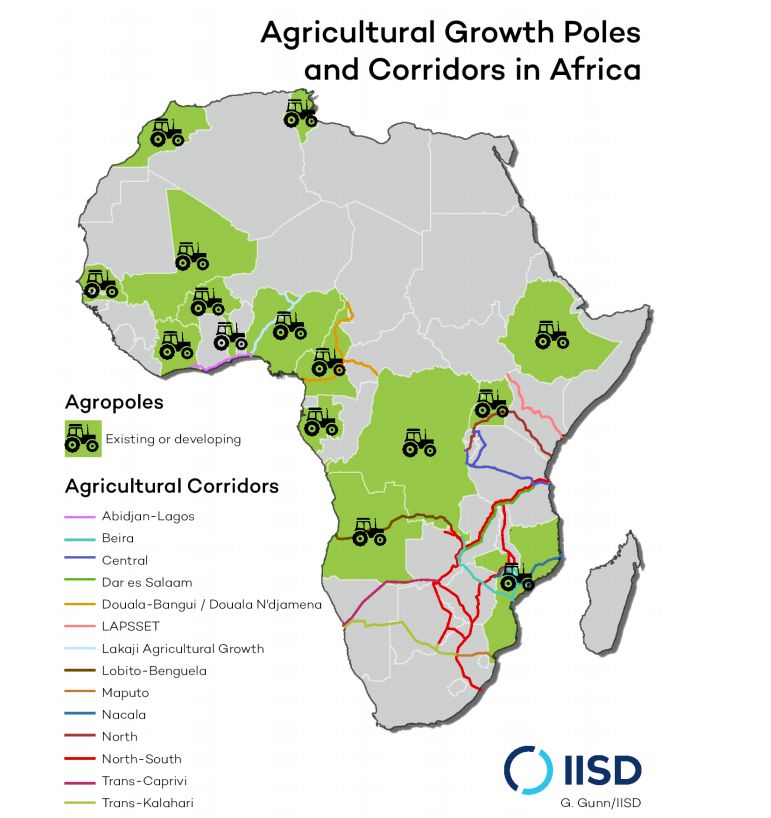
African governments are deploying a new development tool: growth poles aimed at kickstarting the shift from subsistence to commercial agriculture.
Over a dozen agricultural growth poles, or “agropoles,” were established in the past four years, bringing the total to 36 growth poles and 9 corridors since 2002. They cover at least 3.5 million hectares of land in 23 countries, our research has found.
What is an agricultural growth pole?
The theory behind agricultural growth poles makes a lot of sense. First, identify a potential "breadbasket." Then, develop a public-private partnership to invest in the infrastructure needed to spur agricultural transformation through roads, food storage facilities, electrification, irrigation and food processing plants. Help local farmers get access to training, financing, equipment and markets. Work with local communities to identify large tracts of land that can be farmed for commercial crops. The ultimate intended outcomes will be to increase production, reduce crop loss and create good jobs.
Over a dozen agricultural growth poles, or “agropoles,” were established in the past four years, bringing the total to 36 growth poles and 9 corridors since 2002.
Why is this happening now?
Agriculture is increasingly seen as the driving force for economic transformation in Africa. In 2014 African heads of state committed to eradicating hunger and rural poverty through a transformation of African agriculture. The growth pole strategy is spearheaded by African governments, with financial and technical support from regional and multilateral organizations such as the African Development Bank, the United Nations Industrial Development Organization and the World Bank.
Are agropoles just another land grab?
The 2007–08 food crisis led to a dramatic increase in large-scale investments in agricultural land. Foreign investors gained the right to more than 50 million hectares of land—an area larger than Germany—in more than 1,500 land deals, according to the Land Matrix. Land conflicts erupted across all continents.
If done correctly, agropoles could potentially avoid many of the negative impacts associated with the ill-designed deals that became known as land grabs. But if done wrong, many of the same problems could arise.
Agriculture is increasingly seen as the driving force for economic transformation in Africa.
Do agricultural growth poles work?
It is too early to talk about the success or failure of agricultural growth zones, but there are cases where countries are facing operational constraints. A lack of investment, weak strategies, poor coordination, governance challenges, a lack of available land and insufficient considerations are some of the factors identified in our research.
What can governments do to make agricultural growth poles succeed?
We are working to strengthen the legal frameworks of agricultural growth poles.
We have also identified a number of potential risks to avoid negative outcomes—including stabilization provisions and tax incentives—and outlined three key stages in the development of a responsible agricultural growth pole: vision, design and implementation.
Engagement with local communities and small-scale farmers, particularly women, is critical at all stages of the process to ensure that they are properly consulted, participate in decision making and are integrated into new projects. Transparency is also critical at all stages.
A clear vision
A strong agricultural development plan will help ensure the success of an agricultural growth pole. This plan must identify the types of sectors, crops and processing facilities to prioritize, and therefore the types of companies to attract. It requires the identification of land and water needs, including assessing the availability of land, water and soils, and mapping out all legitimate land users with formal and informal rights, in line with the Committee on World Food Security (CFS) Voluntary Guidelines on the Responsible Governance of Tenure of Land, Forests and Fisheries. It requires the identification of investment needs that will contribute to food security, decent employment and responsible management of natural resources, in line with the CFS Principles for Responsible Investment in Agriculture and Food Systems.
African governments are deploying a new development tool: growth poles aimed at kickstarting the shift from subsistence to commercial agriculture.
A strong design
Many investments fail for reasons that could have been identified prior to the commencement of operations. Screening of potential investments and investors does more than reduce the risk of failure—it also helps ensure the projects selected are most likely to deliver positive development benefits. The design stage requires the preparation of business feasibility studies, including commercial, financial and environmental feasibility, and the development of a business plan based on the outcome of those studies. Environmental and social impact assessments and management plans are also a necessary component of the design phase. Accessible, transparent and culturally appropriate grievance mechanisms should be implemented during the design phase to deal with concerns from employees and the local communities and to resolve disputes arising between the investor and the government or other stakeholders.
Good implementation
Implementation of agropoles, including monitoring and enforcement, can be the most challenging stage for governments because of limited resources and capacity. Setting aside a percentage of the revenue from investors can help ensure that the government and the agency responsible for the growth pole has the capacity to monitor and evaluate the project effectively. Setting out clear reporting requirements and indicators will ensure the government or agency can regularly track whether the investor is fulfilling its development and environmental obligations and its commitment to the local community. Compliance can also be strengthened through processes involving local communities and farmers.
Better Datasets Urgently Needed To Understand Full Scale of Fossil Fuel Subsidies
Nature magazine recently released a letter detailing how fossil fuel subsidies reform could deliver carbon emission reductions of between 1 and 4 per cent globally by 2030. This is what we think...
February 16, 2018
Research released in a letter to Nature describes how a single policy instrument, fossil fuel subsidy reform (FFSR), could deliver carbon emission reductions of between 0.5 to 2 Gt, or between 1 and 4 per cent, globally by 2030.
The researchers point out that this is less (around a quarter) of the combined effort currently proposed by countries as part of the Paris Agreement of between 4-8 Gt from fossil fuels and industry. The research is novel in that it models the reform of both consumer and producer subsidies, based on available datasets.
The researchers have been methodical in using available datasets; however, these datasets have significant exclusions, notably missing many of the large-scale subsidies to coal and gas power generation and containing incomplete or missing data on subsidies to fossil fuel production in much of the world. Better datasets are urgently needed to show the full scale of fossil fuel subsidies and to support informed debate nationally and globally.
The findings are significant given that only around 15 countries (out of a total of 196) included the policy tool of FFSR within their Nationally Determined Contributions (NDCs) in the lead up to the Paris Agreement on climate change in 2015. To help deliver deeper, faster emissions cuts and increase ambition to stay within a temperature increase of well below 2 degrees, many more countries could now consider incorporating this policy instrument. For effective carbon emission reductions, FFSR can work alongside a suite of other strategies, such as renewable and energy efficiency goals, coal phase out, carbon taxes and emissions trading schemes.
Policy-makers, including groups such as the Friends of Fossil Fuel Subsidy Reform, have long understood the value of promoting reforms alongside targeted mitigation measures to the poor. FFSR is one of the very few policy instruments that saves governments money by reducing government spending on fossil fuels and passing this cost gradually through to consumers via a market price. Such reforms have also been linked to a shift in the delivery of state welfare from cheap fossil fuels to more sophisticated and targeted methods, such as the development of social safety nets and cash transfers. The carbon emission reductions from such a policy instrument are measured as a co-benefit (as this research and others have done), but are rarely the main reason behind reforms. Indonesia and India each saved around USD 15 billion from reforms in 2015; Indonesia reinvested these savings into regional and village priorities, poverty reduction and infrastructure programs. The paper in Nature notes that, without reform, fossil fuel subsidies would reach between USD 550 billion and 970 billion in 2030, or 1 per cent of world GDP. This is a huge lost opportunity for governments.
A recent letter to Nature describes how fossil fuel subsidy reformcould deliver carbon emission reductions of between 1 and 4 per cent globally by 2030.
Other research has found that FFSR leads to an average savings of USD 93 per tonne of carbon abated across 20 countries reviewed. Compared to the abatement cost of other instruments, this is significant. A focus on the phase-out of government subsidies to producers alone found a global reduction of 37 Gt of carbon dioxide by 2050 (equivalent to the global emissions from the aviation sector over the same period).
In order to maintain emission reductions from FFSR in the long term, there must also be an overall transition away from fossil fuels and toward renewable energy that is either regulated by a strong climate agreement or delivered at the country level. One approach to supporting this is to redirect some of the funds saved from fossil fuel subsidies towards renewables and energy efficiency directly. This combination of reforms plus a SWAP and reinvestment of 30 per cent of the savings into renewables and energy efficiency could double potential emission reductions for the long term.
The research strongly adds to the evidence base that government policy-makers and intergovernmental agencies, such as the Intergovernmental Panel on Climate Change, should include this economic policy instrument in the arsenal of tools available when it comes to fighting climate change. Another aspect that could well merit further investigation is increased taxation of fossil fuels, to account for their negative externalities and to support government investment in a sustainable future. Some estimate that a combined reform of both fossil fuel subsidies and energy taxes could lead to carbon emission reductions of between 18.1 and 22.9 per cent, as well as provide much-needed ongoing revenue streams to governments. Fiscal policy reform looks like a win-win to many.
They’ve been pioneers in providing a foundation of knowledge through the sheer force of their world-class talent —going back more than a century. Their legacy has established a knowledge foundation that represents the impact of real science.
Largely unknown by Canada’s decision-makers in government, industry and even the general public, their work is unheralded by ribbon-cutting ceremonies. Their relative obscurity in Canada, then and now, appears to be the preoccupation of how budgetary decisions are made as opposed to a consideration of talent and merit.
It’s high time to give them their due:
Maud Menten
At the turn of the century, University of Toronto medical graduate Maud Menten was barred from doing independent research in Canada as part of the accepted sexism of the day.
Her discovery in Berlin in 1913 provided the first insight into how chemical reactions in every cell of our body are regulated by enzymes. The discovery enabled enzymes to be purified, modified and targeted for drug therapy for disease.
Today enzymes serve as targets for about a third of all drugs in clinical use.
Maude Abbott
Maude Abbott was a world-renowned scholar, Bishop’s University medical graduate (1894) and a McGill University medical museum curator and pathology lecturer.
Her work in 1905 on congenital heart disease is critical to modern surgery. Abbott’s stunning pathology dissections are preserved today at the McGill Maude Abbott Medical Museum and remain unsurpassed to this day.
Brenda Milner
In the middle of the 20th century, McGill’s Brenda Milner, a renowned scholar and founder of the field of neuropsychology, discovered that memory in humans is multiple and stored in several different parts of the brain.
Her discoveries in 1957 led to better treatments for a variety of brain disorders including trauma, degenerative and psychiatric diseases.
Annette Herscovics
At McGill, Annette Herscovics discovered in 1969 that thyroglobulin, a precursor to thyroid hormone, undergoes carbohydrate modifications.
This was one of the first discoveries of a class of proteins known today as “glycoproteins.” Carbohydrate addition to proteins is today known as the most abundant protein modification for all life forms on the planet.
At Harvard in 1974, Herscovics then discovered the exact mechanism for carbohydrate addition that is a universal mechanism for all organisms with nucleated cells.
Upon returning to McGill in 1981, she discovered how these modifications are relevant to human disease, including cancer.
Rose Johnstone
Herscovics’s PhD supervisor was Rose Johnstone, who made a monumental discovery at McGill in 1983.
She discovered exactly how red blood cells in our body are made from precursor cells through a previously unknown structure she named “exosomes.”
Exosomes are now recognized as a universal protein delivery mechanism used by all cells in our body. They’re actively studied by academics and industry for the understanding and treatment of cancer, autoimmune diseases and neurodegenerative diseases, including Alzheimer’s and Parkinson’s disease.
Morag Park
At the U.S. National Cancer Institute in 1986, Morag Park’s work on mutant “MET” gene association with several different cancers led to international prominence.
Today, Park is head of the McGill Cancer Research Centre, and has extended her discoveries to breast cancer and the importance of the surrounding normal cells in tumour progression.
Janet Rossant
Janet Rossant discovered the mechanisms used by embryos to generate organs and tissues with direct relevance to childhood diseases.
Her talent was first recognized at Brock University in 1977 and was followed by recruitment to the Lunenfeld Institute in Toronto. She was then director of the Research Institute of the Hospital for Sick Kids, and is now president and scientific director of the Gairdner Foundation.
Mona Nemer
Mona Nemer is currently Canada’s Chief Scientific Adviser discovered [sic] in Ottawa how genes that regulate the development of the heart help understand heart disease.
Nada Jabado
The discoveries of Nada Jabado, a McGill physician scientist and paediatric cancer specialist, focus on how proteins are modified in cancer via the epigenome that mark the DNA in our genes to change the function of the gene.
Heidi McBride
McGill cell biologist Heidi McBride has made transformative discoveries on the role of mitochondria (the energy factory in our cells) in cancer and neurological diseases, including Parkinson’s disease.
Freda Miller
Freda Miller at the Hospital for Sick Kids in Toronto has deciphered the mechanisms used to generate neuronal circuits during development from a thin sheet of non-neuronal precursor cells.
Anne Claude Gingras
Anne Claude Gingras of the Lunenfeld-Tanenbaum Research Institute in Toronto is a specialist in “quantitative proteomics.” It’s led to enormous advances in our understanding of cell organization with direct application to disease.
Andrews, Arrowsmith and Edwards
Brenda Andrews, Cheryl Arrowsmith, and Elizabeth Edwards are internationally renowned for their discoveries at the University of Toronto.
Andrews defines the new field of systems biology to understand cell organization using robots and Artificial Intelligence and its application to disease.
Arrowsmith’s discoveries focus on cellular protein structure resolved at the atomic level to understand how chemical modifications regulate gene expression and their relevance to disease.
Edwards’ work on “bioaugmentation” through anaerobic microbes to detoxify environmental pollutants is of direct relevance to the nightmare of toxic industrial and municipal waste accumulation.
Impressive display of talent
Taken together, these discoveries represent an impressive display of talent for real science that rivals scientists anywhere in the world.
Whatever country recognizes and establishes a genuine priority to enable real science by talented women scientists, and helps them thrive in discovery research, will be rewarded enormously.
Discovery research institutes such as the Crick Institute in the U.K. gather the most talented scientists, men and women, early in their careers, when discoveries are usually made. That assures a critical mass and merit-based value system that then provides the best of the discovery researchers to go out to populate universities, research institutes and industry.
A Canadian model could—and should —focus on women scientists, since they now may be Canada’s most talented. And also its most undervalued.
John Bergeron gratefully acknowledges Kathleen Dickson as co-author.
Cape Town’s Water Woes: An uncomfortable parable on climate change
Can the current water crisis that Cape Town is experiencing be seen as a parable for climate change? Aaron Cosbey thinks so and explains all.
February 8, 2018
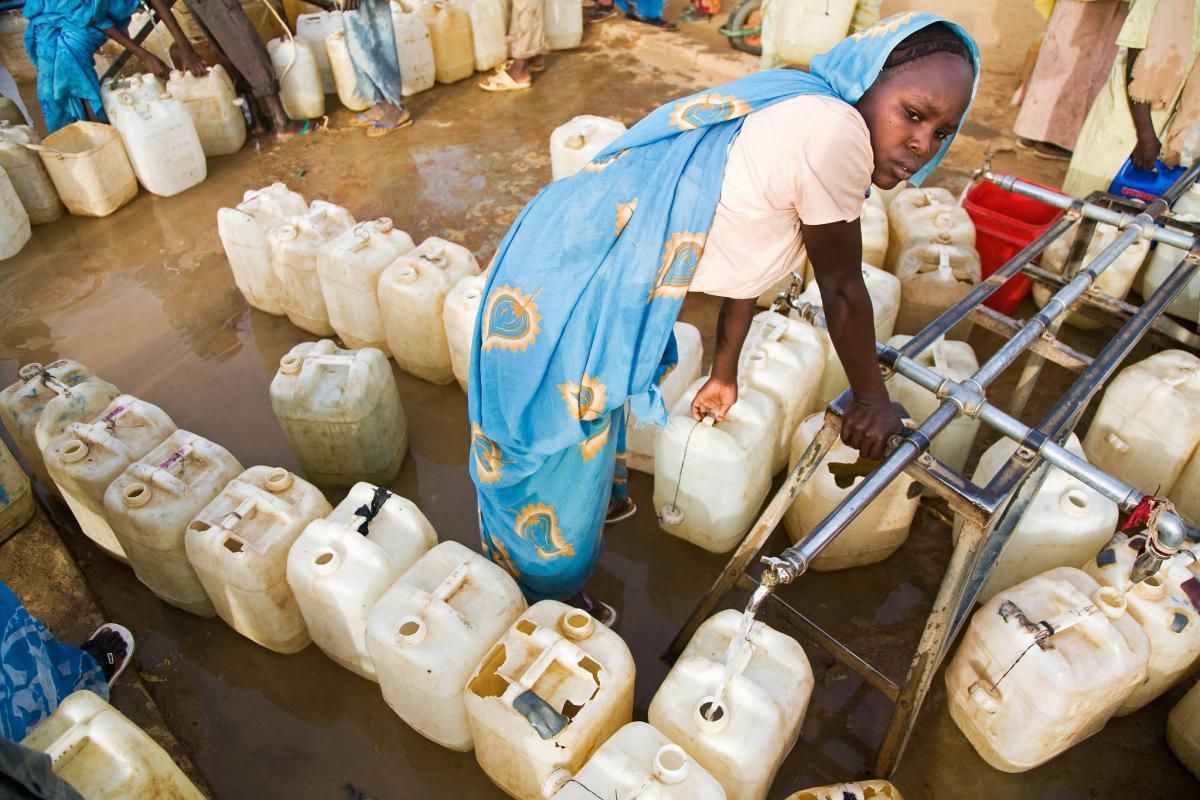
Cape Town, the beautiful South African coastal city from which I write, is grimly counting down the days until it runs out of water.
“Day zero,” as it’s called here, when reservoir levels reach the critical level of less than 14 per cent, is currently thought to be May 11, merely weeks away.
On that day, when four million people go to turn on their water taps or showers, or flush their toilets, nothing will happen. The local government is in crisis mode and has said it will truck in water and set up 200 water distribution points, where residents can go every day to use public toilets and collect meagre rations of 25 litres apiece (that’s less water than a two-minute shower if you have old fixtures). If we’re doing the math, each collection point would service just under 20,000 people. If that sounds apocalyptic to you, you’re not alone.
It is as if someone set out to write an alarming allegory portraying civilization’s troubled future if we don’t soon change course.
To me, it sounds like a parable about climate change. At the core of the problem is an historic three-year drought driven by climate change, but that’s not what I mean. I mean that the story of Cape Town has uncanny similarities to the story of climate change globally, complete with what threatens to be an uncomfortable ending.
“Day zero,” when reservoir levels in Cape Town reach the critical level of less than 14 per cent, is currently thought to be May 11—merely weeks away.
Scientists have been saying for years that this day might come, but the political response has been completely dysfunctional. Local officials have ignored the warnings against allowing urban areas to rapidly become denser. When it became clear the drought was serious, they were loath to impose hard limits on water use, especially with agricultural and tourism interests lobbying hard against them, arguing that they would be bad for business. State officials accuse the national government (ruled by an opposing party) of underfunding critically needed water infrastructure. Even when it was clear that crisis was pending, the national authorities increased the Cape’s agricultural water allotment.
If they shock the rest of us to action, Cape Town’s woes may end up having some redeeming value.
Some Cape Town residents took the warnings seriously and conserved, but most didn’t. They either didn’t know about the issue, didn’t think it was their responsibility to do anything, or didn’t believe that things would ever really get bad, and so they went about their business drawing down the reservoirs.
There are staunch deniers, who even now claim the whole thing is a hoax and believe the water will not run out. There are overdue and inadequate adaptation measures (the collection points, emergency attempts to set up desalinization). And there is the frightening prospect of a rending of the social fabric if the crunch actually comes, with the poor and marginalized being the hardest hit.
To anyone that deals with climate policy, it’s all uncomfortably familiar, as if someone set out to write an alarming allegory portraying civilization’s troubled future if we don’t soon change course.
In that sense, if they shock the rest of us to action, Cape Town’s woes may end up having some redeeming value.
Aaron Cosbey is a Senior Associate at IISD and a development economist whose work focuses on climate change and energy, trade and investment law and policy, subsidies and green industrial policy. He is currently in Cape Town, South Africa at the Investing in Africa Mining Indaba to present draft guidance on local content policies for the Intergovernmental Forum on Mining, Minerals, Metals and Sustainable Development.
Six Key Factors in Formalizing Artisanal and Small-Scale Mining
Formalizing the artisanal and small-scale mining (ASM) sector would bring it into the formal sector through legal, regulatory and policy frameworks. We explore six of the key ways we can formalize ASM to bring about potential benefits to millions.
January 22, 2018
Working in artisanal and small-scale mining (ASM)—informal mining activities carried out using minimal technology or machinery—provides livelihoods for millions of people.
At the same time, the sector—which includes informal individual miners seeking a subsistence livelihood, as well as small-scale commercial mining entities—poses challenges for governments in about 80 countries where ASM continues to grow.
Informal ASM refers to operations that do not have the requisite licenses and permits required by law, but do have a social license to operate. Formalizing the sector would bring ASM’s informal income-earning activities and economies into the formal sector through legal, regulatory and policy frameworks.
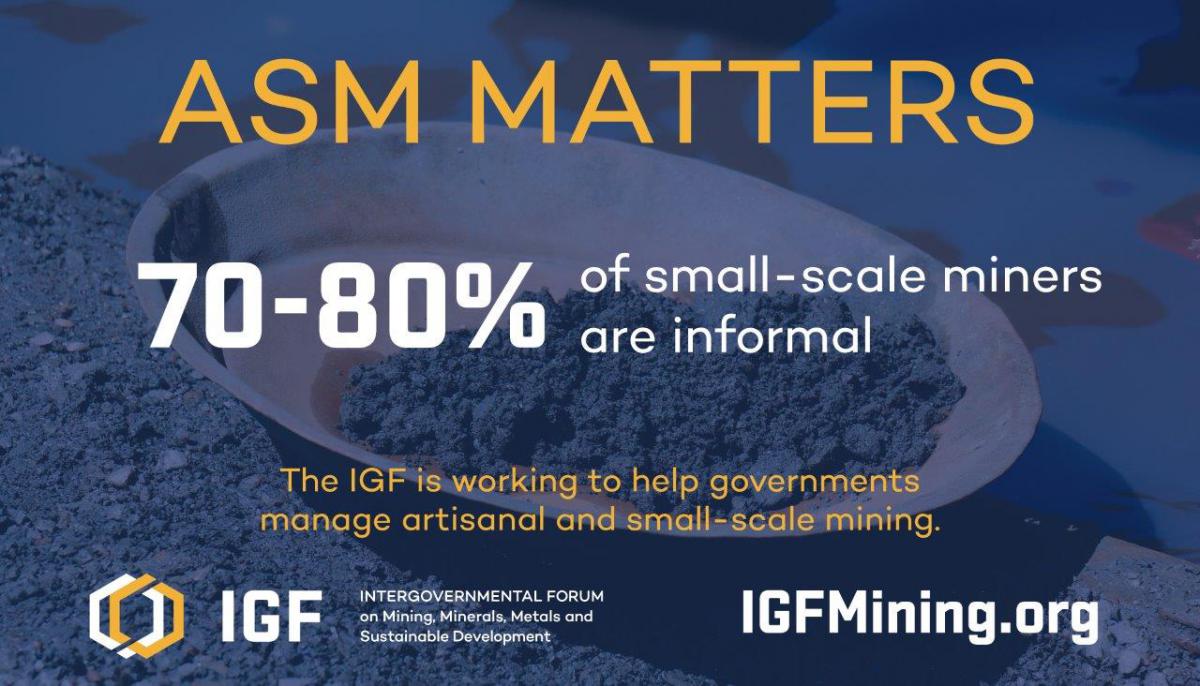
Of the 70-80 per cent of small-scale miners that are informal, 40-50 per cent of that workforce in Africa are women.
Formalizing the sector would also result in the inclusion of marginalized miners throughout the process of developing, adapting and revising legal frameworks and support. If well designed, this process fosters the conditions to integrate ASM into the formal economy, potentially transforming the lives and safety of millions of people worldwide who depend on the sector.
To be successful, this process must address the key barriers associated with the sector, while also supporting and incentivizing miners to get formalized.
What are six of the key ways we can formalize ASM, to bring about potential benefits to millions?
Developing Conducive and Comprehensive Legal Frameworks
Comprehensive legislation specific to ASM needs to be developed. These legal frameworks should account for ASM’s diverse character in countries where ASM is illegal or where it is legal but unregulated. In countries where ASM is legal, reforms to existing legislation should prioritize the ASM sector for national development.
There are some important considerations to bear in mind when developing this legislation, such as licensing; access to land; gender equality; community participation; and environmental, safety and labour standards.
Providing Access to Geological Data
A lack of geological data can lead ASM miners to enter environmentally sensitive areas, creating tension between ASM miners and large-scale mining companies in the area. It can also create difficulties when requesting bank loans or other support services when ASM miners do not have geological information as collateral.
Without access to geological data, those working in the ASM sector are often left with little to drive their activities except guesswork or trial and error. This often results in low yields, loss of investment and increased environmental degradation. Mapping a country’s potential reserves and land use, and providing access to this data, is crucial to determining appropriate locations for ASM.
Benefits to small-scale miners would include more efficiency and longevity at sites, minimized environmental degradation and improved profitability.
Comprehensive legislation specific to ASM needs to be developed. They should account for ASM’s diverse character in countries where ASM is illegal or where it is legal but unregulated.
Ensuring Access to Capital
Debt and poverty are major concerns in ASM, as informal work means miners cannot access finance given their non-legal status.
However, a certain level of capitalization is required to register and gain a concession and to buy the necessary equipment to process minerals and mine. Methods to increase access to credit and finance could include microfinance credit and savings, grants and government loan facilities.
Providing Access to Equipment
Another major challenge for ASM miners is not having the equipment nor the resources to be able to replicate or adapt mining techniques.
To increase access to equipment for those in the ASM sector, equipment should be simple in design and able to be produced locally, be affordable to individual miners, and combine both manual and mechanized processing techniques. Hire purchase loan schemes and centralized processing centres can enable alternative access to equipment.
Developing More Capacity Building
In the past, a poor understanding of the dynamics of ASM communities has led to inappropriate technologies and support services.
Capacity building can spur successful formalization within the ASM sector if training programs promote best practices and focus on practical mining-related topics and are geared towards women and their integration into the mining sector. They should be tailored to the socioeconomic characteristics of the individual mining communities, and provide education and resources on how to foster partnerships with stakeholders, including community organizations and the private sector.
Enabling Dialogue between ASM Stakeholders
Individuals within the ASM sector must be involved throughout the formalization process to ensure changes are in tune with realities on the ground.
To create long-term sustainable formalization strategies, a number of things need to be considered. These include creating a platform for positive and regular dialogue between ASM stakeholders and government to provide a conduit for consultation on changes, informing dialogue based on research on mining communities to understand the complexities of the ASM sector and establishing a co-created roadmap outlining interventions with input from various stakeholders, including non-mining ones, at all levels.
The Intergovernmental Forum on Mining, Minerals, Metals and Sustainable Development and the International Institute for Environment and Development recently launched a joint report entitled Global ASM Progress: A Review of Key Numbers and Issues.
Read more about global ASM progress and a review of key figures and issues in this report.




 John Bergeron gratefully acknowledges Kathleen Dickson as co-author.