How Communities in Zambia and Zimbabwe Are Leading Climate Adaptation
Across Southern Africa, communities are experiencing intensifying droughts, rising temperatures, and shrinking natural resources. Climate change, combined with deforestation and a heavy dependence on rain-fed agriculture, has placed growing pressure on rural livelihoods.
But in the villages of Nsongwe in southern Zambia and Monde near Victoria Falls in Zimbabwe, local groups are demonstrating that climate adaptation does not have to rely on large investments in infrastructure.
Sometimes, it begins with patience, and with trees.
Supported by the Climate Adaptation and Protected Areas (CAPA) Initiative’s Innovation Fund and implemented by the International Institute for Sustainable Development, local groups in both communities are implementing nature-based solutions (NbS) that restore degraded ecosystems while strengthening long-term livelihoods.
These initiatives reveal how community leadership, local knowledge, and sustained commitment can lay the foundation for climate resilience and sustainable livelihoods.
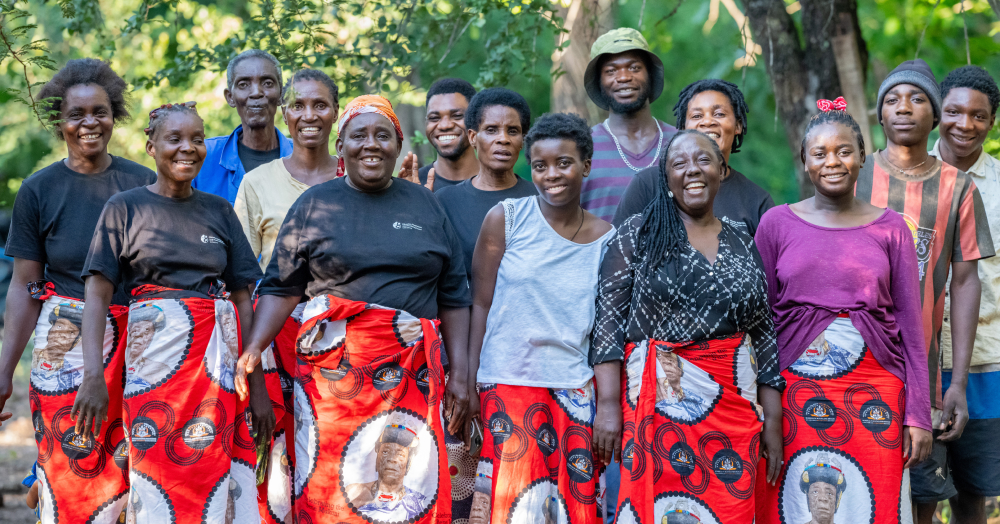
Reviving Landscapes and Livelihoods in Nsongwe Village, Zambia
Located about 7 kilometres from Livingstone, Nsongwe sits on the banks of its namesake river, a waterway that many community members remember as a lifeline for farming, fishing, and household needs.
Times have changed, however. Over the years, drought, damming, and deforestation, among other drivers of environmental degradation, have dramatically reduced the flow of the river. The riverbanks, stripped of vegetation, were eroded, parched, and sunbaked. When the rains did come, the waters flowed quickly through the community. As a result, water insecurity had increased in the area.
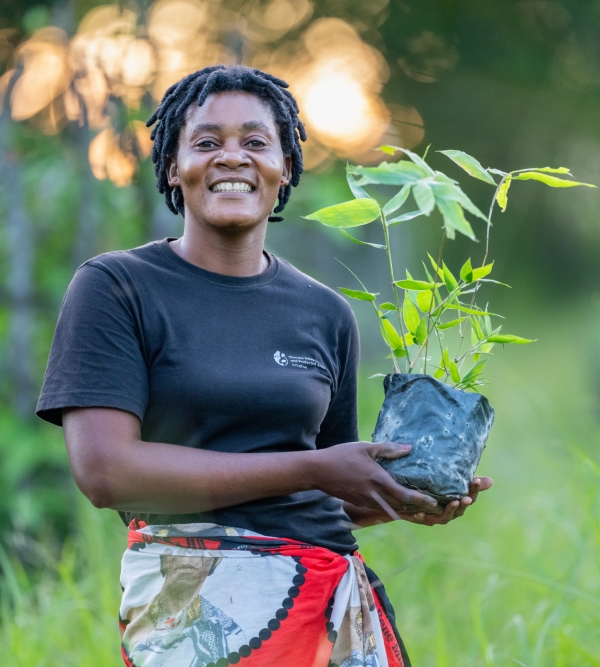
Dafina Mwanza, a Nsongwe resident and Gender Champion of the Matoya Bamboo Project, recalls the stories passed down from earlier generations.
“Our parents and grandparents used to tell us that life was much better before the impacts of climate change,” she said. “Crops were easier to grow, and the river was flowing. As conditions worsened, crop yields declined, livestock struggled, and food insecurity increased across the community.”
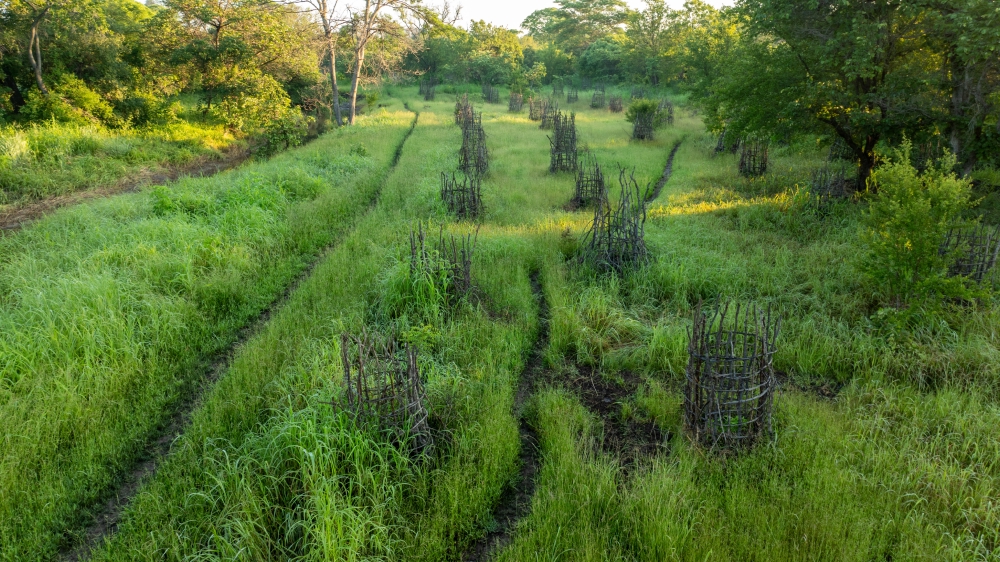
To respond to this challenge, residents started exploring how they could work with nature to begin restoring the Nsongwe River. Riverbank stabilization and revegetation were identified as key priorities, and bamboo was selected as a practical, native, and effective species for achieving these aims. This is how the Matoya Bamboo Project came to life.
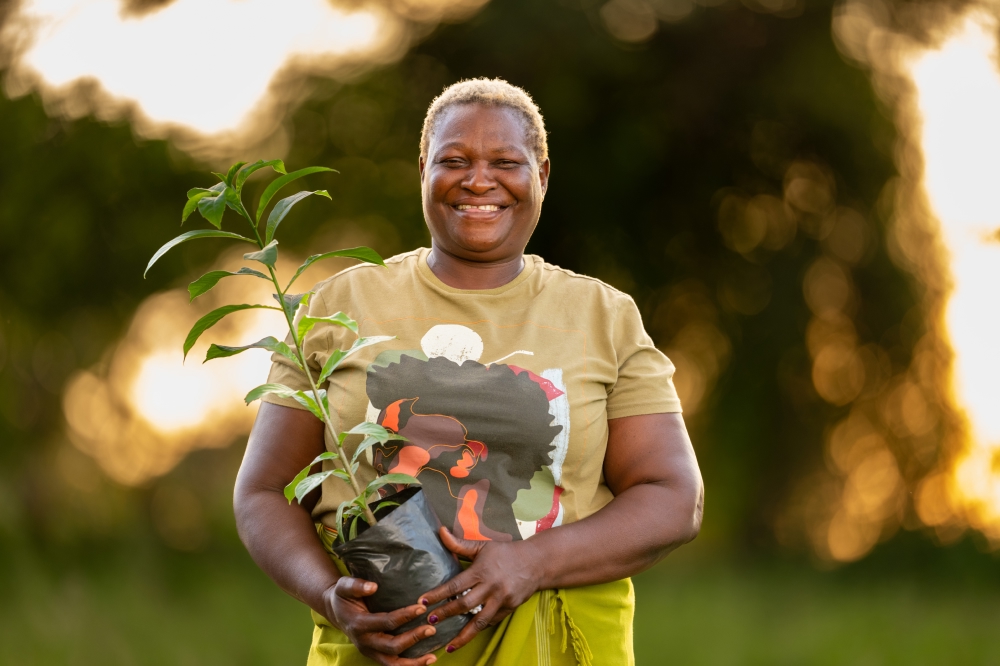
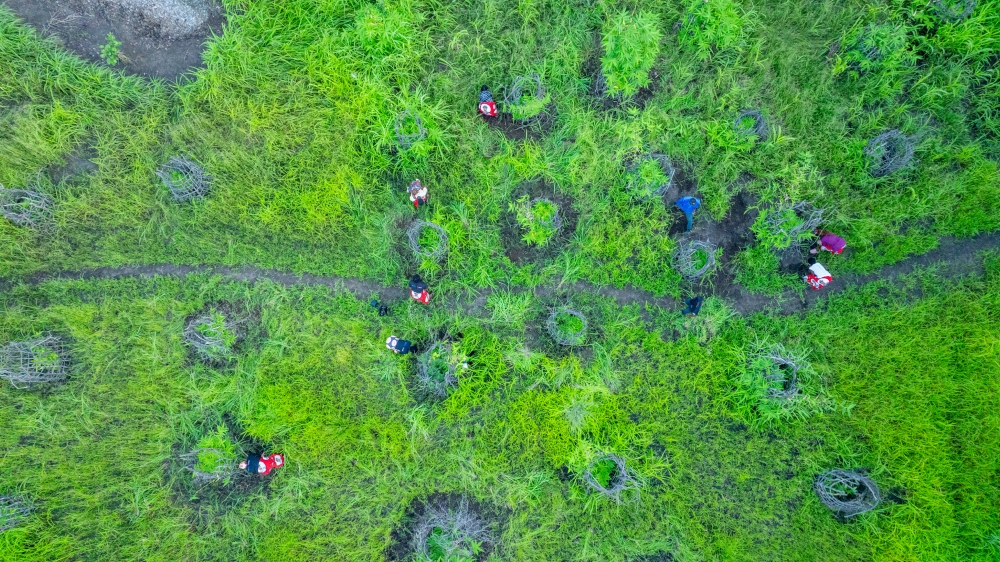
Since the project’s inception, cooperative members have planted approximately 1,000 bamboo seedlings along village sections of the Nsongwe River.
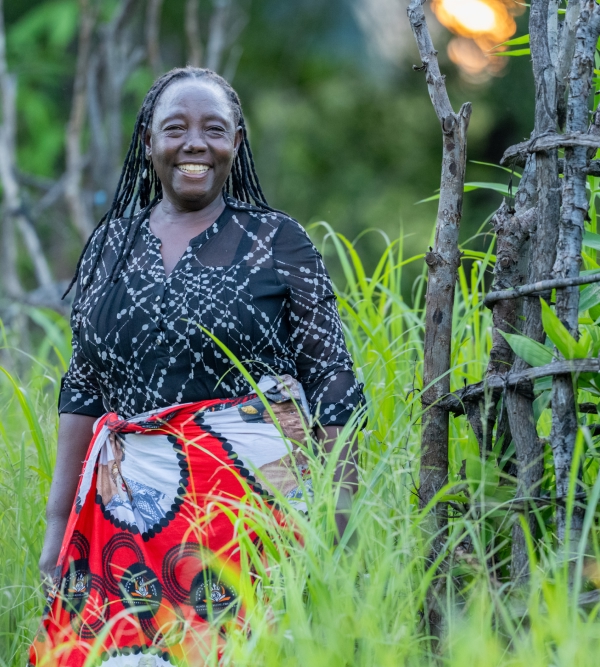
“We chose bamboo for several reasons. Its deep root systems help stabilize soil and reduce erosion, while the plant regenerates quickly after harvesting, making it both environmentally protective and potentially useful as a sustainable resource,” says Bridget Meyer, project manager of the Matoya Bamboo Project.
The work was hard. In the early stages of the project, members had to carry water long distances to irrigate the young bamboo plants, an especially demanding task during the dry season.
With support from the CAPA Innovation Fund, the group was able not only to purchase the bamboo seedlings and support labour costs, but also to install piping that connected an existing community borehole to storage tanks closer to the planting sites. This made water delivery and irrigation more efficient and reduced the physical burden on cooperative members.
The team built strong management skills along the way.
“We have learned how to document our activities, manage our accounts, and run the project efficiently,” Mwanza explained. “Even when the project ends, the knowledge we have acquired will go a long way.”
While ecological restoration takes time, the cooperative hopes that their efforts contribute to increased local water security and the gradual recovery of the Nsongwe River. Community leaders also hope that the restoration approach could eventually expand along more of the river’s 8-kilometre stretch.

Patience and Purpose in Monde, Zimbabwe
In Monde, near Victoria Falls in Zimbabwe’s Hwange District, climate change has reshaped both landscapes and livelihoods.
Years of drought and rising temperatures have reduced native vegetation and limited economic opportunities, particularly for older women whose earning options have steadily declined.
Many members of the Asizameni Omama Women’s Cooperative believed their working years were behind them.
“We thought opportunities like this were for younger people,” one cooperative member reflected during a recent visit. “Society had already forgotten us.”
The CAPA Innovation Fund offered something unexpected: an opportunity for the women to lead an initiative of their own, and to contribute to a more resilient future.
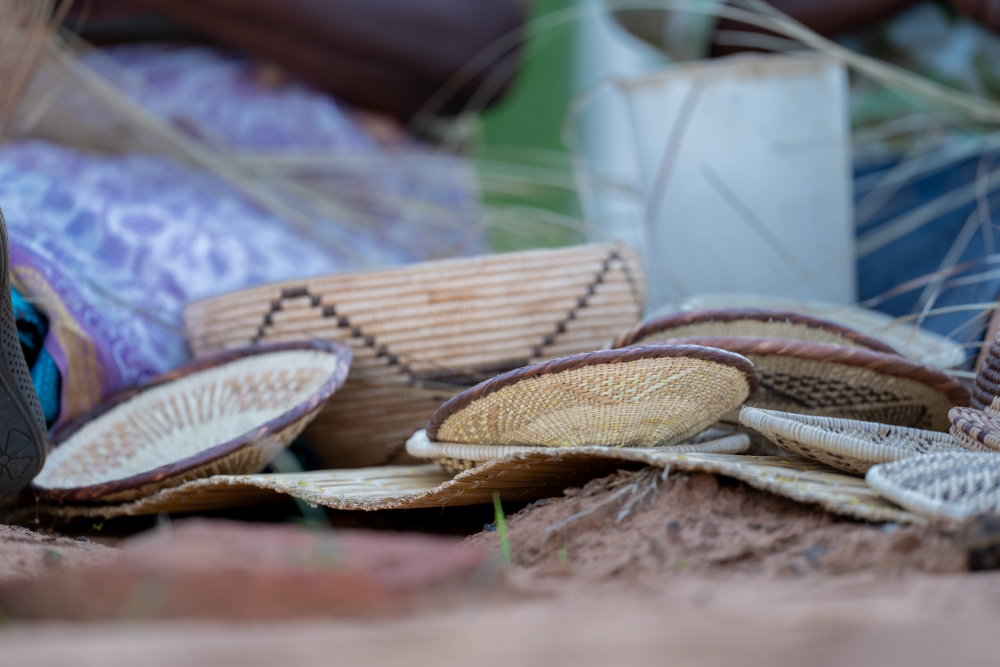
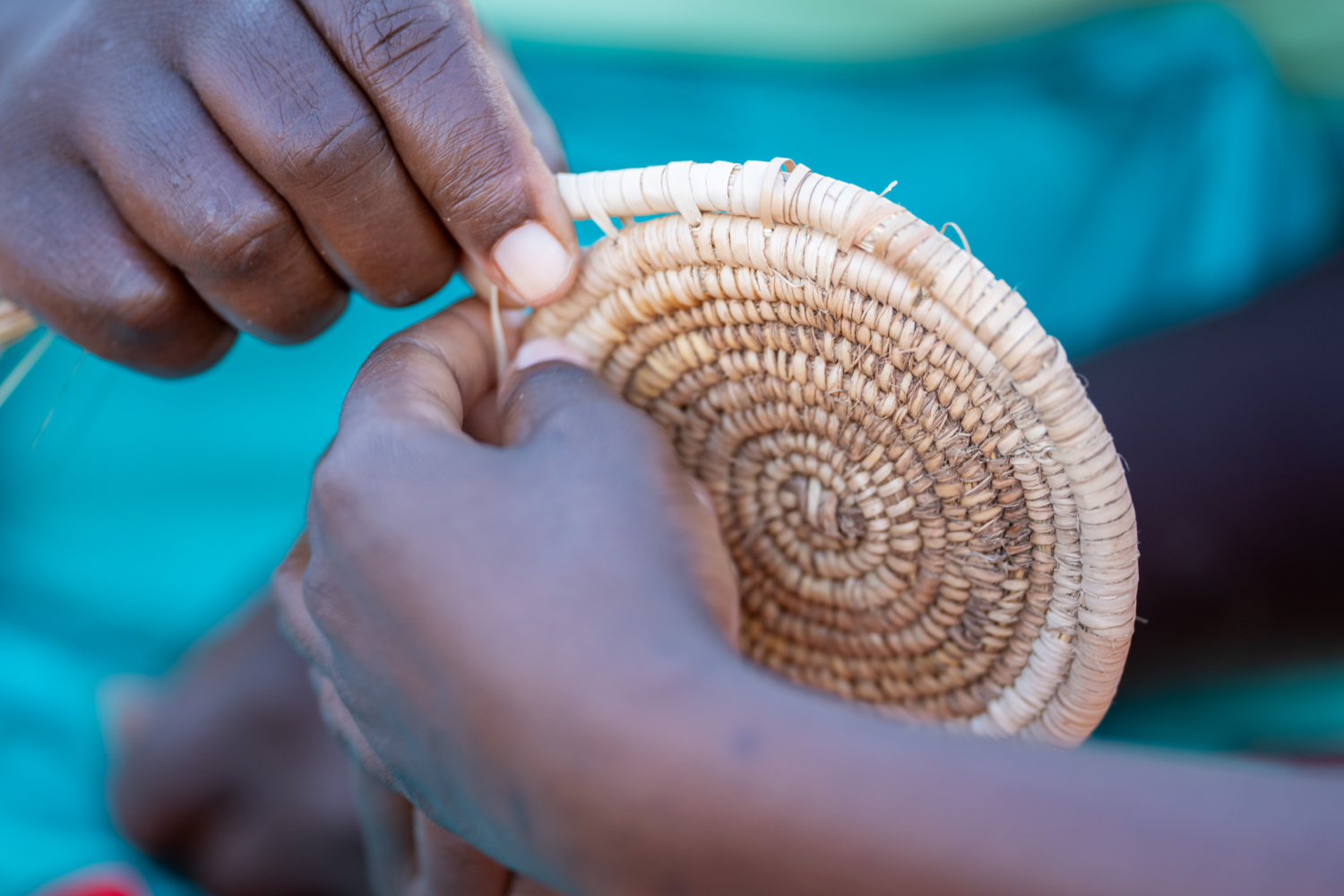
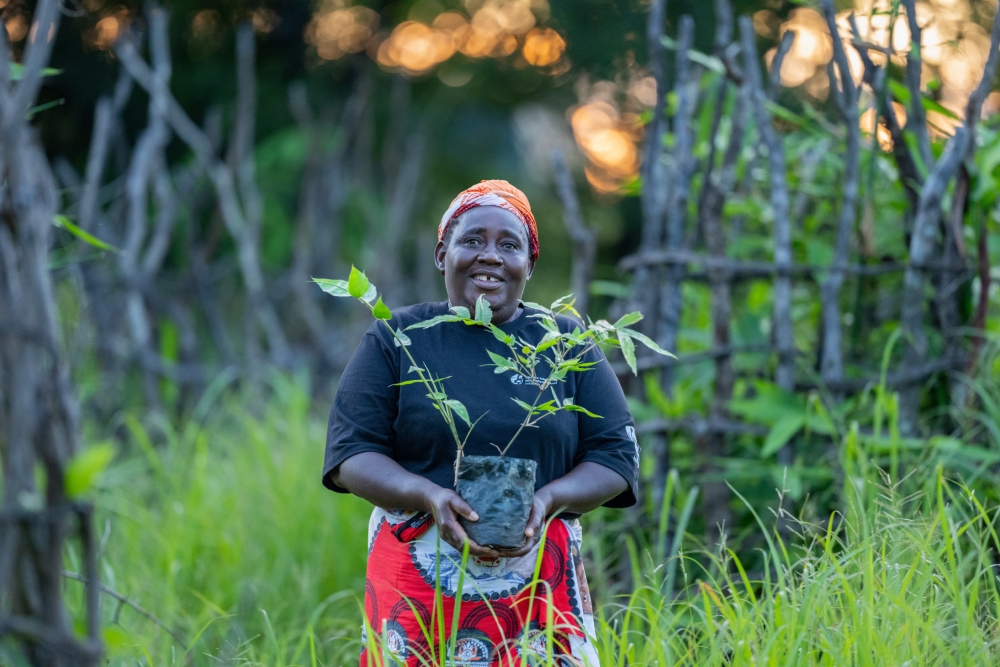
Their project focused on restoring ilala palm trees, traditionally used for weaving baskets and mats, which is an important cultural craft and a source of income in the region. Beyond their cultural significance, the trees also play an important role in the local ecology: stabilizing soils, providing shade from the heat, and supporting local fauna.
In recent years, however, ilala palms had become increasingly difficult to find.
“Before climate change, we had plenty of natural resources,” explained Patricia Shoko, the cooperative’s treasurer. “But when droughts and extreme temperatures came, many native trees disappeared. It became harder and harder to find the ilala palms we needed.”
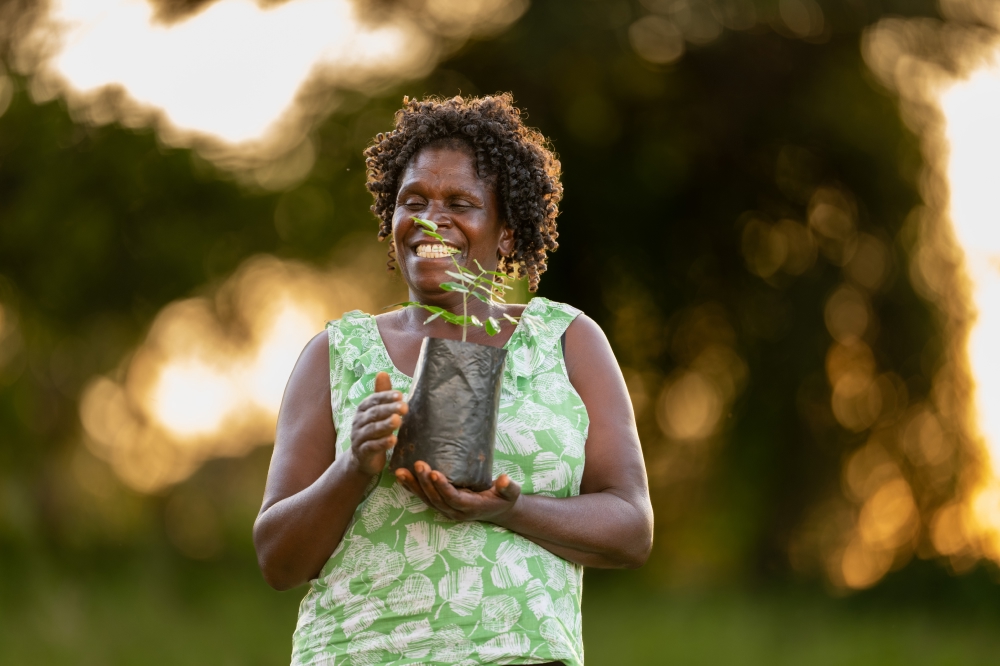
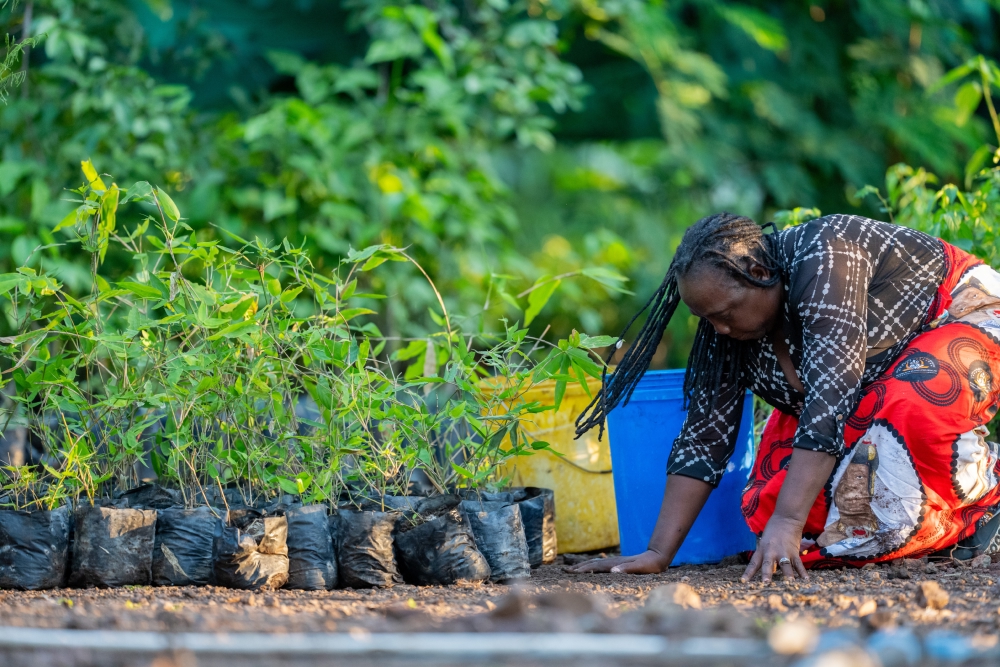
With the CAPA Innovation Fund support, the cooperative established a small nursery to grow ilala palm seedlings, alongside planting fruit trees intended to support future household nutrition. The intended benefits are multiple: a resource that supports local livelihoods, biodiversity, and climate resilience.
The process, however, is slow.
Ilala palms germinate gradually, and many seedlings in the nursery are still emerging. Some have yet to sprout. The fruit trees planted alongside them will take several years to mature.
For now, the benefits are not measured in harvests or income.
They are measured in ownership and the pride that comes with each sprouting plant.
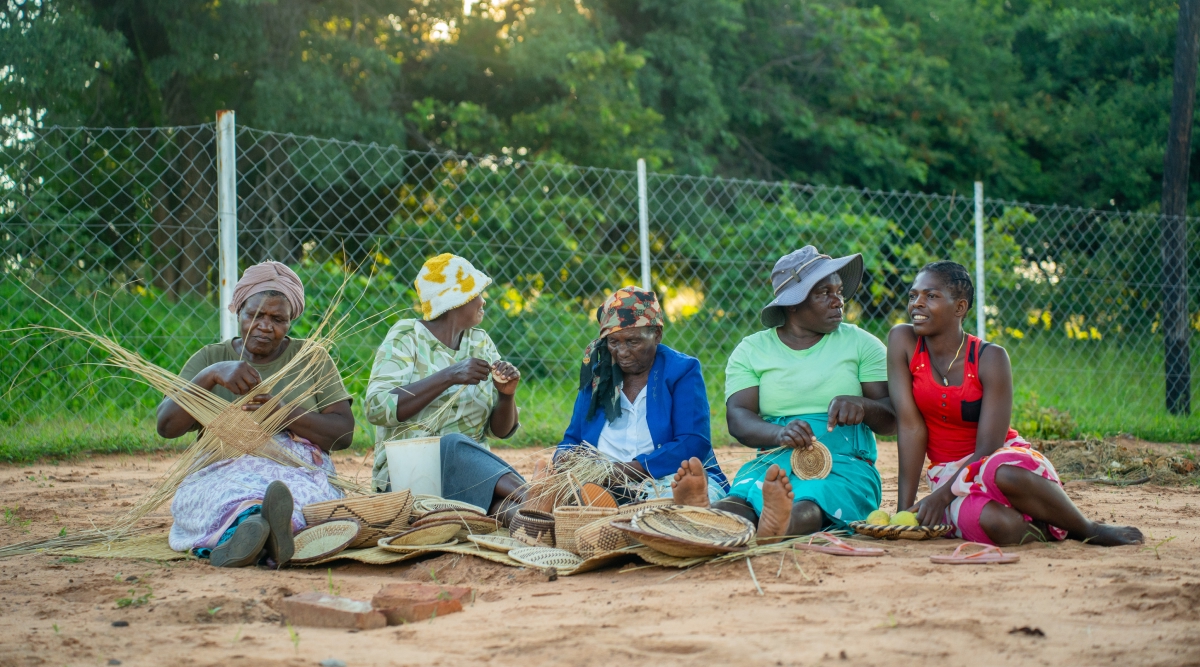
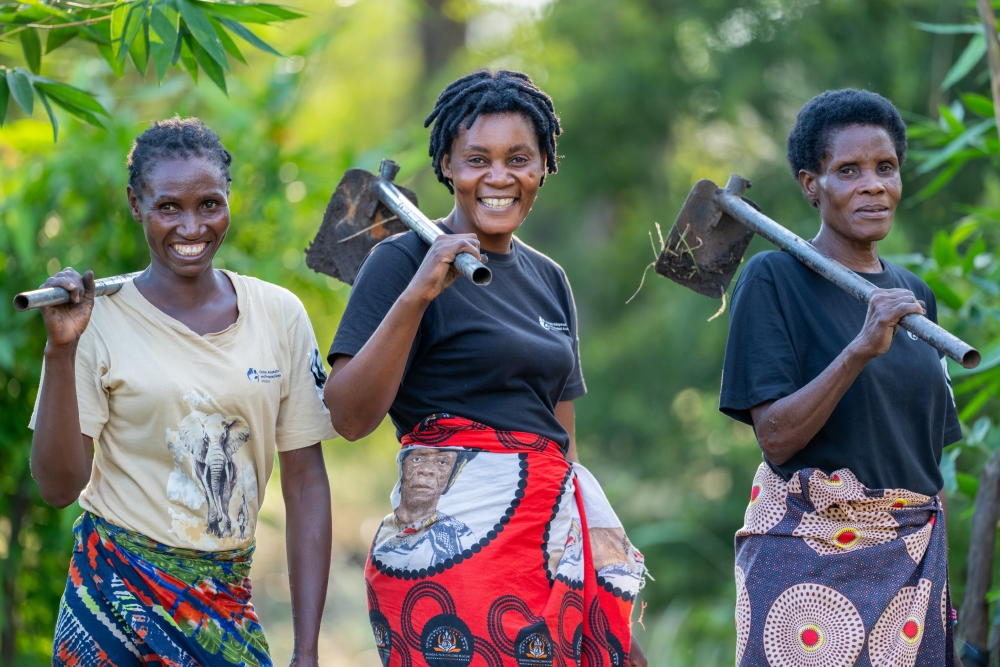
Despite their age, cooperative members tend the nursery daily, watering seedlings, protecting young plants, and monitoring their growth.
“We did not think we could still run something ourselves,” Eunice Moyo, Vice Secretary of the cooperative, explained. “Now we want to prove that we can make it succeed.”
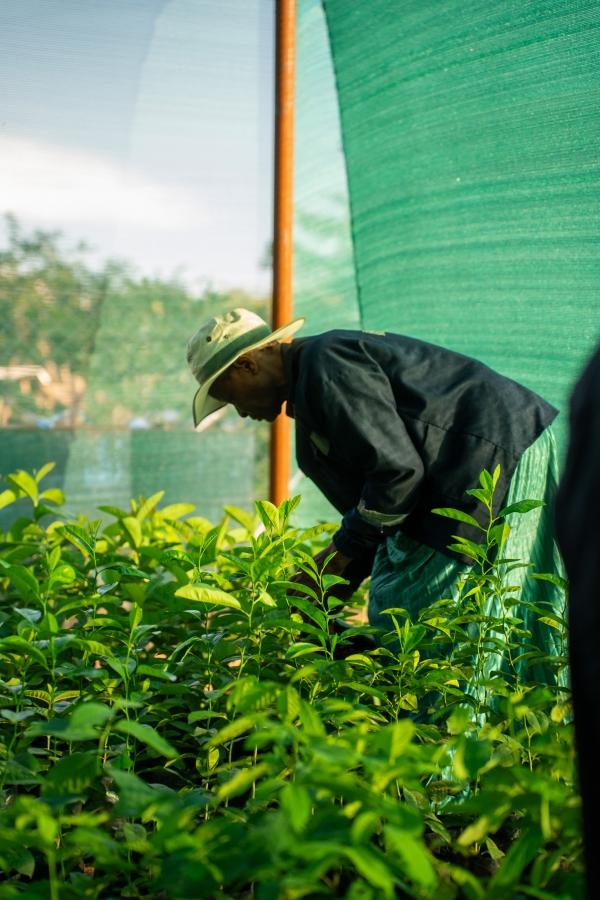
Beyond environmental restoration, the work strengthened community bonds and renewed confidence among the women involved. The elderly women in the cooperative have begun passing weaving skills and cooperative management practices to younger women in the community.
In Monde, resilience is unfolding slowly, rooted in commitment and dedication rather than immediate results.
Lessons for Community-Led Climate Adaptation
The experiences in Nsongwe and Monde highlight several lessons about climate adaptation in rural communities.
First, NbS require time. Restoring ecosystems is a gradual process, and meaningful results often take years to emerge.
Second, community ownership matters. When local groups design and manage their own initiatives, they build skills, confidence, and long-term commitment.
Finally, small interventions can lay the groundwork for larger change. Whether planting bamboo along a riverbank or nurturing palm seedlings in a nursery, community-led efforts can begin restoring landscapes while strengthening social resilience.
The Matoya Bamboo Project in Zambia and the Asizameni Omama Women’s Cooperative in Zimbabwe are still early in their journeys, yet their work shows how climate adaptation can take root through patience, collaboration, and the determination of communities shaping their own futures.
Participating experts
You might also be interested in
How Can We Work With Nature to Tackle Drought and Desertification?
Drought is one of the most devastating and pervasive challenges exacerbated by climate change. However, we can work to reduce its effects through nature-based solutions for land restoration and climate-smart agriculture.
From Theory to Practice
This briefing note presents two practical ways that conservation practitioners and managers of implementing nature-based solutions interventions can strengthen their monitoring, evaluation, and learning systems, with a focus on qualitative data to measure social outcomes.
Climate Risk Profile: Greater Virunga Landscape
A climate risk profile for the Greater Virunga Landscape examining the observed and projected climate hazards, impacts on ecosystems, biodiversity, and livelihoods, and potential nature-based solutions for adaptation.
Climate Risk Profile: Kavango-Zambezi Landscape
A climate risk profile for the Kavango-Zambezi (KAZA) Landscape examining the observed and projected climate hazards, impacts on ecosystems, biodiversity, and livelihoods, and potential nature-based solutions for adaptation.