Bringing Wildlife Back
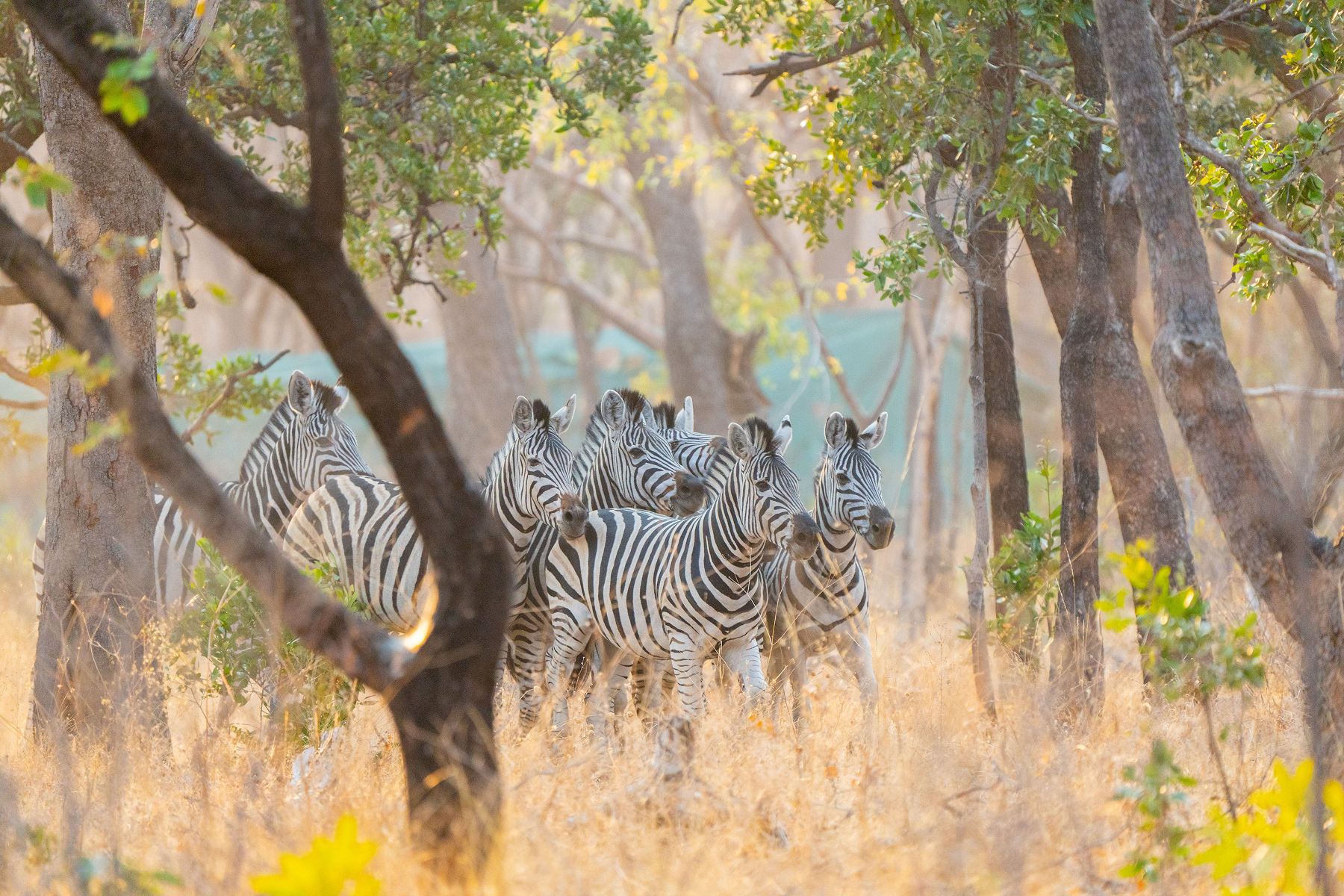
In late 2025, a process kicked off to translocate over 200 impala, wildebeest, and zebra to Sioma Ngwezi National Park in southwestern Zambia. The first batch of animals was delivered toward the end of September, and calves have already been sighted among the newly established herds, bringing new life to areas of the park that had seen little wildlife in recent decades.
In a vast landscape like Sioma Ngwezi, these are modest indicators in ecological terms. Restoration takes time. But in a park where wildlife populations were decimated by conflict and climate change, this is a significant milestone.
Why Rewilding Matters Here
Sioma Ngwezi National Park is Zambia’s third-largest national park. It lies at the heart of the Kavango–Zambezi (KAZA) Transfrontier Conservation Area, which stretches across the borders of Zimbabwe, Zambia, Botswana, Namibia, and Angola. The park’s miombo forests, grasslands, and river system form part of a broader regional landscape that sustains wildlife movements and ecological connectivity across one of southern Africa’s most critical ecosystems.
The park has been under threat for decades. As it lies along Zambia’s border with Angola, it was heavily impacted by that country’s decades-long civil war; the instability facilitated widespread cross-border poaching in Sioma Ngwezi. Large mammals were targeted, and fire was often used to flush them out, leading to a steady decline in wildlife populations. As a result, the park’s ecological processes that depend on herbivore movement, grazing pressure, and nutrient cycling were disrupted.
While peace in neighbouring Angola helped ease these pressures, recovery has been complicated by the intensifying impacts of climate change, from which Sioma Ngwezi has not been exempt. A severe, multi-year drought has placed additional strain on this already fragile ecosystem. In this context, restoring wildlife populations is not simply about conservation; here, restoring wildlife will be critical to rebuilding the ecological integrity of the park, allowing biodiversity to thrive and ecosystem health to recover.
Functioning ecosystems are more resilient. The feeding patterns of herbivores influence vegetation structure and soil health, and wildlife movements support the redistribution of nutrients across the park. Predator–prey dynamics also help to maintain ecological balance. When these processes weaken, so does the ability of the park—and the communities that depend on it—to respond to climatic shocks.
Rewilding Sioma Ngwezi, therefore, is both a biodiversity imperative and a resilience strategy.

Moving From Assessments to Action
The idea to support wildlife translocation in Sioma Ngwezi emerged early in the Climate Adaptation and Protected Areas (CAPA) Initiative planning process. The initiative is a multi-country effort focused on strengthening the resilience of protected areas and the communities that depend on them in the face of climate change and biodiversity loss. In Sioma Ngwezi, a critical part of that resilience building begins with restoring ecological function.
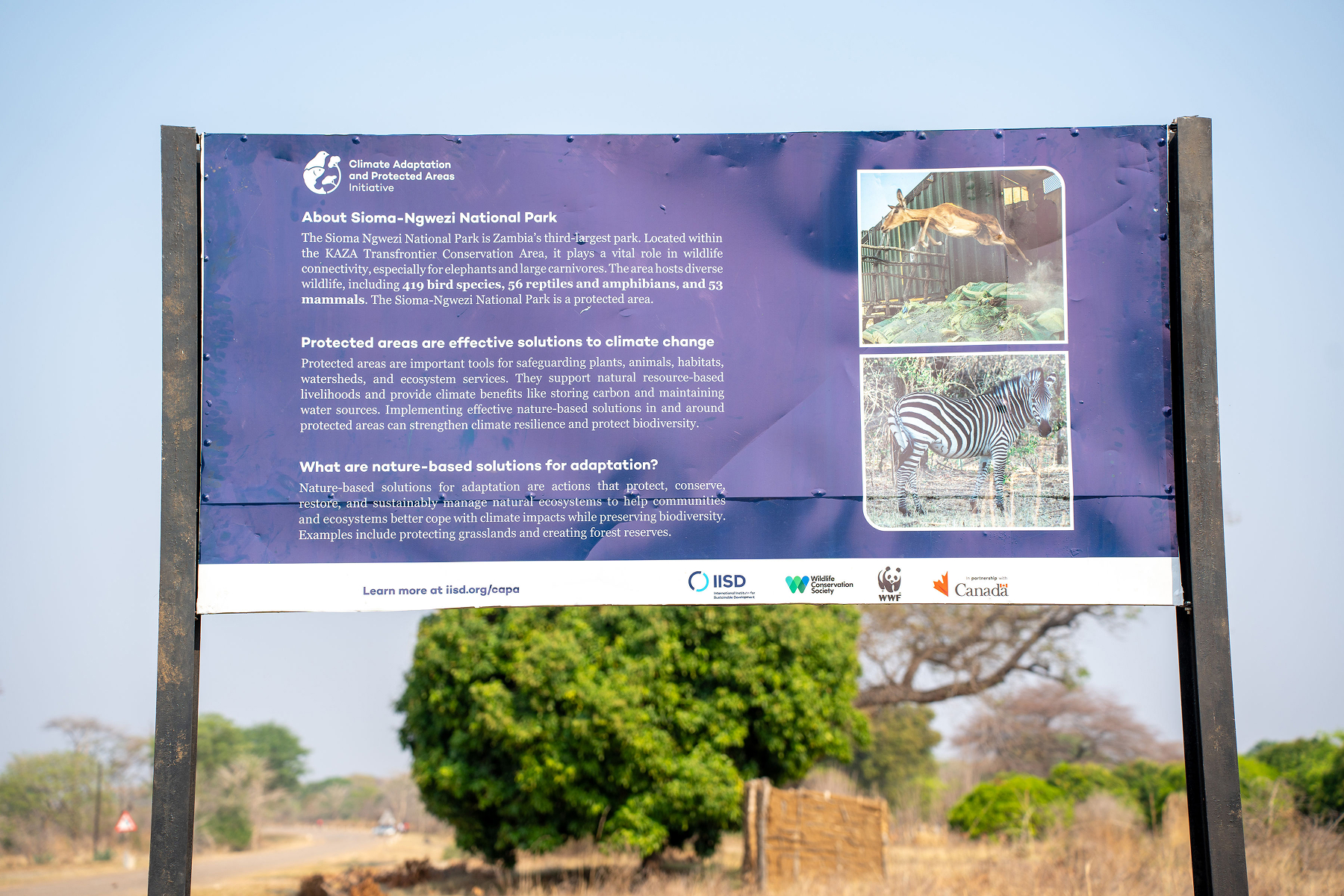
A climate vulnerability and risk assessment conducted in partnership with WWF Zambia identified biodiversity loss as a key factor undermining the park’s long-term resilience. Working closely with Zambia’s Department of National Parks and Wildlife (DNPW), the CAPA team identified the reintroduction of key herbivore species as a practical entry point for restoring Sioma Ngwezi’s ecological function.
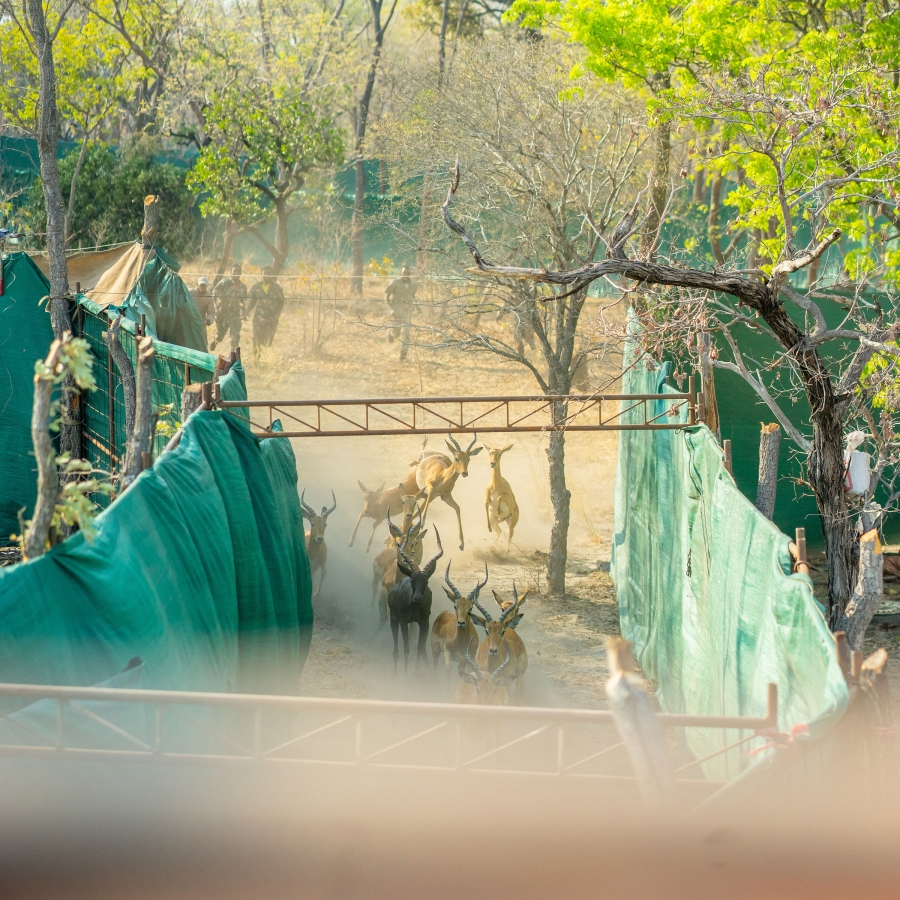
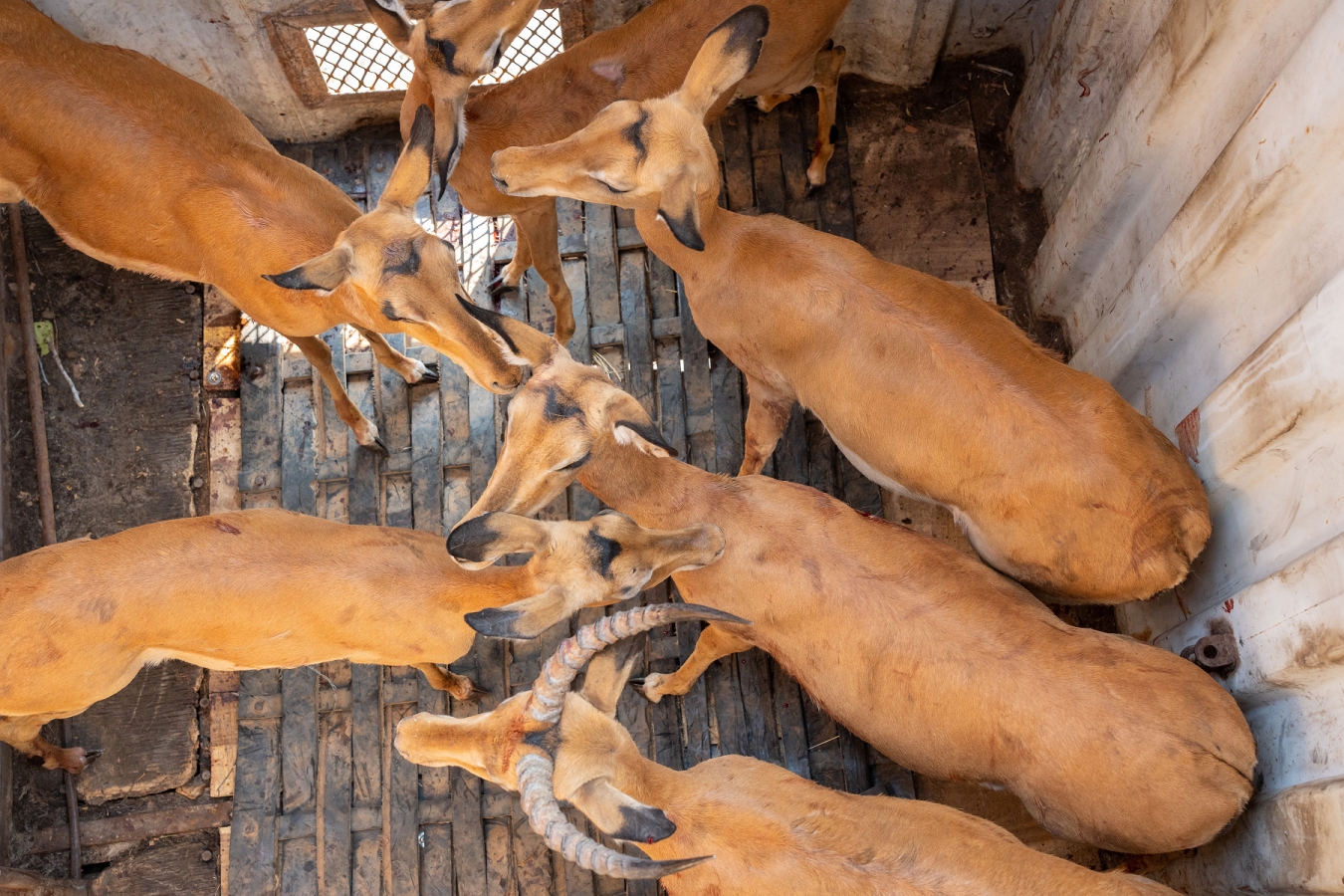
Over several operations beginning in September 2025, more than 200 animals are being translocated from private game reserves to the park. The targeted species—impala, wildebeest, and zebra—all play important roles in the park’s grazing dynamics, predator–prey relationships, and nutrient cycling. Increasing their numbers will also strengthen the genetic diversity within the park.
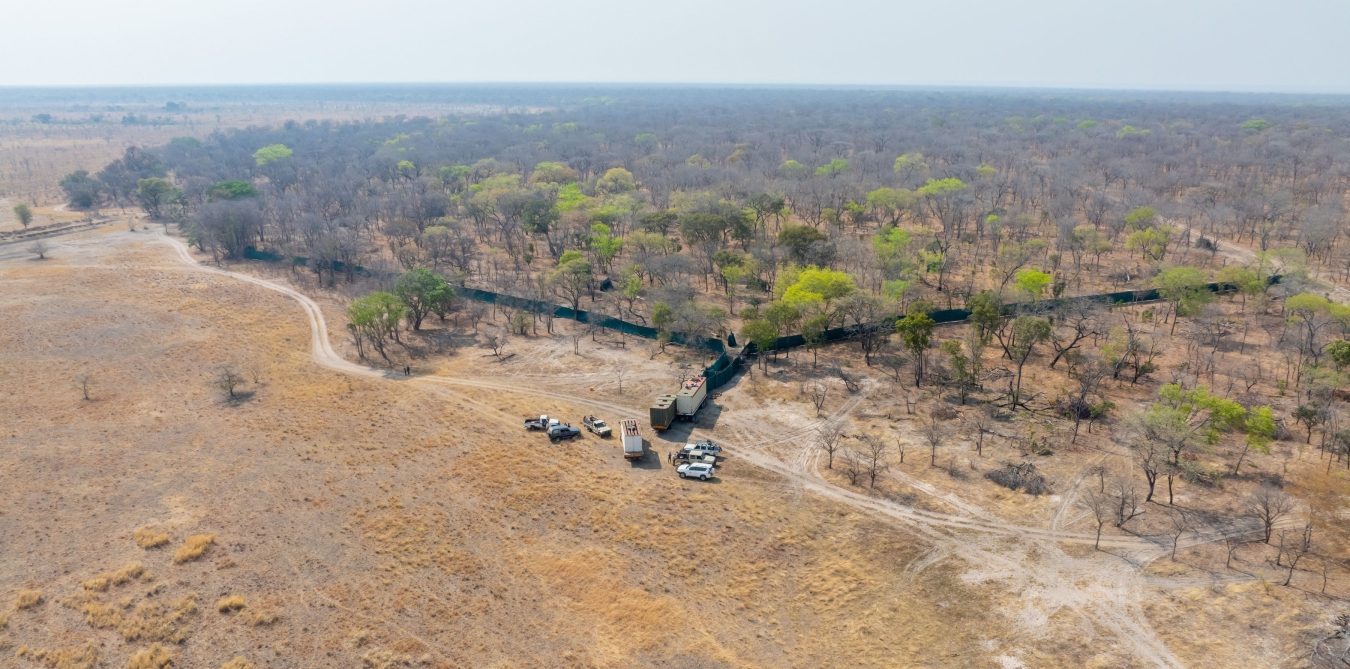
Translocating animals requires moving wildlife from areas of relative abundance to those landscapes where their numbers are lower. Skilled and experienced teams, supported by veterinary services, guide the animals into transport vehicles; they are then carefully moved, under close supervision, to their destination and acclimatized to their new habitat in an enclosure, or boma, before their gradual release.
However, the success of such efforts depends on more than simply moving the wildlife.
Sioma Ngwezi is one of Zambia’s driest national parks. Water availability is a key determining factor in whether wildlife will thrive in the park; without reliable fresh water, they could either die or move into surrounding communities in search of resources, increasing the risk of human–wildlife conflict. As part of the broader effort to ensure translocated animals thrive in their new habitat, WWF Zambia have been working with the DNPW to install boreholes and pumps within the park, while the CAPA team has supported the desilting of natural lagoons to improve the retention of pumped water and seasonal rains.
These measures will help ensure that reintroduced wildlife can thrive in Sioma Ngwezi, while reducing the pressures that wildlife can place on surrounding communities.
A Beginning, Not an Endpoint
Rewilding Sioma Ngwezi does not resolve all the park’s challenges, but the return of over 200 animals marks a significant milestone toward recovery.
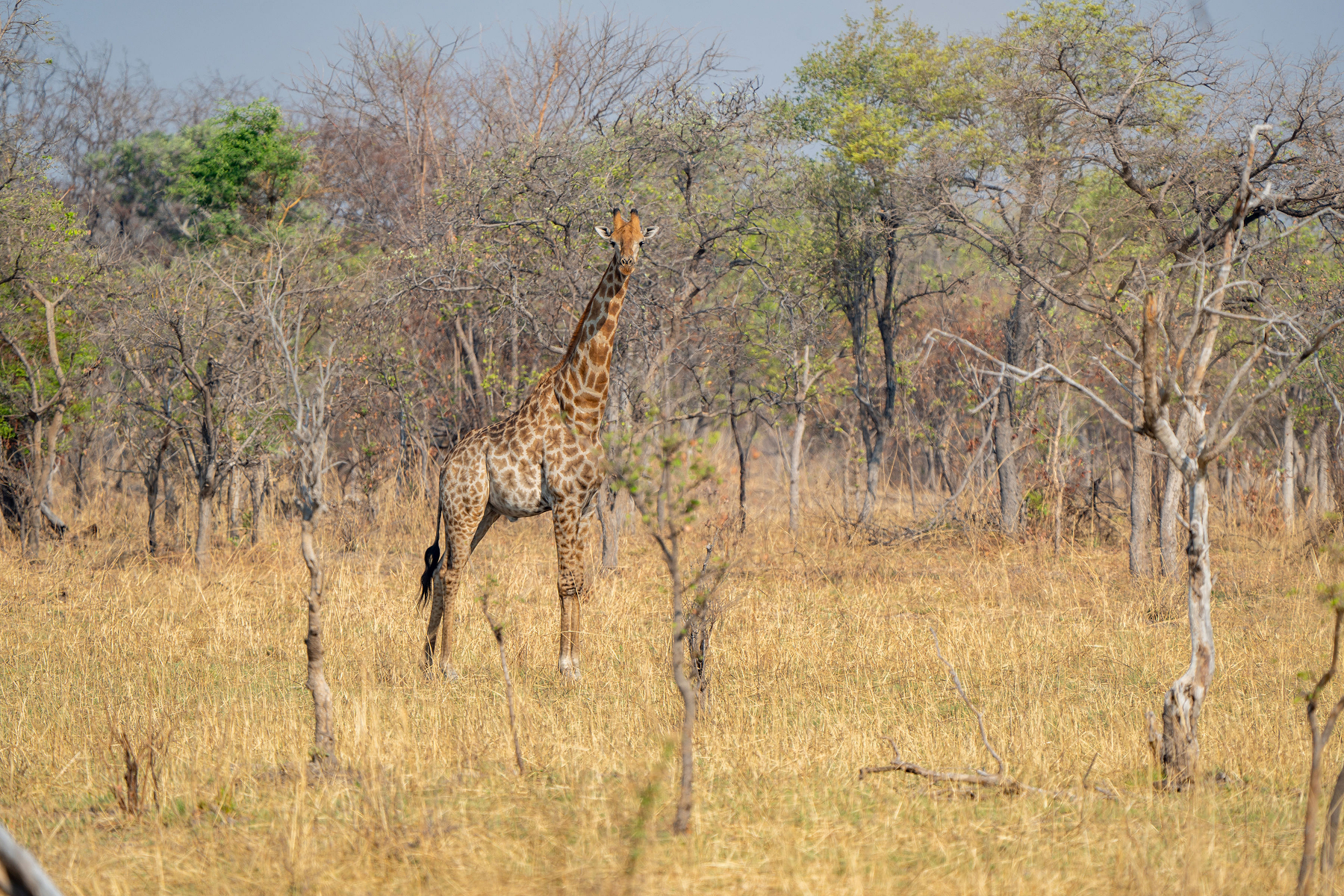
Early monitoring has provided encouraging signs. Calves have been observed among the newly established herds, and the presence of wildlife is increasing in areas previously characterized by low activity. DNPW has complemented the CAPA translocations with the transfer of additional wildebeest. In the long term, it is hoped that increasing wildlife numbers may drive growing interest—and revenues—from domestic and international visitors; concomitant investments in tourism infrastructure are now desperately needed.
For communities surrounding the park, a better functioning ecosystem opens pathways to sustainable tourism and nature-based livelihoods. For conservation authorities, it strengthens Zambia’s contribution to the broader KAZA landscape.
That said, ecological restoration unfolds over years and decades.
The scale of global biodiversity loss can be daunting. But encouraging progress is occurring, through specific actions in specific places. In Sioma Ngwezi National Park, new hoofprints along the edges of restored watering holes provide evidence of restoration—of the ecosystem and the hope that sustains it.
To learn more about the CAPA Initiative, please visit www.iisd.org/capa.
Participating experts
You might also be interested in
Nature-Based Solutions Inventory for Zambia
This inventory showcases interventions implemented in Zambia that use ecosystem processes, restoration, or management to reduce climate vulnerability and enhance resilience. It includes both government-led and partner-led initiatives.
New initiative harnesses power of nature to build resilience and protect biodiversity
The Climate Adaptation and Protected Areas (CAPA) initiative will use nature-based solutions to support local communities in adapting to climate change while safeguarding critical ecosystems in and around protected areas.
From Theory to Practice
This briefing note presents two practical ways that conservation practitioners and managers of implementing nature-based solutions interventions can strengthen their monitoring, evaluation, and learning systems, with a focus on qualitative data to measure social outcomes.
Climate Risk Profile: Greater Virunga Landscape
A climate risk profile for the Greater Virunga Landscape examining the observed and projected climate hazards, impacts on ecosystems, biodiversity, and livelihoods, and potential nature-based solutions for adaptation.