Natural Infrastructure for Water Supply and Drought Mitigation
Water supply is strained under increasing demand and declining natural water storage capacity. Natural infrastructure can help retain and detain water to capture, store, and gradually release snowmelt and rainfall across a landscape.
The Canadian Prairies face growing water supply and drought challenges, driven by drained and altered landscapes, which reduces water storage capacity. Water demand keeps rising from population growth, industry, and agriculture. Climate change adds to the complexity, expected to make droughts longer and more intense.
Changes in water availability have far-reaching consequences—affecting communities, industry, agriculture, and natural ecosystems. Droughts build slowly, often lasting years, and are among the costliest climate hazards. The 2001–2002 drought in Canada caused a CAD 5.8 billion drop in gross domestic product, with the most significant impacts being to the Prairie provinces largely due to agricultural production loss, estimated at CAD 3.6 billion.
Traditional grey water infrastructure, like reservoirs, water pipes, and pumping stations, are essential to securing reliable water supply, especially during drought. These systems store, move, and treat the water communities and economic sectors depend on. Many grey infrastructure systems are decades old, designed based on historical climate conditions, undersized, or poorly located, and they may be due for upgrade.
Nature is often overlooked—not only for its potential to store water through natural systems, but for its essential role in building resilience across landscapes. From wetlands and floodplains to healthy soils and beaver dam analogues, we can store more water, slow runoff, recharge groundwater, and support baseflows. While it can’t prevent drought, it buffers the impacts—boosting resilience during dry periods, providing critical water to Prairie farms, and supporting the health of watersheds.
Natural Infrastructure in Action for Water Supply and Drought Mitigation

Bioretention and rainwater harvesting: A bioretention bed in Okotoks, Alberta, receives stormwater runoff from the surrounding parking lot which is stored in an underground cistern. This system alleviates pressure on the existing stormwater system by collecting and storing 90% of total runoff and provides irrigation water for the surrounding landscape, as opposed to using water from the potable supply. Runoff is also filtered as it moves through the bioretention media, improving water quality. (Photo credit: ALIDP)
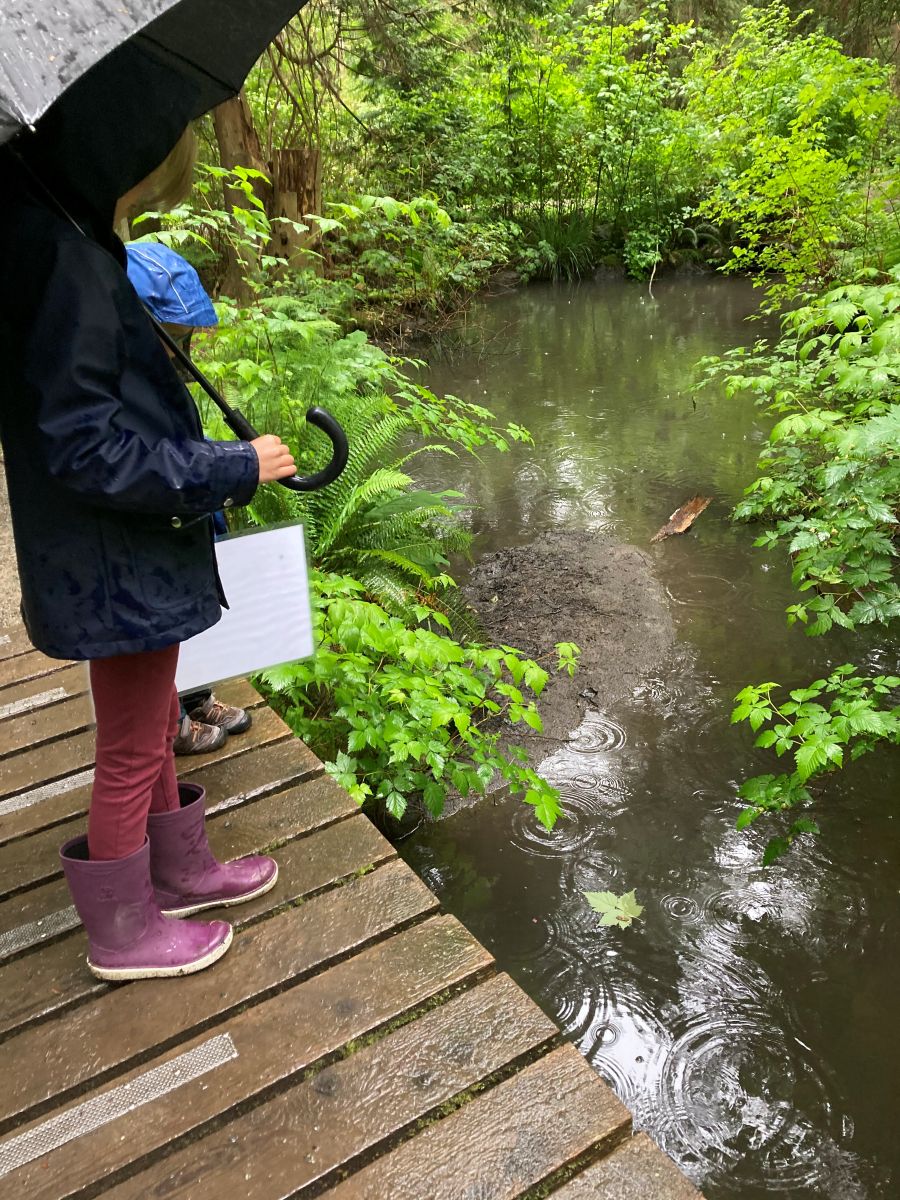
Aquifers: In Gibsons, British Columbia, the local aquifer provides reliable water storage and delivers safe drinking water that meets health standards without chemical treatment, saving money on the construction, operation, and maintenance of a water treatment facility. The town council recognizes nature as its most valuable asset, making a commitment to understand, measure, value, and protect natural assets. (Photo credit: Natural Assets Initiative)
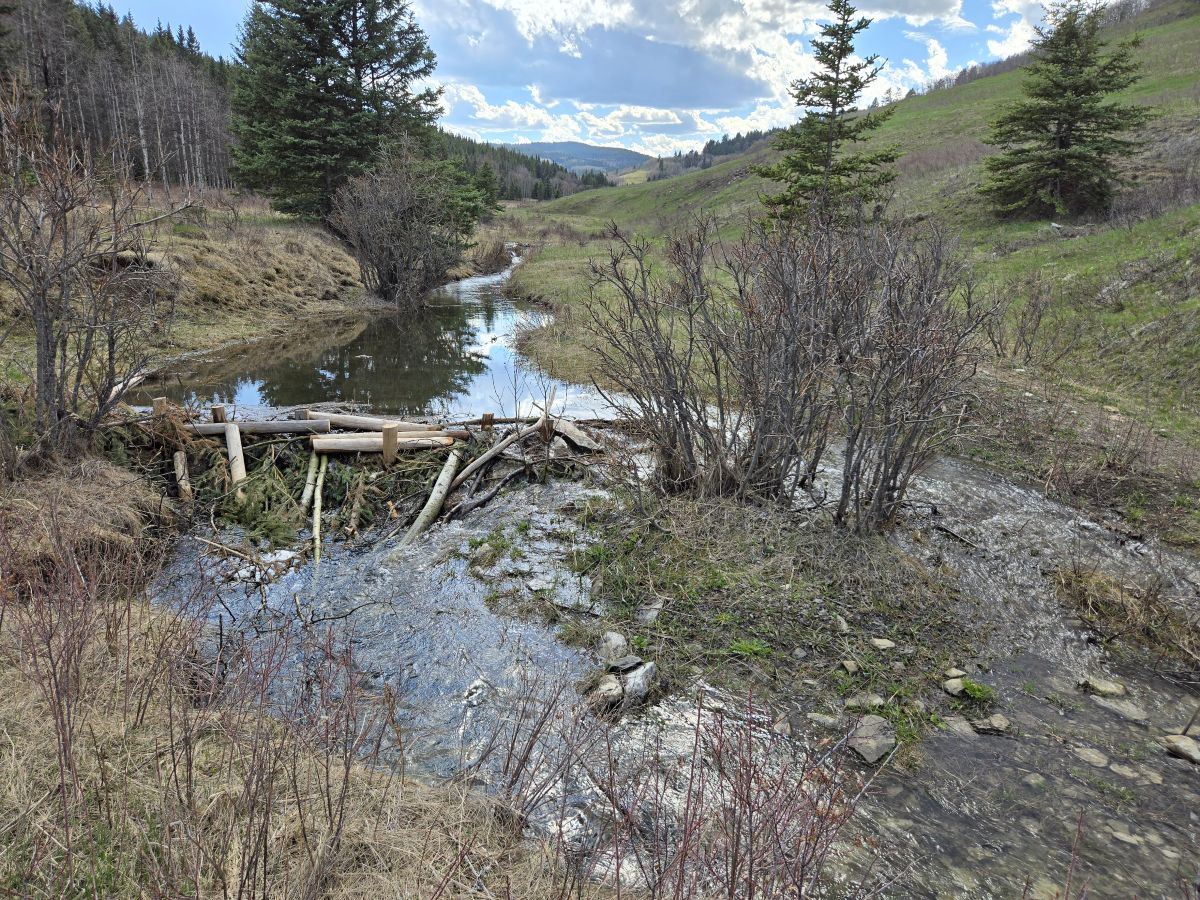
Leaky dams: Along King Bolt Creek, in southwestern Alberta, beaver dam analogues are installed to create a leaky dam that maintains streamflow for endangered Westslope cutthroat trout. These small structures mimic natural beaver dams, slowing the flow of water and enhancing groundwater infiltration, either providing benefit on its own or attracting beavers to recolonize the location, with long-term benefits growing over time. (Photo credit: Freshwater Conservation Canada)
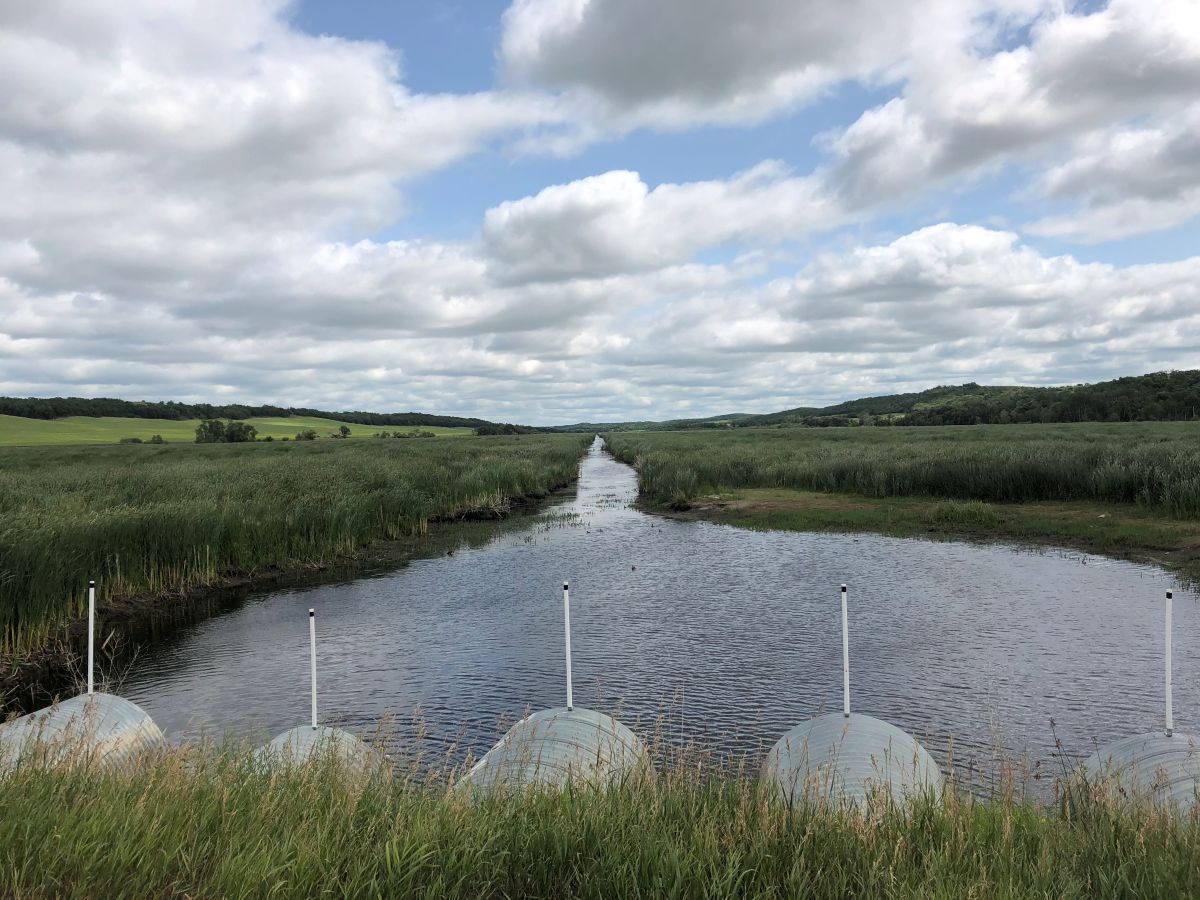
Constructed water retention: Pelly's Lake is a controlled retention project in southcentral Manitoba, increasing water supply and reducing drought risk by buffering flow, increasing groundwater recharge, and providing 1.48 million m3 surface water storage capacity for agriculture or municipal use. Water is slowly released downstream to Stephenfield Reservoir by early summer, making a lush forage crop for local producers to cut hay in the fall. Stephenfield Reservoir provides a water supply source for nine towns and rural municipalities. During drought conditions in 2021, water levels in Pelly's Lake were managed to maintain the water supply for Stephenfield Reservoir.